
Perthshire
Comrie’s Earthquake House
Introduction
Comrie sits almost on top of the Highland Boundary Fault, and it shakes more than anywhere else in the UK, enough to have earned the nickname the Shaky Toun. During the 1830s thousands of tremors were recorded here, and after the Great Earthquake of 1839, estimated at 4.8 and felt across much of Scotland, two locals decided somebody ought to be measuring them. Postmaster Peter Macfarlane and shoemaker James Drummond, remembered as the Comrie Pioneers, built one of the world's first seismometers in 1840 and began keeping formal records. Their work led to the founding of the Committee for the Investigation of Scottish and Irish Earthquakes the following year.
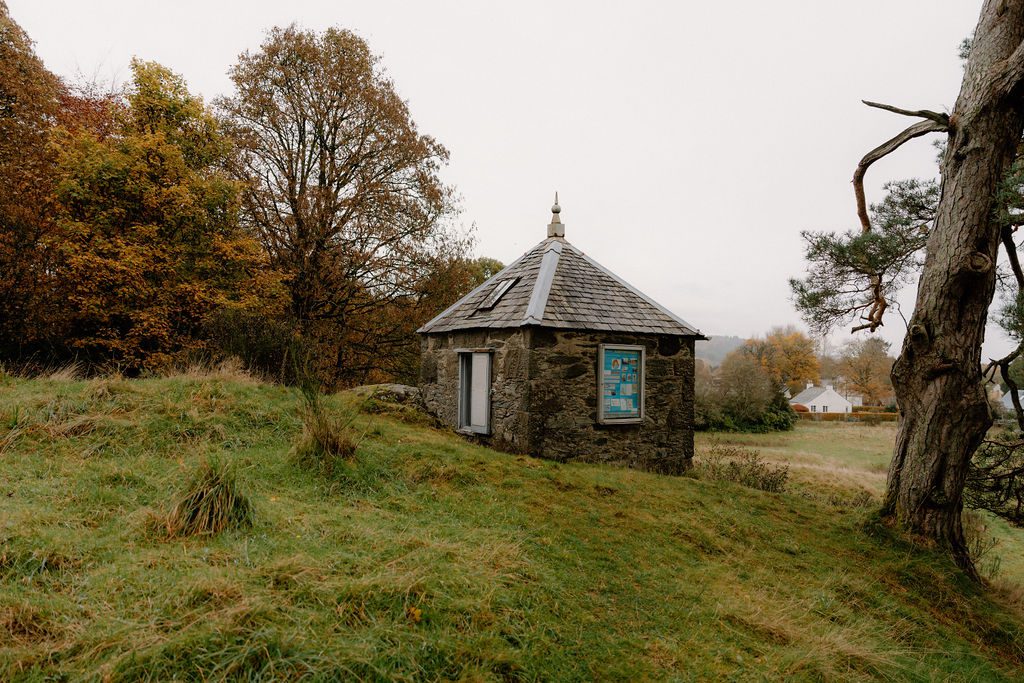
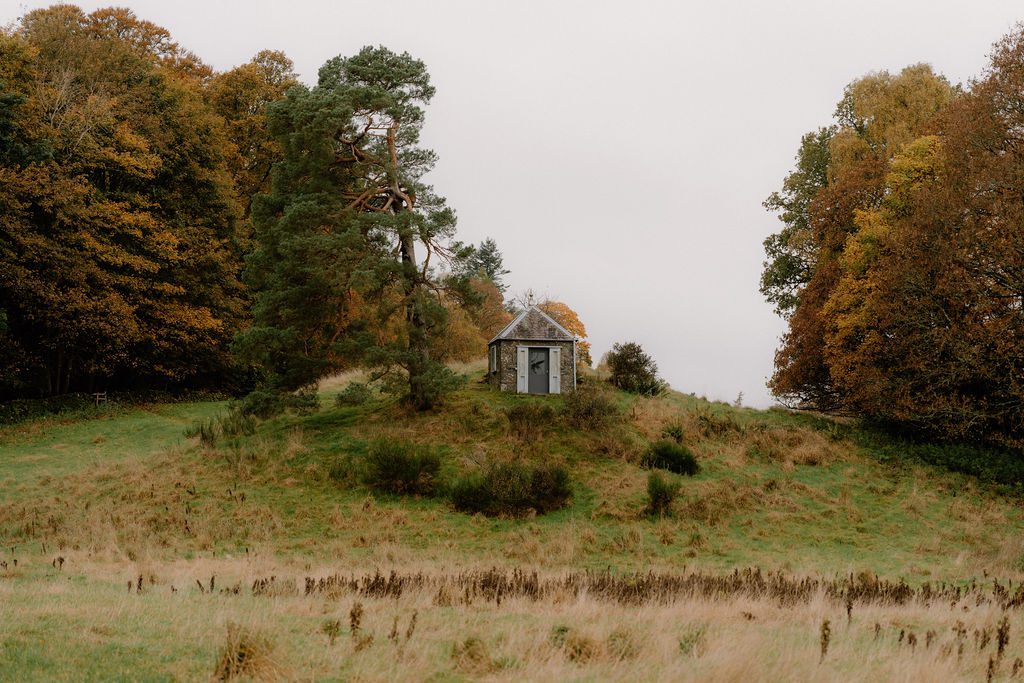
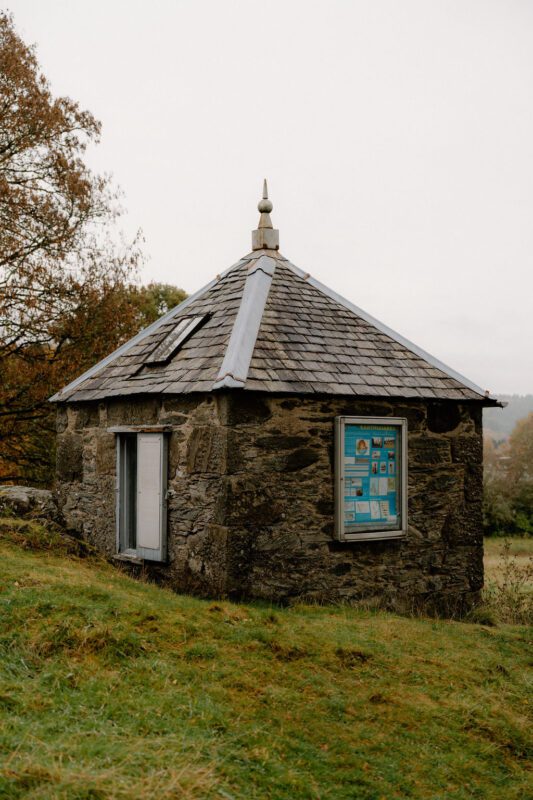
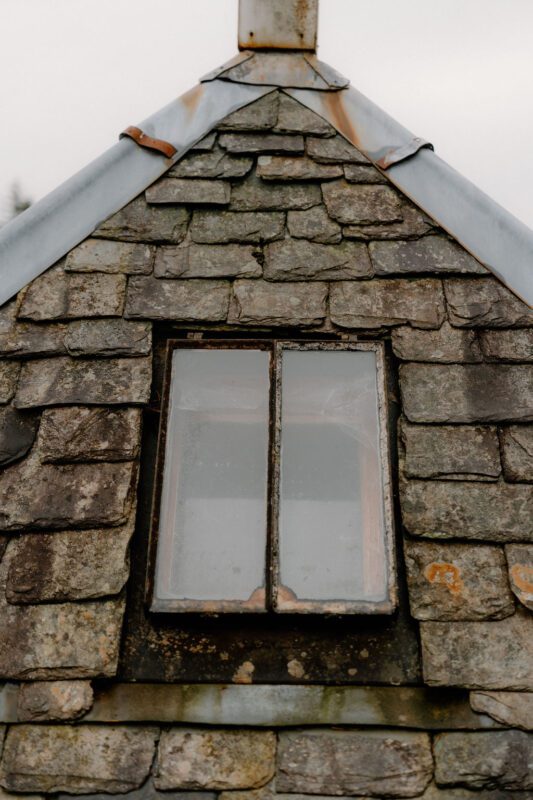
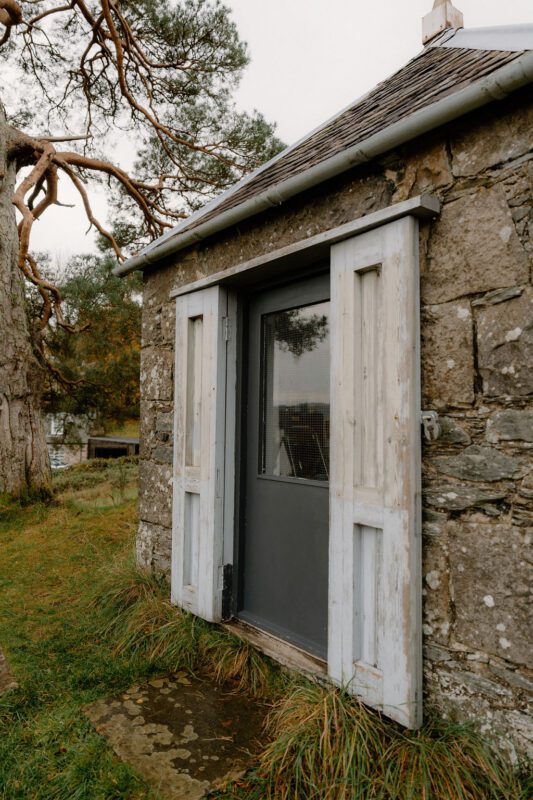
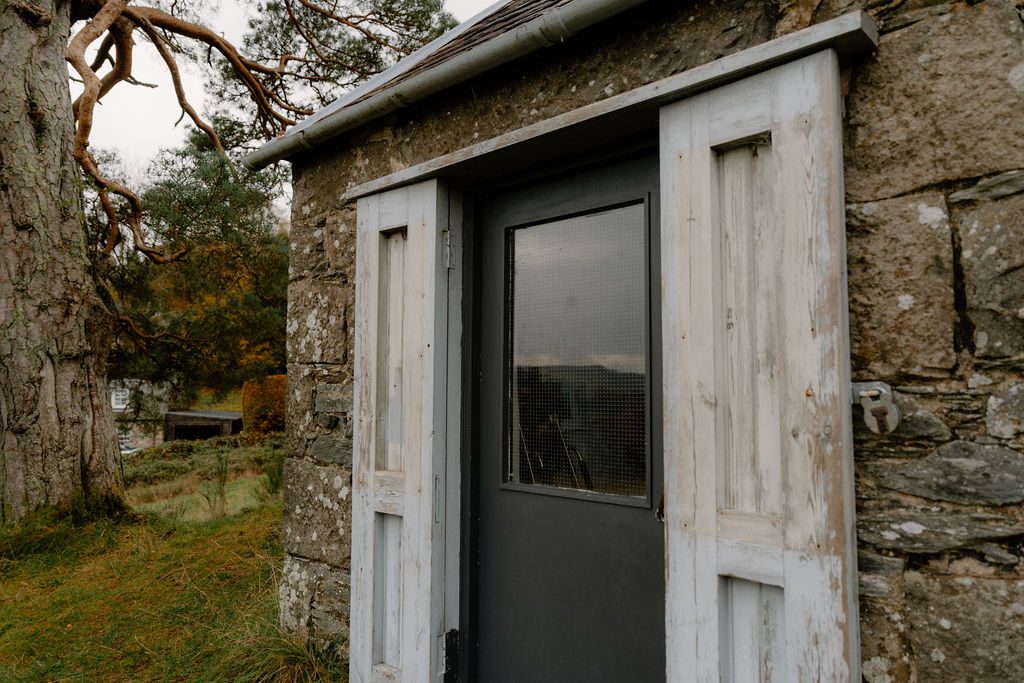
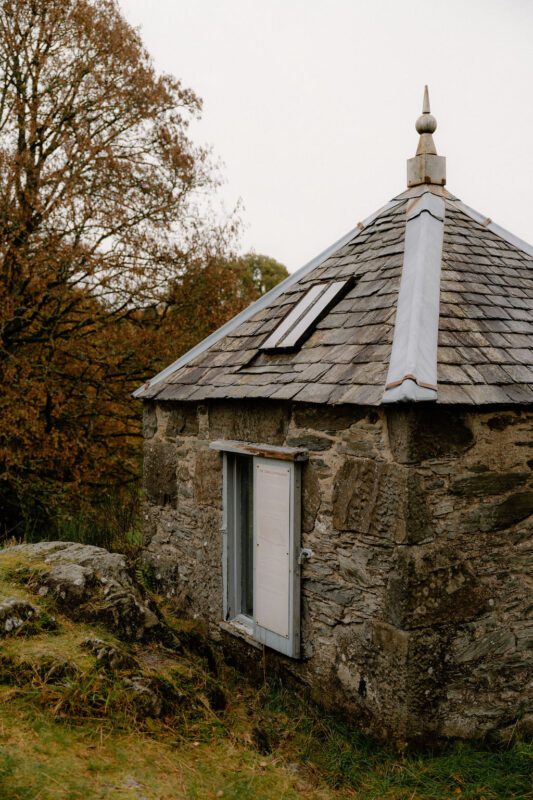
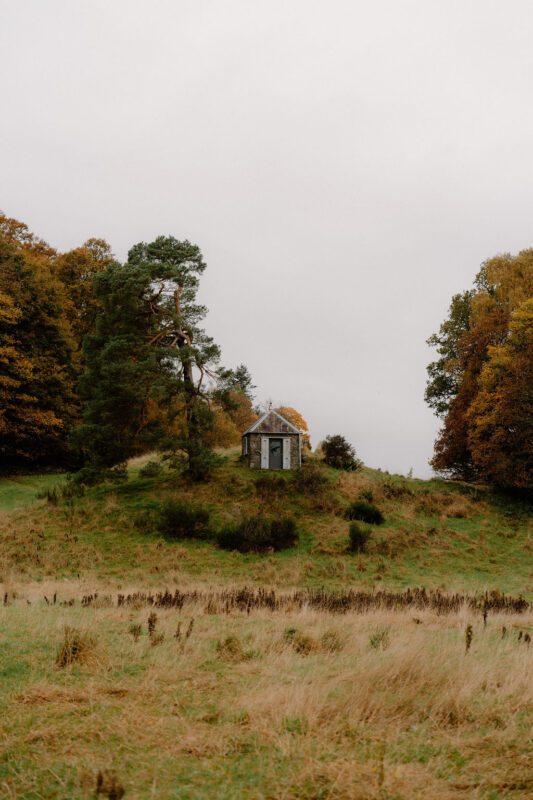
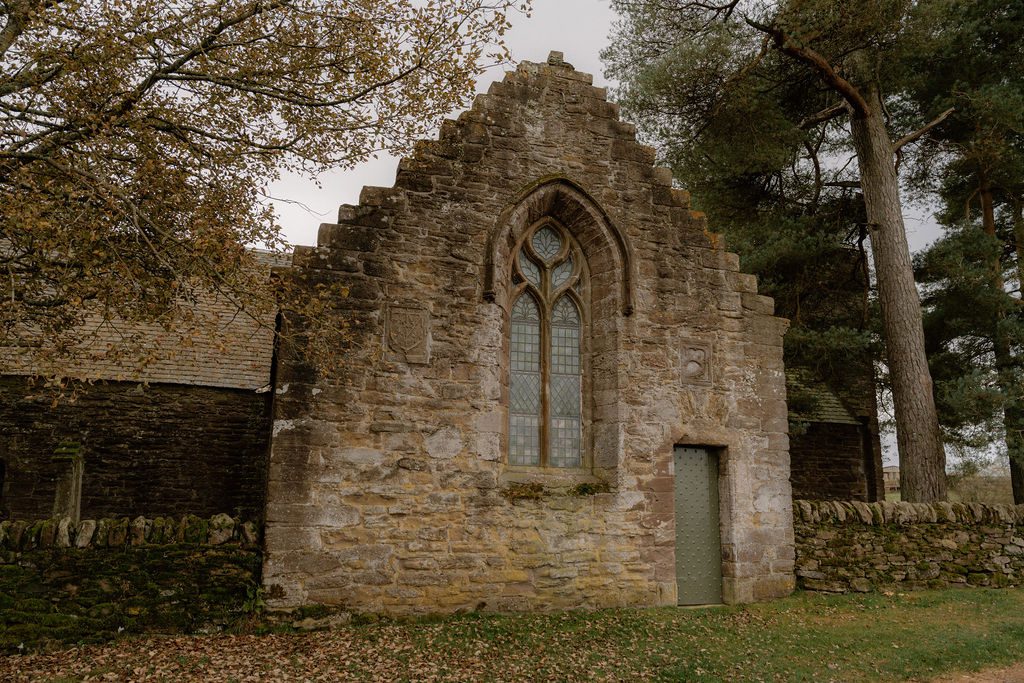
The Earthquake House came later, built in 1874 on solid bedrock in a field at The Ross, on the western edge of the village. It's a small stone hut with a pyramid roof under a lone Scots pine, and it holds a strange double distinction: the world's first purpose-built earthquake observatory, and one of Britain's smallest listed buildings. Restored in 1988 with the British Geological Survey, it still works, with modern monitoring equipment sitting alongside a replica of the original wooden-cylinder seismometer. You view it all through the windows, added so visitors could peer in.
Location
The Earthquake House stands on a grassy knoll in a field at The Ross, a hamlet on the west side of Comrie, in Strathearn. Comrie sits on the A85 about seven miles west of Crieff and 25 miles from Perth, at the point where the Highlands meet the Lowlands. There's a small layby for parking, and it's a short walk around the house into the field. The building isn't opened to the public, but the windows give a clear view of the instruments inside, and interpretation boards explain the story. It's free and accessible at any reasonable time.
What's nearby
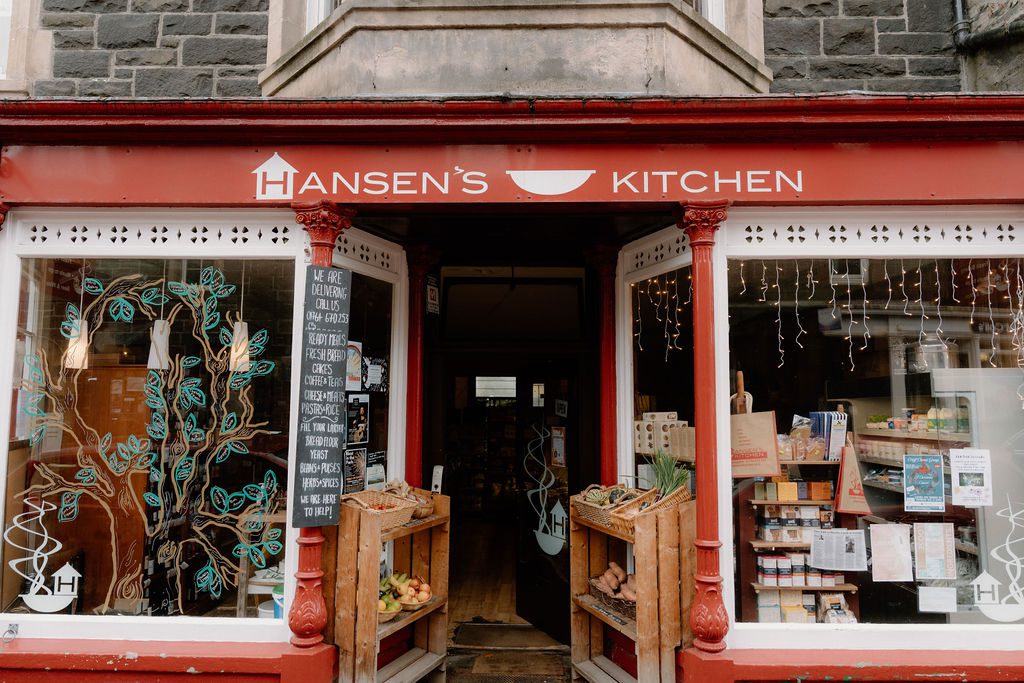
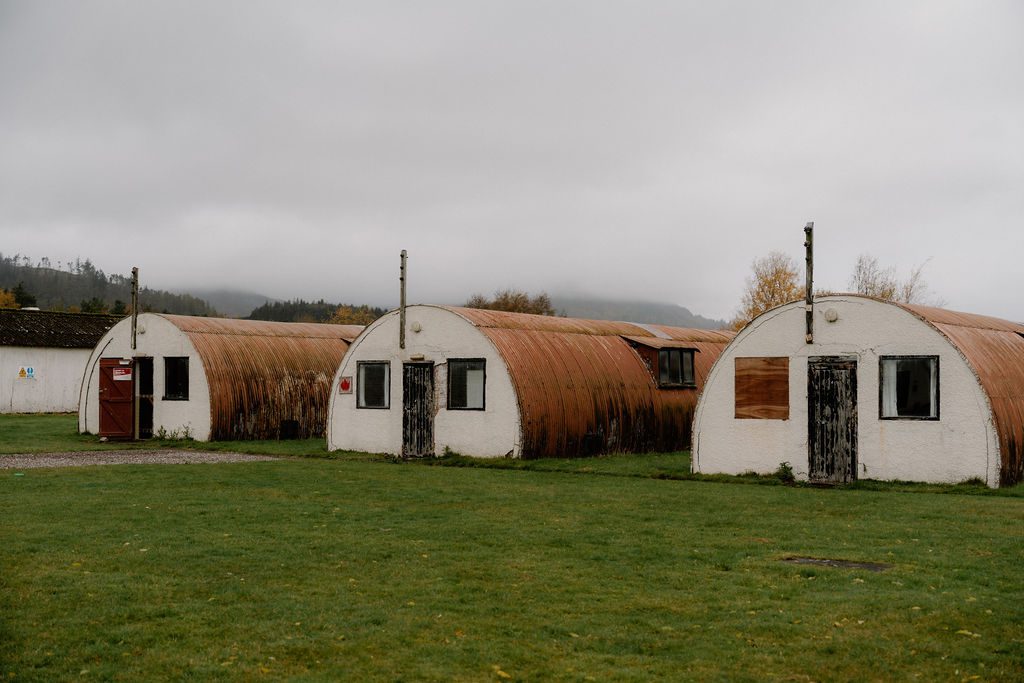
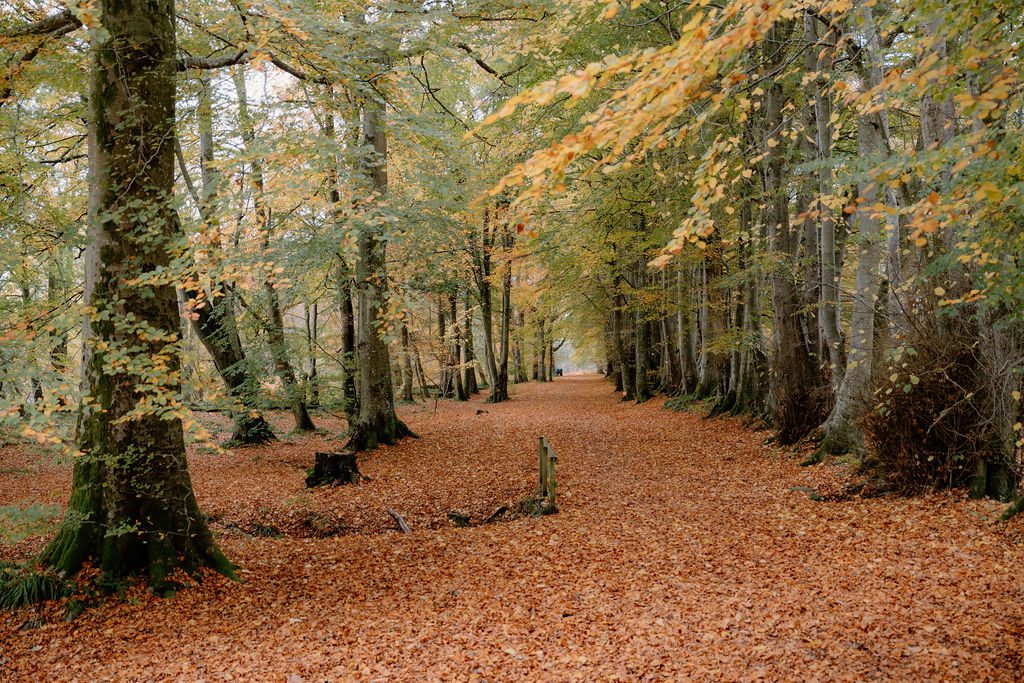
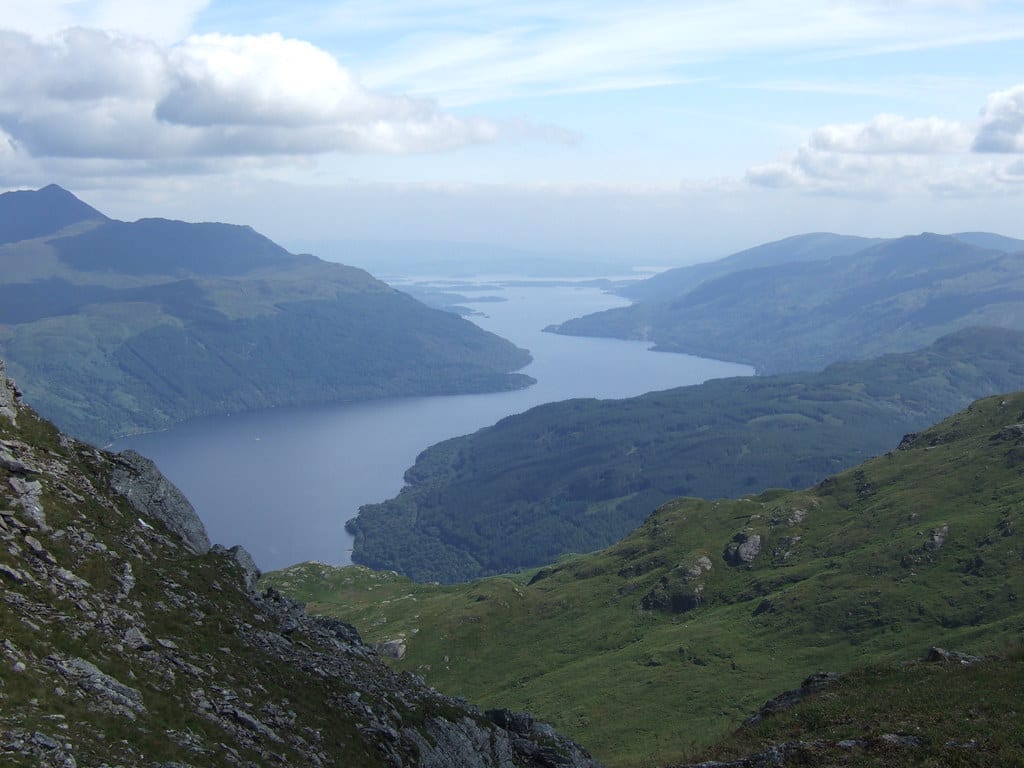
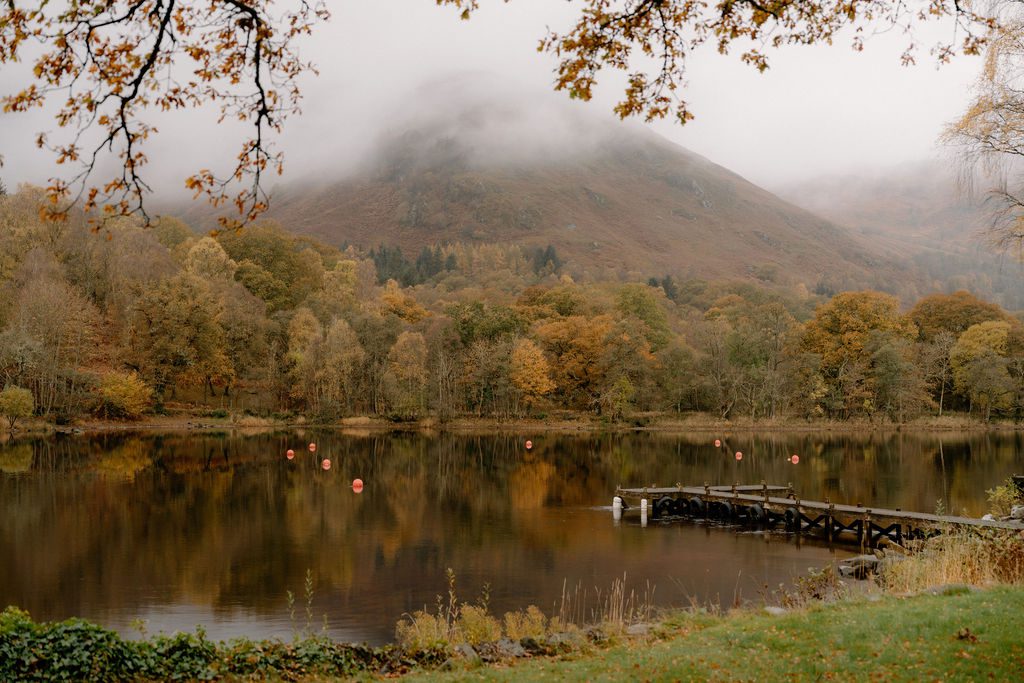
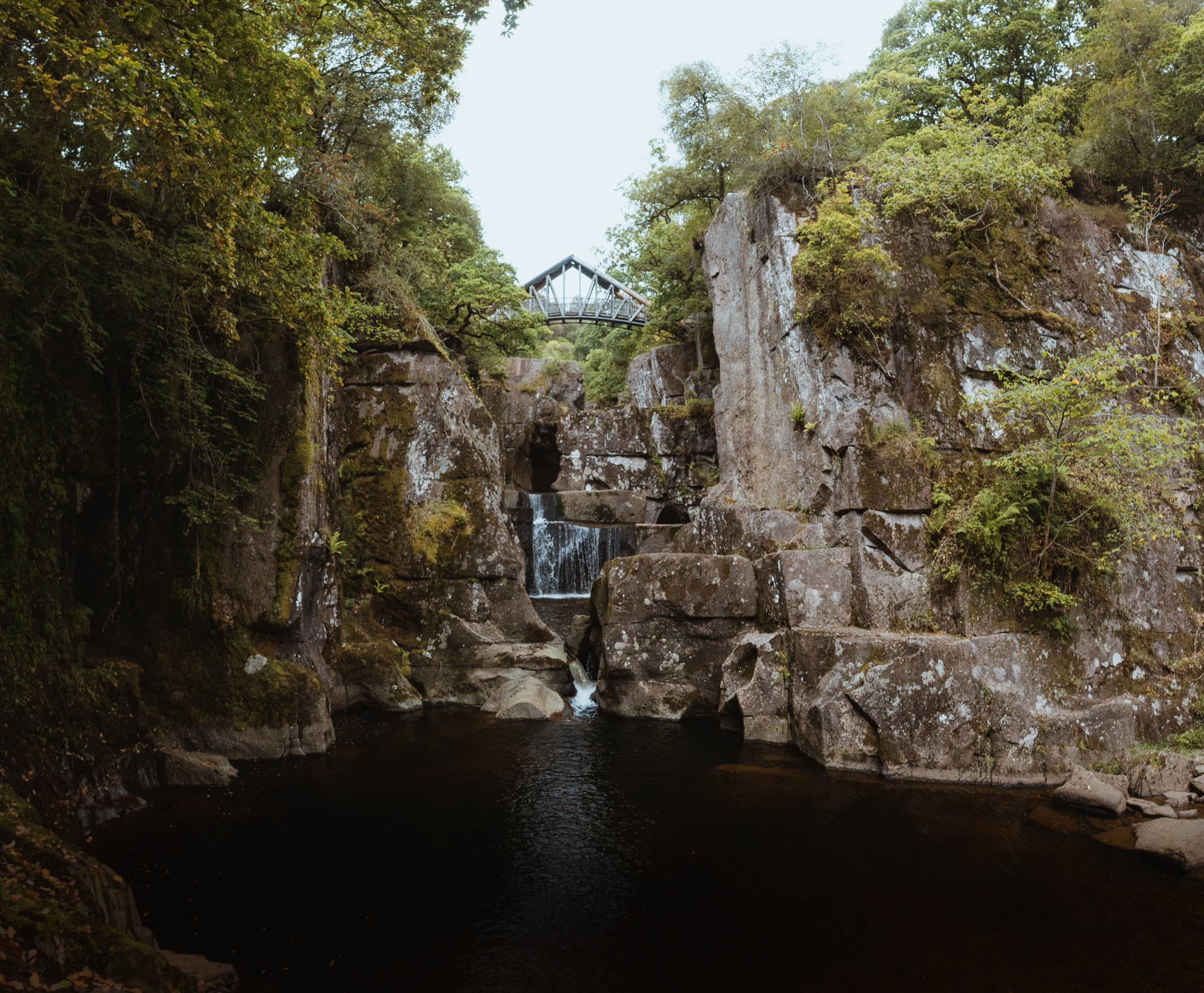
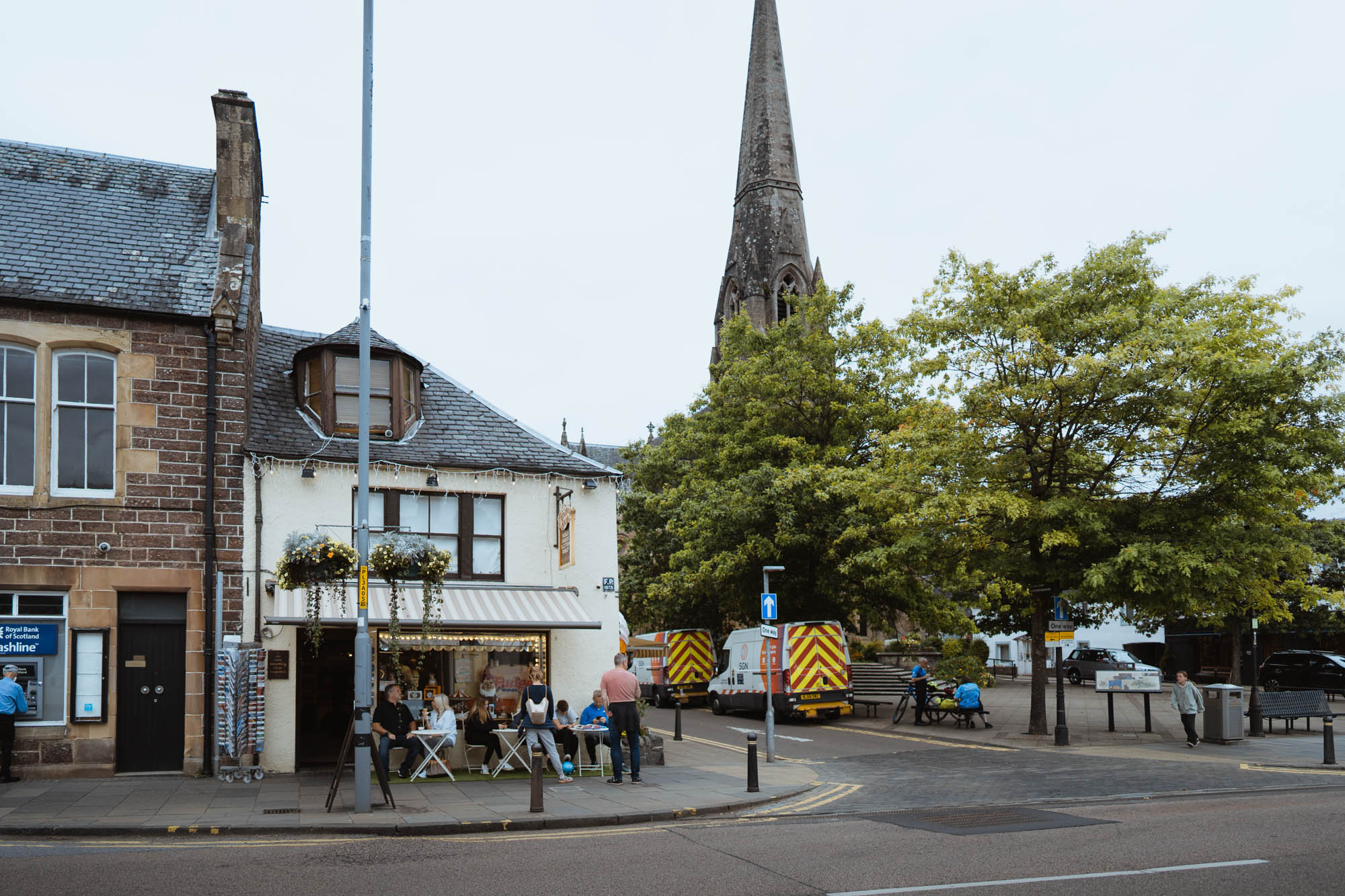
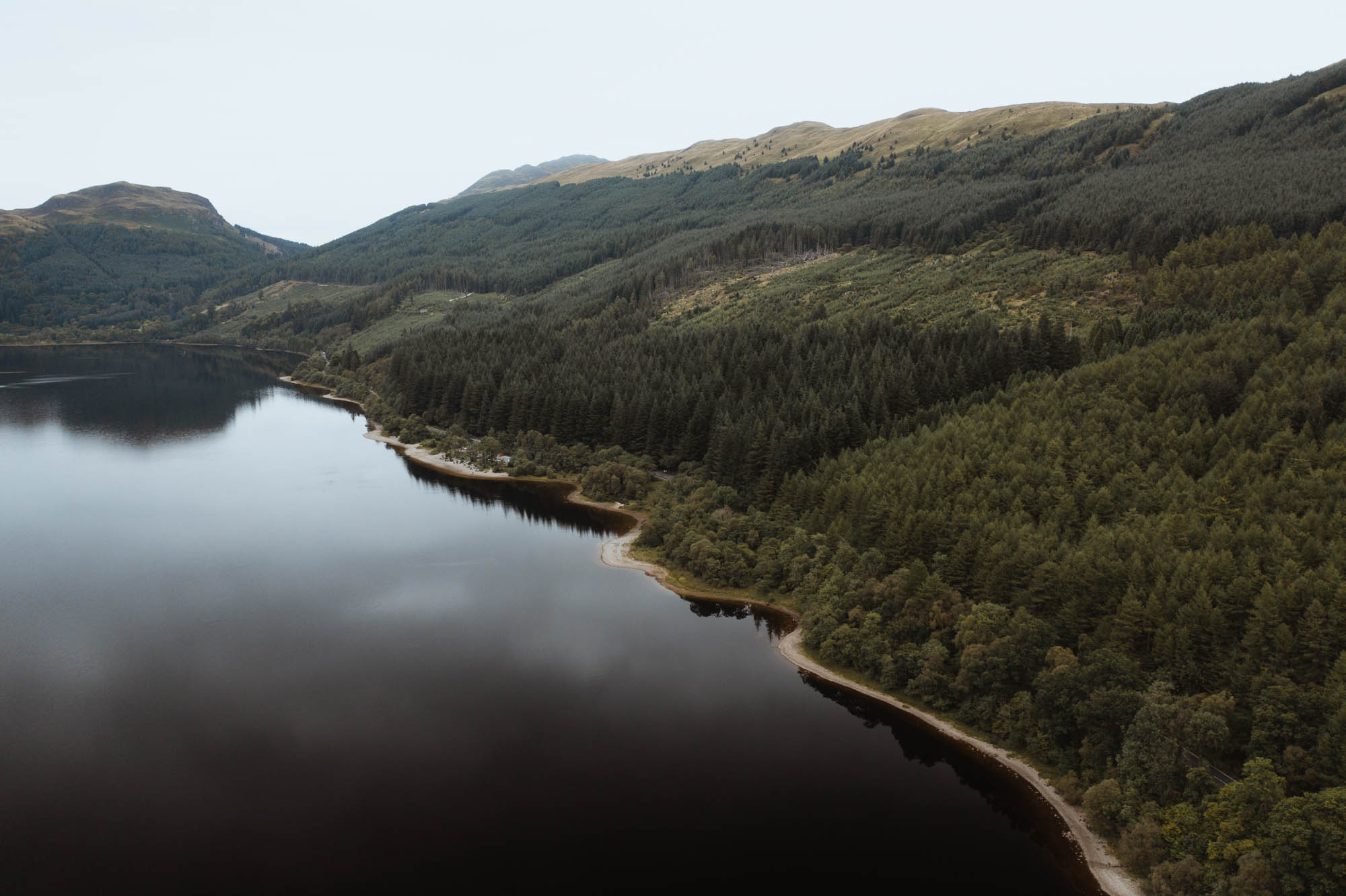
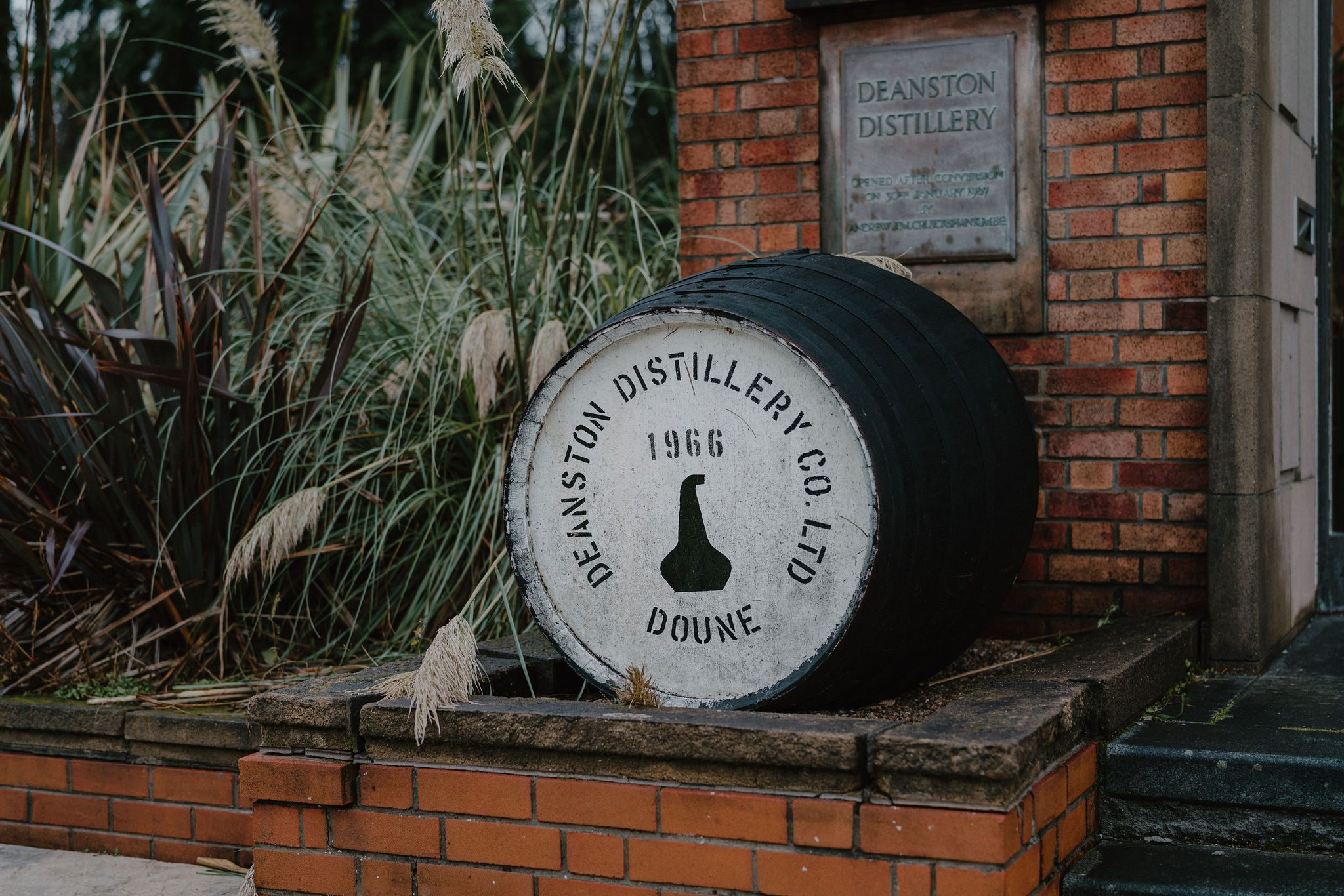
Comrie itself is a handsome conservation village on the River Earn, and the Glen Lednock circular walk from the village centre takes in the Deil's Cauldron, a waterfall thundering through a rocky gorge. Cultybraggan Camp, a mile south, is one of the best-preserved Second World War prisoner of war camps in Britain, its Nissen huts now home to community projects and small businesses. Auchingarrich Wildlife Park is close by for families. Crieff is 15 minutes east, with Glenturret, which claims to be Scotland's oldest working distillery, on its outskirts, and Loch Earn and St Fillans lie a few miles west for watersports and lochside drives.

Where to stay nearby






 Sign in with Google
 Sign in with Email