
Perthshire
Cultybraggan Camp
Introduction
Cultybraggan was built in 1941 by the 249 Company of the Pioneer Corps, a unit made up largely of Jewish refugees from Germany and Austria, which means the camp that would hold some of the most committed Nazis in British captivity was put up by the people who had fled them. It held Italians first, then Germans, and from late 1944 it operated as one of Britain's two maximum-security "black camps", reserved for prisoners classed as the most dangerous: Waffen-SS, paratroopers, U-boat crew. Locals remembered columns of them being marched the two miles from Comrie station, singing in defiance the whole way. The camp's darkest episode came that December, when Feldwebel Wolfgang Rosterg, a prisoner who made no secret of opposing Hitler, was tortured and killed by fellow PoWs. Five men hanged at Pentonville for it.
The place refuses to be only grim, though. One 19-year-old SS prisoner, Heinrich Steinmeyer, was treated with such unexpected kindness by the people of Comrie that he spent the rest of his life returning, and on his death left his entire savings to the village's elderly. Other prisoners married local women and never went home. The army trained here from 1948 until 2004, adding a Cold War chapter along the way: an underground monitoring post, then a £3.6 million nuclear bunker finished in 1990, built as the Scottish government's north headquarters for a war that ended before the concrete cured. It was never used, and it's now privately owned and closed to visitors, sitting under its grass mound in the corner of the site.
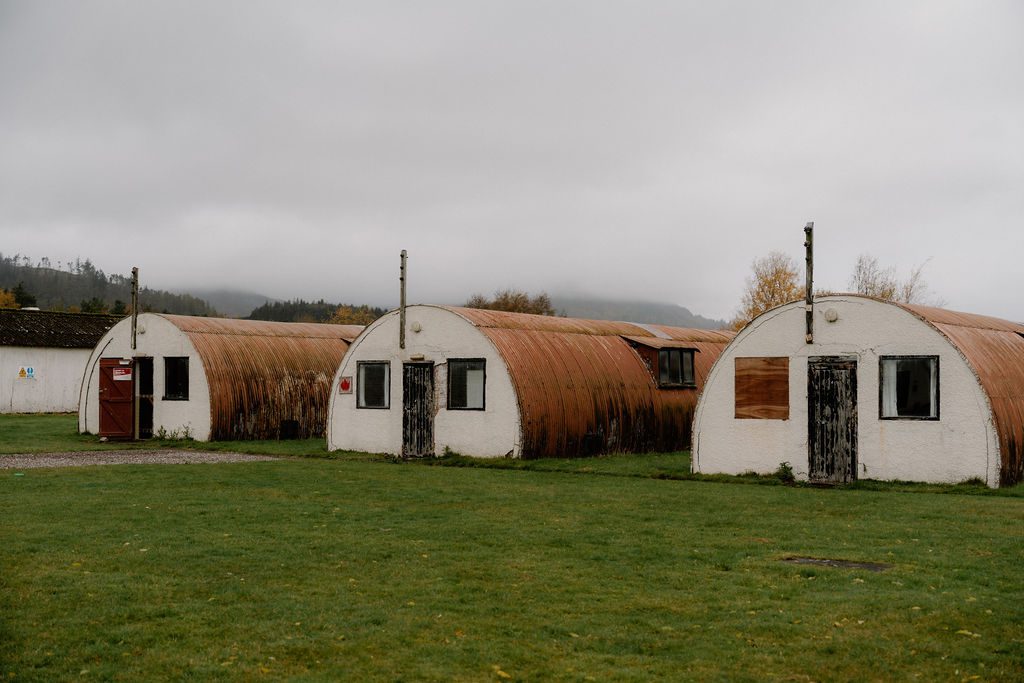
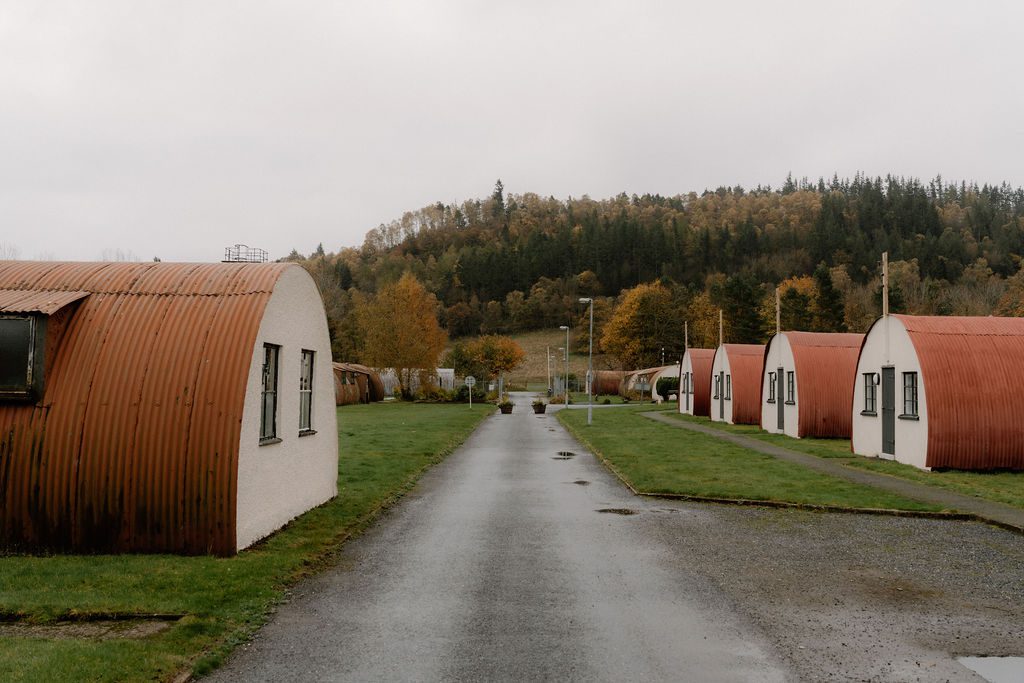
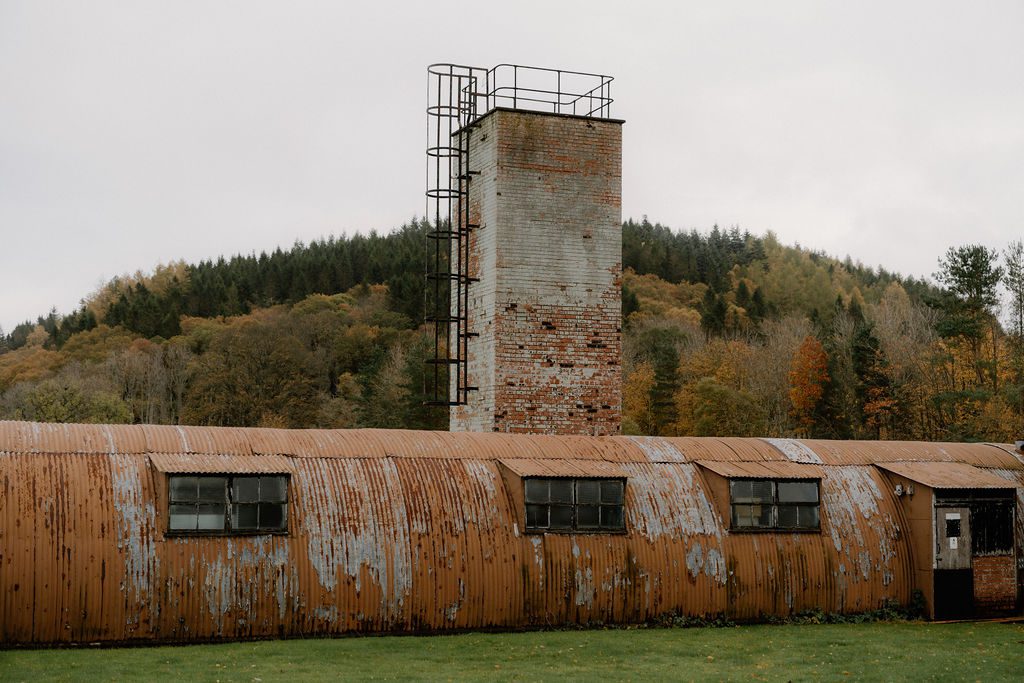
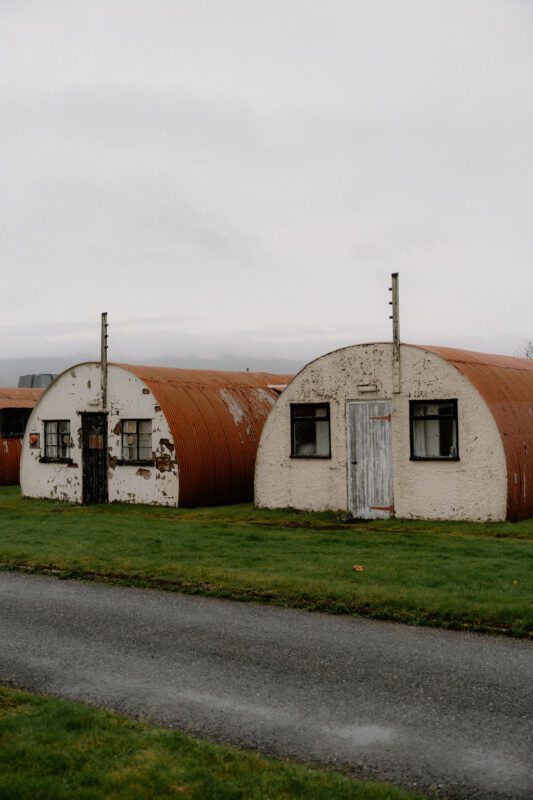
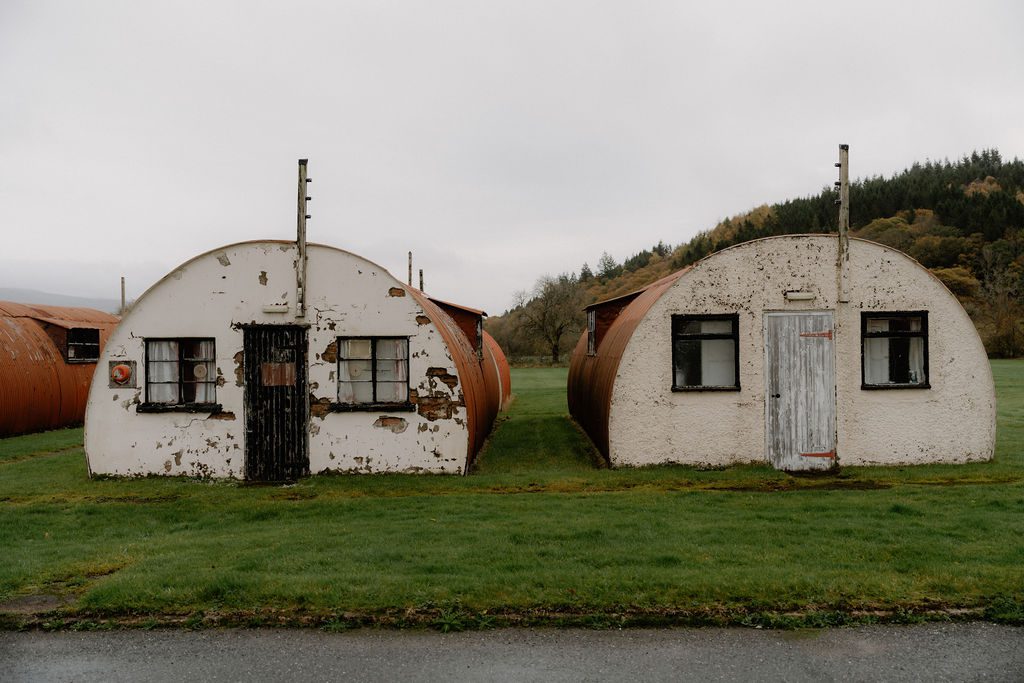
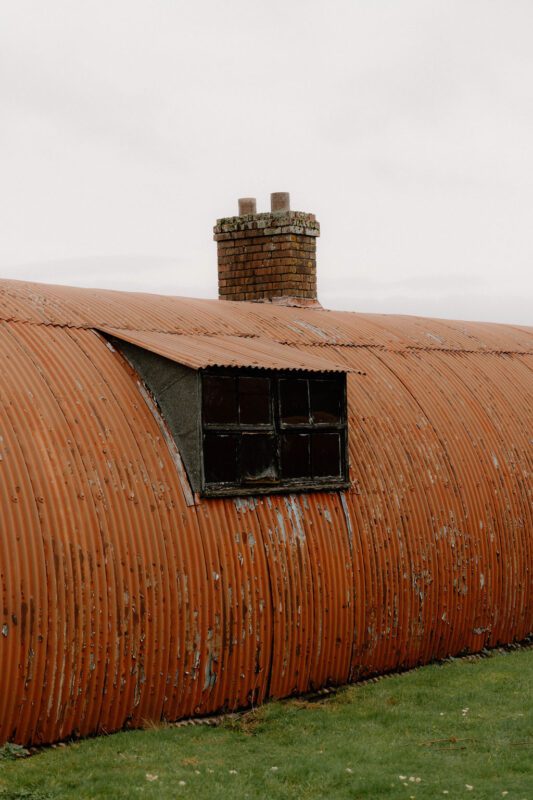
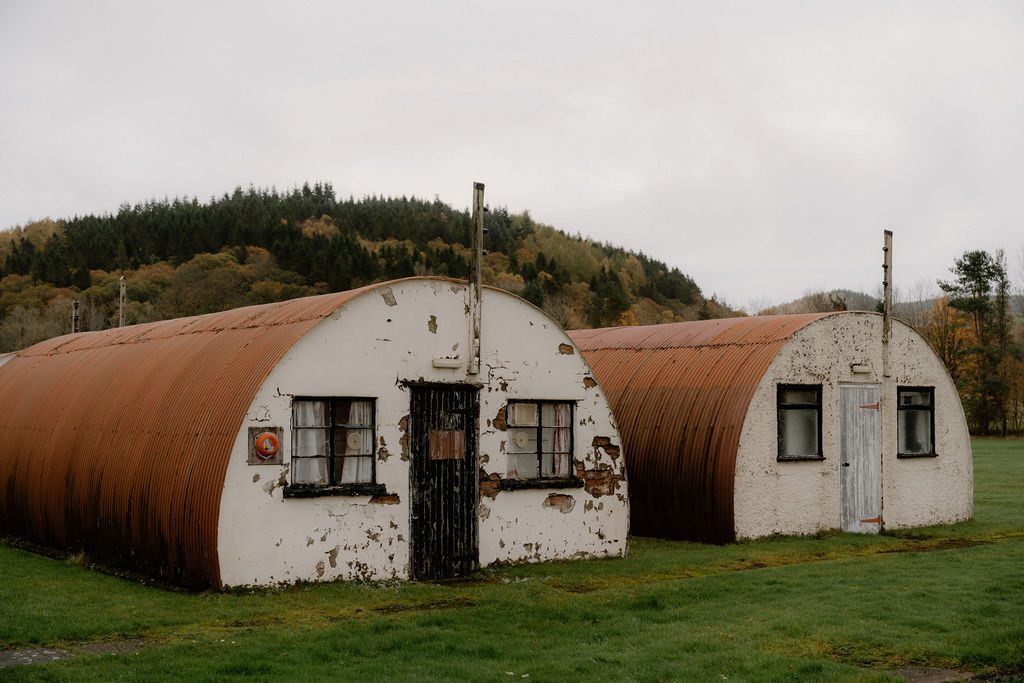
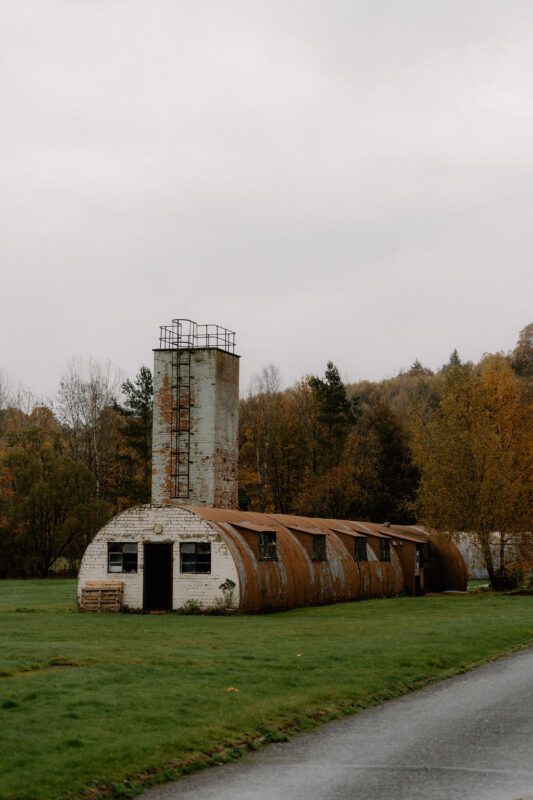
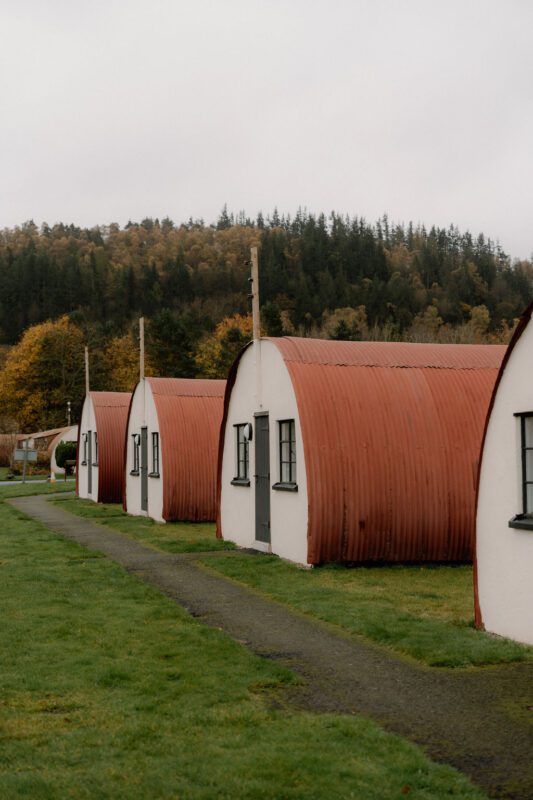
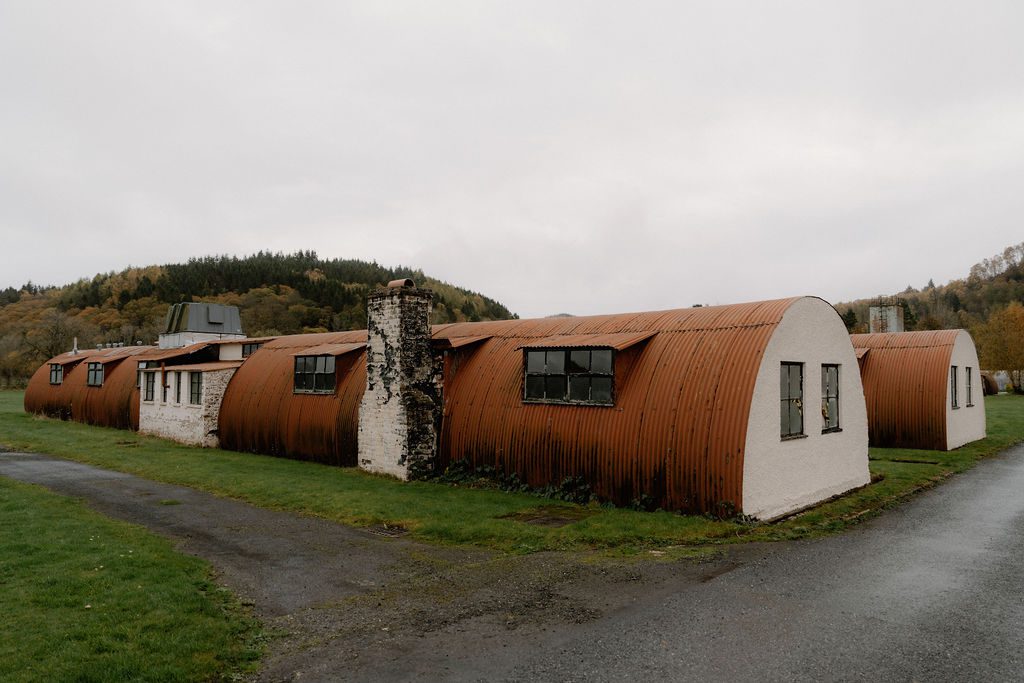
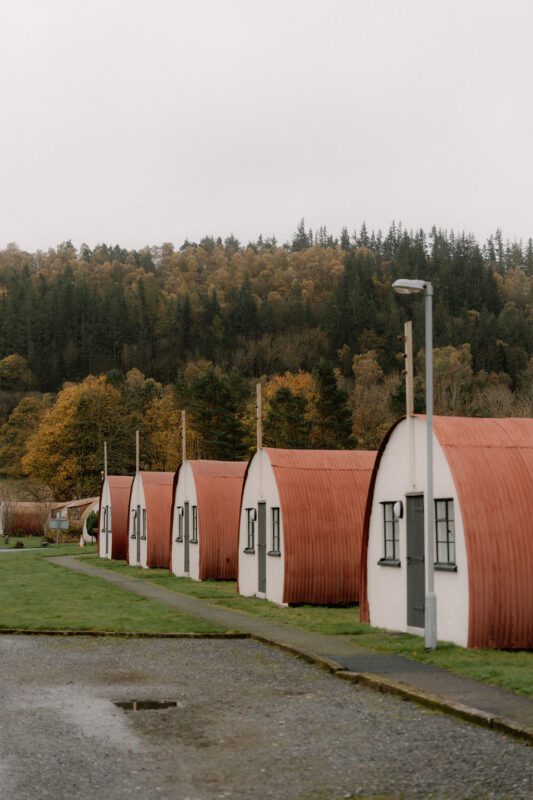
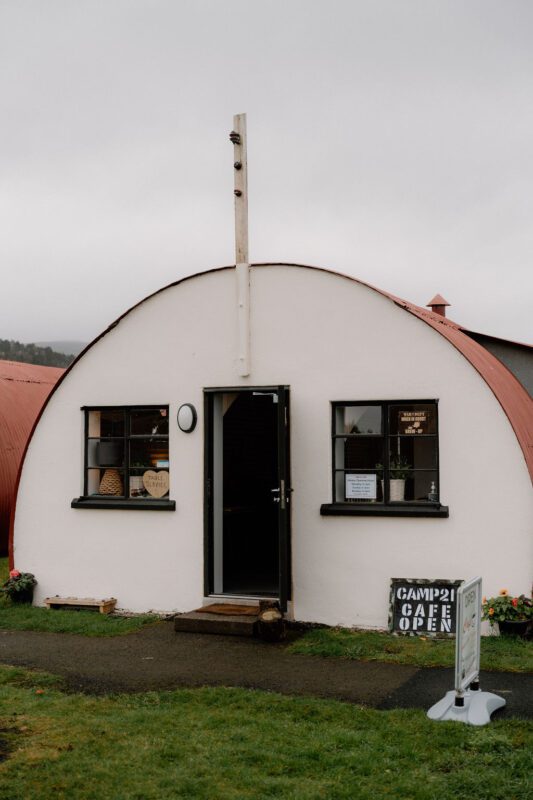
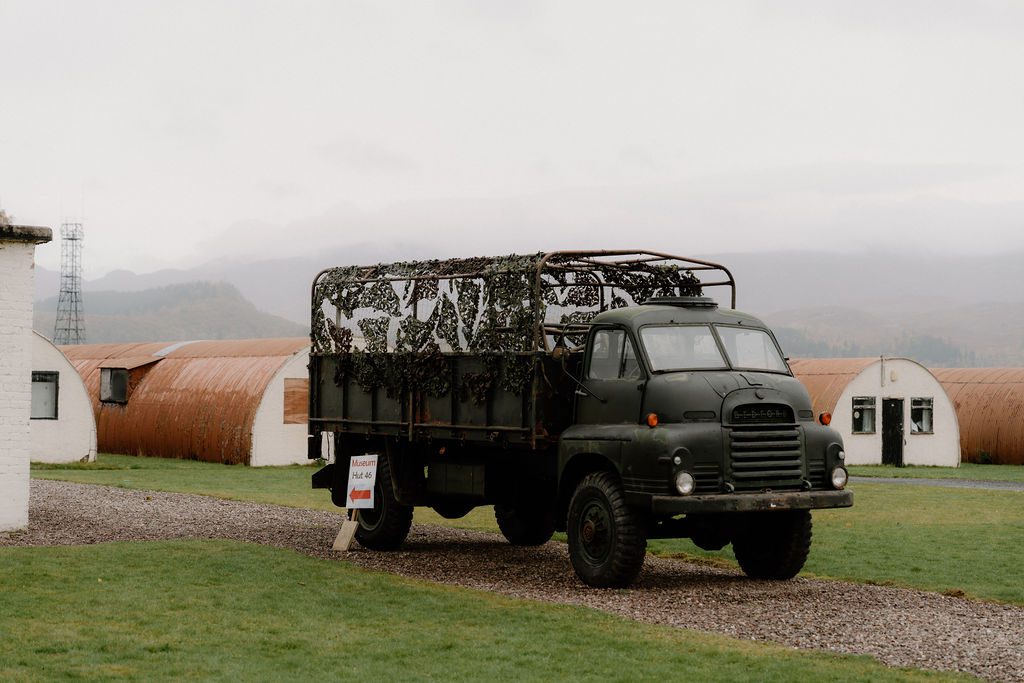
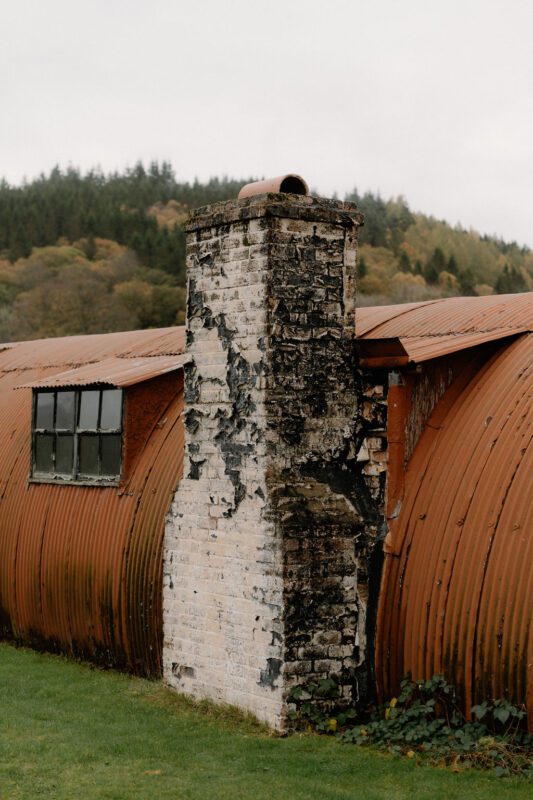
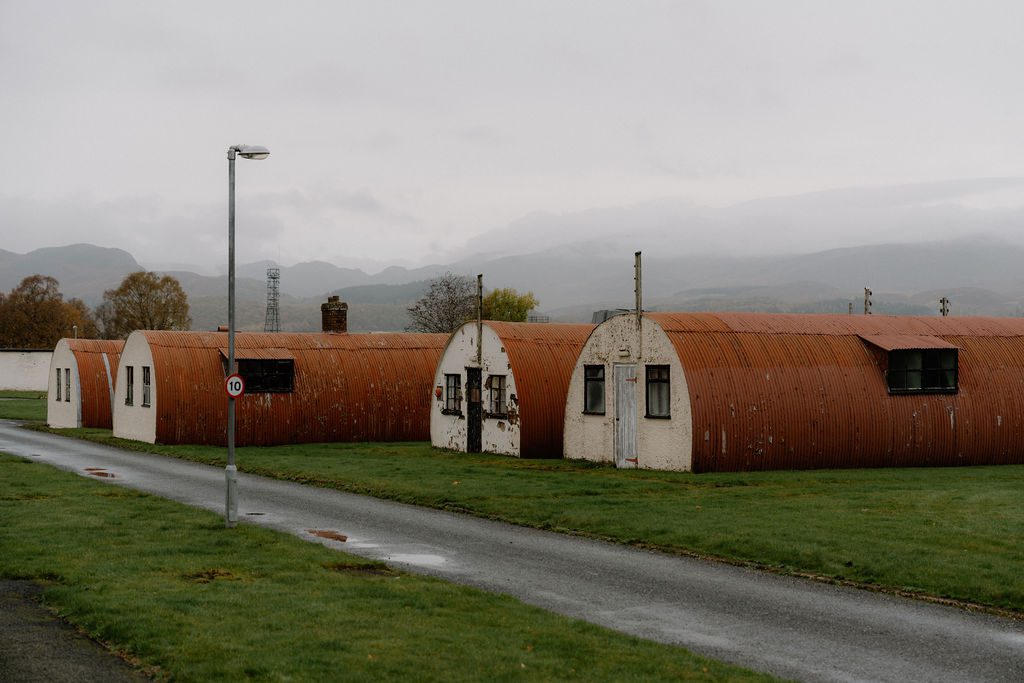
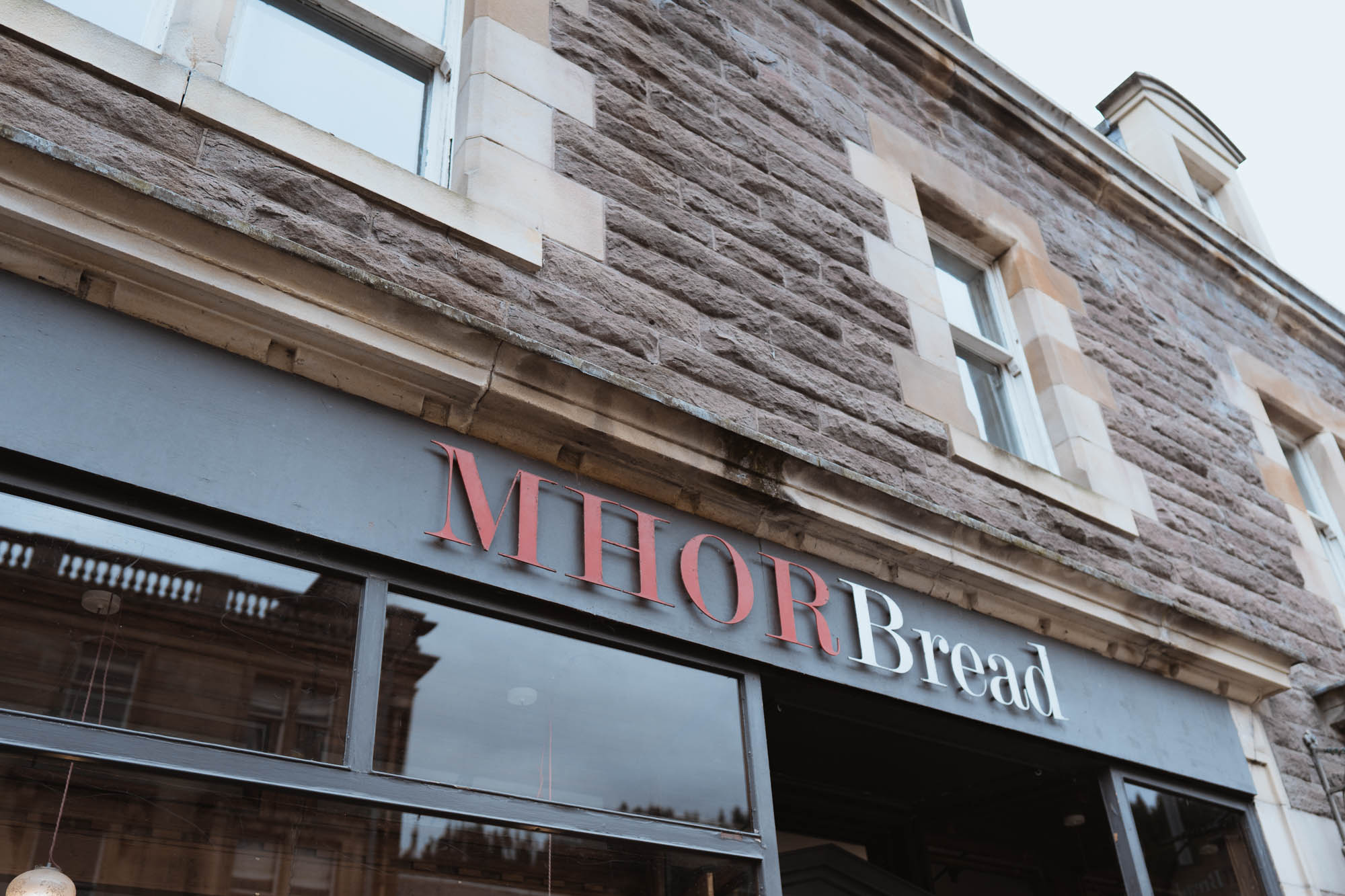
In 2007 Comrie bought the whole camp through a community buyout, and the result is one of the more unusual afternoons out in Perthshire. Around 100 original Nissen huts survive, more than anywhere else in Britain, and they now hold working businesses, a cheesemaker and an artisan bakery among them. The old assault course is a community orchard. The Grade A listed guard block, cell doors intact, became a museum in 2022, telling the story from 1941 to 2004 with PoW crafts, recorded voices and the 66 cartoons a German prisoner drew during his captivity. Entry is by donation. Give it a couple of hours and go in curious. There's nowhere else like it in Scotland.
Location
Cultybraggan Camp is two miles south of Comrie on the Cultybraggan road, signposted from the village, about 25 minutes from Crieff and an hour and a quarter from both Glasgow and Edinburgh. The site is open year round with free parking and level ground throughout, and dogs are welcome. The museum runs April to October, Thursday to Monday, 10am to 4pm, entry by donation, with Café 21 keeping similar days from 8am. Information boards mark the compounds, rifle range and bunker for anyone visiting outside museum season.
What's nearby
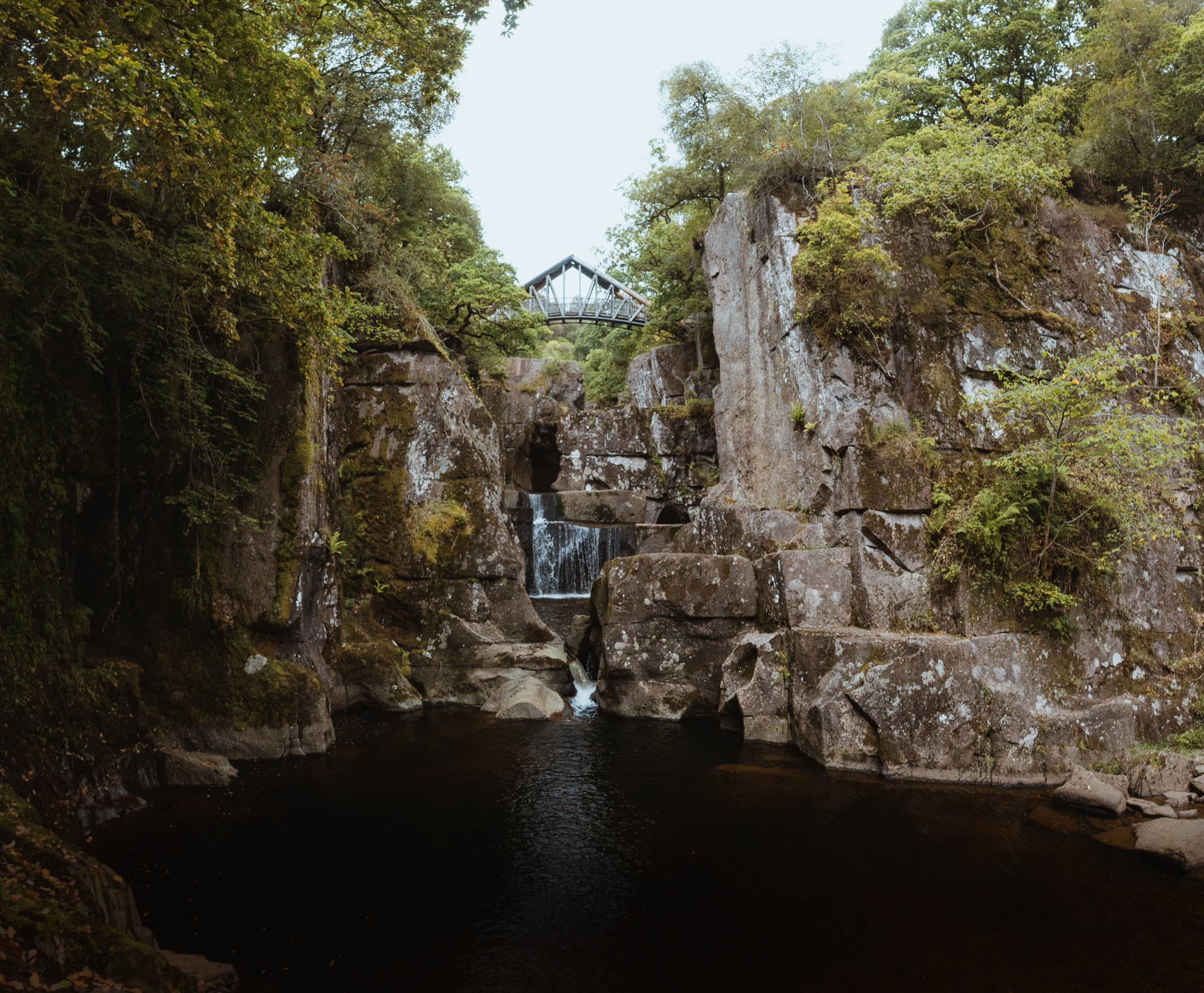
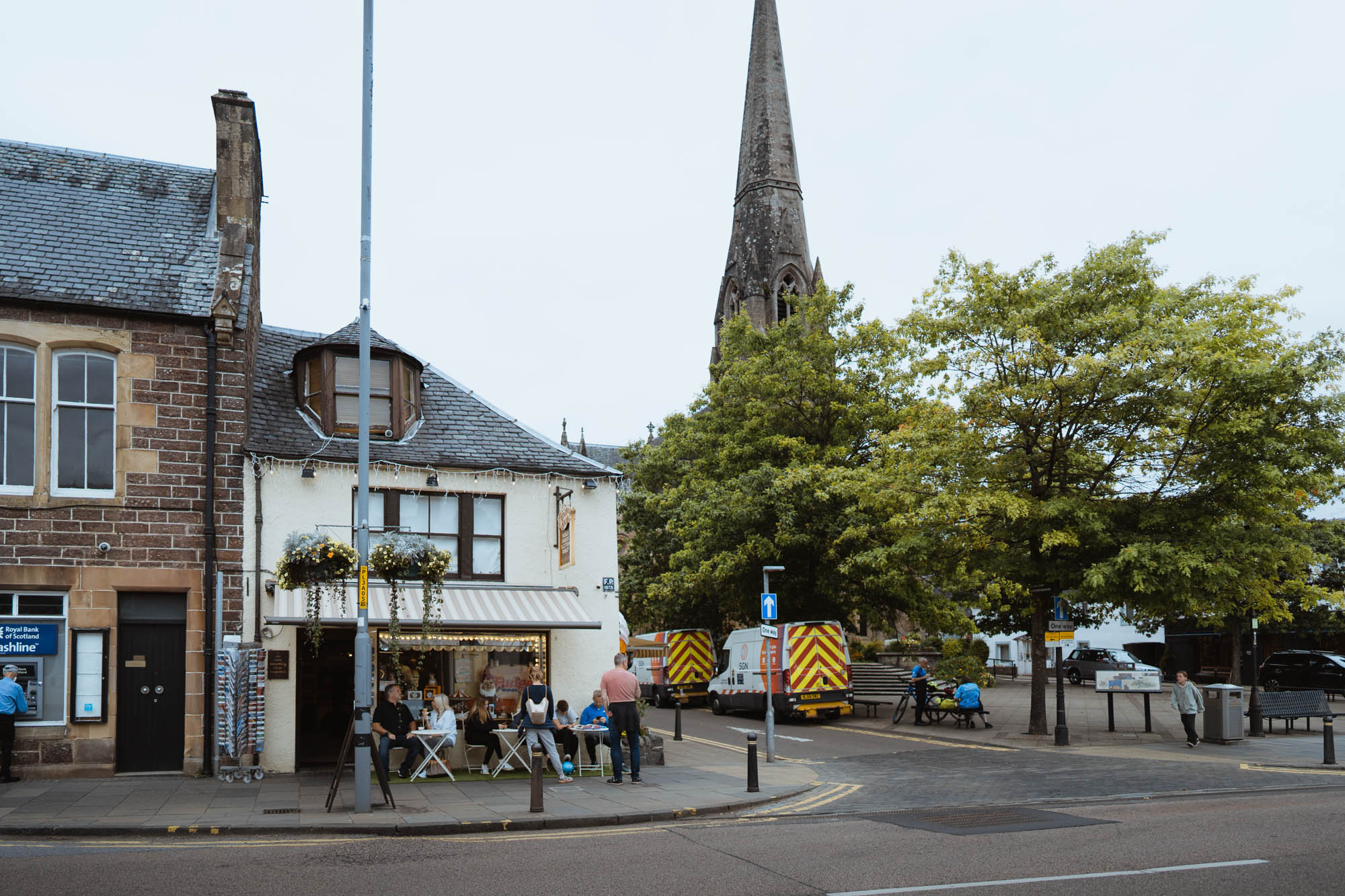
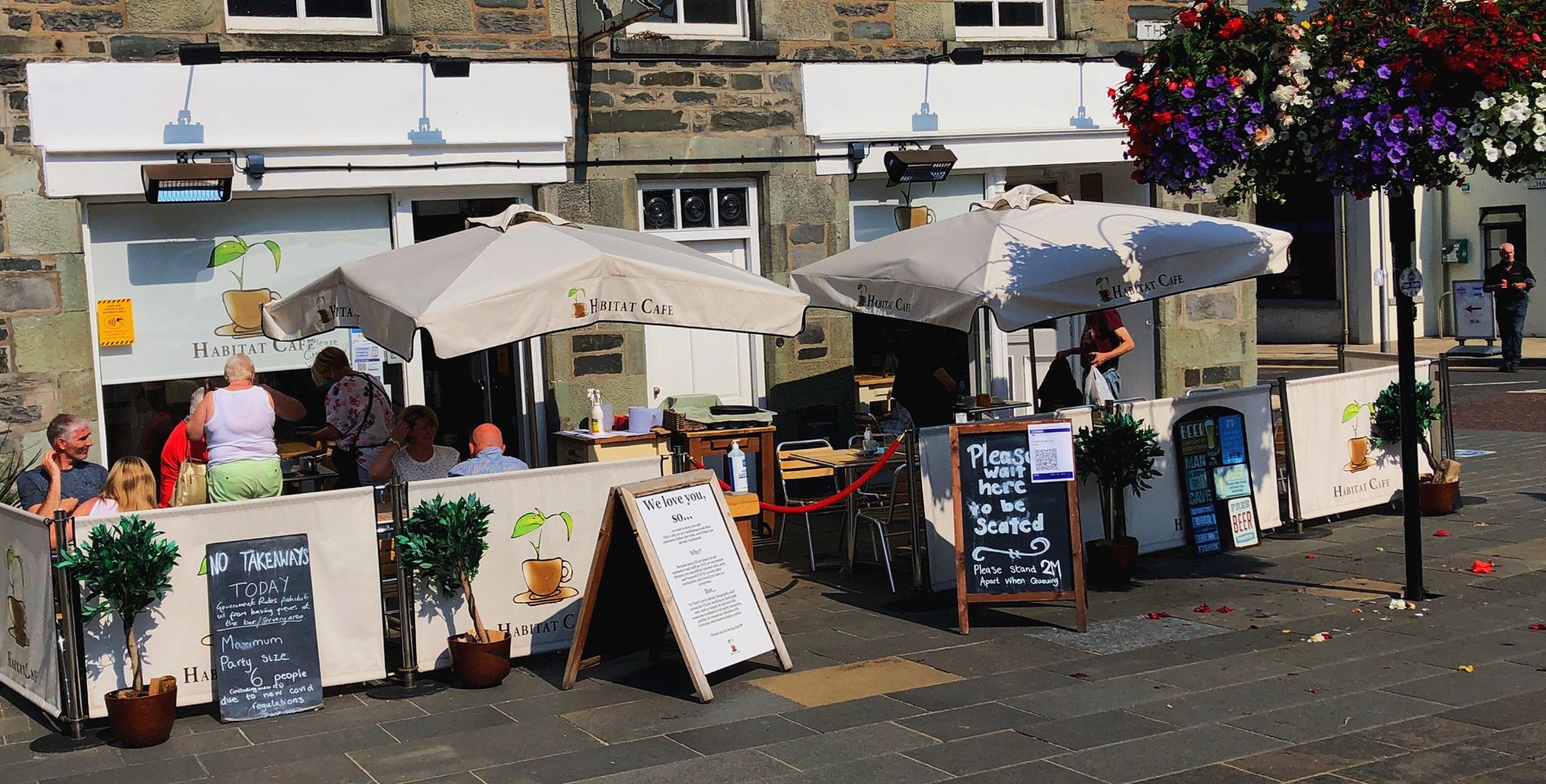
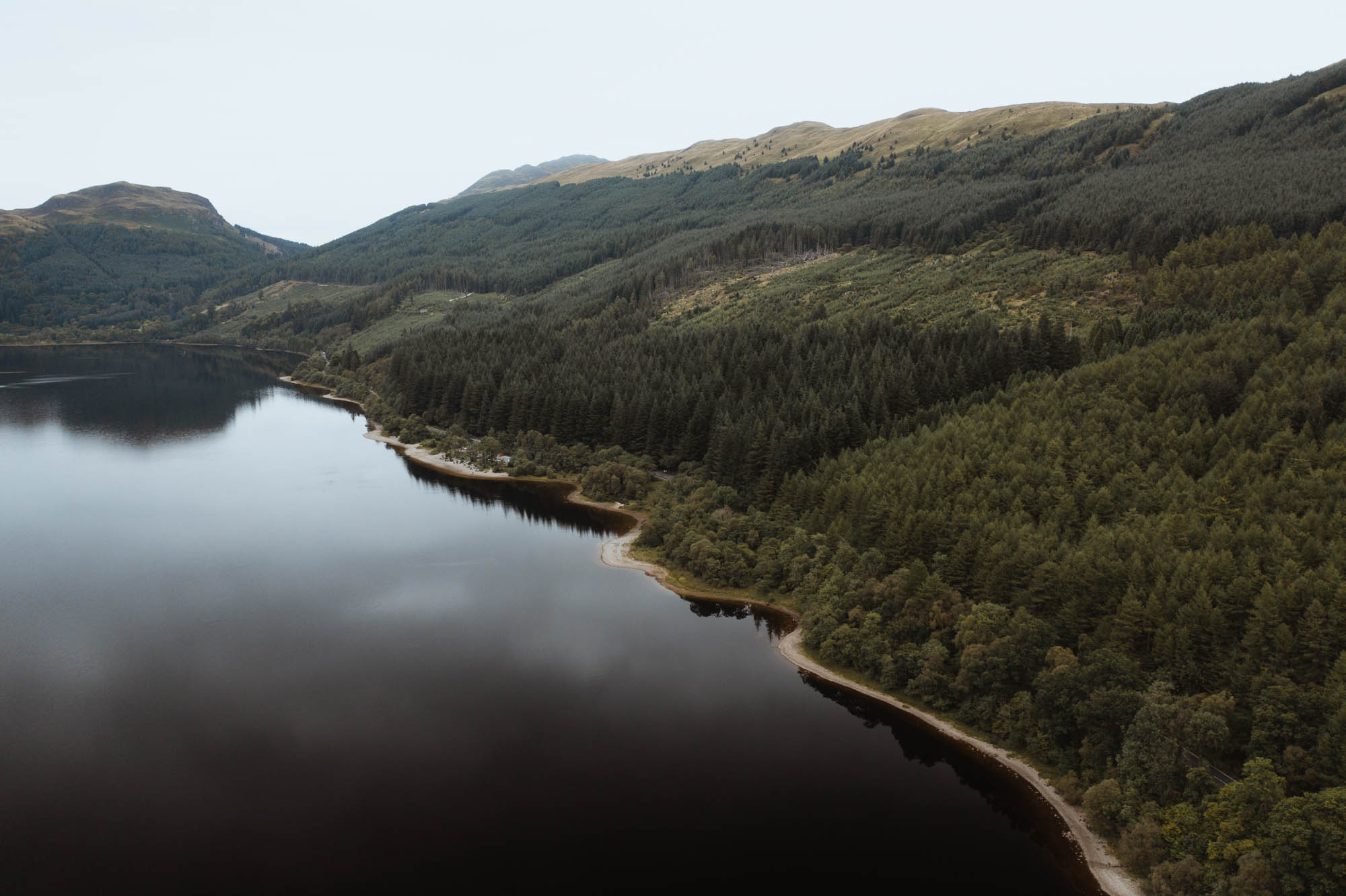
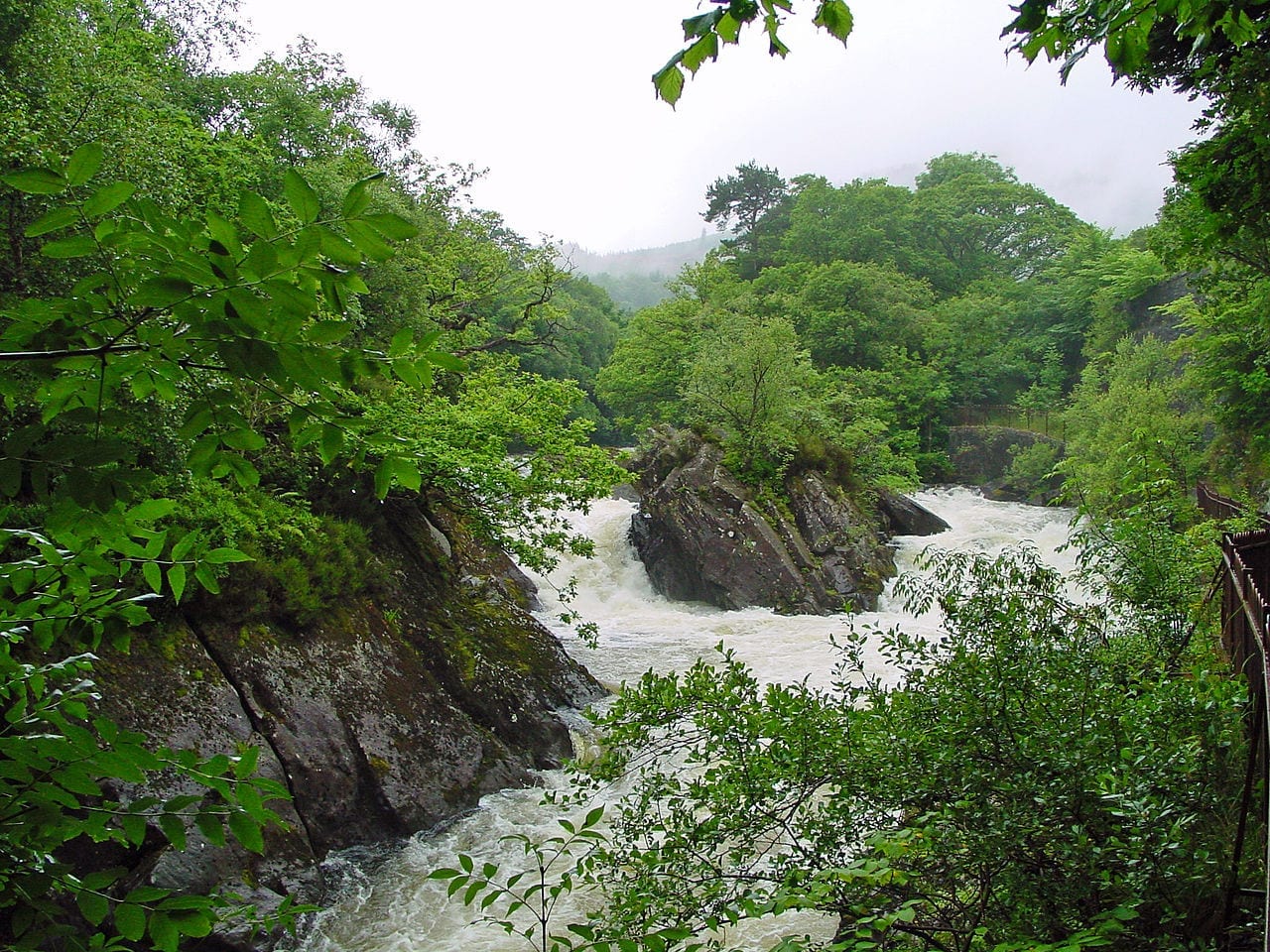
Comrie itself is a conservation village on the Highland Boundary Fault, pretty and compact, with the River Earn running through and the Deil's Cauldron waterfall a short walk up Glen Lednock. Café 21 at the camp handles lunch, or the village has pubs and cafés of its own. Crieff is seven miles east with the Famous Grouse Experience at Glenturret, Scotland's oldest working distillery, and Loch Earn stretches out ten minutes west at St Fillans, one of Perthshire's better drives. Auchingarrich Wildlife Park, a couple of miles from the camp, covers the family angle.

Where to stay nearby





 Sign in with Google
 Sign in with Email