
Fifty Things to do in Perthshire
Words by Hidden Scotland · Photographs by @thejacobmurray
Lying on the borderland between Scotland’s central belts and the Cairngorms, Perthshire has earned the title of gateway to the Highlands. However, the county is far more than simply a liminal area made for travelling through: all throughout Perthshire there are incredible natural sites, manmade monuments, and enigmatic curios that are each worthy of exploration. This article highlights just fifty of the most exciting locations that should be on any Perthshire tour’s itinerary.
-full-1750069303.jpg)
The Hermitage
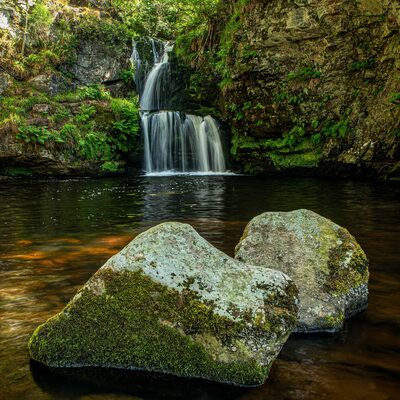
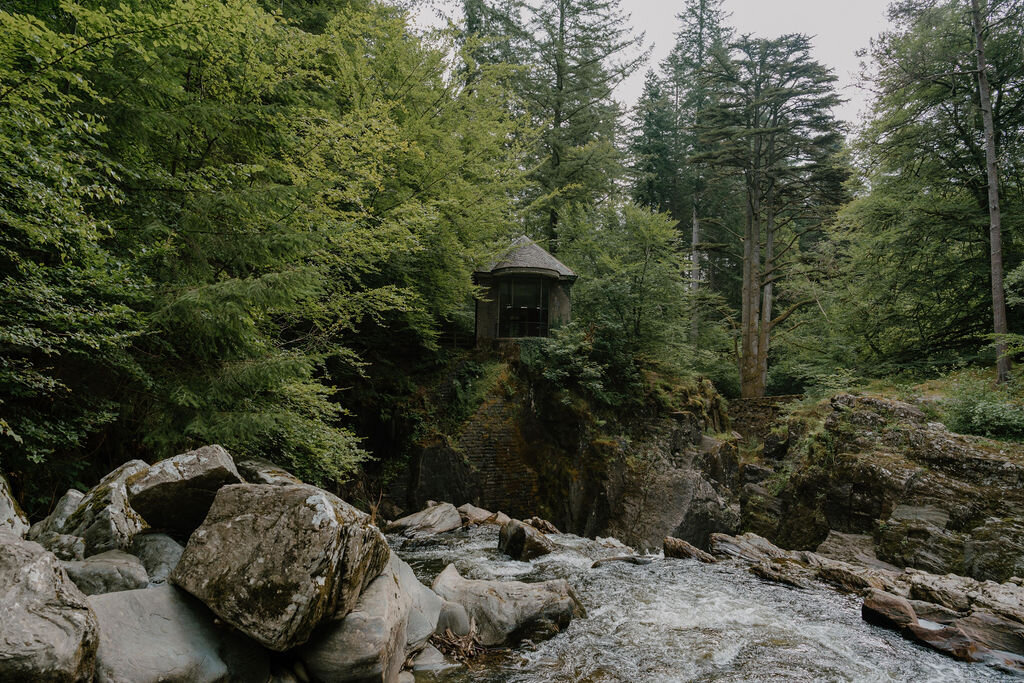
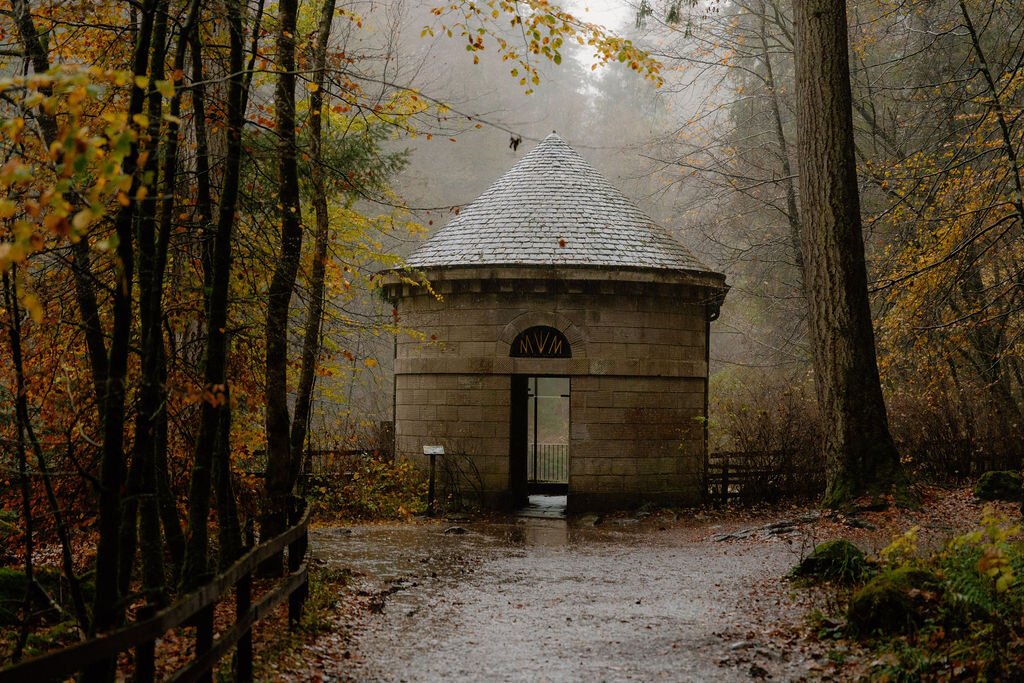
The Hermitage brings wild nature and built beauty together. Tall firs stand over the crashing Black Linn Falls. The centrepiece of The Hermitage is Ossian’s Hall – an 18th-century folly built to amaze visitors with its intricate, shifting mirrors and sliding panels.
Meikleour Beech Hedge
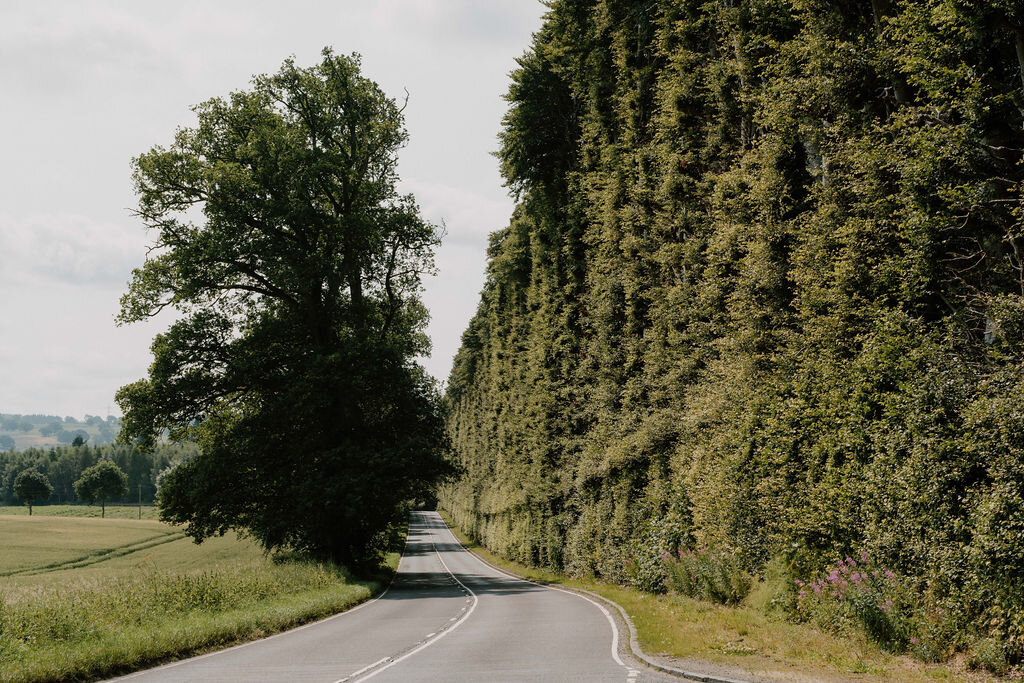
Every ten years, four skilled workers spend six weeks in the village of Meikleour shaping, trimming, and measuring the tallest hedge in the entire world. Officially credited by the Guinness World Records, the hedge was planted in 1745 by Jacobite soldiers: when the men never made it back to Meikleour, the plants were supposedly allowed to grow in their honour. How true these tales are is unclear, but what is indisputable is that at 530m long and 30m high, the hedge itself is a wonder to behold.
More about Meikleour Beech Hedge
Black Spout Waterfall
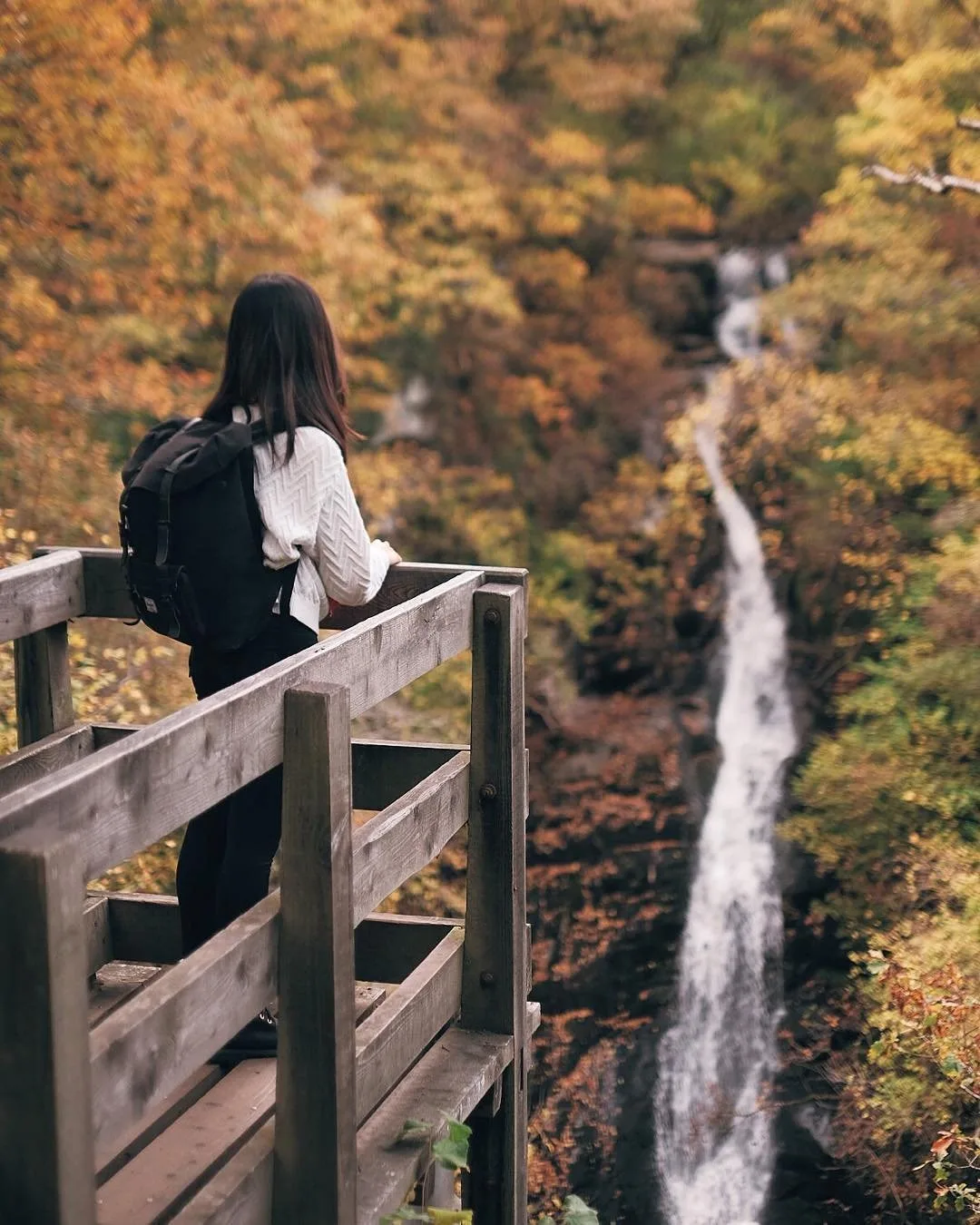
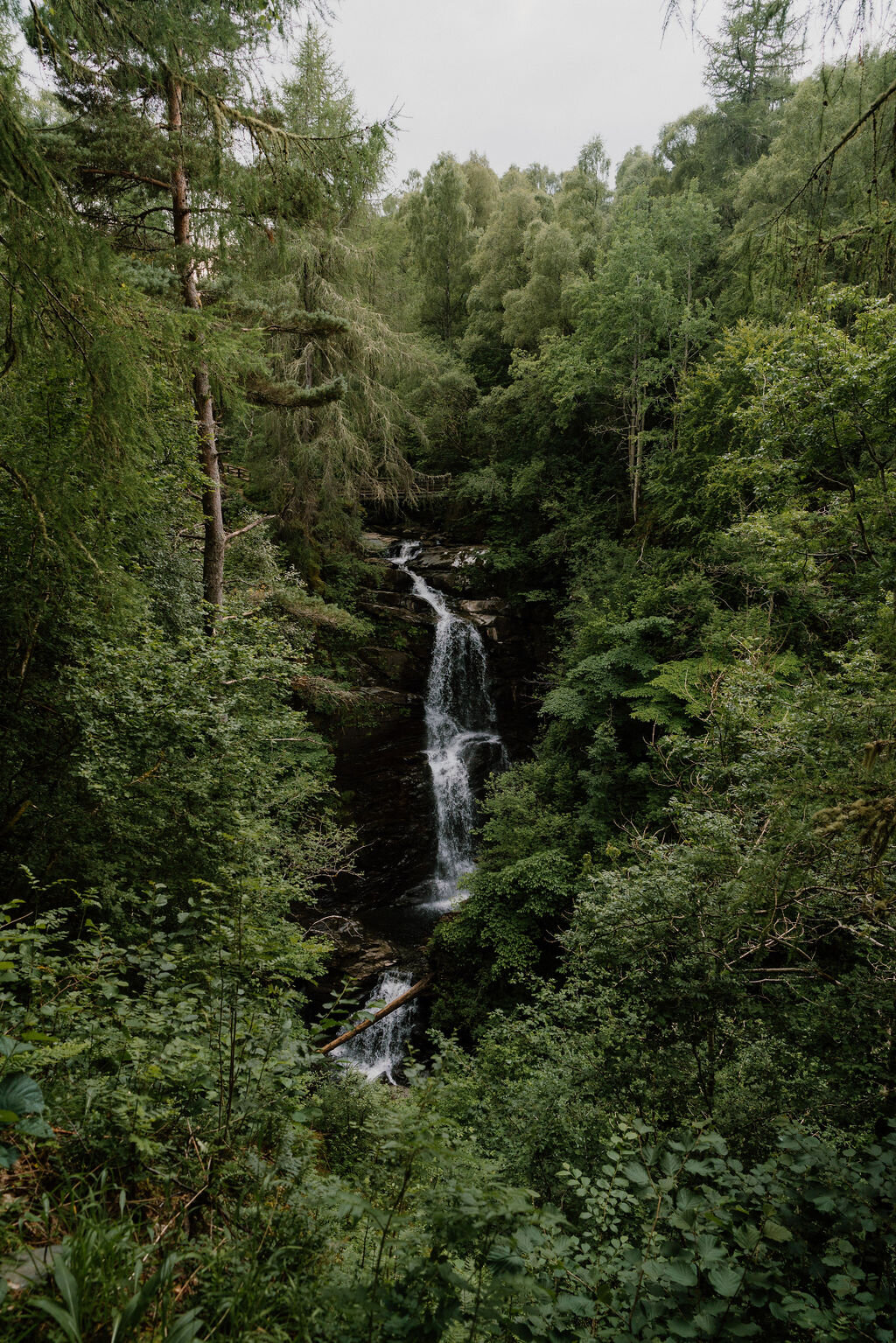
The layered and varied geography of Scotland is on full show in Perthshire. As such, the county is one of the country’s favourites for walking routes, and the Black Spout Waterfall is one of the best. Starting from Pitlochry town centre, the path takes walkers past a colossal 60-foot waterfall and in the shadow of Ben Vrackie, before finally coming full circle back to Pitlochry.

Loch Ordie
In 1865, Queen Victoria and her daughter, Princess Helena, rode for two-and-a-half hours from Atholl Estate just to reach Loch Ordie. This effort says a lot about the natural beauty of the spot: a gorgeous freshwater body lying to the east of the River Tay. Anglers may know the name already, because there is a fishing fly called the Loch Ordie.
Faskally Woods
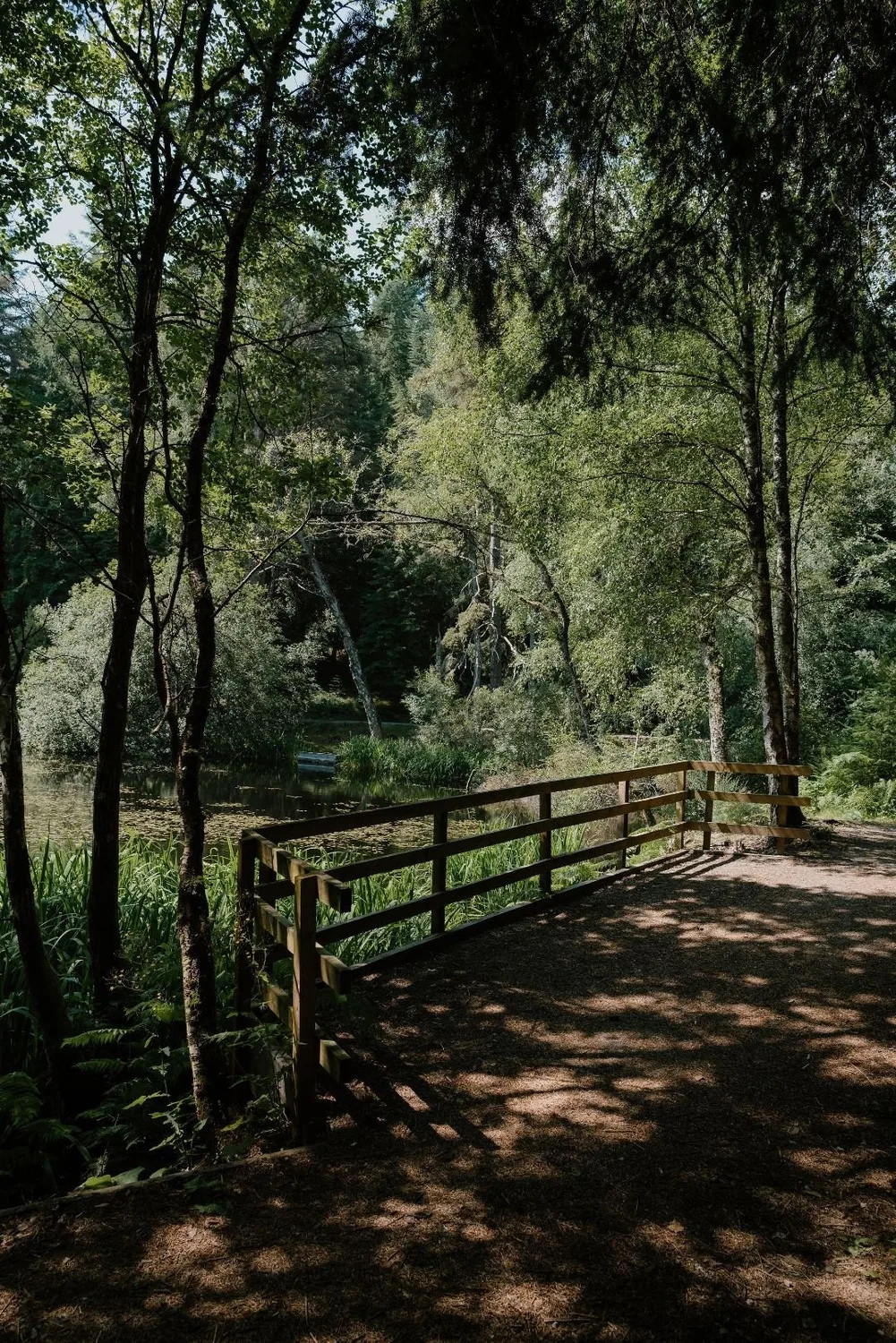
Around a mile to the west of Pitlochry, the manmade Faskally Woods developed initially as a classroom of sorts for young foresters. After the heavy felling of the war years, the woods became a place to try new ways of growing trees. For a planted wood, it is a fine place to walk.
Cultybraggan Camp
Throughout all of Scotland, there is only one Second World War PoW camp open to the public, and it’s located just a mile outside of Comrie. Cultybraggan Camp had a holding capacity of 4000, and quickly gained a reputation for harsh conditions, even being dubbed the ‘Black Camp of the North’. Bought by the community in 2007, the camp is now divided up into several different spaces such as allotments, bakeries, and workshops.
Falls of Acharn
The path to the Falls of Acharn climbs through woodland from the village of Kenmore and passes through a Victorian folly. The walk takes around an hour, though the views might make it last longer. As the fascinating Hermit’s Cave can be rather gloomy, it is recommended that a torch be taken for safety.
Glen Lyon Praying Hands
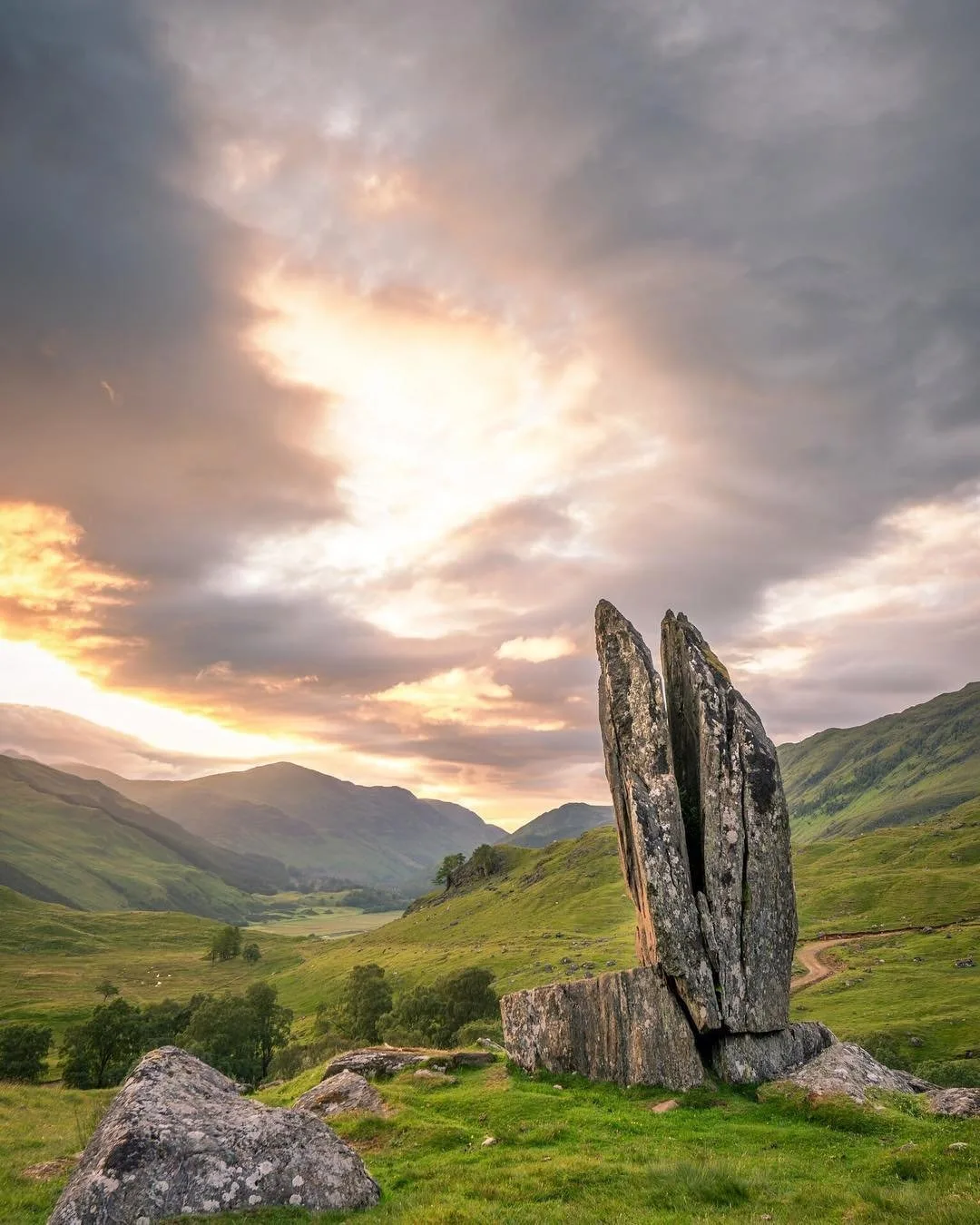
The Neolithic population of Scotland left future archaeologists and historians with countless uncrackable mysteries to puzzle over. One of these is the number of standing stones dotted across the country, such as this pair in Glen Lyon. Sometimes referred to as Fionn’s Rock, these stones are arranged similarly to a pair of hands praying towards the heavens.
Lochleven Castle
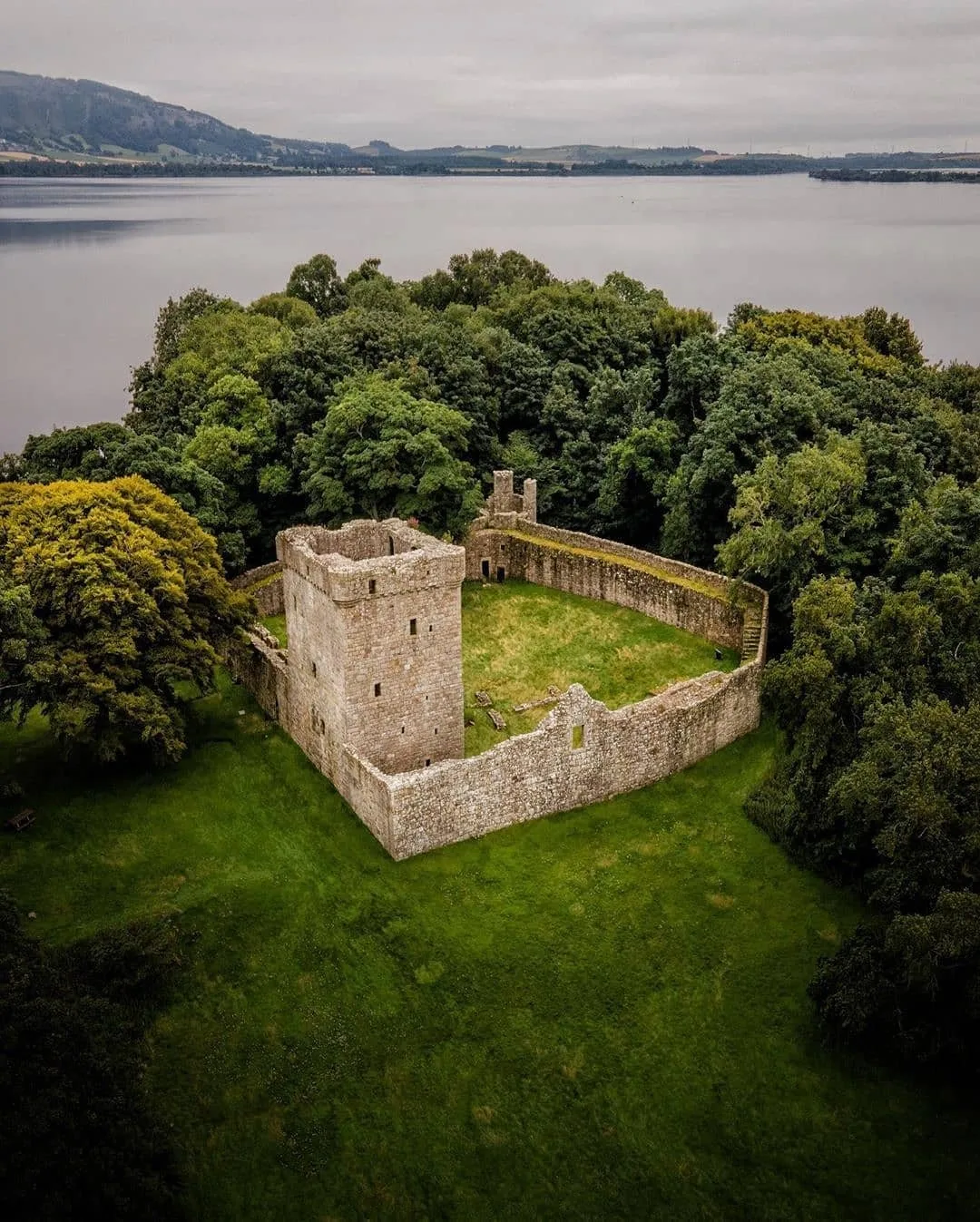
Lochleven Castle stands on an island in the middle of Loch Leven. While the isle and ruined castle lie peaceful now, in 1567, Mary Queen of Scots was imprisoned within the walls by William Douglas, who kept her in custody for eleven months. When Mary finally escaped in 1568, she would never return to Scotland again.
Loch of Lowes
Scotland’s lochs are some of the most iconic landmarks of the country’s geography. Each holds its own rich ecosystem of flora and fauna, and Loch of Lowes is no different. Known for its fish and the ospreys that nest by the water, the loch near Dunkeld is a popular retreat for those in Perthshire.
Cateran Trail
One of the more unique walking routes in the north, the Cateran Trail has no beginning nor end. Instead, this 103km (64 mile) track begins and ends wherever the walker decides, making it an incredibly flexible journey for tentative hikers. As the entire route is waymarked and continuously maintained by the local council, the Cateran Trail is a great way to explore the Perthshire landscape.
Beatrix Potter Garden
Although the author was born in London, Beatrix Potter was intrinsically connected with Perthshire following her family’s long holidays spent in the county. Stepping into the quaint cottage of Hill Top, there is undeniable magic at play, primarily thanks to the intrepid work of gardener Pete Tasker who has replanted the lawn back to Potter’s original vision.
More about Beatrix Potter Garden
Kinnoull Hill
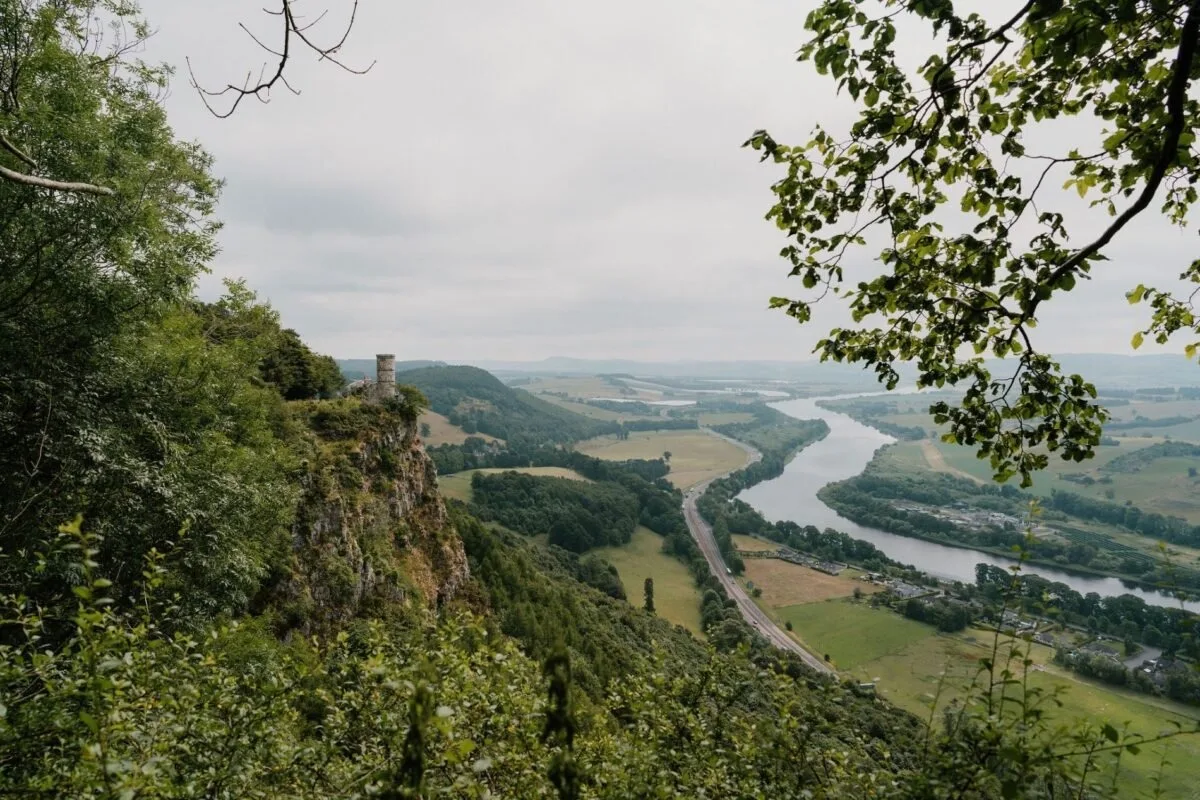
No matter where in Scotland you find yourself, hills and mountains are never far away. Kinnoull Hill is a gentle yet incredibly rewarding route, that gives climbers stunning views over the coursing River Tay and far beyond to Friarton Bridge. Also at the summit is Kinnoull Tower, a small folly built to resemble the Germanic castle designs of the 18th century.
Birnam Oak and Sycamore
Immortalised forever in the witches’ prophecy of Shakespeare’s Macbeth, the Birnam Oak and neighbouring Sycamore are all that survives of the legendary Birnam Wood. The oak’s sprawling limbs show its great age.
Phone Box Library
Operating from an obsolete phone box, the library in Bendochy is one of the smallest in the country. The villagers are firm believers in the sharing of literature, meaning the system works purely on trust, with individuals borrowing and donating books voluntarily. In the summer months, members of the community plant fruit and vegetables in the phone box, ensuring there is always a healthy, green space in the village.
Dalmunzie Railway
A little over a century ago, the merchant Archibald Birkmyre constructed the Dalmunzie Railway as a means of escorting hunting parties up and down the hills of Glenshee. The lodge is now a ruin, yet the railway line still serves as a walking route for those in the area. Like the Royal Deeside line to its east, many of the community hope to see this hidden track restored to its former glory.
Cluny House Gardens
Gardening runs in the Masterton family’s veins. During the 1950s, partners Betty and Bobby began arranging what would turn into Cluny House Gardens around a few exemplar trees in the area. Now tended by their youngest daughter, the green space has only expanded over the decades, encompassing countless species of trees and smaller flora.
More about Cluny House Gardens
Scone Palace
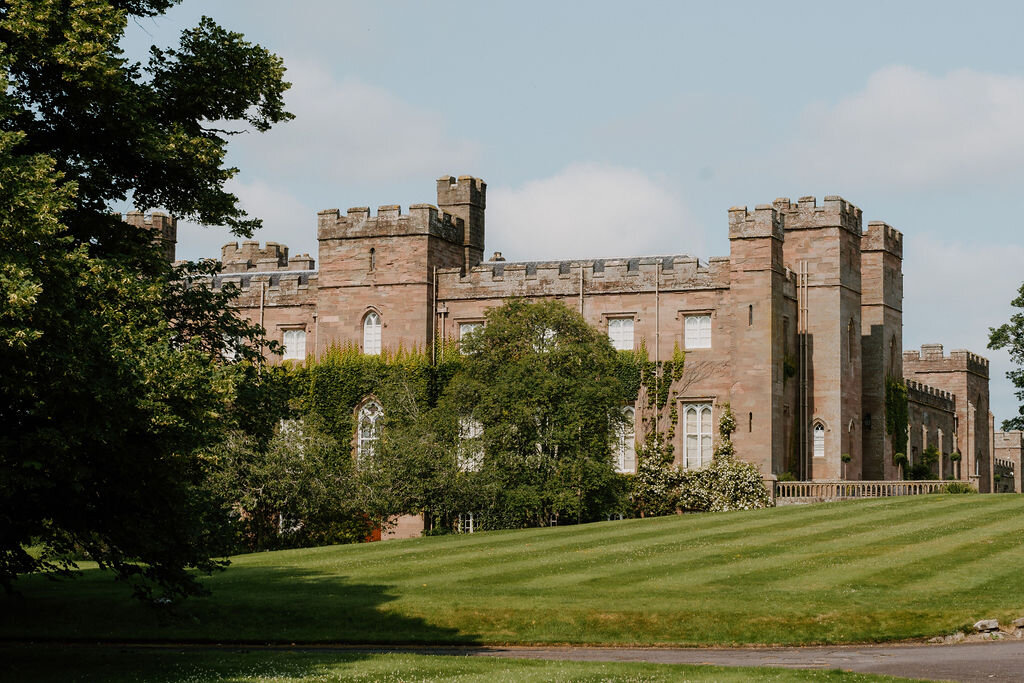
Fittingly for the jewel in Perthshire’s crown, Scone Palace was the location of dozens of Scottish coronations over the centuries. However, there is more than historicity on offer at Scone: visitors can also traverse the pentangular hedge maze created by internationally acclaimed designer Adrian Fisher.
Huntingtower Castle
Representing one of the triumphs of Mary’s reign, Huntingtower Castle housed the Queen and her husband as they fought off the rebels’ Chaseabout Raid. The twin tower houses establish Huntingtower as a strange castle architecturally, with various hidden alcoves and secret spots used to shield some of the royals’ more precious artefacts. Dating from 1540, the beautiful hand-painted ceiling is another of the castle’s highlights.
More about Huntingtower Castle
Tomnadashan Mine
Hidden deep within the fields northeast of Killin lies an abandoned mine, initially dug by men in search of precious materials such as sulphur and copper. Although these endeavours proved unsuccessful, Tomnadashan has nevertheless become famed for its alter-ego: the Cave of Caerbannog as encountered in Monty Python and the Holy Grail. Whether visitors meet a killer bunny or not, it is a stop for Python fans.
Drummond Castle
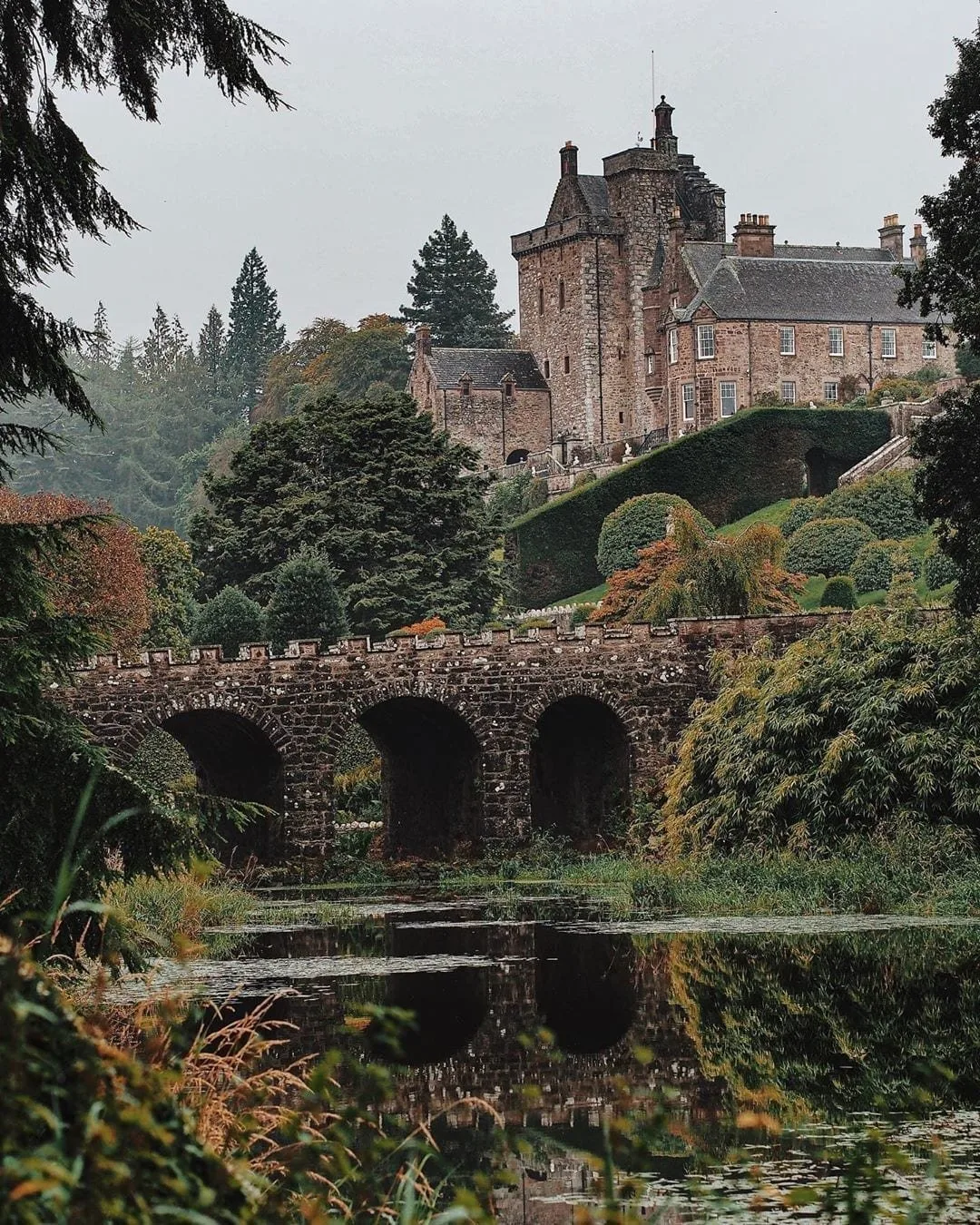
The tranquil state of Drummond Castle belies its tumultuous history, with the building playing major roles in both Cromwell’s invasion and the Jacobite uprising. Although the privately owned castle is not open to the public, the opulent gardens are. The grounds encompass a huge amount of land, and every inch has been meticulously crafted to enchant visitors with dazzling colours and exotic flora.
Glen Tilt Walk
Glen Tilt runs for around 11 miles along a geological fault in the far north of Perthshire. Glen Tilt is enclosed by the immense Atholl Estates, meaning that the surrounding areas are equally perfect for those searching for idyllic walks or cycles. Following the Glen’s path, walkers will often be accompanied by the beautiful River Tilt, whose rockpools and falls are simply enchanting.
Blair Castle
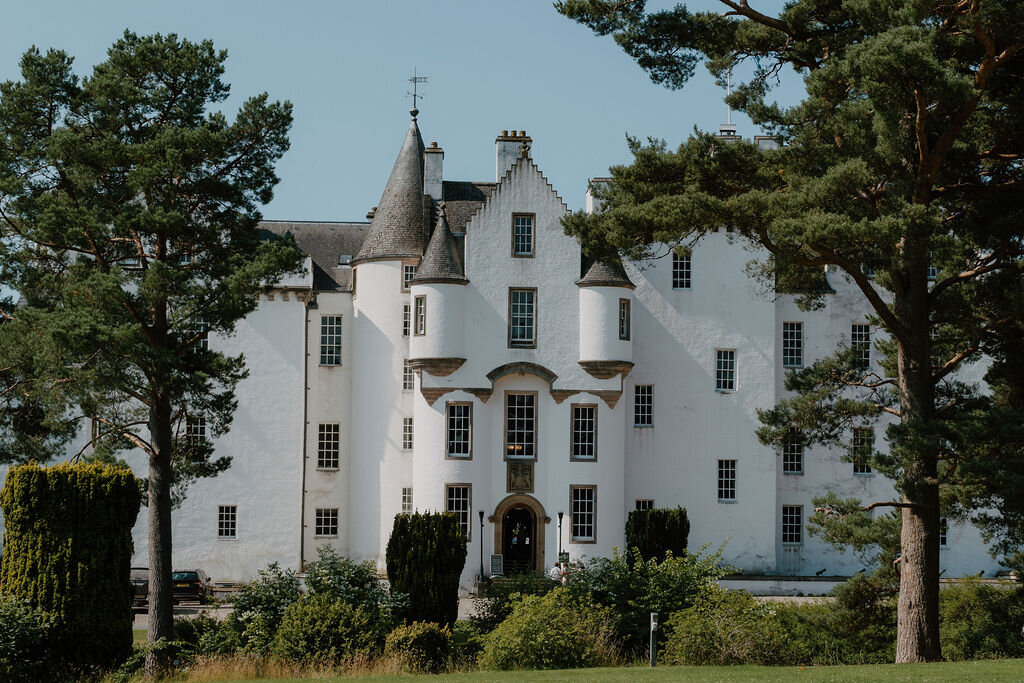
The chalk-white walls of Blair Castle stand out brilliantly against its surrounding sea of dark-green trees. The ancestral seat of Clan Murray, the castle passed through various hands since its construction began in 1269. Though still in private possession, the stately home offers tours and visits to tourists, giving people a chance to glimpse the opulent interior design of Scottish nobility.
Crocodile Rock
Bringing a small glint of fairy-tale whimsy into the Perthshire landscape, the ‘twinned’ stones lie some distance apart on the sides of the A85. Although it’s arguable just how lifelike the Frog stone is, the Crocodile stone bears significant resemblance to its namesake. Standing high above the road, the painted crocodile is thought to be around a century old and makes a landmark for walks in the area.
Dunkeld Cathedral
Even in the ancient era of the Picts, the Dunkeld area was held as a site of holiness. Over the centuries, the cathedral evolved with the contemporary styles, meaning Dunkeld is a fascinating amalgam of varying architectural visions and movements.
Castle Menzies
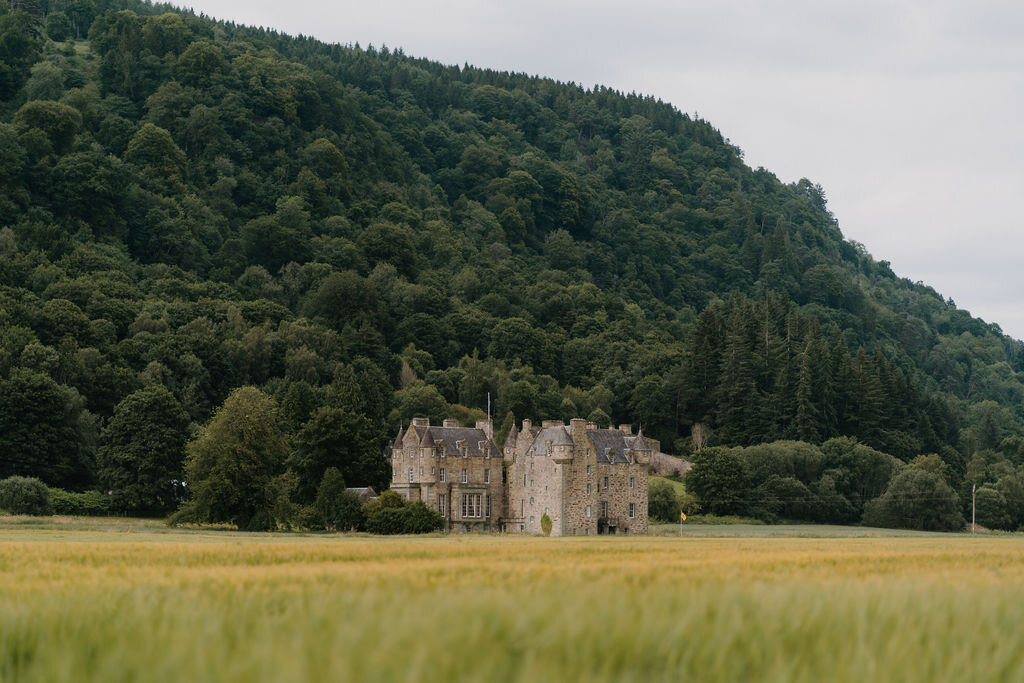
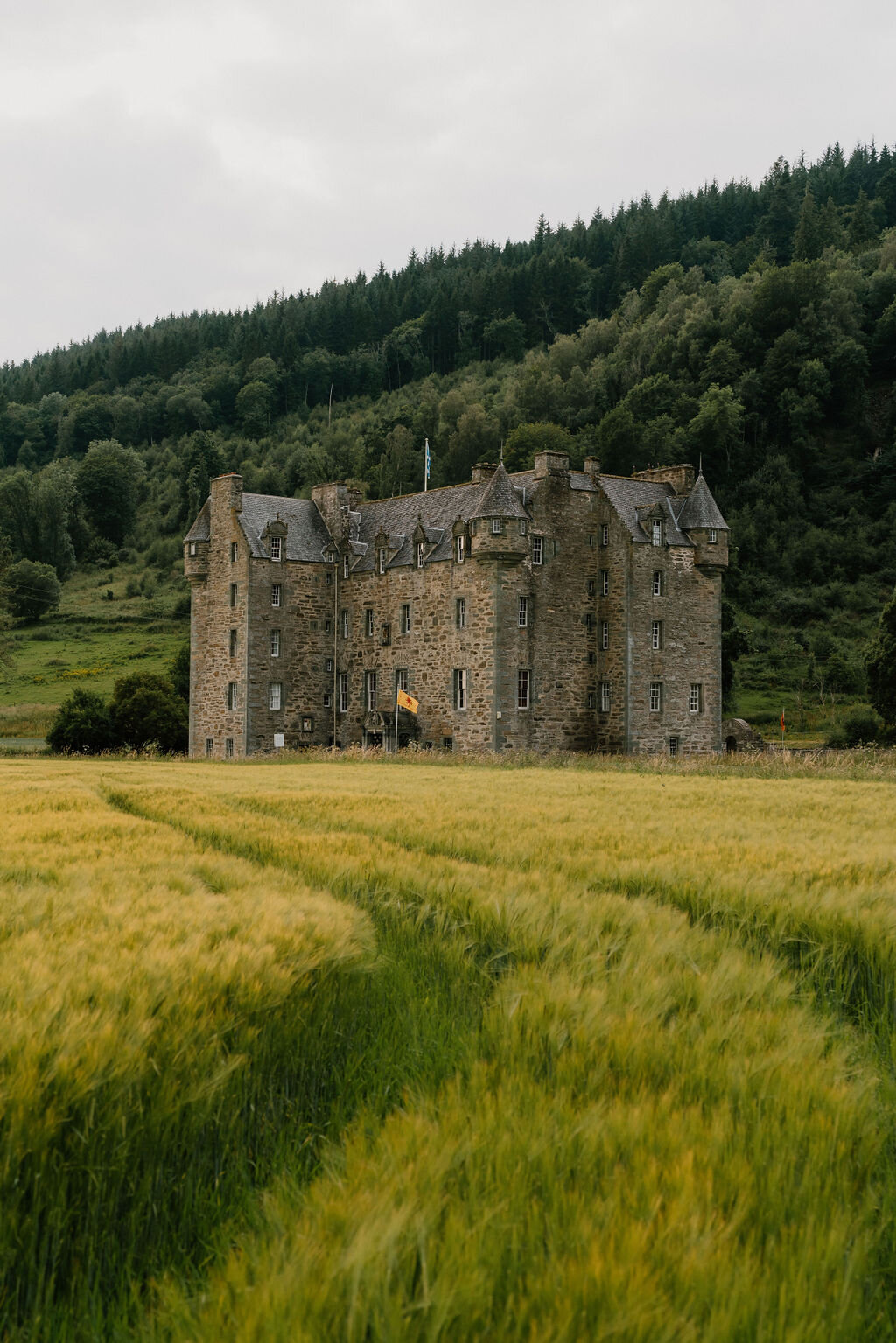
First built in the 16th century, Castle Menzies was restored in the 20th century after centuries of war and weather. By 1957, the castle was a ruin, having been hotly contested during the Jacobite rebellion, until it was rescued by the Menzies Clan Society. Now in the hands of a charitable trust, the restored castle is freely available for public visits.
Blair Atholl Waterwheel
Although first turning in 1590, the Blair Atholl Waterwheel is a rare example of a working wheel in the 21st century. The mill produces a variety of flours and oatmeal, which in turn are crafted into delicious baked goods in the on-site café. The wheel is turned by water from the River Tilt.
Dewar’s Aberfeldy Distillery
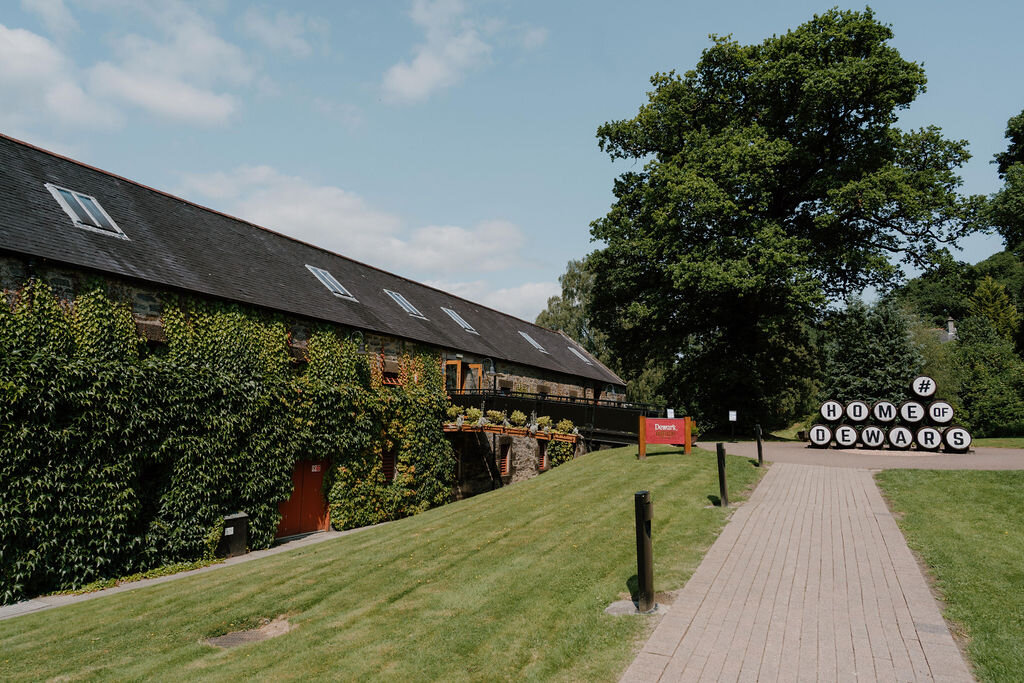
Dewar’s is one of the most celebrated names in Scotch, and Aberfeldy was its first distillery, built in 1898. Visitors to the spot can join one of the frequent distillery tours that explore each step of the process (including the drinking).
More about Dewar’s Aberfeldy Distillery
River Garry
A few miles north of Pitlochry, the coursing flows of the River Garry begin their journey into the River Tummel. By extension a tributary of the River Tay, the Garry is not to be overshadowed by its larger family, especially given its scenic location and idyllic walking route. Queen Victoria, a noted lover of the Scottish landscape, commented that the river is “very fine, rolling over large stones, and forming perpetual falls”.
Birks of Aberfeldy
“Bonnie lassie, will ye go/To the birks of Aberfeldy!”, wrote Robert Burns in 1787, immortalising this beautiful corner of the Perthshire landscape. The walk is well waymarked by the local authorities, giving walkers clear guidance on how best to experience all the beauty the Birks have to offer. A mix of ups and downs, with nothing too steep, makes it a good walk for those who prefer a gentler route.
Pitlochry Dam Visitor Centre
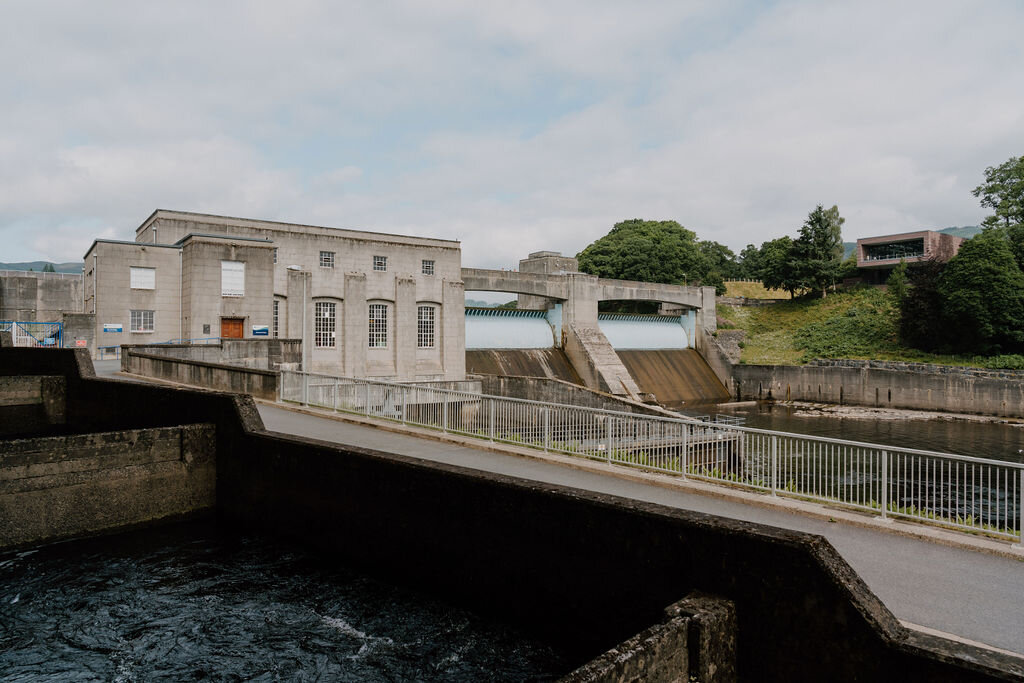
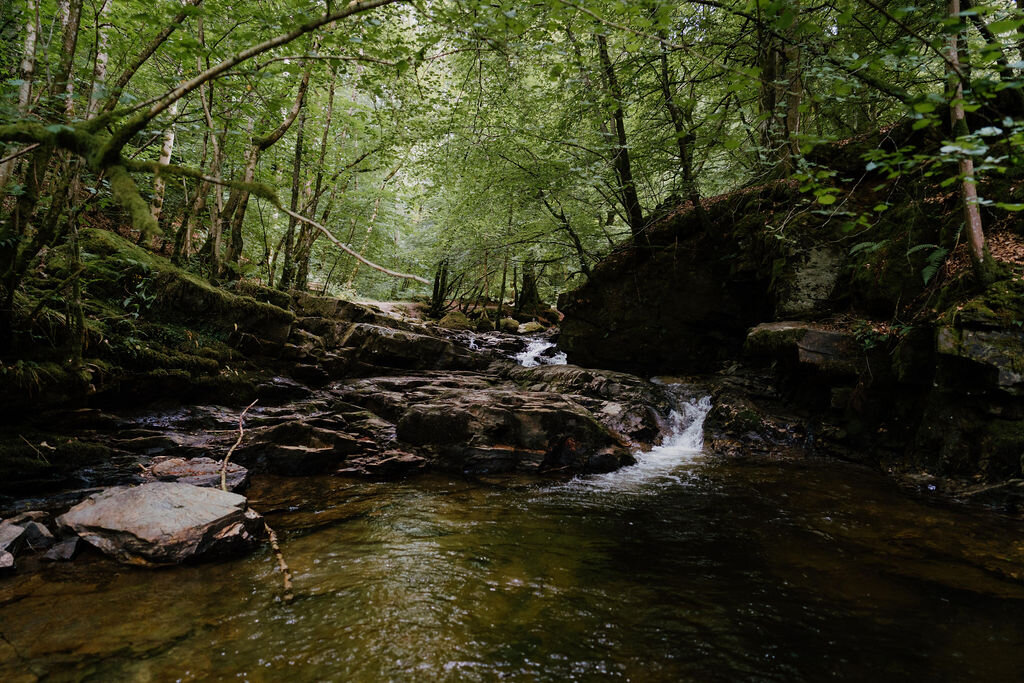
For decades, Scotland has been a world leader in the field of renewable energy. One major contributor to this was the hydropower harnessed by the St. Fillans power station, first opened in 1957. The Pitlochry Dam Visitor Centre celebrates the deep-rooted connections to renewable electricity in the north of Scotland, taking visitors on a fascinating journey through industrial history.
More about Pitlochry Dam Visitor Centre
Pitlochry Festival Theatre
Built to keep up with the burgeoning performance art scene in the north, the Pitlochry Festival Theatre opened its doors in the late 1940s at the behest of promoter John Stewart. The theatre has remained a hotbed of up-and-coming performers, directors, and producers, who are constantly pushing the boundaries with cutting-edge scripts and breathing new life into old favourites.
The Scottish Crannog Centre
From 3000BC all the way until the 17th century, crannogs were frequently built as accommodation throughout the marshlands of Scotland. Hundreds of rocks were piled onto the floor of the wetland, upon which stilts held up wooden roundhouses, a reconstruction of which can be explored at the Scottish Crannog Centre, which further examines the history of the building.
More about The Scottish Crannog Centre
Croft Moraig Stone Circle
Travel northeast from the River Tay and down the rocky hillside and you will come across another set of enigmatic stones. Using shards of pottery found on the site, archaeologists date the circle to at least 2000BC, although they may have been arranged even earlier. There is plenty to look at in Croft Moraig, from the recumbent stone to what some theorise is a deliberate astronomical alignment.
Weem Wood Walk
Tucked away in the Perthshire forests, the cosy Weem Wood Walk takes visitors through the titular wood and around the surrounding landscape. This walk is excellent for viewing Perthshire from new perspectives, giving climbers fantastic panoramas of nearby Aberfeldy. The trail ends at St. David’s Well – a spring found at the back of a deep cave, where St. Cuthbert reportedly spent many nights praying.
Killiecrankie
The stunning autumnal beauty of Killiecrankie may give the impression of a tranquil area of countryside, but its dramatic history is anything but. The Battle of Killiecrankie was an incredibly violent episode in the Jacobite uprising, occurring on the 27th of July 1689. Visitors can also appreciate Soldier’s Leap – the 18-foot gap across the frothing River Garry that a Redcoat soldier cleared to escape certain death.
Elcho Castle
Castles in as good condition as Elcho are few and far between, especially ones dating back as far as the 16th century. Both the interior and exterior are fully explorable, and both show off the architectural skill of Scottish builders at the time. Even the decorative plasterwork can be viewed inside, as the incredibly fortified nature of Elcho meant little damage has stripped away the interior’s beauty.
Fortingall Yew Tree
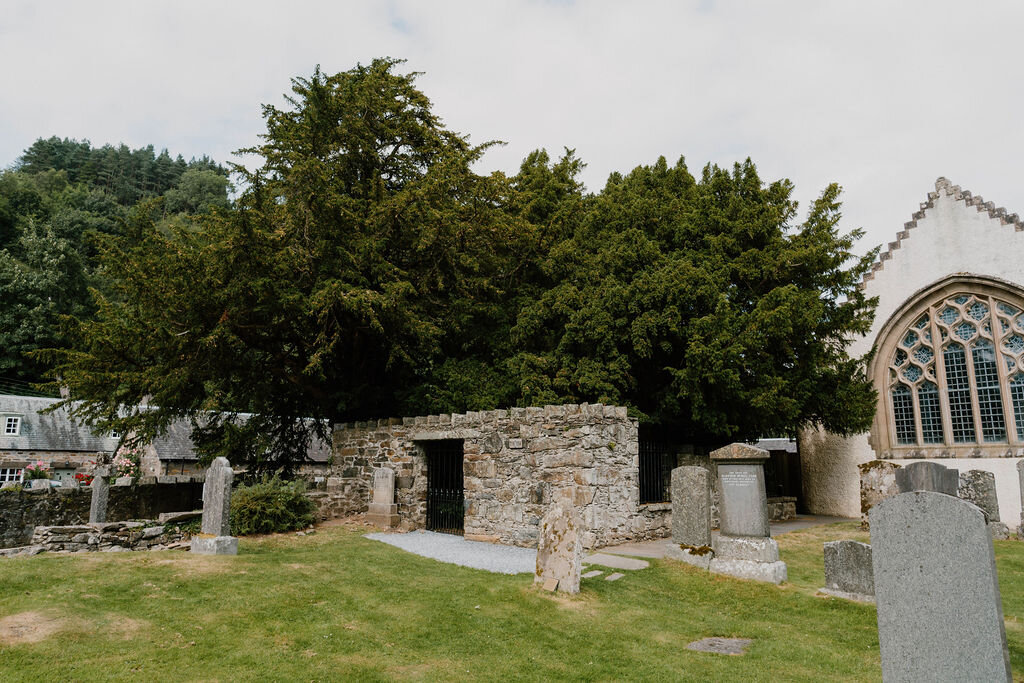
The world’s leading botanists struggle to identify exactly how old the Fortingall Yew Tree is. However, at between 2000 and 3000 years, it is possibly the oldest living thing in Scotland. The Yew has changed shape frequently over the centuries – in fact, its current state is far smaller than previously noted, with the trunk first being recorded as 52ft wide in 1769.
More about Fortingall Yew Tree
Comrie’s Earthquake House
Otherwise referred to as “Shaky Toun” and “Am Baile Crithenach”, the small village of Comrie is officially recognised as the most earthquake-prone area in the United Kingdom. In order to prepare for these frequently intense tremors, the local community built the Earthquake House atop a small mound consistently targeted by the quakes. The house was fitted with instruments to record the tremors for the scientists studying them.
More about Comrie’s Earthquake House
Dunkeld
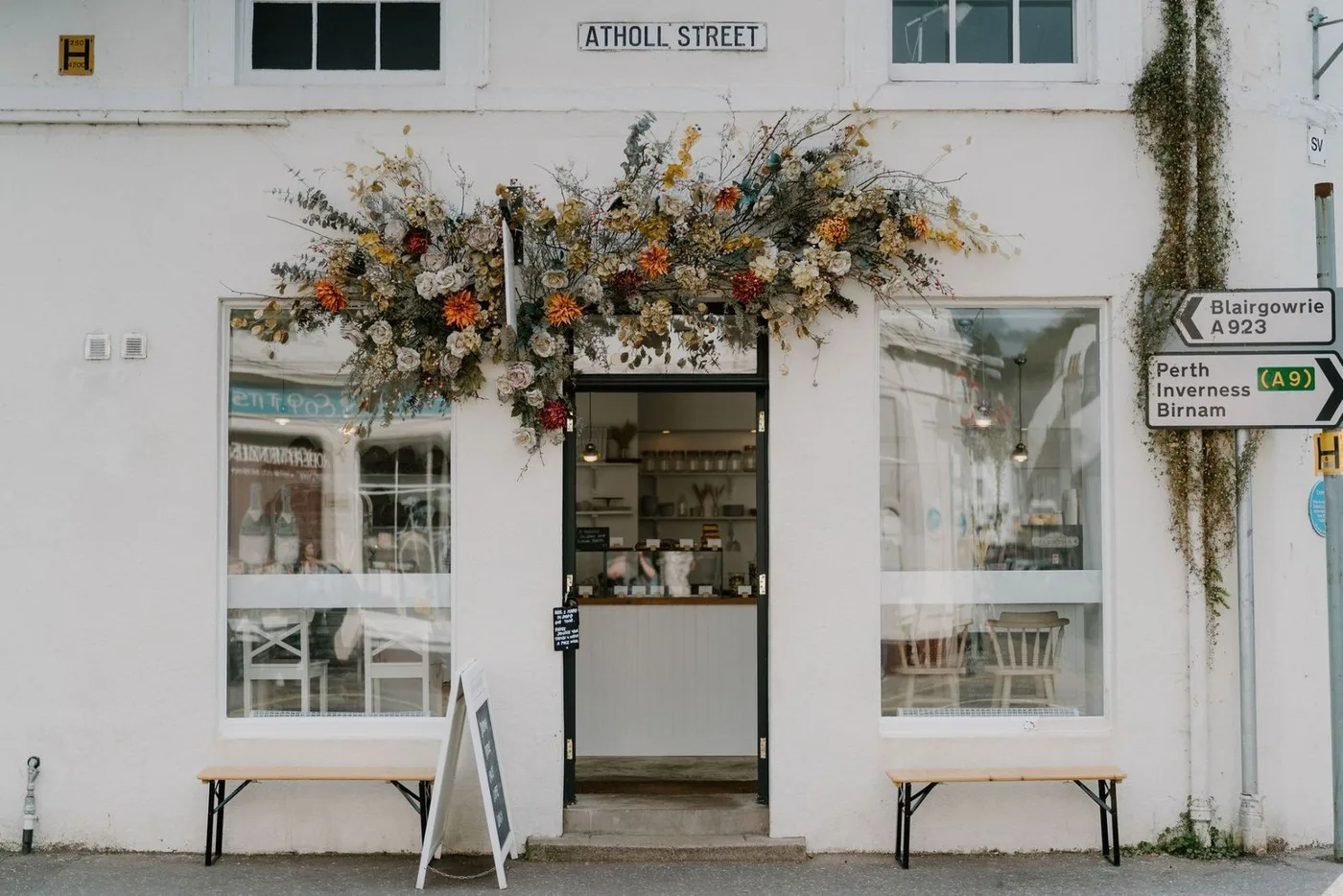
If Perthshire is the gateway to the Highlands, then Dunkeld is certainly the key. Although most known for the staggering cathedral, Dunkeld has a history and lively community that is equally worthy of note. In terms of layout, the town is incredibly authentic to its 18th-century roots, with many buildings being restored by the National Trust back to their historical fashion.
Auchingarrich Wildlife Centre
One of the most expansive of its kind in the country, Auchingarrich Wildlife Centre has entertained locals and tourists alike for over a decade. From farmyard animals to more exotic creatures, there are over 50 species calling Auchingarrich their home, each with their own eccentric personality. Maxine and Shona, the park’s full-time keepers, are experts in the field and are always excited to teach visitors about their favourite animals.
Tummel Aqueduct
One of the smaller villages in the county, Tummel Bridge’s layout is almost entirely overshadowed by the colossal hydropower station. A crucial aspect of this energy harvesting is the aqueduct, a titanic feat of engineering that funnels water toward both the Tummel station and a further eight across Perthshire. While not the prettiest sight to behold, the Tummel Aqueduct is a cornerstone of Scottish power and is more than worthy of your time.
Maggie Wall Memorial
Casting a dark shadow over the outskirts of Dunning, a tall stack of stones stands, topped with a cross and decorated with various gifts from the community. Inscribed on the stones are the words “Maggie Wall burnt here 1657 as a witch” – ostensibly memorialising one of 1500 sentenced to death during the witch hunts of the 17th century. However, no records have been found that recognise anyone named Maggie Wall, nor even a monument until 1866.
Kenmore
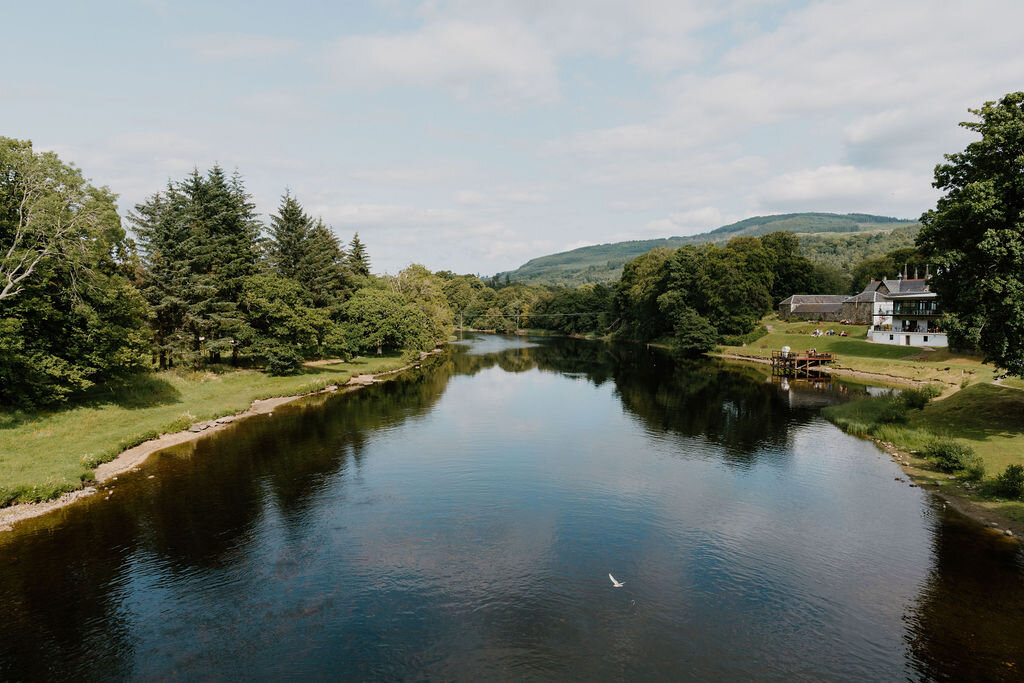
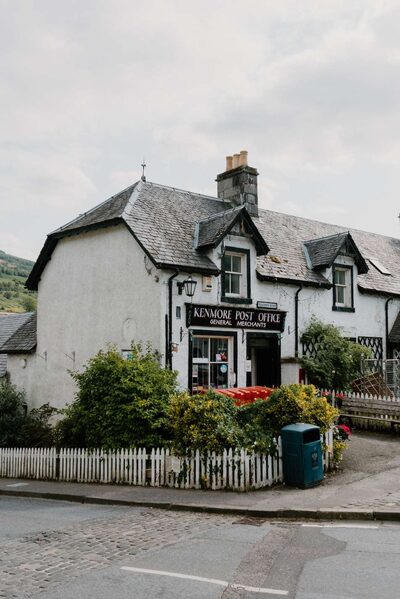
Kenmore sits at the eastern end of Loch Tay, where the River Tay begins its run to the sea. The town itself is a wonderful hub for exploring the rest of Perthshire, as well as for water-based activities across the River Tay. Elsewhere, visitors can try some of the local golf courses or eat well in the village.
Schiehallion
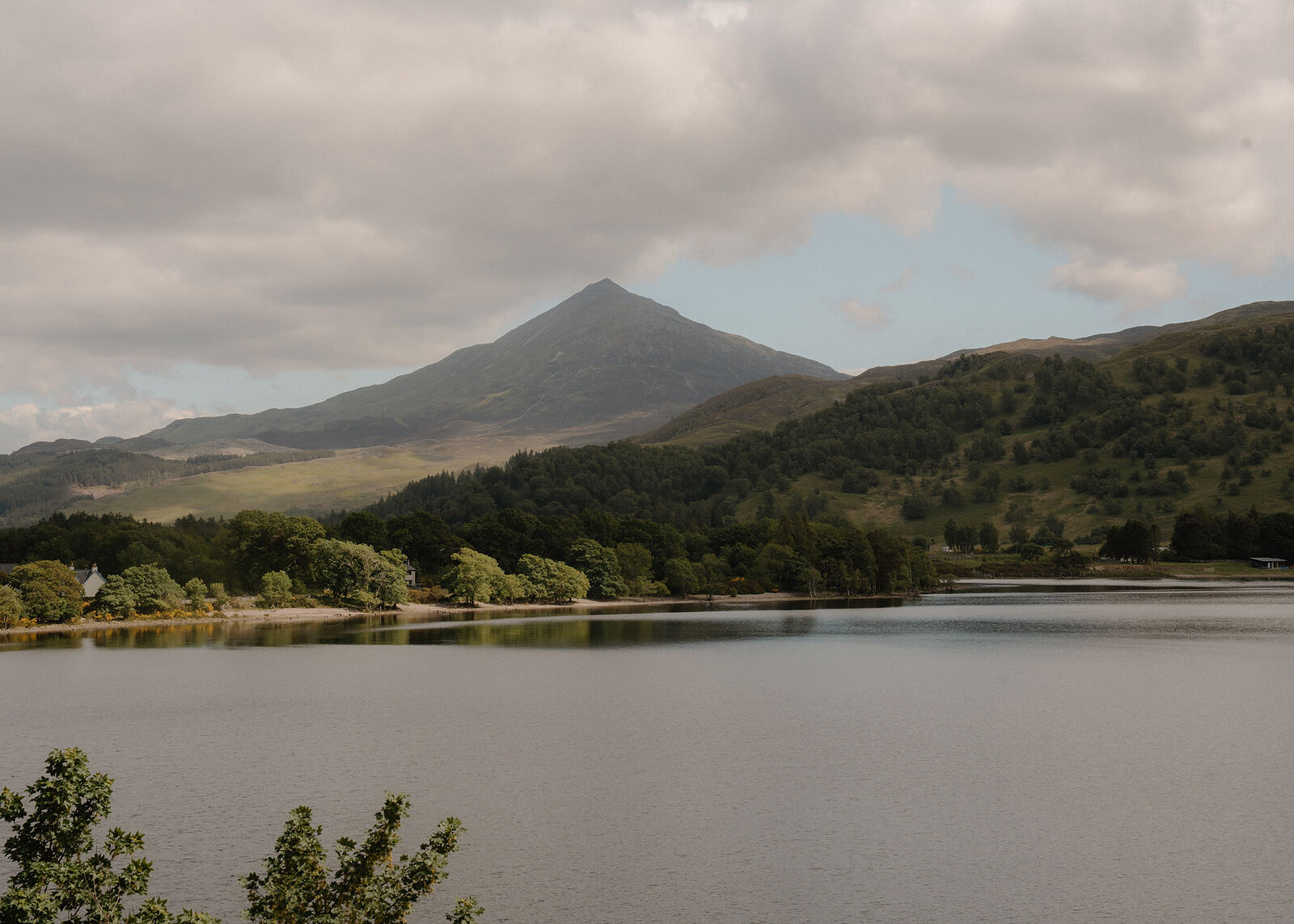
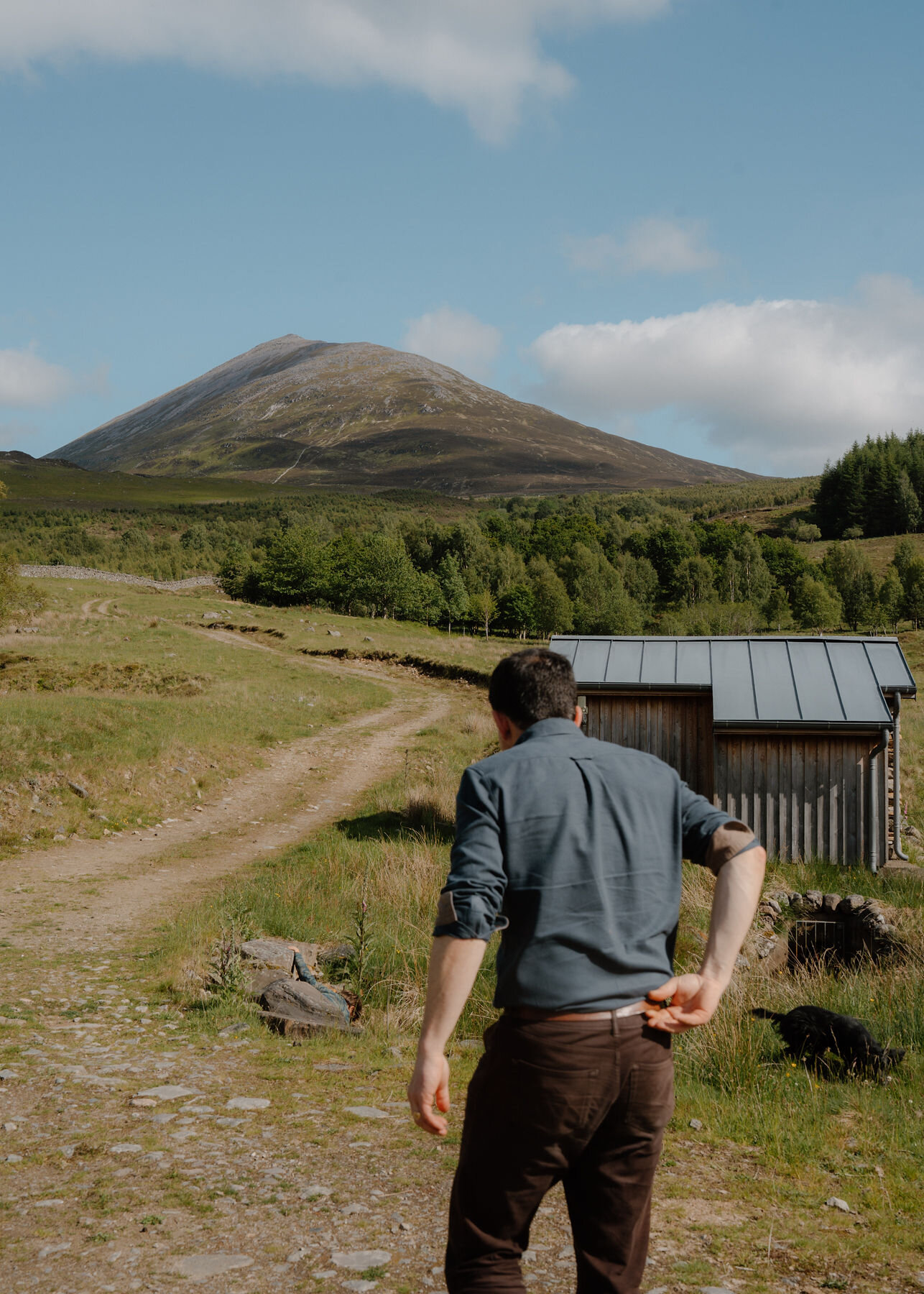
Rising up through the Perthshire horizon like a needle, the imposing mountain Schiehallion is a surprisingly easy climb when compared to many other Munros. At over 1000m high, the summit rewards intrepid climbers with incredible views over the rolling landscape around. The mountain is also unique for its place in scientific history when 18th-century astronomers used it as a measurement to determine the density of the Earth itself.
Battle of Luncarty
Four miles north of Perth itself, the sleepy town of Luncarty is a small, scenic town that many would not look twice at. However, its simple exterior is outshone by the local legends – following historical chronicler Walter Bower, the story goes that the Scottish army faced the invading Danish force at Luncarty. When the battle seemed lost, the appearance of a farmer and his two sons (armed with tools) apocryphally turned the tide and sent the Danes running.
Pitmiddle
Pitmiddle is a ghost village. The last resident left his home in 1938, leaving the remaining empty houses to be consumed by the elements. Very little physical evidence of Pitmiddle remains – and even less official documentation – with the latest excavation only finding the ruins of nine houses.
Gleneagles
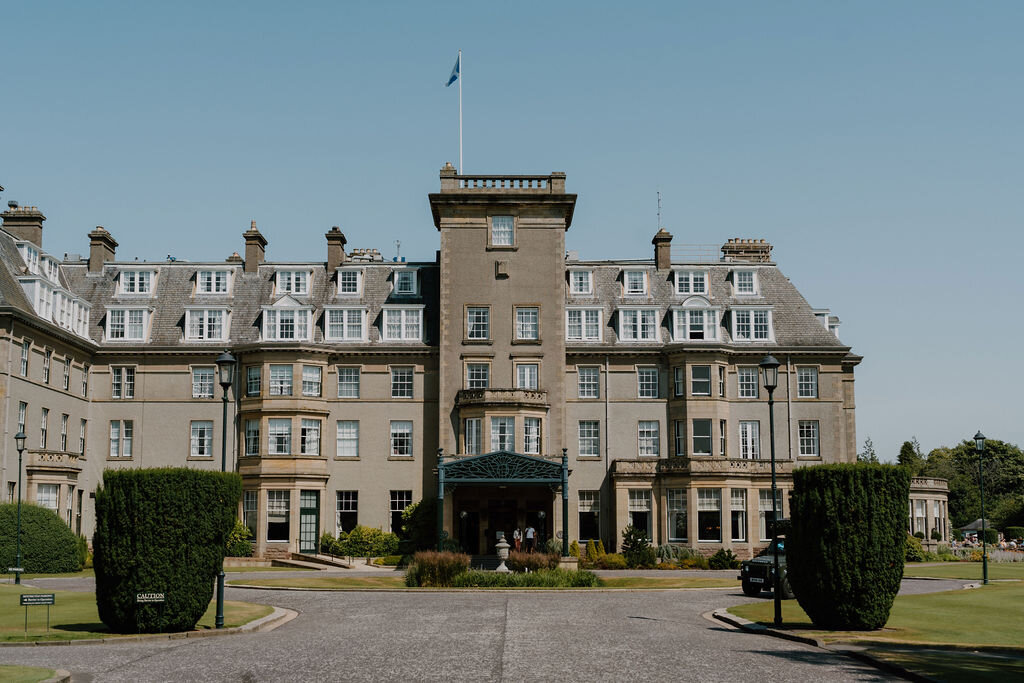
It is difficult to describe Gleneagles as anything other than the epitome of luxury. The AA has awarded the hotel five stars every single year since 1986, yet the establishment continues reinventing itself. Gleneagles is perhaps best known for its array of spectacular golf courses, even hosting the 40th Ryder Cup in 2014.
Loch Katrine
In the shadow of the Trossachs lies the extensive freshwater Loch Katrine. At 13km long and 1km wide, the loch seems to stretch its way infinitely into the horizon, creating a gorgeous effect when viewed from afar. For those looking to explore the loch further, the Sir Walter Scott ship offers visitors a chance to sail up and down the water.
Loch Katrine Aqueduct
While less naturally scenic than the loch itself, Katrine’s imposing Aqueduct is just as impressive. Taking water by gravity from the loch, the aqueduct funnels it to plants as far away as Glasgow, making it an essential part of Scotland’s water system. Comprising two separate outlets, in total Loch Katrine’s aqueduct covers a staggering 57.5 miles in length.
Kellie Castle
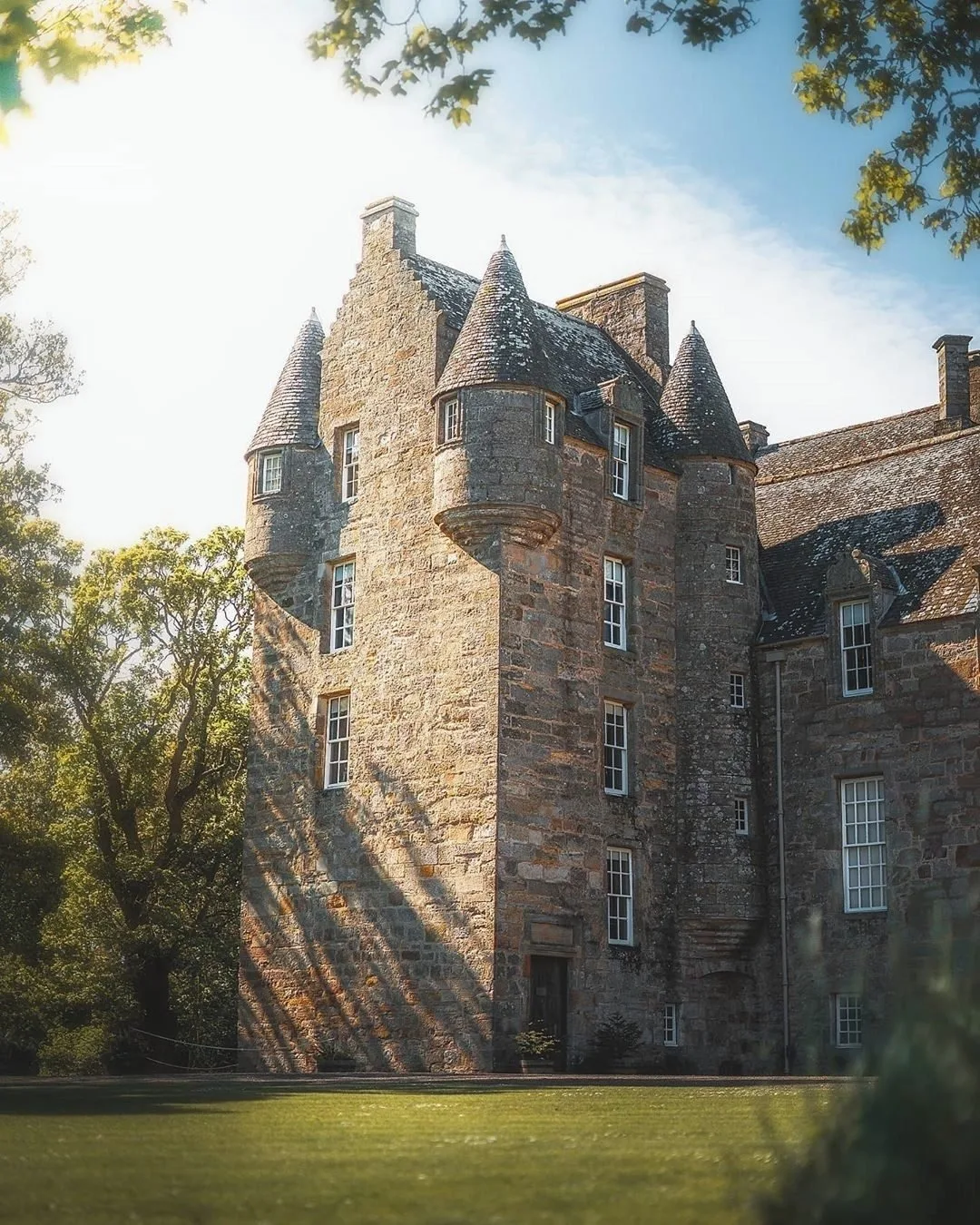
Kellie Castle is a wonderfully eccentric clash of two distant time periods. The exterior, looming over its rolling grounds of pristine green, remains faithful to its original 14th-century construction. However, following a restoration and overhaul in the 19th century, its interior is a beautiful example of Victorian design, making Kellie Castle well worth a visit for anyone fascinated by unusual architecture.
 Out now
Twice a year, to your door
One hundred and sixty pages of Scotland, every photograph commissioned, every word written by someone who went. Members get both issues posted and everything on screen.

 The Last Stop Before Nowhere
 A Weekend Exploring the Isle of Mull
 What's On in Scotland: Autumn and Winter