
Perthshire
Drummond Castle & Gardens

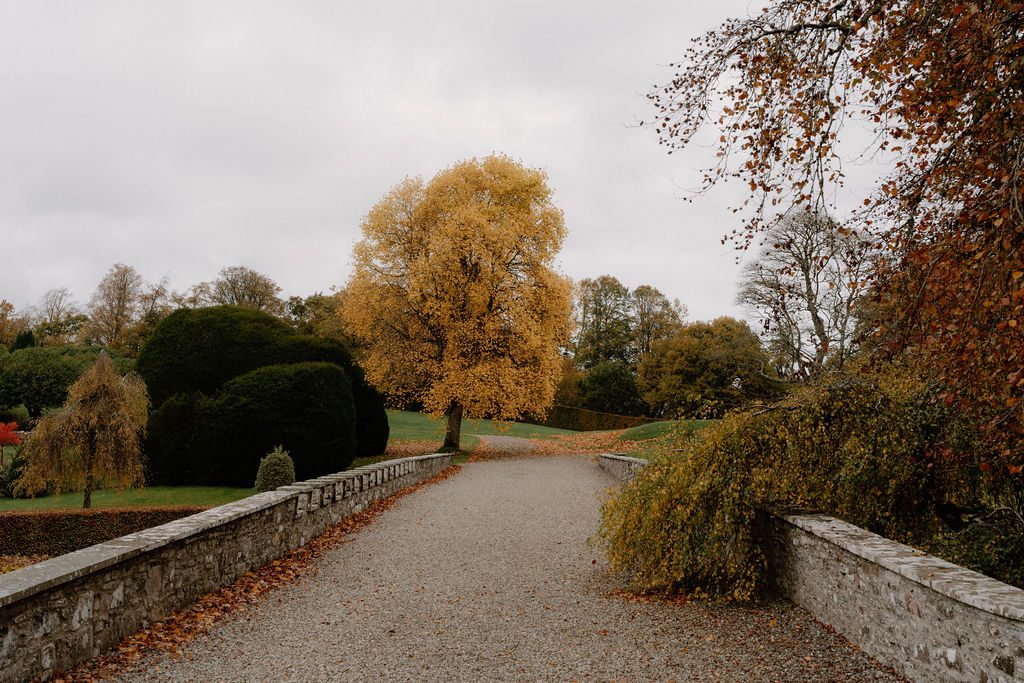
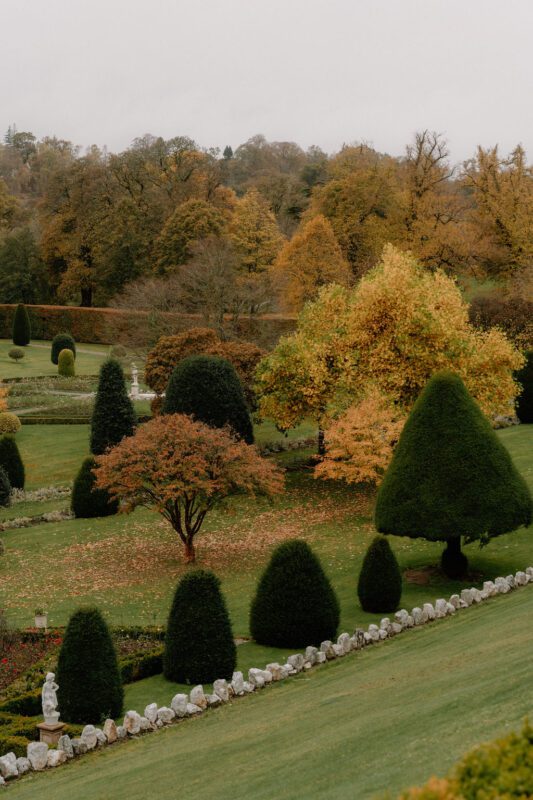
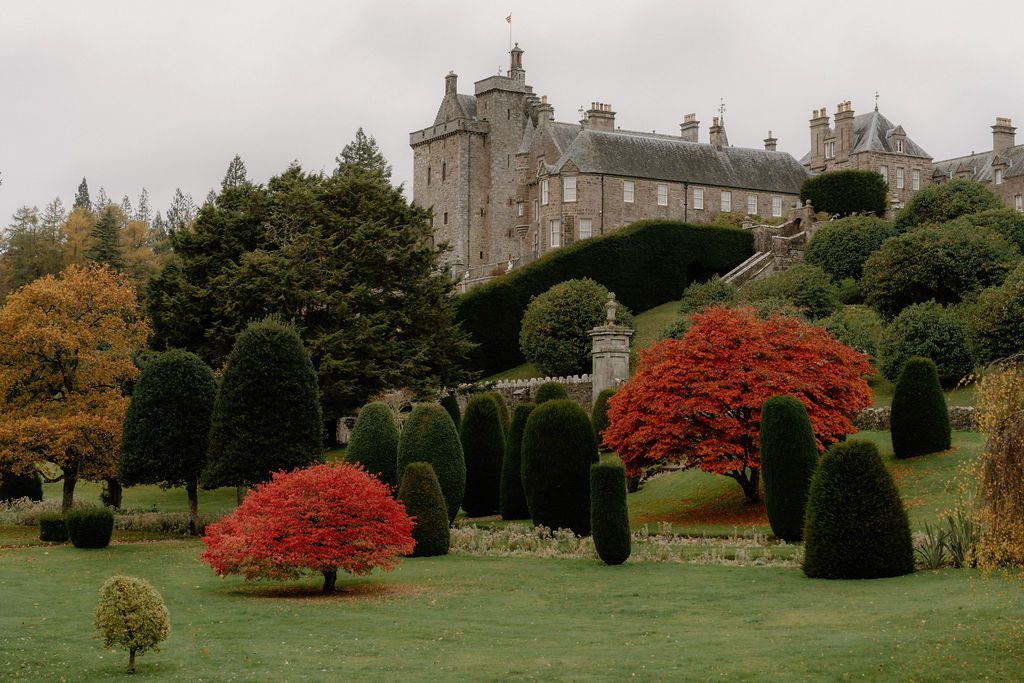
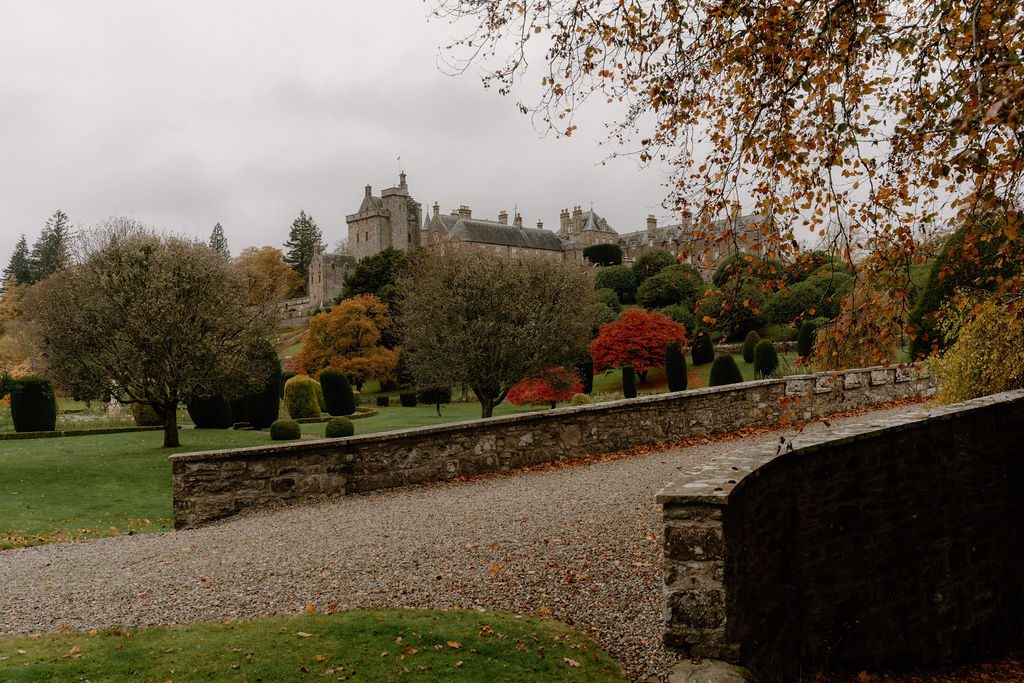

Introduction
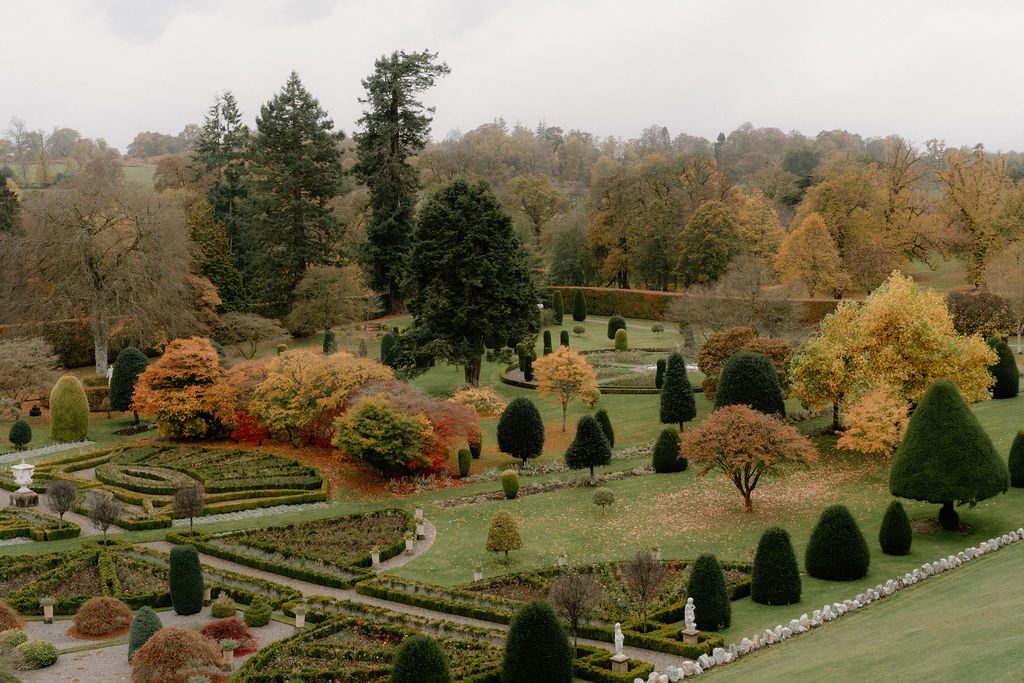
The gardens at Drummond have been growing things since the 15th century, and there's a record of the 1st Lord Drummond sending cherries to James IV in 1508, back when the king hunted in the forest nearby. The garden people travel for, though, began around 1630, when John Drummond, 2nd Earl of Perth, Privy Counsellor to James VI and Charles I, rebuilt the medieval castle into a stately home and laid out formal terraces beneath it. At their centre he placed an obelisk sundial carved by John Mylne, master mason to Charles I: three metres of sandstone with 68 facets and 85 gnomons, measuring time in 131 different ways and showing the hour in capital cities across the world. It's still there, still the heart of the whole design, four centuries on.
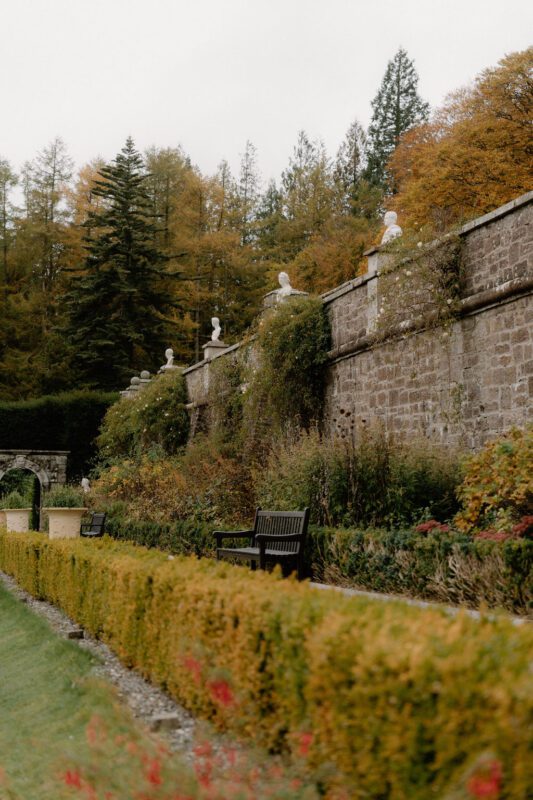
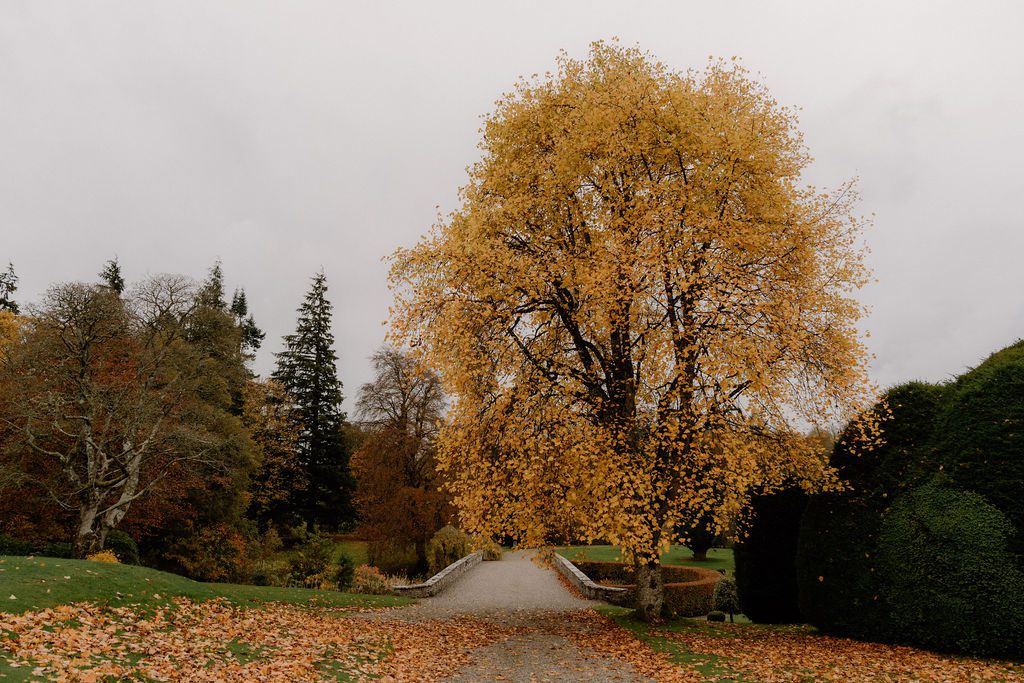
Seen from the top terrace, the parterre spreads out below as a giant St Andrew's Cross, its beds picked out in roses of red and yellow for the Drummond heraldic colours, box-lined avenues, fountains, statuary and clipped yews running off in every direction. The garden survived the 18th-century fashion for sweeping everything away in favour of parkland, helped in a backhanded way by the family backing the Jacobites and losing the estate after 1745. The version standing today is the early 19th-century re-creation by Lewis Kennedy, who had gardened for Empress Josephine at Malmaison, and the French schooling shows. When Queen Victoria visited in 1842 she wrote of terraces "like an old French garden" and planted two copper beech trees, which are still going.
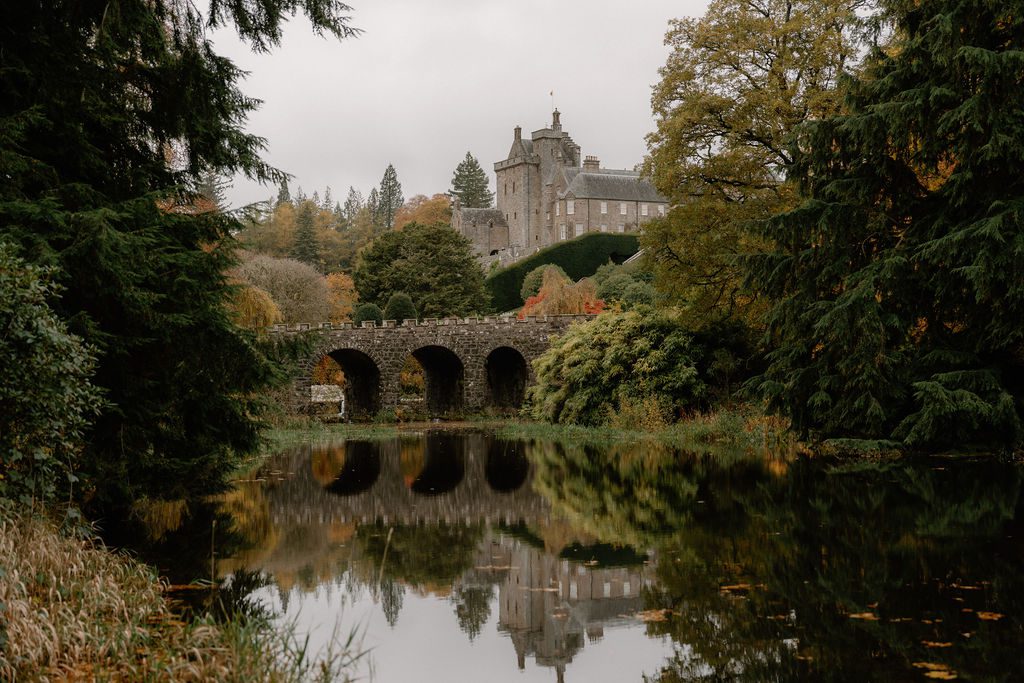
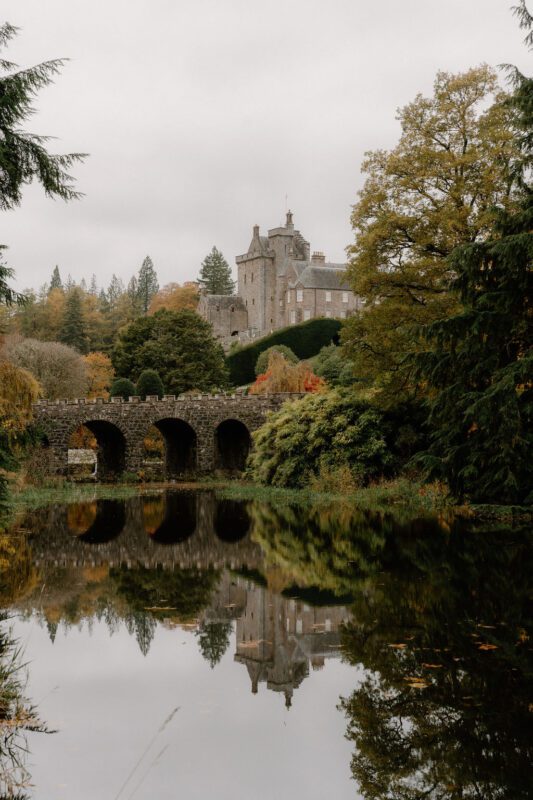
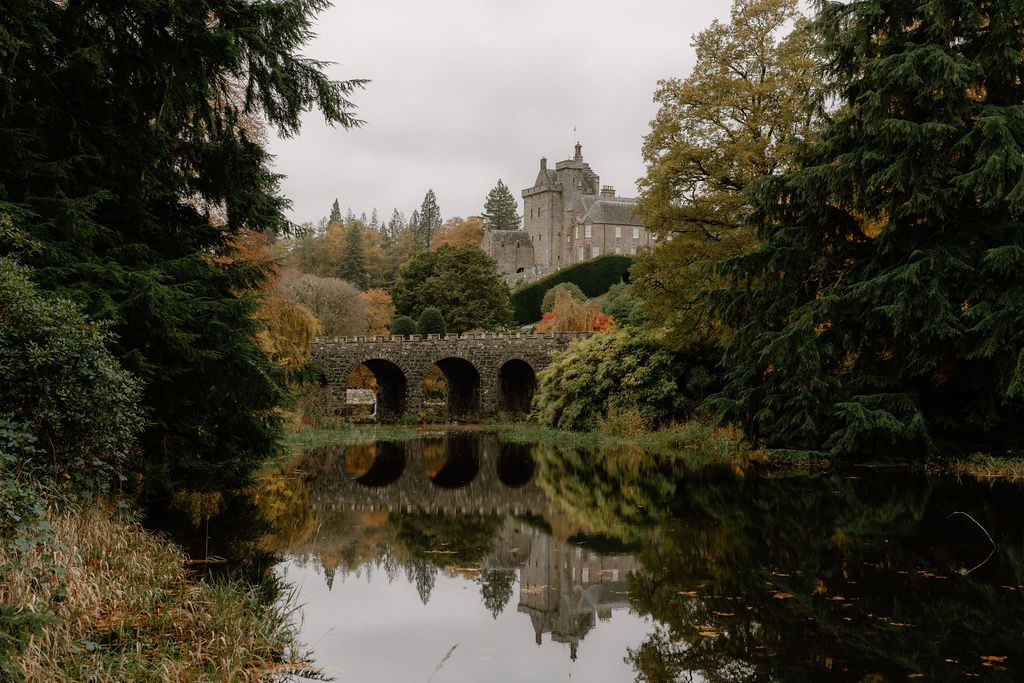
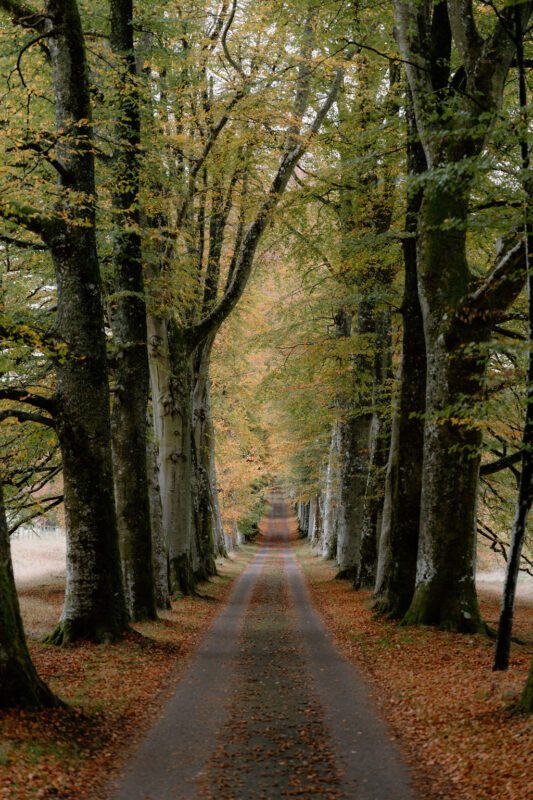
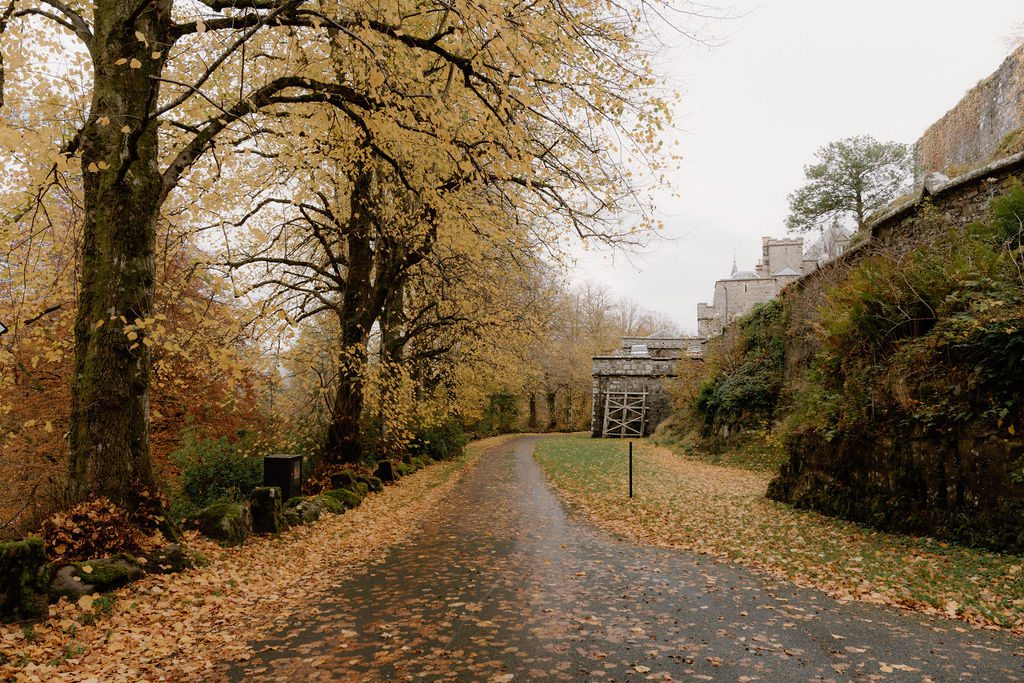
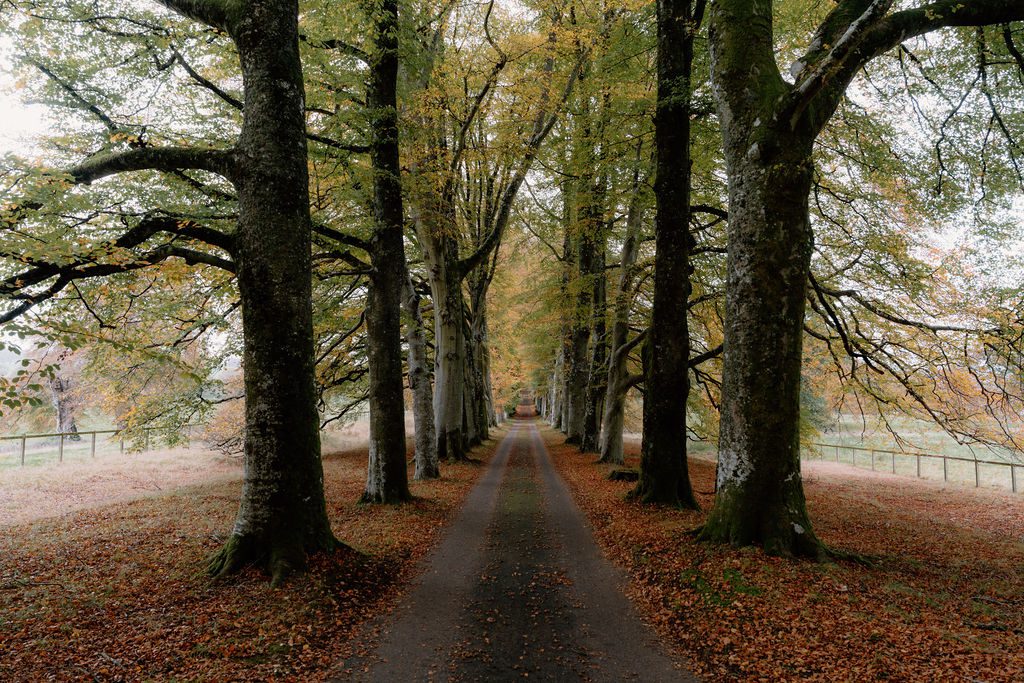
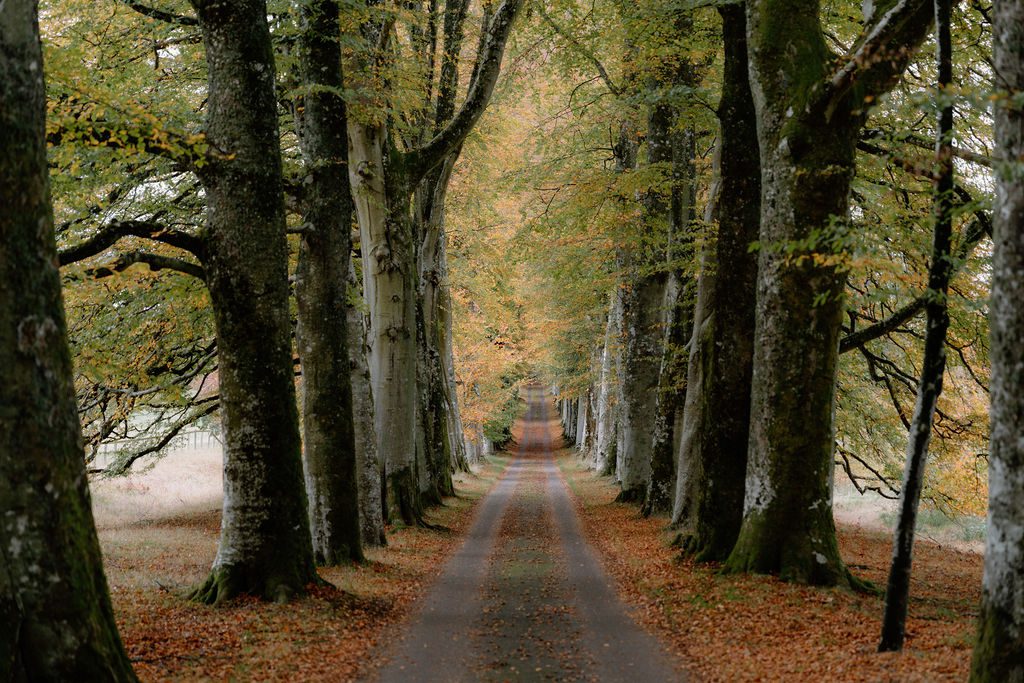
The gardens are Category A listed and have earned a second life on screen, standing in for Versailles in the second series of Outlander and appearing in the 1995 film Rob Roy, and in 2024 Dior staged its cruise show along the parterre. The castle itself stays closed, the family still have it, but the view of the old keep on its rock from the garden below is the composition everyone comes for. Arrive by the beech avenue, over a mile long and planted in the late 18th century, and give the kitchen garden behind its wall a look before you leave. Peaches ripen in the glasshouses. Peacocks patrol the terraces. It's Scotland's grandest garden, and it knows it.
Location
Drummond Castle Gardens are entered off the A822 Crieff to Muthill road, two miles south of Crieff, with the drive running the length of the mile-long beech avenue to the car park. The gardens open seasonally from late spring through October; hours vary and the terraces involve a long flight of steps down from the castle court, so check the official site before travelling for times, prices and access arrangements. Crieff is about an hour from both Edinburgh and Glasgow, and the castle itself is not open to the public.
What's nearby
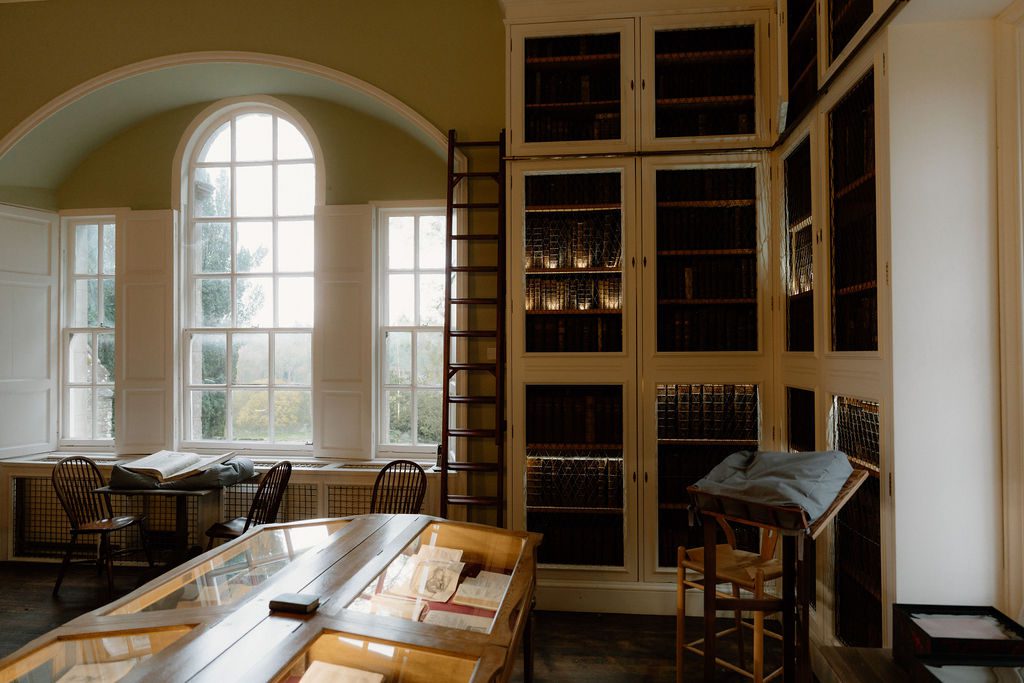
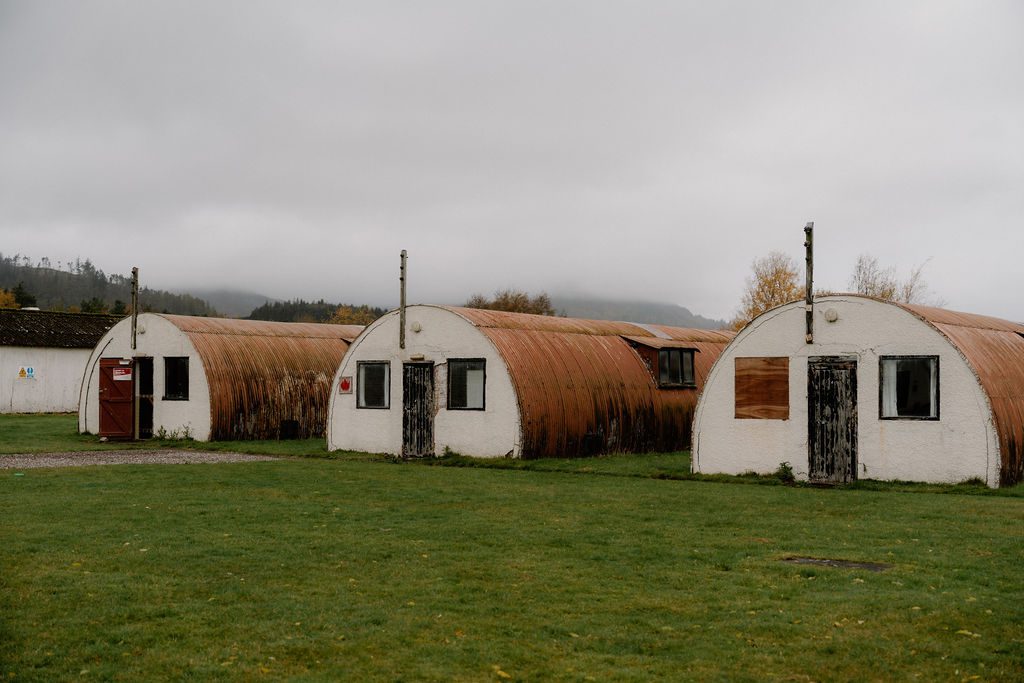
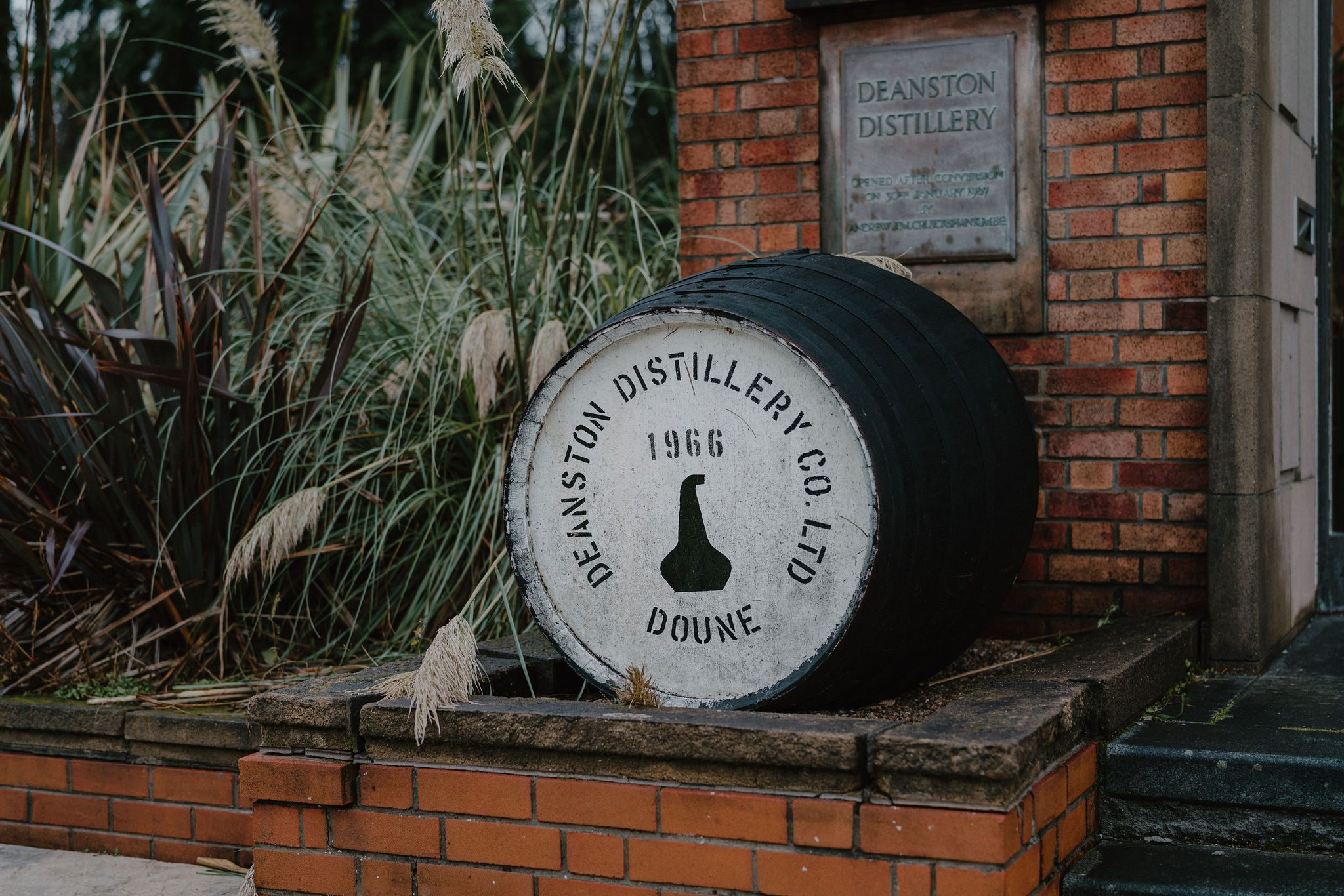
Crieff is two miles north, a market town with the Famous Grouse Experience at Glenturret, Scotland's oldest working distillery, and the Crieff Hydro estate for family activities. Muthill, just south, keeps the ruined 12th-century tower of its old parish church. Innerpeffray Library, Scotland's oldest free public lending library, founded around 1680, sits a few miles east and deserves far more visitors than it gets. Comrie and Cultybraggan Camp, the country's best preserved PoW camp, are 15 minutes west, and Gleneagles is 20 minutes south for golf and lunch.


Where to stay nearby






 Sign in with Google
 Sign in with Email