Worked by prisoners of war.
With the island's men away at war, from 1916 the mine was worked by German prisoners of war. In allowing it, the government appears to have broken the Hague Convention, and in 1920 it tried to destroy the records.
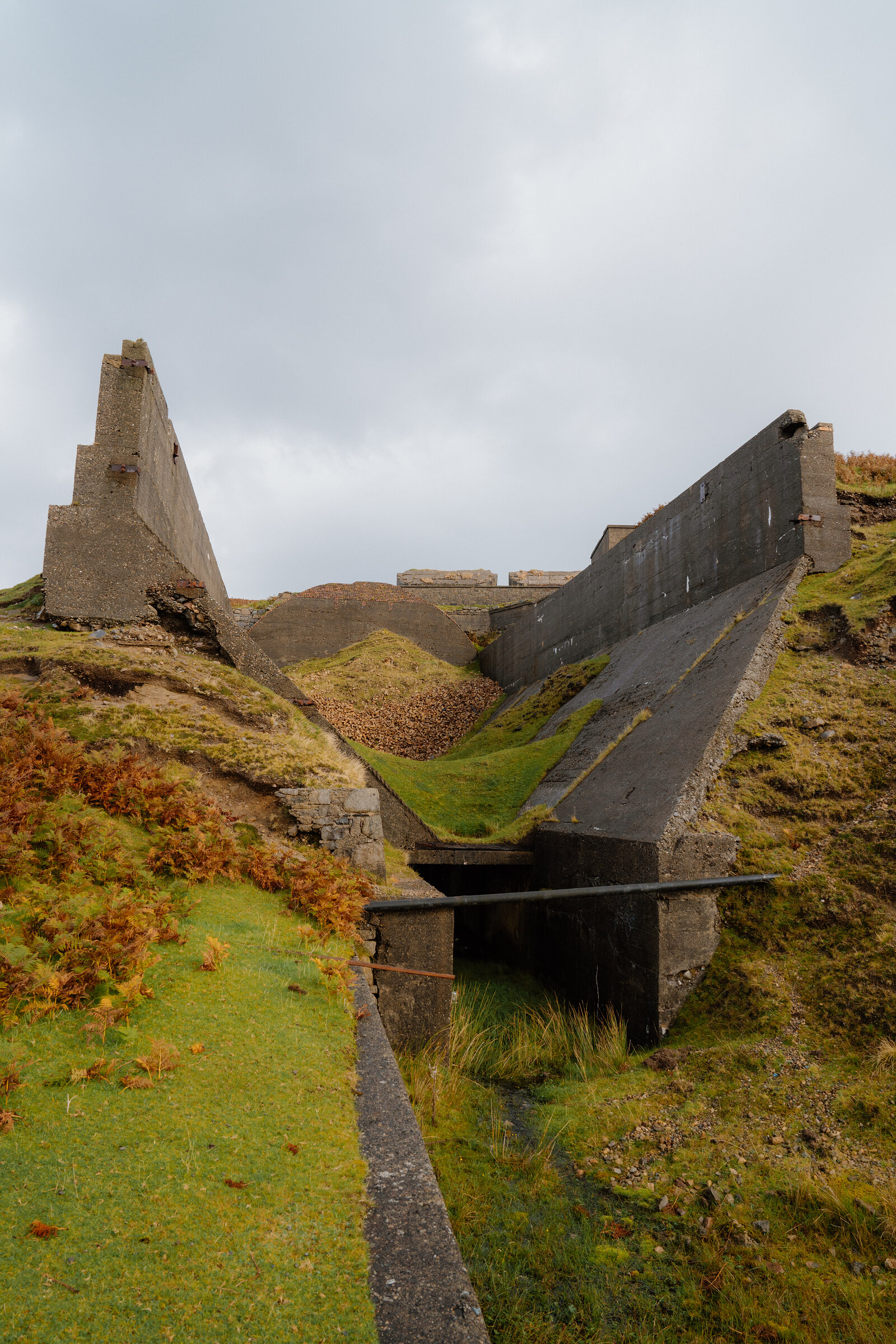
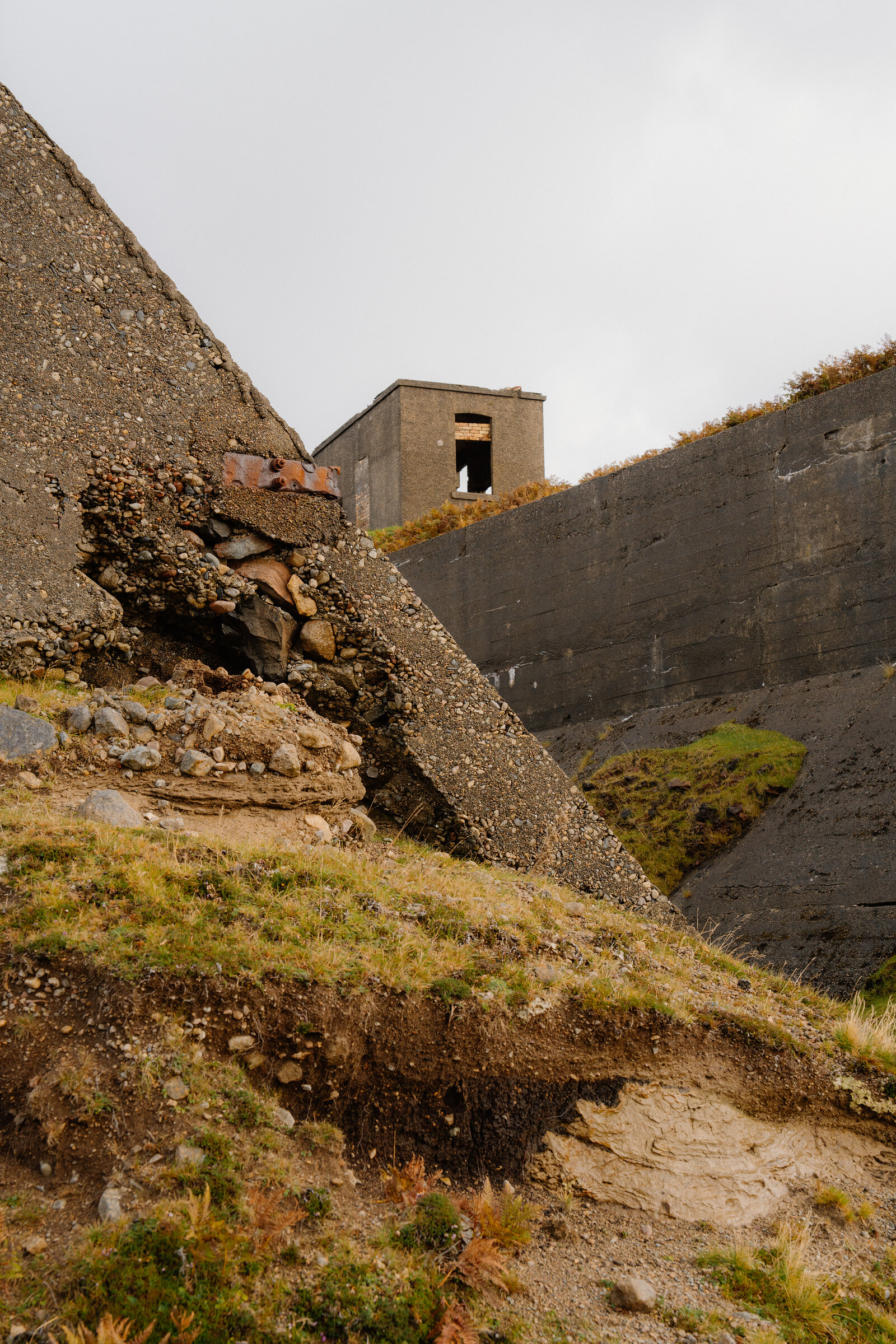
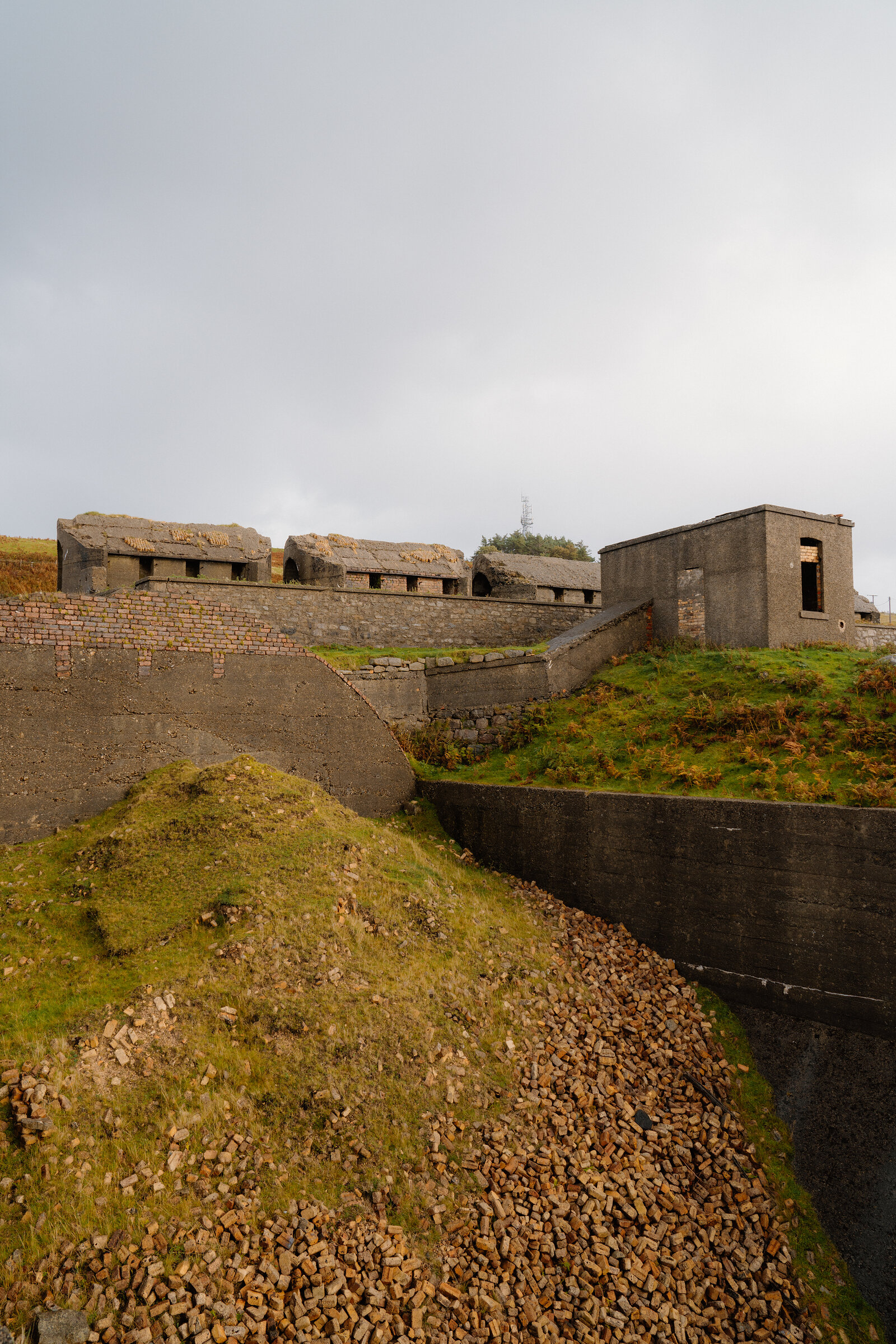
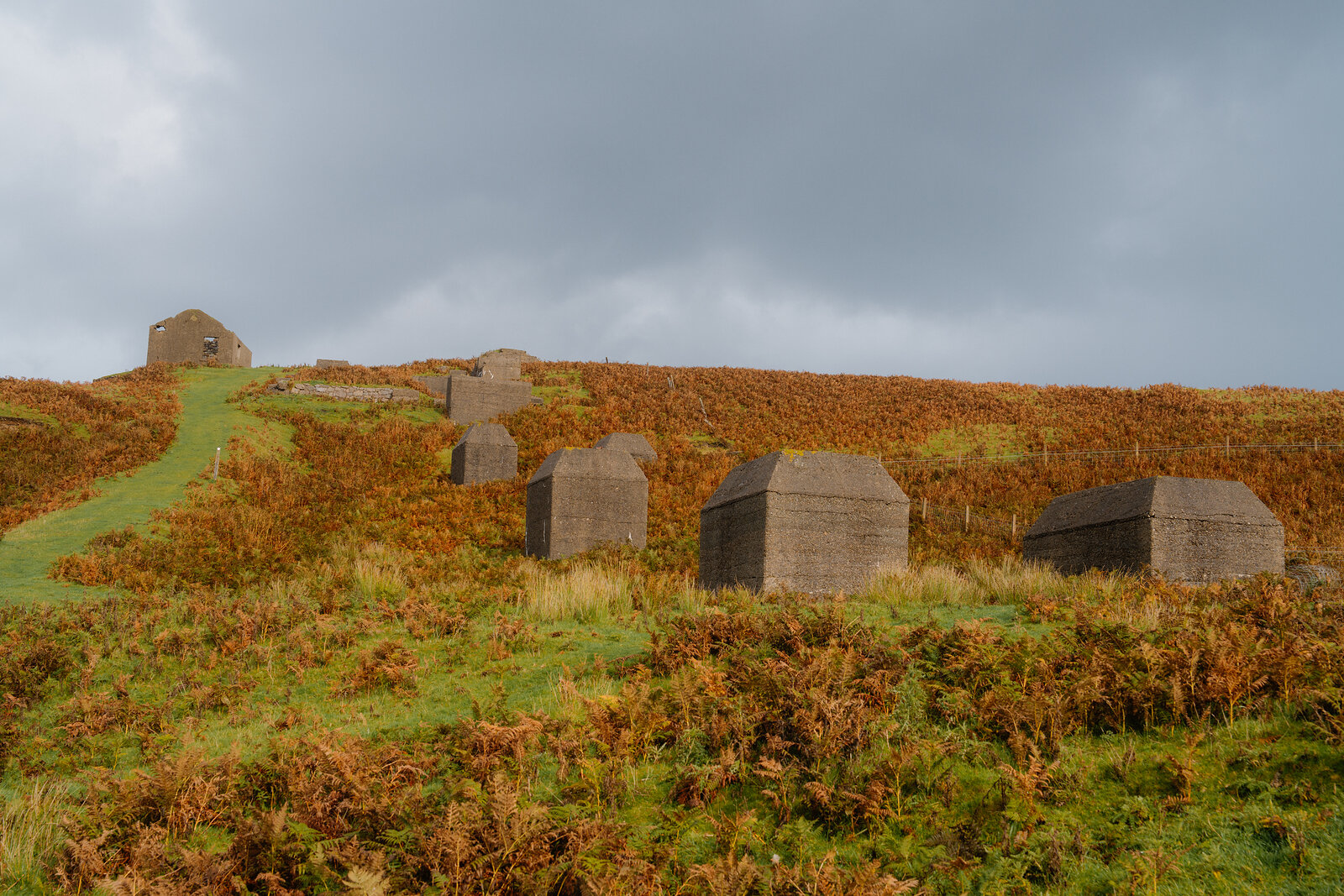
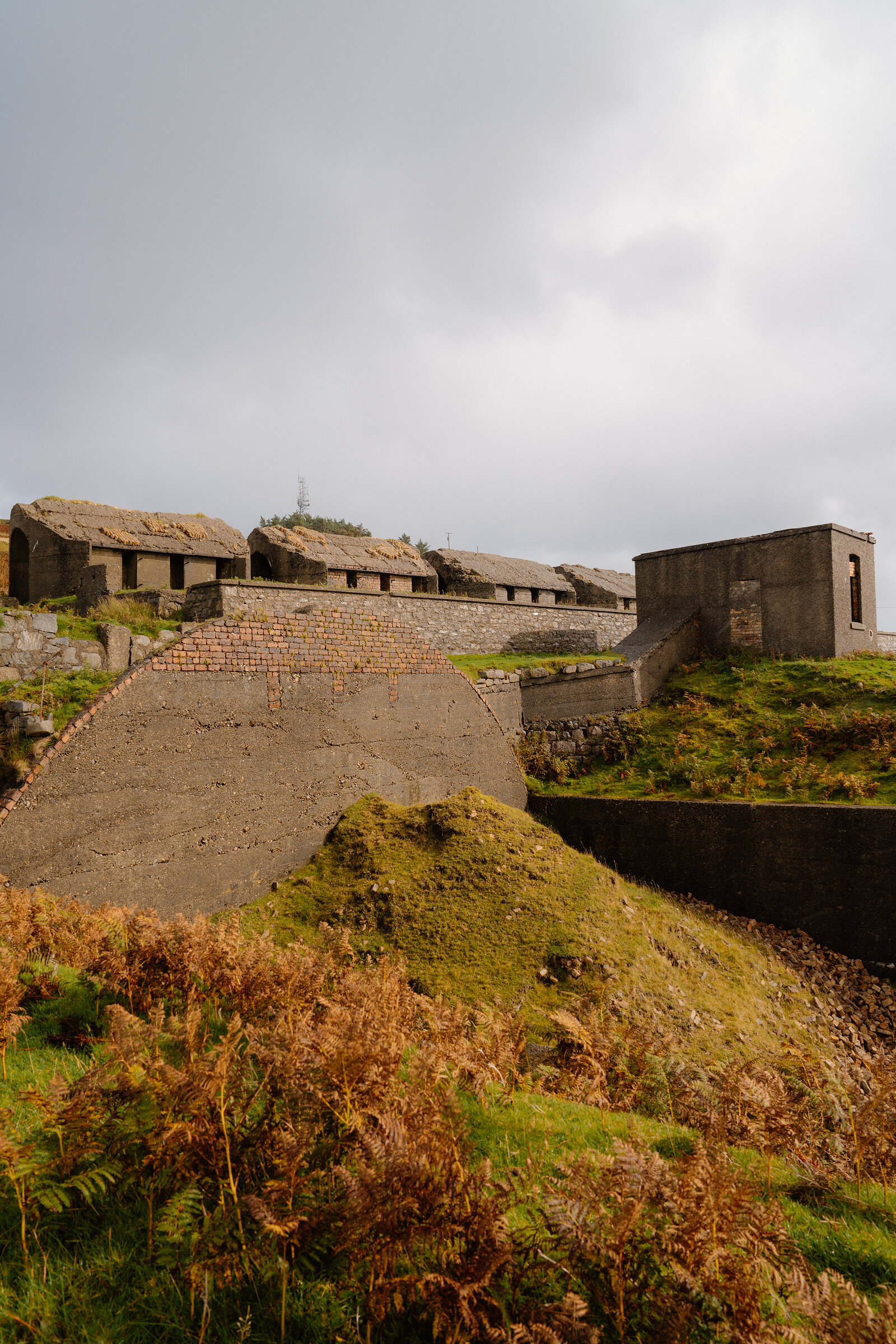
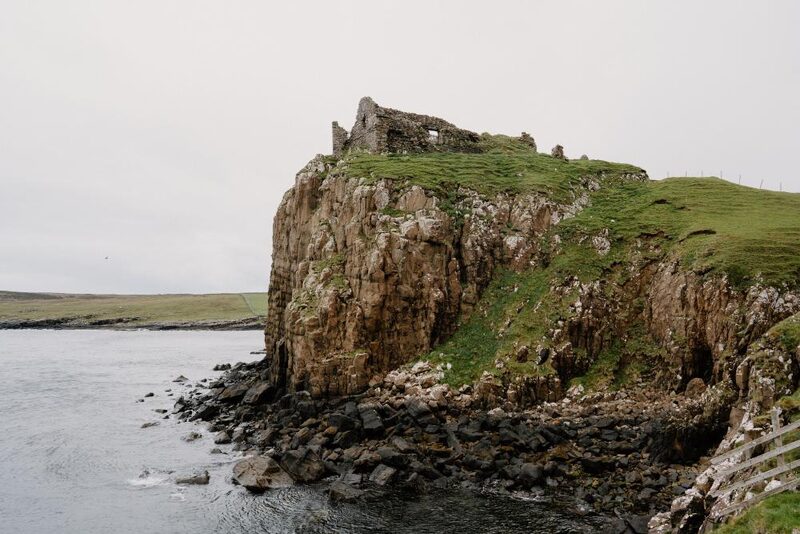
The concrete ruins of a First World War iron mine on Raasay, worked by German prisoners of war.
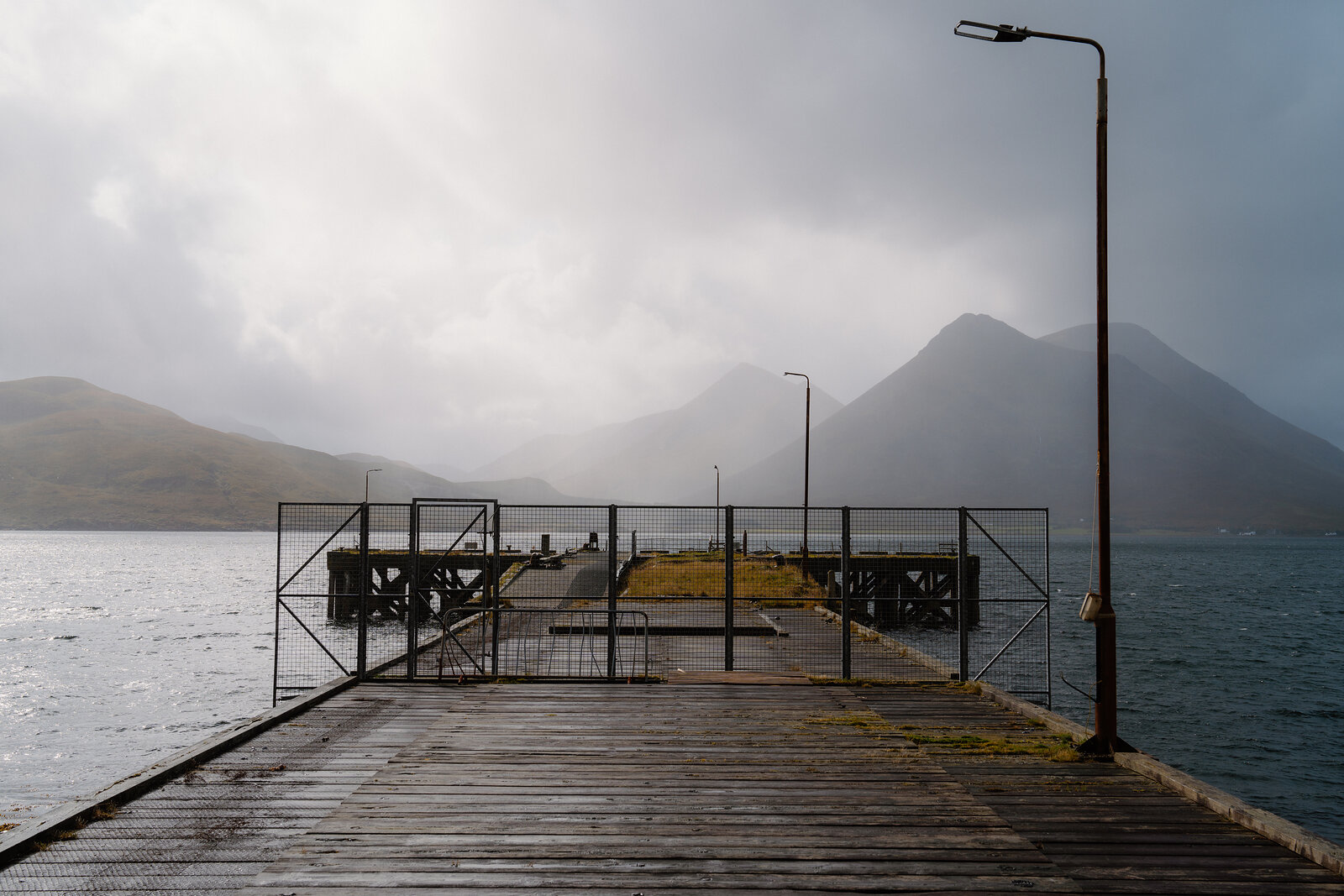
On the south shore of Raasay, by the old pier at Suisnish, the island keeps one of the strangest ruins in the Hebrides: the concrete bones of an iron mine built by William Baird and Company just before the First World War.
Visited and photographed by Simon Hird
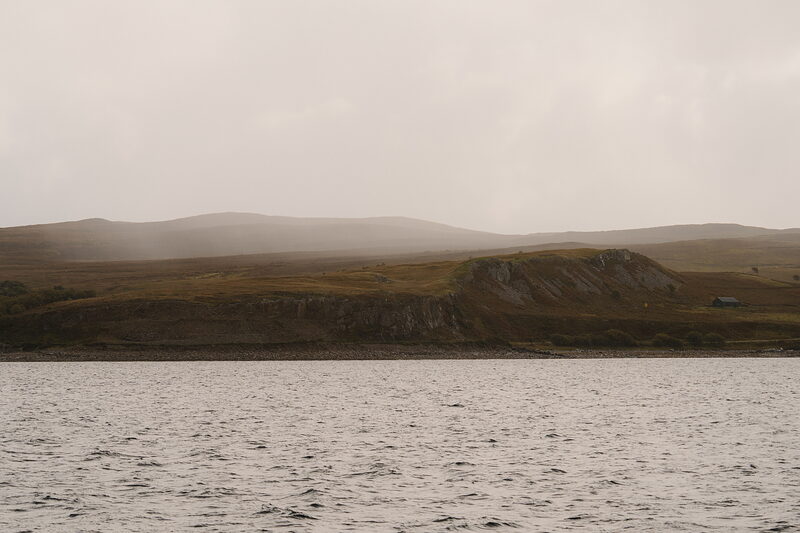
A huge ore hopper, the bases of kilns, the trestles of a railway and a long pier still stand on the hillside above the Sound of Raasay, looking across the water to Skye.
With the island's men away at war, the mine was worked from 1916 by German prisoners of war, alongside the local people who stayed. Between them they dug almost 200,000 tons of ore before it closed, within six months of the peace. The site is a scheduled monument now, so wander round it rather than over it, and keep children close to the open pits and walls.

Arrives at 5am every day.
A free morning email to see what’s on this week, catch up on what’s happening in Scotland and find somewhere new to go.

The ruins are a scheduled monument: walk round them and leave everything as it is.
Been here? Tell others what you know, and the best go on this page with your name.
Add your review
With the island's men away at war, from 1916 the mine was worked by German prisoners of war. In allowing it, the government appears to have broken the Hague Convention, and in 1920 it tried to destroy the records.

The prisoners and the island's people worked together as colleagues. When the local men went on strike over their pay in 1917, it reached Parliament, and Winston Churchill himself answered.

From 1916 to the end of the war the mine produced almost 200,000 tons of ore. Within six months of peace it had stopped, and the only iron it gave in the Second World War was its own machinery, as scrap.

The concrete pier, the diesel-electric power station and the powerful electric floodlights were all very advanced for their day. Eight kilometres of tunnels ran through the main mine.

The national record notes the loss of a sailing ship, the Spindrift, apparently beneath the old pier.

New places, news and stories, as we find them.
What is on on SkyeAt Suisnish on the south coast of Raasay, looking across to Skye.
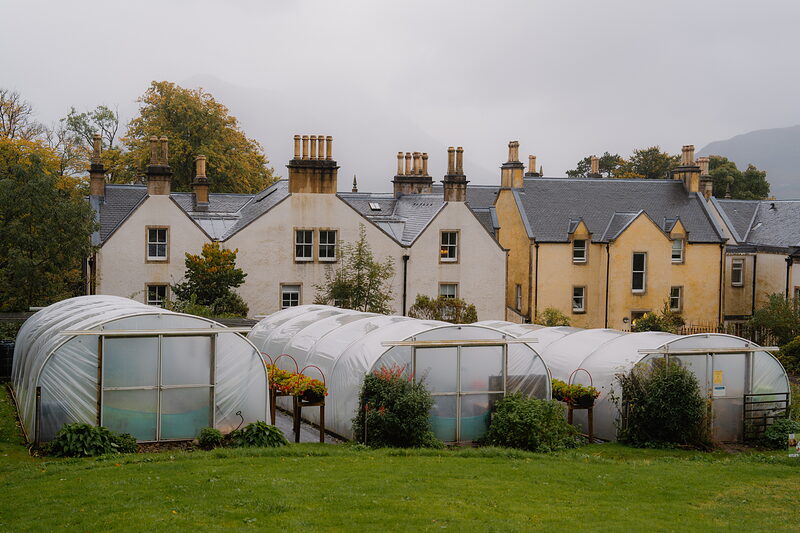
Raasay Walled GardenThe old kitchen garden of Raasay House, restored by the island community and open every day, free.Under a mile 1 min by road
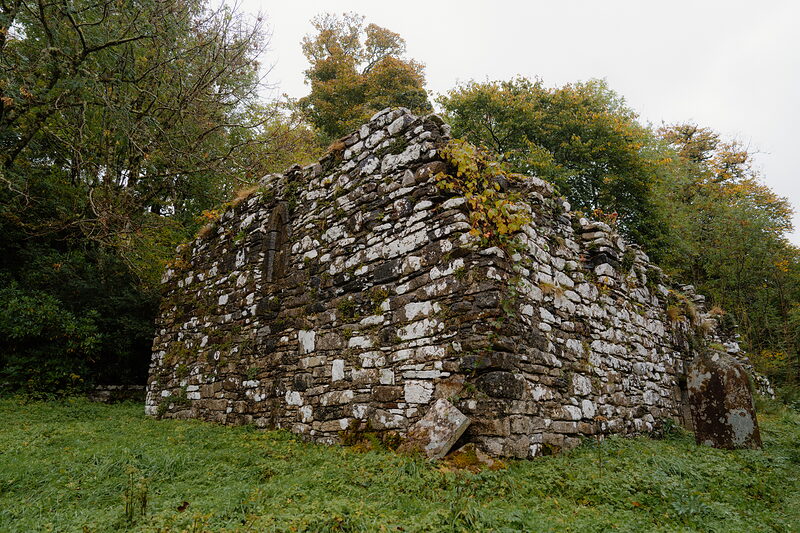
St Moluag's ChapelThe roofless walls of a chapel from the 1200s, in a graveyard behind Raasay House.Under a mile 1 min by road
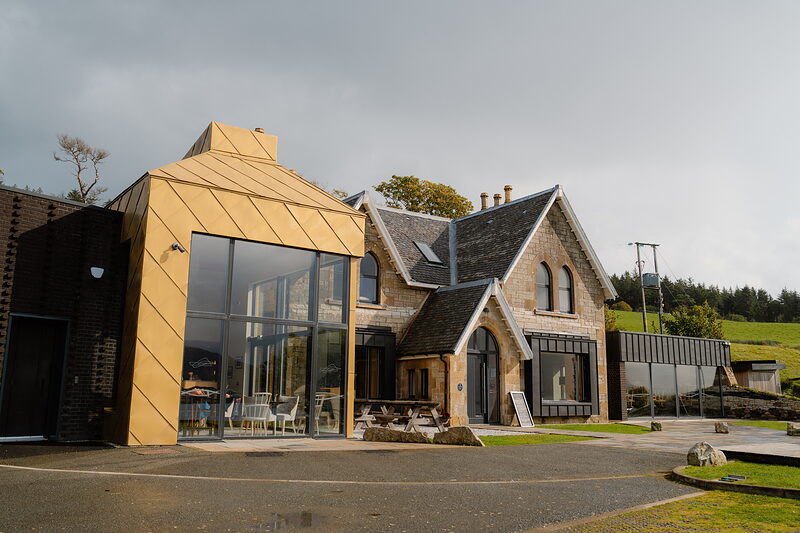
Isle of Raasay DistilleryA distillery with rooms of its own, a short walk from the ferry.Under a mile 1 min by road
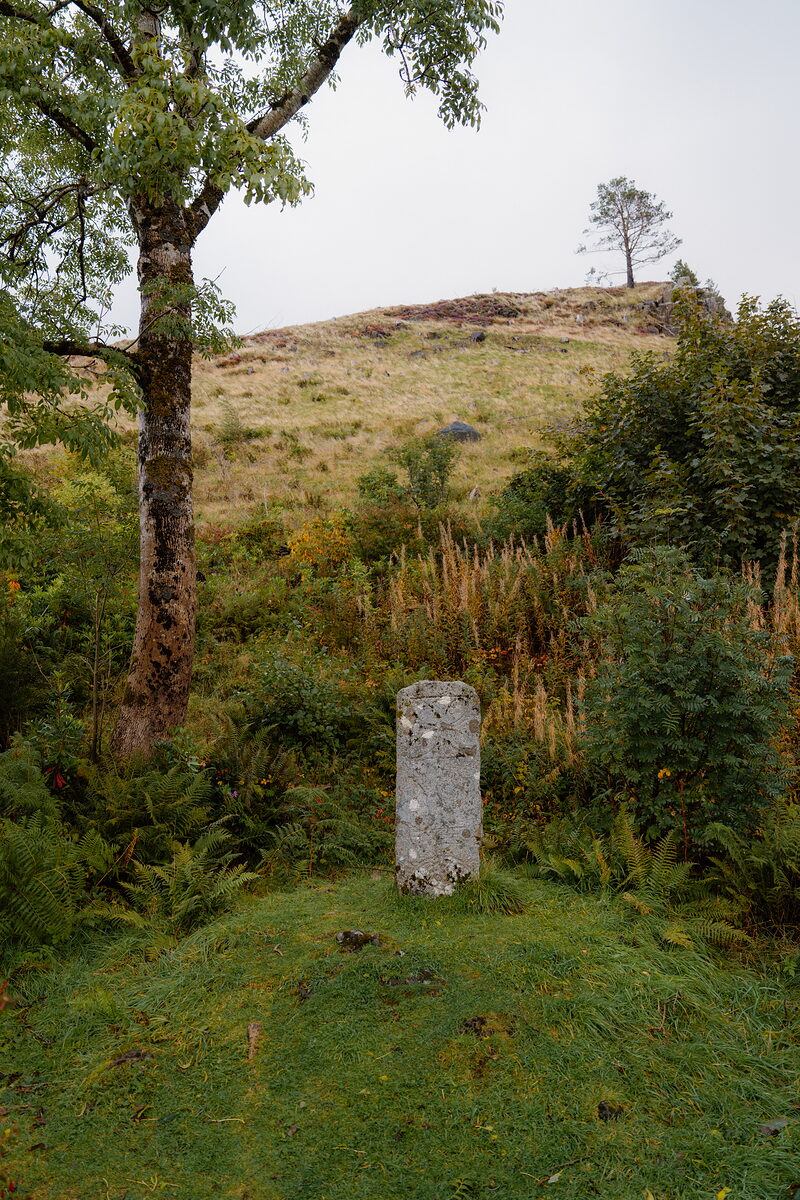
Pictish StoneA carved early Christian stone, found near the harbour in 1800.Under a mile 1 min by road
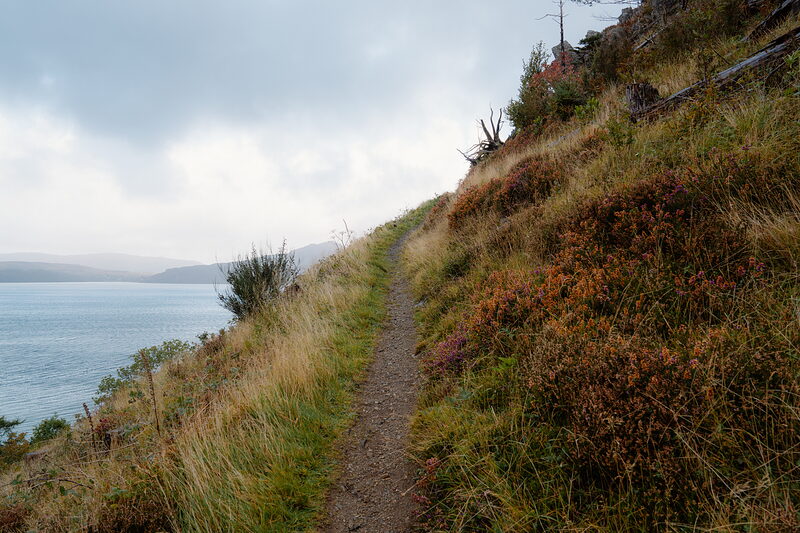
Temptation HillA short, sharp climb with views across the Sound of Raasay to Skye.Under a mile 1 min by road
RaasayThe island itself, 25 minutes by ferry from Sconser, home to around 160 people.5 miles 6 min by road
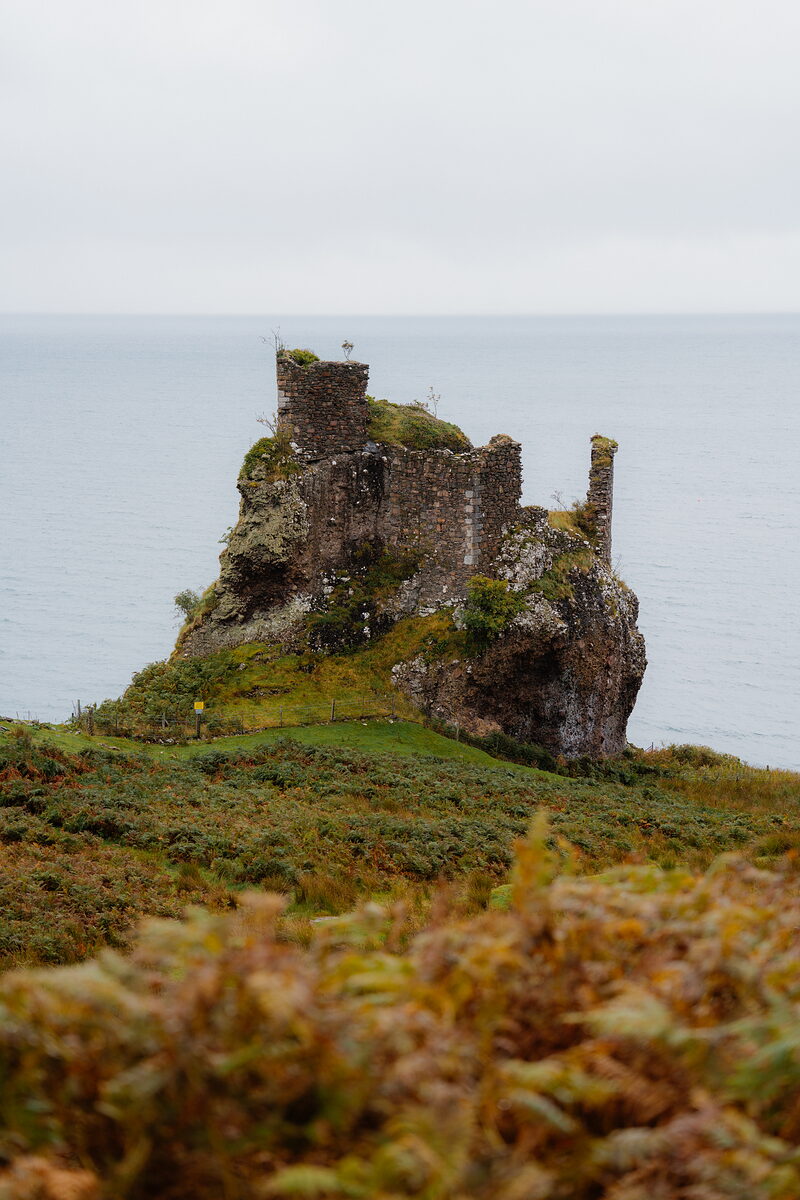
Brochel CastleThe MacLeods of Raasay's castle on a stack of rock above the Inner Sound.9 miles 12 min by roadPlaces to stay near the old pier, and when each is next free.
Raasay House Hotel
The Crofter's House
Sligachan Campsite
Sligachan BlackhousesWe want to show you the best that Scotland has to offer. The makers and the creatives, the enduring experiences, the evocative tales, the concealed corners. The roads less travelled that take you to places that matter. The adventures that gather you up and sweep you away. The blend of the wild and the artistic that makes Scotland what it is. We’d love for you to join us.
The collections it is in and more on Skye.
For further reading, before you go. The details on this page were checked on .