
Skye's History Trail – Brochs, Clan Seats and the Land War
Two days by car, from Portree and back.
The route
Skye's past is written on its ground, and these two days from Portree read it in the order the roads allow.
The first goes up Trotternish, past Staffin, where people sheltered under the rocks at An Corran some 8,500 years ago, to the MacDonalds' old seat at Duntulm, the thatched township at Kilmuir and the souterrain at Kilvaxter. This was the estate where Skye's crofters first refused their rents, in 1881. The day ends at the Braes, whose fight with the police a year later made the government listen. The second heads west by Struan to Dun Beag broch, the MacLeods' castle at Dunvegan and the Land Leaguers' glen at Glendale, then walks to Lorgill, a township emptied for sheep in the 1870s.
Before you go
Book two nights near Portree
Both days start and end in Portree. Book the beds early: from May to September the town's hotels, guest houses and cottages fill well ahead.
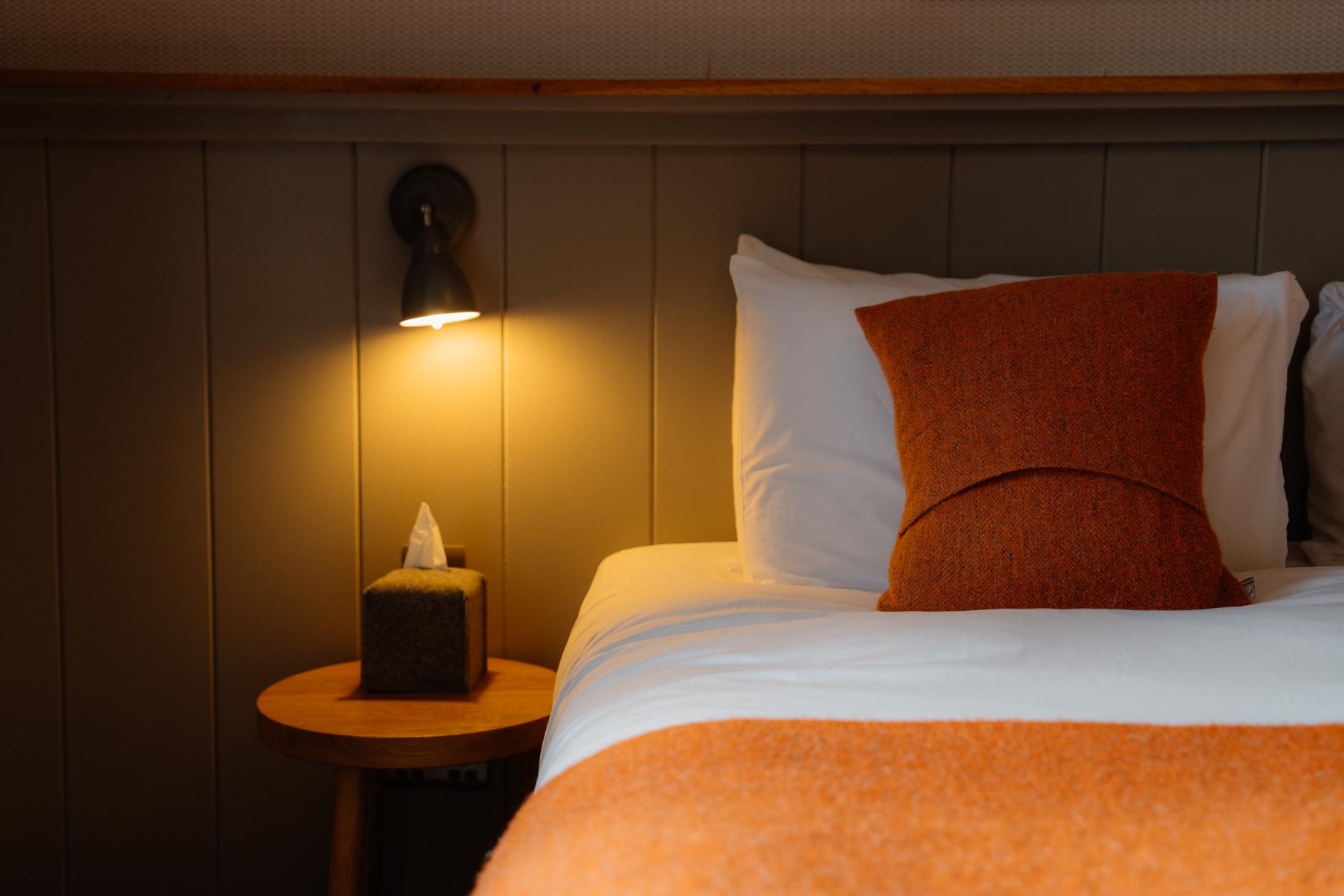 PortreeThe BosvilleA hotel
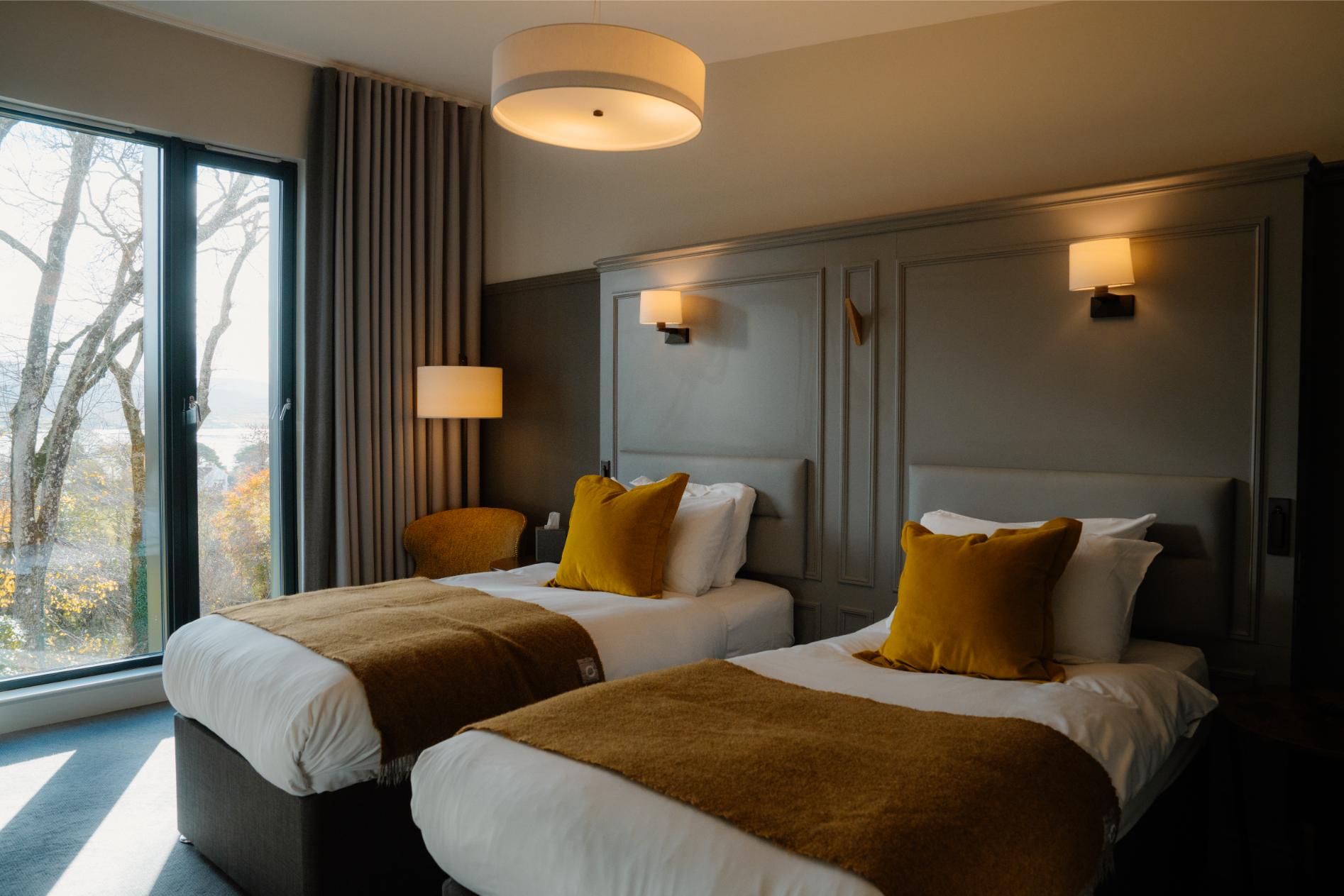 PortreeMarmalade HotelA hotel
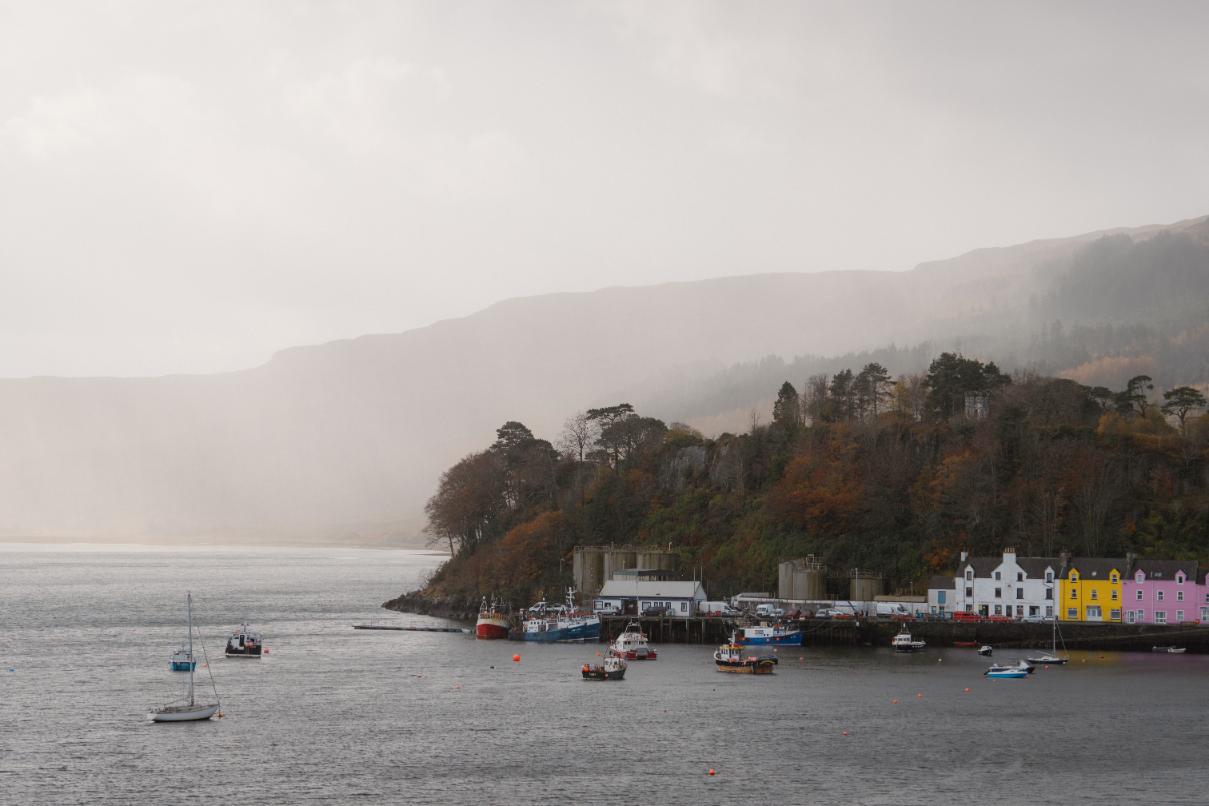 PortreeCuillin Hills HotelA hotel
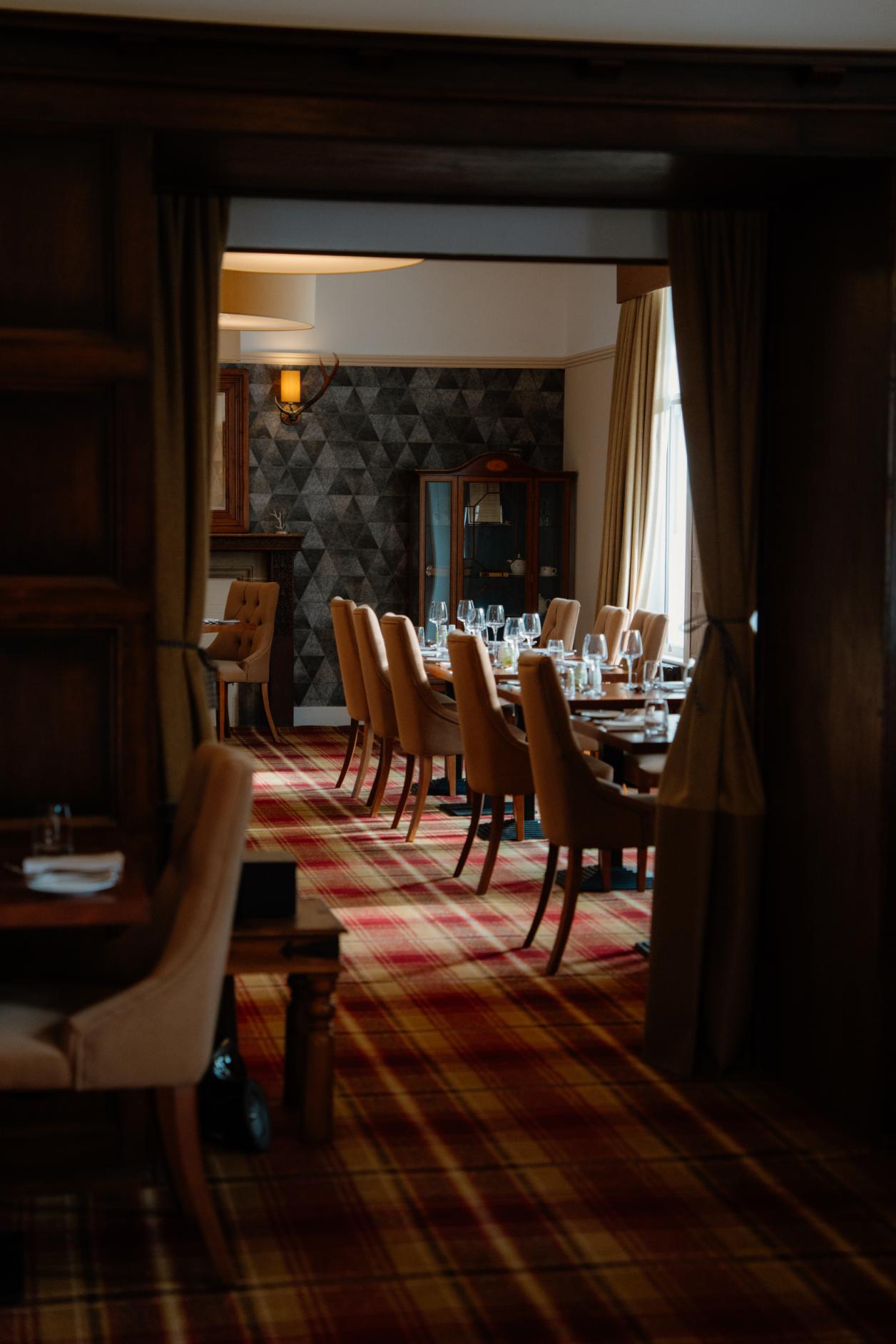 Skeabost BridgeSkeabost House HotelA hotel
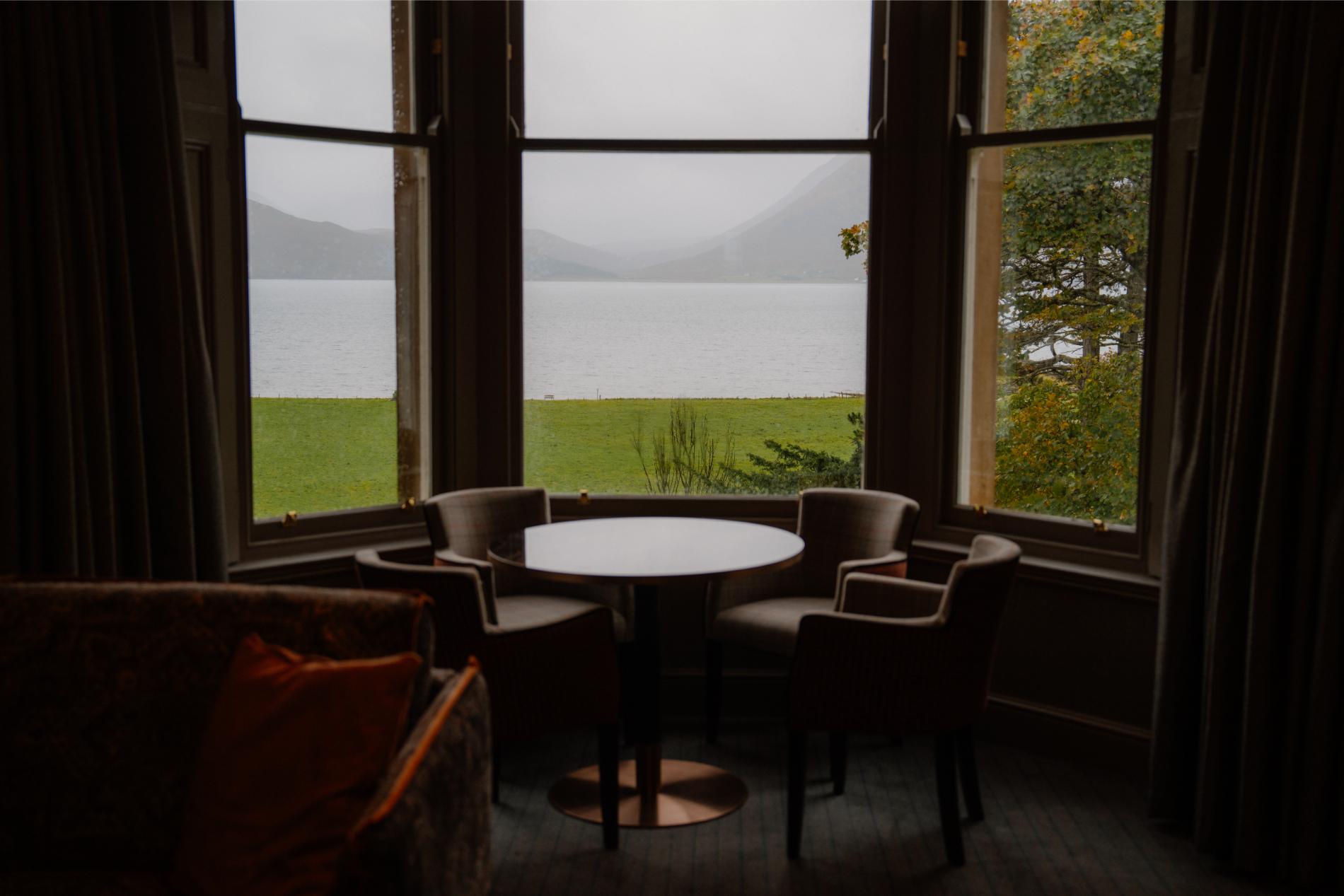 6 miles awayRaasay House HotelA hotel
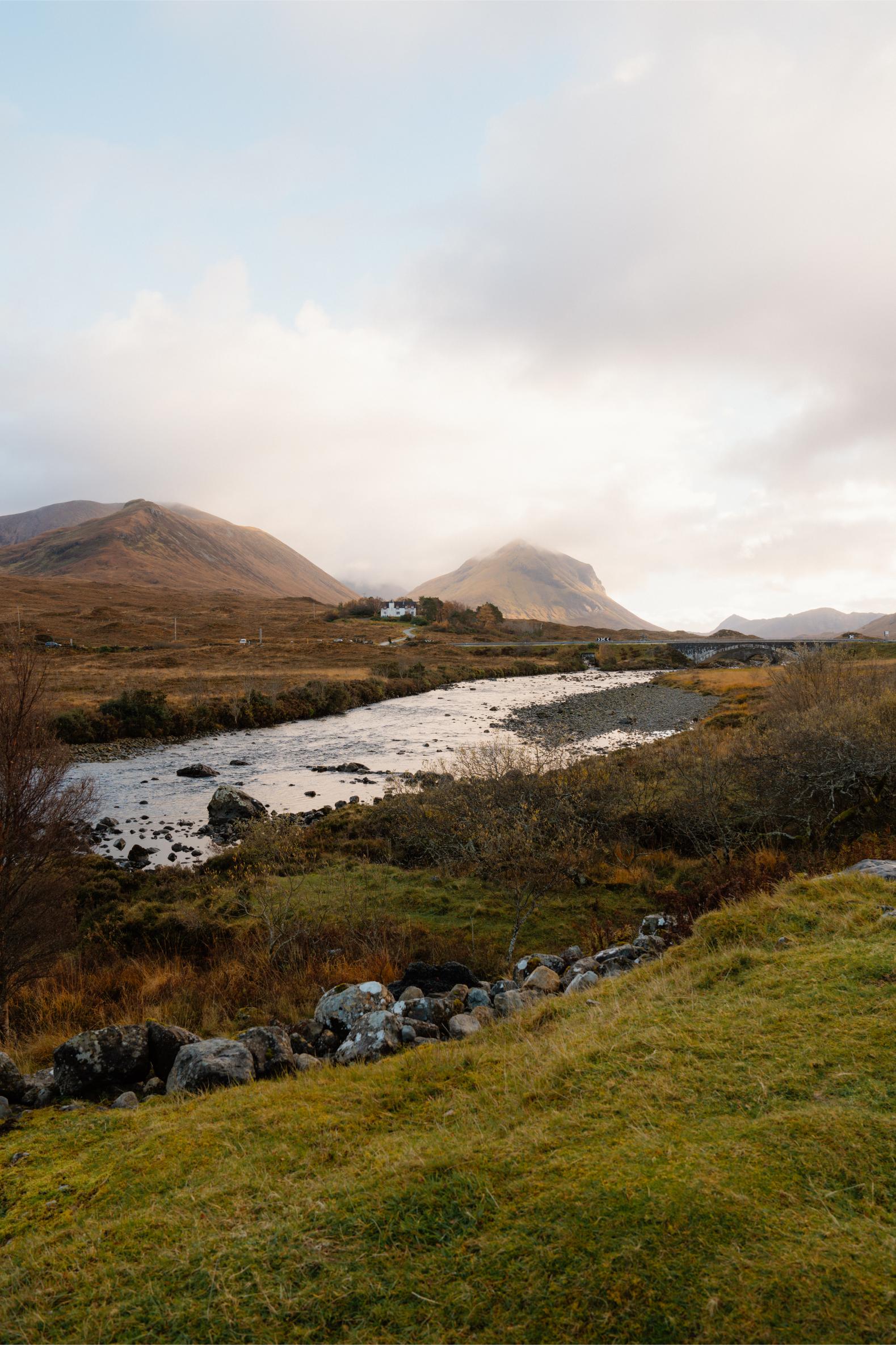 SligachanSligachan CampsiteA place to stay
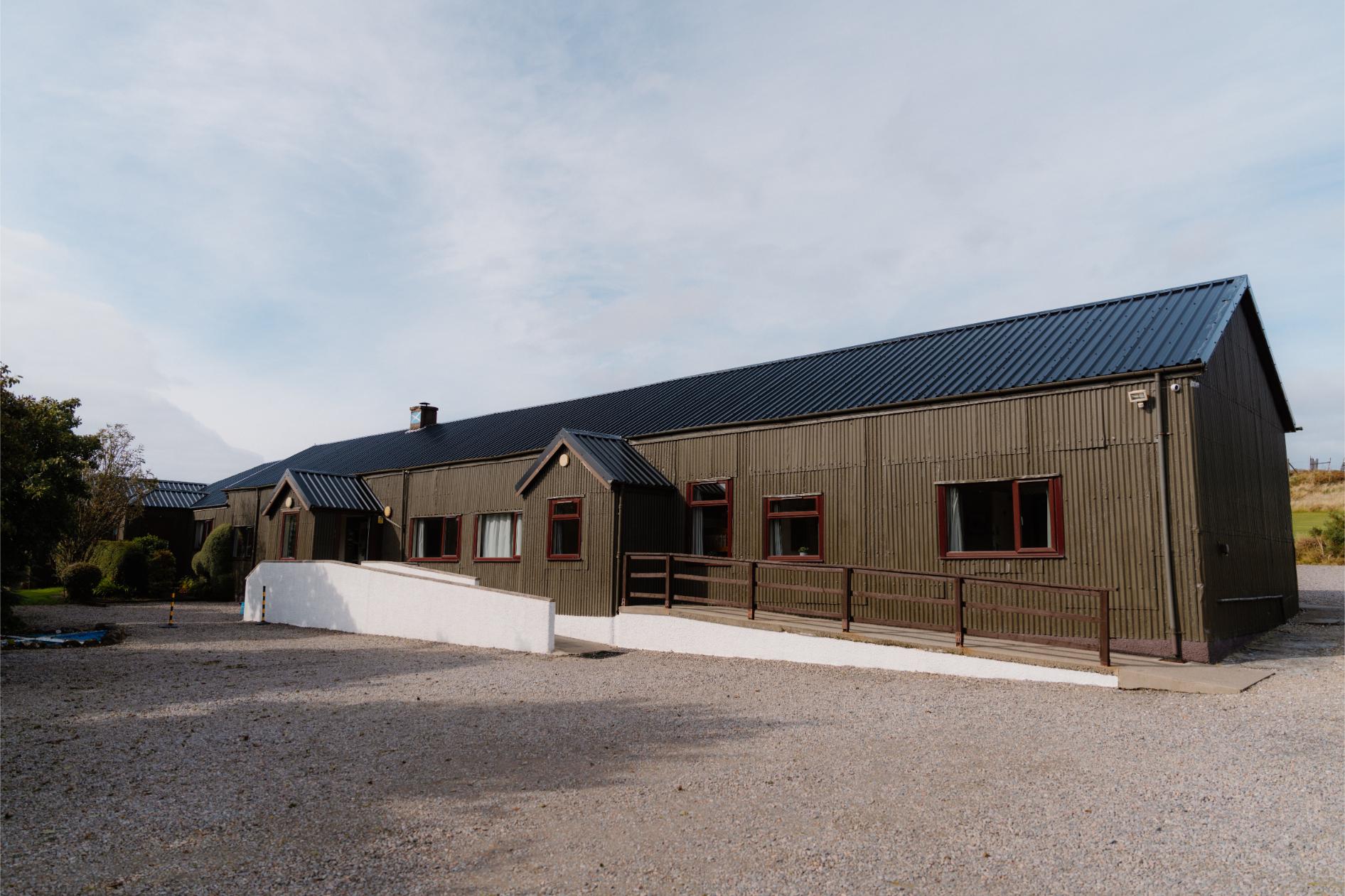 PortnalongSkyewalker HostelSleeps 27
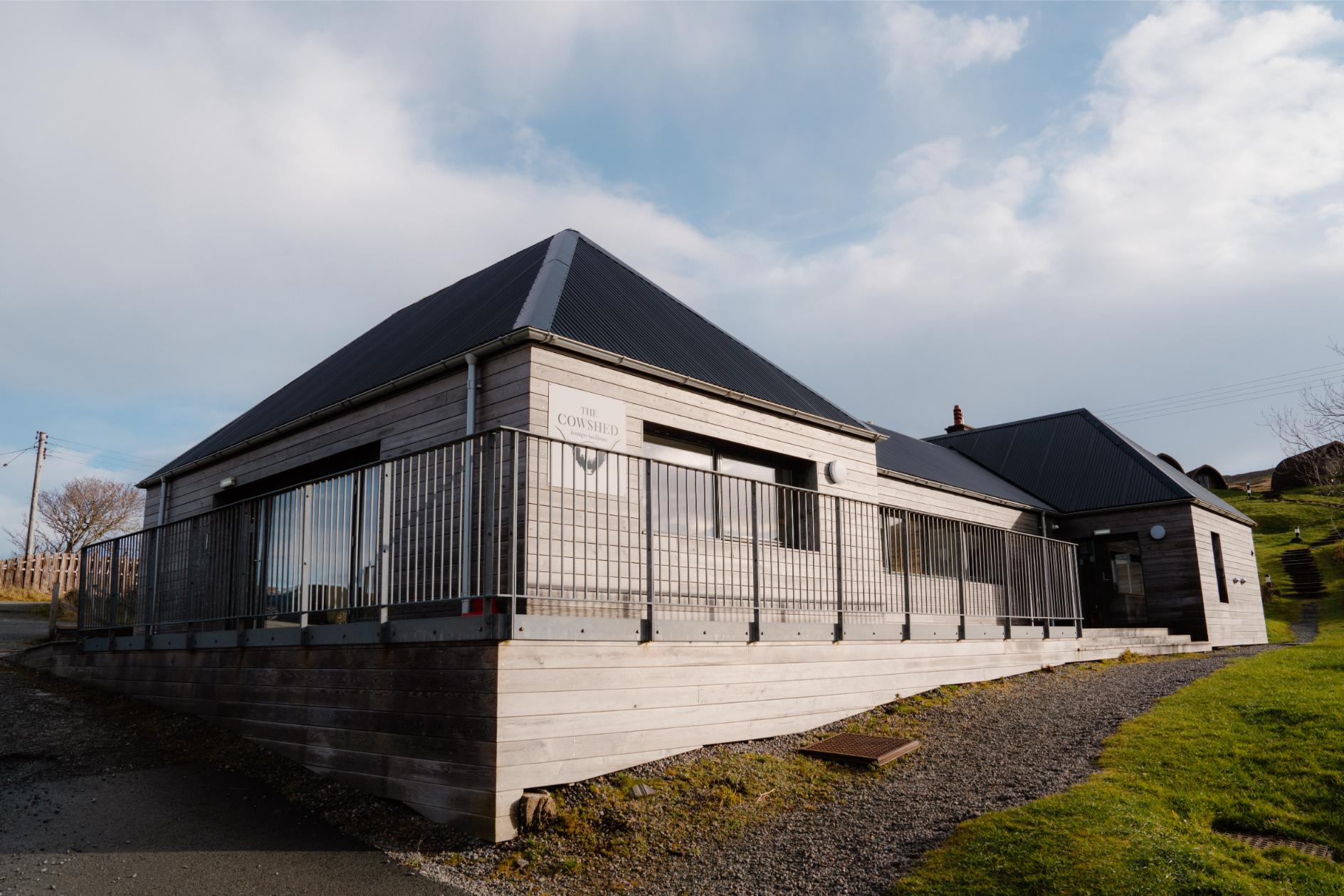 UigThe Cowshed Boutique BunkhouseSleeps 1
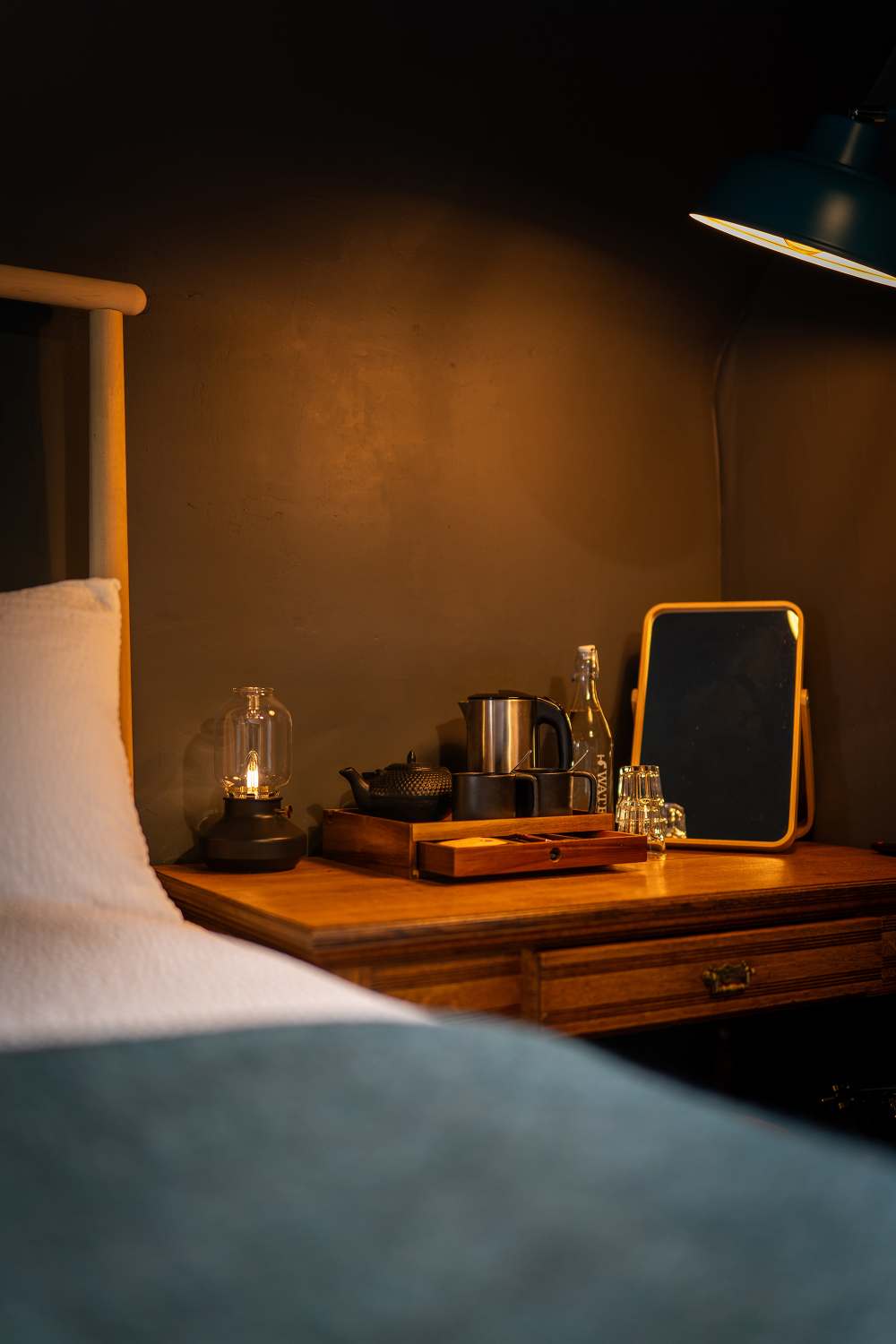 DunveganThe DunveganA place to stay
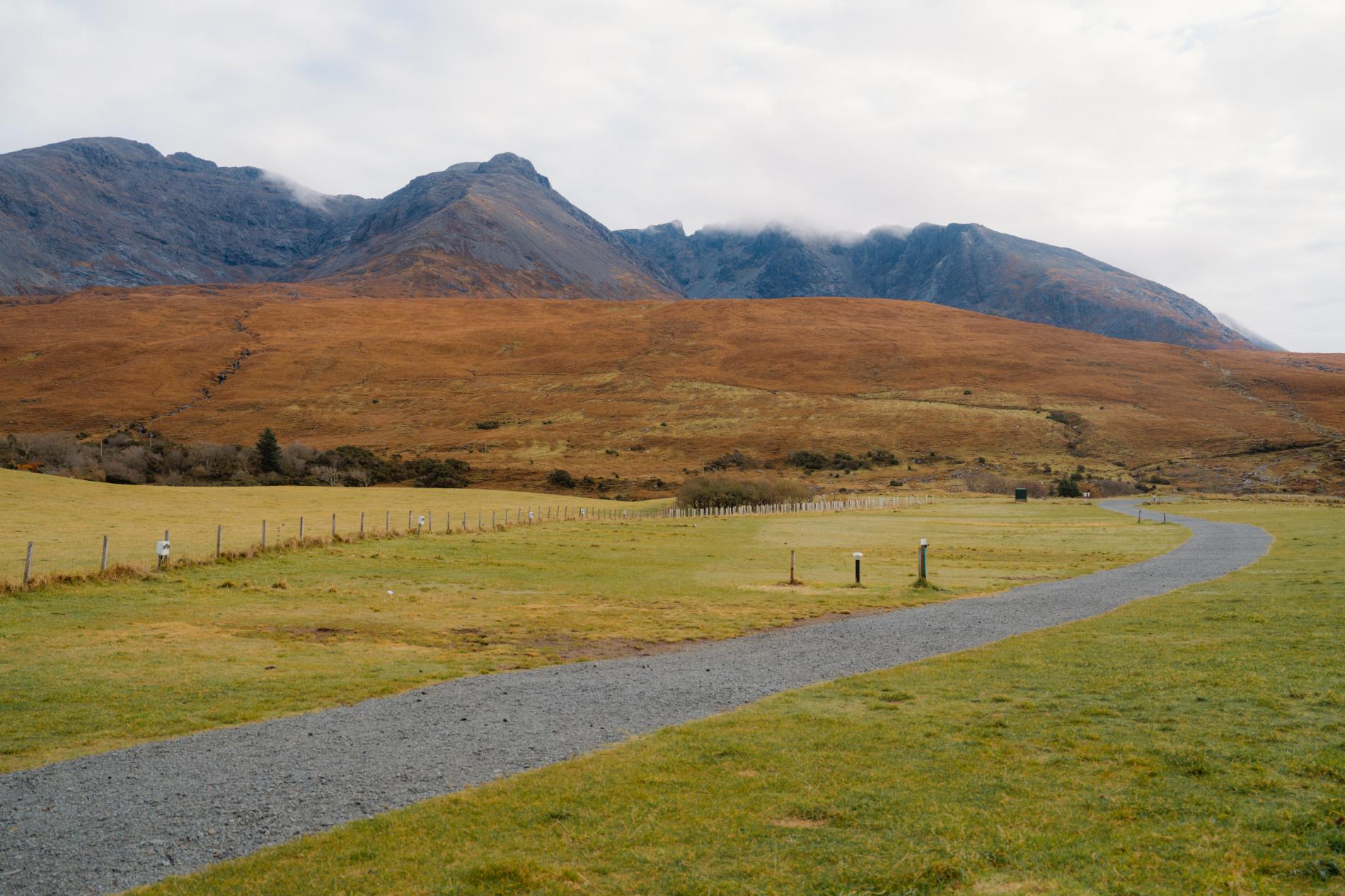 GlenbrittleGlenbrittle CampsiteA place to stay
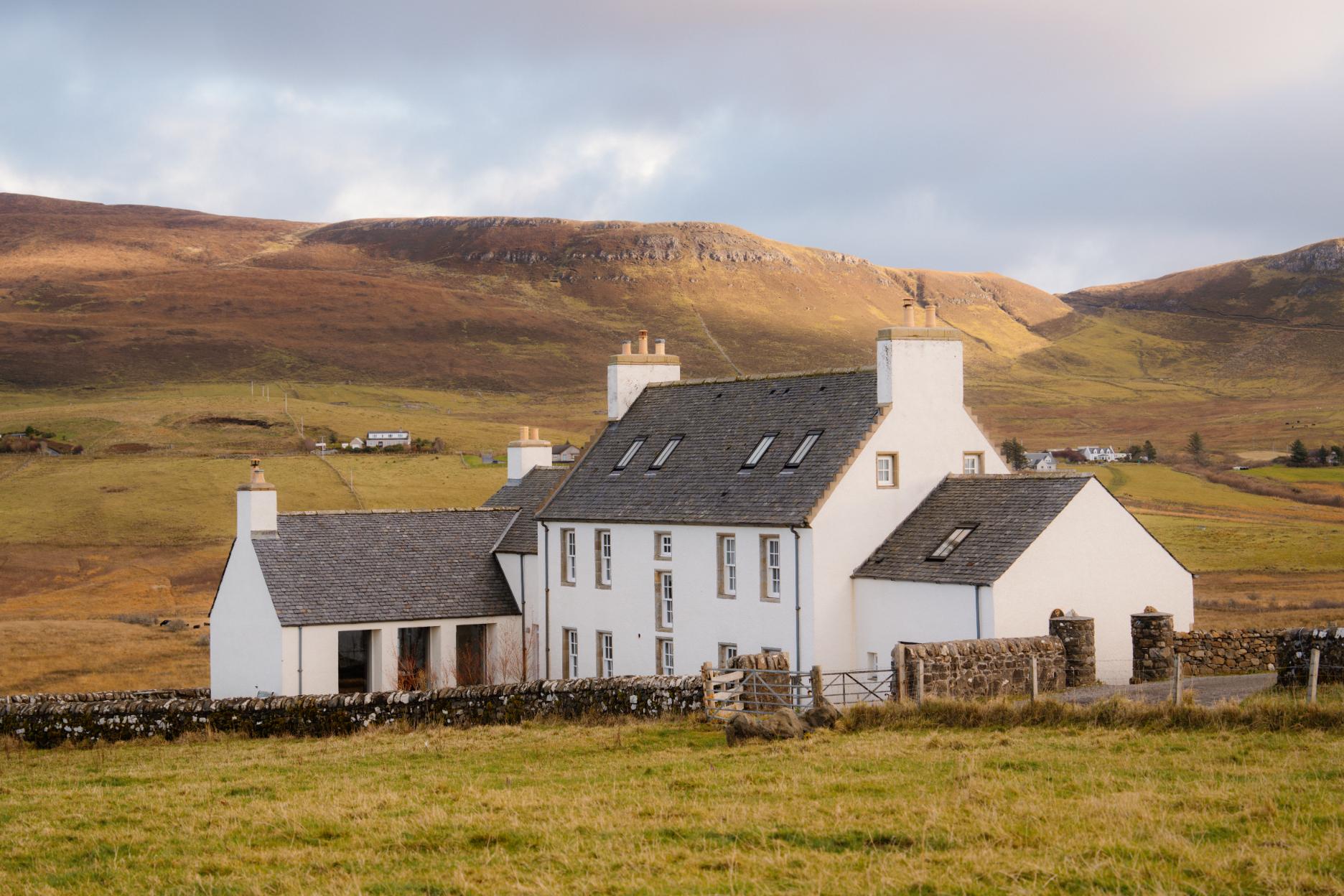 LinicroMonkstadt 1745A place to stay
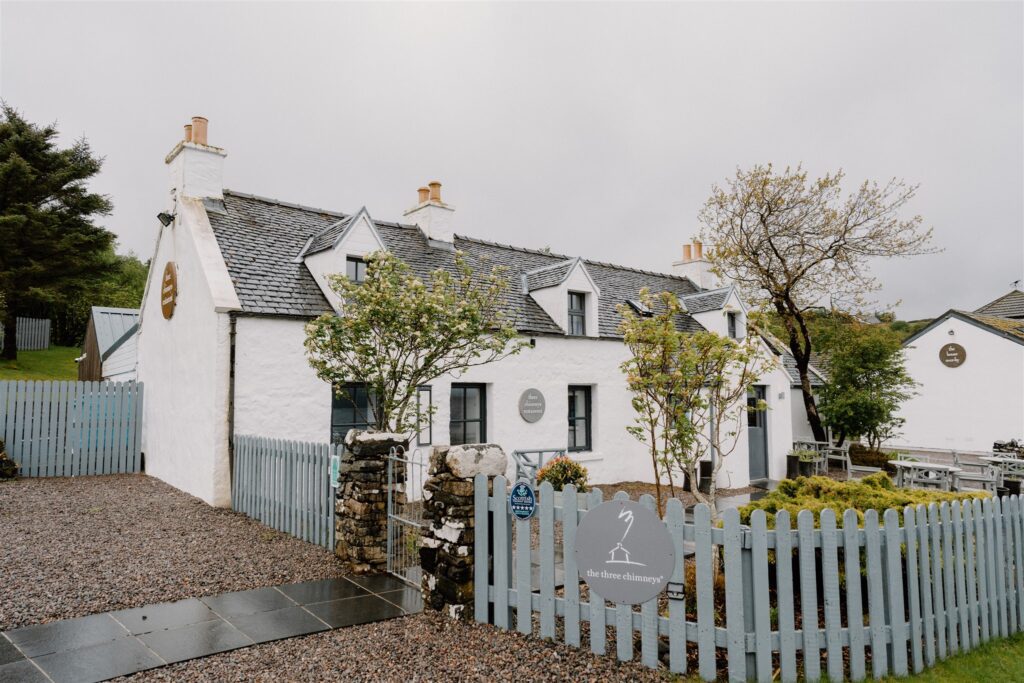 ColbostThe Three ChimneysA place to stay
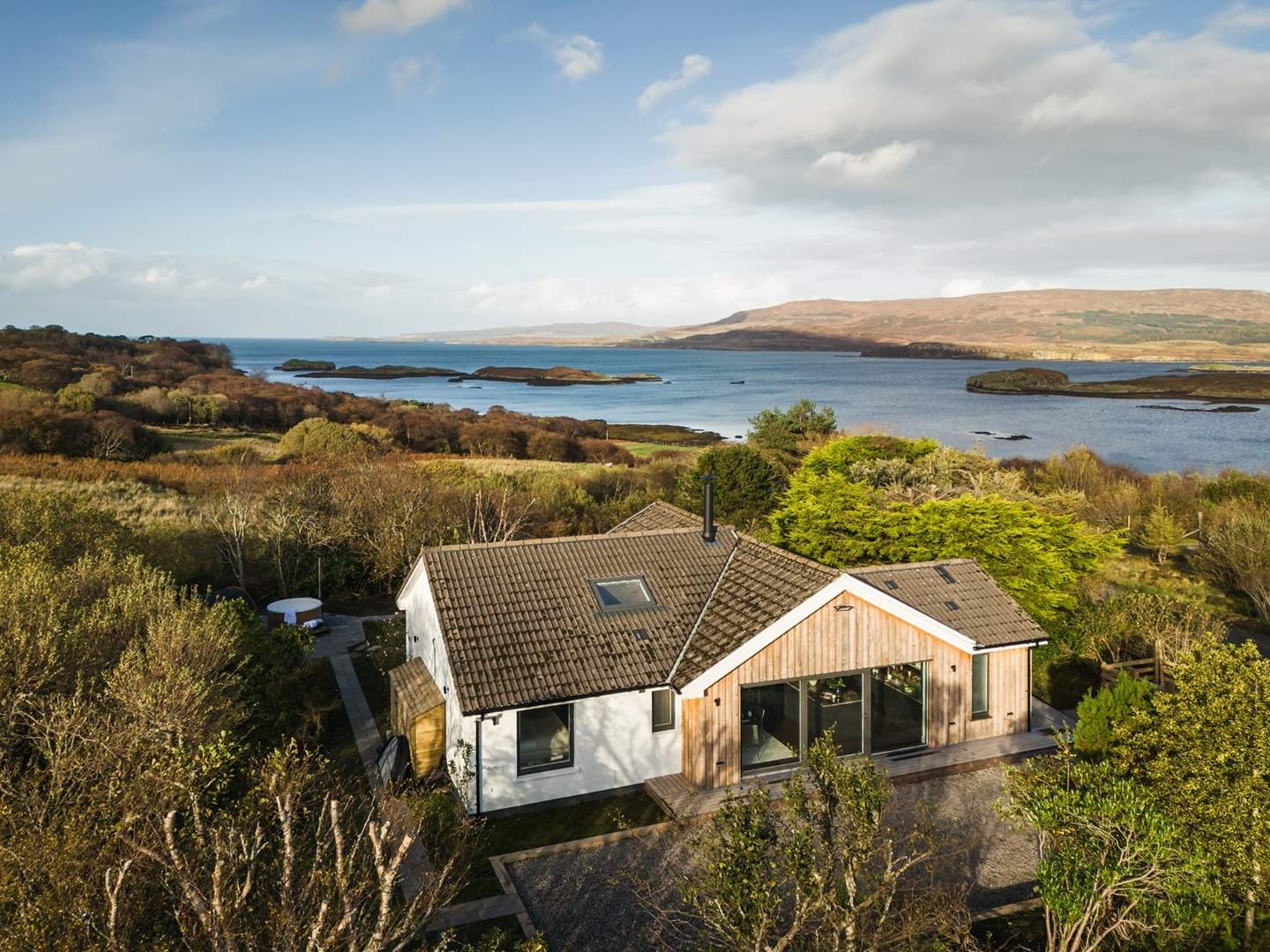 17 miles awayLochviewSleeps 4
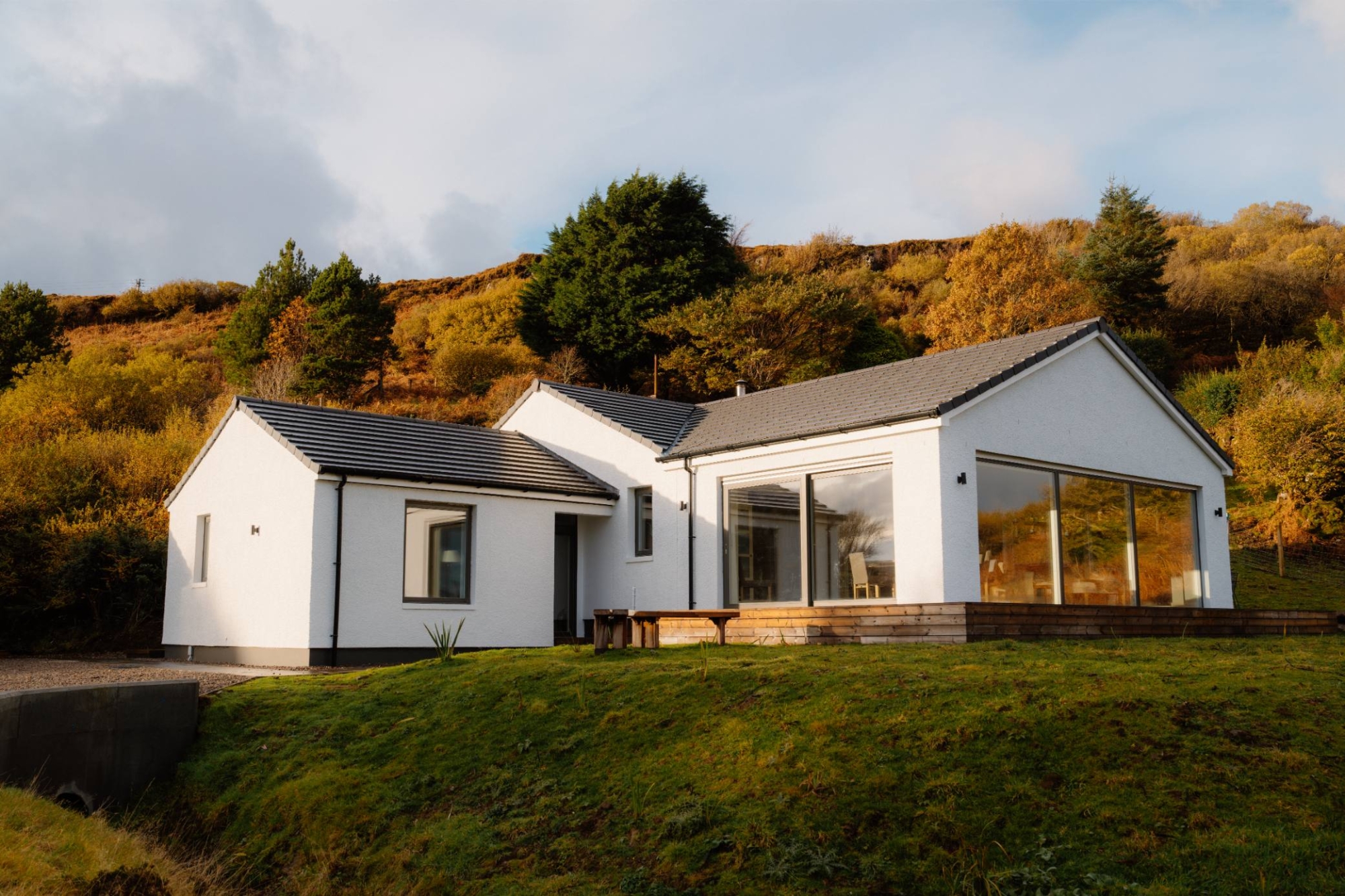 ColbostTigh an TobairSleeps 8
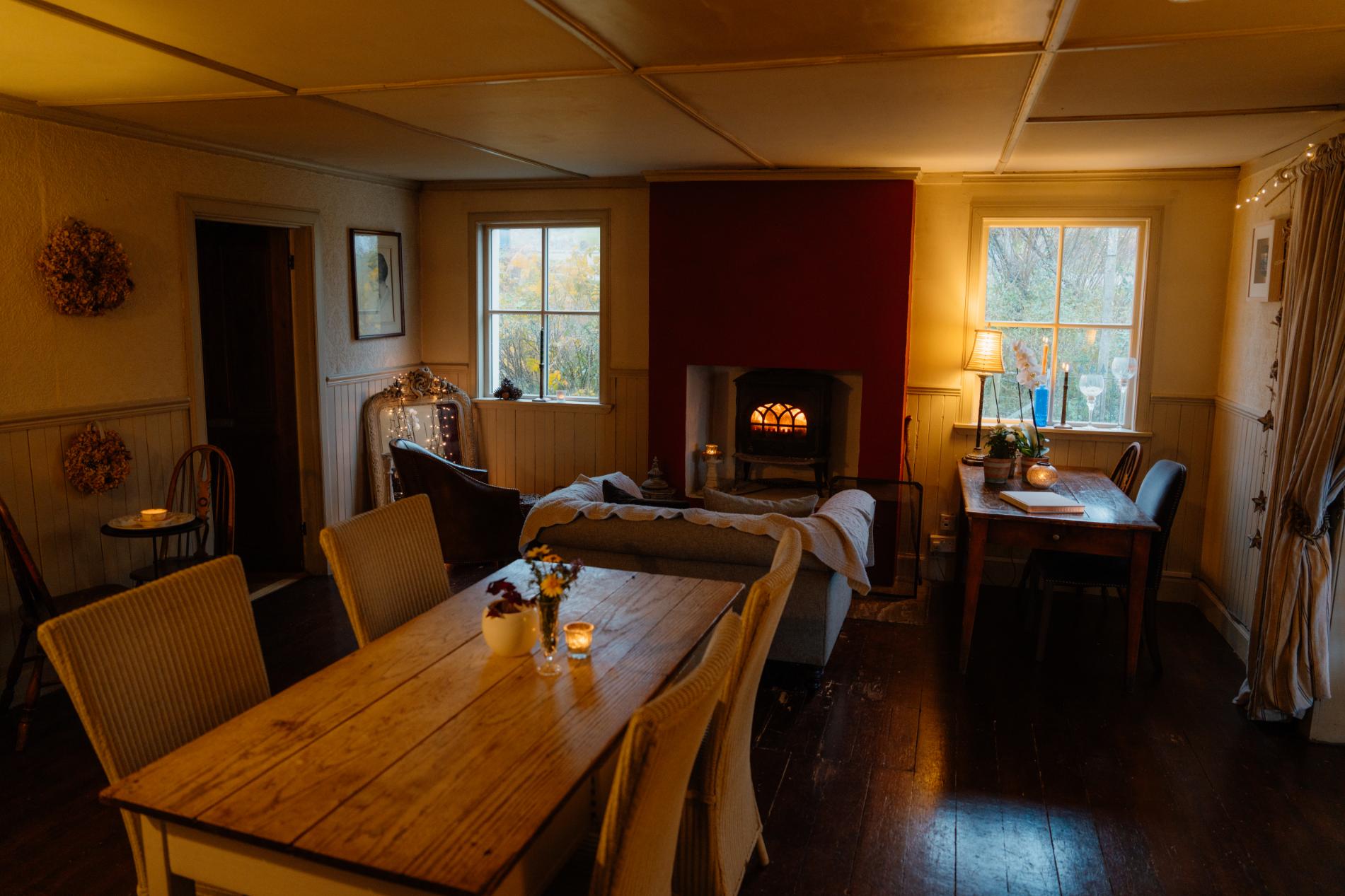 ElgolCoruisk HouseSleeps 4
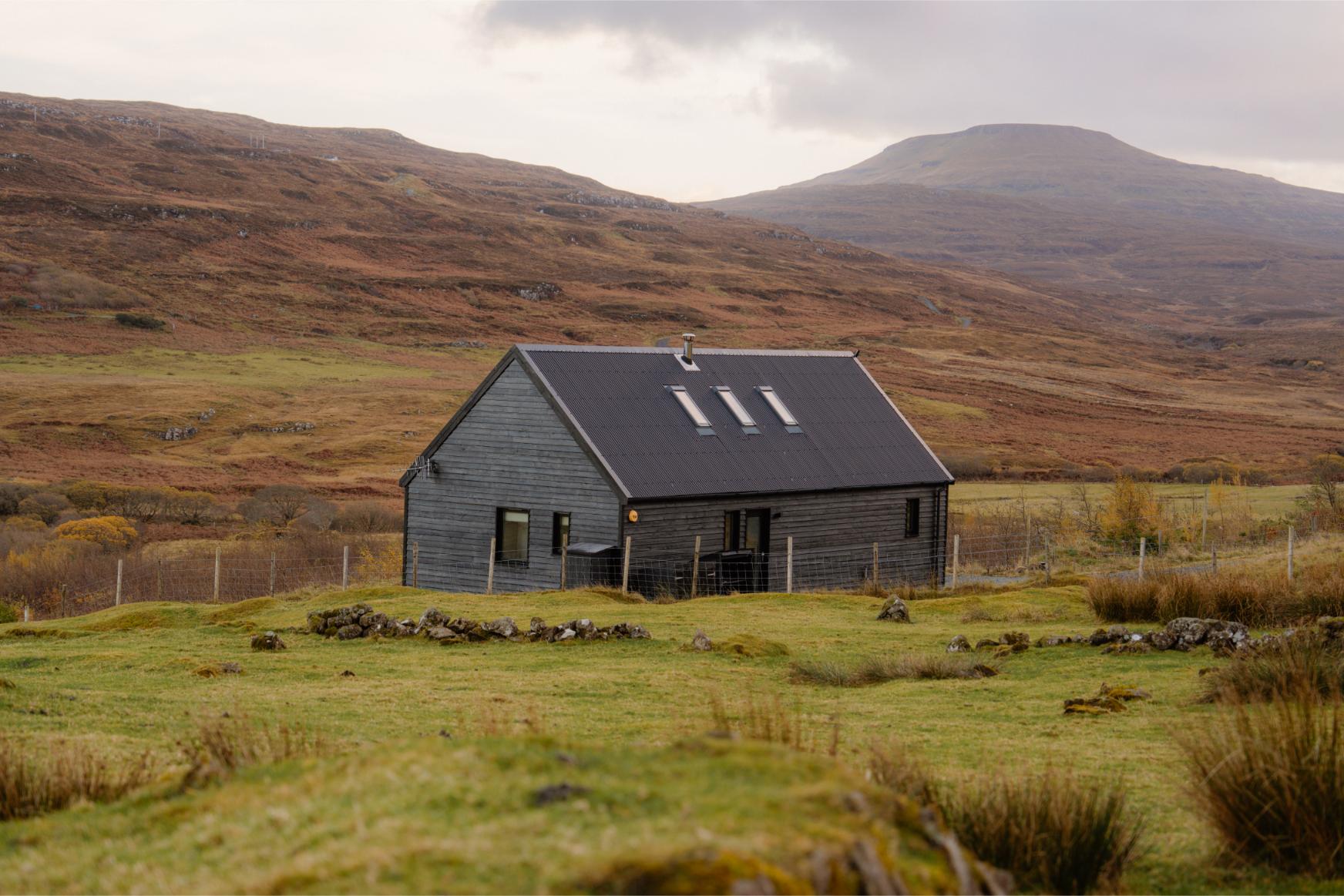 GlendaleBlack Box CabinSleeps 4
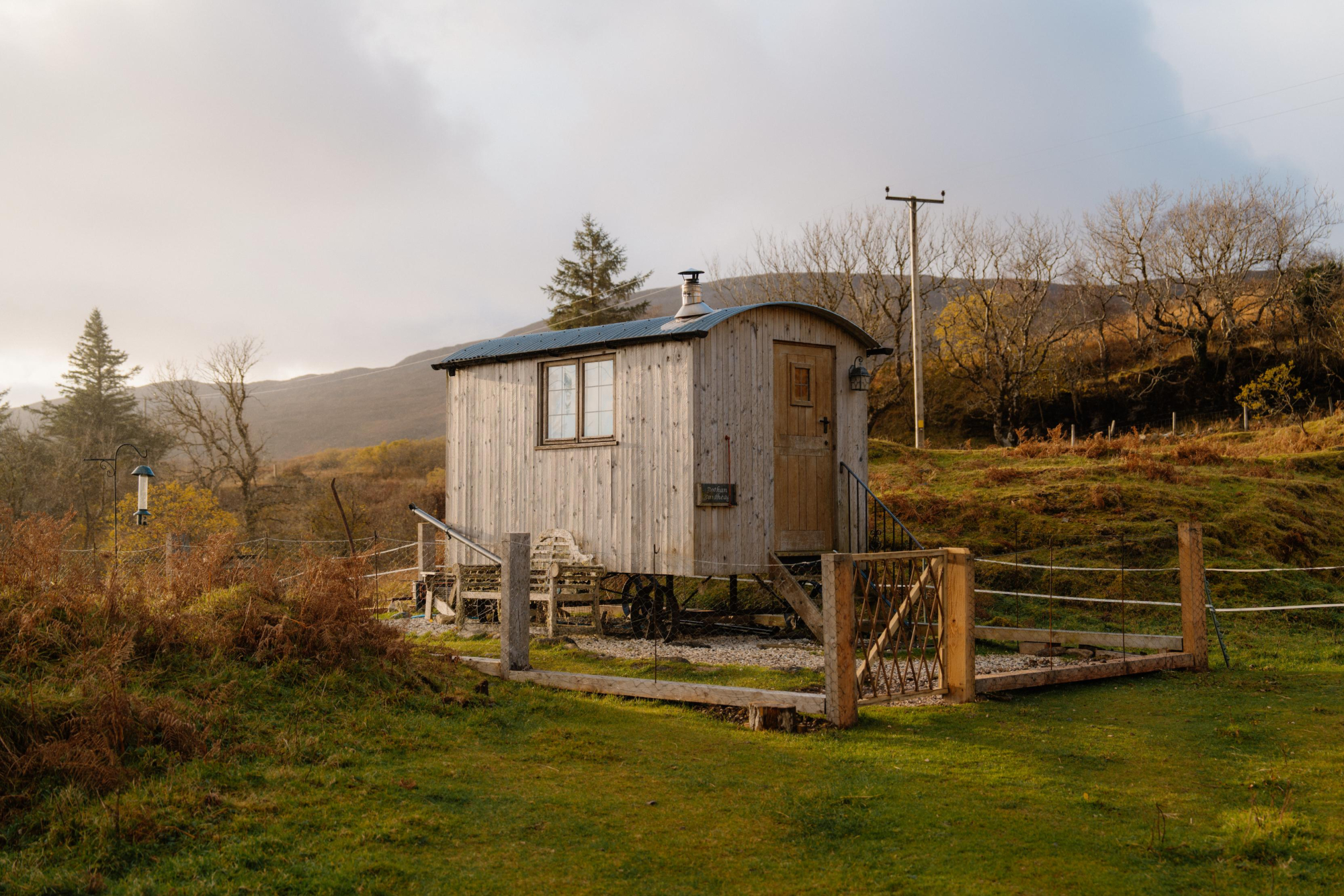 HeastaBothan BeileagSleeps 2
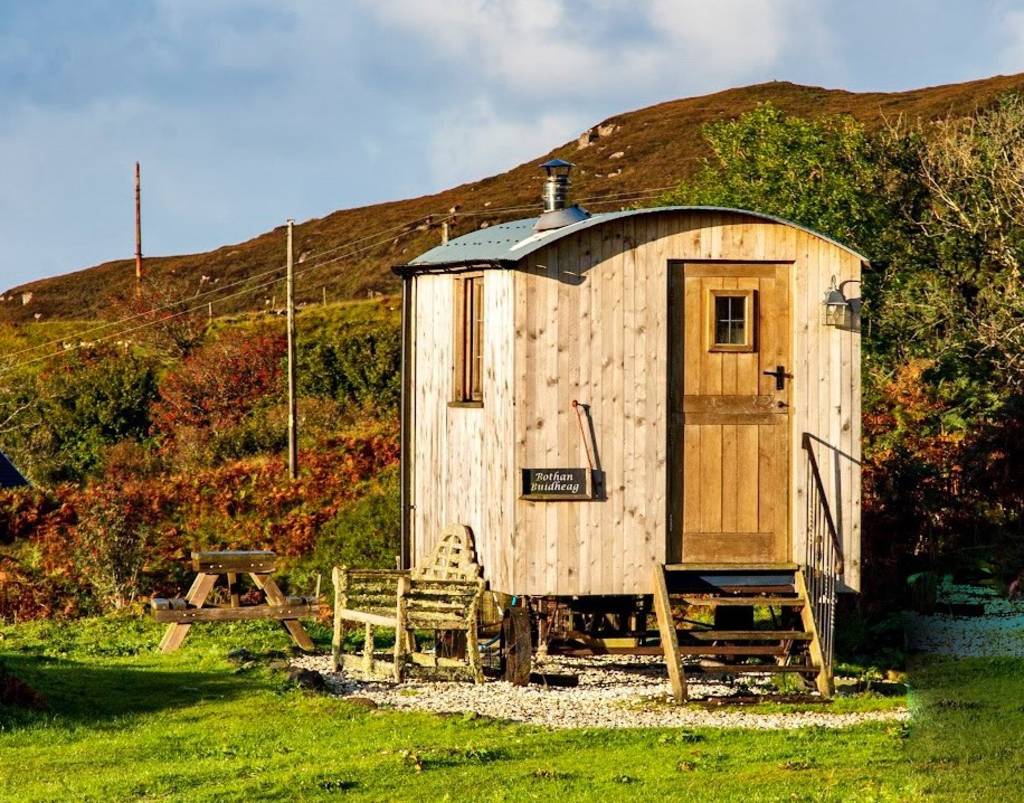 HeastaBothan BuidheagSleeps 2
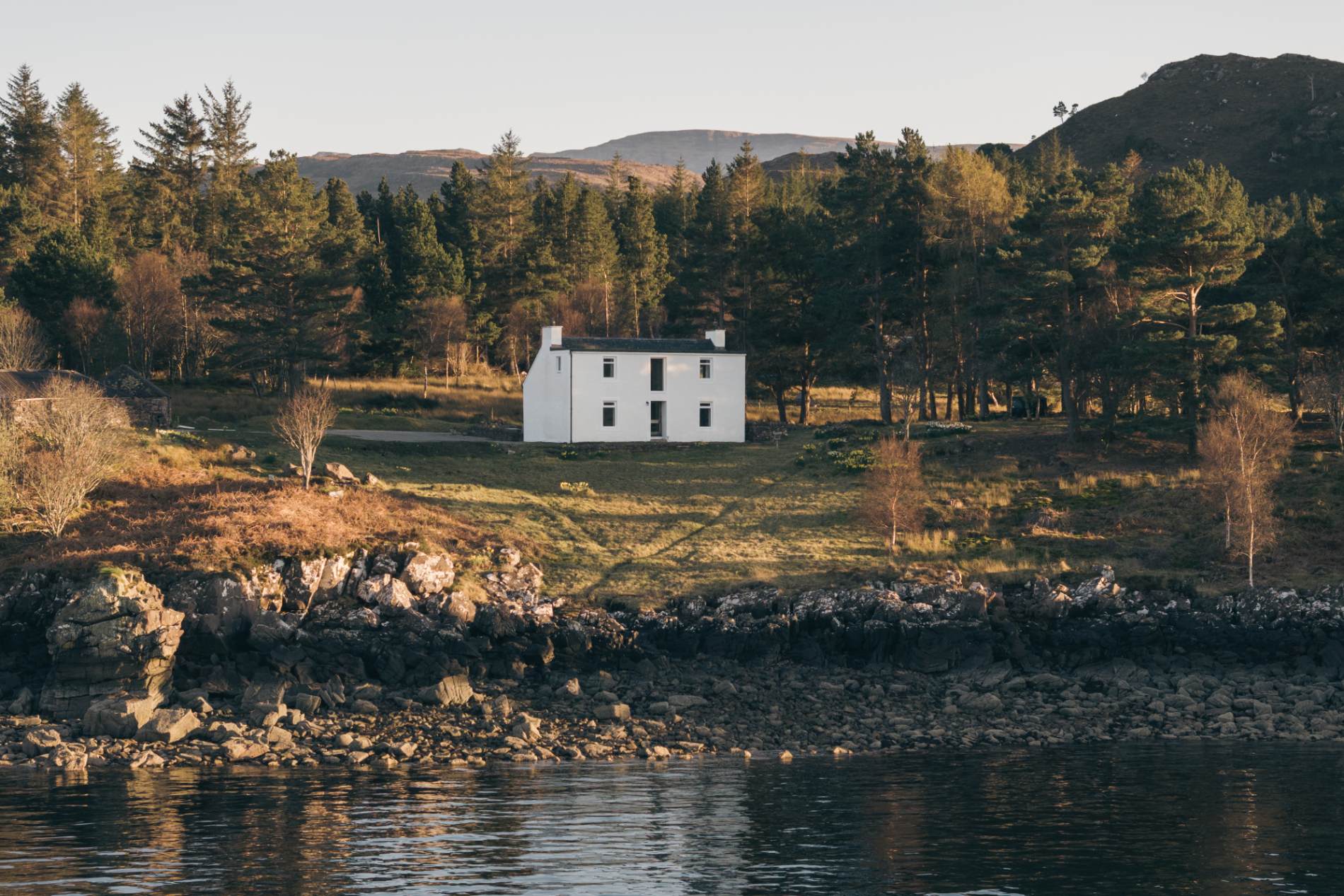 ShieldaigRhuroinSleeps 3
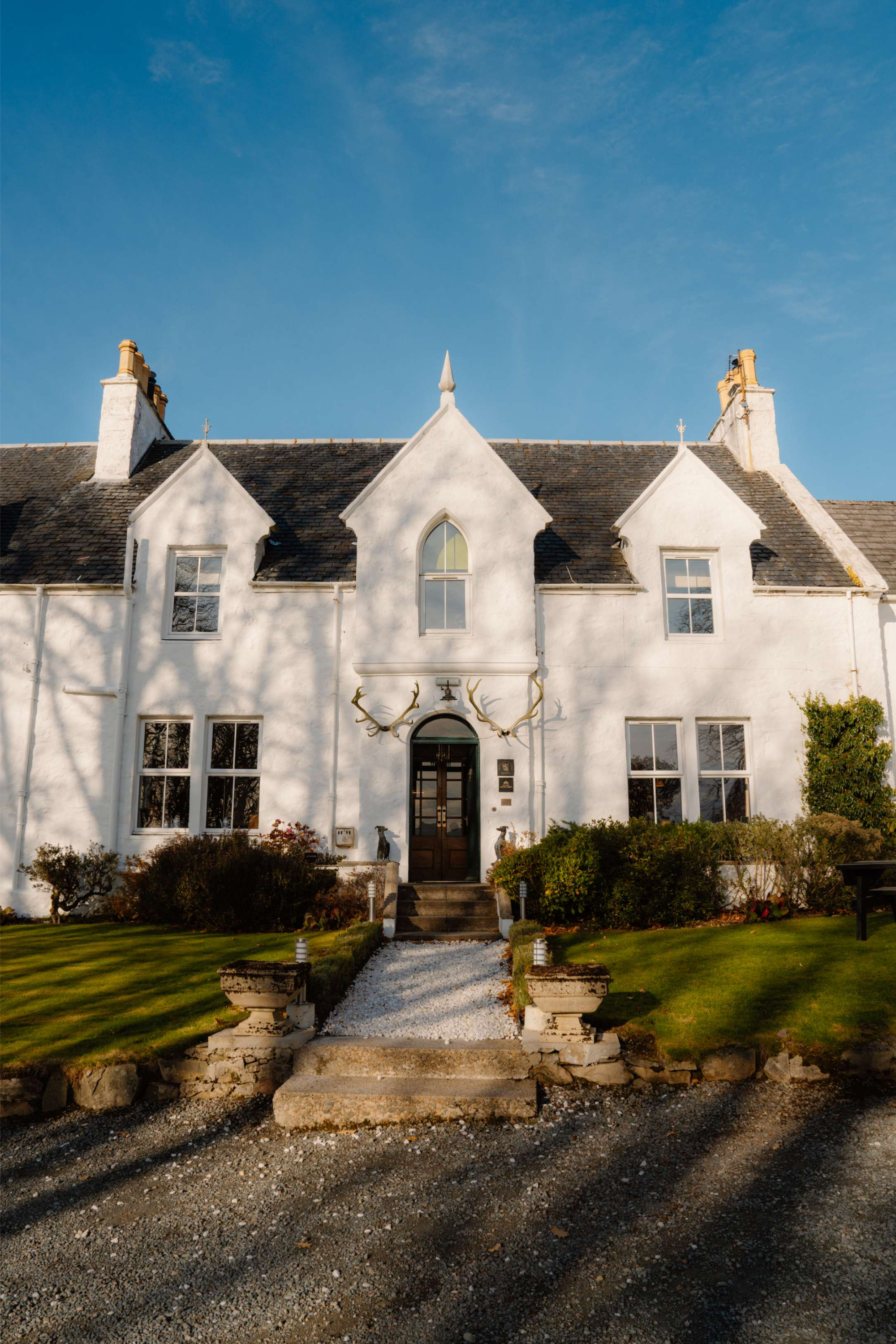 SleatKinloch LodgeA place to stay
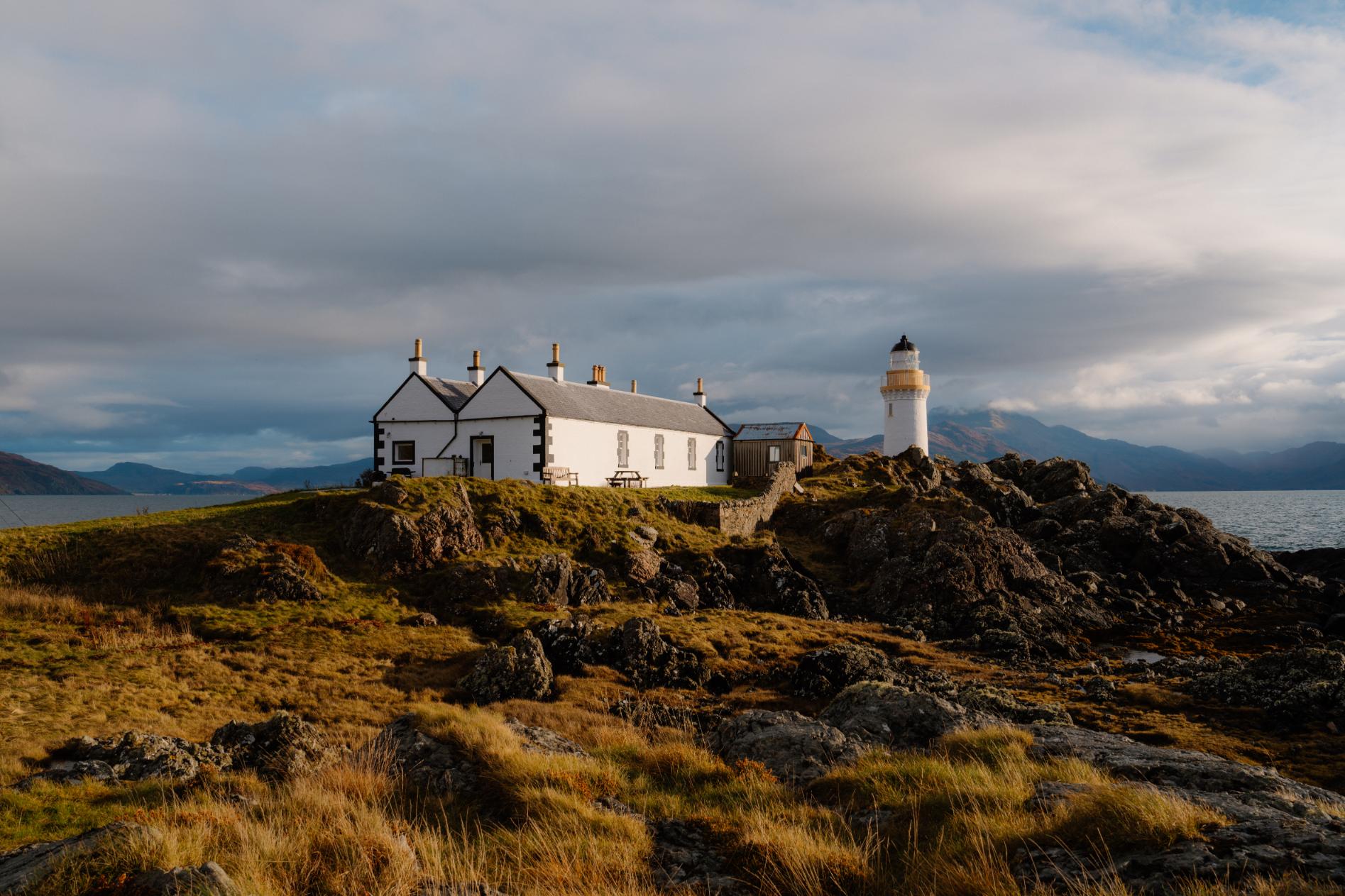 IsleornsayEilean Sionnach Lighthouse CottageSleeps 8
Book Family papers at the Skye and Lochalsh Archive Centre
Anyone tracing a family can give day one's first hour to the archive centre on Dunvegan Road in Portree, and set off at eleven instead of ten.
Day one
Trotternish
Round Trotternish by the Kilmuir estate, where Skye's crofters first stood up to their landlord, and home past Portree to the Braes, where their fight with the police made the government listen. Set off from Portree at ten.
2 hr 3 min at the wheelAbout 63 miles
Sùil nam Brà
It's 28 minutes' drive north on the A855, past Valtos, to Ellishadder, where the Kilt Rock car park charged £3 for two hours in 2026. At its edge is Sùil nam Brà, the eye of the quernstone: a shelter like a ruined blackhouse, of stones from all 22 of Staffin's townships. The story goes that the landlord seized the crofters' hand mills and drowned them in Loch Leum nam Brà. In 1881 Valtos refused his raised rents and he backed down, the first direct action by Skye's crofters.
7 min by car
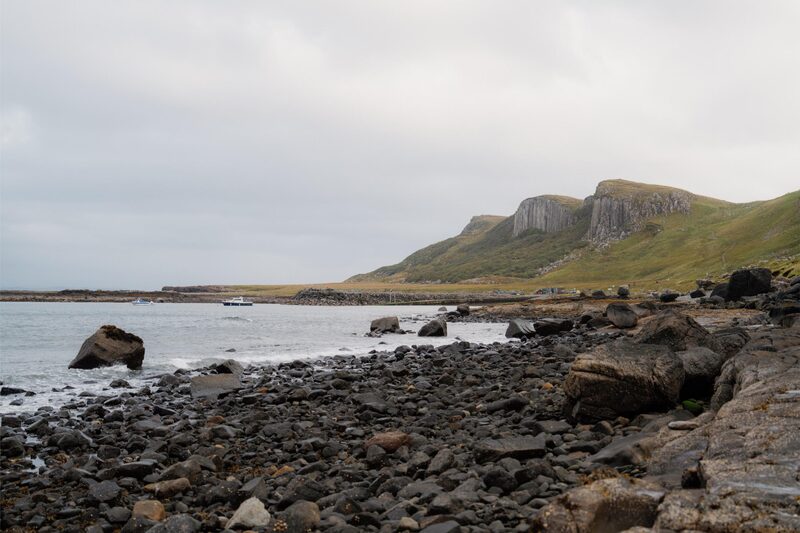
An Corran Beach
An attraction
Drive 7 minutes down the road signed for the slipway to the free car park at An Corran. Under the rock ledges short of the slipway, people sheltered by about 6500 BC. A dig in 1993, before roadworks, found their tools, some of bloodstone from Rùm, and bones of red deer and puffins; what survives lies under fallen rock. At mid to low tide, dinosaur footprints show on the shelf below. Lunch is back in Staffin, at the Hungry Gull in the hall (not Mondays) or Columba 1400 (weekdays).
17 min by car
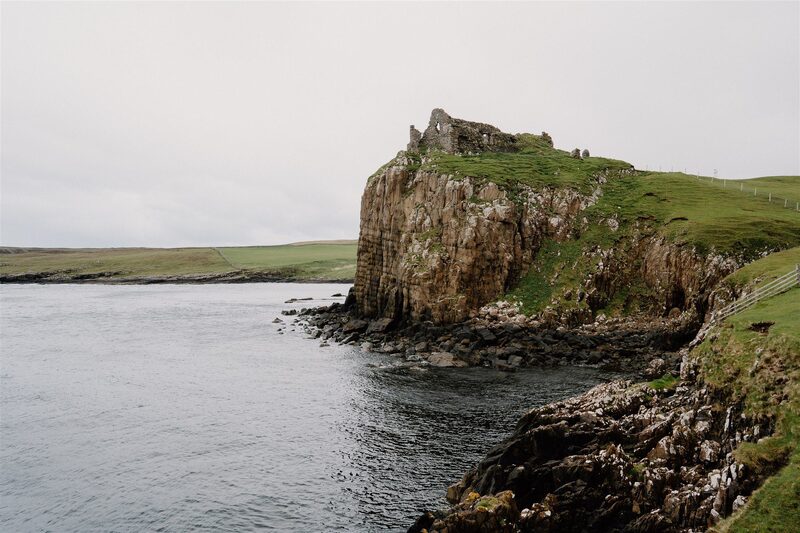
Duntulm Castle
An attraction
It's 17 minutes' drive north, single track past Flodigarry, to free roadside parking for about six cars at Duntulm, then about 300 metres of steep, eroded coast path to the ruin's fence. Its first record, Dean Monro's in 1549, gives it to Donald Gormson of Sleat, a MacDonald. The story goes that Hugh MacDonald, who plotted against his chief, was starved to death in its dungeon. In 1855 Lord Macdonald, deep in debt, sold the Kilmuir estate to Captain William Fraser.
About 4 min by car
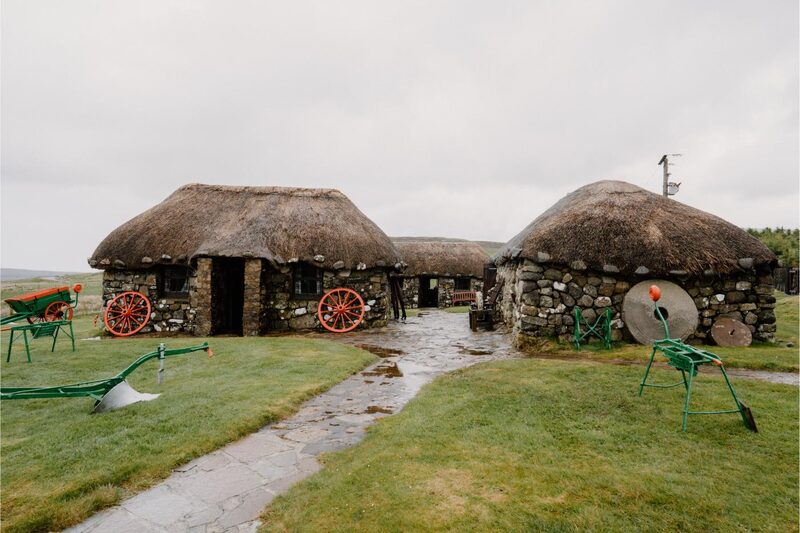
Skye Museum of Island Life
An attraction
Four minutes' drive south is the Skye Museum of Island Life at Kilmuir, whose thatched houses show how crofters lived: light from a crusie, a lamp burning fish oil, and furniture often of driftwood. The Ceilidh House was the tailor's, where men met at night for the news. On the MacDonald estates, rent was once paid partly in butter, cheese and corn. In 1904 the Congested Districts Board bought the estate for its crofters. Flora MacDonald's grave is in the graveyard up the lane. Last entry 4.30pm.
3 min by car
Kilvaxter Souterrain
An attraction
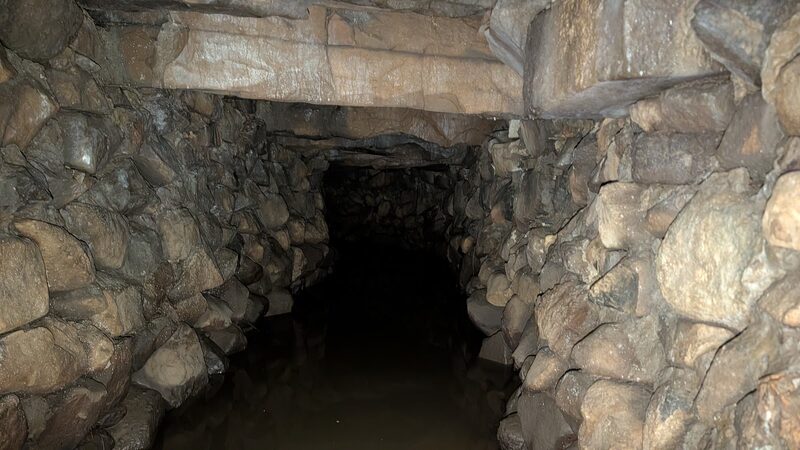
It's 3 minutes' drive on to the small free car park at Kilvaxter, and a short walk across the field to the souterrain: a passage dug in the Iron Age, about 17 metres long, with a chamber off it. Skye has around twenty. Storage is the usual guess, butter and cheese kept cool through the winter, though what they were for is still argued over. Local people dug this one out under archaeologists, with the farmstead beside it, and opened it in 2006. Take a torch.
50 min by car
The Battle of the Braes cairn
The Braes hall is 50 minutes' drive away, by Portree and down the Braes road. Park there, not in the cairn's passing place, and walk a kilometre on, about 15 minutes. On 19 April 1882 police, most from Glasgow, came to arrest five crofters who had driven off the sheriff officer bringing eviction papers over the Ben Lee grazing. On the road back, the people of Balmeanach, Peinchorran and Gedintailor met them with stones. The five were tried and fined, a turning point for the crofters' cause. Portree is 15 minutes home.
If it rains
Most of this day is minutes from the car, and much of it has a roof. Sùil nam Brà is built as a shelter, so its panels can be read out of the wind. The Staffin Dinosaur Museum at Ellishadder, a few hundred metres north of the Kilt Rock car park, is under a roof too: check its hours before you go. The Skye Museum of Island Life is the day's best dry hour, as every house in it is roofed: give it longer. The souterrain at Kilvaxter is under ground, though the field to it is muddy, so wear boots. In the wet the rock shelf at An Corran is very slippery, and Duntulm's cliff path, eroded and exposed, should be left alone in a strong wind: look at the castle from the parking place instead.
Worth a detour
- St Columba's Isle
The ruined medieval church on an island in the River Snizort at Skeabost, over a footbridge from the memorial hall, just off the road home: about 13 minutes' more driving, and half an hour there.
 PortreeAntlers Bar & GrillPub grub, Portree Hotel
 PortreeDulse and BroseSkye and Highland larder
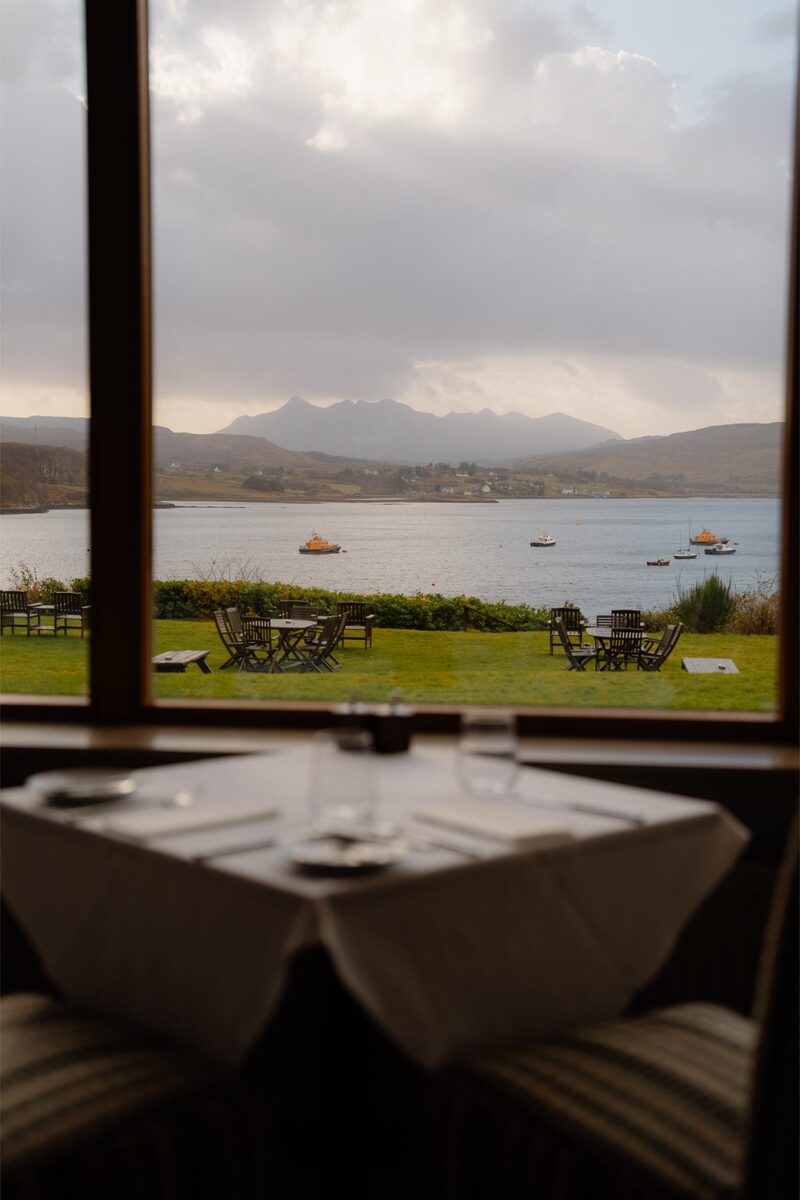 PortreeThe View RestaurantBay views, Cuillin Hills Hotel
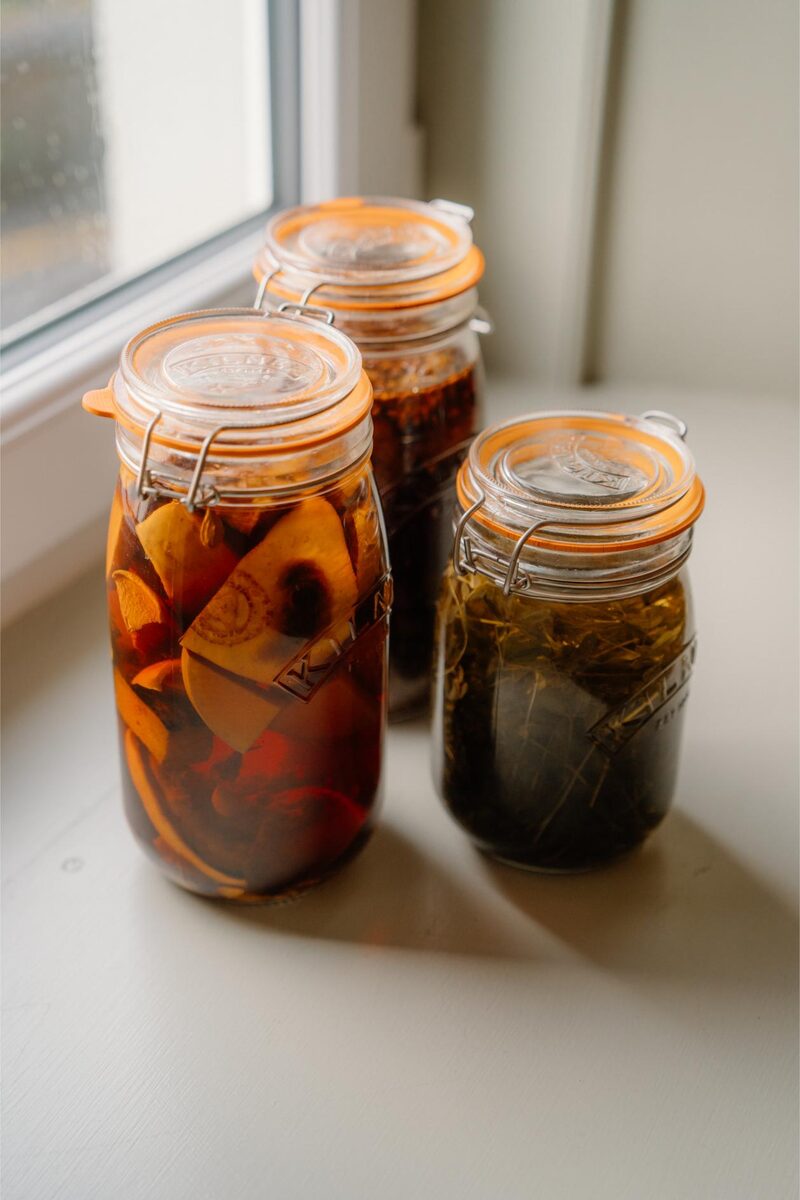 PortreeScorrybreac RestaurantSeasonal Skye produce
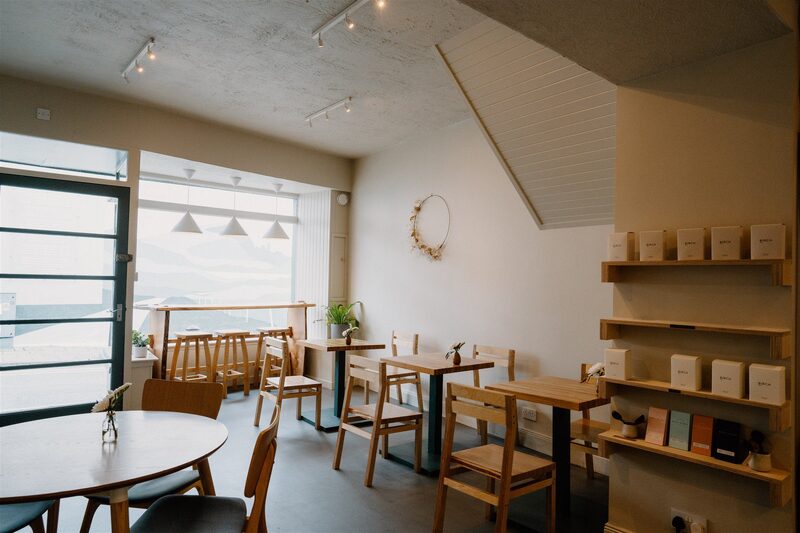 PortreeBirchSkye's own coffee roasters
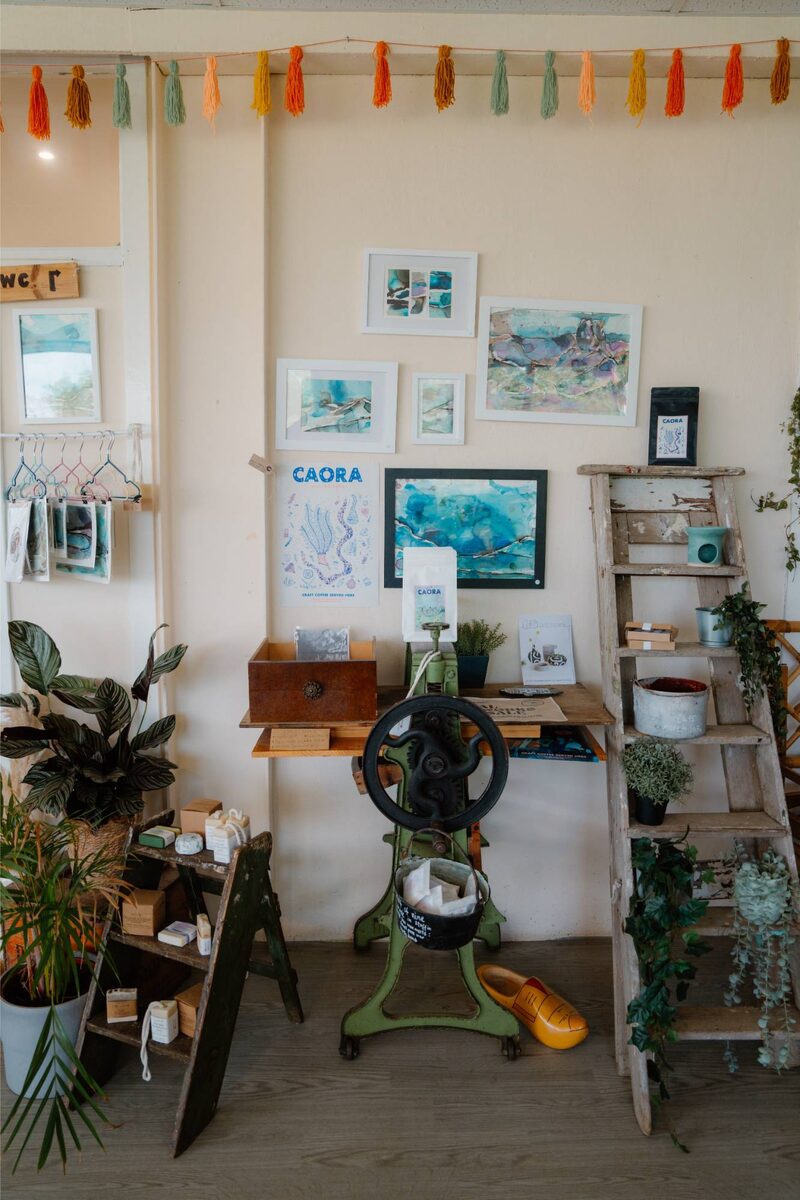 StaffinThe Hungry GullBrunch café
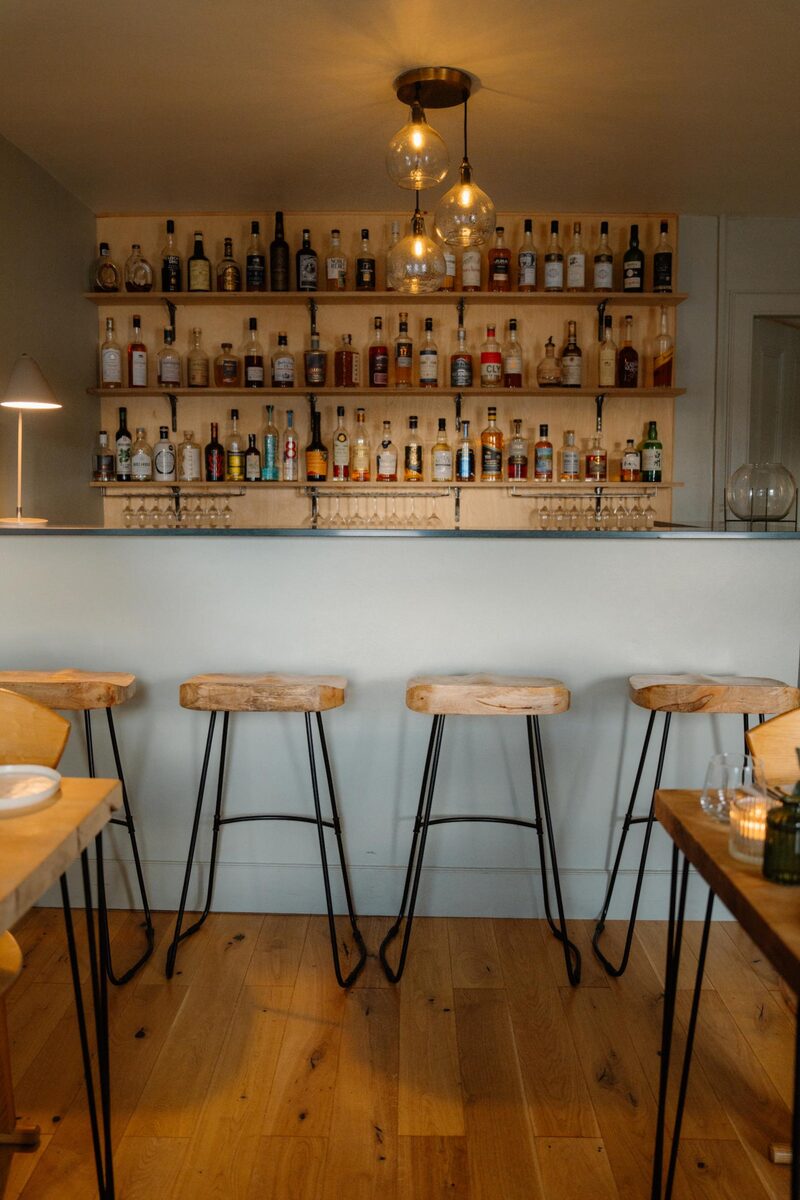 PortreeThe Bar at ScorrybreacCocktails above the harbour
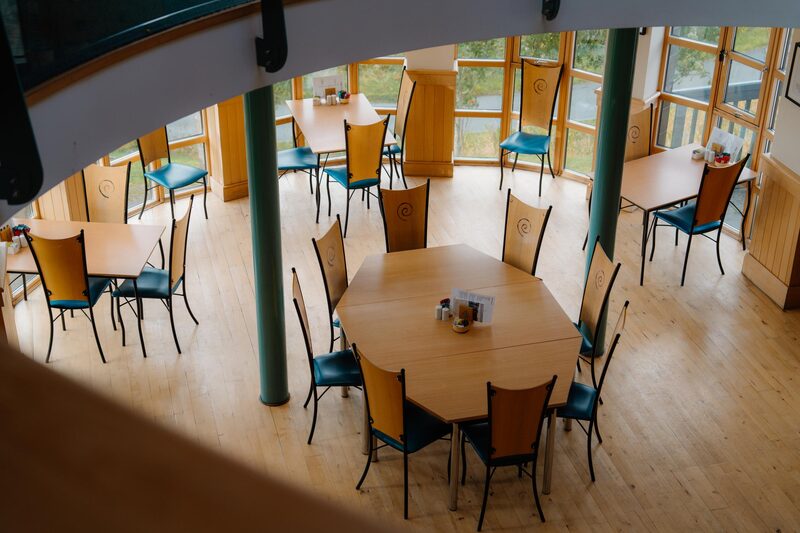 StaffinColumba 1400Charity café under Trotternish
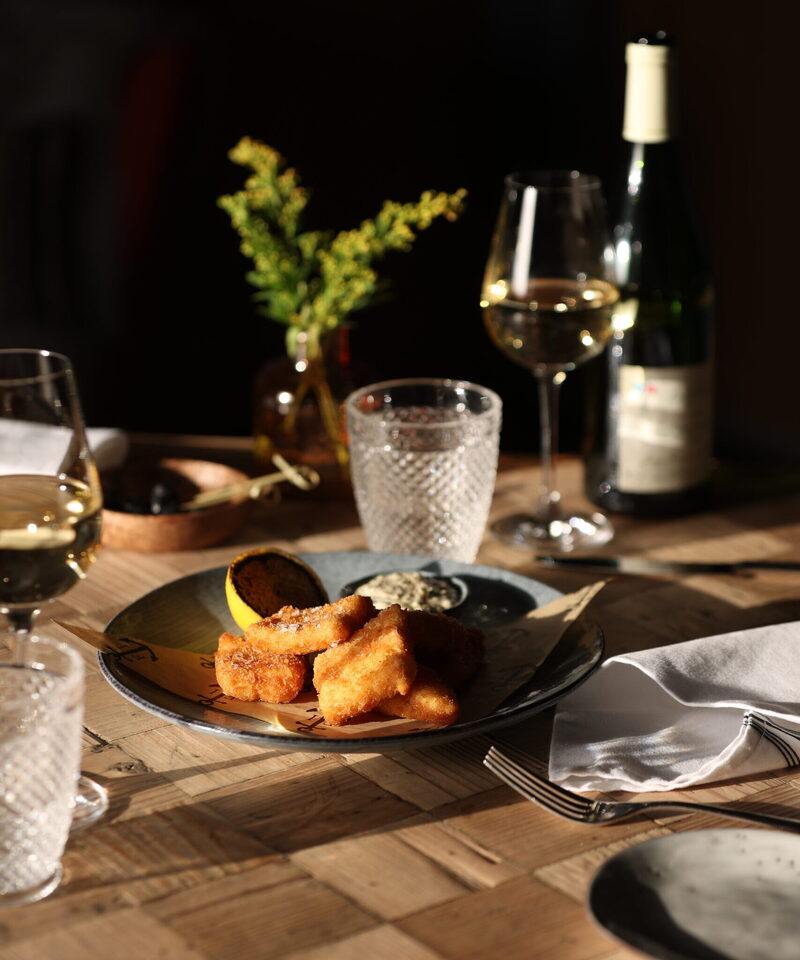 UigThe Ferry Inn RestaurantCosy inn at the head of Uig Bay
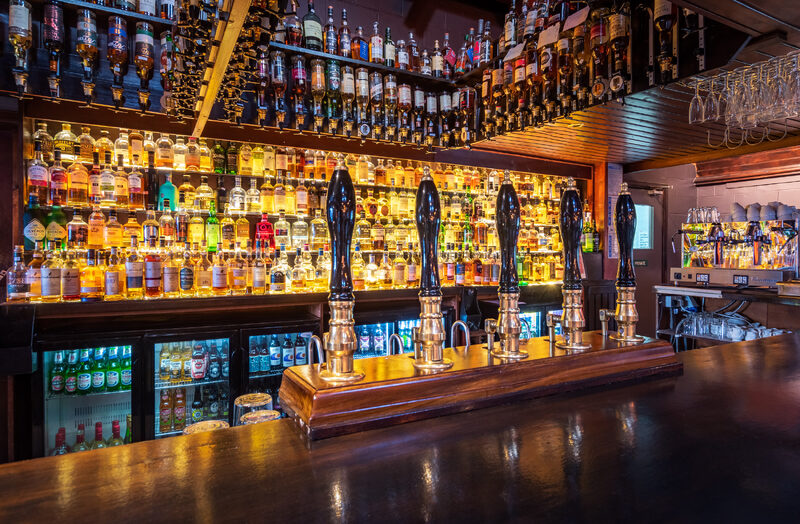 SligachanSeumas' BarWalkers' bar, 400 whiskies
 EarlishThe Galley CaféA café
Day two
Duirinish
West to the MacLeods' country, from an Iron Age tower by Loch Bracadale and the clan's castle at Dunvegan to the glen whose crofters won their land. The afternoon ends on foot at Lorgill, a township cleared for sheep in the 1870s. Set off from Portree at a quarter past nine, in boots.
2 hr 14 min at the wheelAbout 68 miles
25 min by car
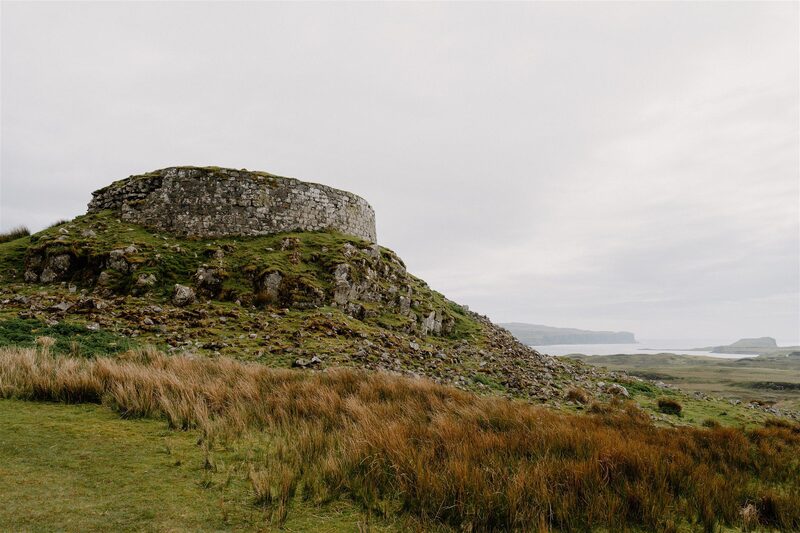
Dun Beag Broch
An attraction
It's 25 minutes' drive from Portree over the single-track B885 to Struan, then along the A863 to the council car park on the left, just past the broch. Cross the road with care; the broch is 300 metres up over sheep ground. Door-checks in the entrance show it was shut with a timber door; a chamber off it may have been a guardroom, and 20 steps of the stair survive. It may once have stood 10 metres high. Medieval coins found in the 1910s suggest people came back later.
20 min by car
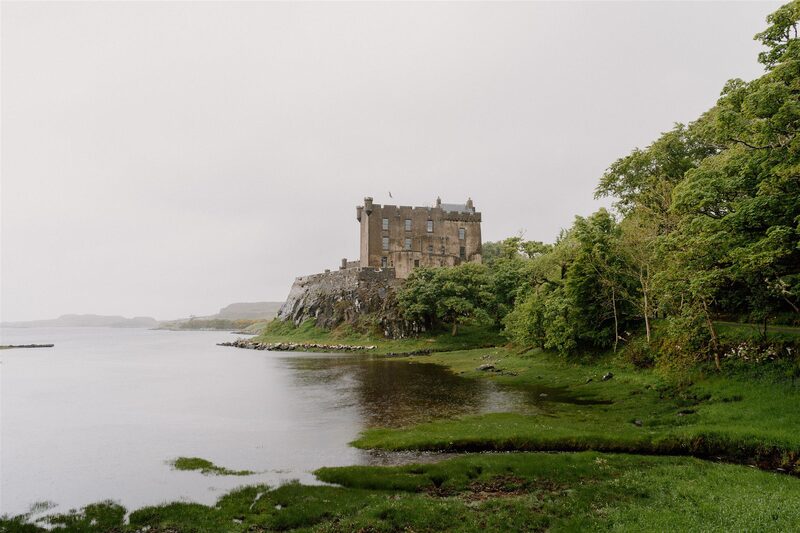
Dunvegan Castle
An attraction
Drive 20 minutes north-west on the A863 to Dunvegan, and on through the village to the castle, with free parking opposite the gate: it's quietest soon after the 10am opening. Until 1748 the only way in was up steps from the sea gate; the land bridge came in 1814. The 25th chief, Norman MacLeod, spent so much easing the potato famine of the late 1840s for his tenants that, with other debts, he was ruined, and went to London as a clerk.
4 min by car
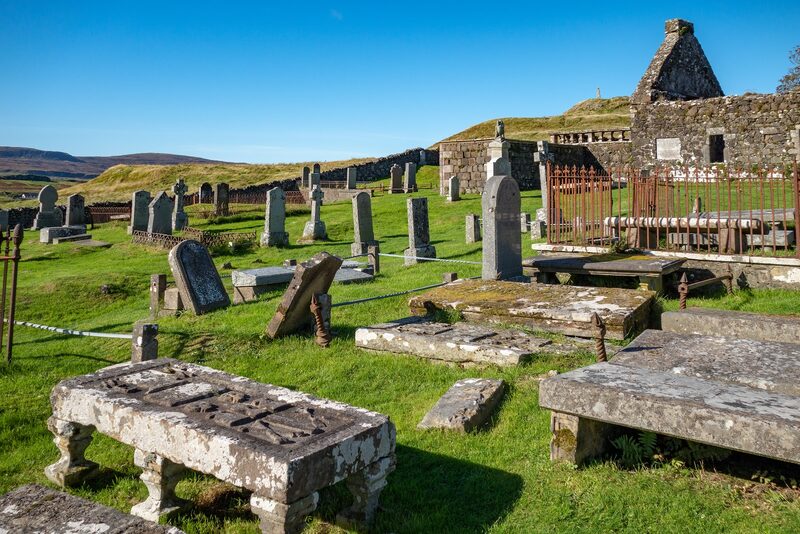
Dunvegan
It's 4 minutes' drive back into the village: park by the toilets, lunch on the main street, and fill the tank, the only fuel for about 20 miles. About 10 minutes' walk up the Portree road at Kilmuir, in the kirkyard of the roofless old parish church, an obelisk remembers Thomas Fraser, Lord Lovat, who died visiting here in 1699. Boswell suspected its pompous words were his son Simon's, beheaded in 1747 for the Jacobite rising. The famine chief, who died in Paris in 1895, is buried at Dunvegan.
16 min by car
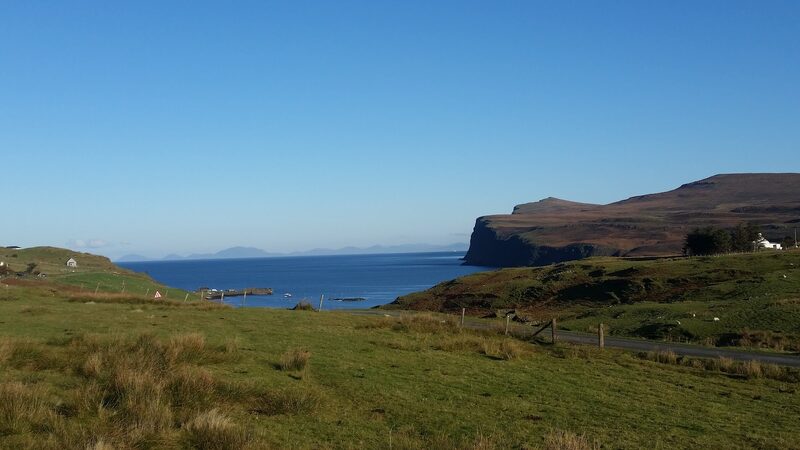
Glendale
An attraction
It's 16 minutes' drive west on the B884 through Colbost. Slow down as the road climbs past the Land Leaguers' cairn on the right: there's nowhere to stop. Park at the hall at Lephin. Glendale's stand began in February 1882. In 1883, after the government sent a man by gunboat, the leaders gave themselves up, and John MacPherson, the Glendale Martyr, went to jail; marines reached Skye in November 1884. In December 1903 the state bought the glen, and from 1904 its crofters paid for it, finishing in 1956.
15 min by car
Lorgill
The rough Ramasaig road ends 15 minutes' drive on, and it's not one for a low car. There's room for hardly one car by the cottage, or in an old quarry short of it; if both are full, never leave the car in a passing place: turn back for Meanish pier. A track crosses the moor into the glen, about 6 km there and back with a climb out. Lorgill was cleared in stages for sheep; the last five families went about 1878. Their walls still line it. Portree is an hour home.
If it rains
The morning has a roof: the castle's rooms are dry, so linger in them, and the Giant MacAskill Museum, back down the road, is worth a look if its door is open. The climb to Dun Beag is steep and slippery in the wet. The Lorgill walk crosses boggy moor, and the Lorgill burn has no bridge, as the old one was washed away. After heavy rain keep to the near bank, and in a downpour or low cloud leave the walk for another day. Instead, Skye Weavers, down the Upper Fasach road between the Land Leaguers' cairn and the hall, has its looms under a roof (Tuesday to Saturday, 10am to 5pm). Café Lephin, a few hundred metres west of the hall beside the shop, keeps hours that change with the season: check before you go. From the hall it's 10 minutes' drive down to Meanish pier on Loch Pooltiel, where the government's gunboat put in during the 1880s.
Worth a detour
- Skye Weavers
Scarves, throws and tweed made on foot-pedalled looms in a croft shed, signed down the Upper Fasach road between the Land Leaguers' cairn and the hall at Lephin: Tuesday to Saturday, 10am to 5pm, April to October.
Where to eat
 GlendaleCafe LephinA café
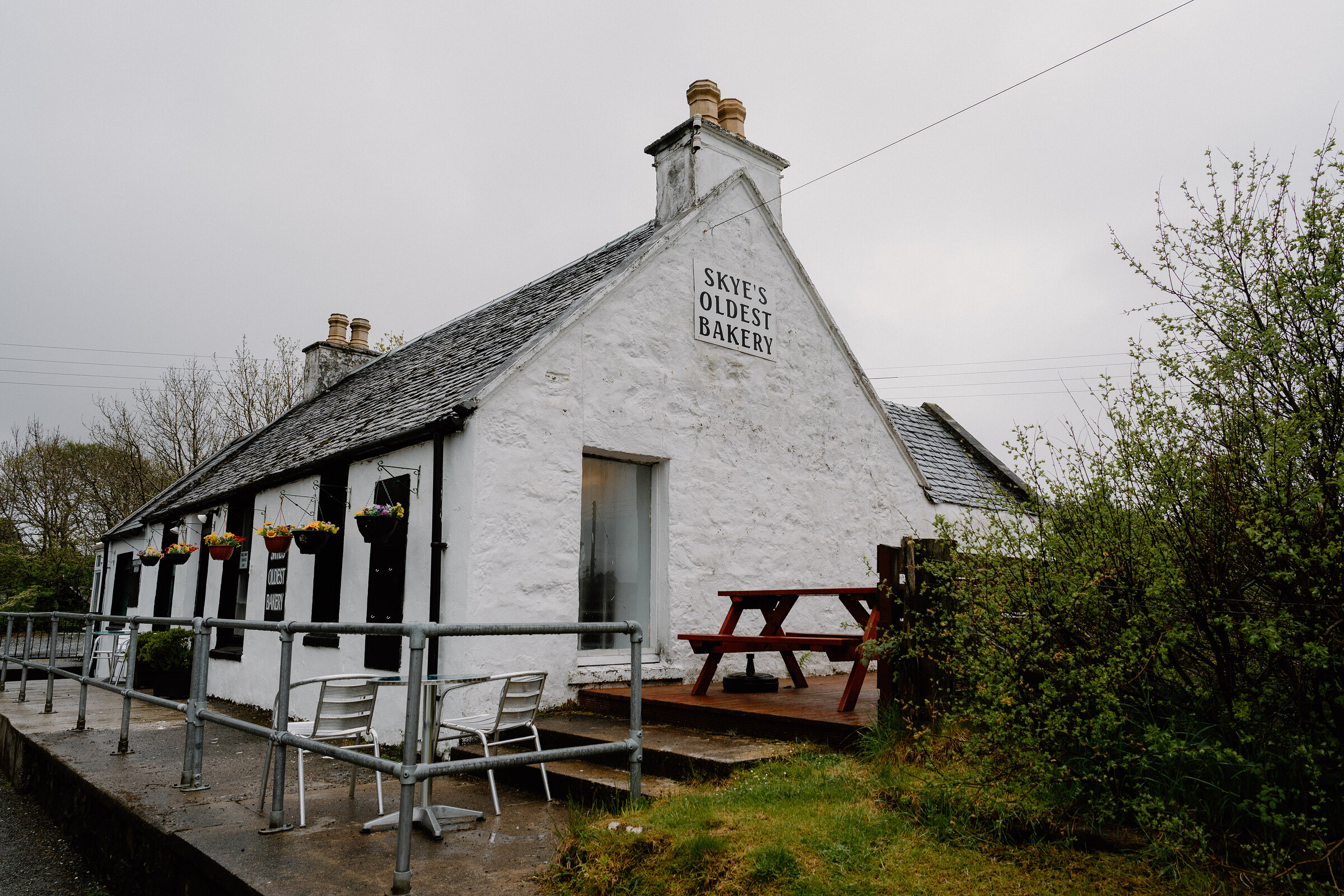 DunveganDunvegan Bakery & Coffee ShopA café
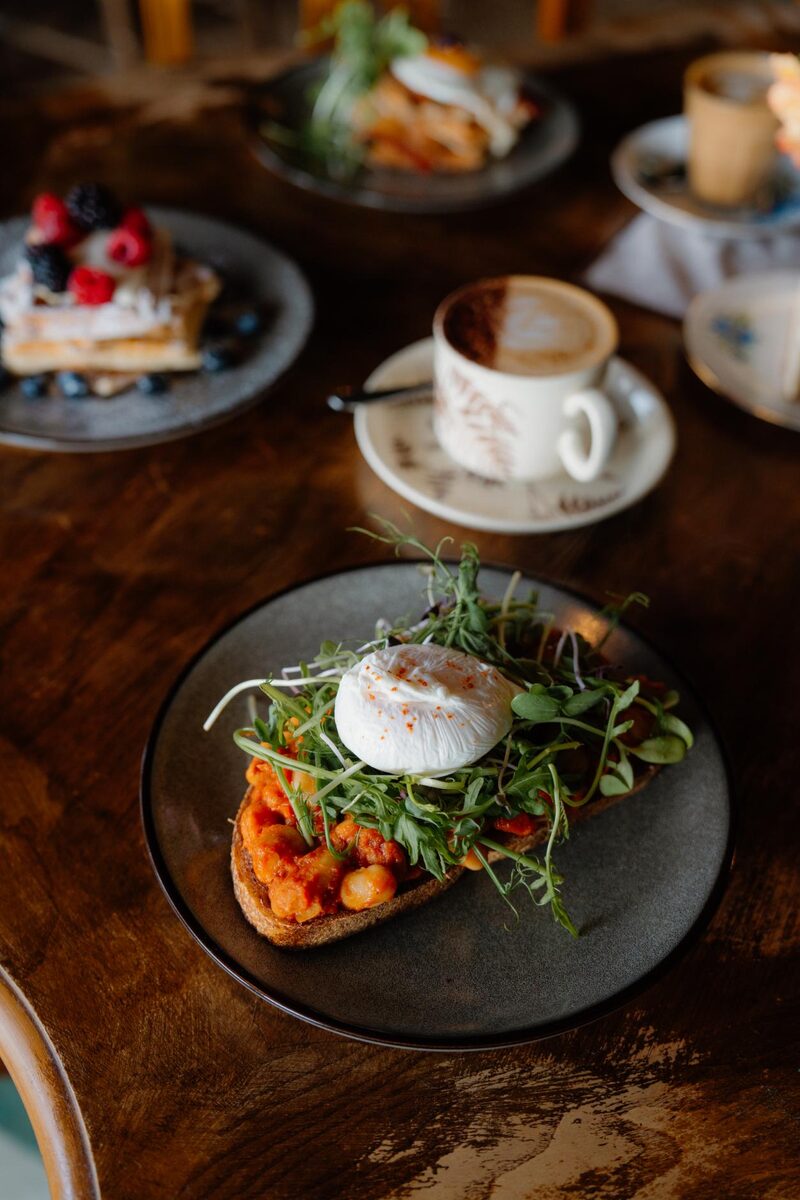 StruanBog Myrtle CaféA café
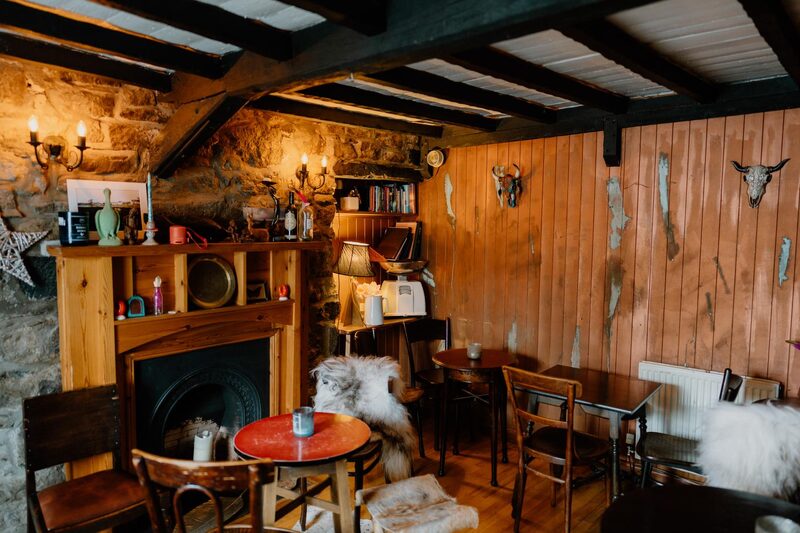 SteinThe Stein Inn BarOne of the oldest inns on Skye, on Loch Bay
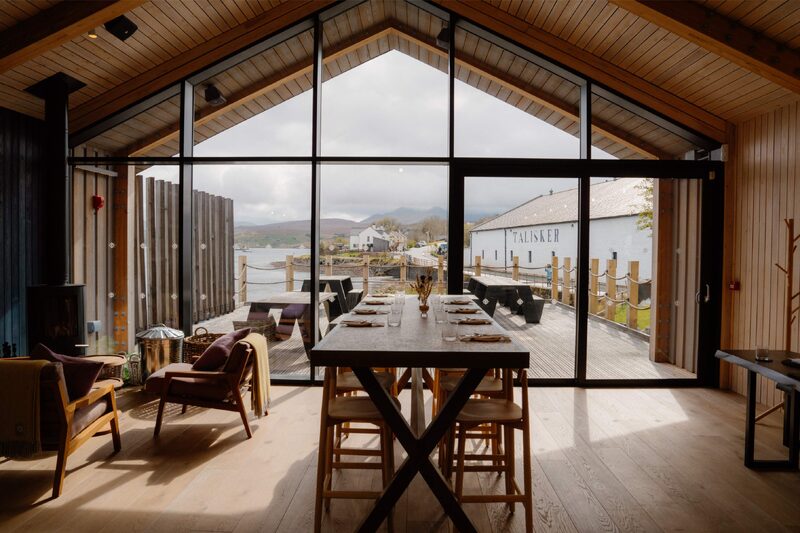 CarbostThe Three Chimneys at TaliskerA restaurant
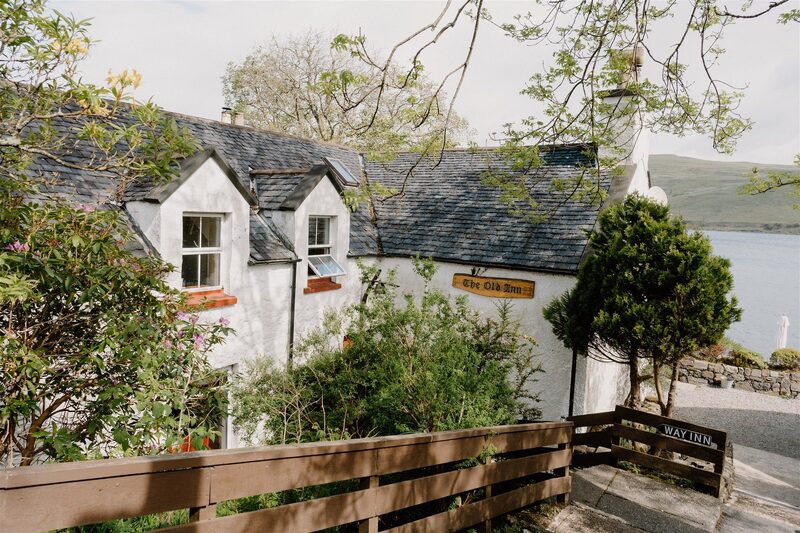 CarbostThe Old InnA restaurant
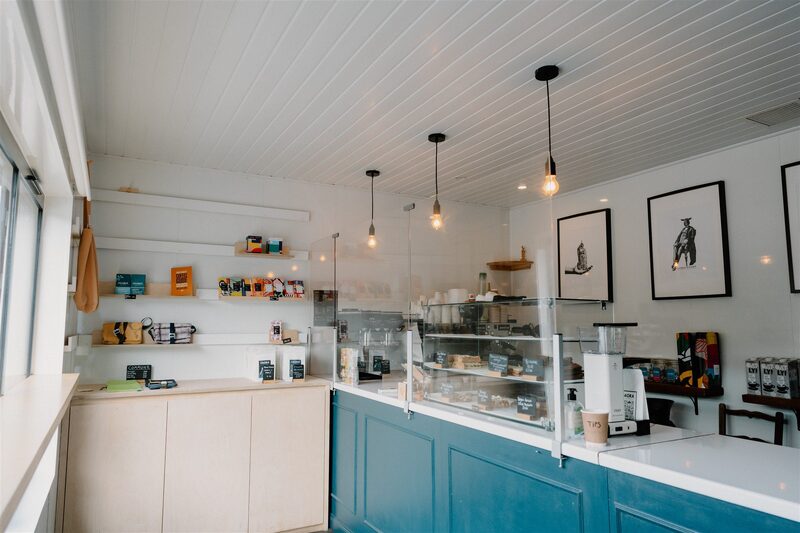 CarbostCaora Dhubh Coffee CompanyA café
 WaternishYURTea&CoffeeA caféPortreeAntlers Bar & GrillPub grub, Portree HotelPortreeDulse and BroseSkye and Highland larderPortreeThe View RestaurantBay views, Cuillin Hills HotelPortreeScorrybreac RestaurantSeasonal Skye produce
Photographs by Michelle Michaud, Tom W and Koen Scholiers via Google