
Did you know
Lived in until 1957.
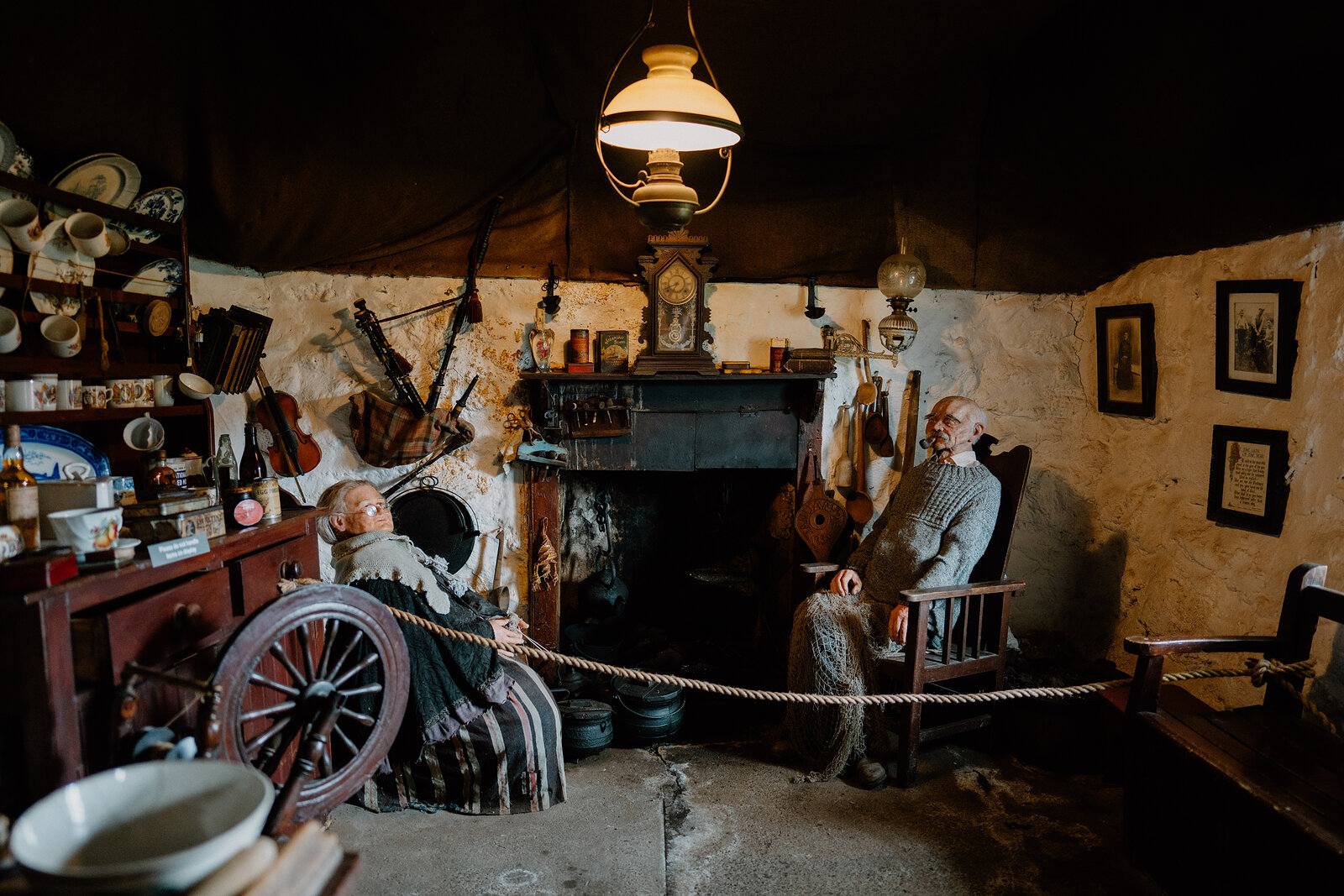
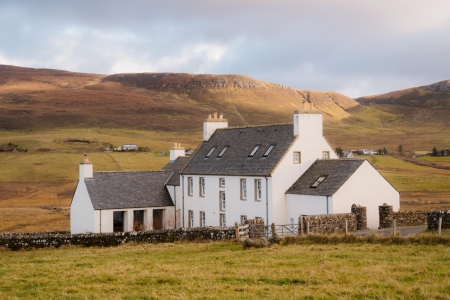
A family lived in the Old Croft House until 1957, and it opened as the museum's first cottage in 1965.
Eight thatched cottages at Kilmuir in Trotternish, showing how most islanders lived a century and more ago.
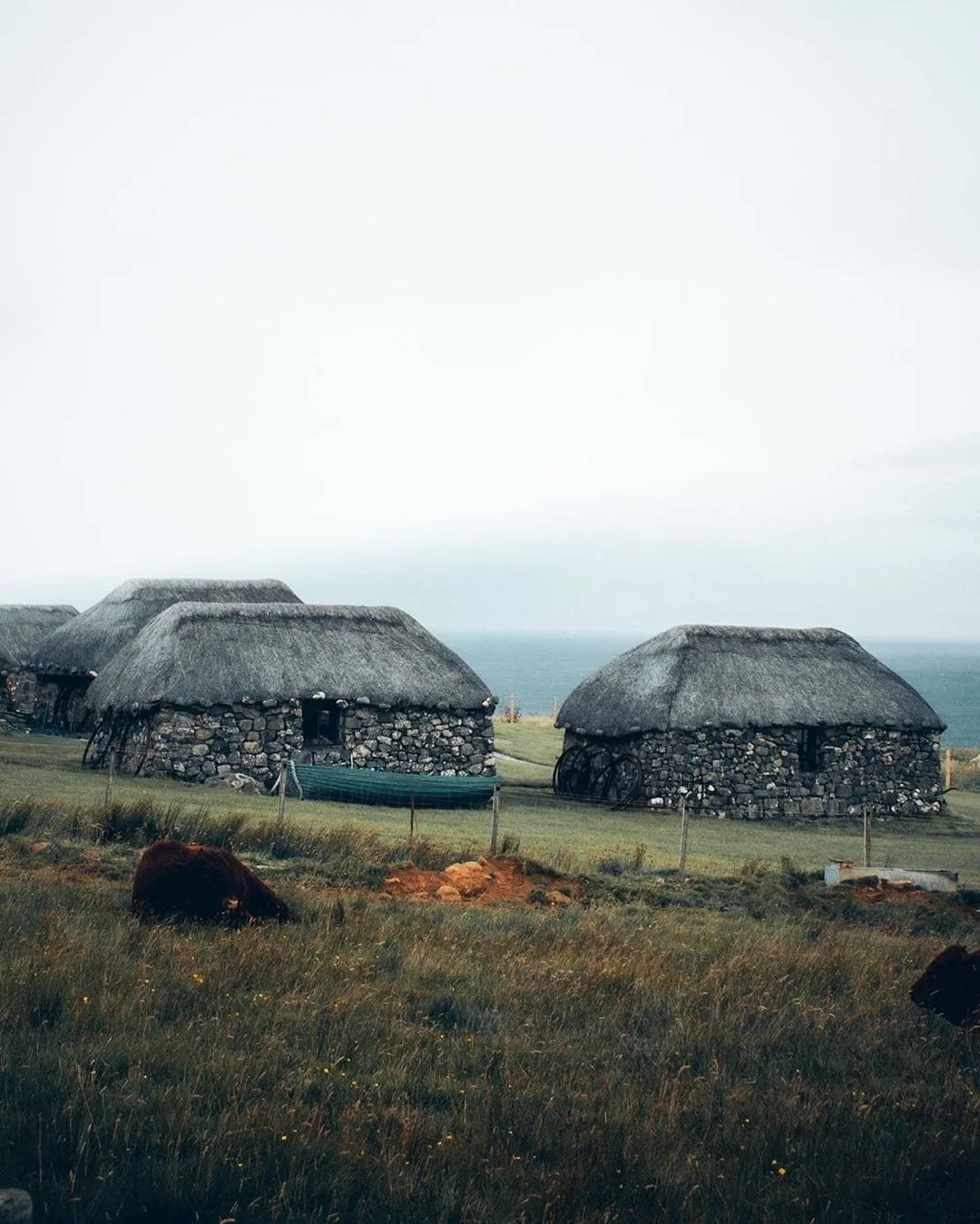
The Skye Museum of Island Life is a group of eight thatched cottages at Kilmuir, near the north end of the Trotternish peninsula, showing how most Highlanders lived a century and more ago.
Visited and photographed by Simon Hird
It is a long way from castles and stately homes: low houses with thick stone walls, built from what could be gathered nearby, where families reared livestock, grew crops and fished.
Jonathan MacDonald, a Skye-born crofter and cultural historian, founded the museum, and the first cottage opened to the public in 1965. The cottages today are the croft house, the byre, the smithy, the weaver's house, the old shop, the ceilidh house, the barn and Taigh Eòin, which is named for him. A family lived in the croft house until 1957. Kilmuir graveyard, where Flora MacDonald lies, is close by on the same road, and the museum is open from Easter to mid October.
Arrives at 5am every day.
A free morning email to see what’s on this week, catch up on what’s happening in Scotland and find somewhere new to go.
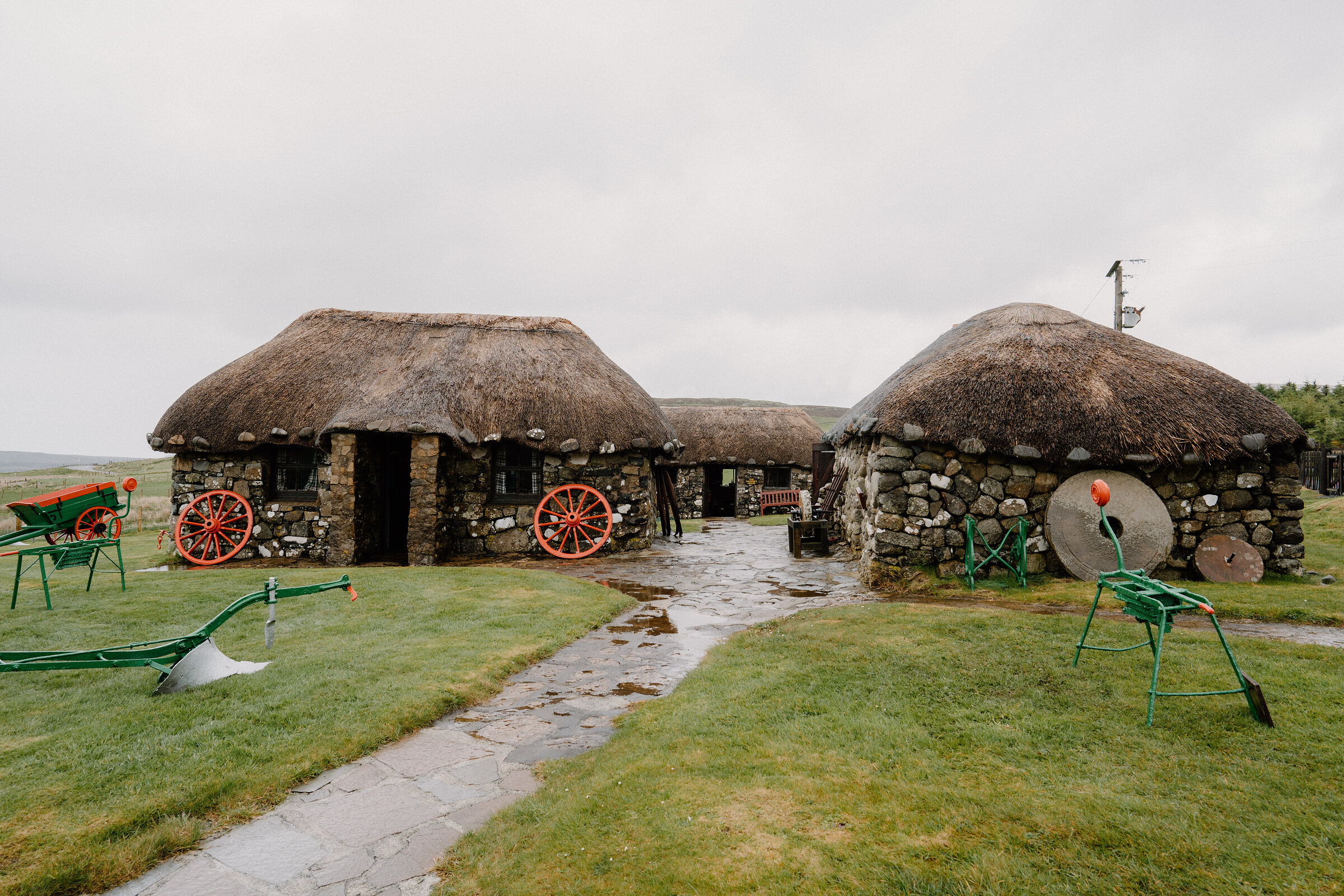
Roofs were built of branches and turf under a top layer of rush or reed thatch. They were first held down with rope made of heather; it did not last, so from the mid-1900s wire netting took over.
Traditional Skye cottages had stone walls up to three feet thick, and sat low and compact to stand up to winter gales. Roof timber was scarce, and often came from driftwood or shipwrecks.
Until the middle of the 20th century farm work here was done by hand and with horses, using simple tools and implements, many of them kept now in the old barn.
Open Monday to Friday from Easter to mid October.
Children under 15 go free with an adult.
Been here? Tell others what you know, and the best go on this page with your name.
Add your reviewA family lived in the Old Croft House until 1957, and it opened as the museum's first cottage in 1965.
In 1933 the future King George VI and Queen Elizabeth asked to see inside the croft house, where a family still lived. The parents quietly went to their bedroom and did not come out.
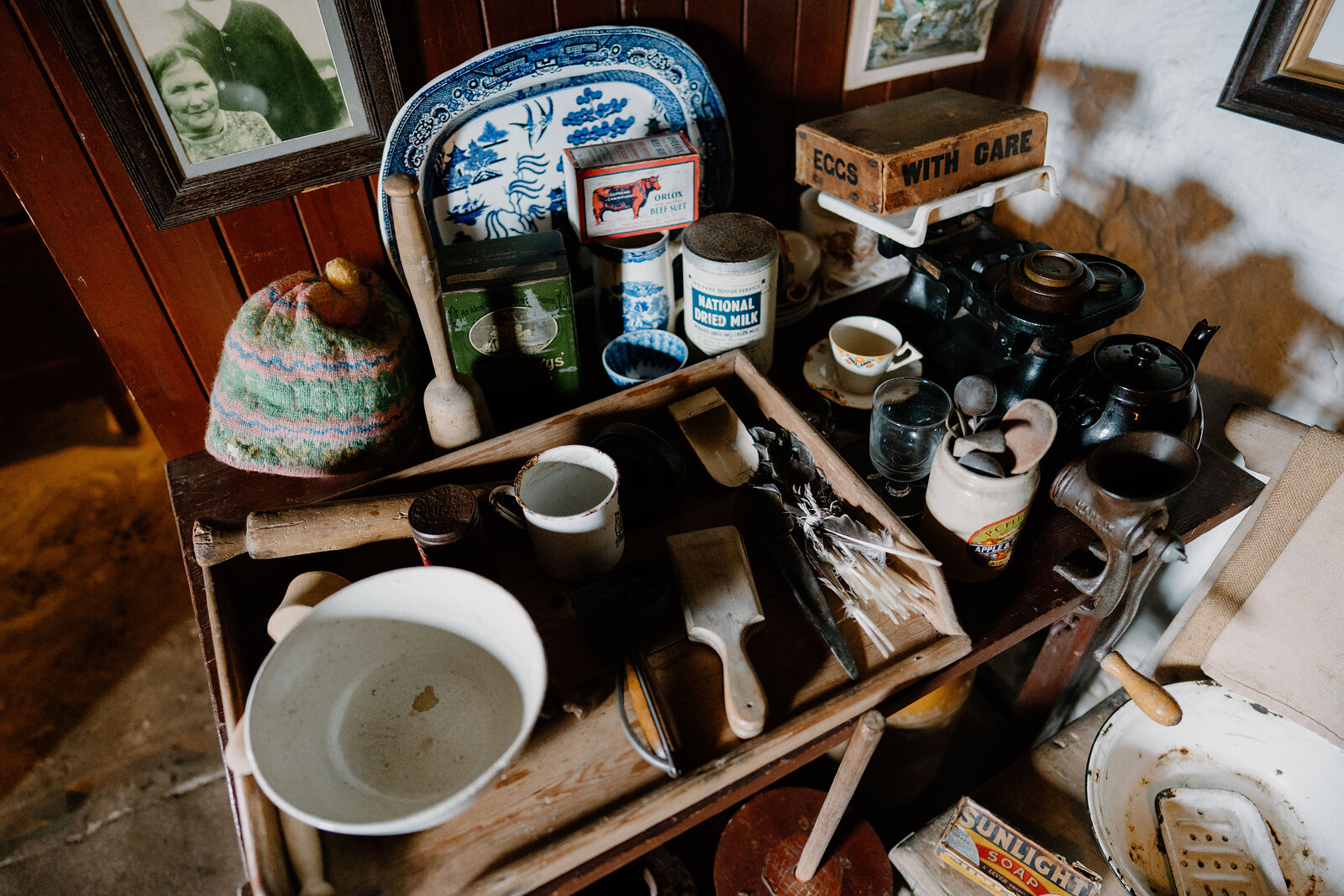
Early houses of this kind had no chimney and no windows. With cooking over an open fire they were dark and full of smoke, and visitors called them black houses.
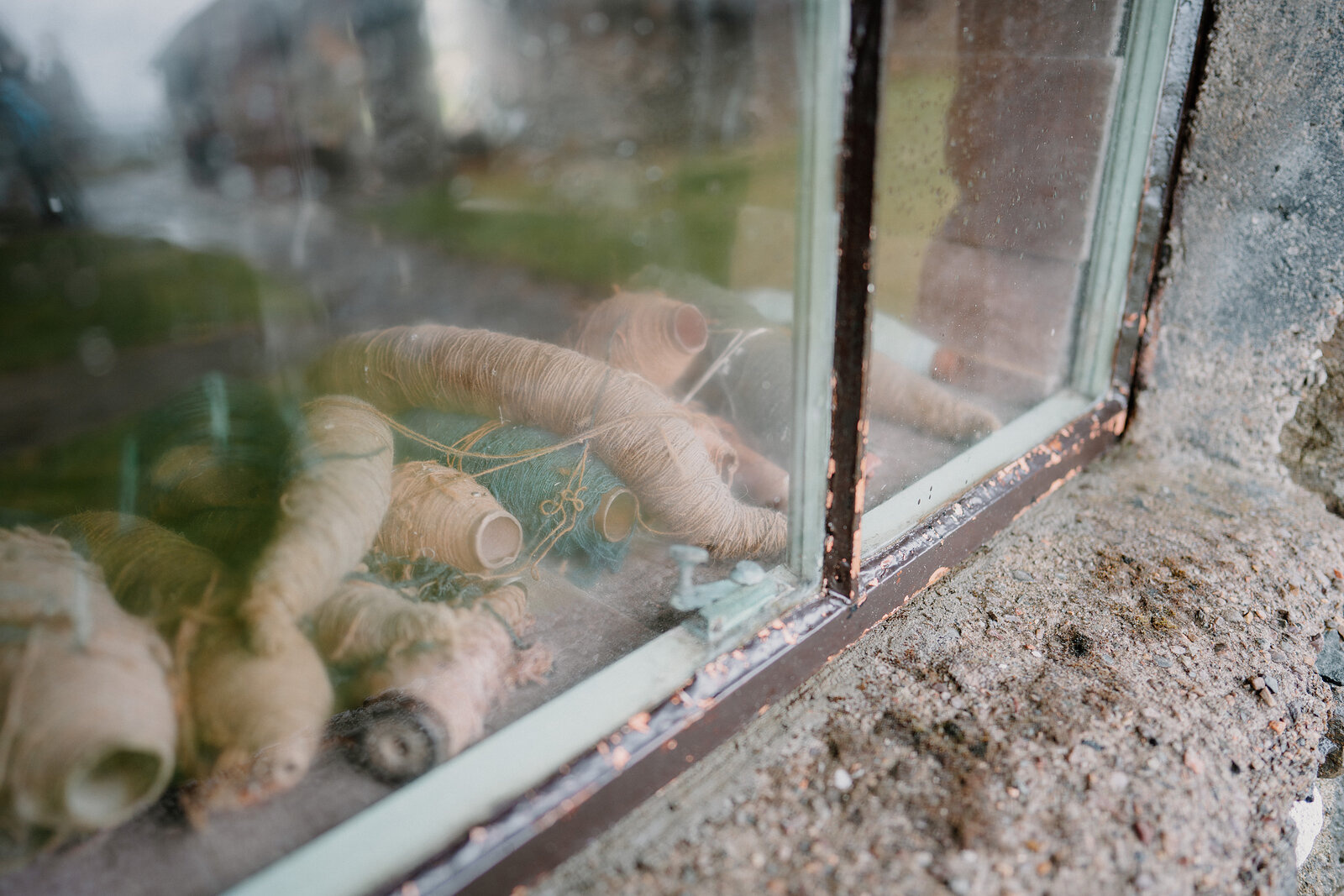
The Ceilidh House belonged to the local tailor, Mr MacKinnon, who had one of the first wireless sets in the area. Most evenings the men gathered there to hear the news.
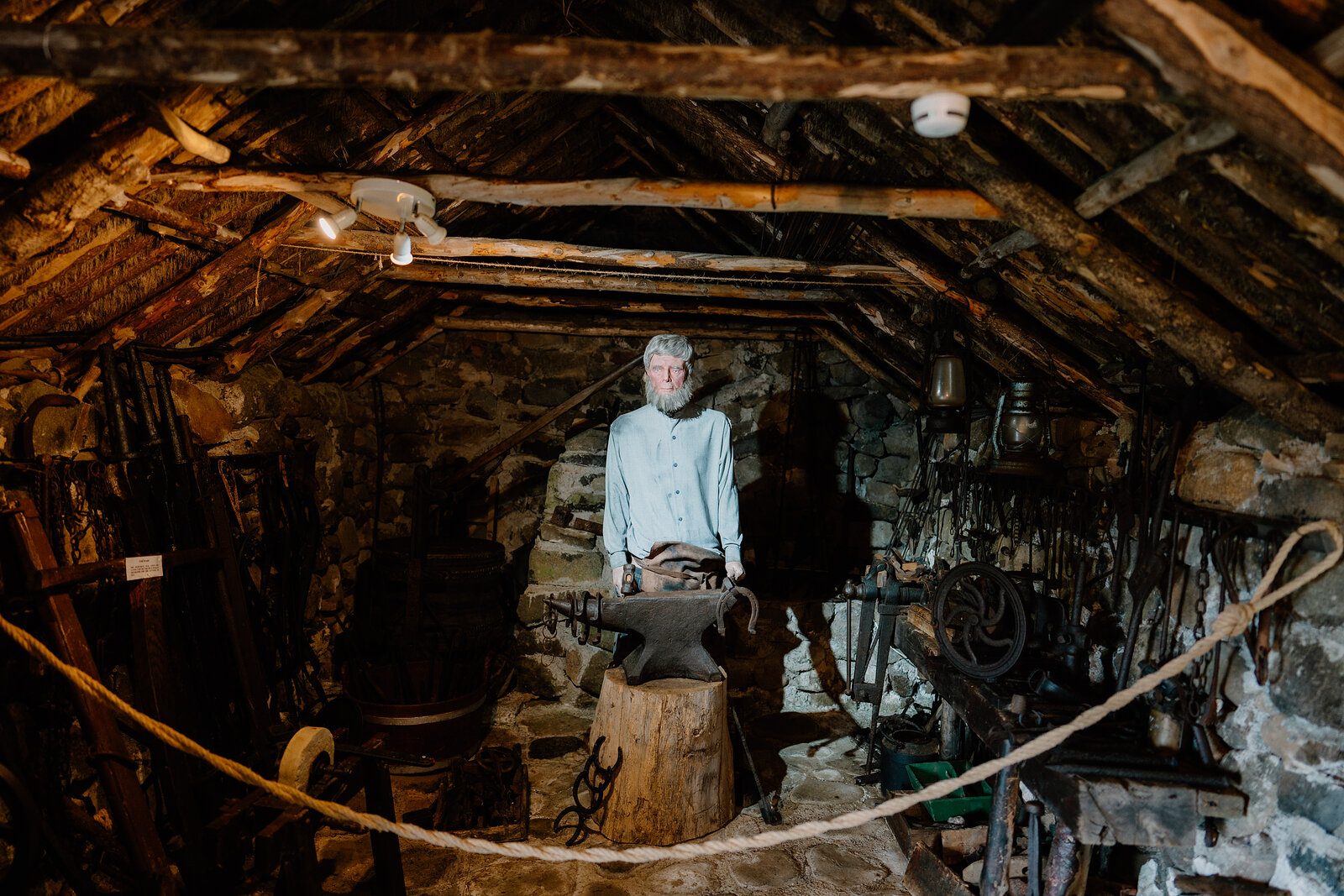
Besides shoeing horses and mending tools, the blacksmith was often the local healer, giving home remedies and even pulling teeth. He kept the smithy dim to judge the heat of the iron.
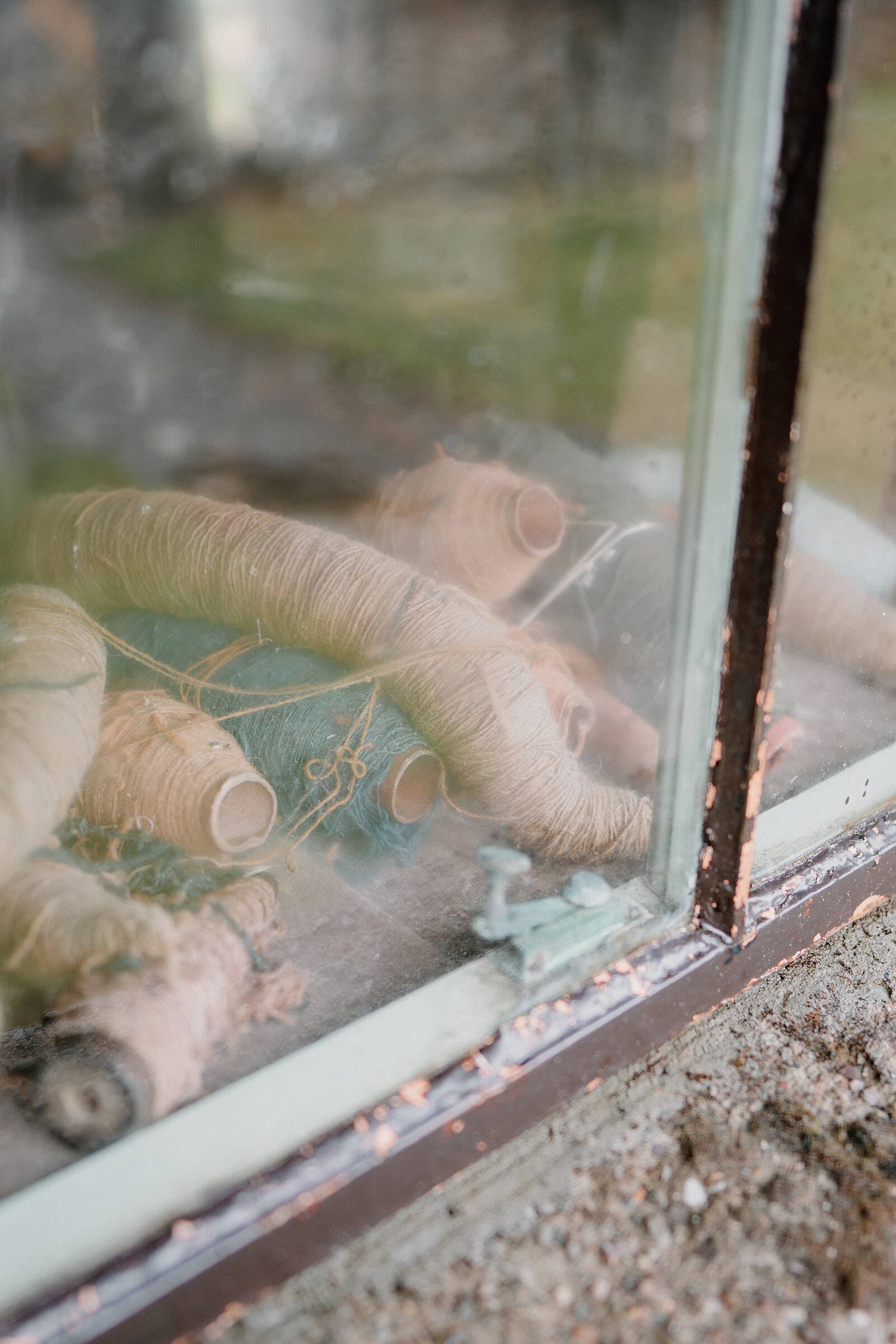
Grain was often ground at home between two round stones called a quern. When landlords paid for watermills, some tried to ban querns so that tenants had to pay for milling.
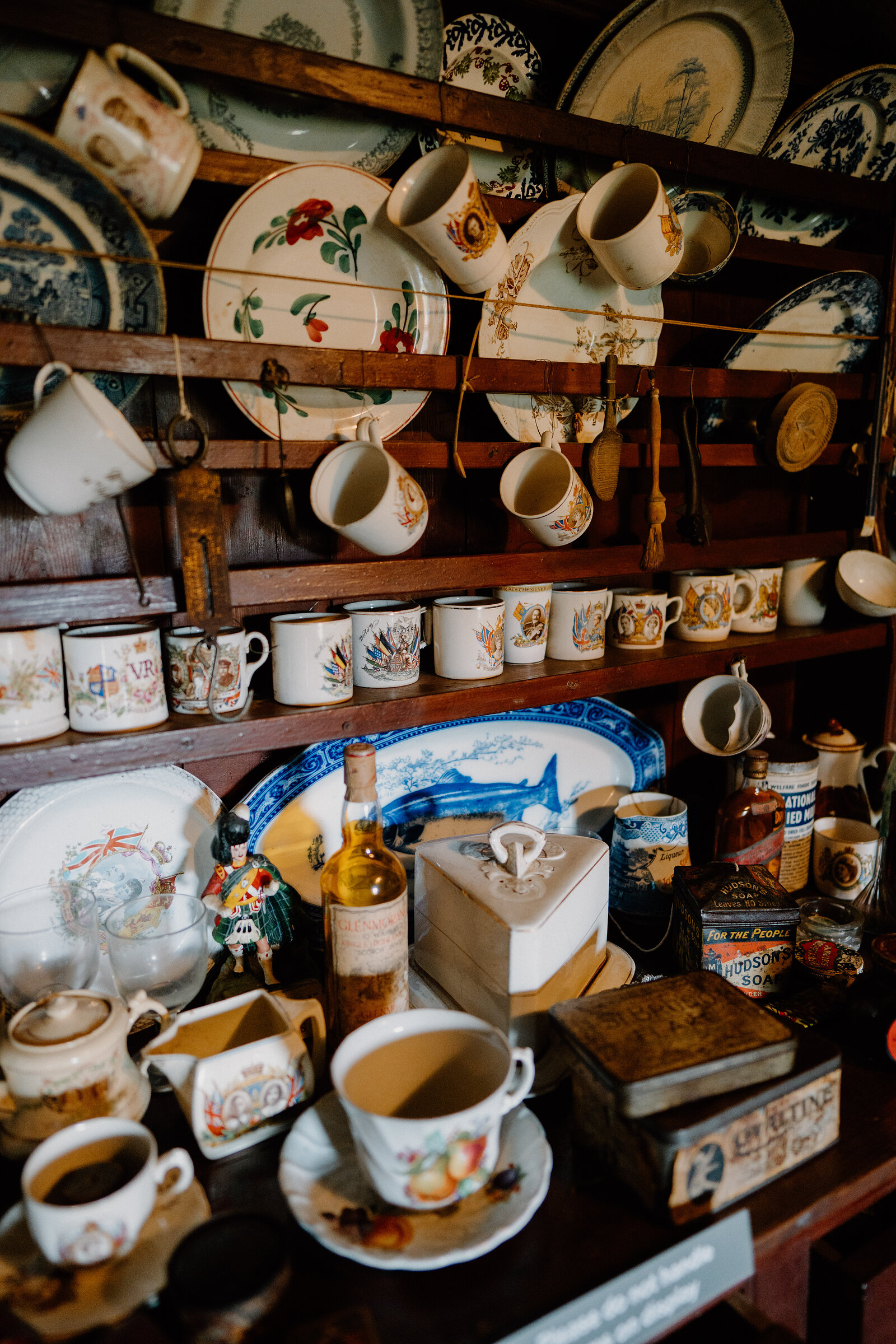
Sitting close to the island’s northernmost point is this cluster of traditional thatched cottages, which serve to showcase the realities of 19th century crofting. It’s a fascinating attraction, where old tools, peat fires and oil lamps help conjure a tangible sense of island life as it used to be.
Read more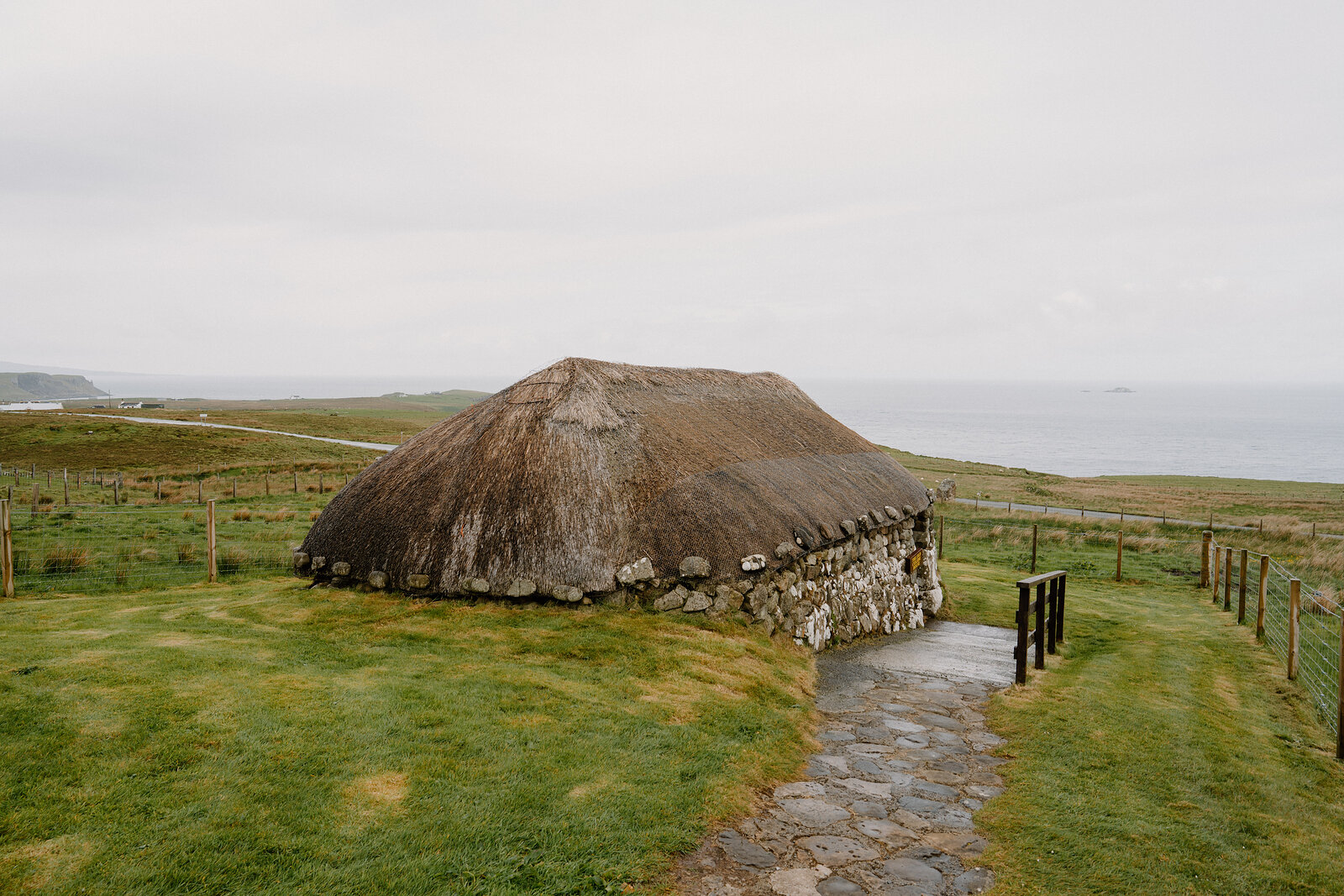
New places, news and stories, as we find them.
What is on on SkyeAt Kilmuir, near the north end of the Trotternish peninsula, on the A855.
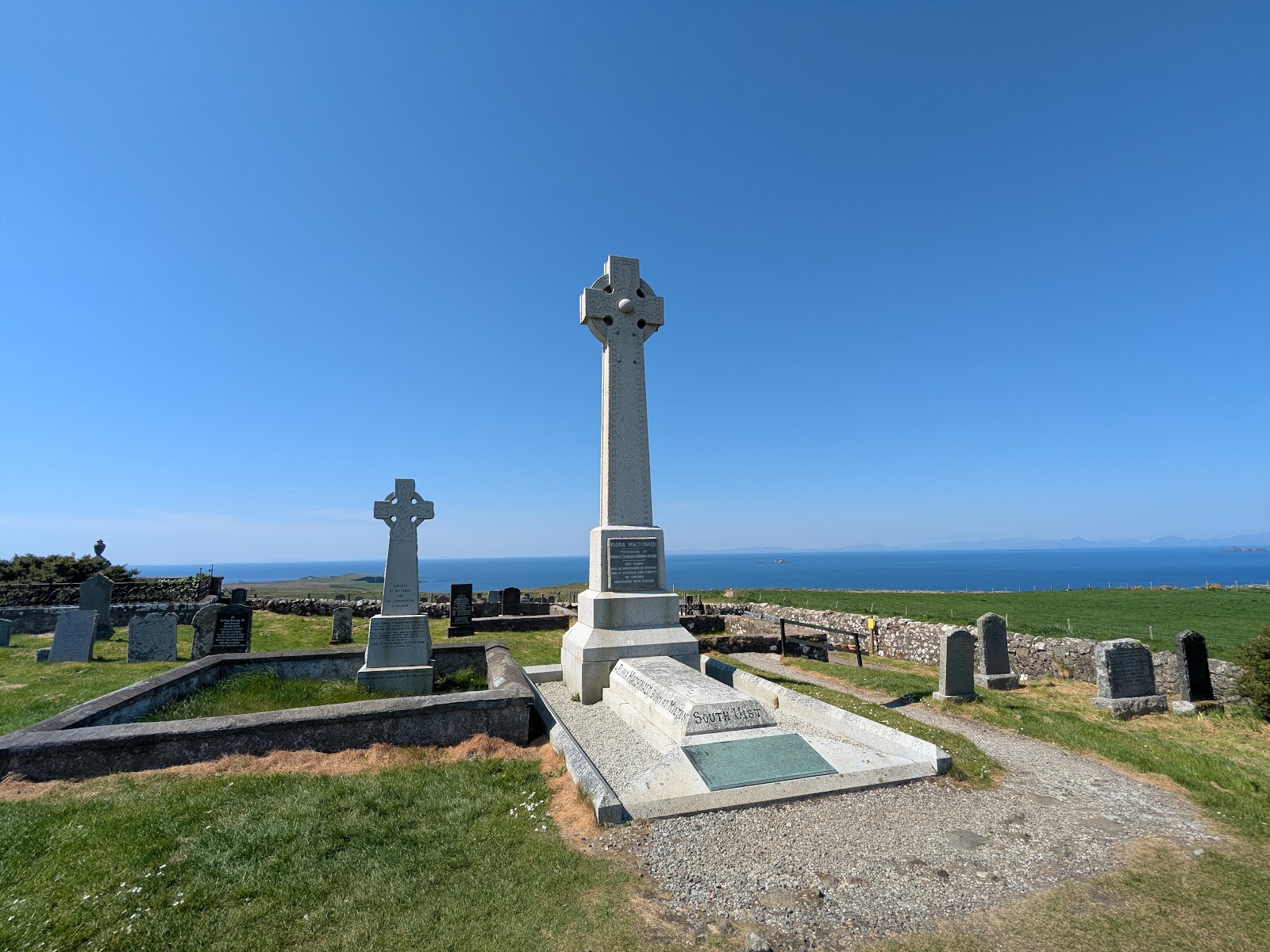
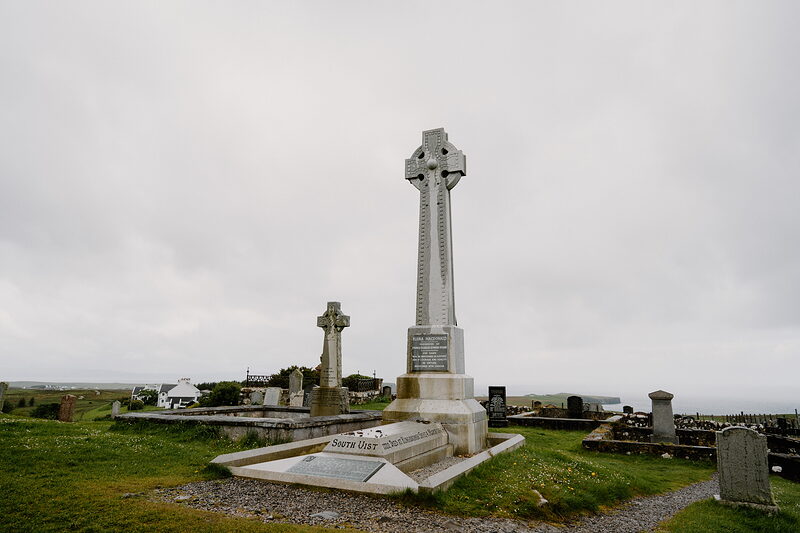 The Grave of Flora MacDonaldThe old graveyard at Kilmuir in Trotternish, where Flora MacDonald was buried in 1790 under a tall Celtic cross.Under a mile 1 min by road
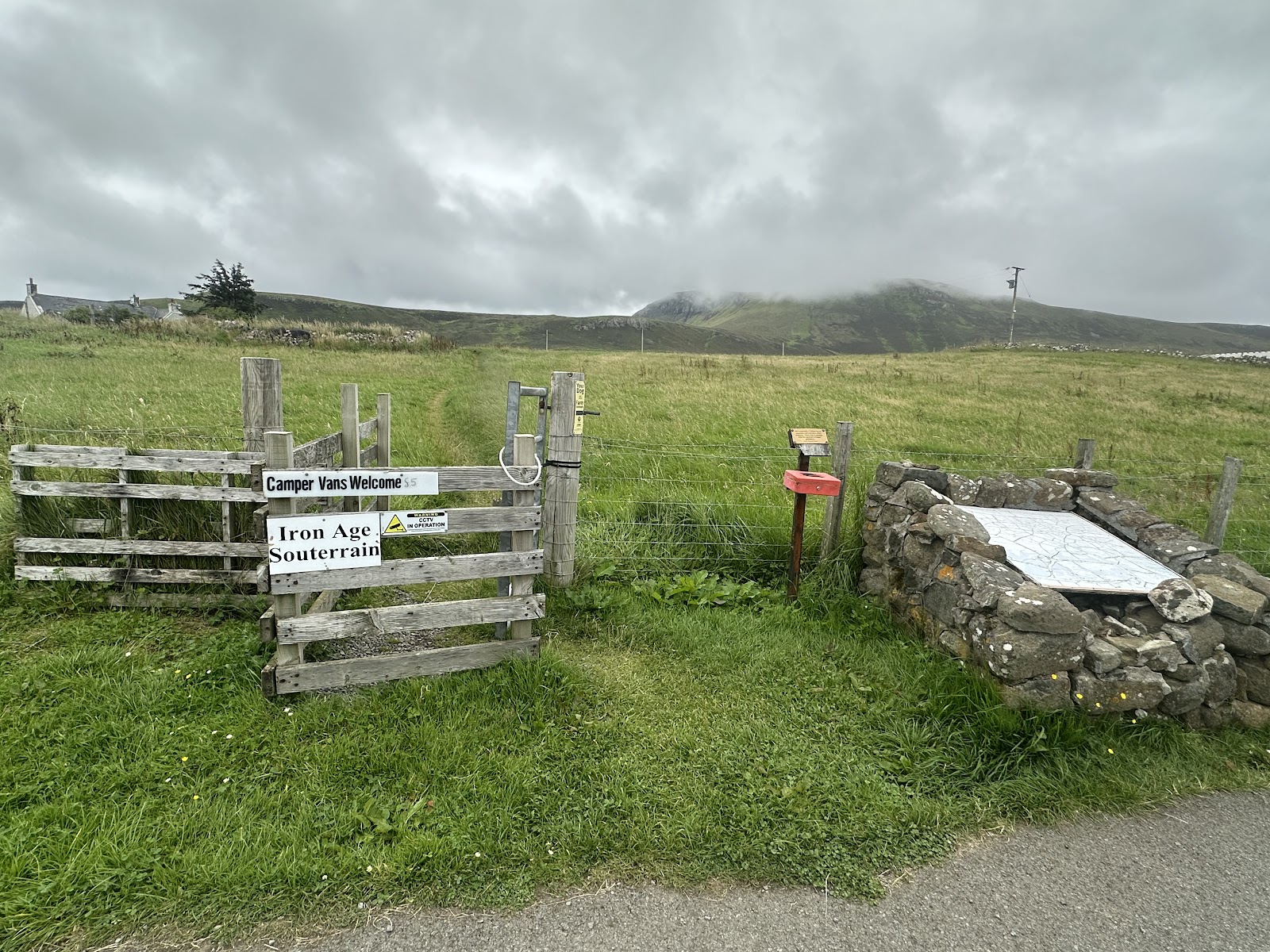 Kilvaxter SouterrainAn Iron Age passage cut into a field at Kilmuir, about 17 metres of it, roofed with slabs and open to anyone who walks across from the road.2 miles 2 min by road
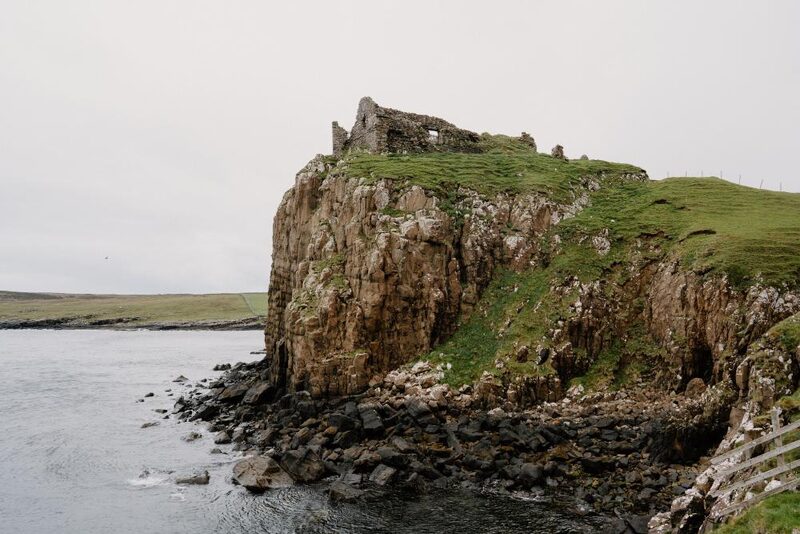
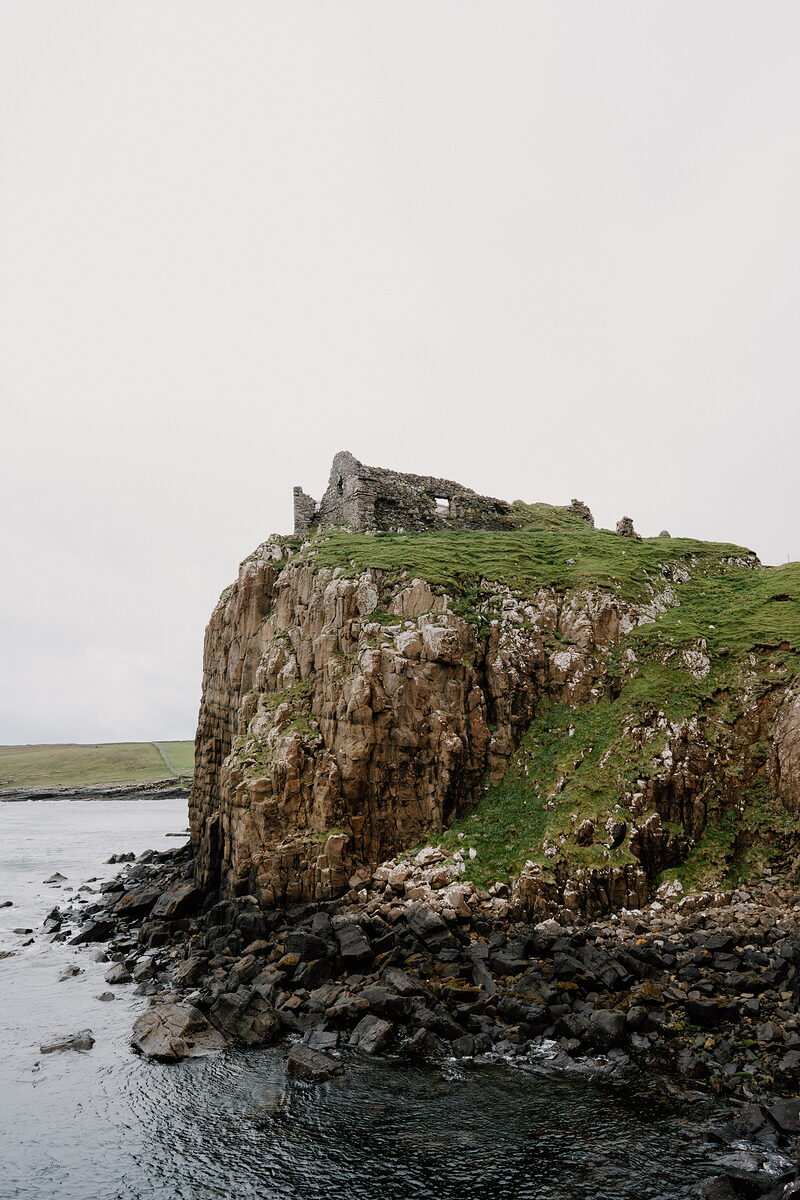 Duntulm CastleThe last castle of the Macdonalds of Sleat, on cliffs at the northern tip of Skye, left in about 1732.2 miles 3 min by road
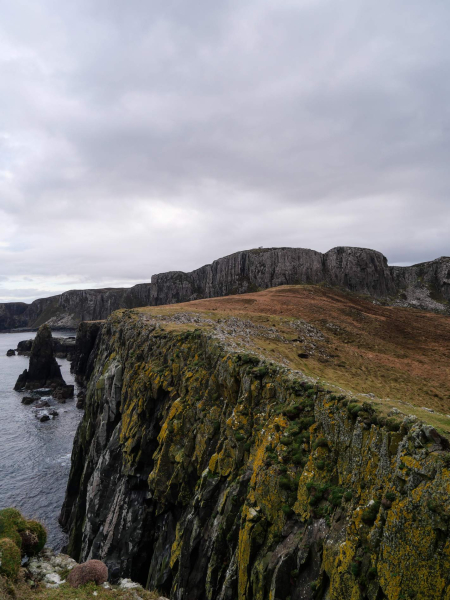
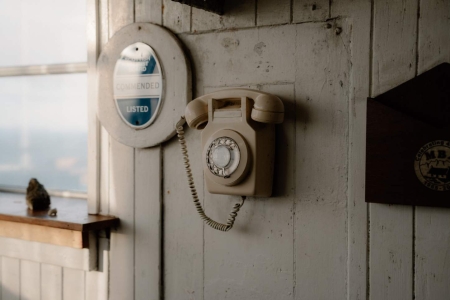
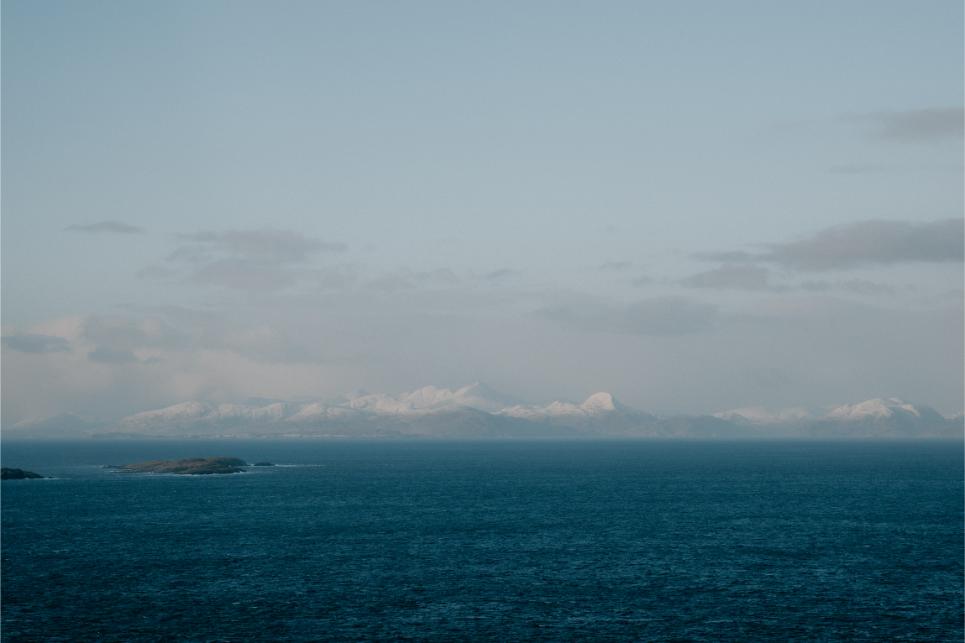 Rubha HunishThe northern tip of Skye, reached down a break in the cliffs, with an old coastguard lookout standing above it and whales passing in late summer.3 miles 6 min by road
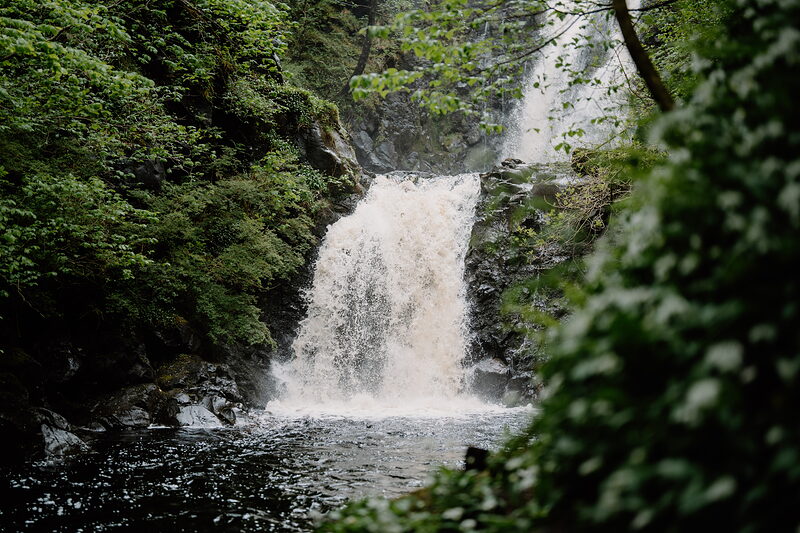 Rha WaterfallA two-stage waterfall at the head of a wooded gorge in Uig, part of the Woodland Trust's Uig Wood.6 miles 8 min by road
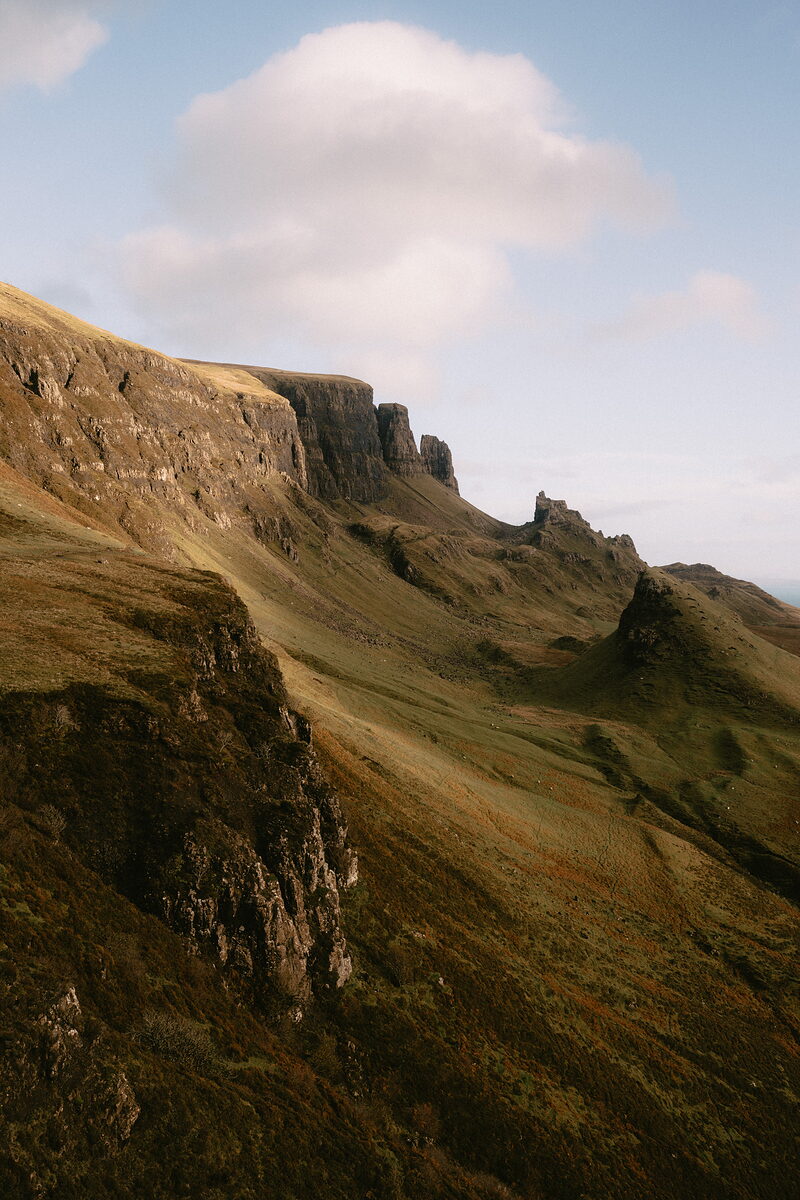 The QuiraingBritain's largest landslide, a jumble of rock towers and cliffs at the northern end of the Trotternish ridge on Skye.8 miles 11 min by road
Places to stay near the museum, and when each is next free.
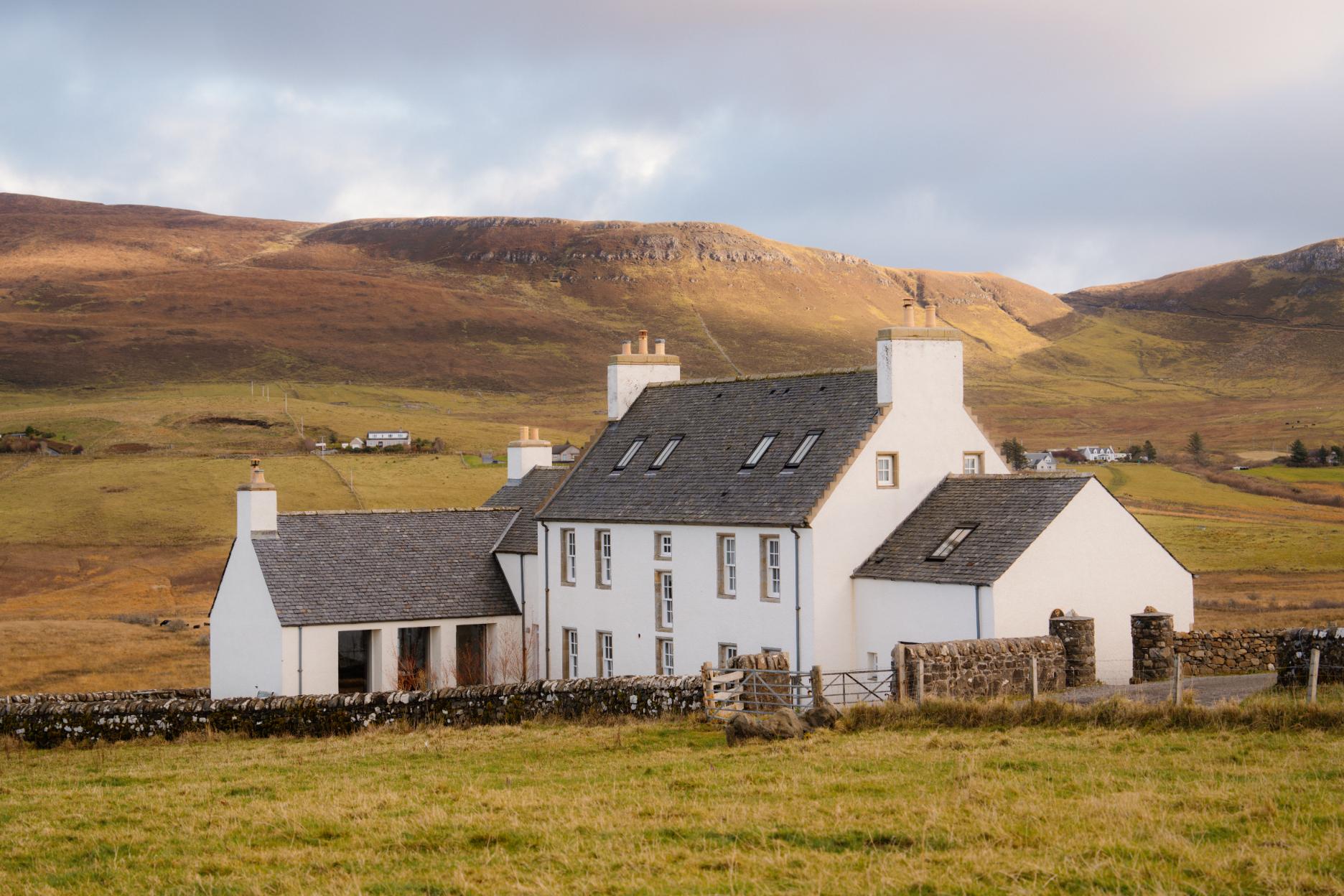 Monkstadt 1745
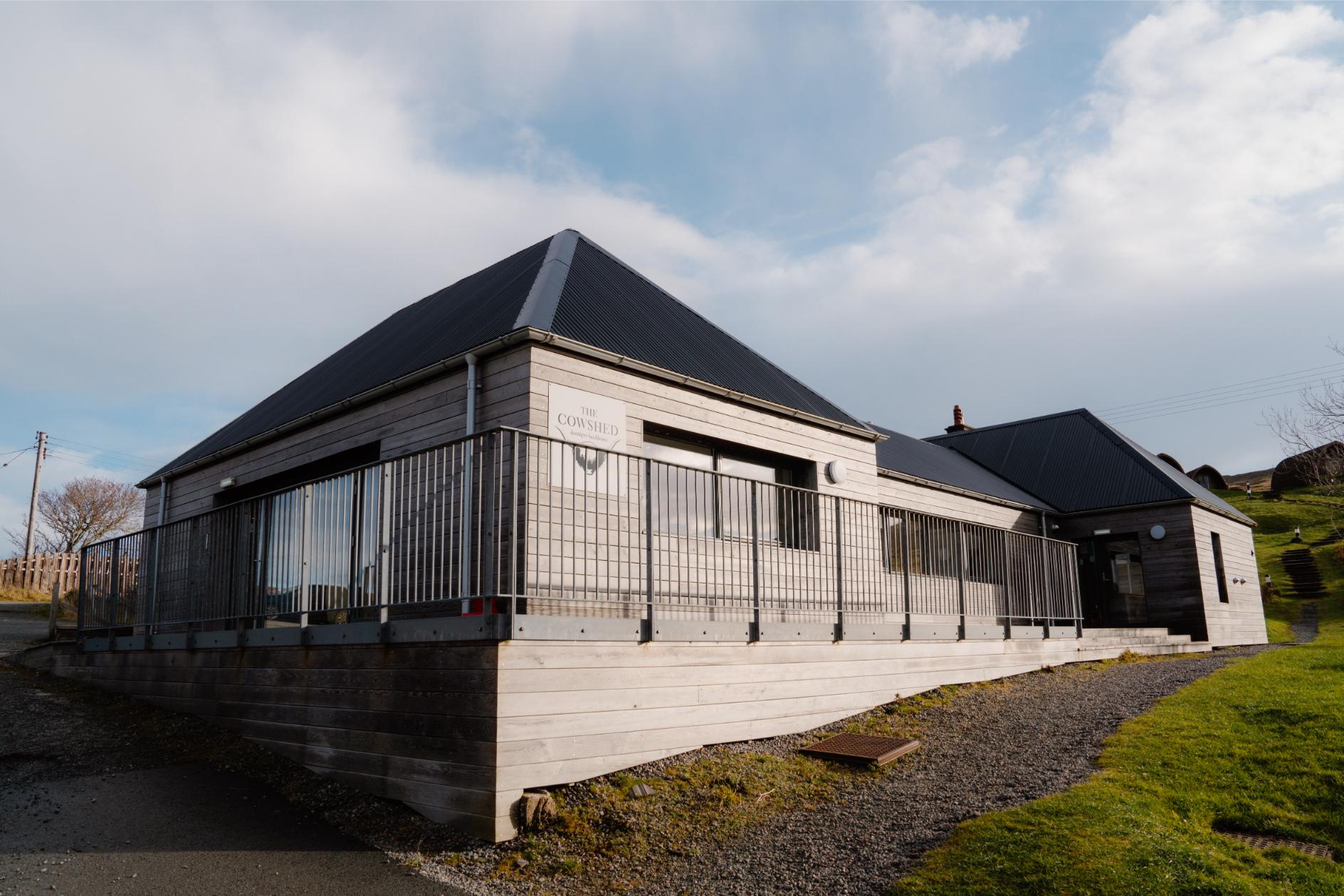 The Cowshed Boutique Bunkhouse
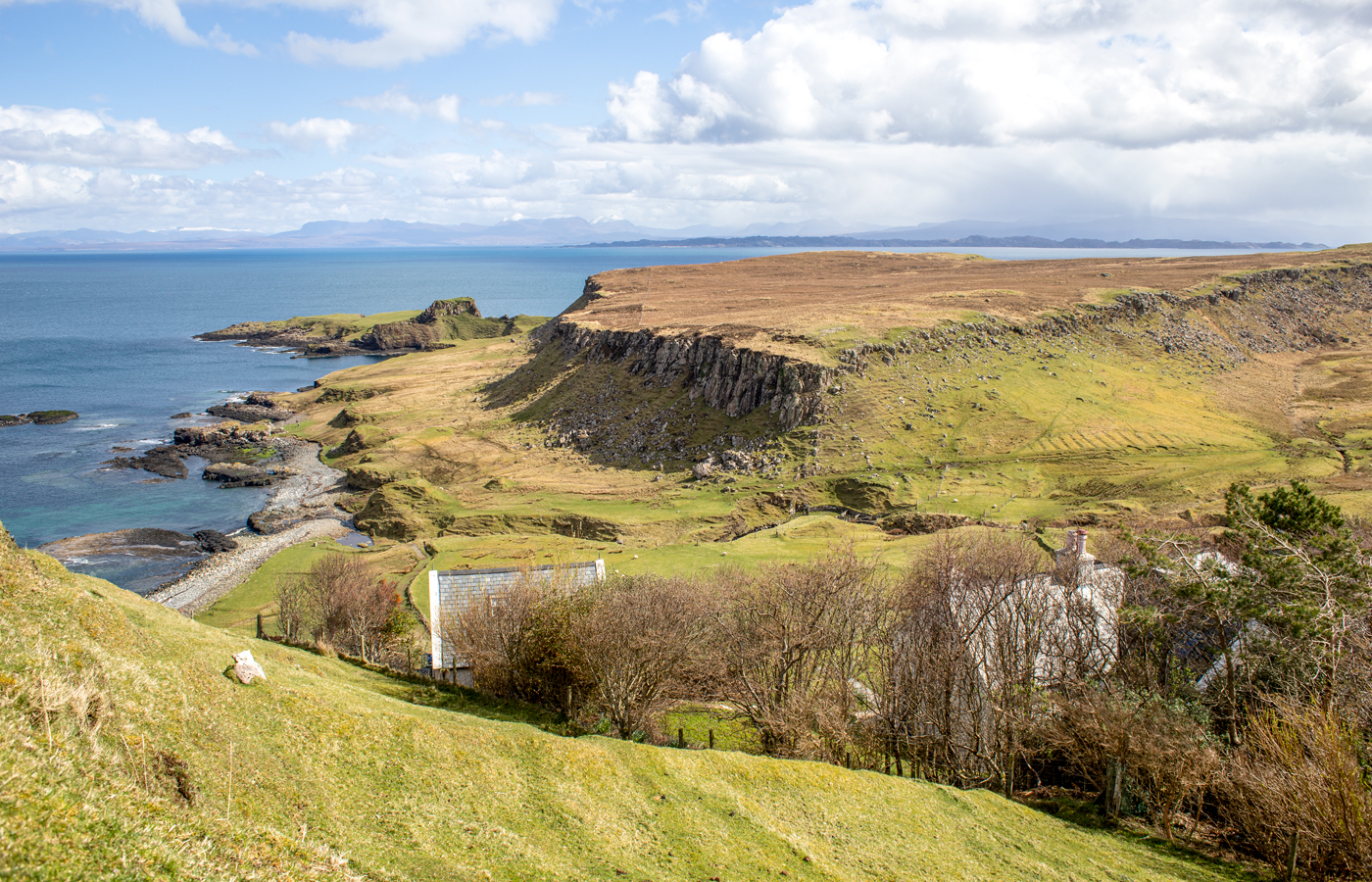 Half of One
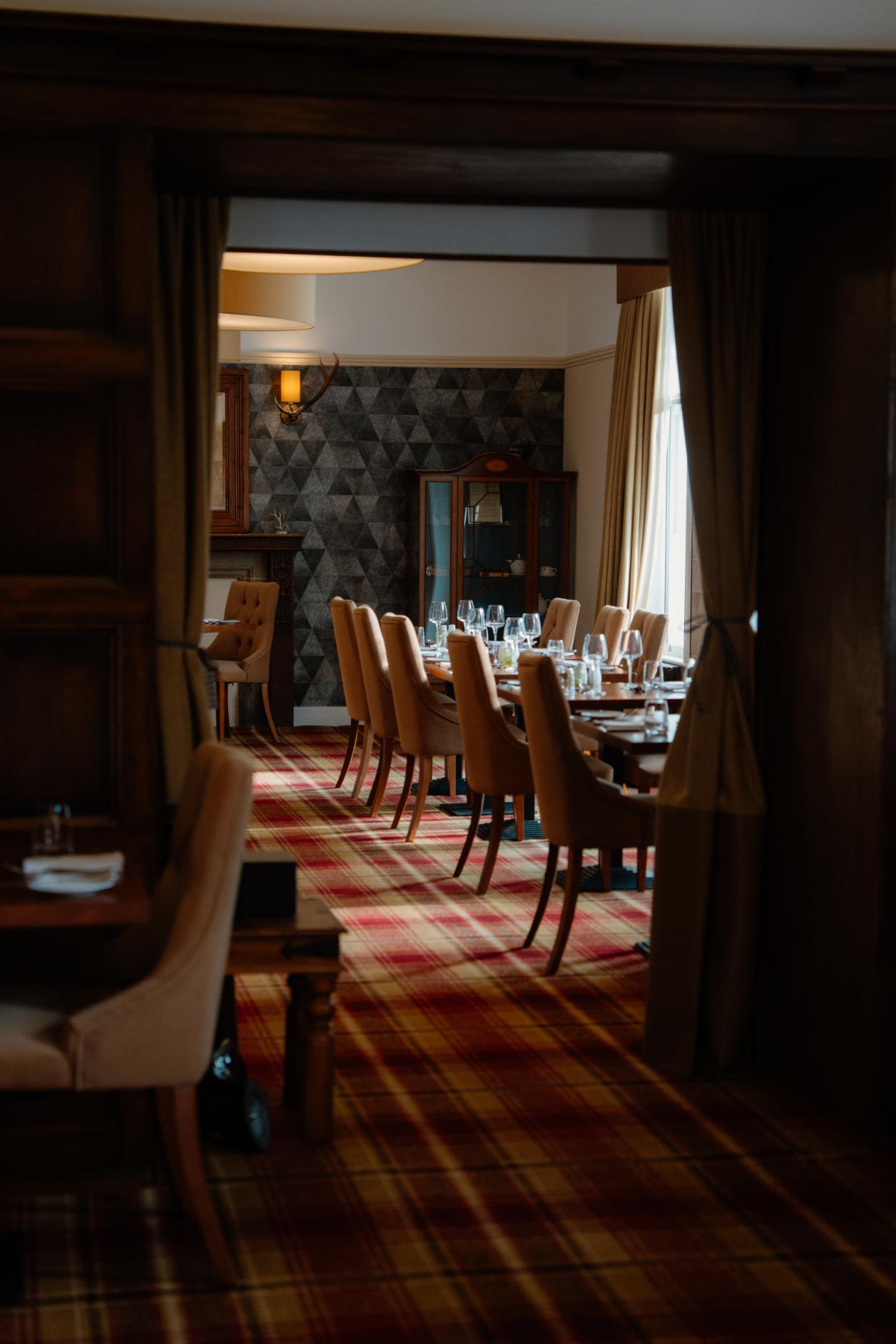 Skeabost House Hotel
We want to show you the best that Scotland has to offer. The makers and the creatives, the enduring experiences, the evocative tales, the concealed corners. The roads less travelled that take you to places that matter. The adventures that gather you up and sweep you away. The blend of the wild and the artistic that makes Scotland what it is. We’d love for you to join us.
What we have written about it, the collections it is in and more on Skye.
For further reading, before you go. The details on this page were checked on .
.jpg)