
Did you know
Somebody's home, 8,000 years ago.
A rock shelter under the ledges here was lived in from at least the middle of the 7th millennium BC into the Iron Age. Its lowest layers may even go back to the end of the last Ice Age.
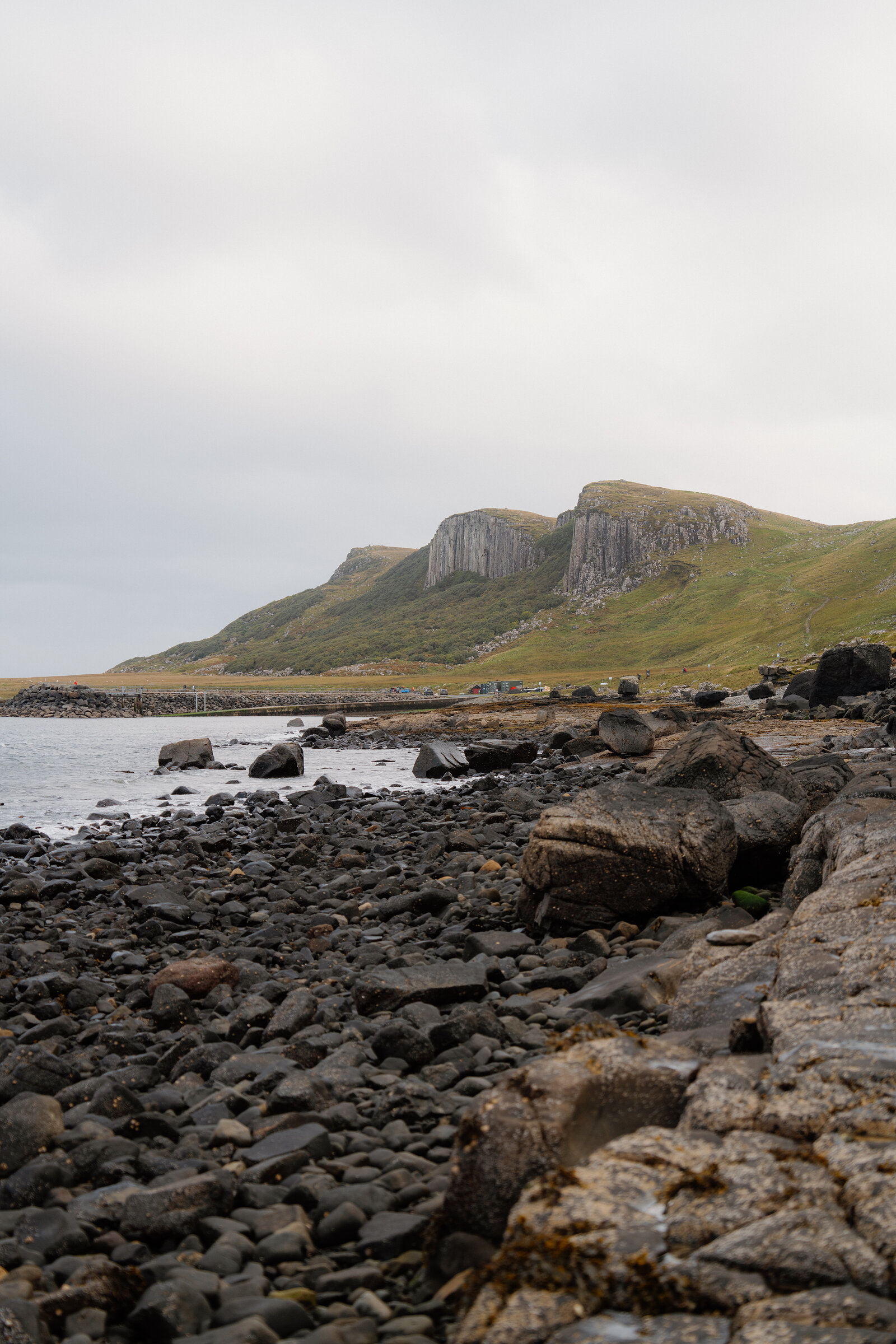
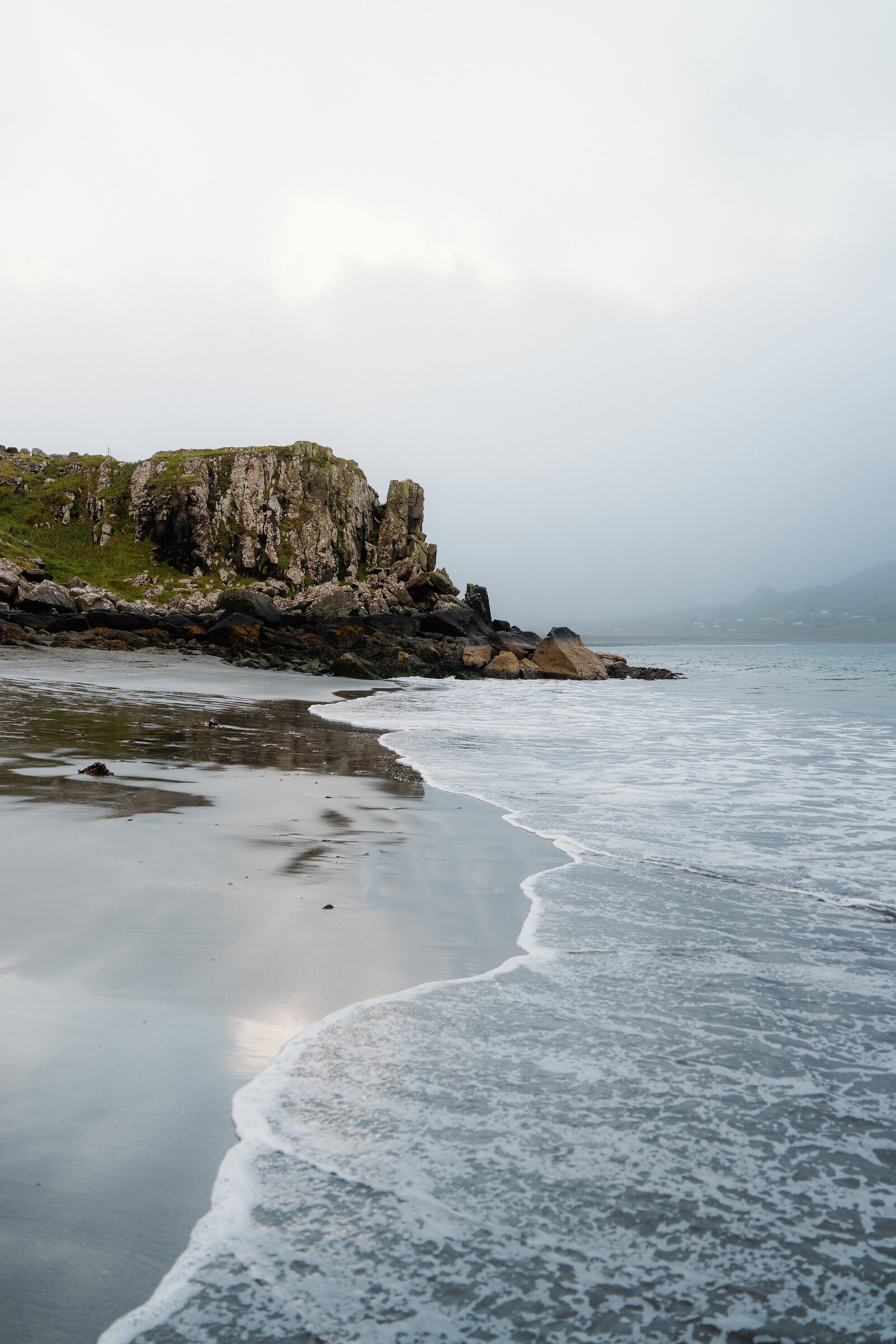
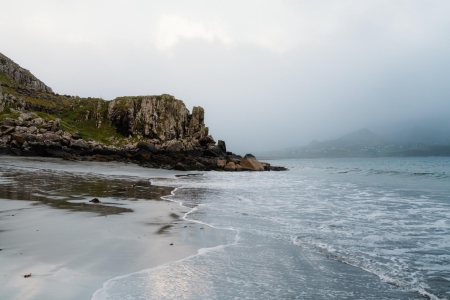
A small sandy beach below basalt cliffs at Staffin, with dinosaur prints in its rocks and a rock shelter lived in more than 8,000 years ago.
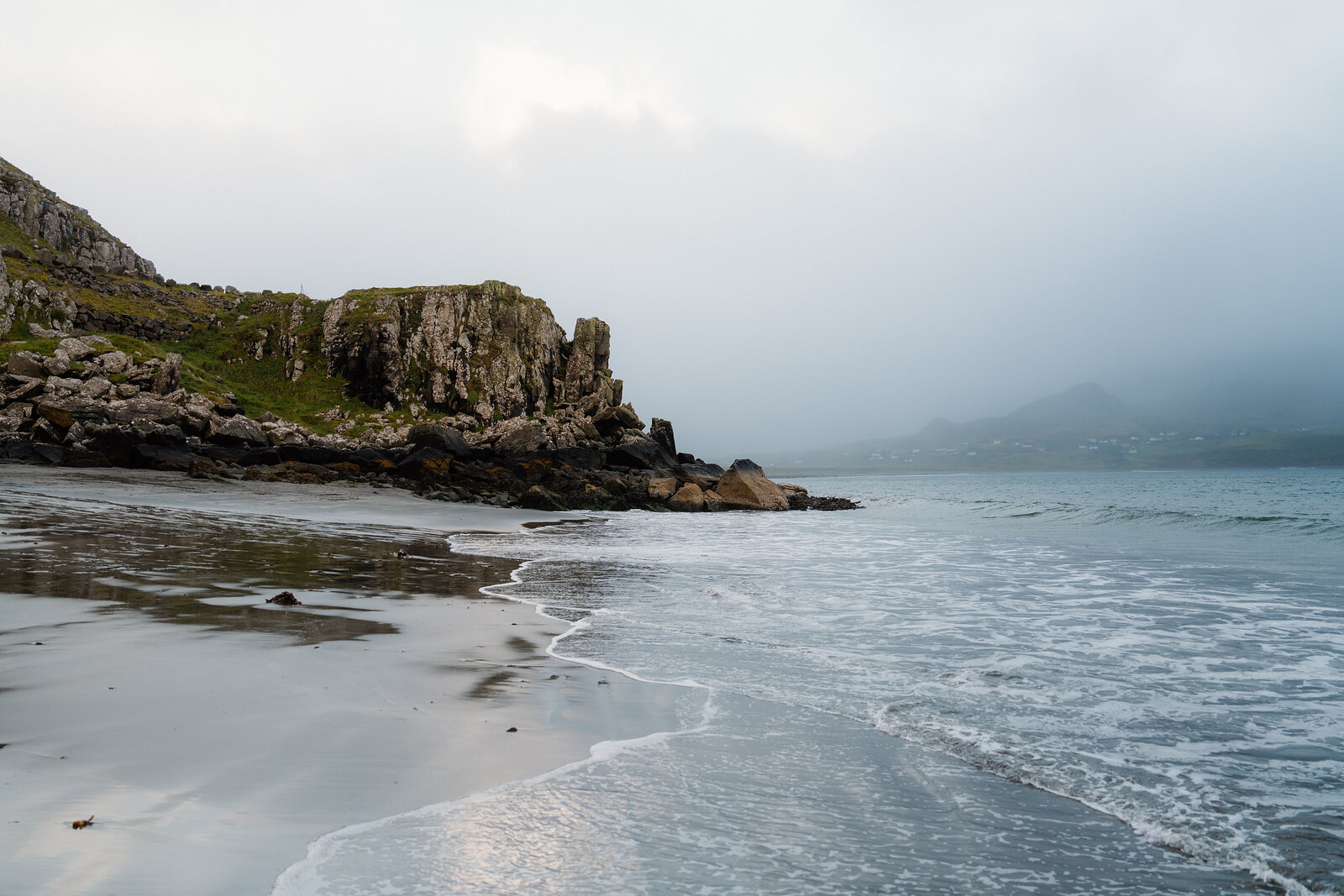
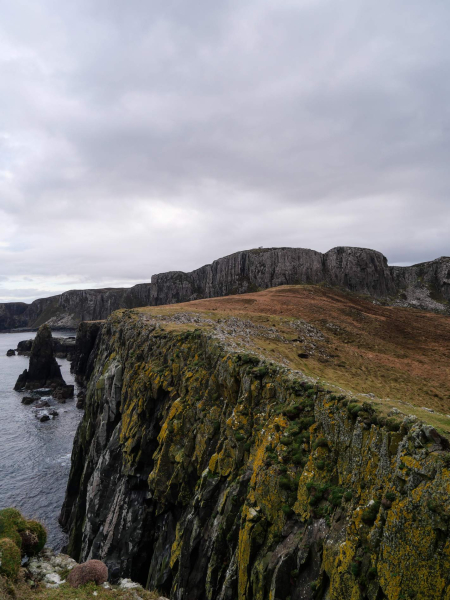
Just north of Staffin, a narrow road runs down to the slipway, and at its end a ramp drops onto An Corran: a small curve of dark sand below overhanging cliffs of columned basalt.
Visited and photographed by Simon Hird
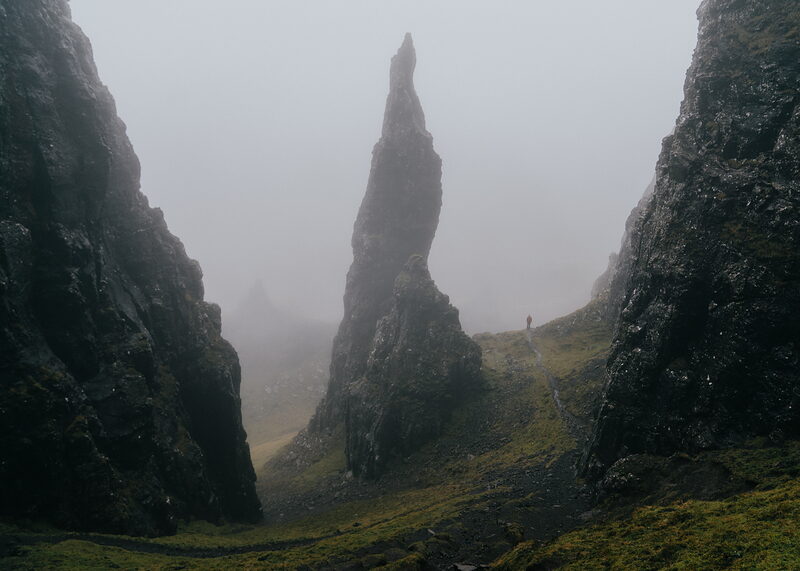
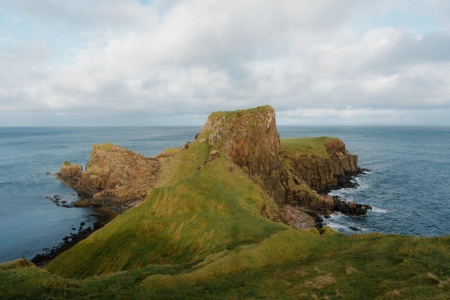
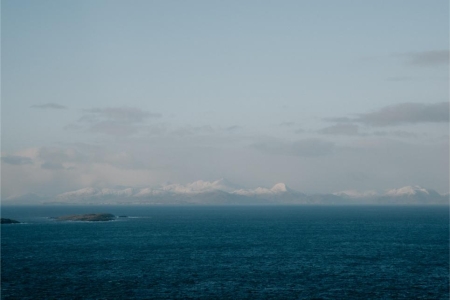
Look west and the pinnacles of the Quiraing rise above Staffin Bay; look out to sea and there is Staffin Island, and beyond it the Minch and the mountains of Wester Ross.
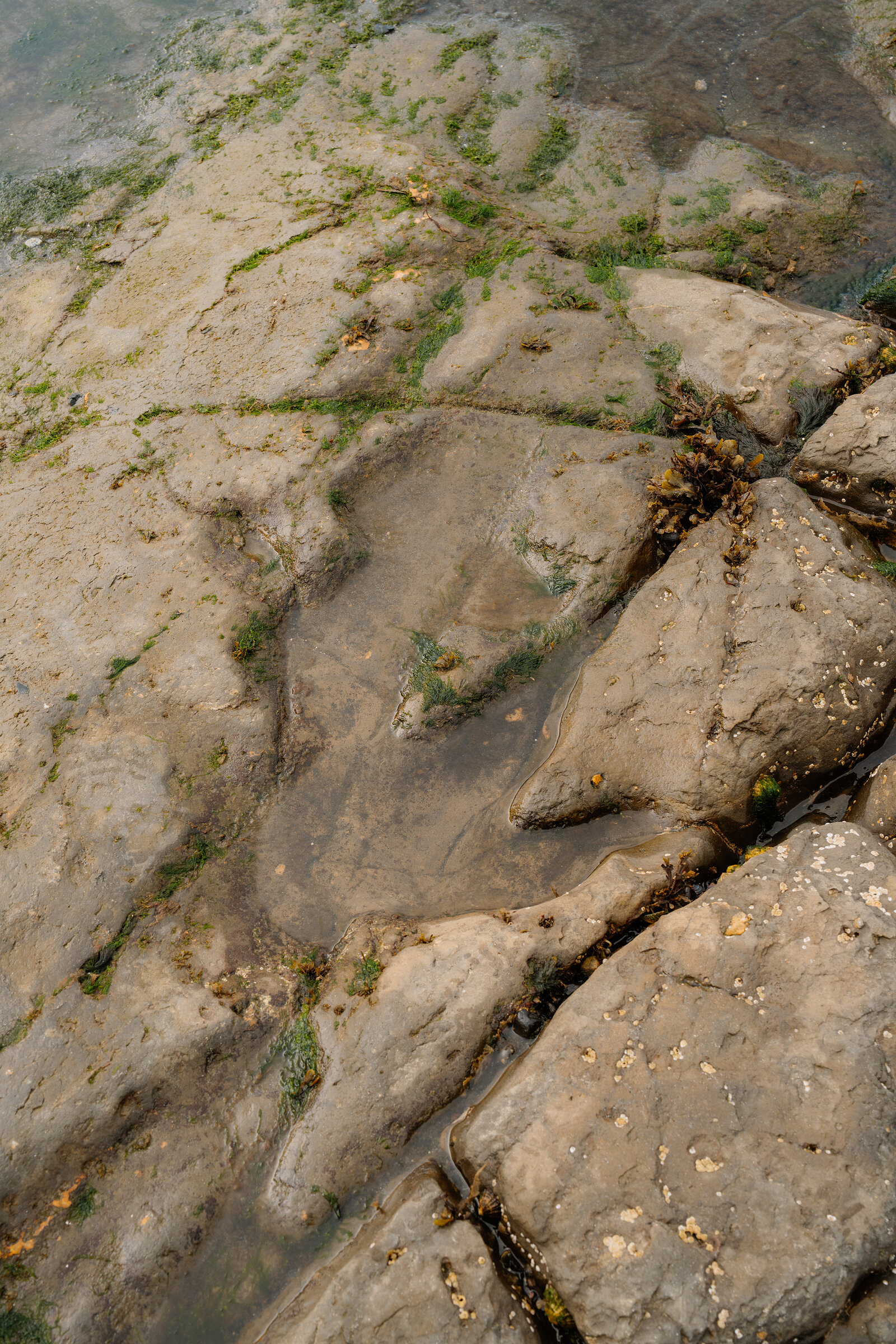
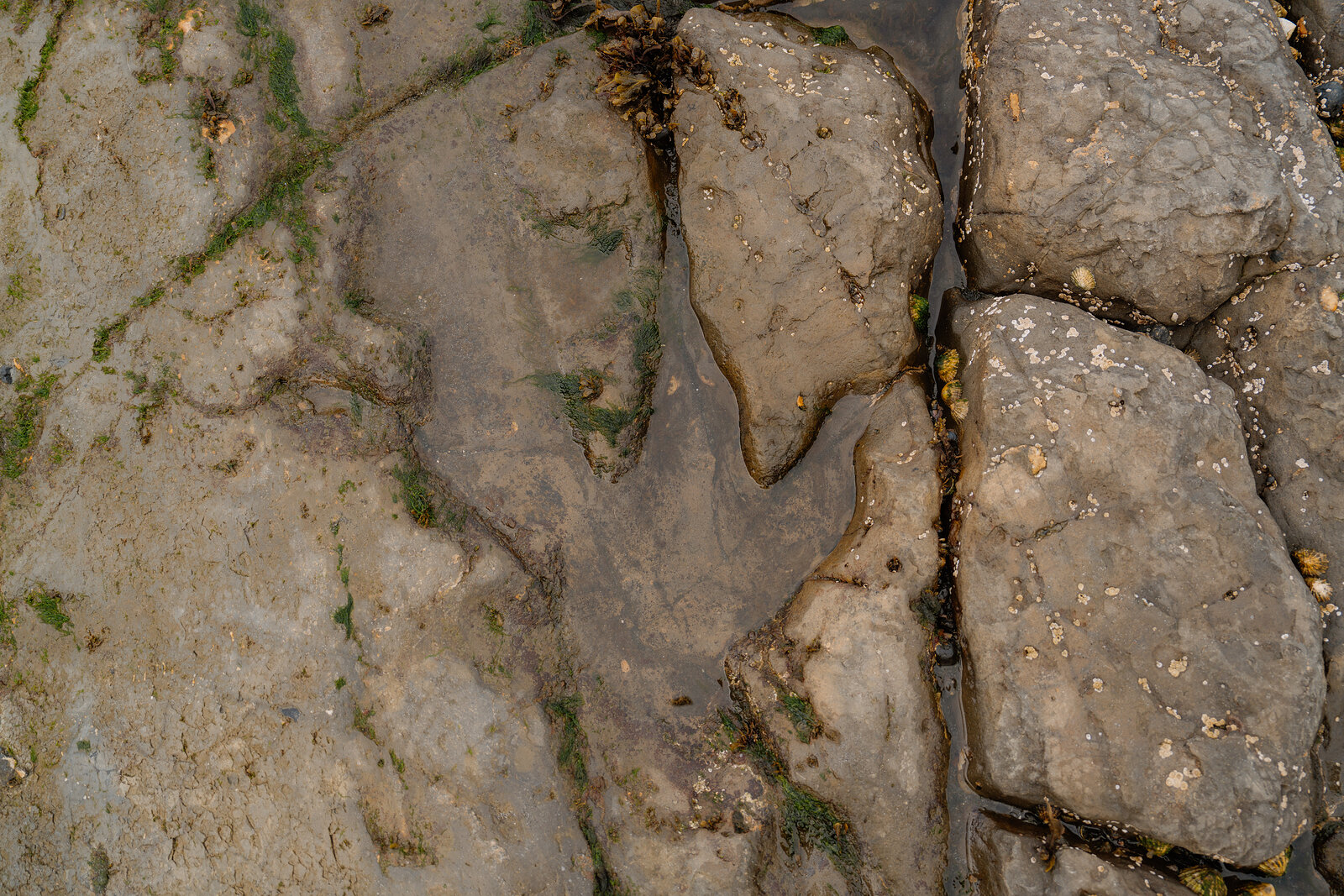
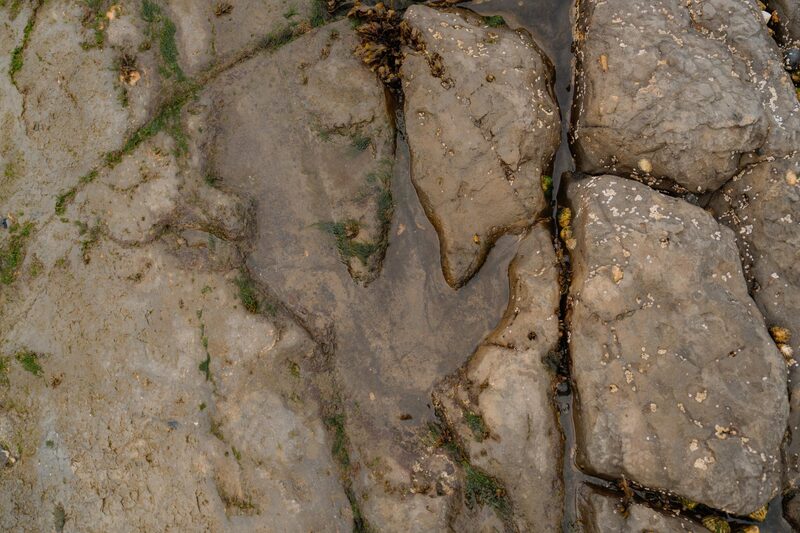
The flat, weed-streaked rocks along the shore are what bring most people here. In 2001 a footprint left by a meat-eating dinosaur was found in them, and between low water and mid-tide, when the sea draws back and the seaweed lies flat, the three-toed prints can still be picked out. Seals and dolphins are often seen offshore. Check the tide table before you come, take care on the slippery rock, and leave every stone where it lies.
The Daily
Arrives at 5am every day.
A free morning email to see what’s on this week, catch up on what’s happening in Scotland and find somewhere new to go.
The beach is at the end of the Staffin Slipway road.
A ramp leads down onto the sand; the prints are in the rocks along the shore, best looked for between low water and mid-tide.
Been here? Tell others what you know, and the best go on this page with your name.
Add your reviewA rock shelter under the ledges here was lived in from at least the middle of the 7th millennium BC into the Iron Age. Its lowest layers may even go back to the end of the last Ice Age.
The shelter was only excavated because the road was about to be widened. Archaeologists worked through the winter of 1993 to 1994, just before the rock was blasted away.
The first people here ate red deer, fish and shellfish, mostly limpets and periwinkles, and of all the birds they caught, puffins were the most common.
Among the stone tools were flakes of bloodstone, which can only have come from the island of Rum, far to the south. Most were made of baked mudstone found close by.
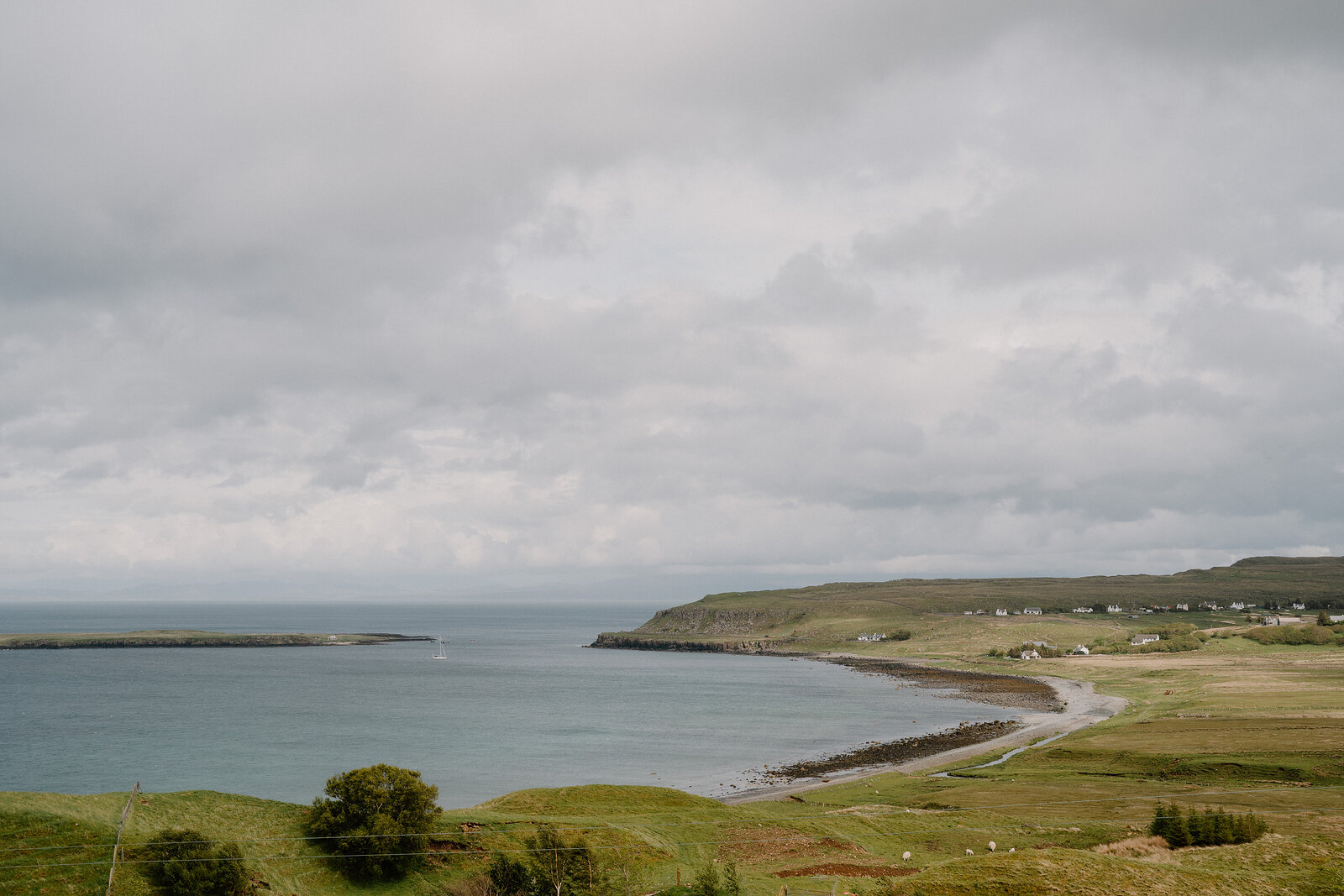
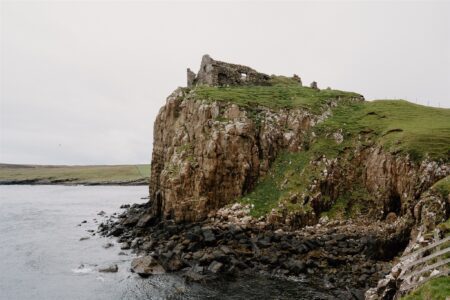
Until not long ago, cattle were made to swim the short strait to graze on Staffin Island, across the water. The ruin of a salmon-netting station still stands there, where fishermen netted around 2,500 fish a season.
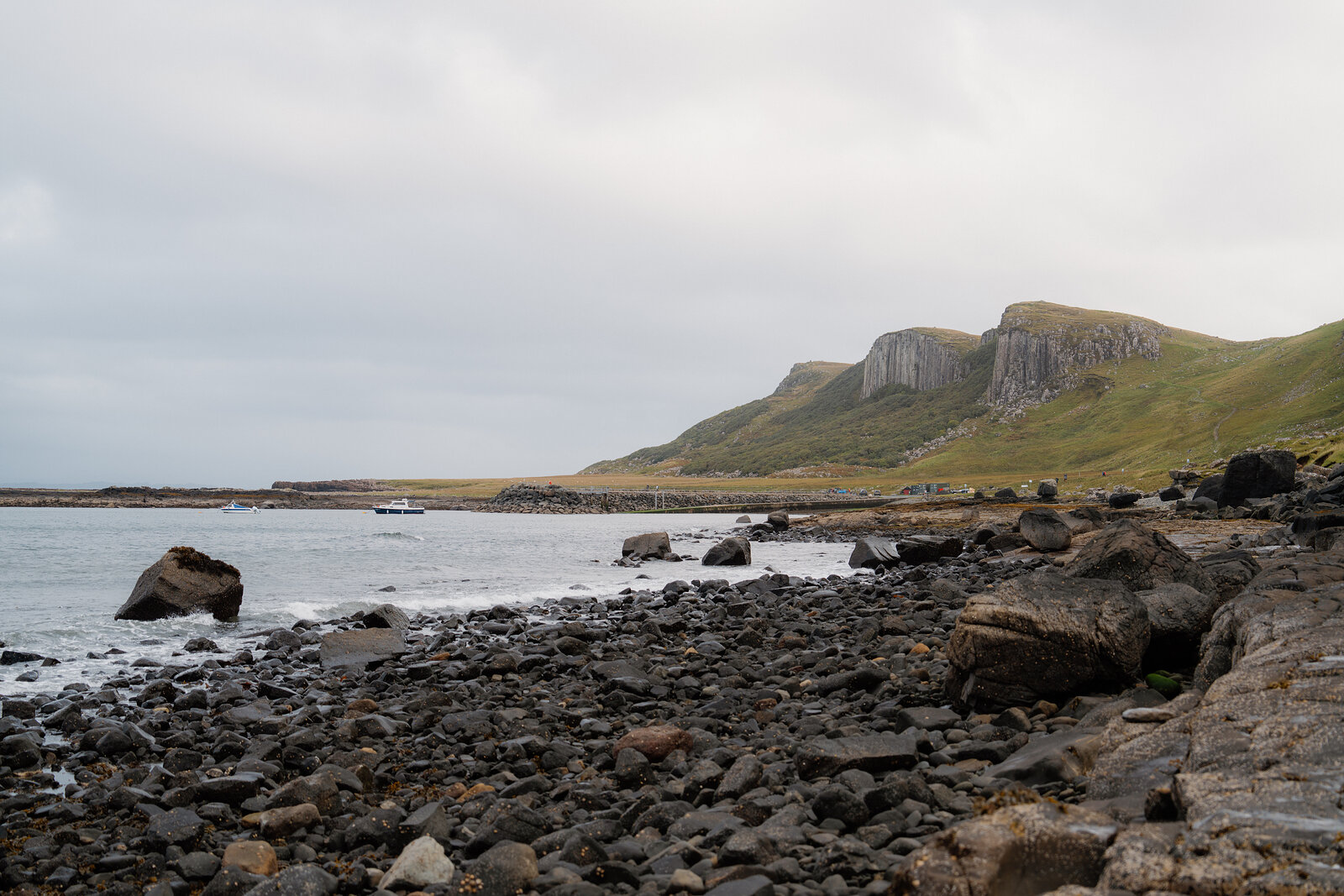
What survives of the shelter's ledge now lies under fallen rock and is a scheduled monument, one of the few sites this old in the Highlands with legal protection.
New places, news and stories, as we find them.
What is on on SkyeAt the end of the Staffin Slipway road, just north of Staffin on the Trotternish peninsula.
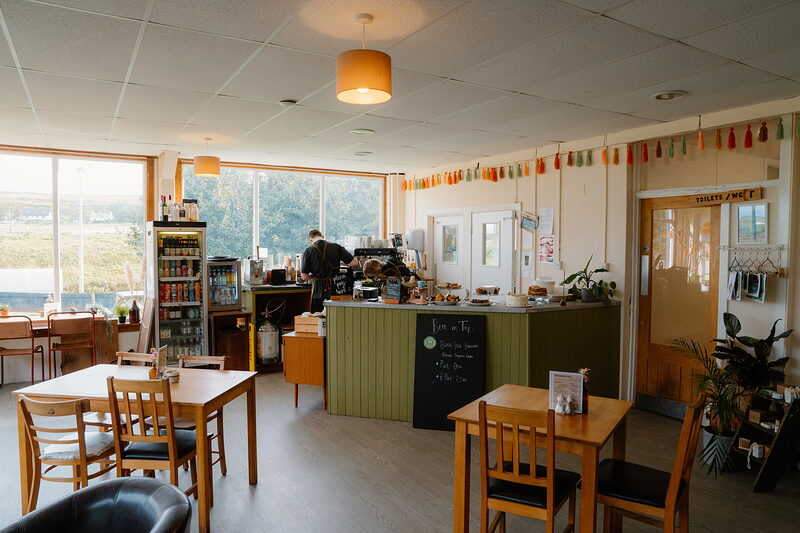 The Hungry GullFresh local cooking in the community hall at Staffin.1 mile 2 min by road
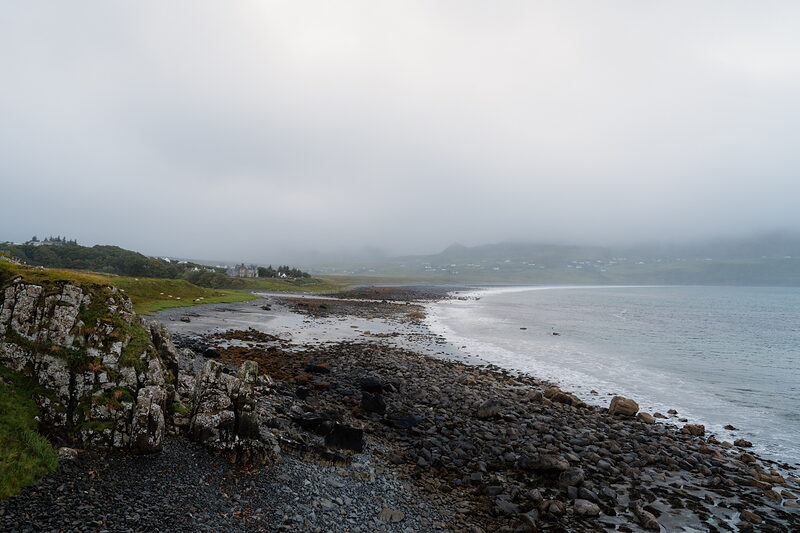 Dinosaur Prints at Staffin & DuntulmWhere to see Skye's dinosaur footprints at Staffin and Duntulm.1 mile 2 min by road
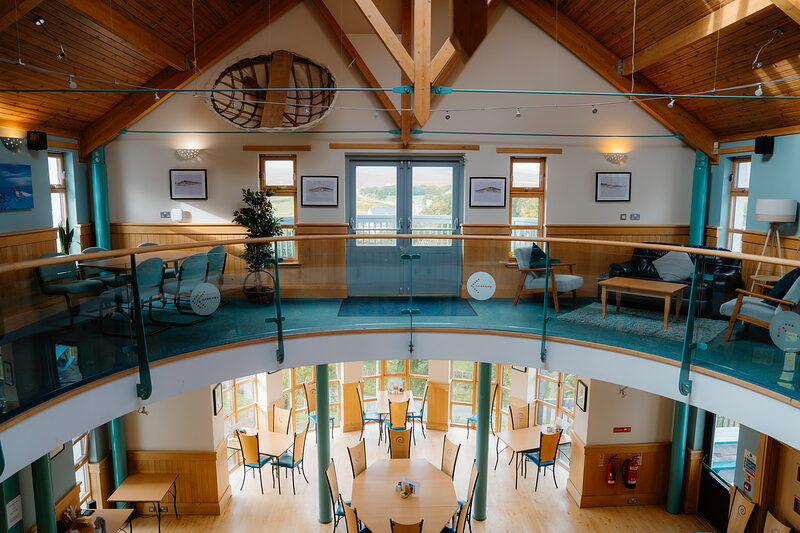 Columba 1400A youth leadership charity's centre at Staffin, whose café pays for its work.1 mile 2 min by road
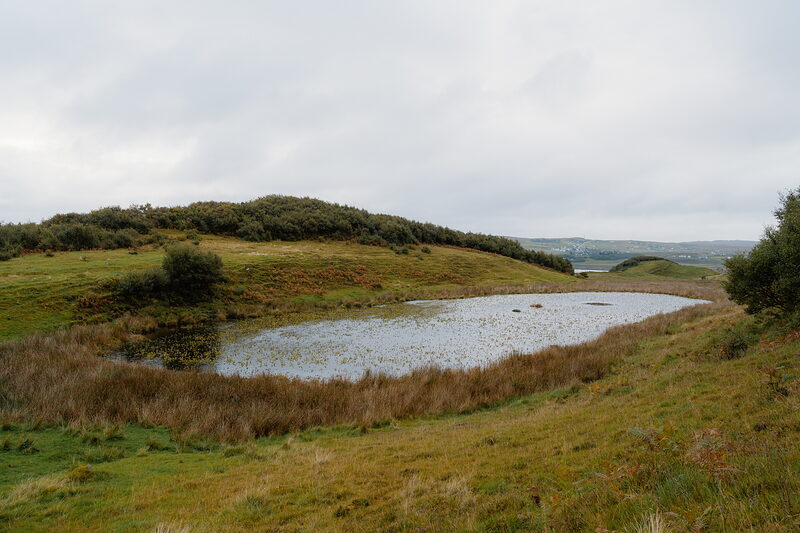 Loch ShiantaA small loch near Staffin fed by what was once the most celebrated healing well on Skye.3 miles 4 min by road
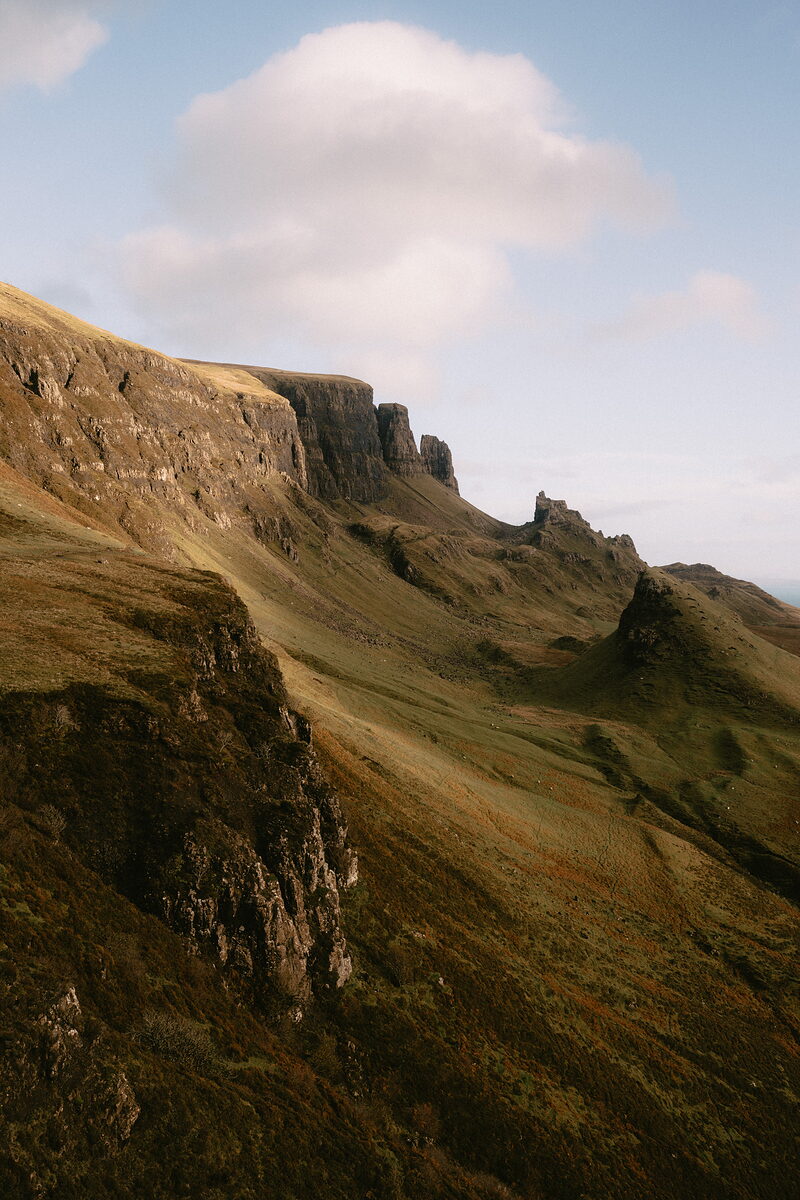 The QuiraingThe largest landslide in Britain, a maze of cliffs and pinnacles at the northern end of the Trotternish ridge.3 miles 5 min by road
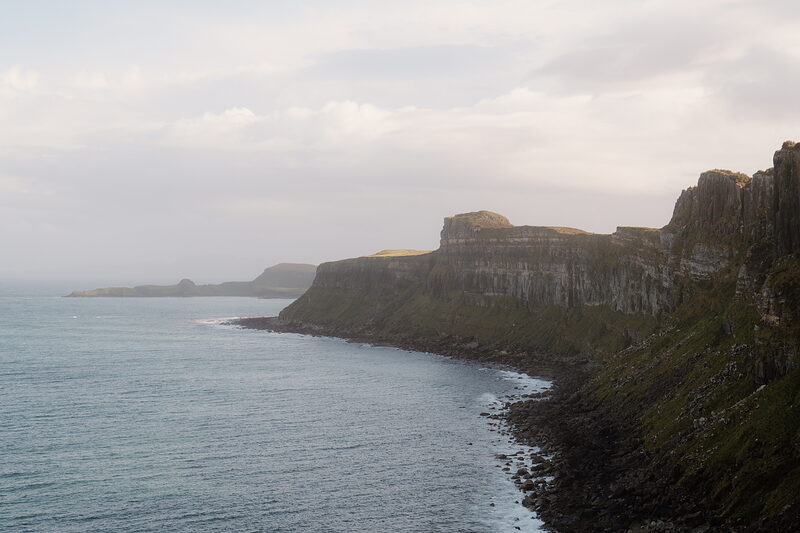 Kilt RockSea cliffs of dolerite columns like the pleats of a kilt, with Mealt Falls beside them.3 miles 5 min by road
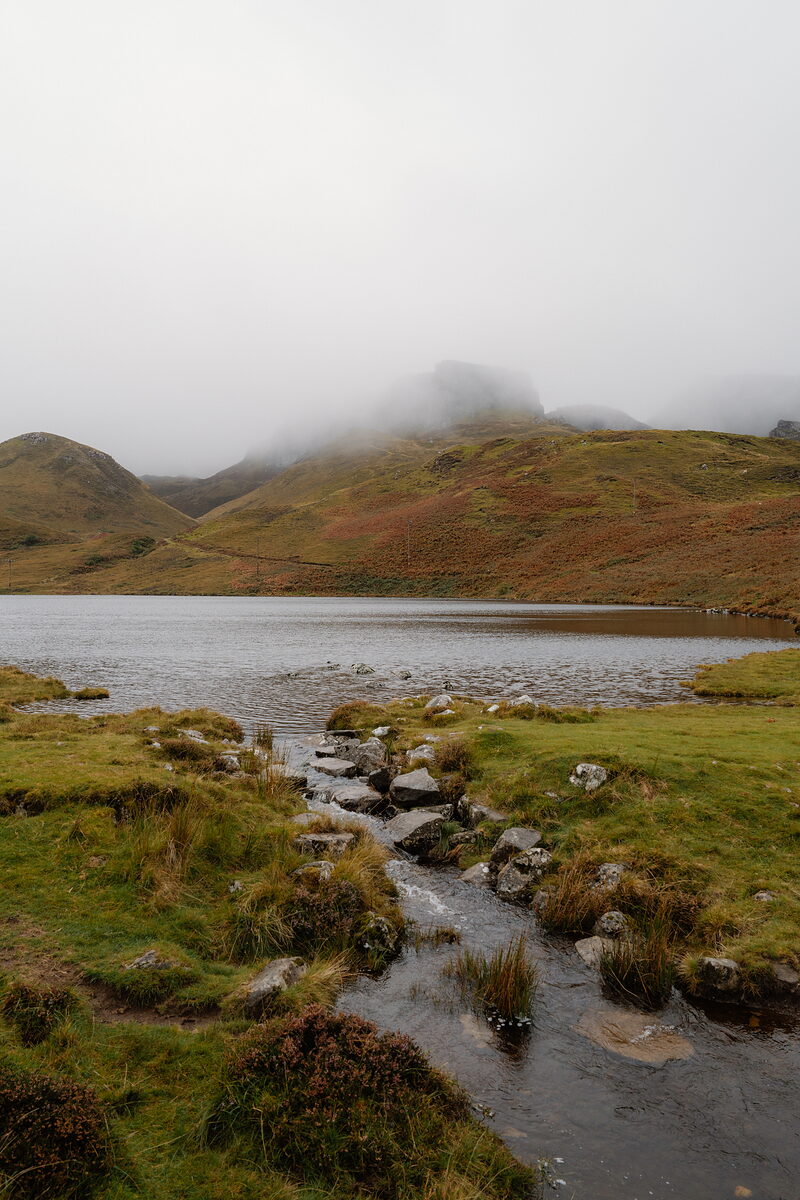 Loch LangaigA small loch by the A855 at Flodigarry, where a quiet path leaves the road for the Quiraing.4 miles 4 min by road
Places to stay near the beach, and when each is next free.
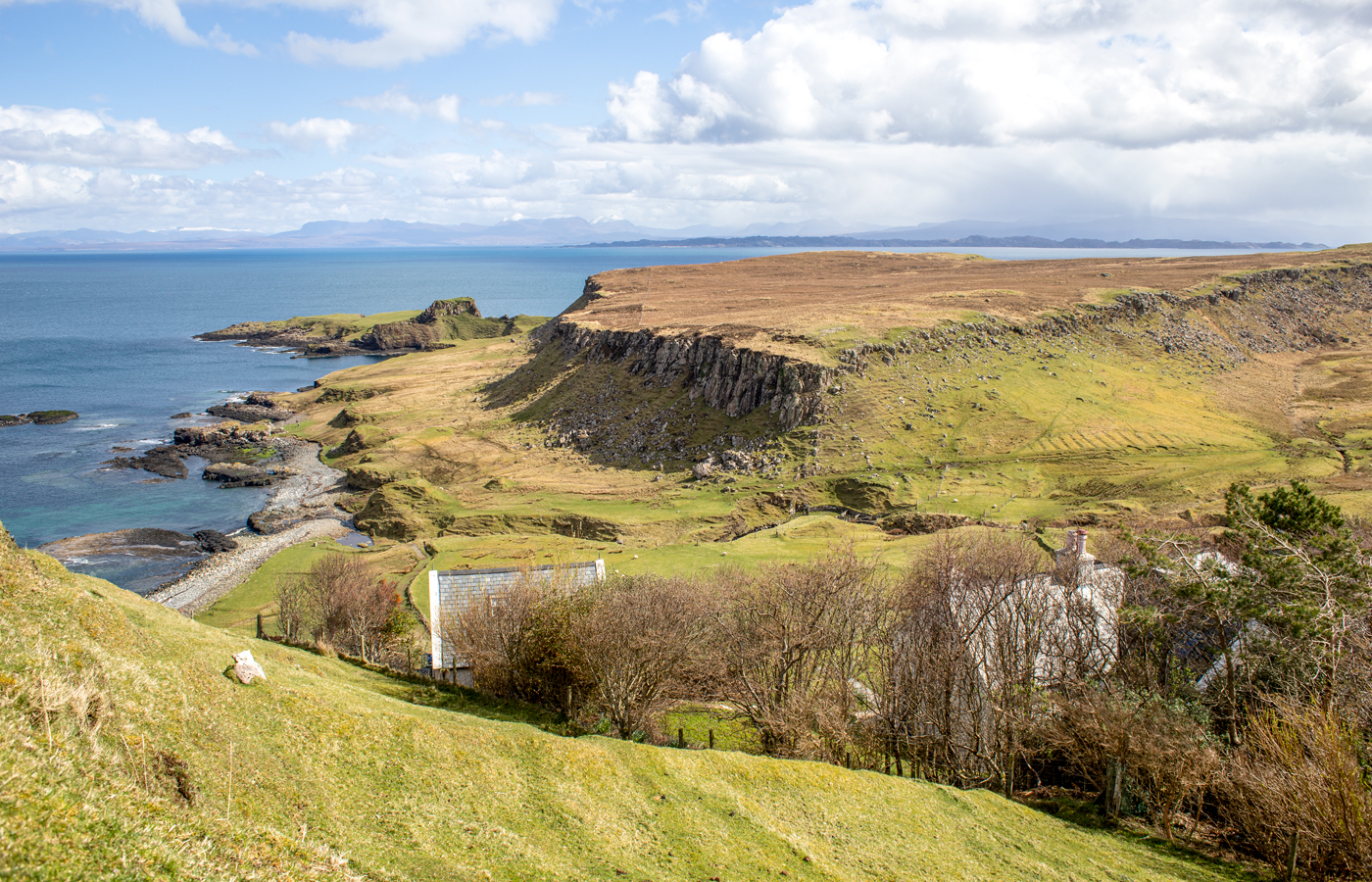 Half of One
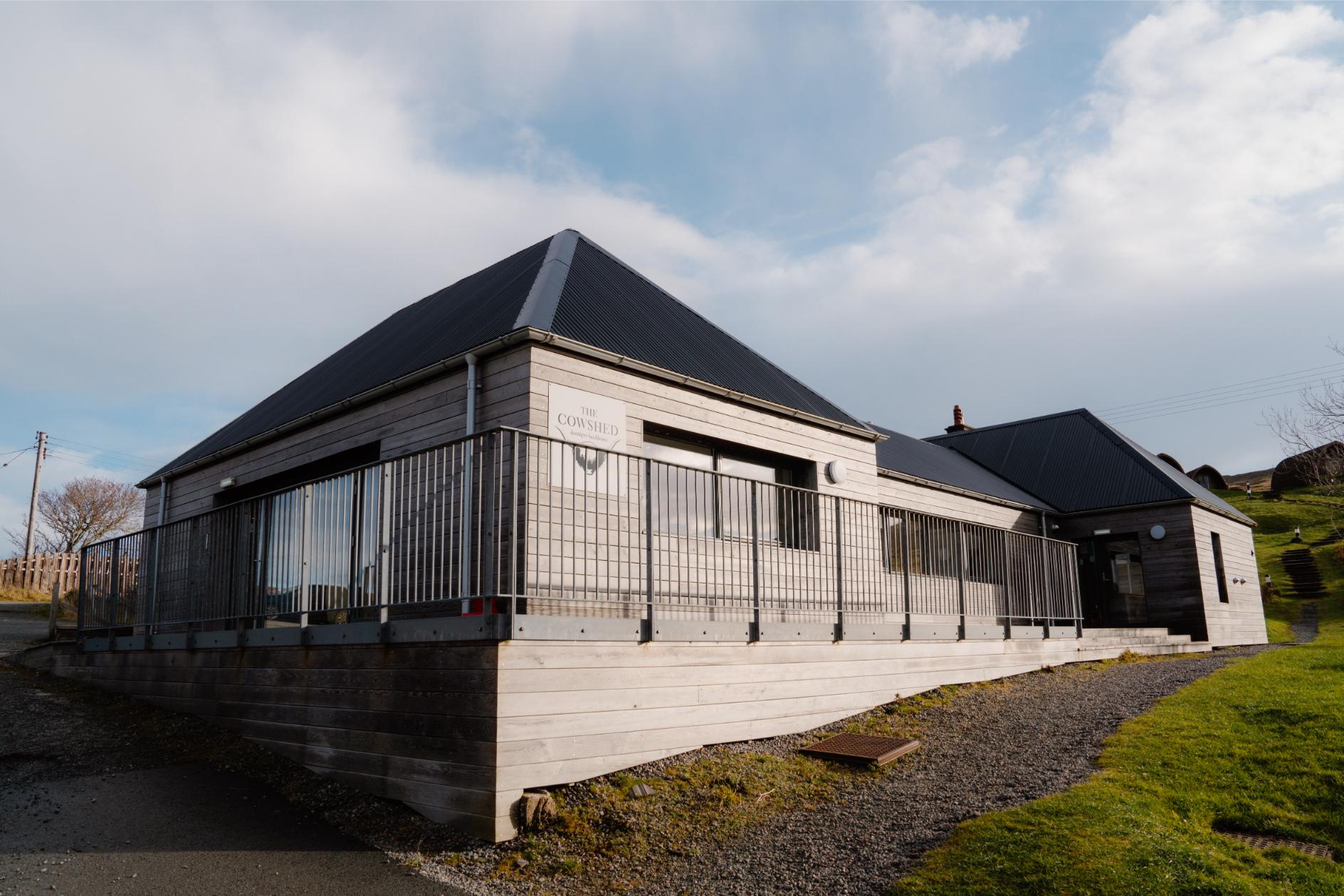 The Cowshed Boutique Bunkhouse
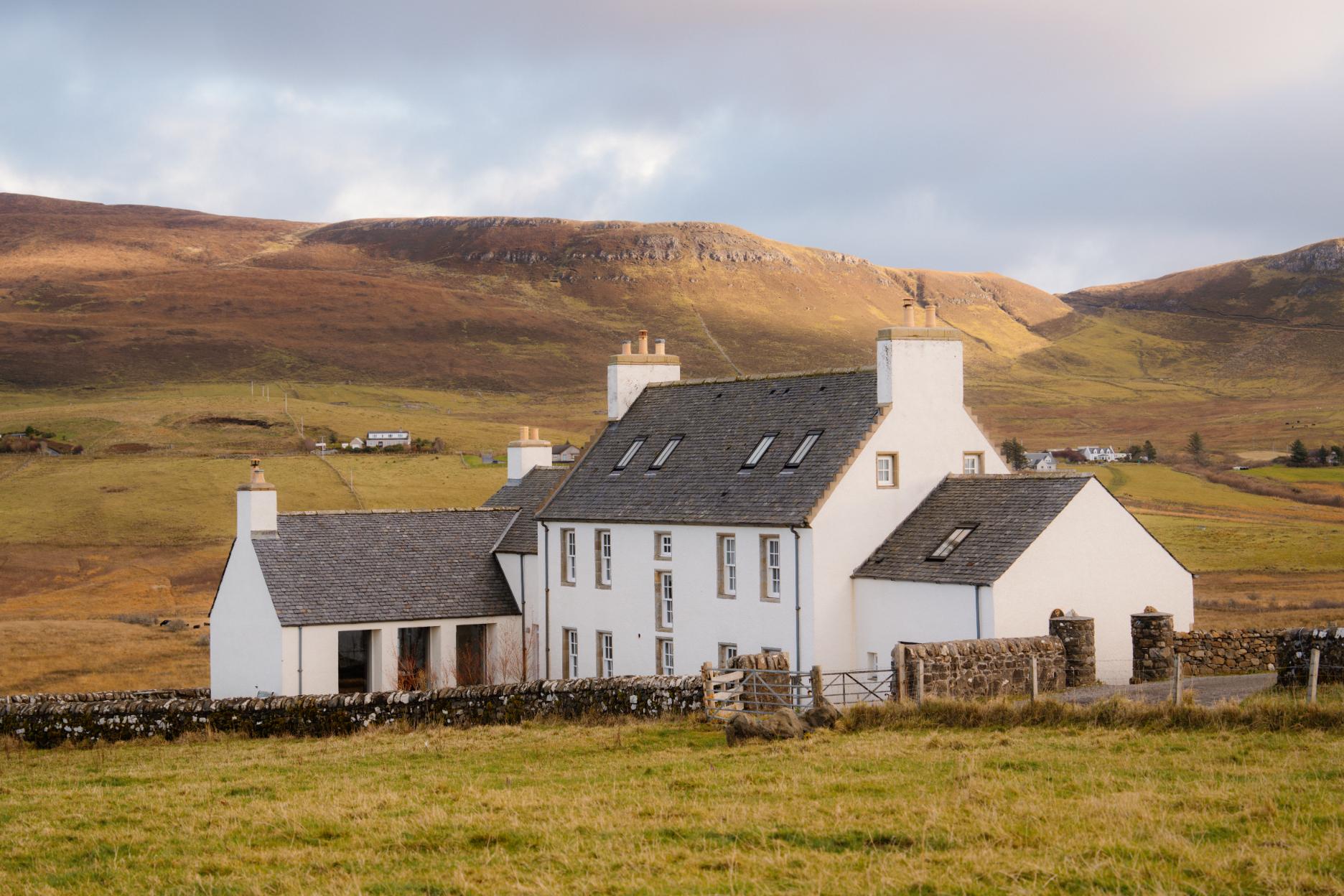 Monkstadt 1745
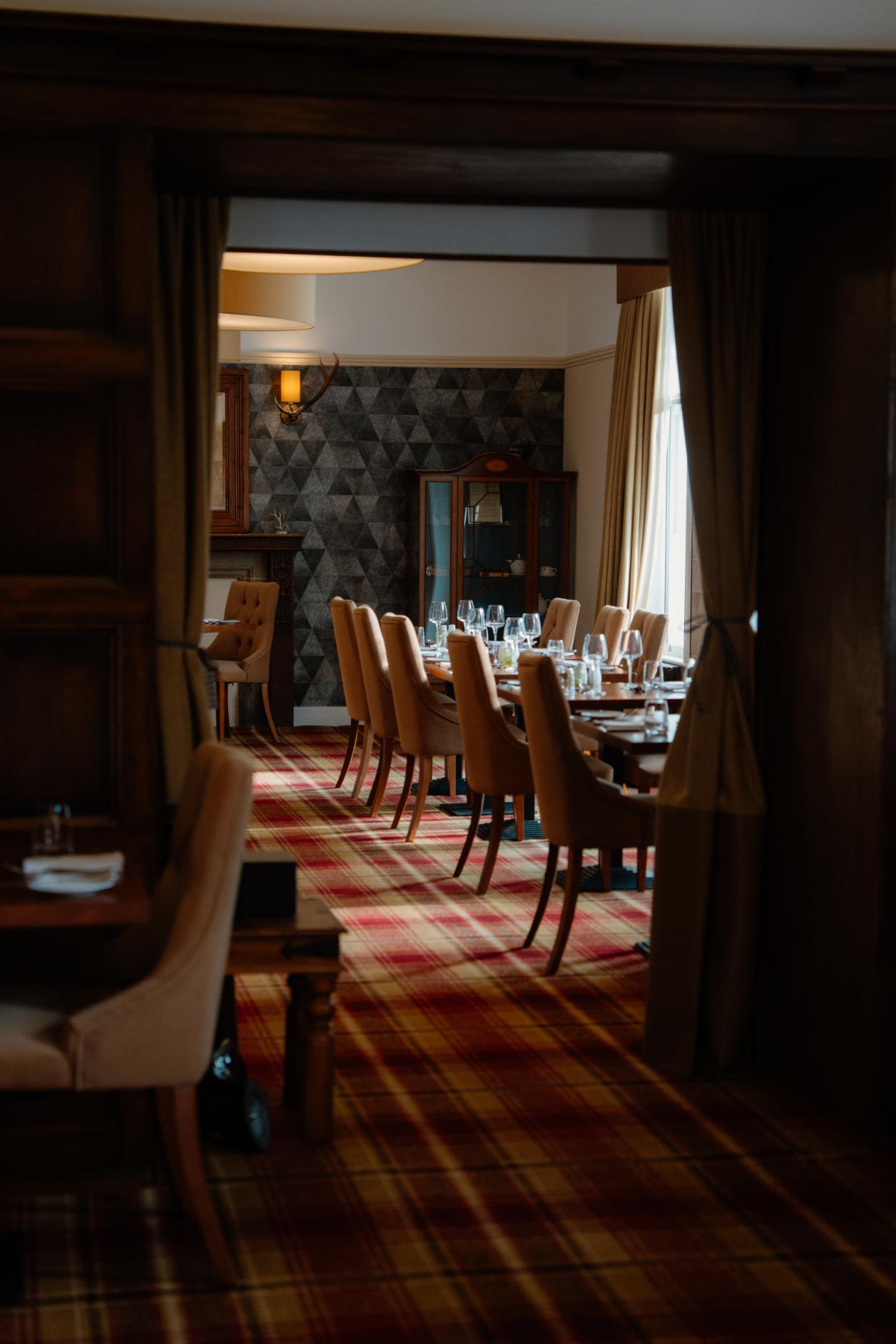 Skeabost House Hotel
We want to show you the best that Scotland has to offer. The makers and the creatives, the enduring experiences, the evocative tales, the concealed corners. The roads less travelled that take you to places that matter. The adventures that gather you up and sweep you away. The blend of the wild and the artistic that makes Scotland what it is. We’d love for you to join us.
What we have written about it, the collections it is in and more on Skye.
For further reading, before you go. The details on this page were checked on .
.jpg)
.jpg)
.jpg)