
From The Best of Skye, a Hidden Scotland guide
Jurassic Isle of Skye
Dinosaur footprints in the rocks near Staffin, and where to find them.
Words by Hidden Scotland

Printed in The Best of Skye, a Hidden Scotland guidebook.
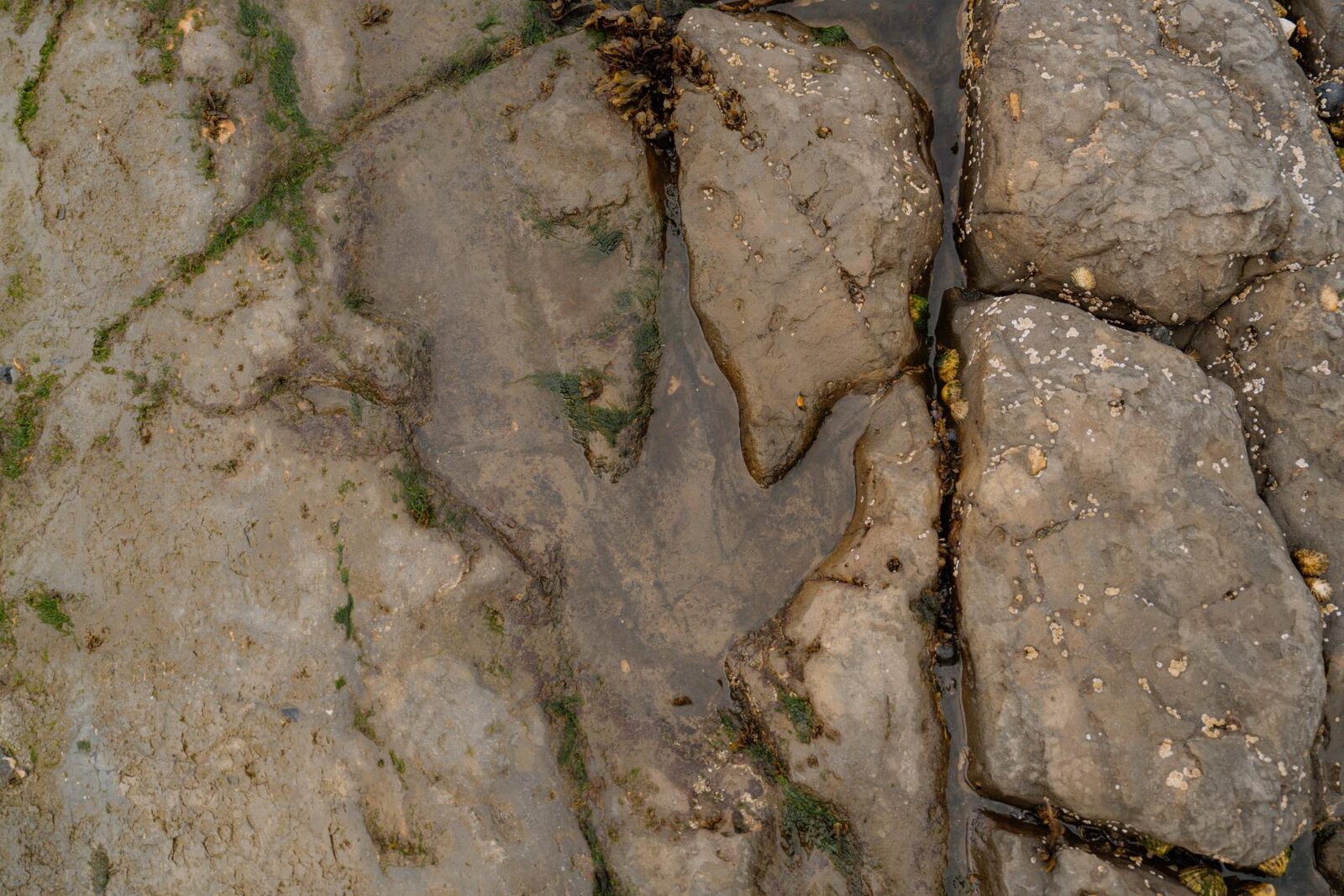
Skye’s ancient history isn’t confined to myth. Along the coast near Staffin, fossilised dinosaur footprints sit quietly among the rocks—remarkable traces from the Middle Jurassic era.
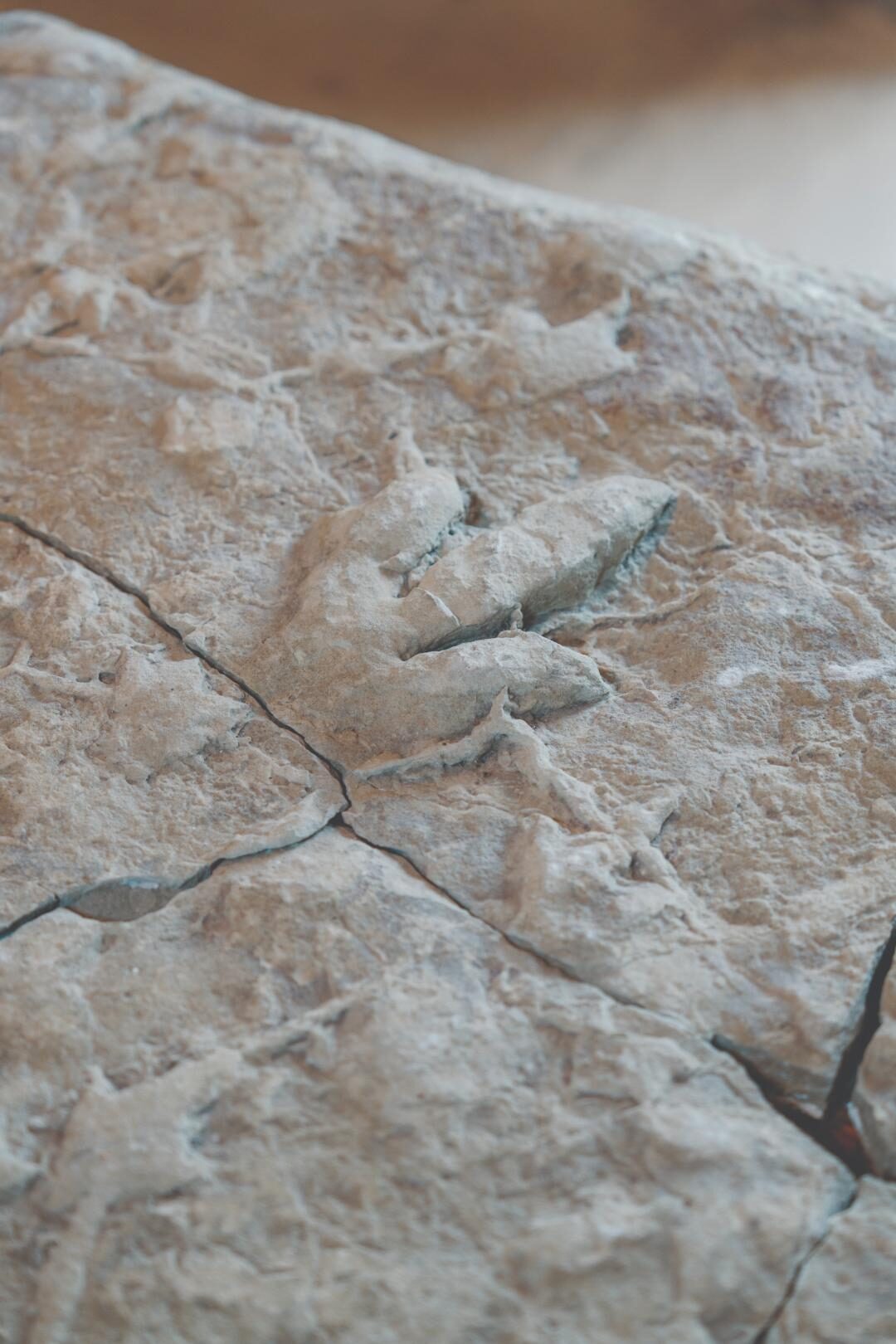
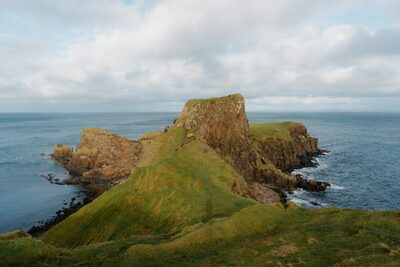
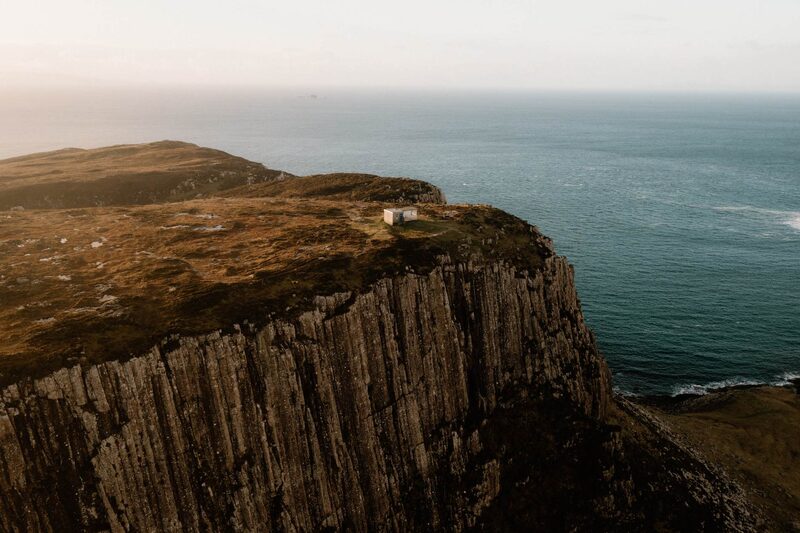
Skye’s been popular with visitors for ages – around 170 million years, in fact. Up on the Trotternish Peninsula, jutting into the sea is a nose of land known as Brothers' Point, or Rubha nam Brathairean, and it’s here that researchers have found dinosaur footprints dating back to the Middle Jurassic period. The headland’s ancient coastal mudflats hold evidence of around 50 different footprints, including those of a stegosaurus-type dinosaur and the three-toed imprints of meat-eating theropods. The whole landscape looked radically different back then, of course.
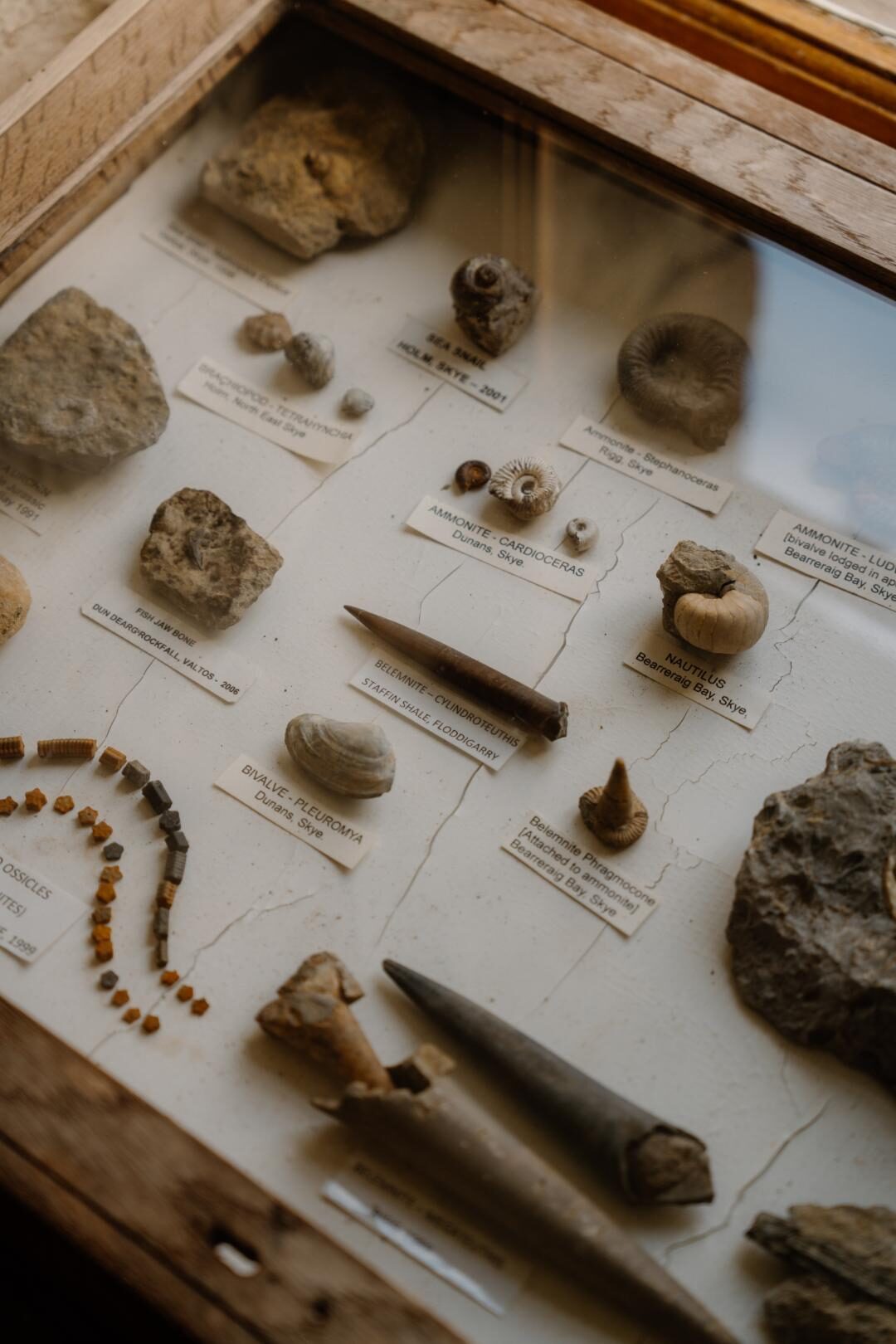
If you call into the small but significant Staffin Dinosaur Museum, located in a stone-built former schoolhouse on the main road up Trotternish’s east coast, you’ll enter into a world of improbable palaeontological wonders. Established by local man Dugald Ross in the mid-1970s, when he was still a teenager, the museum holds an extraordinary range of finds, all discovered by Dugald himself. These include a cetiosaurus legbone, ichthyosaur jawbones, a trove of different ammonite fossils and a sparrow-sized dino footprint said to be the smallest in the world.
For members
Keep reading with membership
The rest of Jurassic Isle of Skye is for members. Printed in The Best of Skye.
A year. Every issue and guidebook online, every article in full.
Join with DigitalA year. All of Digital, and two new issues posted to your door.
Join with PrintAlready a member? Sign in · Read the opening pages of The Best of Skye free
 A Day Ashore in Stornoway, Lewis
 A Day Ashore in Scrabster, for Thurso and Caithness
 A Day Ashore in Portree, Skye