
Autumn in Big Tree Country – The Hermitage, Cluny and Faskally
Two days by car, from Dunkeld to Pitlochry.
The route
Highland Perthshire calls itself Big Tree Country.
Between 1738 and 1830 the Dukes of Atholl planted some 27 million conifers round Dunkeld, and older trees stand among them: an oak said to be the last of Macbeth's Birnam Wood, and specimen trees two centuries old beside the lochs at Faskally. In autumn the beech, birch and oak turn above the rivers. These are two days among those trees, with a night near Dunkeld. The first keeps to Dunkeld and Birnam, where the planting began. The second goes north for other kinds of wood: redwoods in a garden, birches in a gorge and a forest laid out beside a loch. Dunkeld is on the A9, 15 miles north of Perth, and trains on the Highland Main Line stop at Dunkeld and Birnam station; Pitlochry, 13 miles further up the same road and railway, is where the route ends.
Before you go
Book a bed near Dunkeld
One night, between the two days; a second, the night before, makes the nine o'clock start at the Hermitage easy. Some places near Dunkeld take two nights at the least. Book once your dates are set.
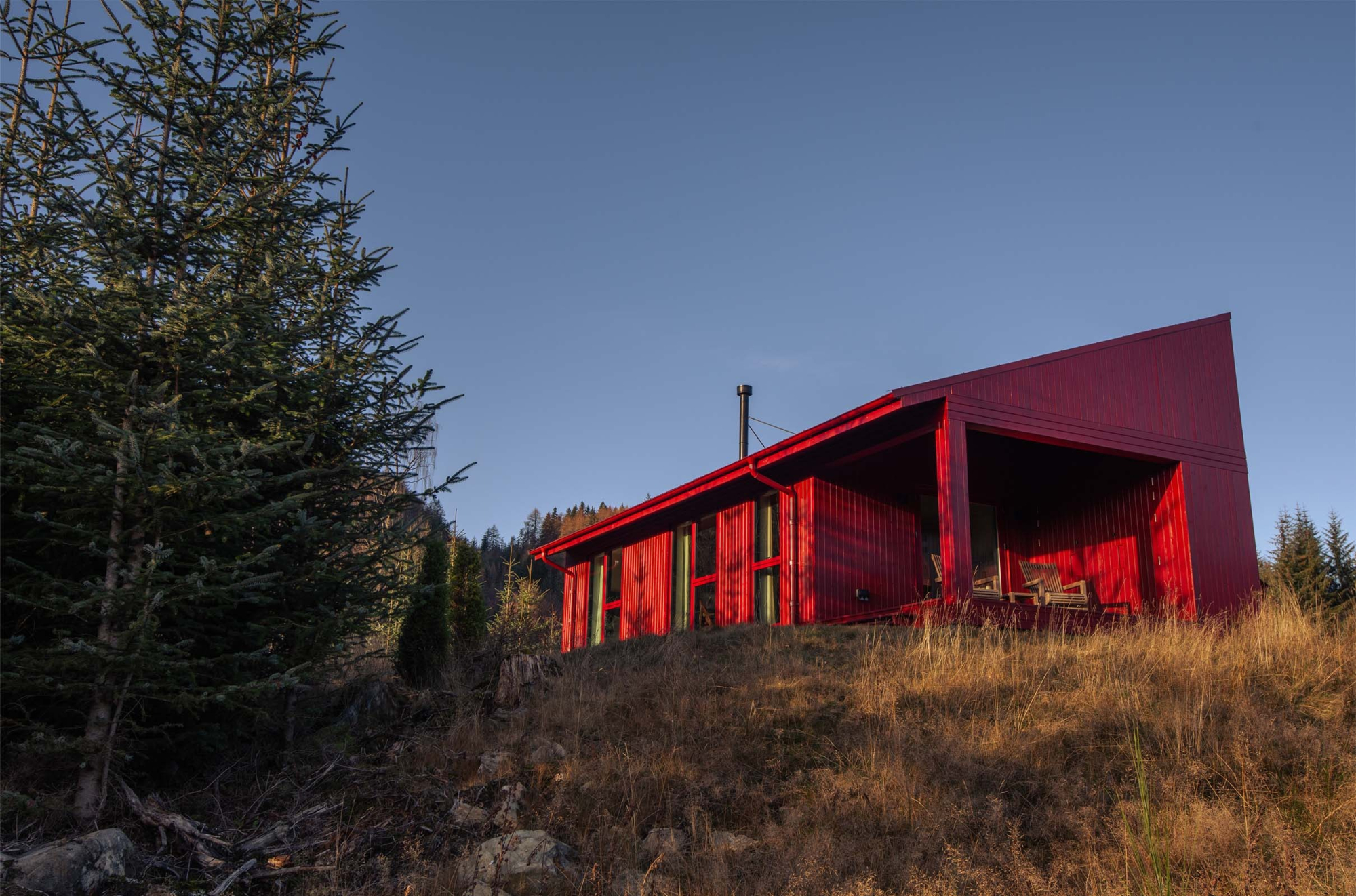 A mile awayJuniperSleeps 2
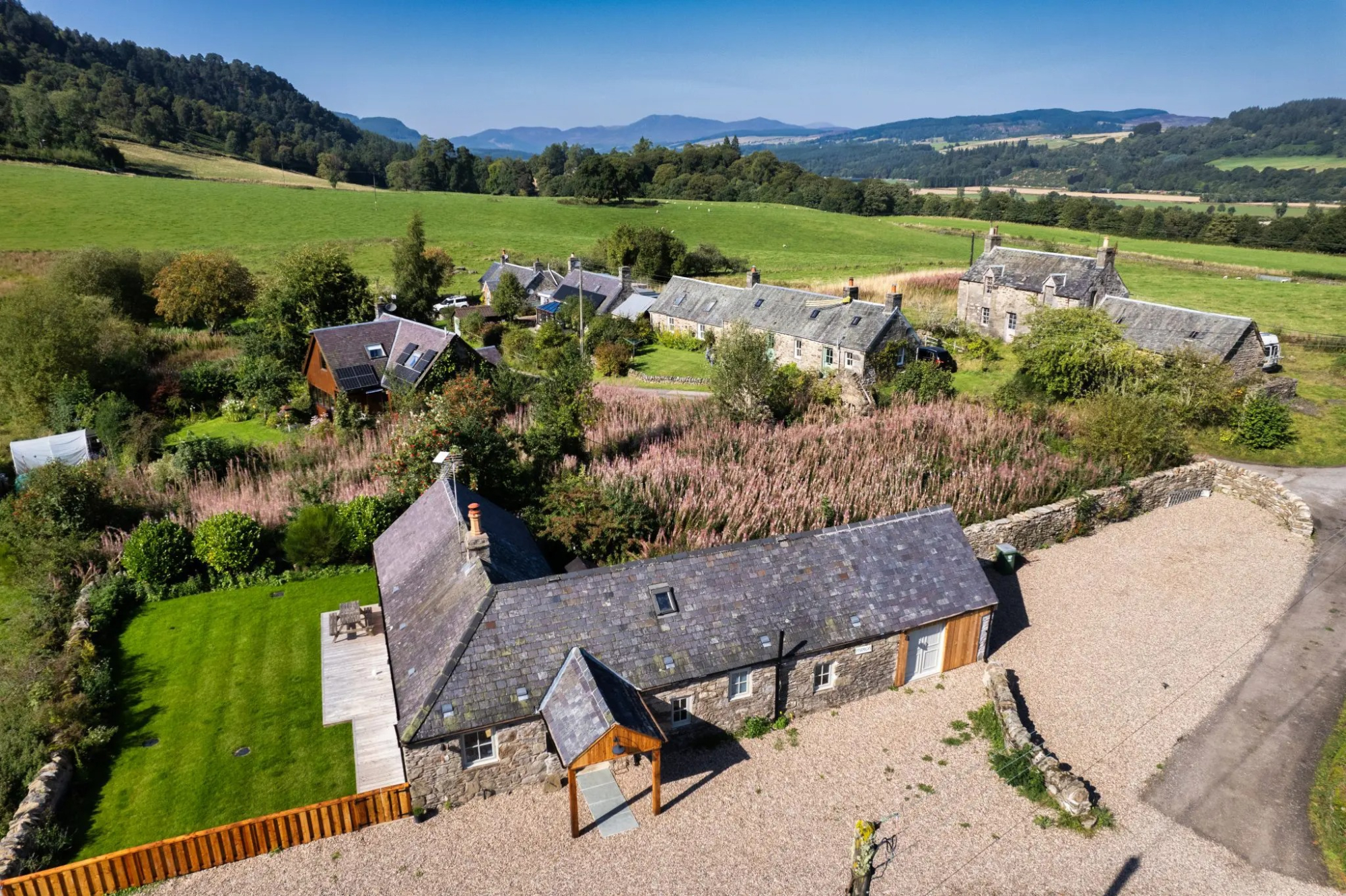 5 miles awayLittle PheasantSleeps 4
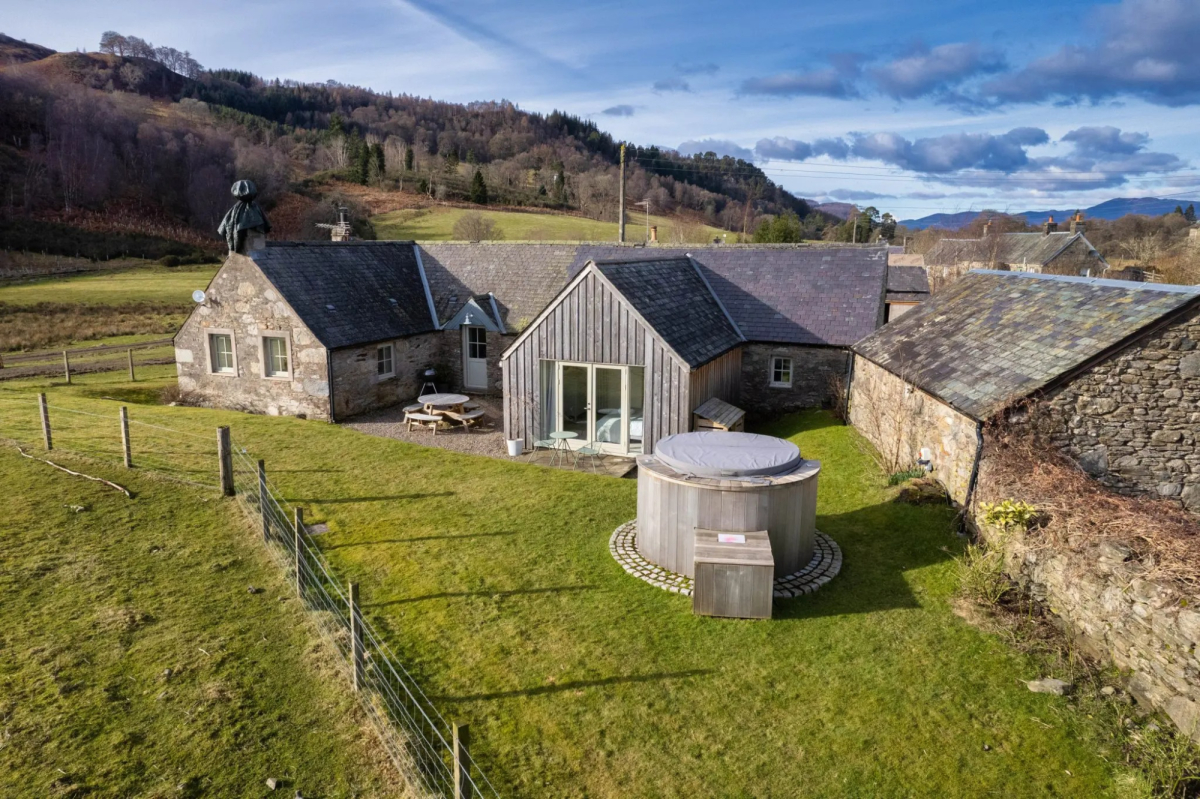 5 miles awayPheasant CottageSleeps 6
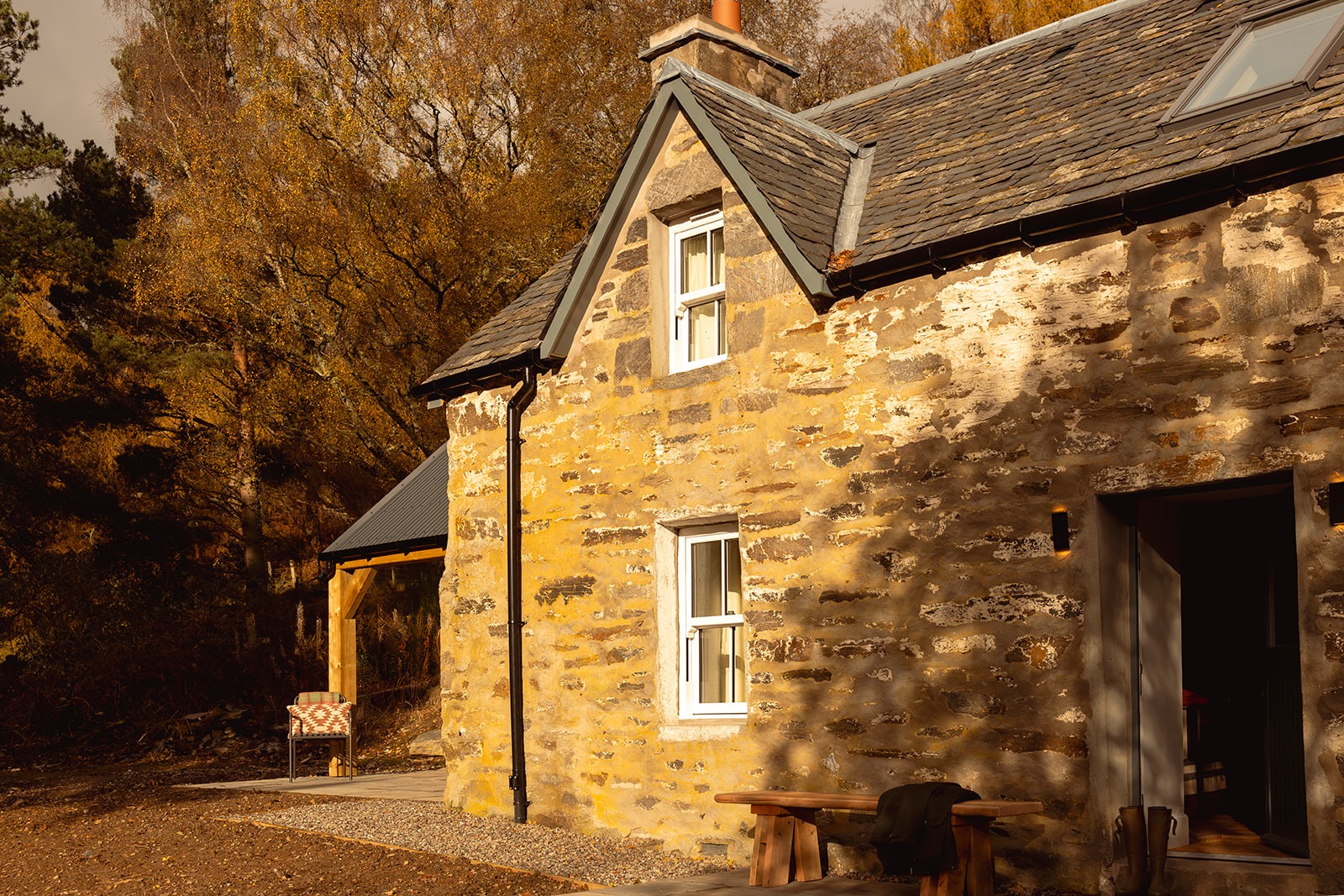 7 miles awayCharlottefieldSleeps 4
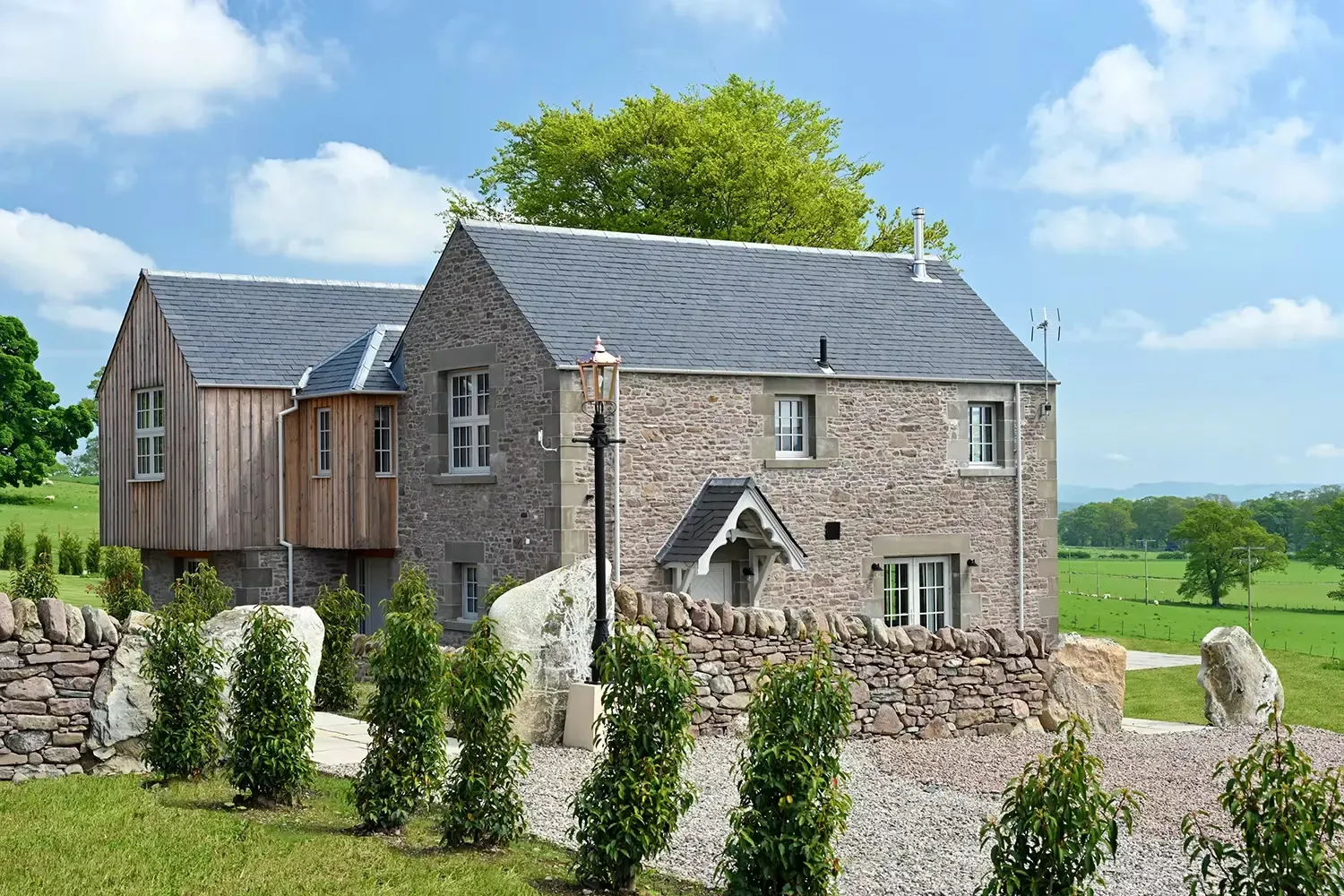 9 miles awayThe Old FarmhouseSleeps 8
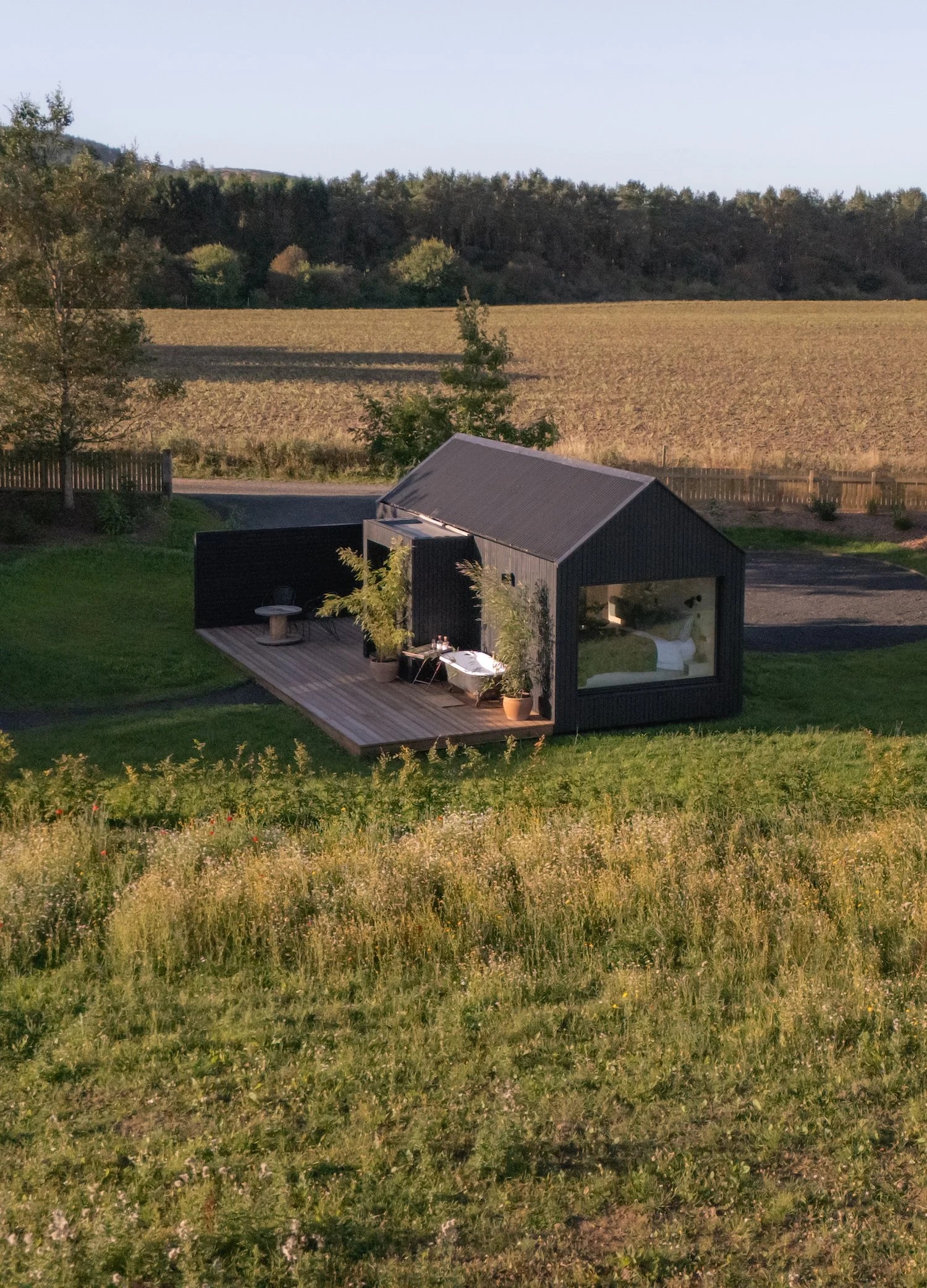 11 miles awayThe Cabin at FairygreenSleeps 2
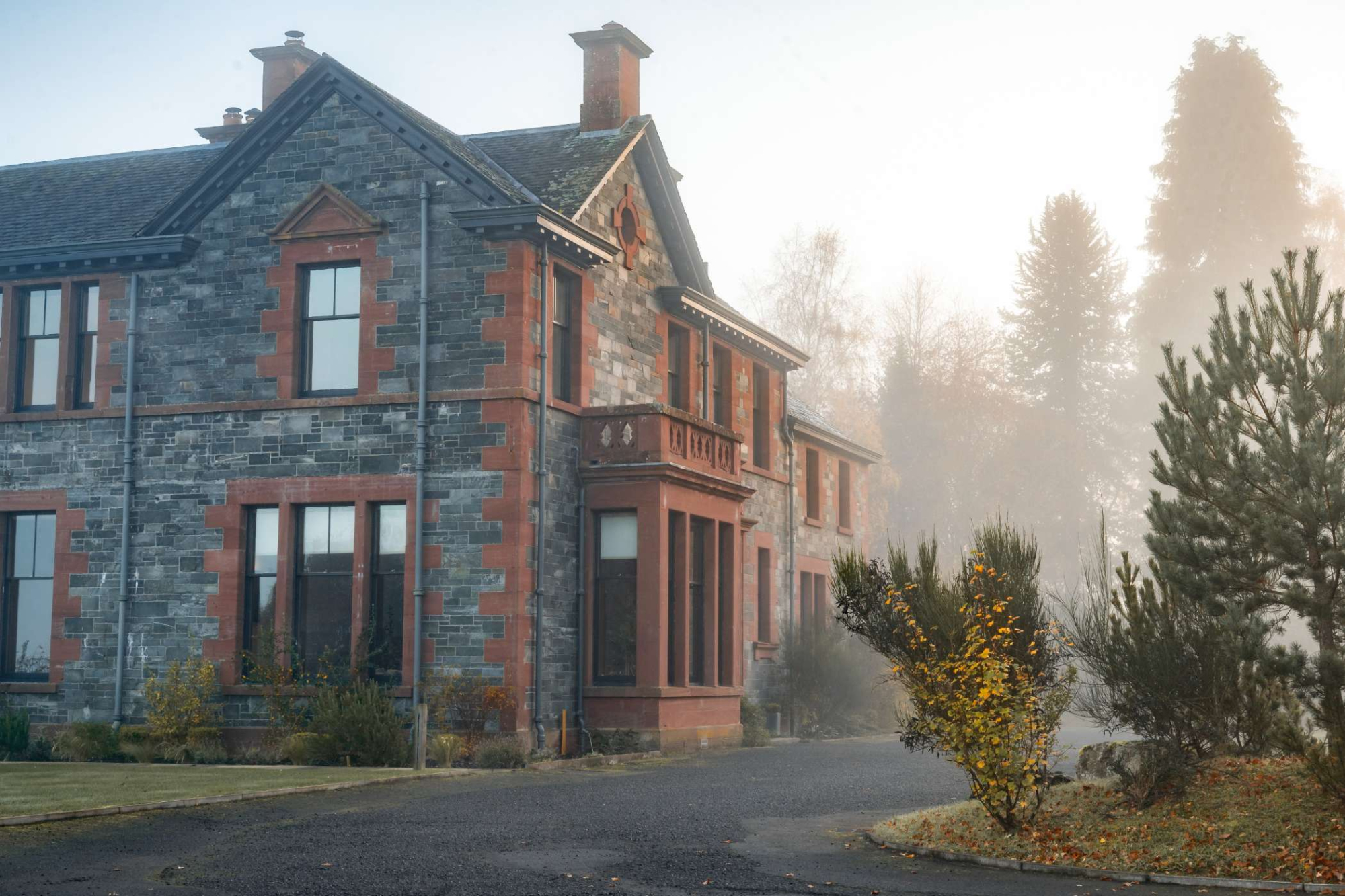 12 miles awayThe House at Dun AluinnSleeps 18
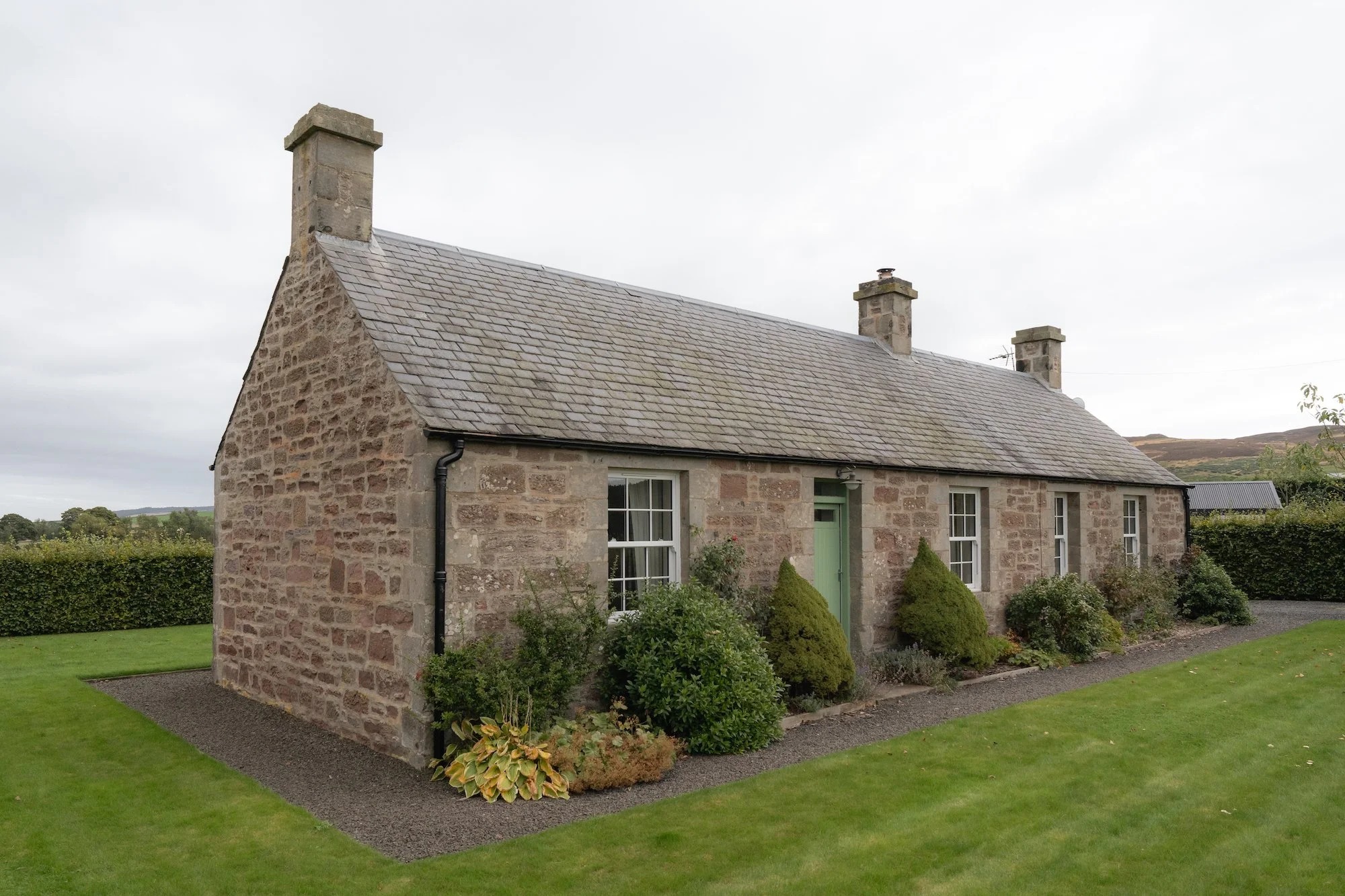 13 miles awayFairygreen CottageSleeps 4
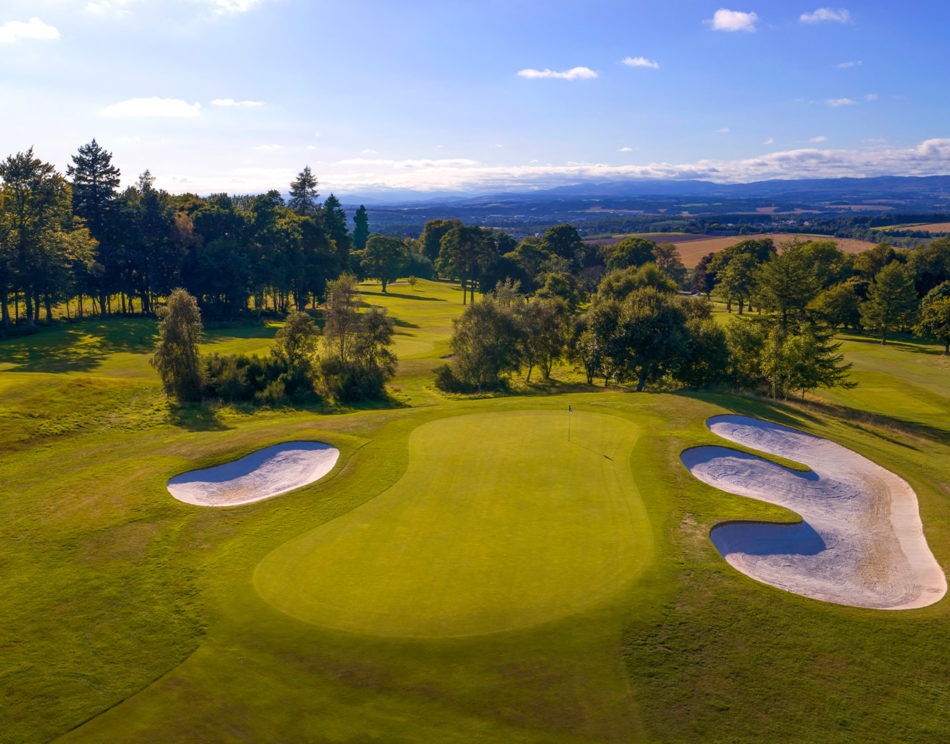 13 miles awayMurrayshallA place to stay
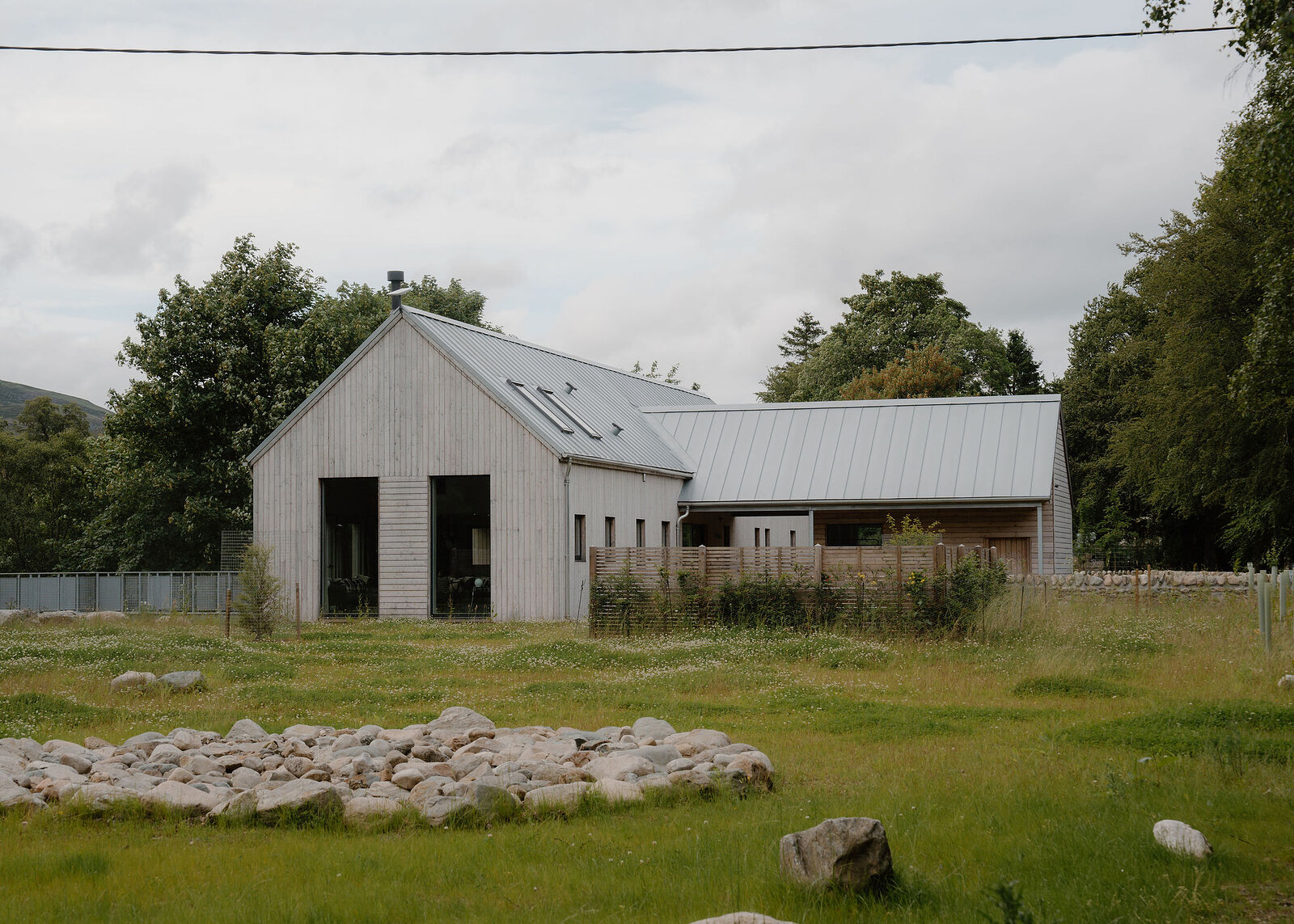 15 miles awayLarch HouseSleeps 6
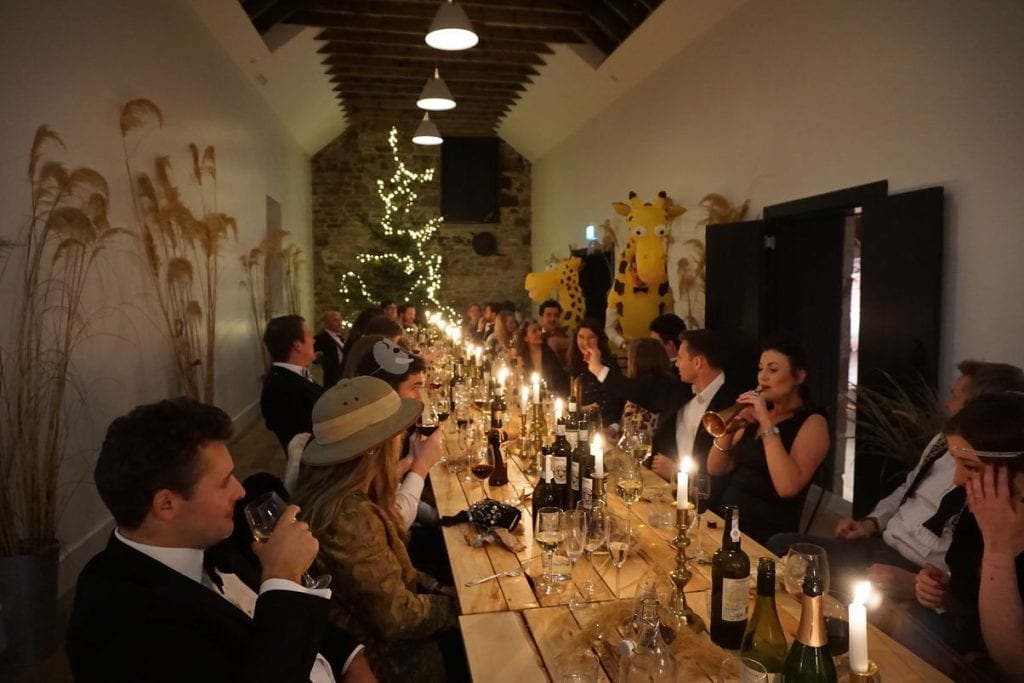 InchtureGuardswell FarmSleeps 10
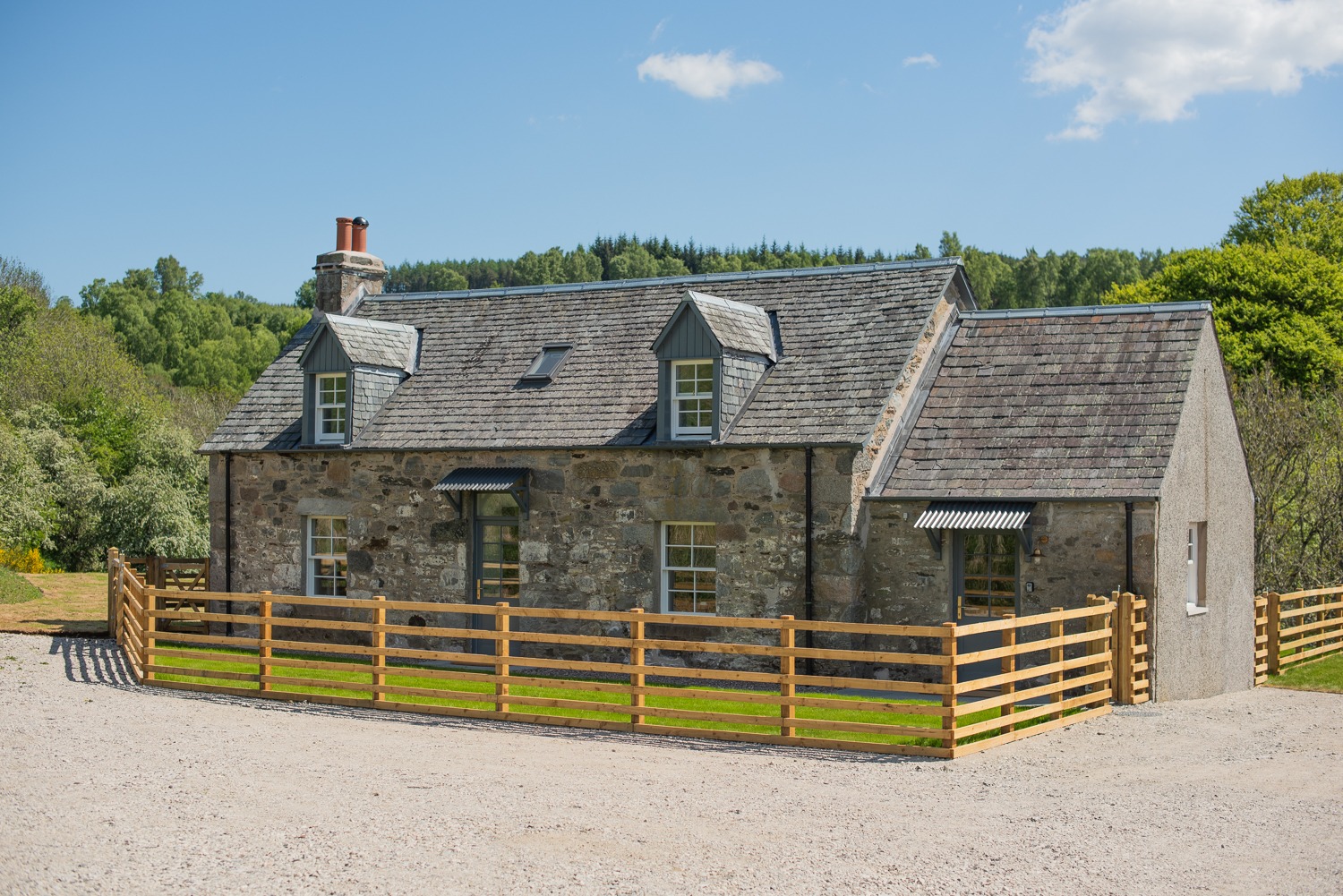 Blair AthollMilton of KincraigieSleeps 4
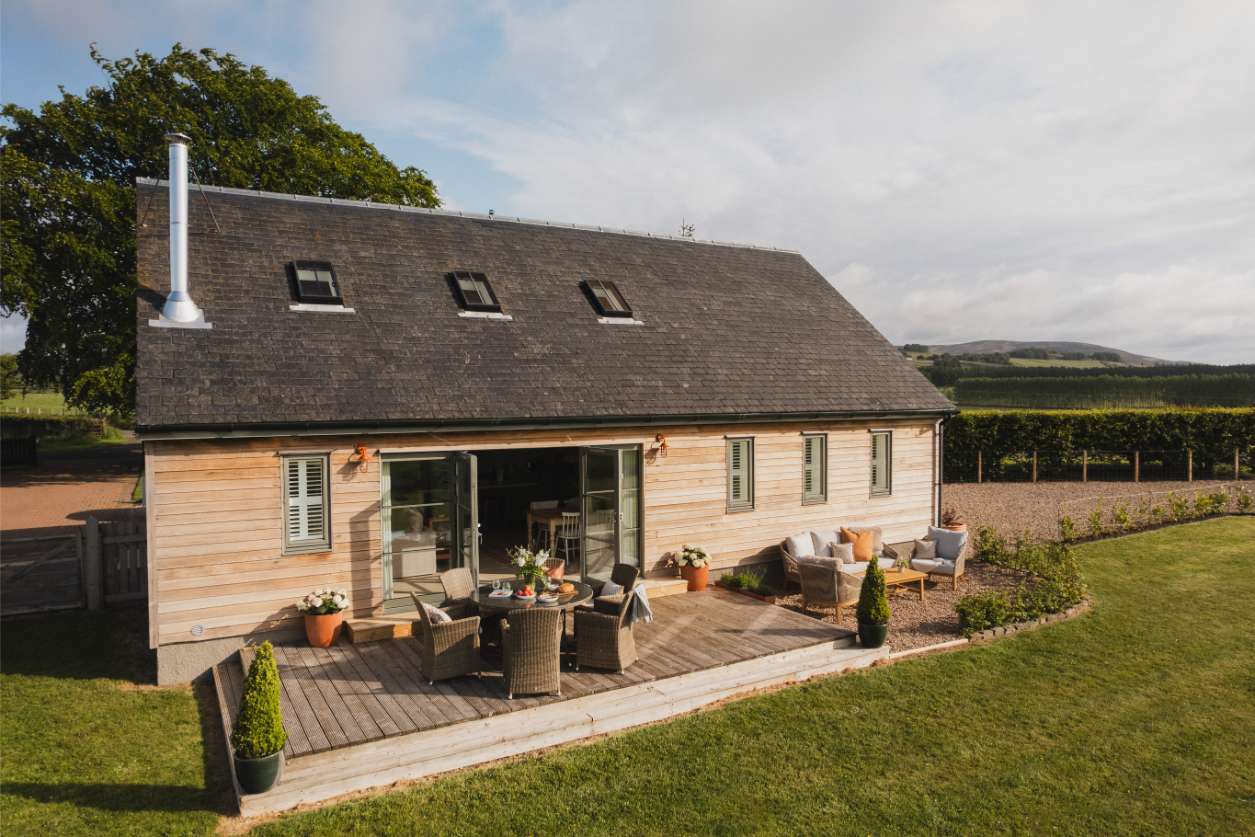 19 miles awayNàdairSleeps 6
-large-1774895976.jpg) 23 miles awayGarden CottageSleeps 2
23 miles awayGarden CottageSleeps 2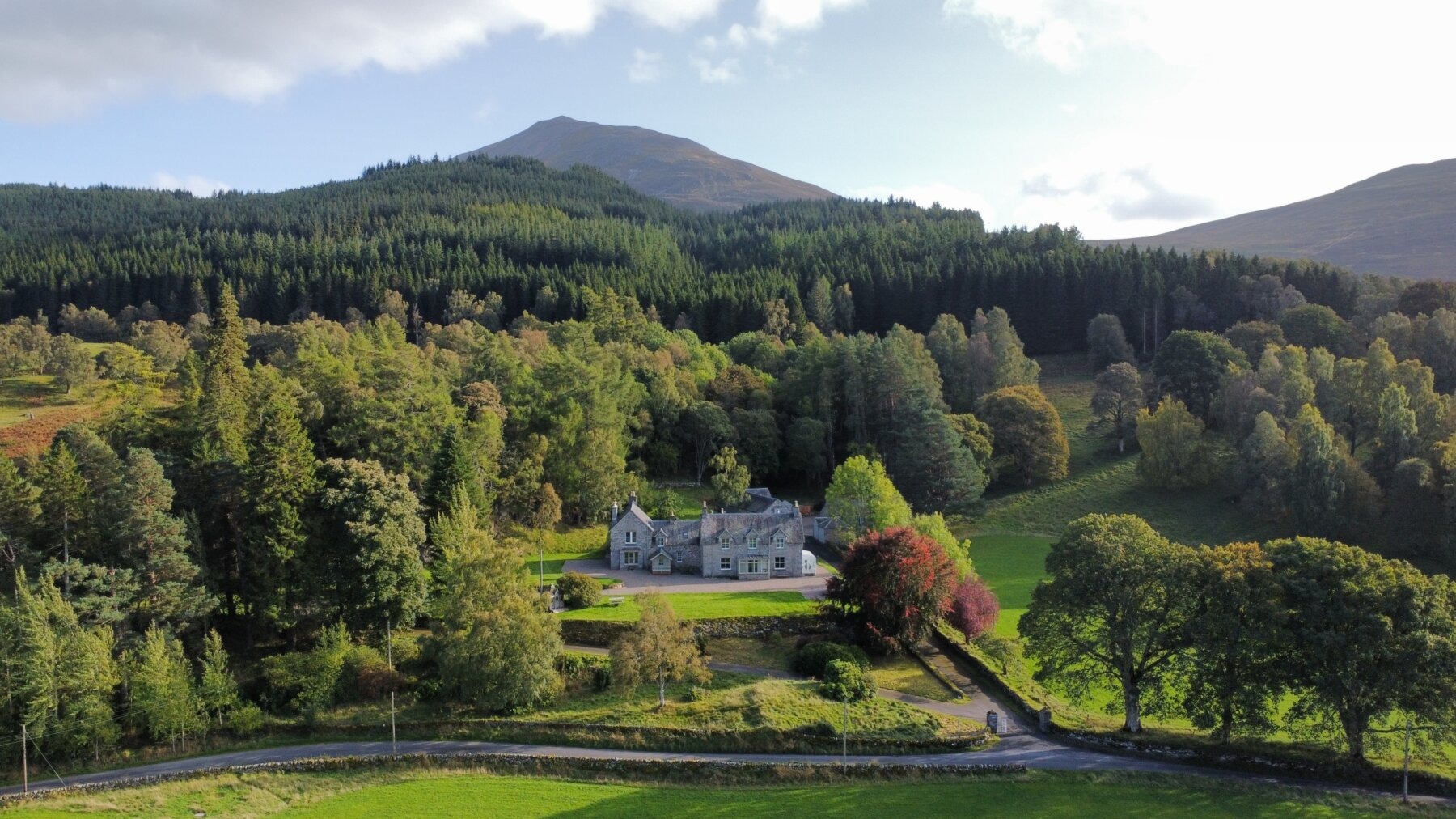 23 miles awayLassintullich HouseSleeps 16
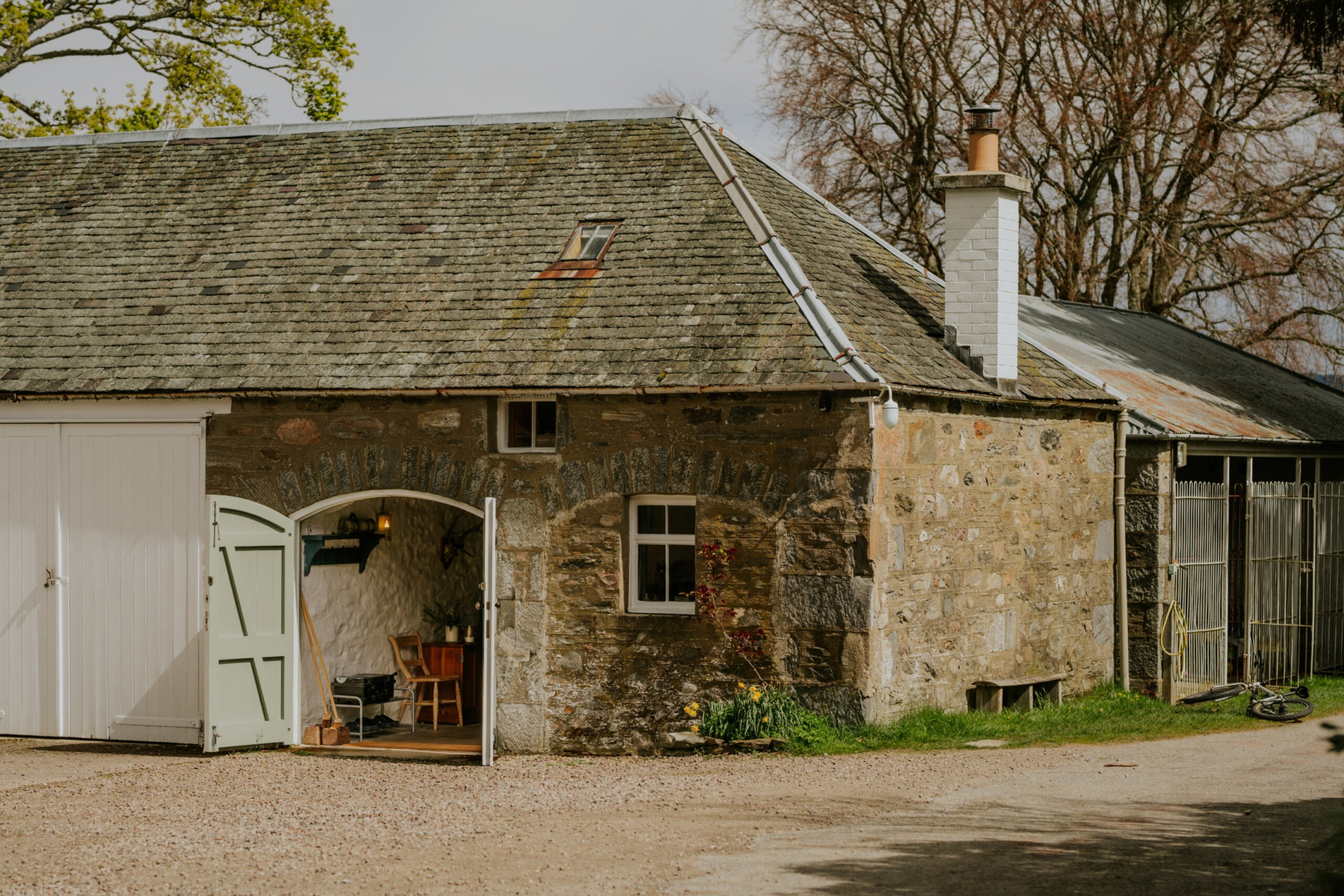 23 miles awayWest Tempar BothySleeps 2
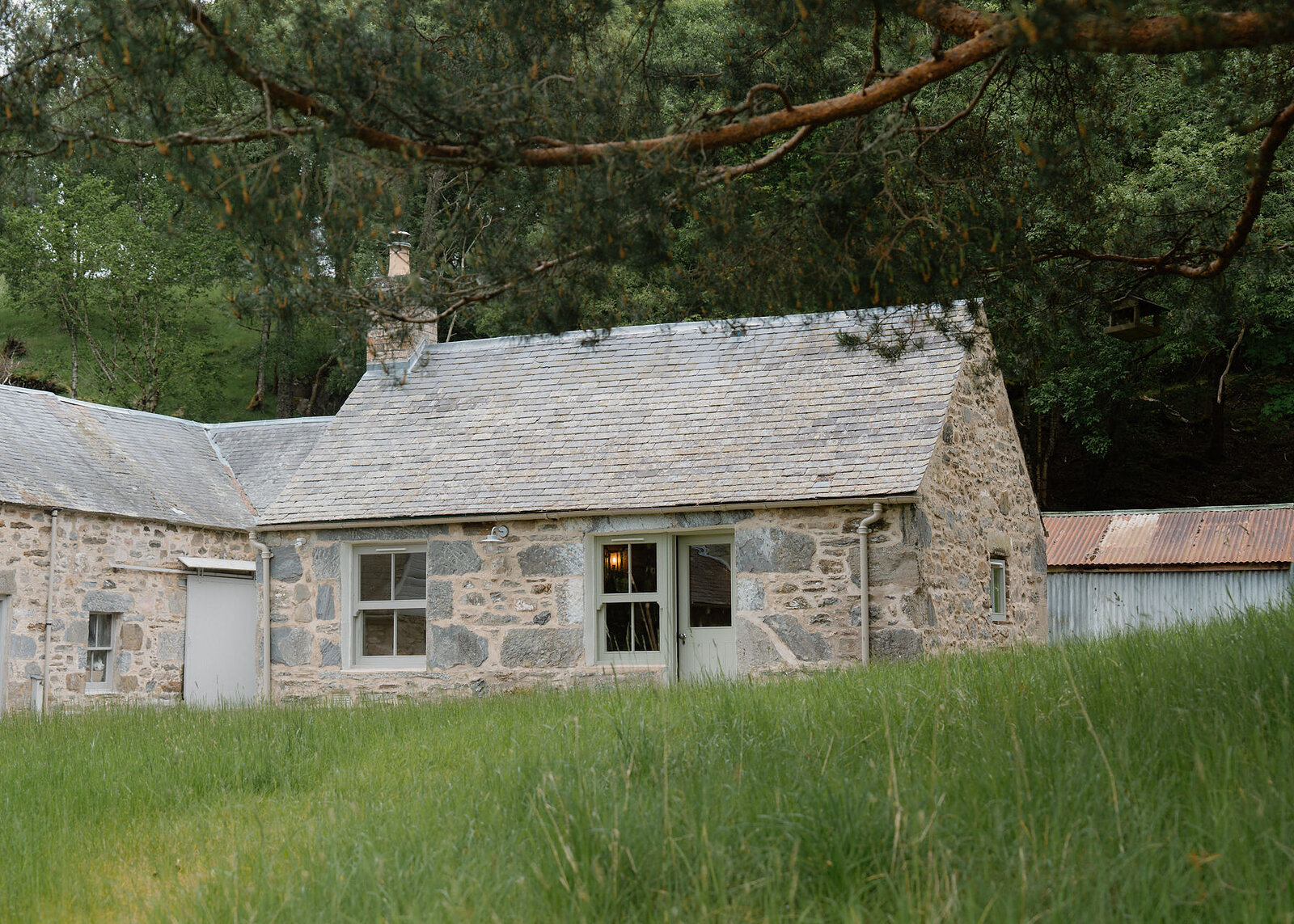 23 miles awayLassintullich BothySleeps 2
Day one
Dunkeld
A day round Dunkeld and Birnam, villages facing each other across the Tay, setting off at ten to nine and mostly walked. It starts at the falls of the Braan under the Hermitage's Douglas firs, then drives to Birnam for an old oak on the riverbank. It crosses Telford's bridge on foot to a bakery and a cathedral in wooded grounds, and ends in Birnam with Beatrix Potter.
11 min at the wheelAbout 4 miles by carAbout 3 miles on foot
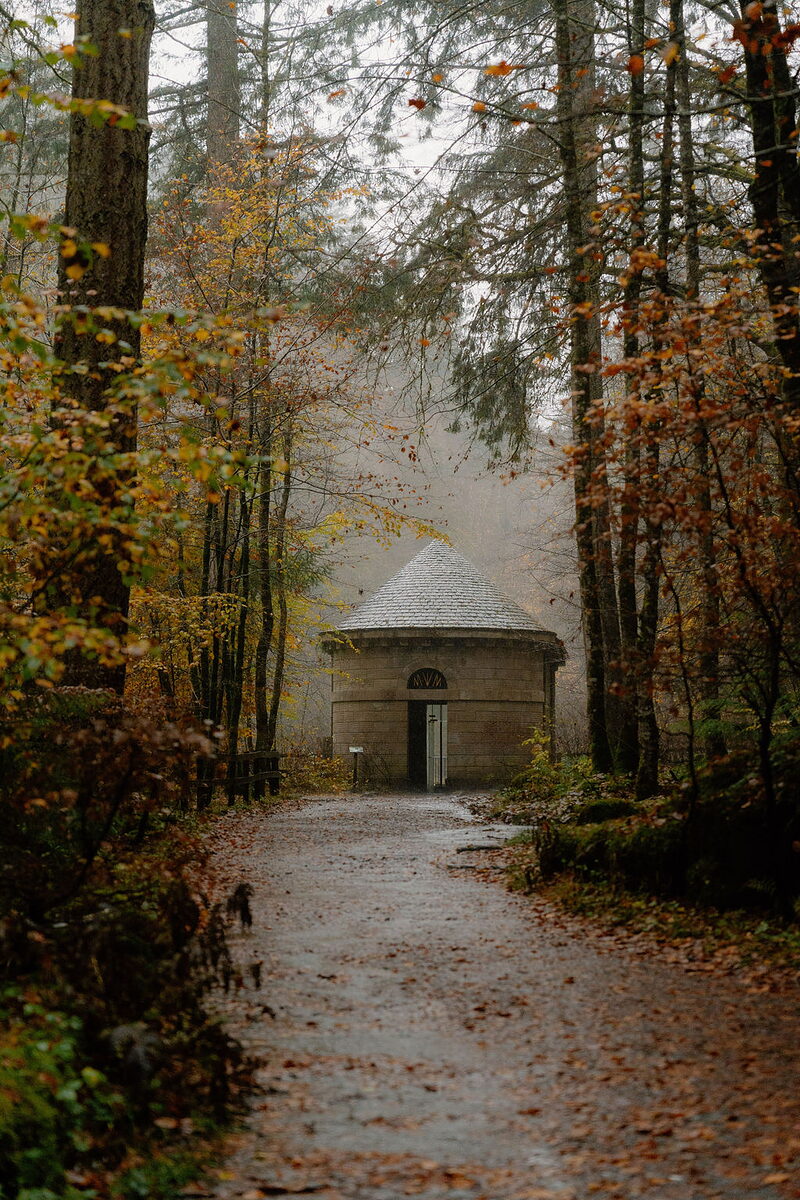
The Hermitage
An attraction
It's 4 minutes' drive from Dunkeld, a mile and a quarter: over Telford's bridge, right on to the A9 and left into the National Trust for Scotland's car park. Come here first: it fills. A wide path follows the River Braan under tall Douglas firs to Ossian's Hall, a view-house built in 1757 for the 2nd Duke of Atholl. When it is open, it looks straight down on the Black Linn falls. Allow an hour and a half. The Trust charges for parking, and there are no toilets.
4 min by car
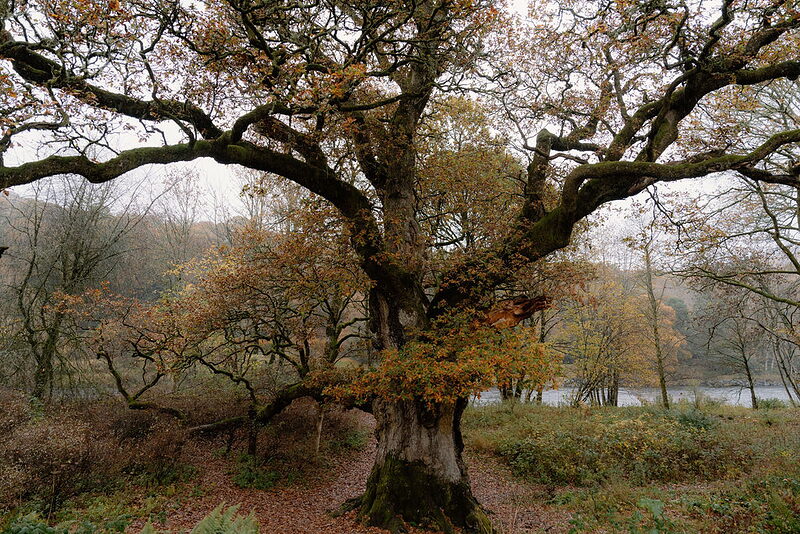
The Birnam Oak
An attraction
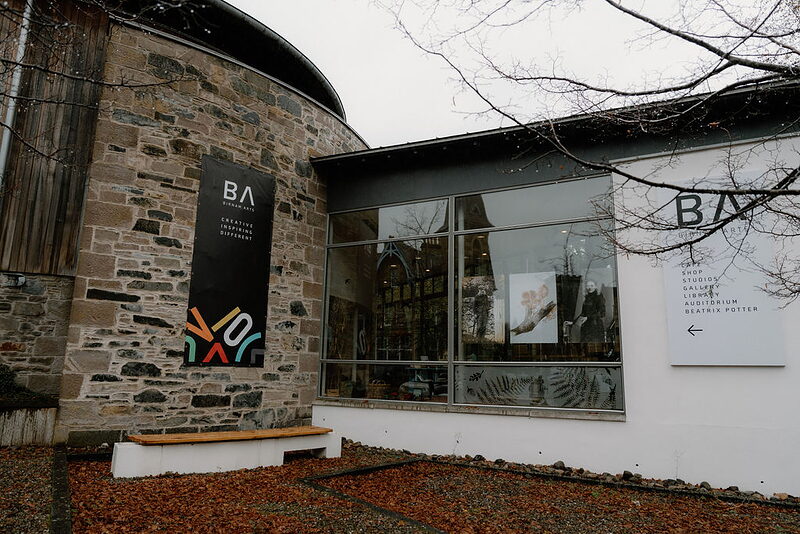
Birnam is 4 minutes' drive back down the A9. Leave the car on Station Road, beside Birnam Arts, where street parking is free, and walk for the rest of the day. Oak Road leads down to the riverside path and, about seven minutes from the car, the Birnam Oak: a sessile oak with a hollow trunk, its long limbs propped on timber struts. It is said to be the last of the Birnam Wood of Shakespeare's Macbeth, and is thought to be about 600 years old.
13 min on foot
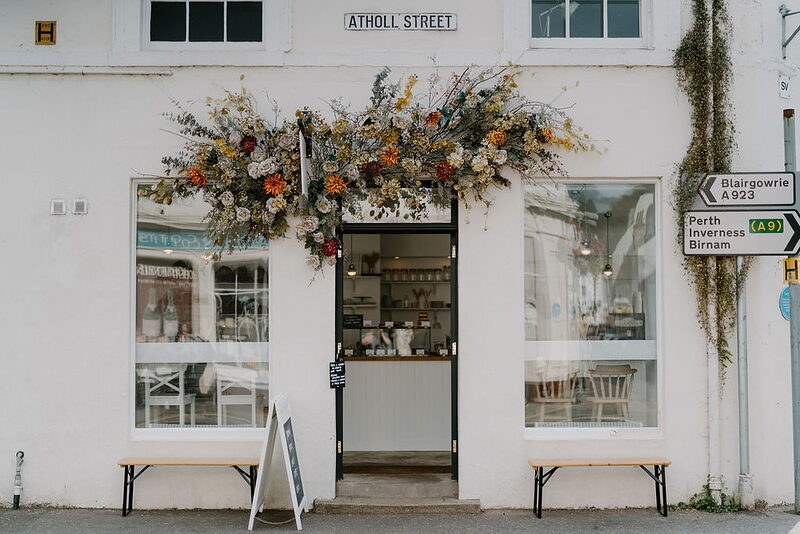
ARAN Bakery
A café
From the oak, turn upstream along the riverside path and cross Thomas Telford's bridge of 1809 into Dunkeld: it's about 13 minutes' walk to ARAN Bakery at 2 Atholl Street. It shuts at 3.30pm, or earlier on a day it sells out, so come before noon. Eat from the bakery on the riverbank, or go to the Taybank, the pub on Tay Terrace by the bridge, which serves lunch from noon.
3 min on foot
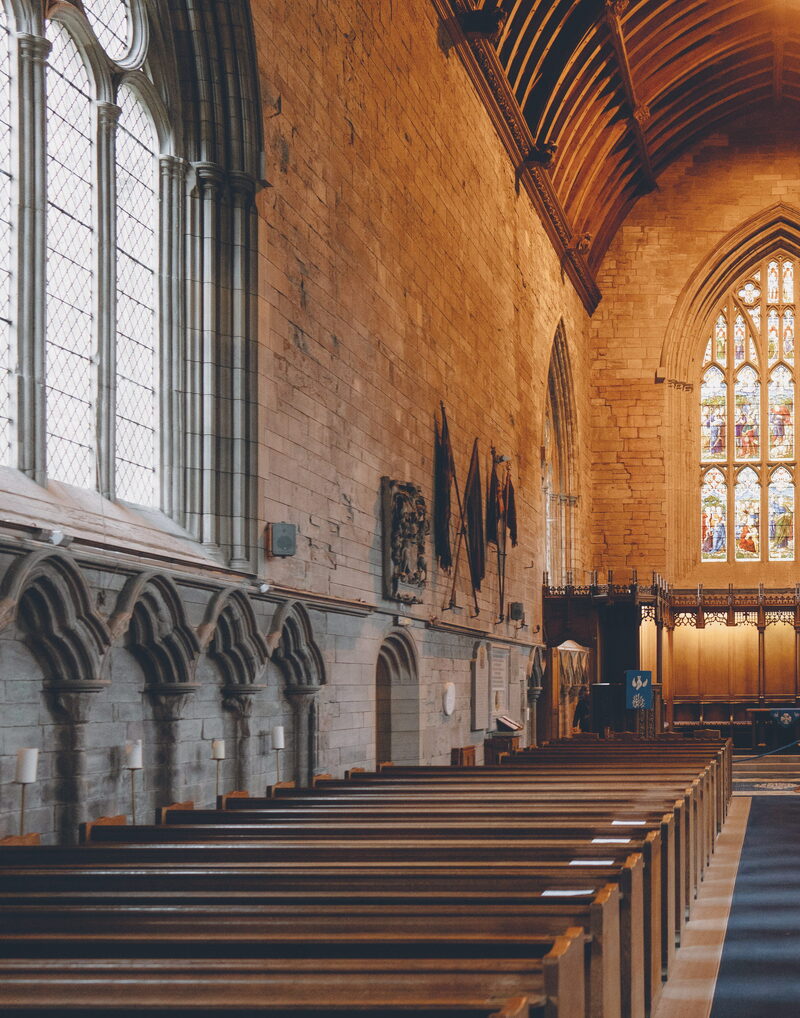
Dunkeld Cathedral
An attraction
Dunkeld Cathedral, in wooded grounds beside the Tay, is 3 minutes' walk by the Cross and Cathedral Street. Begun in 1260 and finished in 1501, its choir is still the parish church; the roofless nave is closed while Historic Environment Scotland repairs it, and the grounds are open. Behind the cathedral stands the Parent Larch, the last of a group of European larches planted in 1738.
18 min on foot
Birnam Arts
It's 18 minutes' walk back over the bridge to Birnam Arts on Station Road, where the car is. In 1893, staying at Eastwood House in Dunkeld, Beatrix Potter wrote a picture letter to a child that became The Tale of Peter Rabbit; Jeremy Fisher began the same way, on the banks of the Tay. The exhibition and its garden trail of animal sculptures cost £5, with last entry at 3pm, and the café is open every day. Dunkeld is 3 minutes' drive back.
If it rains
The Hermitage is worth its walk in rain: the firs keep the worst off the wide path, and the Black Linn is at its loudest after a wet night. Take the wide path both ways; the riverside one has uneven steps. Then make Birnam Arts the long stop of the day. The Beatrix Potter exhibition is indoors, open from 10.30am with last entry at 3pm, and the café is open every day. In Dunkeld, ARAN Bakery has a few seats, and the Taybank serves lunch from noon. The Birnam Oak is seven minutes from the car on a level path that is muddy after rain; keep it for a dry half hour.
Worth a detour
- Meikleour Beech Hedge
A beech hedge beside the A93, planted in 1745, about 30 metres high and 530 metres long: Guinness lists it as the tallest hedge in the world. The story goes that the men who planted it left for Culloden and never came back to it. The layby is at the hedge's southern end and is entered from the northbound side only, which is the way a car from Perth is going. The road is fast and its verges are narrow, so look from the layby: five minutes, not a walk. From the hedge it is about 25 minutes by Caputh to the Hermitage.
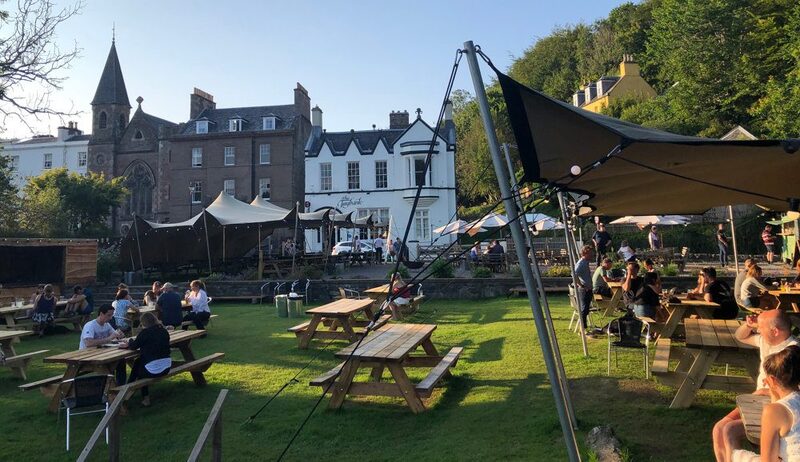
The Taybank, riverside pub, live music.
Day two
Strathtay
A day up the Tay to Aberfeldy and back down to Pitlochry, setting off from Dunkeld at half past eight. It begins among red squirrels and giant redwoods in a hillside garden at Cluny, then climbs the gorge Robert Burns wrote a song about. Lunch is in a bookshop in an old mill, and the afternoon ends beside the lochs of Faskally Wood.
1 hr 31 min at the wheelAbout 38 miles by carAbout 4.5 miles on foot
40 min by car
Cluny House Gardens
An attraction
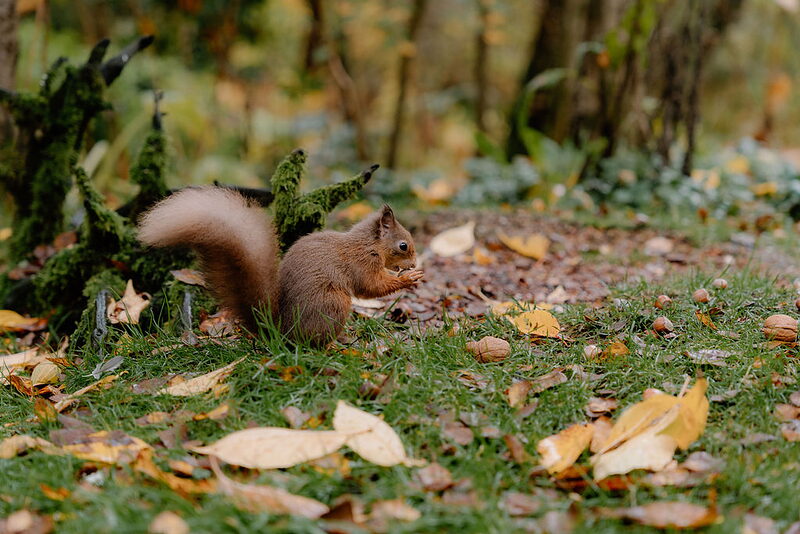
The drive takes 40 minutes: up the A9 to Ballinluig, west on the A827 and, about a mile before Grandtully, right on to the narrow road along the north side of the Tay through Strathtay. Roadworks are likely on the A9 north of Dunkeld: check Traffic Scotland before leaving. Bobby and Betty Masterton planted Cluny's hillside from the 1950s beneath two Wellingtonias, giant redwoods, one over 11 metres round. Red squirrels are fed here. Leave £6 an adult and £1 a child in the box, in cash.
13 min by car
The Birks of Aberfeldy
An attraction
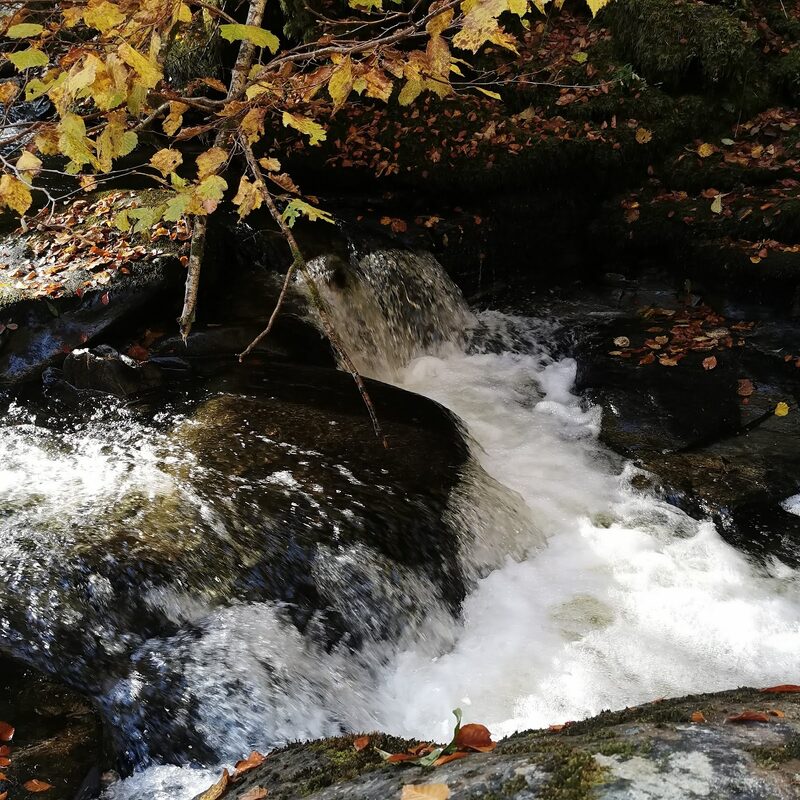
It's 13 minutes' drive west along the north side of the Tay, over Wade's Bridge of 1733 into Aberfeldy and up the Crieff Road to the Upper Birks car park. Birks is the Scots for birches: Robert Burns came in 1787 and wrote 'The Birks of Aberfeldy' about them and the Falls of Moness. The path climbs the wooded gorge of the Moness Burn on steps to a bridge directly above the falls, and loops back down. Allow an hour and a half, and take care on wet leaves.
12 min on foot
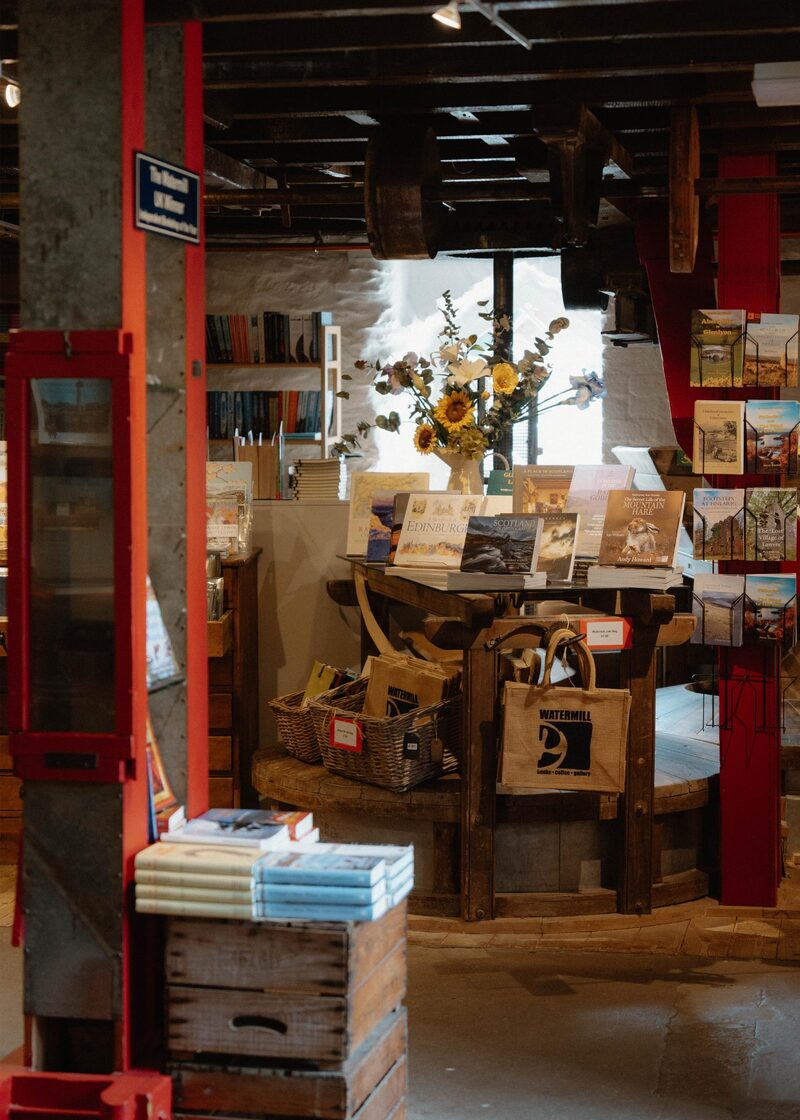
The Watermill, Aberfeldy
A café
Leave the car where it is: it's 12 minutes' walk across the Crieff Road and down through the Lower Birks into Aberfeldy, to the Watermill on Mill Street. Michael Palin opened the three-storey oatmeal mill as a bookshop in 2005. It has a gallery upstairs and a café that serves a light menu of local produce, home bakes and good coffee, seven days a week. Ring 01887 822896 to keep a table for lunch.
12 min on foot back to the car, then 30 min by car
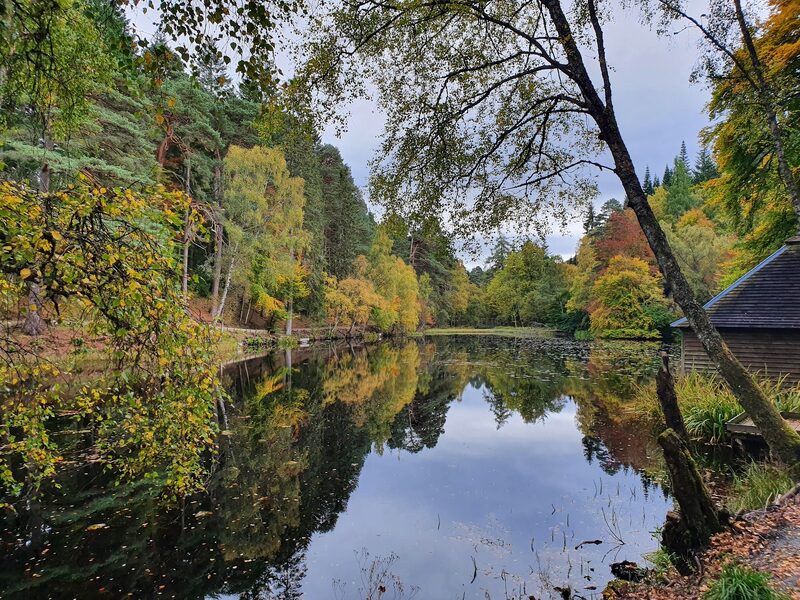
Faskally Wood
Walk back to the car: it's 30 minutes' drive by Ballinluig and the A9, past Pitlochry, to Faskally Wood, a 19th-century model forest. Roadworks are likely: check Traffic Scotland. The Dunmore Trail circles Loch Dunmore in half an hour; the Foresters' Trail adds an hour: skip it if lunch ran on. While the Enchanted Forest light show is here, the car parks shut at 4pm and trails may be partly shut: have the car out before then, and check Forestry and Land Scotland's page. Pitlochry is 8 minutes back.
If it rains
Cluny and the Birks are both stepped hillsides and both slippery in the wet. Cluny lends walking sticks and has one shorter path with no steps. At the Birks, in heavy rain, leave the upper gorge: drive down into Aberfeldy, where the car parks at Moness Terrace and Chapel Street are free, and walk the lower path from the town square instead. The Watermill is the day's roof: three floors of books, a gallery and the café. At Faskally the Dunmore Trail round the loch is firm gravel and takes half an hour. In Pitlochry the Dam Visitor Centre, with its exhibition and café above the fish ladder, is open from Tuesday to Sunday, 10am to 4.30pm.
Worth a detour
- The Enchanted Forest, Pitlochry
A sound and light show on a path through Faskally Wood, in its 25th year in 2026. It is an evening of its own, and optional: the day stands without it. Nobody drives to it. Every ticket is for a date and a time and includes the shuttle bus from the Fishers Hotel on Atholl Road in Pitlochry, about ten minutes each way. Allow 60 to 90 minutes in the forest; the site closes at 10.30pm and the last bus back leaves between 10.30pm and 10.45pm. Most nights sell out in advance and there are no refunds, so buy the ticket first and plan the evening round it. No dogs but assistance dogs. Pitlochry's car parks fill on show nights and the wardens patrol after 6pm. It means a late drive back to a bed near Dunkeld, or a second night in Pitlochry.
- Fortingall Yew Tree
In the churchyard at Fortingall, west of Aberfeldy by Weem and the B846, stands a yew that is said to be the oldest tree in Britain. Estimates of its age run from 1,500 years to 5,000 and more, and nobody can count them. It grows behind a wall put up in 1785 to protect it, and is seen from outside. Take the yew and there is no time to reach Faskally before its car parks shut at 4pm while the light show is on, so choose one or the other. It is also the afternoon to take when Faskally's trails are shut for the show.
Where to eat
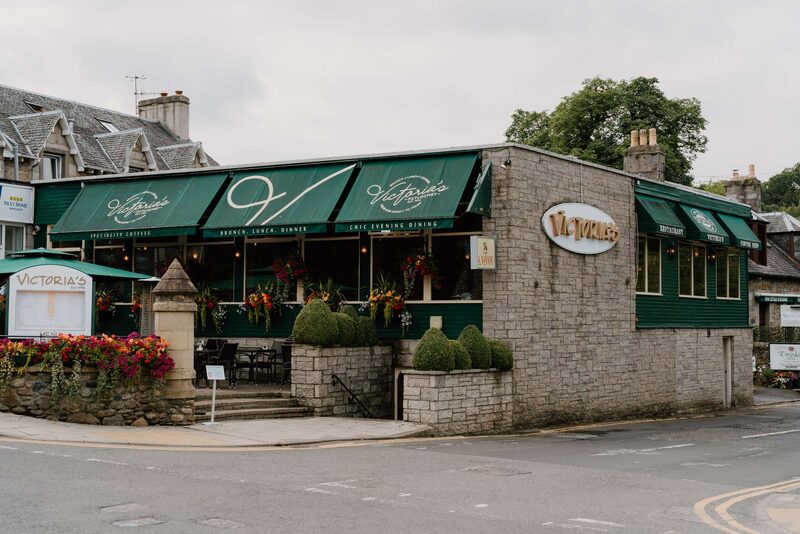 PitlochryVictoria'sOn Pitlochry's main street
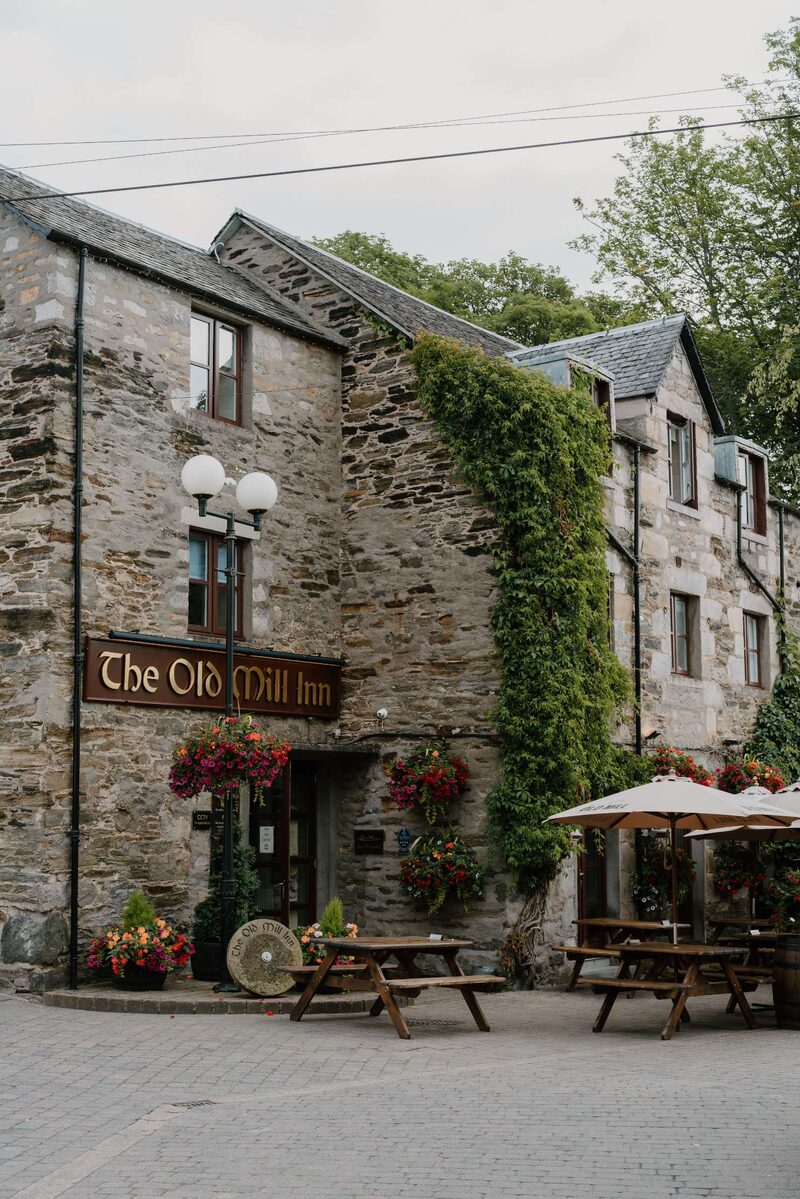 PitlochryThe Old Mill InnInn in an old corn mill
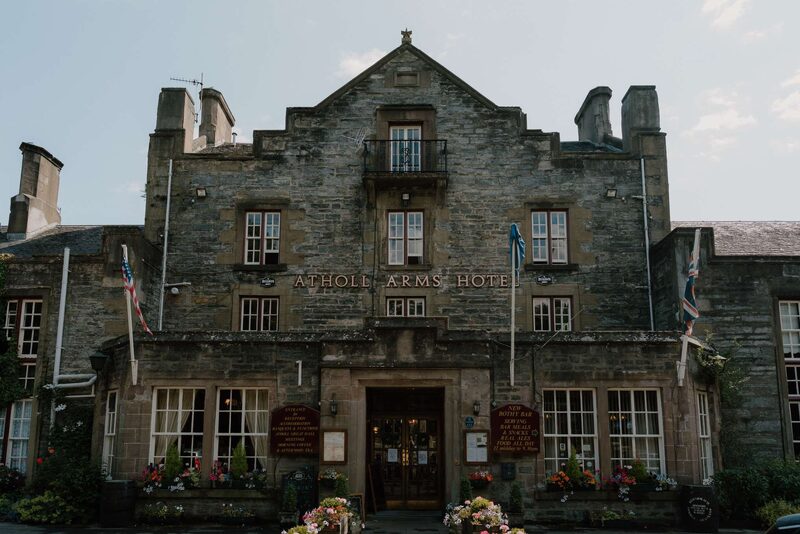 PitlochryAtholl Palace HotelBaronial hotel dining room
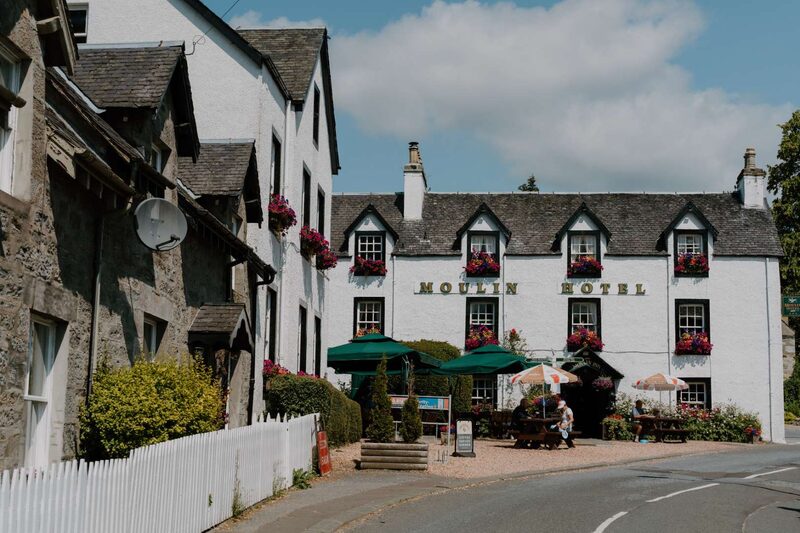 MoulinMoulin Hotel and BreweryVillage inn, its own ales
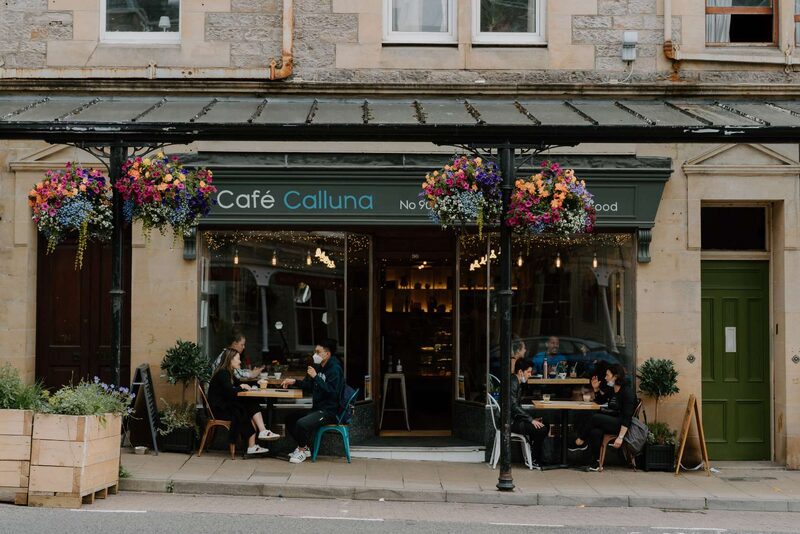 PitlochryCafe CallunaPitlochry café and bakery
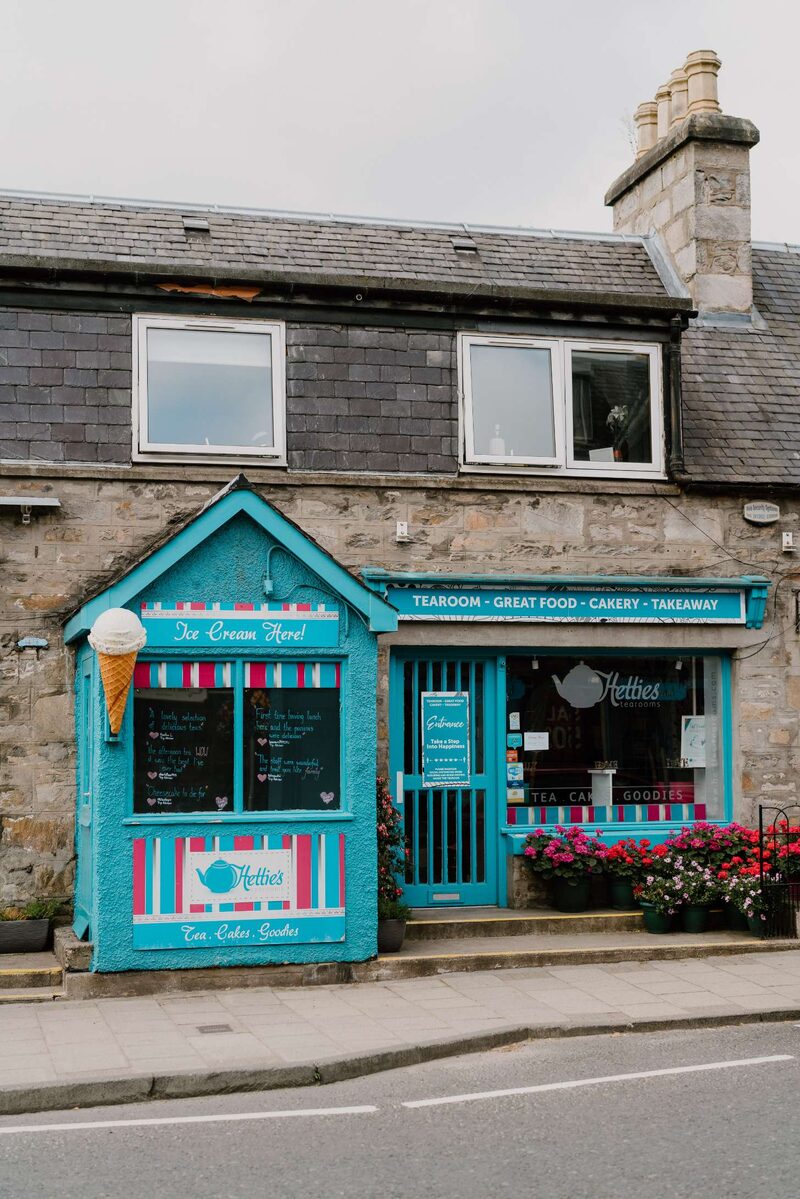 PitlochryHettie's Tea RoomsTea room and loose teas
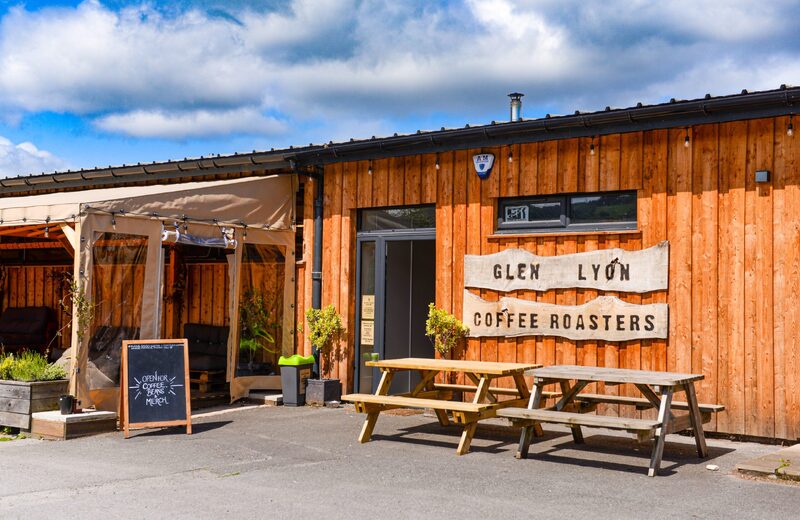 AberfeldyGlen Lyon Coffee Roastery and CafeA café
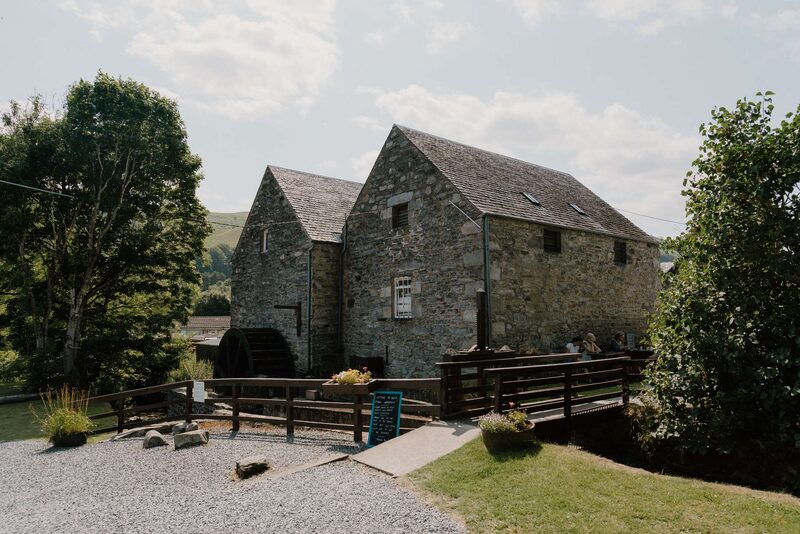 Blair AthollBlair Atholl WatermillBakery in a watermill
Photographs by Steph McCabe and Jac via Google