
Three days in Glasgow and Loch Lomond
Three days on foot, from Glasgow Central to Luss.
The route
Glasgow is a city made for walking, full of grand Victorian streets, free museums and parks, and three days give you time to get to know it and have a day out on Loch Lomond.
The first day stays in the centre, from Mackintosh's tearooms on Sauchiehall Street through the Merchant City to the medieval cathedral, the Necropolis and Glasgow Green. The second heads west to the Botanic Gardens, the university and Kelvingrove, then down to the Clyde for the carved stones of Govan and the Riverside Museum. On the third, the train takes you to Balloch at the foot of the loch, for the country park and the birds of prey, and then a boat up the water to Luss. You won't need a car, and most of what you'll see is free.
Before you go
Book beds near Glasgow, two nights
Book as soon as your dates are set: here are ours nearest the night.
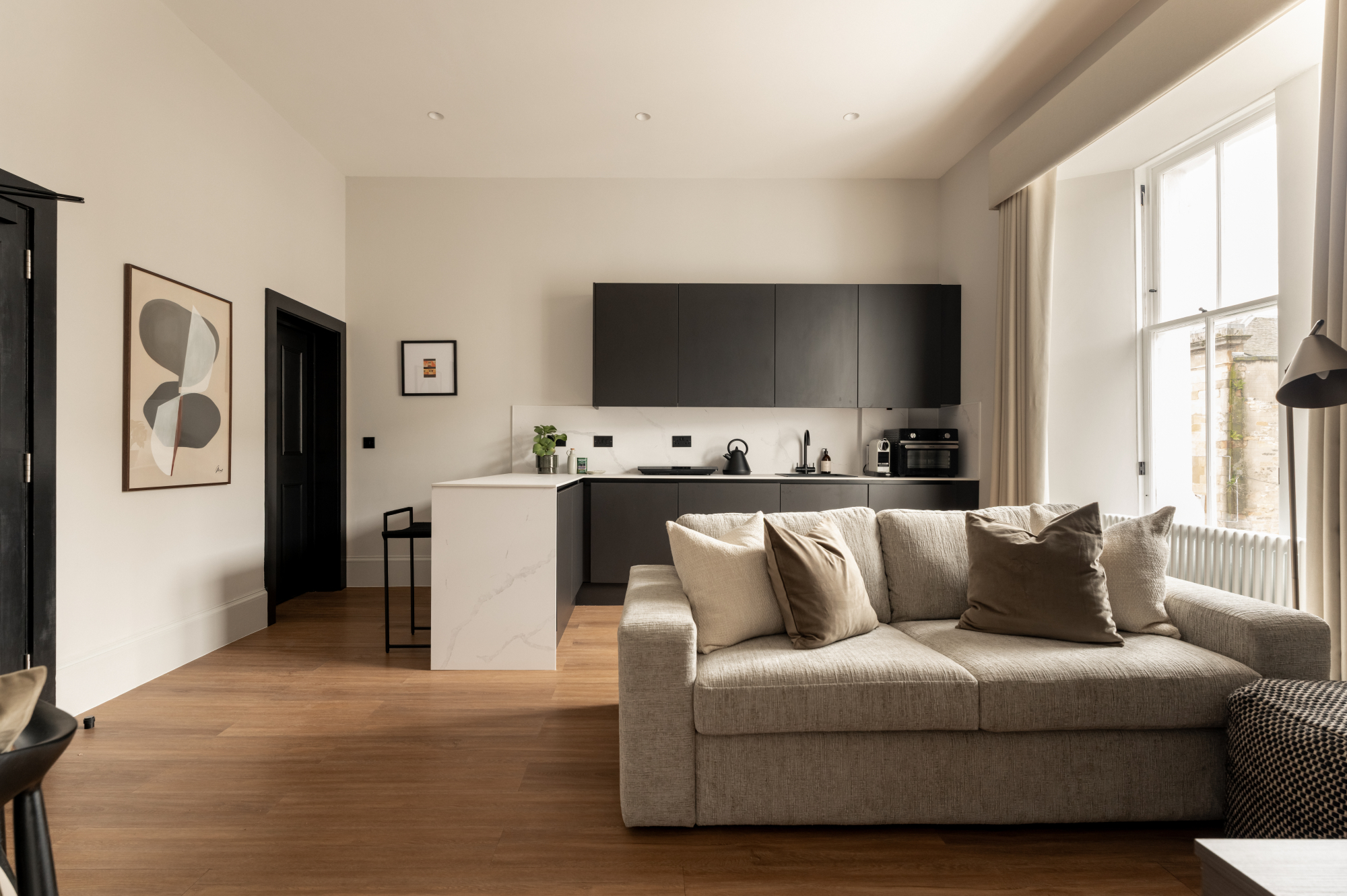
The nearest of ours is Moment Blythswood Street. Sleeps 2.
Book a few days ahead.
Booking a time slot online is advised, and an audio guide can be added.
Book the boat from Balloch to Luss
Book online before the day in summer; the ticket office at Balloch also sells same-day tickets.
Day one
Glasgow
A day on foot in the city centre, from Mackintosh's tearooms on Sauchiehall Street through the Merchant City to the High Street. At the top stand the medieval cathedral and the Necropolis on its hill, and the day ends down at Glasgow Green by the river, in the evening light.
The Mackintosh Tearooms
A tour
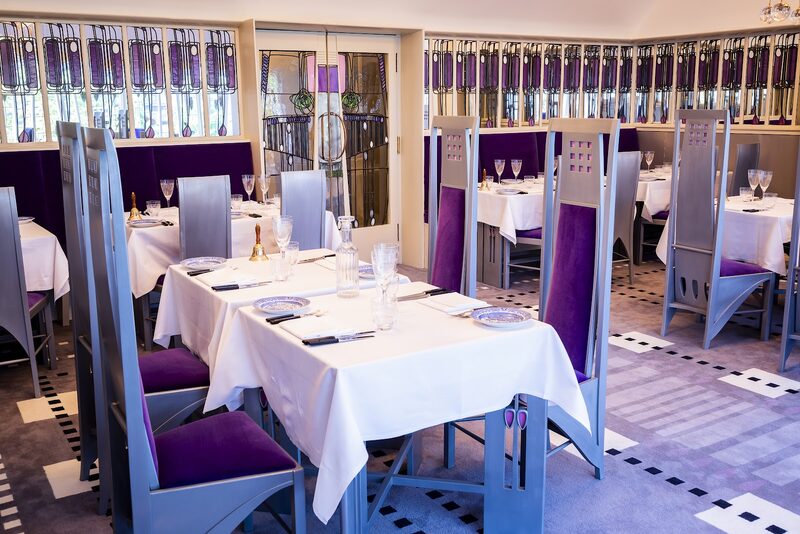
From Glasgow Central, it's a 14-minute walk up to Sauchiehall Street and the Mackintosh Tearooms, designed by Charles Rennie Mackintosh and Margaret Macdonald for Catherine Cranston and opened in 1903. The street's name is Scots for a willow meadow, and the willow runs through everything from the chairs to the windows. The guided tours at 10am and 11am last up to an hour and cover most of the main rooms. They sell out, so book ahead, for 10am if you can: a ticket is about £16.50.
16 min on foot
Gallery of Modern Art
An attraction
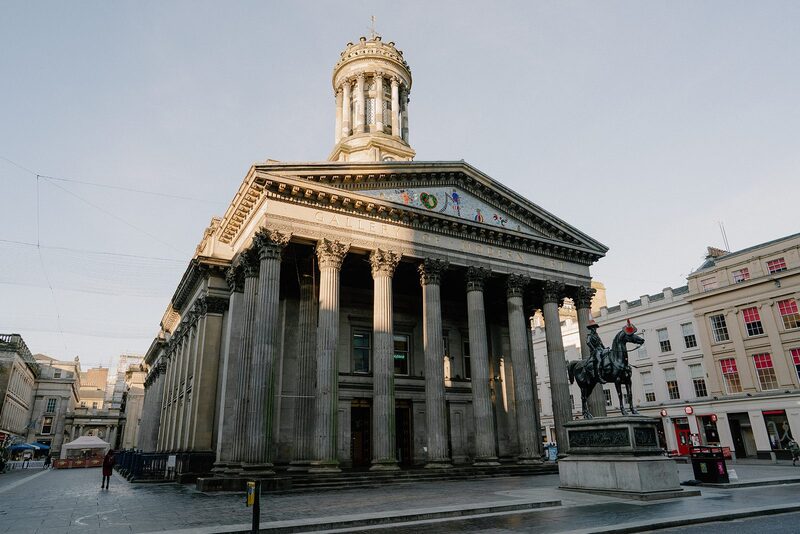
It's a 16-minute walk down Buchanan Street to Royal Exchange Square and the Gallery of Modern Art. The building went up in 1778 as the townhouse of William Cunninghame, a tobacco merchant whose fortune was tied to the slave trade, and later became the Royal Exchange. Inside, the art is free and the exhibitions change often. Outside, look for the Duke of Wellington on his horse, who almost always wears a traffic cone on his head. It opens at 10am, or 11am on Fridays and Sundays.
8 min on foot
Merchant City
An attraction
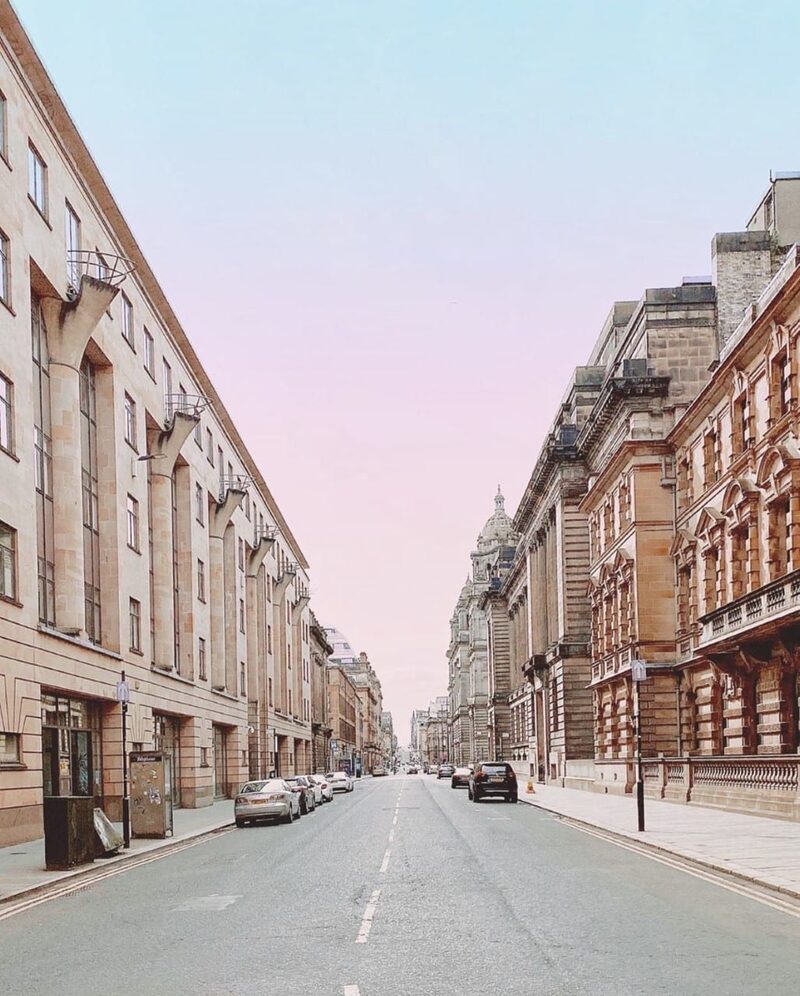
Walk 8 minutes east, past George Square and the grand City Chambers along its east side, into the Merchant City. This grid of wide, straight streets is where the tobacco lords built their townhouses and warehouses from the 1750s, and today the old buildings are full of shops, bars and restaurants, so it's a good place to stop for lunch. Wander down to the Tron Steeple at Glasgow Cross, one of the few buildings in the city older than the Victorians.
16 min on foot
Glasgow Cathedral
An attraction
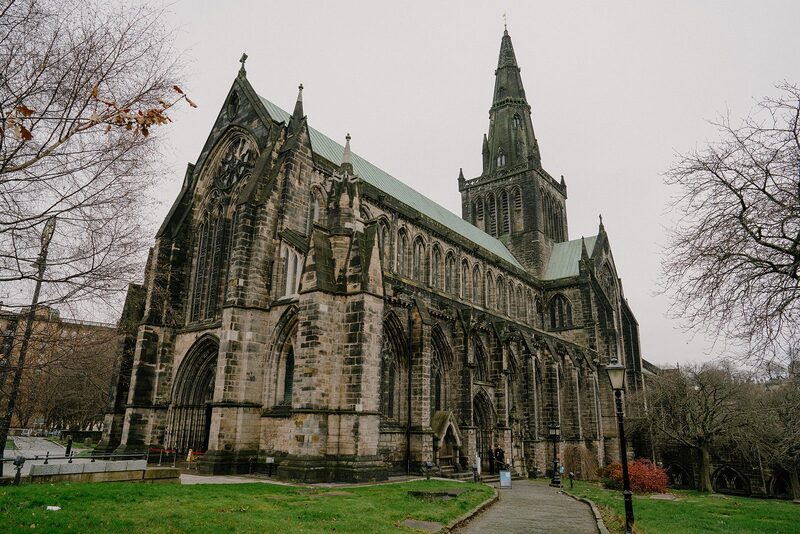
It's a 16-minute walk up the High Street to Glasgow Cathedral. On the way, look up at the street artist Smug's mural of St Mungo, the city's patron saint, painted as a man of today with a robin in his hand. The cathedral is one of only two medieval cathedrals in Scotland to come through the Reformation almost whole, and St Mungo's tomb lies in the lower church. It's free, but book a time slot online. There are no toilets, so use the St Mungo Museum next door.
About 4 min on foot
Provand's Lordship
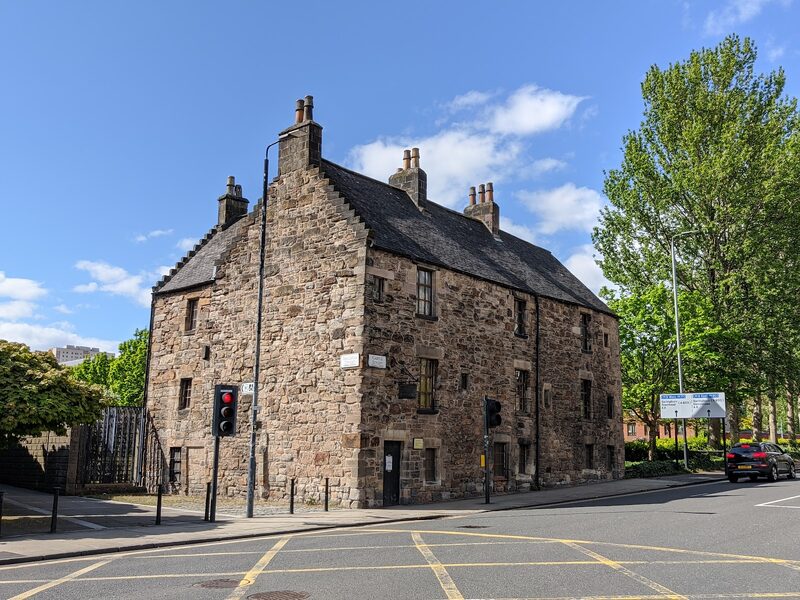
Just across Castle Street, Provand's Lordship is the oldest house in Glasgow. Bishop Andrew Muirhead built it in 1471 as part of St Nicholas's Hospital, and after a recent restoration its low, dark rooms are furnished with 17th-century furniture and royal portraits. It's free, and open from 10am, or 11am on Fridays and Sundays. Go out the back to St Nicholas Garden, where a row of carved stone faces called the Tontine Heads lines the wall.
8 min on foot
The Necropolis
An attraction
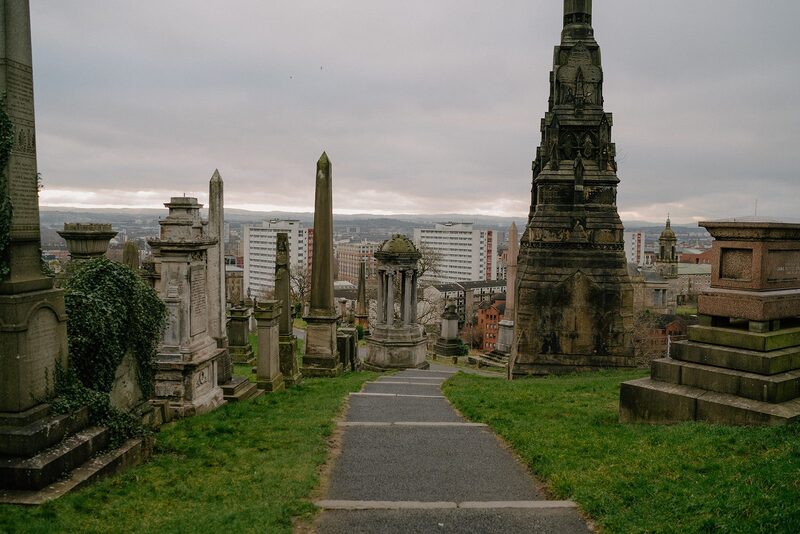
Behind the cathedral, 8 minutes' walk over the Bridge of Sighs, is the Necropolis, the great Victorian cemetery that opened on its hill in 1833. The bridge got its name from the funerals that crossed it. Some 3,500 monuments climb the slope, and the reformer John Knox stands on his column at the very top. He went up in 1825, eight years before the cemetery opened. The view back over the city is worth the climb. The gates close at 4.30pm, so aim to be here by four.
30 min on foot
Glasgow Green
An attraction
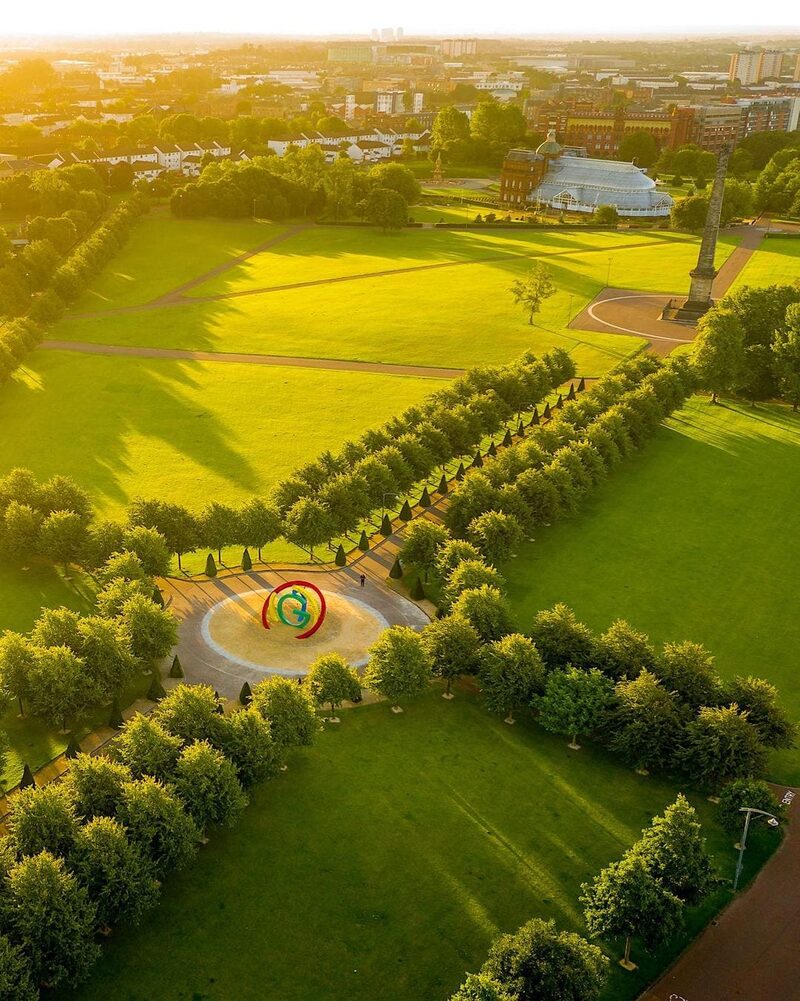
It's a 30-minute walk down past the Barras to Glasgow Green, the city's oldest park, granted to the people of Glasgow in 1450. Look for the Doulton Fountain, made in terracotta for the 1888 International Exhibition, and Nelson's Monument, put up in 1806. The People's Palace is closed for refurbishment, but across the grass the old Templeton carpet factory, built to look like the Doge's Palace in Venice, is a wonderful sight in the evening light.
If it rains
Most of today is under a roof: the Mackintosh Tearooms, the Gallery of Modern Art, the cathedral and Provand's Lordship. In a downpour, leave out the long walk down to Glasgow Green and give the time to the St Mungo Museum of Religious Life and Art, next door to the cathedral, which is free and open until 5pm. The Necropolis is best saved for a dry spell, even a short one.
 GlasgowSmokey Trotters KitchenA restaurant
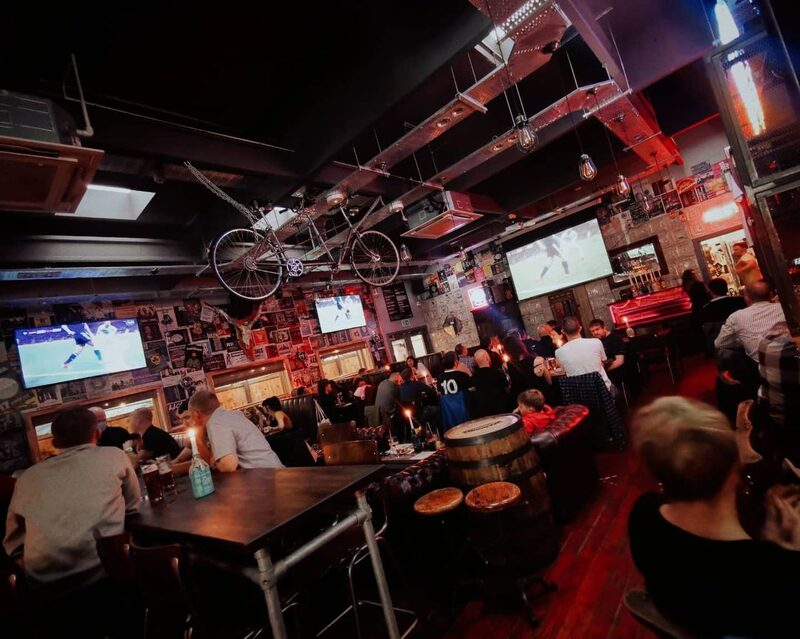 GlasgowSaint Luke's & The Winged OxA restaurant
 GlasgowMonoA restaurant
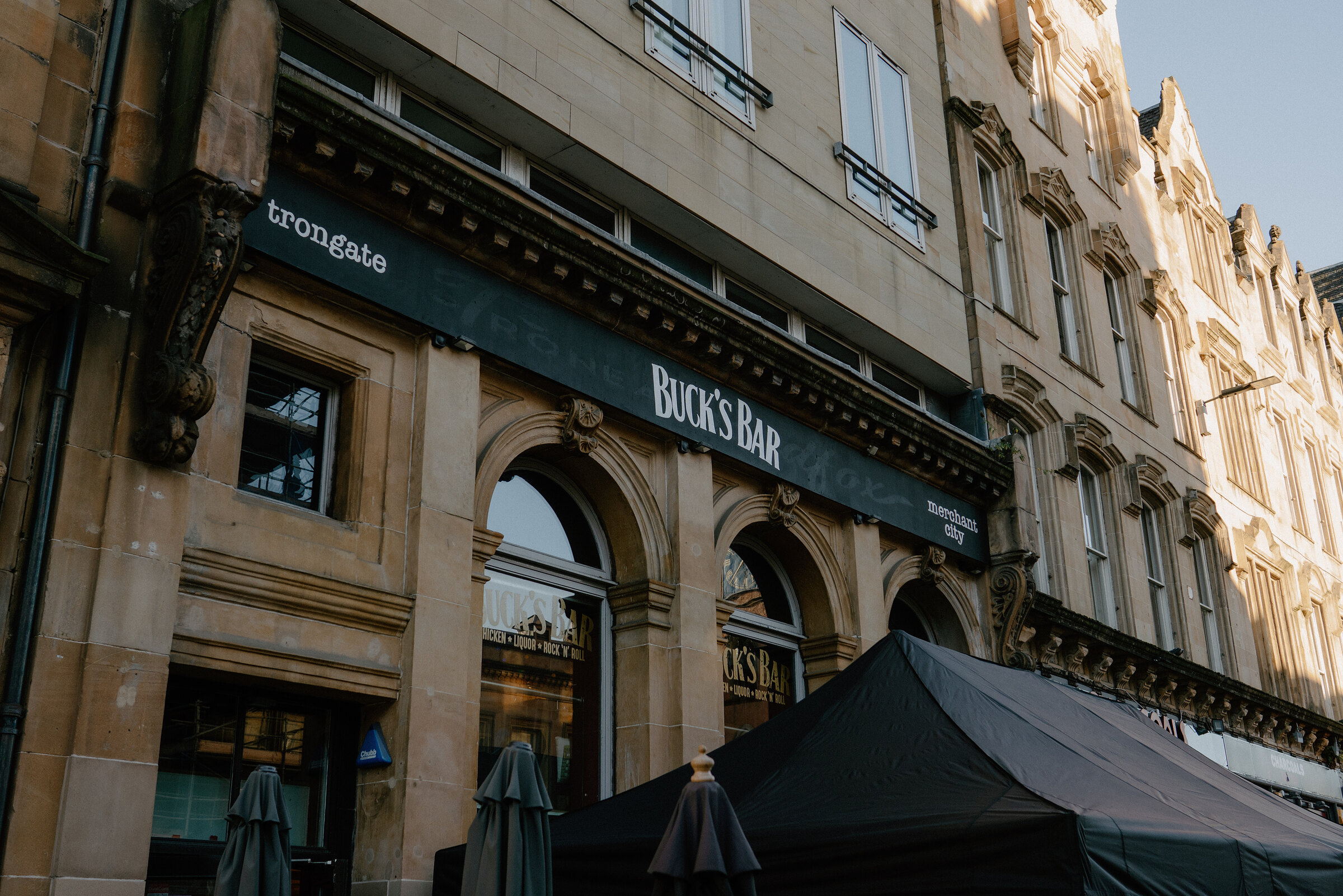 GlasgowBuck's Bar TrongateA restaurant
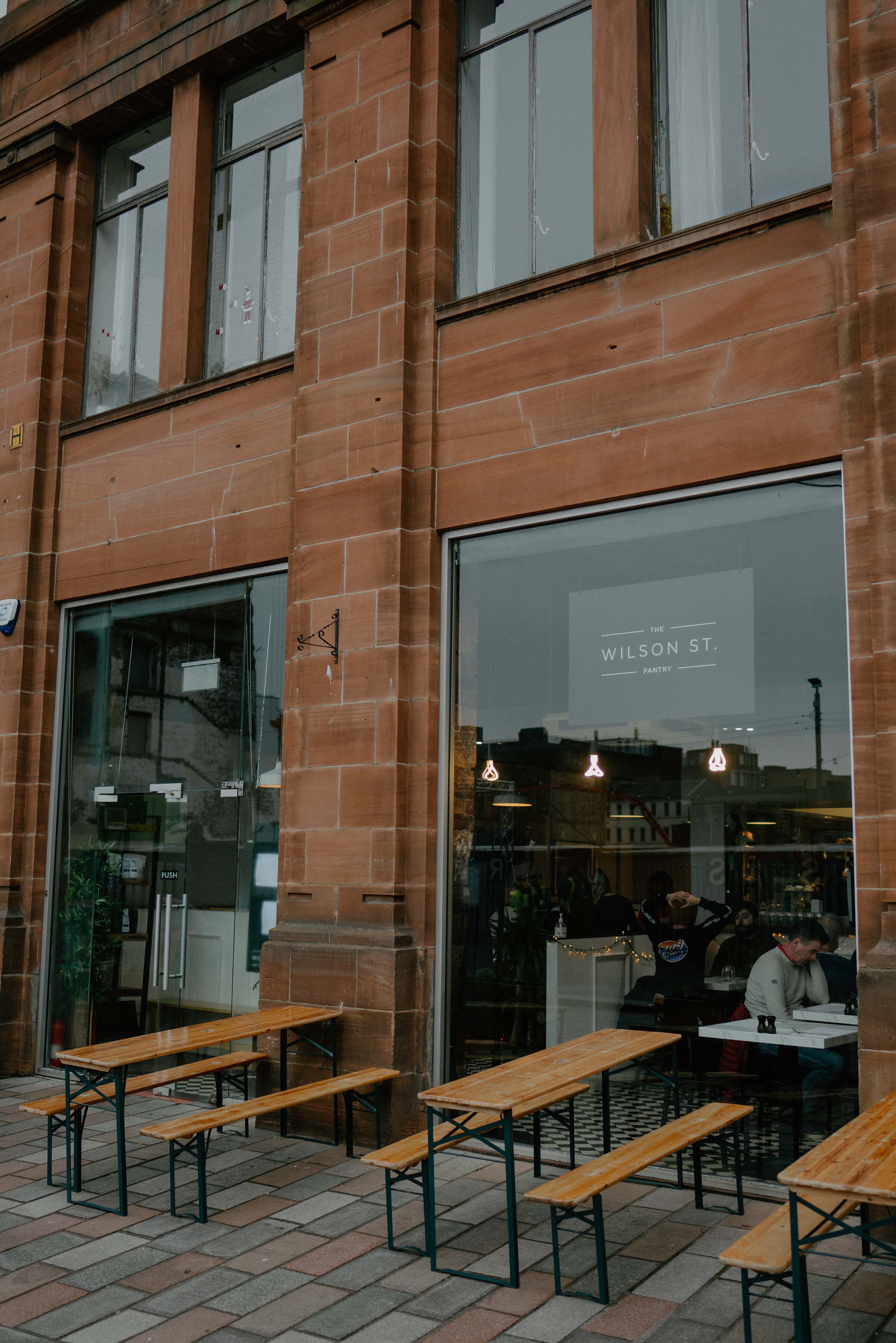 GlasgowThe Wilson Street PantryCafé and deli, since 2014
 GlasgowDakhinGluten-free South Indian
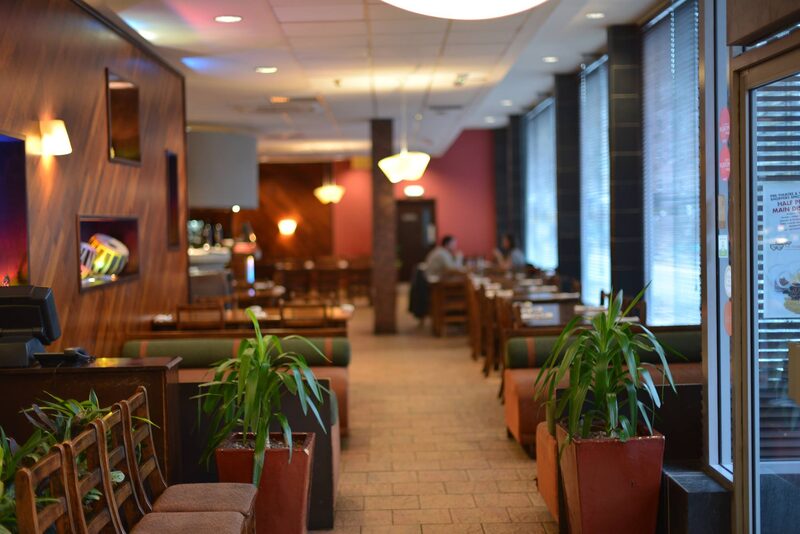 GlasgowThe DhabbaNorth Indian, since 2002
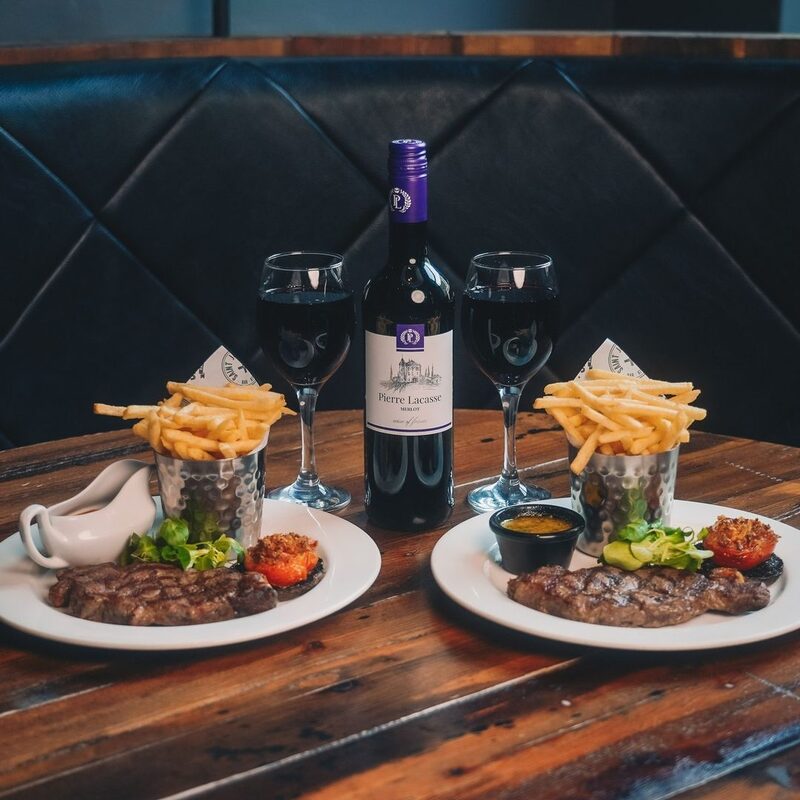 GlasgowSaint JudesA restaurant
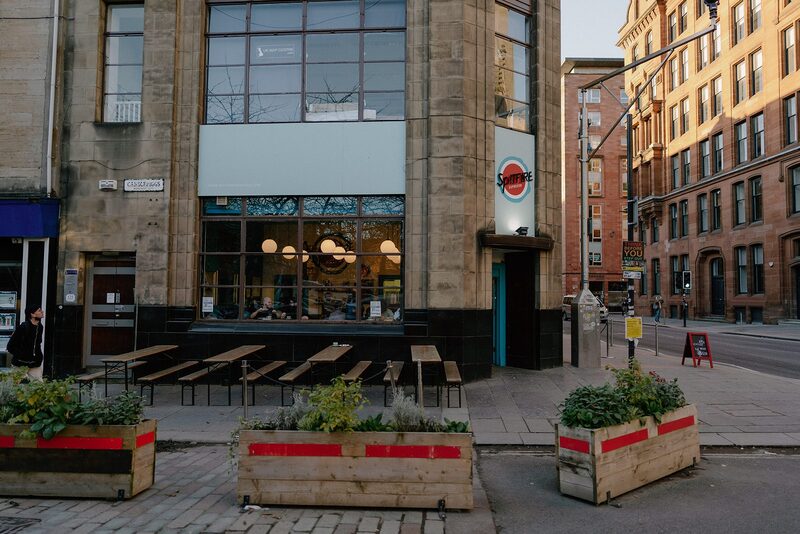 GlasgowSpitfire EspressoEspresso bar, 55 High Street
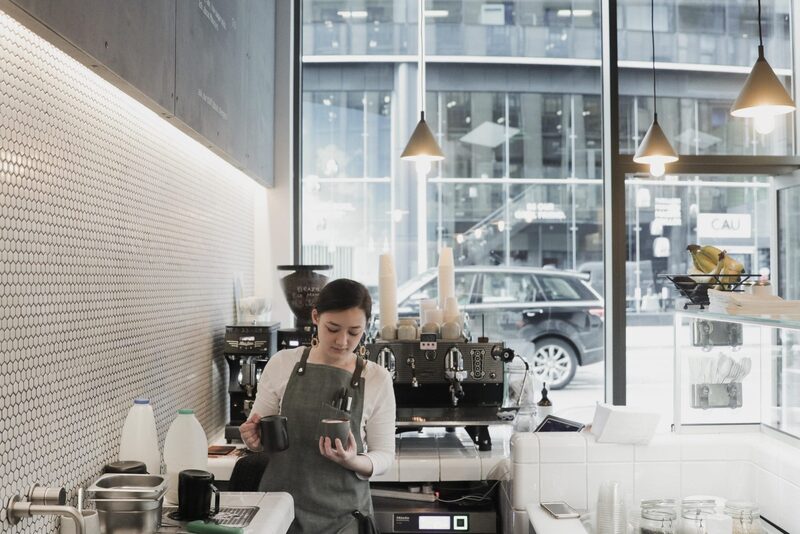 GlasgowSpriggHealthy bowls to go
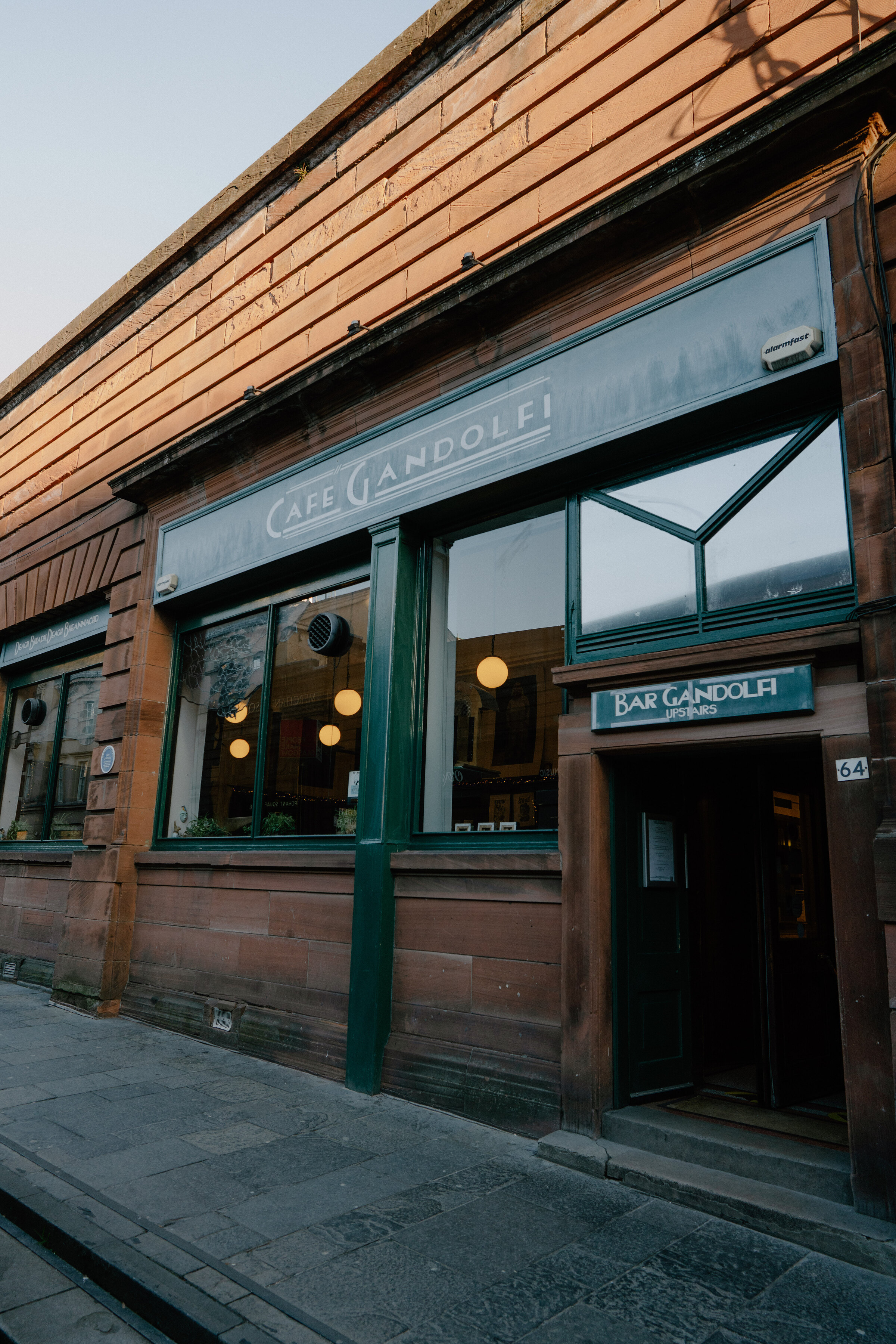 GlasgowCafe GandolfiGlasgow favourite since 1979
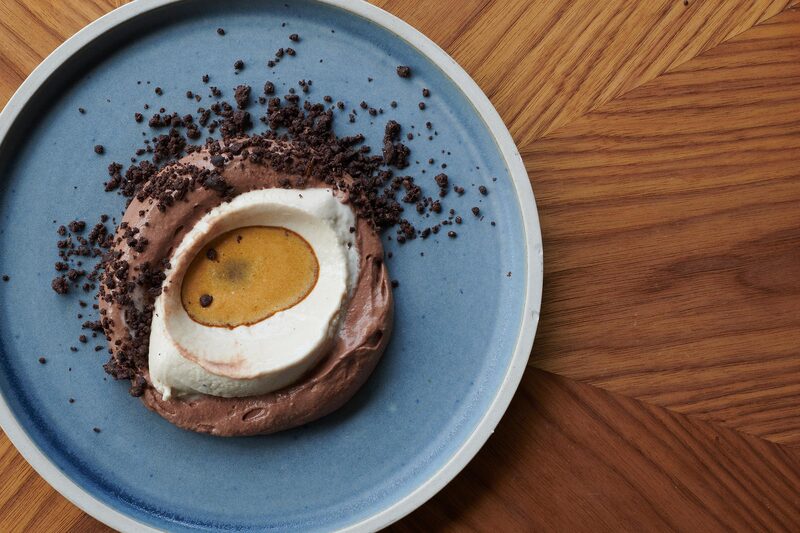 GlasgowCelentano'sSeasonal Italian by the cathedral
Day two
Kelvingrove
West today by the Subway, for the glasshouses of the Botanic Gardens, the university and Kelvingrove, then down to the Clyde and over the new bridge to Govan. Nearly all of it is free, and the day is timed for the organ at Kelvingrove at one o'clock.
10 min on foot
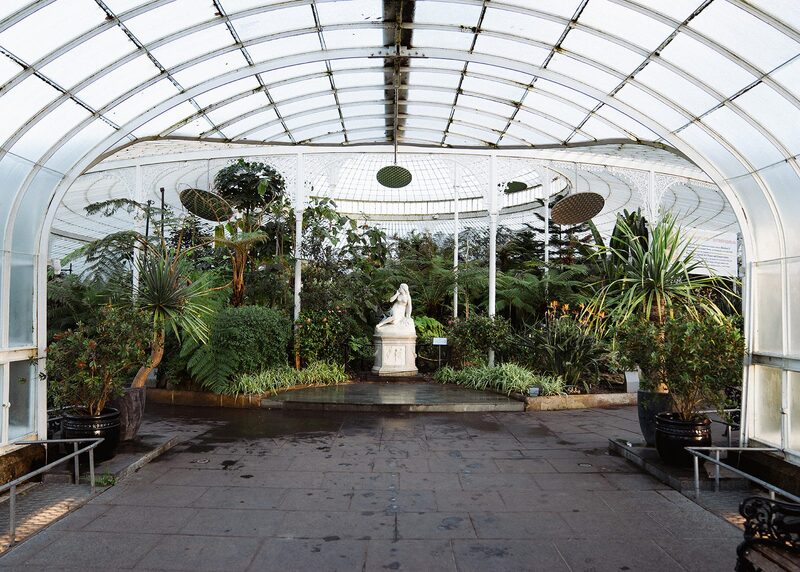
Glasgow Botanic Gardens
An attraction
Take the Subway to Hillhead, and it's a 10-minute walk up Byres Road and into the Botanic Gardens, which are free. The star is the Kibble Palace, a great domed glasshouse that first stood at John Kibble's home on Loch Long and was brought up the Clyde by barge, to be put up here in 1873. Inside, tree ferns grow under the iron and glass, some of them for more than a century. The glasshouses open at 10am, the gardens much earlier.
16 min on foot
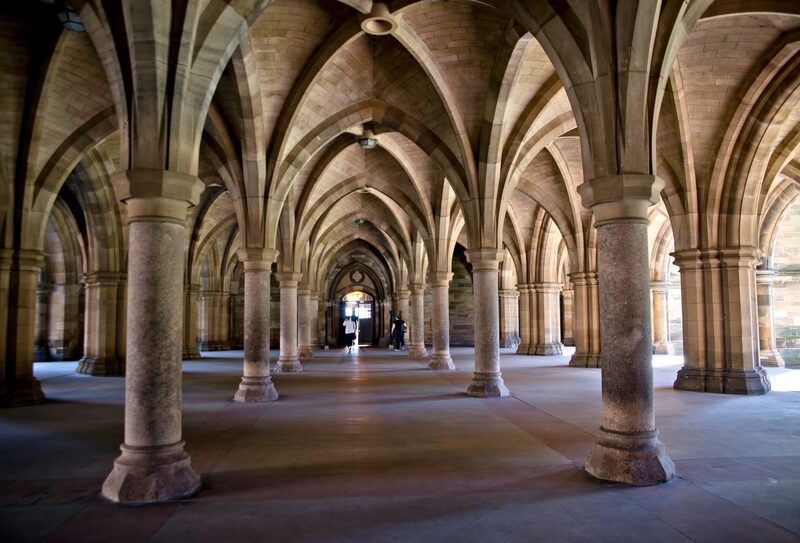
University of Glasgow
An attraction
A 16-minute walk brings you to the University of Glasgow, founded in 1451 and moved to this hill in 1870, into the Gothic buildings George Gilbert Scott designed for it. Walk through the cloisters under the building that join its two quadrangles, then go into the Hunterian Museum, Scotland's oldest public museum, with collections running from meteorites to mummies. It's free and open Tuesday to Sunday, 10am to 5pm.
10 min on foot
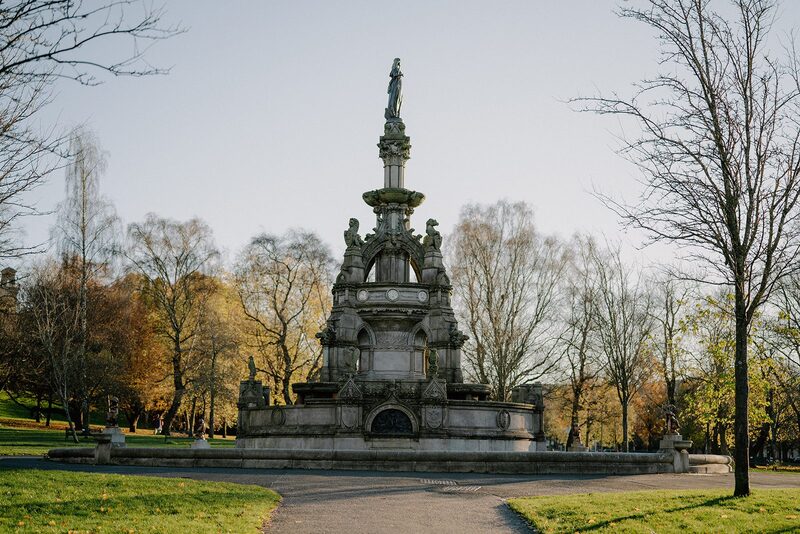
Kelvingrove Park
An attraction
It's a 10-minute walk down the hill into Kelvingrove Park, laid out in 1852 with help from Joseph Paxton, with the River Kelvin winding through it. Find the Stewart Memorial Fountain, built in 1872 to mark the arrival of clean water in the city from Loch Katrine, and look back up at the university tower on the skyline. You can see the bandstand, restored in 2014, just along the river, and the paths lead on through the trees to the museum.
9 min on foot
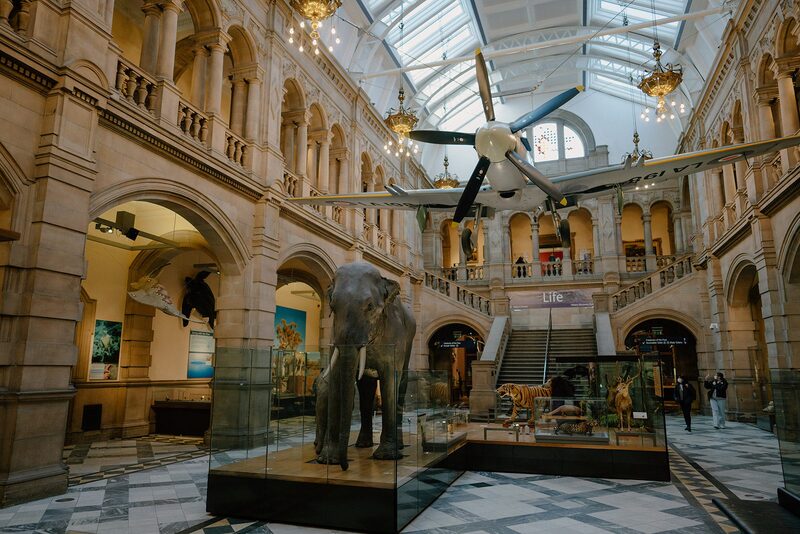
Kelvingrove Art Gallery and Museum
An attraction
Kelvingrove Art Gallery and Museum is a 9-minute walk through the park, and it's free. Try to be in the great centre hall at one o'clock, when the 1901 Lewis organ gives a half-hour recital; on Sundays it plays at three, for 45 minutes. Then find Salvador Dalí's Christ of St John of the Cross in its new display on the ground floor. There's a café for lunch, and the doors open at 10am, or 11am on Fridays and Sundays.
25 min on foot
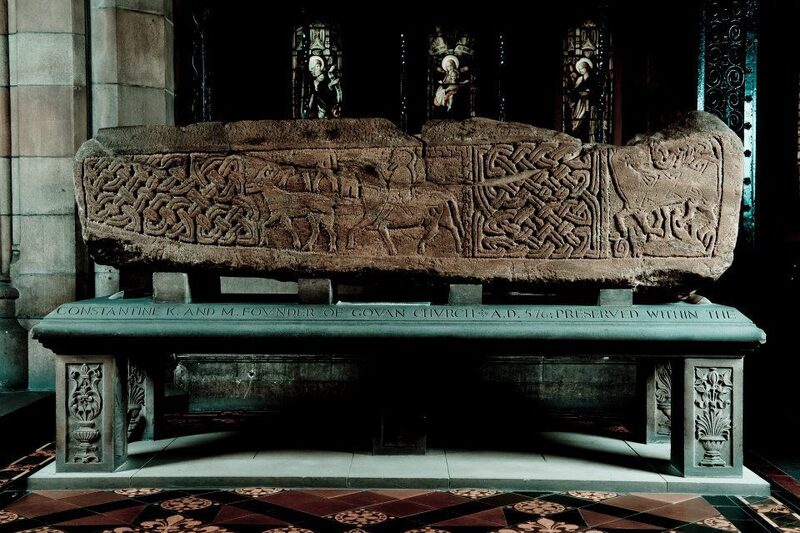
The Govan Stones
An attraction
It's a 25-minute walk past the Riverside Museum and over the new Govan-Partick Bridge to Govan Old Parish Church, home of the Govan Stones. These 31 carved stones date from the 9th to the 11th centuries, when Govan was a great church of the kingdom of Strathclyde. Five huge hogbacks, shaped like Viking longhouses, lie beside the Govan Sarcophagus, carved with a stag hunt. They're free and open daily from April to October, 11am to 4pm.
8 min on foot
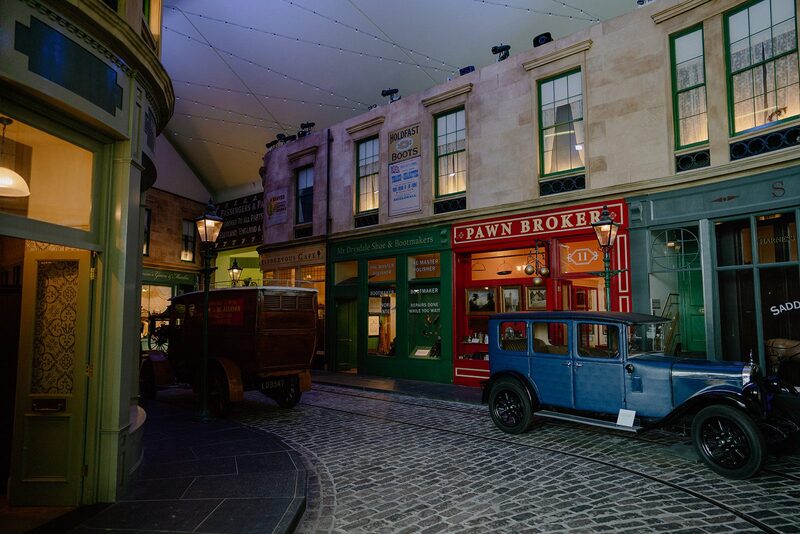
Riverside Museum
An attraction
Back over the bridge, 8 minutes' walk, is the Riverside Museum, Zaha Hadid's building on the Clyde, named European Museum of the Year in 2013. It's free and full of trams, trains and cars, with a cobbled old Glasgow street of shops and an old subway station to wander through. It's open until 5pm. The Tall Ship Glenlee is moored outside. She was built in 1896, and it's £5.50 for adults to go aboard.
If it rains
Most of today is indoors. Stay longer in the Kibble Palace and the Hunterian, go straight through to Kelvingrove Art Gallery and Museum rather than walking the park, and spend the afternoon at the Riverside Museum rather than crossing the river to Govan. The Tall Ship Glenlee, moored beside the Riverside, has its hold and the crew's bunks below decks to explore, for £5.50.
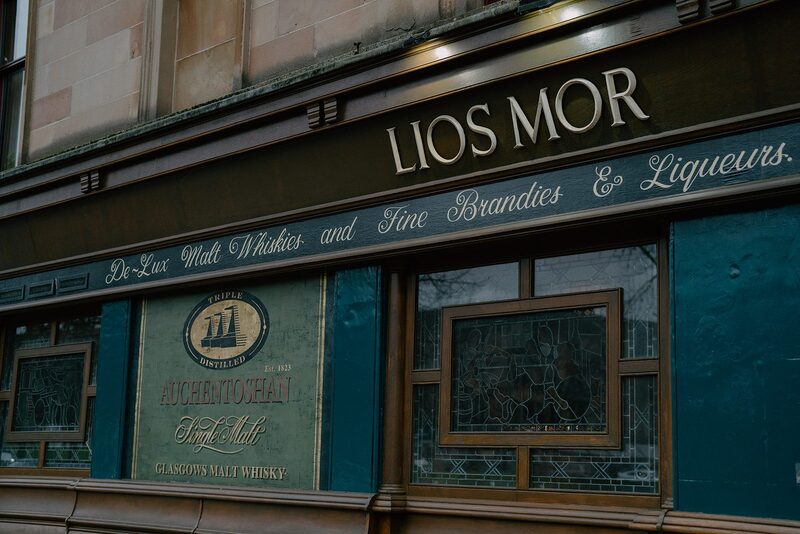 GlasgowThe LismoreHighland pub, whisky and folk
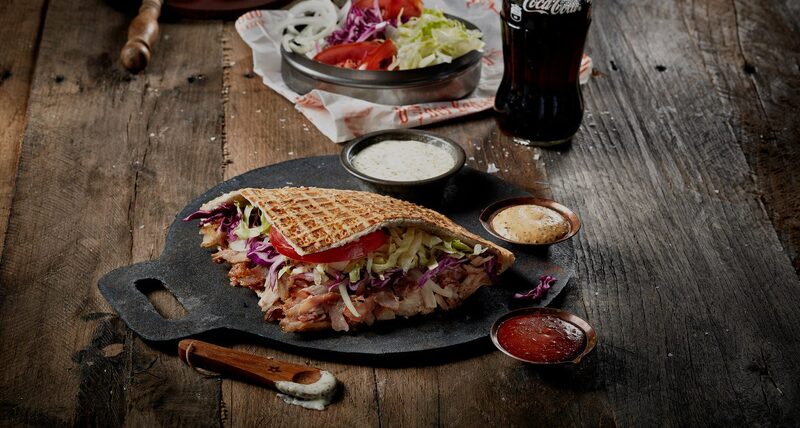 GlasgowGerman Doner KebabA restaurant
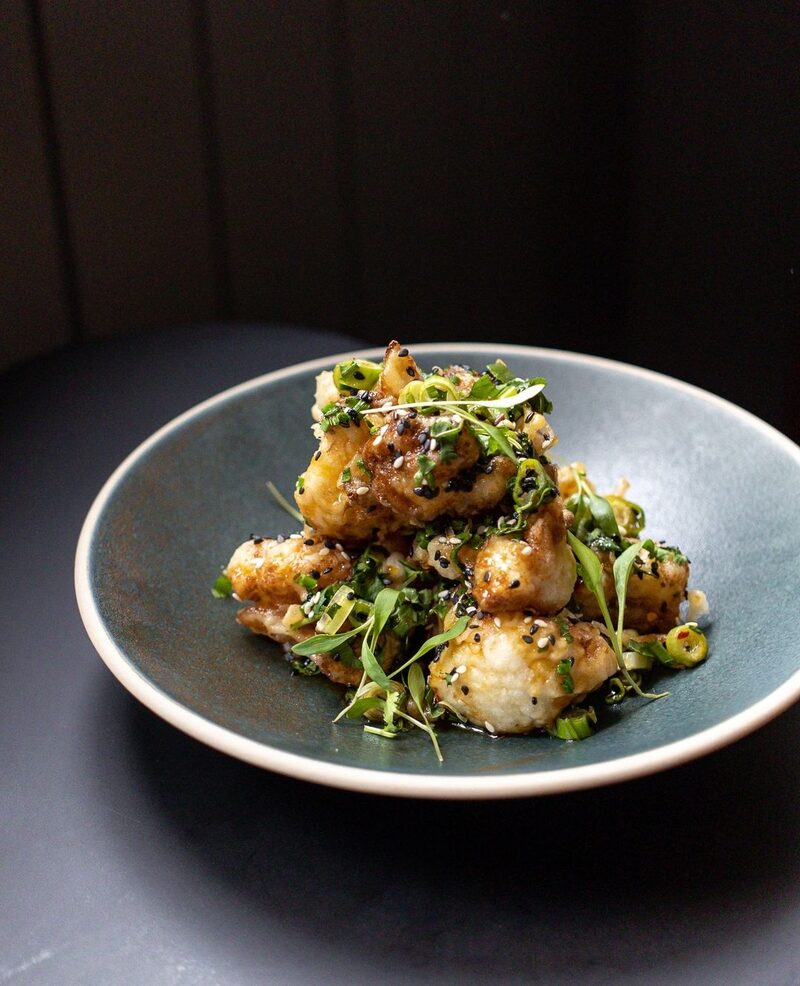 GlasgowPartick Duck ClubA restaurant
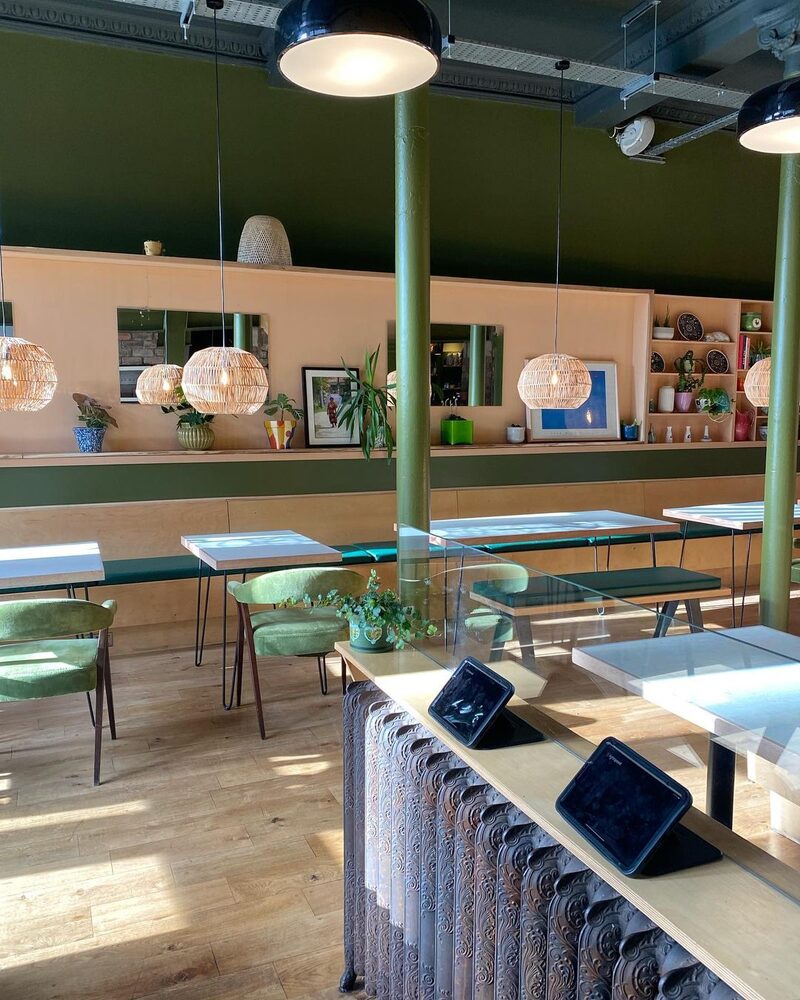 GlasgowGaGaA restaurant
 GlasgowMother India's CafeA restaurant
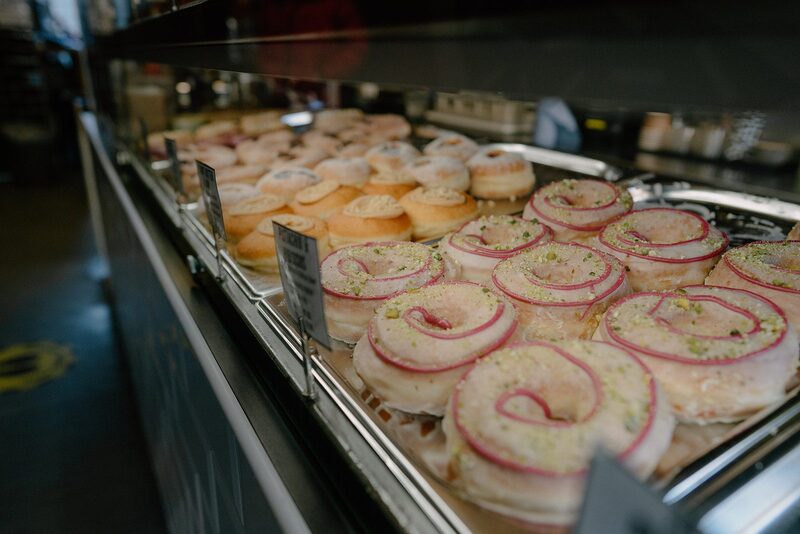 GlasgowTantrum DoughnutsA café
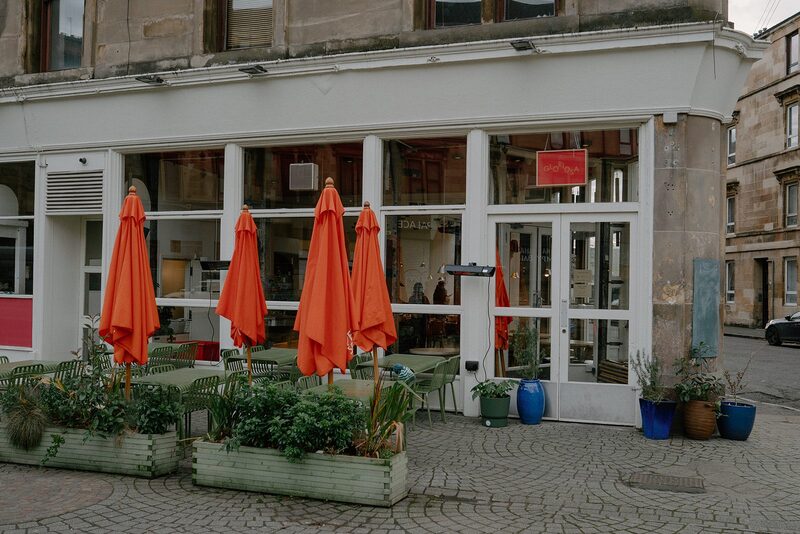 GlasgowGloriosaA restaurant
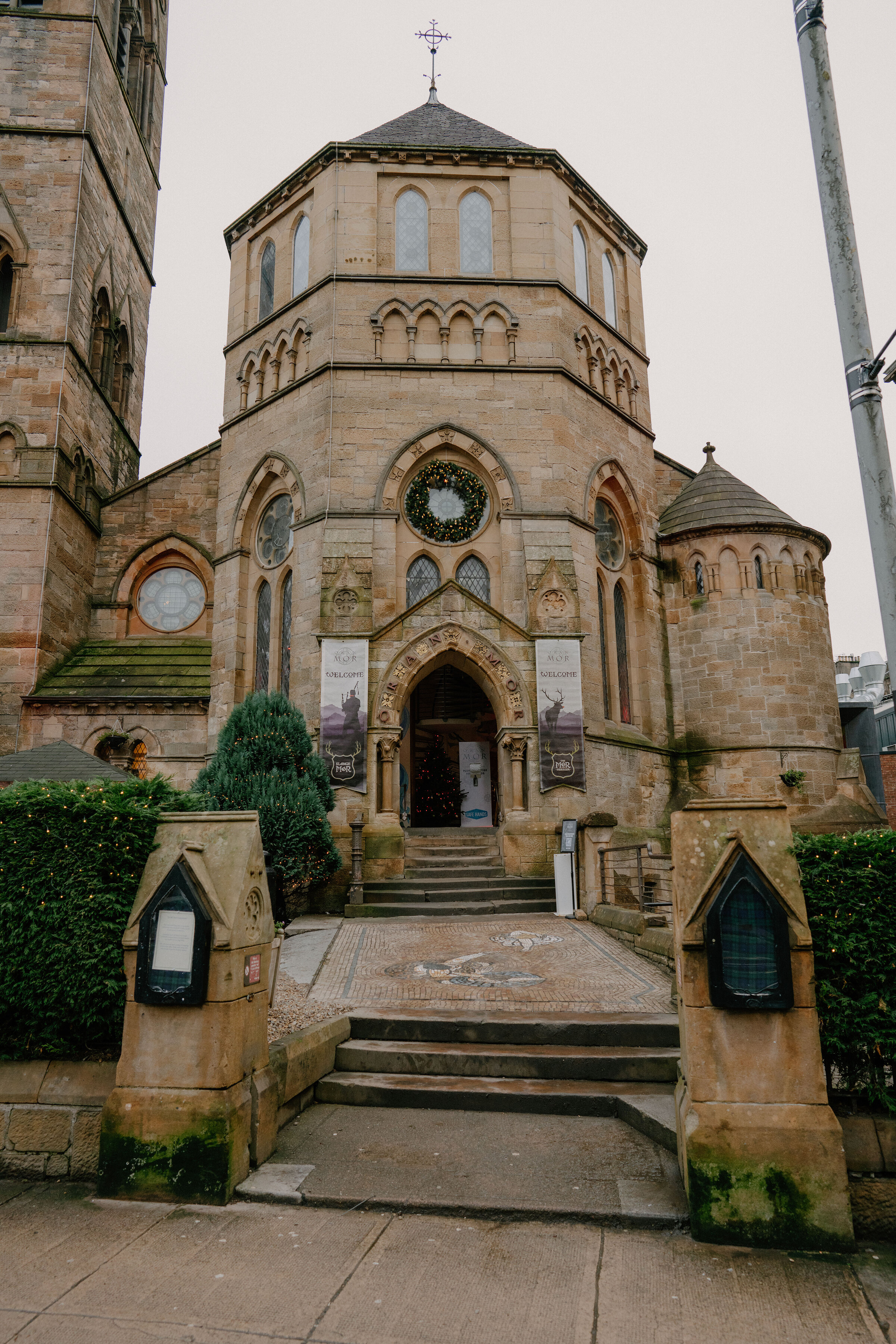 GlasgowÒran MórA restaurant
 GlasgowNic's NYC DeliA café
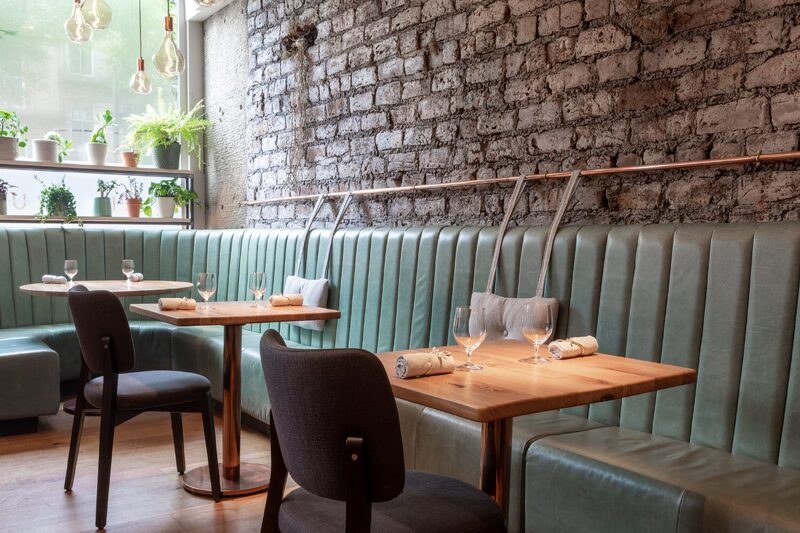 GlasgowCail BruichA restaurant
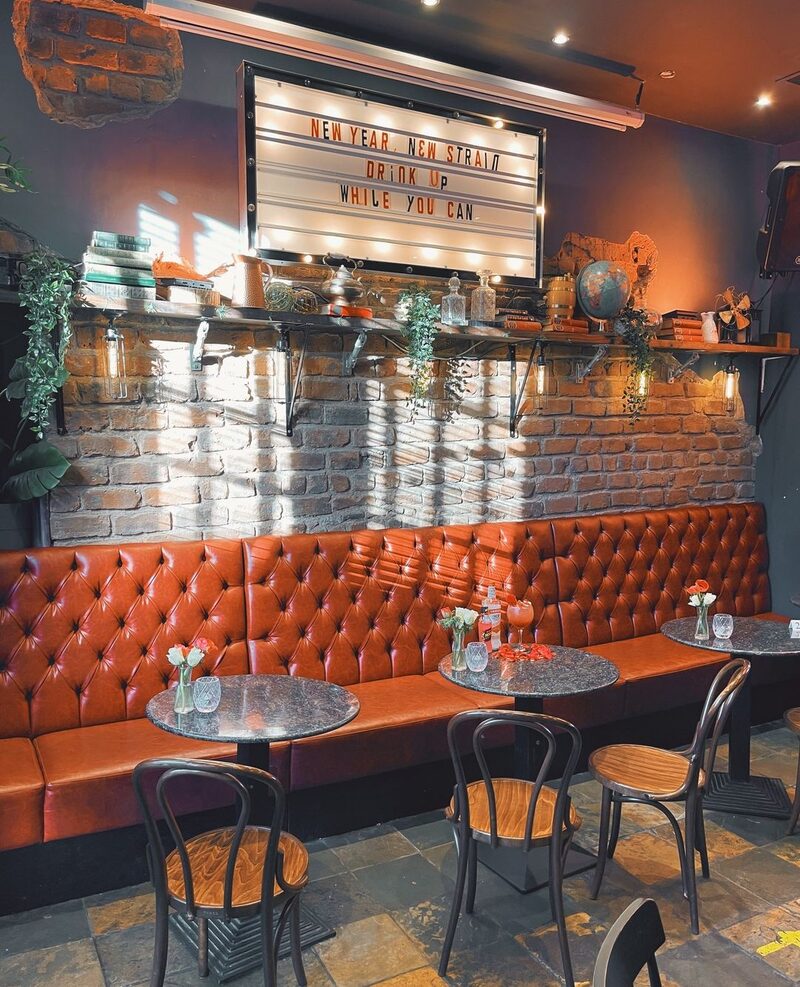 GlasgowThe ParlourA restaurant
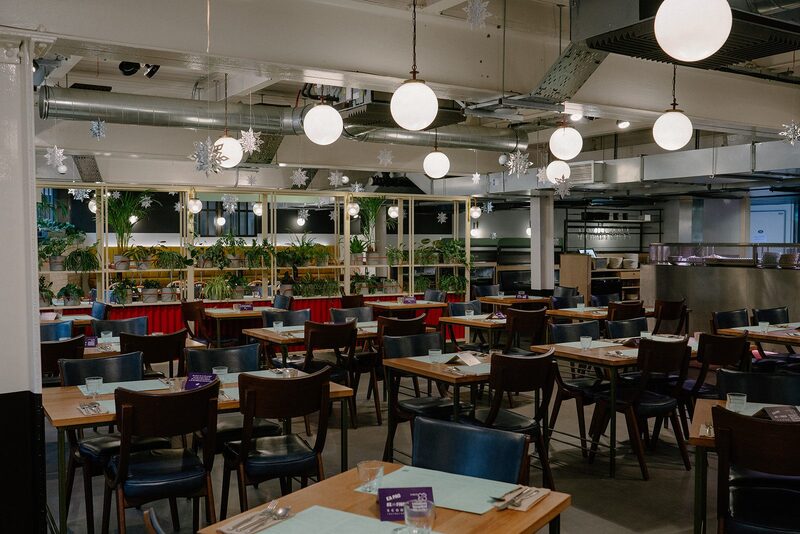 GlasgowKa PaoA restaurant
Day three
Luss
Out to Loch Lomond by train, for the woods and lawns of Balloch's country park and the birds of prey at the foot of the loch. Then a boat takes you up the water past the islands to Luss, a village of old stone cottages, for lunch and the beach. Leave Glasgow at about twenty to nine.
20 min on foot
Balloch Castle Country Park
An attraction
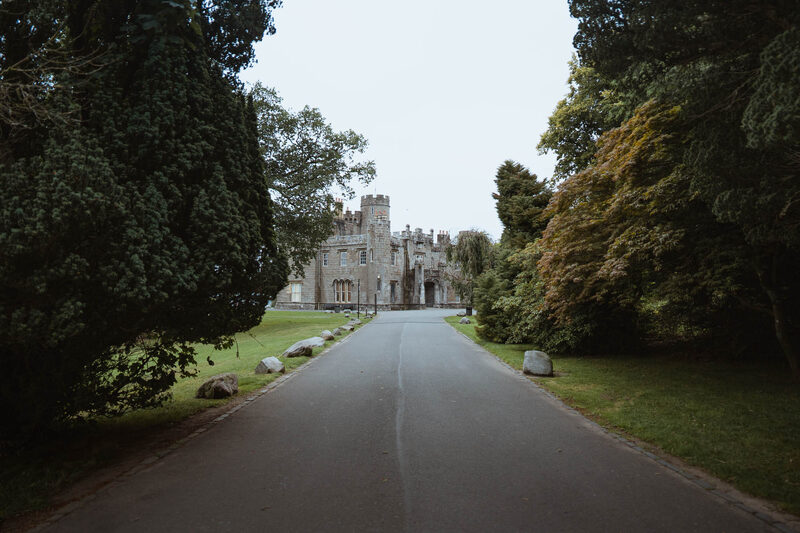
From Balloch station, it's a 20-minute walk to Balloch Castle Country Park, 200 acres of woods, gardens and lawns running down to the shore. The castle was built in 1808 and 1809 for John Buchanan, a Glasgow merchant, and you can only see it from outside, but the view from the lawn in front, up Loch Lomond to the hills, is the reason to come. Find the Fairy Glen and the walled garden, which is open from 10am to 3pm.
35 min on foot
Loch Lomond Bird of Prey Centre
An attraction
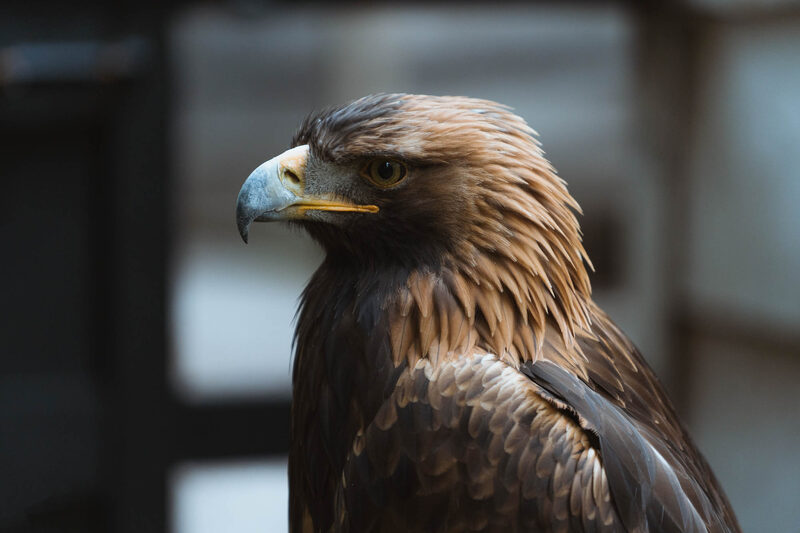
Allow 35 minutes to walk back through Balloch to Loch Lomond Shores and the Bird of Prey Centre, where owls, hawks and falcons are kept and flown. It opens at 10am every day from the second week of February to the end of October, until 5pm in summer, and there's no need to book. Dogs aren't allowed. While you're here, look along the shore for the Maid of the Loch, the old paddle steamer being restored on its slipway.
16 min on foot
The boat from Balloch to Luss
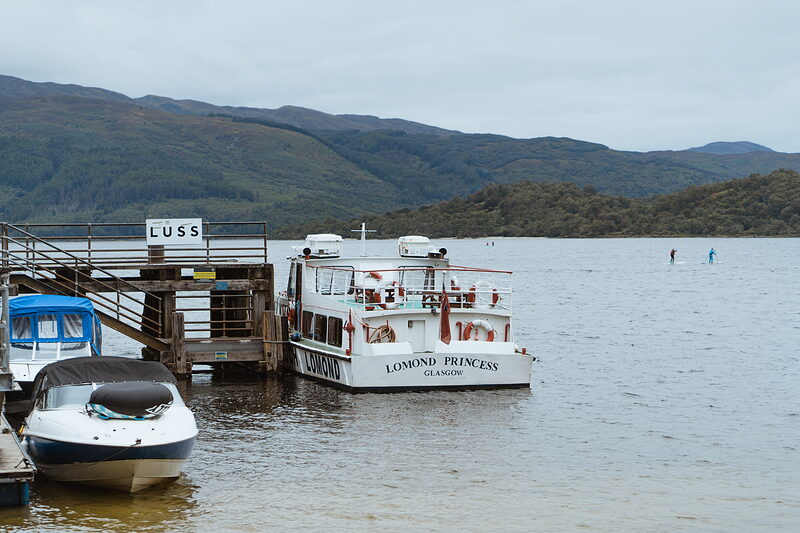
It's a 16-minute walk to Sweeney's pier on the River Leven for the 12.30 boat to Luss. It sails only in summer, so book ahead online, where you'll see the sailings for your day. The trip takes about an hour, out of the river and up the loch past the islands. An adult return is about £30, and children under five go free. The boat back leaves Luss at 4pm, which gives you two and a half hours in the village.
5 min on foot
Luss
An attraction
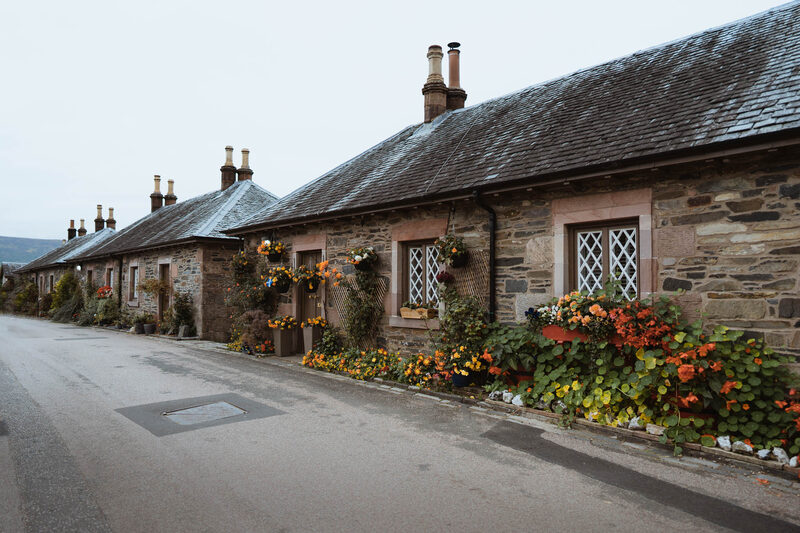
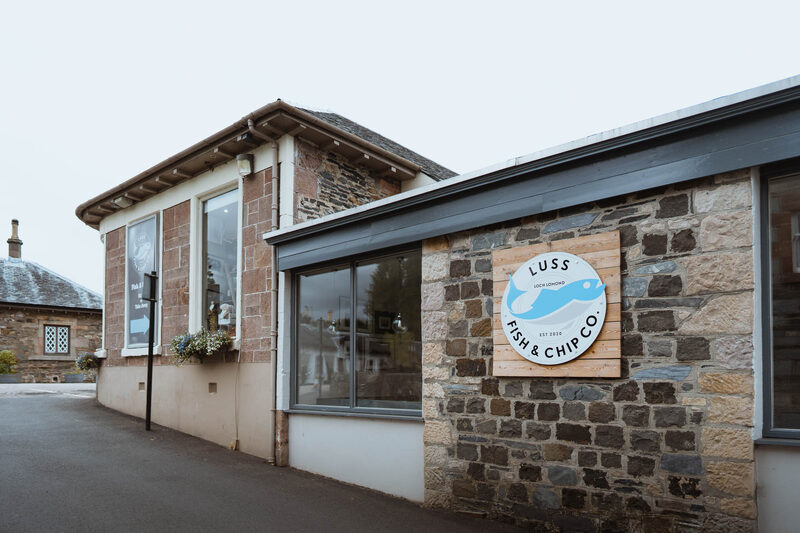
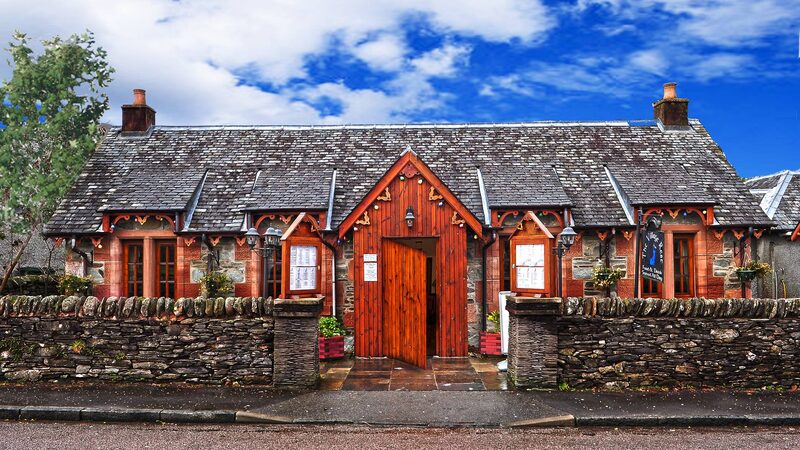
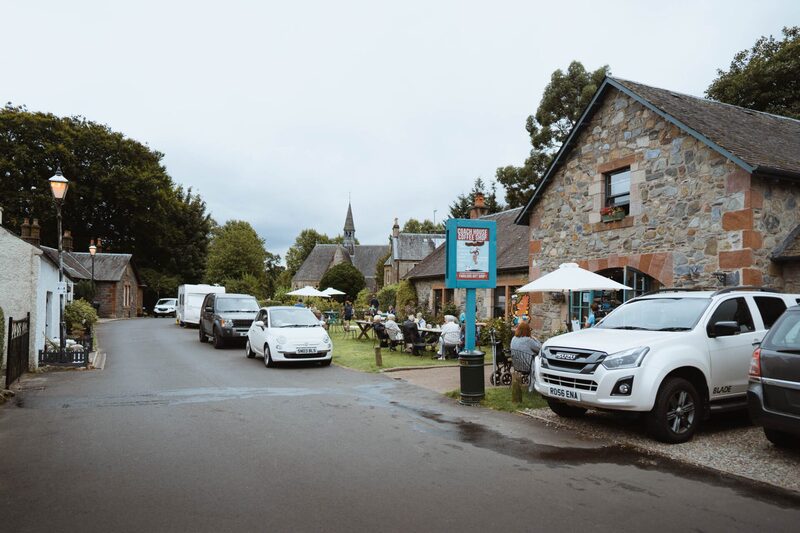
From the pier, it's a 5-minute walk into Luss, a conservation village of old stone cottages on the west shore of the loch and the ancestral home of the Clan Colquhoun. It was the main filming location for the television series Take the High Road from 1980 to 2003, and visitors still come from all over to see it. Have lunch at one of the cafés, then sit on the sandy beach by the pier, looking across the water to Ben Lomond.
About 5 min on foot
Luss Parish Church
An attraction
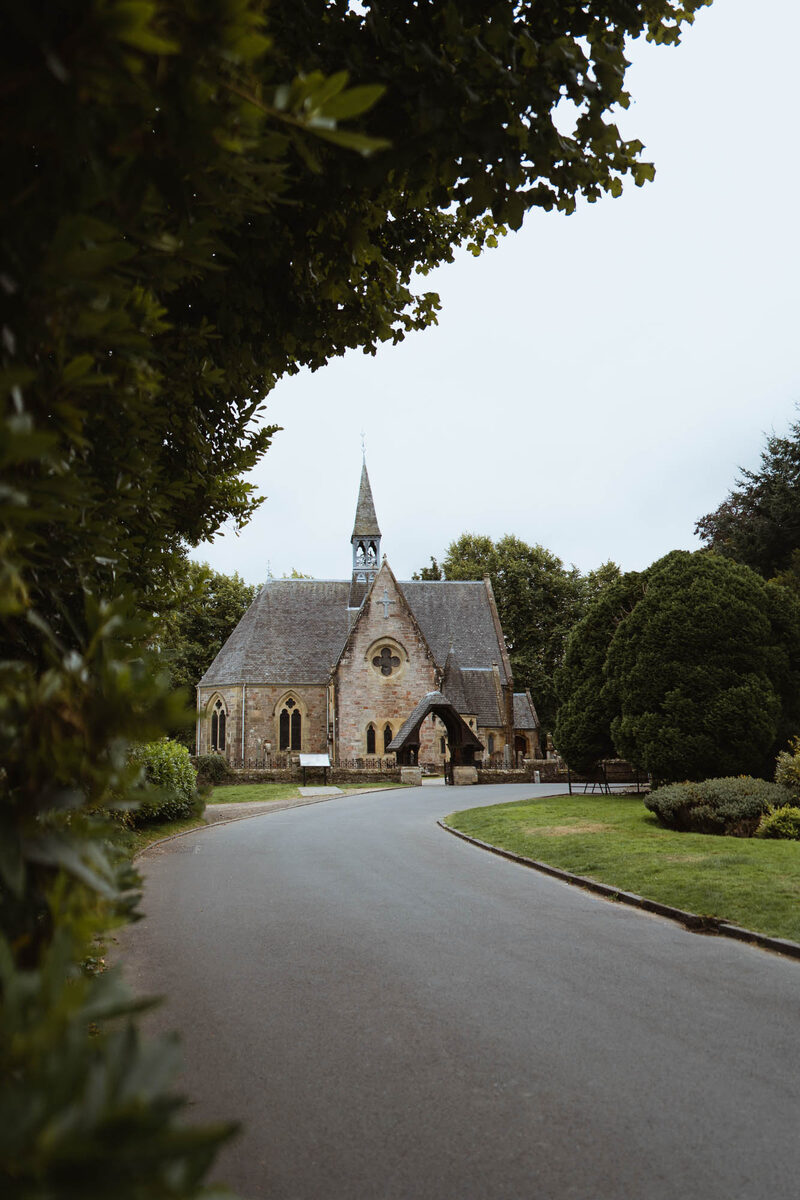
Five minutes' walk away is the churchyard of Luss Parish Church, built in 1875 by a baronet in memory of his father, who had drowned. The church opens only by arrangement, but the churchyard is always open. St Kessog is said to have brought Christianity here in the early 500s. Among the graves, look for the hogback stone, a grave marker shaped like a small Viking longhouse, probably from the 11th century. Then it's back to the pier for the 4pm boat to Balloch, and the train home.
If it rains
The country park and the Bird of Prey Centre are both outdoors. If it's pouring, go instead to SEA LIFE Loch Lomond at Loch Lomond Shores, next door to the birds, where the otters and sharks are indoors; it opens at 10am, and tickets are booked online by time slot. If the loch is lost in cloud, you can still take the boat to Luss and have lunch in the village.
Photographs by The Mackintosh Tearooms and Andrew Brown via Google; rachthomson_, hawkayescotland, VisitScotland / Kenny Lam and TheGovanStonesProject