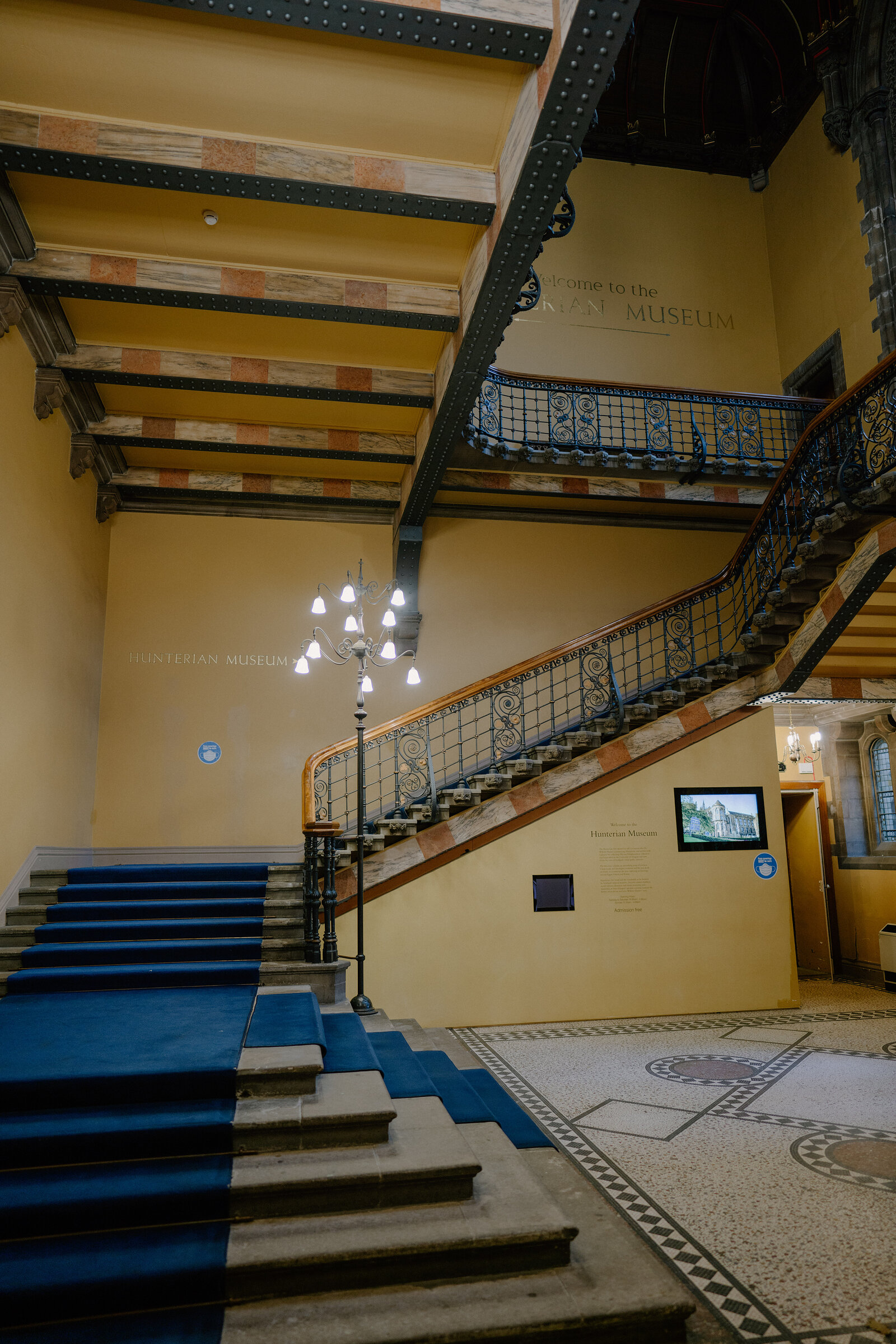
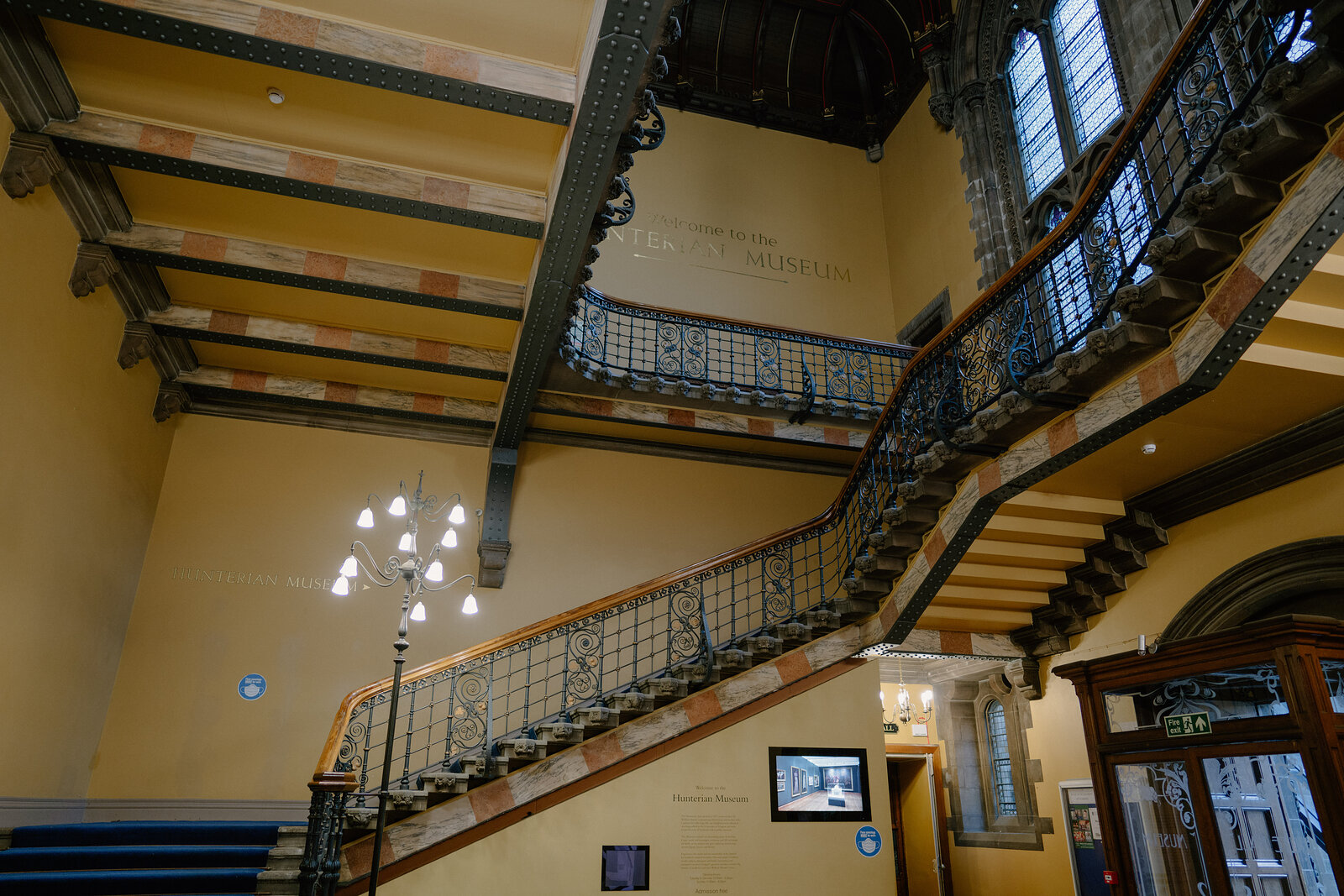
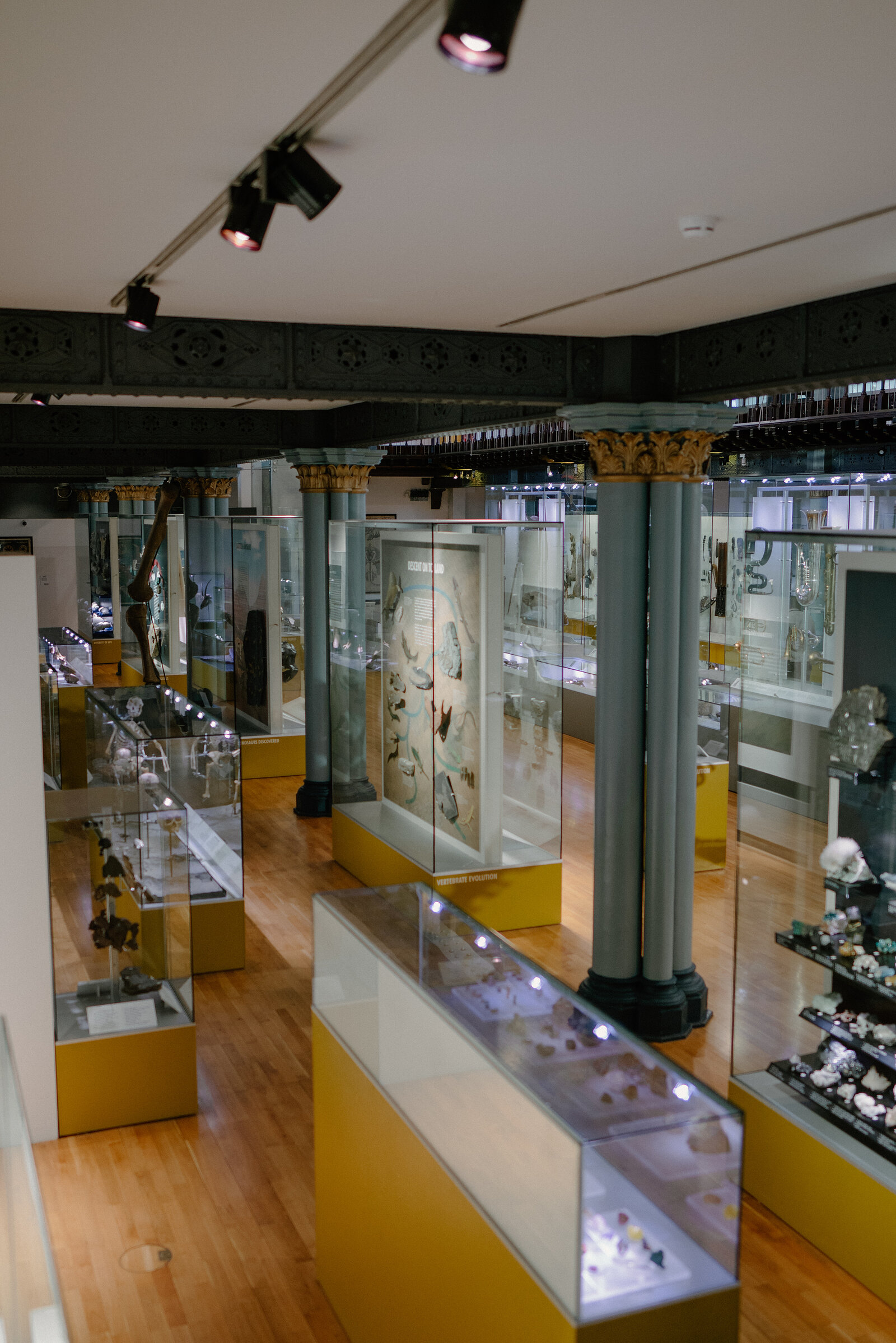
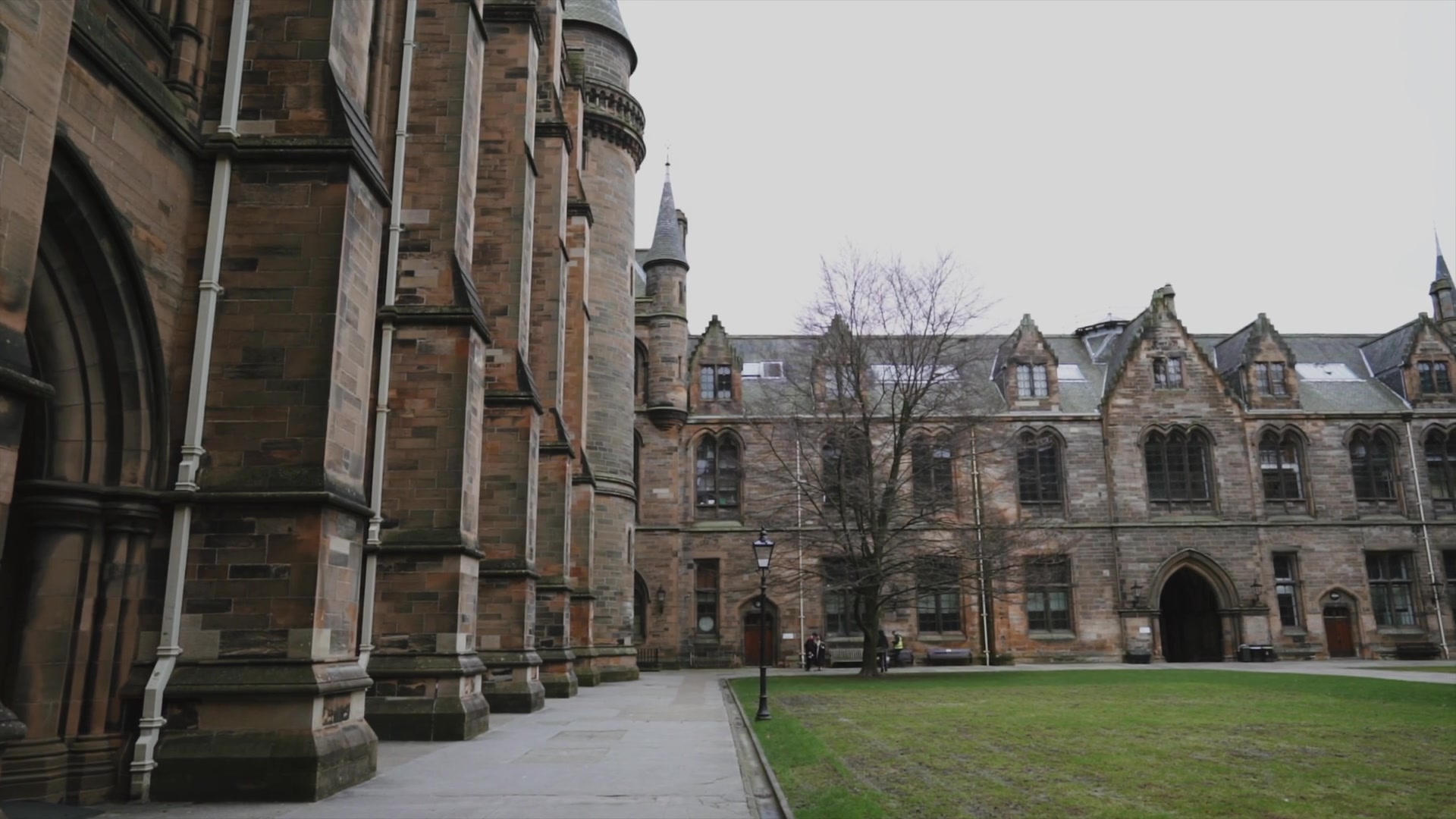
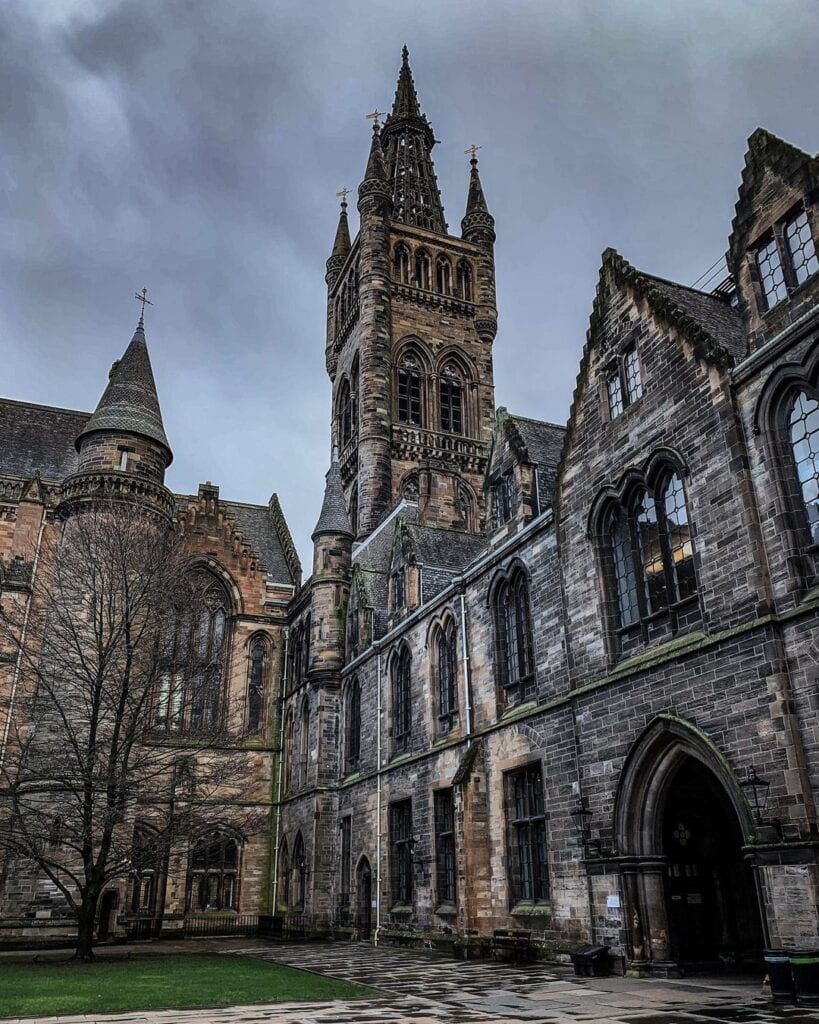
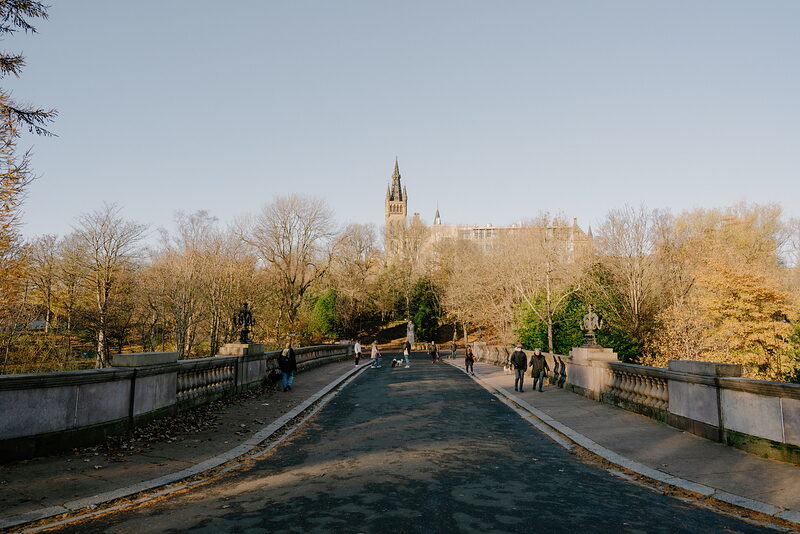
It opened in 1807, built on the bequest of Dr William Hunter, a Glasgow student who became a leading anatomist and physician to Queen Charlotte in London, and it came up the hill to George Gilbert Scott's new university building in 1870.
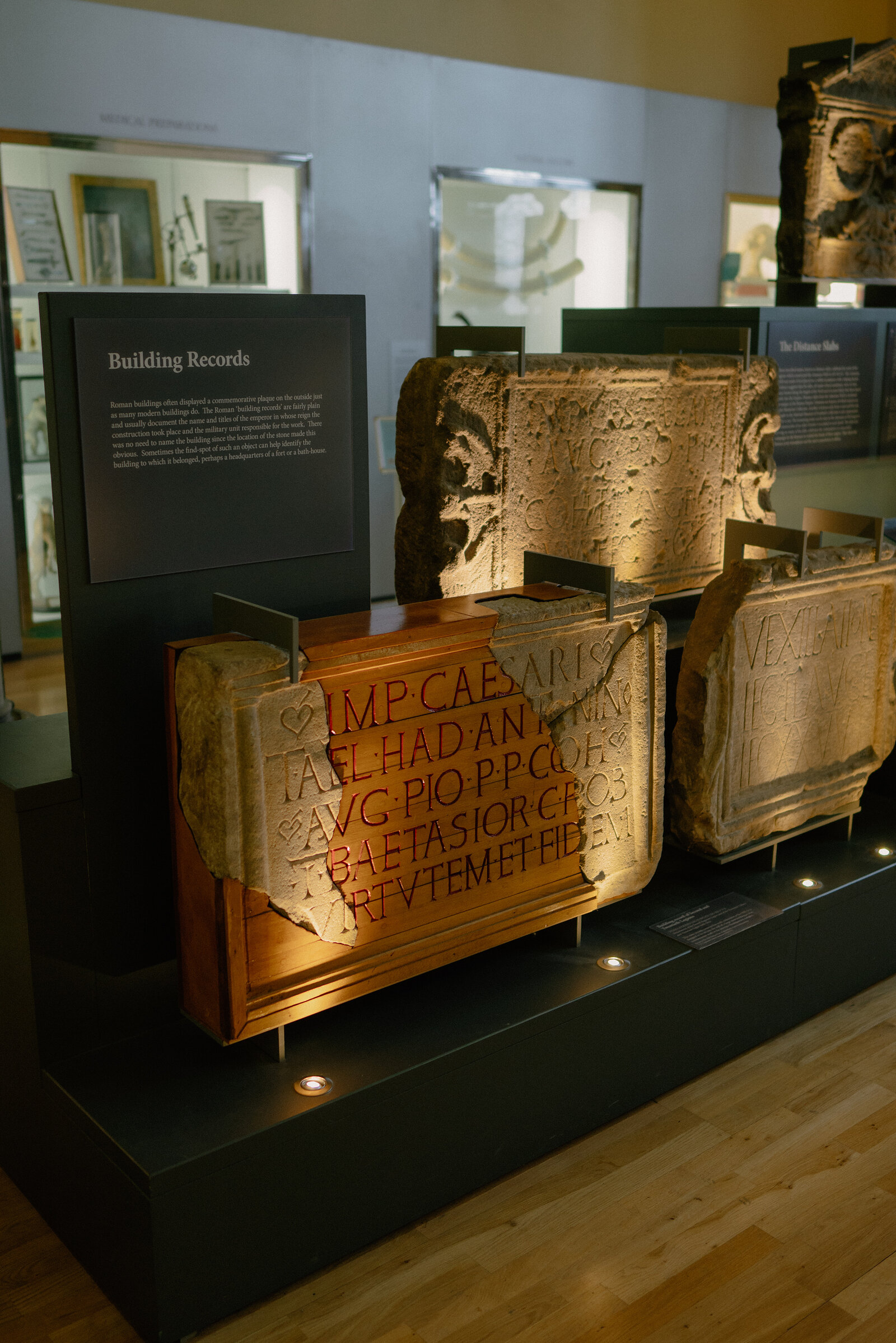
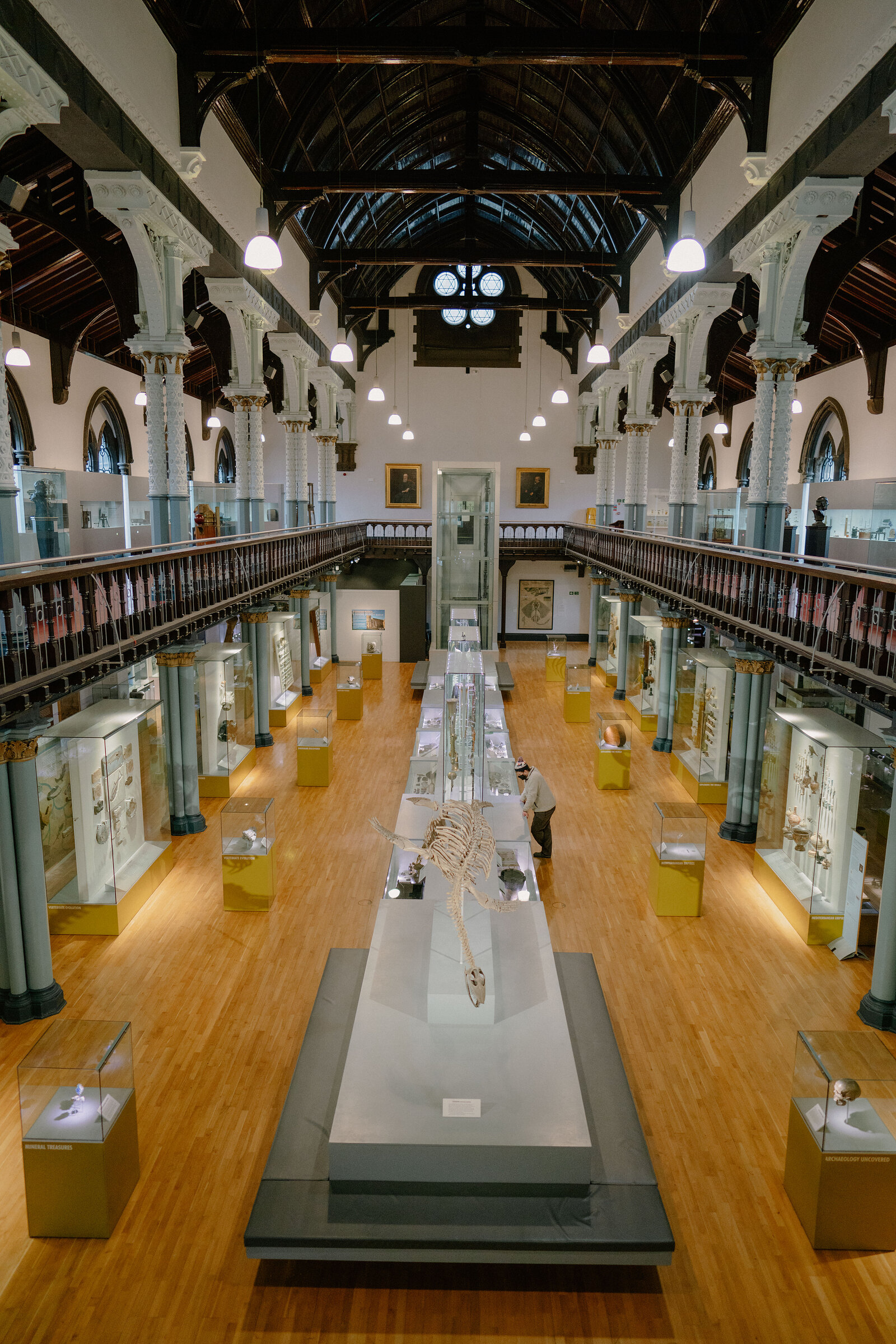
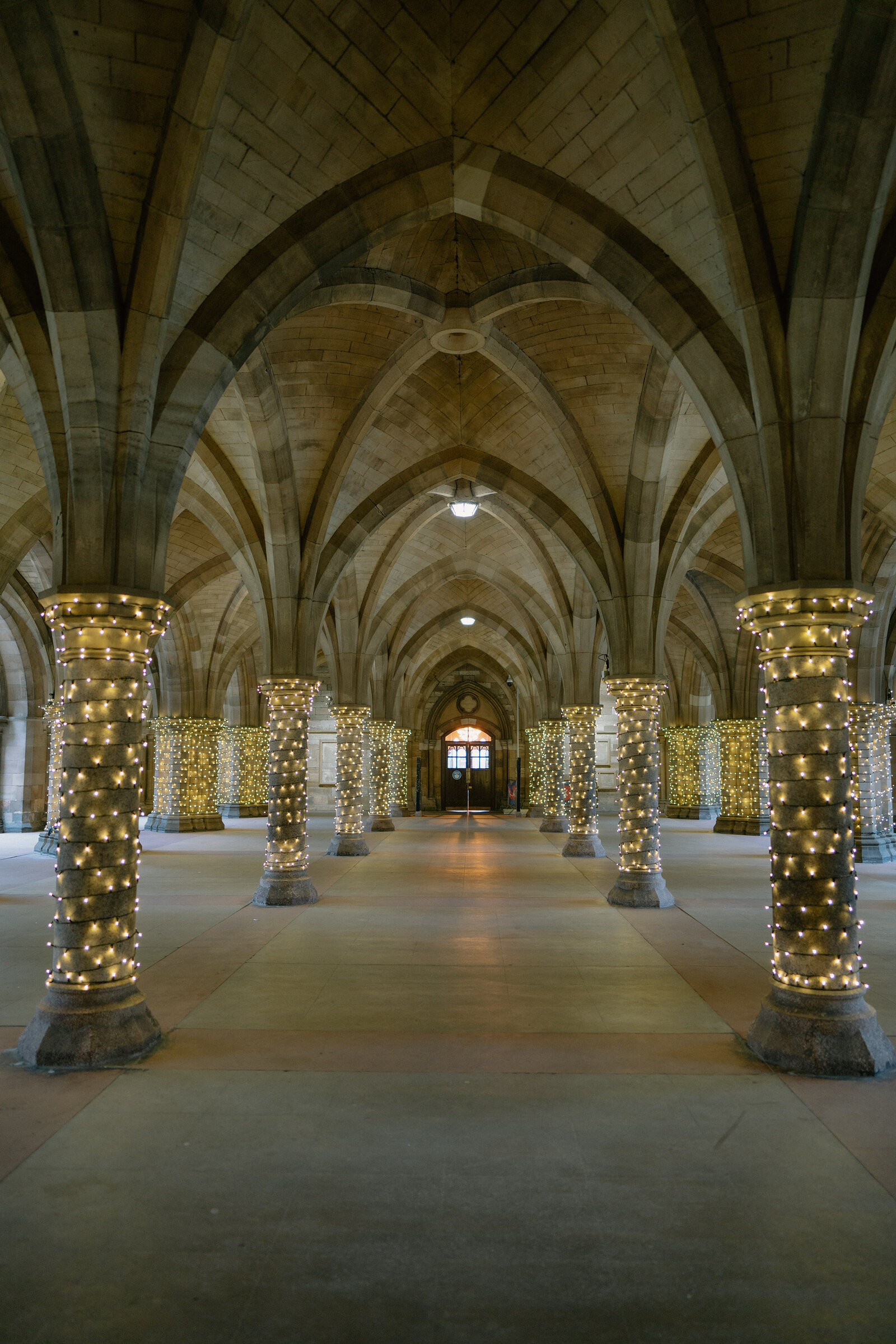
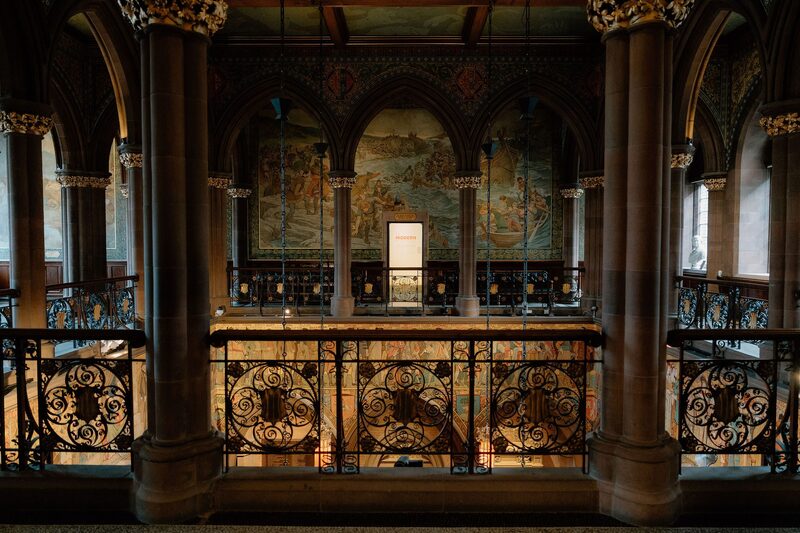
The main hall is a long gallery under a timber roof, with iron balconies on either side and a skeleton at its heart. The Hunterian now holds well over a million things, from meteorites to mummies. Look for the Bearsden Shark, a coin of Cleopatra, a Chinese map of the world, fossils and dinosaurs, Lord Kelvin's scientific instruments, and the carved stones of the Antonine Wall, Rome's final frontier, in the gallery under the dome. Entry is free. Leave time for the lamplit cloisters below the museum on the way out.