Glasgow

Glasgow Botanic Gardens

Glasgow's botanic gardens at the top of Byres Road, free every day, with the Kibble Palace of 1873, its tree ferns, and glasshouses of orchids, cacti and palms.

Welcome

At the top of Byres Road, where Great Western Road runs past, Glasgow keeps over 9,000 kinds of plant in more than 20 hectares of grounds that run down to the River Kelvin.

The gardens began in 1817 on eight acres at the west end of Sauchiehall Street, founded on Thomas Hopkirk's own plant collection, and moved here in 1842.

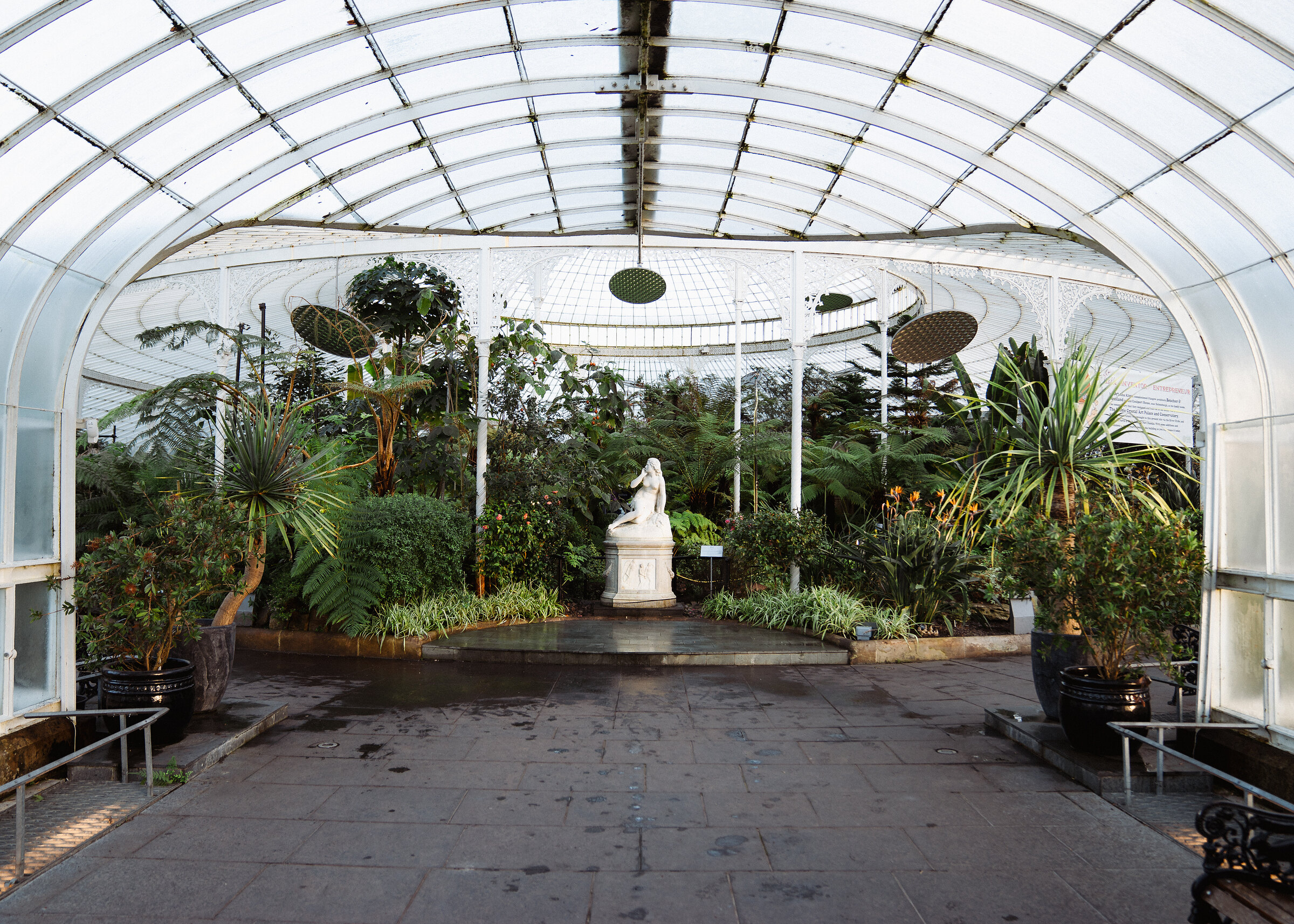
The building everyone comes for is the Kibble Palace, a curving house of iron and glass that John Kibble built as his own conservatory at Coulport on Loch Long and had shipped to Glasgow in 1873. It served first as a concert hall, where Disraeli and Gladstone both spoke, and now shelters a forest of southern tree ferns, a fish pond under the small dome and a set of marble statues. Beyond it, the main range of glasshouses holds orchids, begonias, cacti and a tropical jungle of palms and bananas.
The gardens and glasshouses are free, every day of the year.

A white marble statue stands among palms and ferns beneath the curved glass roof of a Victorian conservatory.
Inside the Kibble Palace, under the iron and glass of the dome.Press a mark to look closer.
Before you go

The grounds open at seven in the morning and close at dusk.

The glasshouses open at ten and close at six from April to September, a quarter past four in winter. Entry to the gardens and the glasshouses is free. The tea room is open every day.

Grounds
07:00 until dusk, every day.
Glasshouses
10:00 to 18:00 April to September; to 16:15 in winter.
Tea room
Monday to Saturday 10:00 to 16:15, Sunday from 11:00; 0141 276 1450.
Entry
Free.

Did you know

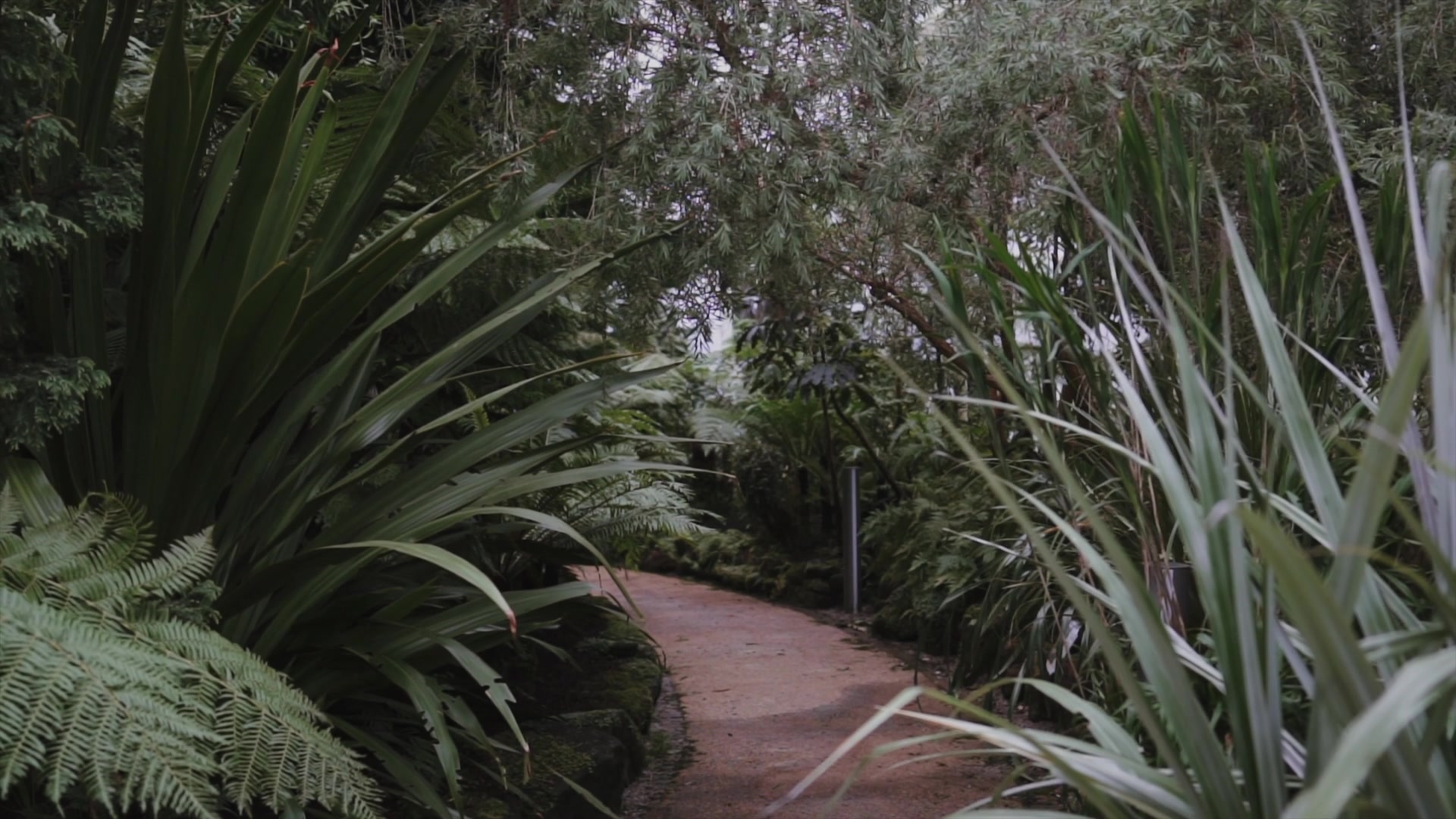
A gravel path winds beneath ferns and tropical foliage inside a glasshouse.
Did you know

They started on Sauchiehall Street in 1817.

The gardens were founded on eight acres at the west end of Sauchiehall Street, at Sandyford, when Thomas Hopkirk of Dalbeth gave his own plant collection to start them. They moved out to Kelvinside in 1842.

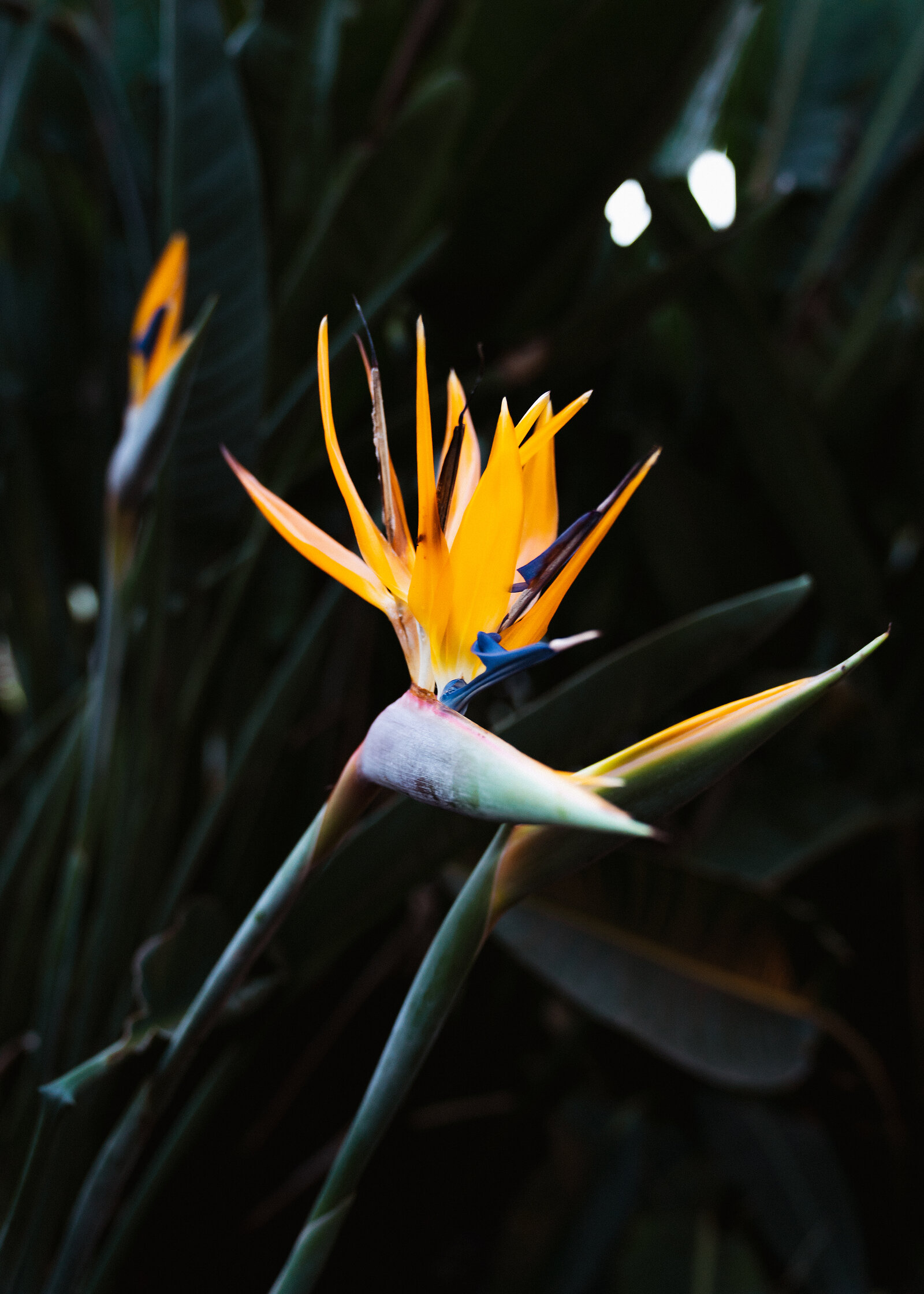
A bird of paradise flower's orange and blue petals catch the light against dark foliage, a second bud visible behind.
Did you know

Kew's first great director learned his trade here.

William Jackson Hooker was Regius Professor of Botany at Glasgow from 1820 to 1841 and built the gardens' name across the botanical world. After twenty years in the city he left to become Director of the Royal Botanic Gardens at Kew.

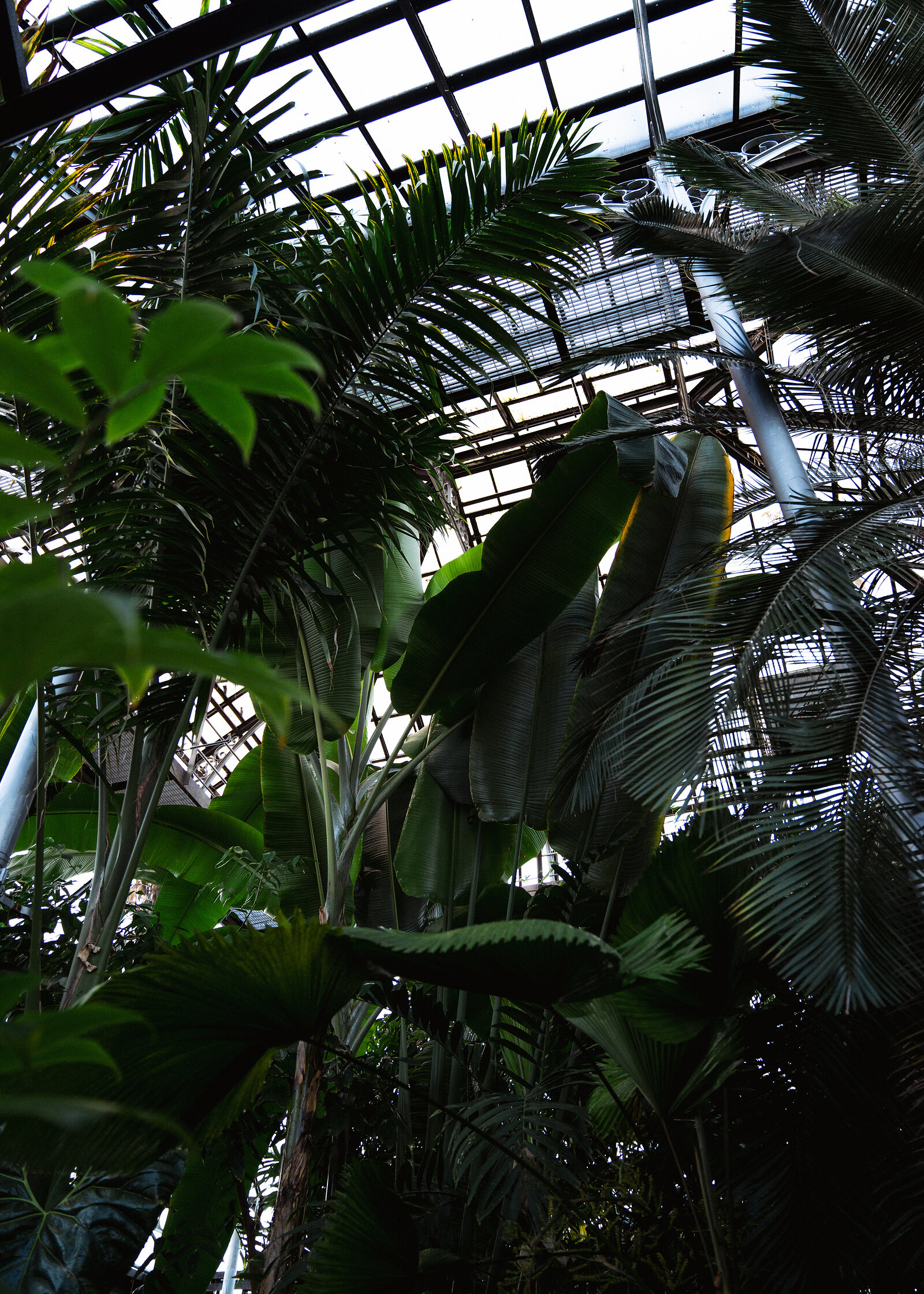
A dense canopy of palm fronds and banana leaves fills a glasshouse, the steel and glass roof structure visible through gaps above.
Did you know

Disraeli was made rector under the glass.

Before the Kibble Palace was filled with plants it was a concert hall and meeting place. Benjamin Disraeli was installed there as rector of the university on 19 November 1873, and William Gladstone in December 1879.

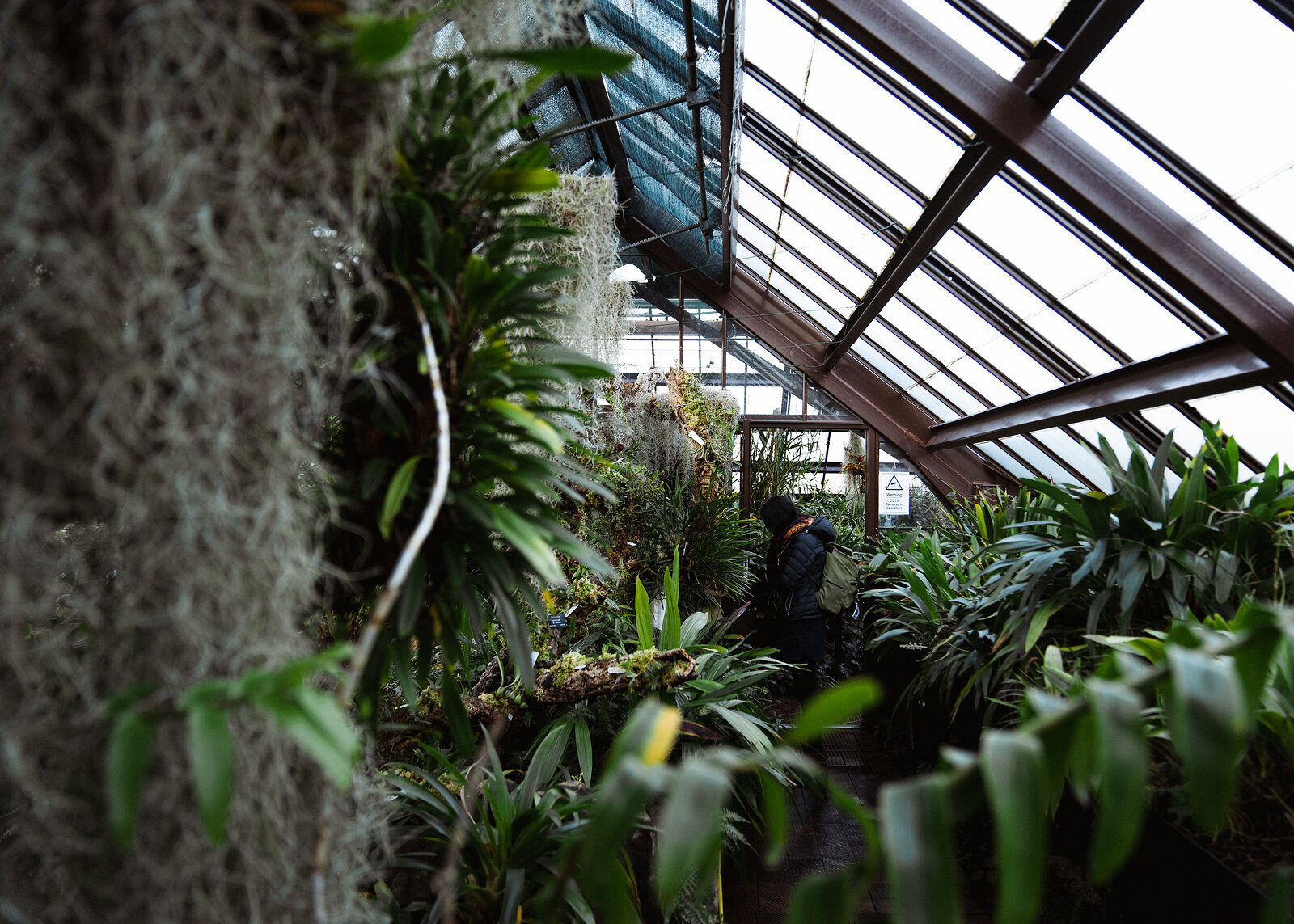
Hanging moss and ferns crowd a glasshouse interior, a person crouching among the plants beneath the glazed roof.
Did you know

Six thousand inside, thousands more outside.

In May 1874 the evangelist Moody held a meeting in the Kibble Palace. Around 6,000 people packed inside, and somewhere between 15,000 and 30,000 gathered outside.

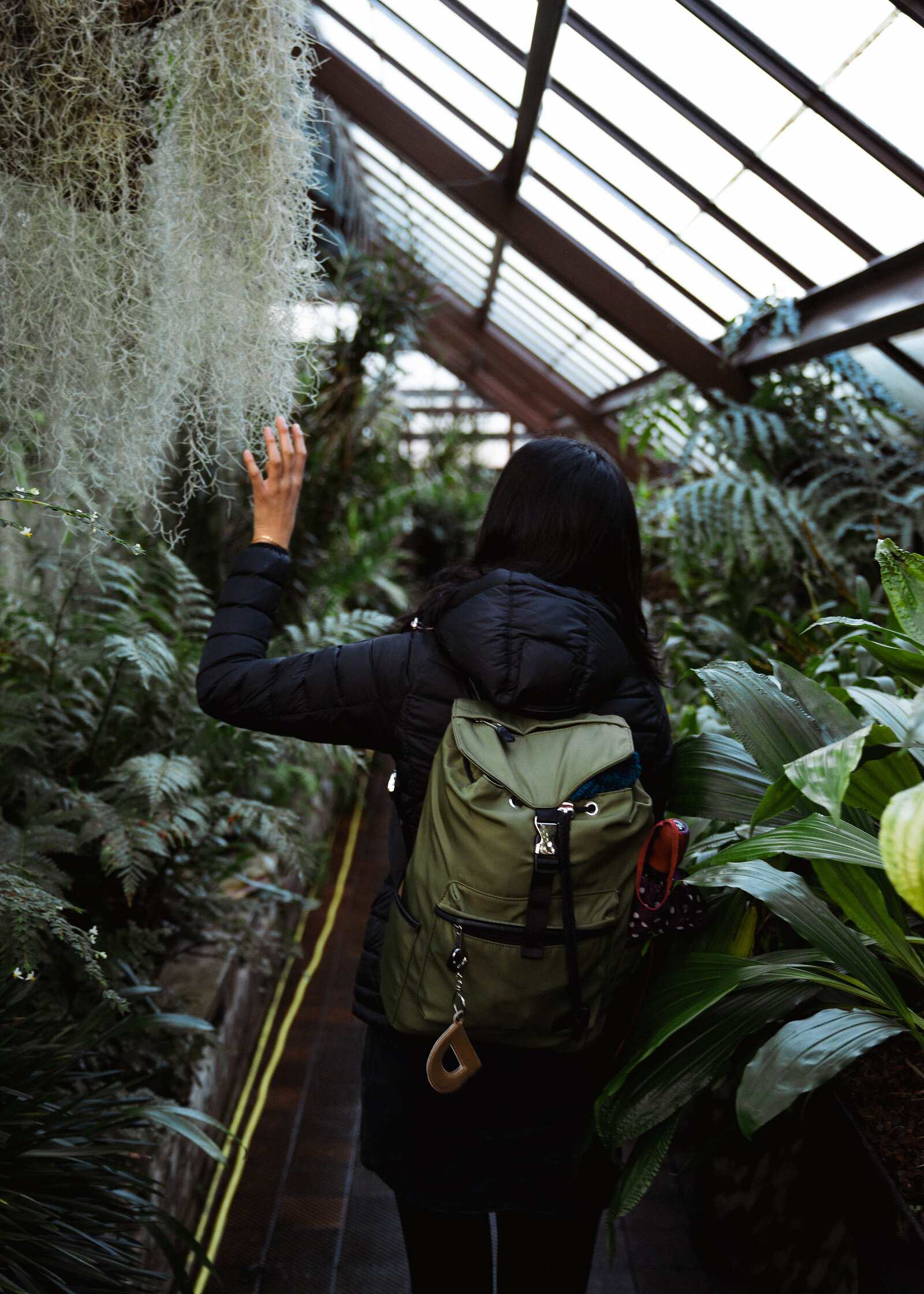
A woman with a backpack reaches up to touch hanging Spanish moss in a glasshouse, ferns and broad leaves crowding the path around her.
Did you know

Once a penny to get in.

At first the gardens were mainly for members of the Royal Botanical Institution and their friends; the public were let in on set days for a penny. The city took them over in 1891, and today they are free every day.

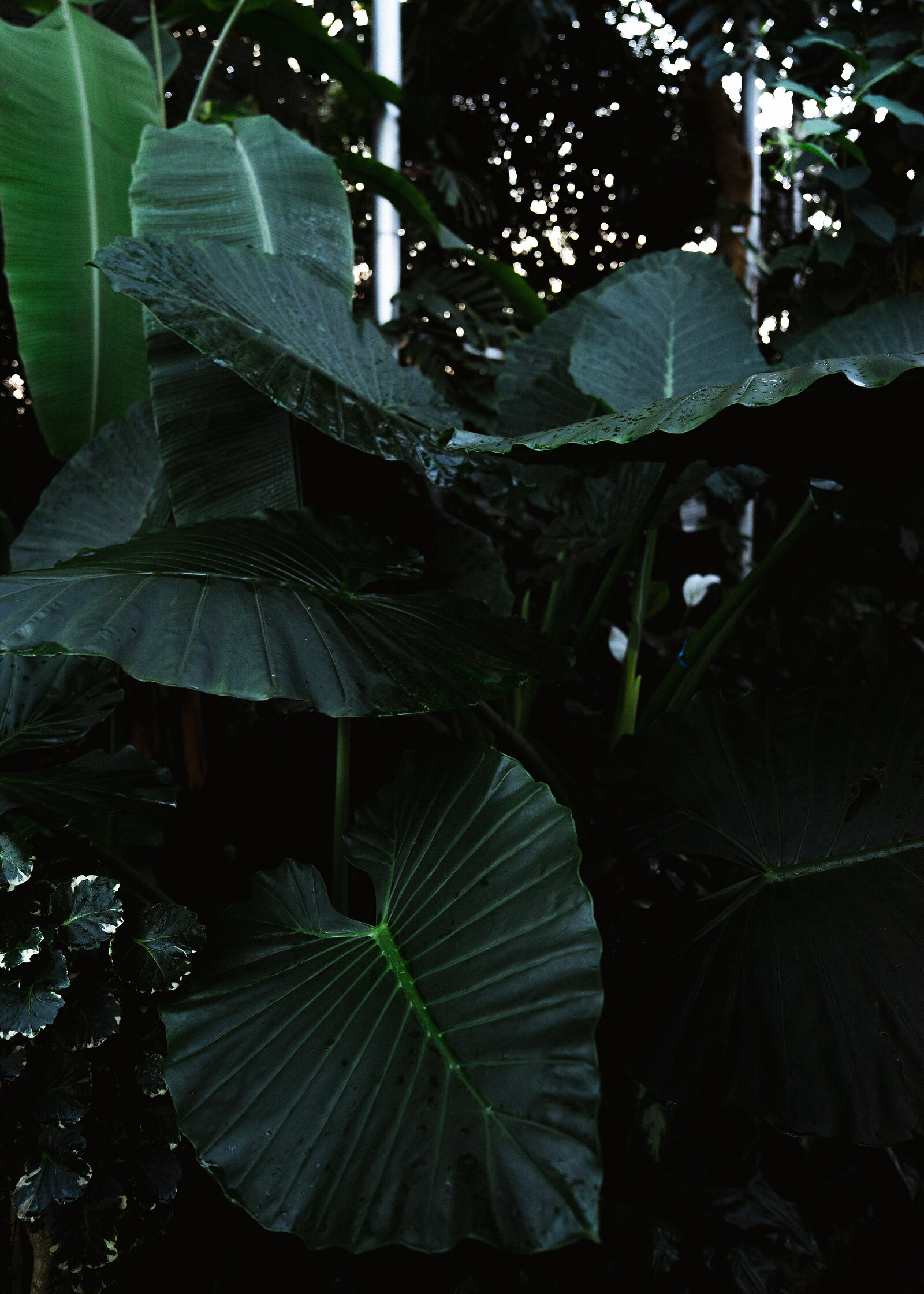
Large glossy elephant-ear leaves form a dense dark canopy in a glasshouse, dappled light filtering through from above.
Did you know

Three National Collections in the gardens.

The gardens hold the National Collections of begonias, tree ferns and Dendrobium orchids, besides economic and medicinal plants and a collection of trees that belongs to the National Tree Collections of Scotland.

Ben Lerwill

From our guide to Glasgow

Part of the city’s tapestry for more than 200 years, Glasgow’s Botanic Gardens house more than 9,000 different plants, many of them growing under the cover of the gargantuan curvilinear glasshouse that is the Kibble Palace. Away from the glasshouses, more than 20 hectares of landscaped grounds stretch along the banks of the River Kelvin.

Read more
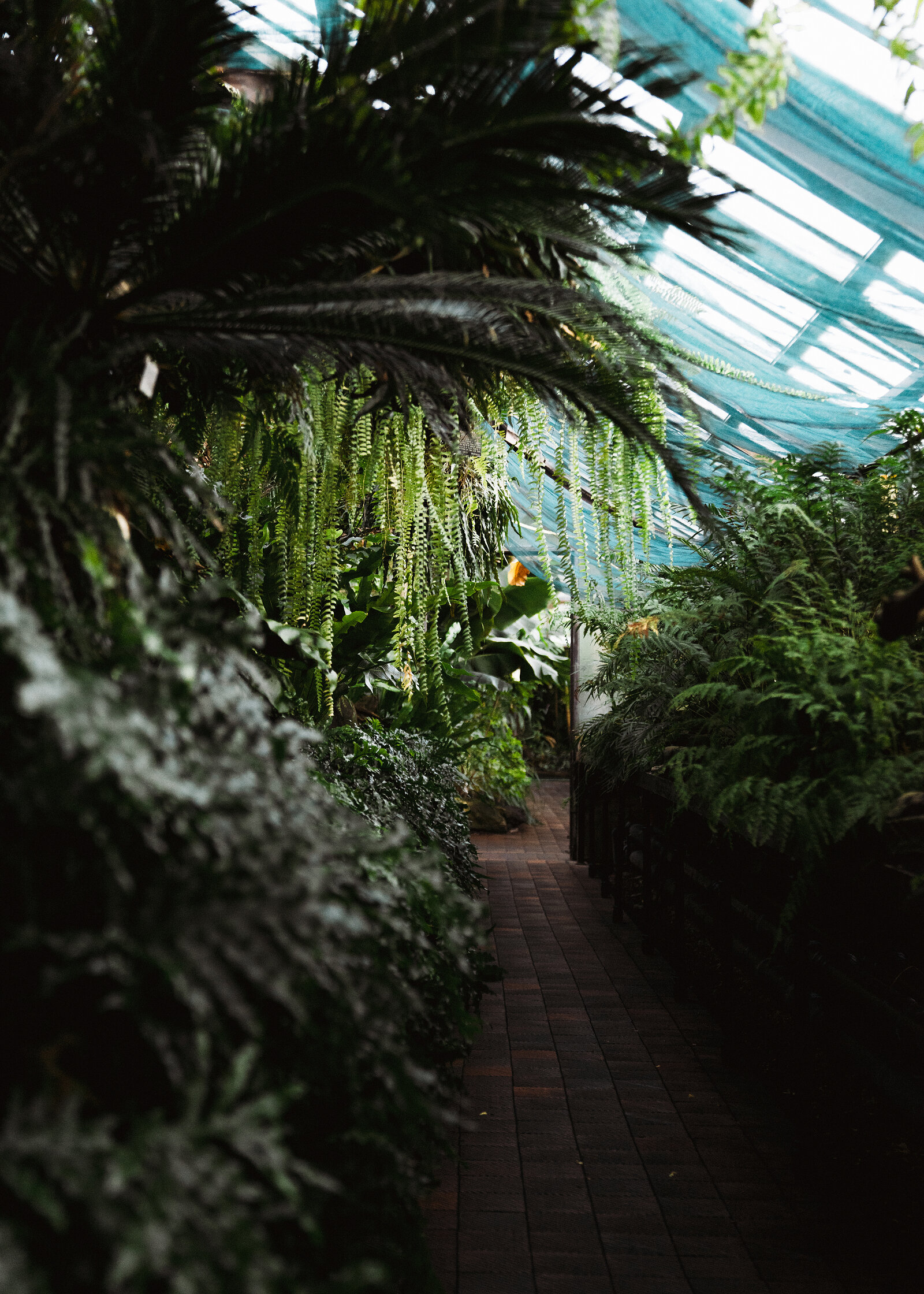
A brick path winds through a glasshouse lined with ferns and palms, blue shading netting draped overhead.
What is on

What is new across Glasgow, day by day.

New places, news and stories, as we find them.

What is on in Glasgow
01 / 08
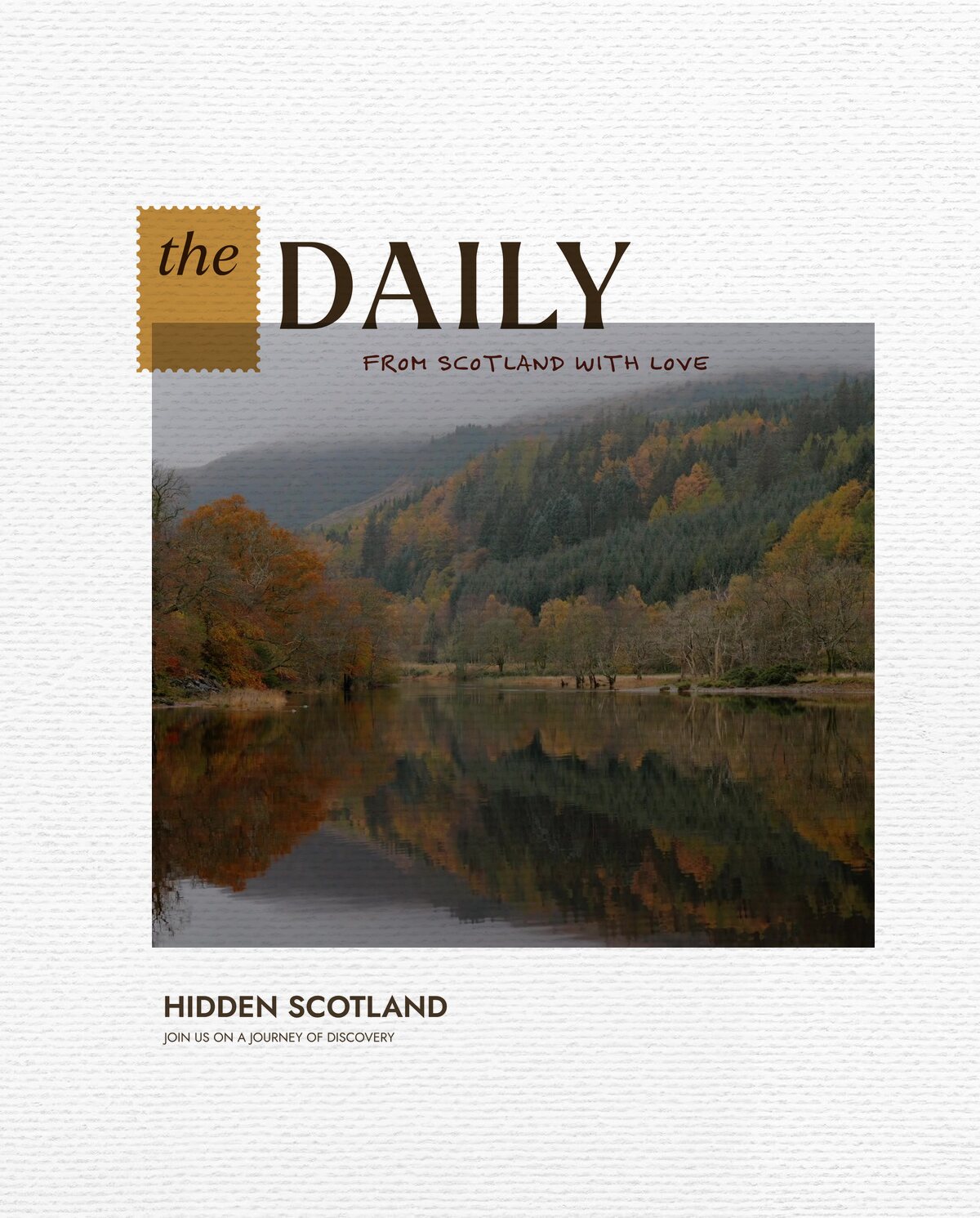
The Daily for 19 October, from Scotland with love. bare tree stumps standing in an autumn loch, forested hills reflected in the still water

The Daily

Arrives at 5am every day.

A free morning email to see what’s on this week, catch up on what’s happening in Scotland and find somewhere new to go.

Stay nearby

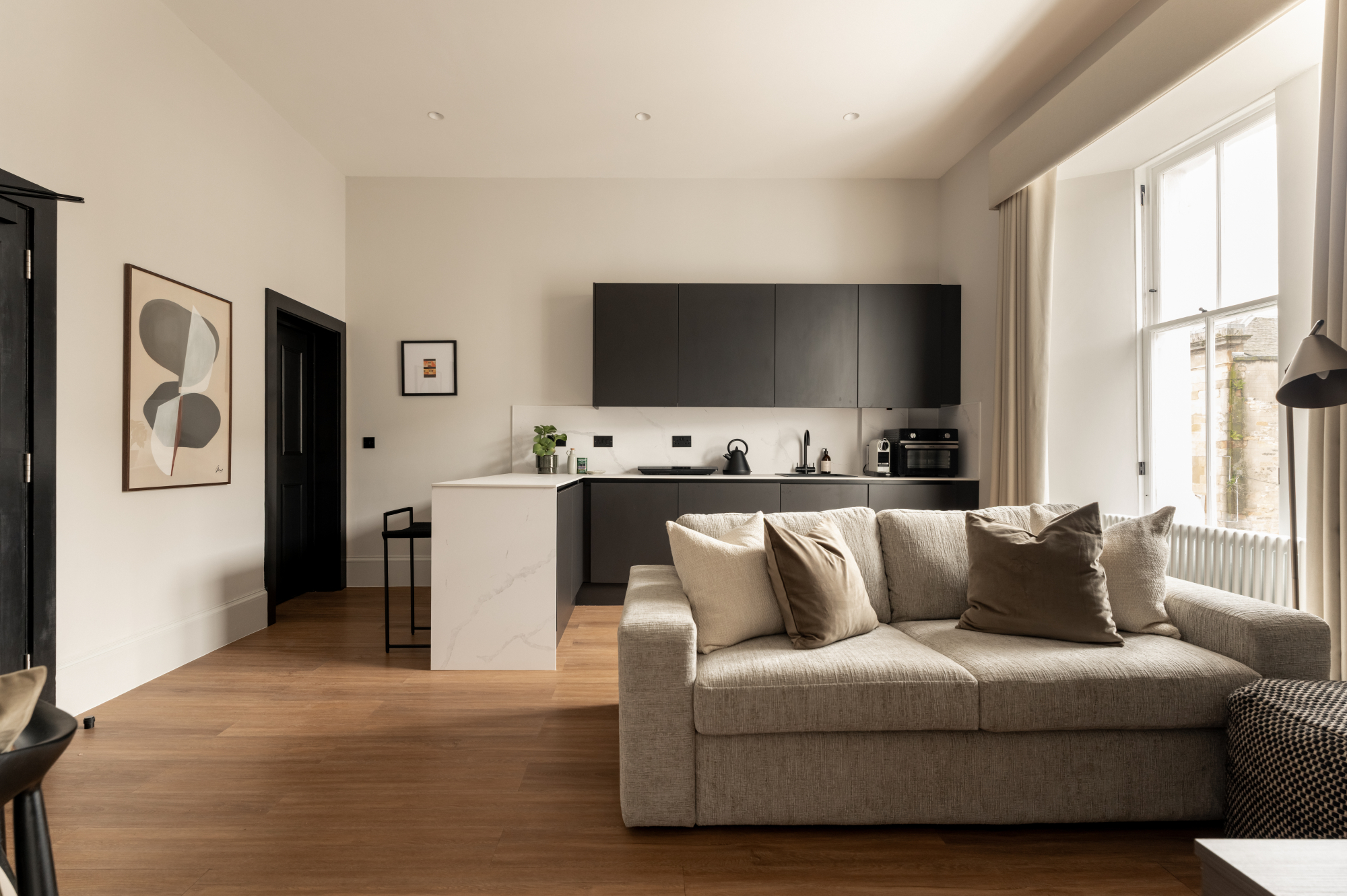
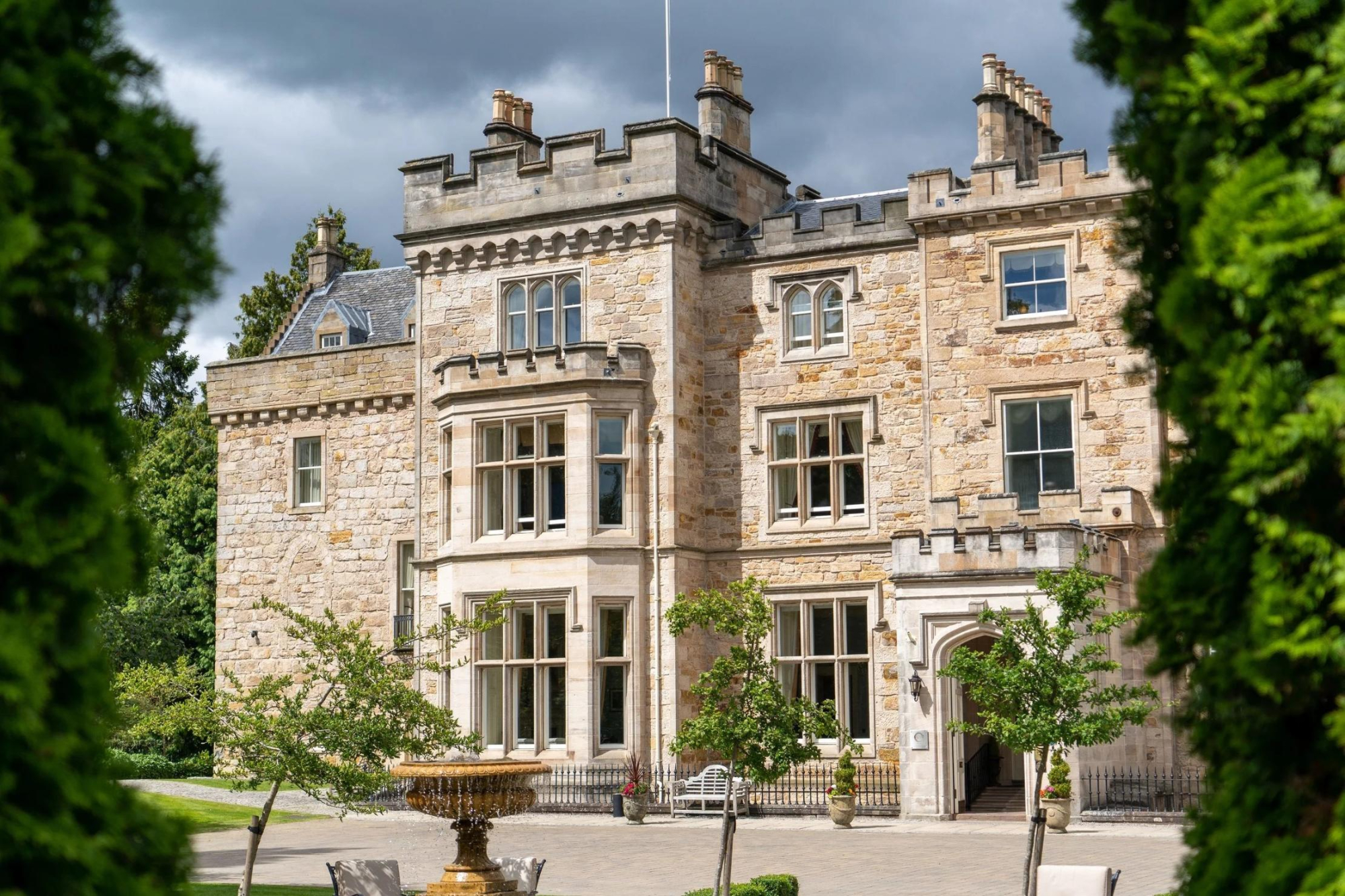
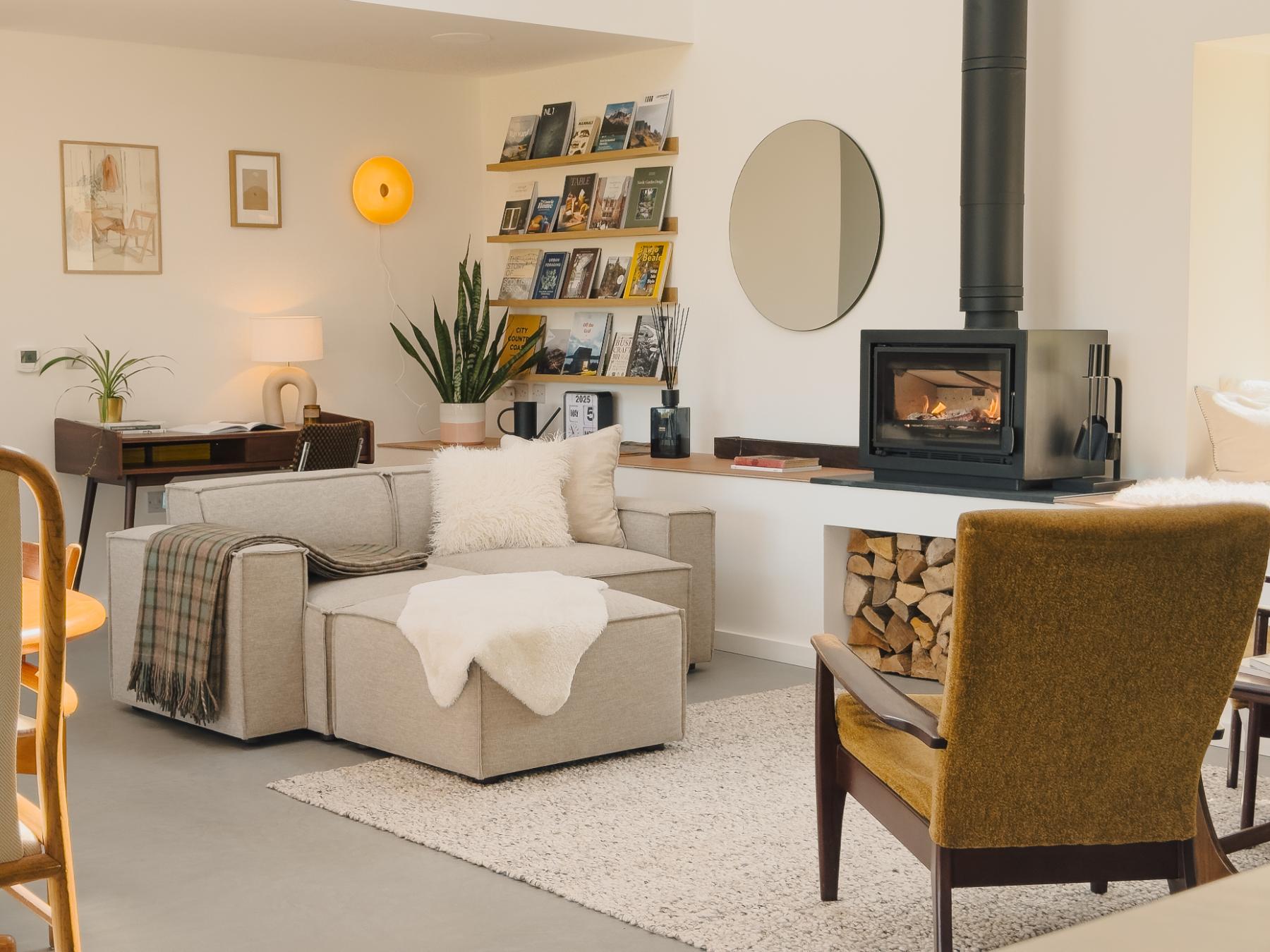
Places to stay near the gardens, and when each is next free.

Hidden Scotland, the magazine

Scotland, in print.

We want to show you the best that Scotland has to offer. The makers and the creatives, the enduring experiences, the evocative tales, the concealed corners. The roads less travelled that take you to places that matter. The adventures that gather you up and sweep you away. The blend of the wild and the artistic that makes Scotland what it is. We’d love for you to join us.

Find out more

For further reading, before you go.