
Broadford and Surrounds, Isle of Skye, Isle of Skye
The Glenelg Ferry
Introduction
Take the most evocative crossing to the Isle of Skye on the historic Glenelg Ferry, the last manually operated turntable ferry in existence and a lifeline for the tiny Highlands community who saved it from retirement. It’s a long road to get there, and an experience to savour.
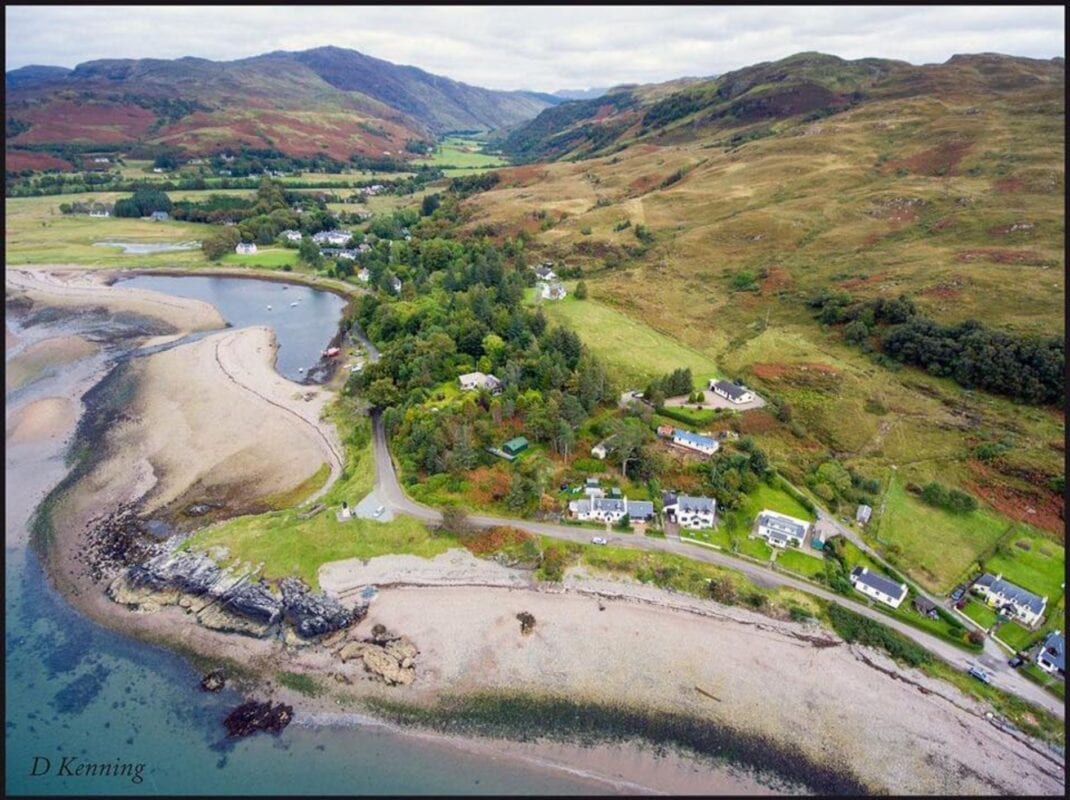
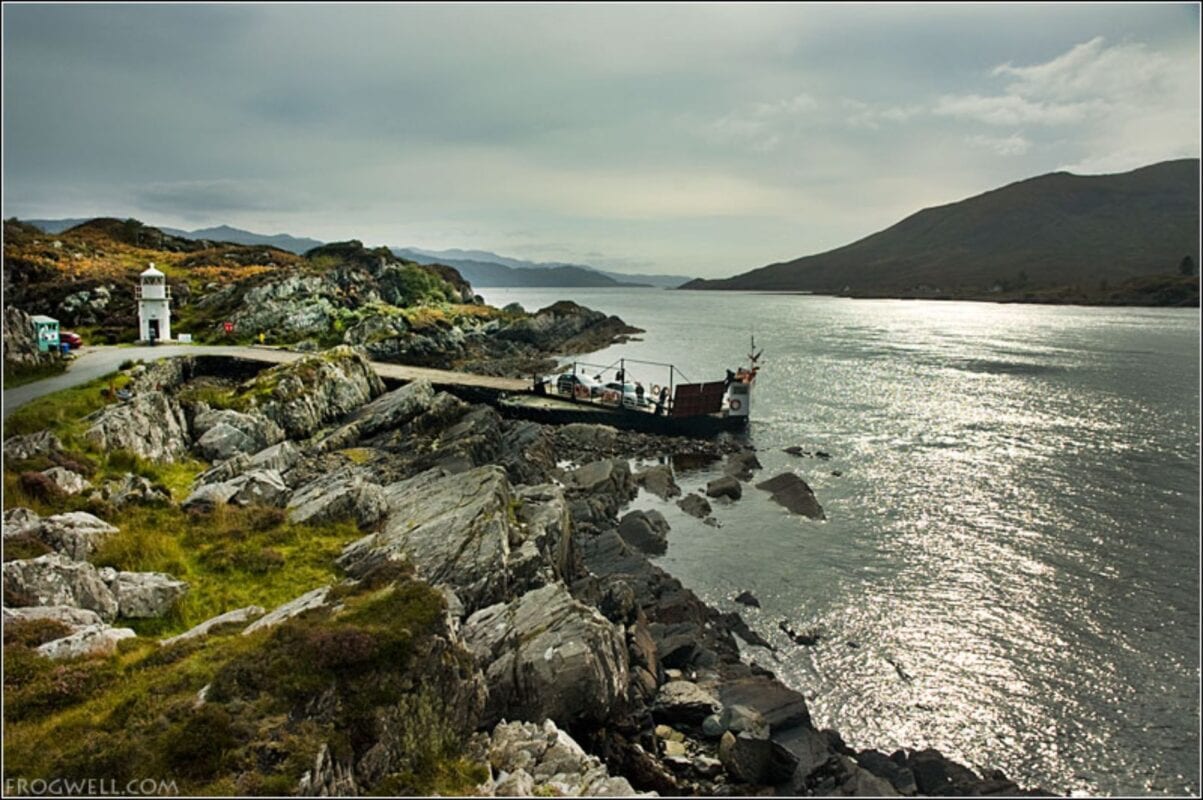
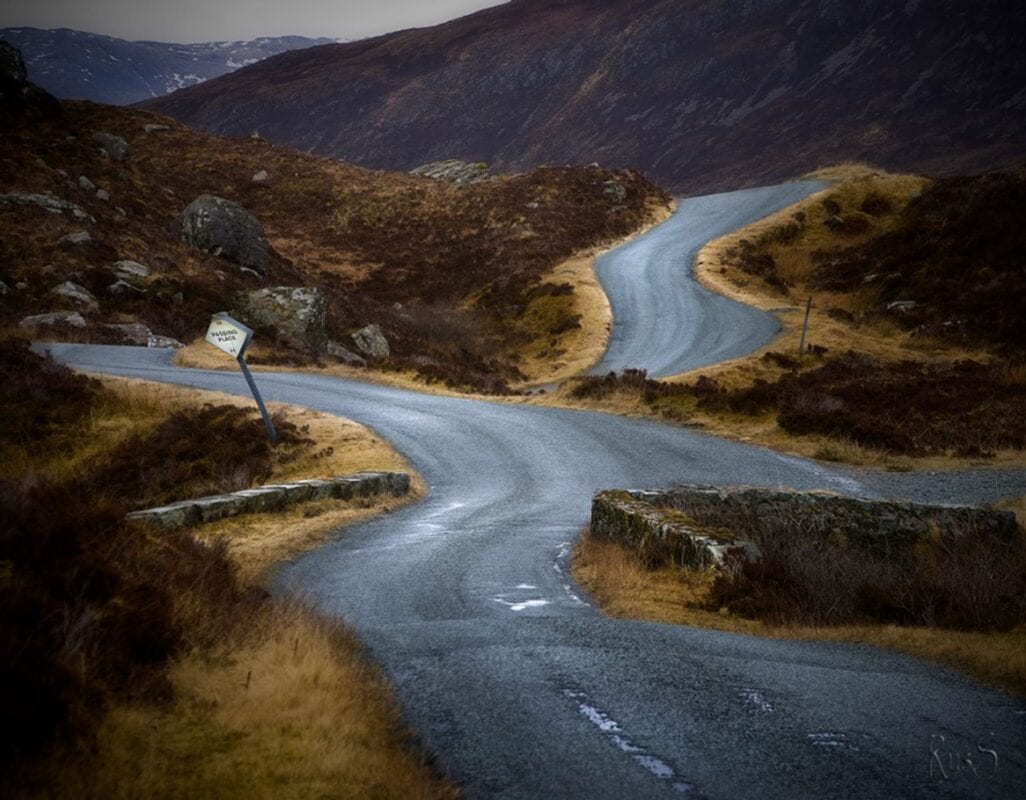
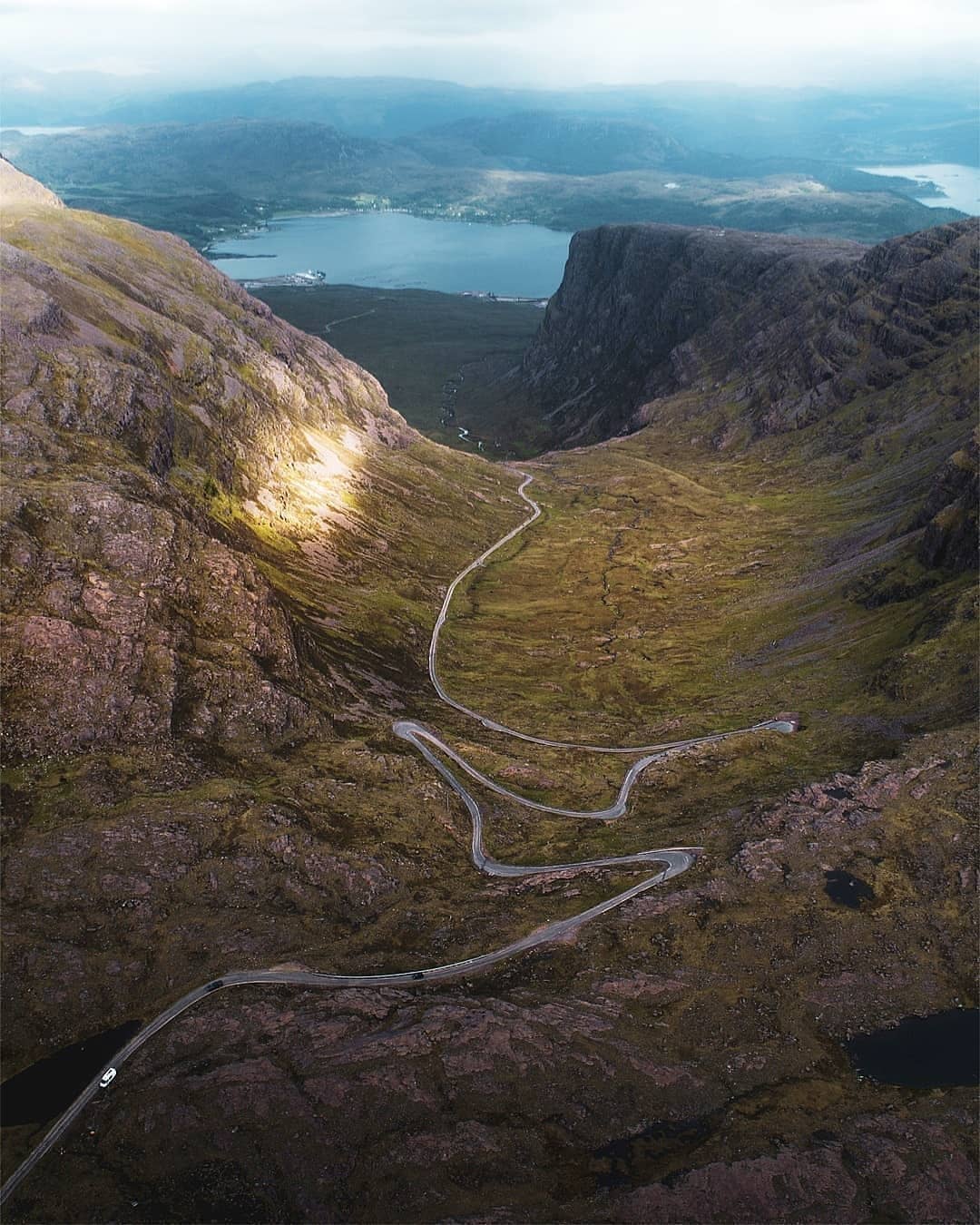
If it weren’t for the little red-and-green ferry, it’s fair to say fewer people would take the road to the remote community of Glenelg. Splicing wide-open wilderness, where just a couple of hundred people live in a 15-mile radius, it zigzags high over the Mam Ratagan pass, taking in views of the Five Sisters of Kintail mountain range, before twisting and turning down to the west Highlands village that gazes across the Kyle Rhea Narrows to Skye.
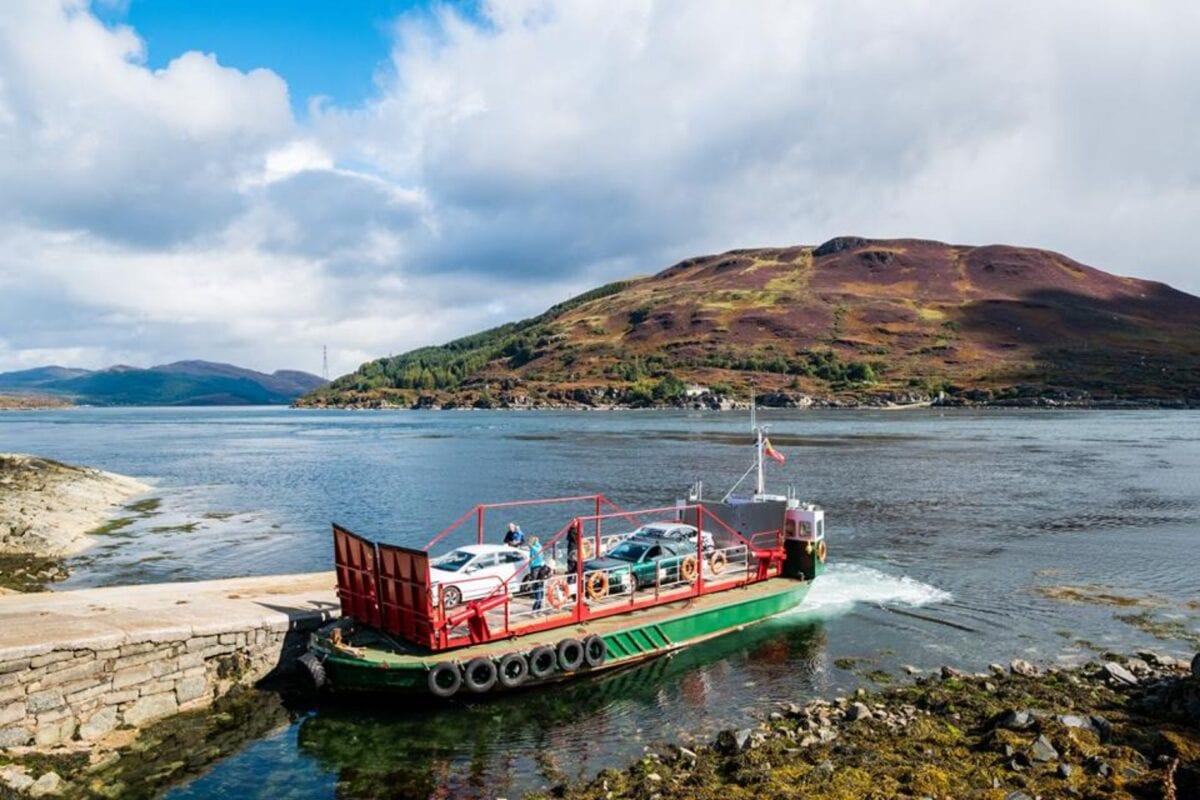
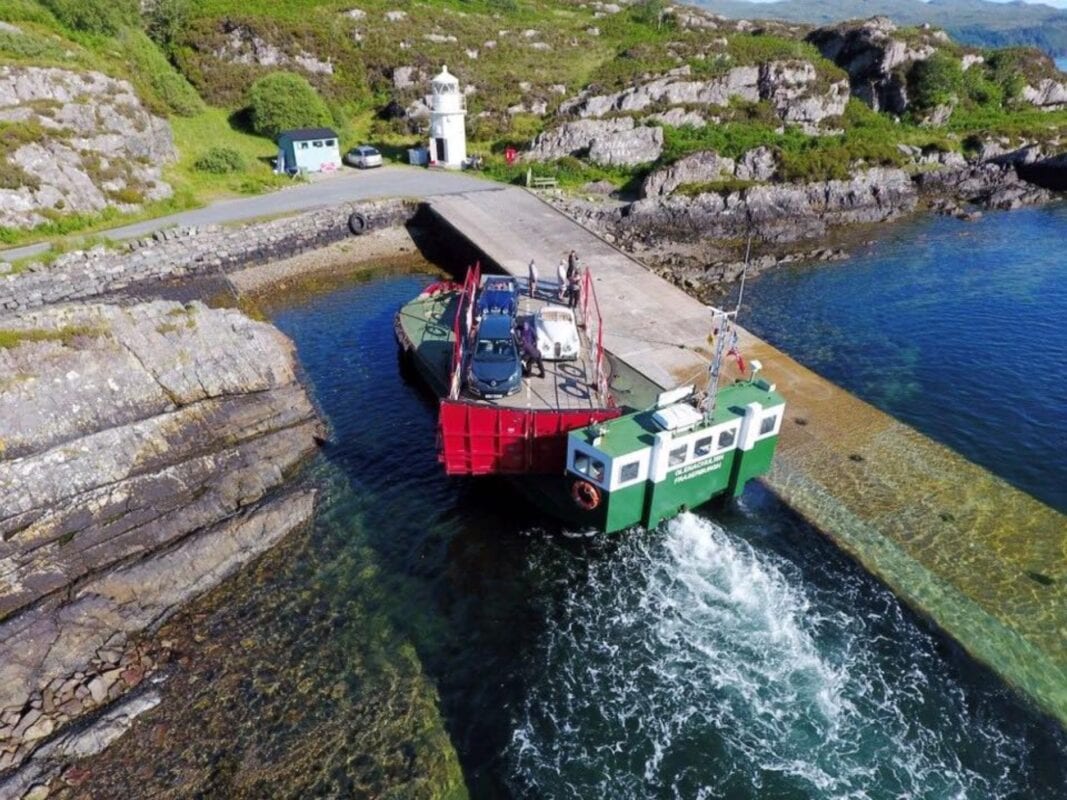
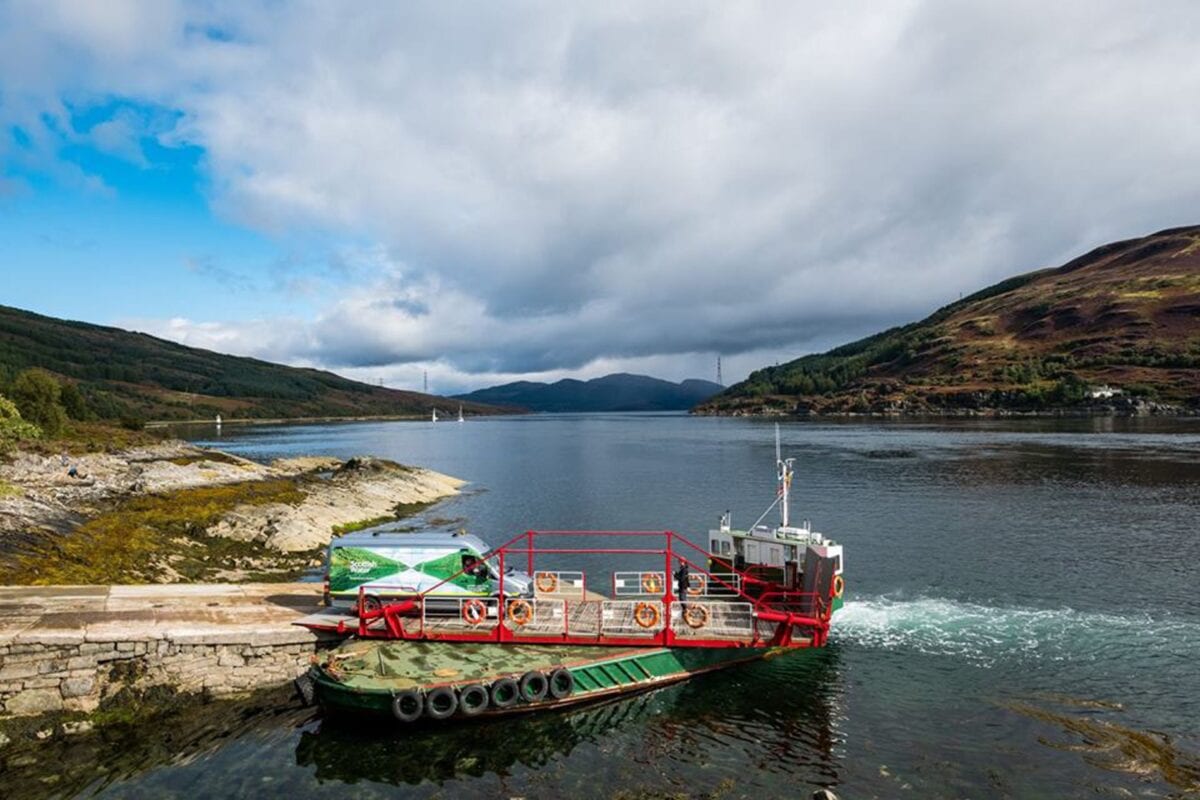
“The ferry offers a unique experience that you cannot find anywhere else in the world,” says general manager Jo Crawford. “These wee boats used to be a common sight on the West coast and now the MV Glenachulish is the only one left.” The Glenachulish is the last remaining manually operated turntable ferry. She looks magnificent on the straits: shiny emerald and berry red, with a deck that swivels like the hand of a clock to let its cargo of up to six vehicles on and off. Sailing on her is like being privy to a well-kept secret.
At 800 metres, the five-minute crossing from Glenelg to Kylerhea village is the shortest to Skye. It’s also the oldest, serviced by a ferry from as early as 1773 – look to the side of the slipway at Glenelg and you’ll see the cobbled pier used in those days. Operating from Easter to mid-October, the ferry carries some 14,000 cars and 35,000 passengers in a typical season – vital visitors who help to keep Glenelg’s inn, pub and local shop in business, and most of whom wouldn’t access the peninsula if it weren’t for the ferry.
But not long ago, the ferry’s future looked under threat. The 1969-built Glenachulish had been on the Kyle Rhea since 1982, after being displaced by bridges on crossings in Ballachulish and Klyesku, when in 2004 the removal of the tolls on the Skye bridge seemed to sound her death knell. That was when the Glenelg community stepped in. Led by local Chris Main, who also transformed the derelict Glenelg Inn in 1985, they rallied together to spruce up the Glenachulish with the goal of attracting a different sort of traveller, one who wanted to go slow and discover west coast life. They repaired her engine, polished up her paintwork and founded the Isle of Skye Ferry Community Interest Company. The ferry now provides work for 12 local people – a significant percentage of the working-age population – including young skipper Izzy, who started volunteering on the ferry during her school holidays.
Someone who never misses the ride is Spot the border collie, a third-generation ferry dog. The boat is much cherished locally, and not only as an employer. When she returns from her winter berthing each spring, a small crowd gathers to welcome her home – often with a popping cork or two. “Glenelg kind of comes alive when the ferry comes back,” says Jo.
Location
What's nearby
-medium-large-1736351843.jpg)
-medium-large-1717098768.jpg)
Where to stay nearby






 Sign in with Google
 Sign in with Email