
Tracing Your Scottish Roots
For anyone with Scottish family somewhere in the past: where the records are kept, the clan seats and museums to visit, and the places that remember the people who left.
Words by Hidden Scotland
If your family left Scotland generations ago, coming back to the places they knew is the best way to find them. Most of the records are online now, but the archives, the clan seats and the glens your people left still have plenty to tell you, and the staff who look after them know where to look.
Start before you travel. Scotland’s parish registers go back to the 1500s, and from 1855 every birth, marriage and death had to be registered by law. The indexes on ScotlandsPeople are free to search, so you can arrive knowing the names, the parish and the dates, which is the first thing every archive will ask.
01 · Edinburgh
The ScotlandsPeople Centre and the National Library
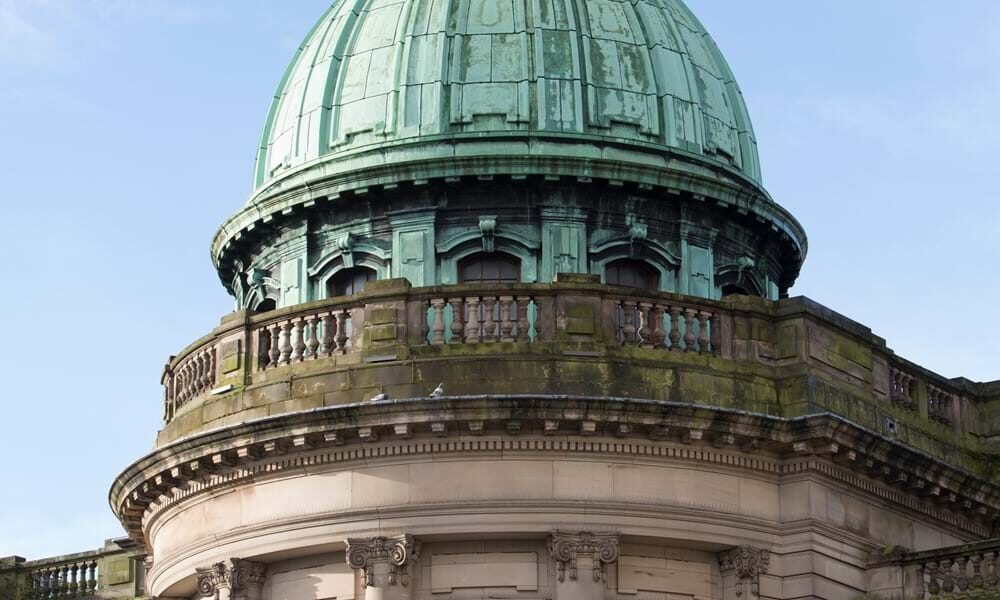
The ScotlandsPeople Centre in General Register House, at the east end of Princes Street, is where the national records can be searched in person, from the old parish registers and the censuses to wills and modern certificates. It is open from 9am to 4pm on weekdays. A seat for the day costs £15 and has to be booked online beforehand, and every second Thursday afternoon there is a free two-hour session you can simply walk into.
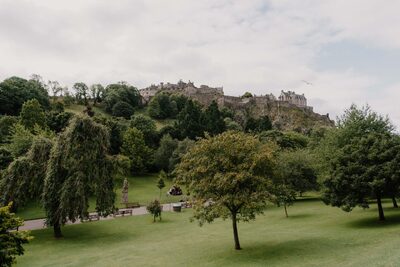
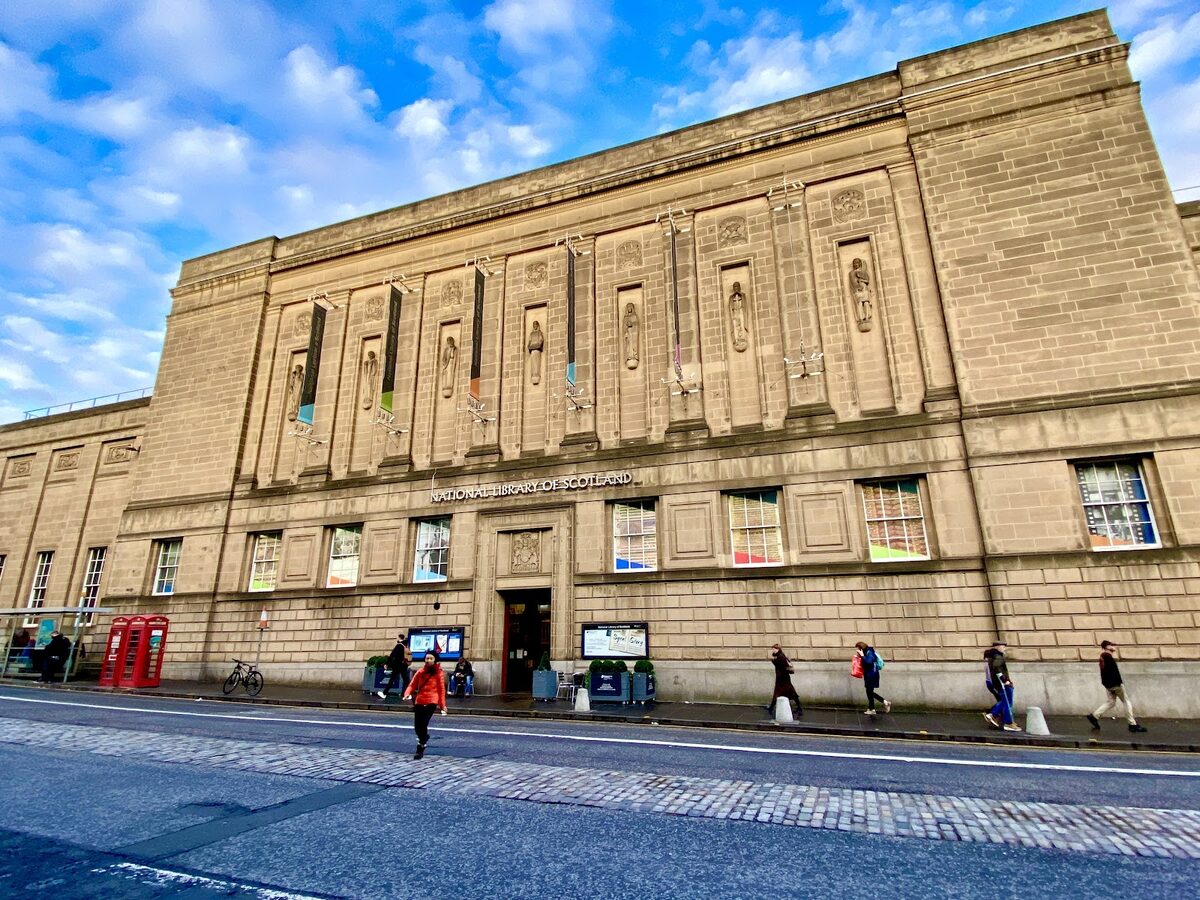
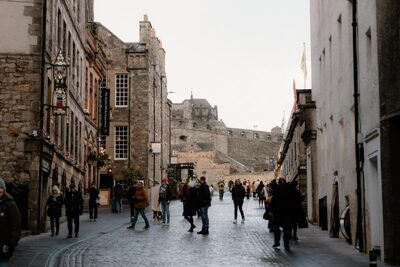
Up the hill on George IV Bridge, the National Library of Scotland holds the town directories printed by the Post Office from 1774 to 1911, and has put more than 400,000 historic maps online. Joining is free, but you need a library card, collected with proof of identity, to use the reading rooms.

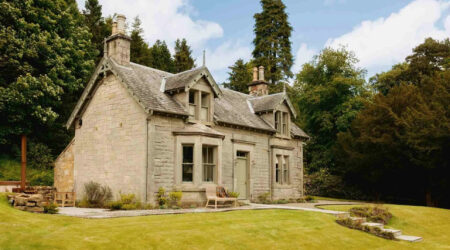
Stay near The ScotlandsPeople Centre and the National Library
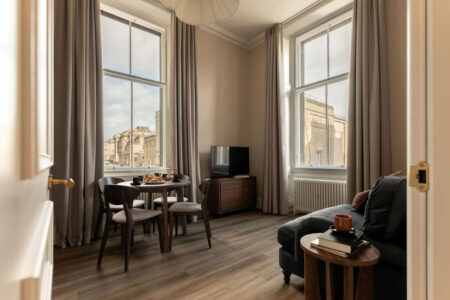
Our places to stay, nearest first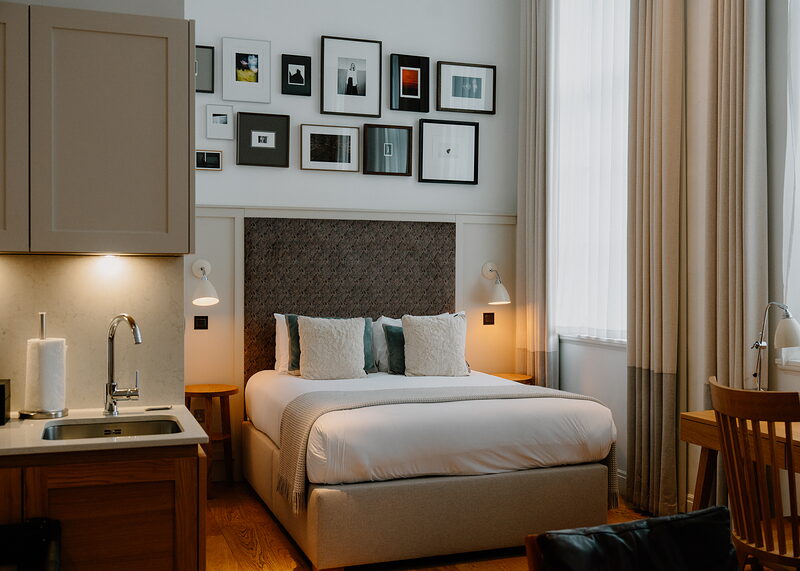

02 · Glasgow
The Mitchell Library
Glasgow’s family history centre is in the Mitchell Library, where the city’s archives, its special collections and the registrars’ genealogy service sit under one roof. The City Archives can be seen by appointment, booked between one and four weeks ahead, and you can ask for a few items to be brought up before you arrive.
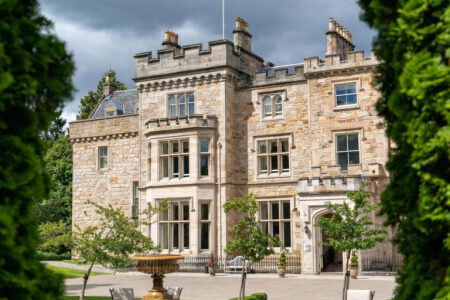
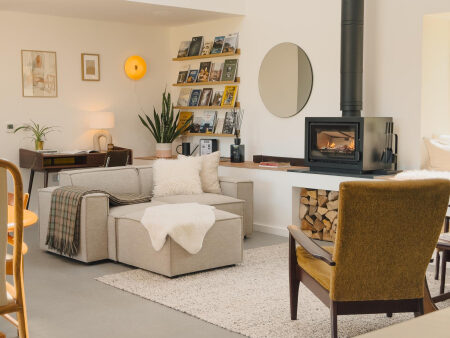
Stay near The Mitchell Library
Our places to stay, nearest first
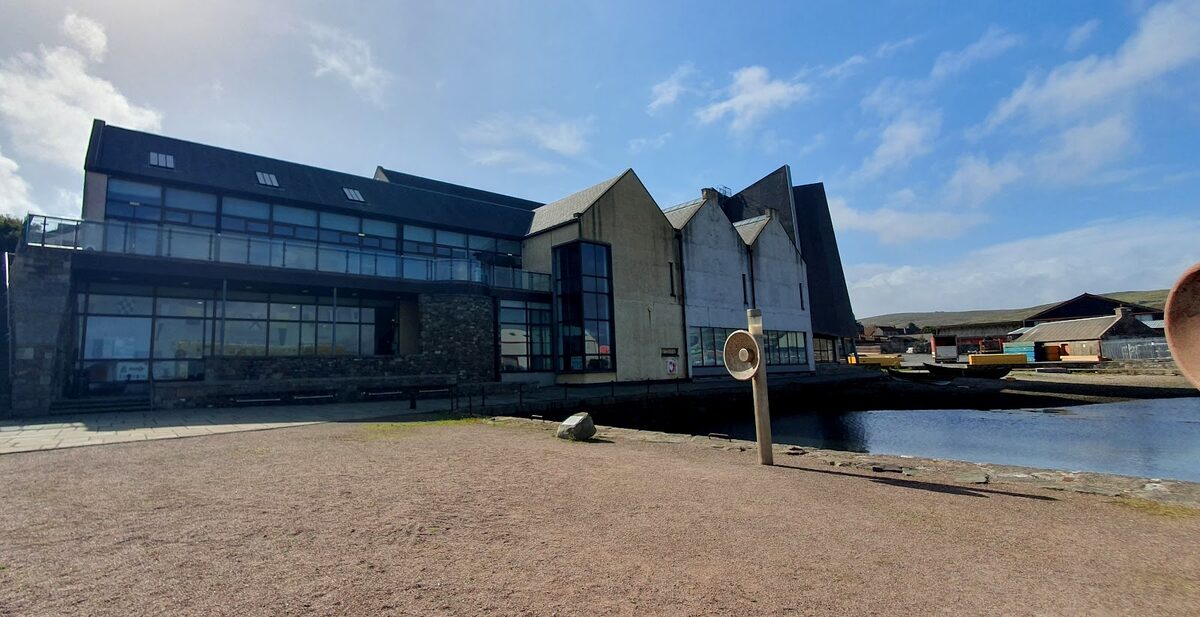
03 · Lerwick, Shetland
Shetland Museum and Archives
At Hay’s Dock in Lerwick, the museum and the islands’ archives share one building. The archive search room is open to drop-in visitors on weekday mornings and afternoons, and the museum beside it tells the islands’ own story.
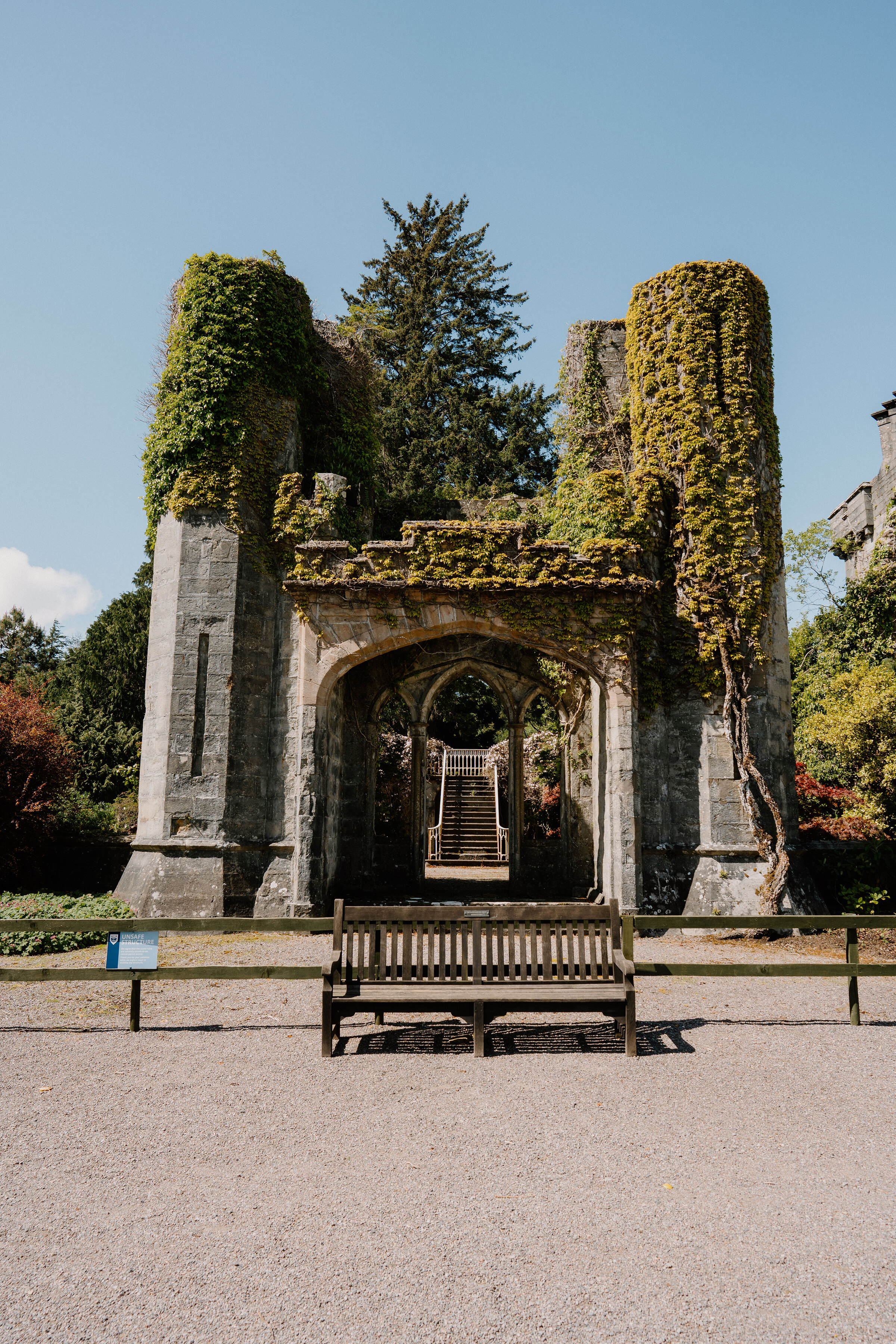
04 · Sleat, Skye
Armadale and the Museum of the Isles
Armadale, at the southern tip of Skye, is the home of Clan Donald, which calls itself Scotland’s largest clan. The Museum of the Isles runs from the Lordship of the Isles through the Jacobite risings to crofting and emigration, with audio guides in English, Gaelic and several other languages. There is no need to book, and most visitors spend between half an hour and an hour and a half there, before a walk in the gardens.
Stay near Armadale and the Museum of the Isles
Our places to stay, nearest first


05 · Skye
Dunvegan Castle
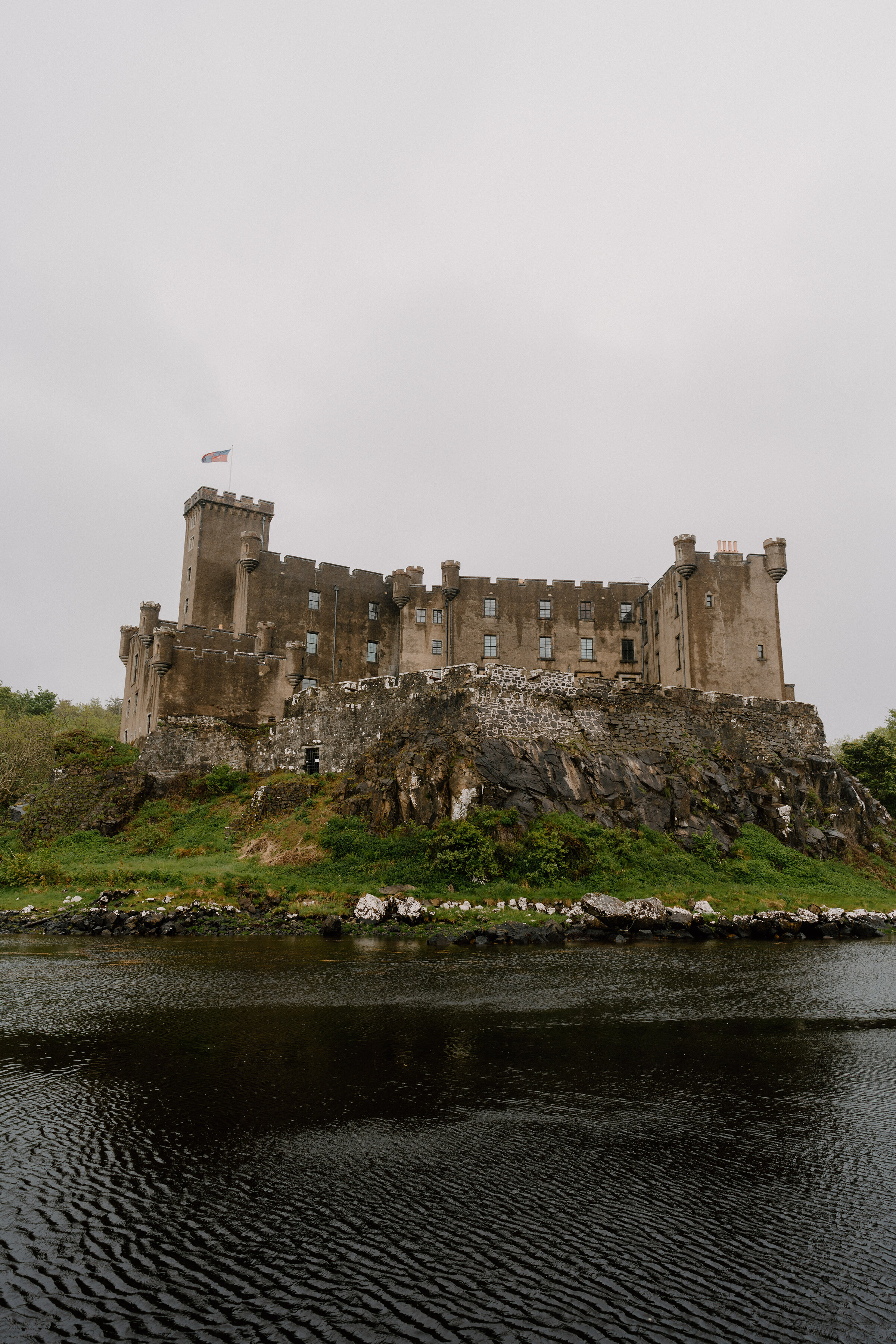
Dunvegan Castle, above Loch Dunvegan in the north-west of Skye, has been the home of the chiefs of MacLeod for 800 years. Its rooms are full of the clan’s story, above all the Fairy Flag, a silk banner said to bring victory when it is unfurled. The castle and its gardens open from late March to the middle of October.
Stay near Dunvegan Castle
Our places to stay, nearest first

06 · Isle of Mull
Duart Castle
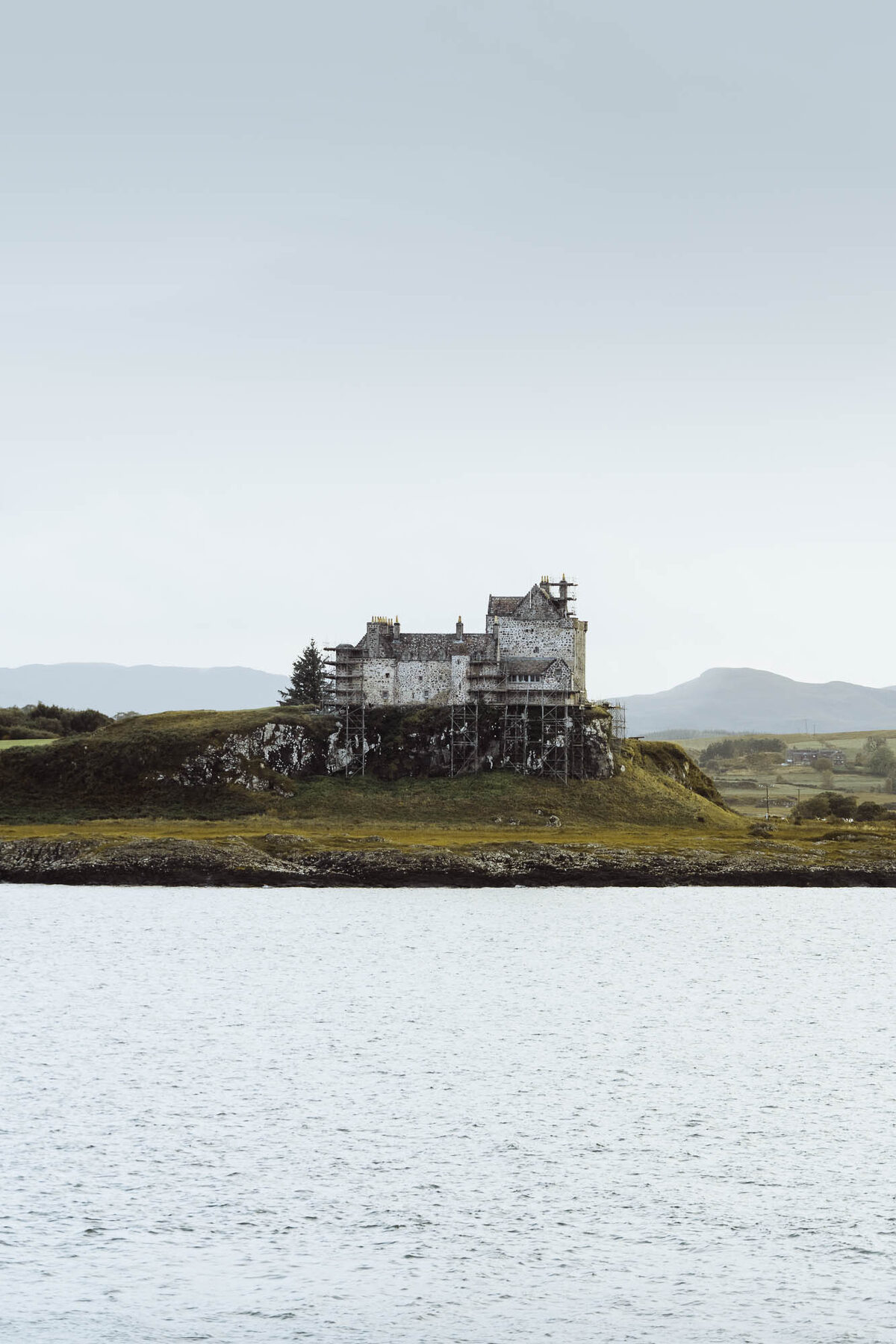
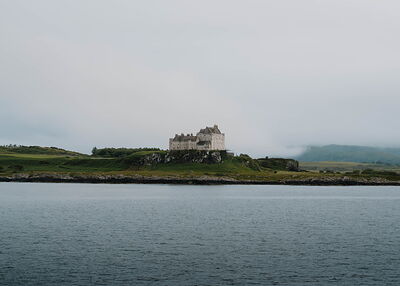
Duart stands on a rocky point at the east end of Mull, guarding the Sound of Mull, and it has been the seat of the Macleans of Duart since the thirteenth century. The clan lost it in 1692 and it fell into ruin, until the chief bought it back in 1911 and restored it as the family’s home. It opens from the start of April to late October.
07 · Achnacarry, Lochaber
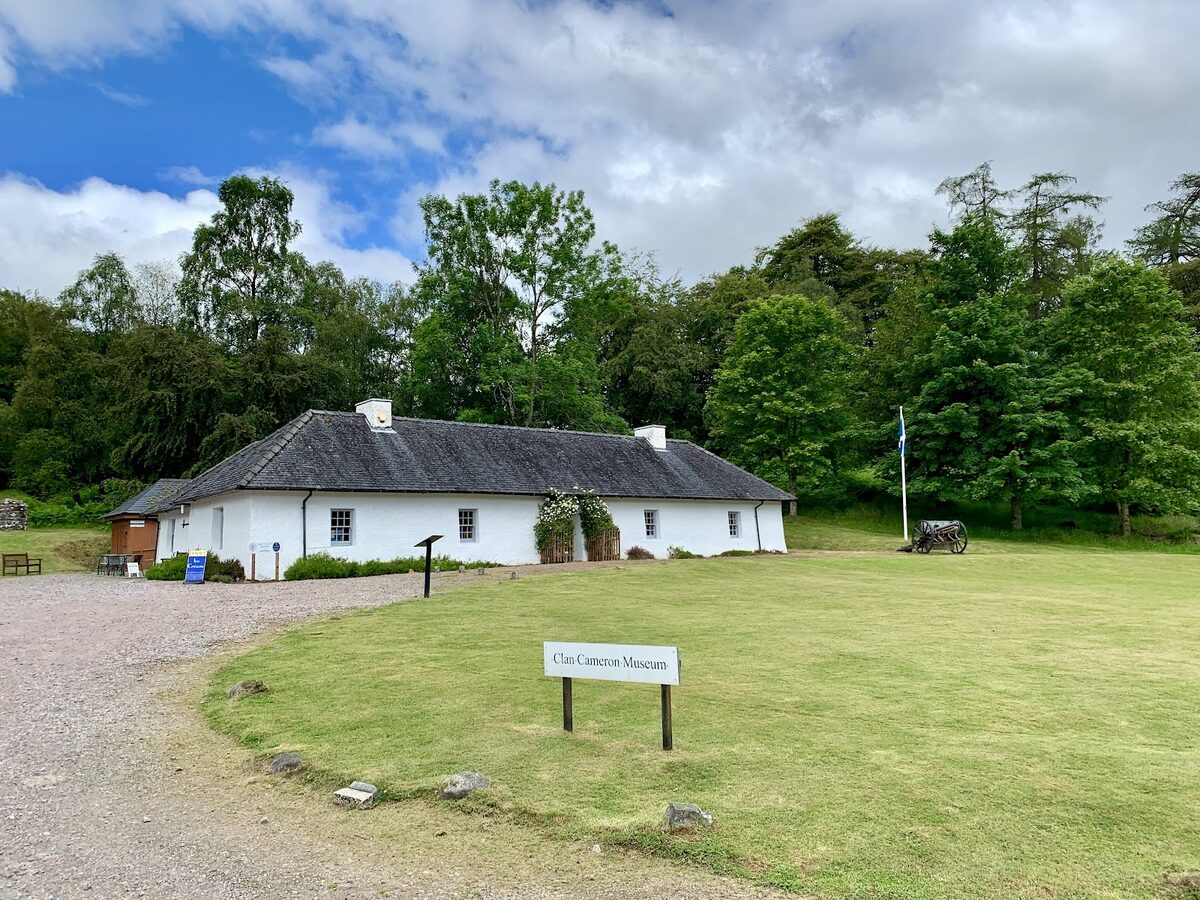
The Clan Cameron Museum
Achnacarry, near Spean Bridge, is the ancestral land of Clan Cameron, and a small museum in a long white cottage on the estate follows the Camerons from their beginnings to the present day. It also tells how the estate trained the Commandos in the Second World War. It opens every day from 11am to 3pm, from 1 April to 15 October.
08 · Bettyhill, Sutherland
Strathnaver Museum
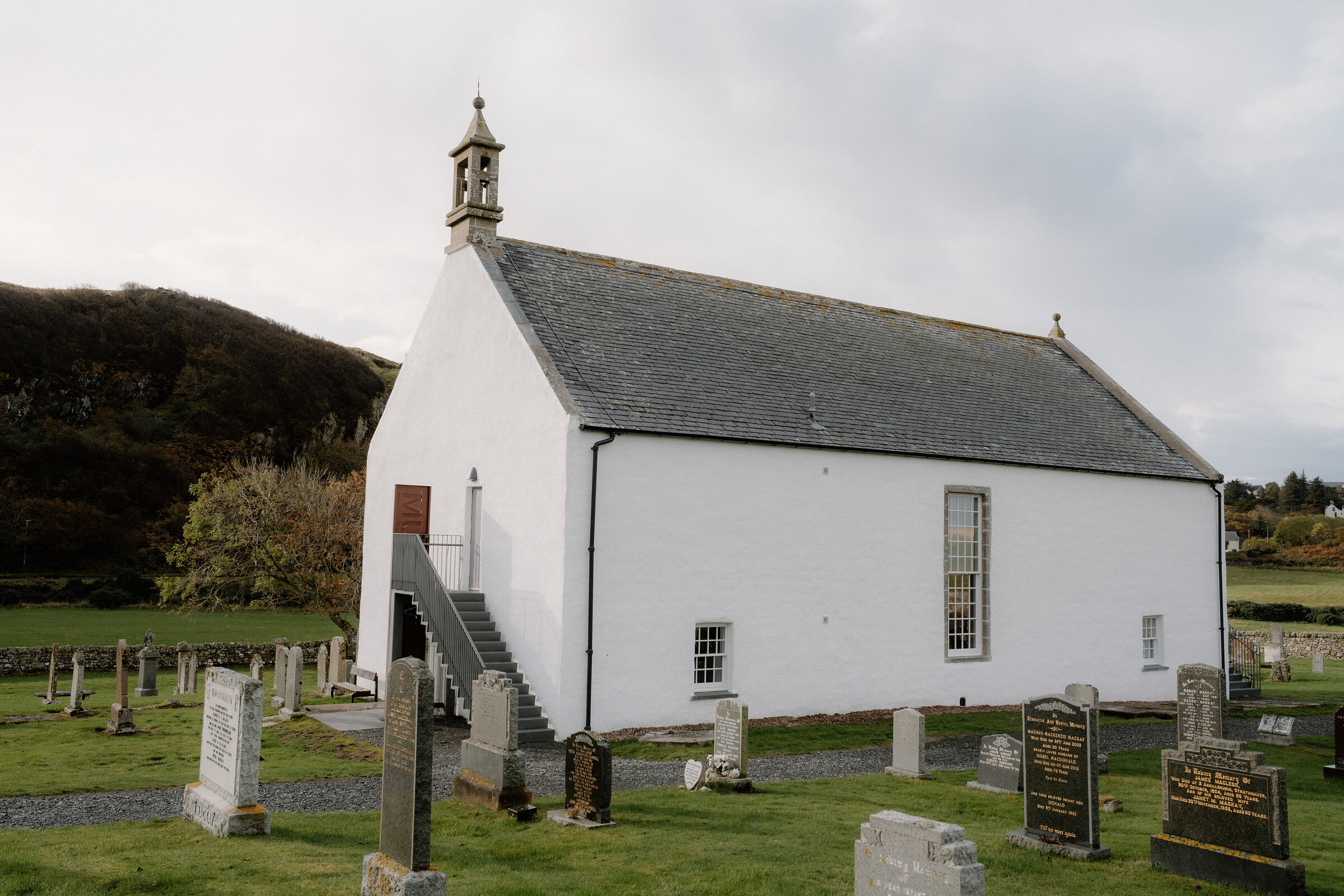
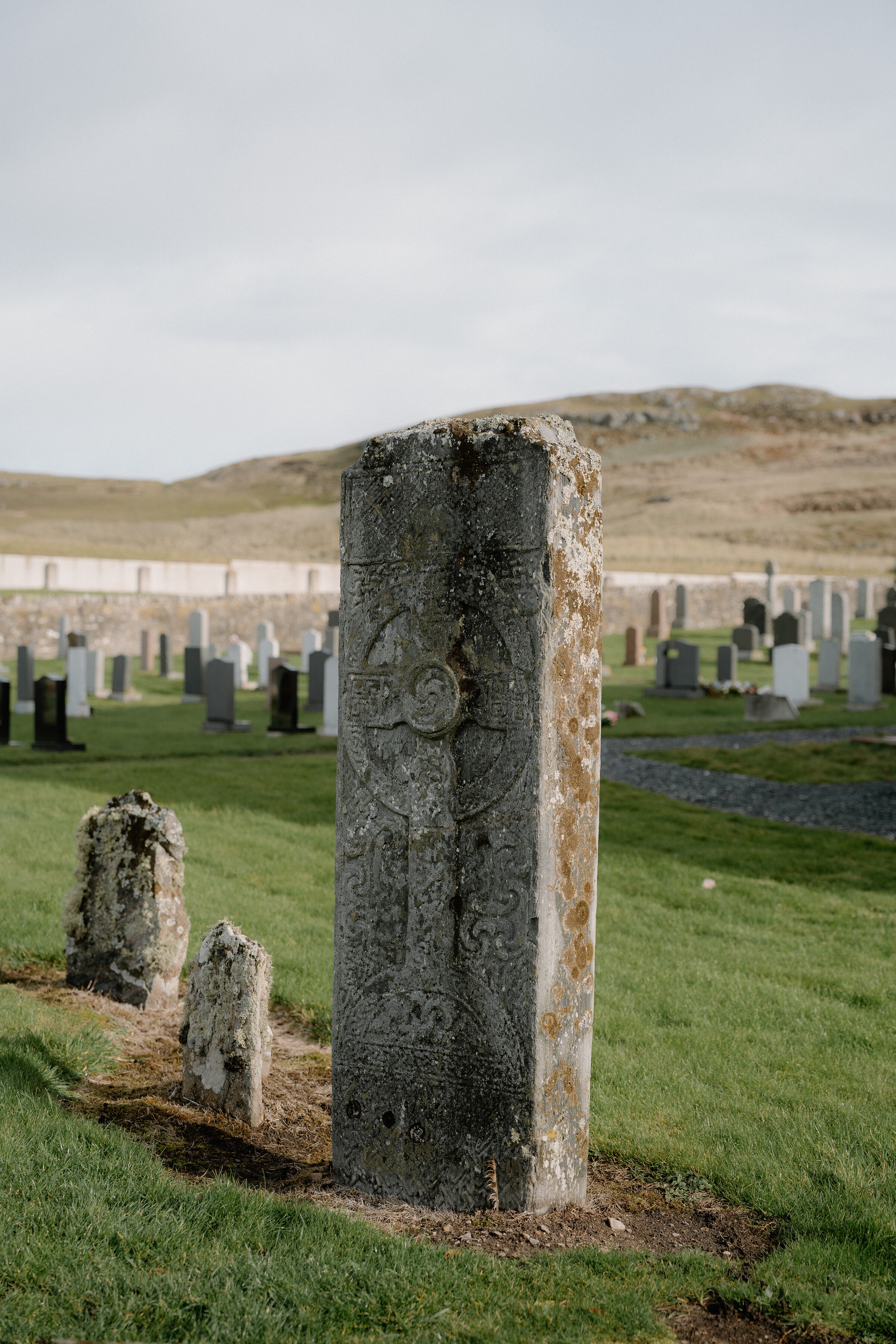
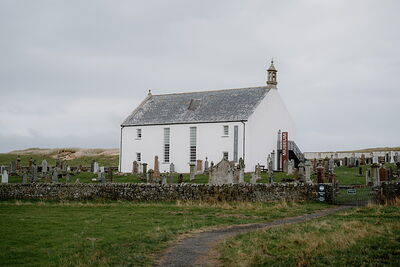
Many Highland families left in the Clearances, when landlords moved whole communities off the land for sheep. Strathnaver Museum, in a whitewashed former church at Bettyhill, is given over to that story, with a room for Clan Mackay. It opens from Monday to Saturday between 1 April and 31 October.
Up the strath, the deserted township of Rosal was cleared between 1814 and 1818, and the remains of its long-houses still stand in the grass.
09 · Sutherland
Helmsdale
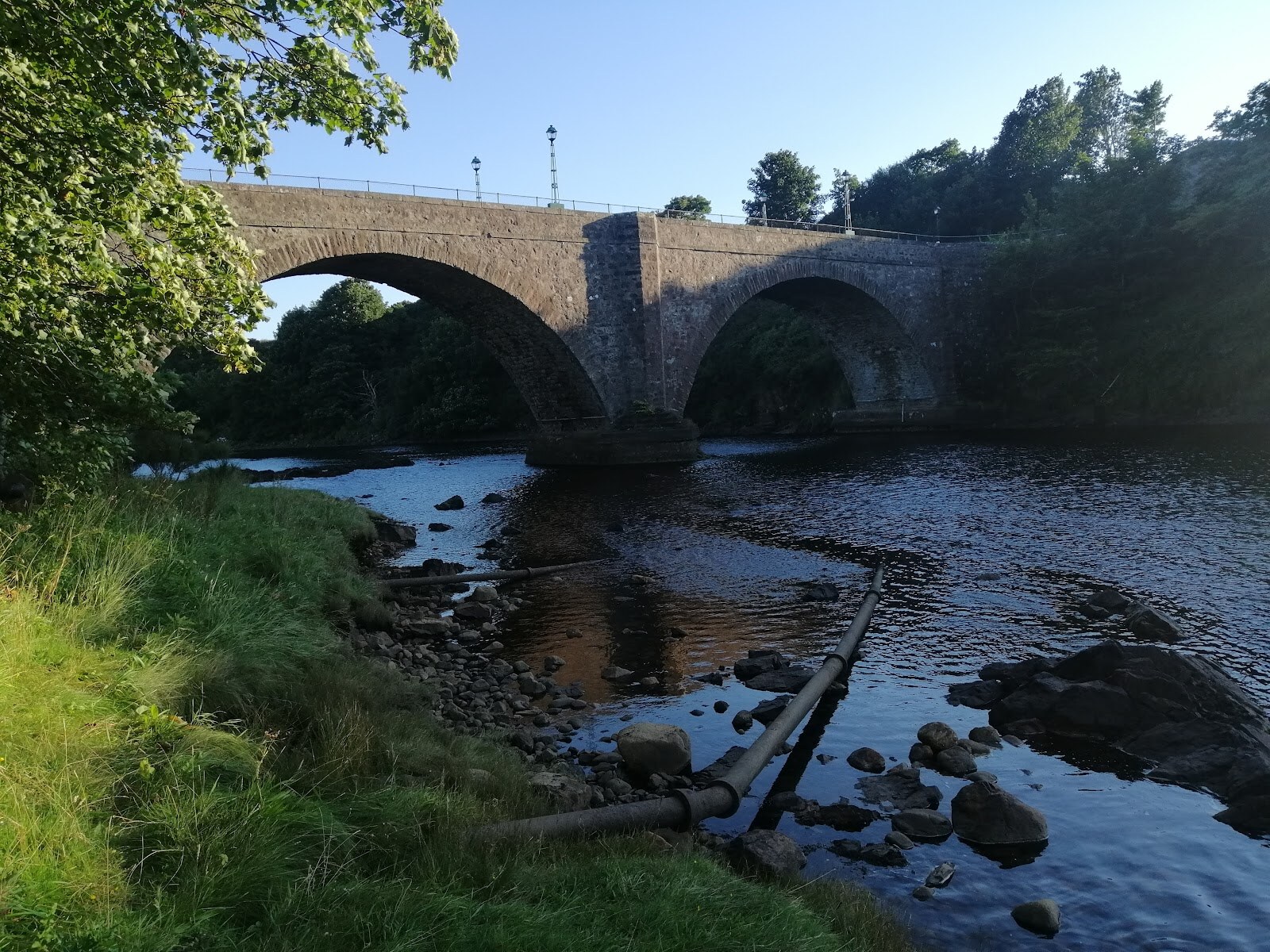
Above the river at Helmsdale, The Emigrants, a bronze of a family leaving home by the sculptor Gerald Laing, remembers the people of the Highlands and Islands who emigrated, with its words in Gaelic and English. A copy, The Selkirk Settlers, stands in Winnipeg.
Timespan, the museum in the village, has a genealogy service: its family history group answers enquiries, or will research a family for you for a fee.
Archives around the country.
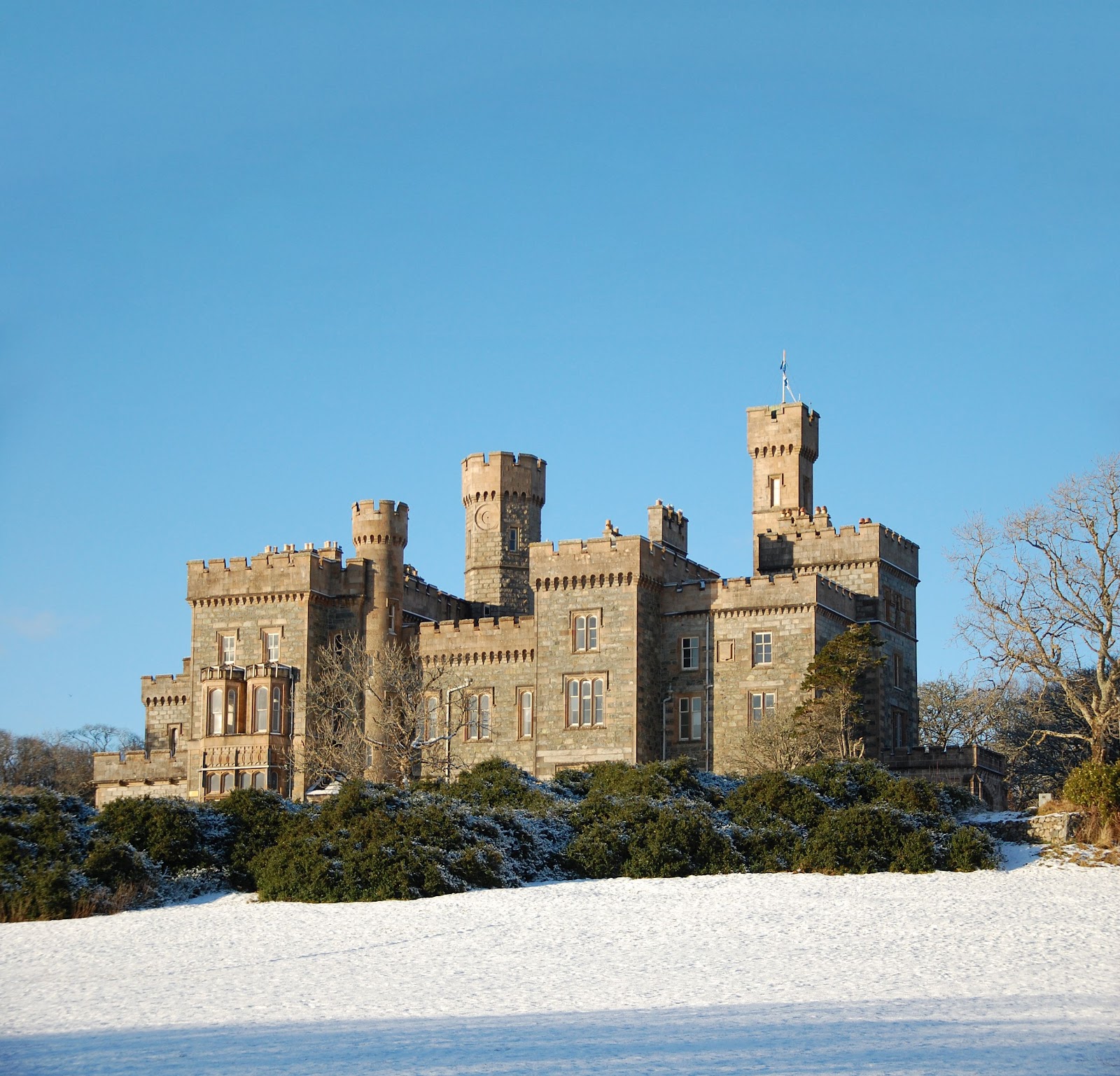
Every part of Scotland keeps its own records. The Highland Archive Centre in Inverness is the only place in the Highlands with direct access to the ScotlandsPeople network, bookable for a fee, and its family historians offer one-to-one consultations. Orkney’s archive is in the library in Kirkwall, and the Hebrides’ is at Lews Castle in Stornoway, by appointment, so get in touch well ahead. In Edinburgh, the Scottish Genealogy Society’s library on Victoria Terrace welcomes visitors without booking.
Most archives ask you to bring pencils rather than pens. For the National Records of Scotland’s original-records rooms, which need a reader’s ticket, bring proof of your name and address and two passport-sized photographs.
Clans and tartans.
In Scottish law a clan is a community recognised by the Crown, with a chief recognised by the Court of the Lord Lyon. According to the Standing Council of Scottish Chiefs, everyone who shares the chief’s surname is counted a member of the clan, and which other names belong to it, the septs, is for each chief to decide. A shared surname is a start, not proof of descent.
There are no laws about which tartan you may wear, only tradition. Not every name has a tartan, and the Scottish Register of Tartans suggests the tartan of your district instead, or one designed for anyone, and it can be searched free online.
 Out now
Twice a year, to your door
One hundred and sixty pages of Scotland, every photograph commissioned, every word written by someone who went. Members get both issues posted and everything on screen.
The Daily
Arrives at 5am every day.
A free morning email to see what’s on this week, catch up on what’s happening in Scotland and find somewhere new to go.
 Burns Night in Scotland
 Braemar Castle
 The 900th Anniversary of Stirling