
Burns Night in Scotland
Haggis, a dram and Auld Lang Syne on 25 January: how a Burns supper runs, and the places in Alloway, Mauchline, Dumfries and Edinburgh where Robert Burns can still be followed.
Words by Hidden Scotland
Every year on 25 January, Scotland remembers its national poet, Robert Burns, on the day he was born in 1759. Burns Night means a Burns supper: haggis, neeps and tatties, a dram or two, and an evening of his poems and songs that ends with everyone joining hands for Auld Lang Syne.
The first Burns supper was held on 21 July 1801, the fifth anniversary of his death, when nine men of Ayr met in the cottage where he was born. More than two centuries on, his life can still be followed from that cottage in Alloway to the house in Dumfries where he died.
01 · Alloway, Ayrshire
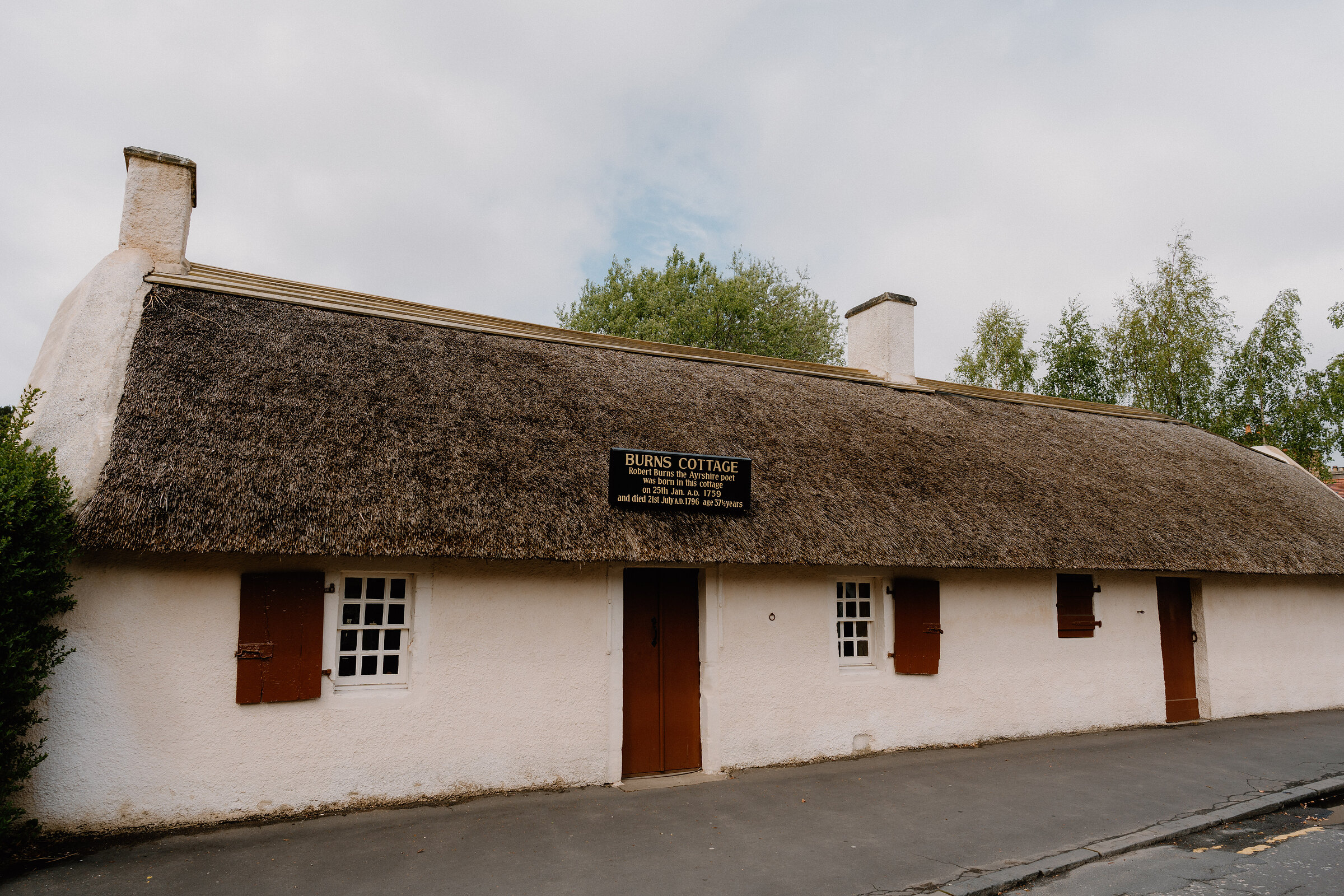
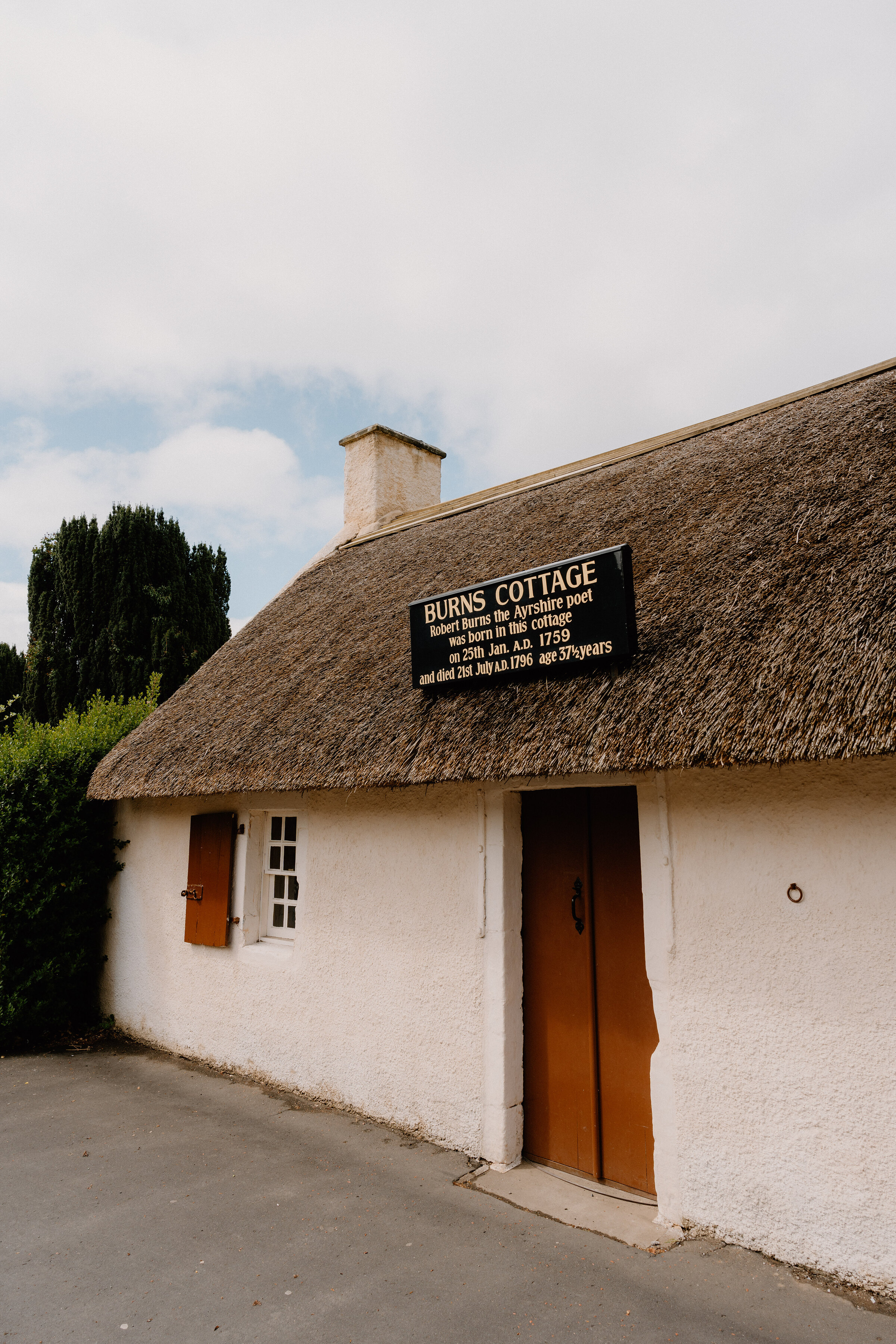
Burns Cottage
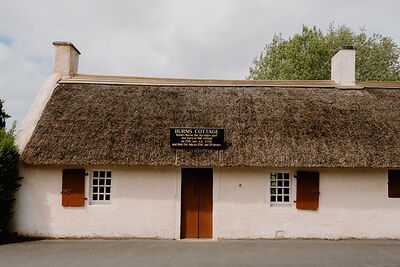
Burns was born in this long, low, whitewashed cottage, which his father, William Burnes, built. He lived here for the first seven years of his life. Under the thatch there were four rooms, two for the family and two for the animals, and the box bed where he was born is still set into the wall of the kitchen.
The cottage is part of the Robert Burns Birthplace Museum, and one ticket covers both. In winter the cottage opens every day from 11am to 3.30pm, apart from Christmas and the first two days of January.
02 · Alloway, Ayrshire
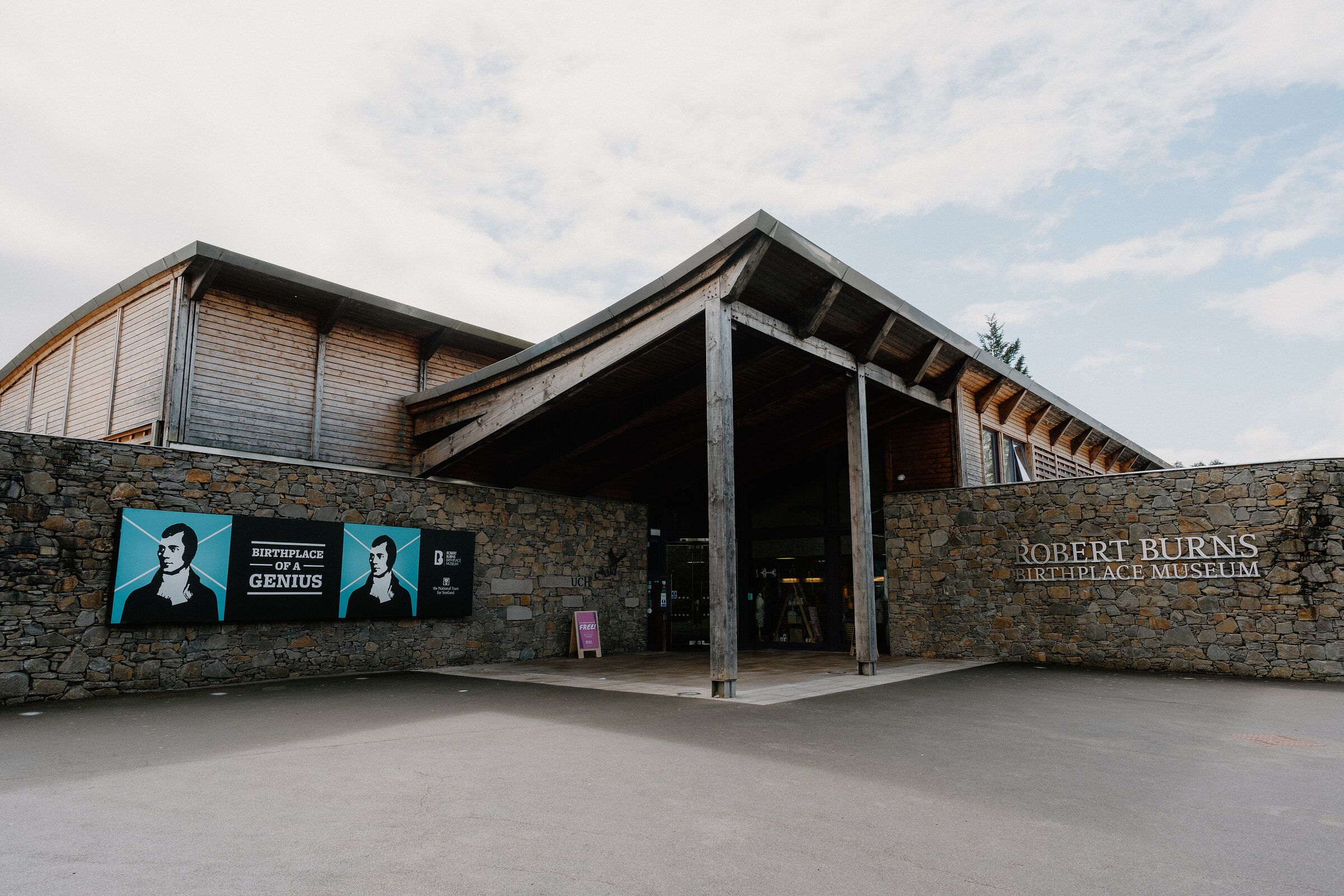
The Robert Burns Birthplace Museum
The National Trust for Scotland’s museum holds more than five thousand objects from Burns’s life, among them his own handwritten manuscripts. It is open every day through the winter, from 10am to 5pm, and its café serves haggis, neeps and tatties.
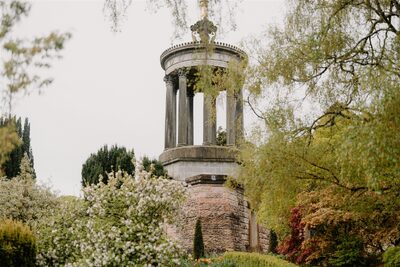
From the museum the Poet’s Path runs half a kilometre to the cottage. Close by is the Burns Monument, a Greek temple above the River Doon built between 1820 and 1823, where Burns tourism began.
03 · Alloway, Ayrshire
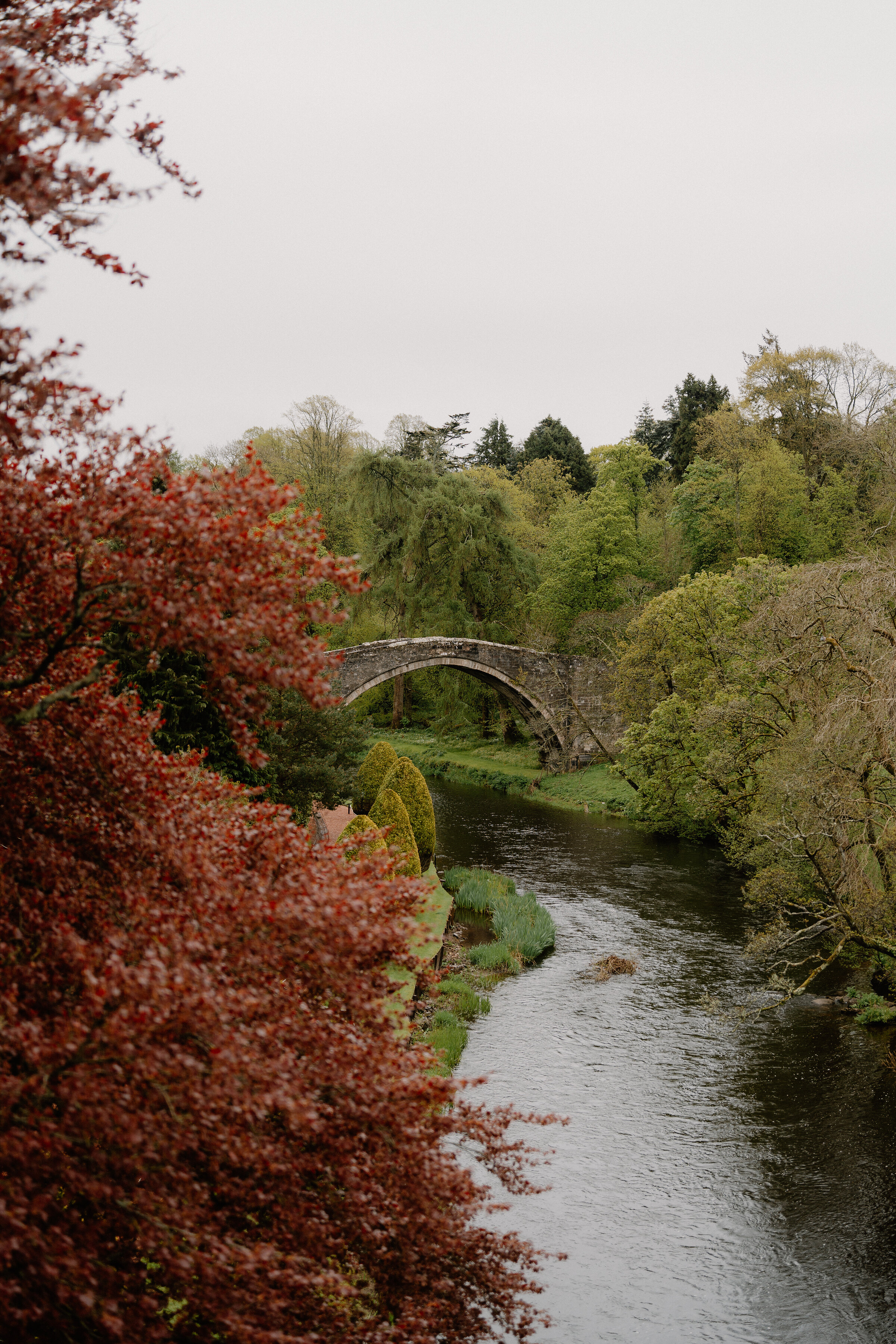
Alloway Auld Kirk and the Brig o’ Doon
These are the scenes of Tam o’ Shanter. Riding home late from a night out, Tam sees lights in the ruined Alloway Auld Kirk and finds witches and warlocks dancing inside. When they spot him he gallops for the Brig o’ Doon, knowing a witch cannot cross running water. He makes it, but his horse leaves her tail behind.
The kirk was already a ruin when Burns was a boy, and his father’s grave is just inside the gate. The old bridge, a single steep arch of mossy stone, is free to cross on foot at any time.
04 · Mauchline, Ayrshire
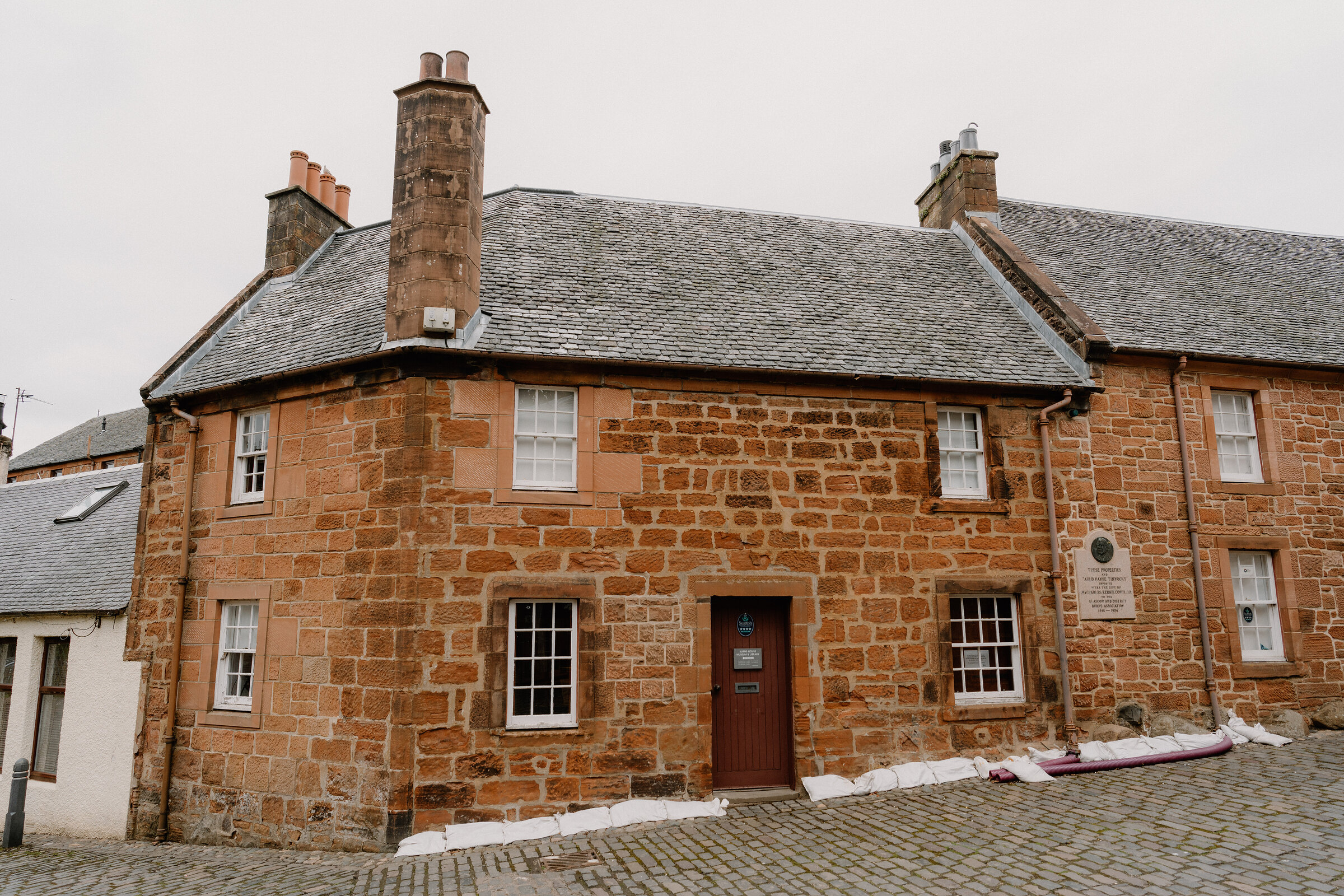
The Burns House Museum
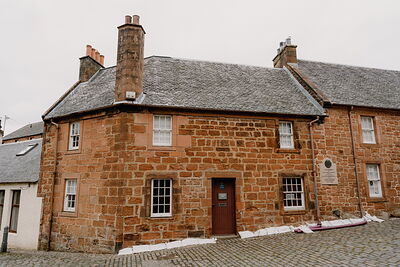
Burns wrote many of his best-known poems at Mossgiel Farm, just outside Mauchline, and he and his wife, Jean Armour, lived for a time in a room of this red sandstone house. The museum holds manuscripts, his belongings and things from everyday life in his time, from a curtained box bed to clothes and household goods.
05 · Near Dumfries
Ellisland Farm
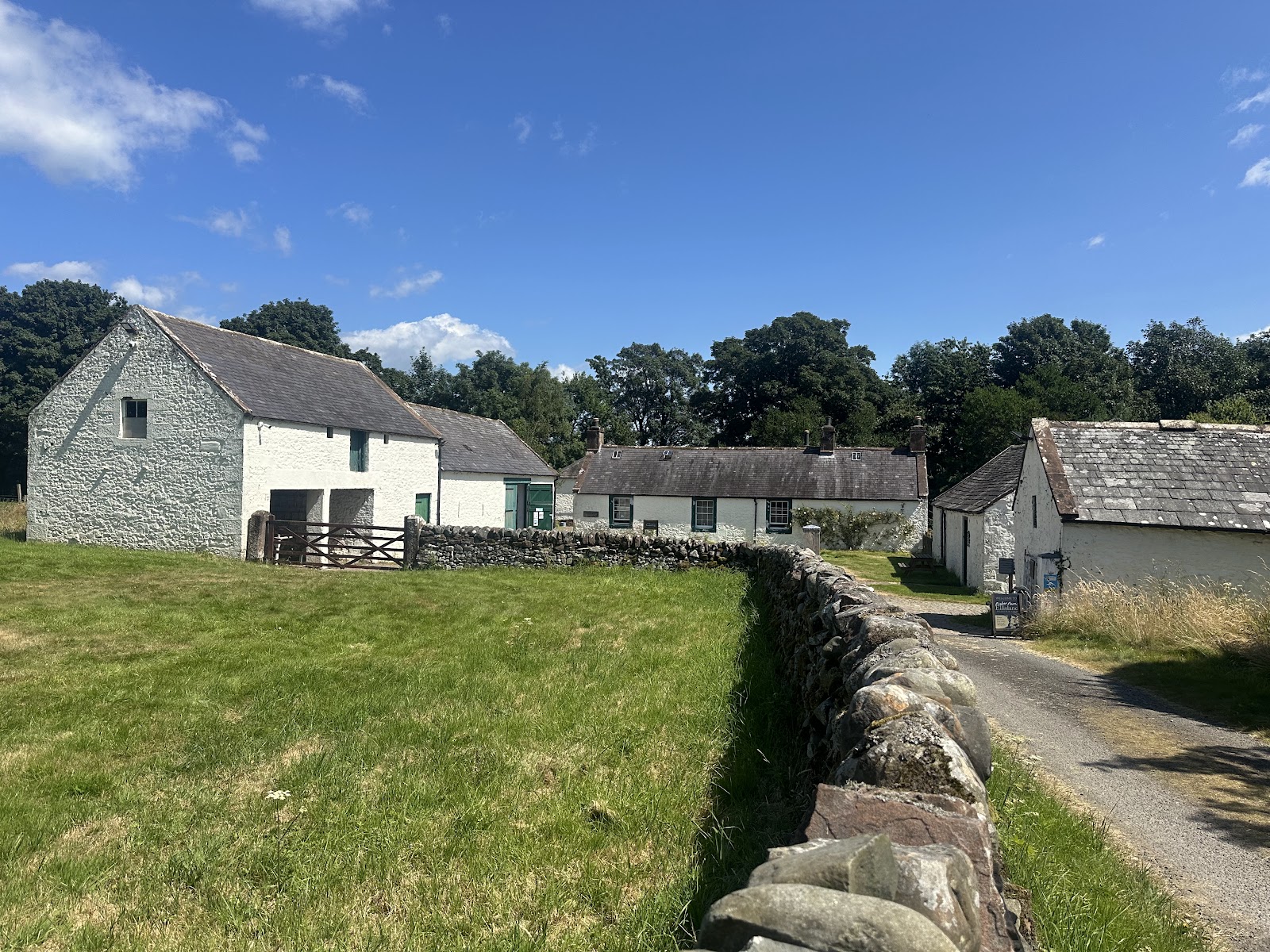
Burns took on Ellisland in 1788 and built the farmhouse himself, beside the River Nith. He farmed it with Jean Armour for three years, and it never paid, but it is where Auld Lang Syne was written, and Tam o’ Shanter is said to have come to him walking by the river. The farmhouse is a museum, with his desk and his belongings in the rooms he built. It closes for the winter, from November to late March.
06 · Dumfries
The Robert Burns House
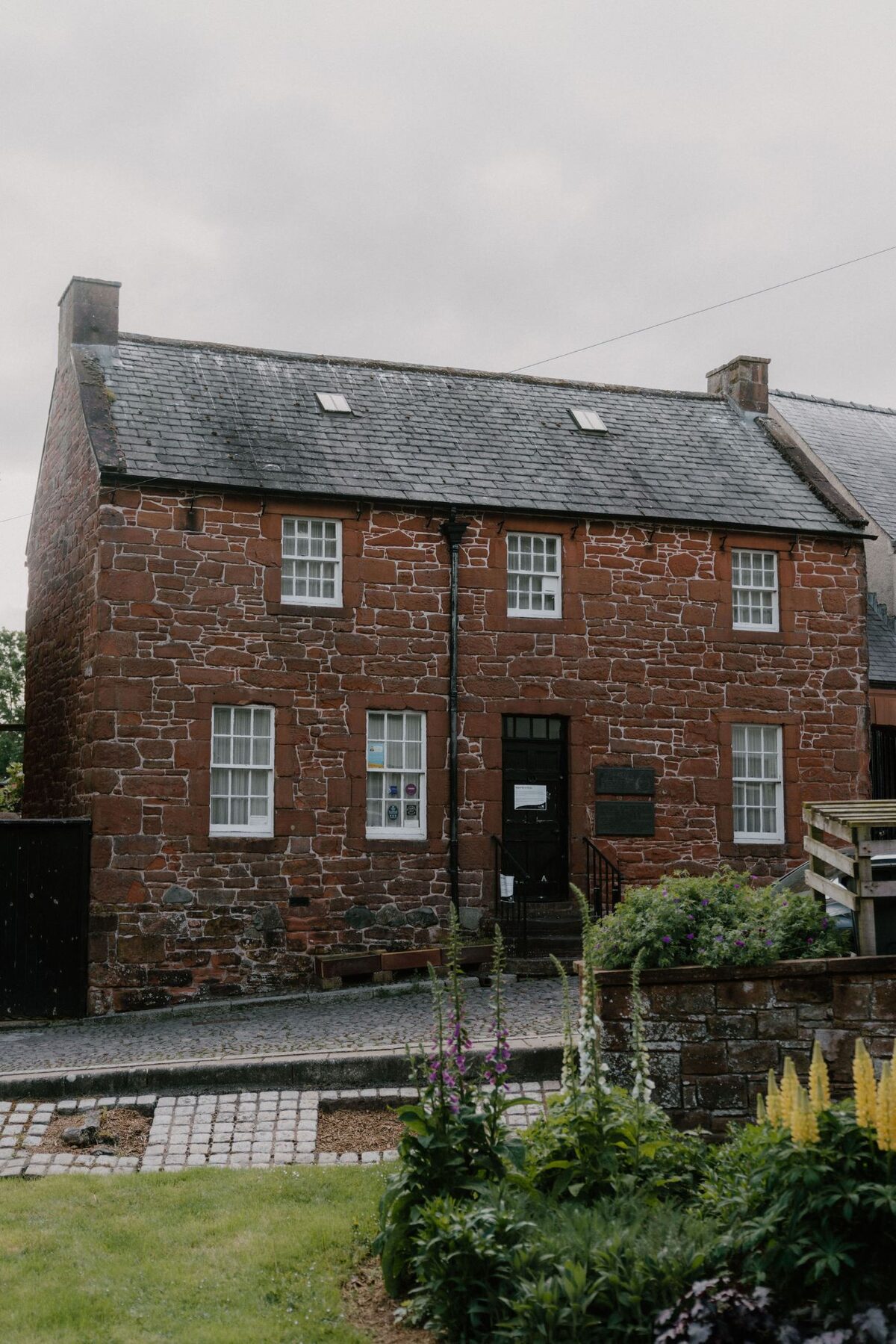
Burns spent the last years of his life in this plain sandstone house in Dumfries, and he died here in 1796, at thirty-seven. It is a small museum now, set out as his family lived, with manuscripts and household things, and it is free.
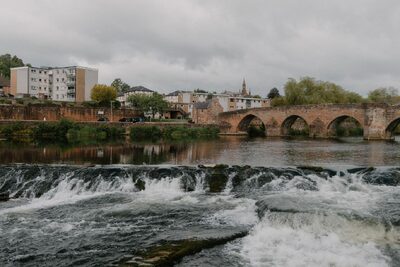
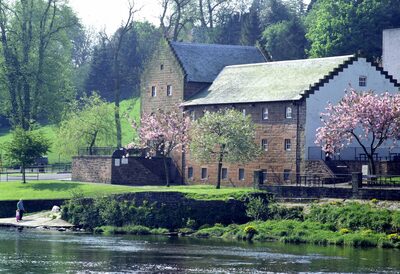
Across the River Nith, the Robert Burns Centre, in an old watermill, has a model of Dumfries as it was in his day, and it is free too. Through the winter both open from Tuesday to Saturday, so on Monday 25 January 2027 they are closed.
07 · Dumfries
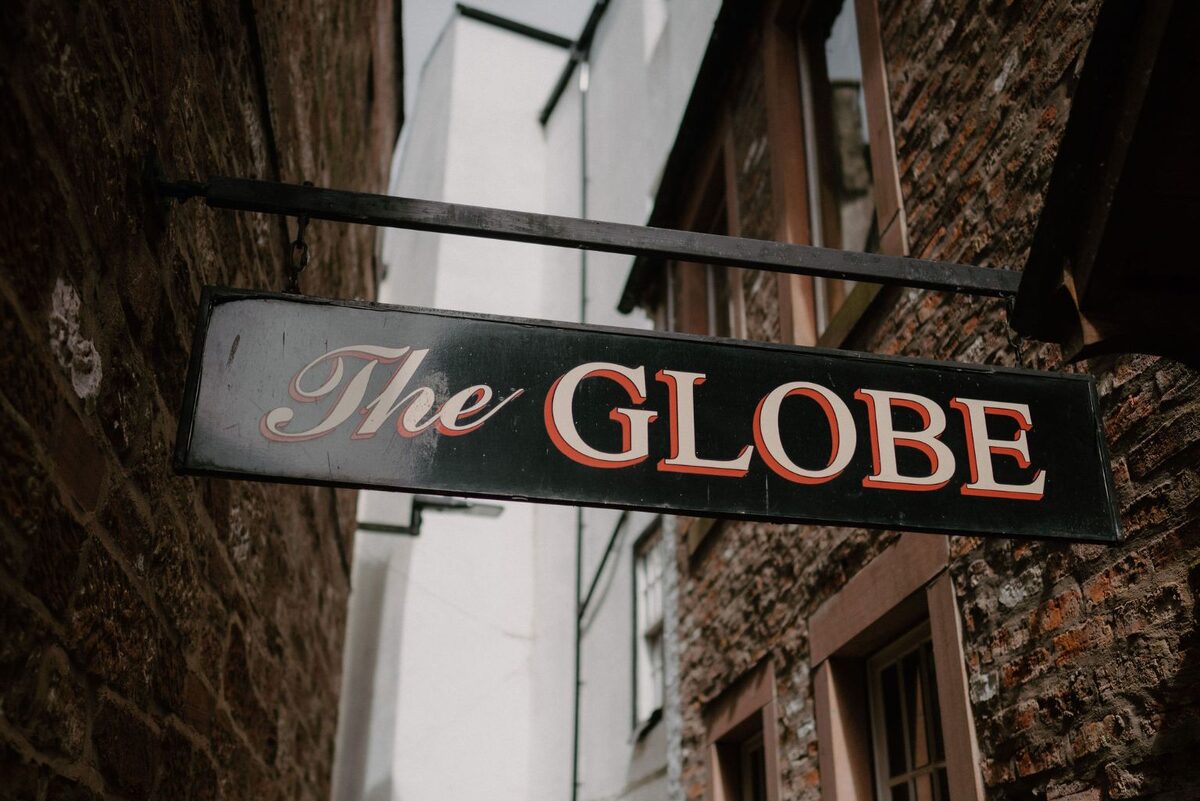
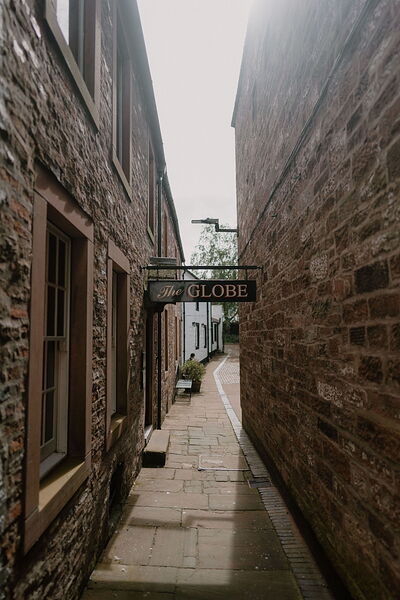
The Globe Inn
The Globe has been an inn since 1610, and in his Dumfries years it was Burns’s favourite howff, the Scots word for a haunt. On a tour you can sit in his chair and see the lines of verse he scratched on a bedroom window. Tours run from Wednesday to Saturday at noon, 2pm and 4pm, and need booking.
Burns Night itself has roots here. On 25 January 1819, what would have been his sixtieth birthday, the committee raising his mausoleum met at the Globe and decided to celebrate the day every year.
08 · Edinburgh
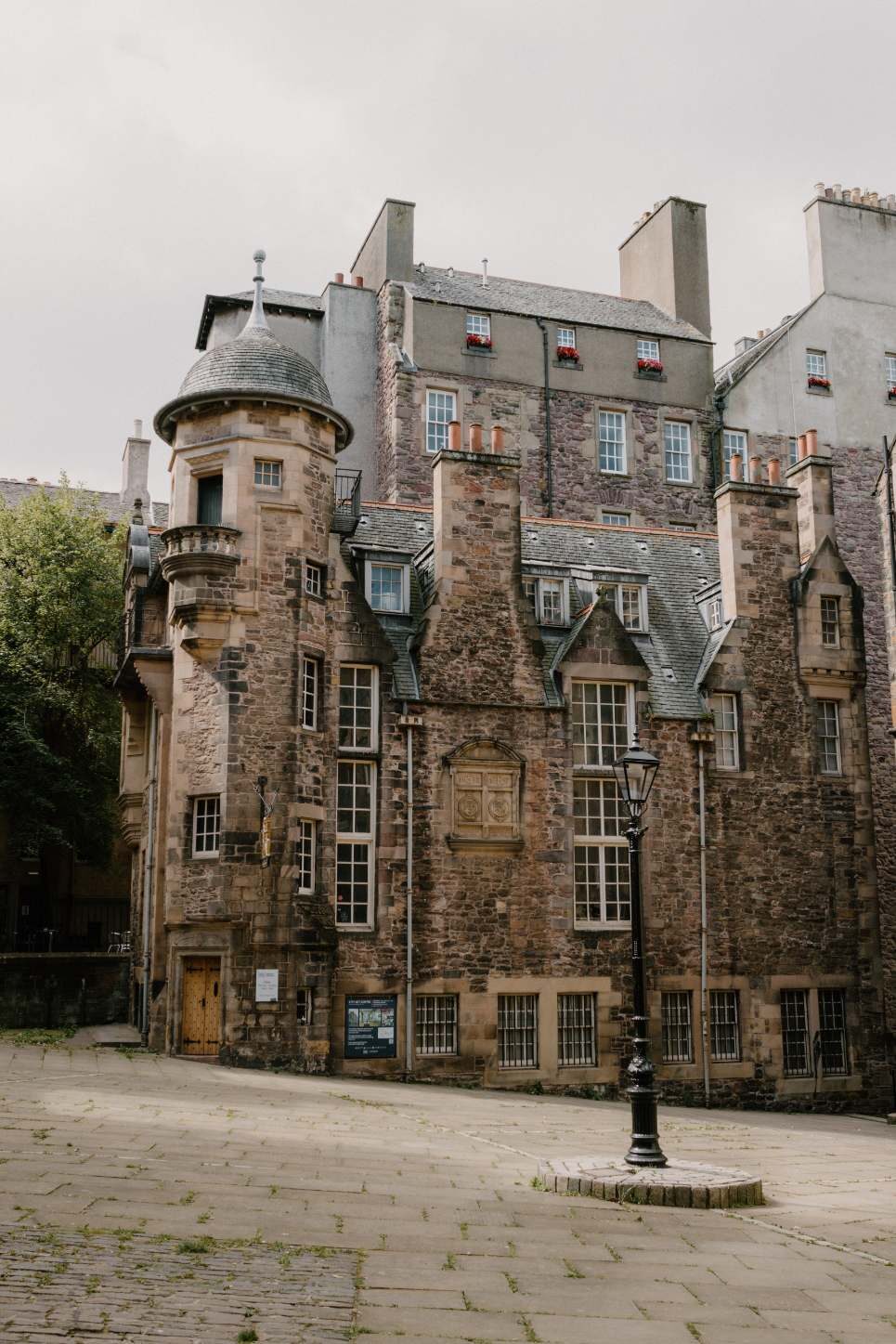
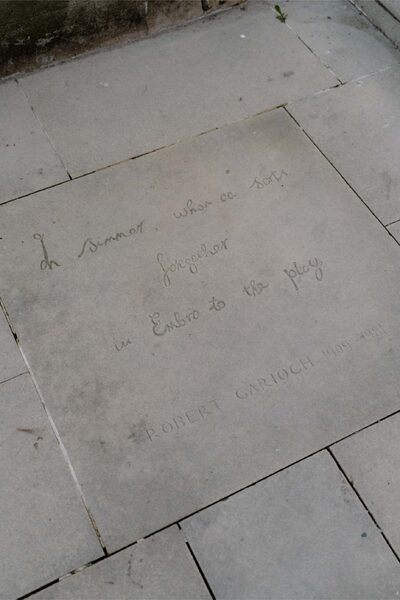
The Writers’ Museum
In Lady Stair’s Close, off the Royal Mile, an old turreted house is given over to Burns, Scott and Stevenson. Burns’s rooms hold his writing desk and his own draft of Scots Wha Hae. It is free and open every day from 10am to 5pm.
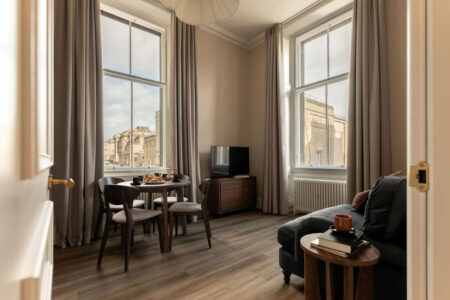
Stay near The Writers’ Museum
Our places to stay, nearest first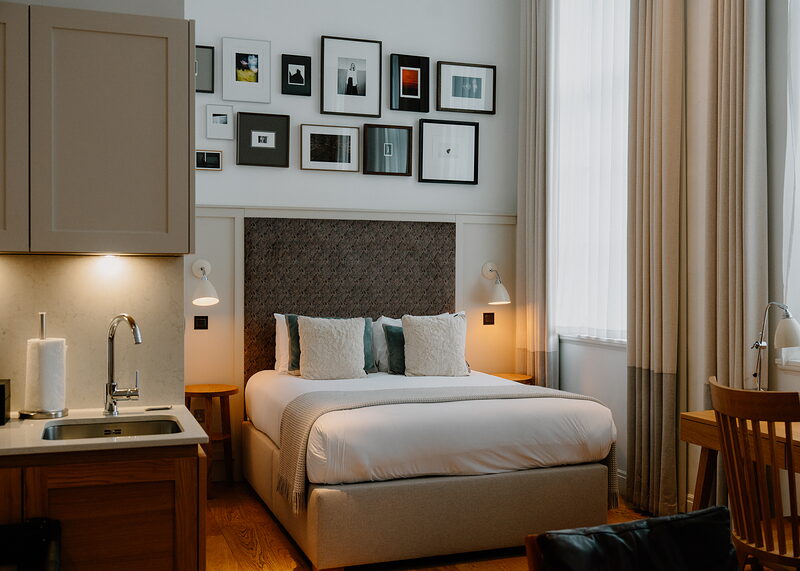

How a Burns supper runs.
A piper plays the guests in, and the host welcomes everyone before the Selkirk Grace, a short blessing said in Scots before the meal. Then the haggis is piped in, and someone performs Burns’s Address to a Haggis over it before it is served with neeps and tatties, which are turnip and potatoes. Pudding is often cranachan or a clootie dumpling.
After dinner come the speeches. The Immortal Memory is the main tribute to Burns’s life and work. Then comes the toast to the lassies, and one of the women at the table replies, usually with a funny speech. There are songs and poems in between, and the night ends with everyone standing, joining hands and singing Auld Lang Syne.
In 2027 Burns Night falls on Monday 25 January, and plenty of suppers are held on the nearest weekend.
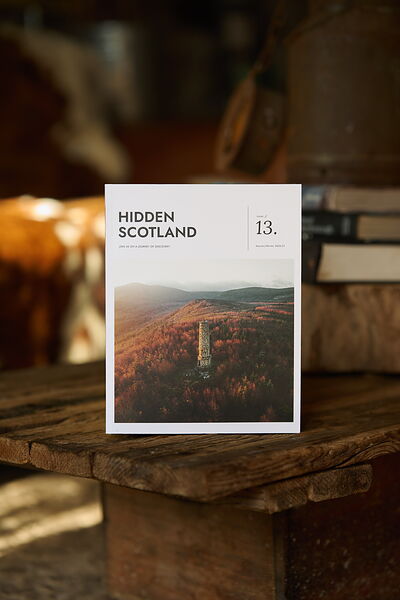 Out now
Twice a year, to your door
One hundred and sixty pages of Scotland, every photograph commissioned, every word written by someone who went. Members get both issues posted and everything on screen.
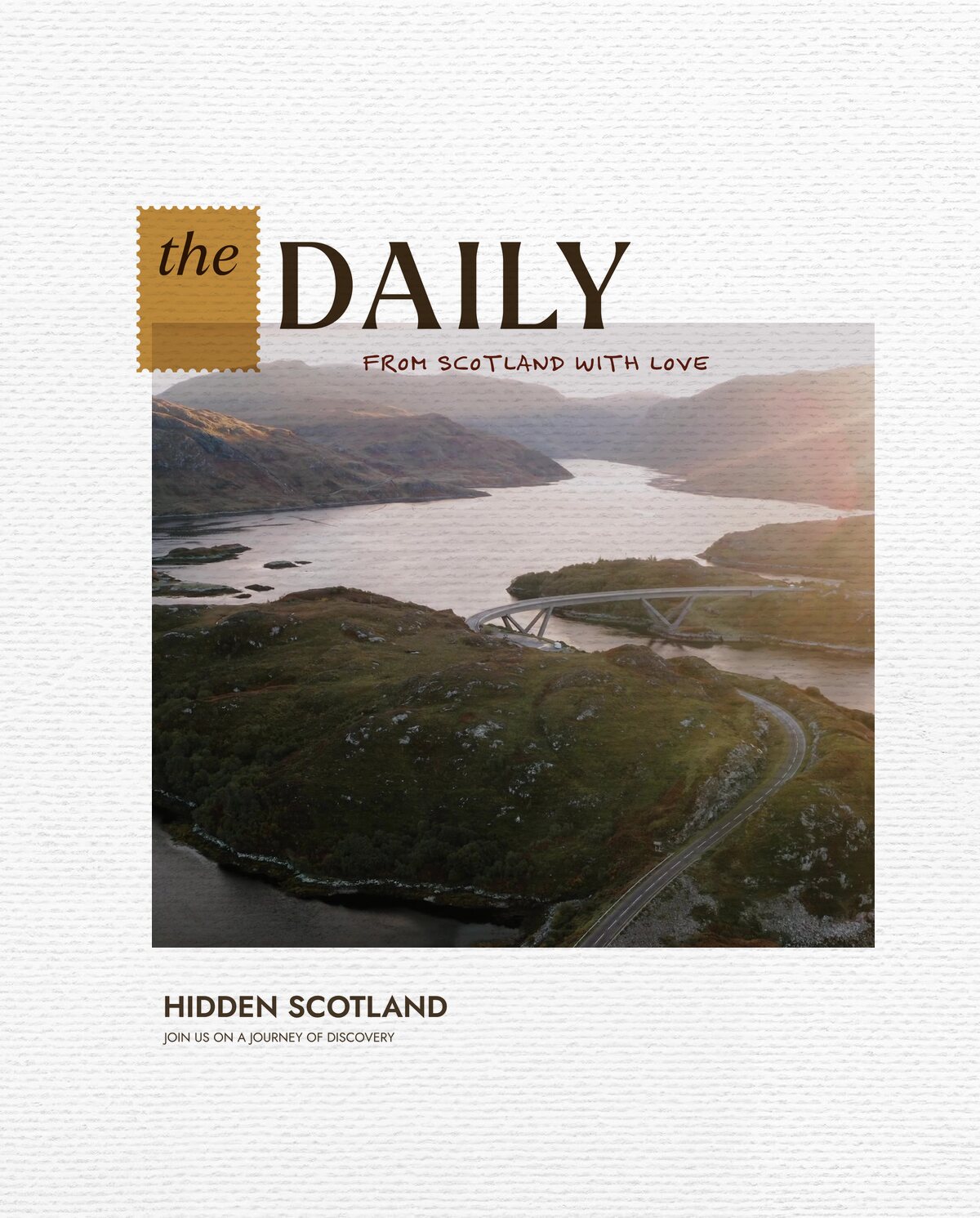
The Daily
Arrives at 5am every day.
A free morning email to see what’s on this week, catch up on what’s happening in Scotland and find somewhere new to go.
 Tracing Your Scottish Roots
 Braemar Castle
 The 900th Anniversary of Stirling