Did you know
Worship until 1756.
The kirk, built in 1516, was used for worship until 1756, so it was already a ruin in Burns's day.
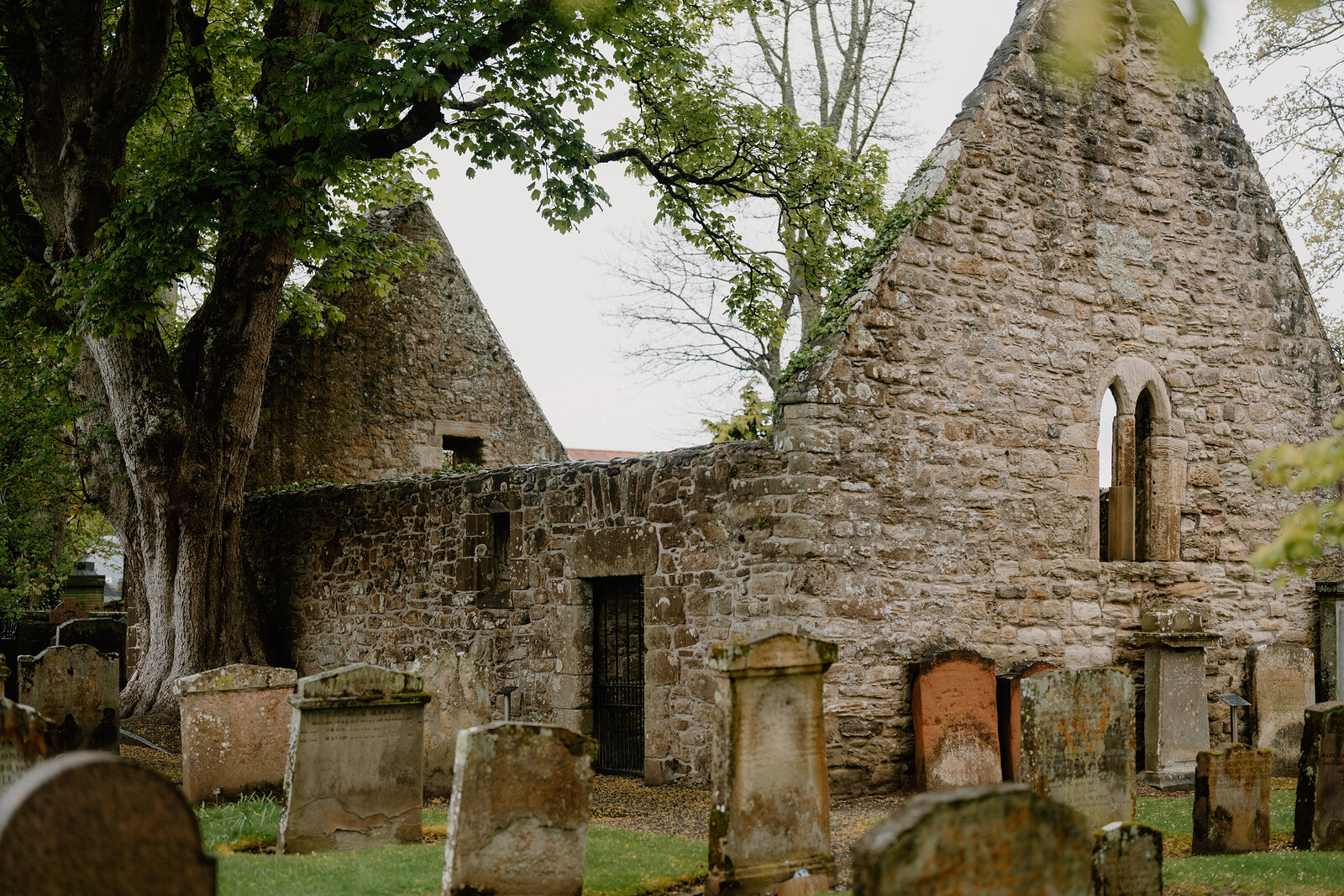
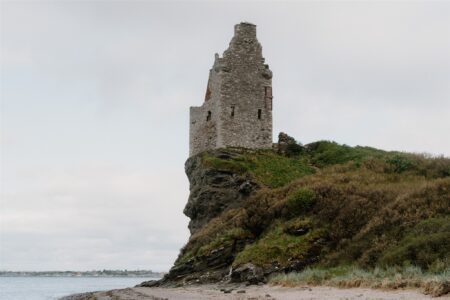
The roofless 16th-century kirk in Alloway where Tam o' Shanter saw the witches dance, and where Burns's father lies buried.
At the south end of Alloway, among old gravestones and great trees, stands the small roofless kirk that Robert Burns made famous.
Built in 1516, it was used for worship until 1756, and it was already a ruin when Burns was a boy growing up nearby.
In his poem Tam o' Shanter, Tam is riding home late from a night of revelry when he sees strange lights and hears music coming from the ruined kirk. Peering in, he finds witches and warlocks dancing, and when they spot him they chase him all the way to the Brig o' Doon.
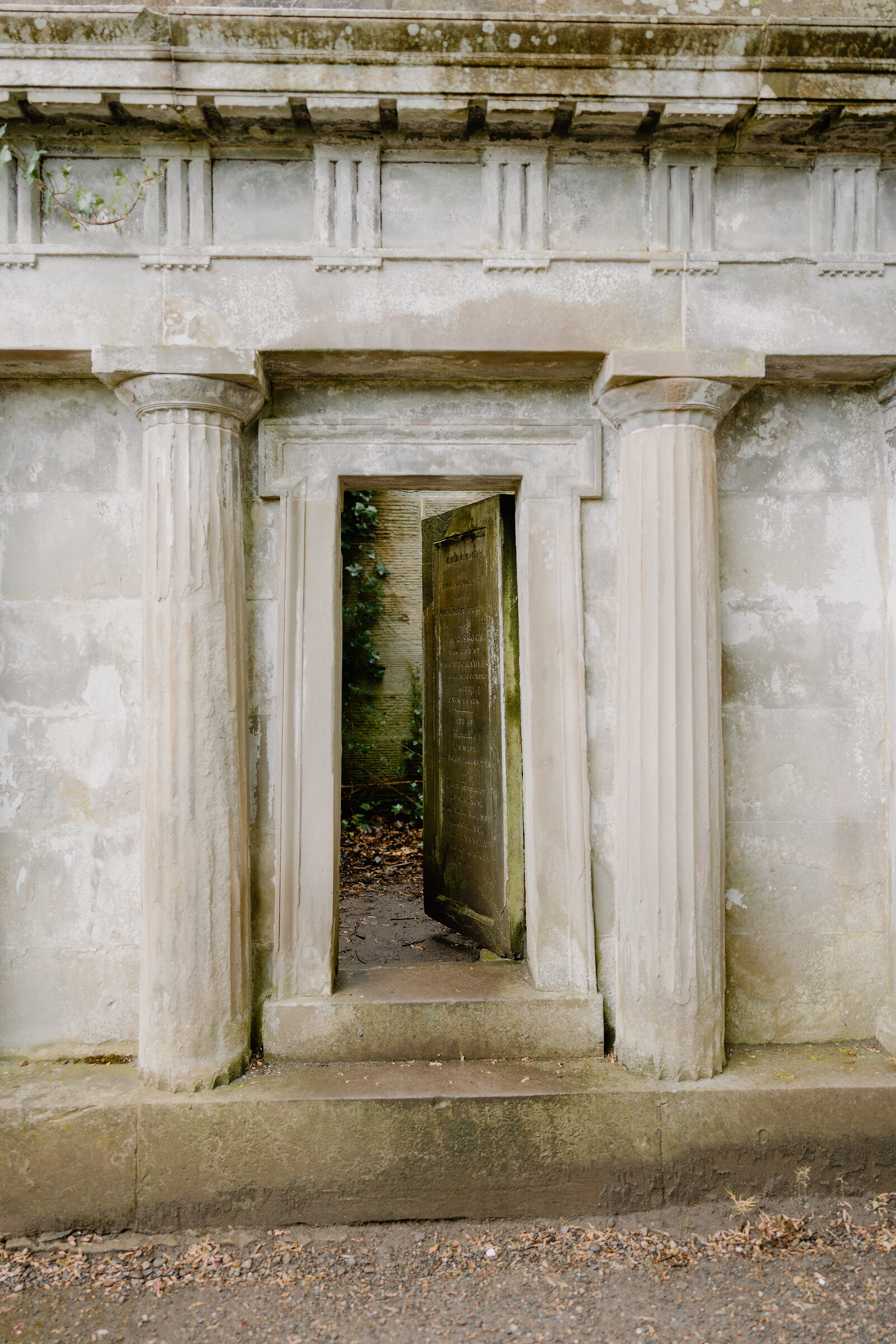
The kirkyard holds a more personal link too. Just inside the entrance is the grave of William Burnes, the poet's father. The kirk is one of the Burns sites cared for by the National Trust for Scotland in Alloway, and it is free to visit at any time.
The Daily
Arrives at 5am every day.
A free morning email to see what’s on this week, catch up on what’s happening in Scotland and find somewhere new to go.
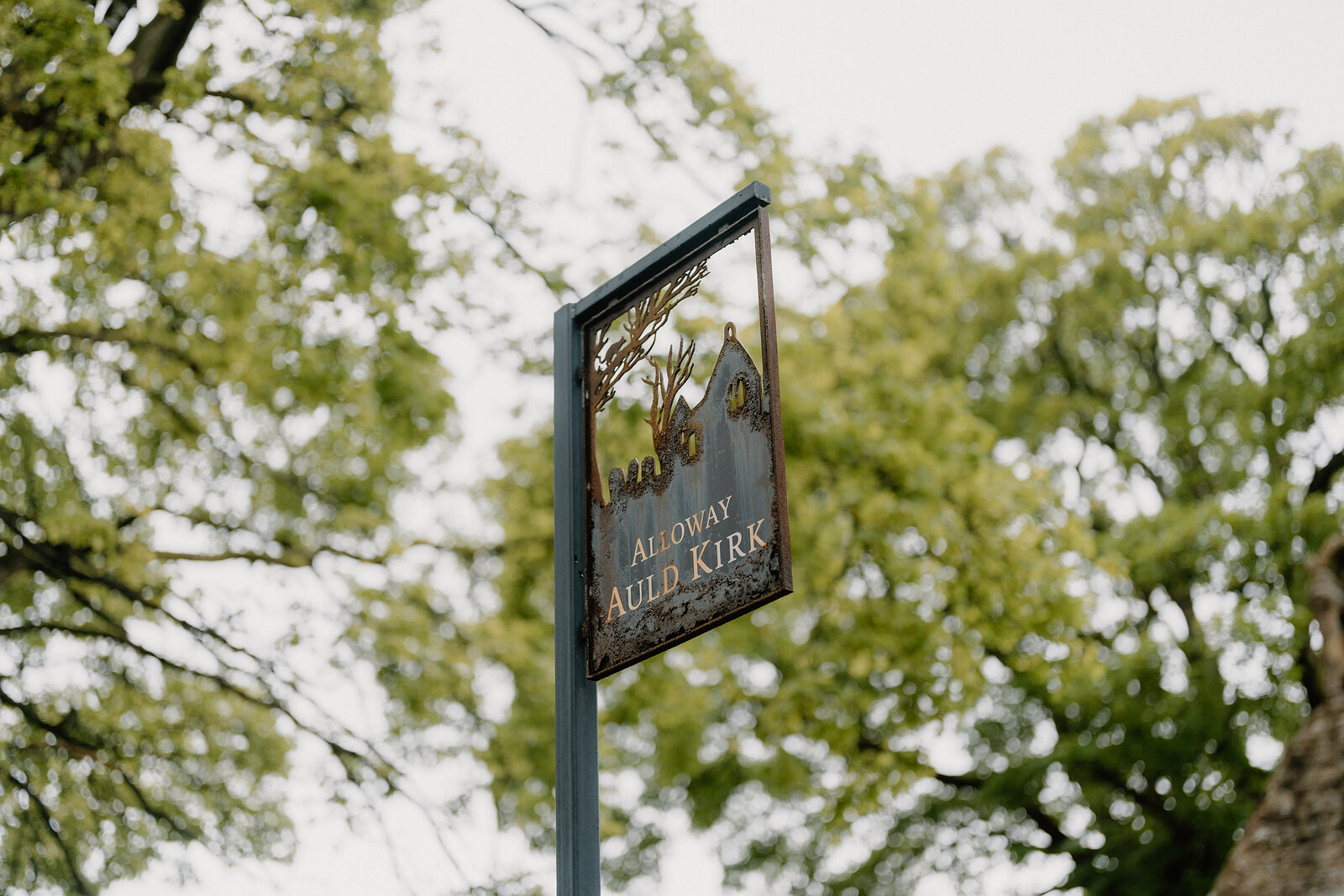
Open at any hour and free, as part of the Burns sites in Alloway cared for by the National Trust for Scotland.
Been here? Tell others what you know, and the best go on this page with your name.
Add your reviewThe kirk, built in 1516, was used for worship until 1756, so it was already a ruin in Burns's day.
William Burnes, the poet's father, is buried just inside the kirkyard entrance.
This small roofless kirk is where Tam o' Shanter, riding home late from the market, saw witches and warlocks dancing in the firelight. It was built in 1516 and was already a ruin when Burns was a boy, and he set the most famous scene of his poem here. Wander the old kirkyard under the big trees and you will find a quieter link to the poet as well: the grave of his father, William Burnes, just inside the entrance. The National Trust for Scotland looks after it, and it is free to visit at any time. Come at dusk in autumn for the full effect.
Read moreNew places, news and stories, as we find them.
What is on in AyrshireAt the south end of Alloway, near the Burns Monument and the Brig o' Doon, 2.5 miles south of Ayr.
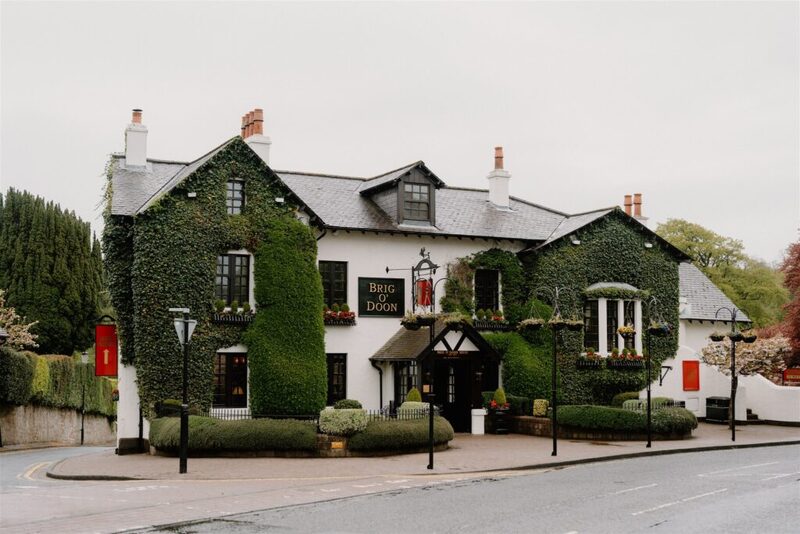
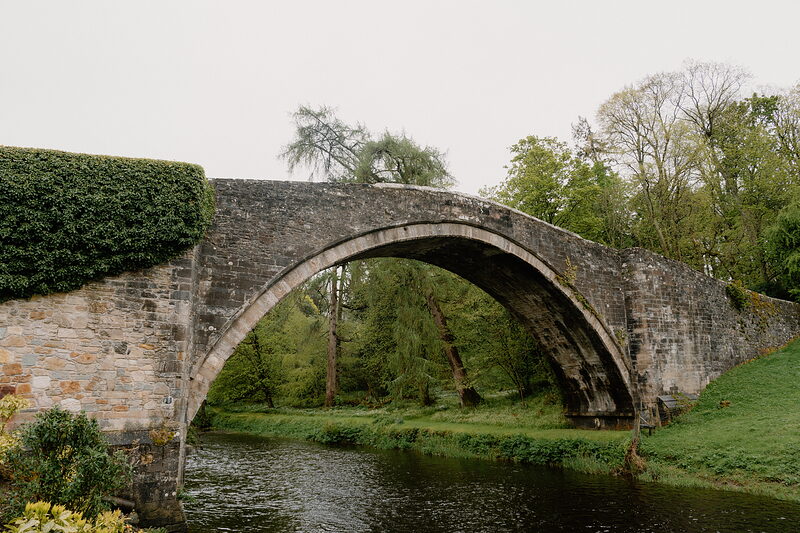 Brig o’ DoonWhere Tam escaped the witches.Under a mile 1 min by road
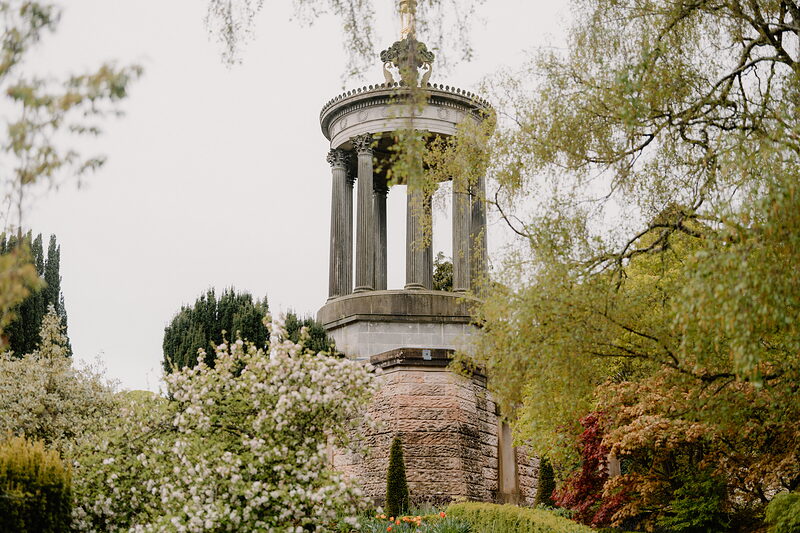 Burns MonumentThe monument above the Doon.Under a mile 1 min by road
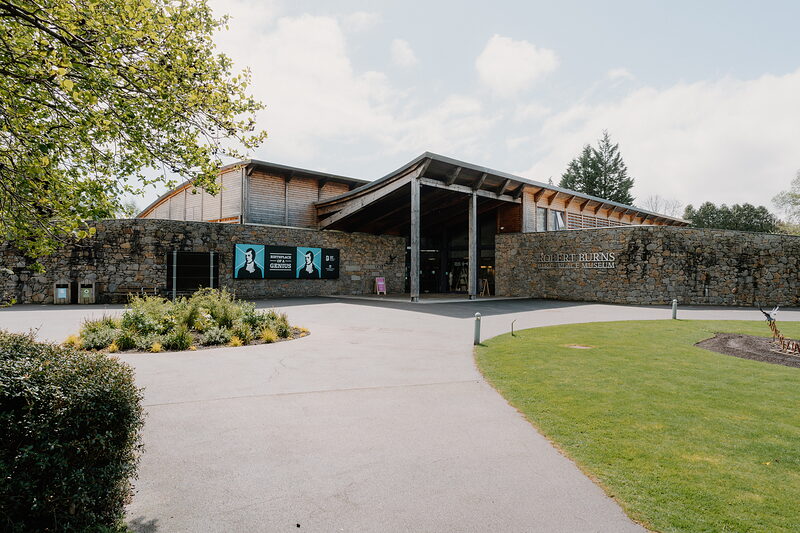 Robert Burns Birthplace MuseumThe National Trust for Scotland's museum of Robert Burns in Alloway, with more than 5,000 artefacts including his manuscripts, and a café.Under a mile 1 min by road
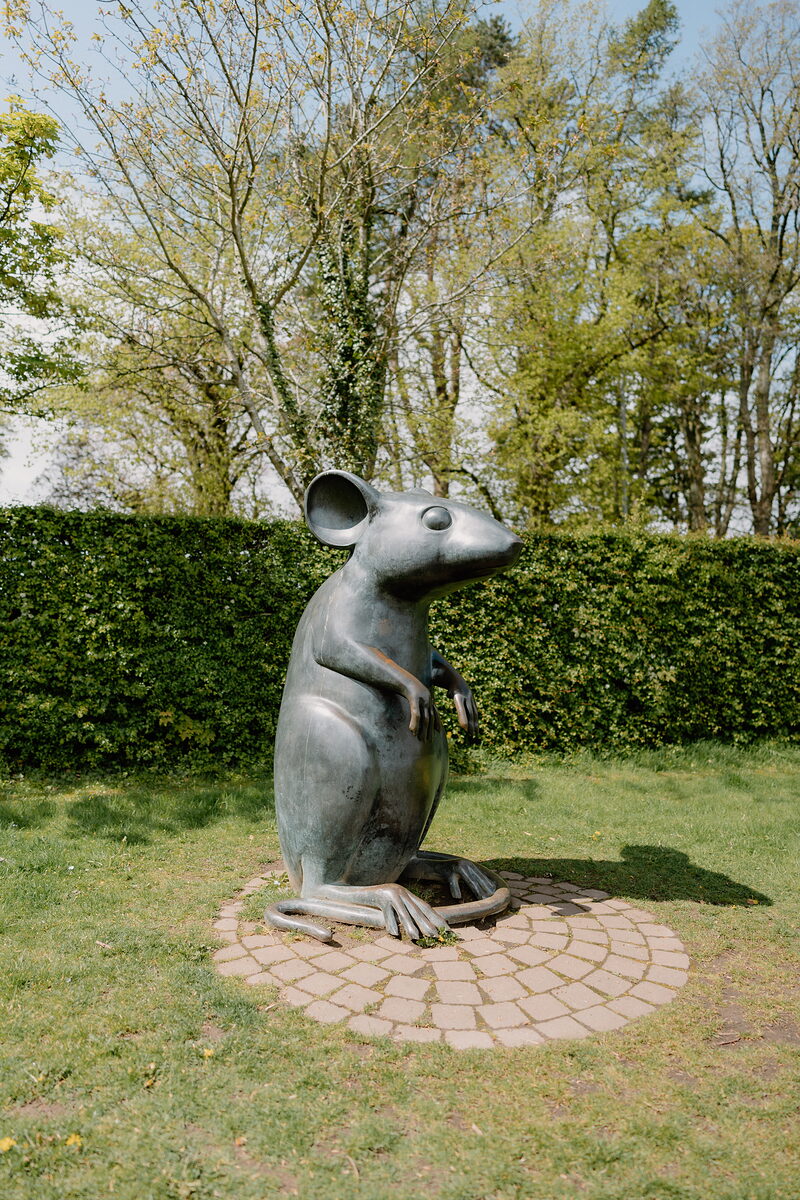 Poet’s PathA 500-metre walkway in Alloway from the Birthplace Museum to Burns Cottage, lined with sculptures from Burns's best-loved poems.Under a mile 1 min by road
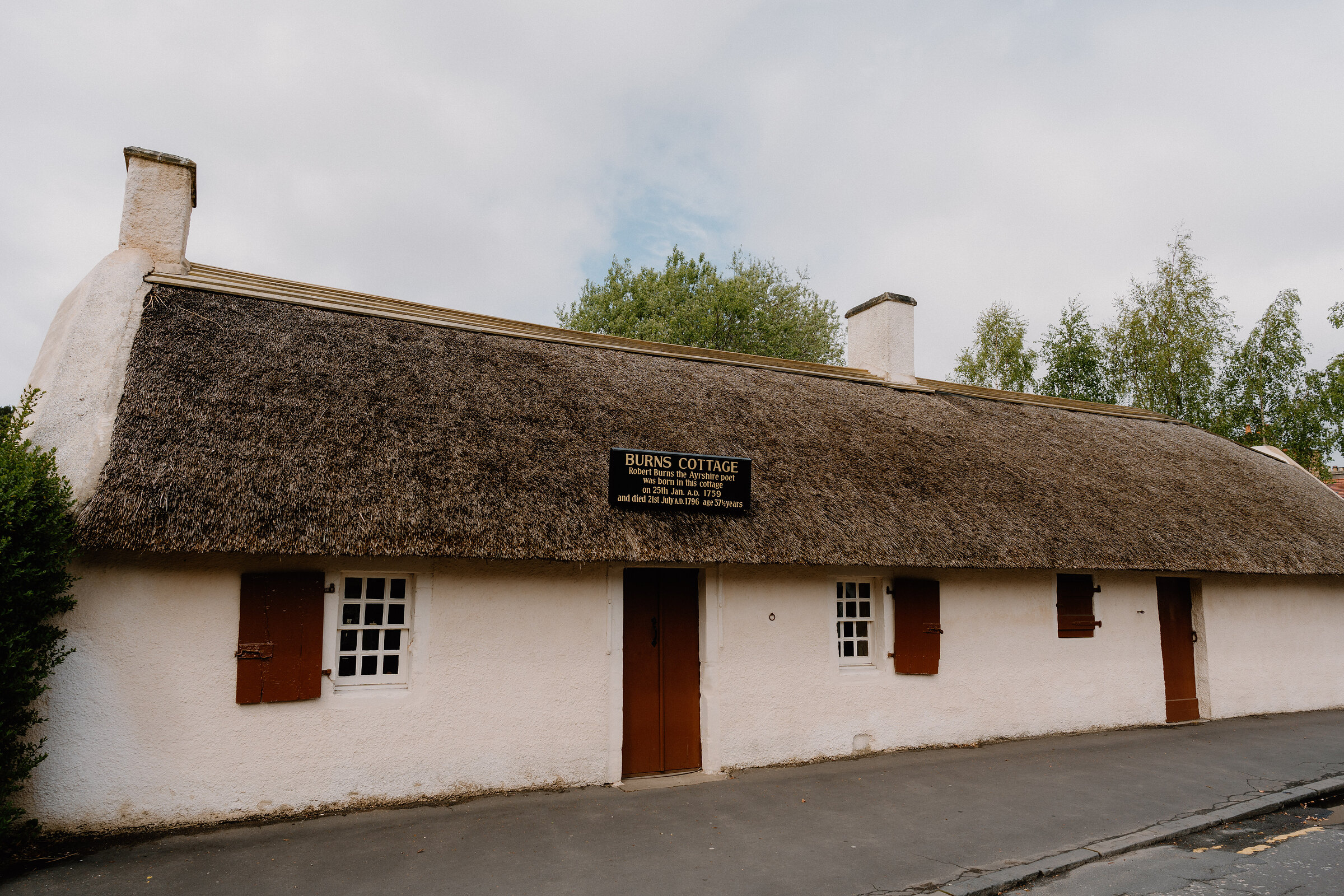
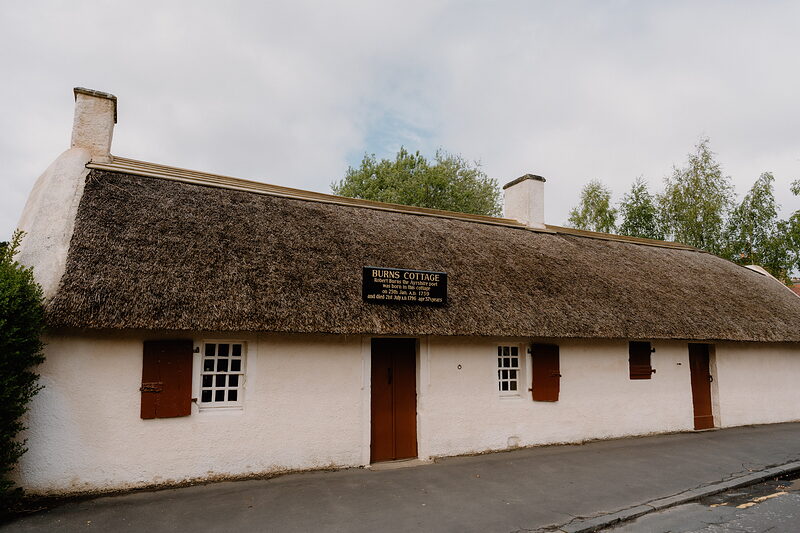 Burns CottageWhere Burns was born.Under a mile 2 min by road
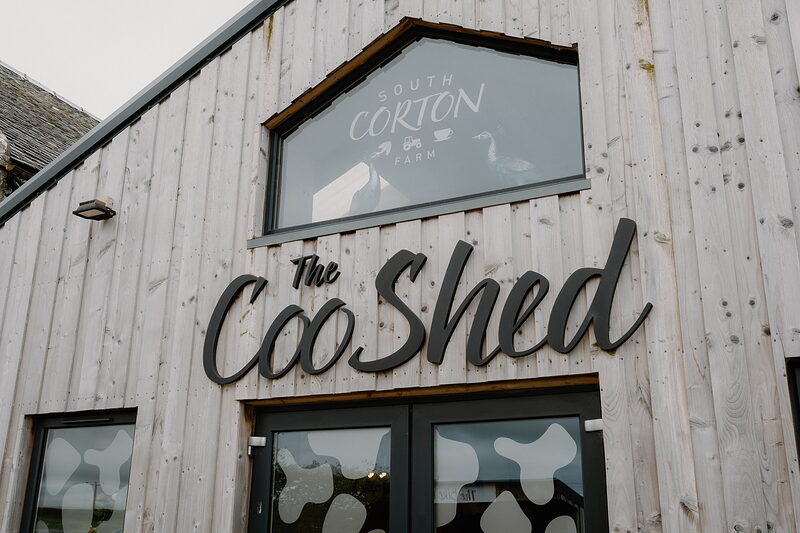 The Coo ShedA cafe on a family dairy farm just outside Ayr, with farm-fresh food, milk and milkshakes from the farm, and a plant nursery.2 miles 6 min by road
We want to show you the best that Scotland has to offer. The makers and the creatives, the enduring experiences, the evocative tales, the concealed corners. The roads less travelled that take you to places that matter. The adventures that gather you up and sweep you away. The blend of the wild and the artistic that makes Scotland what it is. We’d love for you to join us.
What we have written about it and more in Ayrshire.
For further reading, before you go. The details on this page were checked on .