Did you know
Fifty-nine buildings.
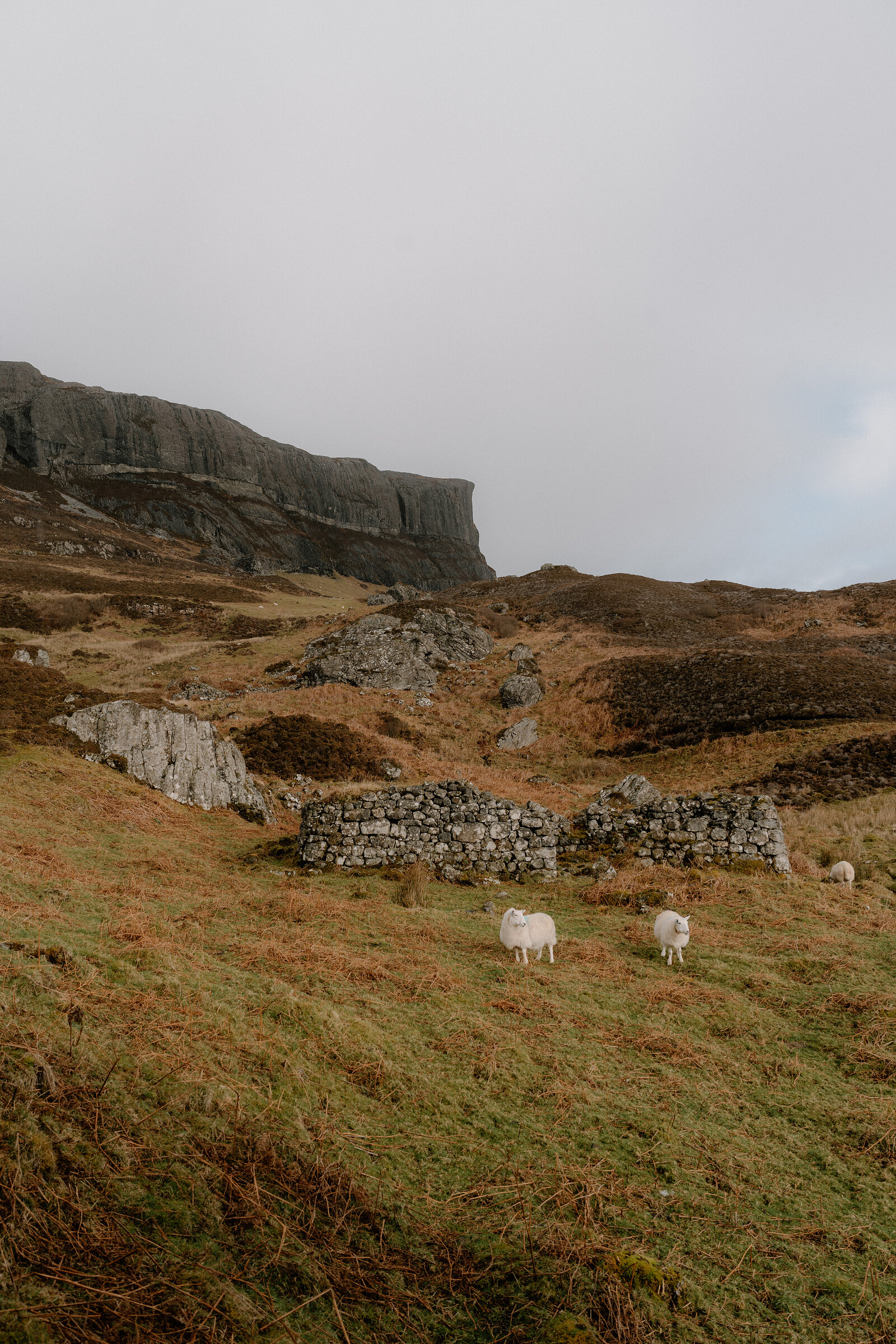
There are traces of at least fifty-nine ruined buildings between Upper and Lower Grulin, the most extensive ruins of their kind in the Small Isles.
The ruins of two townships under the southern cliffs of An Sgùrr, cleared for sheep in 1853.
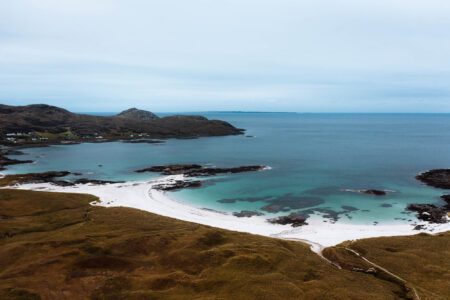
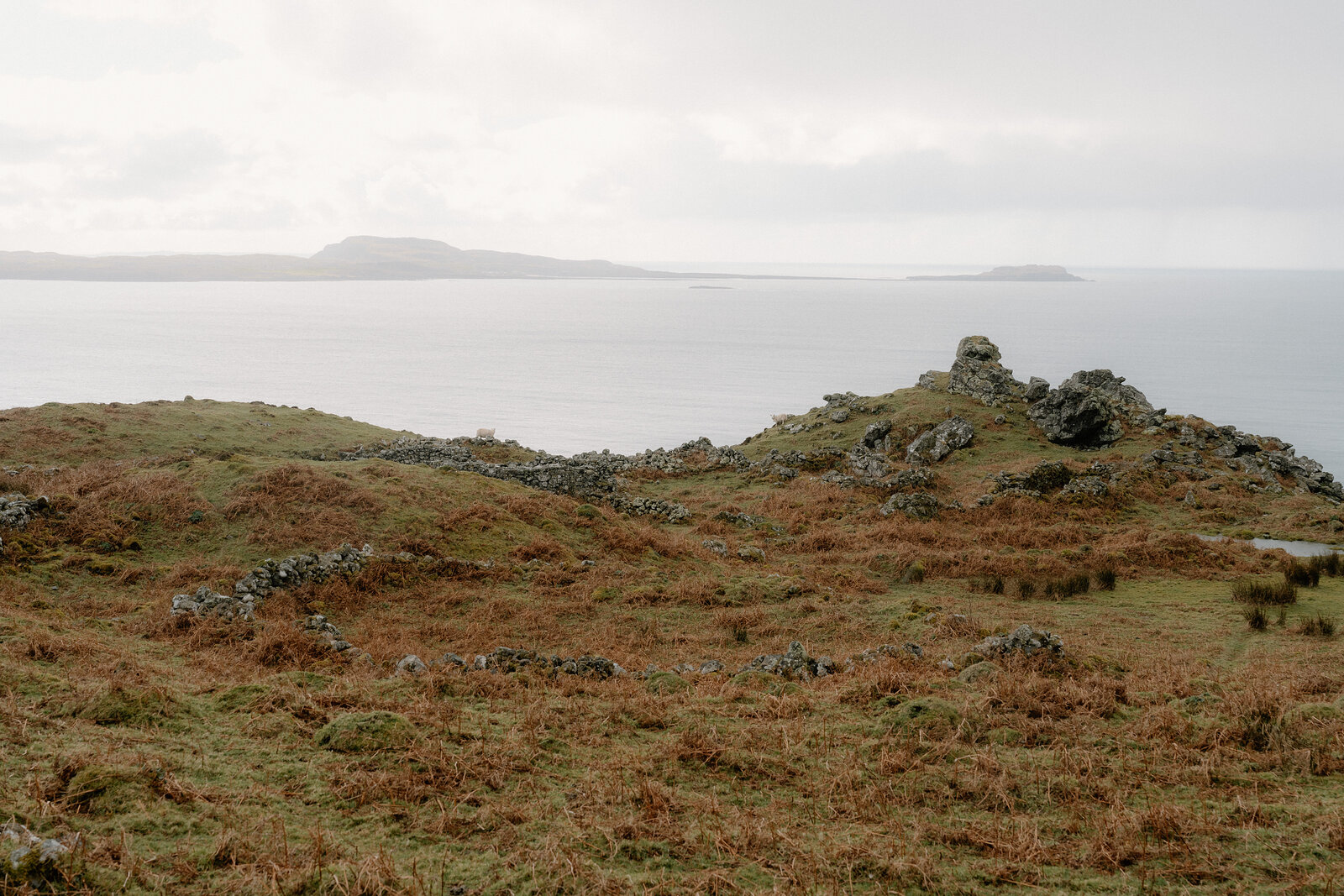
Grulin lies on the south-west side of Eigg, under the long southern cliffs of An Sgùrr and looking out to sea: two old townships, Upper and Lower Grulin, whose stone walls still run across the hillside among great fallen boulders.
Between them are the traces of at least fifty-nine buildings, the most extensive ruins of their kind in the Small Isles, and with their field walls they show what an eighteenth-century farm here looked like.
In 1853 the people were cleared to make way for sheep. Of fourteen families, twelve sailed for Nova Scotia, and two made new lives elsewhere on the island.
A track runs out to the ruins from the south end of the island, contouring beneath the Sgùrr with fine views of its southern cliffs.
The Daily
Arrives at 5am every day.
A free morning email to see what’s on this week, catch up on what’s happening in Scotland and find somewhere new to go.
From the pier at Galmisdale, a track runs west beneath An Sgùrr to Upper Grulin, with a path on to Lower Grulin.
The long way, over An Sgùrr and down across rough, often pathless heather, is 11.5km and about four and a half hours.
Been here? Tell others what you know, and the best go on this page with your name.
Add your reviewThere are traces of at least fifty-nine ruined buildings between Upper and Lower Grulin, the most extensive ruins of their kind in the Small Isles.
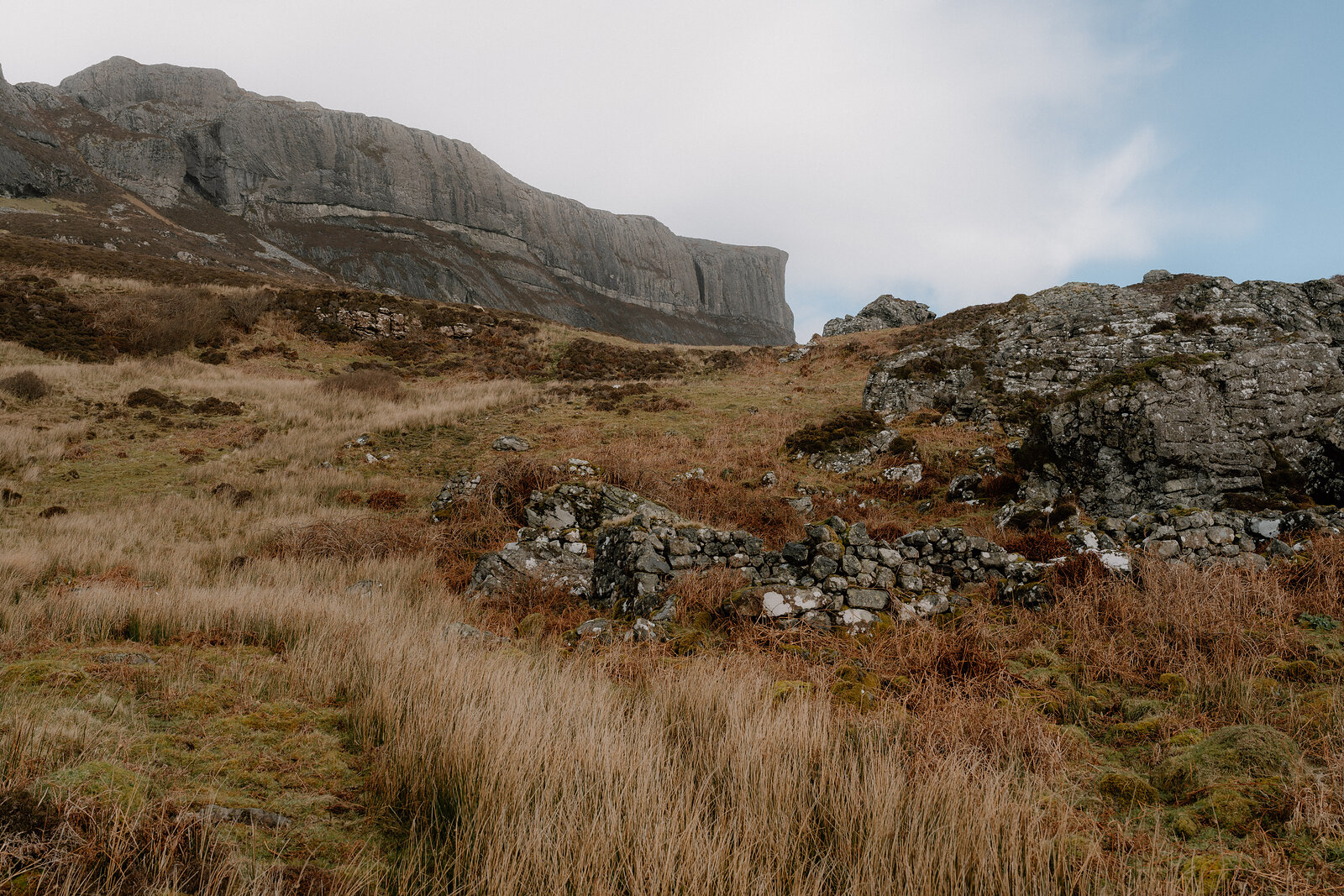
The people of Grulin were put out of their homes in 1853 so that the land could go to sheep, which paid better.
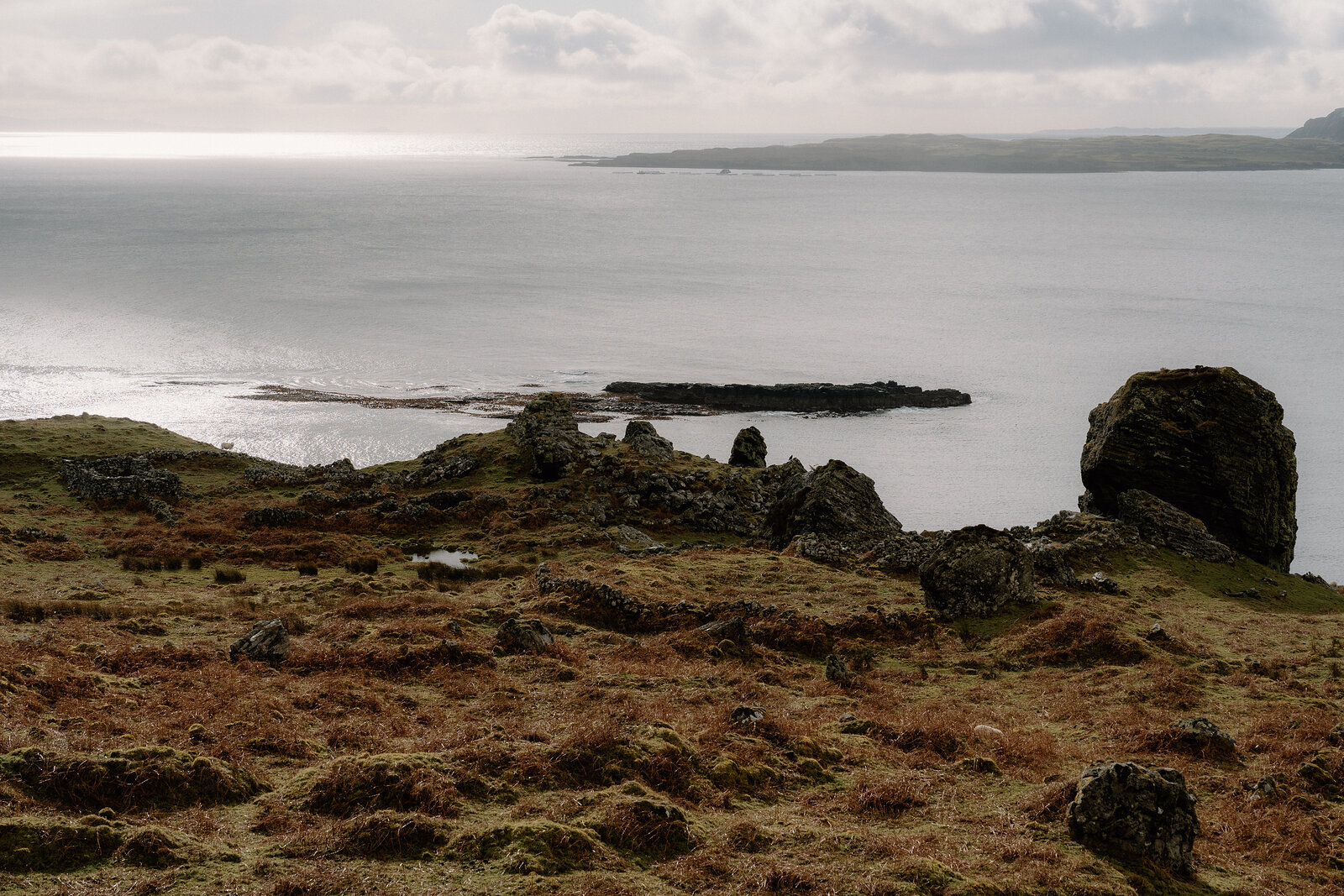
Of the fourteen families who left, twelve went to Nova Scotia, and the other two made their lives in other parts of Eigg.
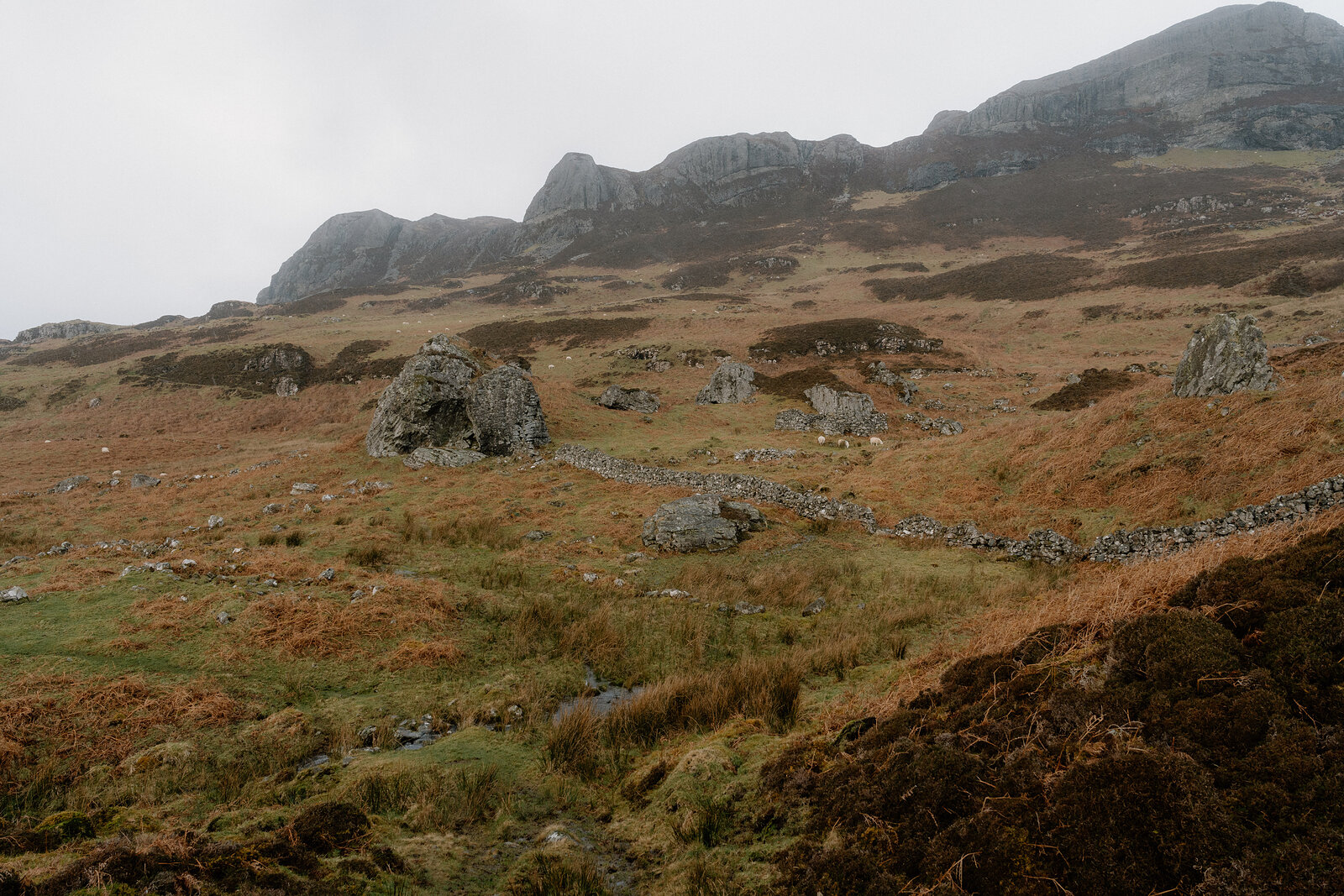
In clan times Eigg was divided into eight farms. Grulin's houses and field walls are a good example of what one of them looked like in the eighteenth century.
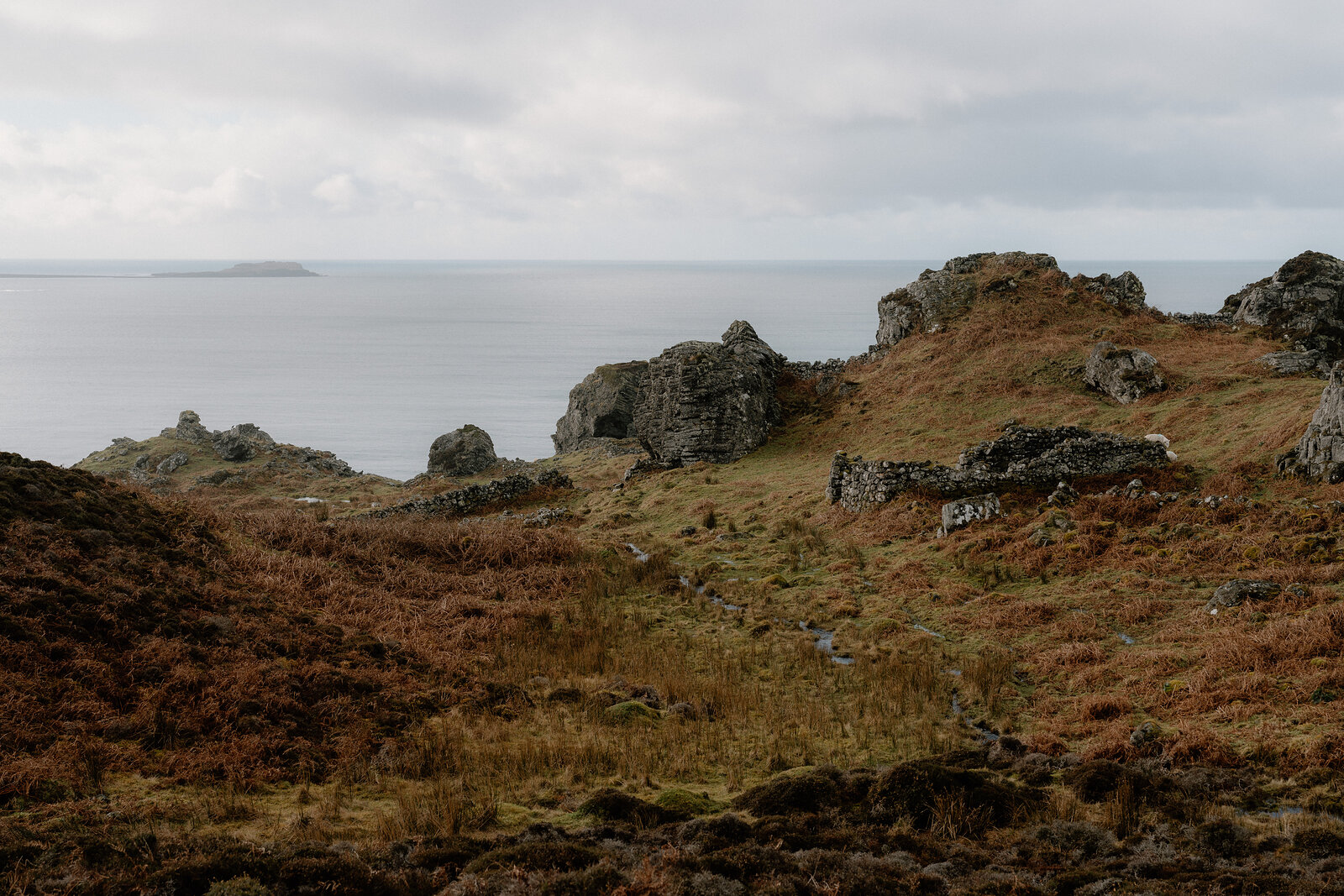
The two townships are Grulin Uachdrach and Grulin Iochdrach, Upper and Lower Grulin, a short path apart.
New places, news and stories, as we find them.
What is on on EiggGrulin, the south-west side of the Isle of Eigg, below An Sgùrr.
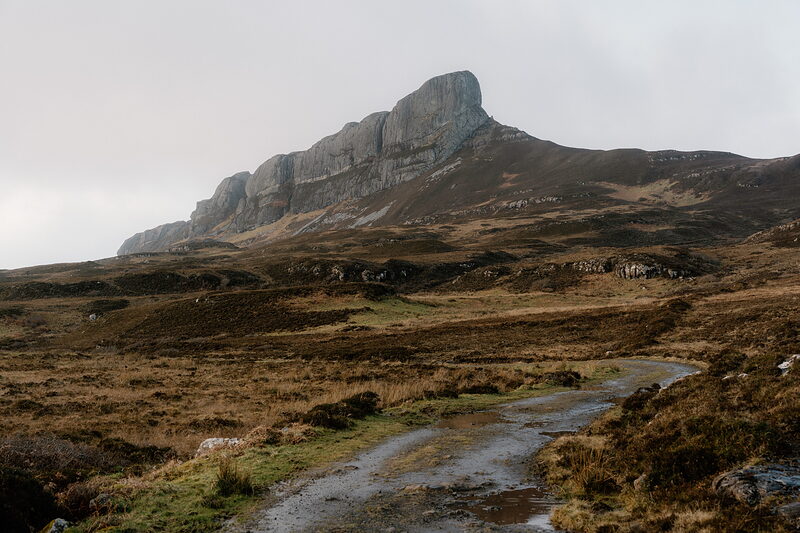 An SgùrrThe mile-long pitchstone ridge over the south of Eigg, the largest of its kind in Europe, climbed from the north to 393 metres.Under a mile 1 min by road
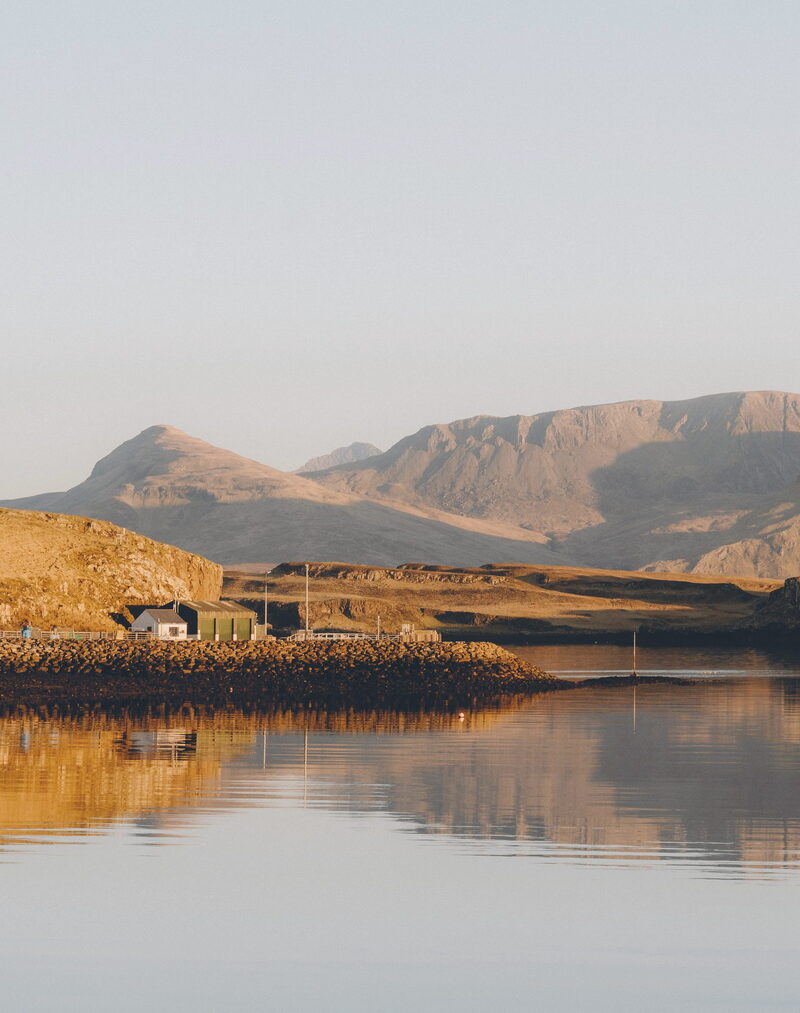
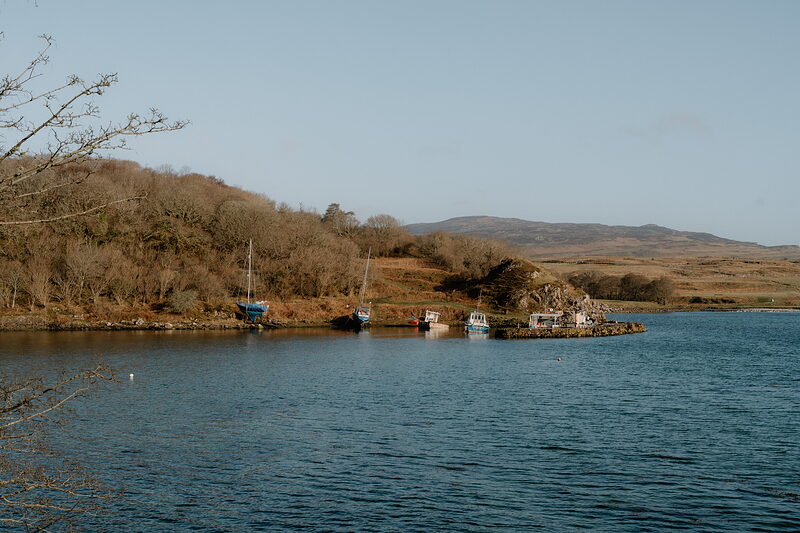 GalmisdaleThe bay where you land on Eigg, with the ferry pier, the old pier and An Laimhrig, the island's community hub.Under a mile 1 min by road
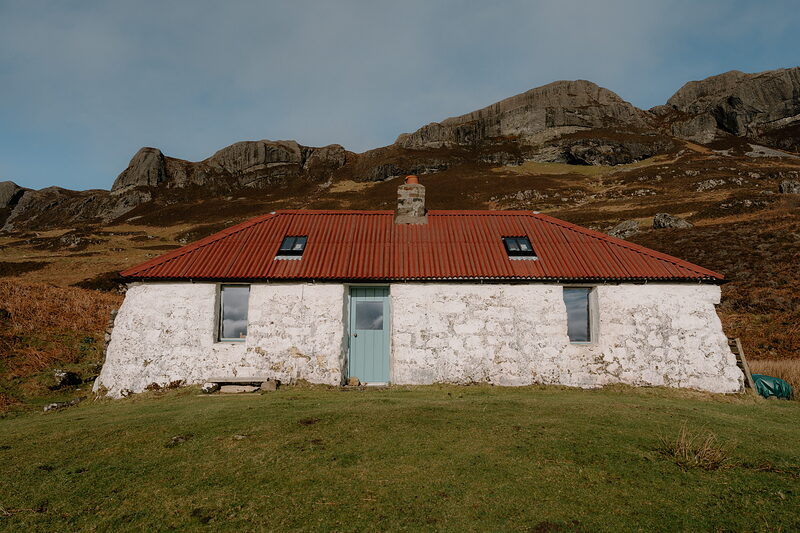 Grulin BothyThe one roofed house left in the cleared township of Grulin on Eigg, a whitewashed shepherd's cottage under An Sgùrr.Under a mile 1 min by road
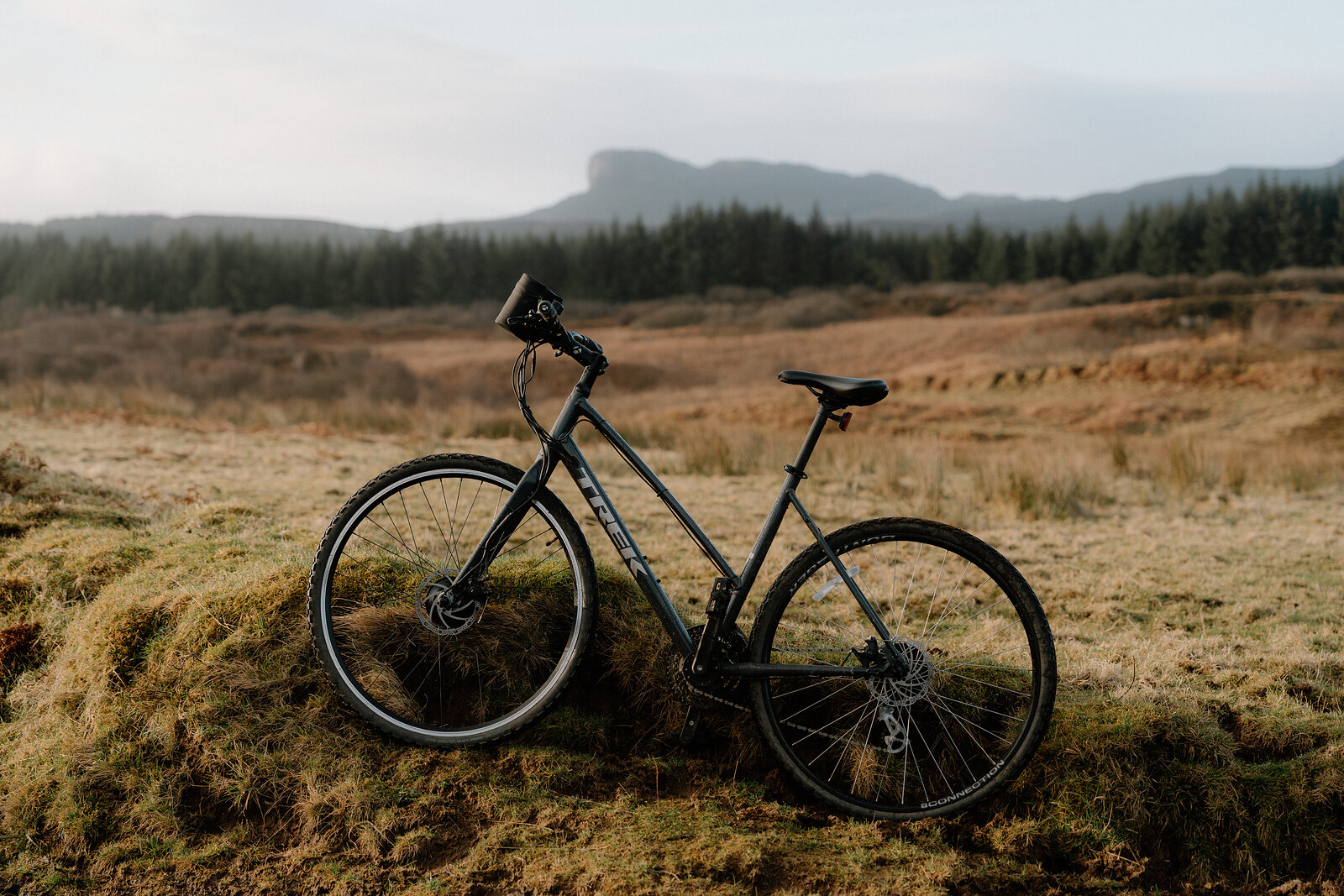 Eigg AdventuresBike, e-bike and kayak hire from the Adventure Shed at the pier, with maps, helmets and a safety talk.Under a mile 1 min by road
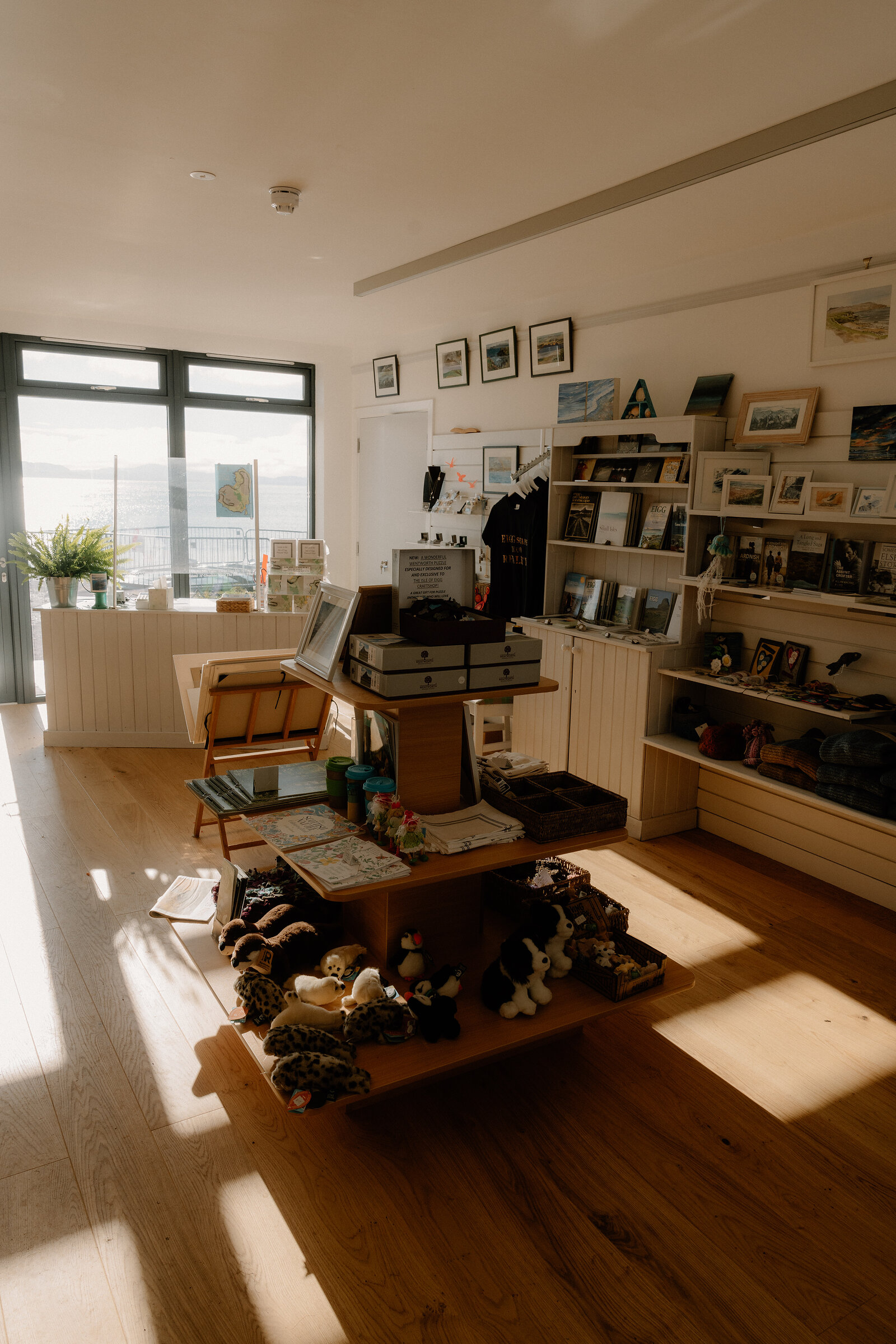 Eigg Craft ShopThe island makers' cooperative at the pier, with Eigg crafts, artwork, knitwear, books and maps.Under a mile 1 min by road
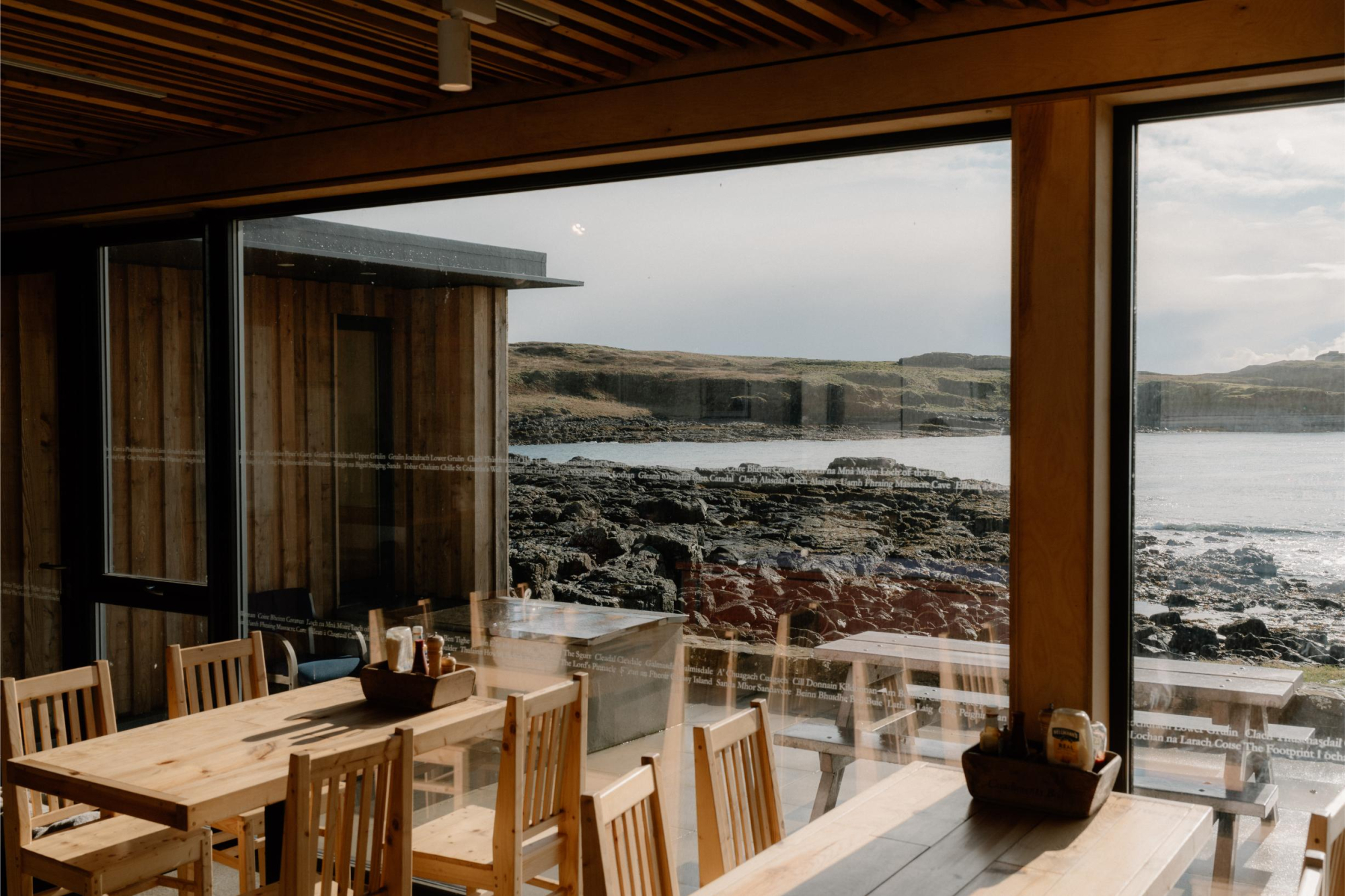 Galmisdale Bay Café & BarThe café and bar at the head of Eigg's piers, with homemade food, big windows over the bay and island beer.Under a mile 1 min by road
Places to stay near Grulin, and when each is next free.
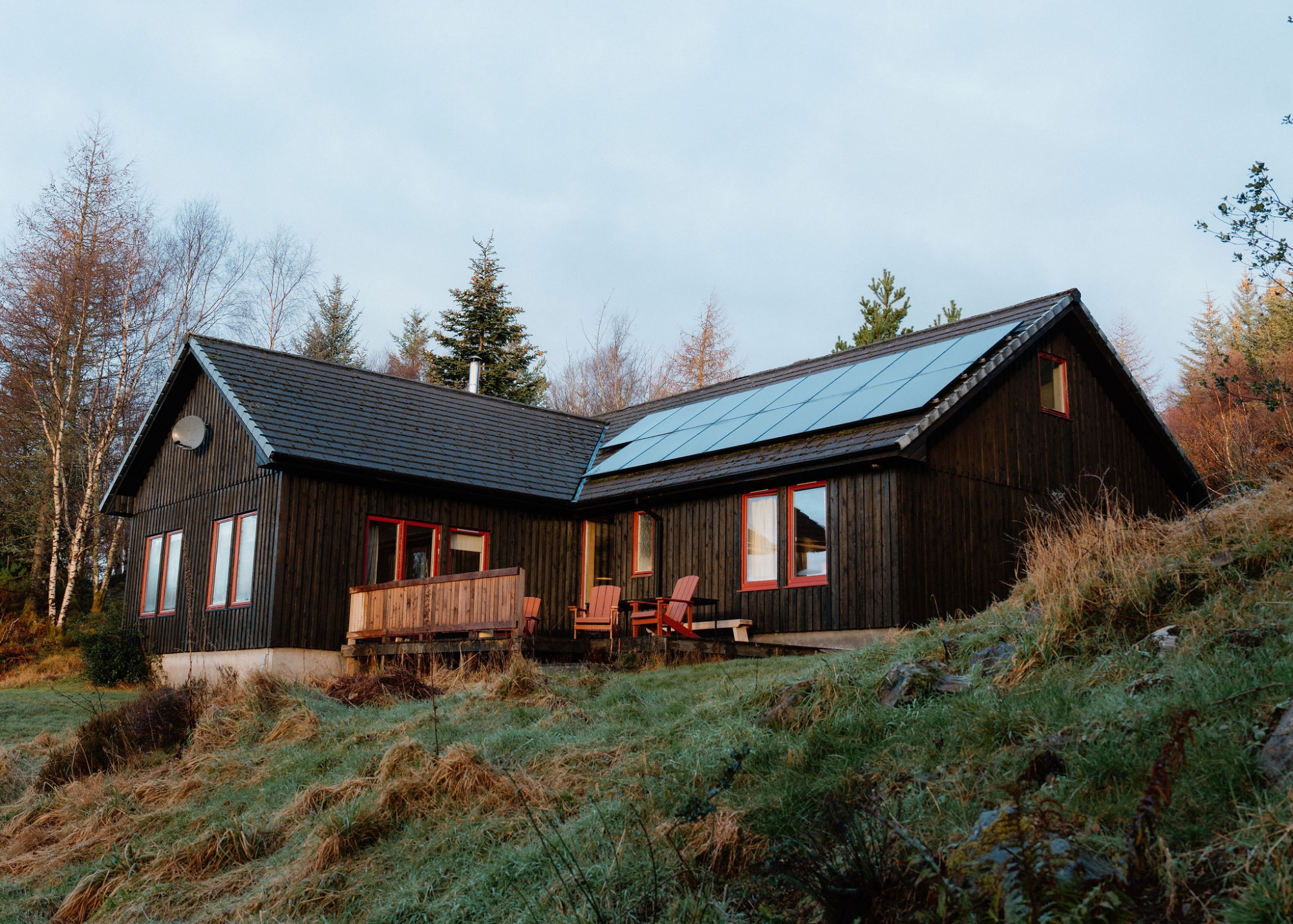 Borradill House
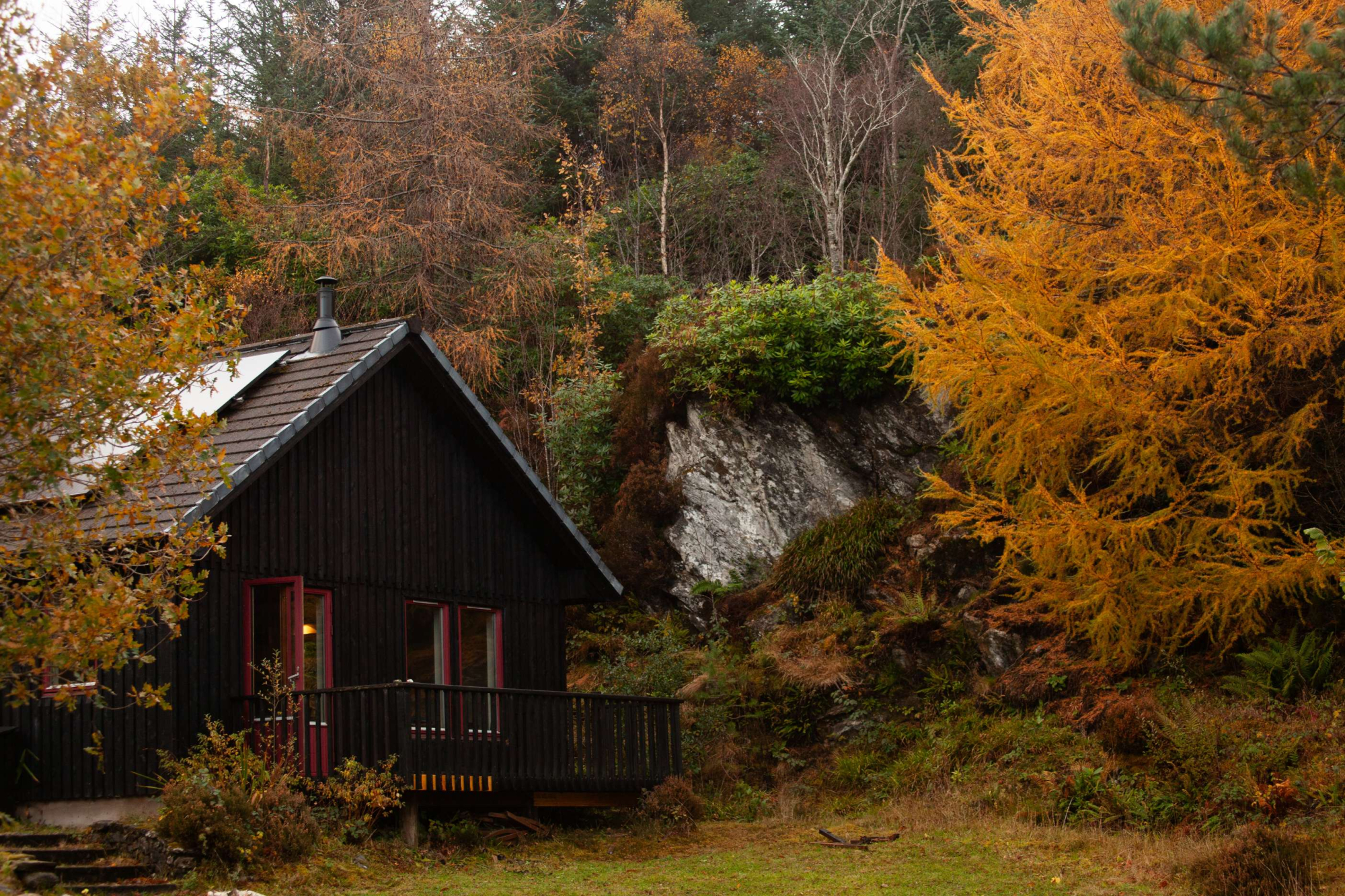 Borradill Cottage
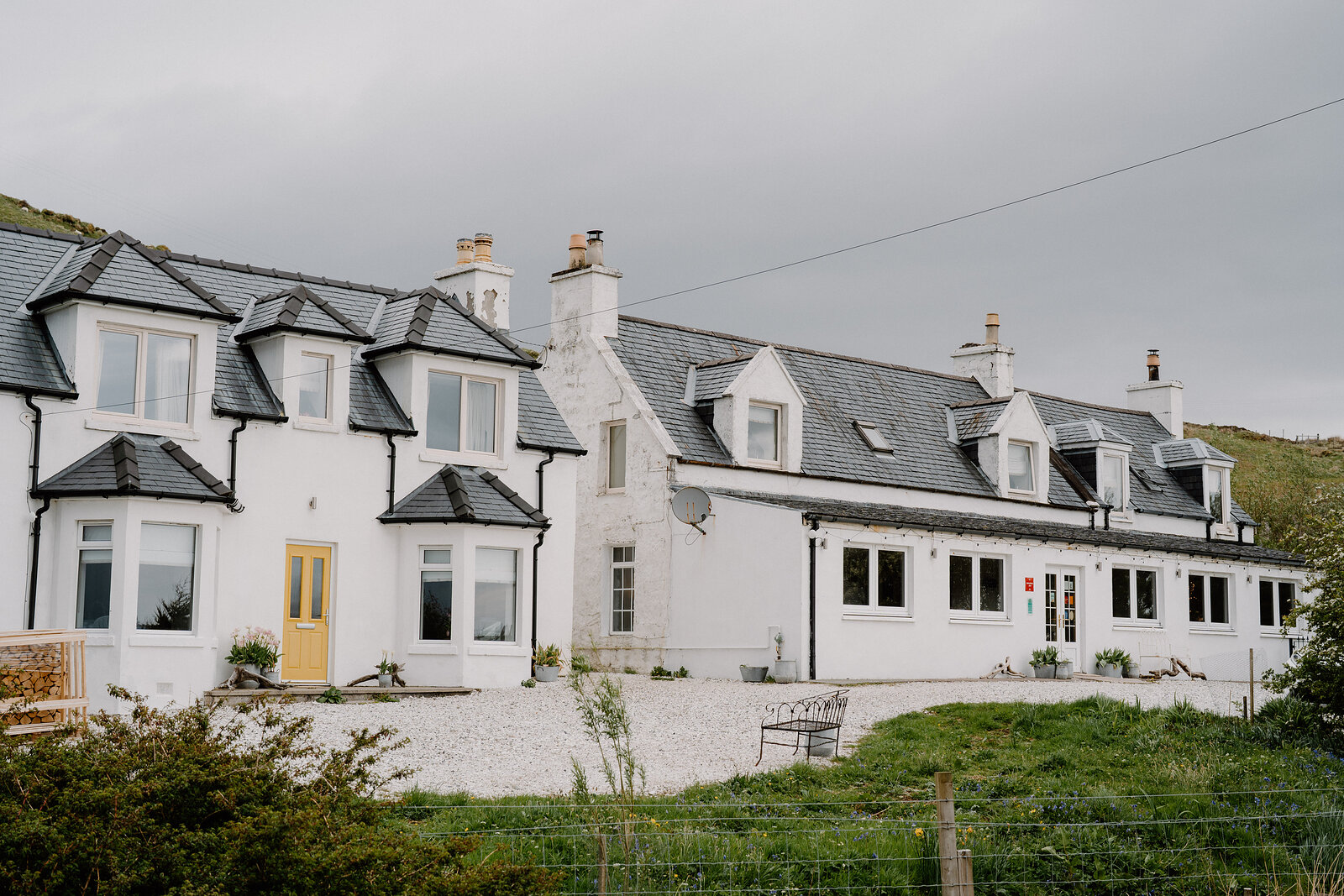 Coruisk House
We want to show you the best that Scotland has to offer. The makers and the creatives, the enduring experiences, the evocative tales, the concealed corners. The roads less travelled that take you to places that matter. The adventures that gather you up and sweep you away. The blend of the wild and the artistic that makes Scotland what it is. We’d love for you to join us.
What we have written about it, the collections it is in and more on Eigg.
For further reading, before you go. The details on this page were checked on .