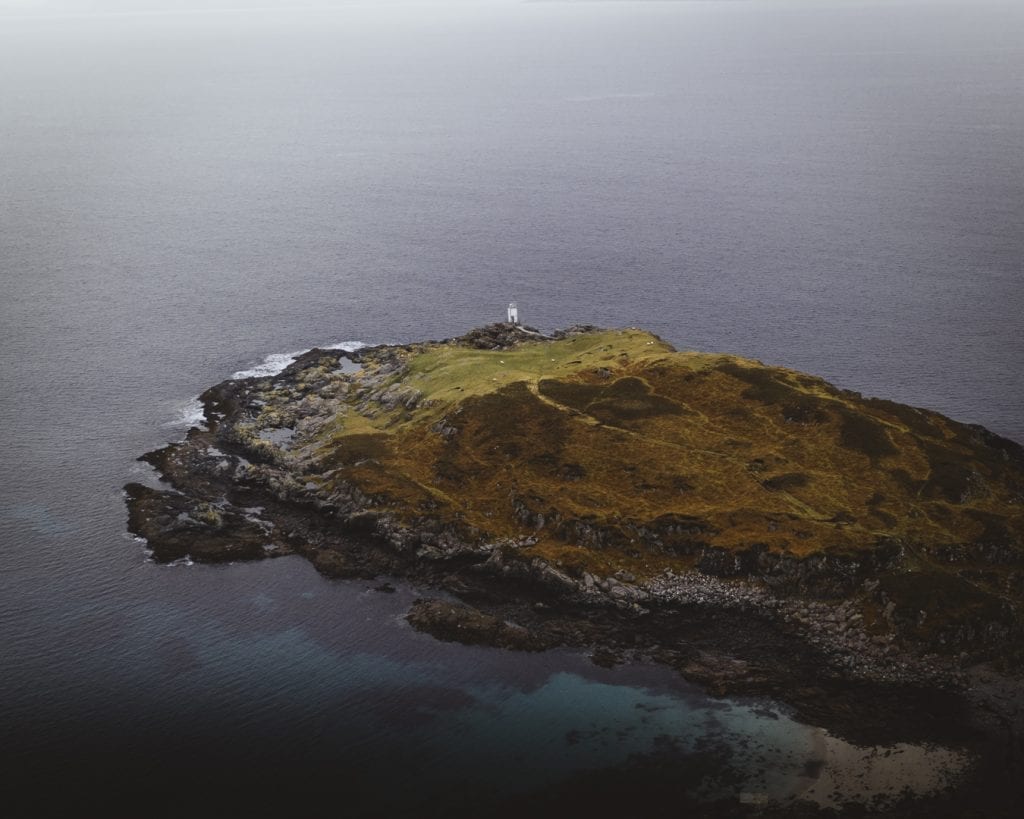
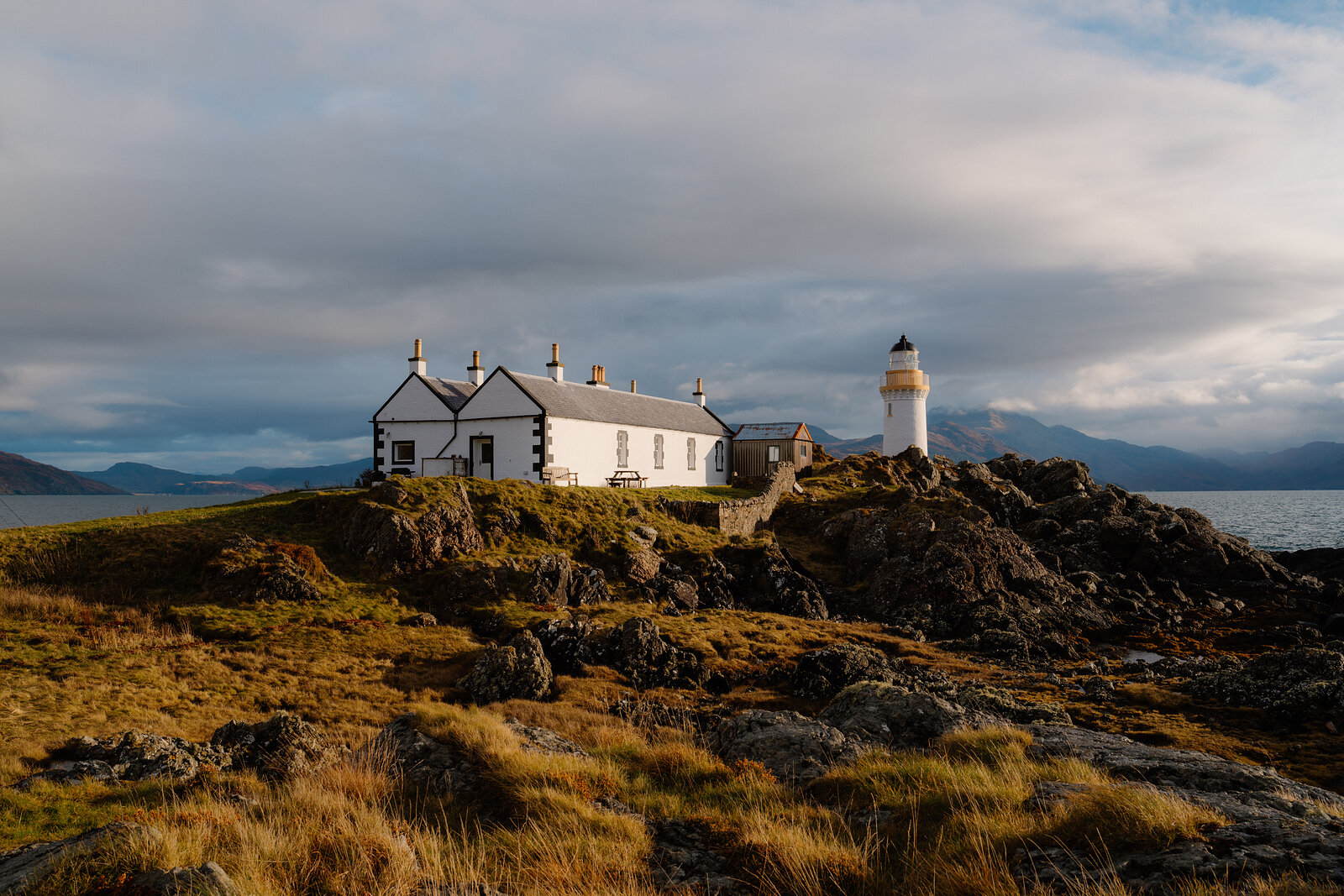
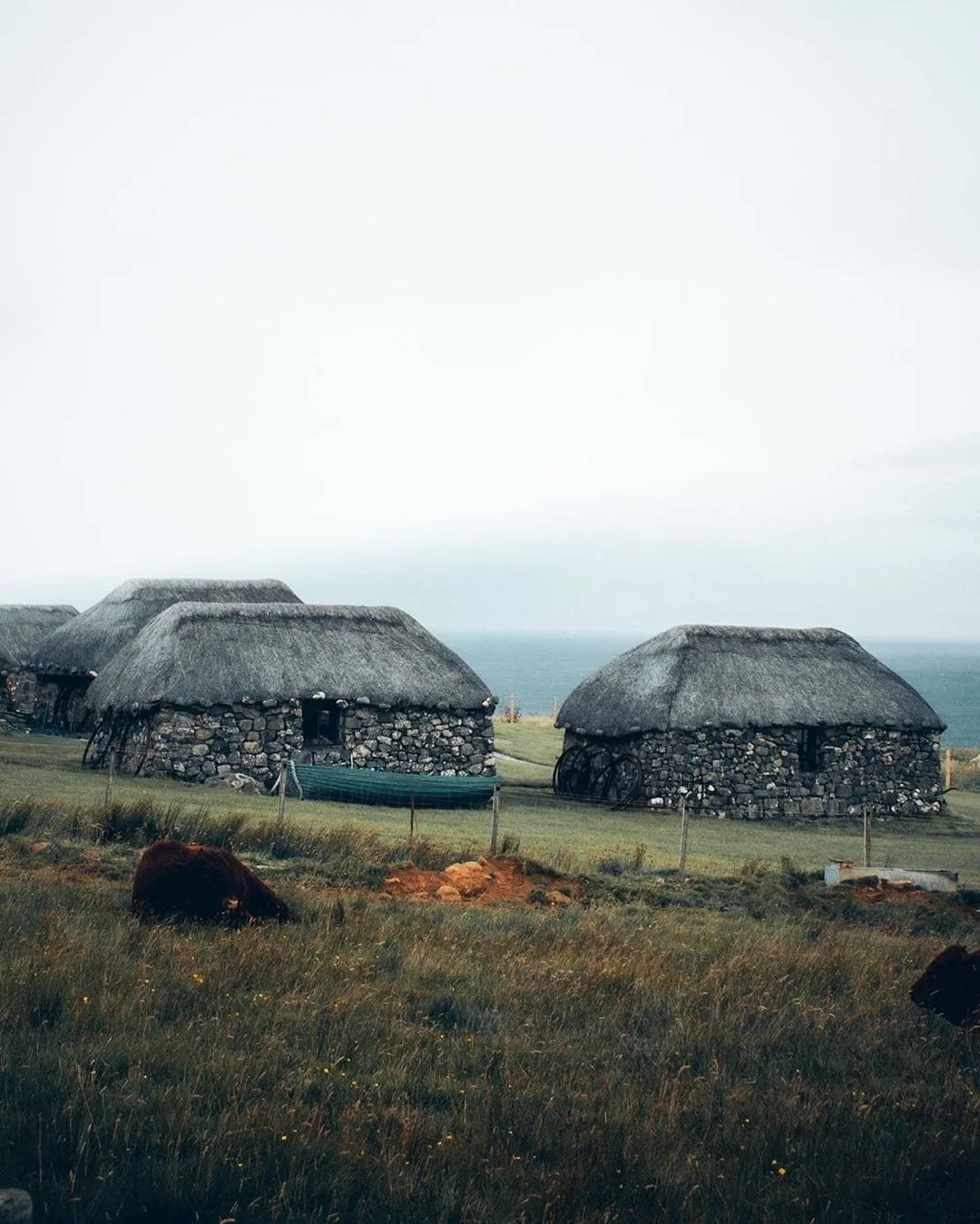
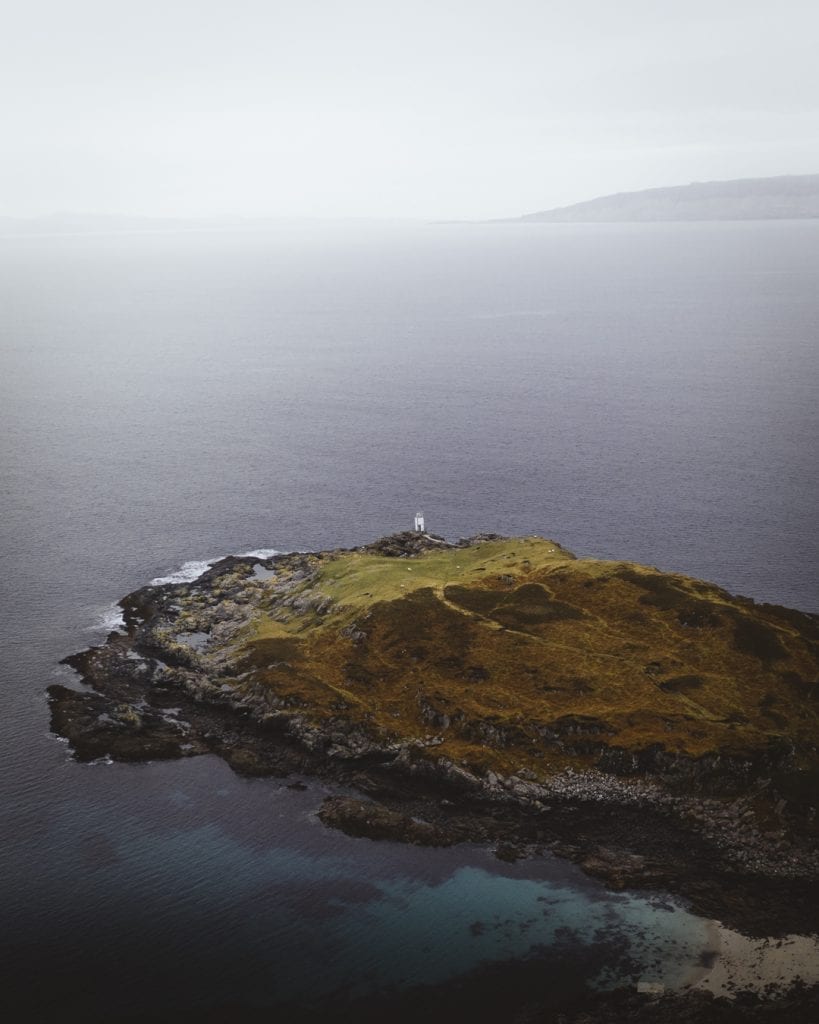
Small lighthouse on a grassy headland surrounded by grey sea
Isle of Skye

Point of Sleat

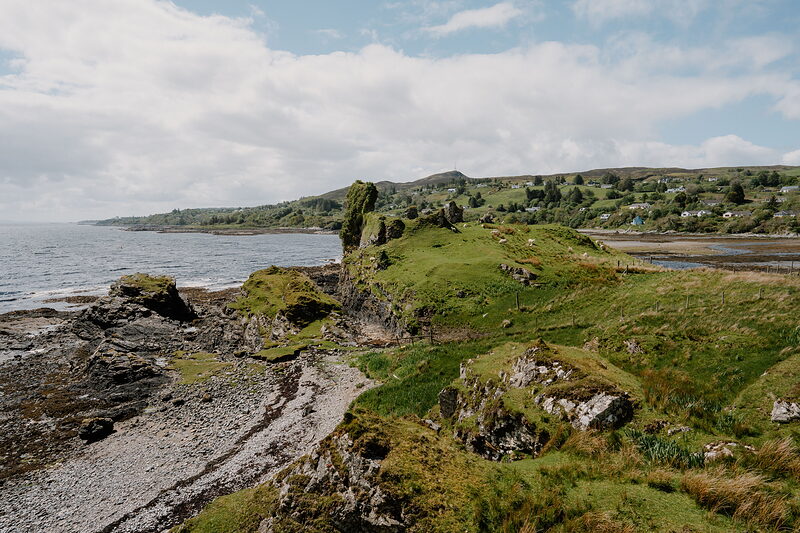
The southernmost point of Skye: a low green headland with a small automatic light on the rock at the end of it, and no road within three miles.

Welcome

The southernmost point of Skye is a low green headland with a small white light on the rock at the end of it, and no road within three miles.

You walk in from the road end at Aird of Sleat, about ninety minutes over a rough track and moor, with Rum and Eigg ahead of you on the way out and the Cuillin ahead of you on the way back.

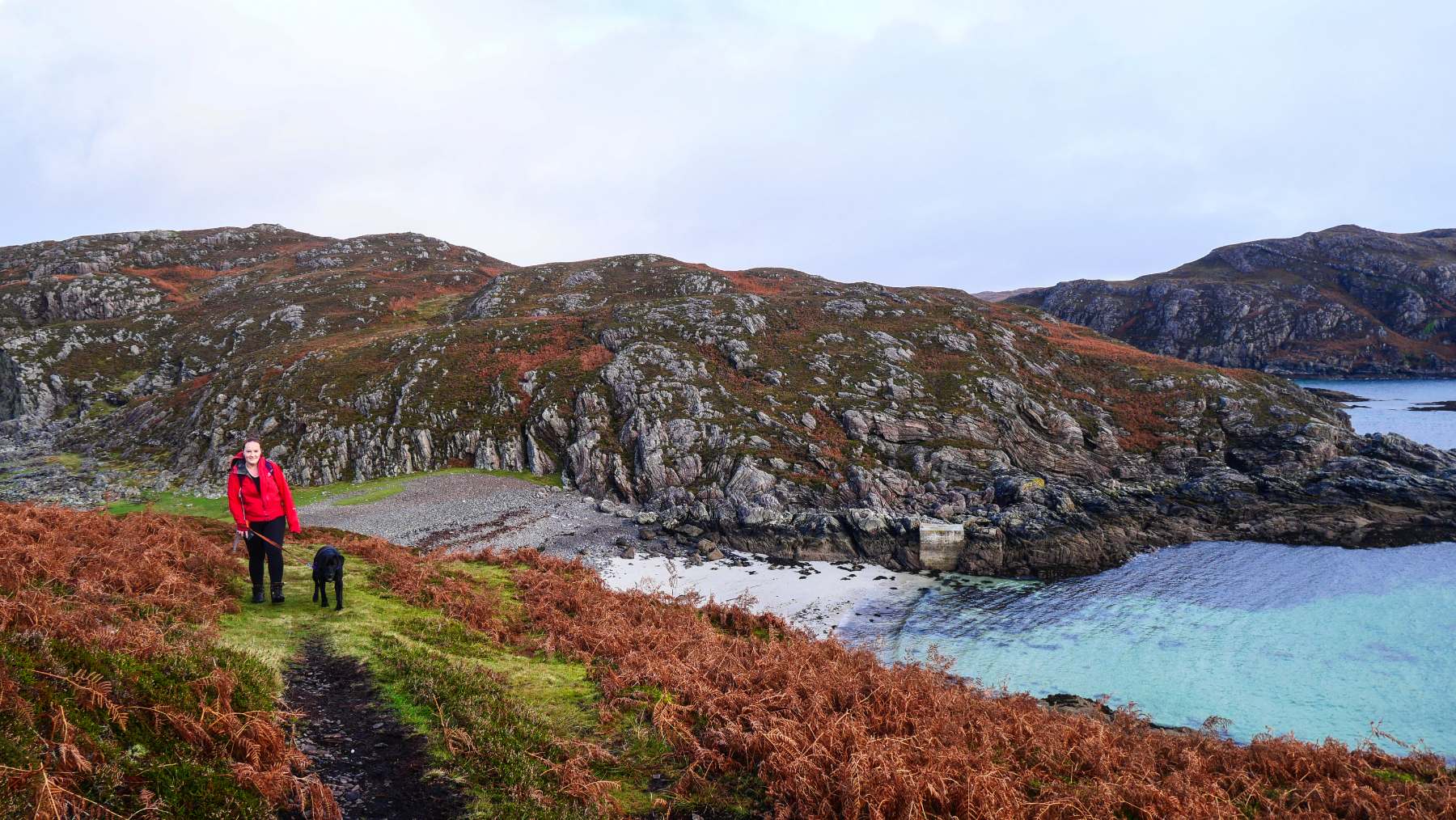
Two thirds of the way along, a marker post points the way 150 metres down to Camas Daraich, a white sand bay with turquoise water in it. Most people take it on the way out. On a very high tide there is no sand at all.
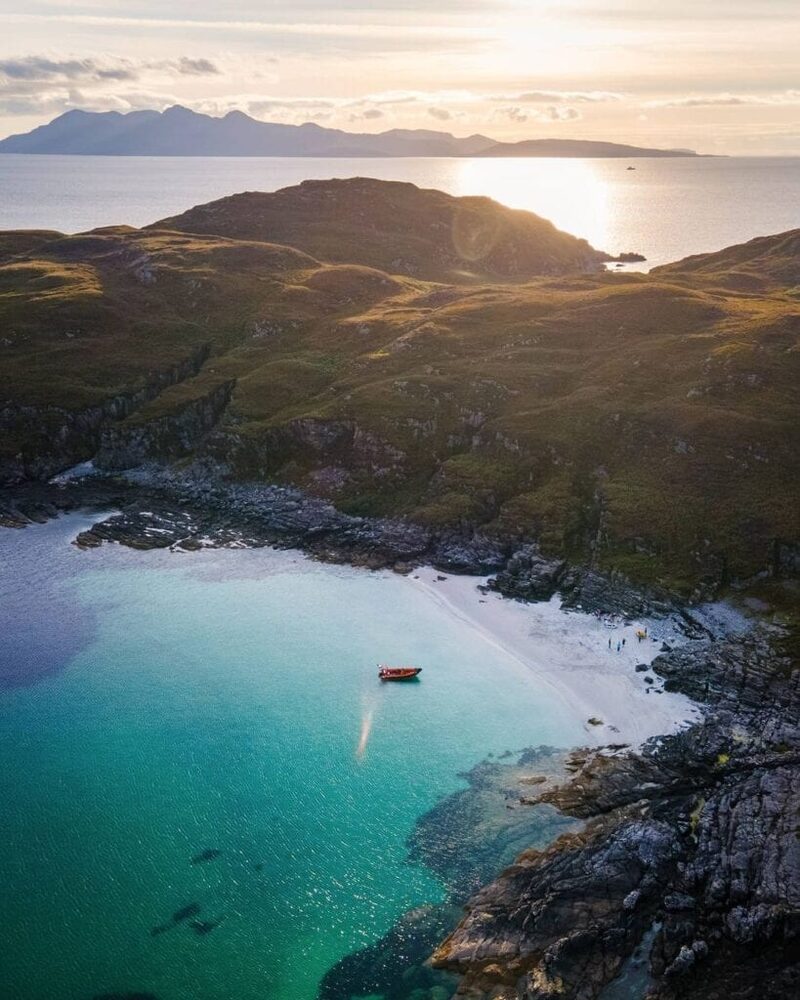
The light was finished in 1934 by David A Stevenson, the last of the lighthouse Stevensons, and it is one of the Northern Lighthouse Board's minor lights, built to run unattended. No keeper has ever lived at the end of this path. In the ground above the beach, people camped nine thousand years ago.

The Daily

Arrives at 5am every day.

A free morning email to see what’s on this week, catch up on what’s happening in Scotland and find somewhere new to go.

The Daily for 15 November, from Scotland with love. Falls of Acharn, Loch Tay, its churning white water framed by orange and red autumn foliage.

The walk

There is no road to it.

The way in is from the road end at Aird of Sleat: 8.5 kilometres there and back, with 400 metres of climb in the rise and fall. Allow three to four hours, roughly ninety minutes each way. A rough track does most of the work, with one steep hill and some moorland path at the far end. The full route, the ground and the gates are on the walk's own page.

Getting there
On foot only, about ninety minutes each way from Aird of Sleat.
The round
8.5 km, 5.25 miles, three to four hours, 400 m of climb.
Ground
A rough track with one steep hill, then moorland path.
The bay
Camas Daraich lies 150 m off the path, about two thirds of the way along.

Before you go

Park at the road end at Aird of Sleat, which is an extended farmyard, and leave the gates clear; it is 4.3 miles and about ten minutes from Armadale, or an hour from Portree.

Nothing is laid on anywhere along the way: no toilets, no water, no shelter and nothing to buy, so carry what you need and take it home again. If you mean to stop at Camas Daraich, go when the tide is out, because a high one covers the sand completely.

Start
The car park at the road end, Aird of Sleat. Grid reference NG 588 007.
Parking
Free. It is a working farmyard; do not block the gates.
From Armadale
4.3 miles, about ten minutes, at the end of a single-track road.
The beach
Go on a falling or low tide. A very high tide leaves no sand at all.
On the route
Nothing. No toilets, no water, no shelter, no food.

Been here? Tell others what you know, and the best go on this page with your name.

Add your review

Did you know

Small white lighthouse on a grassy headland surrounded by dark sea
Did you know

The light has never had a keeper.

Sleat Point was finished in 1934 by David A Stevenson, the last of the lighthouse Stevensons. It is a cast iron tower and one of the Northern Lighthouse Board's minor lights, a class built to run unattended from the day they were lit. Nobody has ever lived at the end of this path.

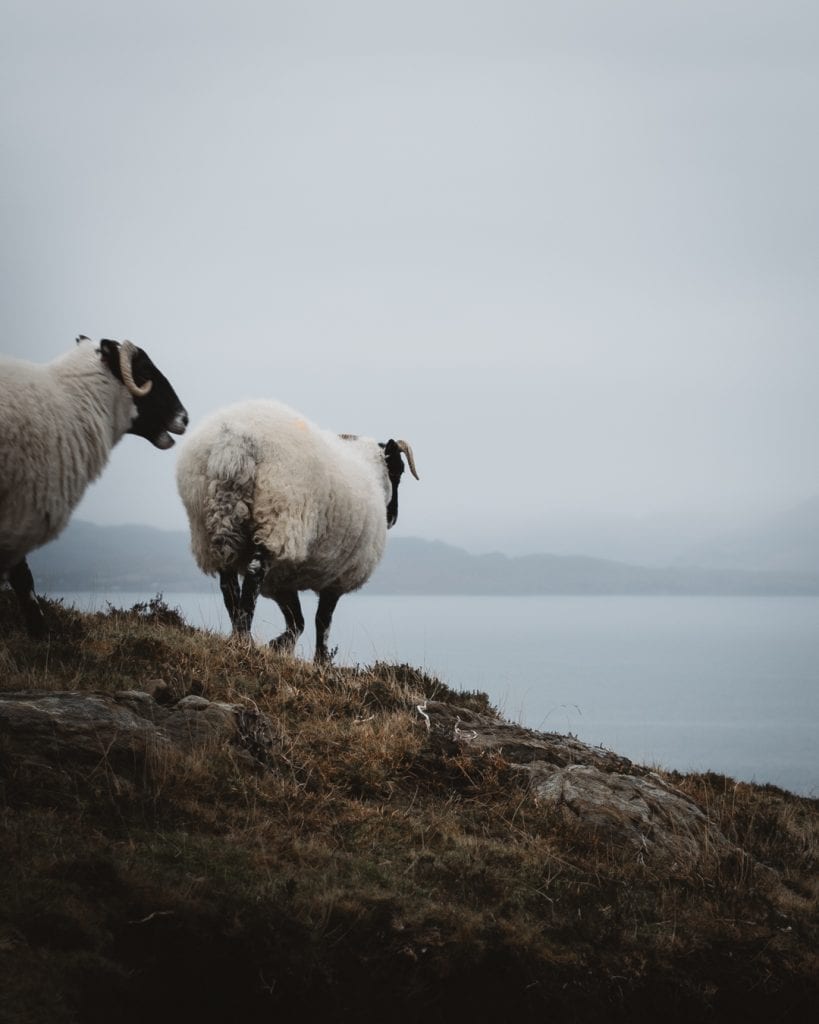
Horned sheep grazing on a grassy clifftop above a misty sea loch
Did you know

Scotland's great fault line ends here.

The Moine Thrust is traced south from Loch Eriboll on the north coast, a belt of rock pushed bodily over other rock. This headland is the furthest south it has ever been proved. Walk out to the light and you are standing at the last place the thrust is known to exist; beyond here it is buried or worn away.

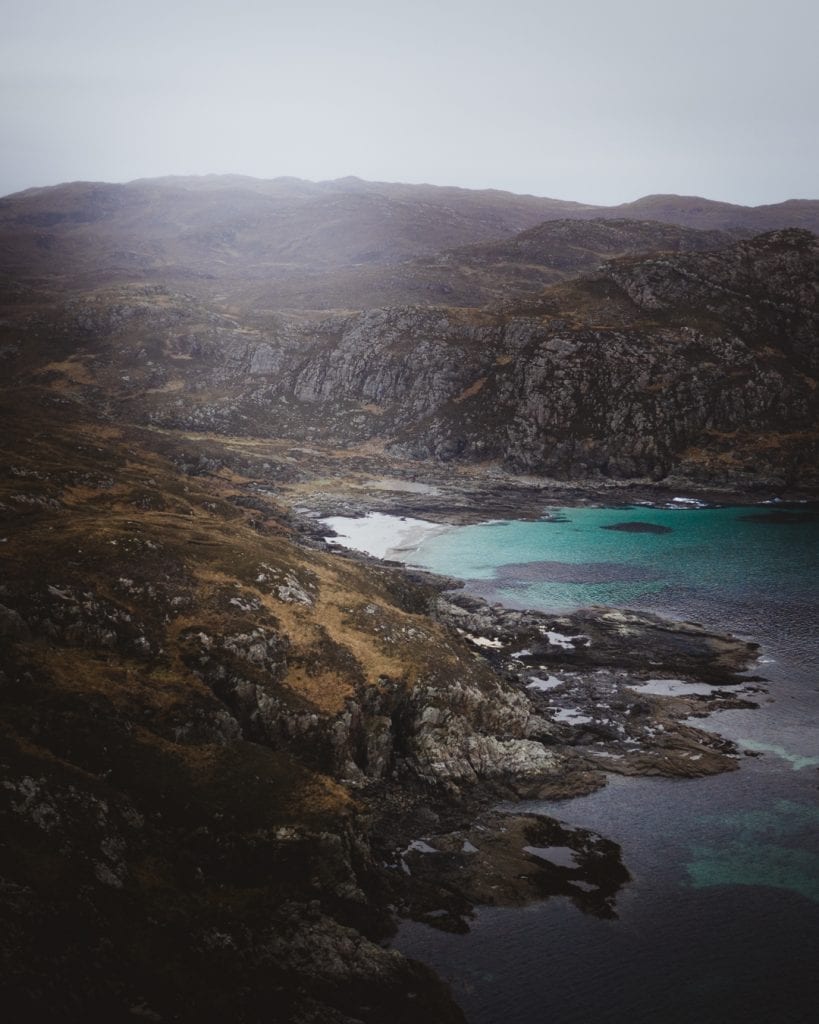
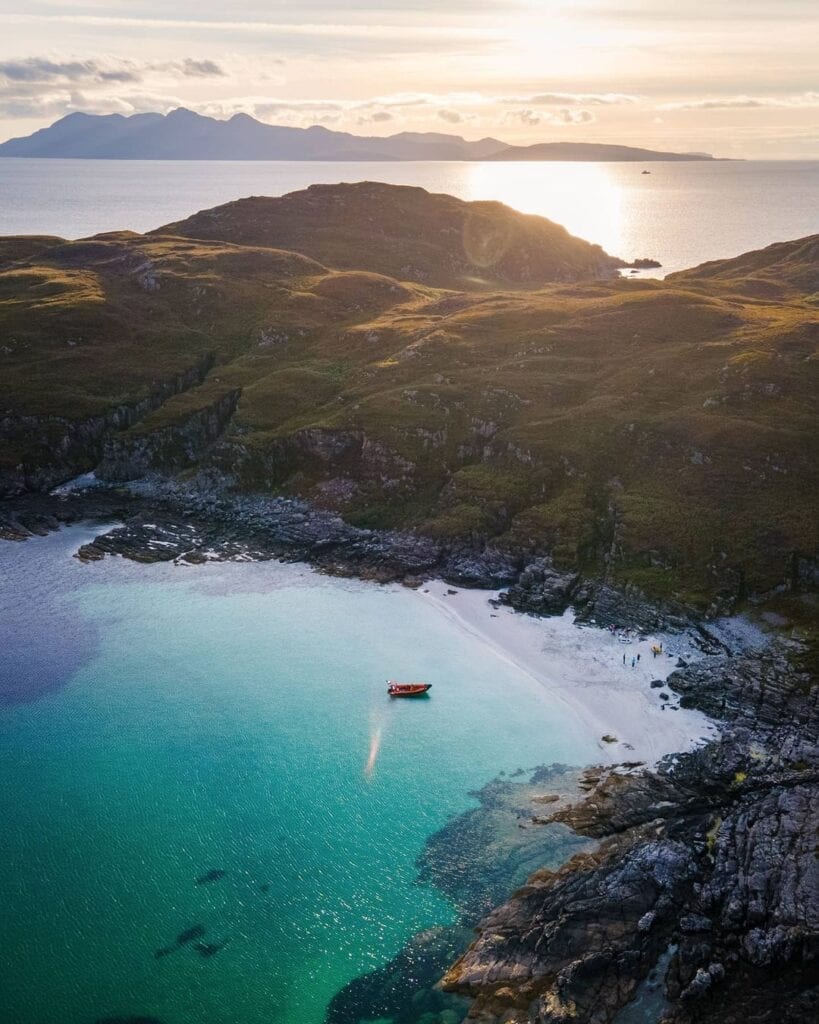
Turquoise bay tucked between rugged cliffs on Scotland's misty coastline
Did you know

People camped above that sand 9,000 years ago.

A track cut above Camas Daraich in 1999 turned up thousands of pieces of worked stone. Radiocarbon put people here in the early to mid seventh millennium BC, which puts the bay among the earliest recorded settlements in Scotland. The flint and blades came out of a black occupation layer.

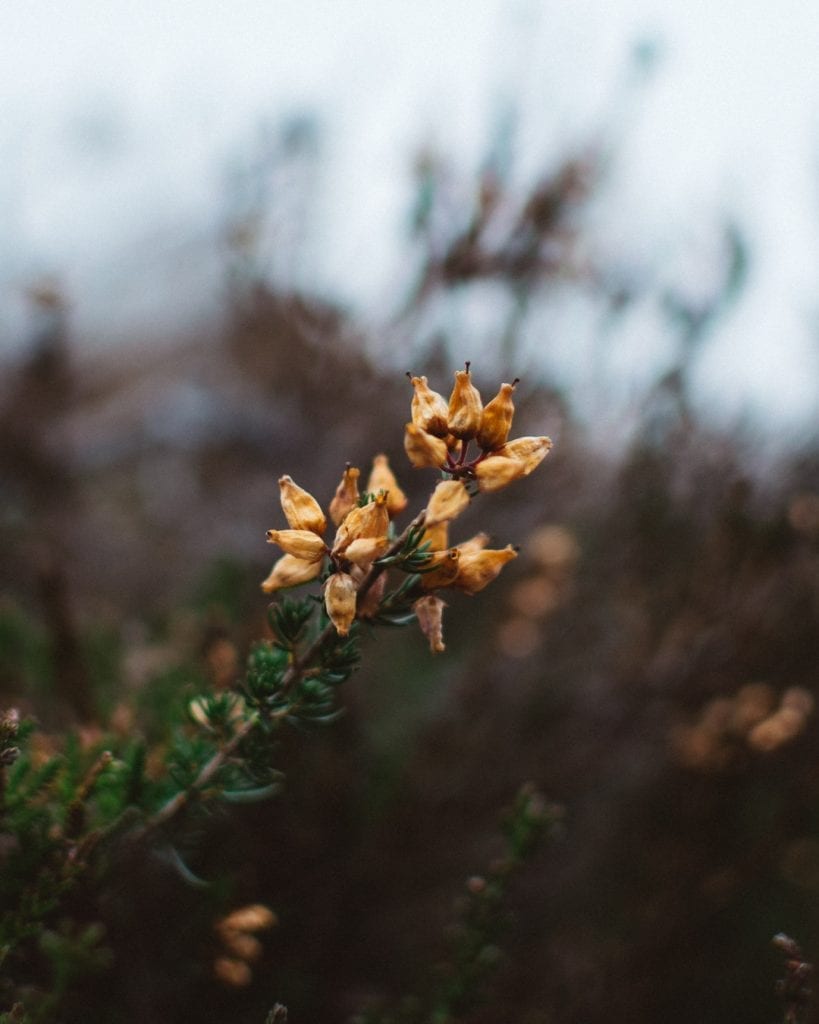
Close-up of dried heather blooms on a moorland shrub
Did you know

Their tools came from the island on the horizon.

Most of the worked stone above the bay is bloodstone, a green flecked rock quarried on Rum. Stand on the sand and Rum is the big island in front of you. The material was carried over that water and knapped here, and the scatter is still in the ground above the beach.

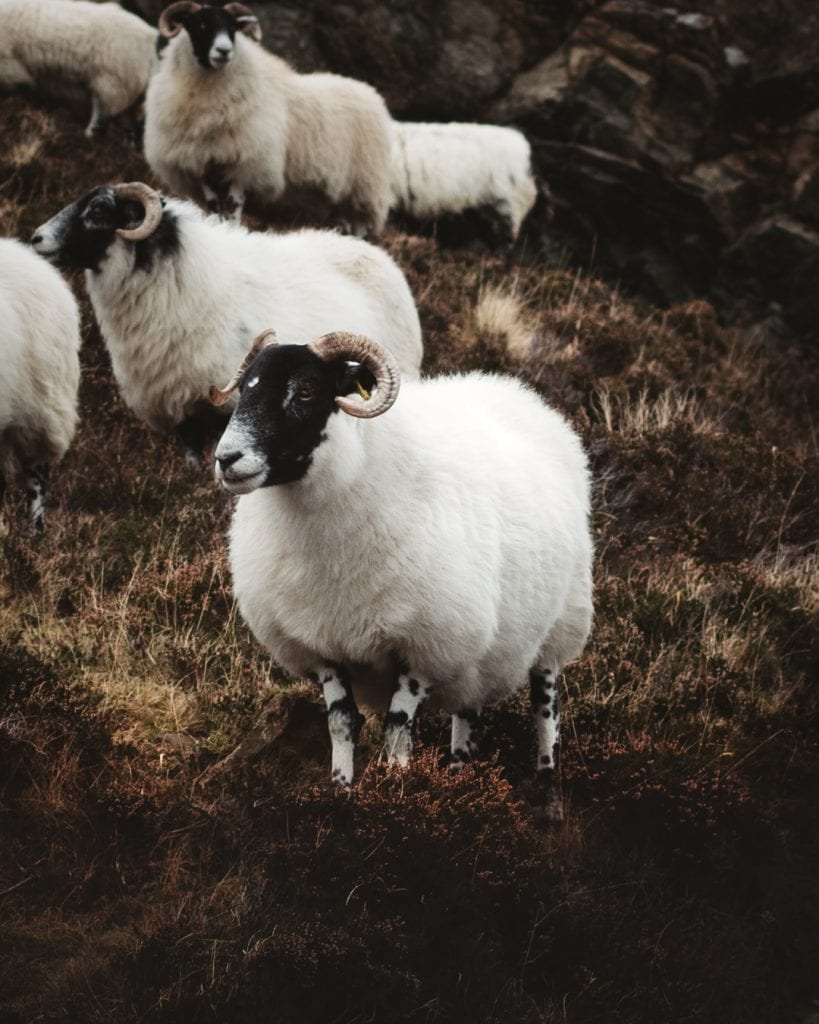
Blackface sheep with curled horns graze on a heather-covered hillside
Did you know

The beach they used has since risen.

The flat green shelf behind the sand is a raised beach, twenty metres above the water now, left stranded as the land lifted once the weight of ice came off it. The occupation layer sits straight on top of it. The people who camped here were living on what had not long before been the tideline.

Ben Lerwill

From our guide to Skye

The hike to Skye’s southernmost point is a manageable and deeply rewarding walk of two hours or so, passing a handsome white beach and serving up cracking views of the Small Isles: Rum, Canna and Eigg.

Read more
Small white lighthouse on a grassy headland surrounded by dark sea
What is on

What is new across Skye, day by day.

New places, news and stories, as we find them.

What is on on Skye
01 / 07

Recommend to a friend

Stay nearby

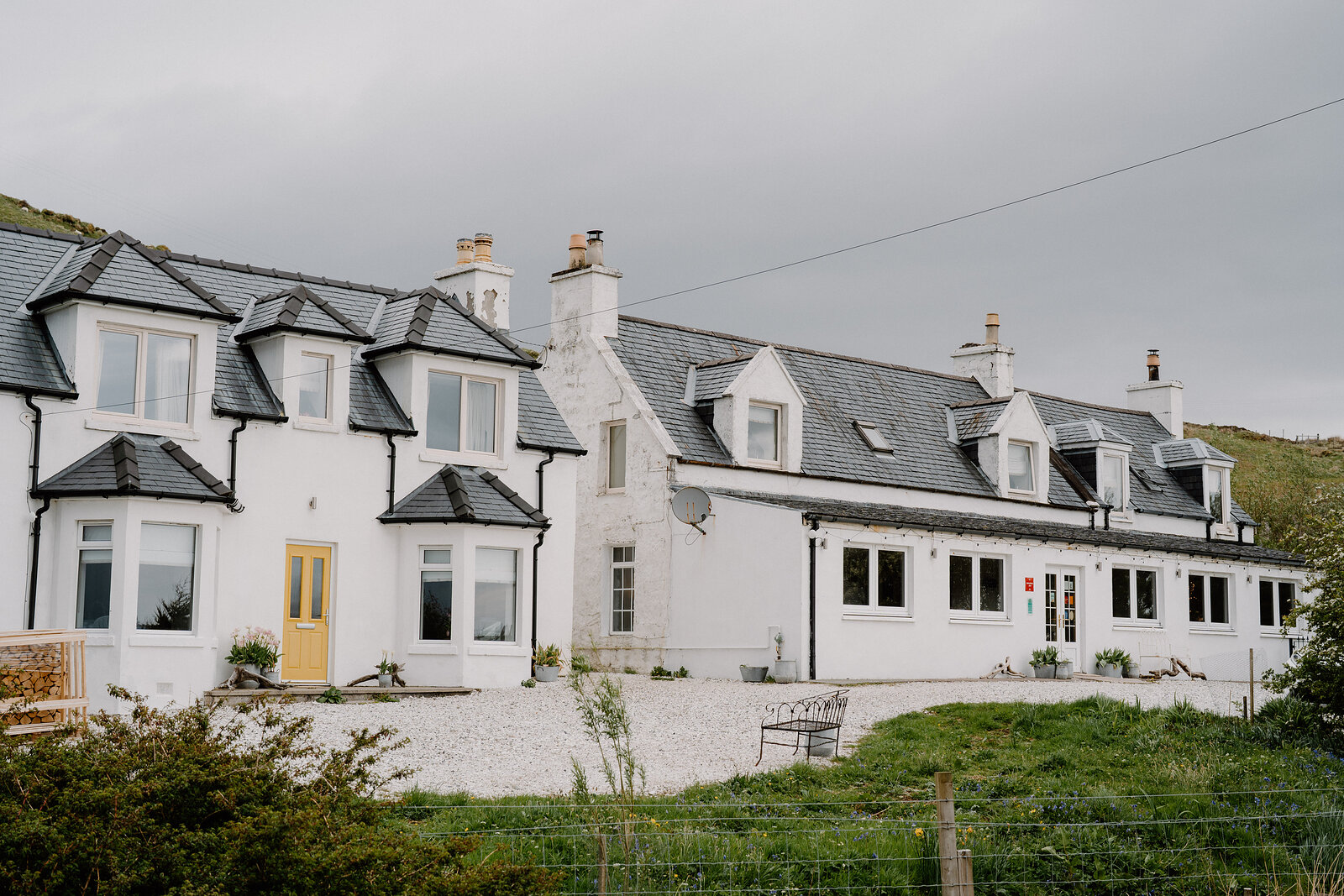
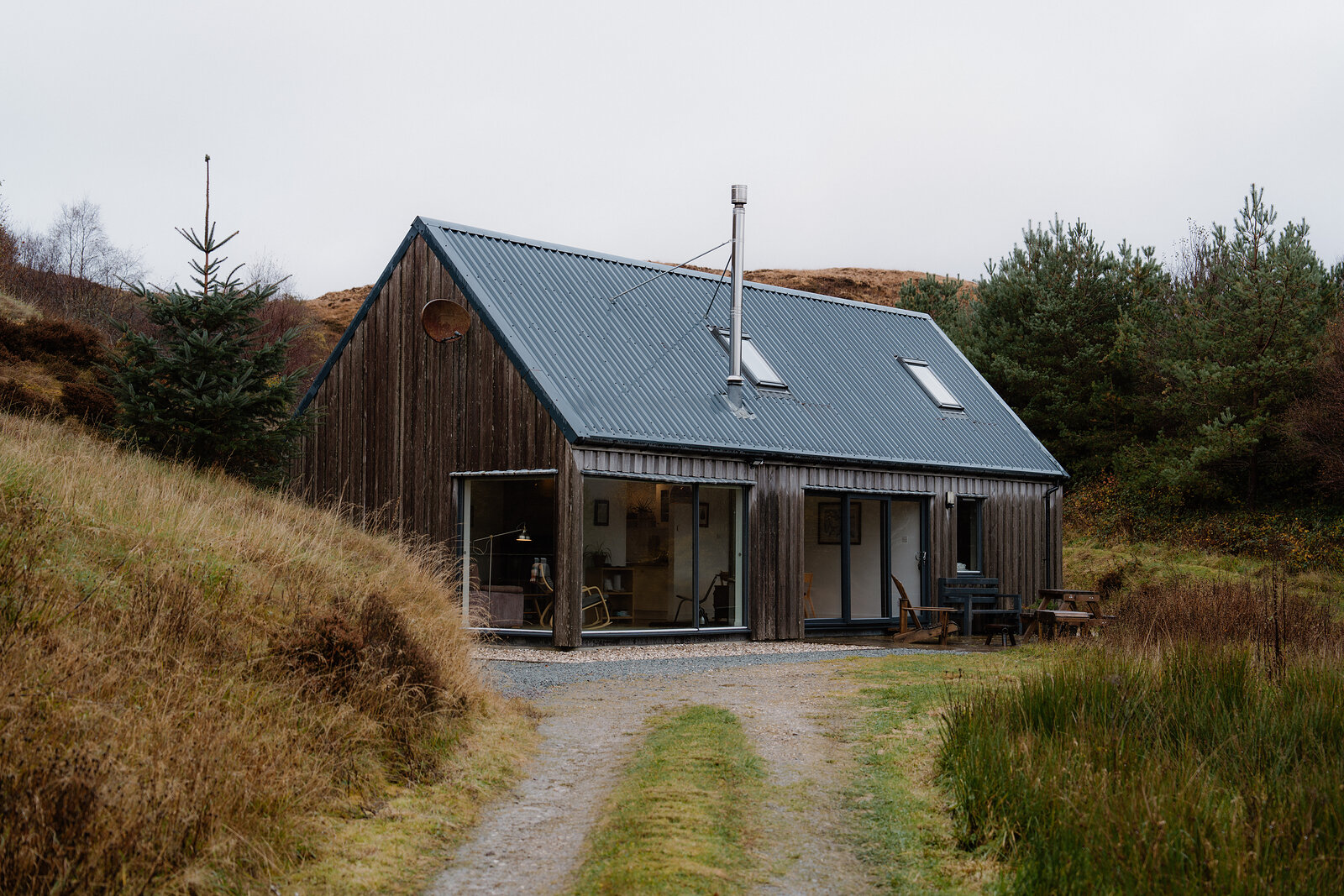
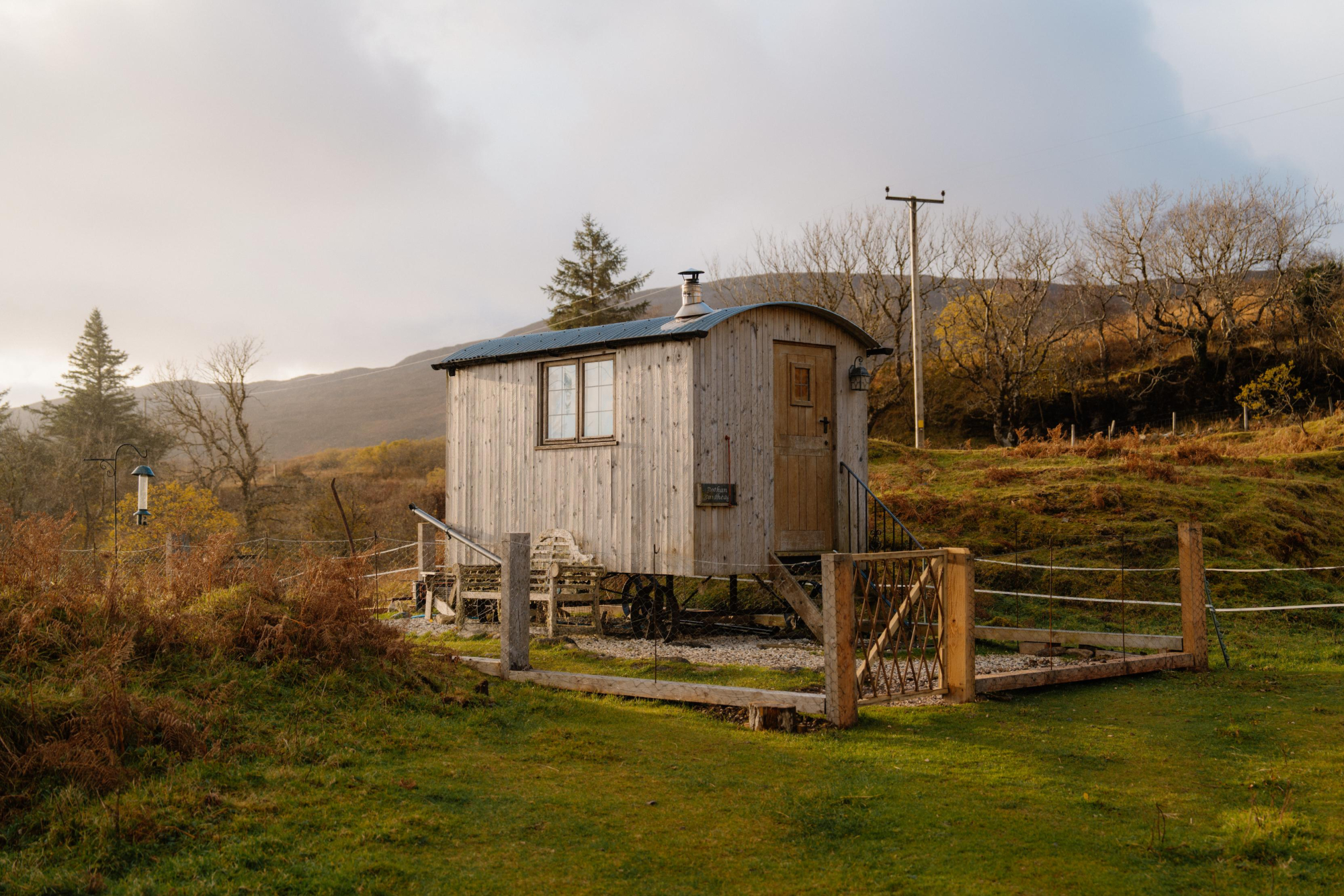
Places to stay near the point, and when each is next free.

Hidden Scotland, the magazine

Scotland, in print.

We want to show you the best that Scotland has to offer. The makers and the creatives, the enduring experiences, the evocative tales, the concealed corners. The roads less travelled that take you to places that matter. The adventures that gather you up and sweep you away. The blend of the wild and the artistic that makes Scotland what it is. We’d love for you to join us.

Read on

What we have written about it, the collections it is in and more on Skye.

Find out more

For further reading, before you go. The details on this page were checked on .