A guide to
whisky in Scotland.
Which whisky region?
Choose a region for its distilleries, or answer five questions further down.
Sweet, fruity whisky, and more distilleries than anywhere else.
Peat smoke and the sea.
The largest region, and the widest range.
Sea air, a little smoke, one distillery to an island.
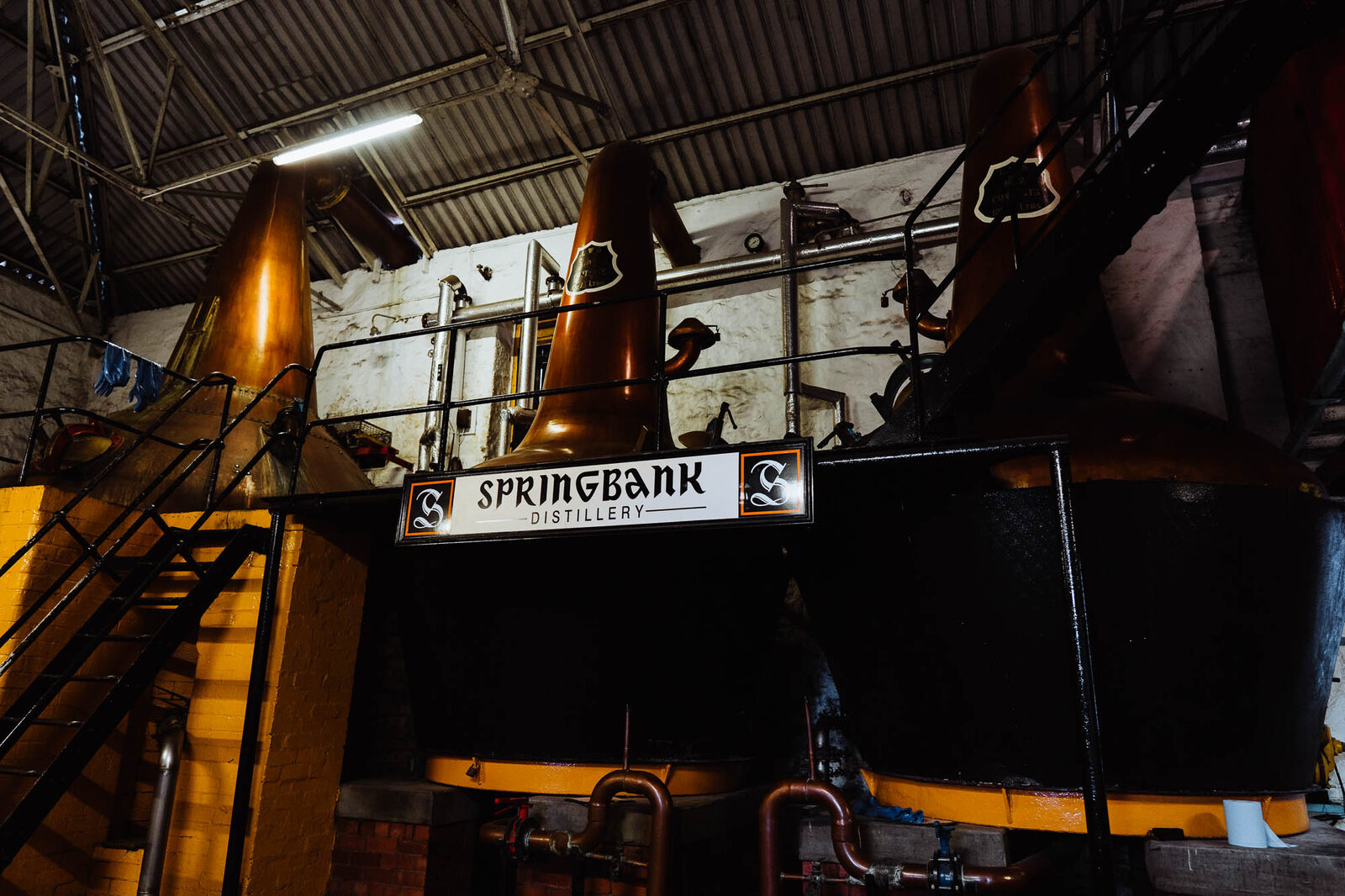
Once the whisky capital of the world.
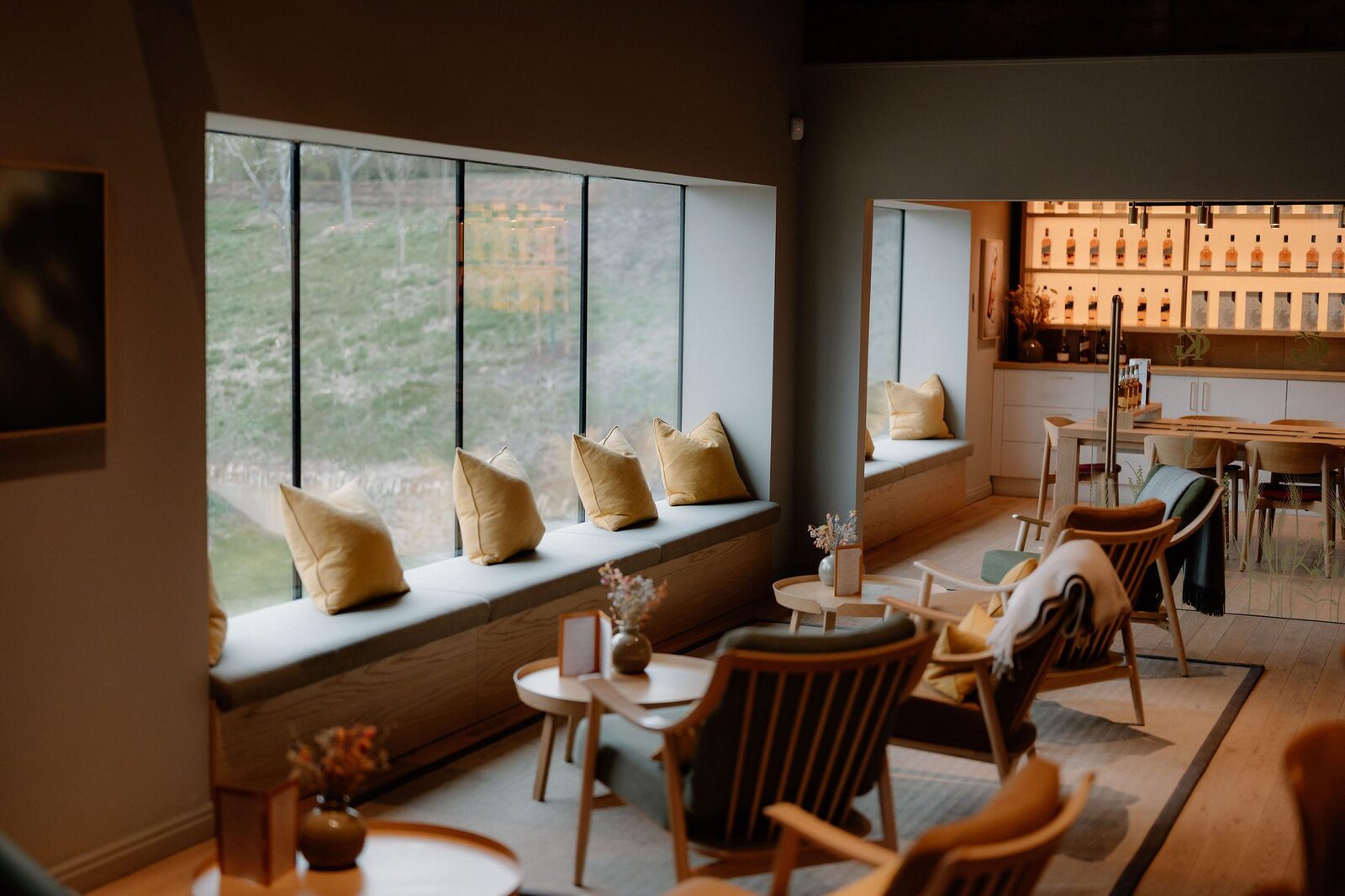
Light, gentle whisky, close to the cities.
Scotch, in two minutes.
Scotch is made from three things: barley, water and yeast. It is distilled in copper stills and left in oak casks in Scotland for at least three years, and usually far longer.
A single malt comes from one distillery; a blend marries whiskies from several. Where it is made changes how it tastes: Speyside is sweeter and fruitier, Islay is smoky from barley dried over peat, and the Highlands and islands are everything between.
Most distilleries welcome visitors, with a tour of an hour or so and a dram at the end.
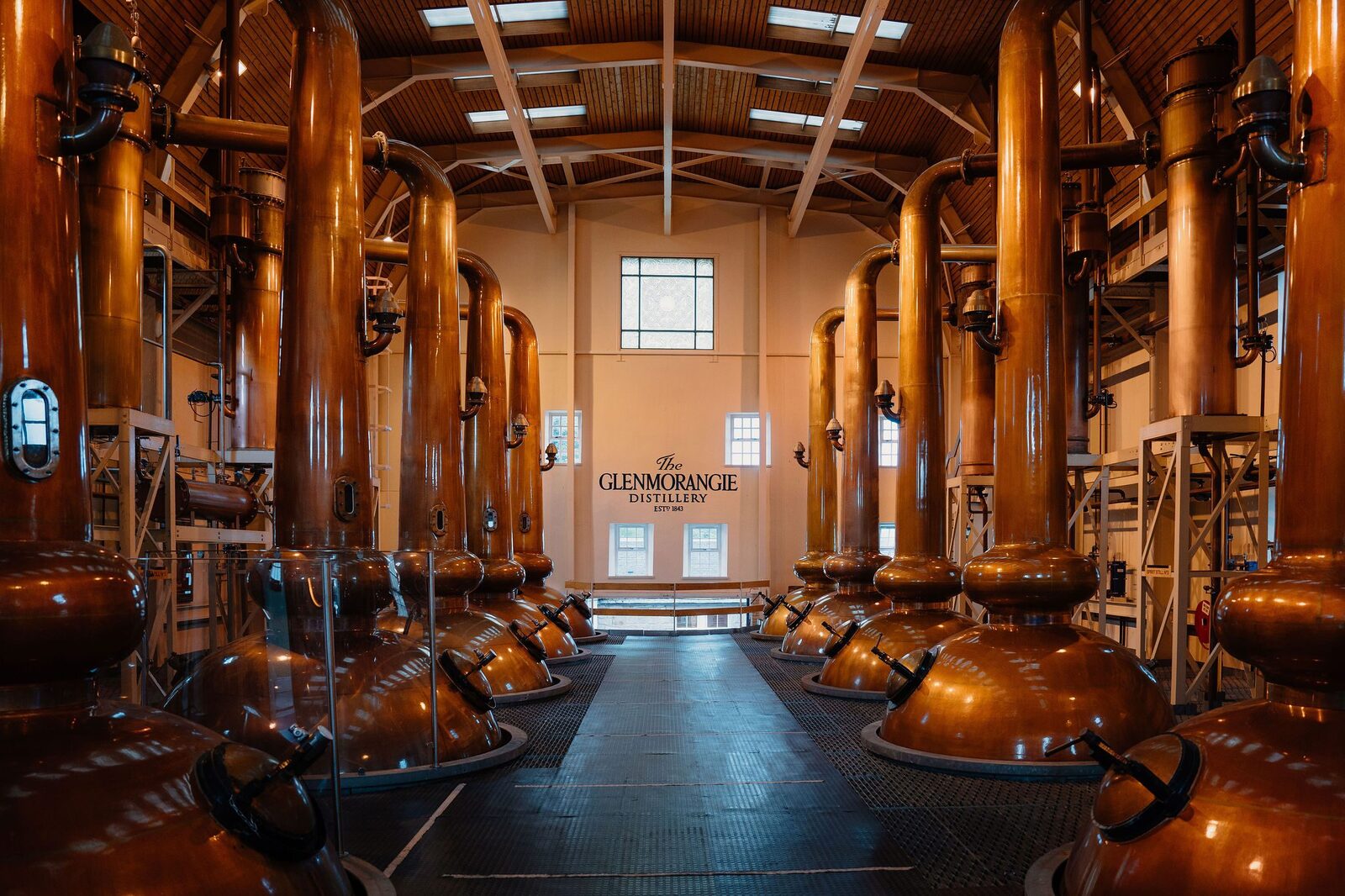
Three things to know.
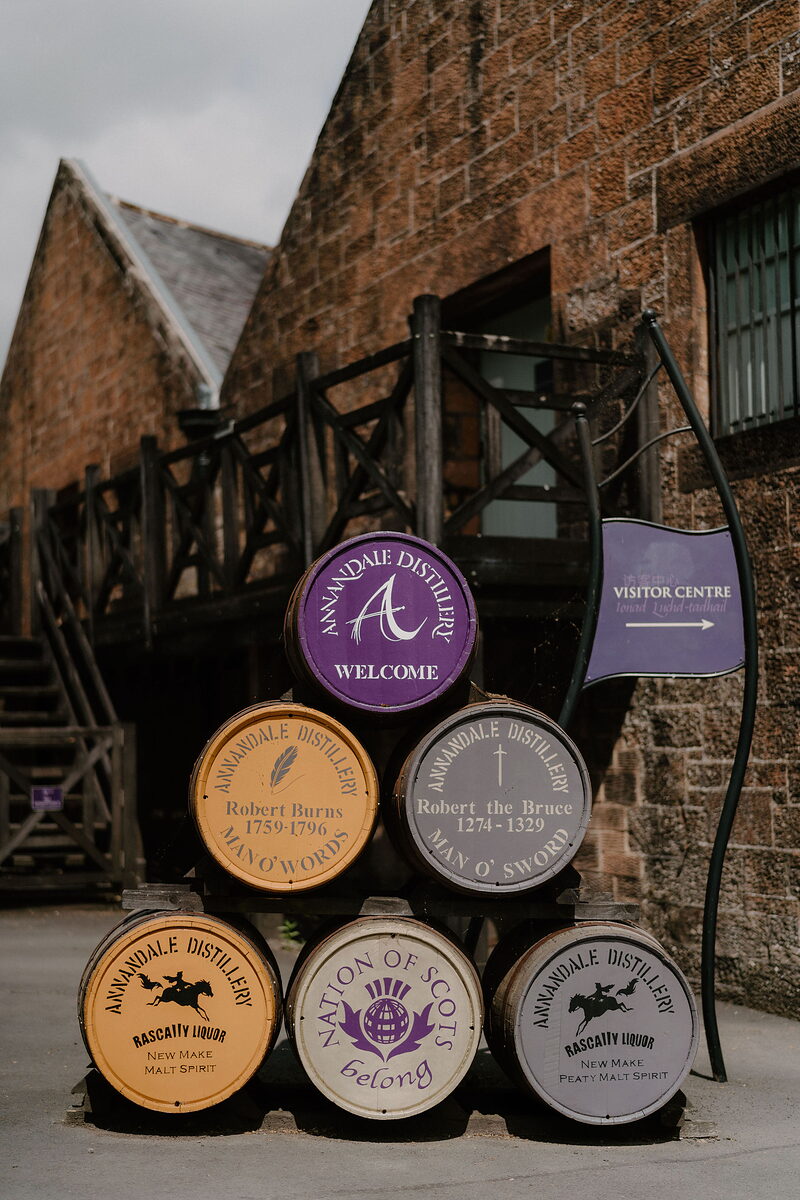
Book ahead.
Tours fill up, especially on Islay and anywhere in summer. A week or two is usually enough; festival weeks need months.
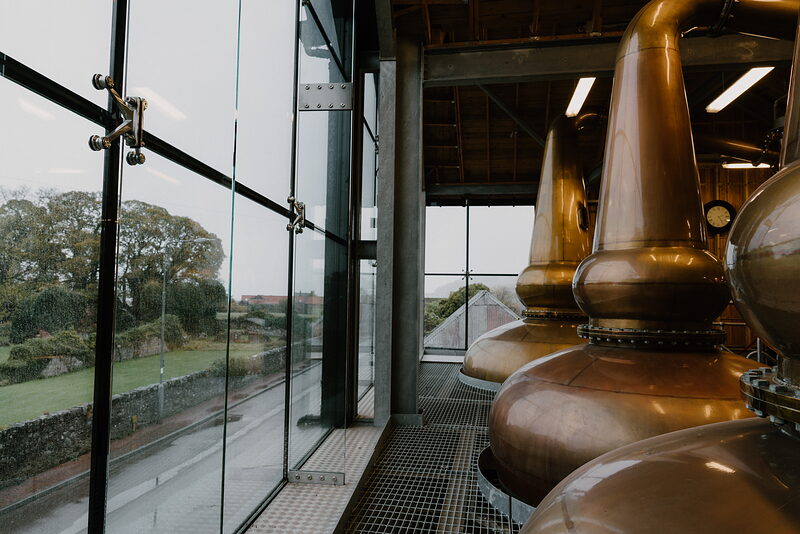
Somebody drives.
Scotland’s limit is low enough that the driver does not taste. Most distilleries hand the driver a small bottle to take away.
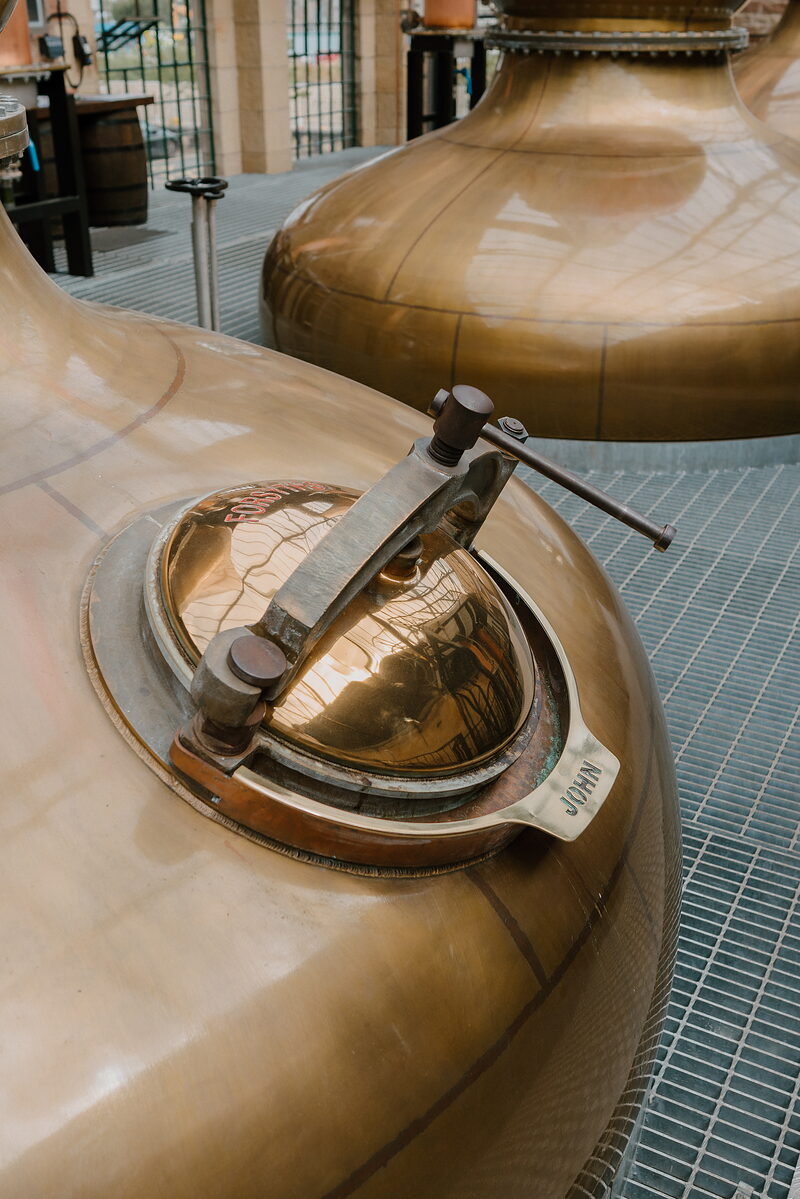
Check they are open.
Distilleries close for a few weeks each year for maintenance, often in summer, and some shut their visitor centres in winter.
Find your whisky region.
Answer five quick questions to find the whisky region that suits you.
The regions, side by side.
Speyside.
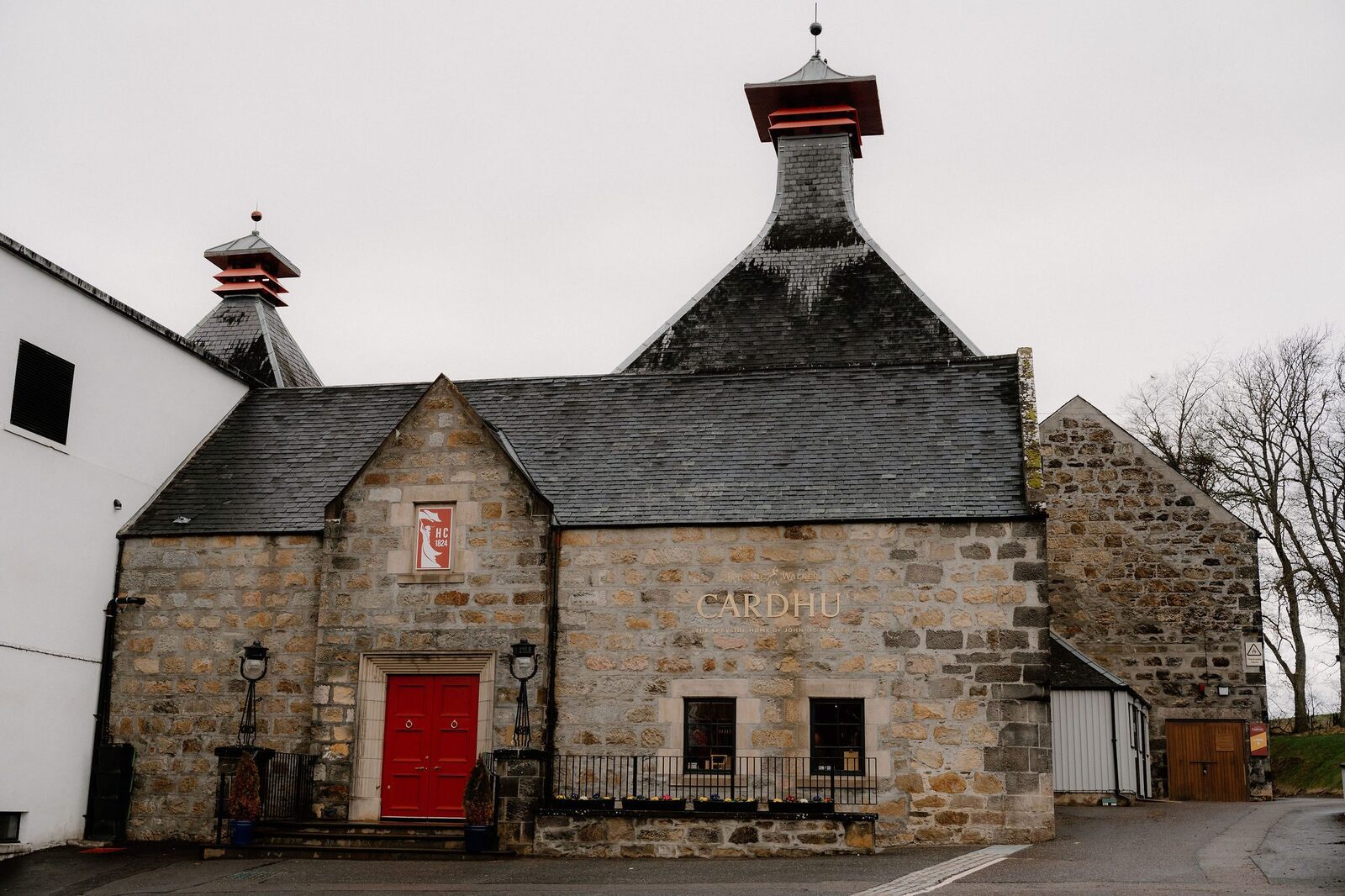
Sweet, fruity whisky, and more distilleries than anywhere else. Along the River Spey between Grantown and the Moray coast: Glenfiddich, The Macallan, Cardhu, Aberlour. An hour from Inverness or Aberdeen. Two or three days, based in Dufftown, Aberlour or Craigellachie.
Islay.
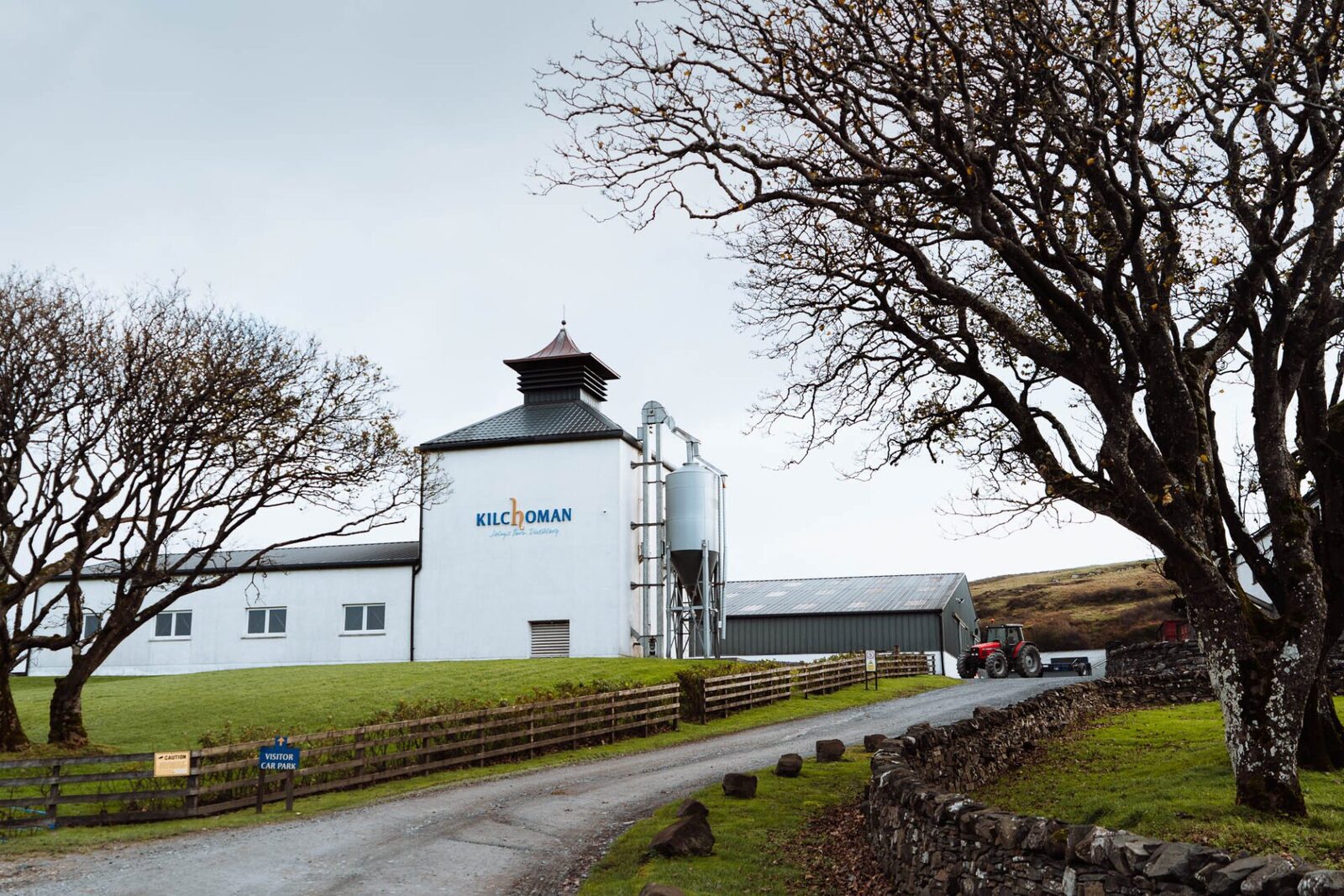
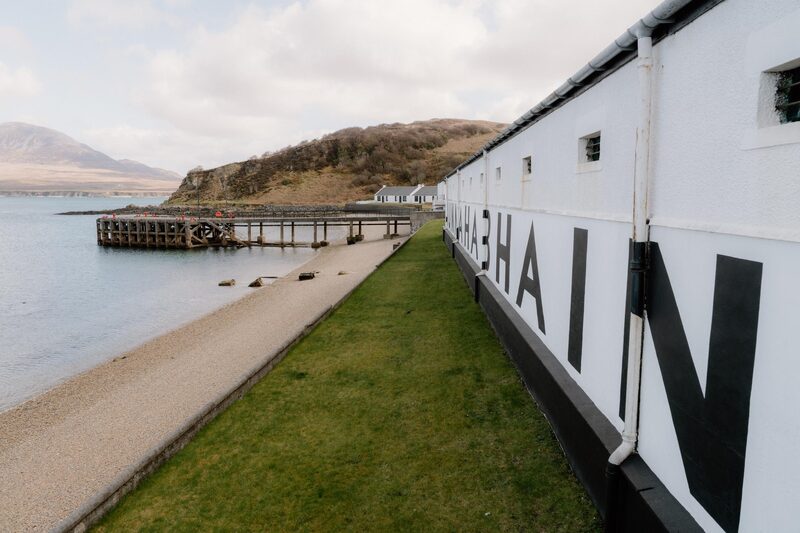
Peat smoke and the sea. Laphroaig, Lagavulin and Ardbeg within three miles of each other on the south shore, and more around the island. Two hours by ferry from Kennacraig, or a short flight from Glasgow. Three days at least; Jura is five minutes across the sound.
The Highlands.
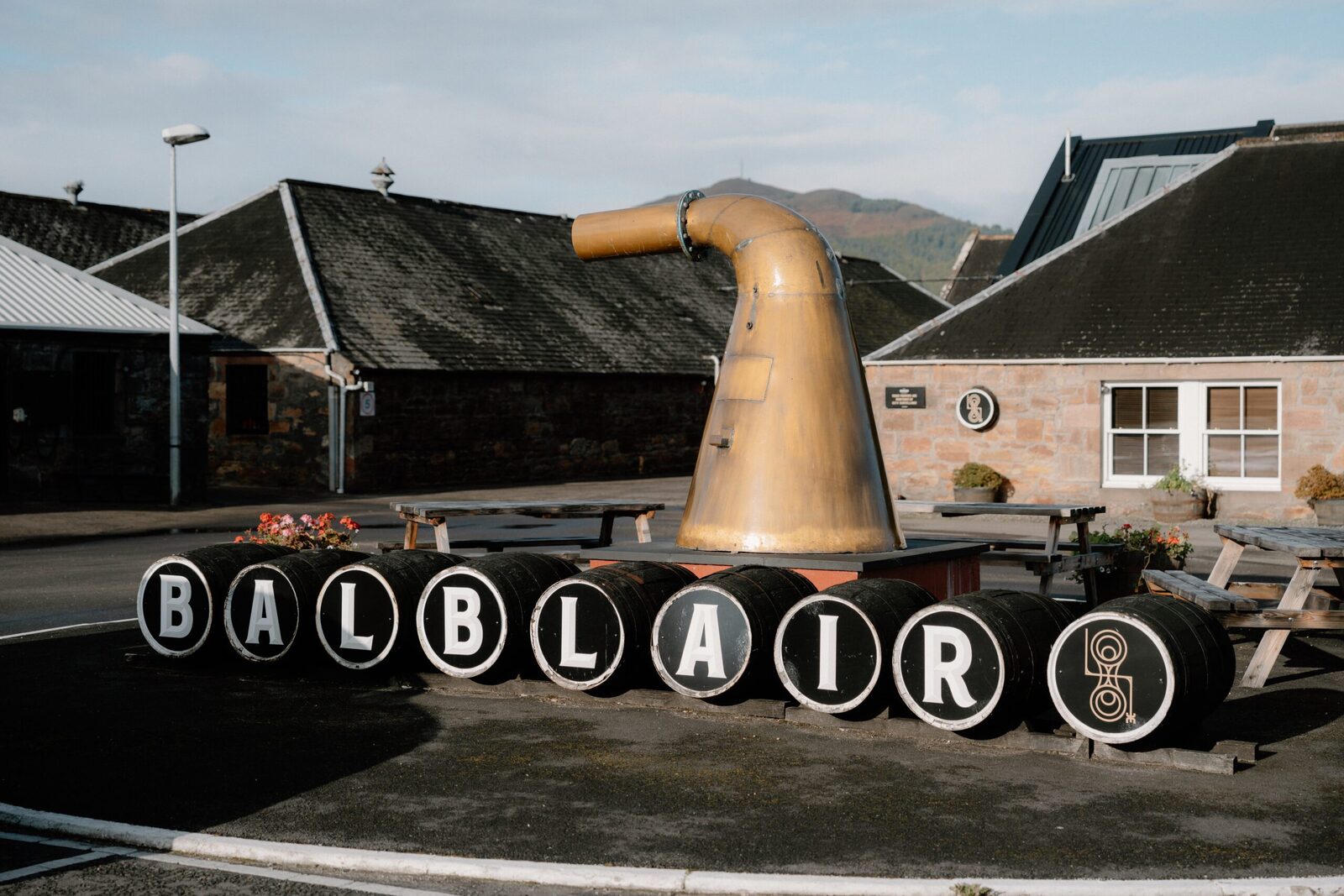
The largest region, and the widest range. From Glengoyne near Glasgow to Old Pulteney at Wick. The east coast north of Inverness has Glenmorangie, Balblair and Dalmore close together; Perthshire has Blair Athol, Dewar’s and Glenturret. Fits into any Highland trip a day at a time.
Places to stay in Easter Ross
The Easter Ross guide On the map
The islands.
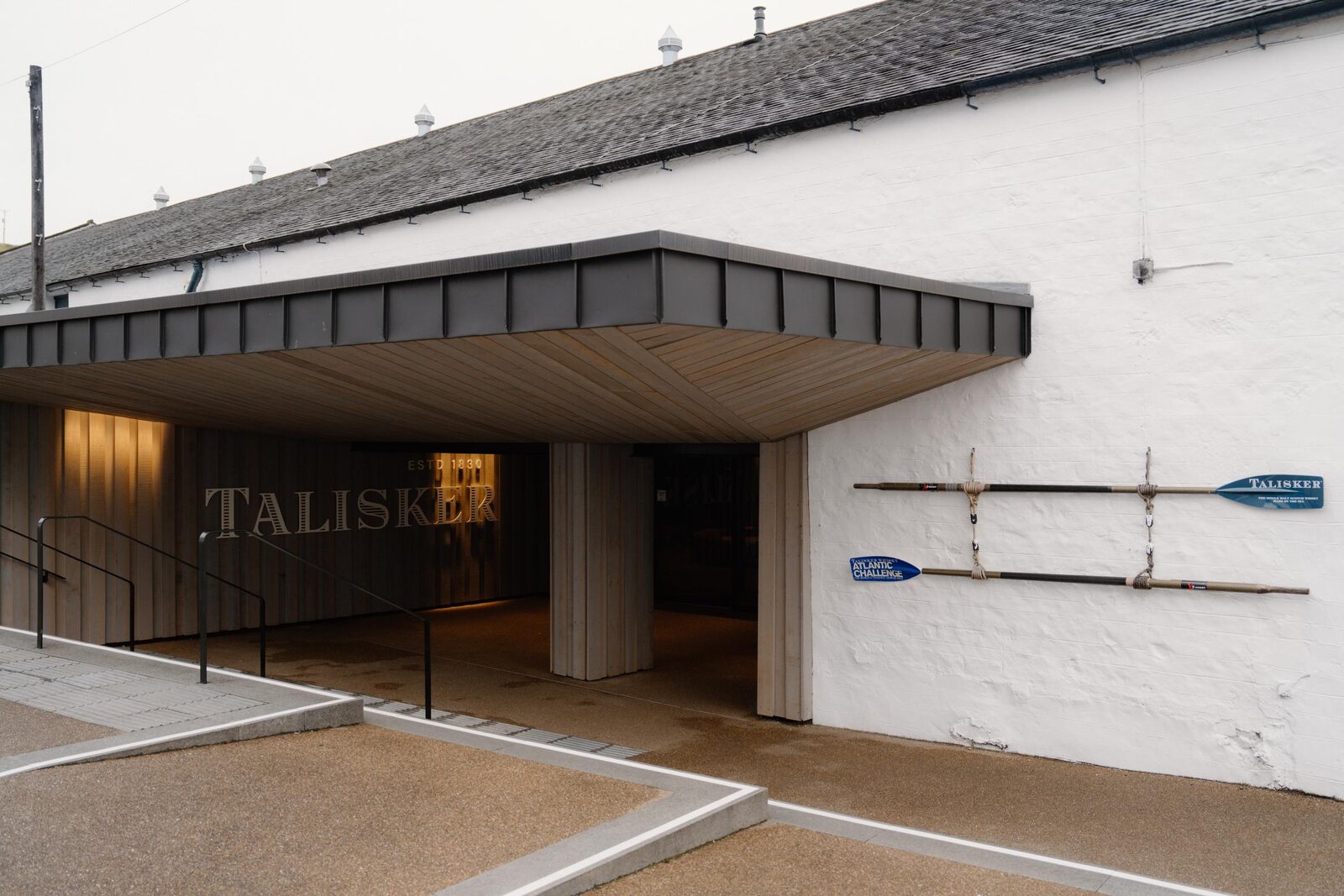
Sea air, a little smoke, one distillery to an island. Talisker and Torabhaig on Skye, Raasay a short ferry away, Lochranza and Lagg on Arran, Tobermory on Mull, Highland Park on Orkney. Each is a reason to make the crossing, and a day is enough for most.
Campbeltown.
Once the whisky capital of the world. Three distilleries left of more than thirty: Springbank, Glen Scotia and Glengyle, all in one small town at the foot of Kintyre. Three hours from Glasgow by road. A day in the town, and it pairs well with Islay.
Places to stay in Argyll and Bute
The Argyll and Bute guide On the map
The Lowlands.
Light, gentle whisky, close to the cities. Glenkinchie outside Edinburgh, Holyrood in the city, Clydeside in Glasgow, Lindores Abbey in Fife, Annandale in the south. The easiest to reach without a car, and a good first distillery.
How a visit works.
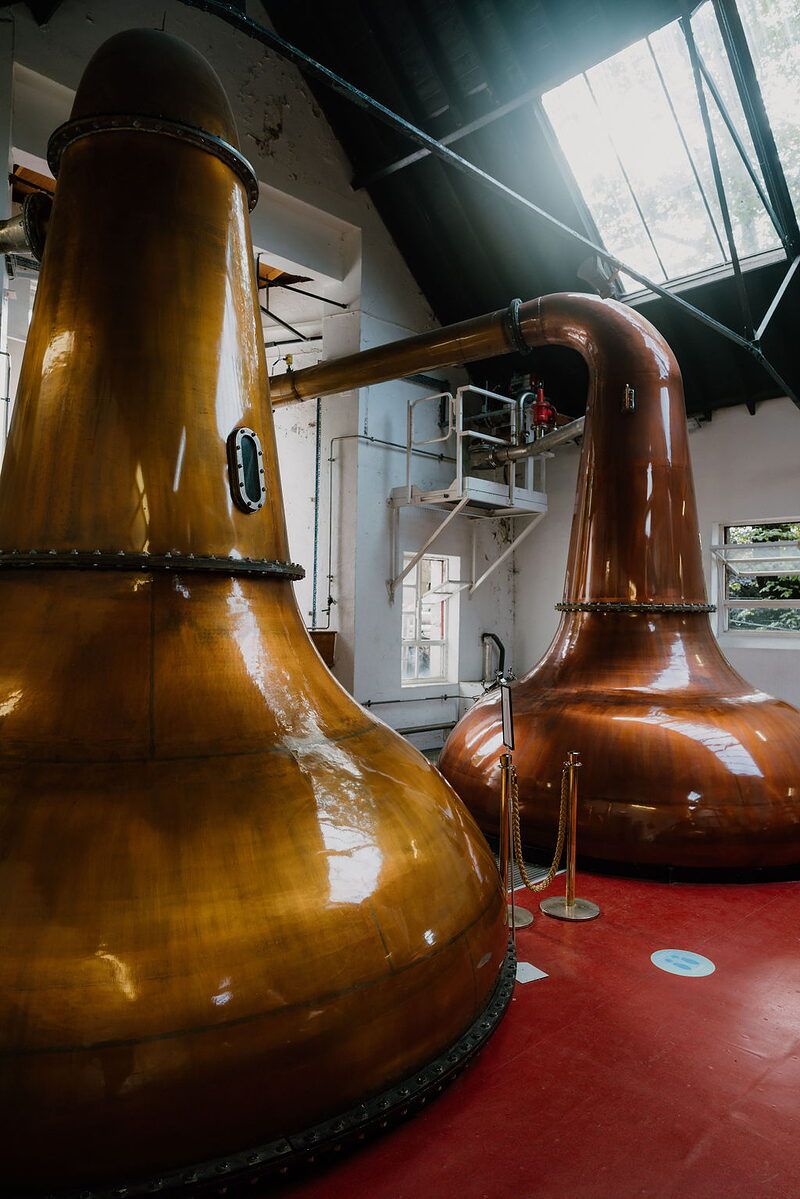
The tour.
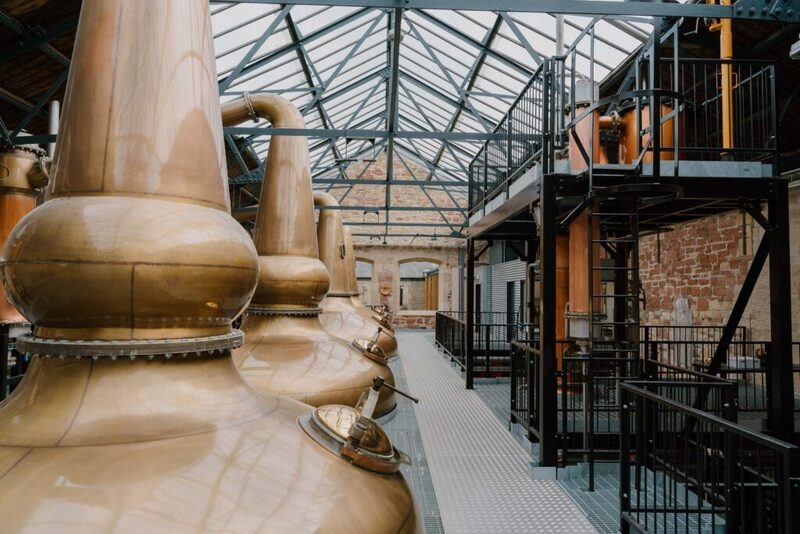
About an hour, in a small group with a guide: the mash house, the still house, and a warehouse full of casks. Wear flat shoes; there are stairs and wet floors.
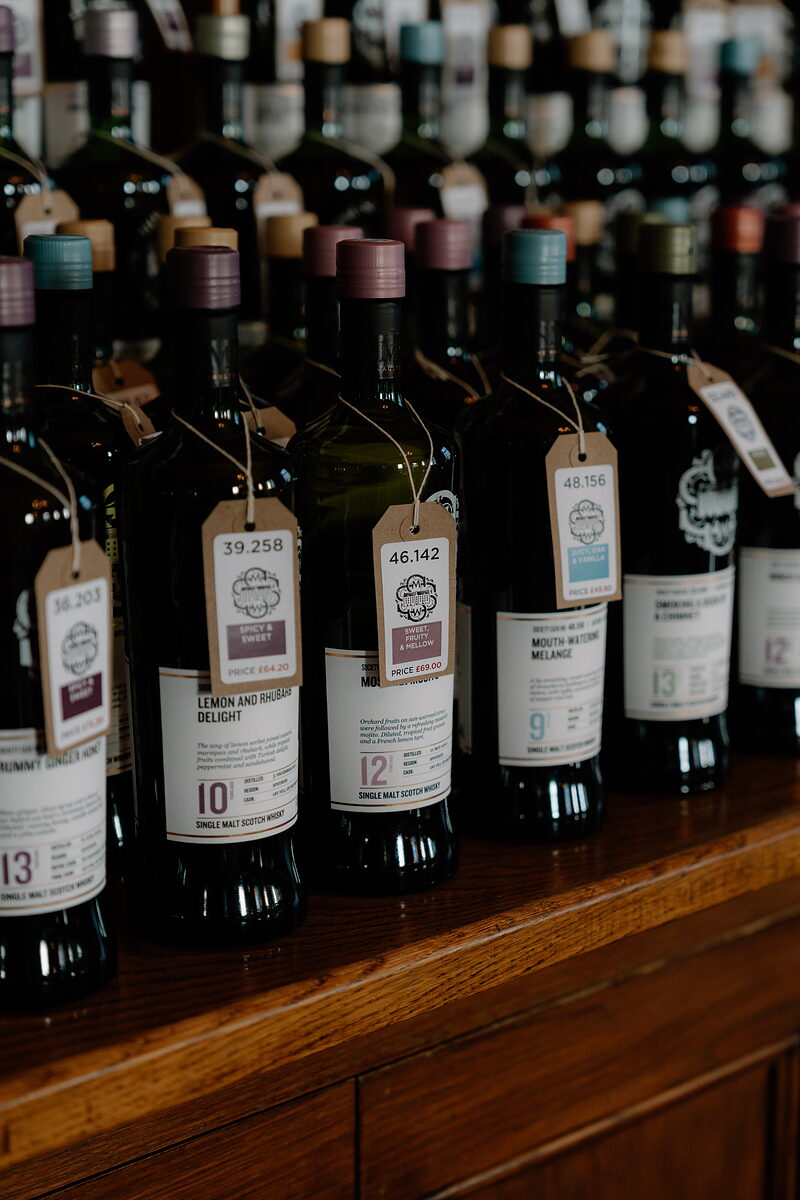
The tasting.
Two or three drams at the end, poured small. Drivers are given theirs in little bottles to take away. Children are usually welcome on the tour, though not at the tasting.
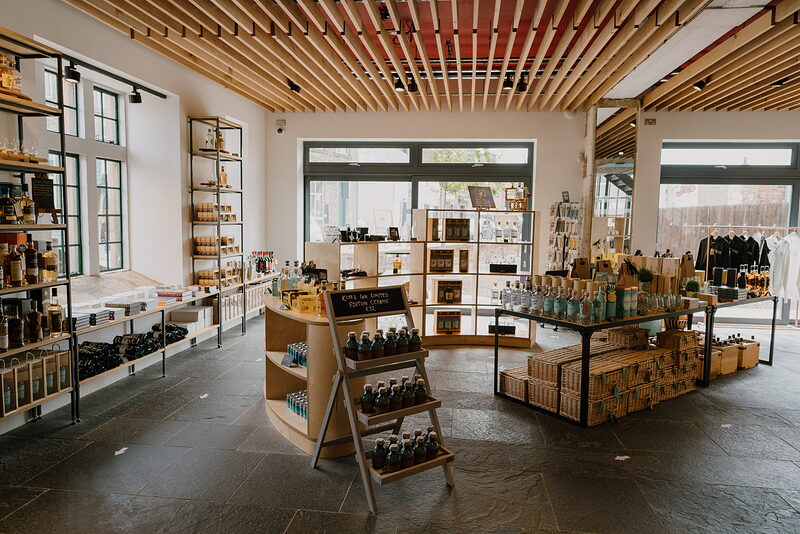
The cost.
A standard tour is about £15 to £25 a head. Warehouse tastings and rare-cask sessions run from about £50 to well over £100, and are the ones that sell out.
When to go.
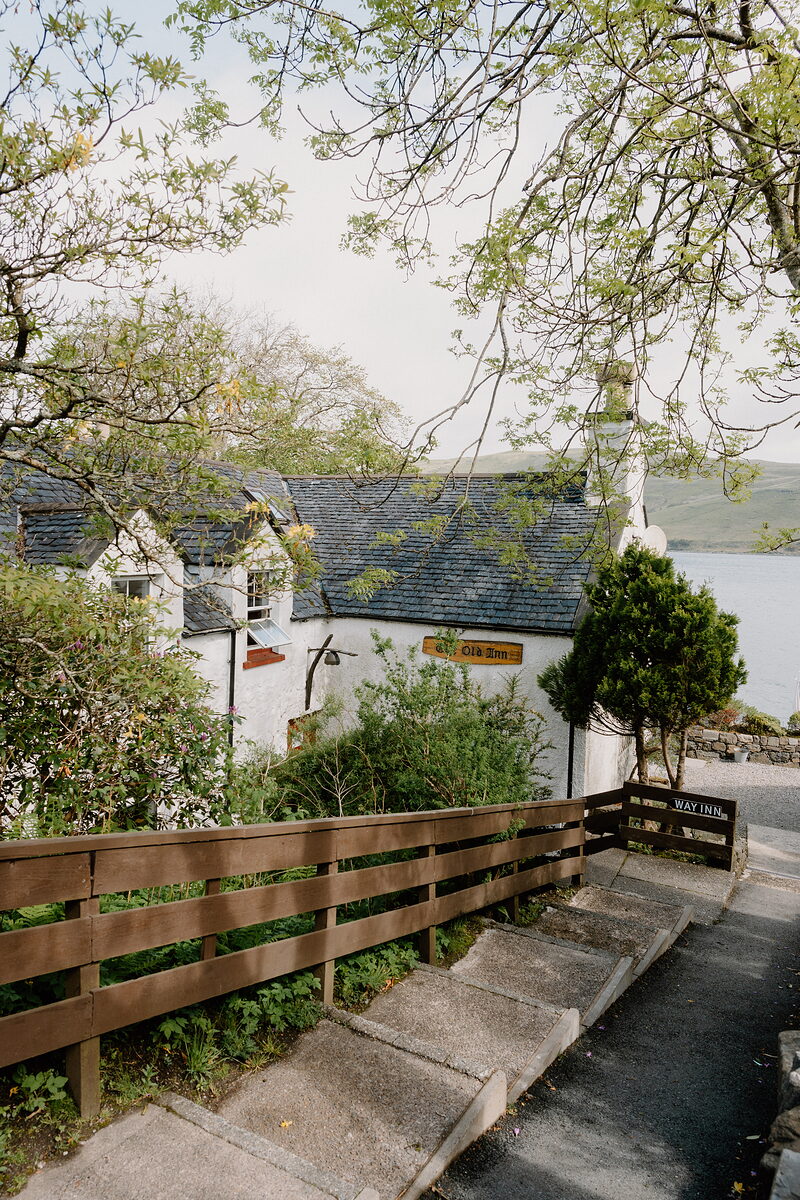
Spring.
The festival season. Spirit of Speyside runs for a week around the start of May, and Fèis Ìle on Islay is the last week of May: the best time to go, and the hardest to find a bed.
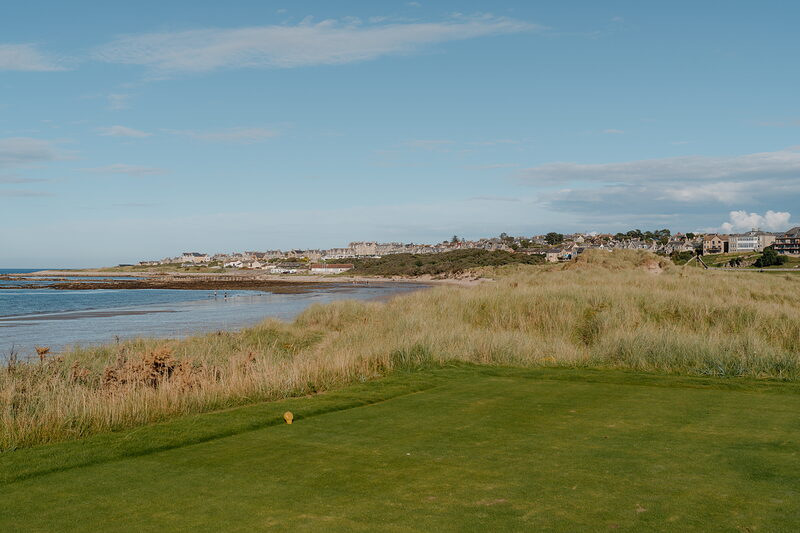
Summer.
Long days and the most tours running, but also the busiest. Many distilleries stop distilling for a few weeks for maintenance; the tours usually go on, with the stills quiet.
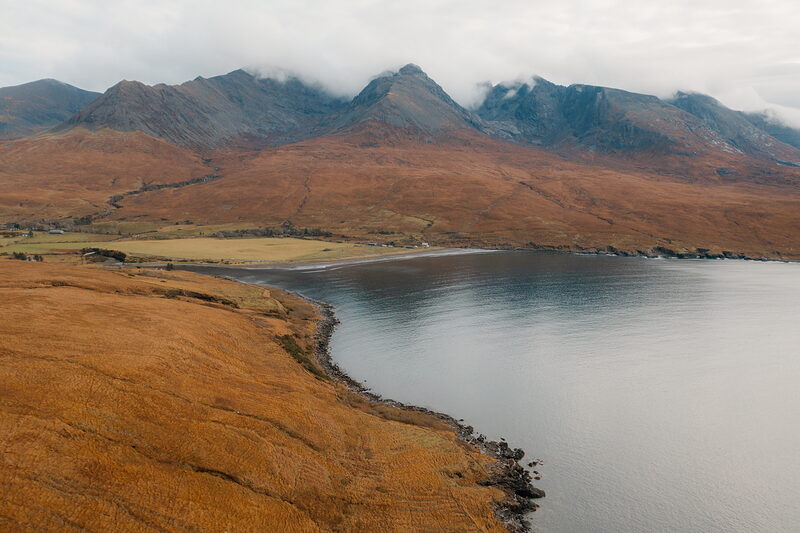
Autumn and winter.
Quieter roads, easier bookings and a fire in the bar. Some visitor centres shorten their hours from November to March, so check before travelling.
Whisky words.
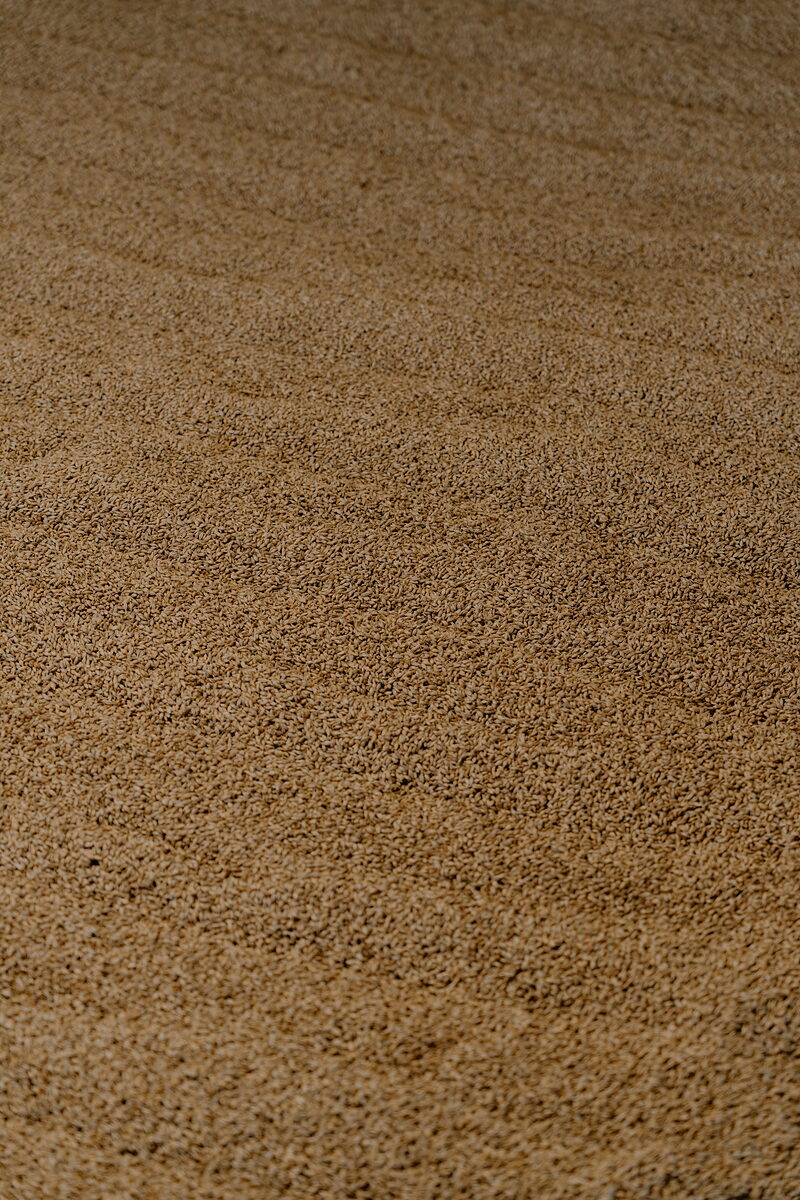
Single malt.
Whisky made from malted barley at one distillery. Not better than a blend by rule, only all from one place.
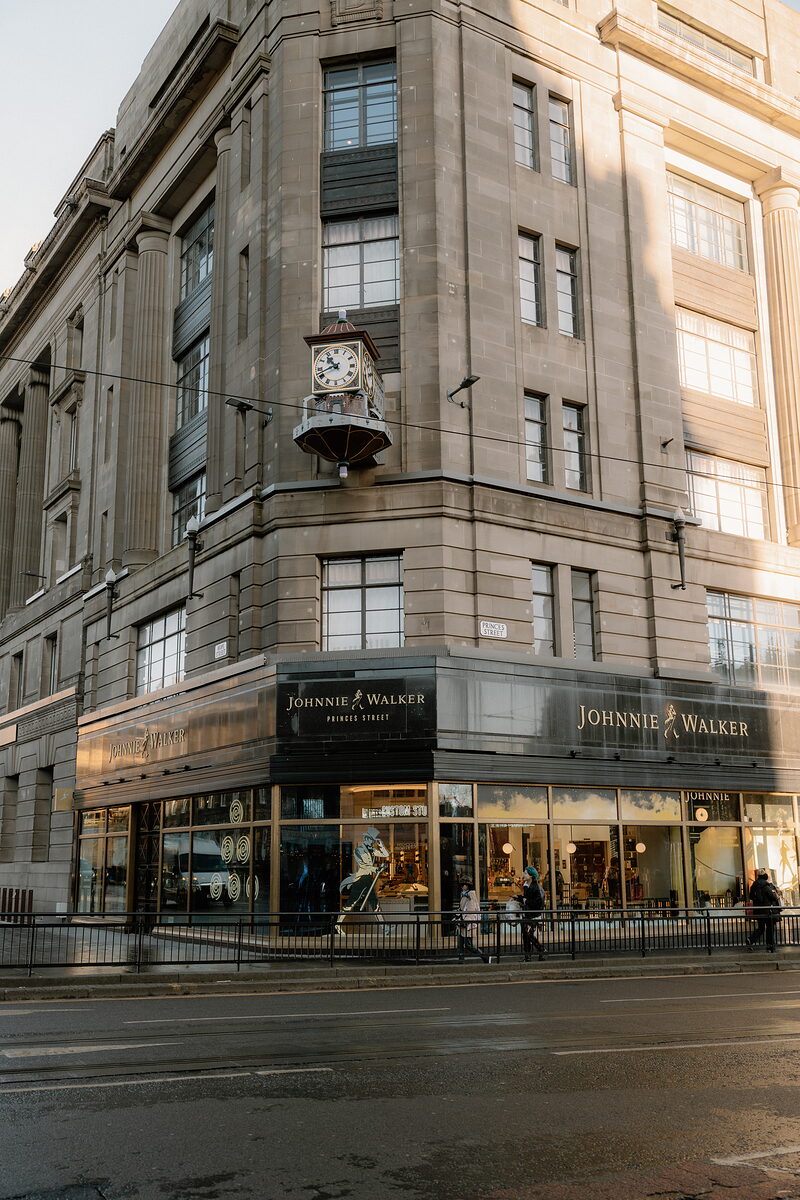
Blend.
Malt whiskies and lighter grain whiskies from several distilleries, mixed for a consistent taste. Most Scotch sold is blended.
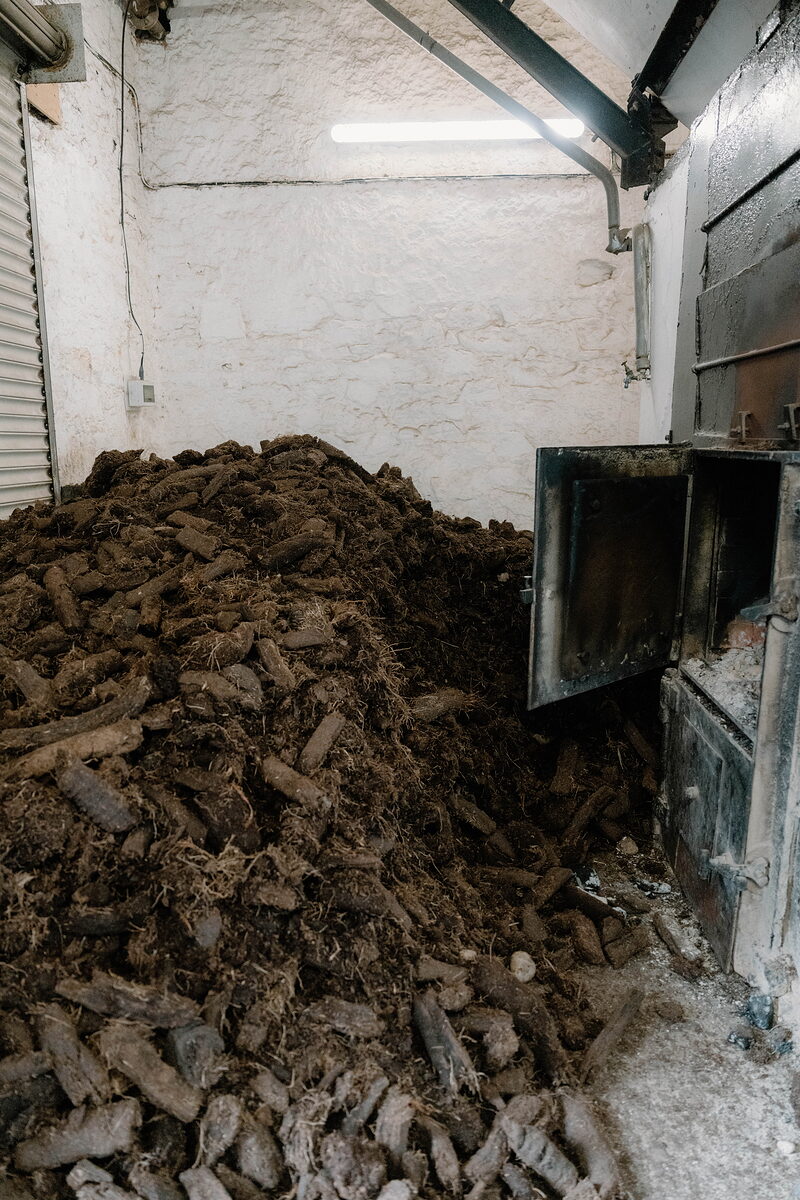
Peat.
Old, dense turf, cut and burned to dry the barley. Its smoke is what gives Islay whisky its taste of bonfire and sea.
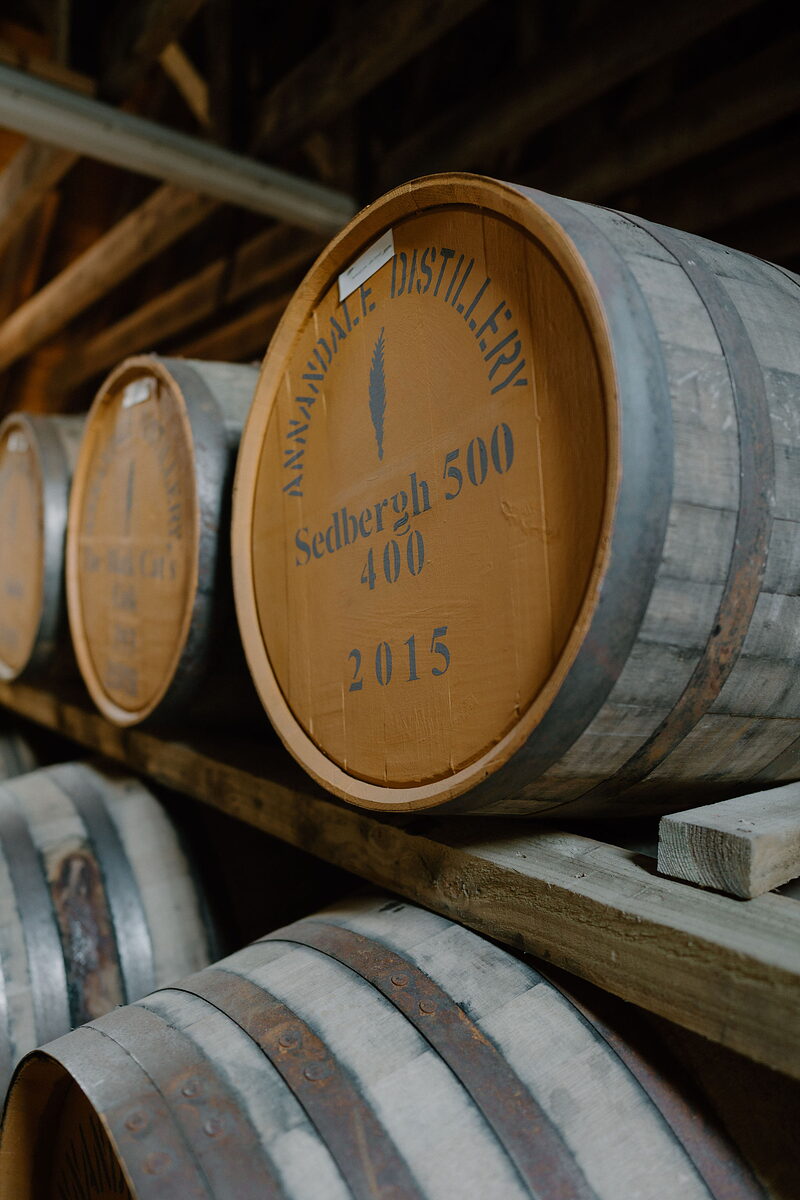
Cask.
The oak barrel the spirit sleeps in. Most held bourbon or sherry first, and that is where much of the colour and flavour comes from.
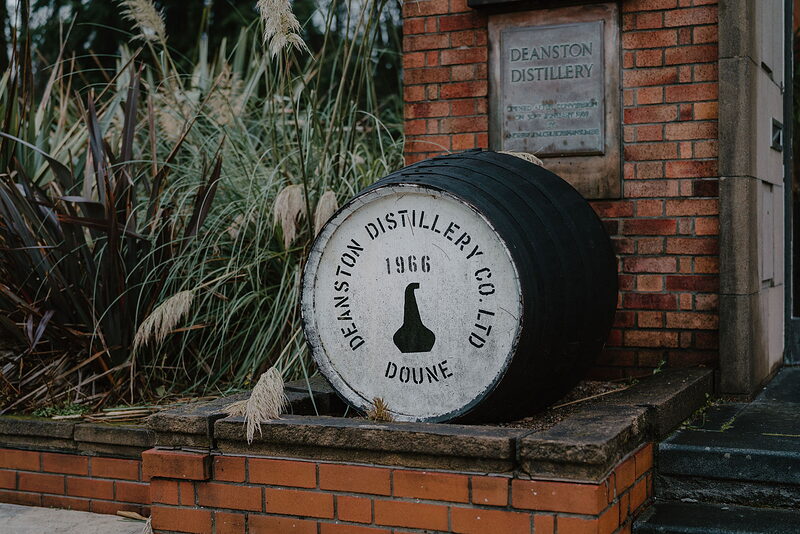
Cask strength.
Bottled as it came out of the cask, often well over 55%. Add a few drops of water; the distillers do.
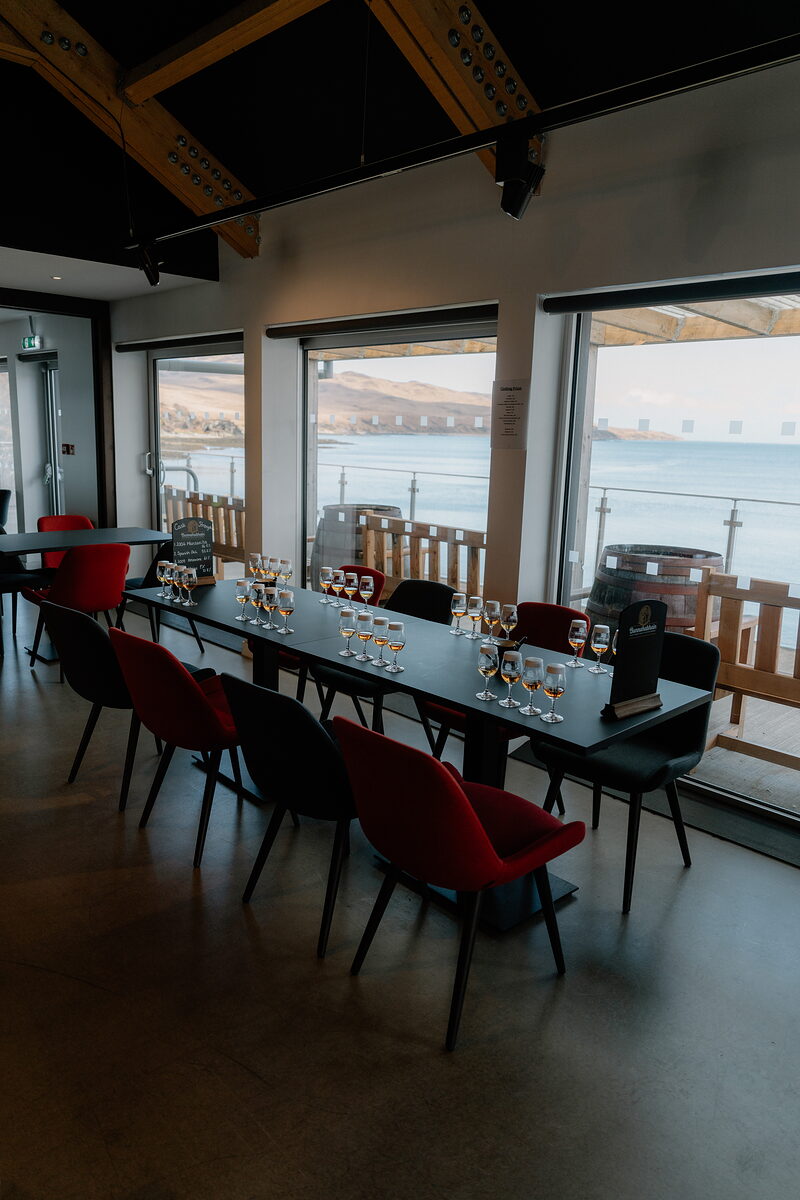
Dram.
A measure of whisky. No fixed size: it depends who is pouring.
How to say the names.
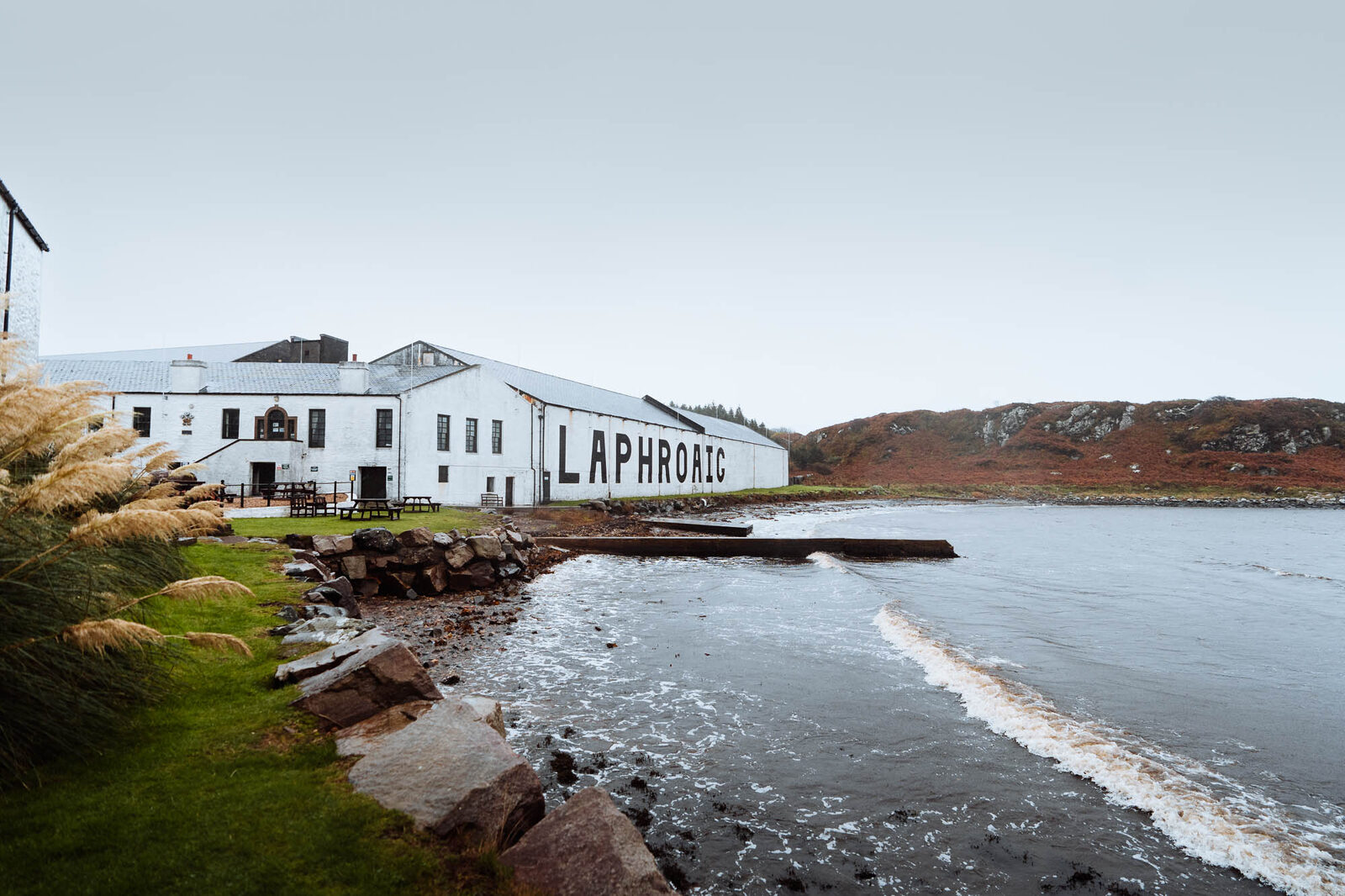
Laphroaig.
la-FROYG.
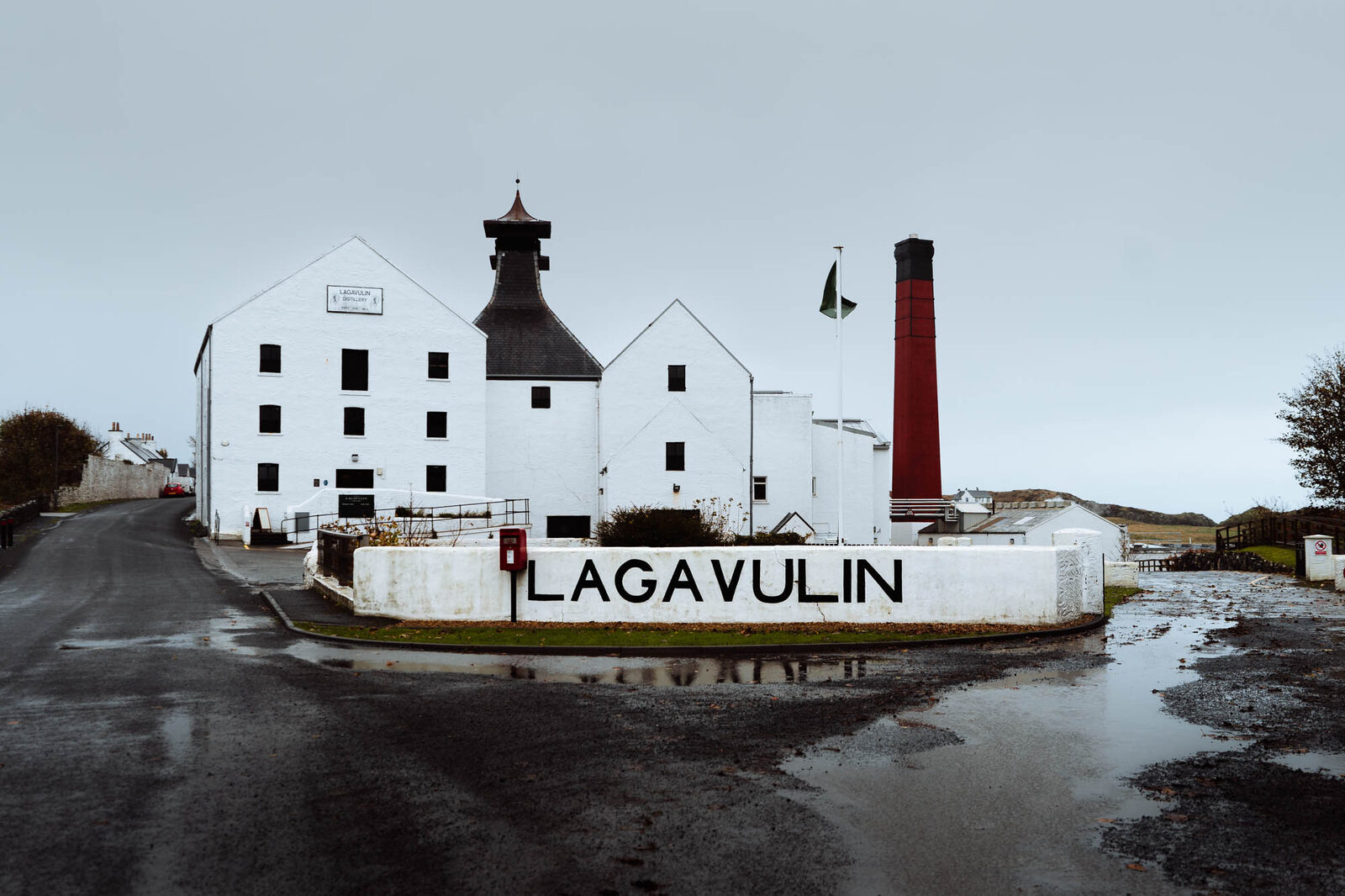
Lagavulin.
lagga-VOO-lin.
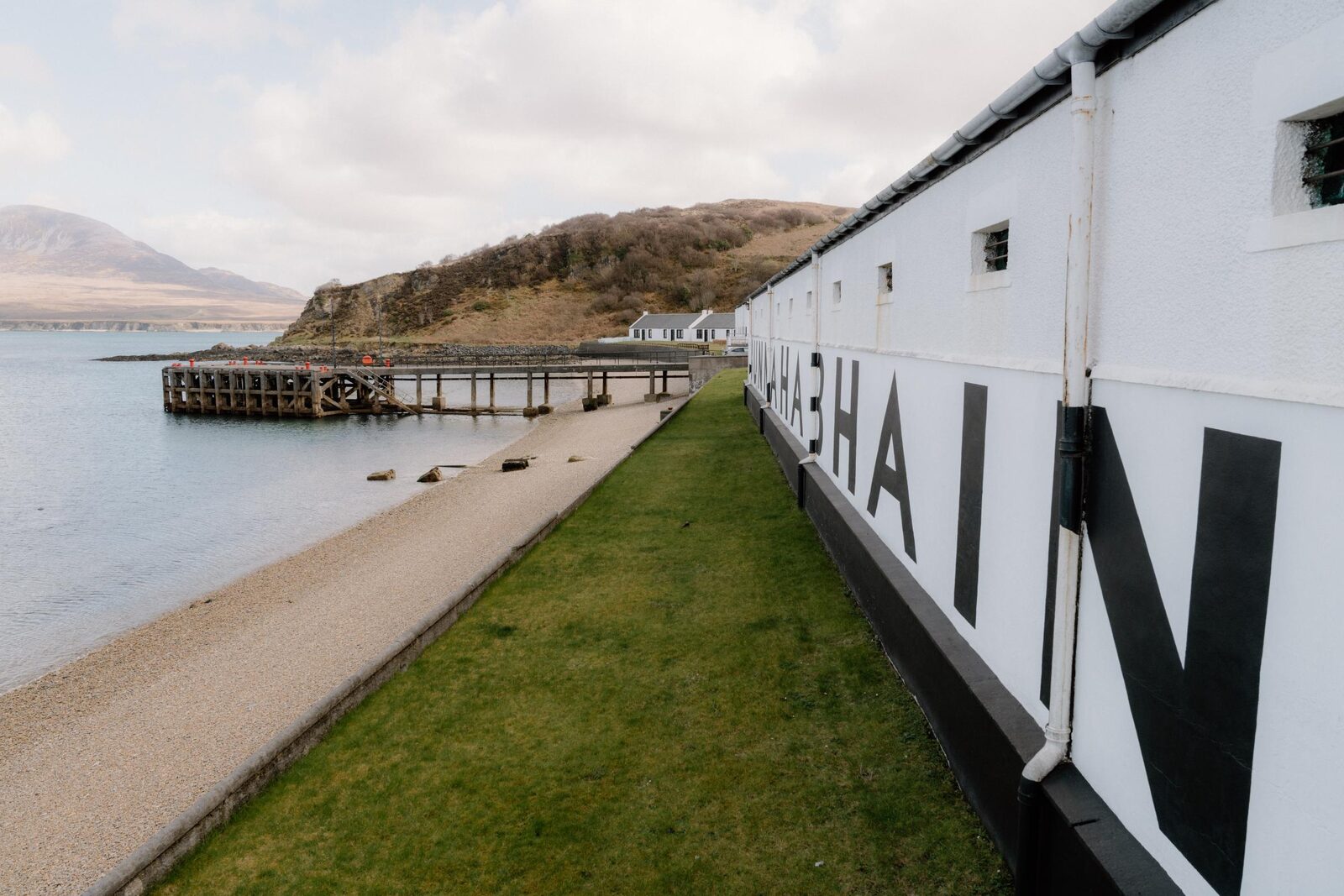
Bunnahabhain.
BOO-na-HAV-en.
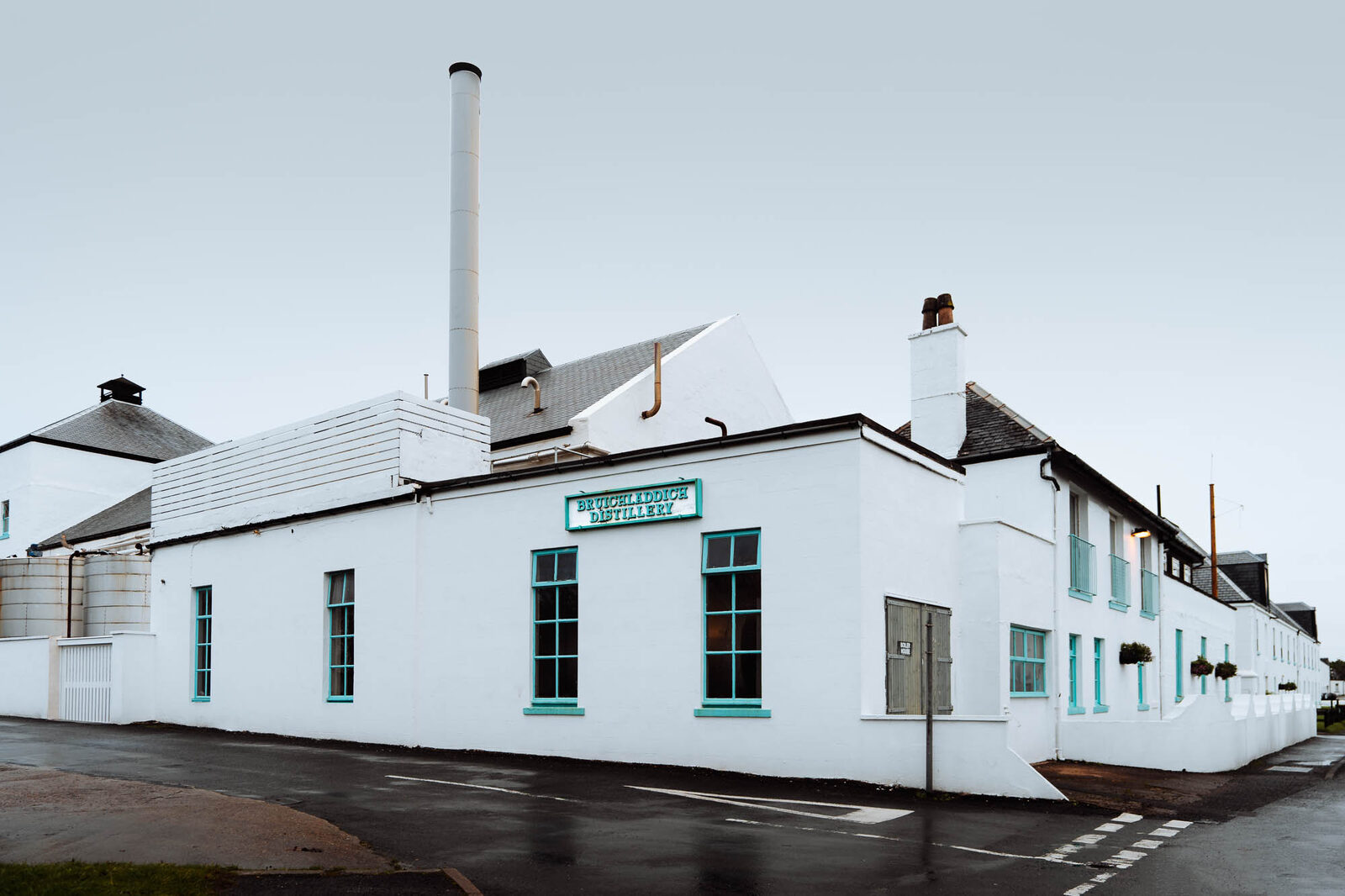
Bruichladdich.
brook-LADDY.
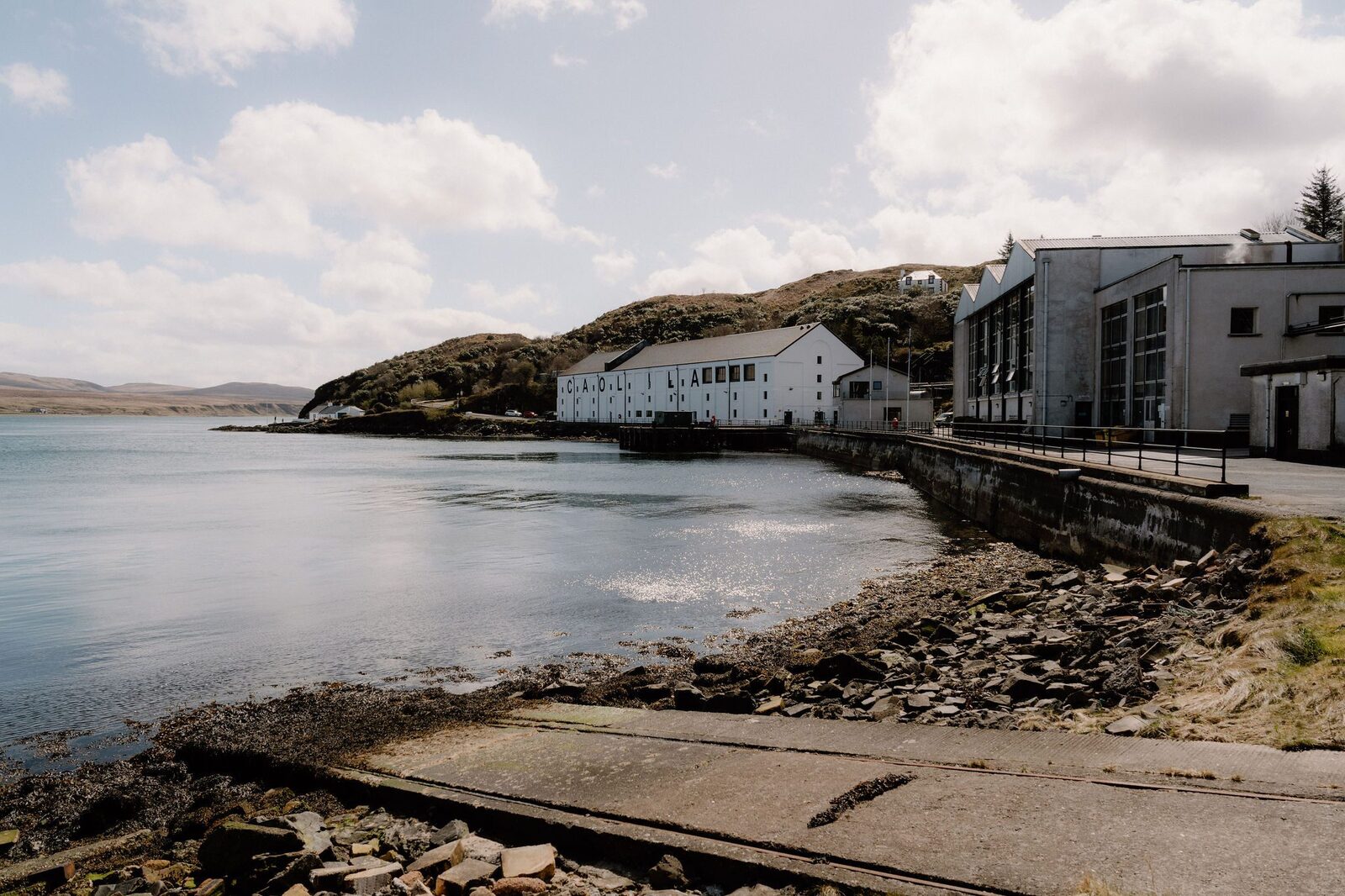
Caol Ila.
cull EE-la.
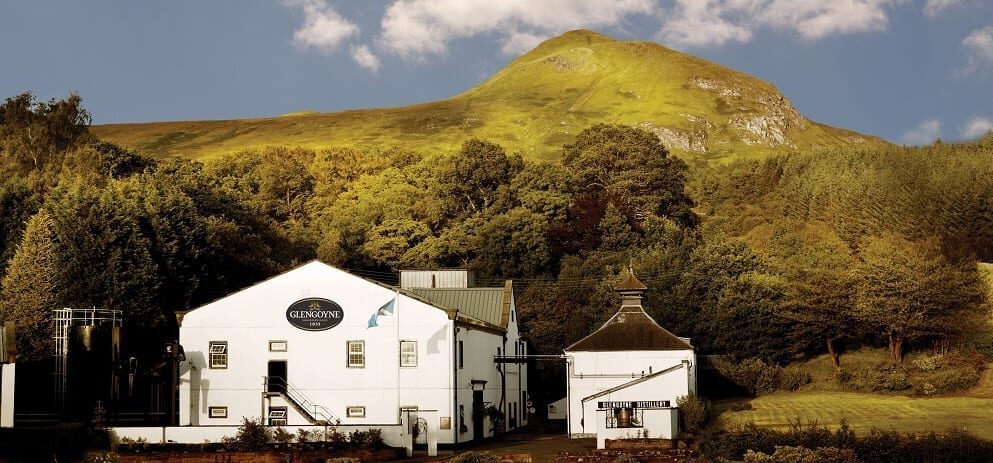
Glengoyne.
glen-GOYN.
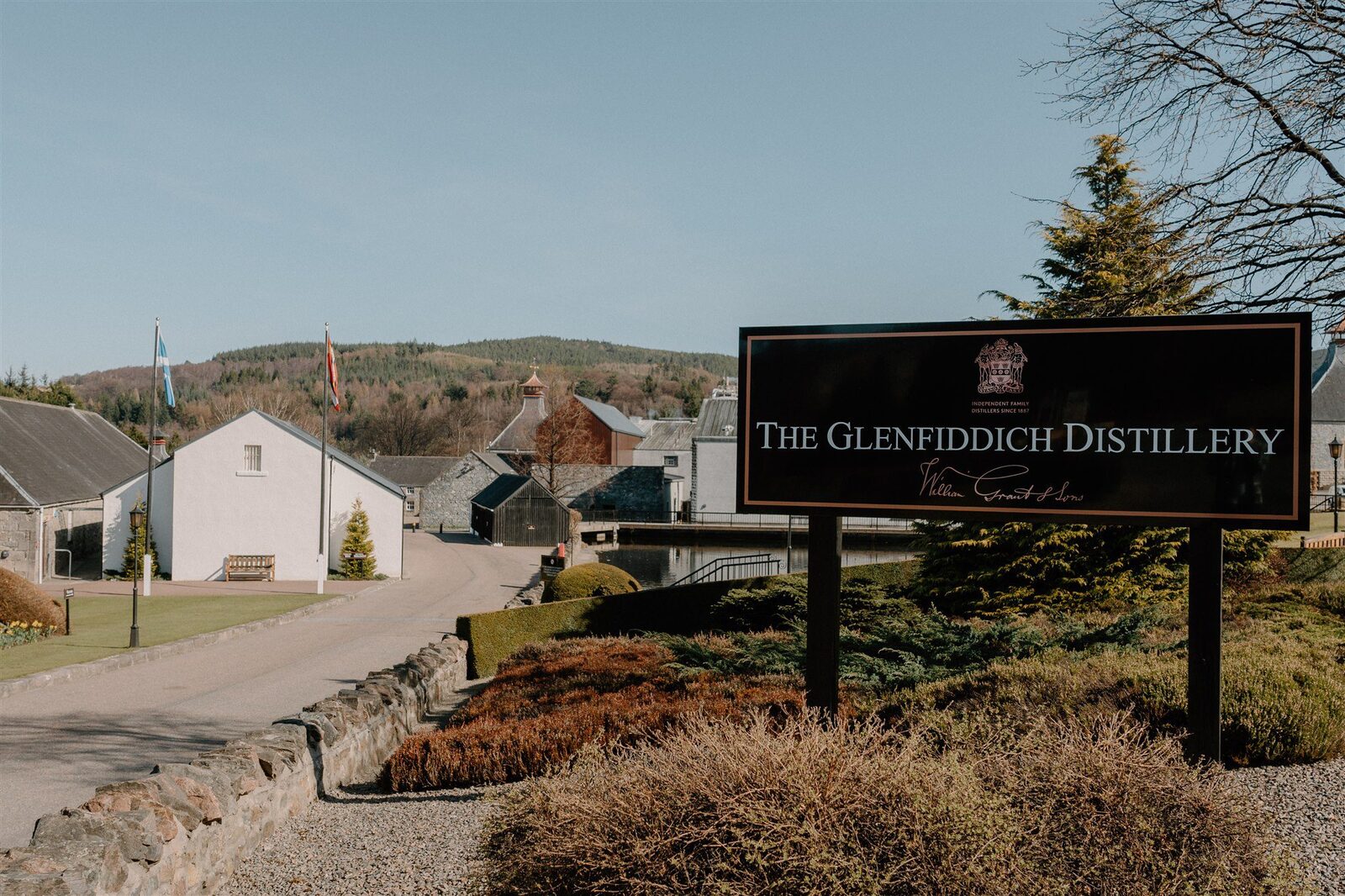
Glenfiddich.
glen-FID-ick.
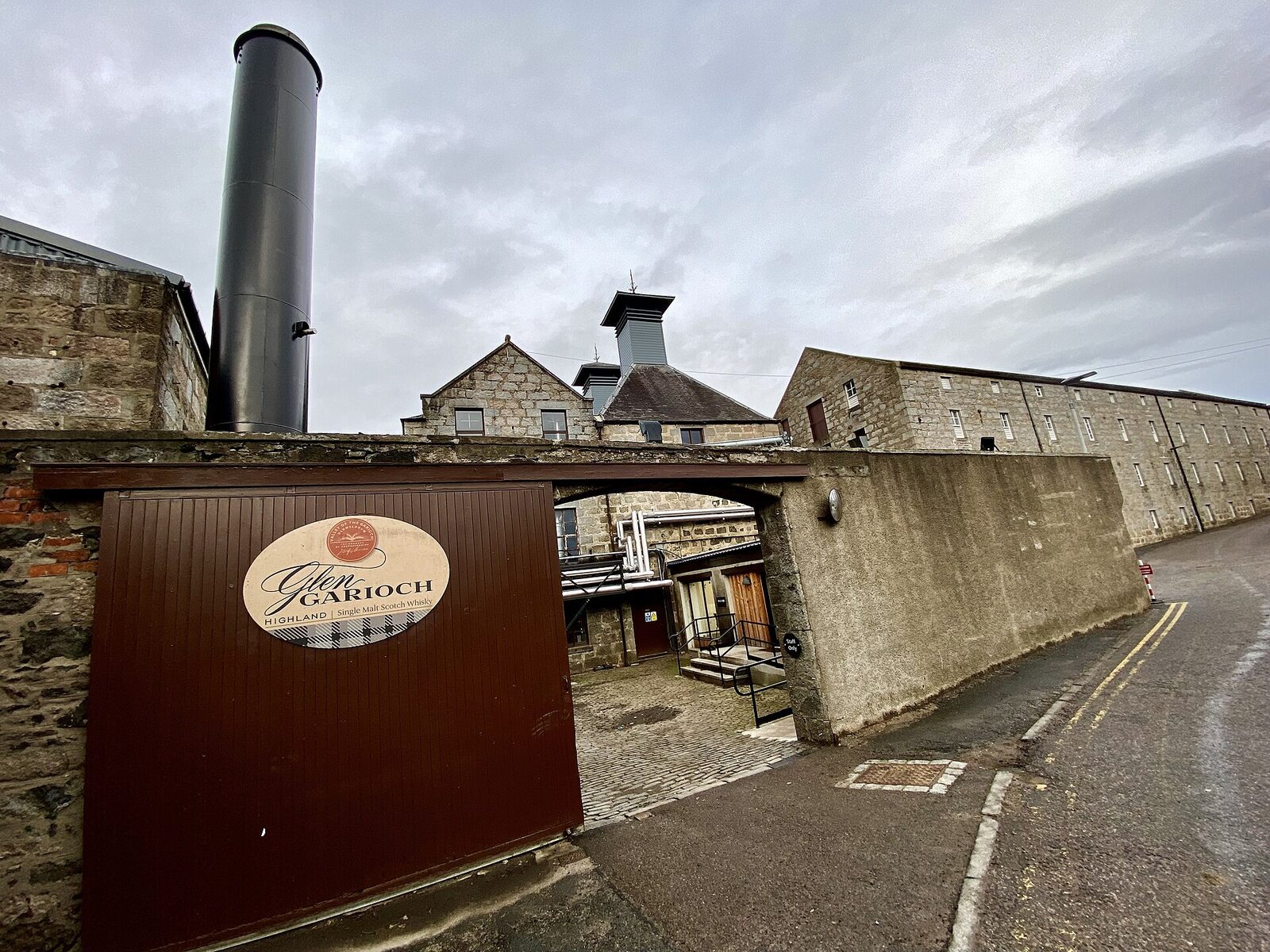
Glen Garioch.
glen GEE-ree.
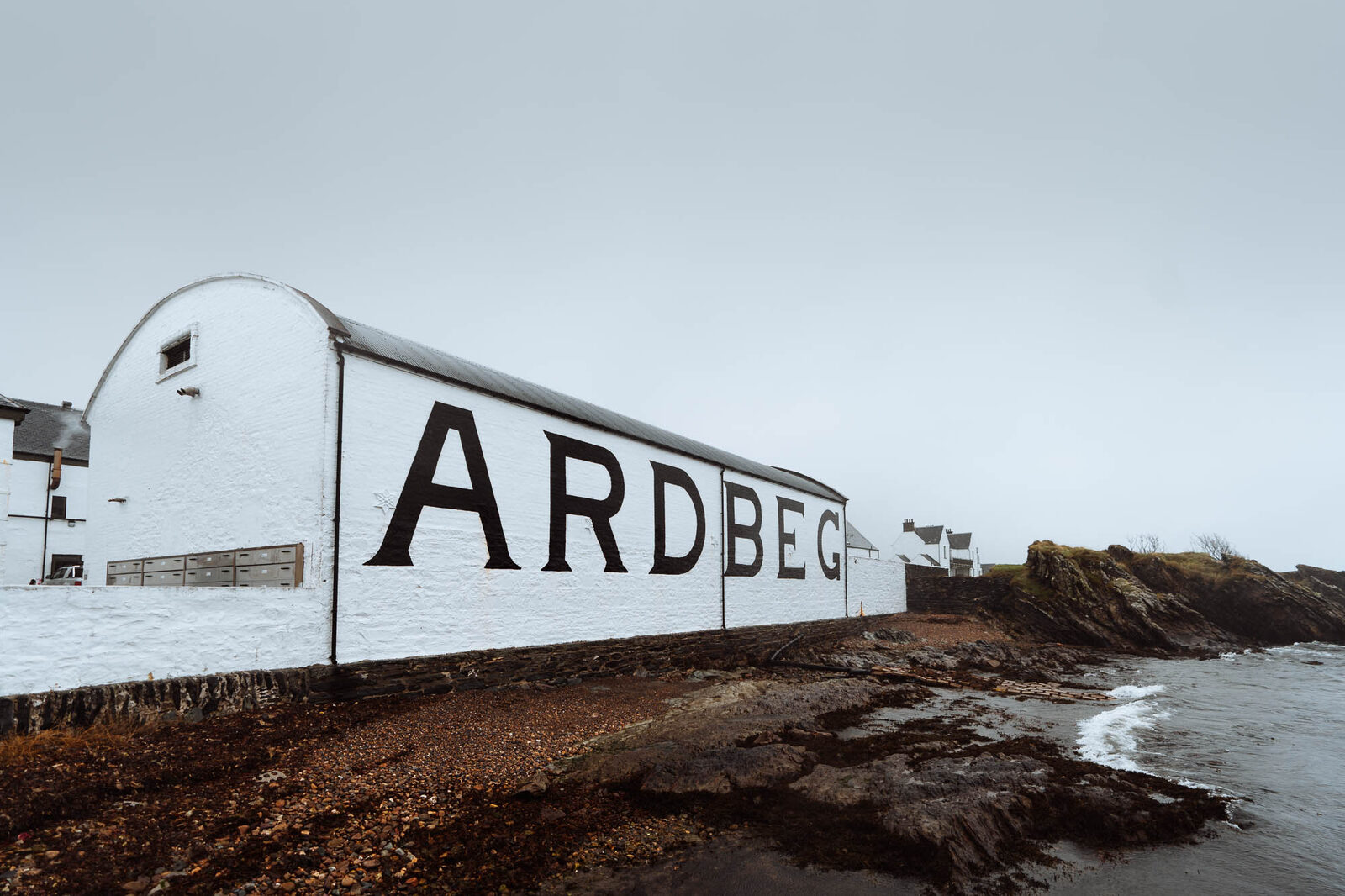
Ardbeg.
ard-BEG.
 Region guideMorayshire
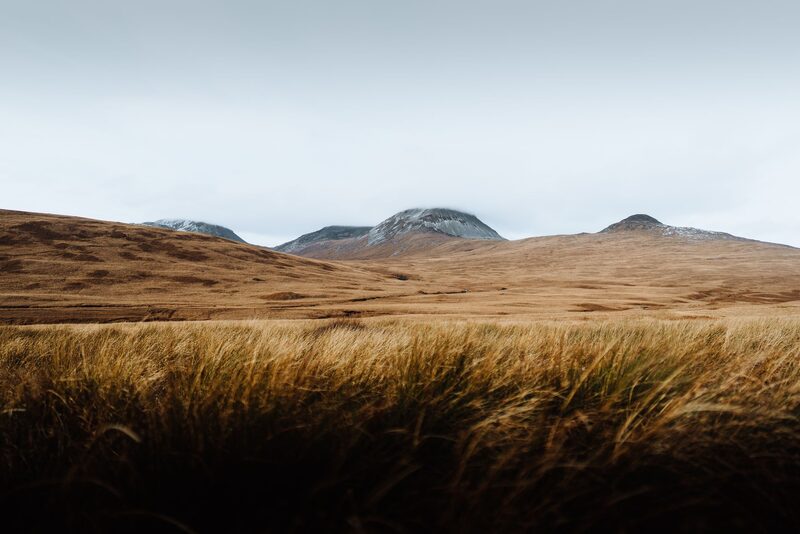
 Region guideIsle of Islay
 Region guideIsle of Jura
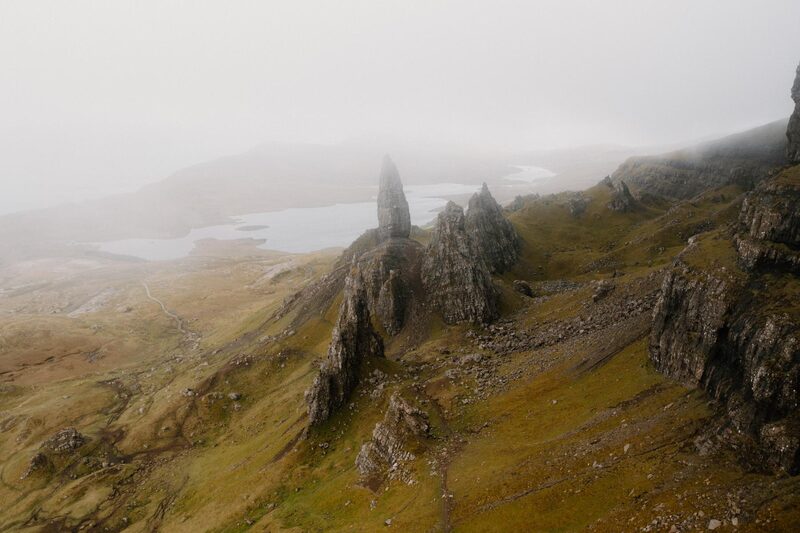 Region guideIsle of Skye
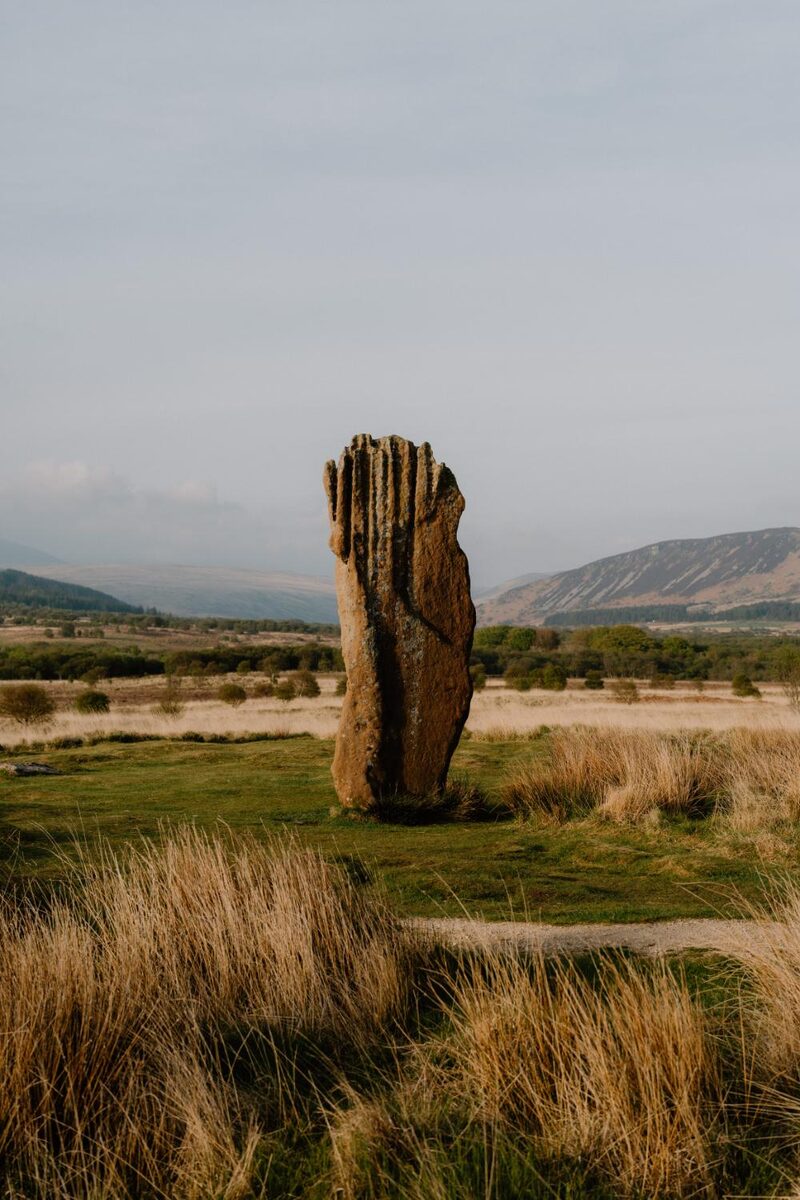 Region guideIsle of Arran
 Region guideOrkney
 Region guideEaster Ross
 Region guideArgyll and Bute
 Region guidePerthshire
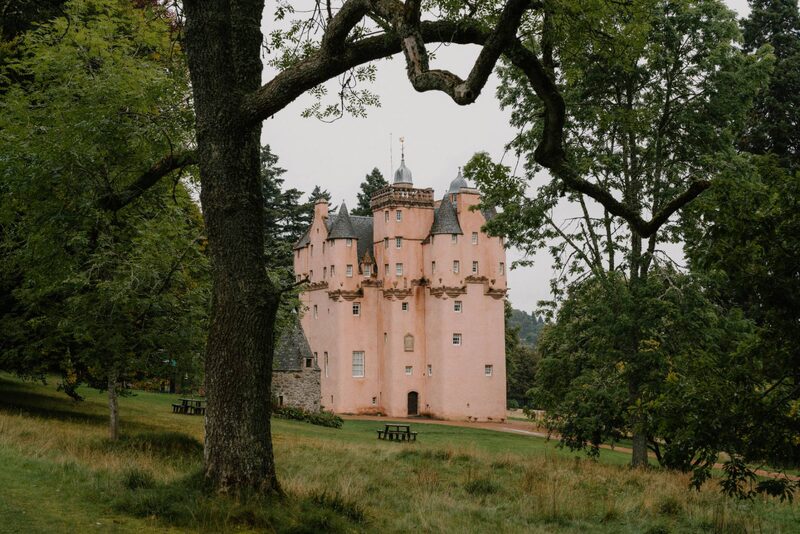 Region guideAberdeenshire
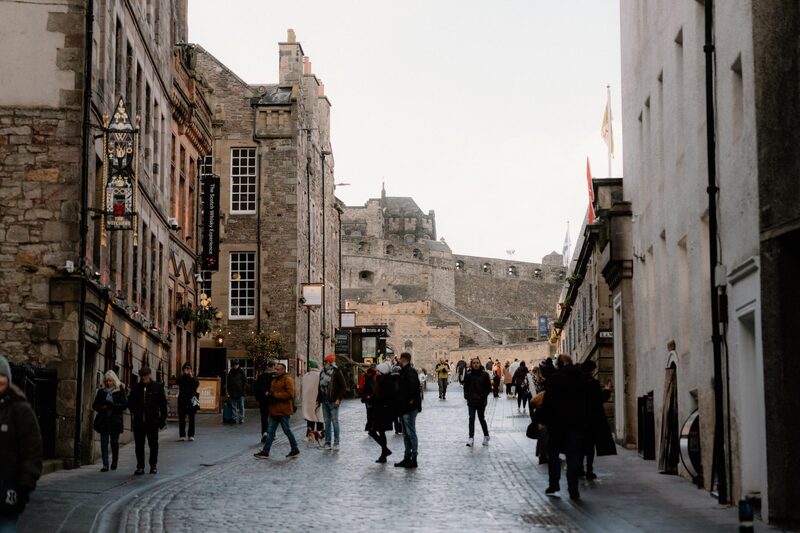 Region guideEdinburgh
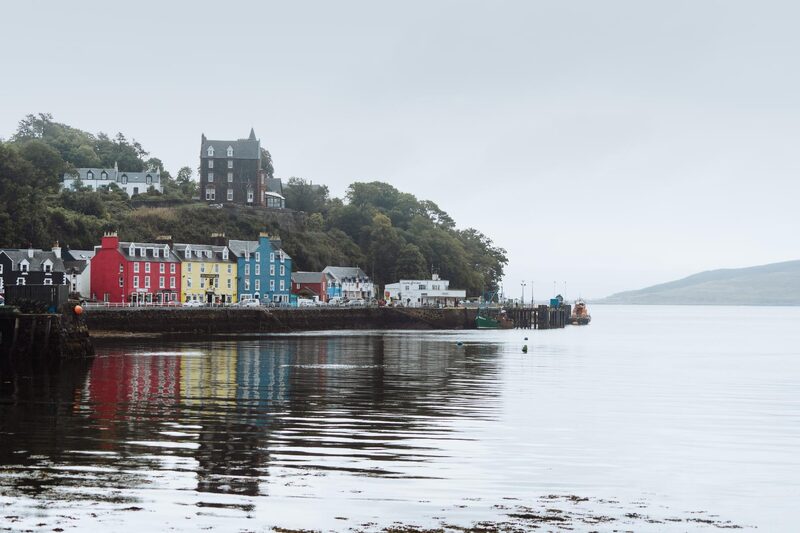 Region guideIsle of Mull
Plan the rest of the trip.
Each guide has what to see, where to eat and where to stay around the distilleries.
Every region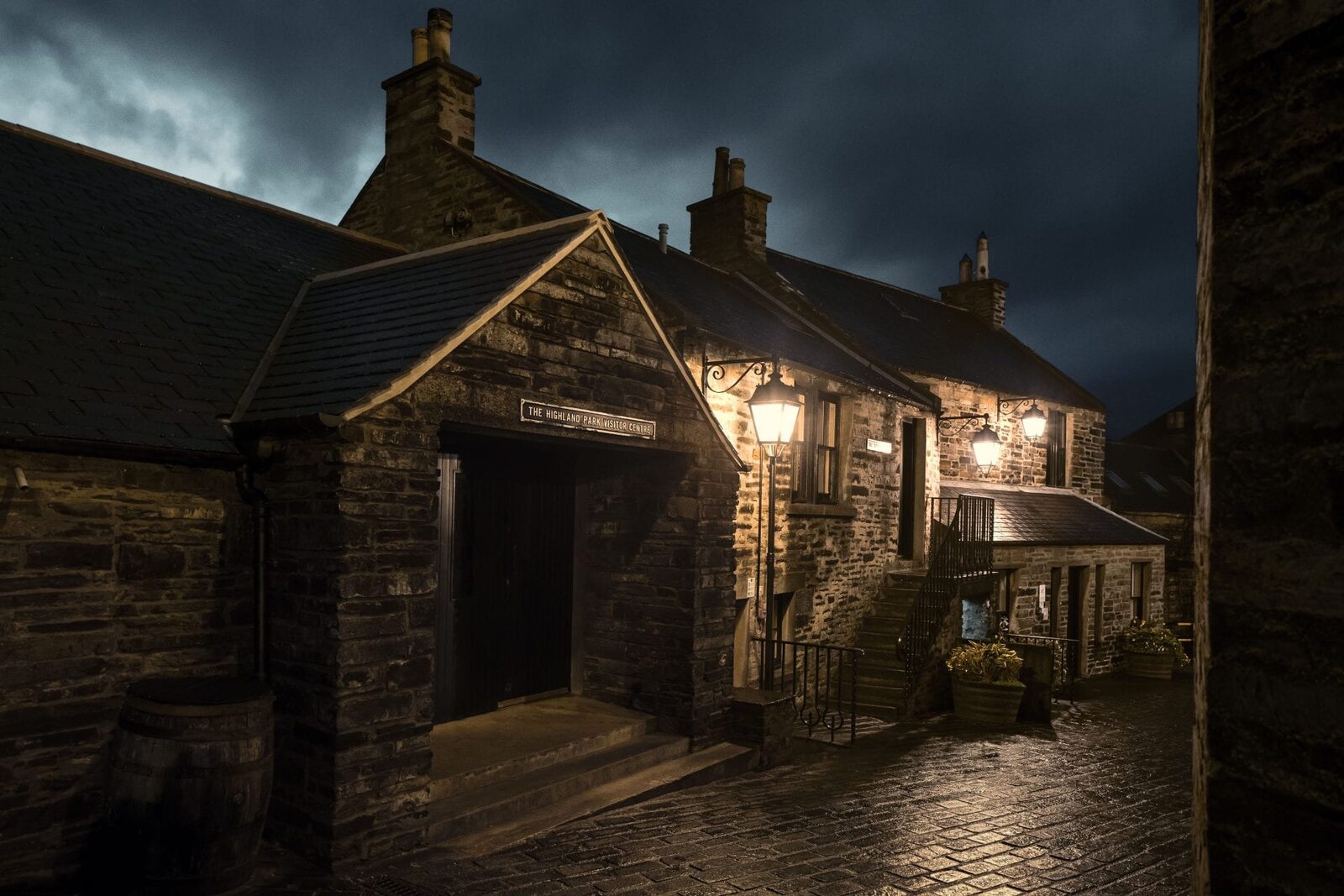
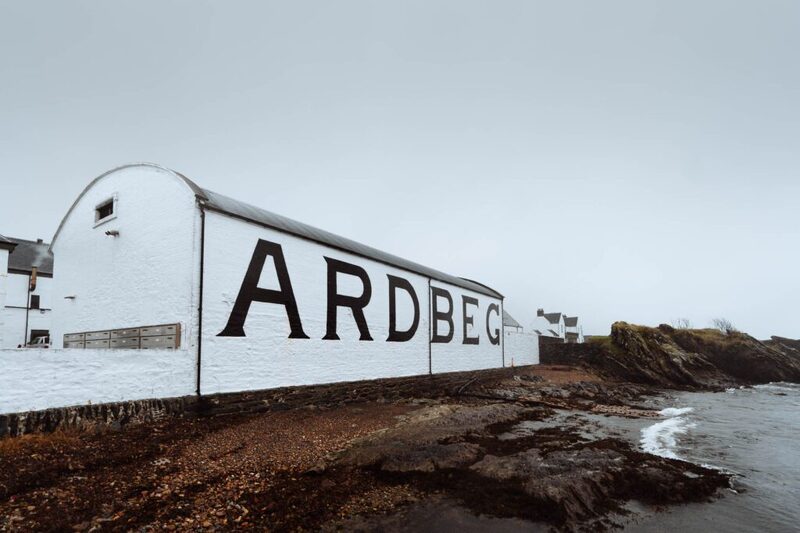 Isle of IslayArdbeg Distillery
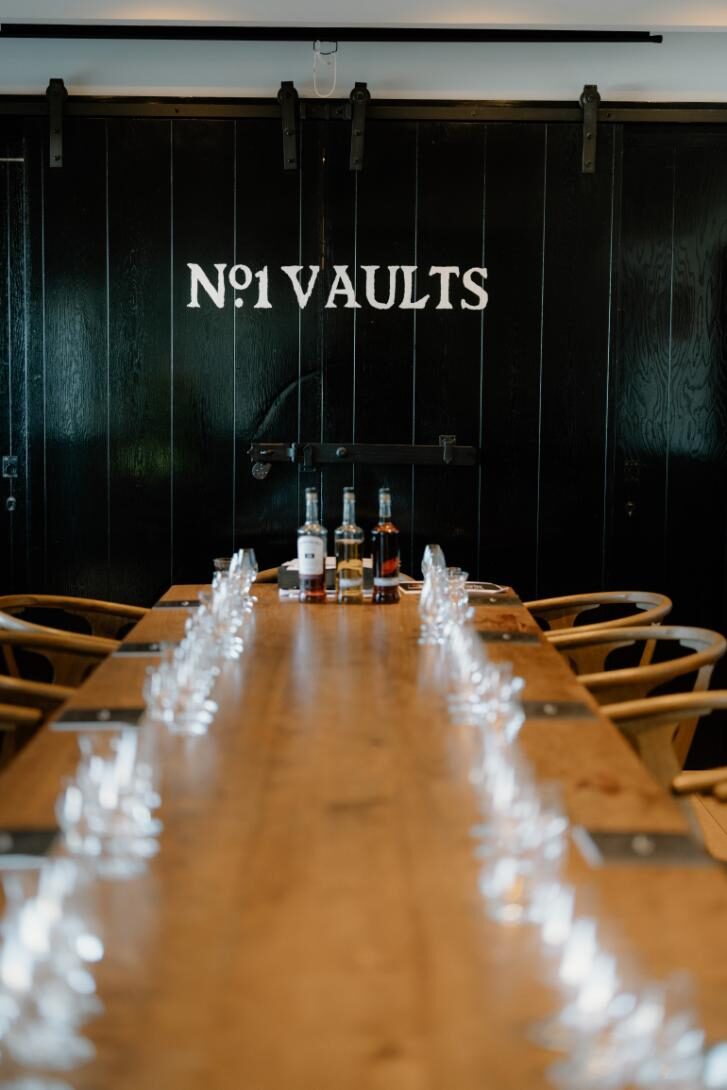 Isle of IslayBowmore Distillery
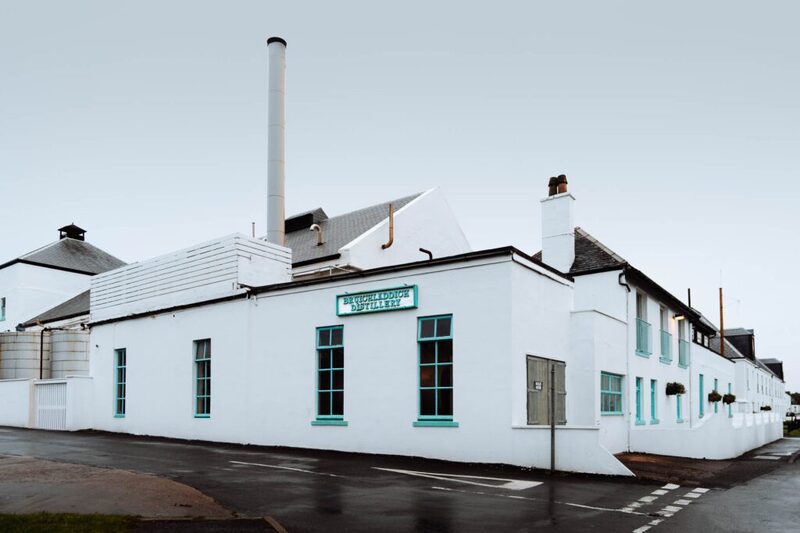 Isle of IslayBruichladdich Distillery
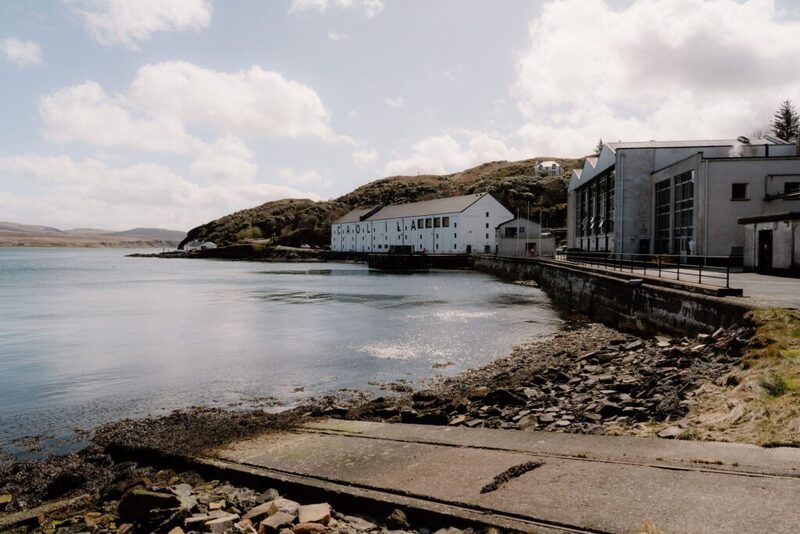 Isle of IslayCaol Ila Distillery
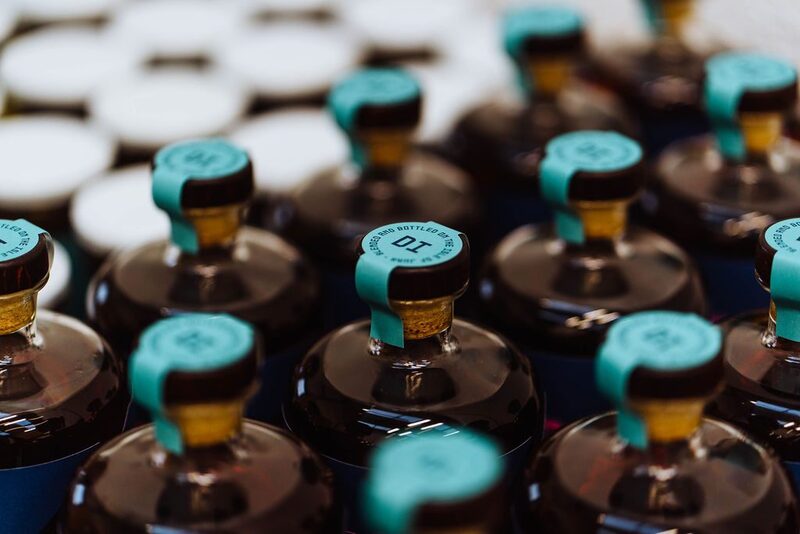 Isle of JuraDeer Island Distillery
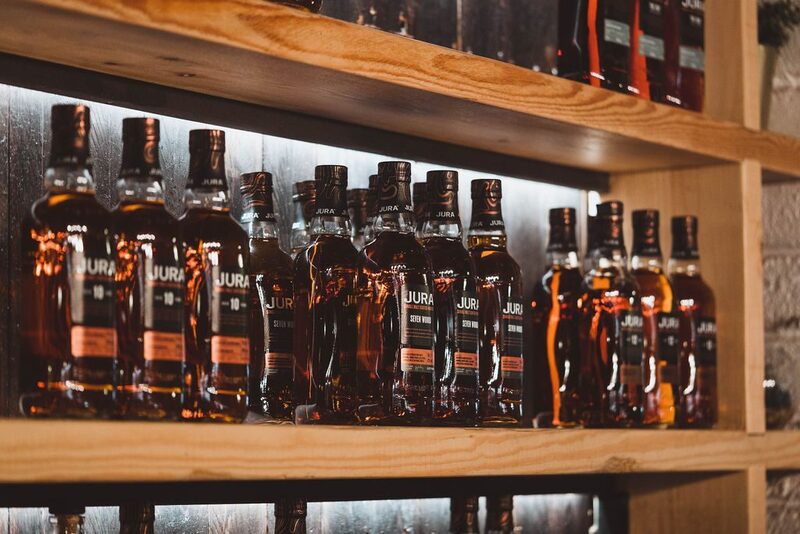 Isle of JuraIsle of Jura Distillery
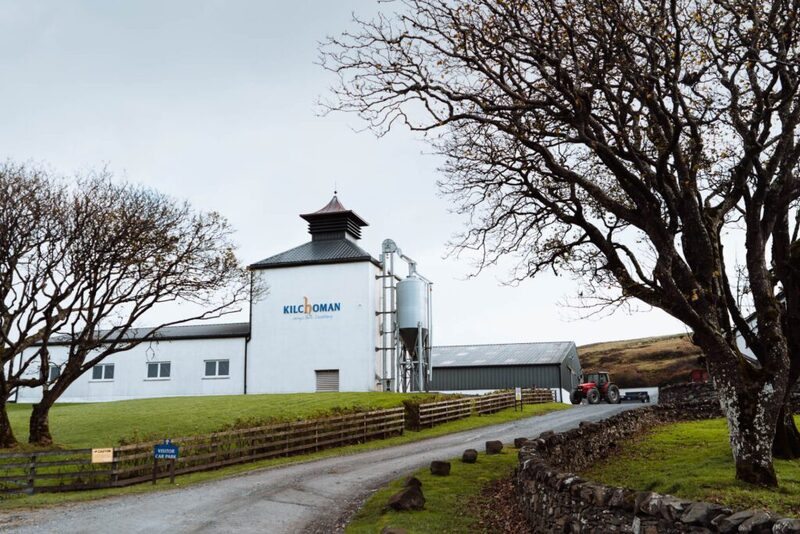 Isle of IslayKilchoman Distillery
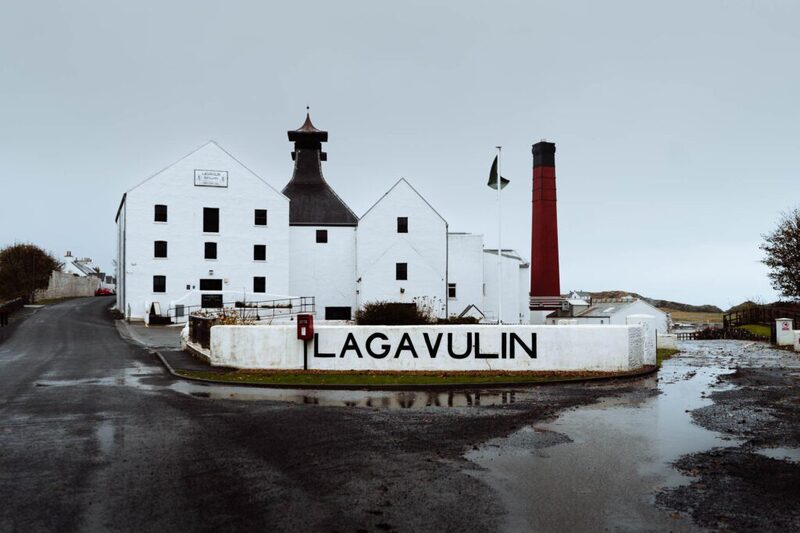 Isle of IslayLagavulin Distillery
The distilleries of Islay and Jura.
Each with its tours, how to book and what is near.
Every distillery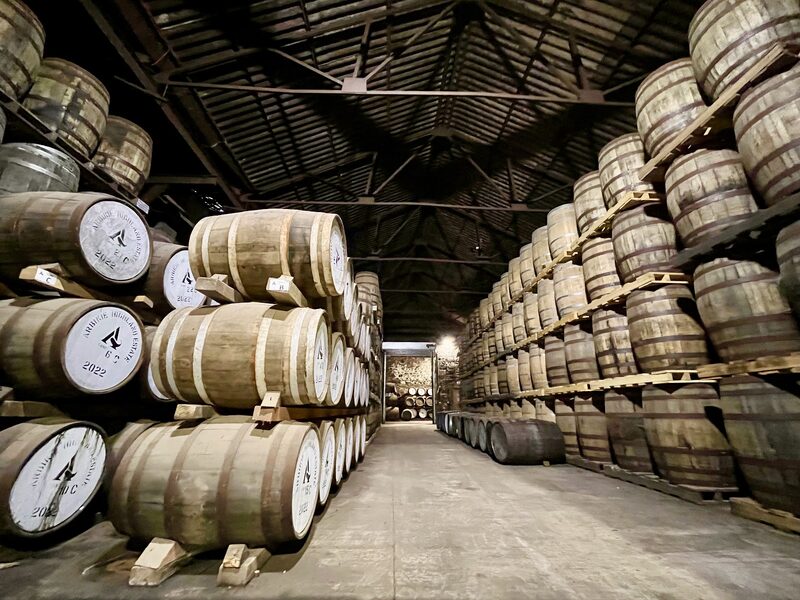 AngusArbikie Distillery
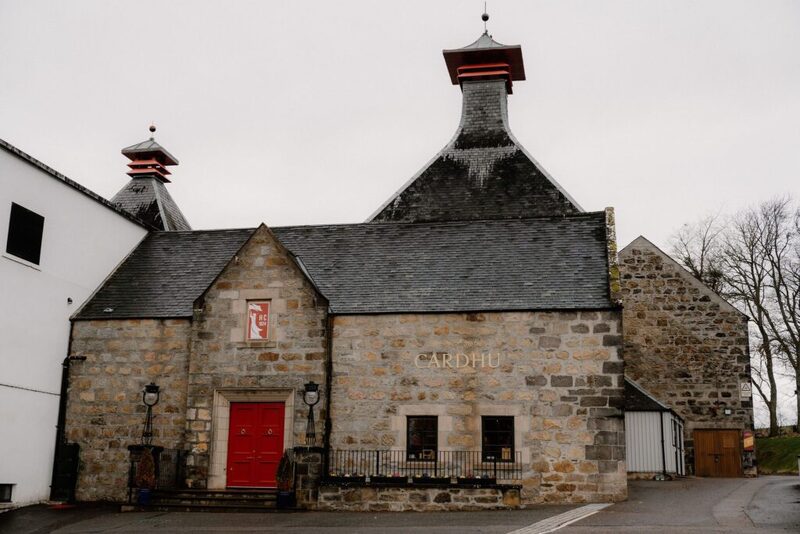 MorayshireCardhu Distillery
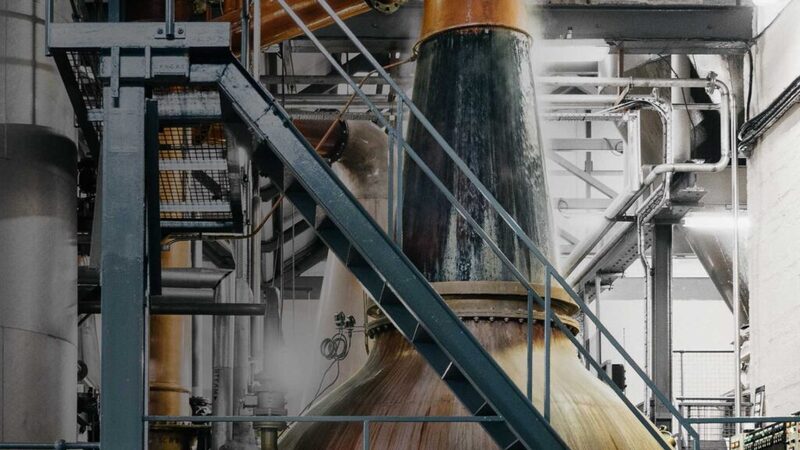 AberdeenshireFettercairn Distillery
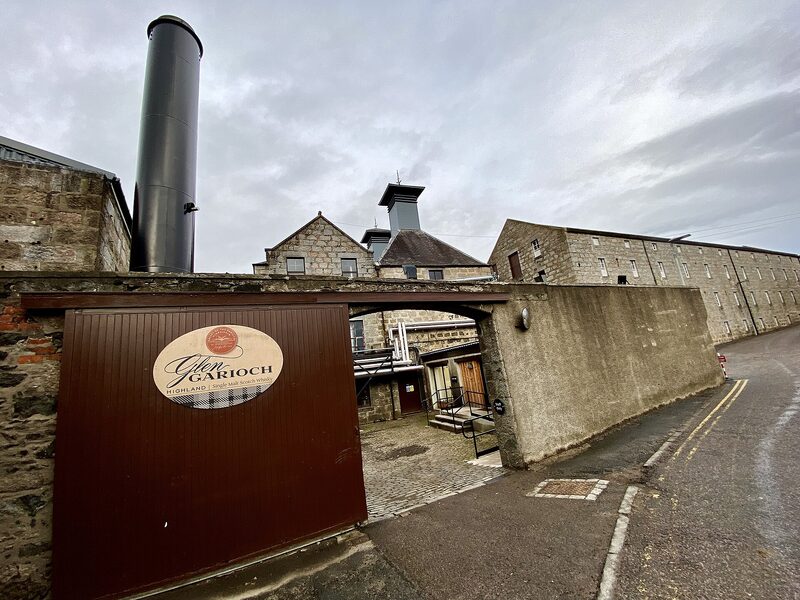 AberdeenshireGlen Garioch Distillery
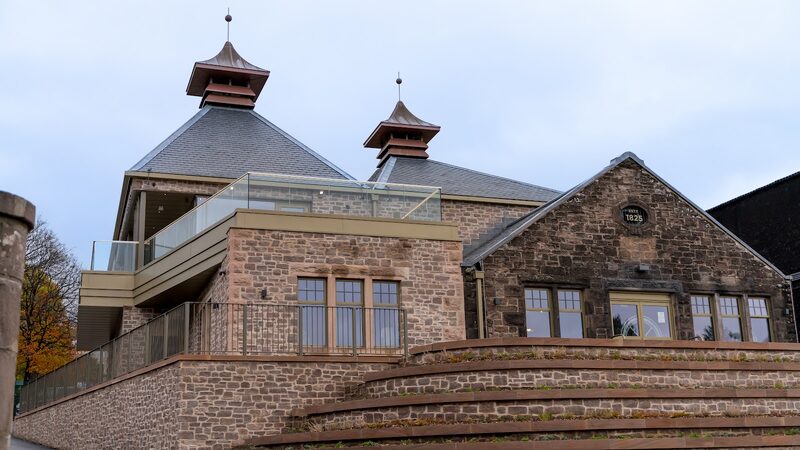 AngusGlencadam Distillery
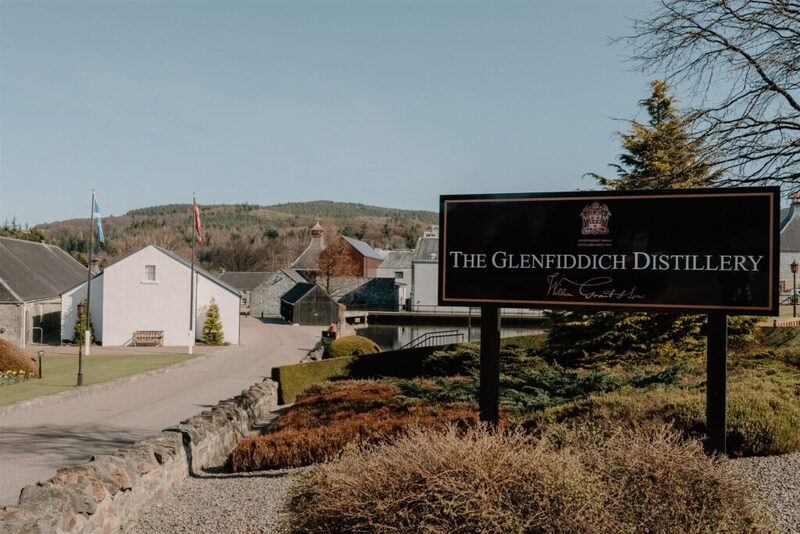 MorayshireGlenfiddich Distillery
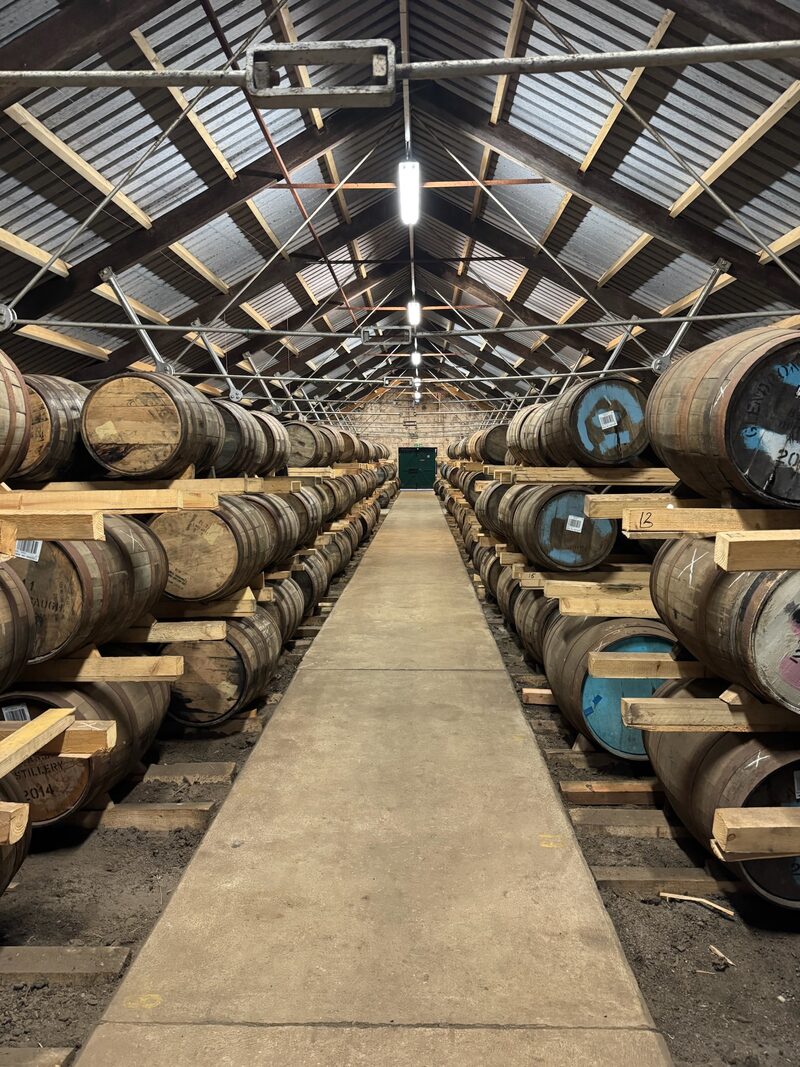 AberdeenshireGlenglassaugh Distillery
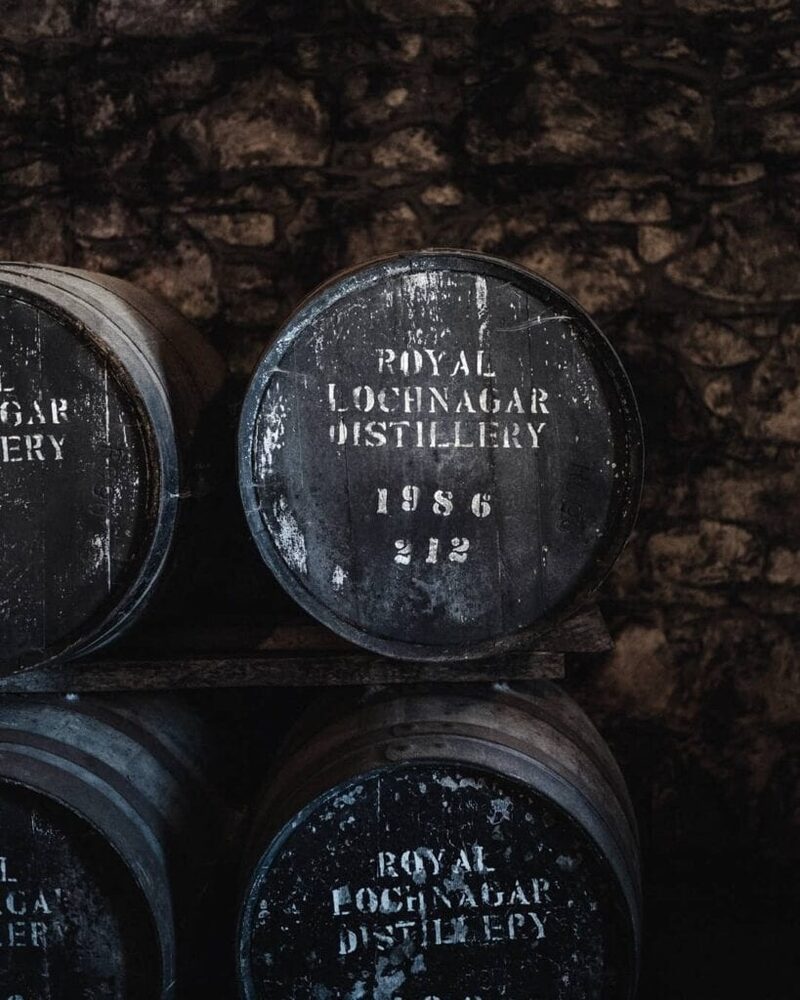 AberdeenshireRoyal Lochnagar Distillery
Distilleries in Speyside and Aberdeenshire.
Each with its tours, how to book and what is near.
Every distillery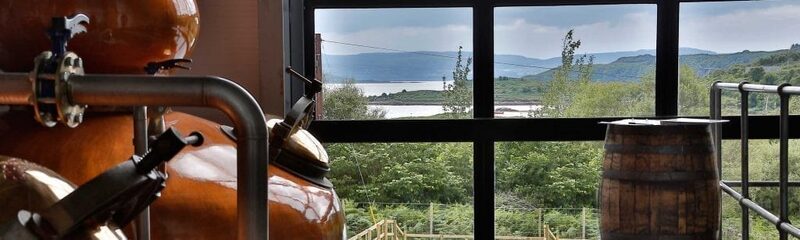 ArdnamurchanArdnamurchan Distillery
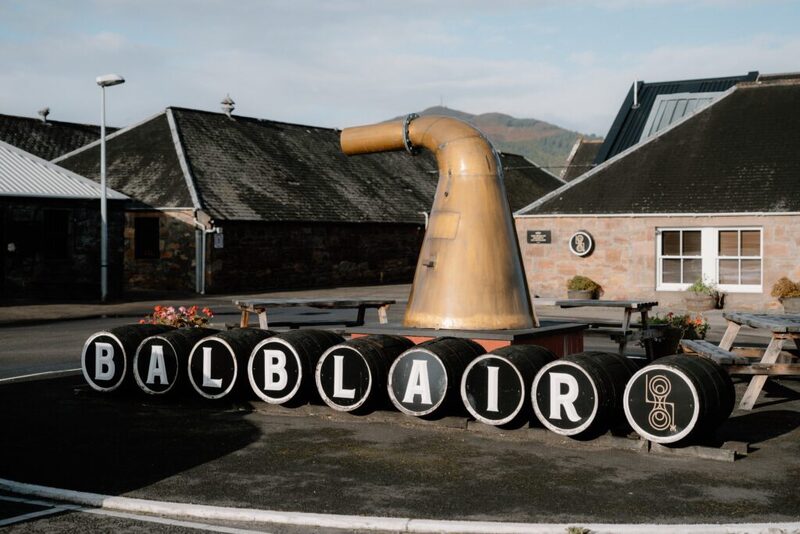 Easter RossBalblair Distillery
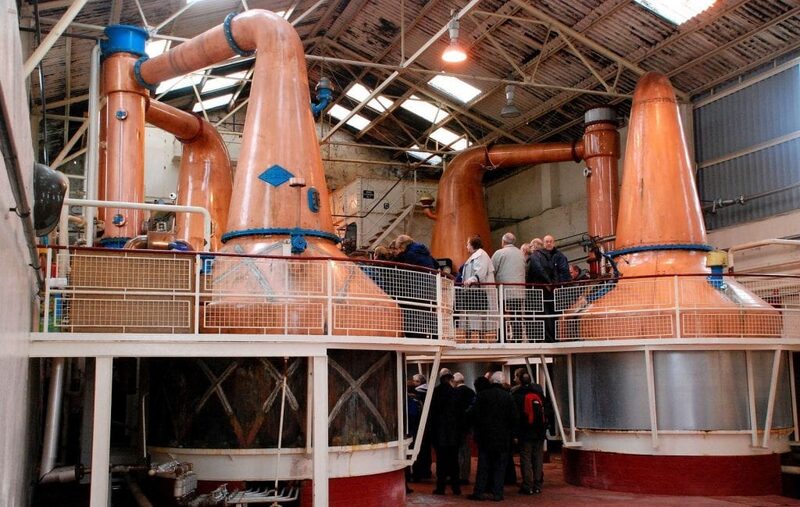 Fort WilliamBen Nevis Distillery
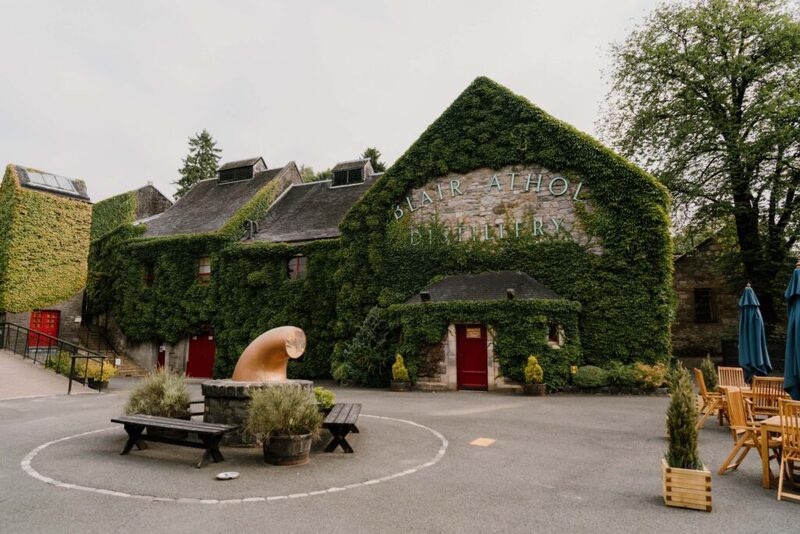 PerthshireBlair Athol Distillery
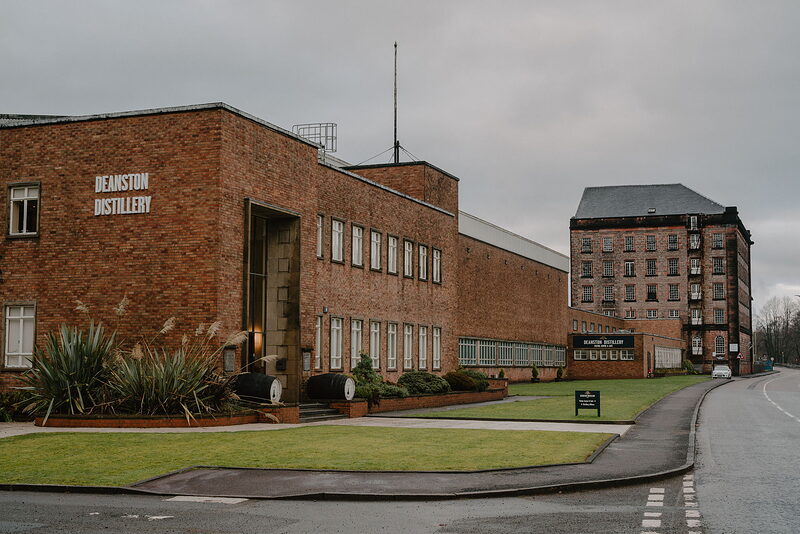 StirlingDeanston Distillery
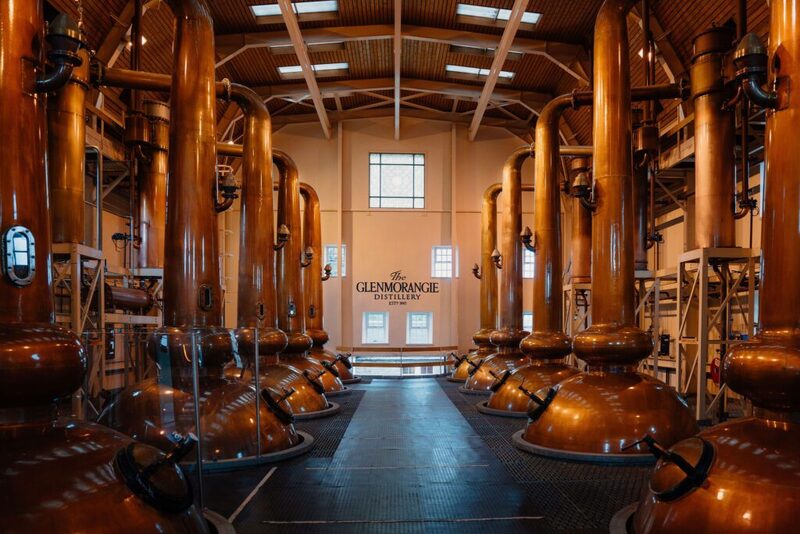 Easter RossGlenmorangie Distillery
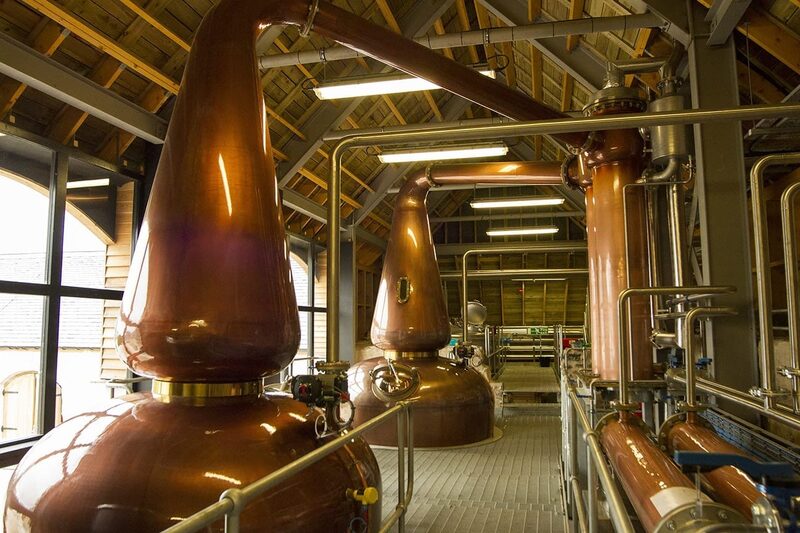 ArdnamurchanNc'nean Distillery
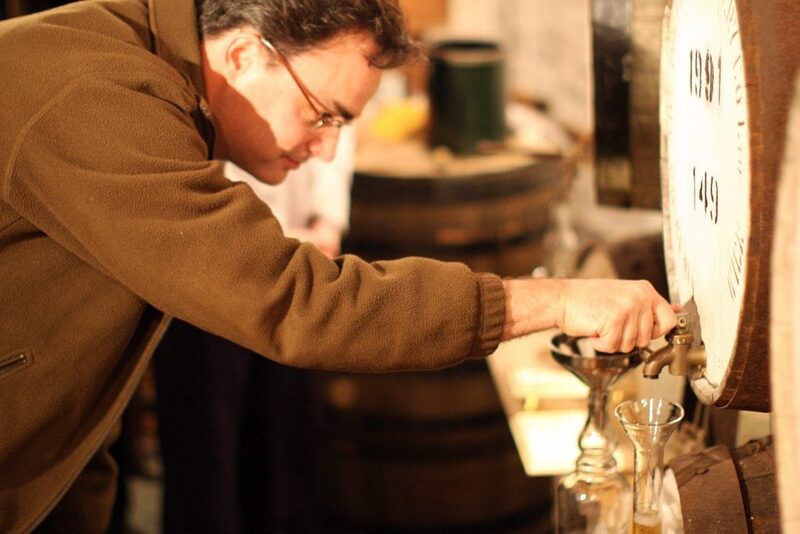 CaithnessOld Pulteney Distillery
Highland distilleries.
Each with its tours, how to book and what is near.
Every distillery
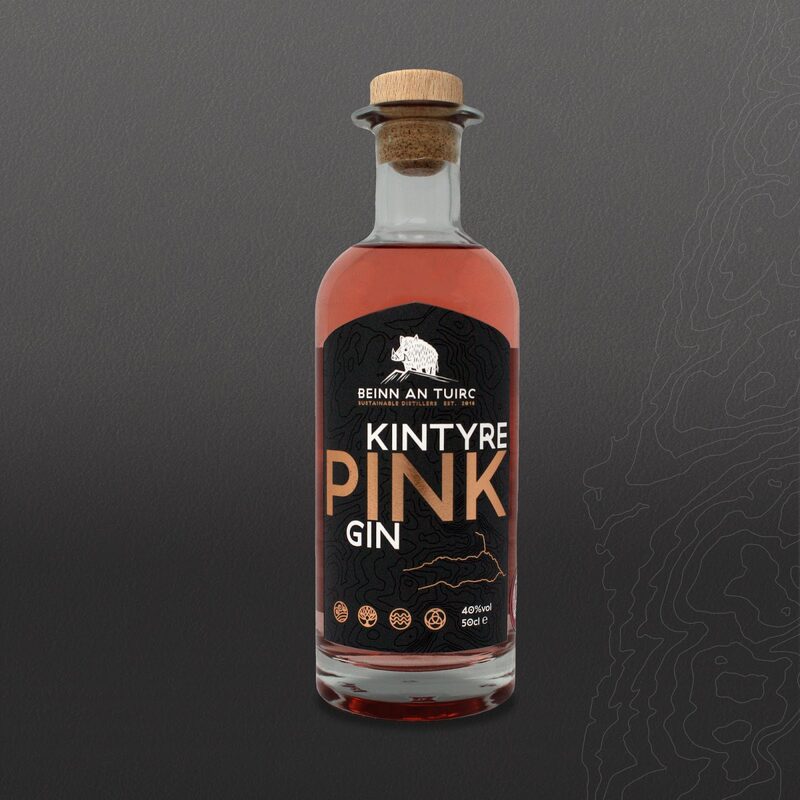 Isle of ArranBeinn an Tuirc Distillers
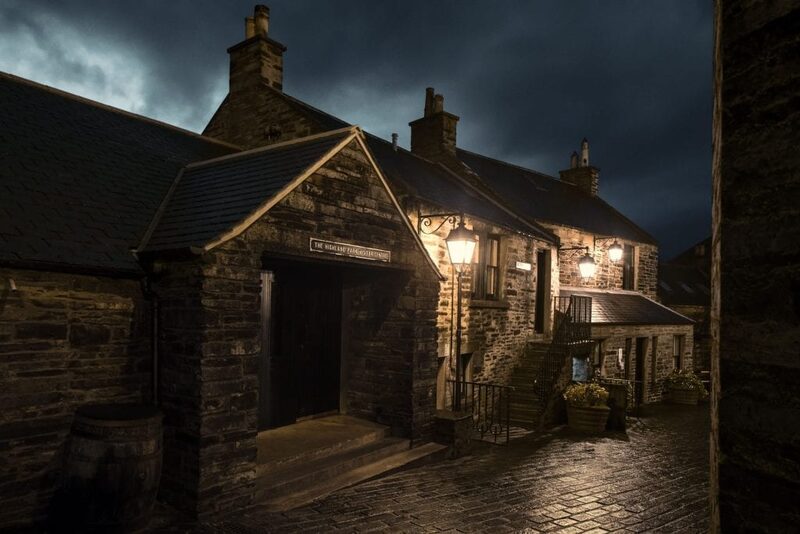 OrkneyHighland Park Distillery
 Outer HebridesIsle of Barra Distillers
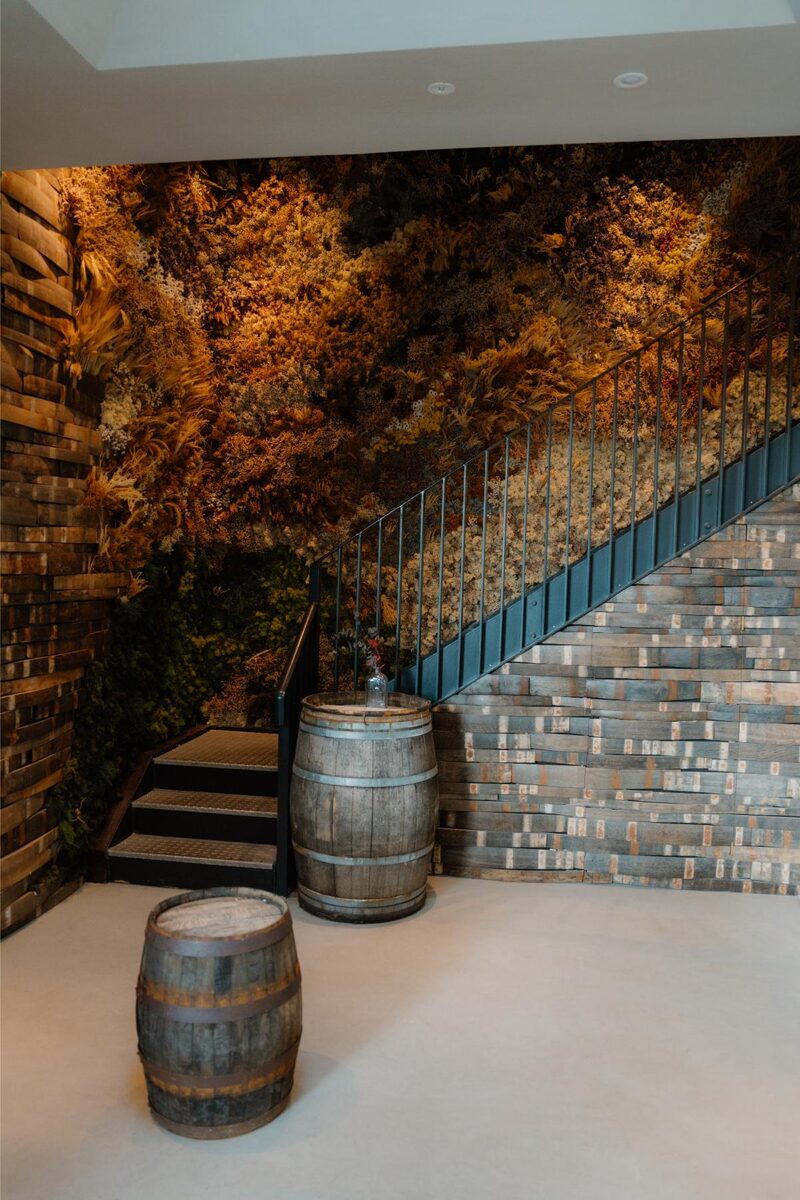 Isle of SkyeIsle of Raasay Distillery
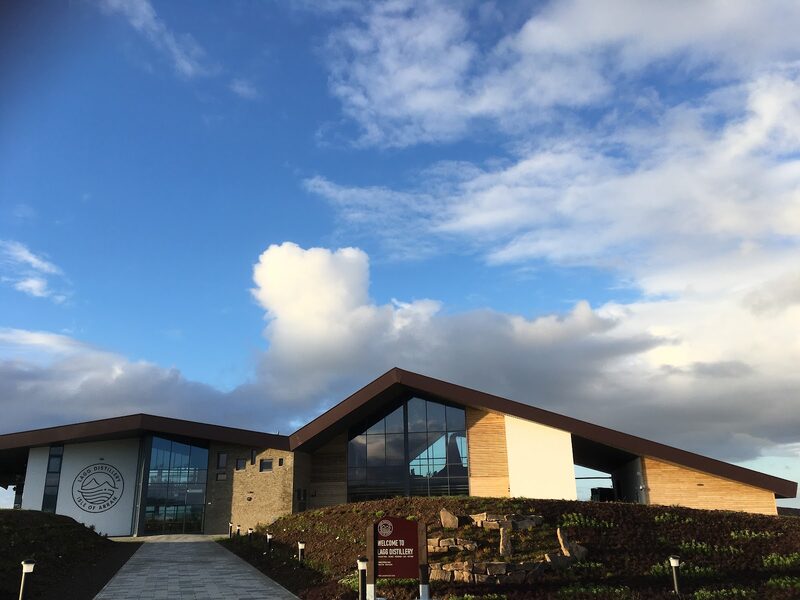 Isle of ArranLagg Distillery
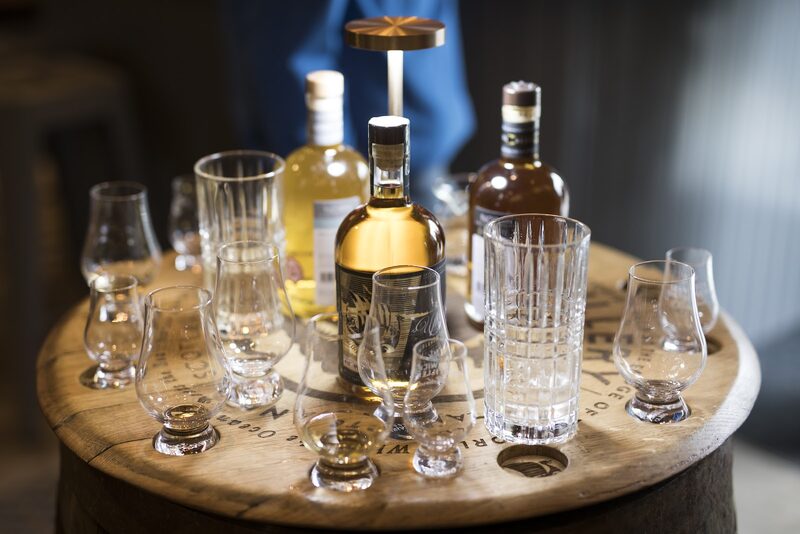 Shetland IslandsLerwick Distillery
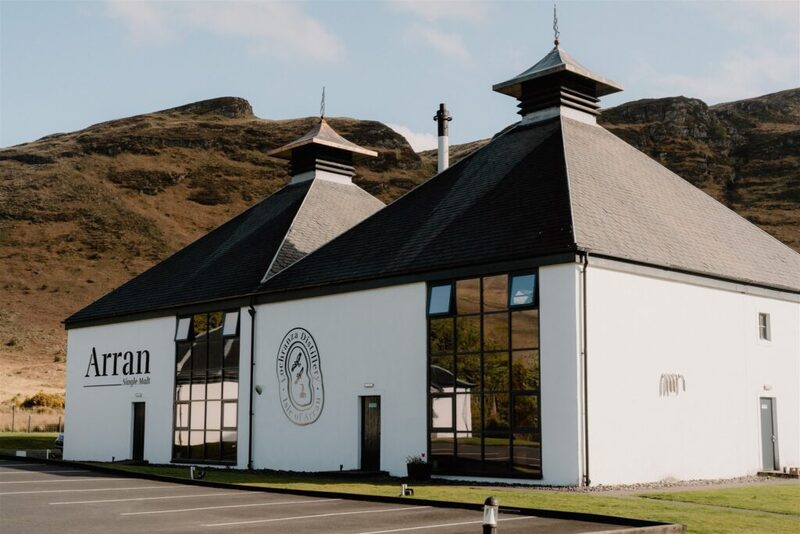 Isle of ArranLochranza Distillery
 Shetland IslandsSaxa Vord Distillery
Island distilleries.
Each with its tours, how to book and what is near.
Every distillery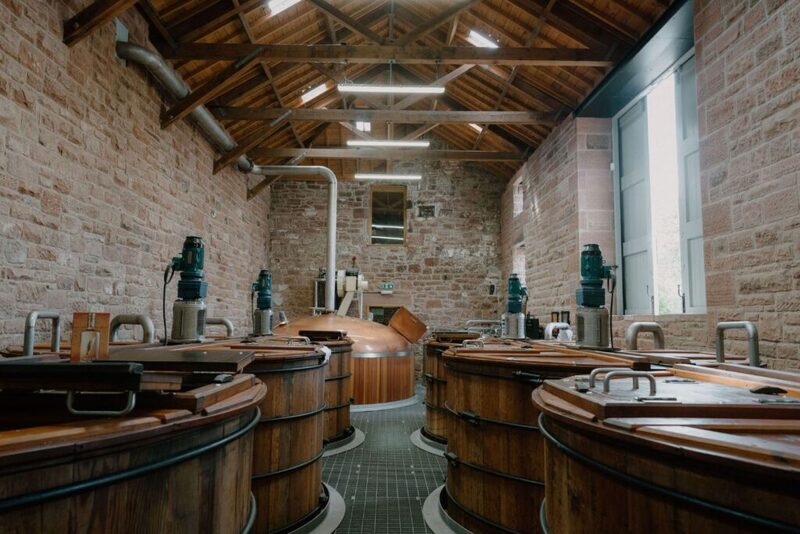 Dumfries and GallowayAnnandale Distillery
 Scottish BordersBorders Distillery
 Argyll and ButeBunnahabhain Distillery
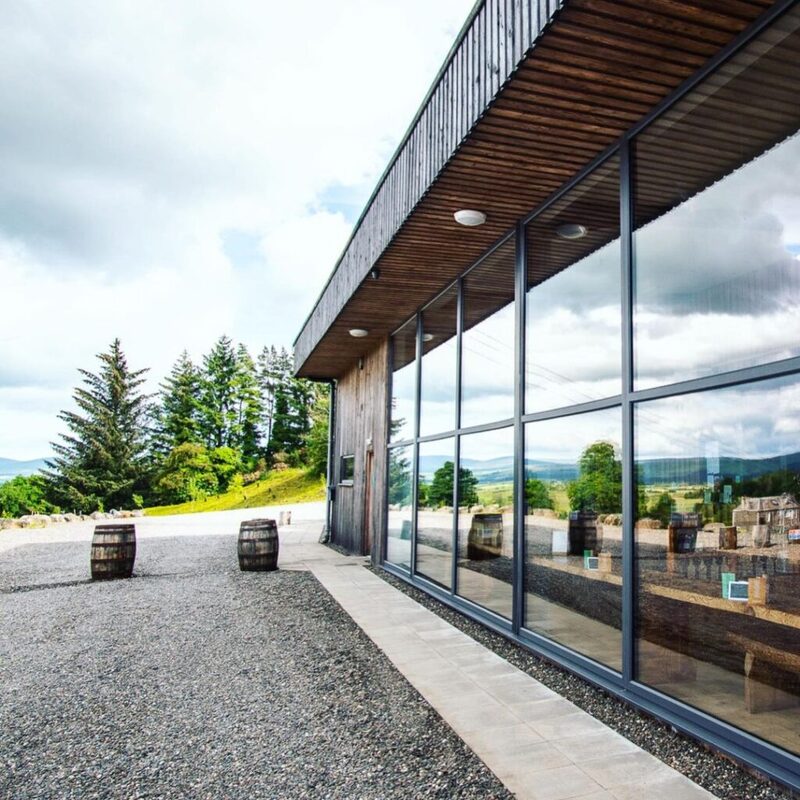 Dumfries and GallowayGalloway Distillery
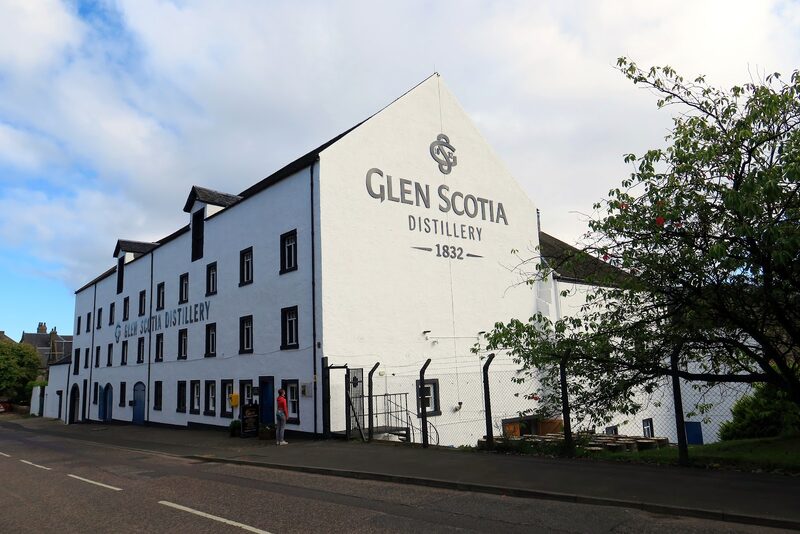 Argyll and ButeGlen Scotia Distillery
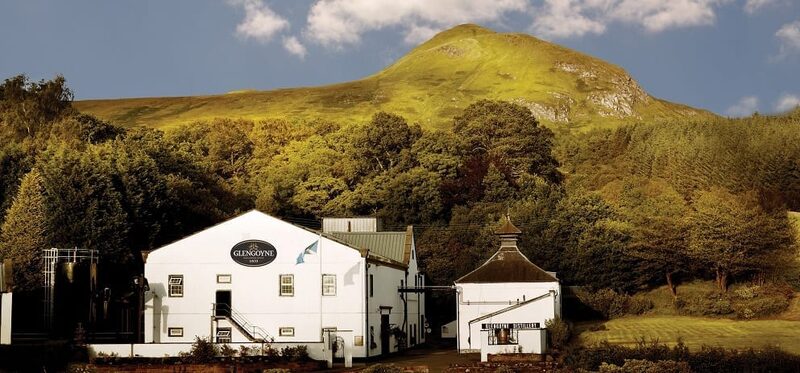 GlasgowGlengoyne Distillery
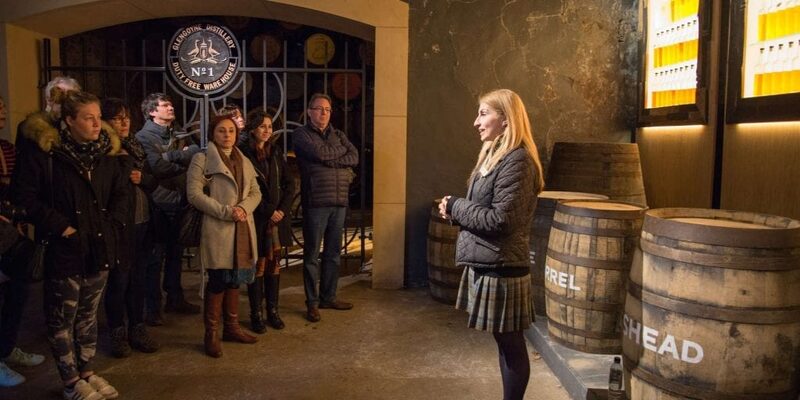 GlasgowGlengoyne Distillery Guided Tour & Whisky Tasting
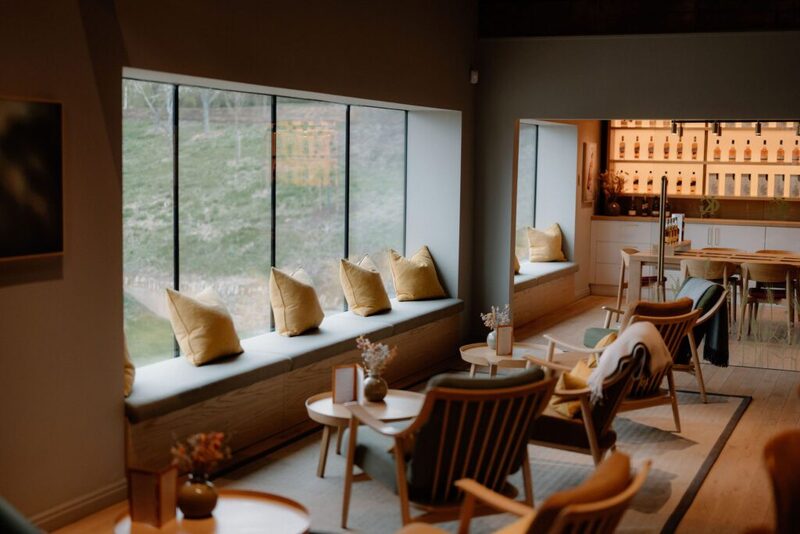 LothianGlenkinchie Distillery
Distilleries in the Lowlands and Campbeltown.
Each with its tours, how to book and what is near.
Every distillery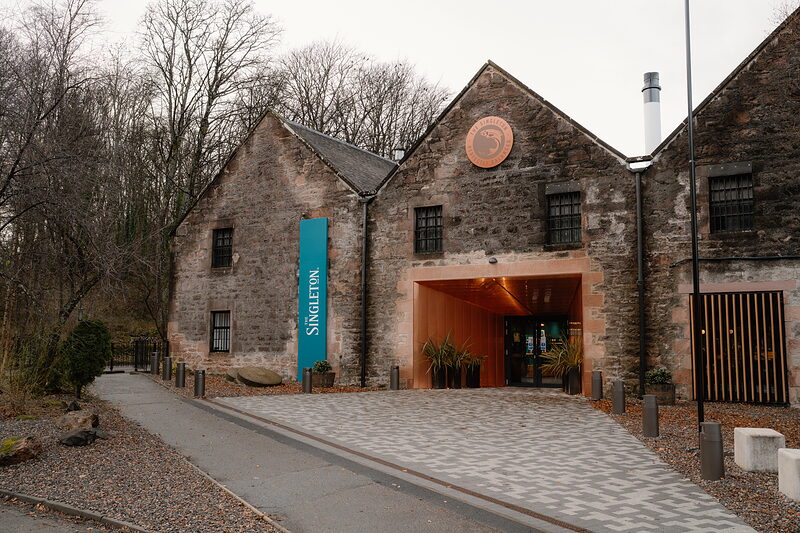 Whisky up the Highland east coast in three days
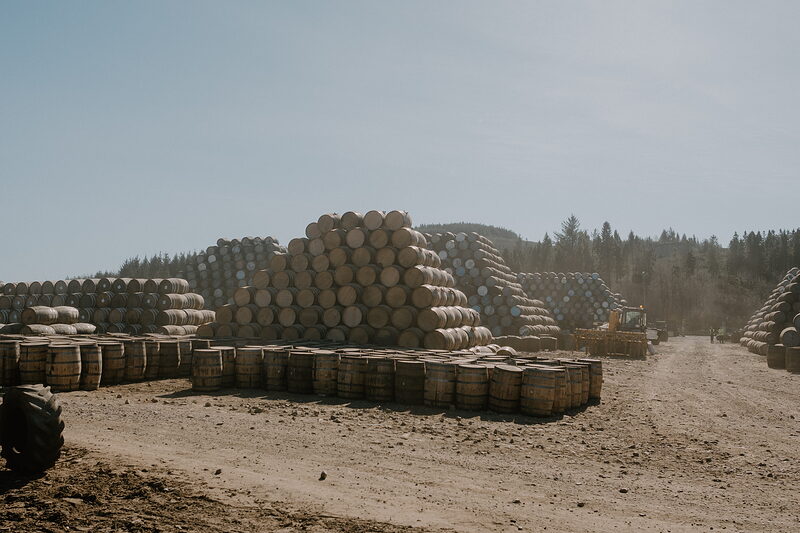 Speyside whisky in three days
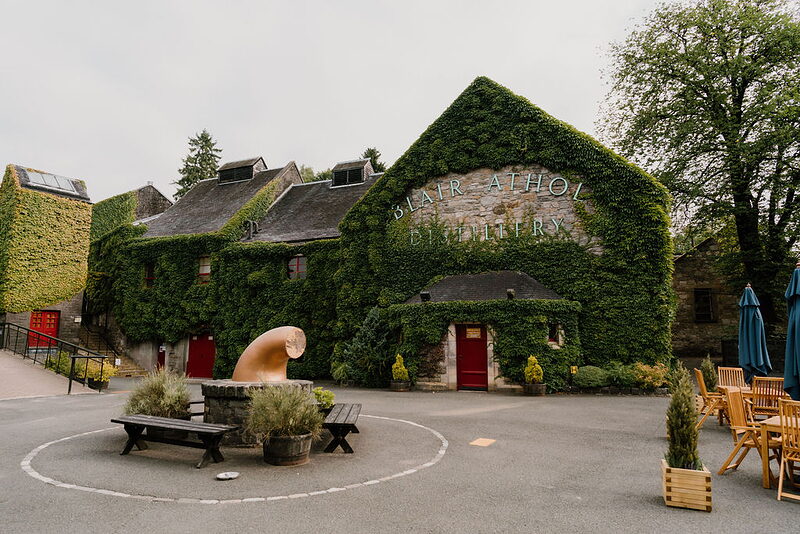 Perthshire whisky
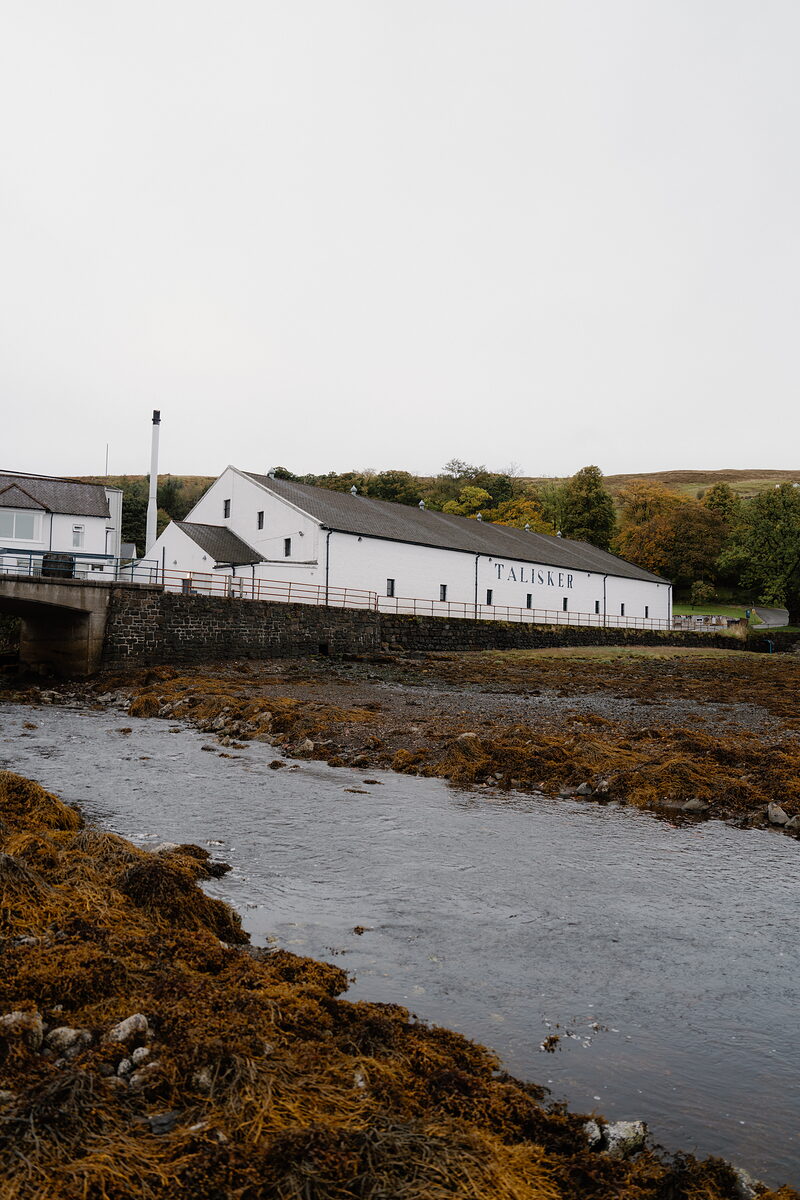 Whisky and gin on Skye and Raasay: two days, one driver
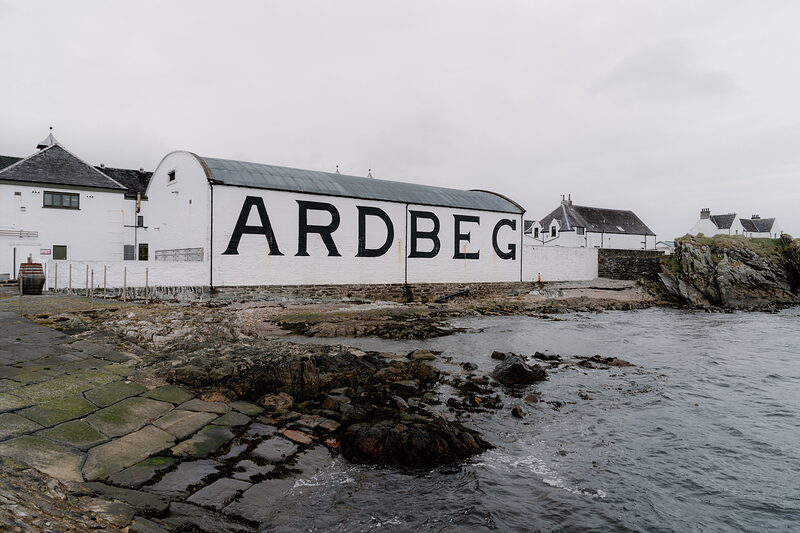 Port Ellen to Ardbeg walk on the Three Distilleries Path
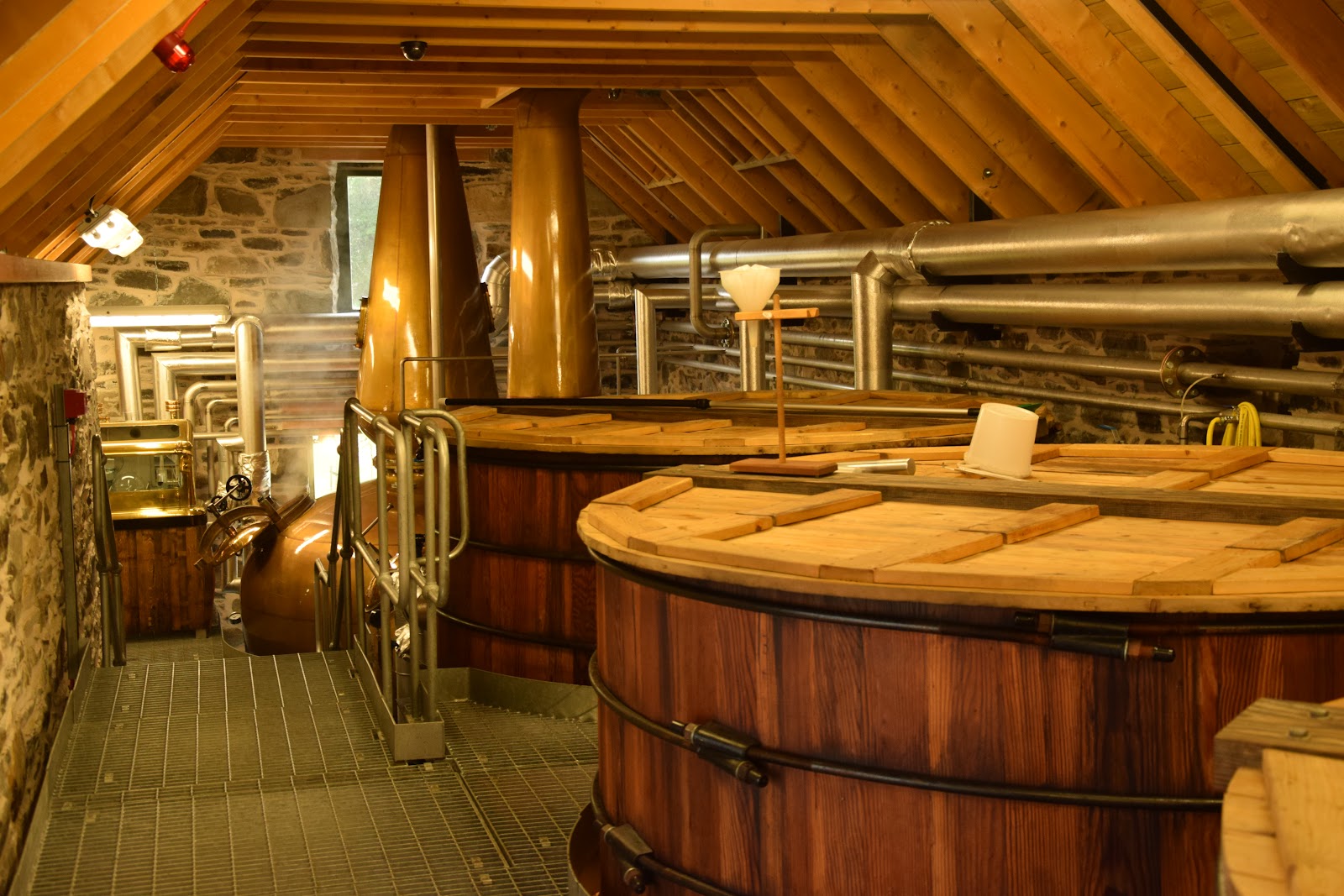 A rainy-day whisky tour at Ballindalloch and lunch in Grantown
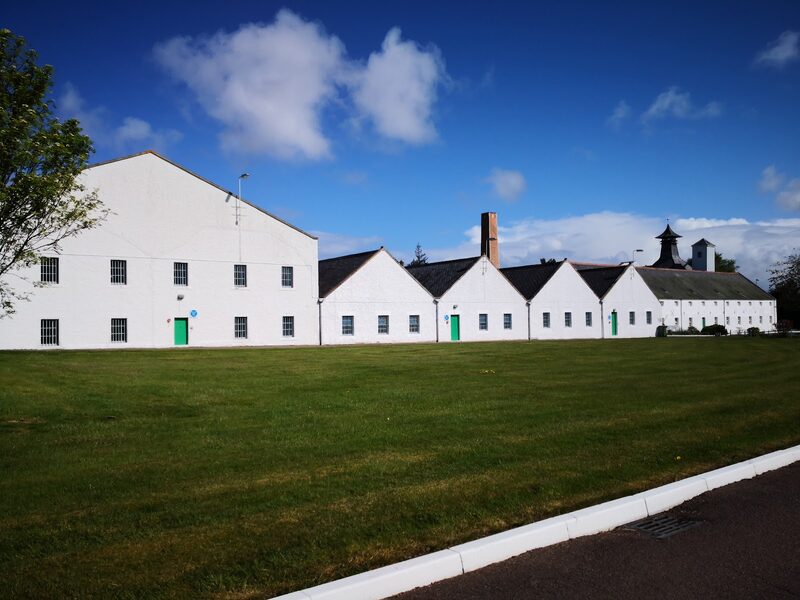 A tour of Dallas Dhu Distillery in Forres
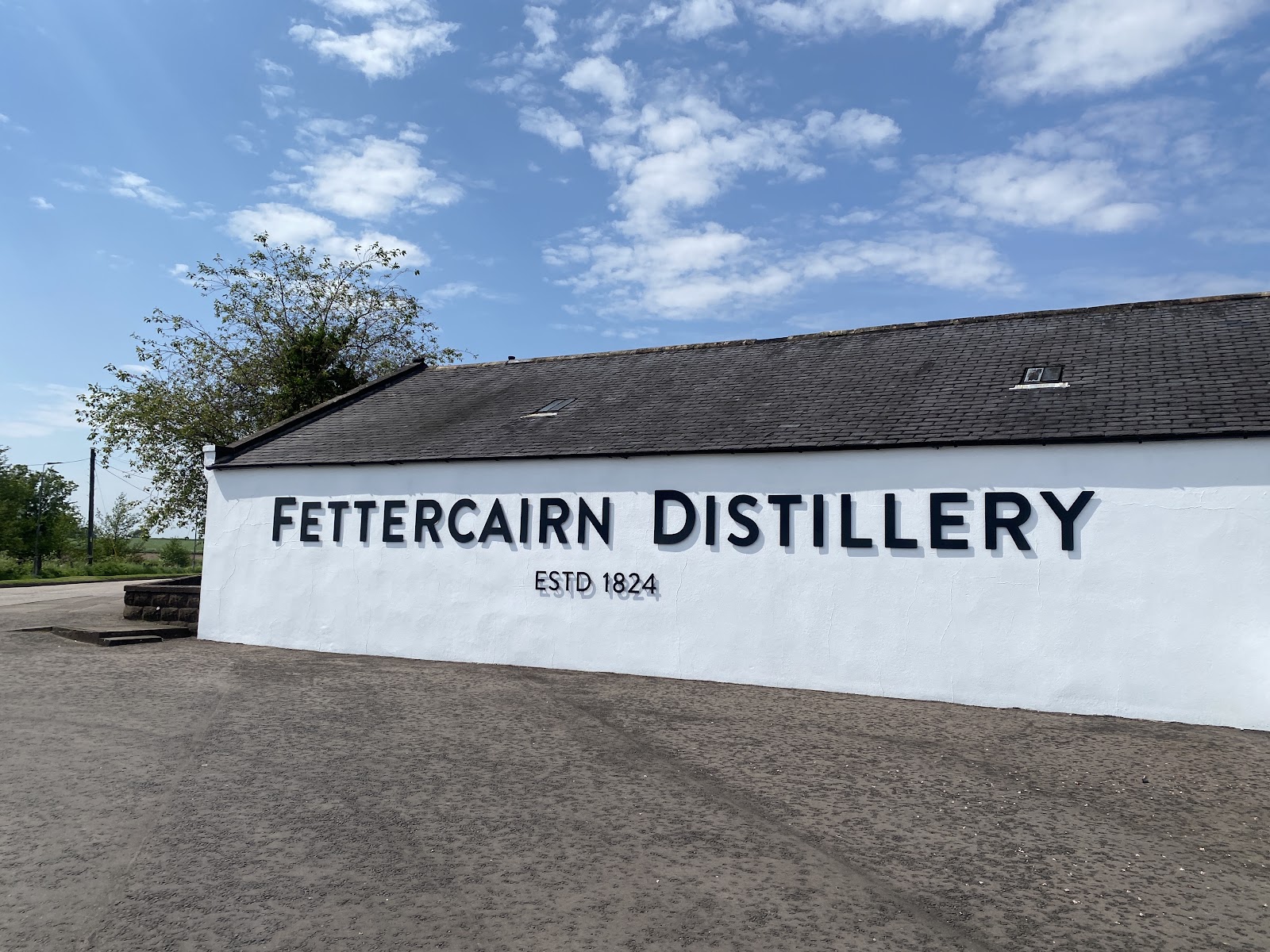 A whisky tour at Fettercairn and the Royal Arch
Whisky days and weekends, worked out.
Each with its stops in order, the drive between and somewhere to eat.
See every day out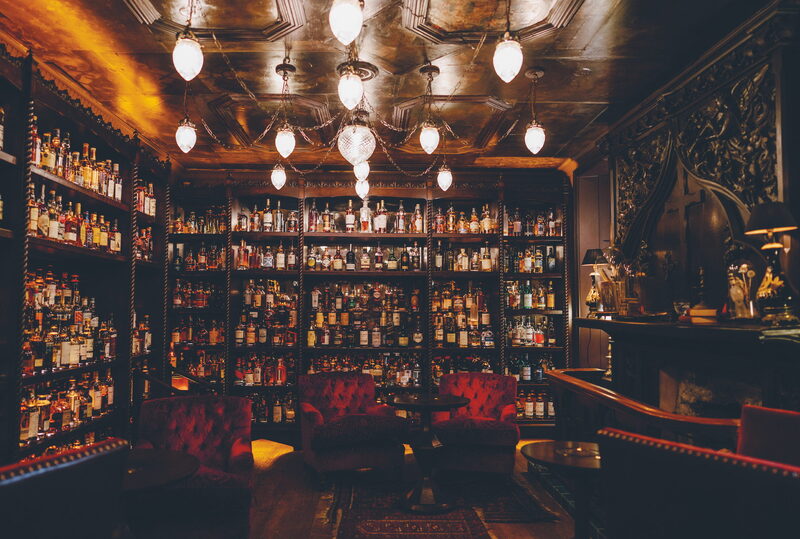 To readA Whisky Business
 To readWhere to Drink on Skye: Pubs, Bars, and Drams with a View
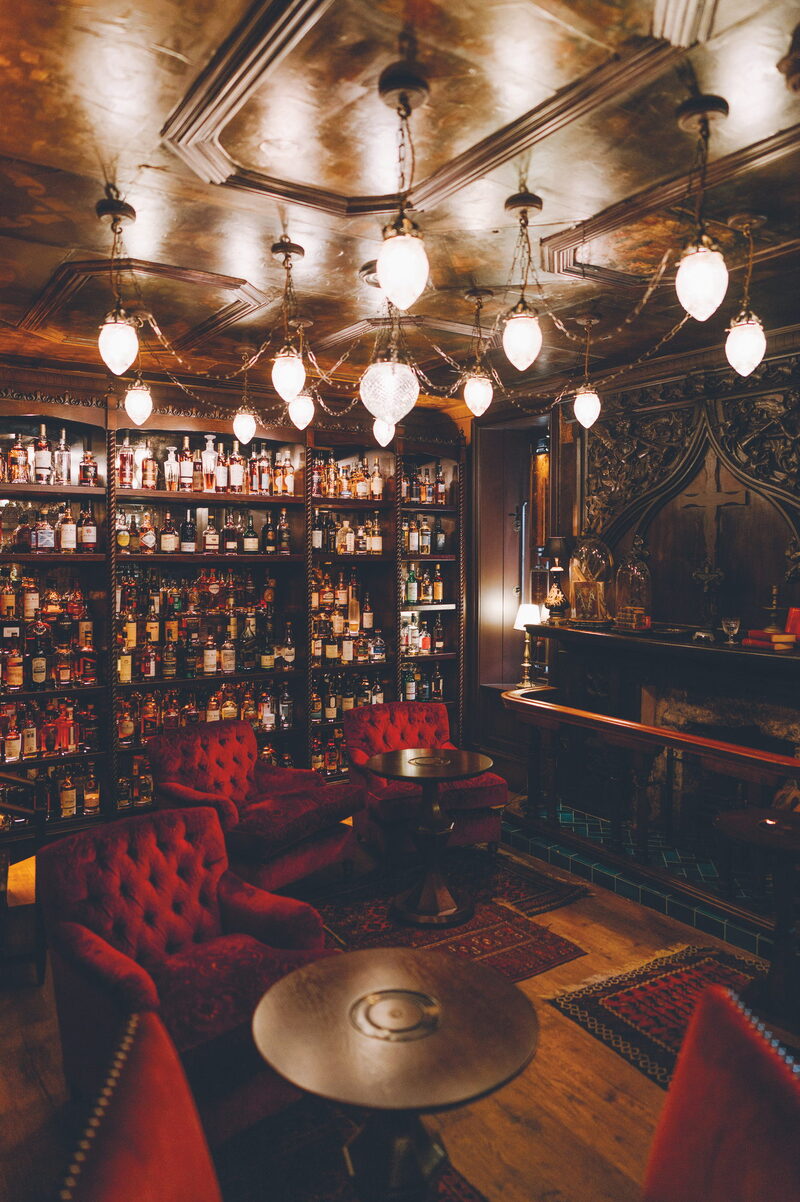 To readThe Whisky Queen of the Cairngorms - Katy Fennema
 To readSpirit of Speyside Whisky Festival
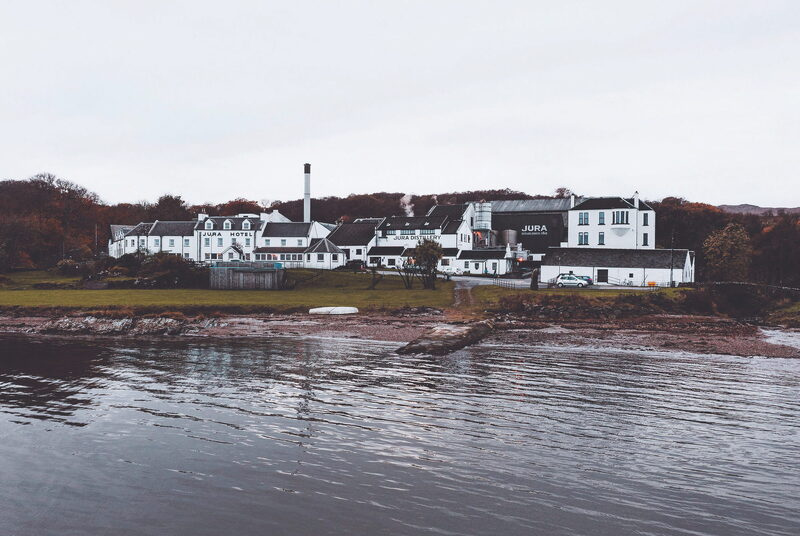 To readWhisky Distilleries
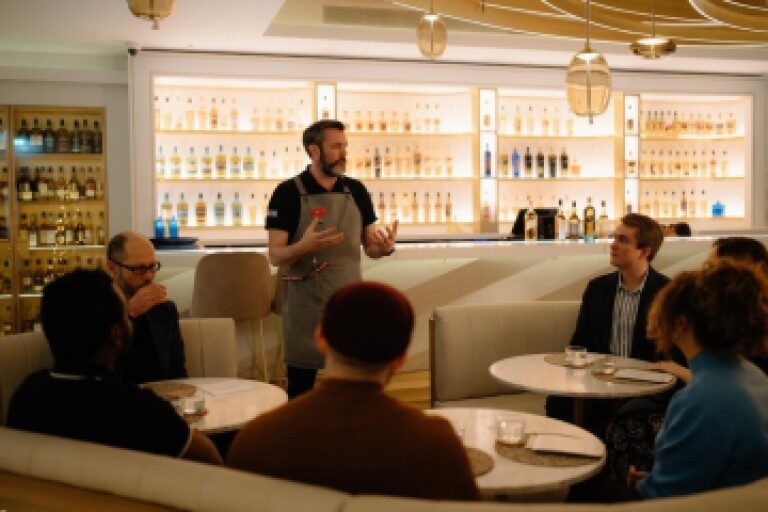 To readSTIR at Johnnie Walker Princes Street: Michelin-Starred Food Meets Whisky Cocktails
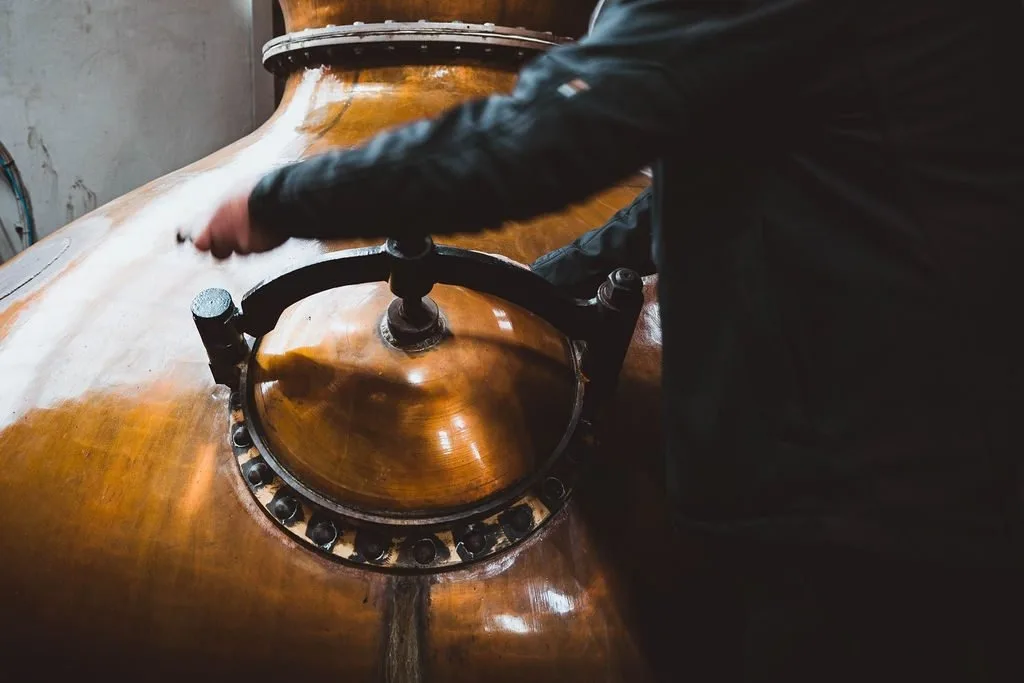 To readJura Whisky
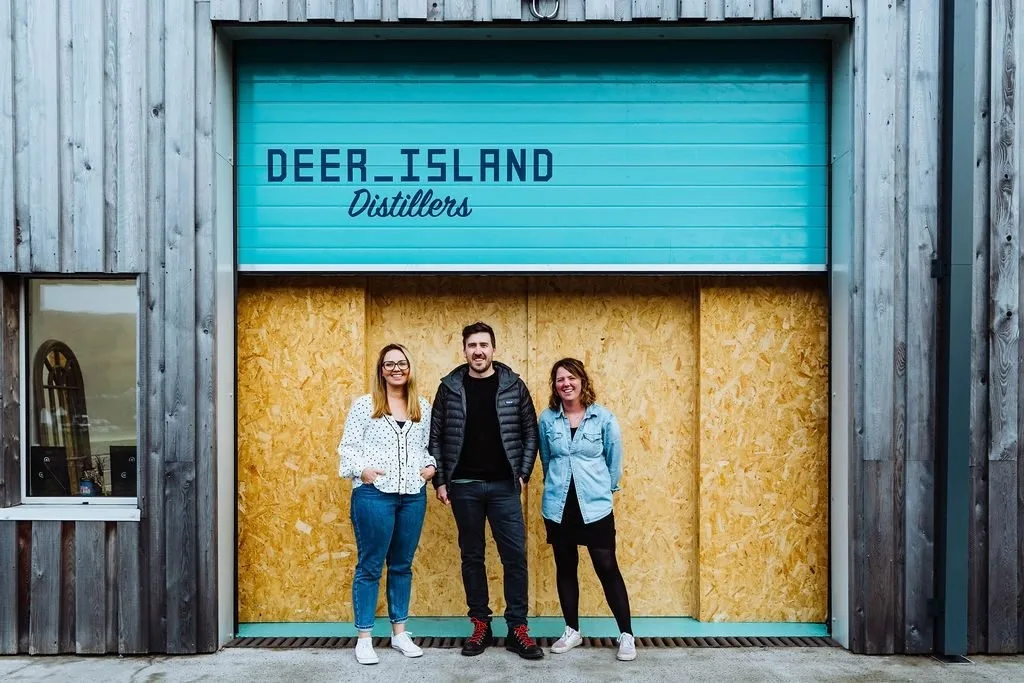 To readMeet Charlotte and Michael, founders of Deer Island Distillers
The people and the stories.
From the magazine and the Journal.
The Library