
Found between the Firth of Tay and the Firth of Forth is Fife – or, as it’s more famously known, the Kingdom of Fife. Deeply significant in Scottish history, Fife is packed with rustic charm – from its small villages to the famous streets of St Andrews. It’s also a popular spot for golfers as the area is considered ‘the home of golf’. Here are our favourites.
-full-1750069668.jpg)
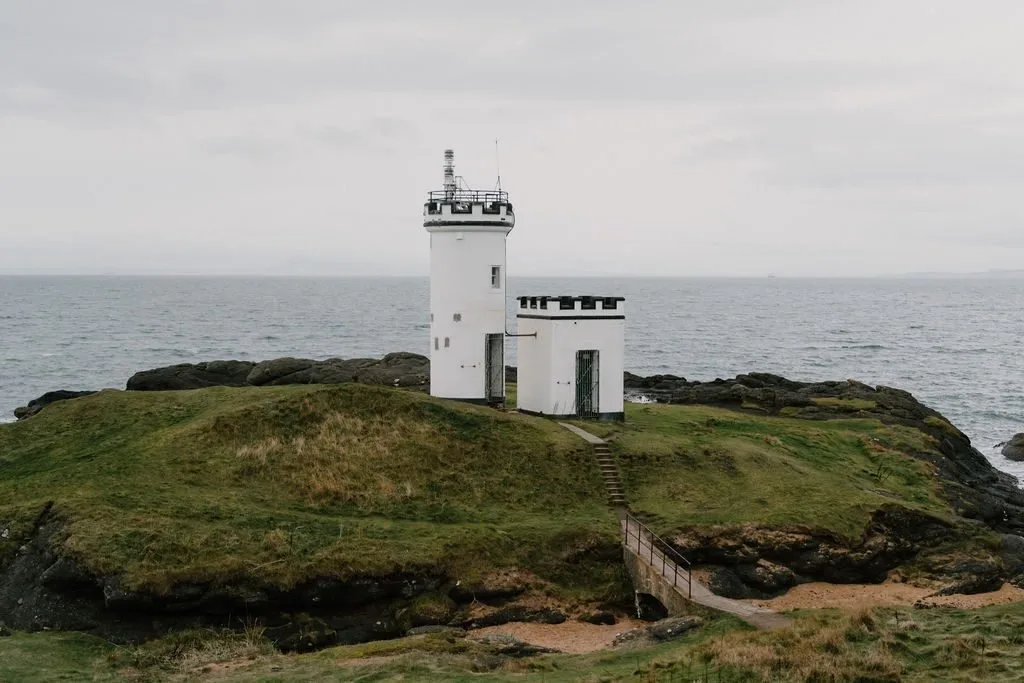
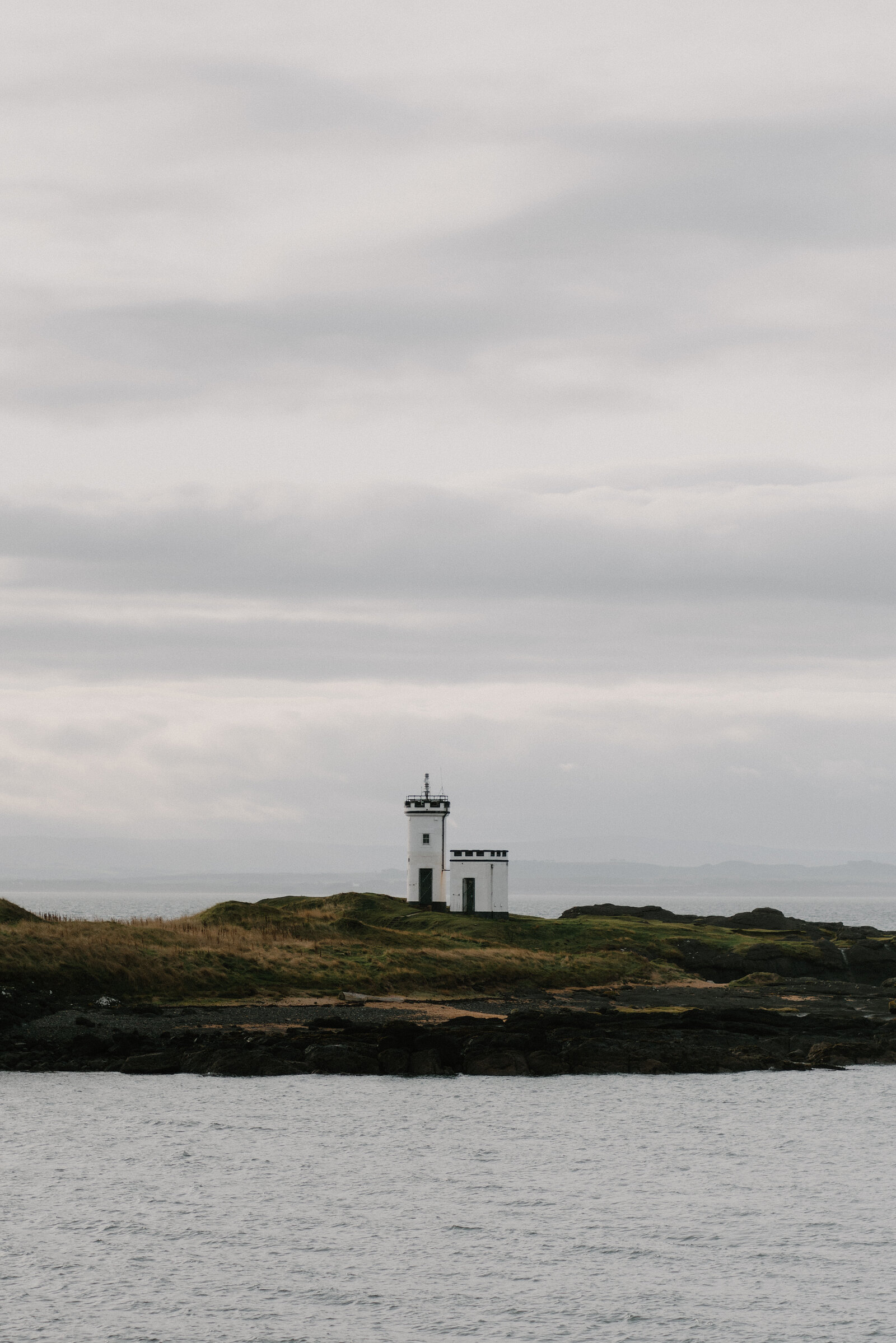
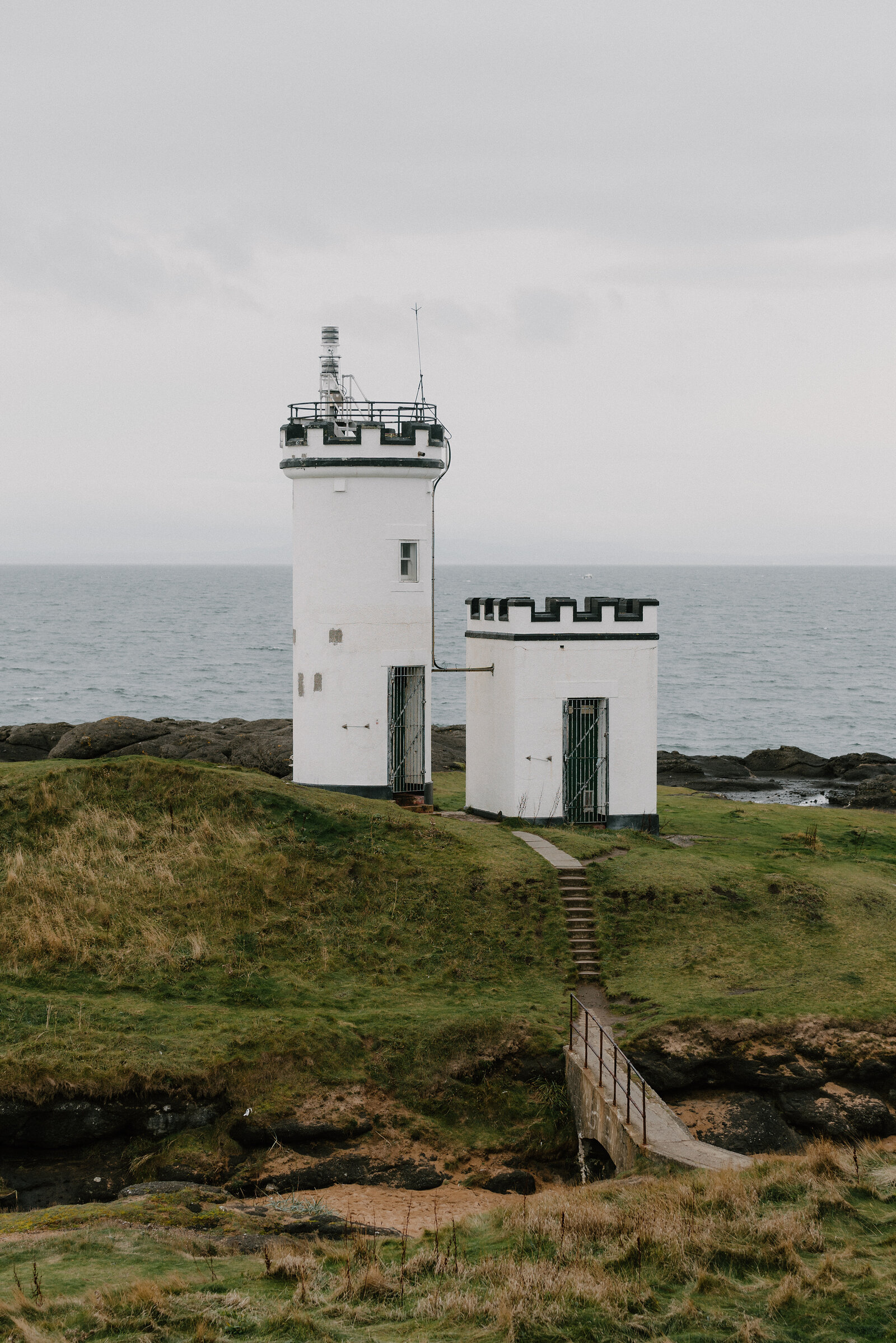
Elie Ness Lighthouse
First lit in 1908 after sailors worried about not being able to see the rocky cliffside, the Elie Ness Lighthouse is situated between the Isle of May and Inchkeith. Now watched over by the Elie Ness Historical Society and Forth Ports, the lighthouse and the nearby cottage is still maintained. The lighthouse actually sits on its own stretch of land and, following a restoration in 2010, visitors can still explore the wonders of this modern lighthouse.
Glenfarg Railway Tunnel
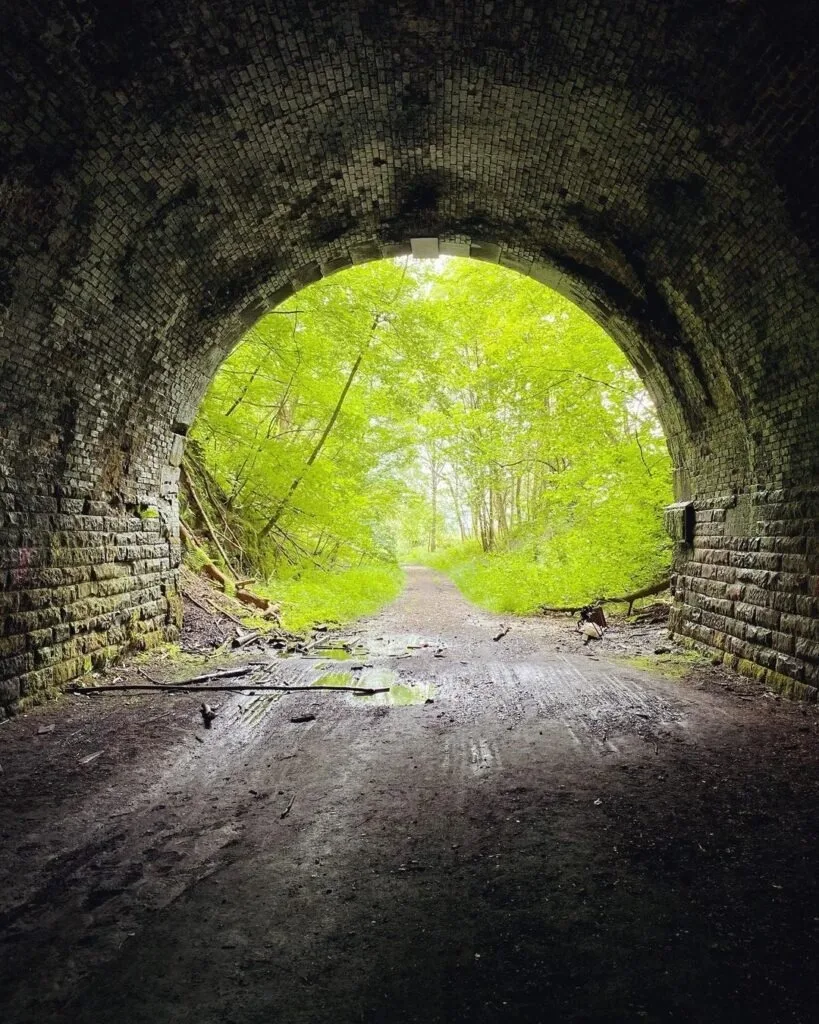
Opened in 1890, this place isn’t one for claustrophobes. The now disused Glenfarg line is over 5 miles long and punctuated by two tunnels – each 500m long. If you’re a walker looking for somewhere new and exciting to explore, the Glenfarg tunnels allow you to walk through the disused North and South train tunnels. Top tip – the tunnels are very dark, so make sure to bring your torch when you visit.
Newburgh Bear
There’s a bear on the way to Newburgh – but thankfully, not a real one. Cut into the grass of Park Hill in the 1980s, the piece shows a bear and a ragged staff, believed to have come from a stone carving from the nearby Lindores Abbey and has been passed down through noble families across the centuries – from the legend of King Arthur to the Norman Conquerors.
Hamish McHamish Statue
In the centre of St Andrews, one particular celebrity is immortalised in bronze. No, it’s not a royal or a rockstar – it’s Hamish McHamish, the unofficial mascot of the town and a beloved stray cat. The ginger cat explored the length and breadth of the city, with plenty of locals taking the time to feed and care for him. He even had his own social media pages. Though Hamish has now passed away, the statue celebrates the joy he brought to St Andrews’ residents.
More about Hamish McHamish Statue
Standing Stones of Lundin
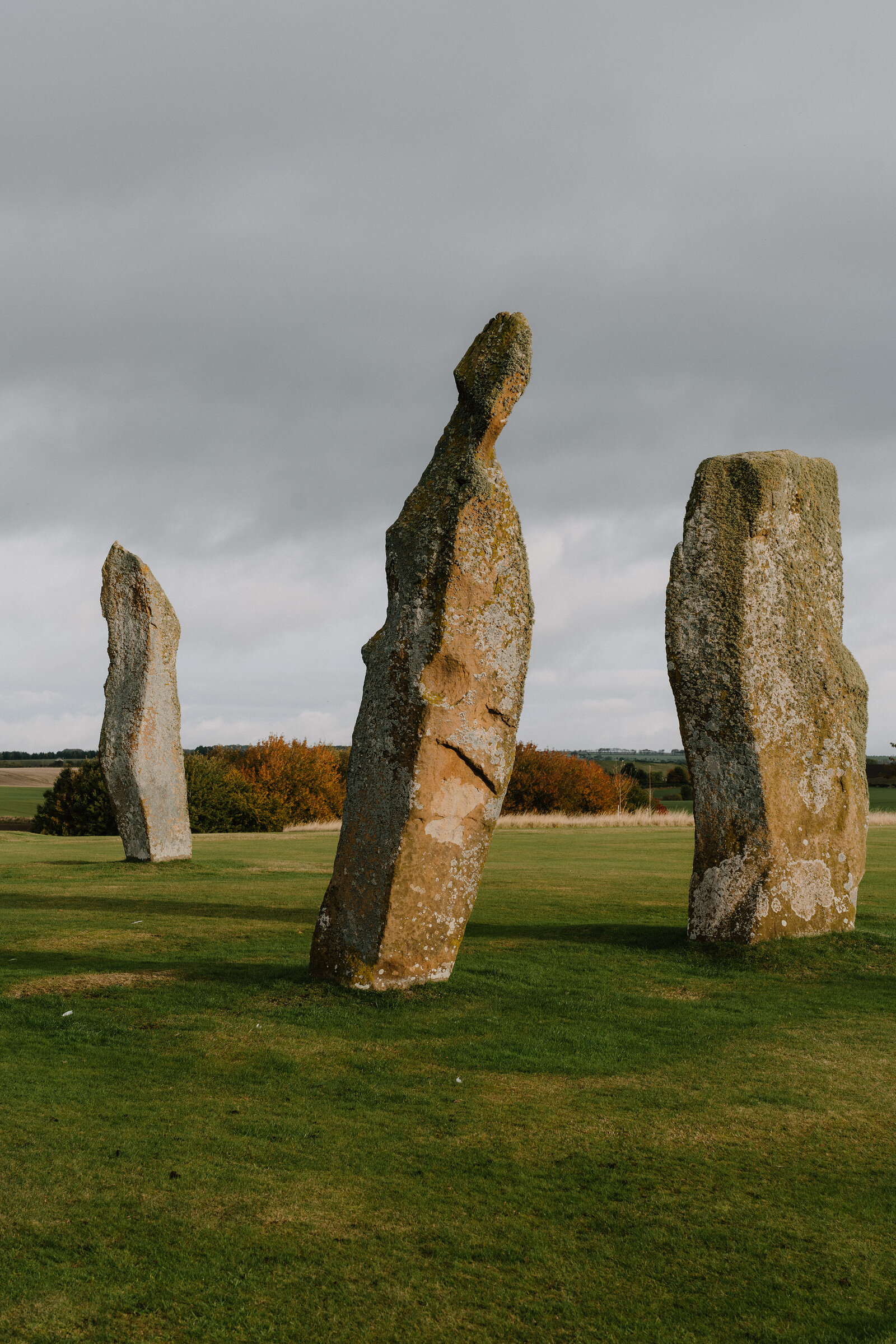
Scotland has many Neolithic and pre-historic remains, but the Lundin Links Standing Stones are particularly stunning to visit. Three standing stones, thought to date from the Bronze Age, stand on the rolling landscape near Lundin Links. Though historians are unsure of what the stones were used for, many believe they represented a place of great ceremony, used over 2000 years ago for important celebrations and events.
More about Standing Stones of Lundin
Maspie Den
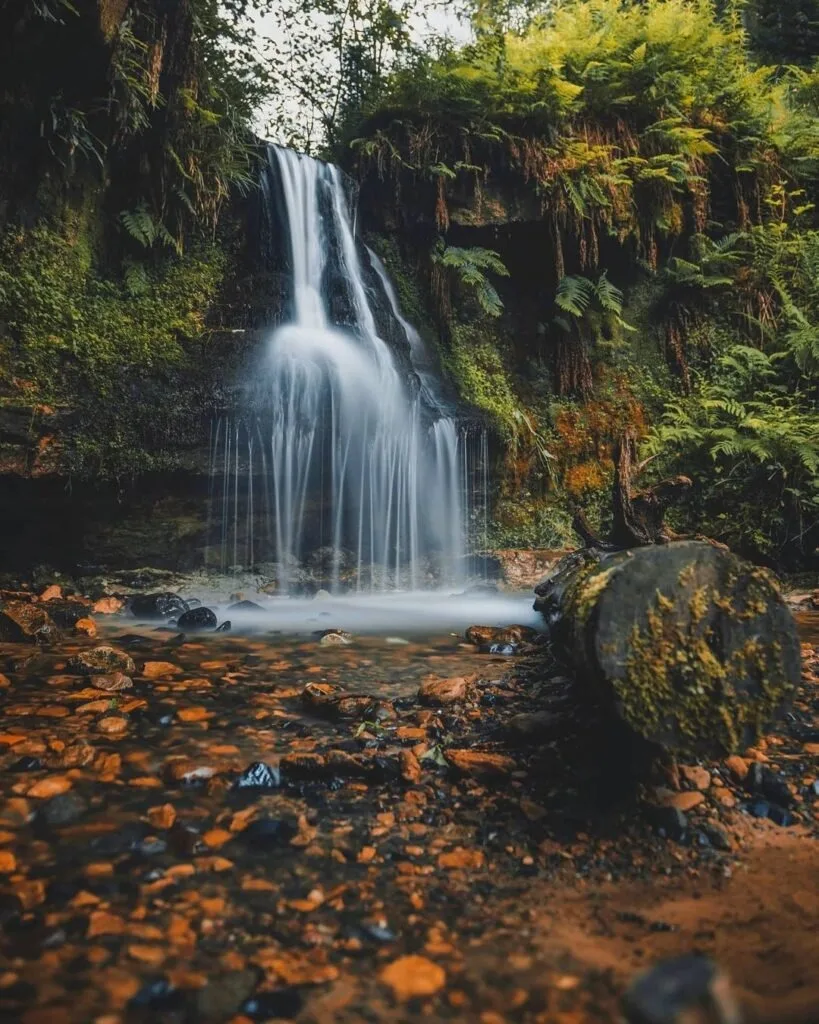
Maspie Den is a set of walking paths on the Falkland Estate, which was at its grandest in the 19th century. The footpath and woodland areas have undergone extensive reconstruction to welcome walkers in, and you can wander alongside the Coal Pit Burn and through the estate’s grounds as you go. Make sure the Yad Waterfall is on your list as you plan your walk along Maspie Den.
Lochore Castle
North of Cowdenbeath is Lochore Castle, a ruined tower house dating back to the 14th century. Originally, the castle sat atop a mound that was surrounded by the waters of Loch Ore – though the water was drained in the 18th century. The castle originally had four storeys and corner towers. The area has since been re-landscaped and the loch refilled.
Ravenscraig Castle
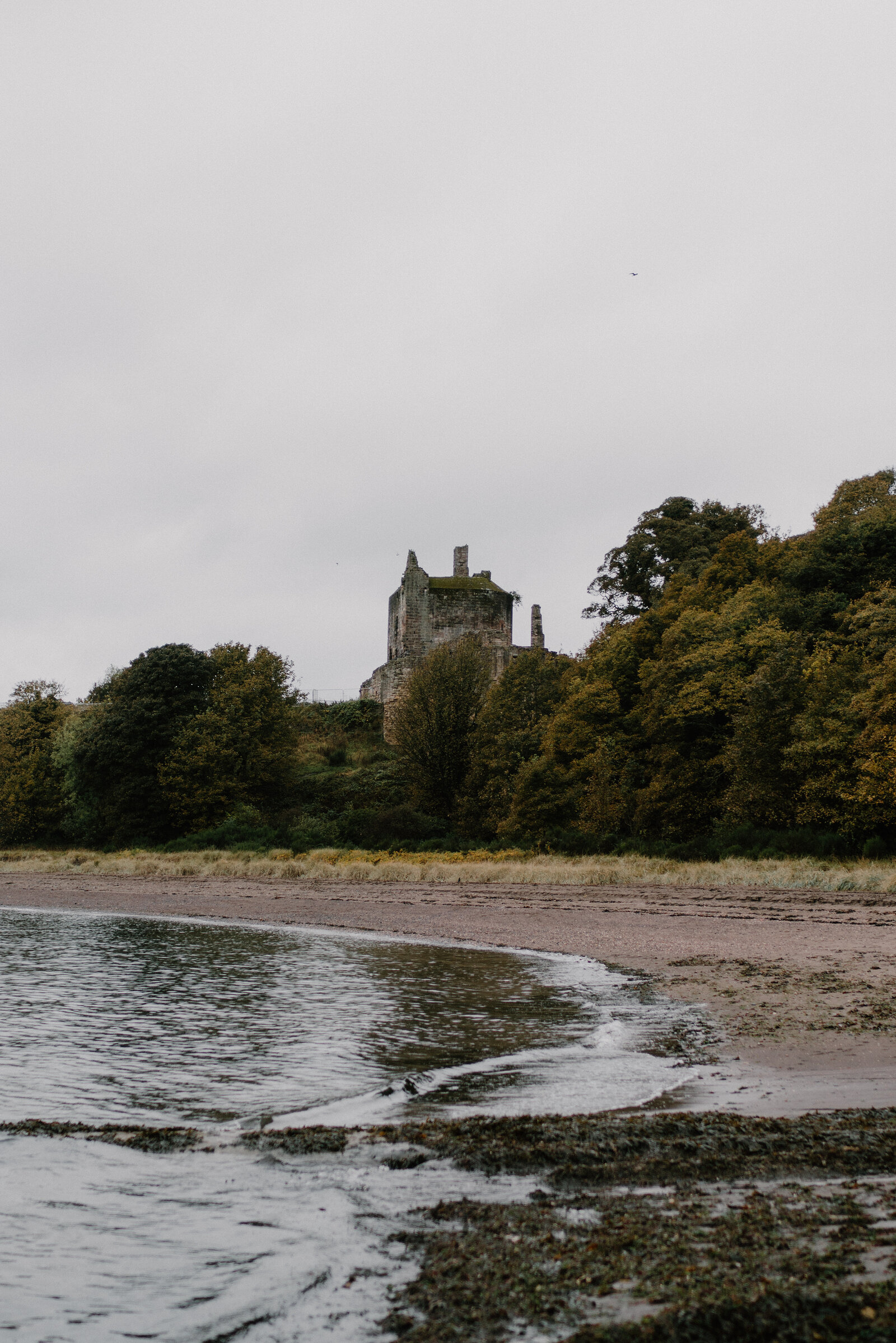
Though now ruined, the Ravenscraig Castle was once the spot of Kings and Queens. Built for Mary of Gueldres in the 15th century, it was only completed when handed to the Sinclair family, who fortified it to protect against attack. Now managed by Historic Environment Scotland, Ravenscraig Castle was also the inspiration for the great Scottish writer Sir Walter Scott, who made it the setting in a section of his poem, Lay of the Last Minstrel.
Lady’s Tower, Ruby Bay
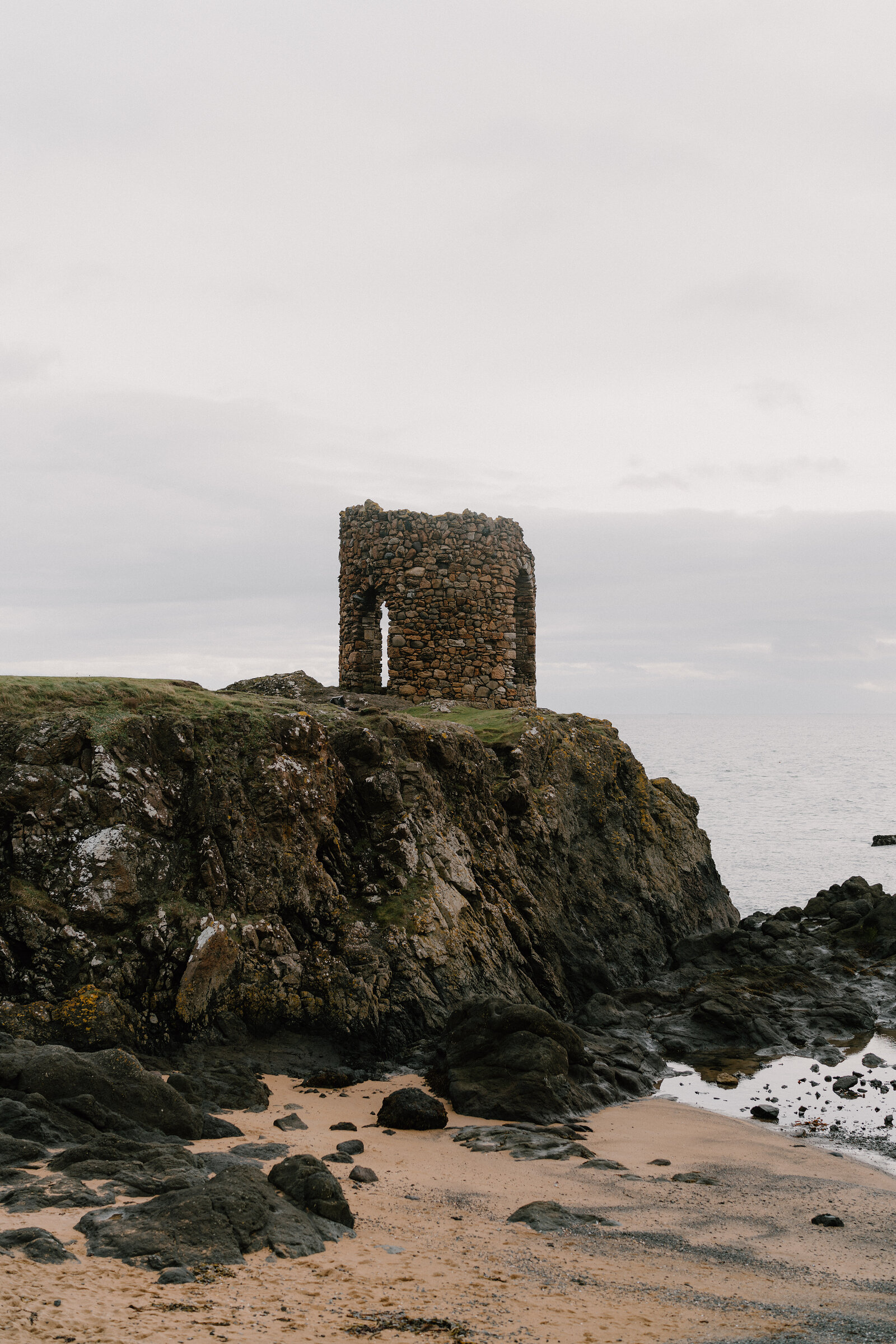
With a dramatic view over the waters of the bay, Lady’s Tower was built for a rather specific purpose in the 1700s. It was built for Lady Janet Anstruther – a merchant’s daughter known for her beauty – who used it as a spot to sit and relax. She was believed to have bathed nude in the waters of the bay before ascending to the tower to recover from the shock of the water.
More about Lady’s Tower, Ruby Bay
Saint Margaret’s Cave
Dating back centuries, the cave is so named after St Margaret, who was once the Queen of Scotland – around 1070. Made a saint by Pope Innocent the Fourth, Margaret was a deeply pious woman who came to the cave to pray over 900 years ago and is now something of a pilgrimage site for visitors. You can explore the cave via a wooded pathway and a short climb, with a tunnel leading you deep inside the cave where Margaret herself once prayed.
More about Saint Margaret’s Cave
Dunfermline Abbey
A Church of Scotland place of worship since 1072, Dunfermline Abbey was the first Christian church ever built in the area and was once a burial site for Scottish royalty – including Robert the Bruce. Built from the ruins of a Benedictine Abbey, it’s one of the most significant cultural sites in Scotland – not just for its resting place of early Scotland’s great leaders, but also as the birthplace of Charles I – the last British monarch to be born in Scotland.
Pittenweem
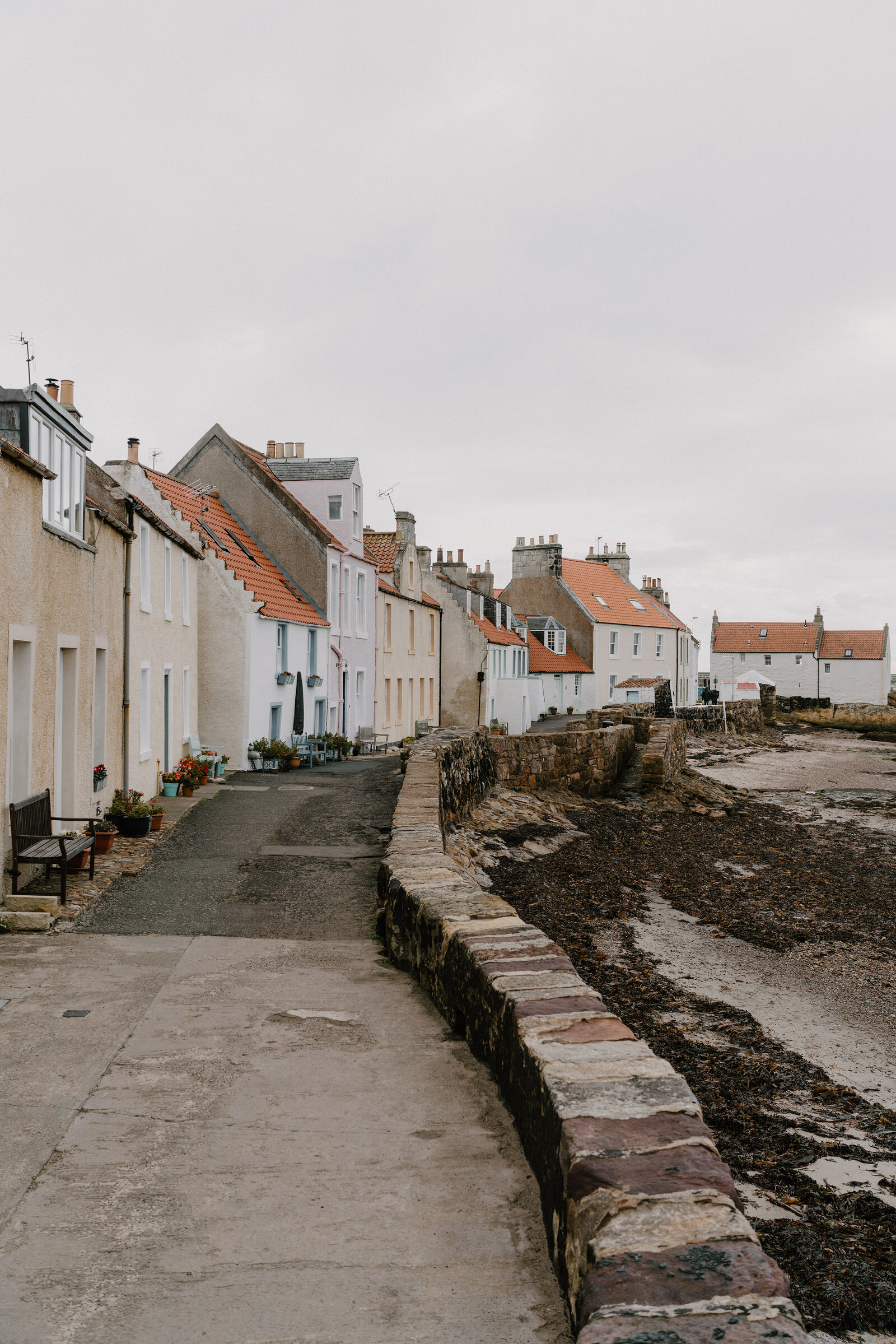
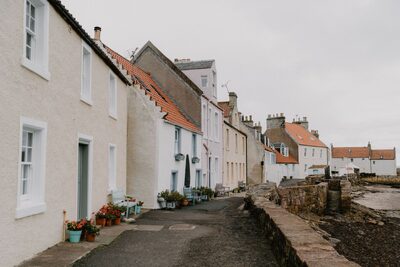
On the coastline is the charming town of Pittenweem, an active port area renowned for its fish markets and lively community atmosphere. Set in the East Neuk of Fife, the village centres around the harbour, where many properties now restored by the National Trust capture the history of the area. Nearby, you’ll find the famous Kellie Lodge – a 16th-century townhouse – and St Fillan’s Cave on the cliffside.
Inchcolm
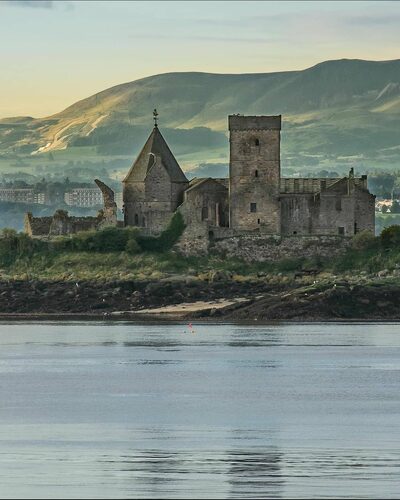
In the Firth of Forth is Inchcolm, a small island that is now home to a ruined Augustine Abbey. Repeatedly attacked by the English during the Scottish Wars of Independence, its name comes from the word ‘Innis Choluim’, Scottish Gaelic for ‘Columba’s Island’. Just one mile from the Fife coastline, the island was also used as a base for the Royal Navy during WWI.
Scotland’s Secret Bunker
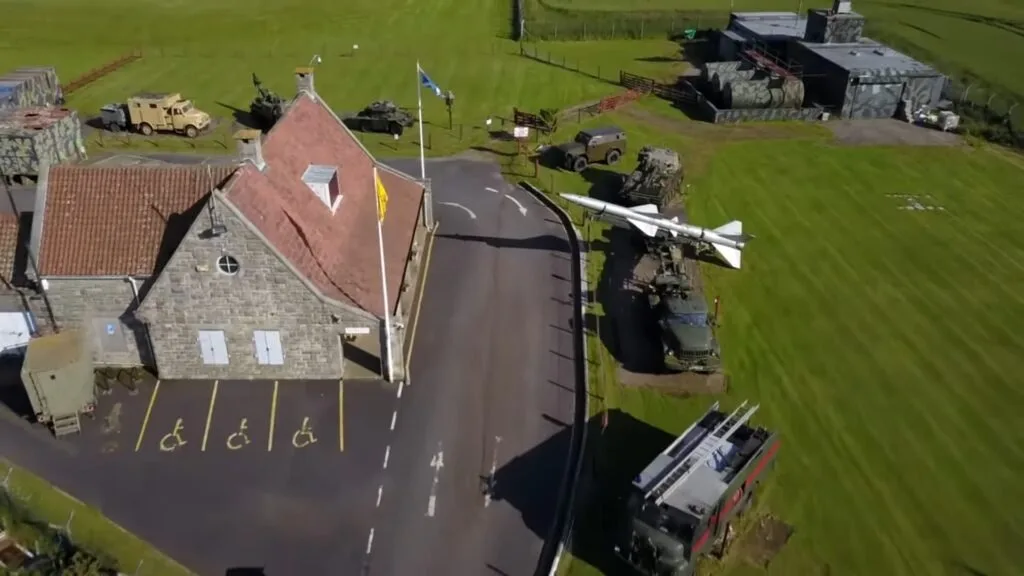
Perhaps the worst kept secret in Scotland, this Secret Bunker seems, on the surface, rather innocuous. But step inside and you’ll find Scotland’s Secret Underground Nuclear Command Centre. Set 100ft underground, its farmhouse exterior hid the centre – built in 1953 – as the Cold War began to progress. Now, its history is told in an interactive museum.

More about Scotland’s Secret Bunker
Culross
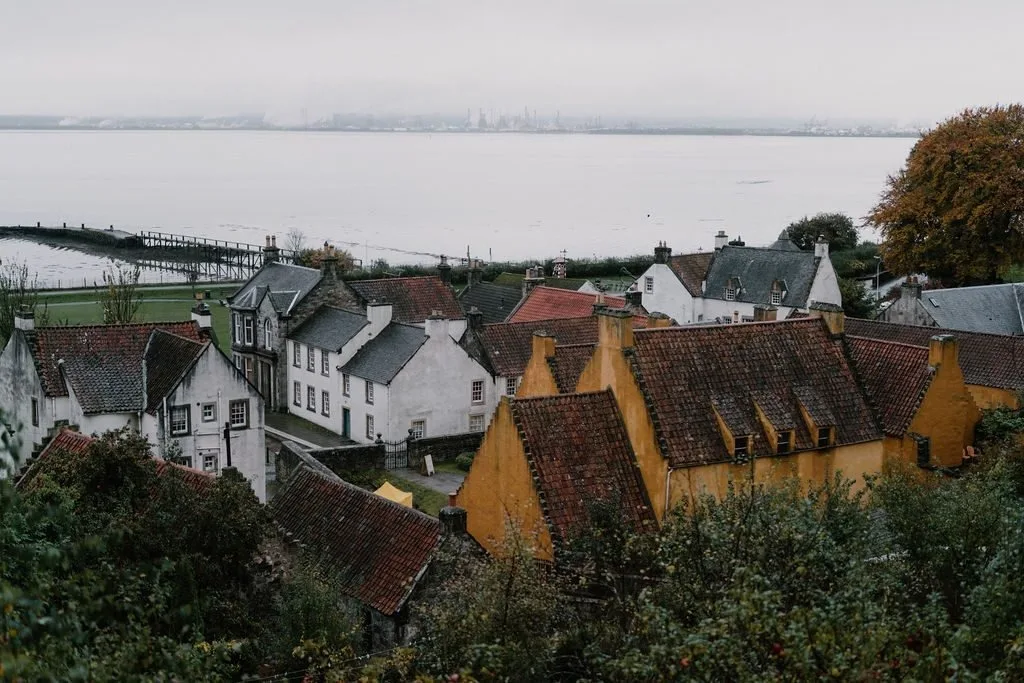
Perhaps best known in the contemporary day for being one of the locations used in Outlander, Culross is also home to a memorial to the 380 women who were executed after being accused of witchcraft. Placed along the Fife Coastal Path, visitors to Culross can learn more about the area’s history and relationship to the witch trials of the period.
Dunino Den
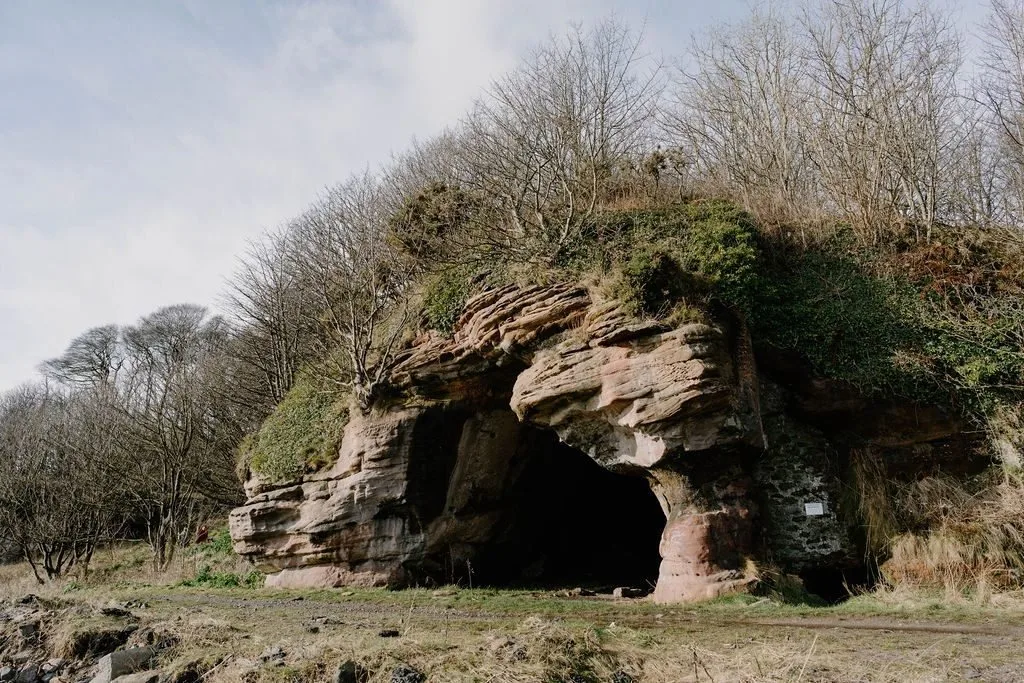
Close to St Andrews, Dunino Den is an area of shaded woodland that is believed to have been haunted by fairies and a significant site of Pagan worshippers. Crags, crosses, messages set in stone – it’s believed that the Pagan ancestors left these symbols for future generations to discover more about the time in which they lived.
Wemyss Caves
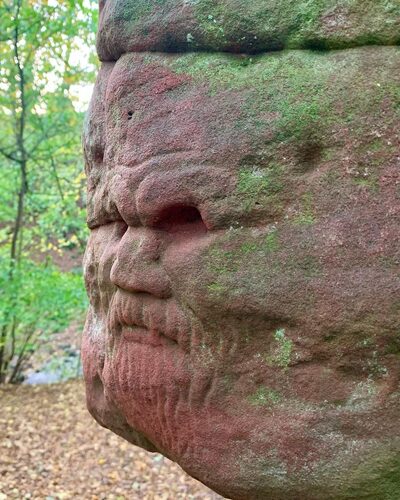
Formed over 7000 years ago by the movement of the sea, the Wemyss Caves are found just north of the Firth of Forth. It’s believed that the caves were integral to communities in pre-historic Britain, with organisations now dedicated to preserving the large number of carvings that were found in the caves. Visitors can explore the six remaining caves that sit along the coastline and see some of the earliest examples of Pictish Art.
Chain Walk
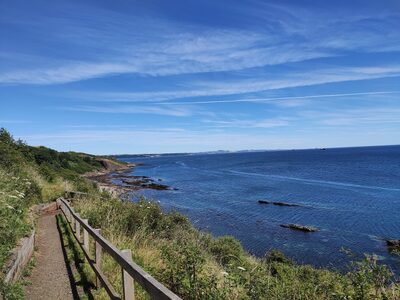
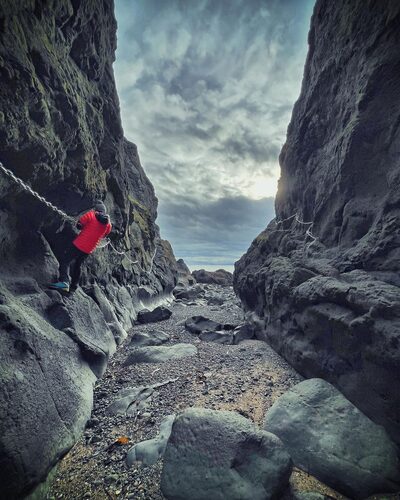
Adrenaline seekers should head to the Fife coast and the Elie Chain Walk – which is not for the faint-hearted. Just set a little away from the village of Elie, the cliffs along the Fife Coastal Path have a difficult terrain that experienced walkers can scale with the help of hanging chains to keep you steady. If your nerve is strong enough to take on the walk, you can expect gorgeous views over Kincraig Point and Shell Bay as you climb.
Bunnet Stane
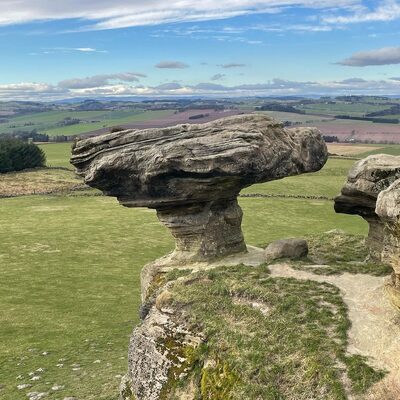
Take a gentle walk through the Fife countryside and you’ll find one of the most oddly shaped rock formations in the country. The Bunnet Stane (or bonnet, if you’re anglicising it) sits in West Lomond and is named after its distinctive, mushroom-like shape. Formed over centuries of ice, wind and water, it has a manmade cave just beneath it.
Culross Abbey
In the care of Historic Environment Scotland, the ruins of Culross Abbey, founded for Cistercian monks in the 1200s, are still a beautiful sight. Part of the abbey is still the local Church of Scotland parish church, which hosts cultural events and local weddings. One of the oldest Christian sites in Scotland, the abbey is open to the public.
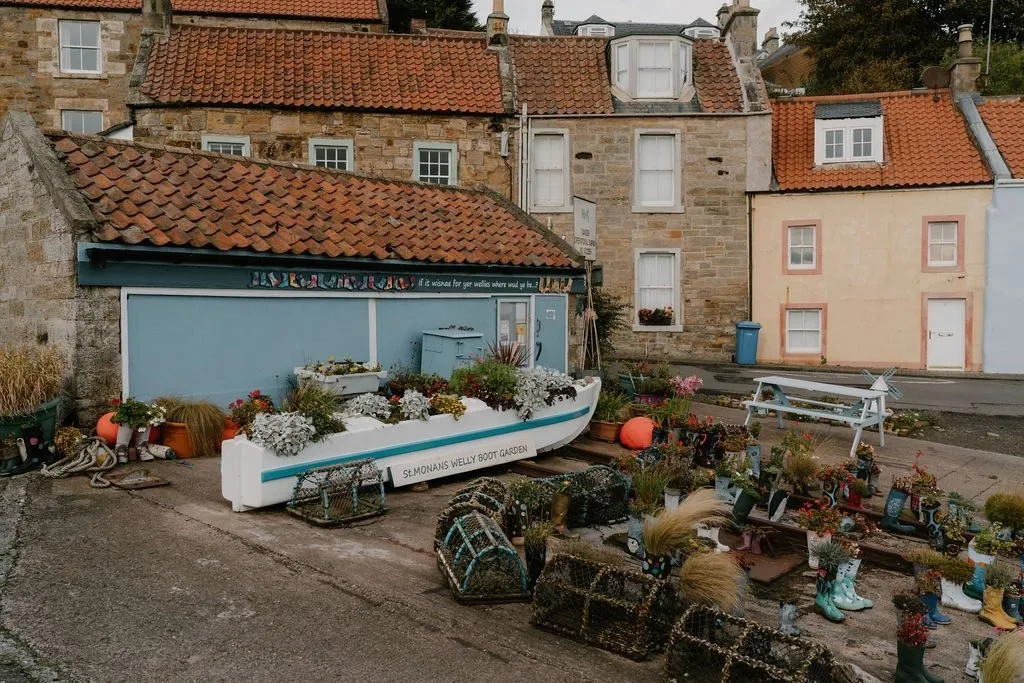
Wellie Garden of St Monans
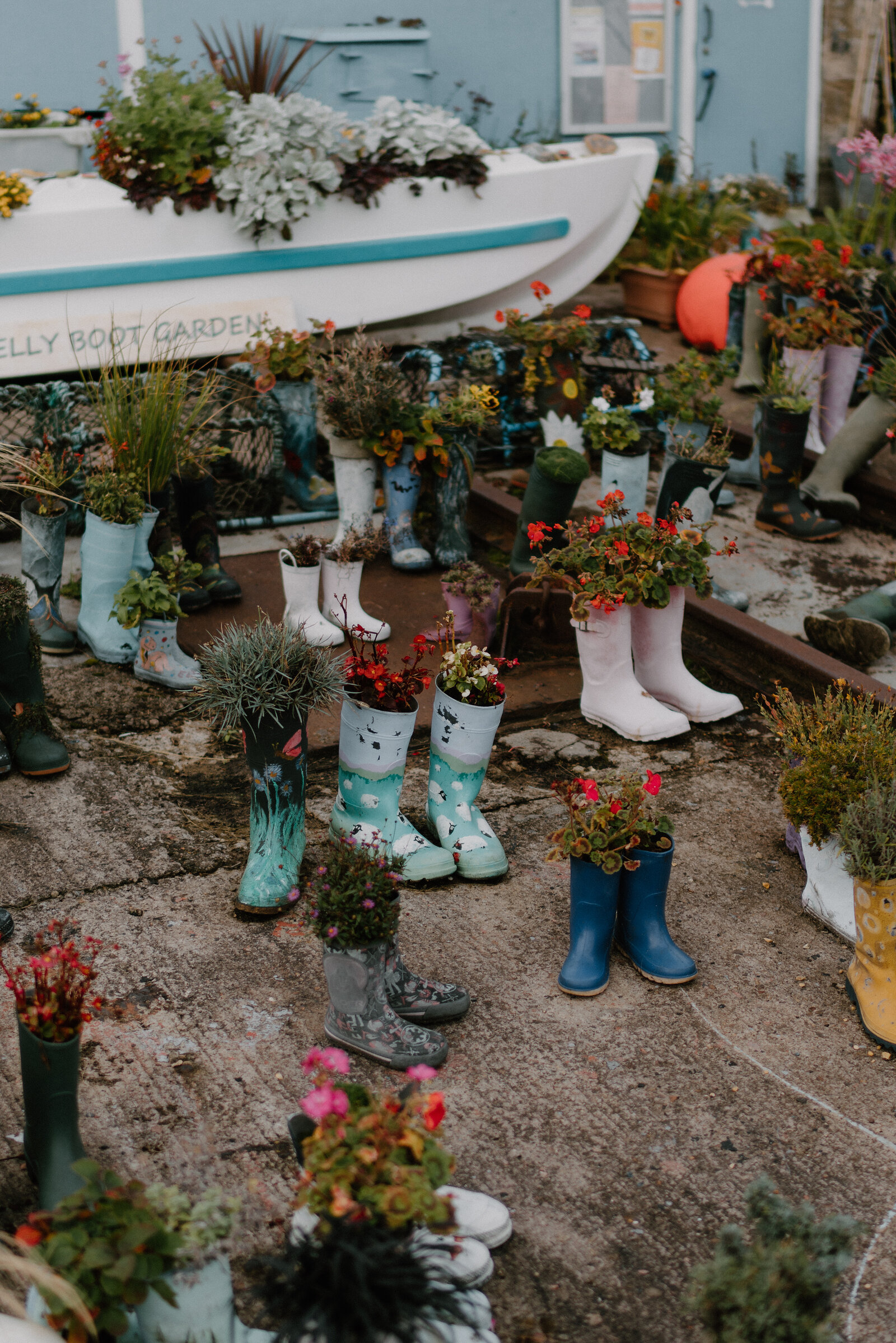
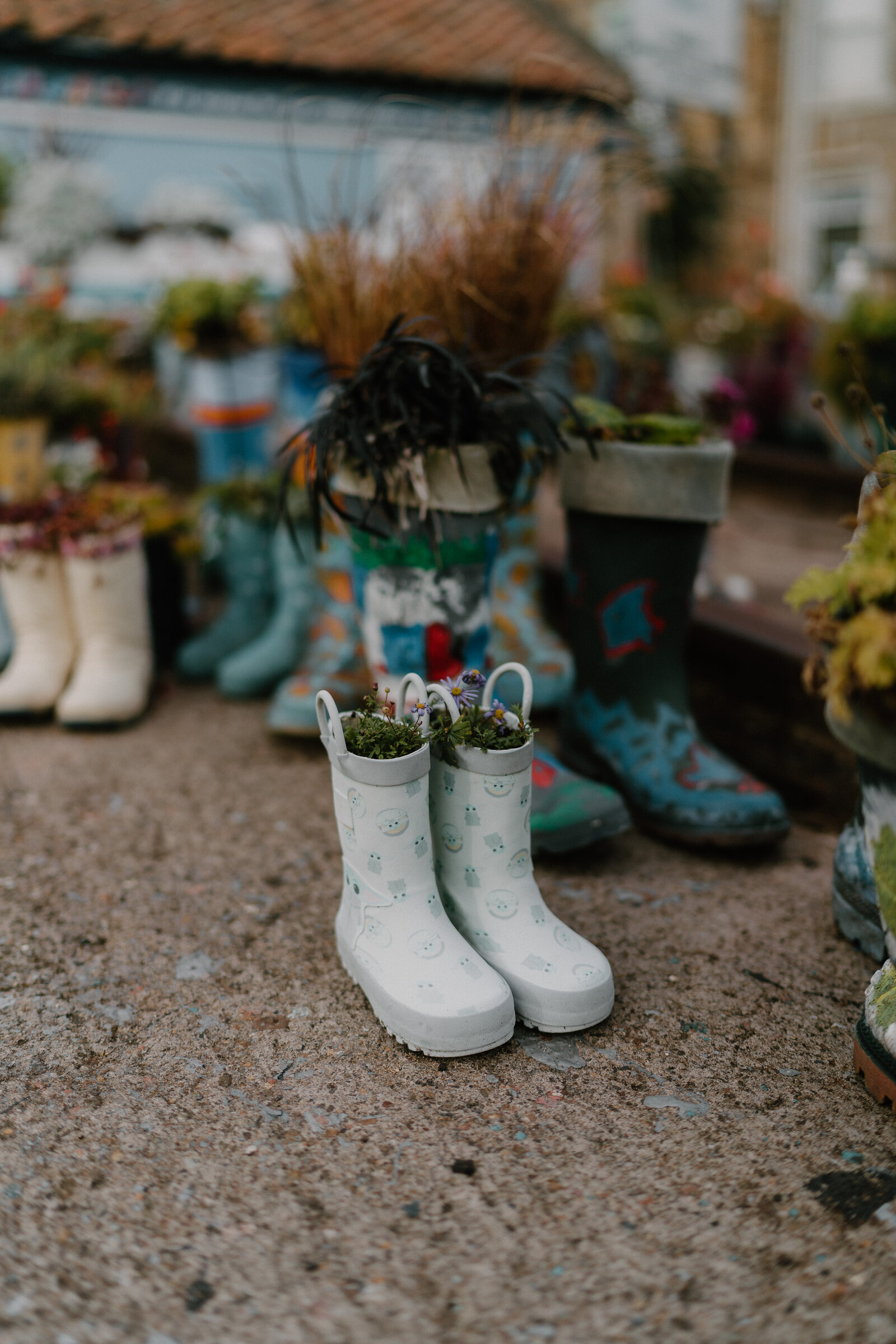
At the harbour of St Monans, on an otherwise non-descript slipway, is a rather wonderful slice of horticulture. The plants have not been planted in pots or the earth – but in wellie boots. The shipyard is no longer used but has been given a new lease on life thanks to Win Brown – a local teacher. Visit in the summer and you’ll find around 200 pairs of boots, packed with flowers.
More about Wellie Garden of St Monans
Doocot of Crail
Though the Doocot – a building that houses pigeons – is a familiar sight in Fife, Crail’s stands out for its beehive shape. Originally built in the 16th century to supply food to the local communities, the building was partially restored in the 60s and then further in the 2010s. Visitors can now go inside the Doocot and learn more about its long history.
St Fillan’s Cave
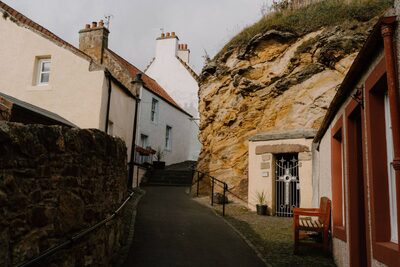
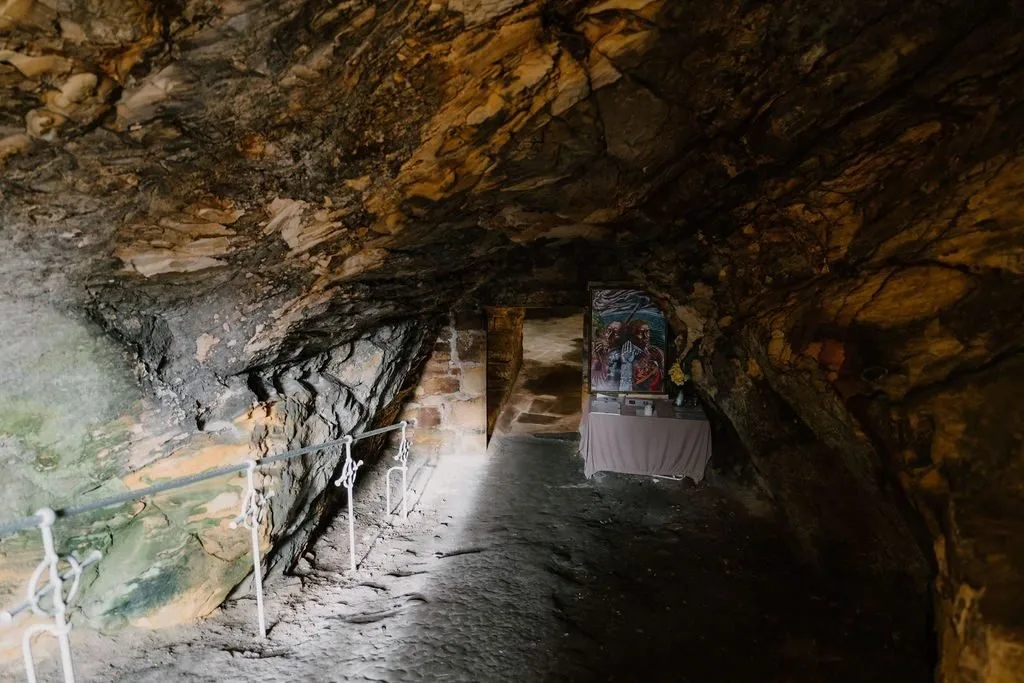
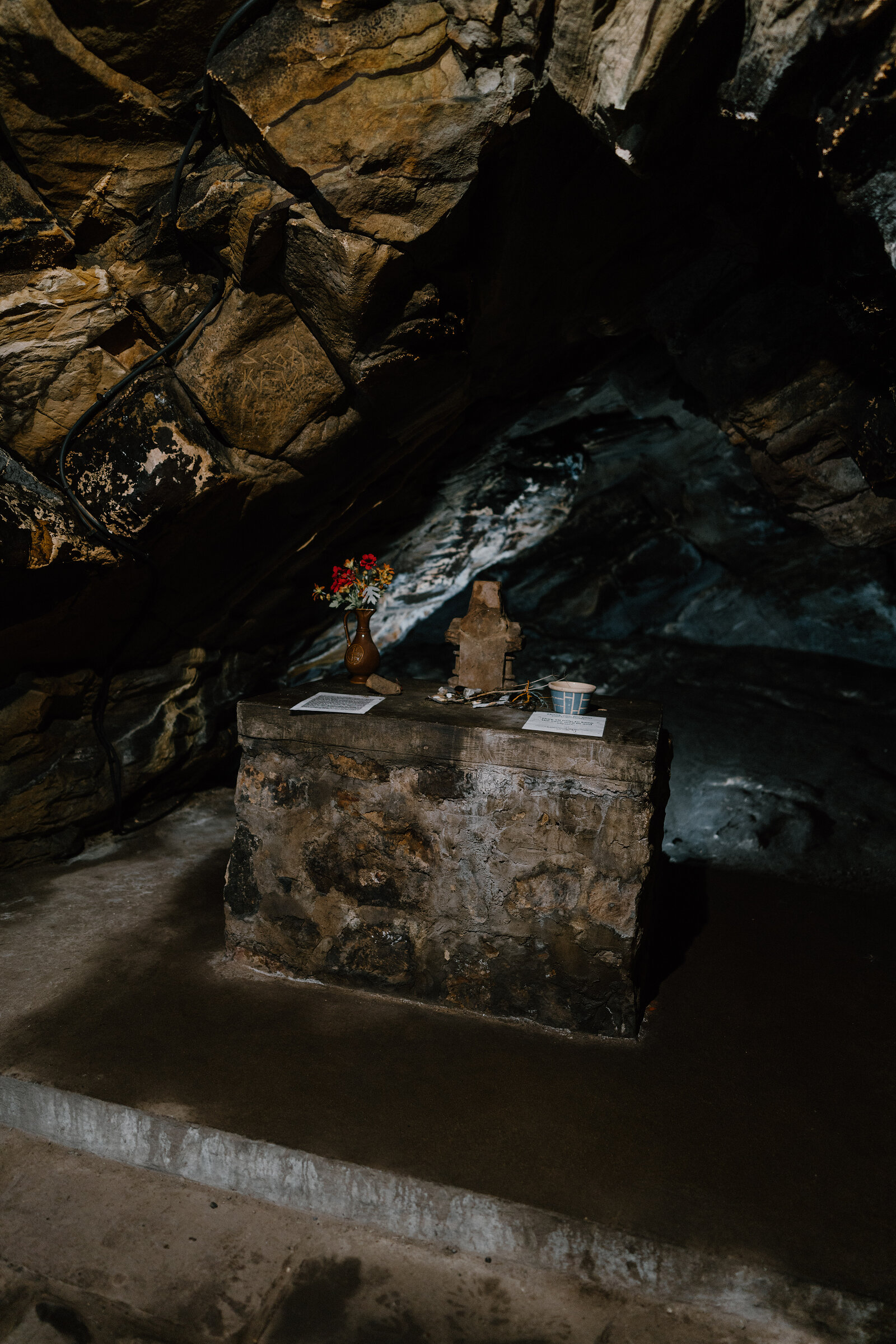
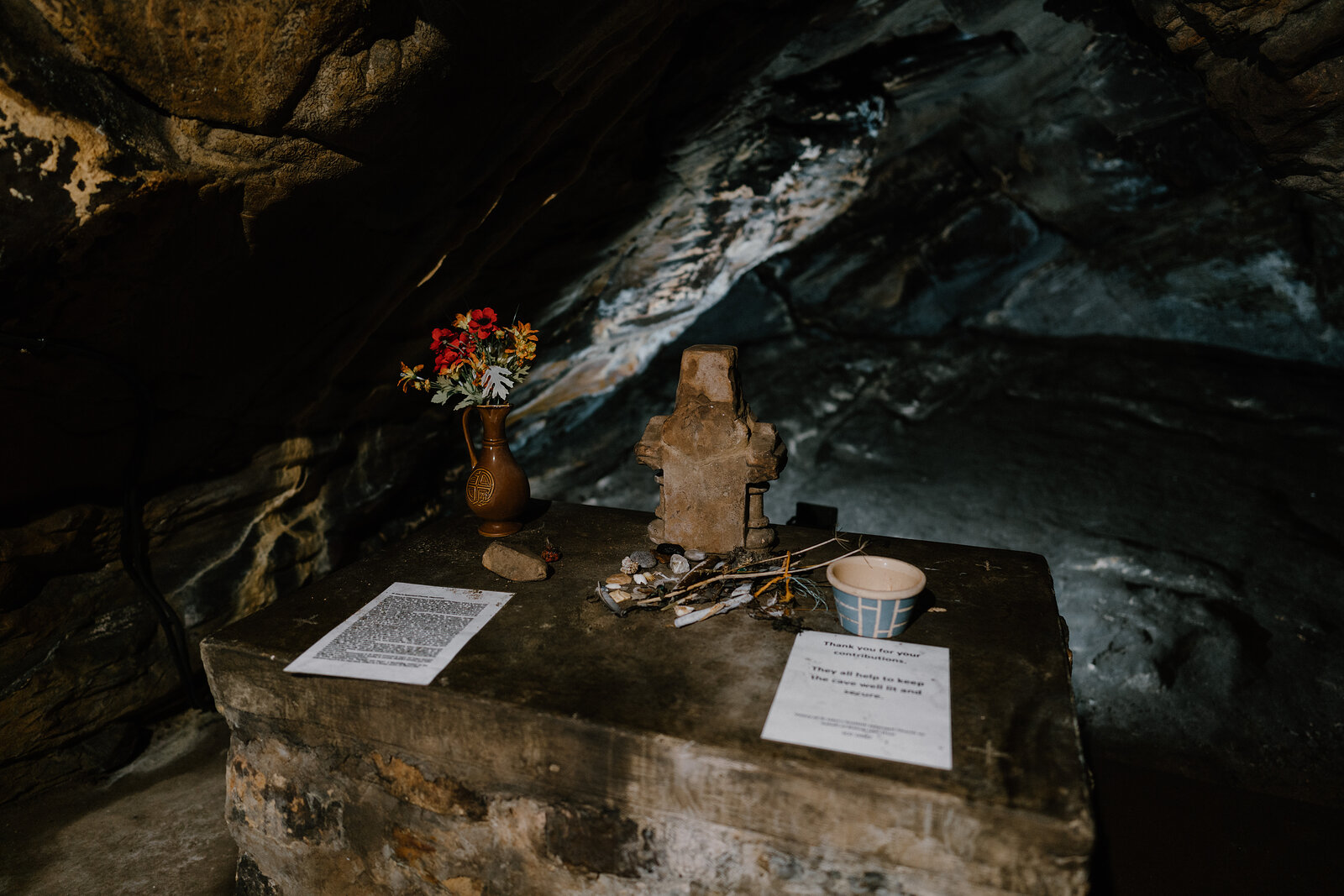
Head down to Pittenweem harbour and you’ll find St Fillan’s Cave – a place believed to have some rather magical qualities. Fillan was an Irish missionary who was active in converting Fife residents to Christianity in the 8th century. It was believed he lived in the cave, writing sermons by the light of his luminous arm. Inside the cave, you’ll find the well dedicated to the saint, whose healing waters were believed to cure the ill.
Last Fatal Duel in Scotland – Cardenden
On the surface, a seemingly tranquil forest is actually home to the last fatal duel that took place on Scottish soil. A banker and a linen merchant found themselves at pistols at dawn on a cold morning in 1826. The banker was shot dead, despite being an ex-military man, and the linen merchant was found not guilty of murder.
St Monans Old Kirk
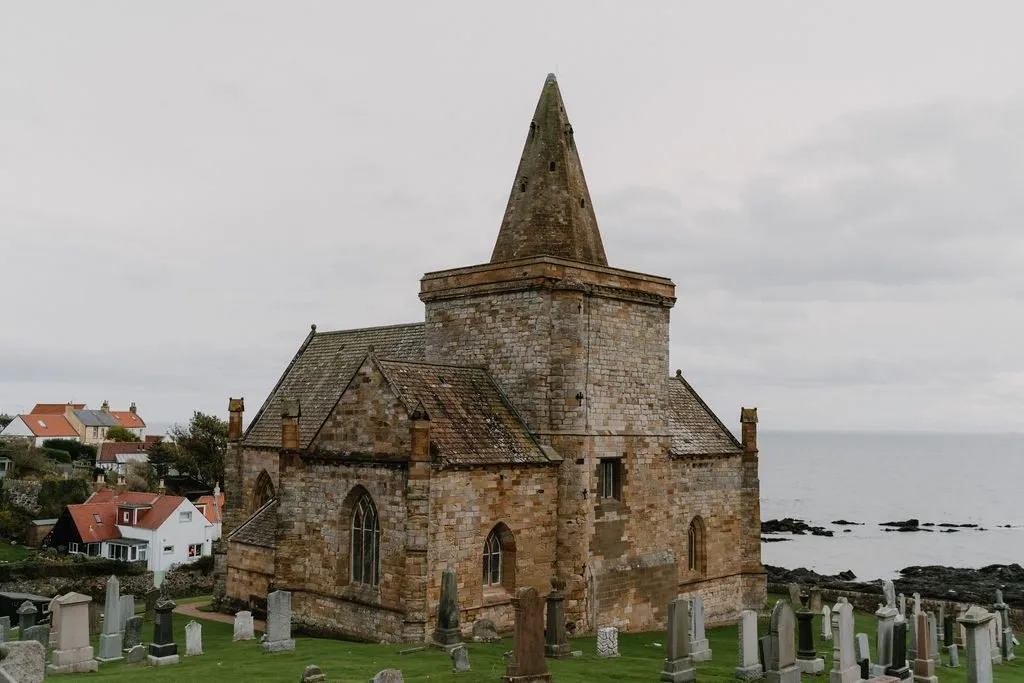
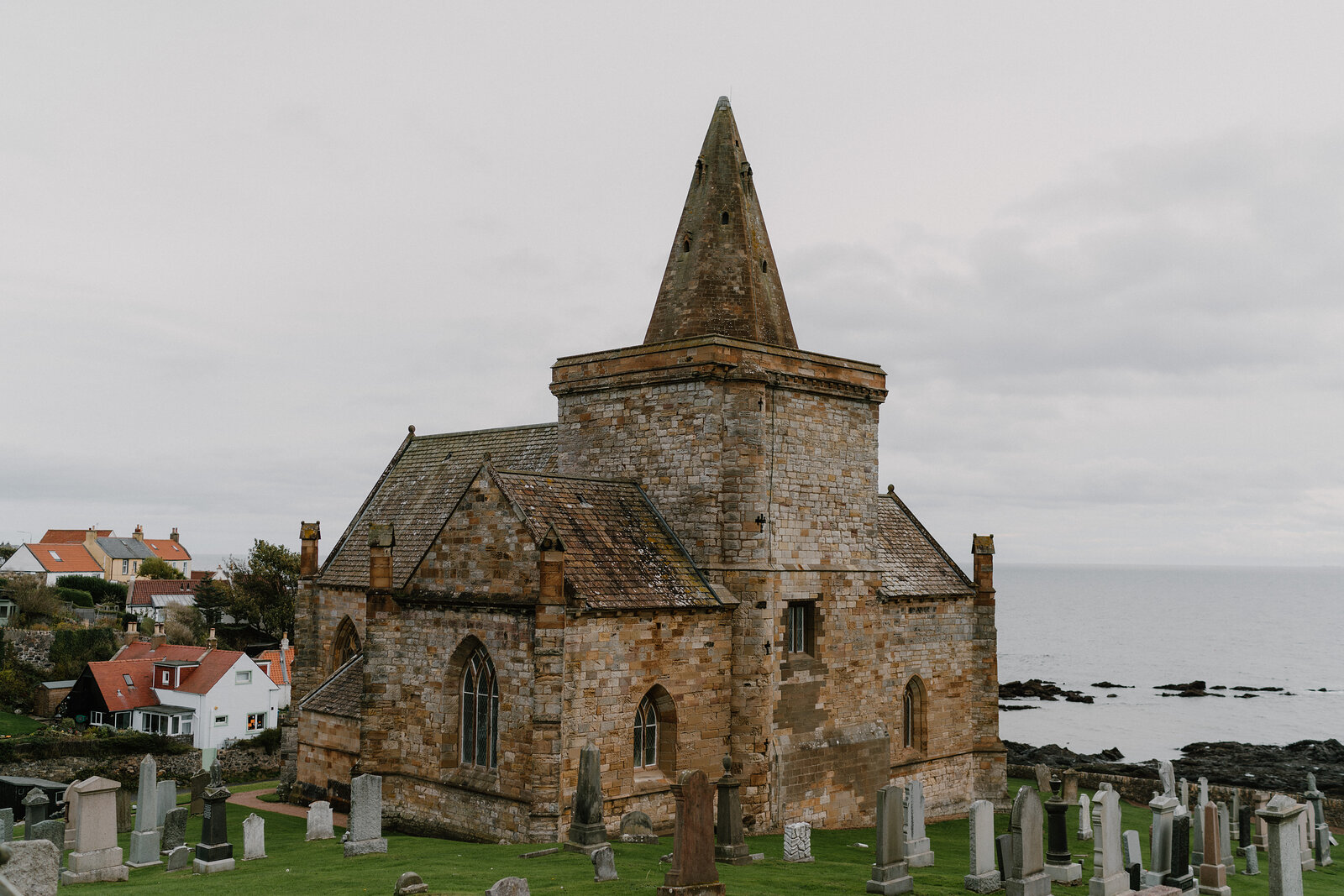
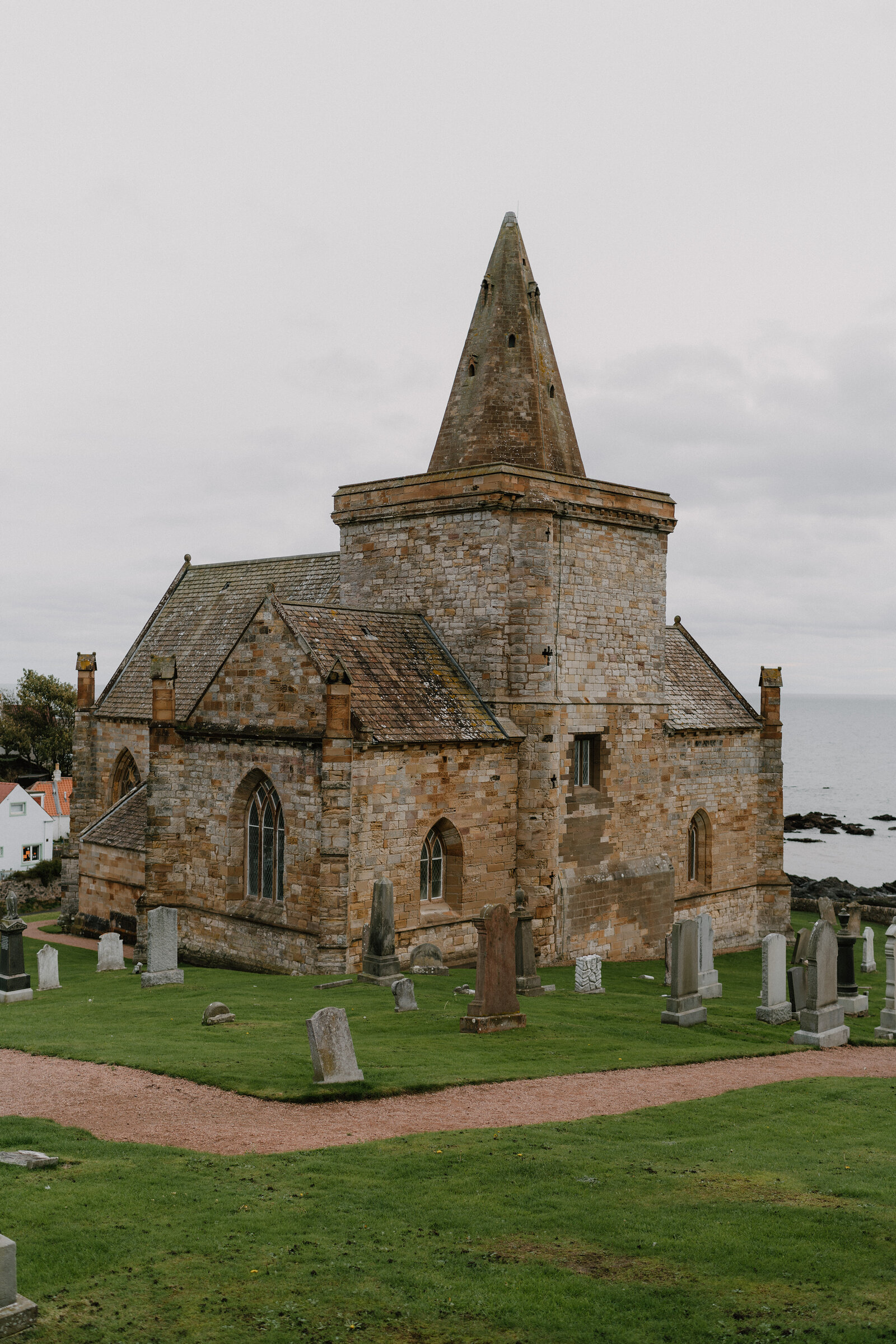
One of the oldest Scottish churches still used by locals today, St Monans Old Kirk dates back to AD 1256 and, following disuse, was believed to have been rebuilt by King David I as a way to thank God for his safe passage during a storm. Built into the cliffs of St Monans, the church is considered one of the most beautiful in Scotland.
St Andrews Cathedral
Noted as Scotland’s largest medieval church, St Andrews Cathedral’s majesty overlooks the coast and is one of the town’s most prominent landmarks. Once the seat for the leading bishops and archbishops of Scotland, the ruins stretch across 199m and was designated a scheduled monument in 1999.
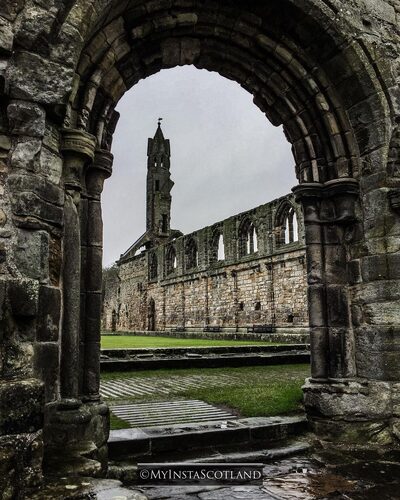
More about St Andrews Cathedral
St Andrews Old Course
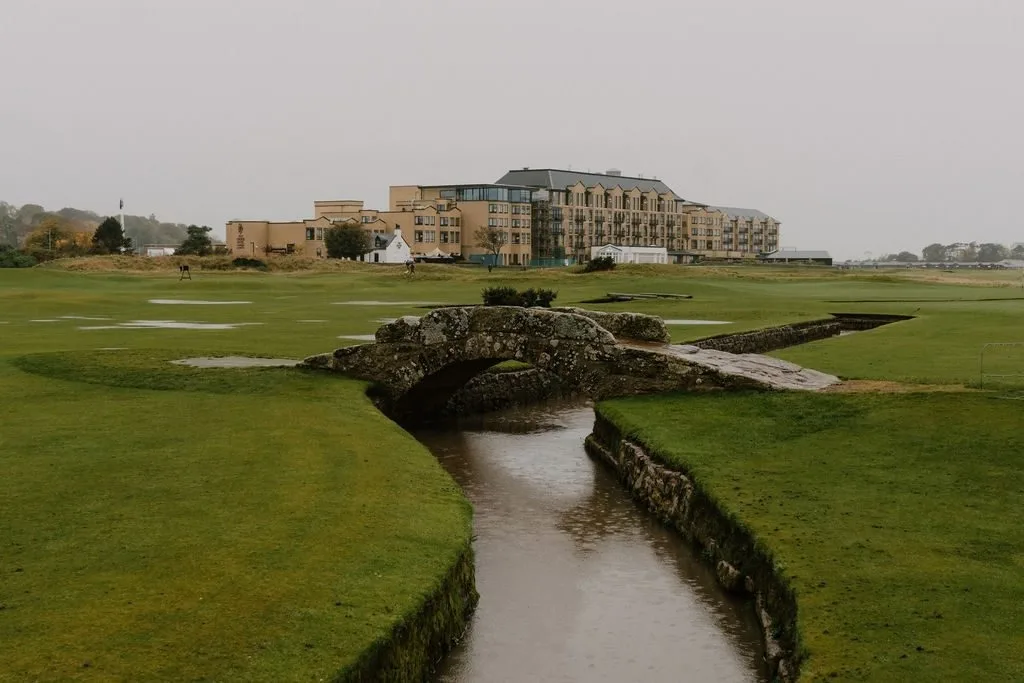
St Andrews – and Scotland as a whole – is known for golf, but there is no course older or more iconic than the St Andrews Old Course. Played on by some of the greatest golfers in history, the course is home to the famous Swilcan Bridge and Hell Bunker – and is open to the public, with tee times booked in advance or through the daily ballot. St Andrews Old Course has also hosted the Open Championships more times than any other course in the country.
Falkland Palace
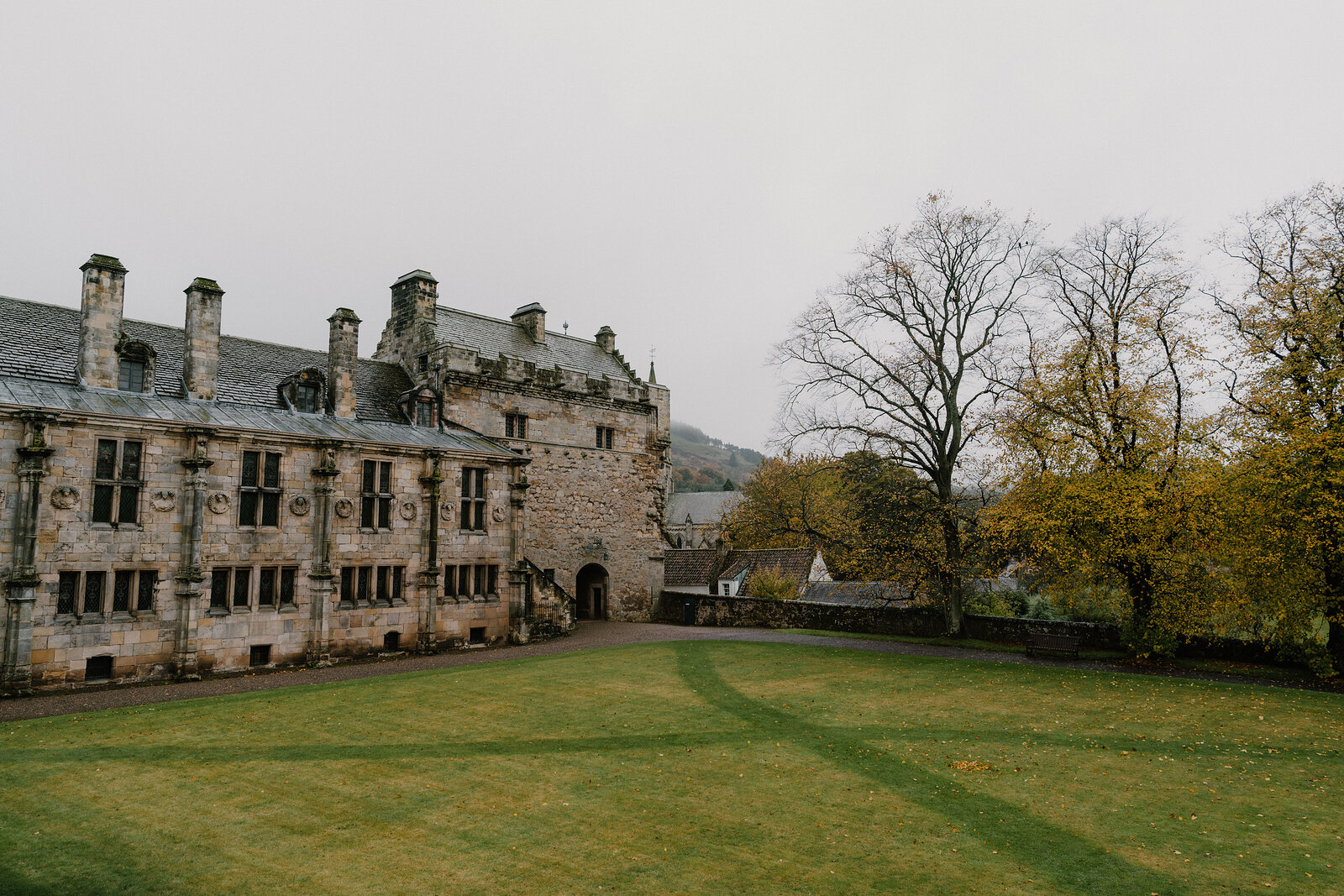
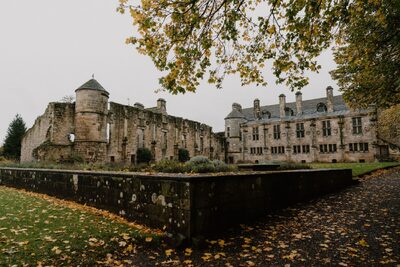
Fife is also home to a tennis court considered to be the oldest in the world. At Falkland Palace, the Royal Tennis Courts are a roofless space where early editions of the sport were played as far back as the 1500s. It gets its ‘royal’ name from its commissioner – King James V, whose family enjoyed playing ‘royal tennis’ on the court, a version slightly different from the modern game. If you’re visiting Falkland Palace, a few sets on the court are certainly in order.
Kingarrock Hickory Golf
The last remaining hickory golf course in the UK, Kingarrock will transport you back in time across the 9-hole course. First built in 1924, the course was reopened to the public following years of improvements for players in 2008.
More about Kingarrock Hickory Golf
West Sands Beach
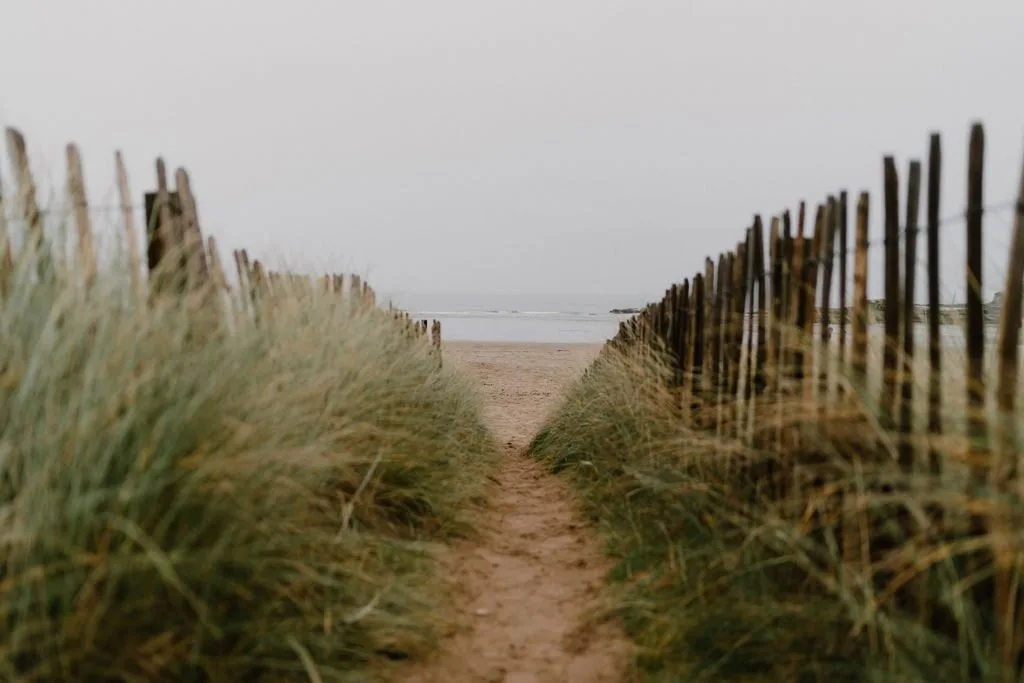
Fifteen minutes from the centre of St Andrews is West Sands Beach, a stretch of beautiful beach that was awarded the 2014 Keep Scotland Beautiful Seaside Award. The two miles of sand are perhaps most famous for the iconic opening scene of the 1981 film Chariots of Fire.
Craigtoun Park
Just southwest of St Andrews, the Craigtoun Country Park is a great spot for families to visit. Originally part of the forty-seven-acre Mount Melville Estate, much of the grounds’ original design still remains – including the rose garden, walled garden and Italian garden. You’ll also want to visit the ‘Dutch Village’ – a small island village in the middle of a lake. Explore the park by tractor, train or even by boat and pedalo.
Stay near St Monans
Our places to stay, nearest by road
 Out now
Twice a year, to your door
One hundred and sixty pages of Scotland, every photograph commissioned, every word written by someone who went. Members get both issues posted and everything on screen.

 The Last Stop Before Nowhere
 A Weekend Exploring the Isle of Mull
 What's On in Scotland: Autumn and Winter