Did you know
The Great Alarm.
On 31 January 1804 Hume's beacon was lit in error, setting off false alarms across southern Scotland and calling out 3,000 volunteers.
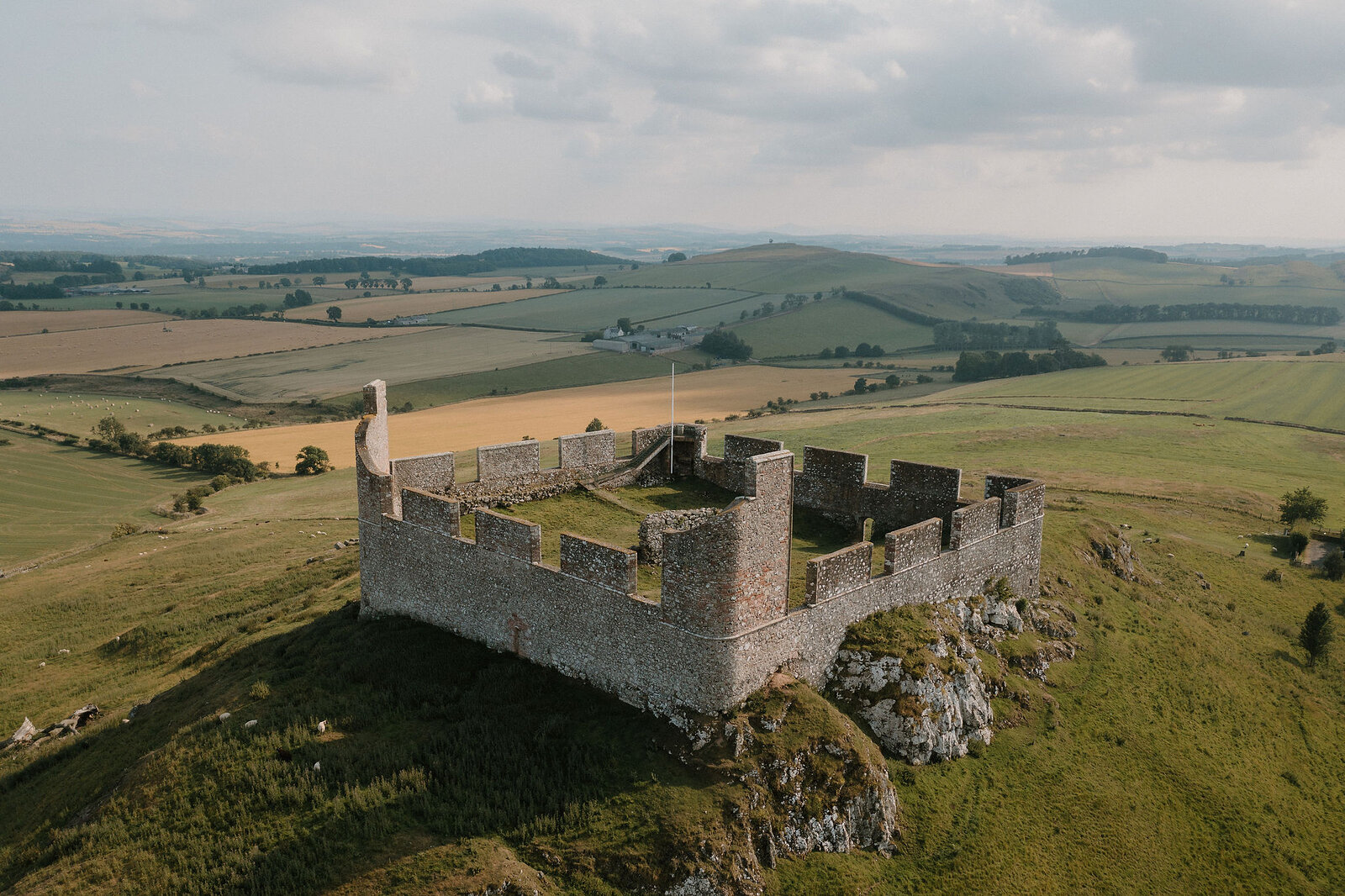
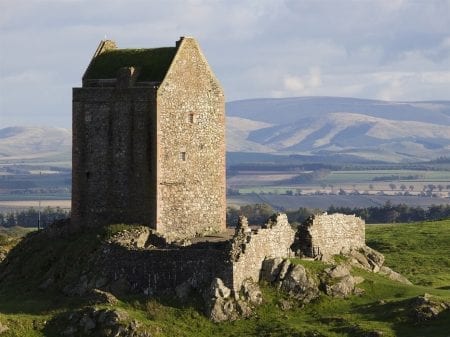
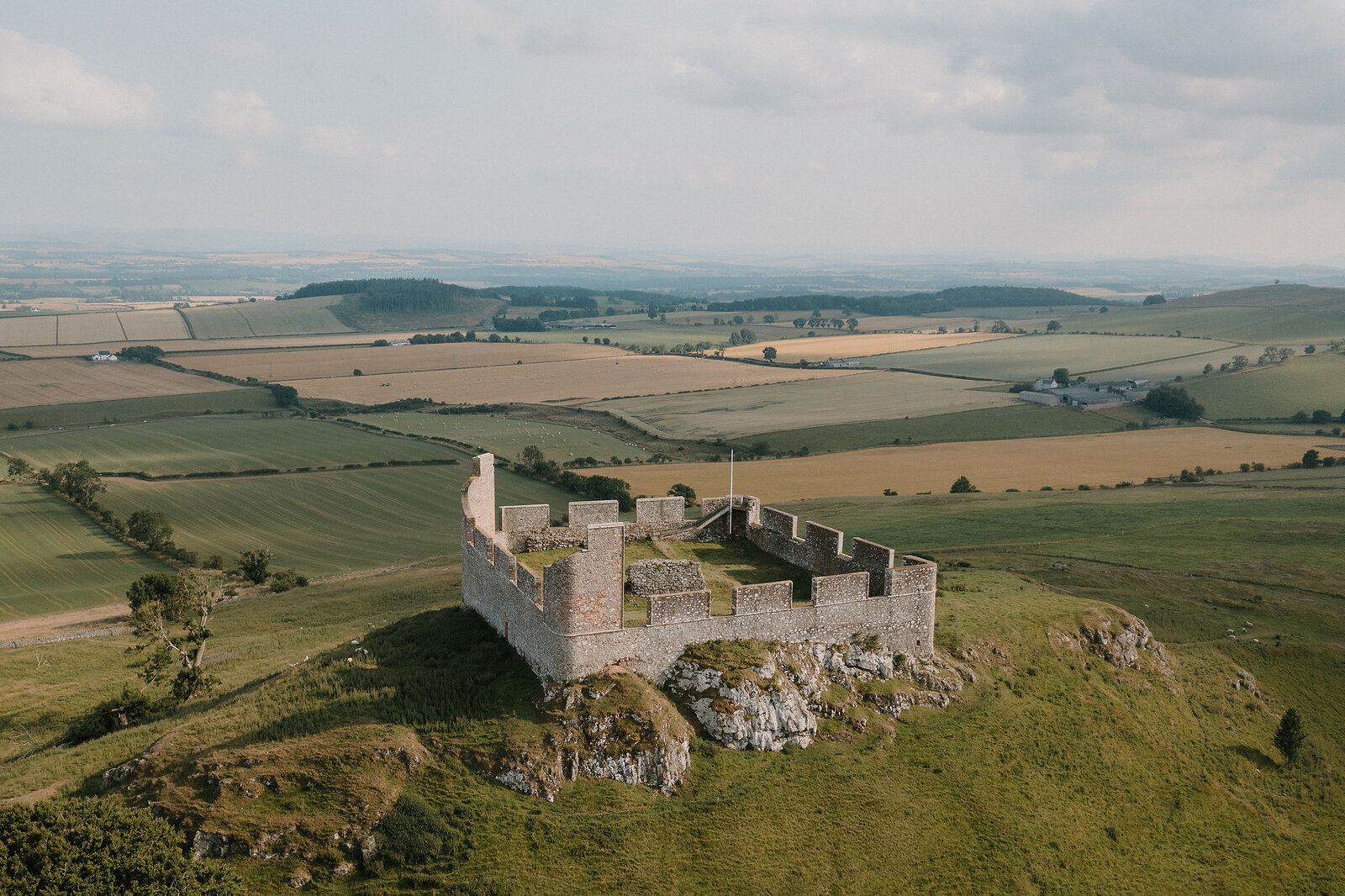
A battlemented folly of the 1770s on the site of the Homes' medieval stronghold, crowning a hilltop near Greenlaw with views over the Borders.
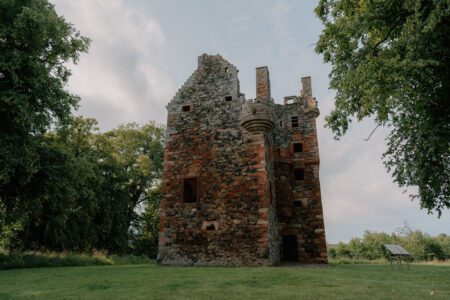
On a rocky hilltop south of Greenlaw, the great battlemented walls of Hume Castle crown the skyline.
From the walls there are wide views over the fields of the Borders.
There has been a castle here since the 1200s. It was the stronghold of the Home family and changed hands with the English more than once, until Cromwell's troops besieged it in 1651 and blew it up. About 1770 the Earl of Marchmont bought the ruin and built the walls you see today, not for defence but as an ornament to the landscape.
Hume had one more moment of drama. On a winter night in 1804, the sergeant in charge of its beacon mistook charcoal burners' fires for a warning of invasion and lit his own, sending 3,000 volunteers out across southern Scotland in the Great Alarm. The castle is free to visit.
Open to the public and free, owned by the Hume Castle Preservation Trust.
Been here? Tell others what you know, and the best go on this page with your name.
Add your reviewOn 31 January 1804 Hume's beacon was lit in error, setting off false alarms across southern Scotland and calling out 3,000 volunteers.
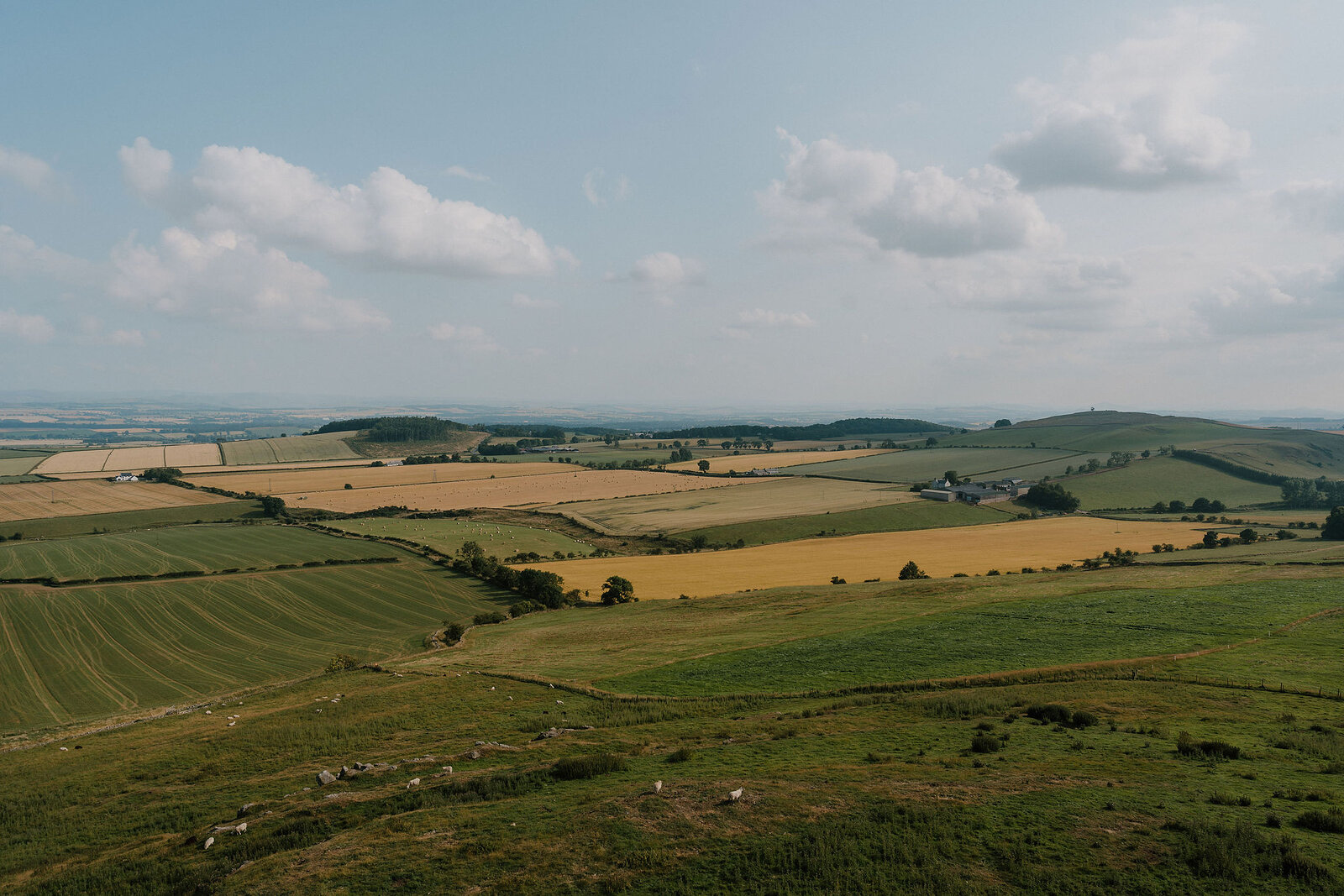
The walls standing today were put up about 1770 by the Earl of Marchmont as an ornament to the landscape.
Almost wherever you travel in the regions, the atmospheric, hill-perched ruins just keep on coming. Hume Castle stands on the skyline like some gap-toothed monument, its crenellated fortifications hinting at a past that saw it become one of the most important defensive outposts in the Eastern Borders. Having been destroyed in the past, much of the stonework has been restored.
Read moreNew places, news and stories, as we find them.
What is on in Scottish BordersIn the village of Hume, three miles south of Greenlaw, with steps up from a car park, NT 705 414.
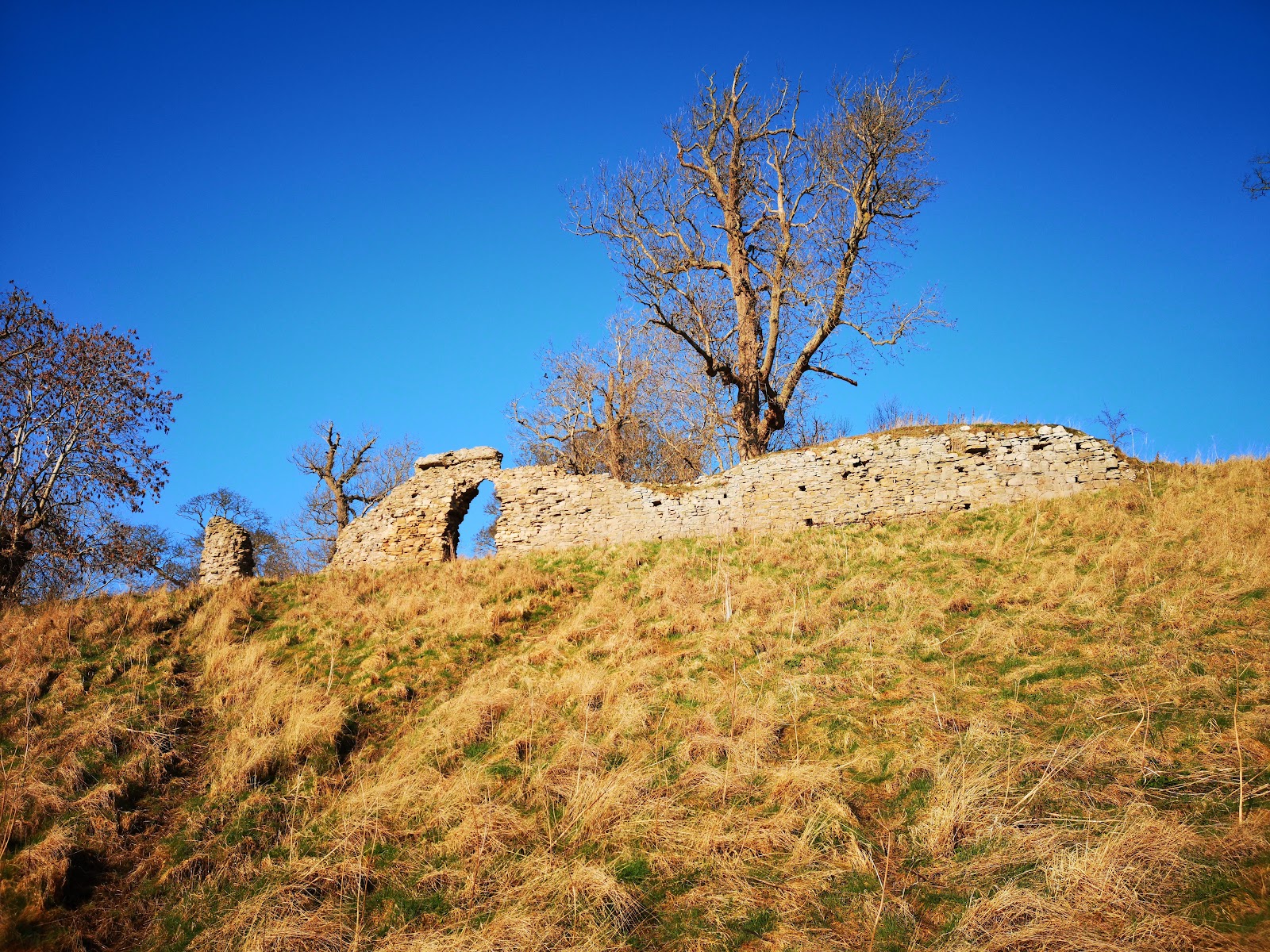 Roxburgh CastleThe broken walls of a medieval royal castle on a steep ridge between the Tweed and the Teviot, just west of Kelso.5 miles as the crow flies
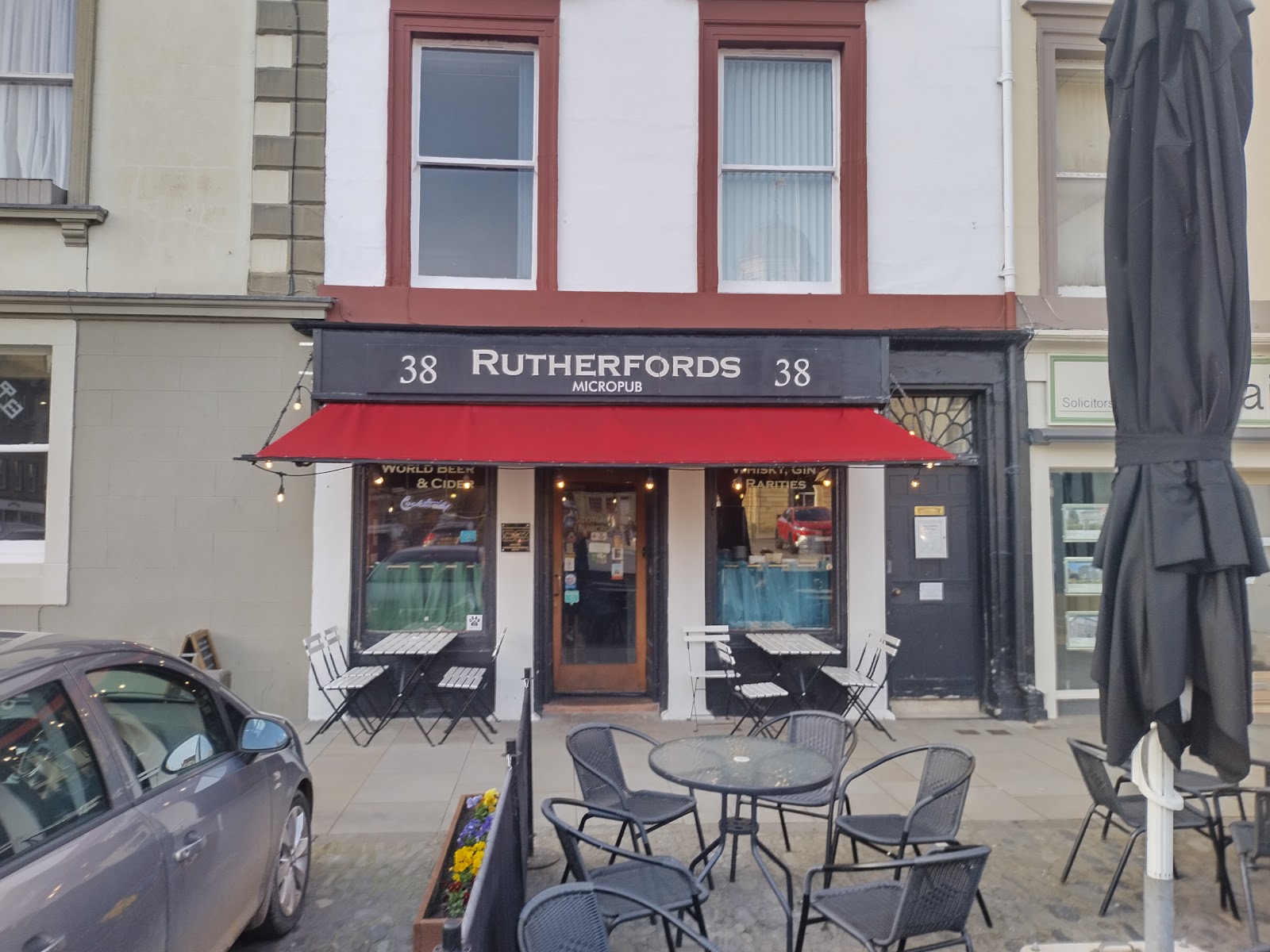 Rutherfords MicropubA small micropub on the Square in Kelso, named CAMRA's Borders Pub of the Year in 2025 and 2026.5 miles as the crow flies
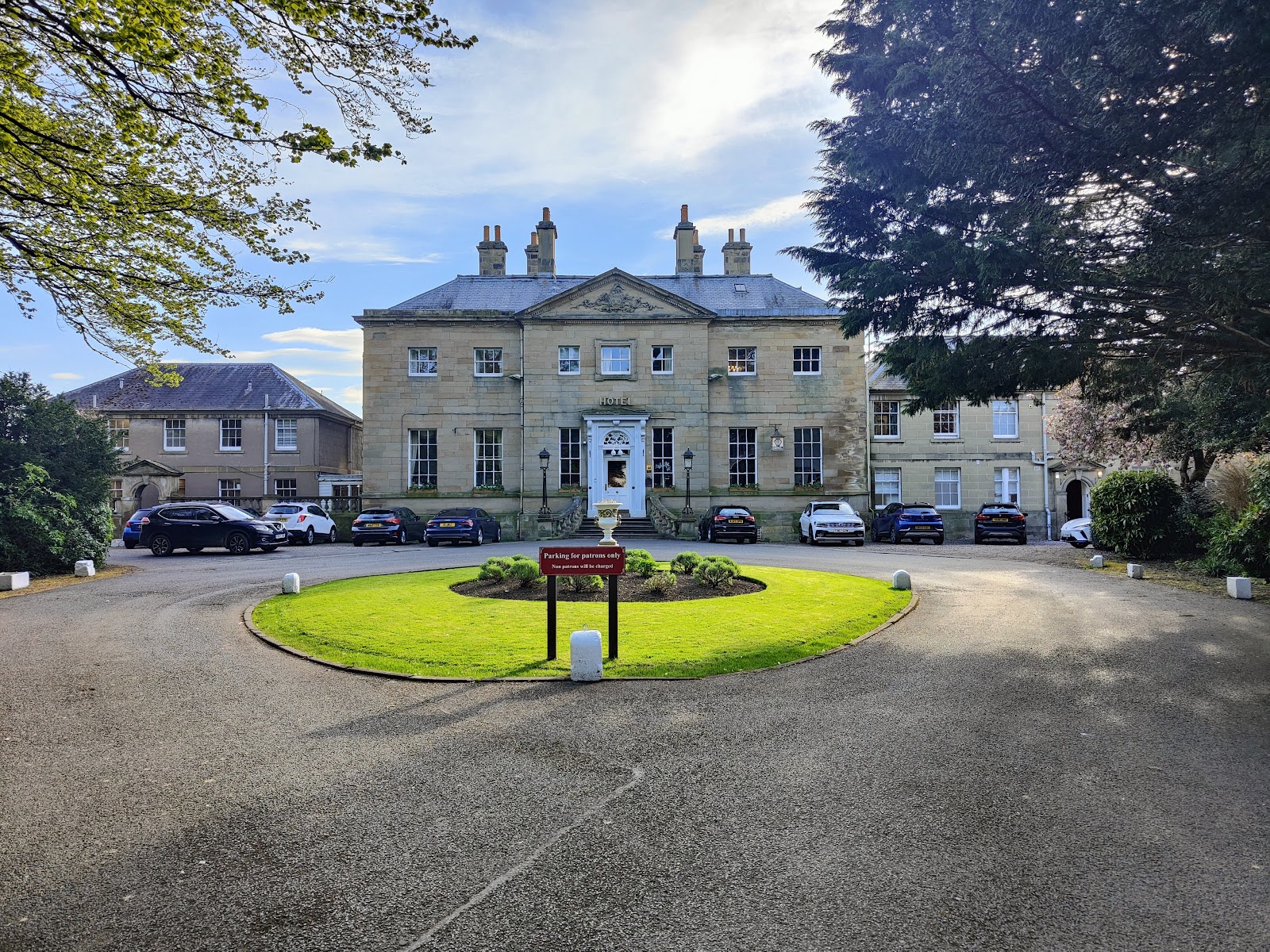 Ednam HouseA Georgian mansion on the banks of the Tweed in Kelso, now a hotel with a restaurant, a bar and three acres of riverside gardens.5 miles as the crow flies
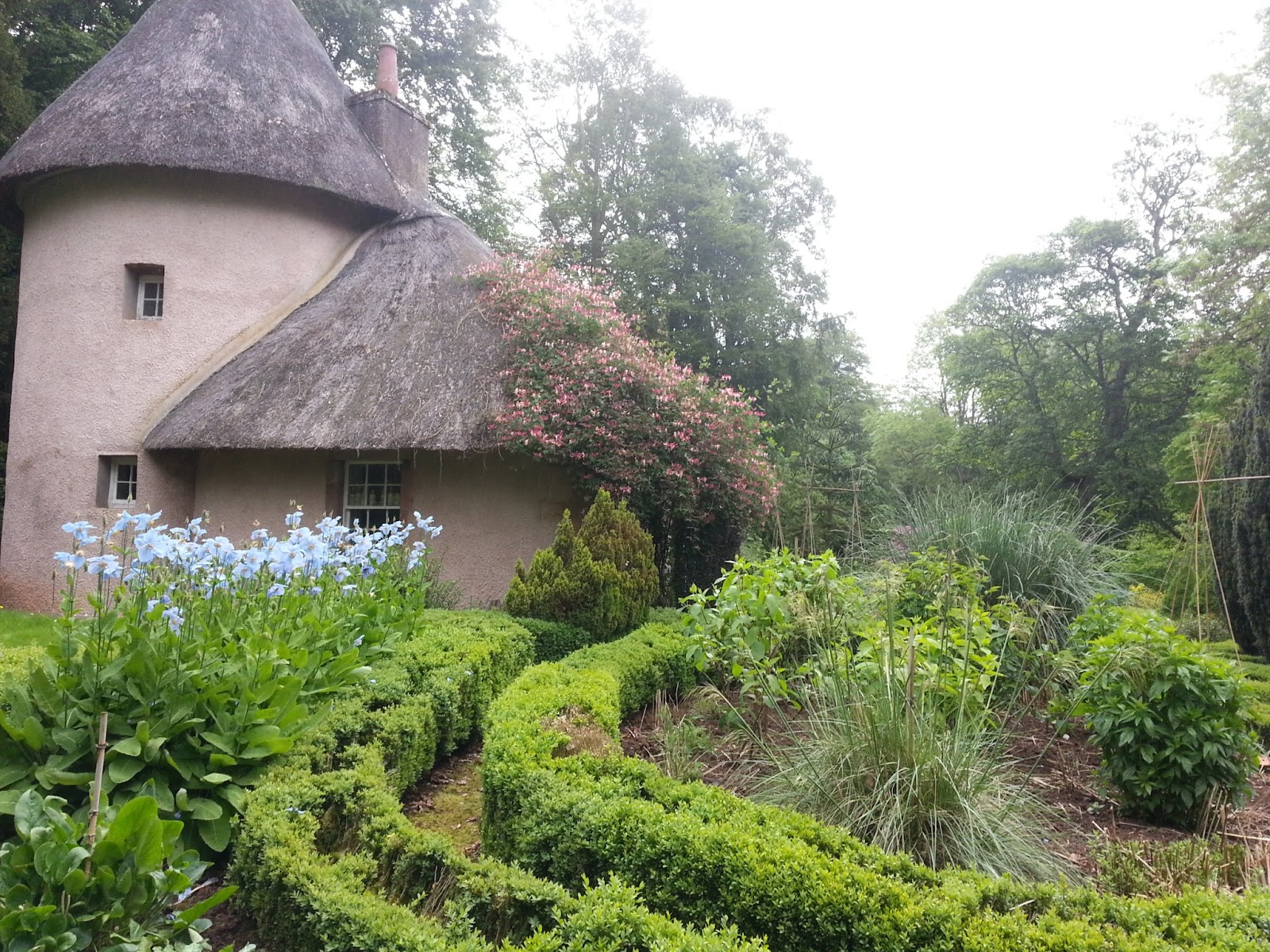 Mellerstain HouseA Robert Adam house near Kelso, open for guided tours from May to September, with gardens, parkland walks and a courtyard cafe.5 miles 8 min by road
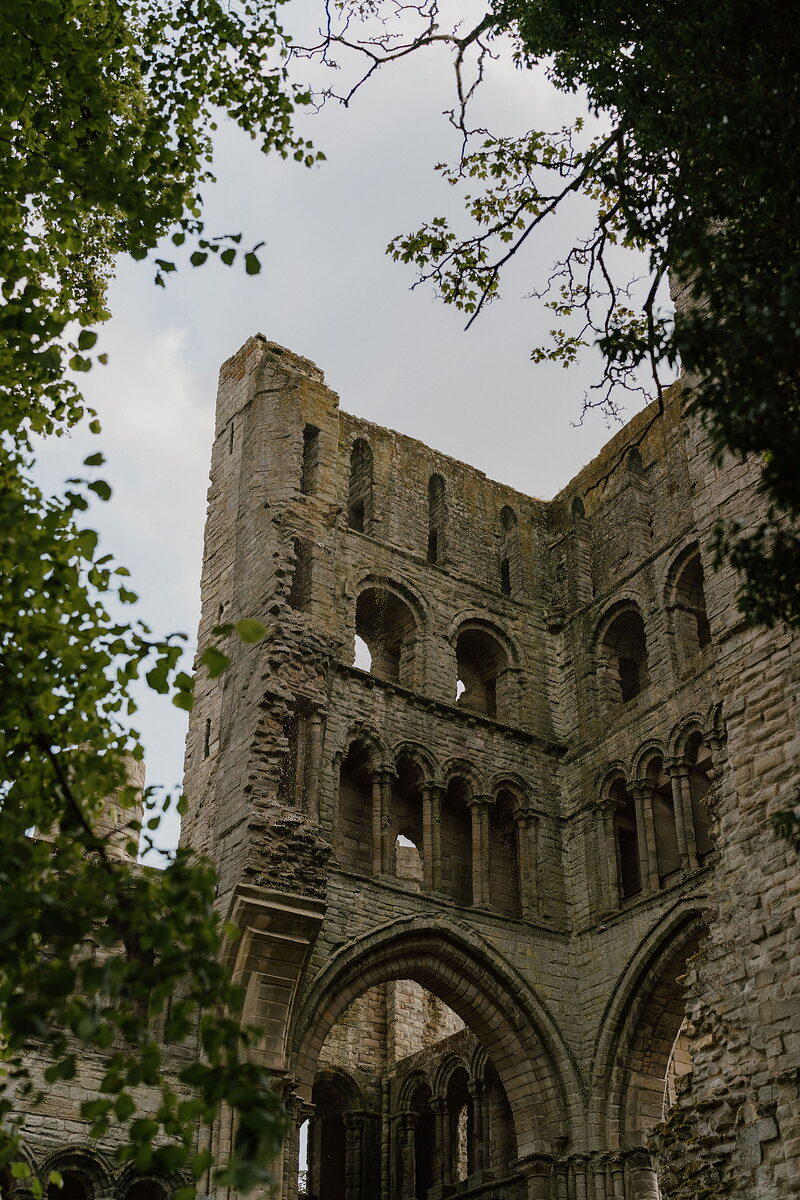 Kelso AbbeyThe great abbey at Kelso.7 miles 13 min by road
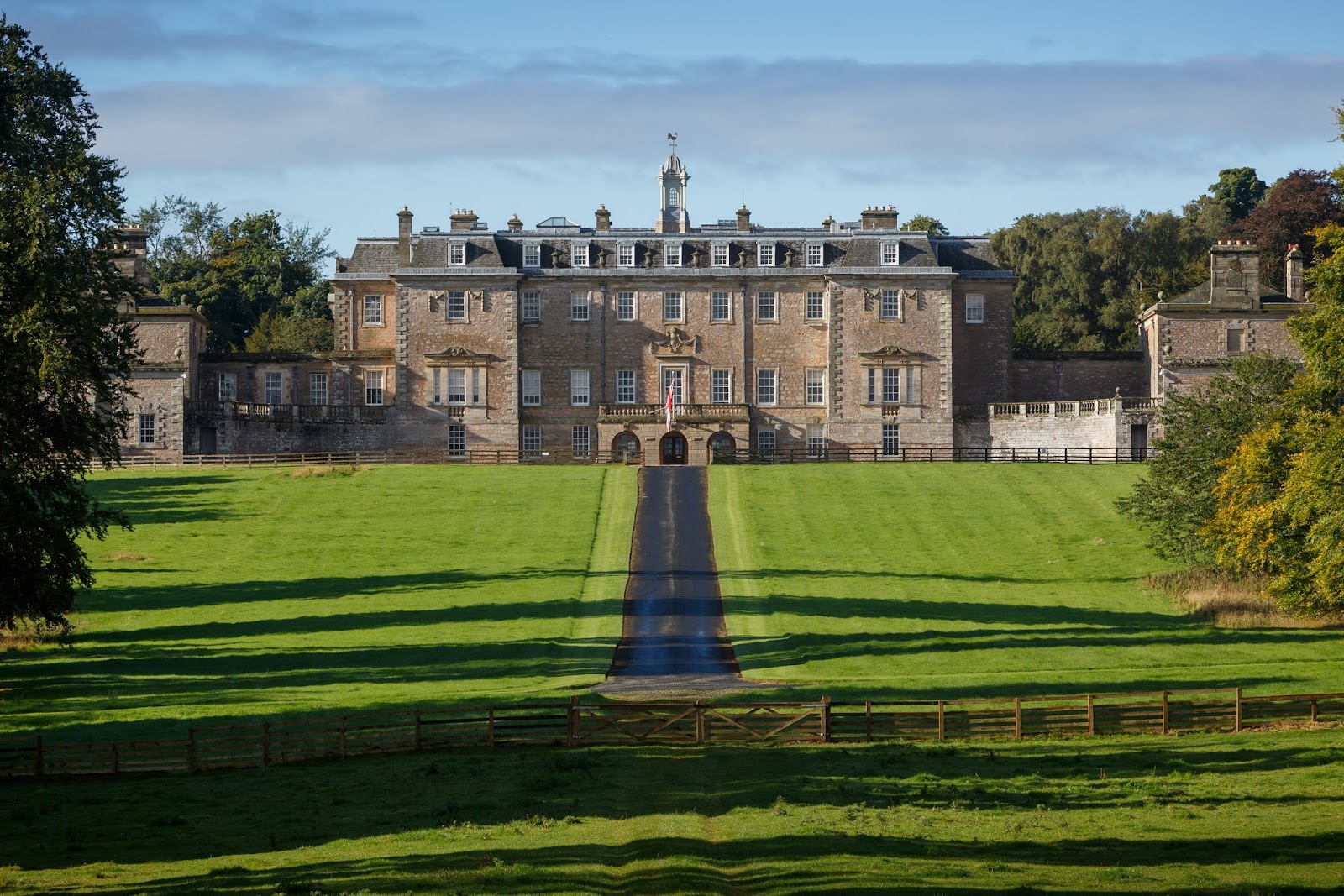 Marchmont HouseThe house its walls were built to be seen from.9 miles 18 min by road
Arrives at 5am every day.
A free morning email to see what’s on this week, catch up on what’s happening in Scotland and find somewhere new to go.
Places to stay near the castle, and when each is next free.
We want to show you the best that Scotland has to offer. The makers and the creatives, the enduring experiences, the evocative tales, the concealed corners. The roads less travelled that take you to places that matter. The adventures that gather you up and sweep you away. The blend of the wild and the artistic that makes Scotland what it is. We’d love for you to join us.
For further reading, before you go. The details on this page were checked on .