Did you know
Paint from the start.
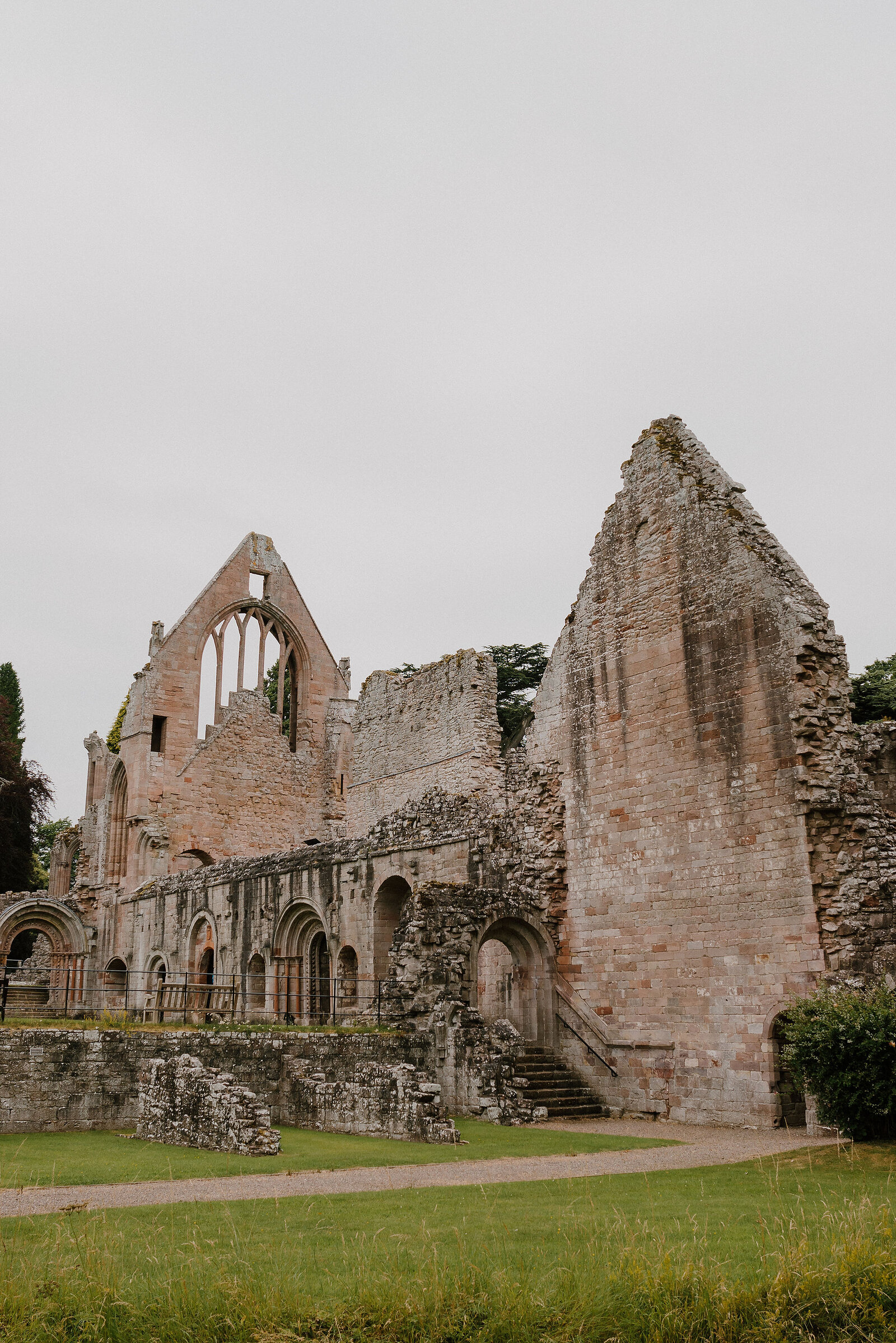
In the chapter house, plaster and paintwork survive from when it was first built.
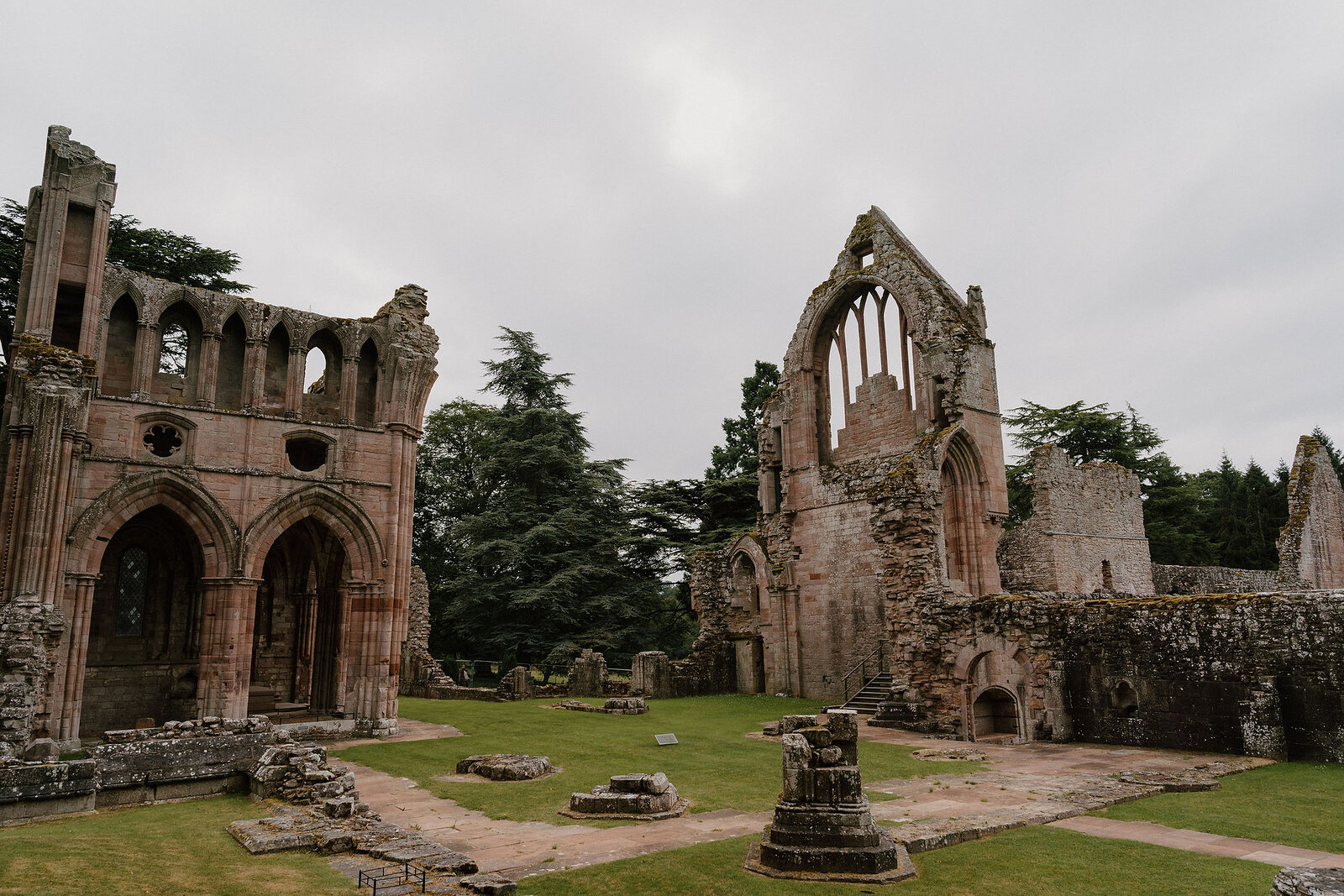
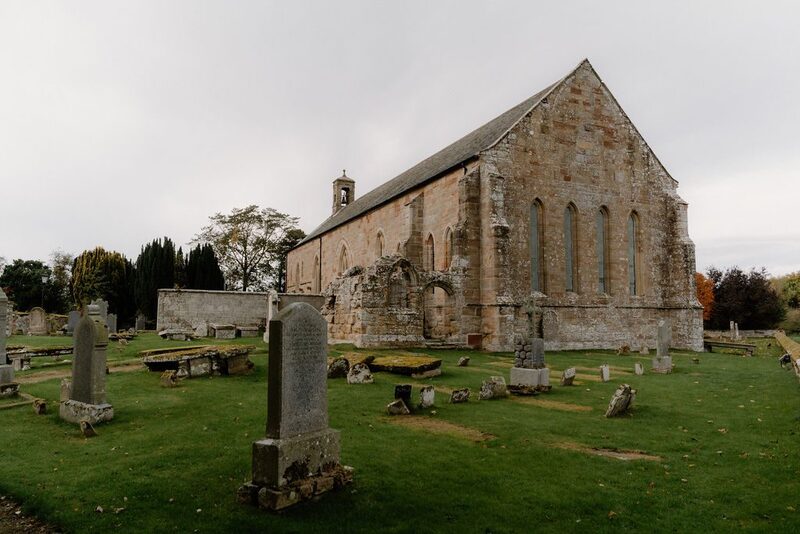
A remarkably complete medieval ruin by the Tweed, with some of the best Gothic church architecture in Scotland and the grave of Sir Walter Scott.
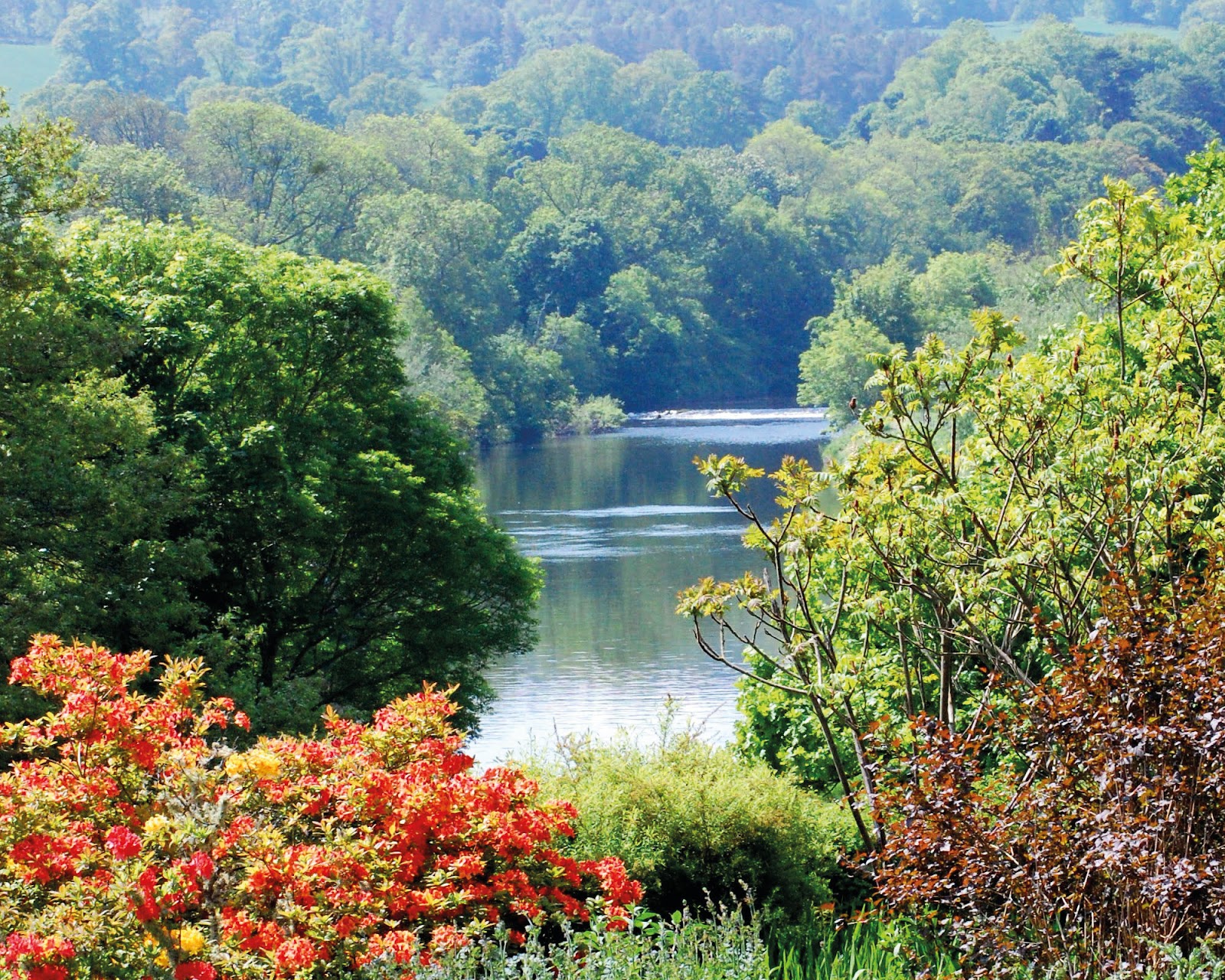
Beside the River Tweed, among lawns and old trees, Dryburgh Abbey is one of the most peaceful places in the Borders.
It is a remarkably complete medieval ruin, and it has some of the best Gothic church architecture in Scotland.
The abbey belonged to the Premonstratensian canons, and it lived through three fires and four attacks. Parts of it still hold surprises: in the chapter house, plaster and paintwork survive from the day it was built. Beside the abbey grows the Dryburgh yew, one of the oldest trees in Scotland.
Many visitors come to pay their respects. Sir Walter Scott is buried in the north transept, alongside Field-Marshal Earl Haig, and the Earl of Buchan lies in the sacristy. Scott's View and the Wallace statue are both close by, so it is easy to make a half day of it.
Arrives at 5am every day.
A free morning email to see what’s on this week, catch up on what’s happening in Scotland and find somewhere new to go.
Open daily: 9.30am to 5pm from April to September, 10am to 4pm from October to March, closed over Christmas and New Year.
Been here? Tell others what you know, and the best go on this page with your name.
Add your reviewIn the chapter house, plaster and paintwork survive from when it was first built.
The Dryburgh yew in the abbey grounds is one of Scotland's oldest trees.
This exquisite medieval ruin on the banks of the Tweed was once a thriving monastery, still retaining everything from its cloister to its chapter house. Come for the superb Gothic architecture – most evident in the strikingly designed transepts – and the fact that both Sir Walter Scott and First World War officer Field Marshal Haig are buried here.
Read moreNew places, news and stories, as we find them.
What is on in Scottish BordersAt Dryburgh by the Tweed, TD6 0RQ, a 10-minute drive from St Boswells or a 30-minute walk from Newton St Boswells.
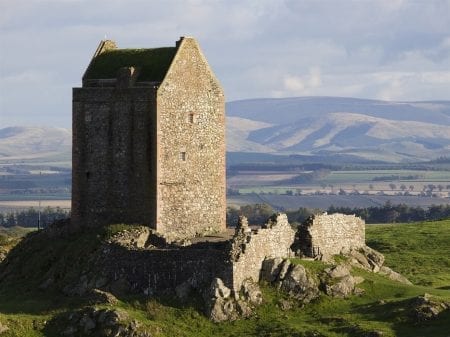
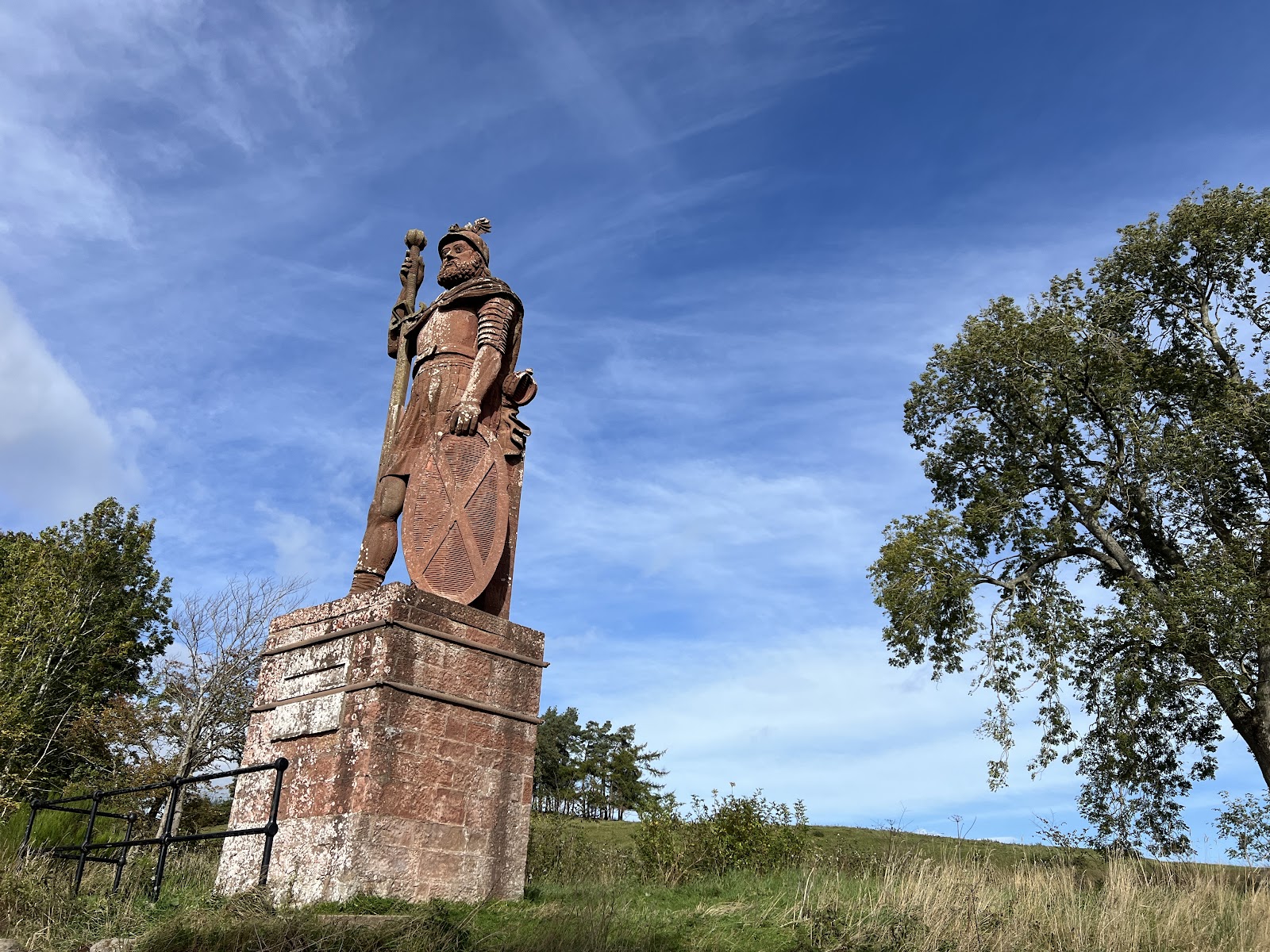 Wallace StatueA giant Wallace on the hill above.1 mile 2 min by road
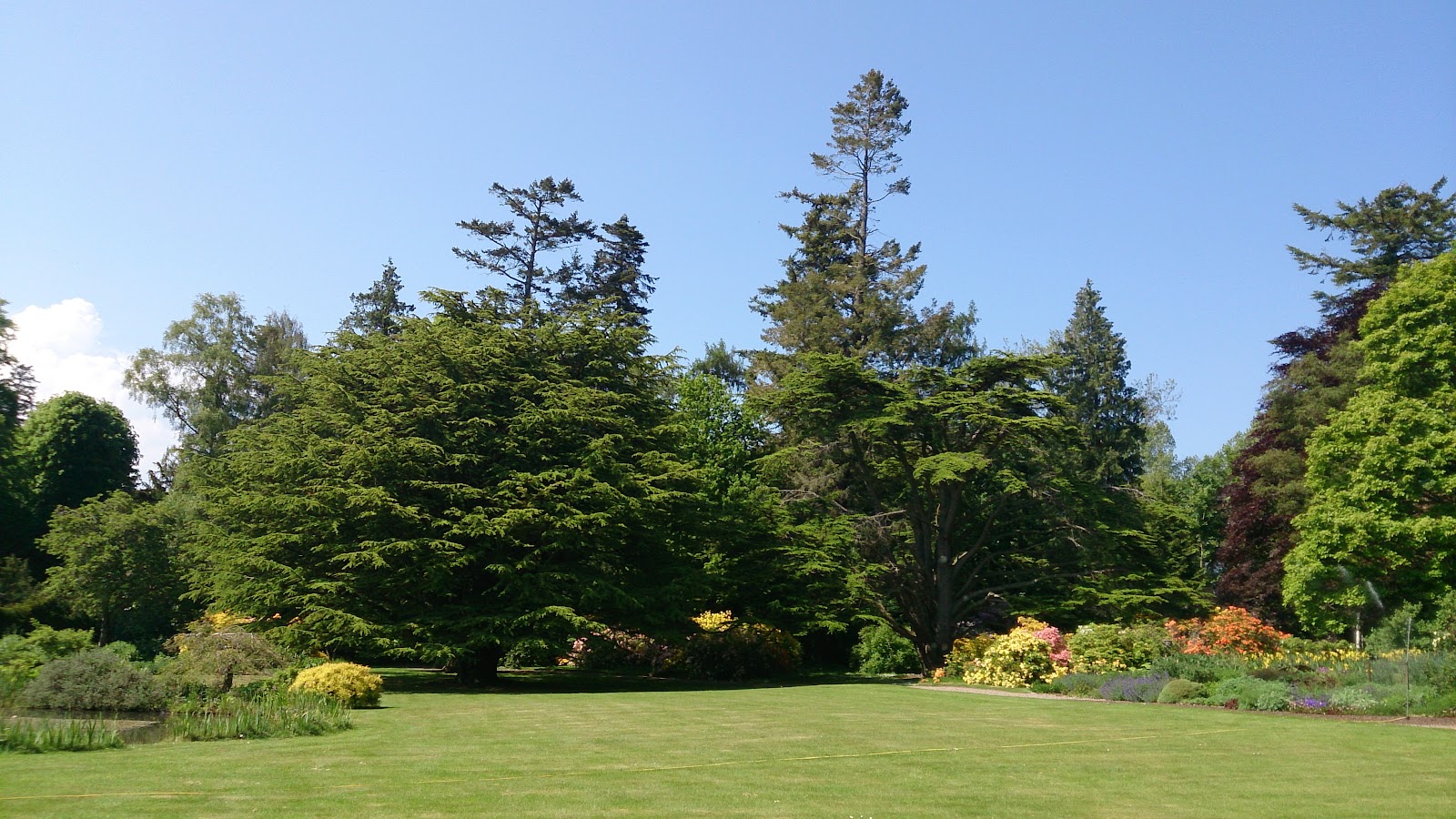 Mertoun GardensTwenty-six acres of gardens round Mertoun House by the Tweed near St Boswells, cared for by a charitable trust since 1984.2 miles as the crow flies
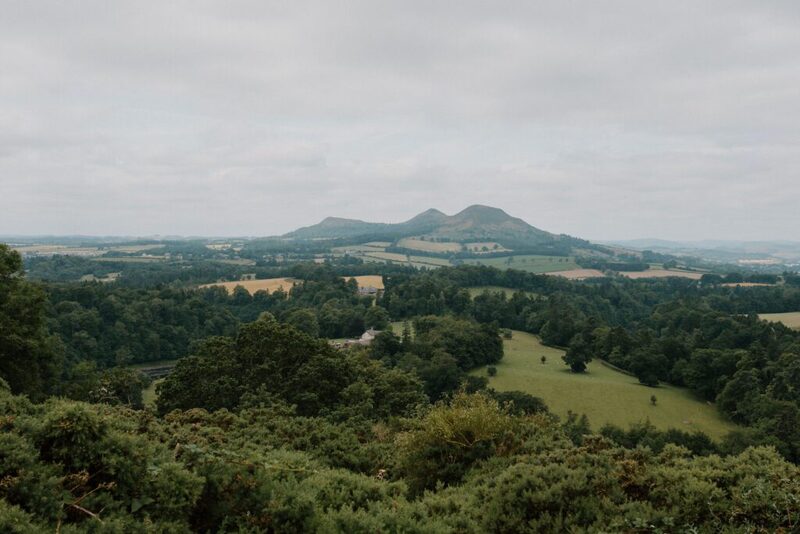
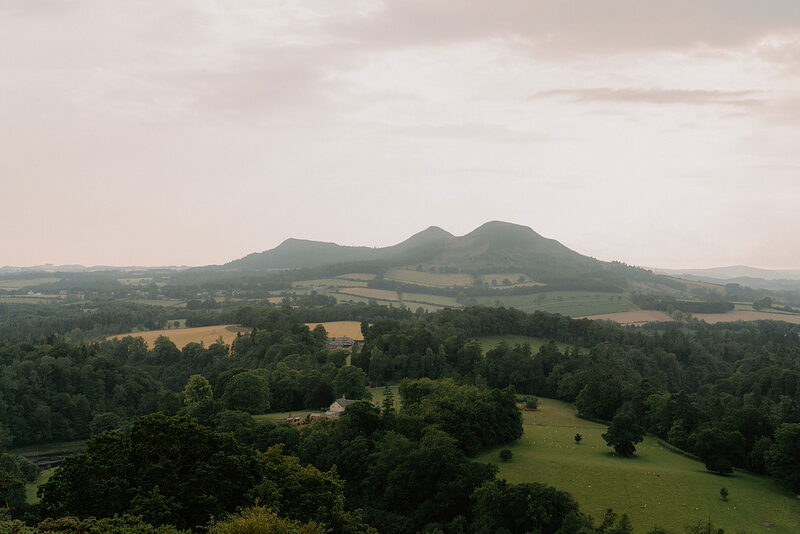 Scott’s ViewScott's favourite view nearby.2 miles 5 min by road
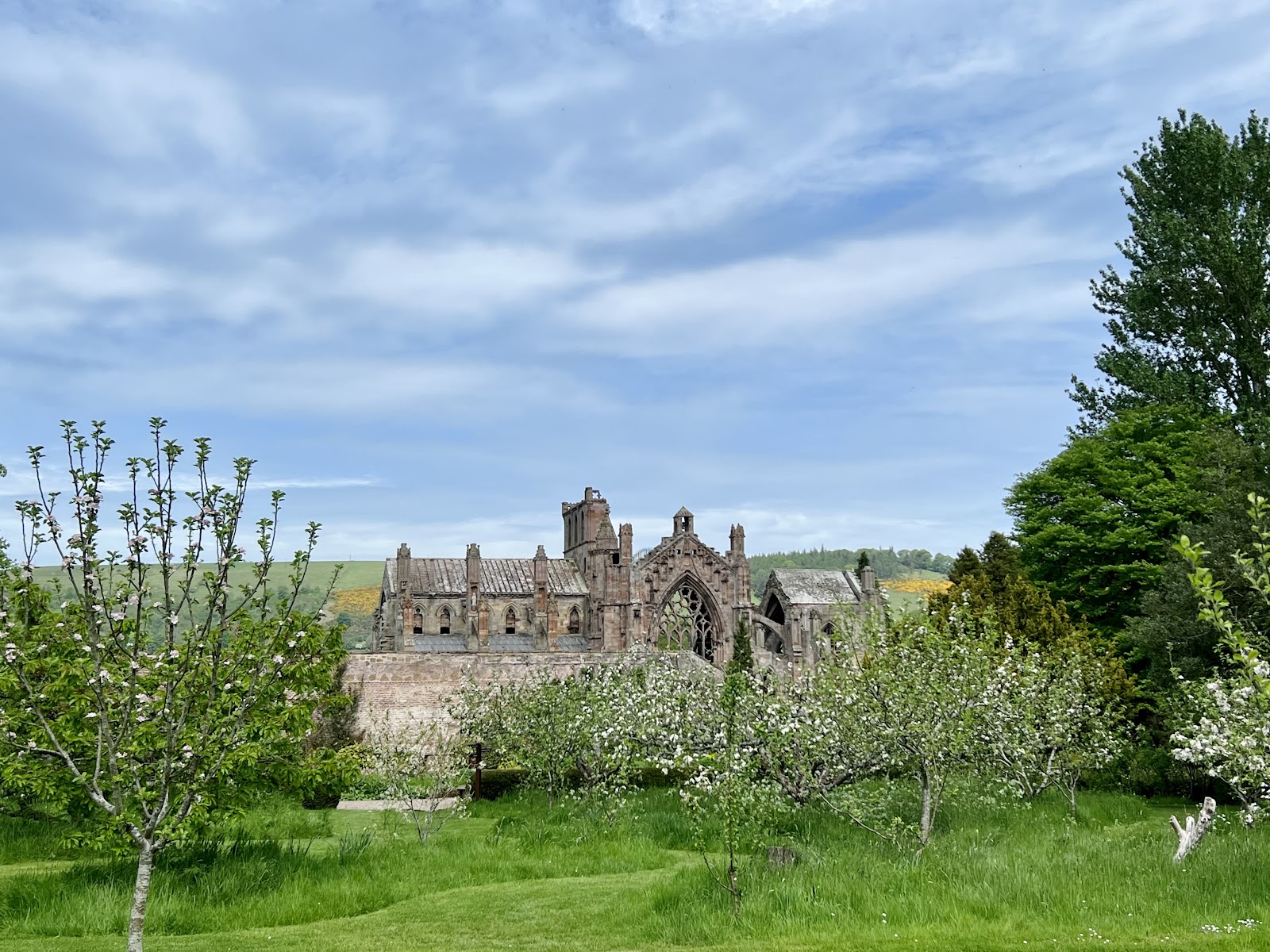 Priorwood GardenA walled garden in the ancient precinct of Melrose Abbey, cared for by the National Trust for Scotland.3 miles as the crow flies
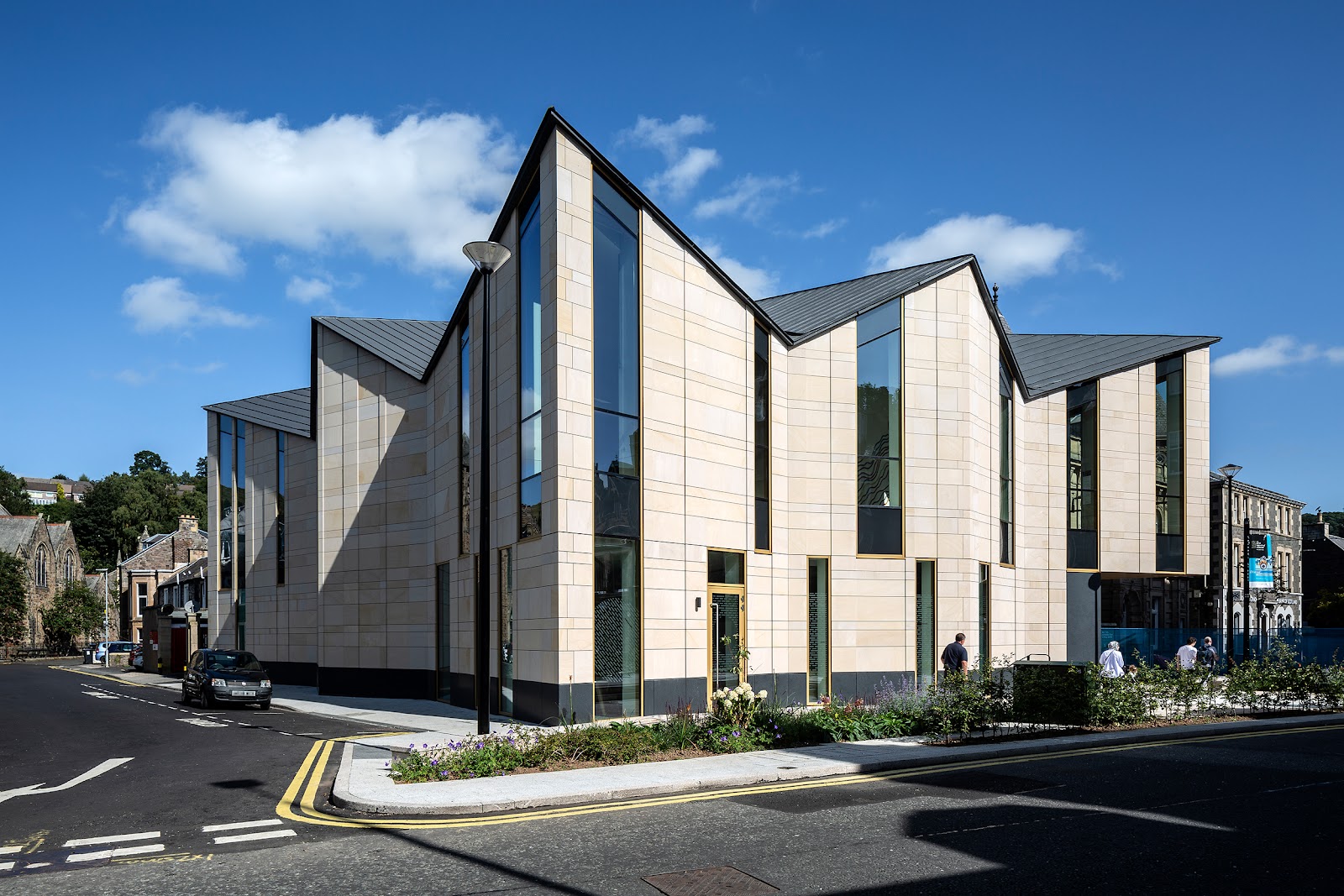
 Trimontium MuseumA museum on Melrose's Market Square telling the story of Trimontium, the Roman fort a mile and a half east at Newstead.3 miles as the crow flies
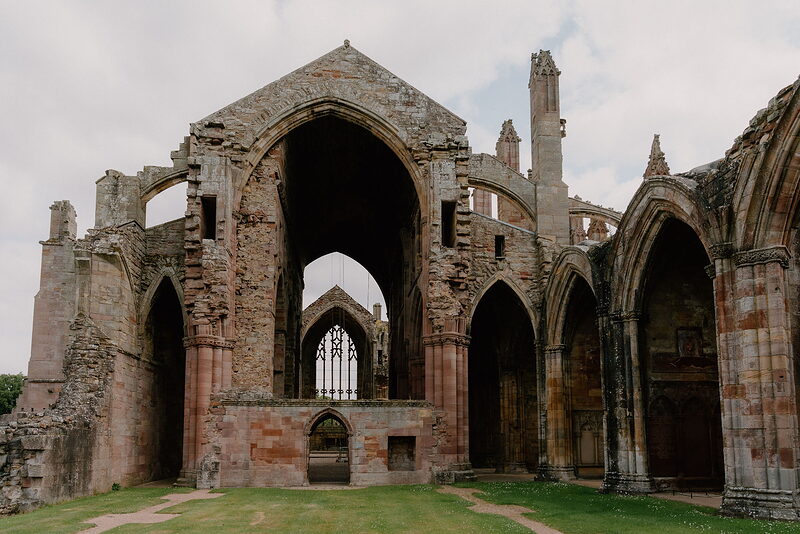 Melrose AbbeyThe great abbey at Melrose.7 miles 13 min by road
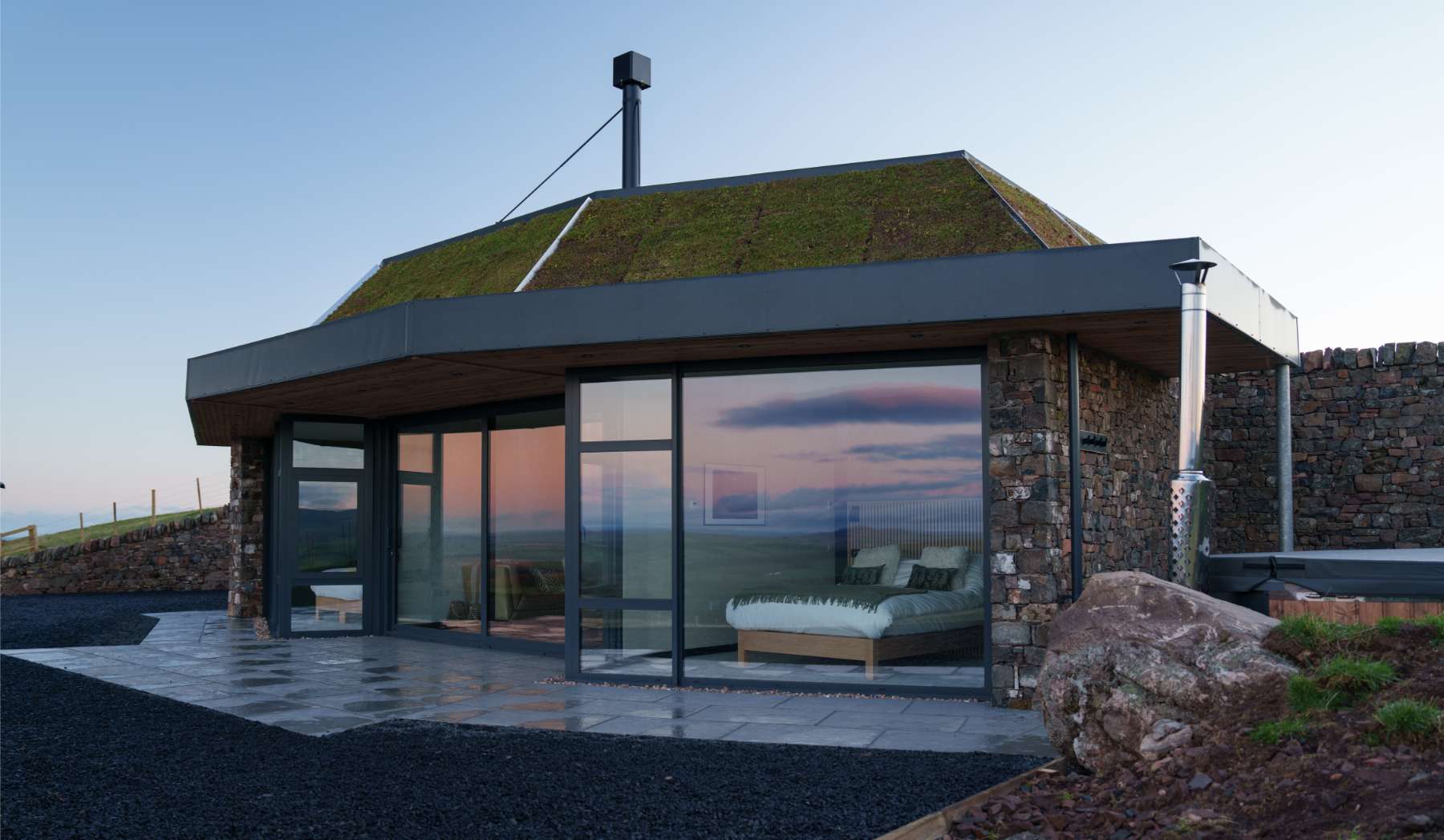
Places to stay near the abbey, and when each is next free.
We want to show you the best that Scotland has to offer. The makers and the creatives, the enduring experiences, the evocative tales, the concealed corners. The roads less travelled that take you to places that matter. The adventures that gather you up and sweep you away. The blend of the wild and the artistic that makes Scotland what it is. We’d love for you to join us.
What we have written about it, the collections it is in and more in the Scottish Borders.
For further reading, before you go. The details on this page were checked on .