
Celebrating 254 Years Since the Birth of Sir Walter Scott
On 15 August 1771, Sir Walter Scott was born in Edinburgh. Two and a half centuries later, his influence is still felt across Scotland. From the Borders to the capital, the landscapes, monuments, and stories he shaped remain part of the country’s identity, waiting for visitors to discover.
Written by Jack Cairney
You don’t need to look far to find Sir Walter Scott in Scotland. His name turns up on station signs, carved in stone, printed on banknotes. Step into Edinburgh and you might see his monument rising over the gardens, or cross the Borders and find the tower that inspired him still standing against the sky. Wherever you travel, the reminders of his life and work are easy to spot.
Scott was born in the city in 1771, but the cobbled streets of Edinburgh didn’t give him what the Borders could. After illness left him weak as a toddler, he was sent to his grandparents’ farm near Smailholm Tower. The tower still stands on its crag, weathered and stubborn, looking much as it did when he was a boy. Inside, Aunt Jenny’s voice filled the rooms with old Border ballads. Outside, the farm’s rough tracks and open fields led to views of the tower against the horizon. Here he found the raw stories, the reivers, the battles, the old rivalries, that no polite city drawing room could match.
He trained as a lawyer and kept the job, but his real work happened on horseback. He spent years roaming the Borders, knocking on doors, speaking to people who still remembered the old songs, and writing them down. These became Minstrelsy of the Scottish Border, and the start of something much bigger. His poems, The Lay of the Last Minstrel, Marmion, and The Lady of the Lake, didn’t just entertain. They put places on the map. Loch Katrine and the Trossachs saw a rush of visitors wanting to walk the same ground as his verses.
When poetry’s fashion changed, he turned to novels. Waverley brought the Jacobite rising of 1745 to life, showing the doomed romance of the cause as much as the facts. Rob Roy gave the Highlands a swashbuckling folk hero. The Heart of Mid-Lothian made a real woman’s desperate walk to plead for her sister into something close to national legend. He took history and made it personal, filling it with characters readers could root for. In doing so, he gave Scotland an image that was romantic, dramatic, and proud, and it stuck.
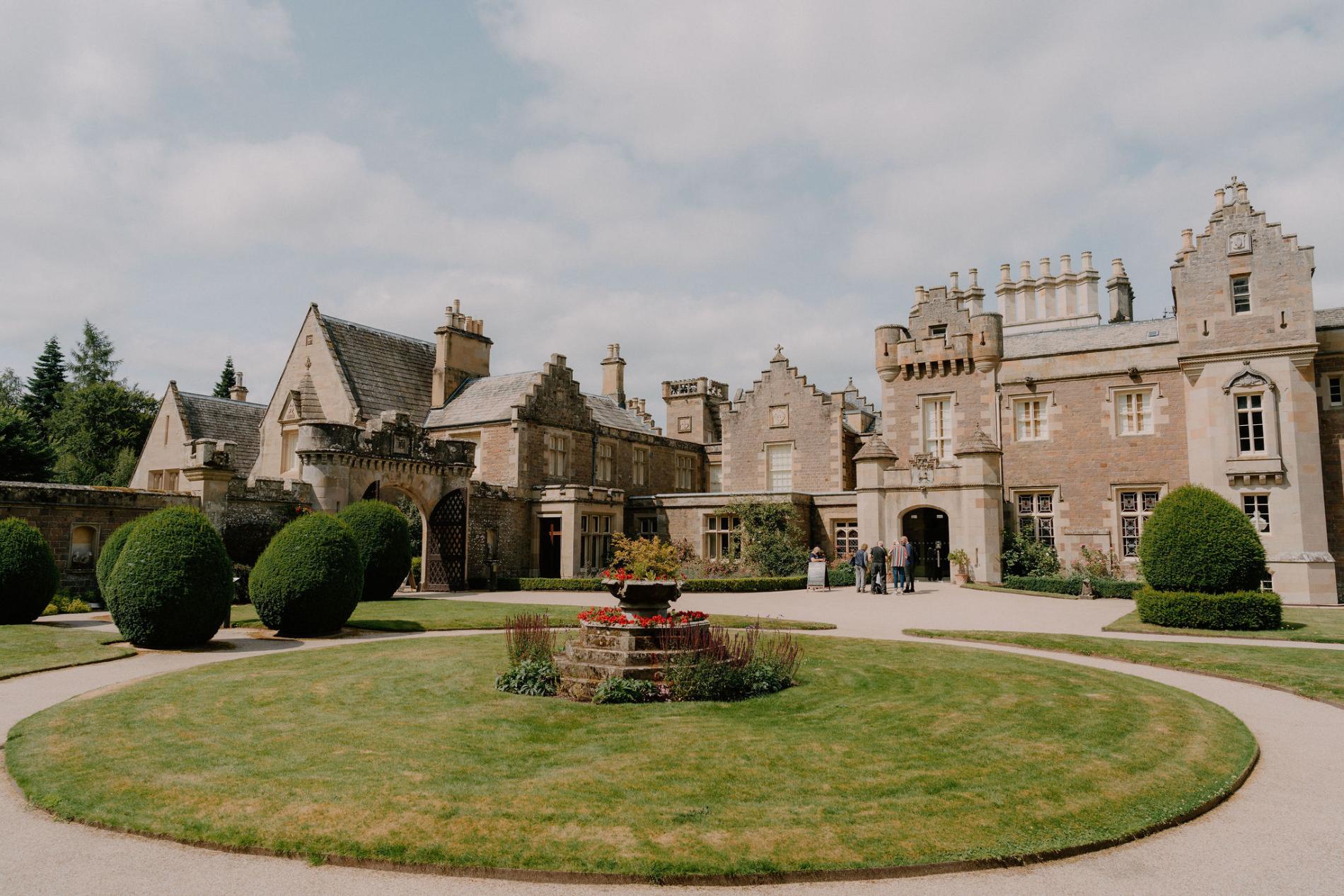
At Abbotsford, his home on the River Tweed, he filled the rooms with relics from across Scottish history, including Rob Roy’s gun, old suits of armour, and the keys to Loch Leven Castle. Not far away is Scott’s View, a wide sweep of hills and river he loved so much that it is said his horses stopped there on his funeral journey without being told.
In Edinburgh, the Scott Monument rises above Princes Street Gardens. Beneath its spire, Scott sits with a dog by his side, quill in hand. In the castle, the Honours of Scotland, the crown, sceptre, and sword, are on display because he pushed to have them unlocked after more than a century out of sight. Thanks to that, they are not just dusty relics, they are part of the living story.
Scott died in 1832 and was buried at Dryburgh Abbey in the Borders he loved. Stand at Smailholm Tower, or at Scott’s View, and you don’t just see the scenery, you feel the weight of the years and the stories in the stones. His version of Scotland is still here, waiting for you to find it.
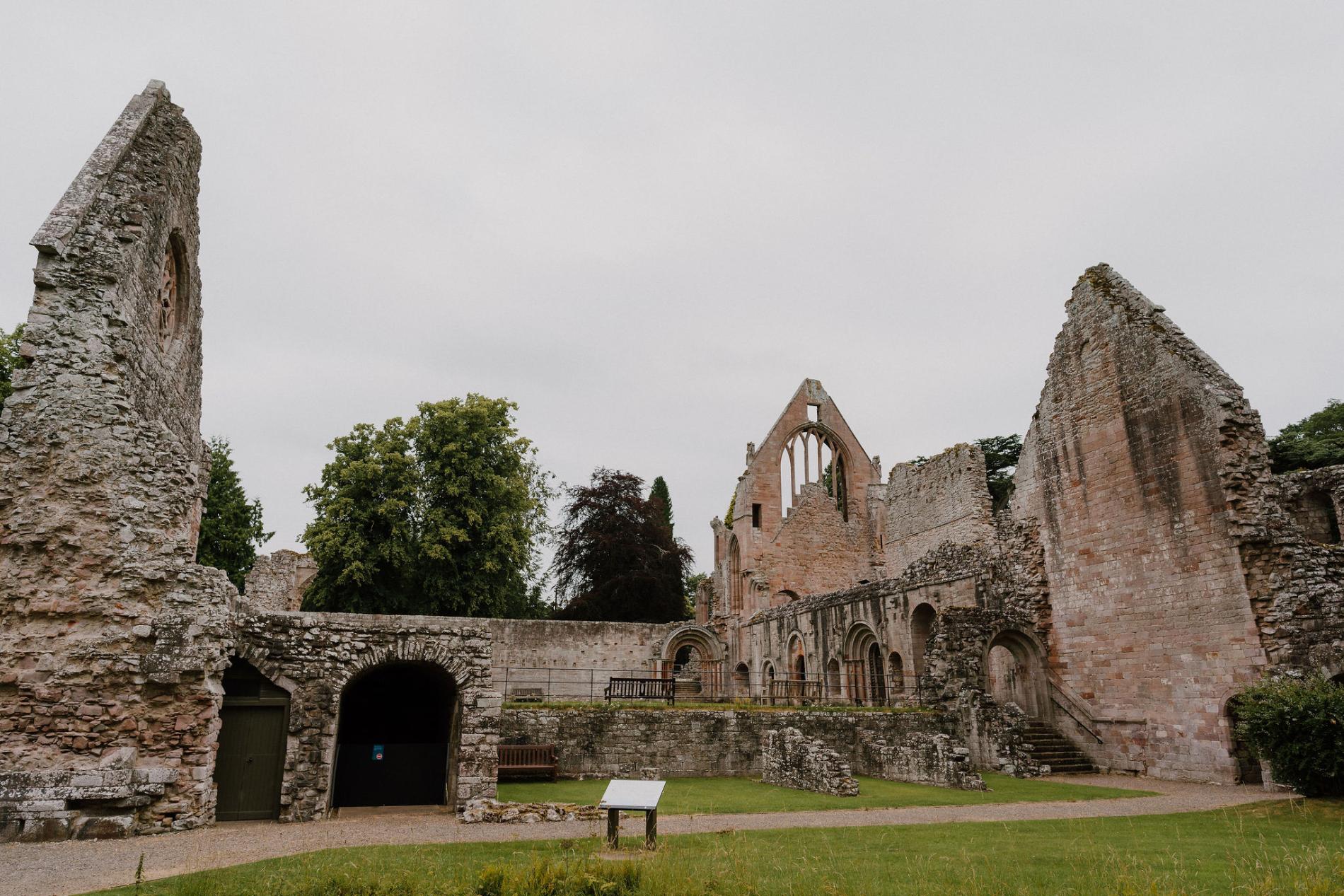
Dryburgh Abbey
Promoted Post
The Scullery
Tucked away in the heart of the Yarrow Valley, The Scullery is a one-bedroom boutique hideaway, eloquently designed for comfort, calm, and connection. Whether you’re escaping the city or craving a countryside reset, this is your space to slow down and just be.
-listable-carousel-1769292770.jpg)






 Sign in with Google
 Sign in with Email