
Souterrains
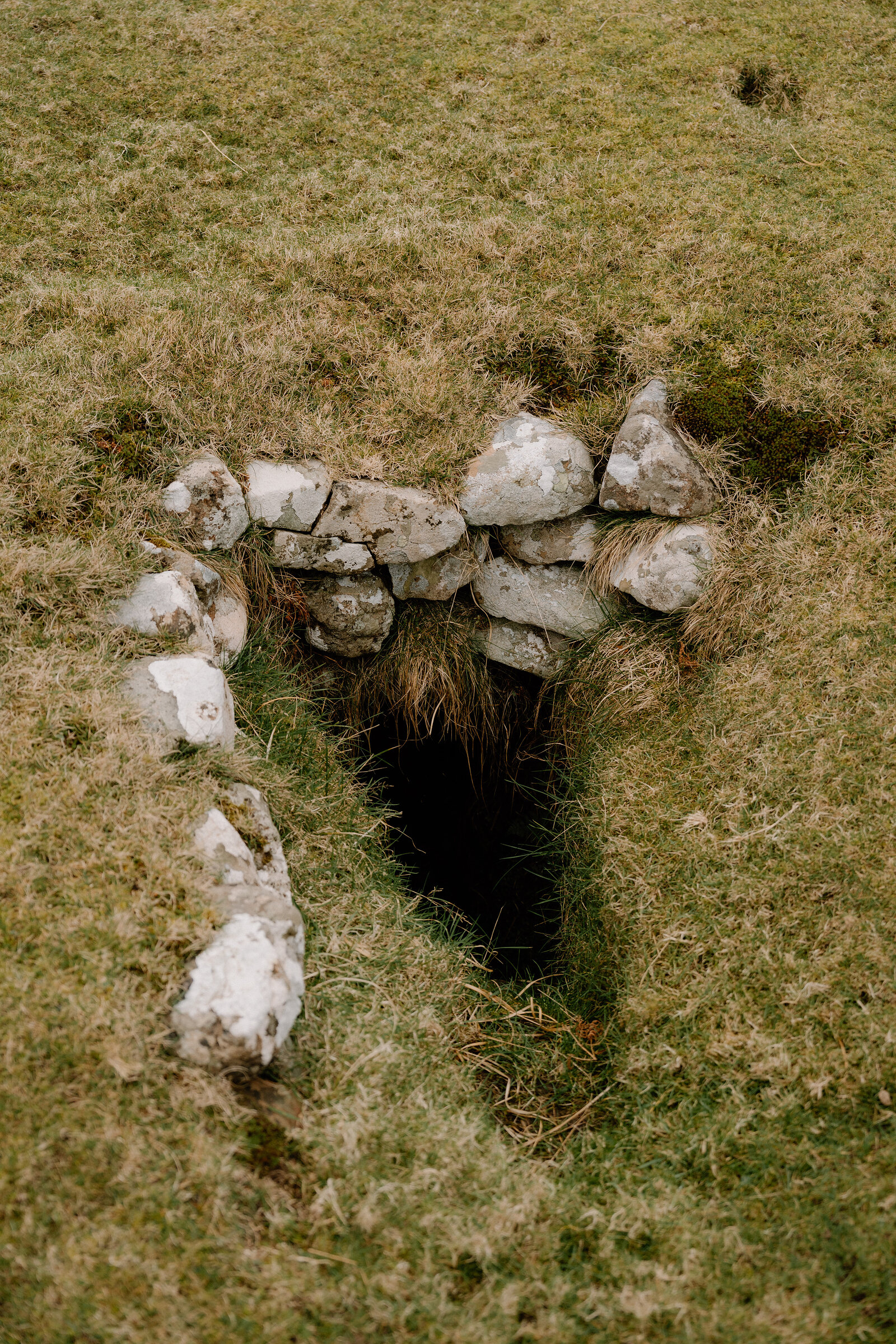
Two small underground chambers in a green field in the west of Canna, perhaps 2,000 years old.
The souterrains are two small underground chambers in the west of Canna, dug into a grassy green field beside a stone dyke on the way to the north coast.
From above they show only as dark openings in the turf, edged and roofed with pale stones, and they may be some 2,000 years old. Nobody is really sure what they were for: storage, a hiding place, or something religious.
They make a good half-day walk, best in calm weather: about three kilometres along the red-waymarked Tarbert track from the harbour, then rough ground up to the green field. In good weather you can go on to look down on the King of Norway's Grave, or return along the north cliffs to Compass Hill.
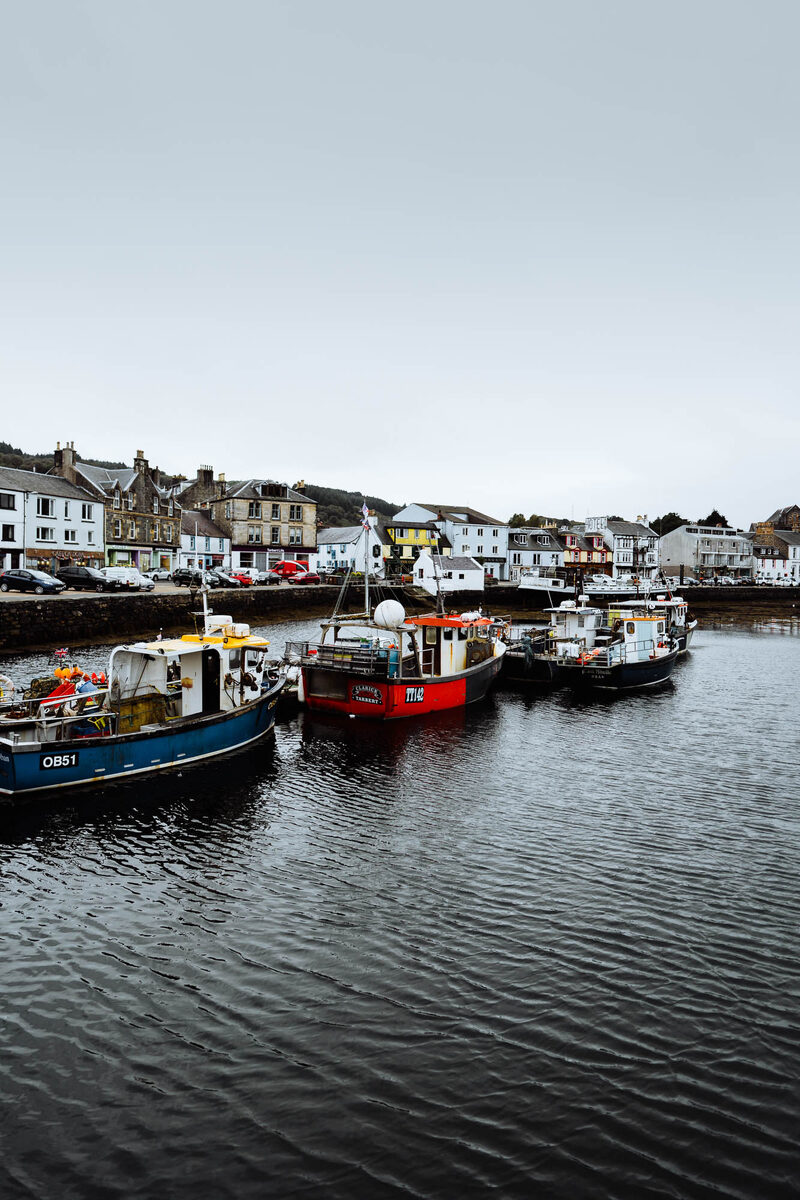
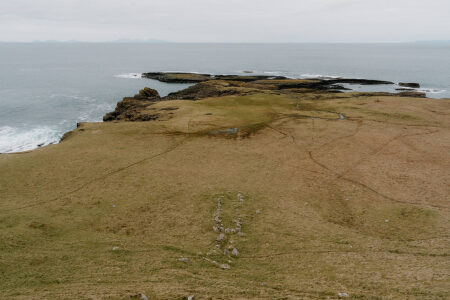
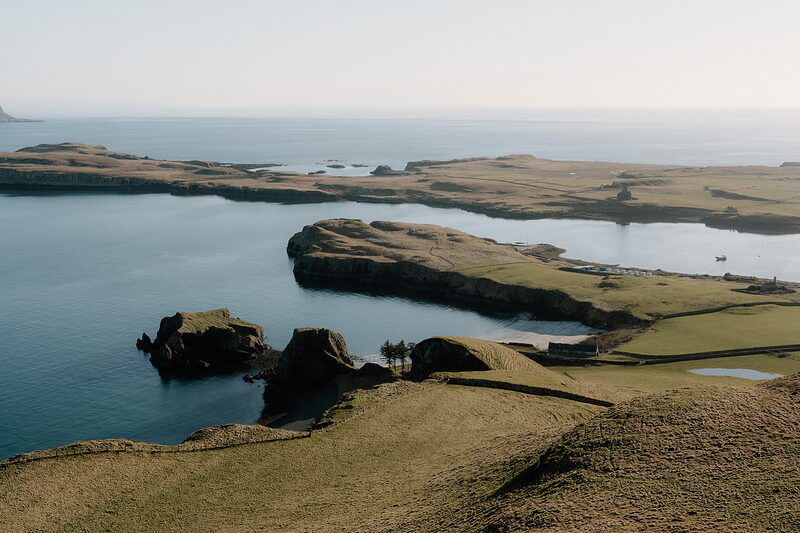
The way is waymarked in red: about 3km along the Tarbert track, then rough ground to a green field by a stone dyke.
Go in calm weather, with waterproofs, food and an Ordnance Survey map.
- Getting there
- CalMac ferry from Mallaig; day trips on Wednesdays and Saturdays, April to October. No visitor vehicles.
- Start
- The track by Jane's Cottage, towards Tarbert.
- Way
- Red waymarks; 3km, then a gully north.
- Bring
- Waterproofs, food, a map.
Been here? Tell others what you know, and the best go on this page with your name.
Add your reviewWest of Canna harbour, off the Tarbert track.
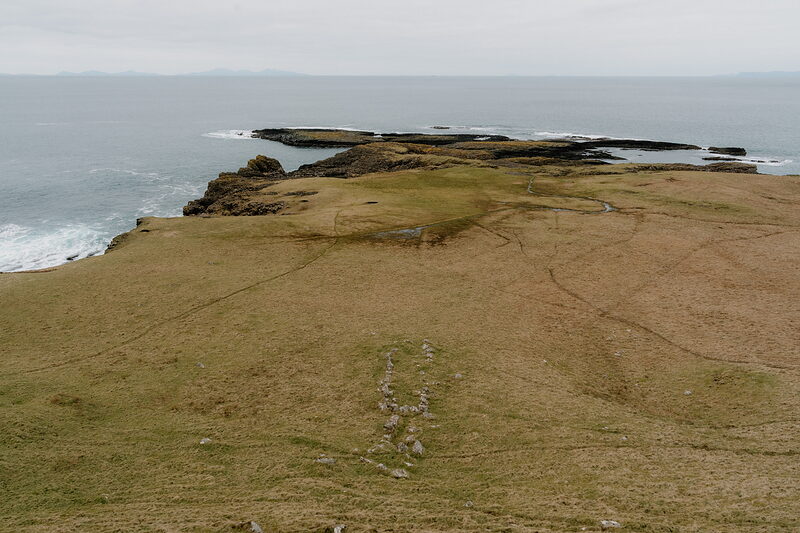 King of Norway’s GraveA Viking-age kerb of stones on the machair of Canna's north coast, known as the King of Norway's Grave.Under a mile 1 min by road
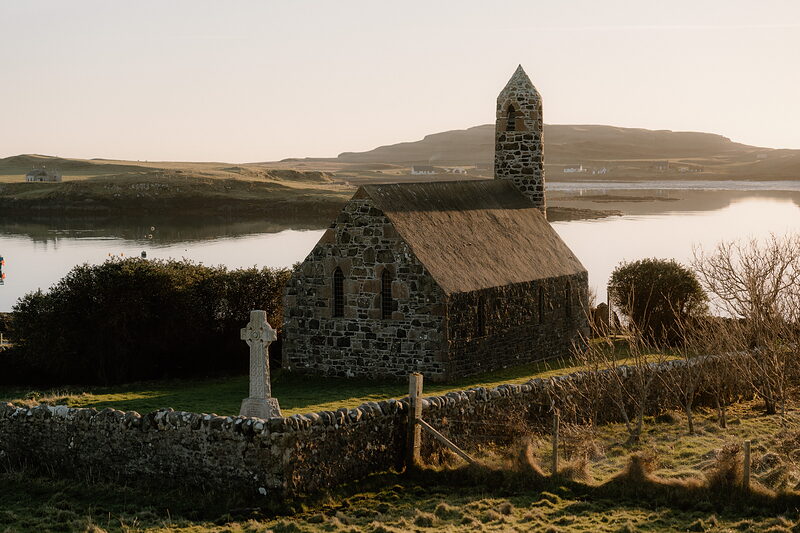
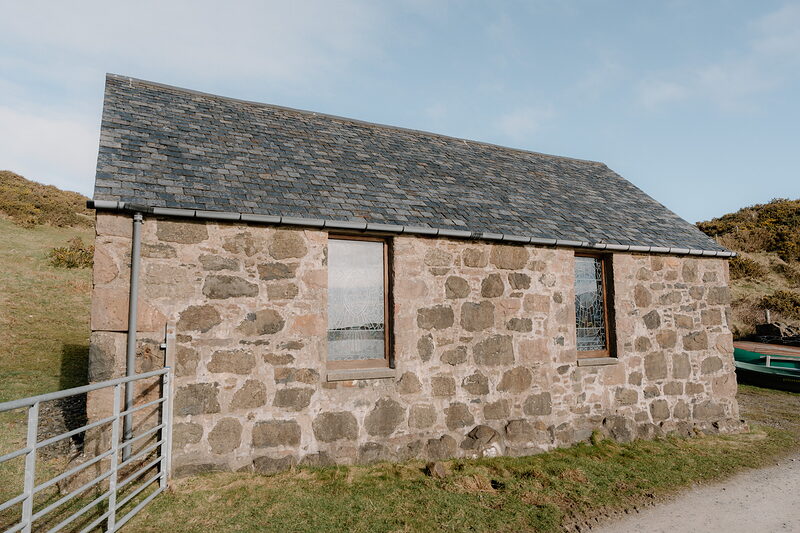 St Columba’s ChurchA small stone chapel on Canna's harbour road, with a white cross on its gable, that served as the shop and post office until 1965.Under a mile 1 min by road
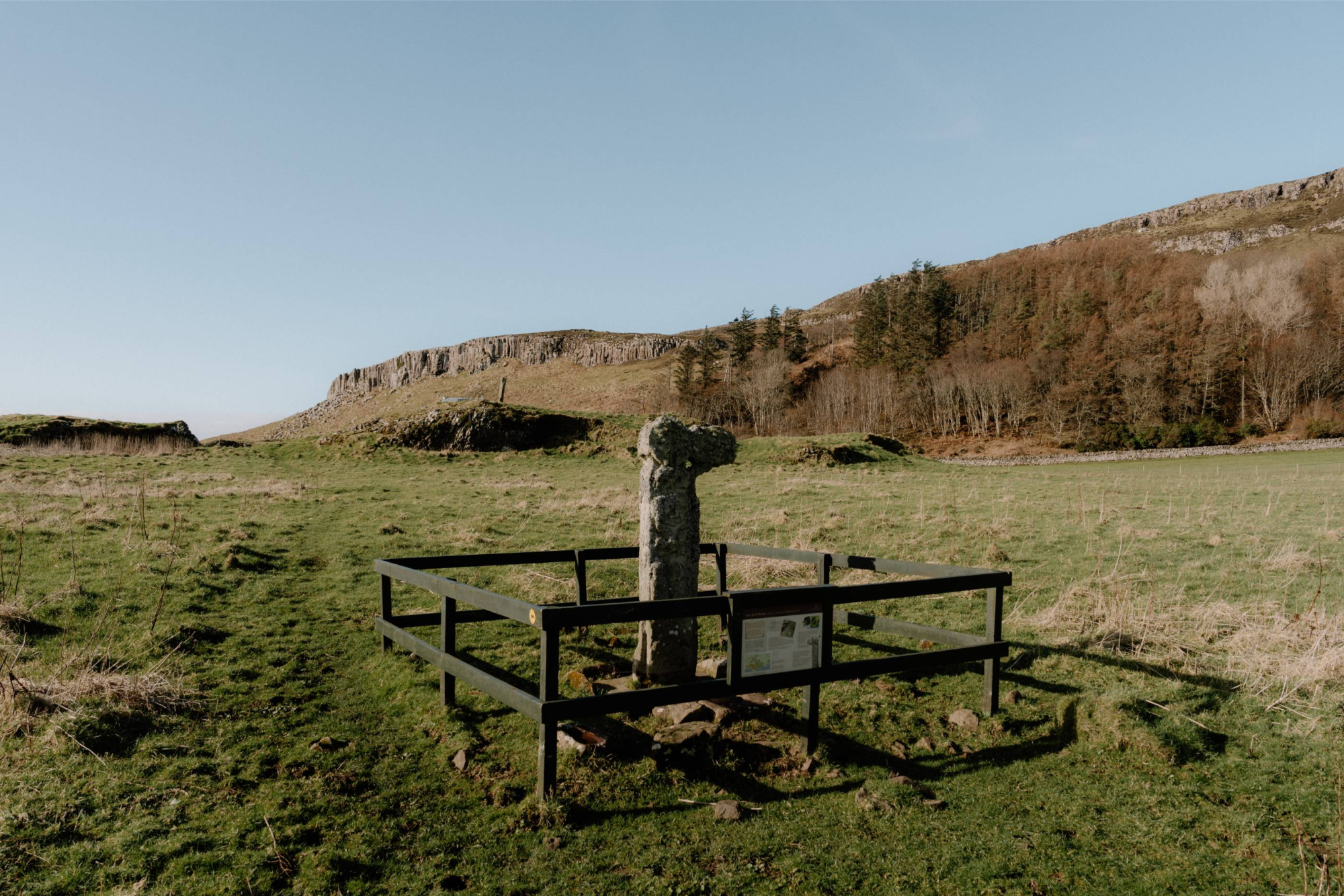 The Sculptured Cross of A’ChillAn early Christian cross of the 7th to 9th century at A'Chill, Canna's old main settlement, missing two arms.Under a mile 3 min by road
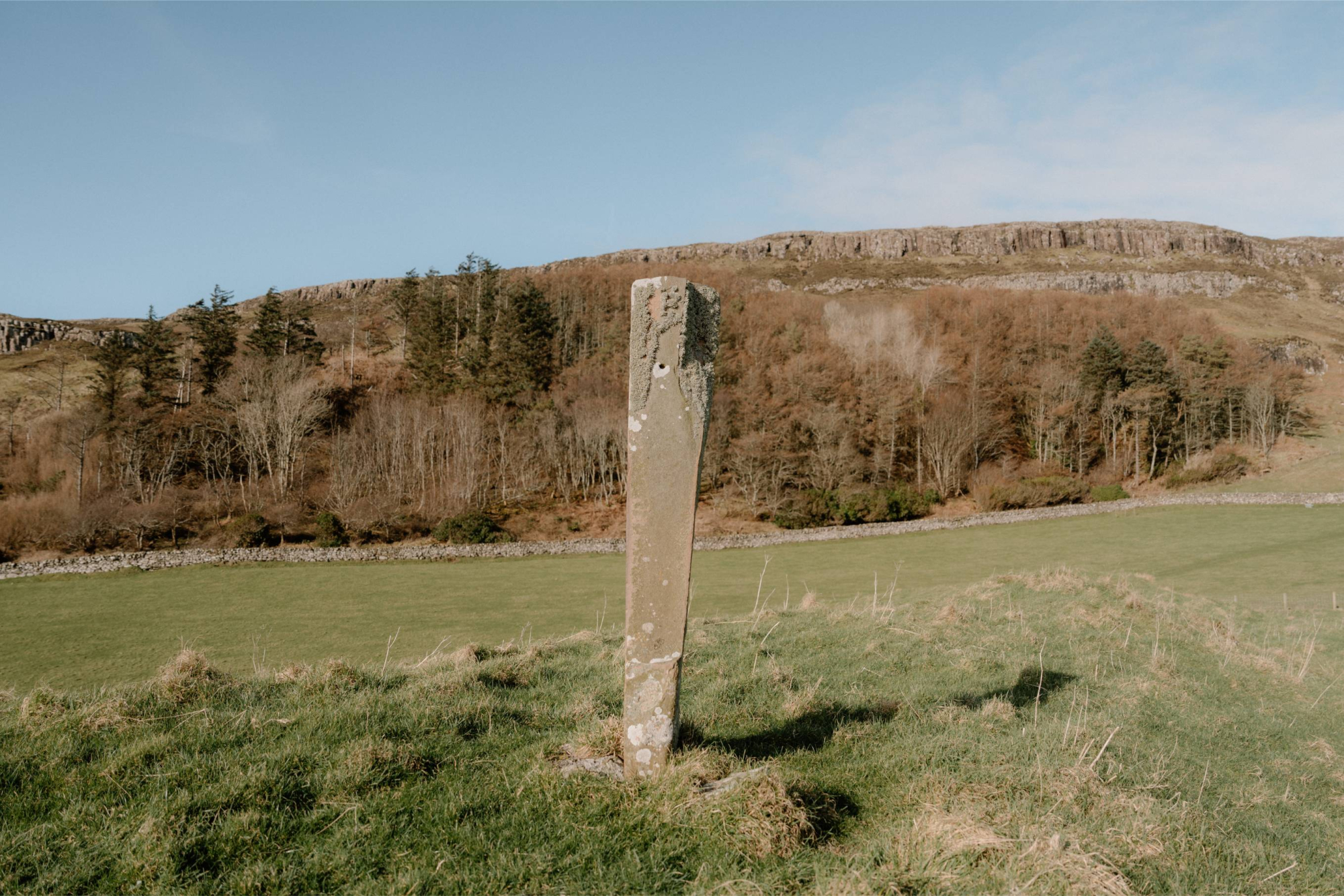 The Punishment StoneA standing stone with a hole in its side at A'Chill on Canna, where offenders were said to be held by the thumb.Under a mile 3 min by road
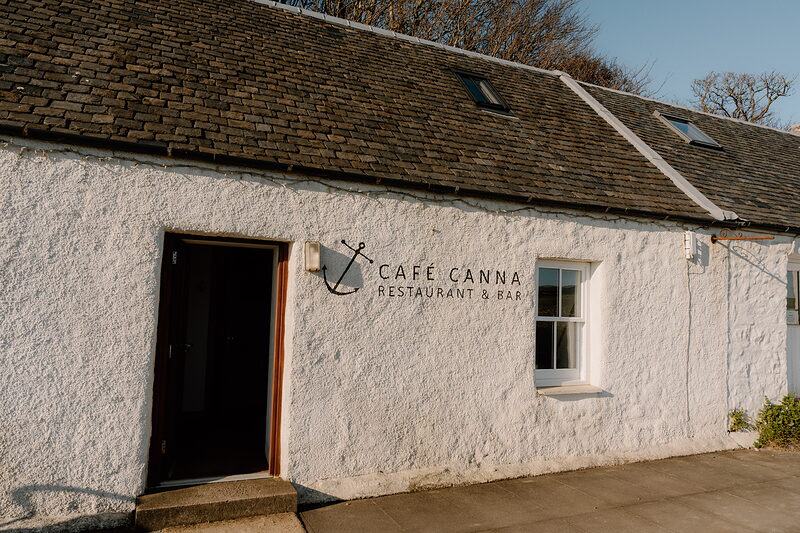 Café CannaAn award-winning little restaurant and bar by Canna harbour, cooking almost entirely from the island and its waters.Under a mile 3 min by road
 Canna Community ShopAn honesty shop a short walk from Canna pier, with island crafts, gifts and groceries.Under a mile 3 min by road

The Daily
Arrives at 5am every day.
A free morning email to see what’s on this week, catch up on what’s happening in Scotland and find somewhere new to go.
Places to stay near the souterrains, and when each is next free.
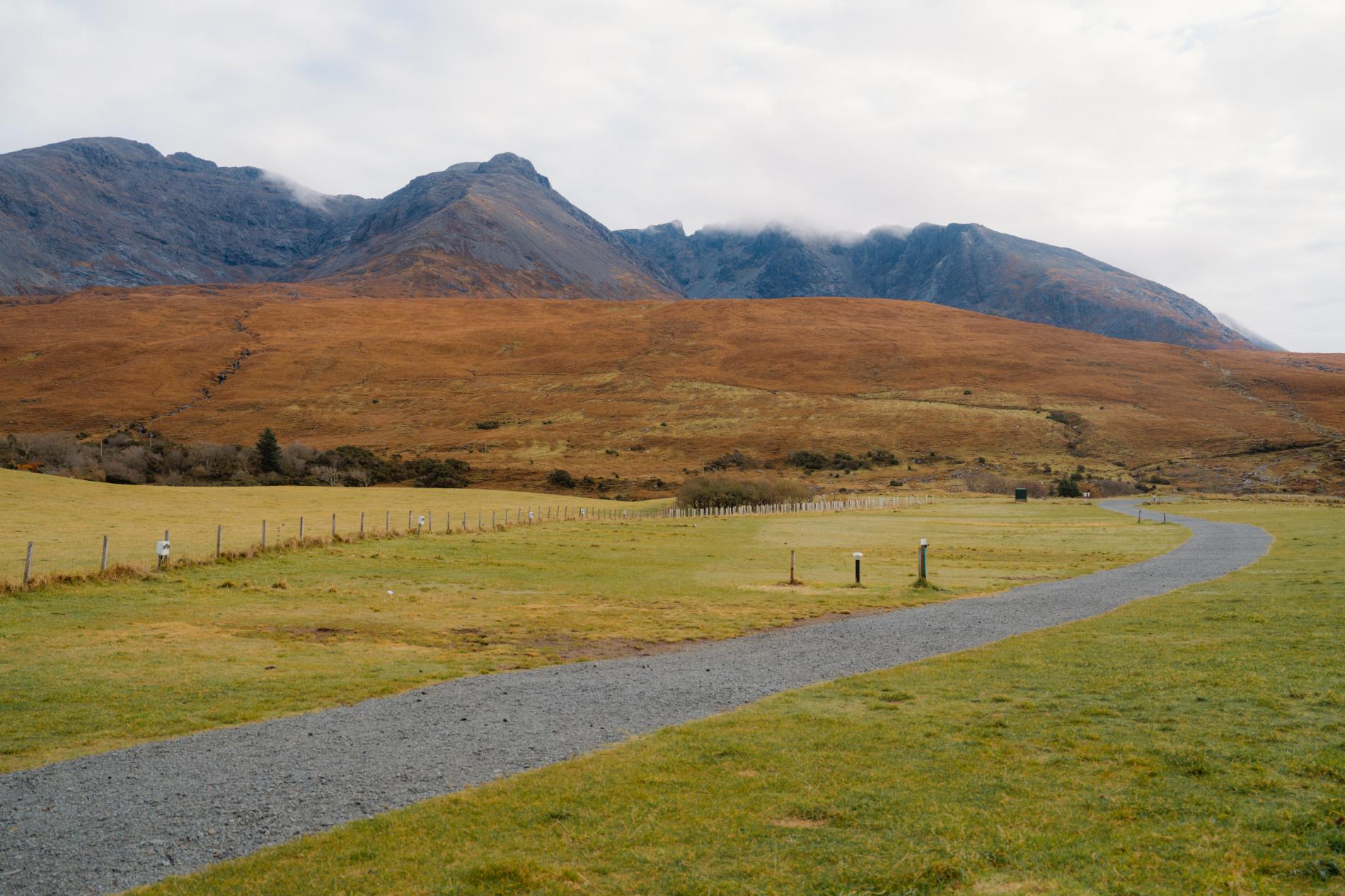 Glenbrittle Campsite
- To stay
- In Glenbrittle
- 14 miles from the souterrains
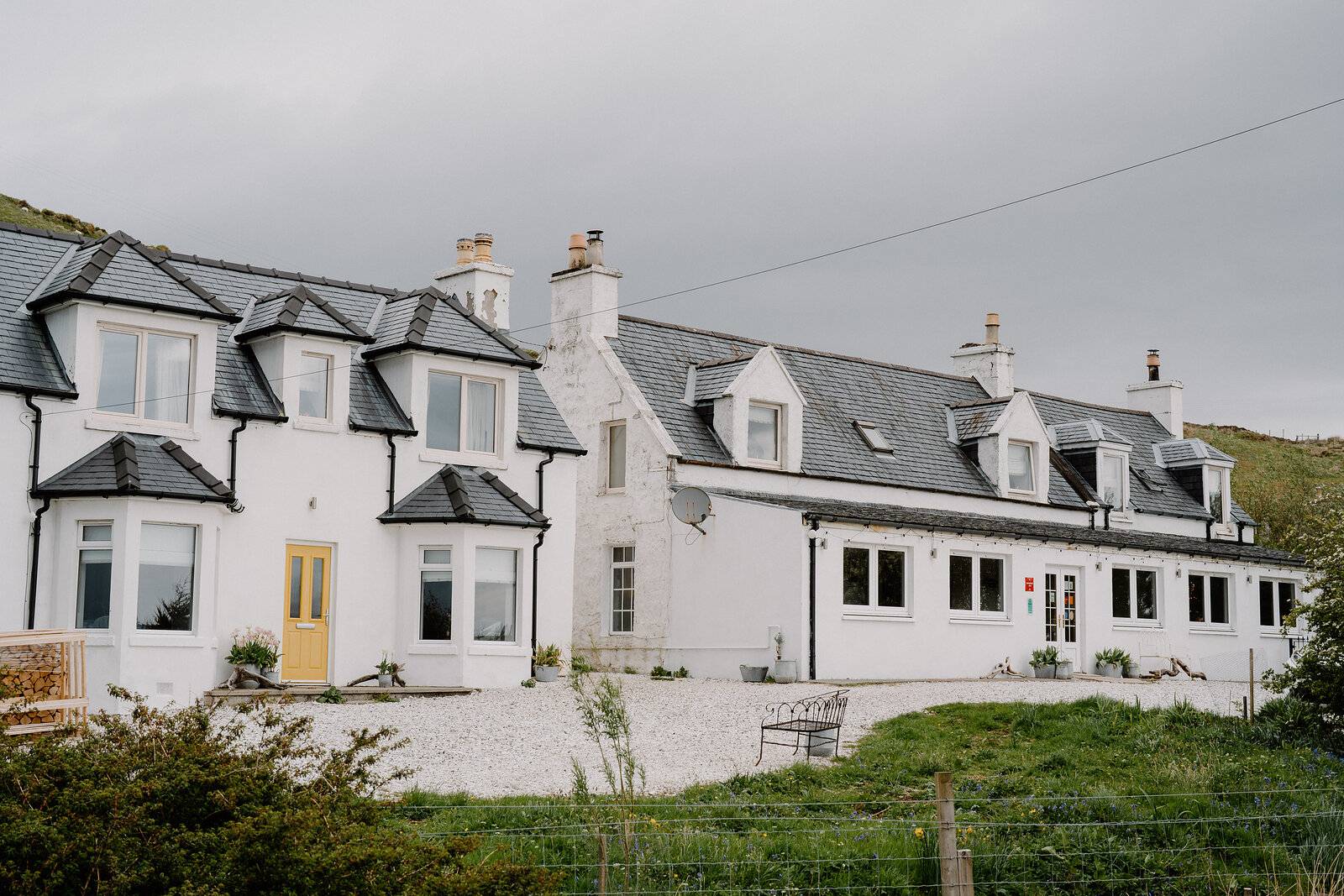 Coruisk House
- Sleeps 4
- In Elgol
- 19 miles from the souterrains
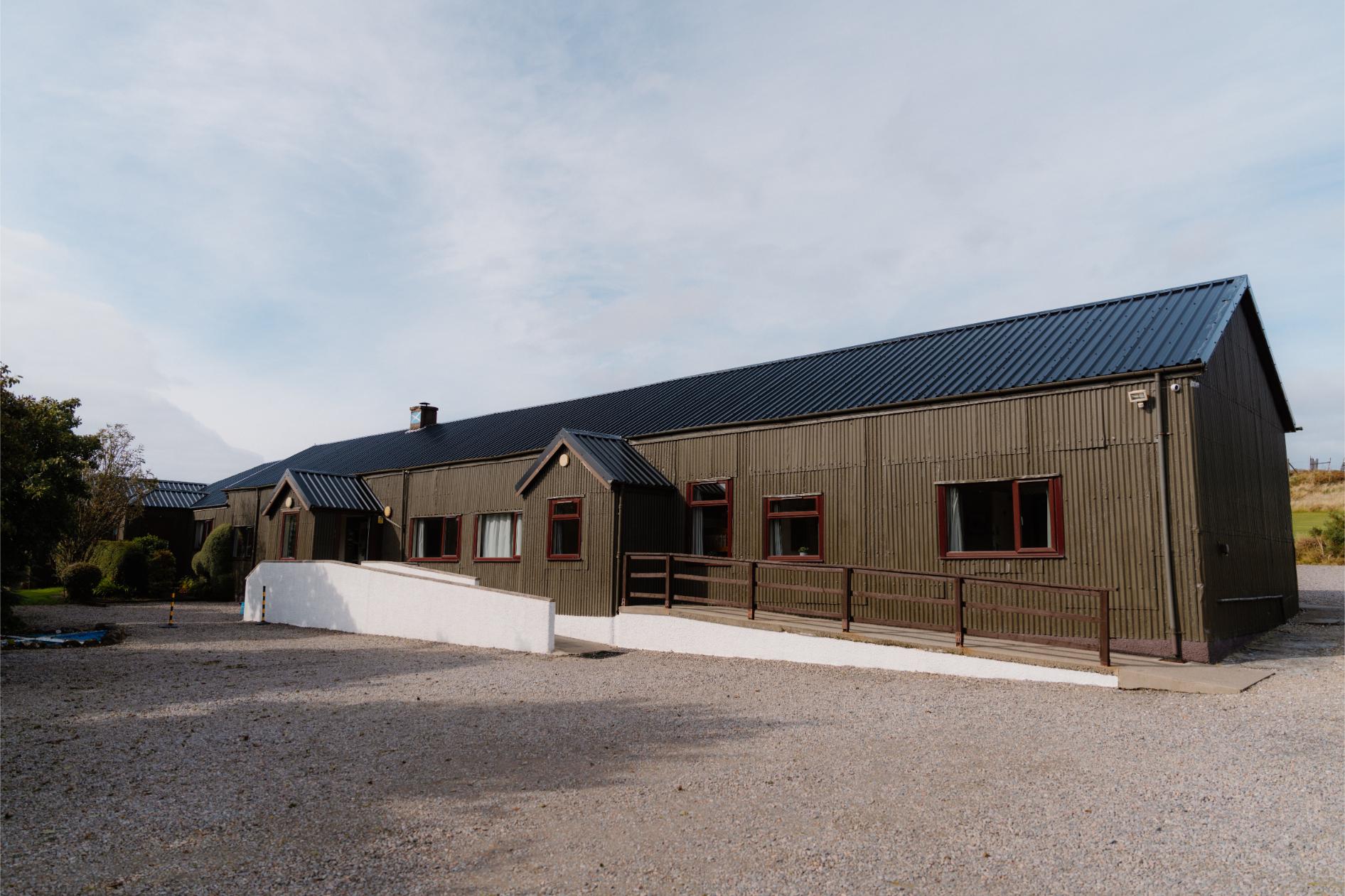 Skyewalker Hostel
- Sleeps 27
- In Portnalong
- 19 miles from the souterrains
Scotland, in print.
We want to show you the best that Scotland has to offer. The makers and the creatives, the enduring experiences, the evocative tales, the concealed corners. The roads less travelled that take you to places that matter. The adventures that gather you up and sweep you away. The blend of the wild and the artistic that makes Scotland what it is. We’d love for you to join us.
For further reading, before you go. The details on this page were checked on .
- Things to do and seeThe island's walks, churches and old sites.theisleofcanna.comIsle of Canna↗
- Getting hereThe CalMac ferry from Mallaig, day trips, charter boats and moorings.theisleofcanna.comIsle of Canna↗
- CalMac timetablesSailings from Mallaig to the Small Isles.calmac.co.ukCalMac↗
- ServicesWhere to stay and eat, the shop and the Visitor Hub.theisleofcanna.comIsle of Canna↗