Glasgow

Pollok Country Park

Glasgow's largest park, the old Maxwell estate on the south side, with Pollok House of 1752, its box garden, the Burrell Collection and a fold of Highland cattle.

Welcome

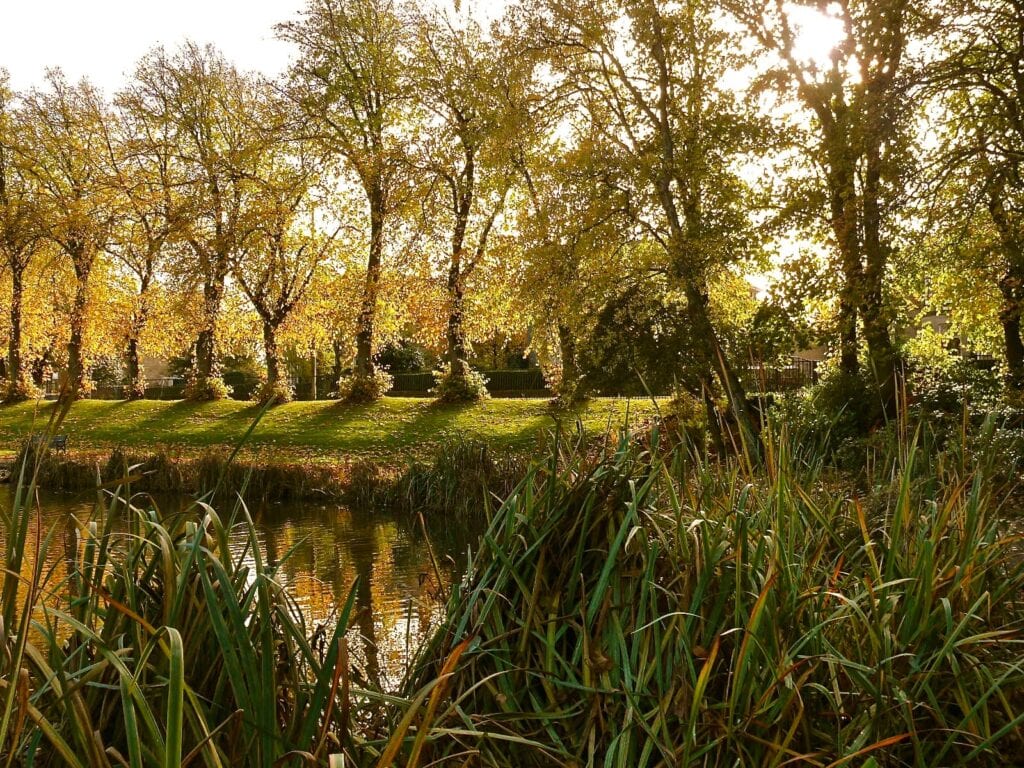
On Glasgow's south side, Pollok Country Park is the largest park in the city and its only country park: woods, riverside walks, walled gardens and open fields that were once the Old Pollok Estate, the ancestral home of the Maxwell family.

Visited and photographed by Simon Hird

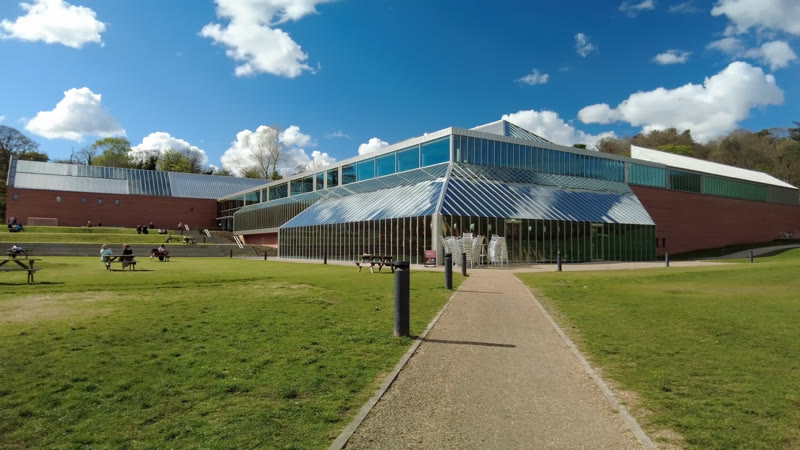
The Burrell Collection stands in its grounds.

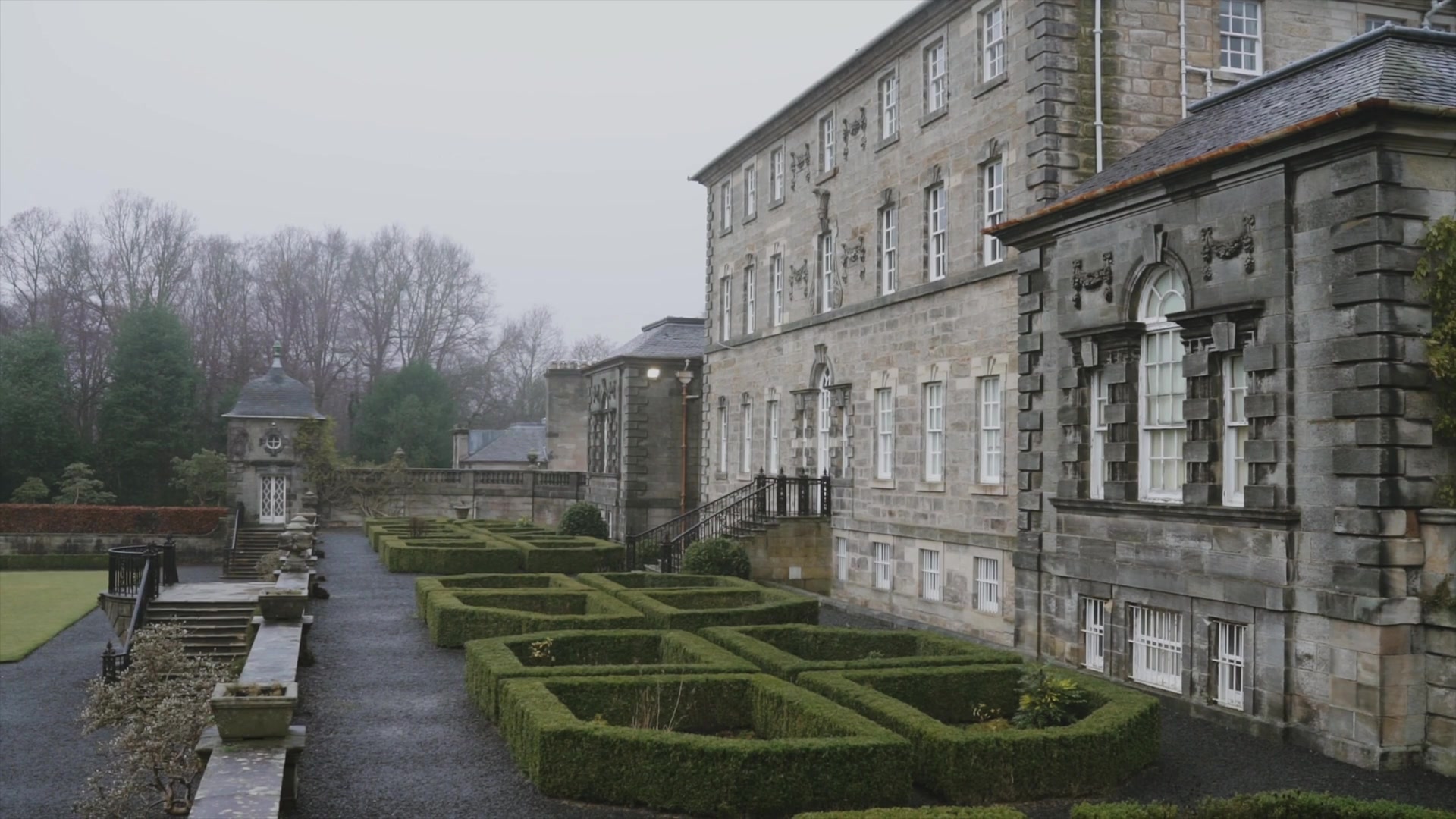
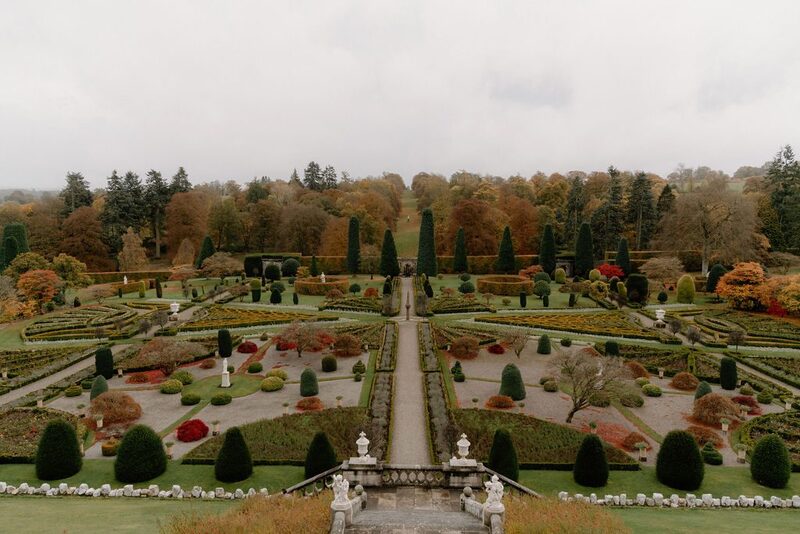
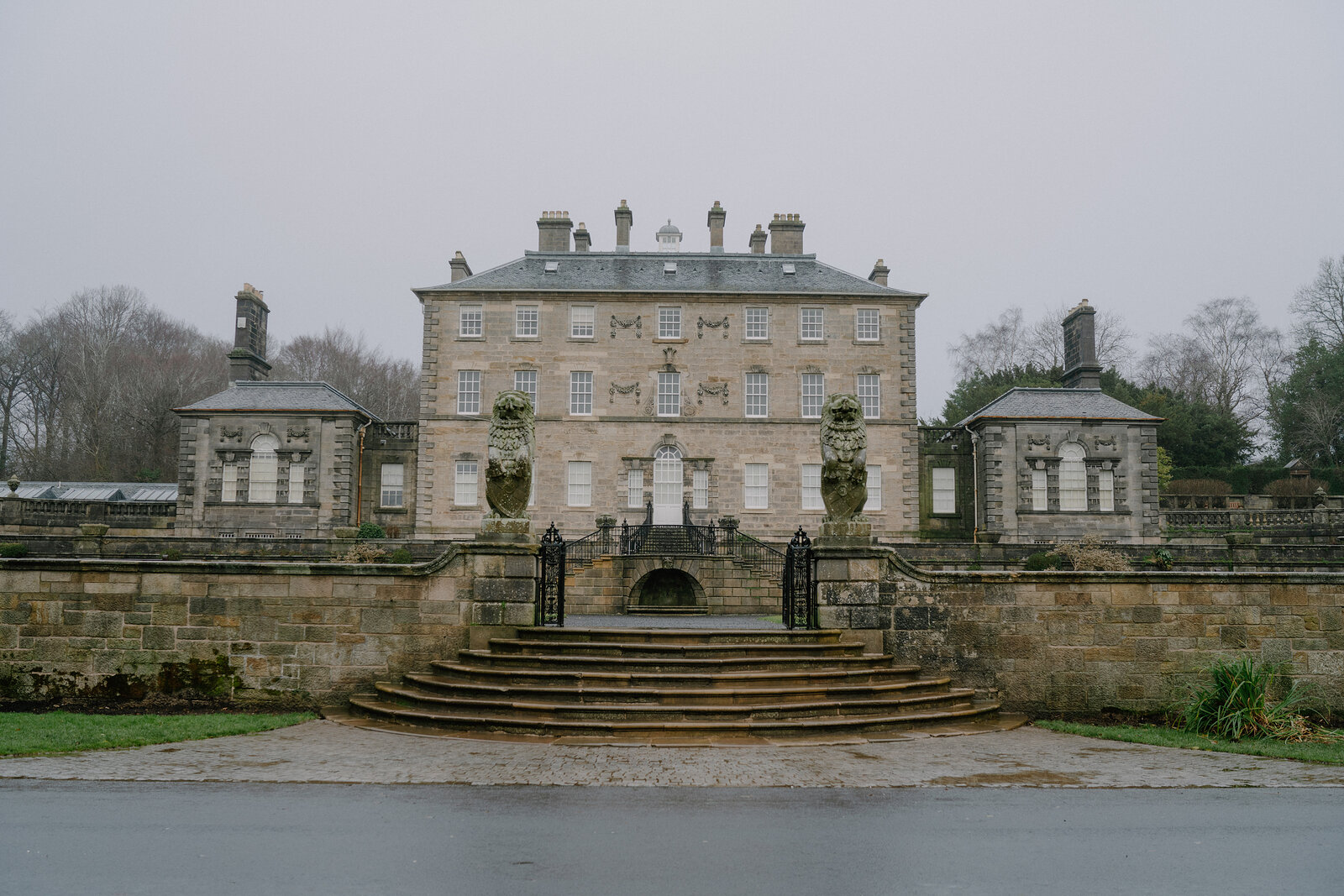
At its heart is Pollok House, built in 1752 and extended between 1890 and 1904, with a formal garden of clipped box below it and an old bridge over the river. Sir John Stirling Maxwell lived here into the twentieth century, and the conversation that led to the founding of the National Trust for Scotland is said to have taken place in its Cedar Room in the early 1930s. His daughter gave the house and its collections to the city in 1966.

In the fields along Pollok Avenue graze the Pollok Fold of Highland cattle, brought down from the Highlands by the Maxwells nearly two hundred years ago.


Before you go

The park is open at all times.

Pollok House, its shop and tearoom are closed for a major refurbishment, and since June 2025 the paths and gardens around the house have been shut for works until further notice, with other routes round the park open. The Burrell Collection has a restaurant, and its toilets are open; those in the Old Stable Courtyard are shut while it is refurbished. National Cycle Routes 7 and 75 run through the park, with bike hire outside the Burrell.

Open
At all times.
Pollok House
Closed for refurbishment; its paths and gardens shut for works.
Food and toilets
At the Burrell Collection.
Main entrance
2060 Pollokshaws Road.

Been here? Tell others what you know, and the best go on this page with your name.

Add your review

Did you know

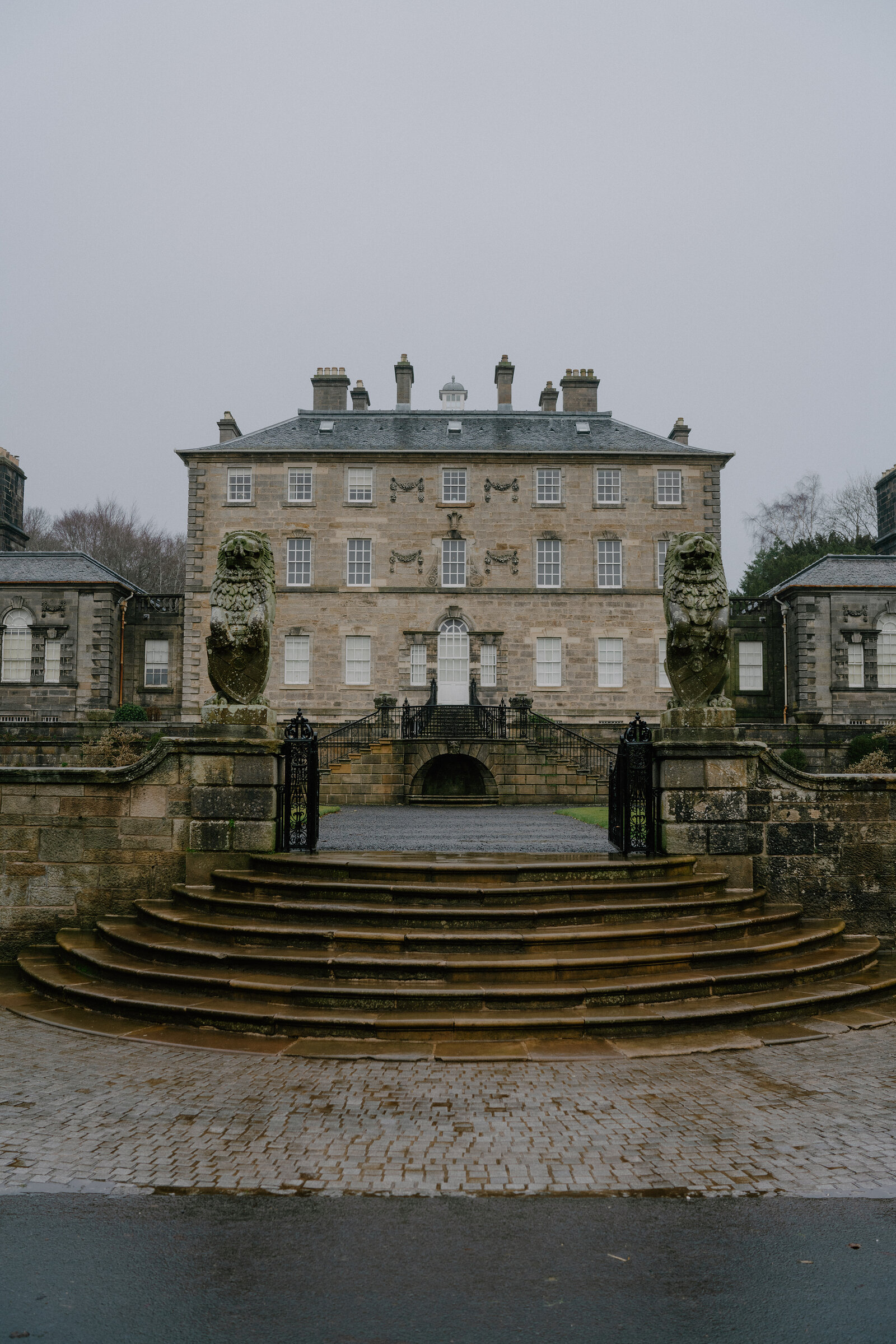
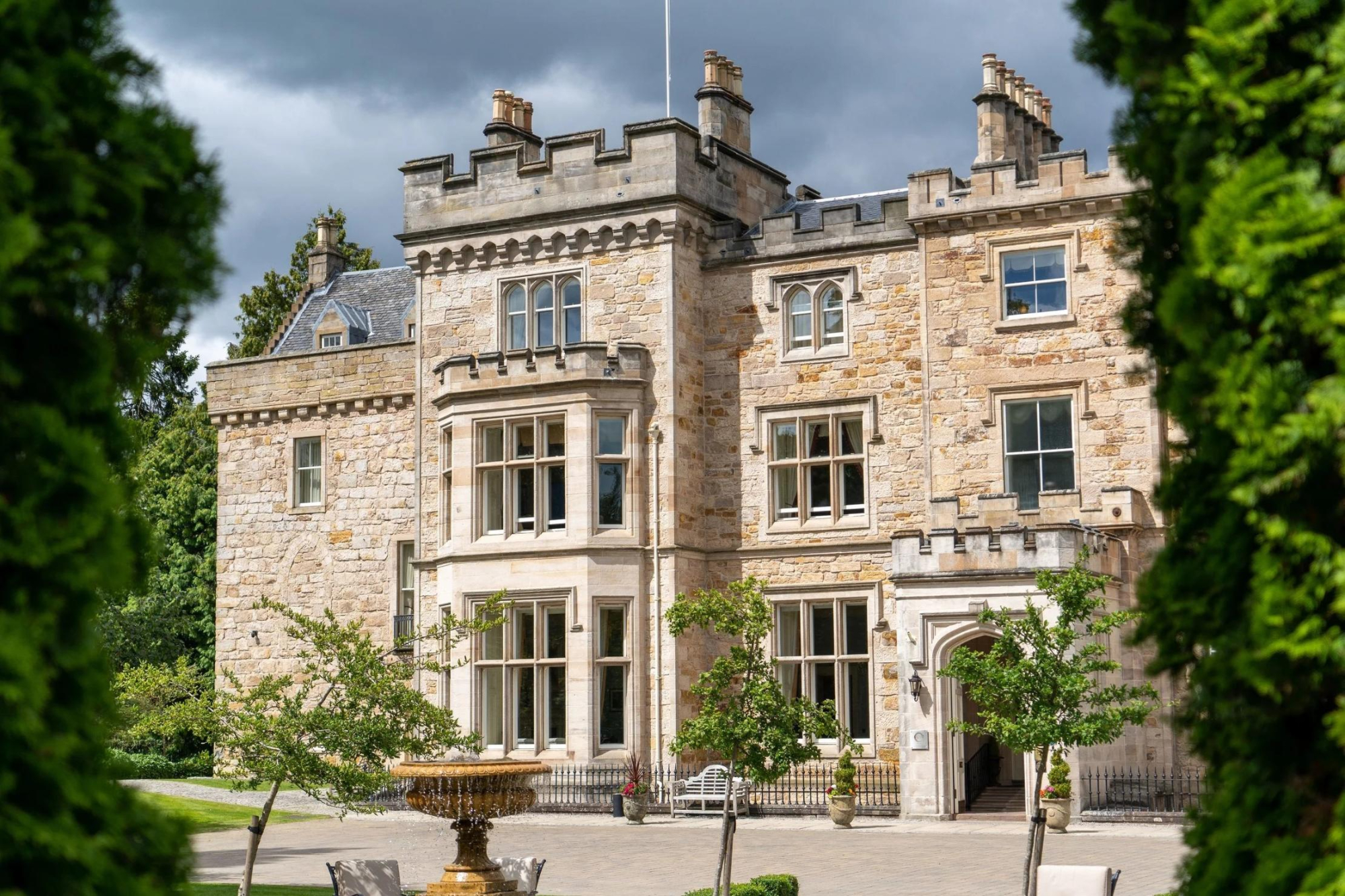
A grand stone mansion with a symmetrical facade and carved urns stands behind a curved flight of steps and gate piers.
Did you know

Where the National Trust for Scotland began.

Sir John Stirling Maxwell, one of the founders of the National Trust for Scotland, lived at Pollok House, and the conversation that led to the Trust being set up is said to have taken place in its Cedar Room in the early 1930s.

A grand stone mansion with a symmetrical facade and carved urns stands behind a curved flight of steps and cobbled forecourt.
Did you know

Given to the people of Glasgow in 1966.

Sir John's daughter, Dame Anne Maxwell Macdonald, gave Pollok House and its collections to the city in 1966, and the house and park are owned by the people of Glasgow.

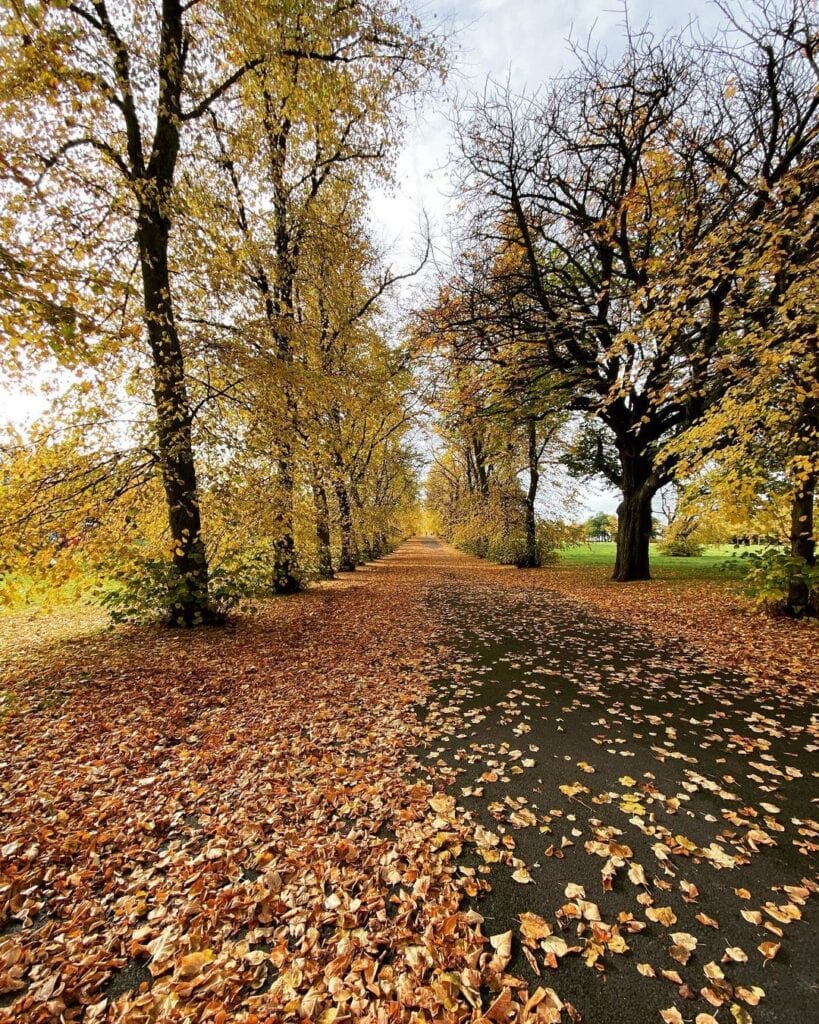
An avenue of tall beech trees frames a leaf-strewn path in autumn light.
Did you know

Highland cattle, two hundred years in Glasgow.

The Maxwells brought the Pollok Fold of Highland cattle down from the Highlands nearly two hundred years ago to graze the heavy clay here. The fold keeps around thirty breeding cows and three bulls, and they live outside all year in the fields along Pollok Avenue.

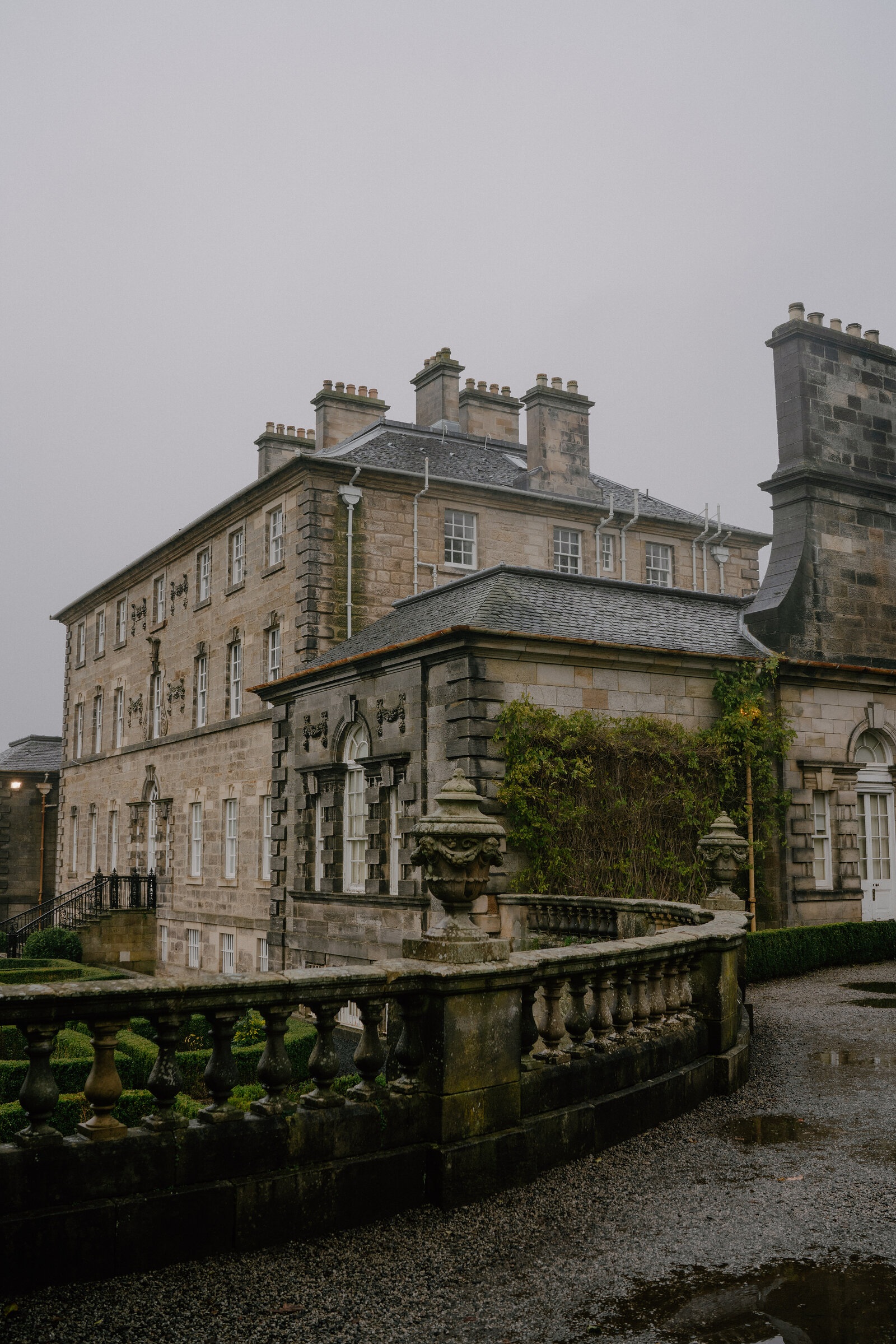
A grand stone mansion with multiple chimney stacks and ivy-covered walls stands behind a balustraded terrace and clipped hedges.
Did you know

Built in 1752, extended to 1904.

Pollok House went up in 1752, near the site of earlier houses going back to medieval times, and was extended between 1890 and 1904.

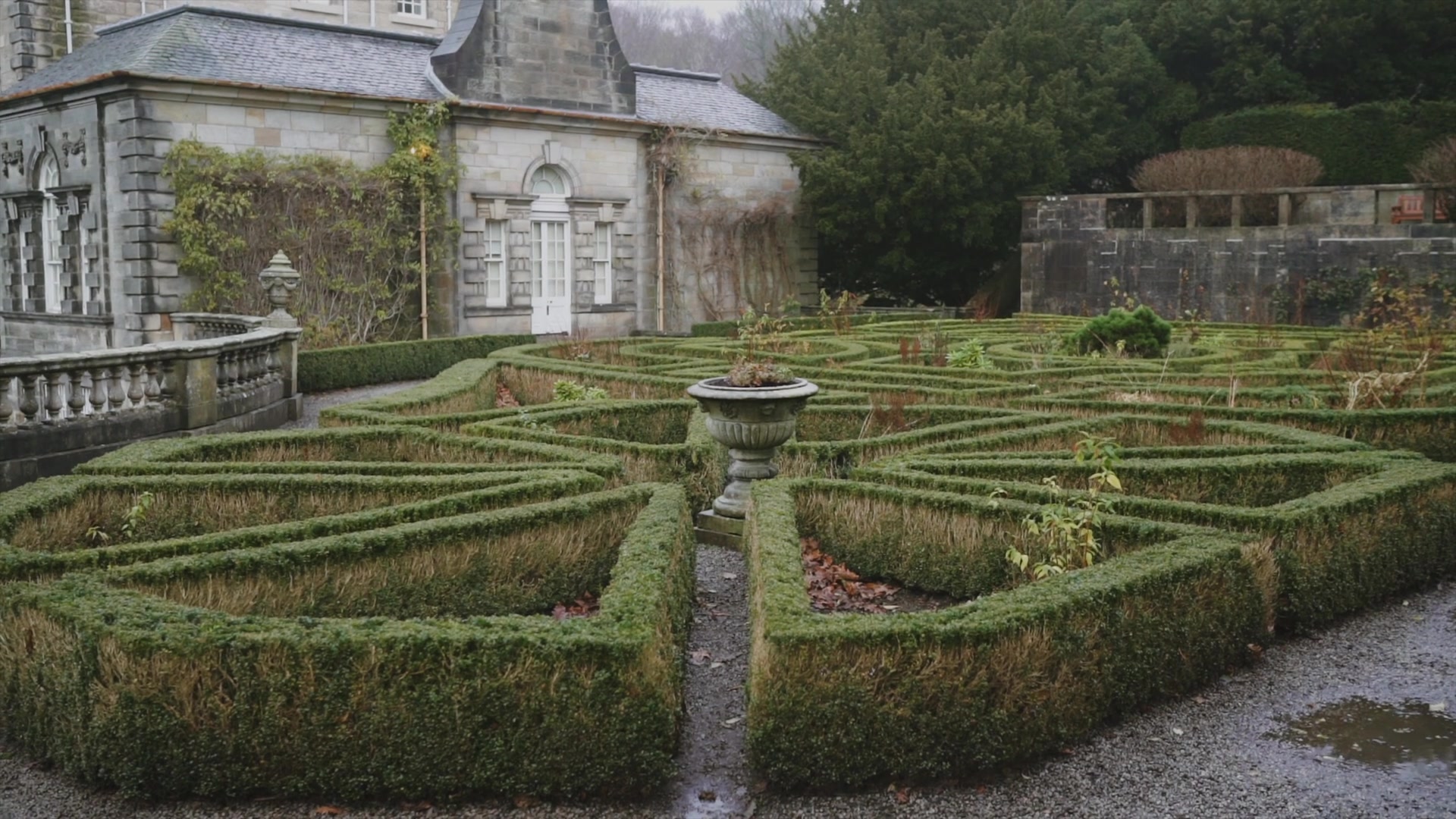
A stone mansion with tall chimney stacks and ivy-covered walls overlooks a formal box-hedge parterre garden.
Did you know

The park's vegetables go to foodbanks.

Everything grown in the park's vegetable garden, raised from seed in its glasshouses and fed with manure from its own cattle, goes to local charities and foodbanks on the south side.

Ben Lerwill

From our guide to Glasgow

Previously named Britain’s Best Park – and on one occasion even the Best Park in Europe – this 146-hectare spread of land draws everyone from mountain bikers (there are three different biking circuits) to art-lovers (the park is home to elegant Pollok House and its array of Spanish art, as well as the Burrell Collection gallery). With plenty of gardens and walks too, there’s much here to enjoy.

Read more
Graeme Johncock

Pollock Witch Hunts

17th century Scotland was a dangerous place, not only due to religious strife and violence but also the hundreds of ruthless witch trials. Lord George Maxwell of Pollok was one of the most dedicated witch hunters on the west coast.

Read the story
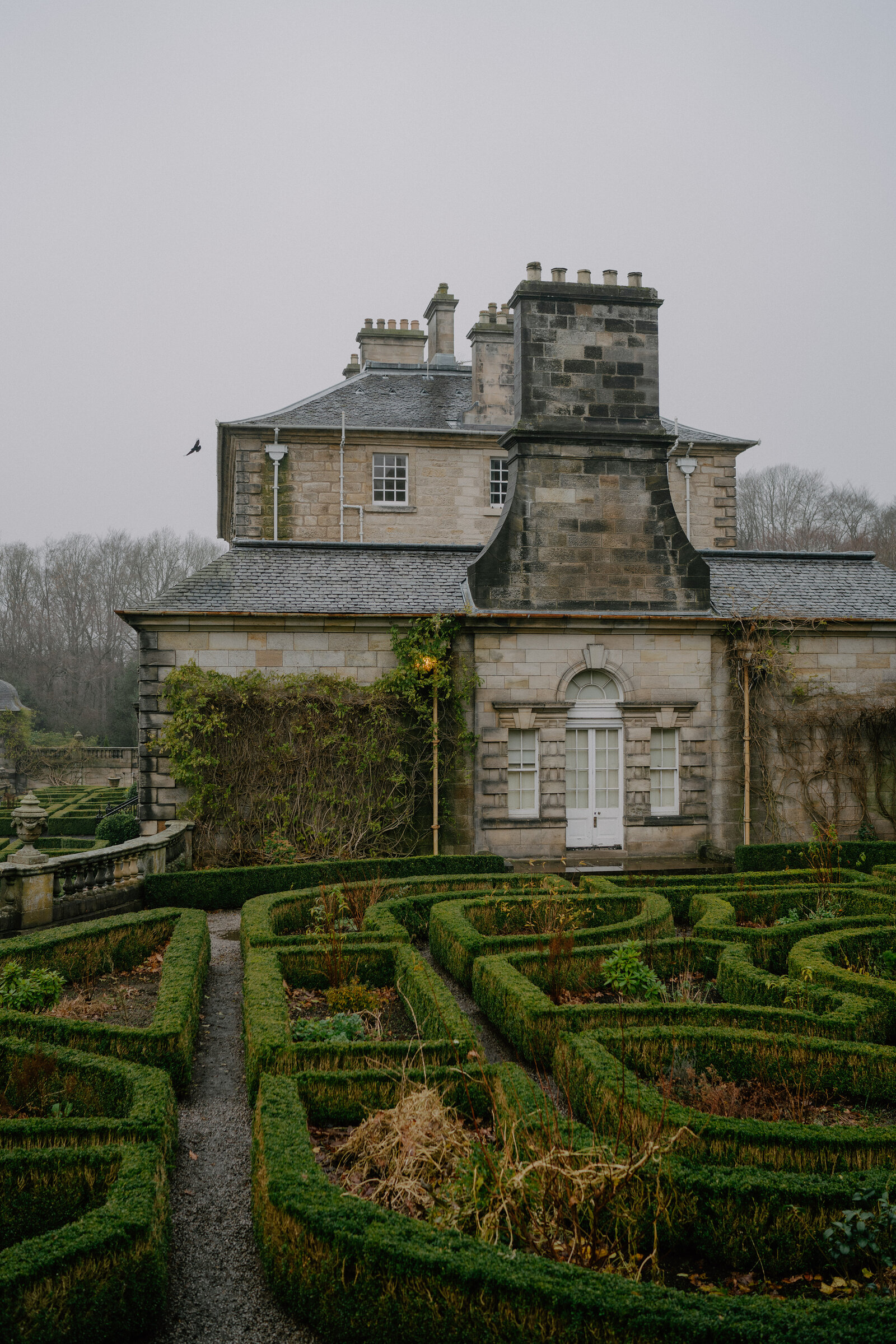
A grand stone mansion's corner tower rises above a box-hedge knot garden, an ornamental summerhouse standing at the end of a gravel terrace.
What is on

What is new across Glasgow, day by day.

New places, news and stories, as we find them.

What is on in Glasgow
01 / 08

Recommend to a friend

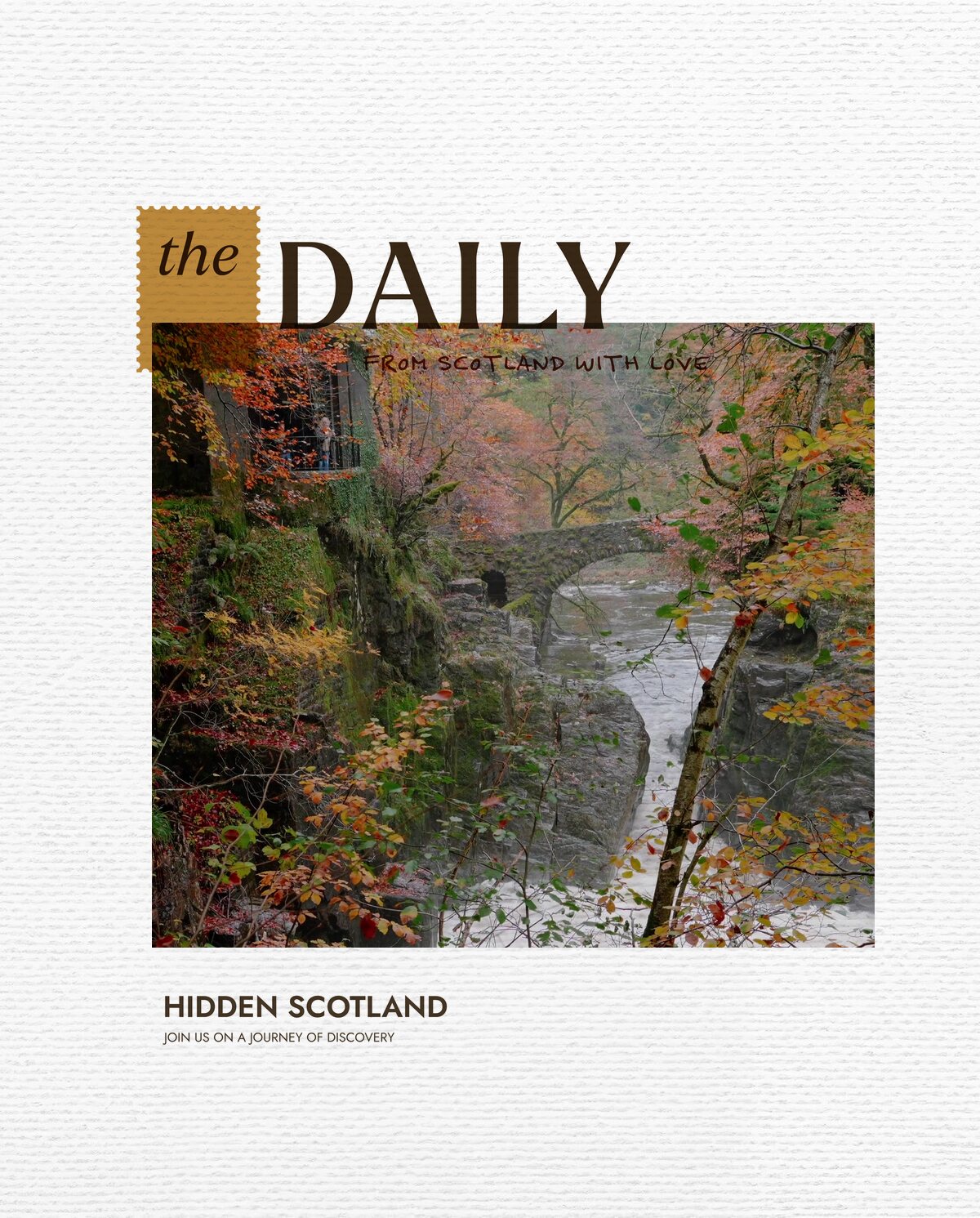
The Daily for 24 October, from Scotland with love. a stone arch bridge crossing a rushing gorge below a moss-covered cliffside building, autumn trees on both banks

The Daily

Arrives at 5am every day.

A free morning email to see what’s on this week, catch up on what’s happening in Scotland and find somewhere new to go.

Stay nearby

Places to stay near the park, and when each is next free.

Hidden Scotland, the magazine

Scotland, in print.

We want to show you the best that Scotland has to offer. The makers and the creatives, the enduring experiences, the evocative tales, the concealed corners. The roads less travelled that take you to places that matter. The adventures that gather you up and sweep you away. The blend of the wild and the artistic that makes Scotland what it is. We’d love for you to join us.

Read on

What we have written about it, the collections it is in and more in Glasgow.

Find out more

For further reading, before you go. The details on this page were checked on .