People have lived on these islands for some five thousand years, and the past sits close to the surface here. At Jarlshof, by Sumburgh, the first houses date from around 2700 BC, and at Stanydale a great heel-shaped hall was raised about 4,000 years ago. In the Iron Age, Shetlanders built brochs, tall round towers with double walls that are found only in Scotland. Mousa still stands 13 metres high after more than two thousand years, and many more survive as ruins and grassy mounds round the coast. Before the Norse arrived, an early church stood on St Ninian's Isle, where Pictish silver from around AD 800 was found in 1958. For centuries the islands looked outward. German merchants of the Hanseatic League traded here from the 1400s until after the Union of 1707, and Lerwick grew up in the 17th century selling to the Dutch fishing fleet in Bressay Sound. It took over from Scalloway as the capital in 1708. Shetlanders rowed open sixareens far out to the deep-water fishing, at a terrible cost in storms like the one of July 1881. In the Second World War, Norwegian volunteers ran secret crossings to occupied Norway from Scalloway. Then, in November 1978, the first North Sea oil reached the new terminal at Sullom Voe, and the islands changed again.
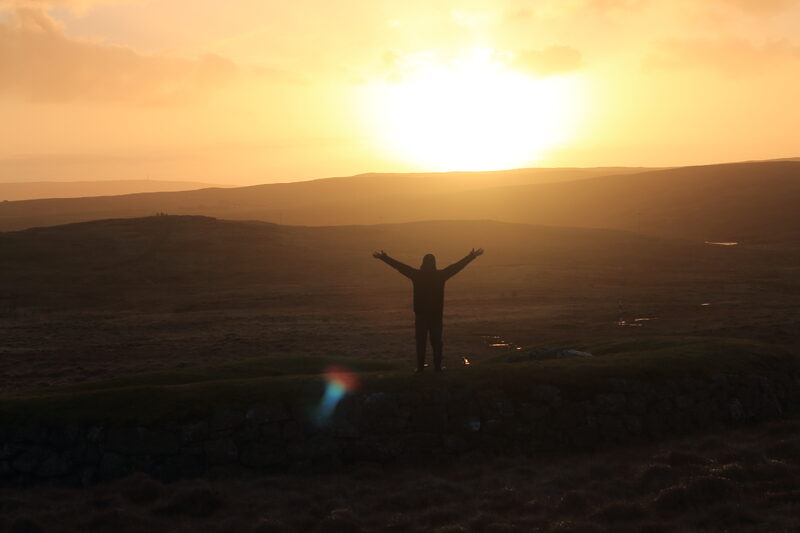 HistorySite in focus: Stanydale Temple
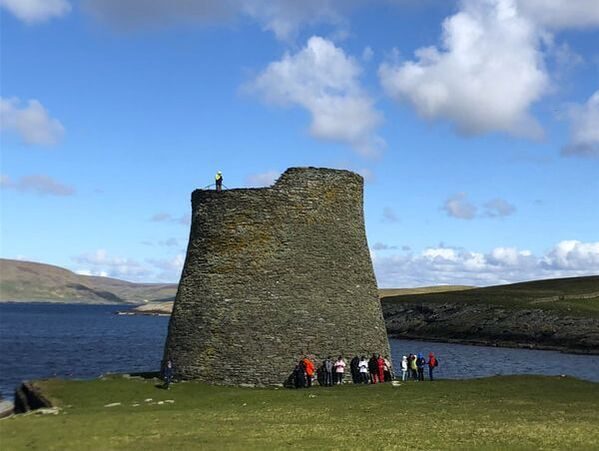 HistorySite in focus: Mousa Broch
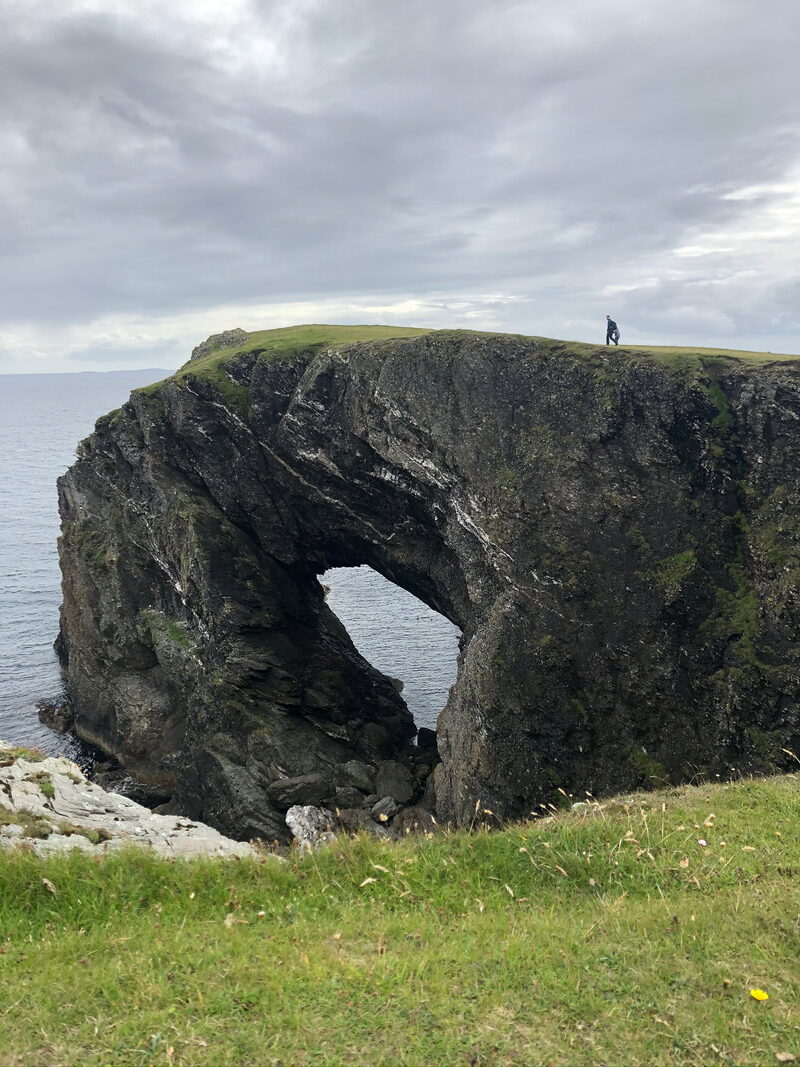 HistorySeven of Shetland’s Hidden Secrets
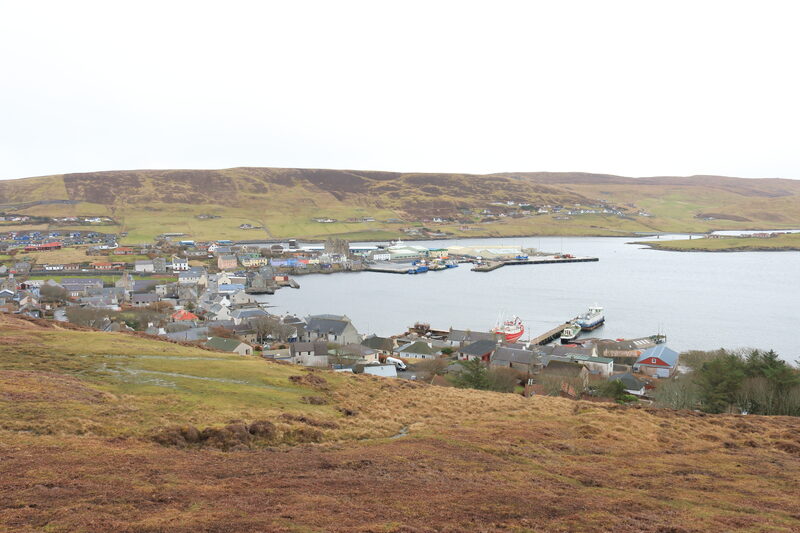 HistoryA day in Scalloway
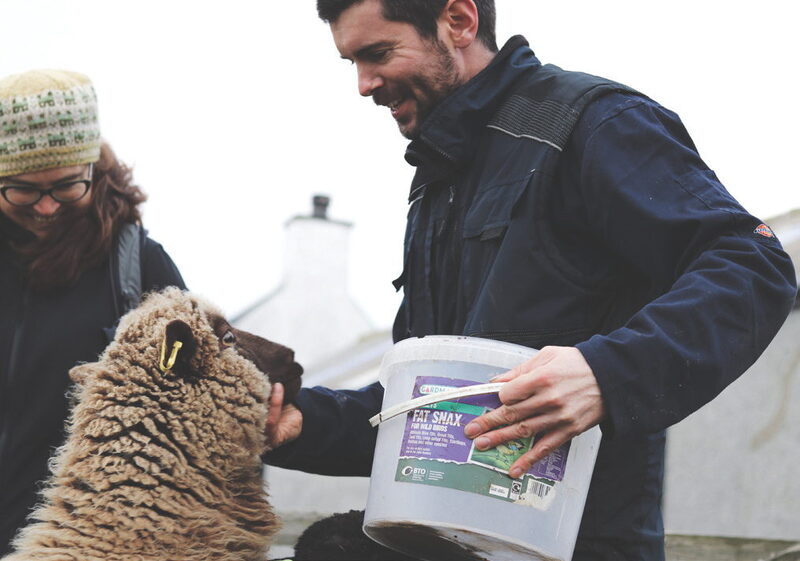 HistoryShetland Textiles: The Future is Woolly
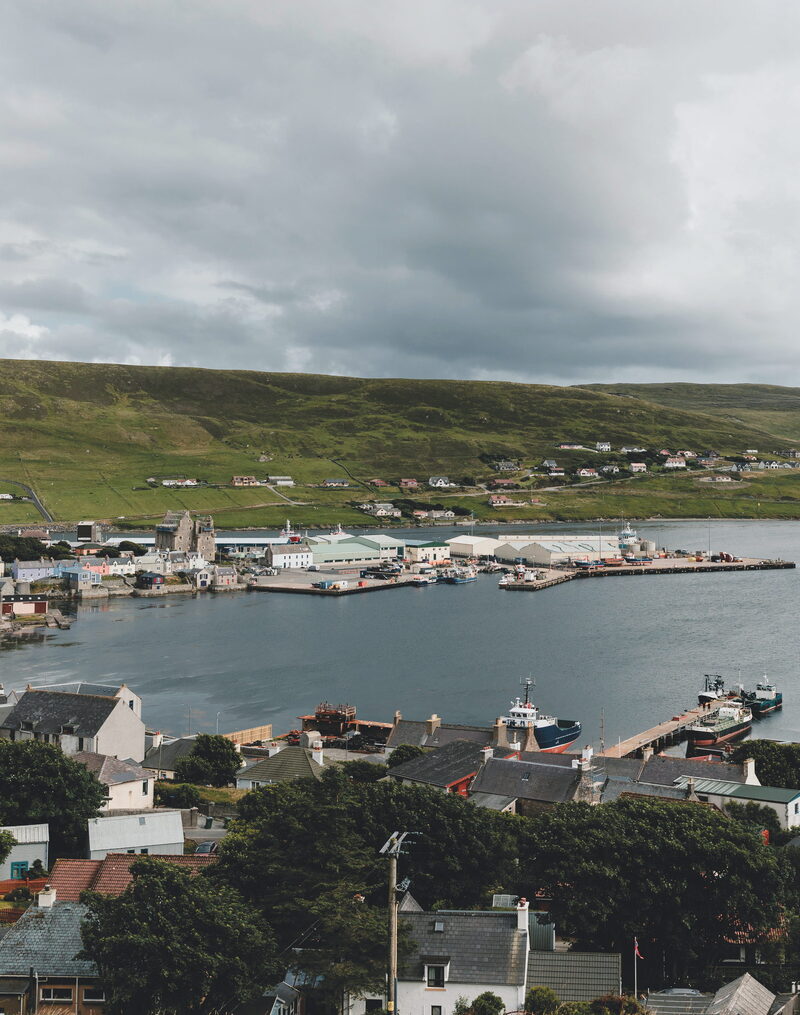 HistoryShetland’s Forgotten Women
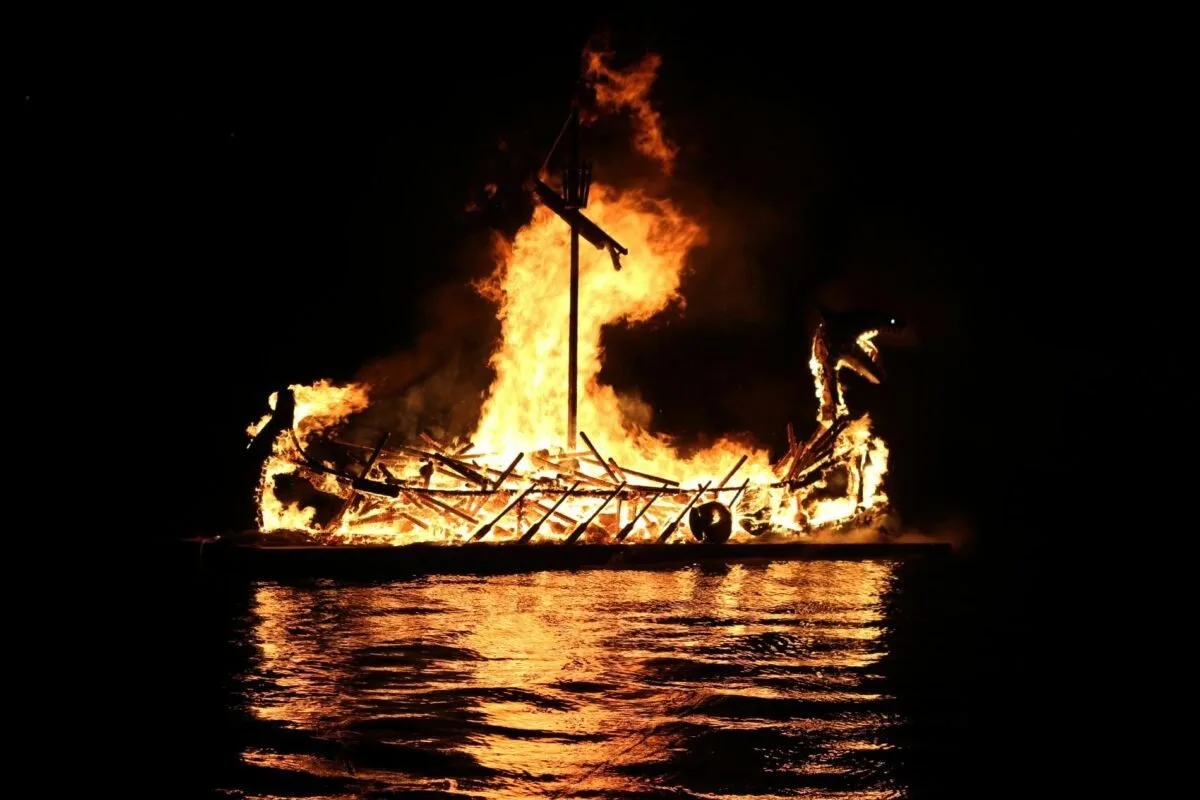
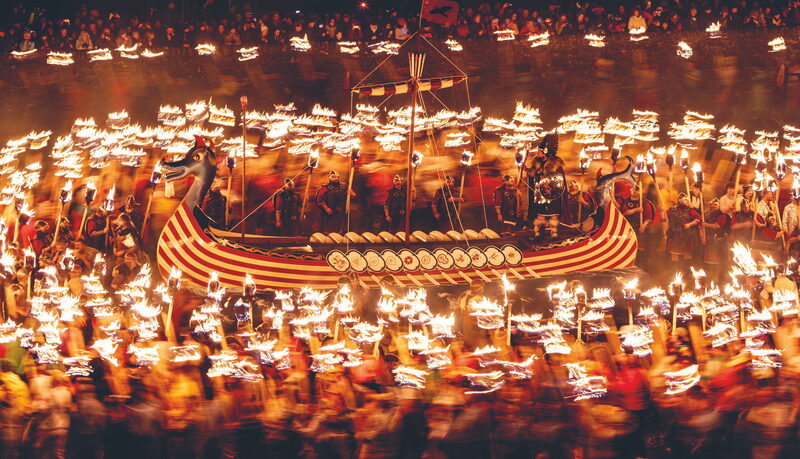 HistoryYour Essential Guide to Up Helly Aa
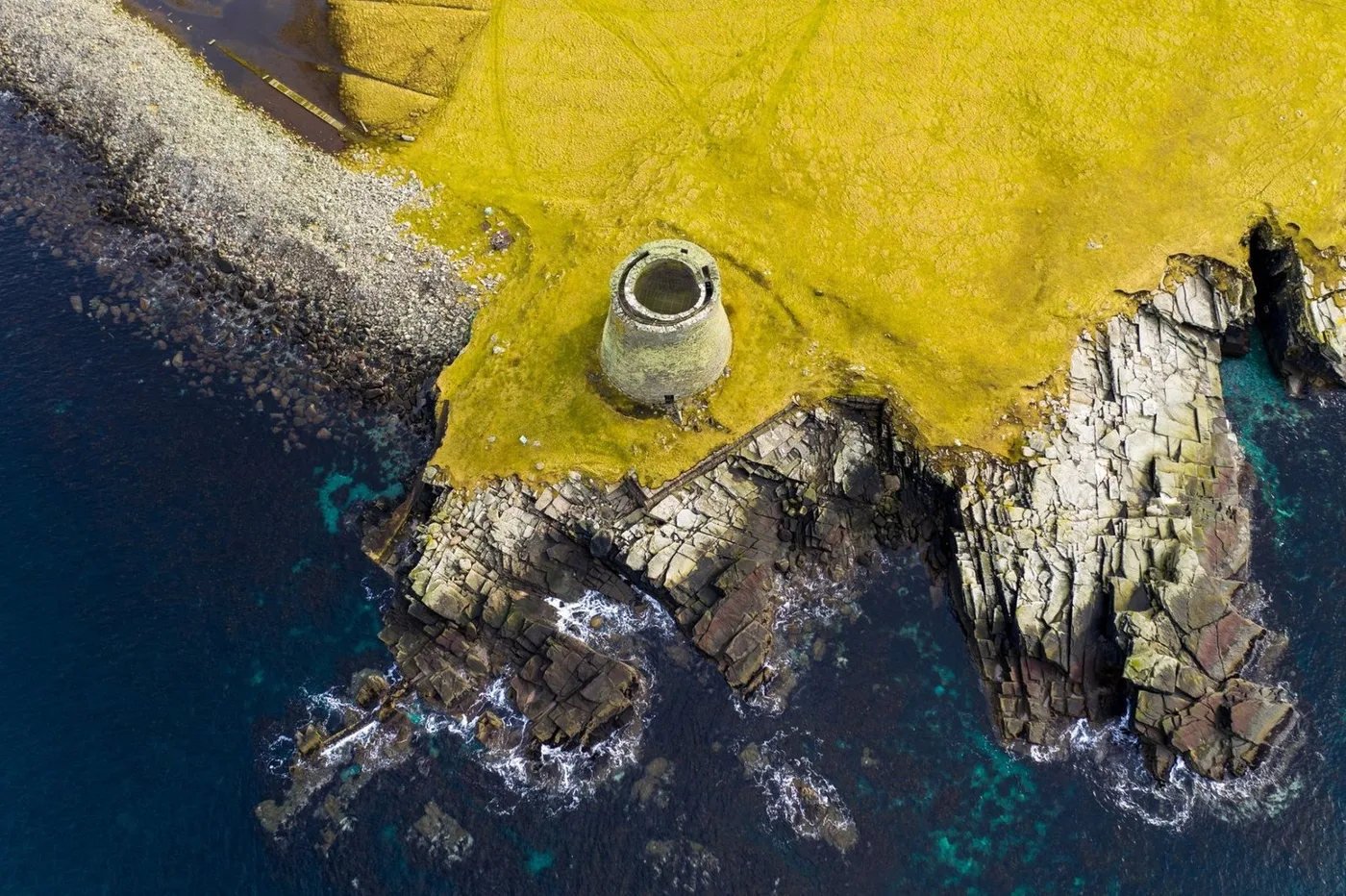 HistoryShetland's Best Brochs
 HistoryCartography, Vikings and Up Helly Aa in ShetlandHistoryShetland’s nature reserves: Sumburgh HeadHistoryA day in Yell: five things to doHistoryA day in Whalsay: five things to doHistoryA day in Unst: five things to doHistoryA day in Fetlar: five things to doHistoryA slow guide to ShetlandHistorySite in focus: JarlshofHistoryWhere is Shetland?HistoryWhat language do they speak in Shetland?HistorySuggestions on places to visit in ShetlandHistoryShetland’s relationship with Scotland