
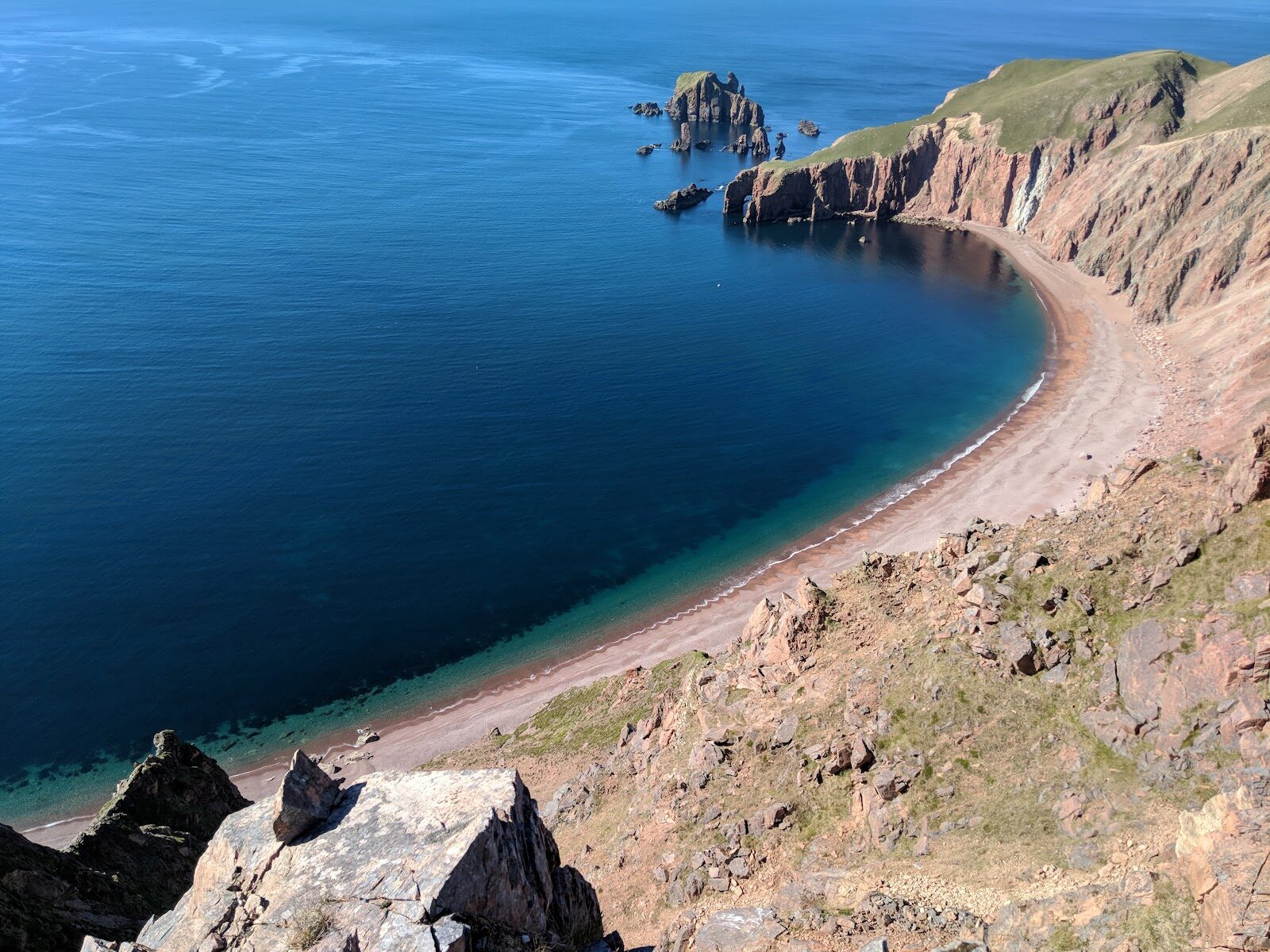
Shetland. Shetland guide
Brochs, puffins, otters and Up Helly Aa, on the islands where the North Sea meets the Atlantic.
The four parts of Shetland
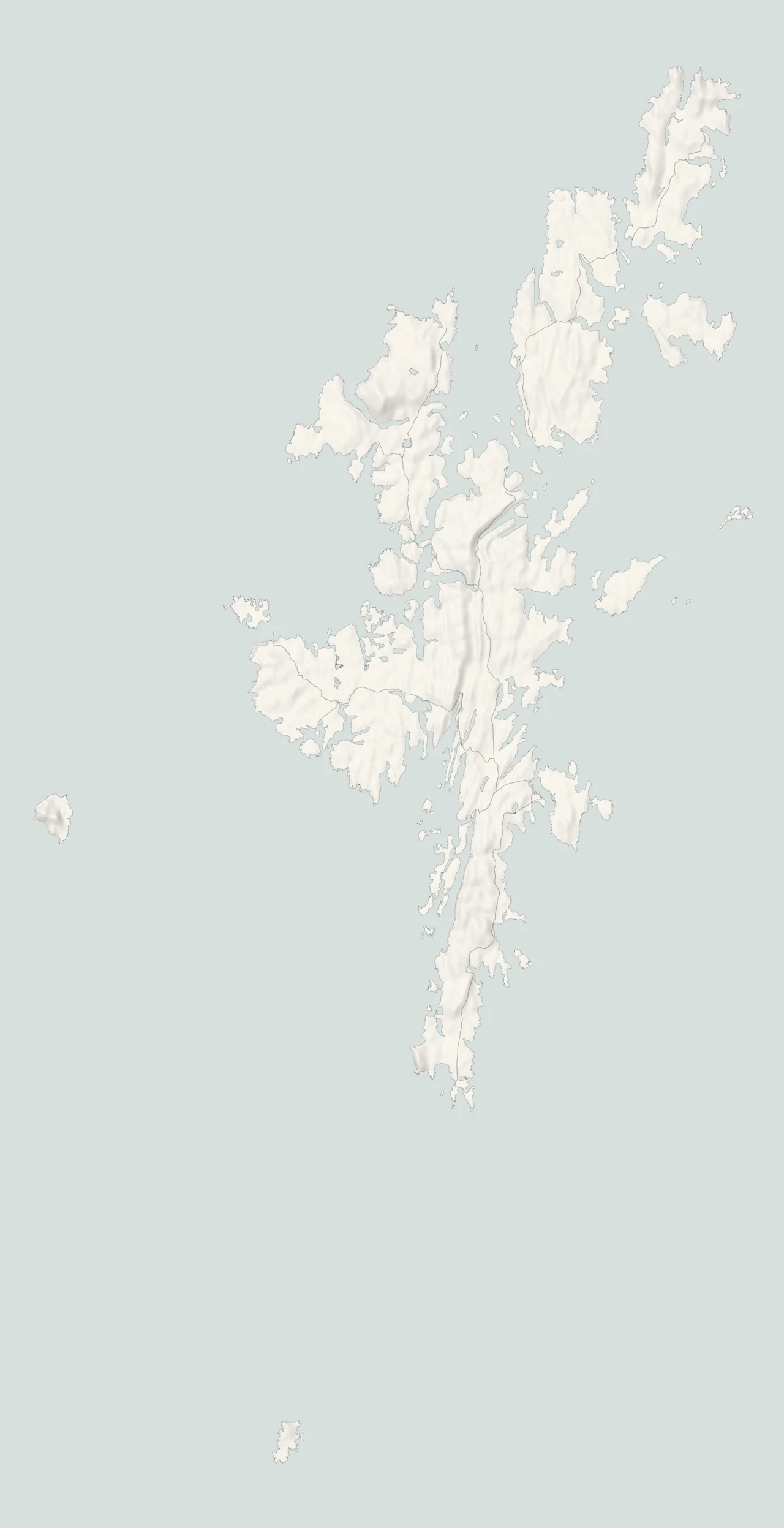
Shetland sits about 110 miles north of the Scottish mainland, a scatter of some hundred islands where only sixteen are lived on. So many maps have squeezed it into a little box in the corner that since 2018 Scottish public bodies have had to show it in its true place, or say why not. Once you arrive, the distance stops mattering. The coast is so broken up by voes, the long sea inlets that reach deep into the land, that nowhere is more than about three miles from the sea, and you are rarely out of sight of it.
Lerwick, Scalloway and the Westside
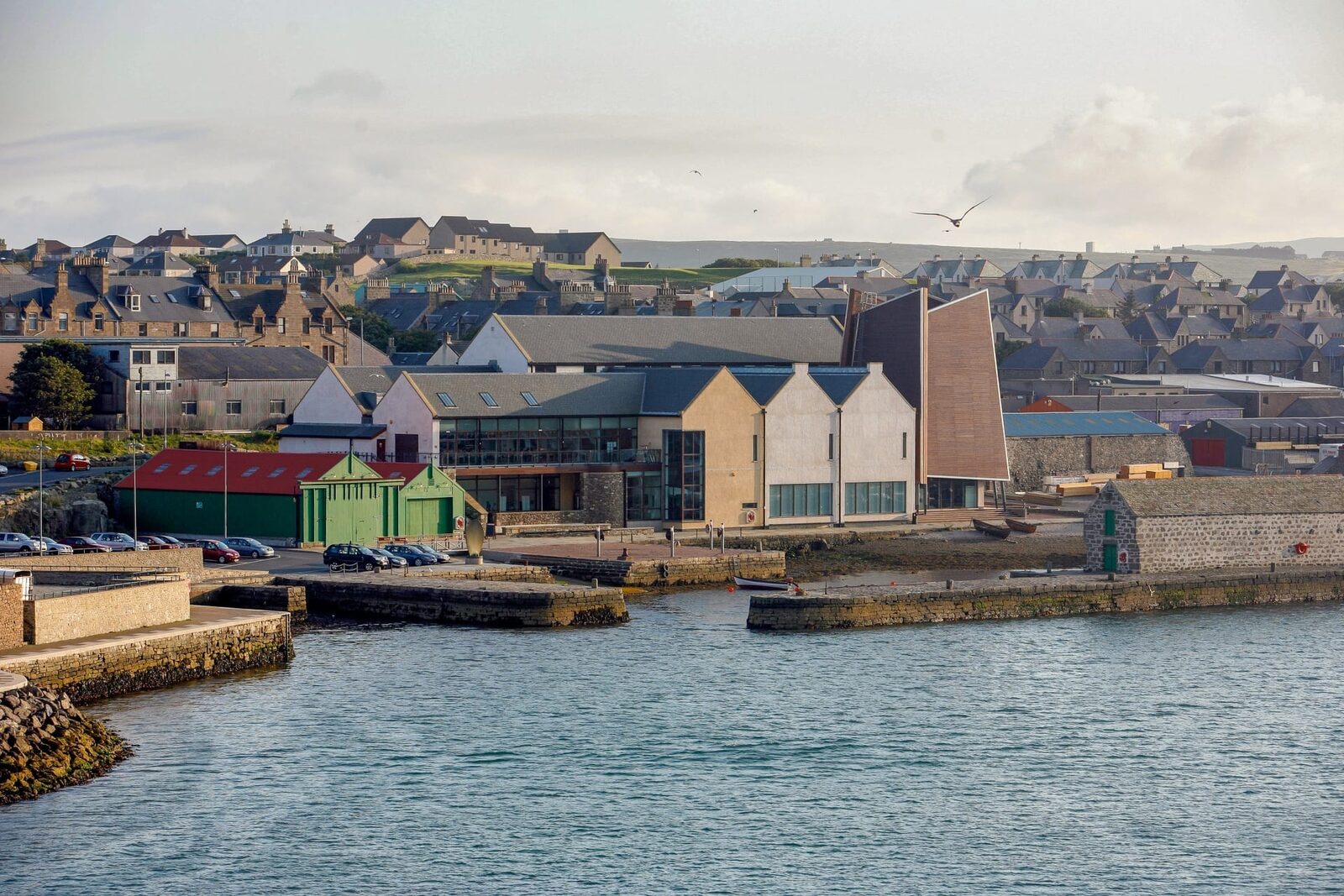
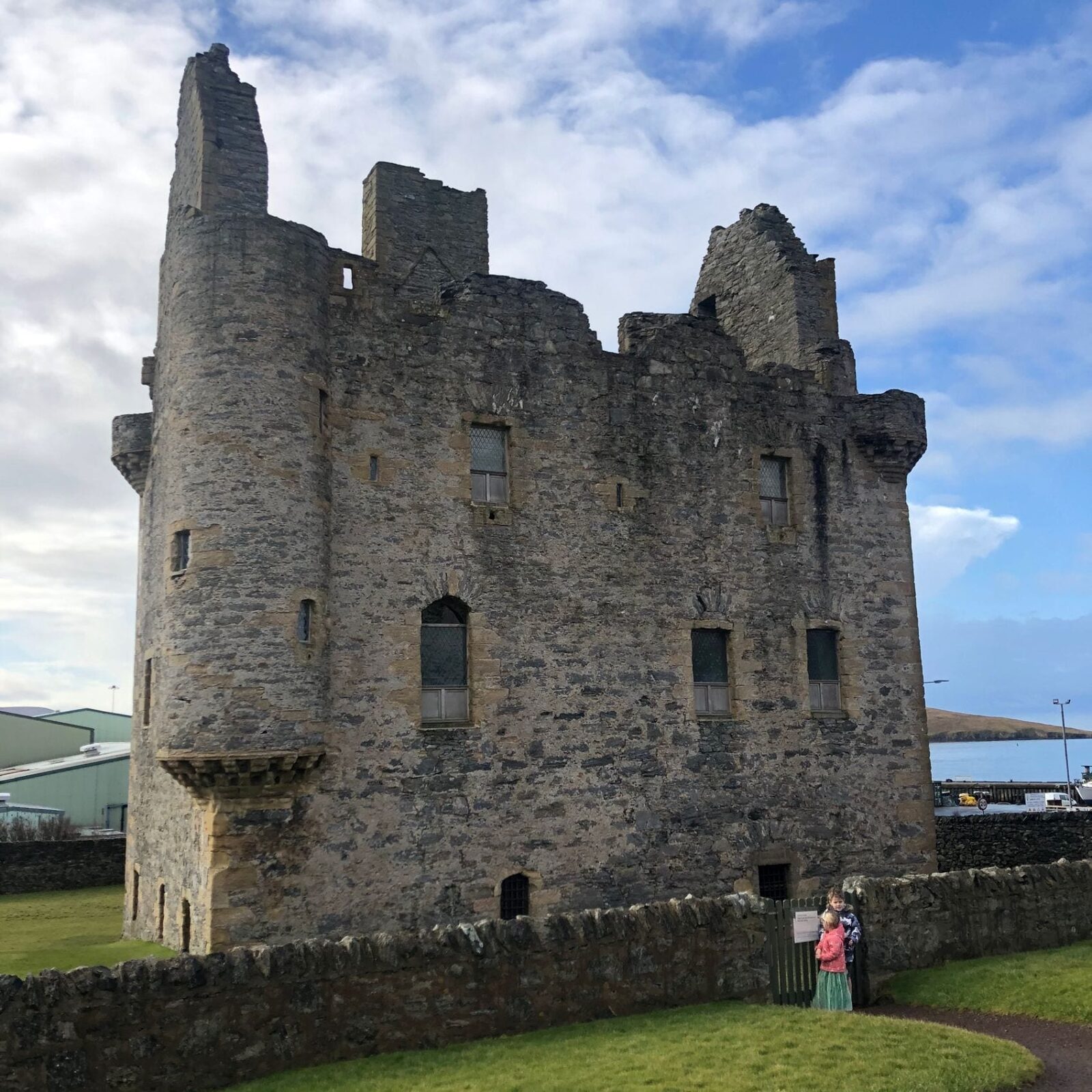
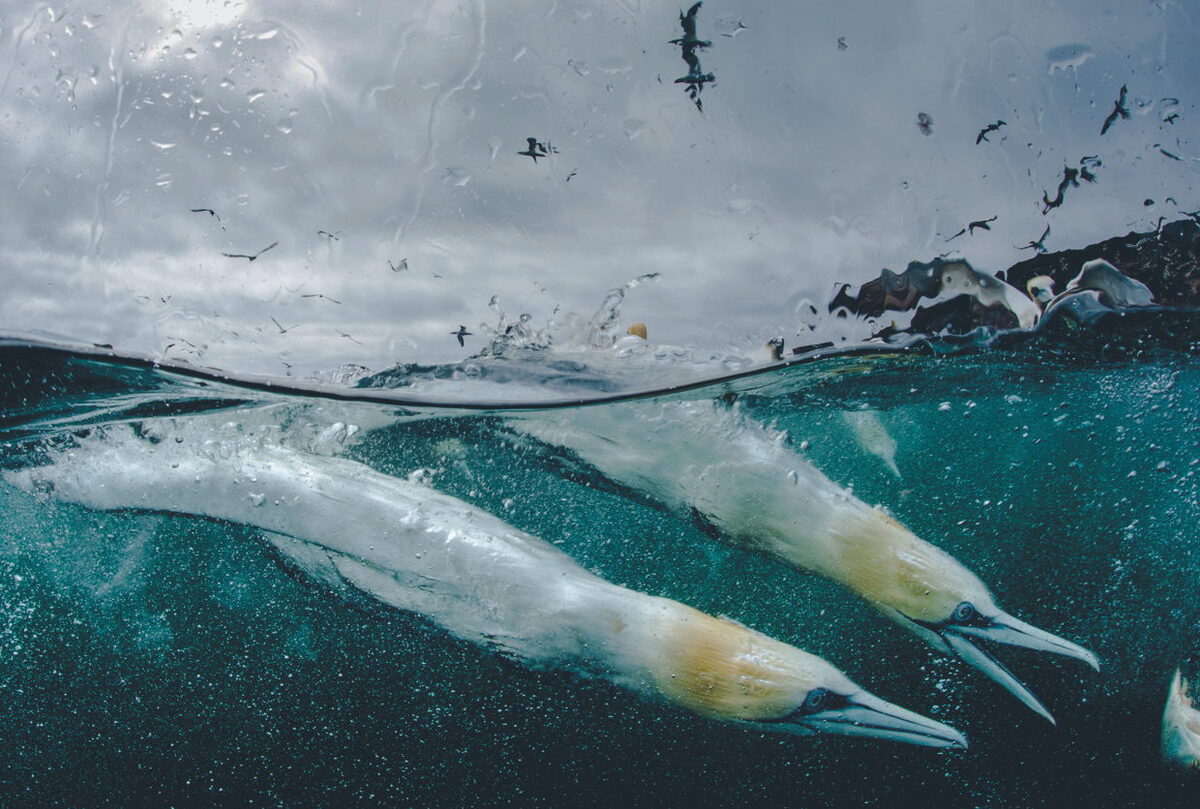
Lerwick is the only town, with the Shetland Museum on the old dock and boats out to the gannets of Noss. Scalloway, the old capital, is fifteen minutes west, bridges carry the road on to the white beaches of Burra, and beyond Walls the road ends at quiet valleys and storm beaches looking out to Foula.
Sumburgh and the South Mainland
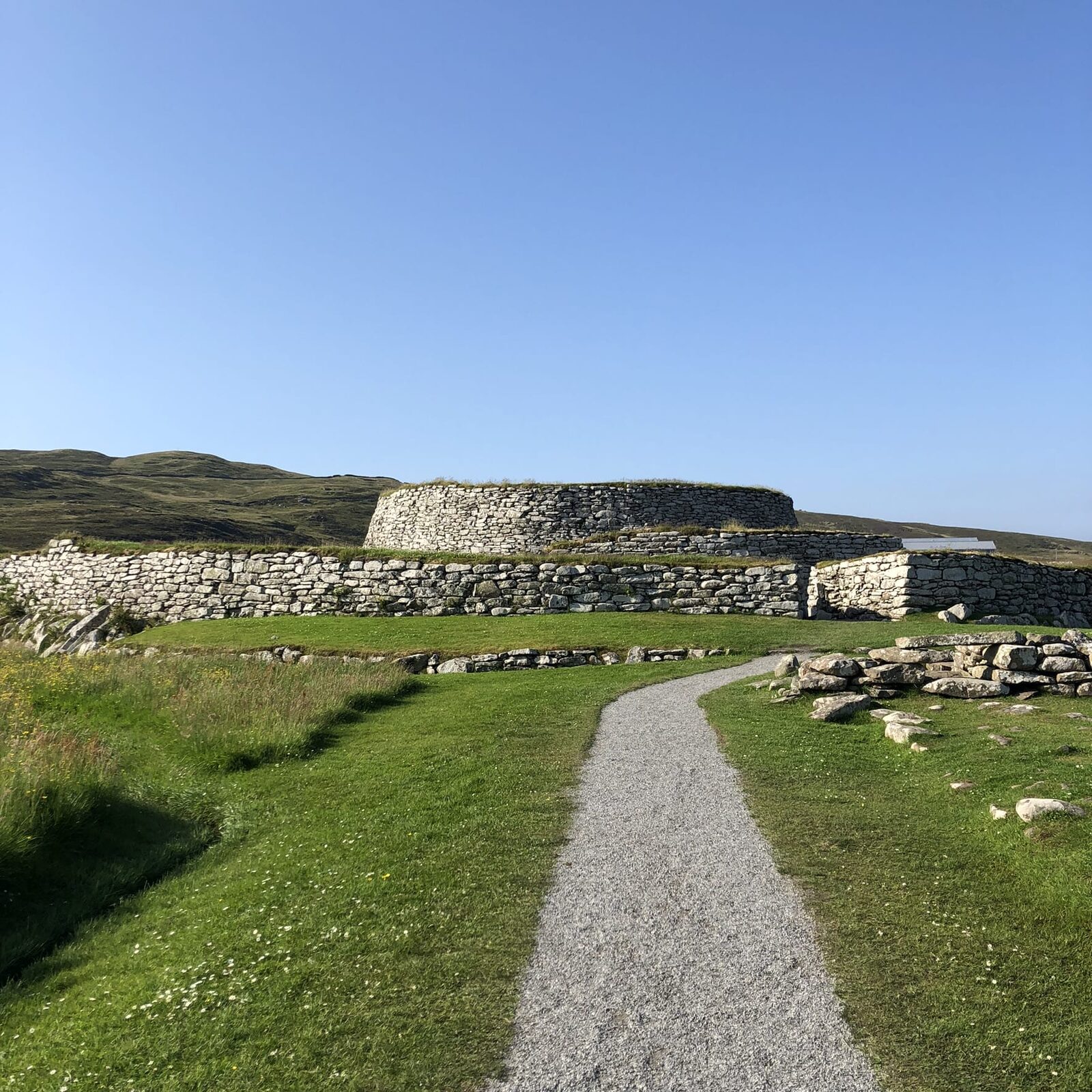
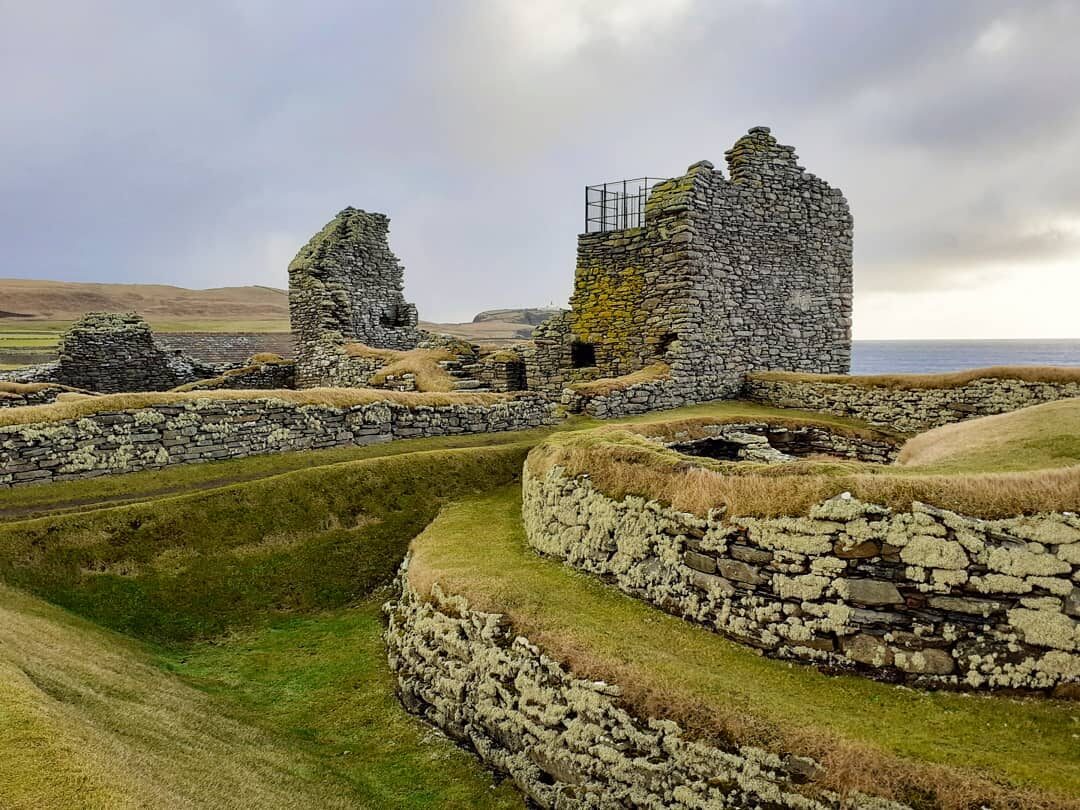
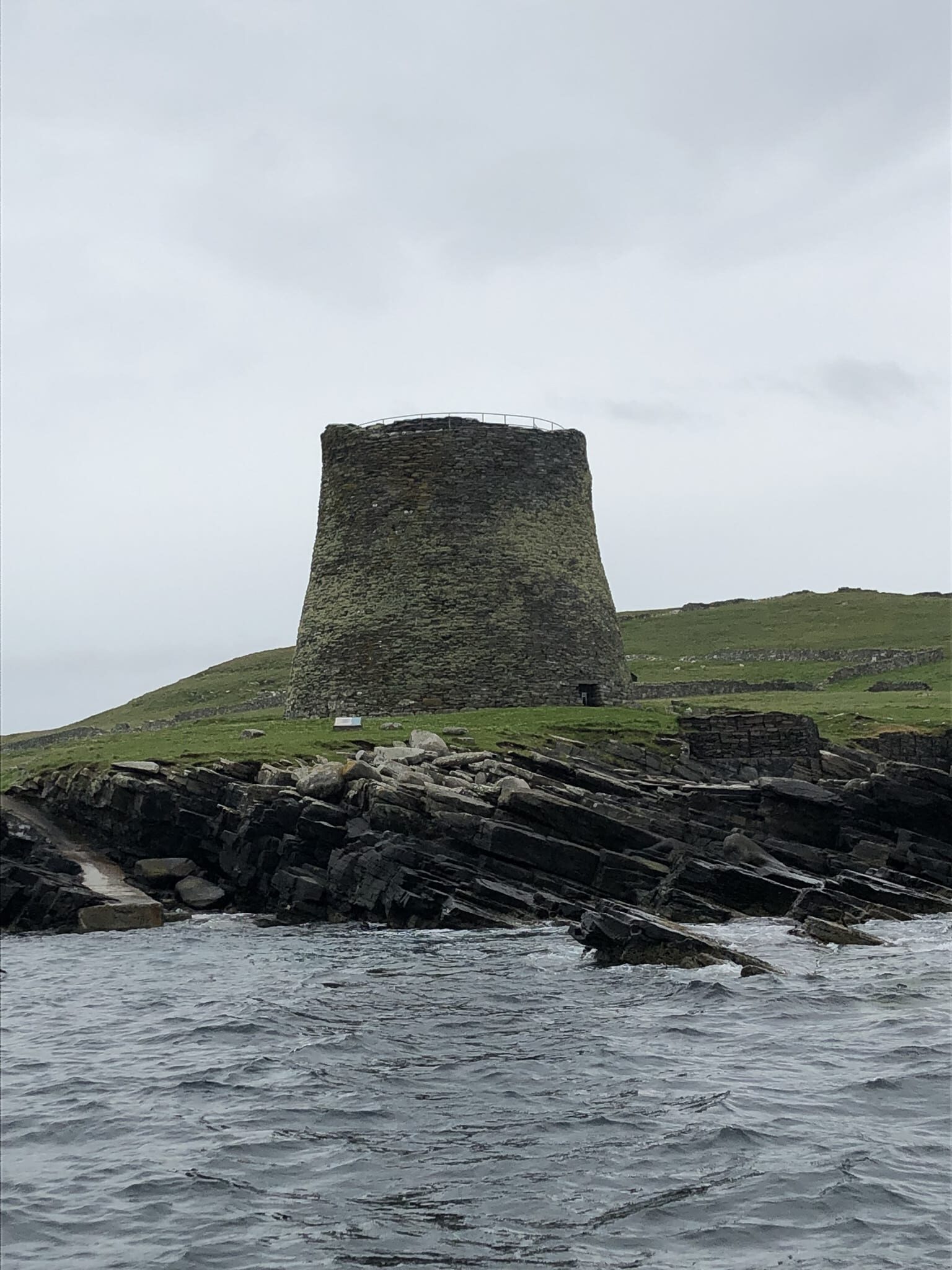
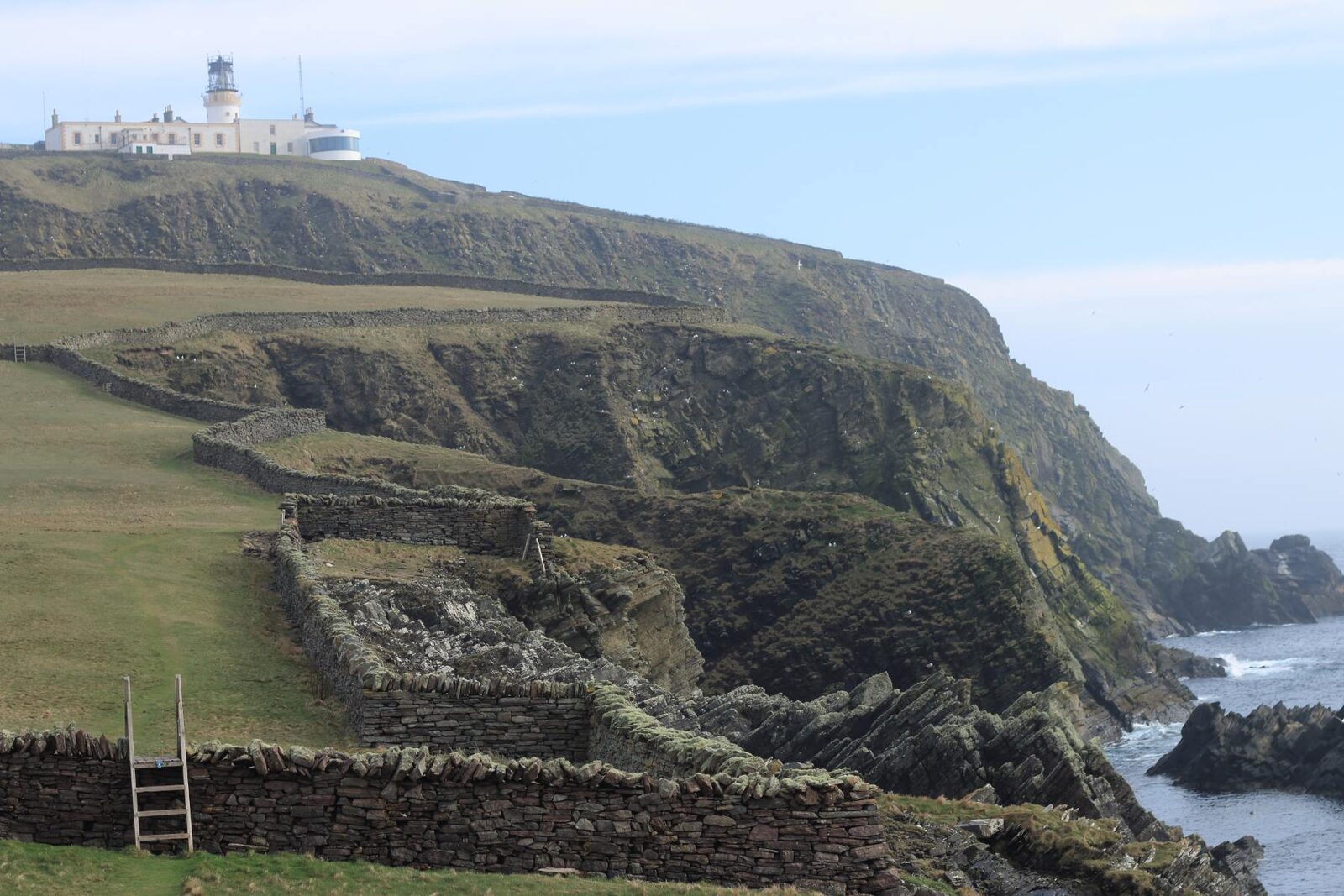
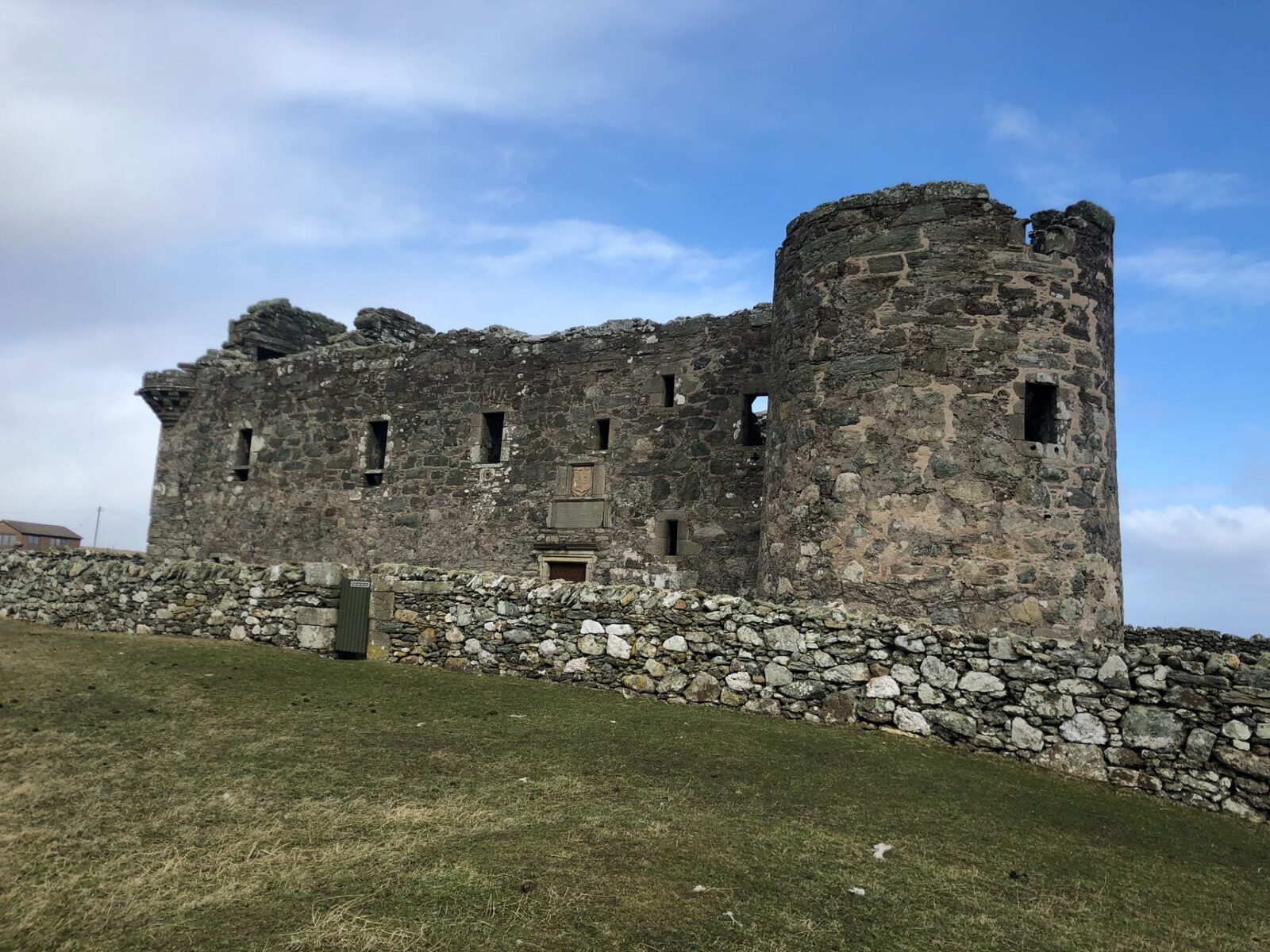
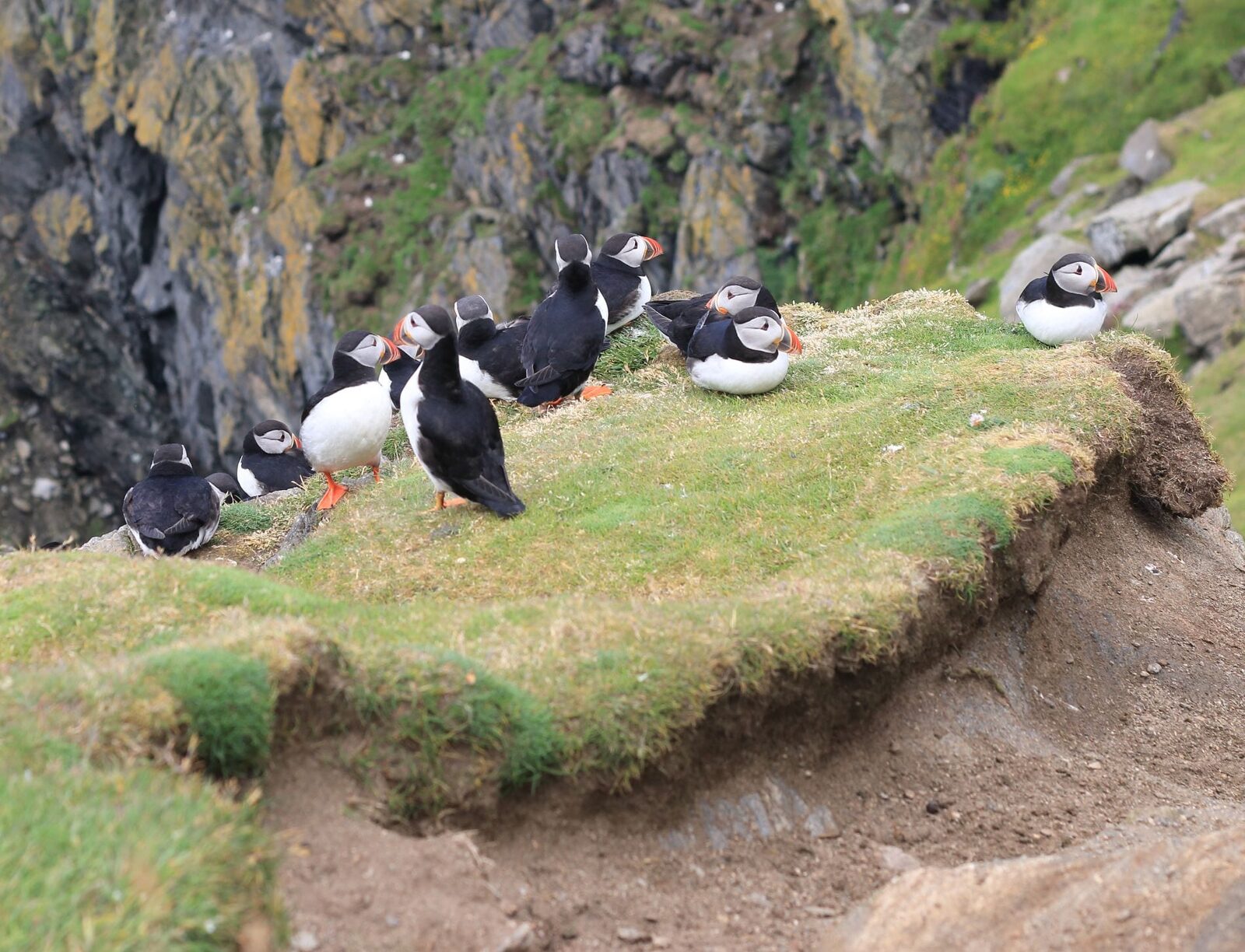
The South Mainland runs down to Sumburgh Head, where puffins nest below the lighthouse, and Jarlshof holds four thousand years of building on one site. A small boat crosses from Sandwick to Mousa and its broch, and a bar of white sand runs out to St Ninian's Isle.
Brae and the North Mainland
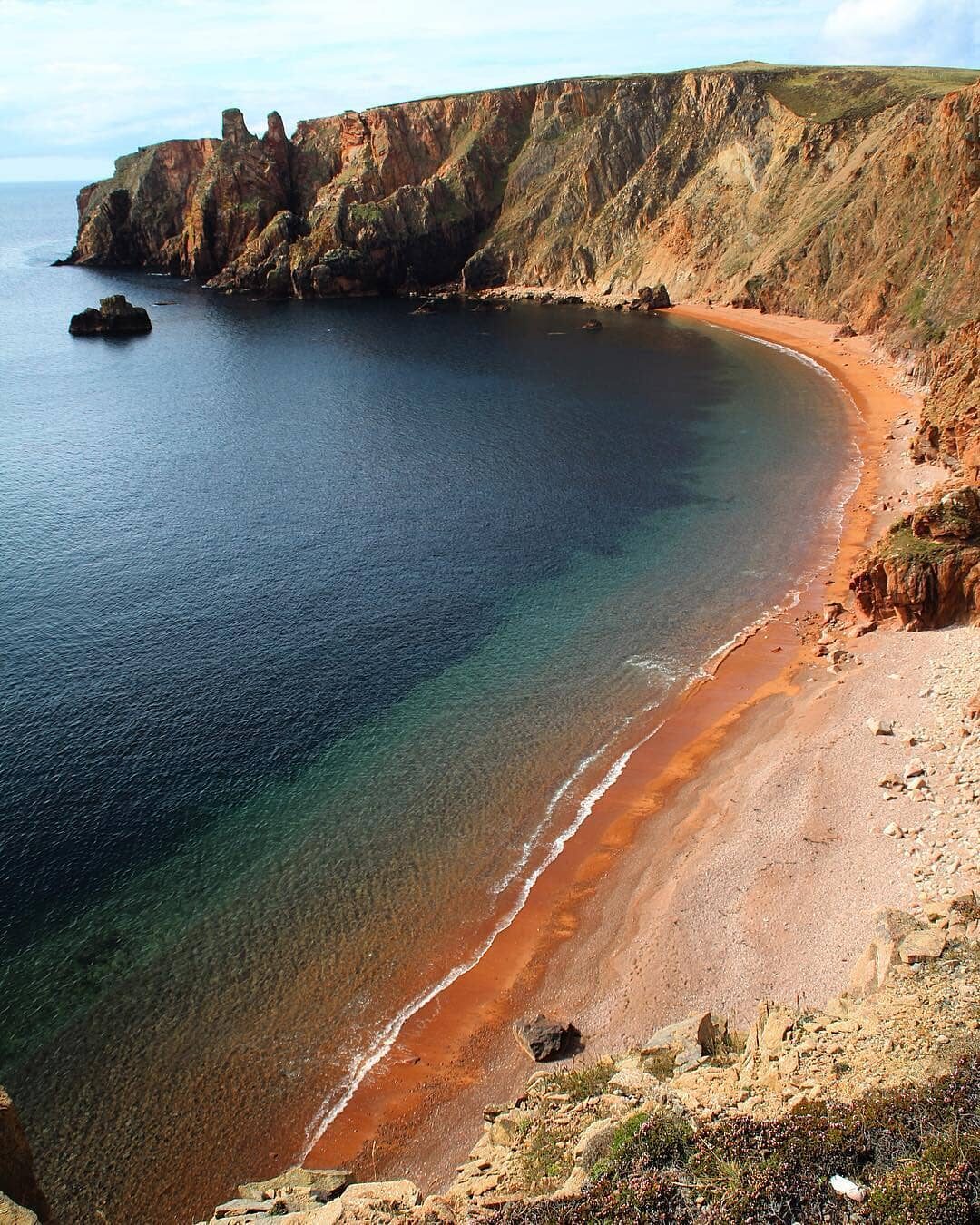
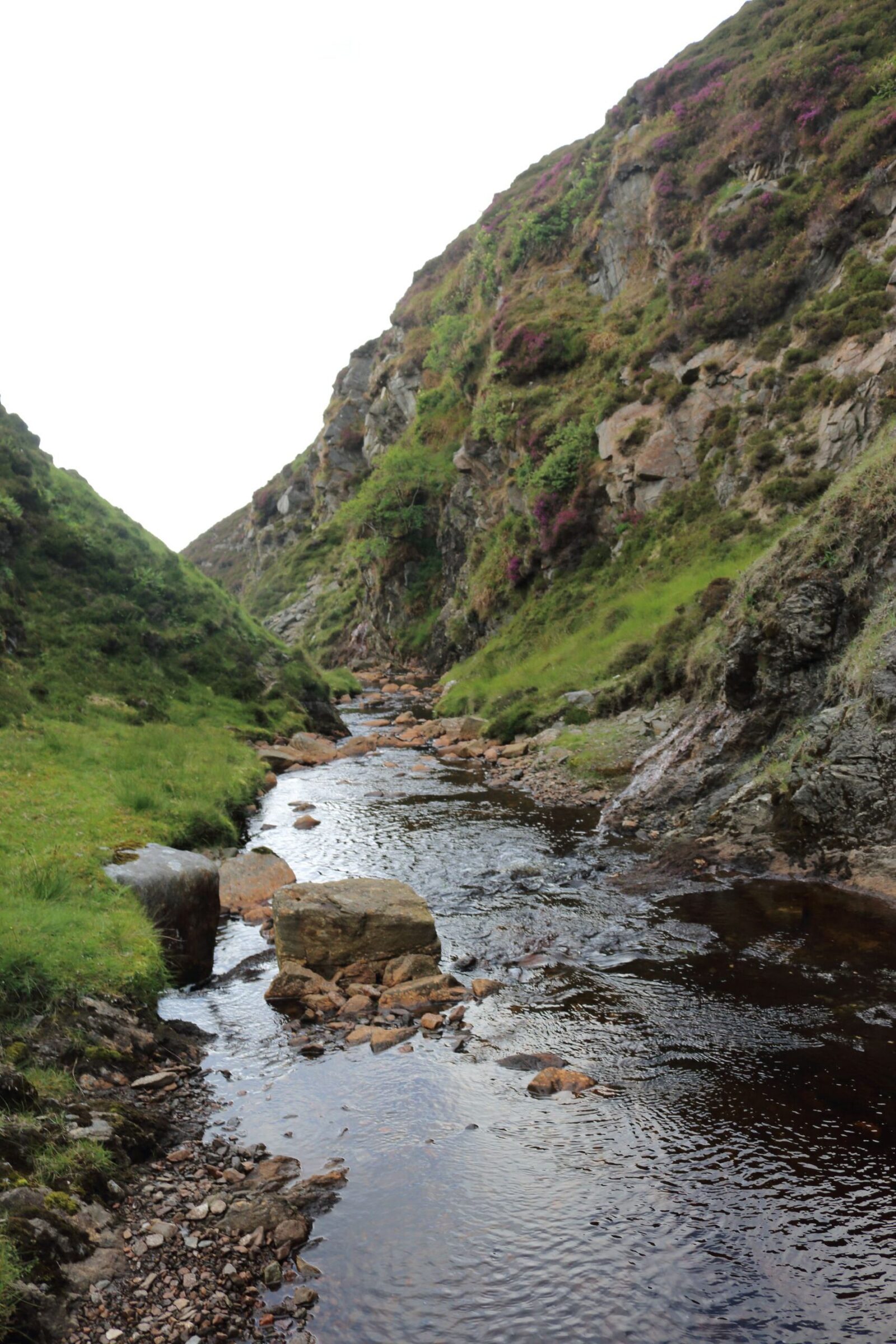
North of Mavis Grind, where you can throw a stone from the North Sea to the Atlantic, Northmavine is red granite hills and cliffs. The walk at Eshaness follows the edge of an ancient volcano past blowholes and stacks, Ronas Hill is the highest in Shetland, and Brae has the most northerly chip shop in Britain.
Yell, Unst and the North Isles
Short ferries hop north to Yell, all peat and otters, and on to Unst, the most northerly inhabited island in Britain, with puffins at Hermaness and a Viking longship at Haroldswick. Fetlar is small, green and full of birds, and Whalsay is a fishing island a short crossing from the Mainland.
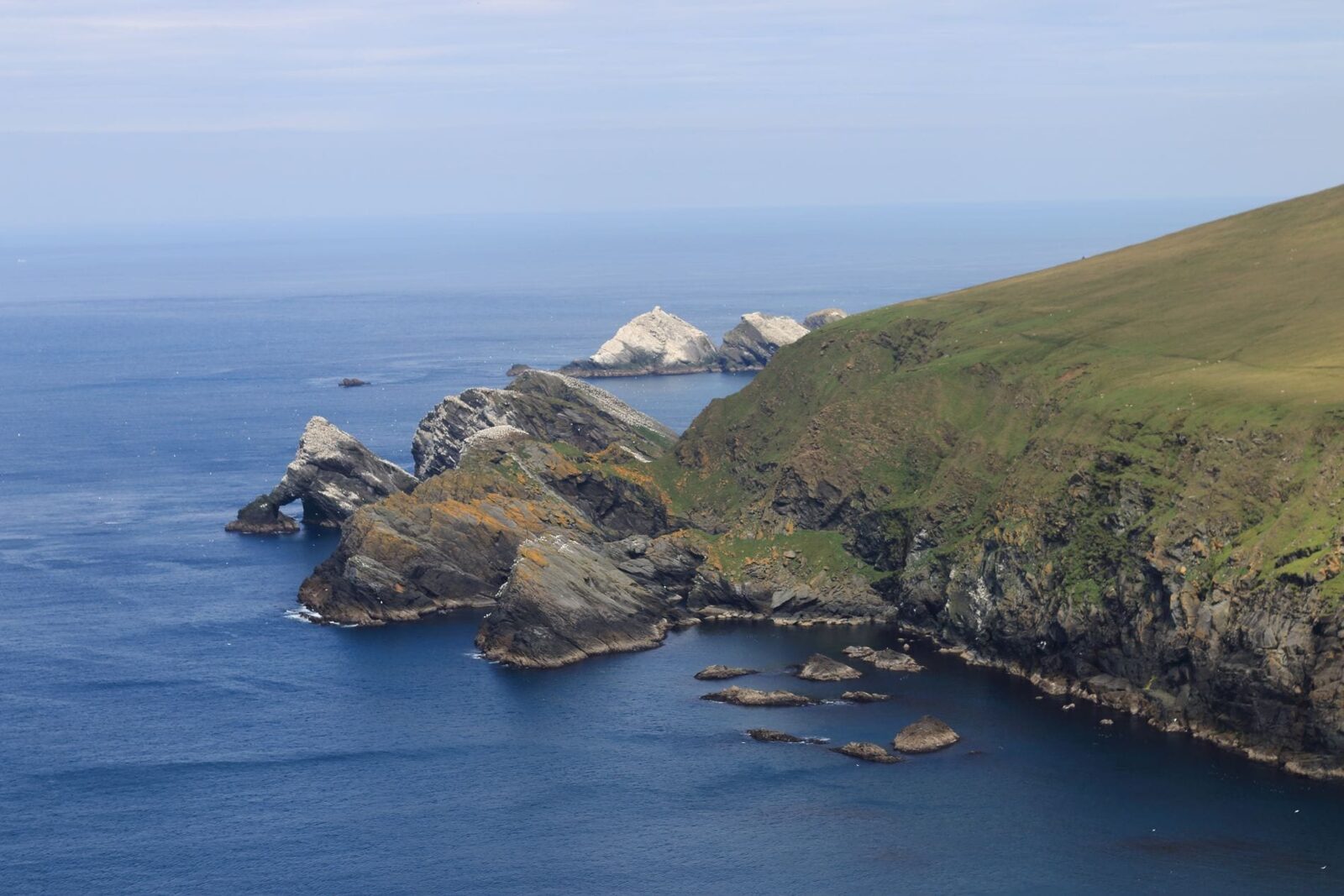
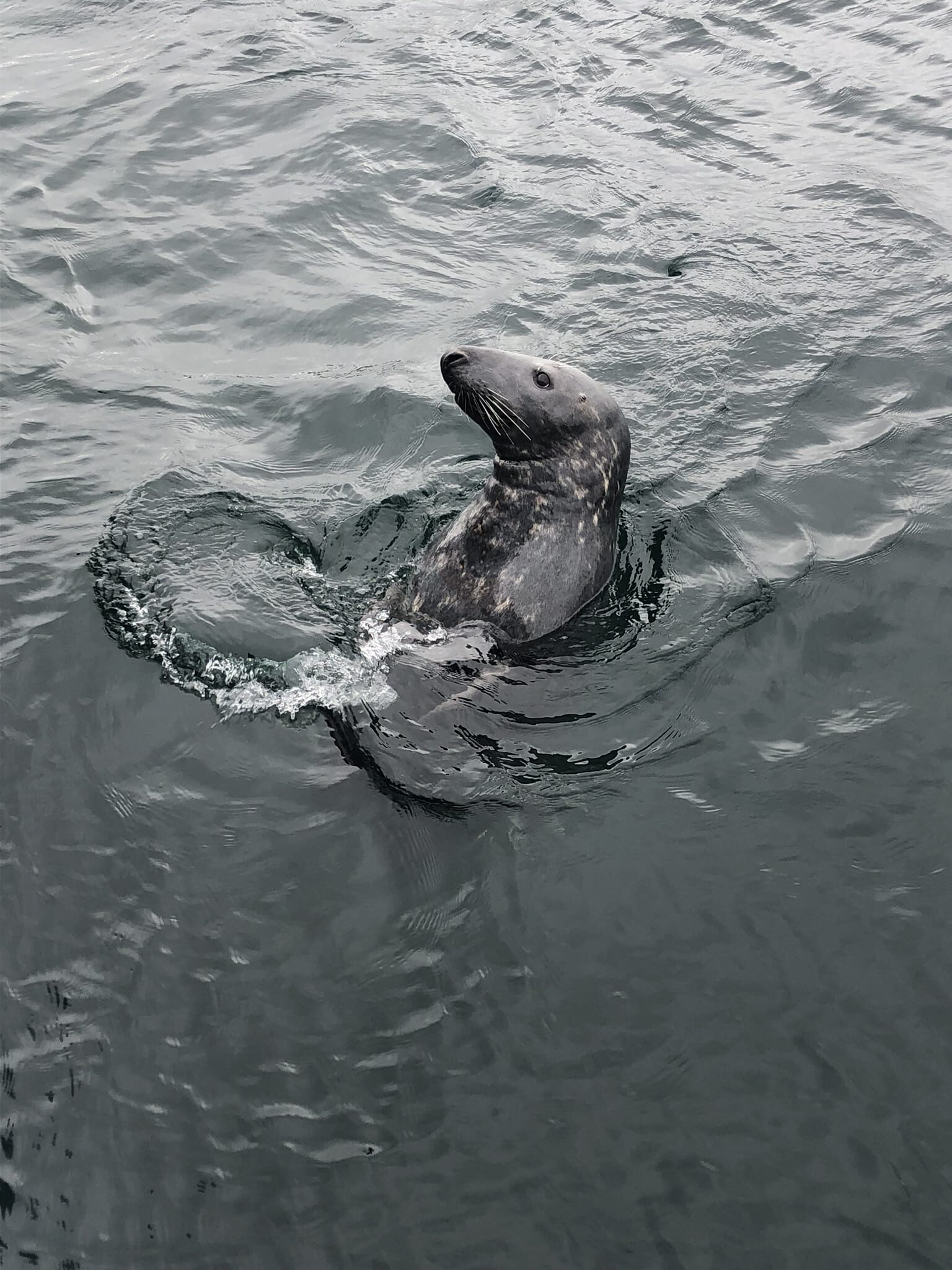
“There is nothing between these cliffs and Norway, and they get pounded by massive storms and large swells.”
Richard Shucksmith
Wildlife photographer, on the gannet cliffs of Shetland
Best known for.
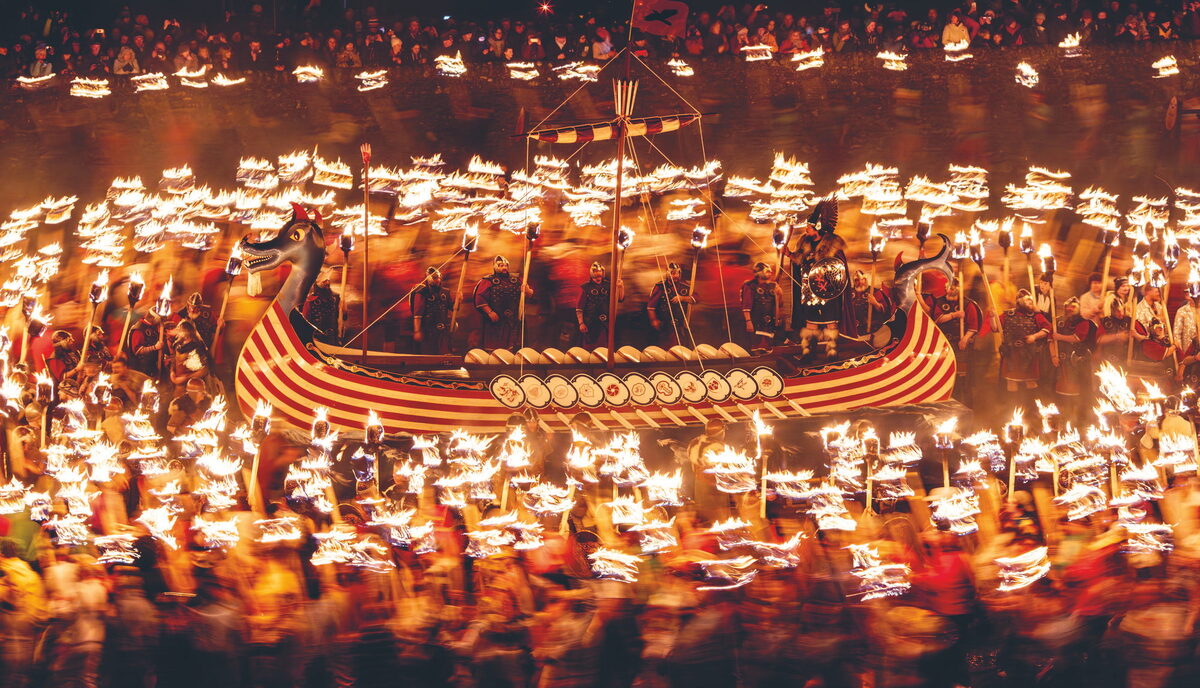
Shetland is known for its seabirds and sea cliffs, for brochs and Norse ruins, and for a way of life shaped as much by Norway as by Scotland. Its knitting has gone round the world, from Fair Isle patterns to fine lace shawls. Its ponies are famous, and its sheep give a soft, fine wool. Fiddle music is played in pubs and halls all year, and the fire festival of Up Helly Aa lights up Lerwick every January. Lately, fans of the television detective Jimmy Perez have come looking for the real Shetland too.
More about Shetland
Lerwick, the islands' capital, is a harbour town of stone lanes and old stores built right onto the water, and it makes the obvious base. South of it, the long, thin South Mainland holds some of the oldest places in the islands, from Jarlshof to the broch on Mousa, alongside pale sandy bays. To the west and north the land turns wilder, with the volcanic cliffs of Eshaness and the moors of Northmavine. Then come the North Isles of Yell, Fetlar and Unst, linked by small car ferries, with Fair Isle and Foula far out on their own.
When you go shapes the trip. From mid-May to mid-July the cliffs are loud with seabirds, and puffins stand about on the clifftop grass. Around midsummer it hardly gets dark at all, a soft half-light that Shetlanders call the simmer dim. Winter brings short days, big seas and, on clear nights, the northern lights. On the last Tuesday of January, Lerwick holds Up Helly Aa, when a torchlit procession ends with the torches thrown into a replica Viking galley. Whatever the season, pack for wind and rain as well as sunshine.
What would you like to look at?
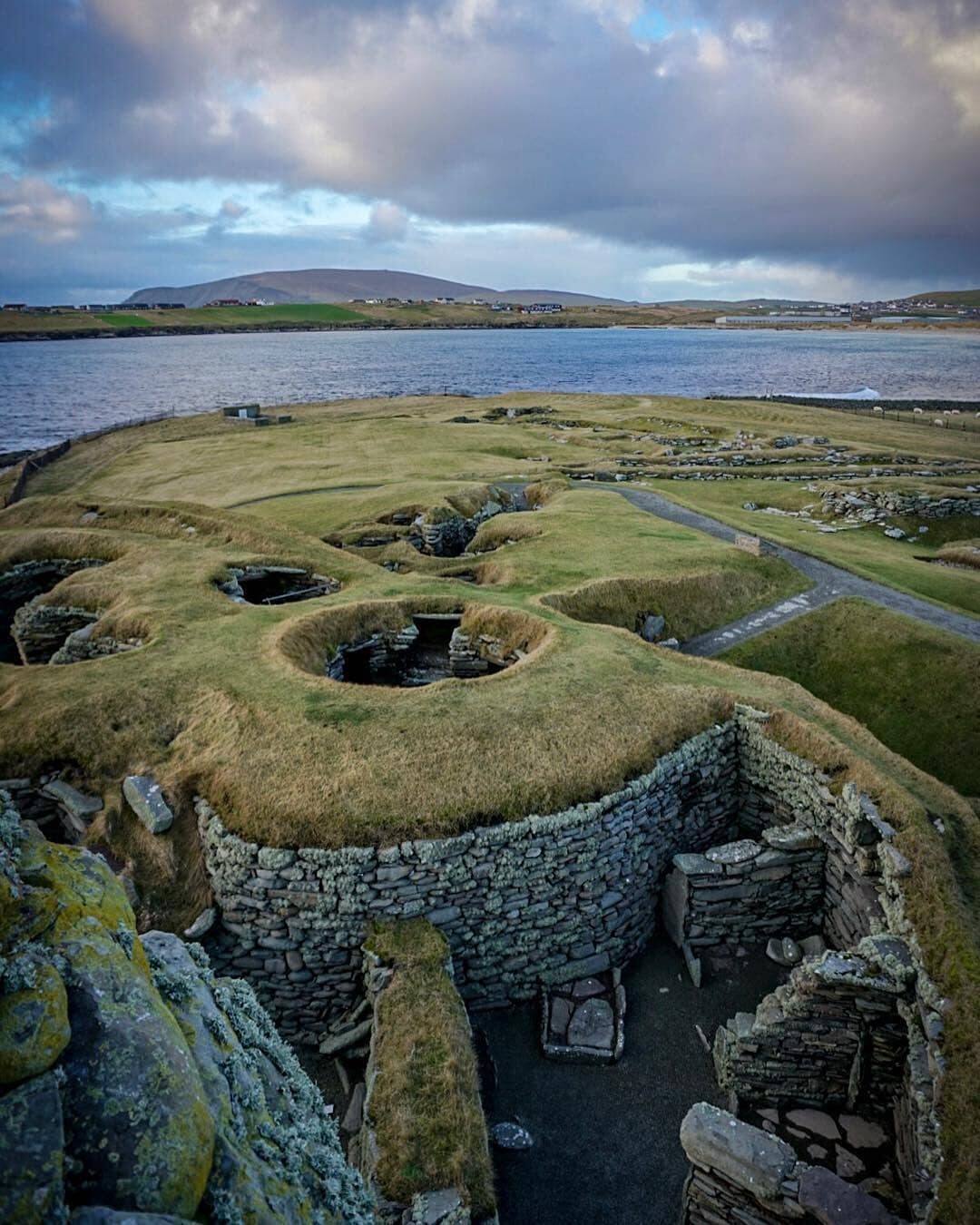 See and doBrochs, Jarlshof, museums and lighthouses
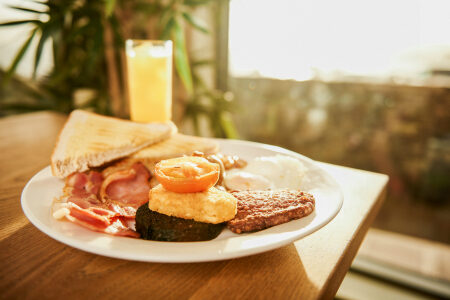 Eat, drink and shopFish and chips, cafés by the water and island teaHistory and storiesBrochs, Norse settlers and the North Sea oil years
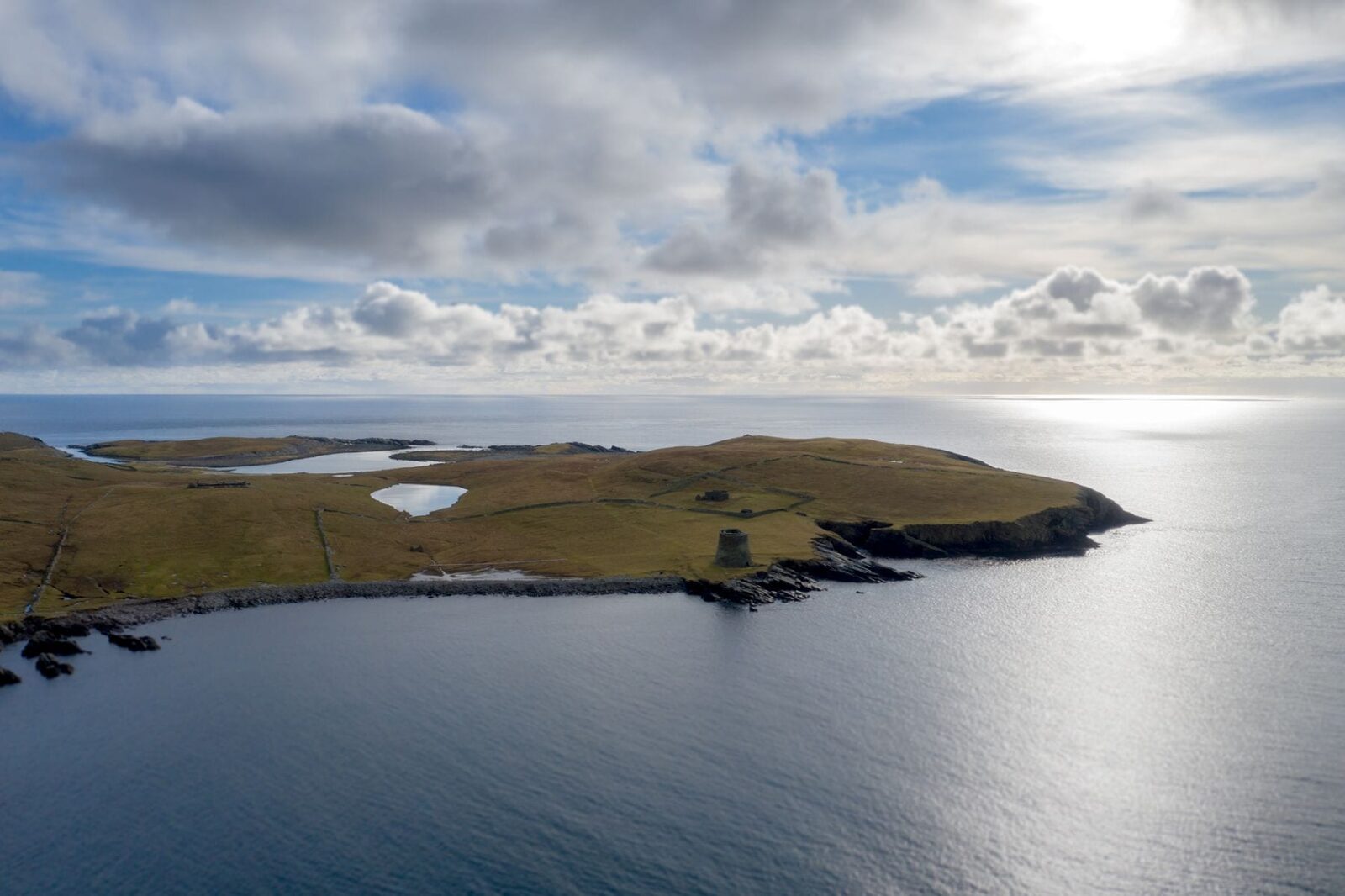 ItinerariesDays we have driven, stop by stop
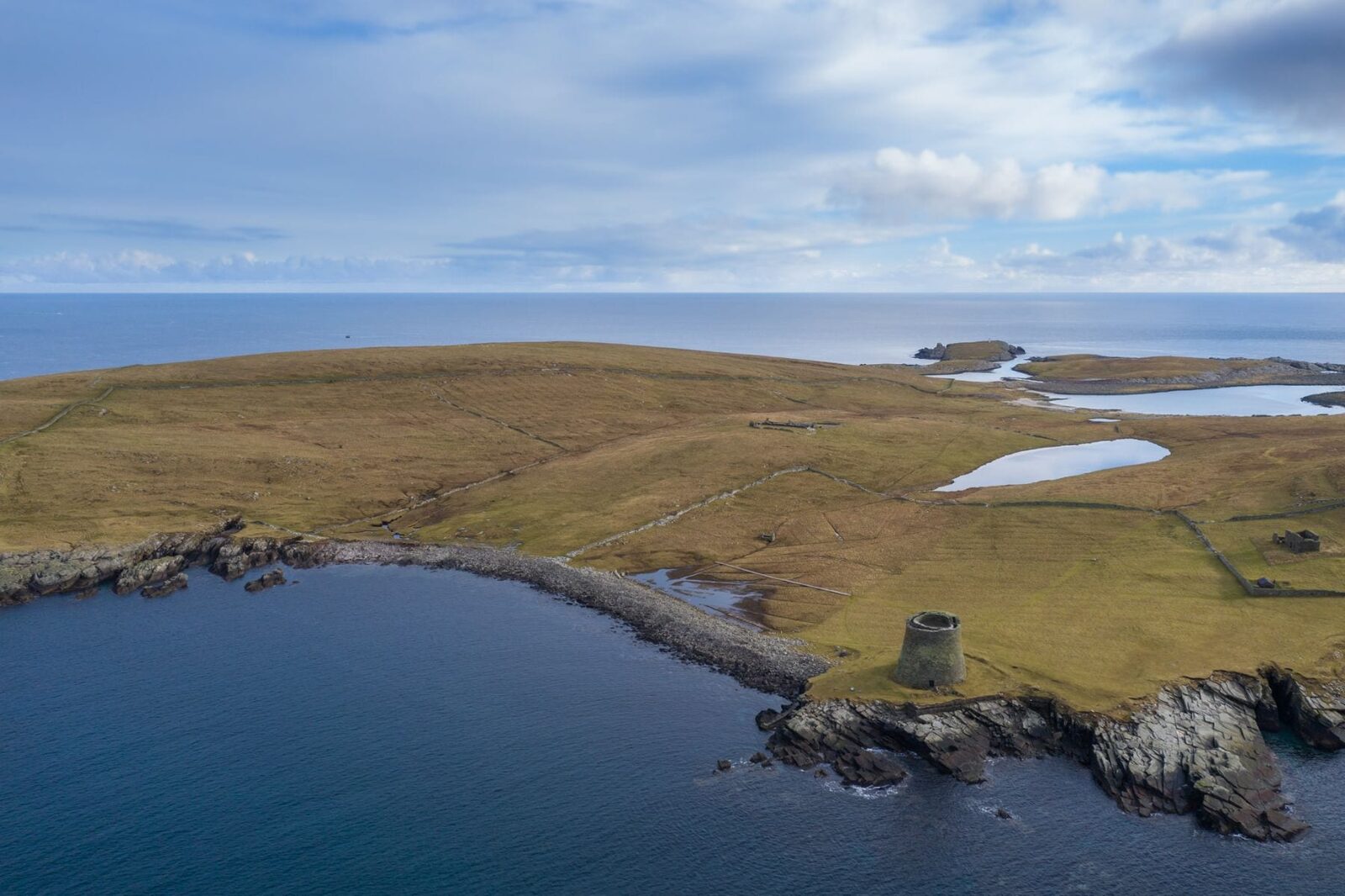 Getting hereThe overnight ferry, the flights and the island boats
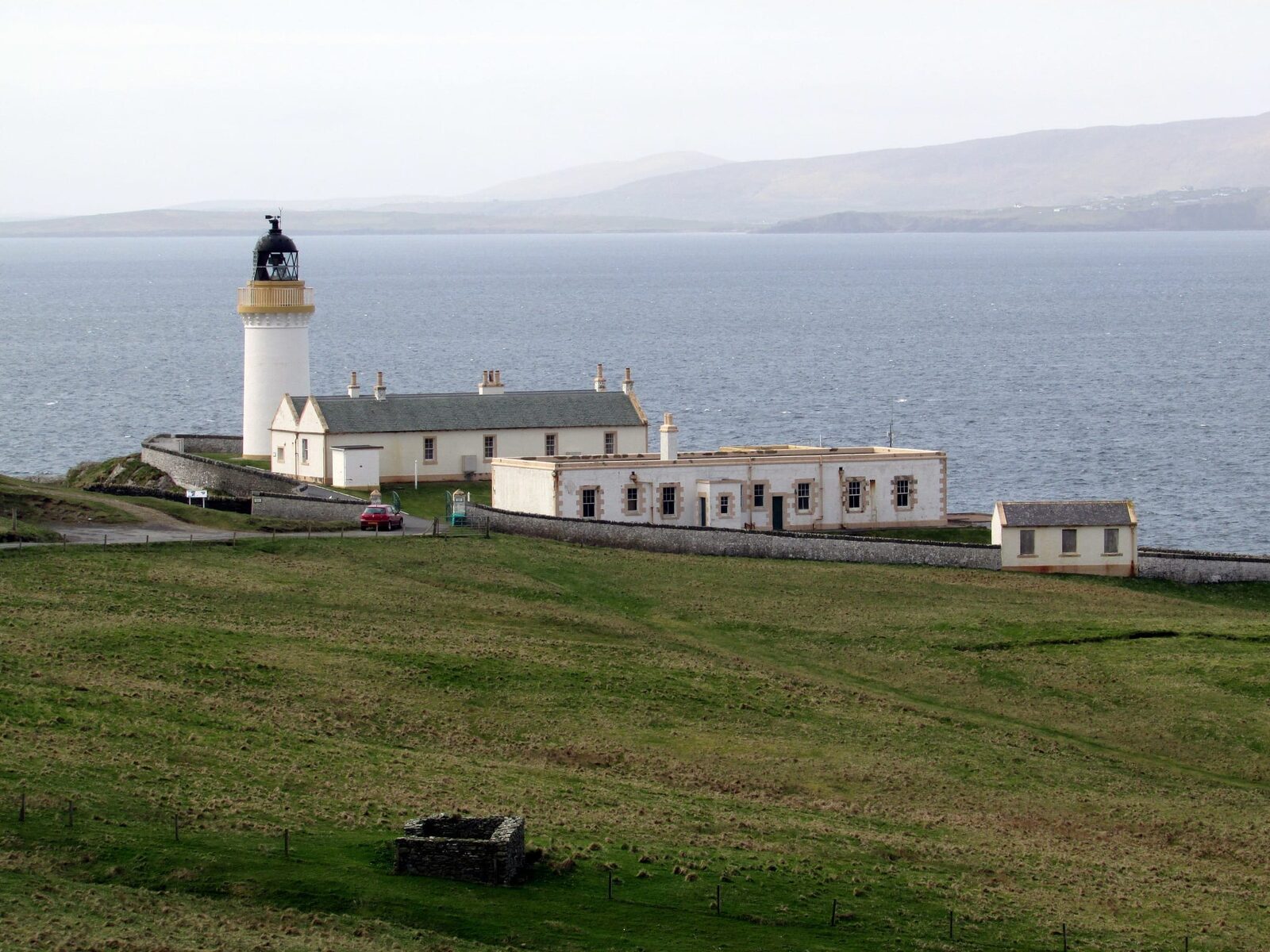 What is on in ShetlandSomething new from the islands every day
What is on in Shetland
Friday the 16th of October.
Sunrise 07:47, sunset 17:52.
Things you might not know.
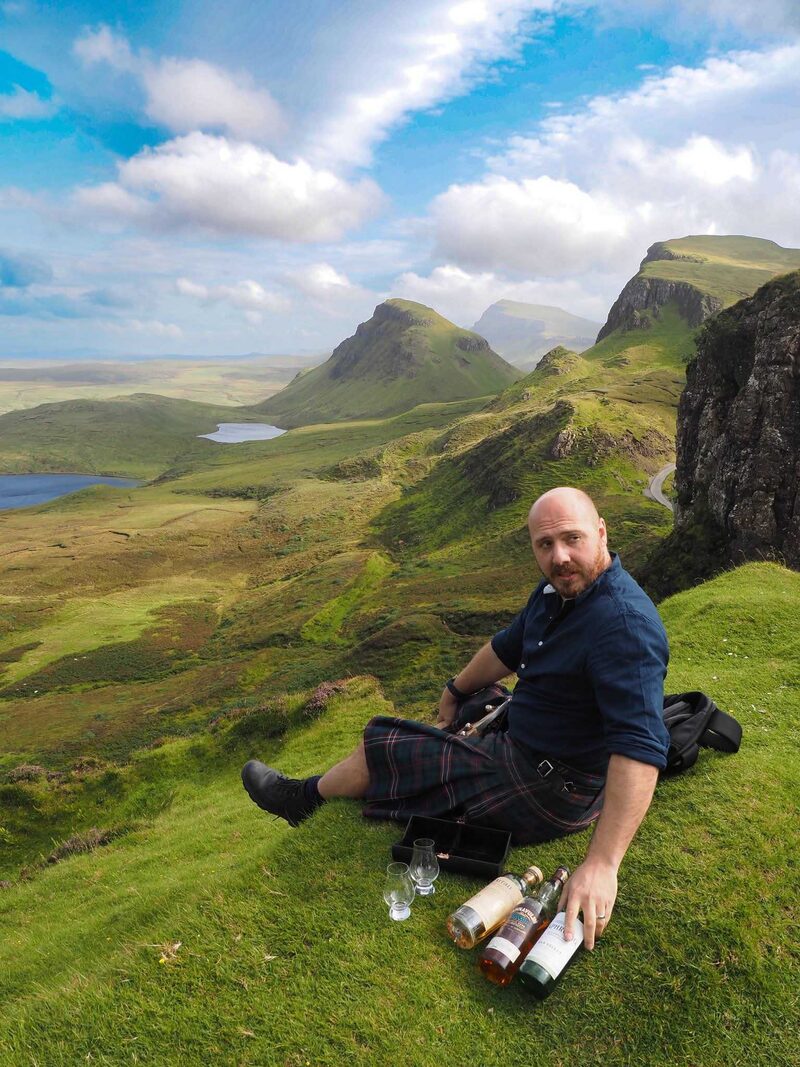
Graeme Johncock
Graeme is the writer and storyteller behind Scotland’s Stories, sharing Scotland’s traditional folklore and legends.
Shetland only became part of Scotland in 1469. It was put up as insurance against the unpaid dowry of Princess Margaret for her marriage to King James III.
Find out moreThe famously diminutive Shetland Pony turned out to be the perfect size and shape to work inside coal mines. This surprising practice carried on as late as the 1960s.
Find out moreWhile Up Helly Aa harks back to Shetland’s strong Viking heritage, the festival only began in the late 19th century.
Find out moreDiscovered perfectly preserved in a peat bog, the Gunnister Man gives an insight to Shetland life around the year 1700. He wore Fair Isle knitting and carried Dutch and Swedish coins.
Find out moreThere is a peculiar statue by the roadside in Unst of the White Wife of Watlee. This local ghost likes to appear in the passenger seat next to men driving past alone.
Find out moreThe Shetland flag was created to mark 500 years of Scottish rule while celebrating the islands unique mix of cultures. It’s made up of a Scandinavian cross with the colours of the Scottish saltire.
Find out more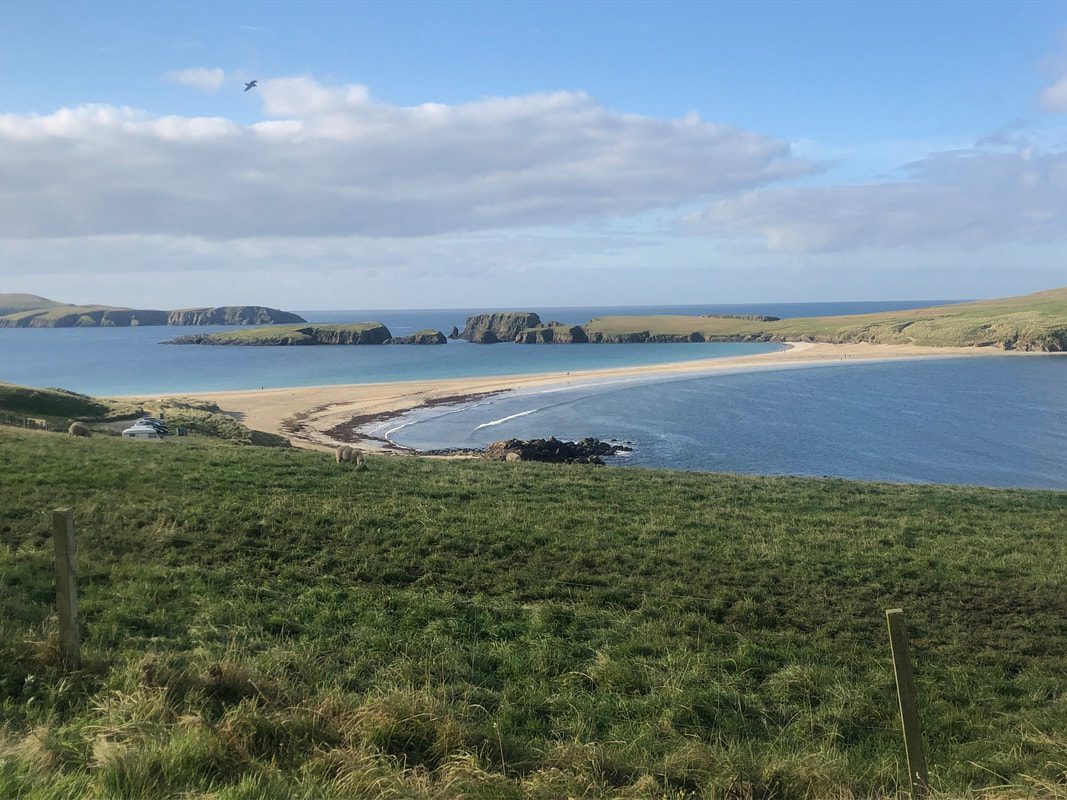
In 1958, a schoolboy helping with an excavation on St Ninian’s Isle stumbled upon a buried box. Inside was a spectacular horde of Pictish treasure, possibly hidden from Vikings in the 9th century
Find out moreIn Shetland, the Northern Lights are known as Mirrie Dancers. Scottish folklore claims that these are angels who have fallen from heaven, fighting each other in the sky.
Find out moreIn 1833, six fishermen reported that they had caught a real mermaid in their net just off the coast of Yell. They held it for around 3 hours before taking pity and letting it go again.
Find out more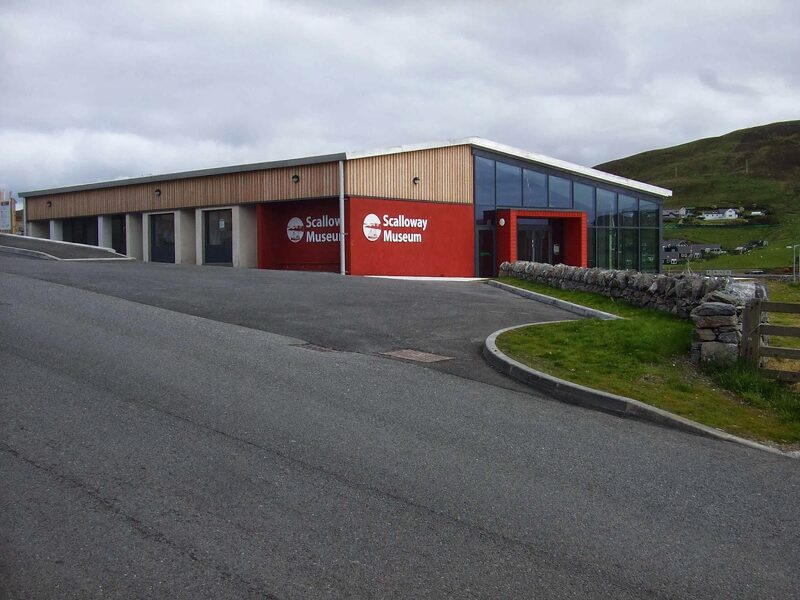
The Shetland Bus memorial in Scalloway was built with stones taken from the home location of each of the 44 volunteers who lost their lives.
Find out more
Photographs by VisitScotland / Paul Tomkins, Connor Mcewan, Reading Tom, megankeppie, iainmcallum, canadiangirl_abroad and shetland_by_drone; Peerie Shop Cafe, Andrea Williamson, Lerwick Brewery, Skip Bruce, Roger Unwin, Sebastian Straczek, Matt B, Mike Mullen, Shuggy cavapoo, Carol McIntosh, Scott Gair, Paul Stevens, Richard, Guus Stoelinga, sheena fegan, Clickimin Leisure Complex, André, Rebecca Nason, Peter Young, 加藤靖史, Jamieson and Smith (Shetland Wool Brokers LTD), S V, Iain Johnson, P A, Old Haa Museum and Tearoom, Lynn Judith Thomson, Seakayak Shetland, Conlyn McEvoy, paul theakston, Billy Fung, Amarilli Cannata, Barbara Bowen, Mark Craig, Dávid Lipcsey, David Manson and Scalloway Museum via Google