Getting to Shetland and around.
The overnight ferry, the flights and the island boats
The overnight ferry from Aberdeen takes twelve to fourteen hours and arrives in Lerwick in the morning, which is the better way to come if the sea allows it. Loganair flies to Sumburgh from Aberdeen, Edinburgh, Glasgow and Inverness in a fraction of the time.
Book early. Islands hold only as many people as the boats and planes can carry, and in summer both fill months ahead. Leave slack in any onward connection: weather cancels sailings, and a missed connection at the far end is a long way to explain.
Between the islands the ferries are frequent and cheap, and a car is worth having. One note on manners, offered because it matters more than it should: it is in Shetland, never on Shetland, and never the Shetlands.
By sea
The NorthLink ferry sails overnight from Aberdeen to Lerwick, twelve to fourteen hours, and arrives in the morning.
Book a cabin and a space for the car well ahead, and check the ferry company's page before you travel.
By air
Loganair flies to Sumburgh from Aberdeen, Edinburgh, Glasgow and Inverness.
Small planes from Tingwall, near Lerwick, fly out to Fair Isle, Foula and Papa Stour.
Getting around
Inter-island ferries run to Bressay, Whalsay, Yell, Unst and Fetlar, and they are frequent and cheap.
A car is worth having, and buses run up and down the Mainland from Lerwick.
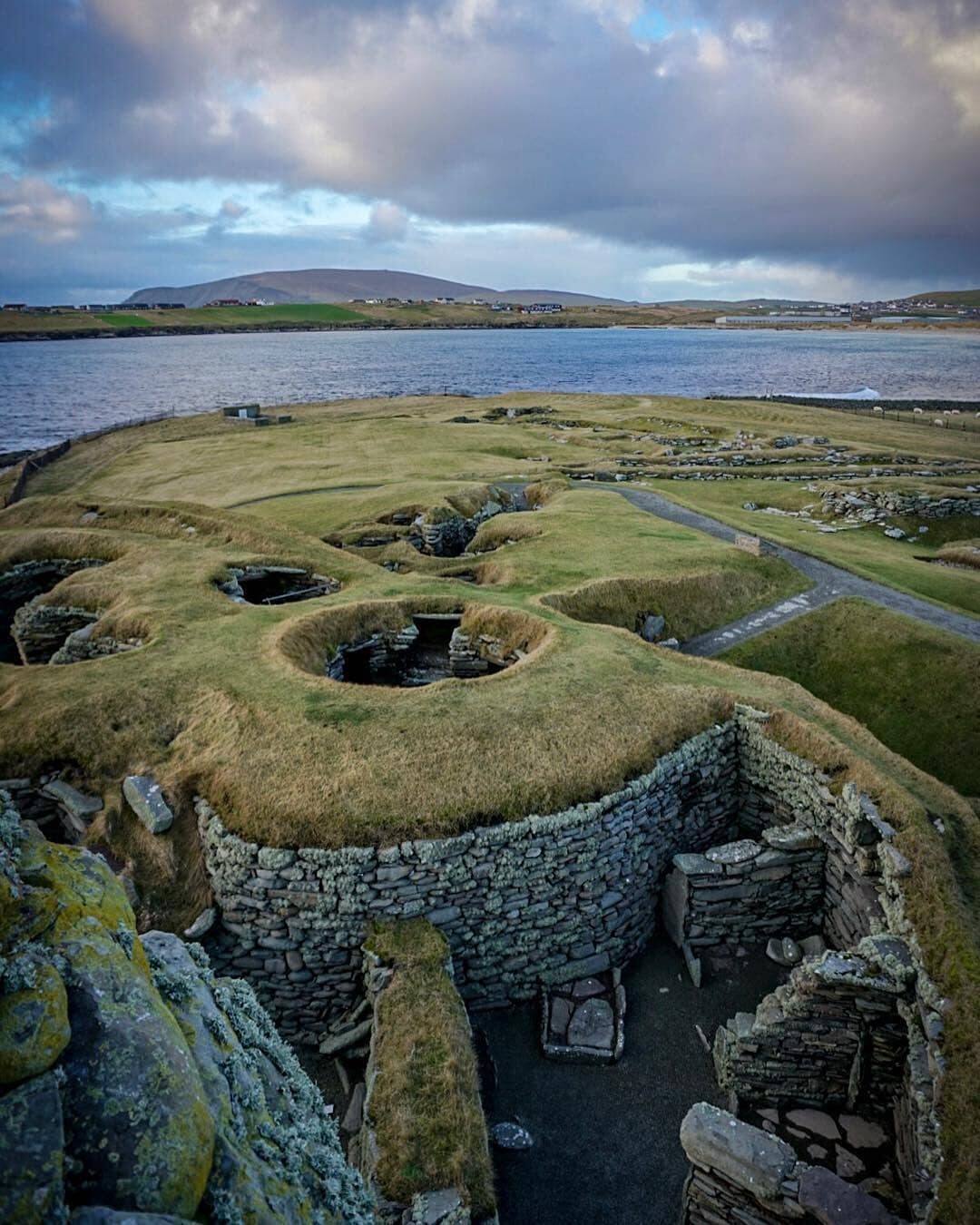
Lerwick has the most places to stay and eat, and the ferry and the buses. Scalloway and the Westside are quieter, Sumburgh is handy for the airport and Jarlshof, and the North Isles suit anyone who wants to get away completely.
Give it at least four days, because the islands are bigger than they look. A week lets you reach Unst, the most northerly island in Britain, and take a boat to Mousa or Noss.
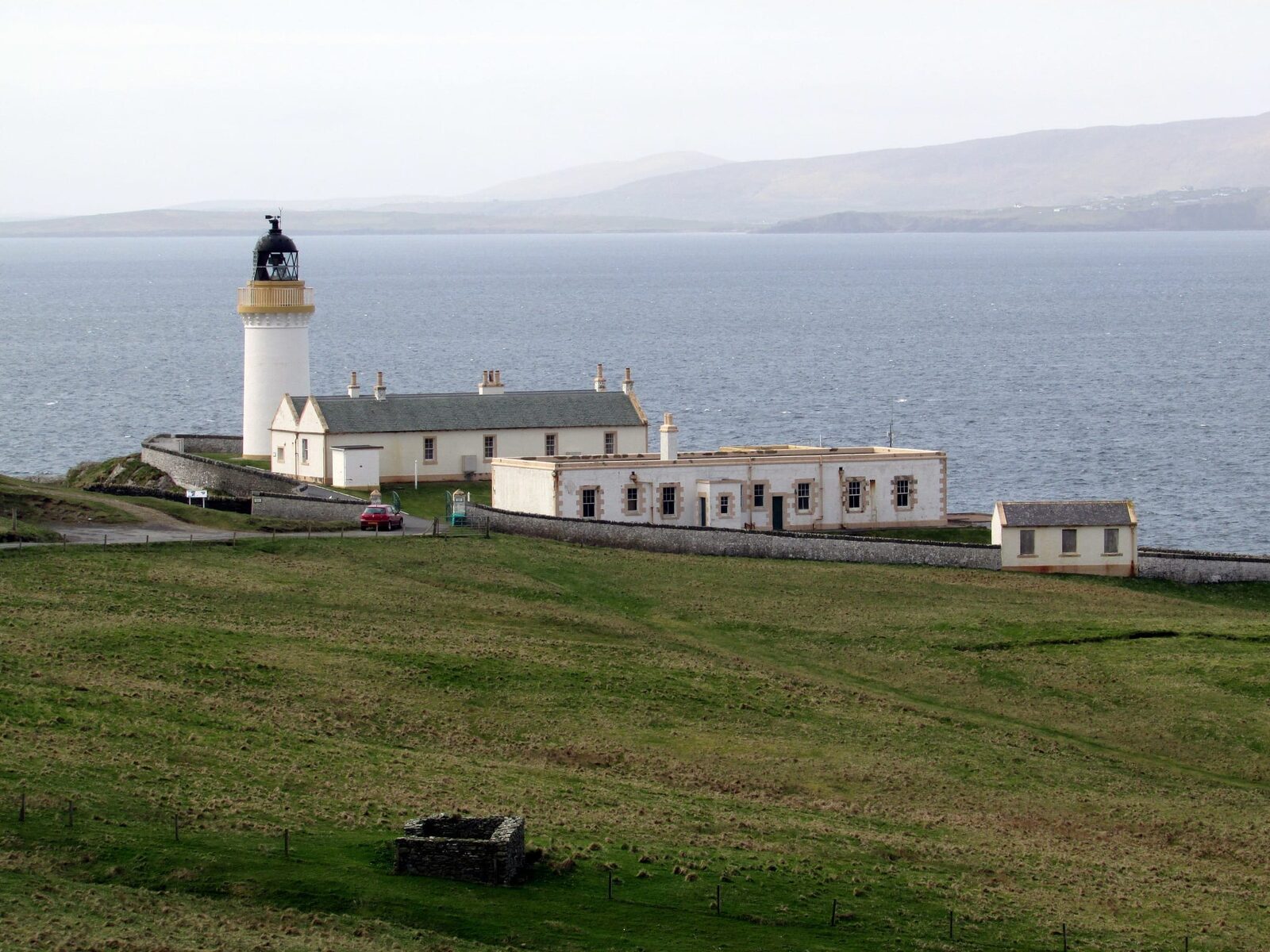
Sumburgh Head, at the southern tip of the Mainland, has puffins on the cliffs right beside the lighthouse from May to early August. Hermaness on Unst and the island of Noss have them too, among huge colonies of seabirds.
Shetland is windy, cool and changeable, and summer days are long: in June it barely gets dark, which Shetlanders call the simmer dim. Pack warm layers and waterproofs whatever the month.
Lerwick's fire festival is held on the last Tuesday in January, when a torchlit procession ends with the burning of a Viking galley. Other parts of Shetland hold their own through the late winter and early spring.
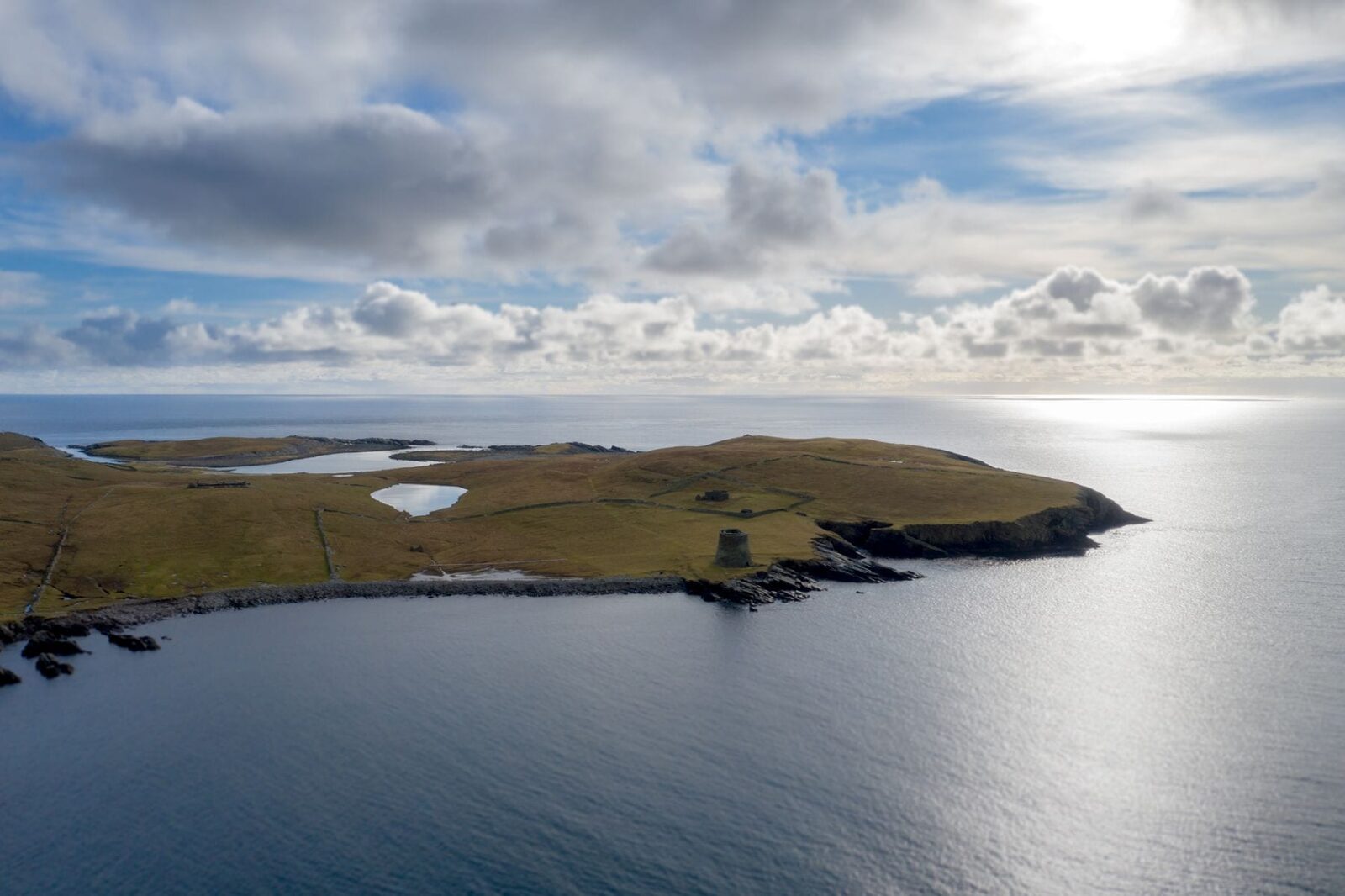
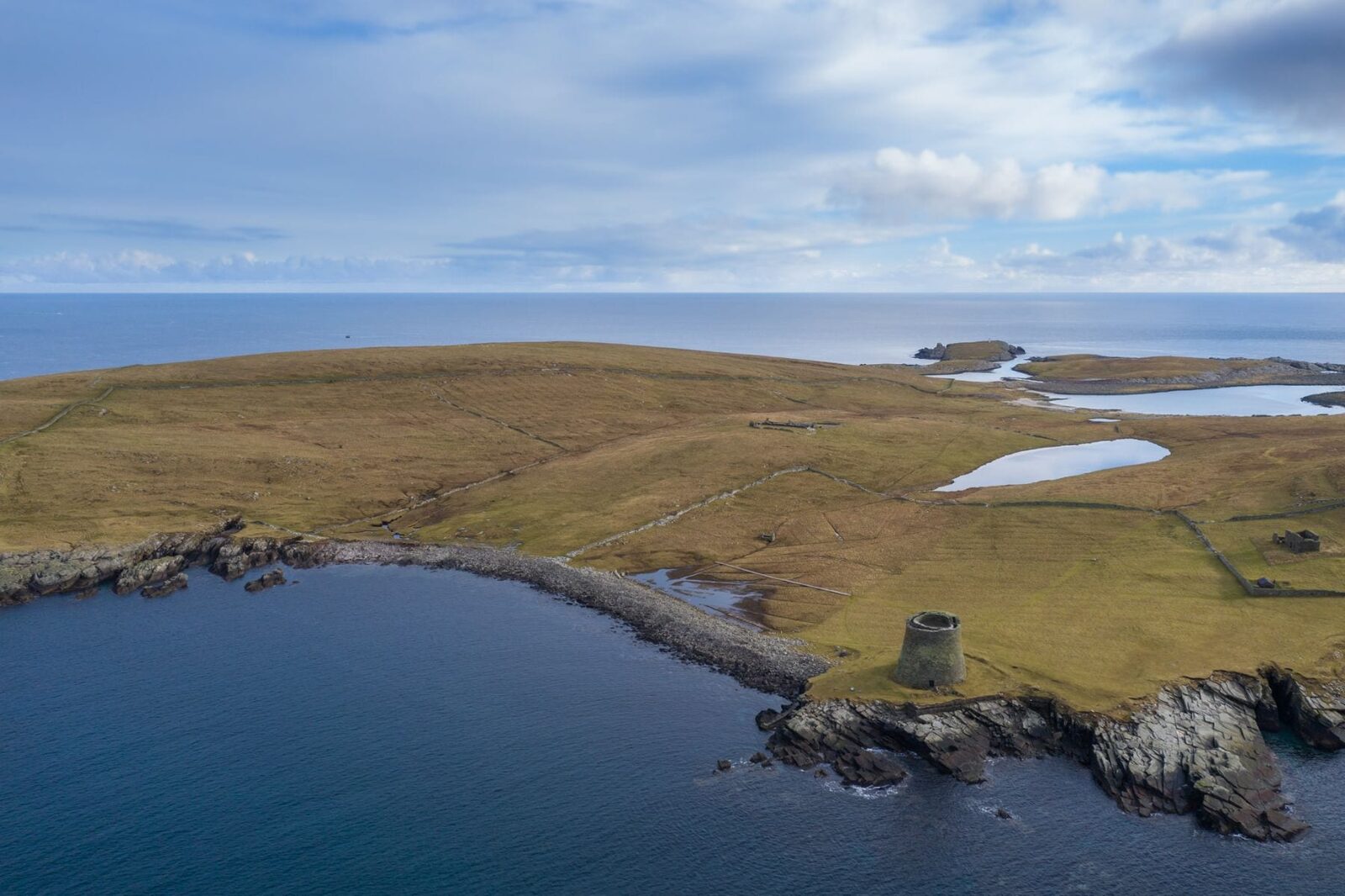
A small boat runs from Sandwick to Mousa in summer, and the broch, the best preserved in the world, is a short walk from the landing. Evening trips let you see the storm petrels coming in to nest in its walls.
Photographs by VisitScotland / Paul Tomkins, Connor Mcewan, Reading Tom, megankeppie, iainmcallum, canadiangirl_abroad and shetland_by_drone; Peerie Shop Cafe, Andrea Williamson, Lerwick Brewery, Skip Bruce, Roger Unwin, Sebastian Straczek, Matt B, Mike Mullen, Shuggy cavapoo, Carol McIntosh, Scott Gair, Paul Stevens, Richard, Guus Stoelinga, sheena fegan, Clickimin Leisure Complex, André, Rebecca Nason, Peter Young, 加藤靖史, Jamieson and Smith (Shetland Wool Brokers LTD), S V, Iain Johnson, P A, Old Haa Museum and Tearoom, Lynn Judith Thomson, Seakayak Shetland, Conlyn McEvoy, paul theakston, Billy Fung, Amarilli Cannata, Barbara Bowen, Mark Craig, Dávid Lipcsey, David Manson and Scalloway Museum via Google