
Seven of Shetland’s Hidden Secrets
Lesser-known corners of Shetland, from Burraness Broch on Yell to the Snap on Fetlar.
Words by Laurie Goodlad
Most people are familiar with the ‘big sites’ in Shetland – those that adorn every tourist mag or marketing-related press release, and yes, they’re worth seeing, they make it on everyone’s list for a reason, but, moving away from the tourist trail allows some incredible experiences that are just as ‘wow-worthy’. A few favourites include:
Burraness Broch
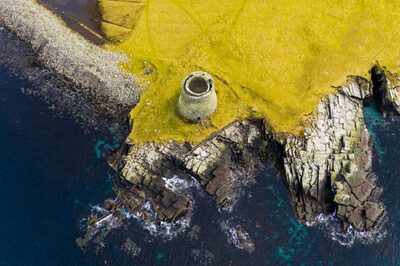
Shetland’s history of broch building is well-known. These huge round, drystone towers that punctuated the islands during the Iron Age, 2,000 years ago, are still visible on the landscape today. Most visitors will opt to bag the big ones on a visit – Mousa Broch, Clickimin and Scatness spring to mind – however, with over 120 brochs dotted across the islands, you can find them almost anywhere. One of my favourites, which sits off-the-beaten-track on the island of Yell, is Burraness Broch. Standing at several metres tall, it has commanding views out to sea towards the island of Fetlar to the southeast, Unst to the northeast and the isle of Hascosay to the south. One suggestion is that brochs were used as a kind of early warning network, sending smoke signals to each other if danger loomed on the horizon, and Burraness fits these criteria, with several other brochs in sight.
If visiting, be aware that there is no designated parking area, so please park considerately, ensuring that you don’t obstruct drives or livestock gates.
Ness of Sound Second World War remains
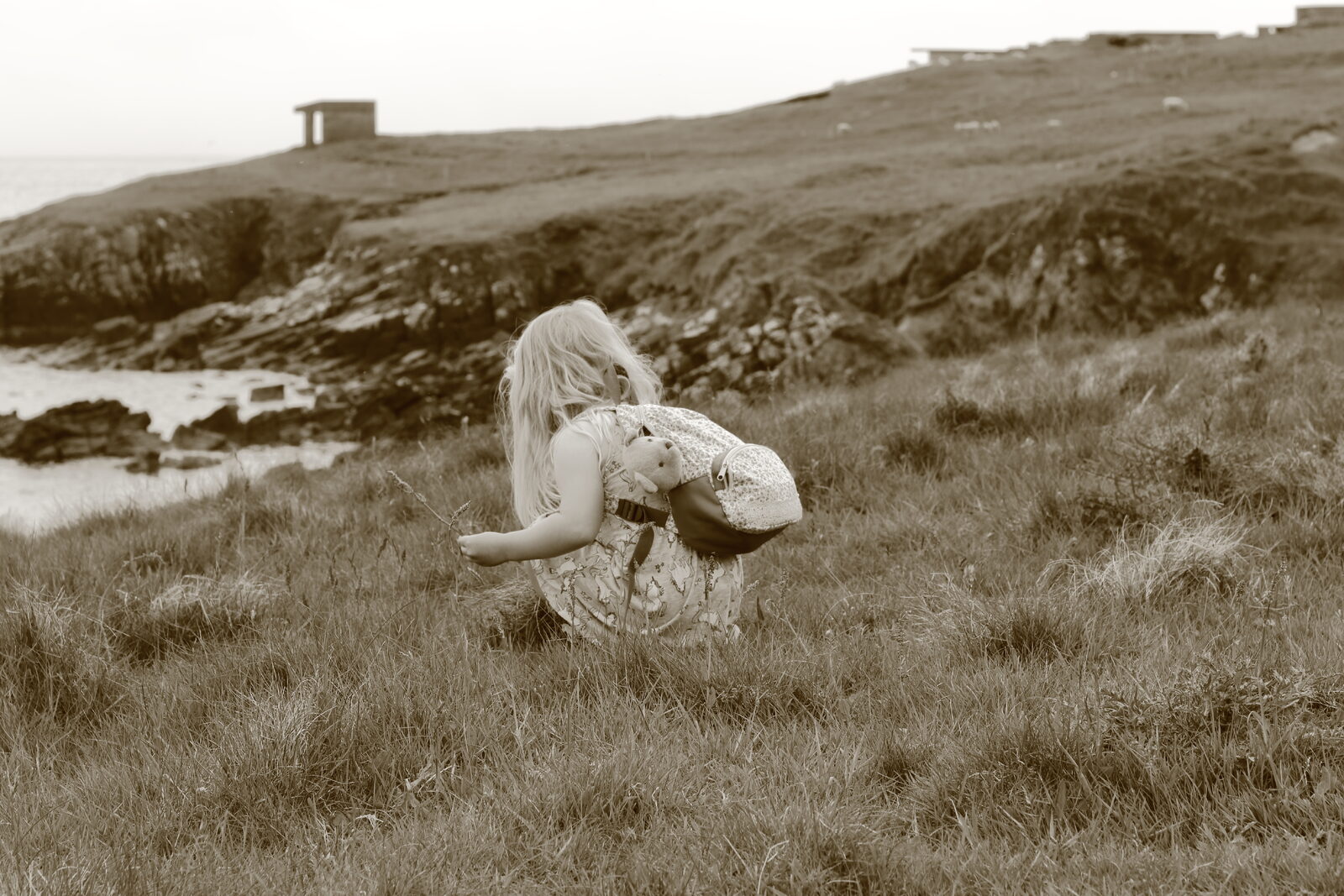
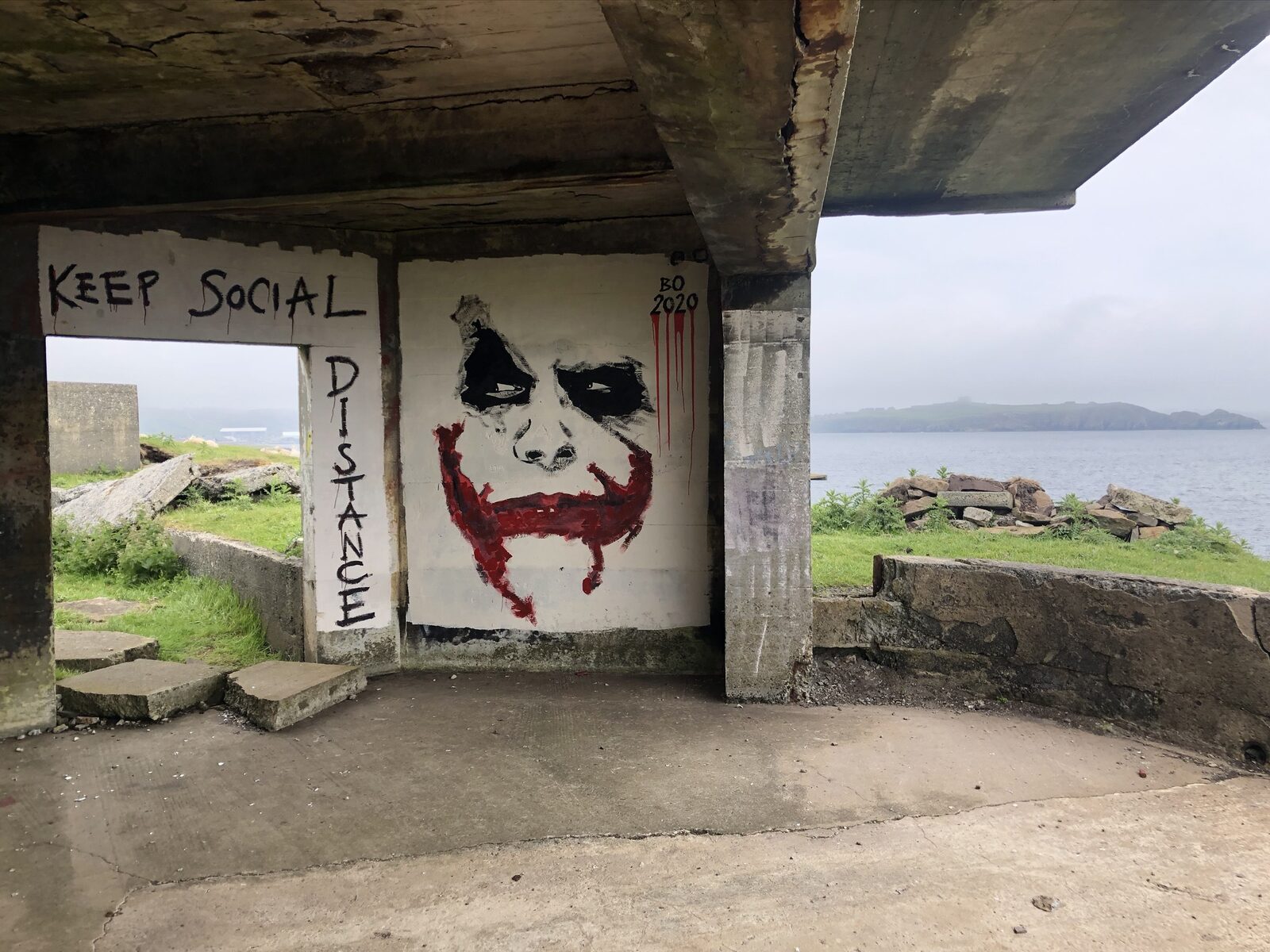
You don’t have to go far to enjoy a good walk, and this one is right on Lerwick’s doorstep. As well as having a fantastic coastal walk – with the chance of spotting otters – Ness of Sound has a fascinating wartime history dating back to the Second World War. Shetland was strategically important in the war as there was a real fear that the Nazis would take Britain from the north following the German invasion of Norway in 1940. Shetland was well-placed to patrol the North Sea and North Atlantic area, so there was a significant military presence throughout the war years. Lerwick itself was heavily fortified, and a walk around the town’s perimeter demonstrates this, as wartime remains are scattered throughout the moorland surrounding the main town. The Ness of Sound was a substantial battery where, today, remains of the gun emplacements, engine room, observation posts, and other buildings can still be seen.
Rural shopping
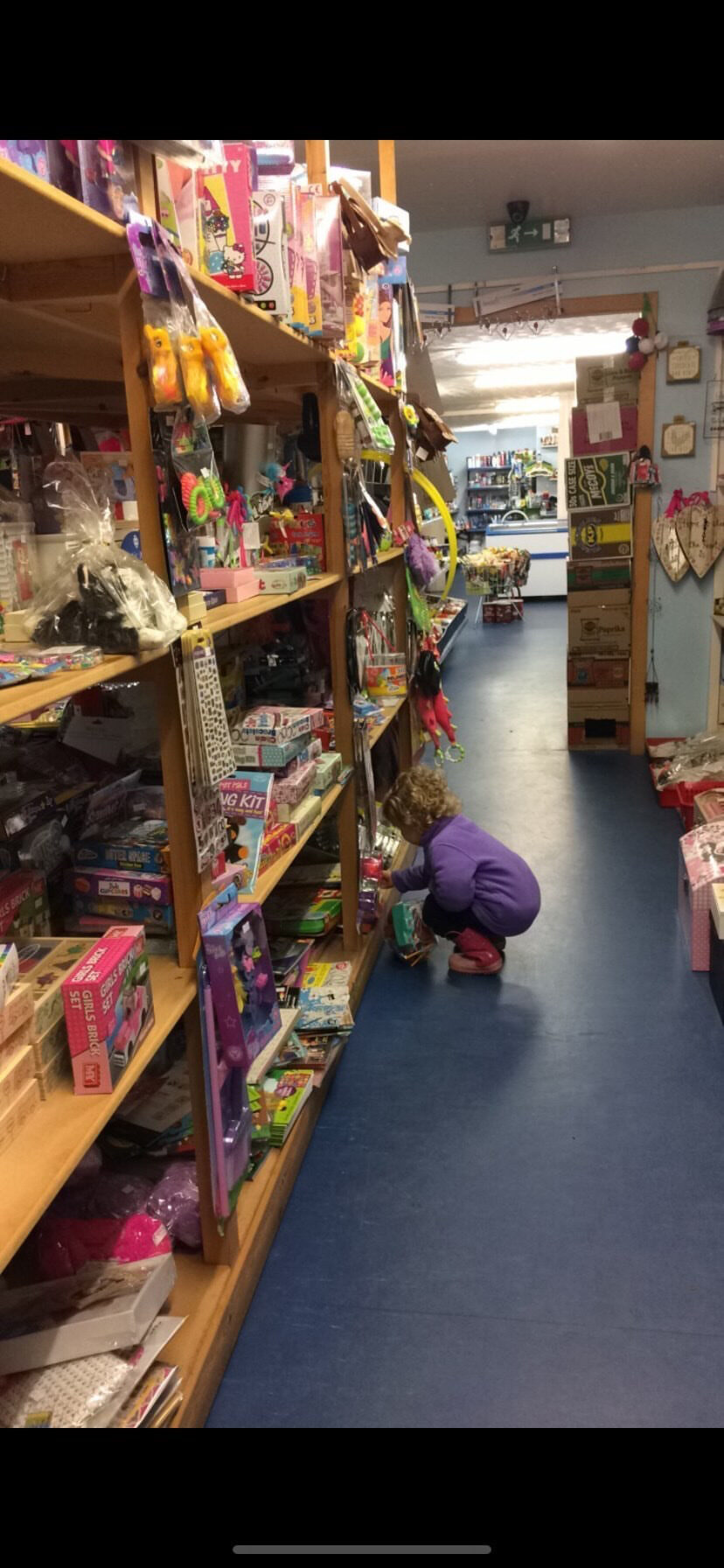
Shetlanders all know that Mary’s shop in Aywick, Yell is an island institution. A veritable Aladdin’s cave of goodies, presented in an almost labyrinth style building. Selling everything from fishing tackle to thimbles and hosiery to hose pipes, the Aywick Shop is well worth a visit. Forget the supermarkets; if you want a real flavour of local life, shop local. You might imagine my husband’s dismay when he sent me to Mary’s for a picnic, and I returned, beaming from ear to ear, laden with a trout wand, a book on Shetland graveyards and a plasticine modelling kit. This is a shop you could spend an afternoon exploring and still go back to for more.
Generally, country shops are the best place to visit to get a taste of local produce and perhaps pick up some locally-made arts and crafts. Rural shops are supplied by the island dairies, bakeries and butchers, and they give you a chance to speak to local people and find out where to visit in the area.
The Snap, Fetlar
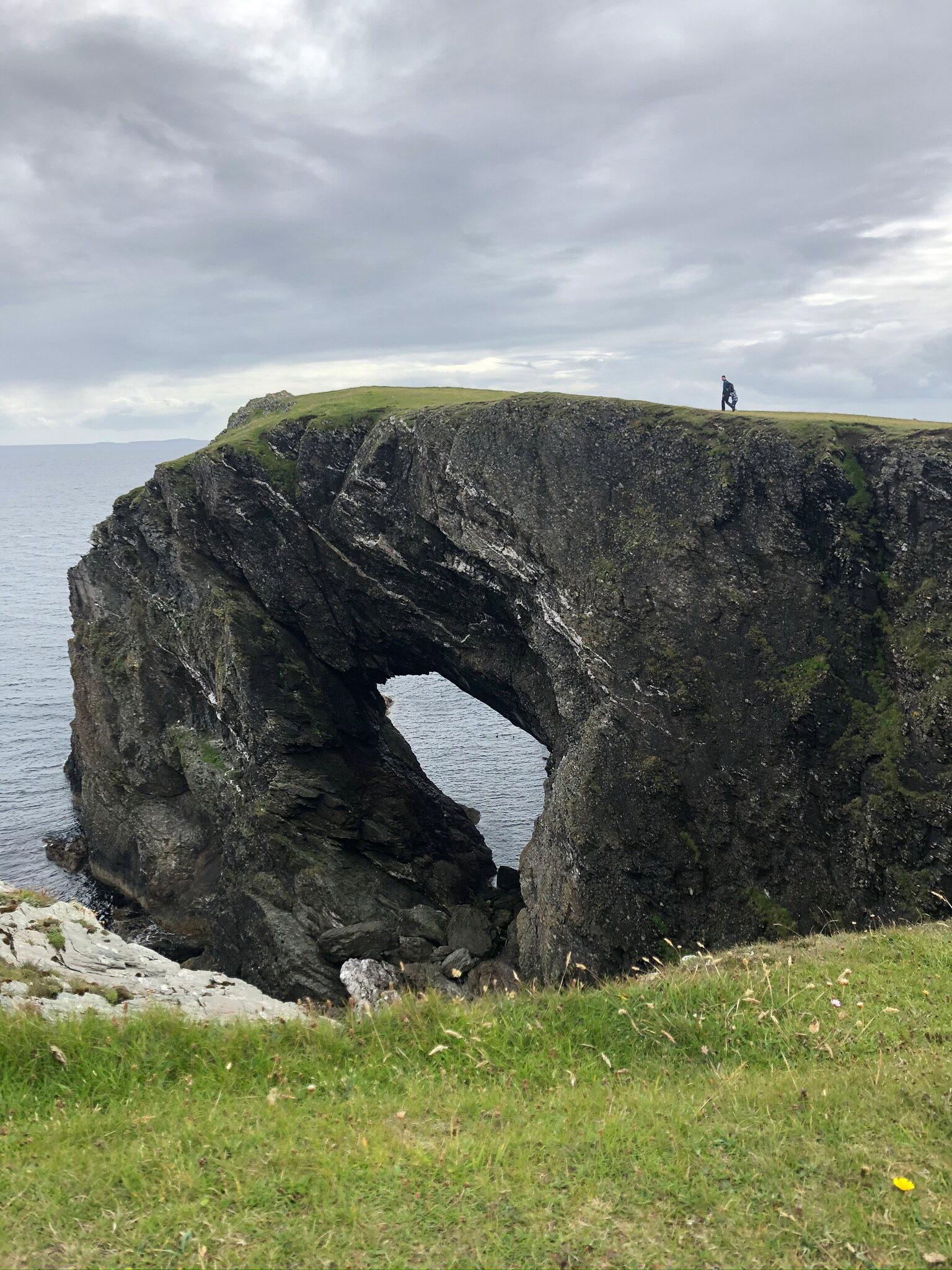
Shetland’s coastline is wondrous and, most visitors will head towards the northwest corner at Eshaness to see the impressive cliffs, stacks and the natural arch of the offshore Dore Holm. Yet, perhaps one of the best examples of a natural arch that is seldom explored is the Snap in Fetlar. Fetlar is the smallest of Shetland’s trio of North Isles and a two-ferry hop from the mainland. The Snap walk takes hikers over several miles of stunning coastline with dramatic cliffs and abundant wildlife towards the dominating natural arch that stands proudly from the high cliffs, deftly defying gravity.
The heart of Neolithic Shetland
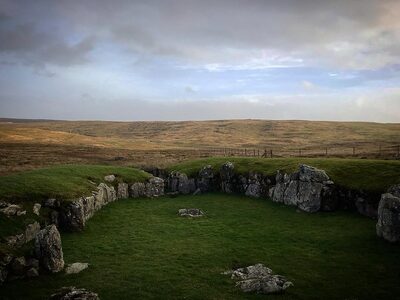
Most archaeologists would agree that the West Mainland represents the heart of Neolithic Shetland. Evidence suggests that the area supported a sizeable farming population of people. The best place to get a real sense of place within the Neolithic landscape is at Stanydale Temple, which sits tucked away along a quiet B-road out of view of the sea – and civilisation in general. The temple is the only one of its kind in Shetland and has been compared to other megalithic structures across Europe. The purpose of this building is a mystery – we don’t know that it was a temple, but that’s what the signpost says.
Take a workshop
Most travellers try to cram in as many sites and experiences as possible into one day, but how about slowing down for a day and taking a workshop? My favourite workshop is with local artist and silversmith Mike Finnie at Red Houss Shetland. Mike runs day-long jewellery-making workshops where guests can transform a piece of sea glass or pottery into a fantastic keepsake from their holiday. This is a really special way to spend a day whilst in Shetland on holiday – particularly if you have picked a glistening piece of sea glass or pottery from a beach during your visit. This class allows you to create a beautiful, hand-crafted keepsake and pick up a few new skills to boot. What better way to capture the essence of your adventure into the future?
Download the geocaching app and see where the pins take you
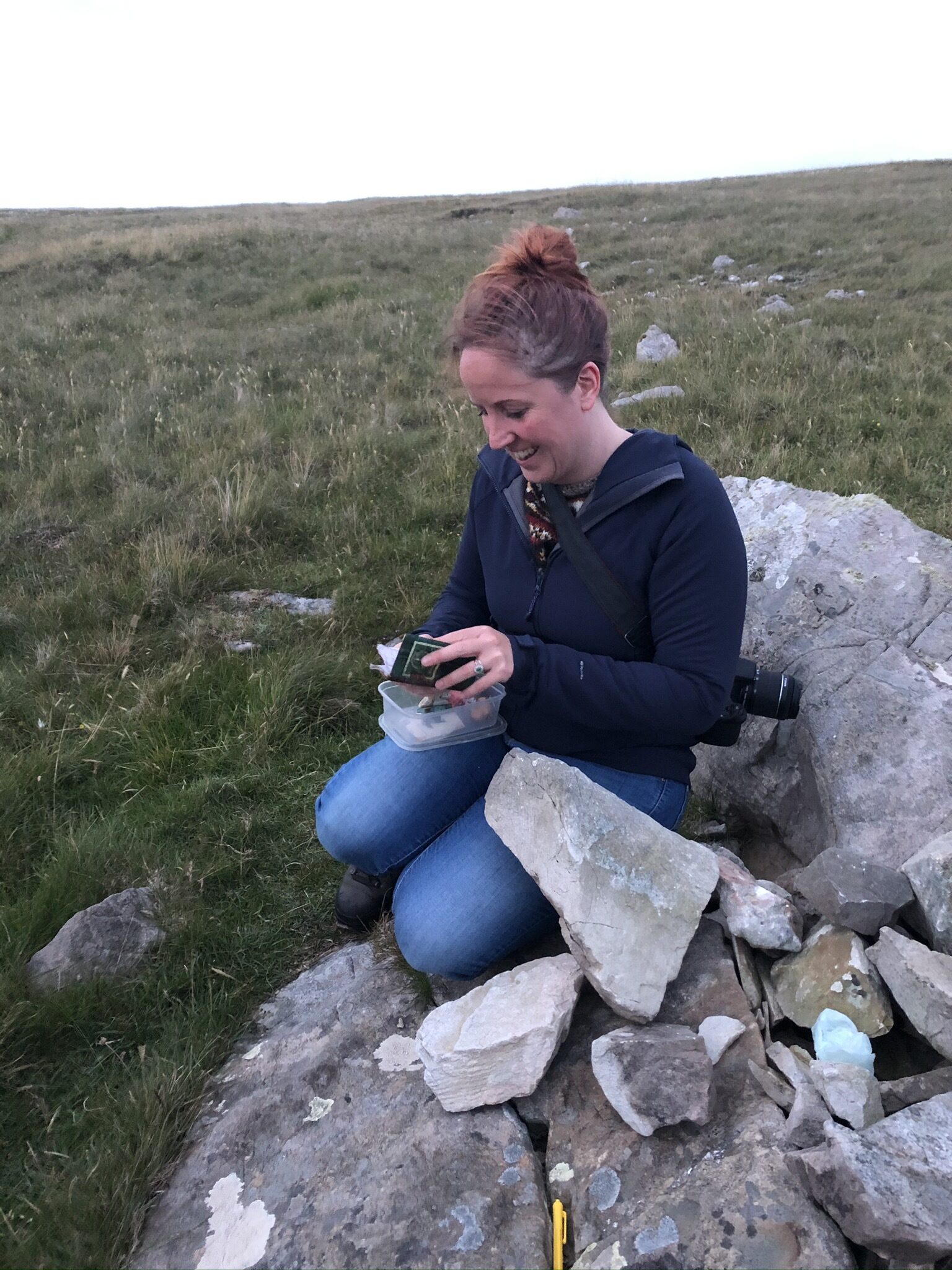
It’s easy to search online and discover walks in any given area, but sometimes the most memorable places are those that are found accidentally. But, so as not to send you into the wilds without a compass, I suggest downloading the Geocaching app and discovering new places through the various geocaches that are dotted around the islands. There are several reasons for suggesting this. Firstly, it’s great fun, particularly if you are travelling with kids who often need an incentive to continue – searching for a geocache is a good lure. Secondly, geocaches are often placed in beauty spots. The path has been laid, so to speak, so you’re not simply setting off into an unknown wilderness. Thirdly, using the map allows you to take a walk in any given area that you are close to in the safe knowledge that there is probably something interesting nearby beyond the geocache.
So there you have it, a few of my favourite lesser-known ways to enjoy Shetland ...
 Out now
Twice a year, to your door
One hundred and sixty pages of Scotland, every photograph commissioned, every word written by someone who went. Members get both issues posted and everything on screen.

 The Last Stop Before Nowhere
 A Weekend Exploring the Isle of Mull
 What's On in Scotland: Autumn and Winter