
Whisky Distilleries
A roundup of some of Scotland’s best whisky distillery experiences.

Written by Ben Lerwill
-full-1746434815.jpg)
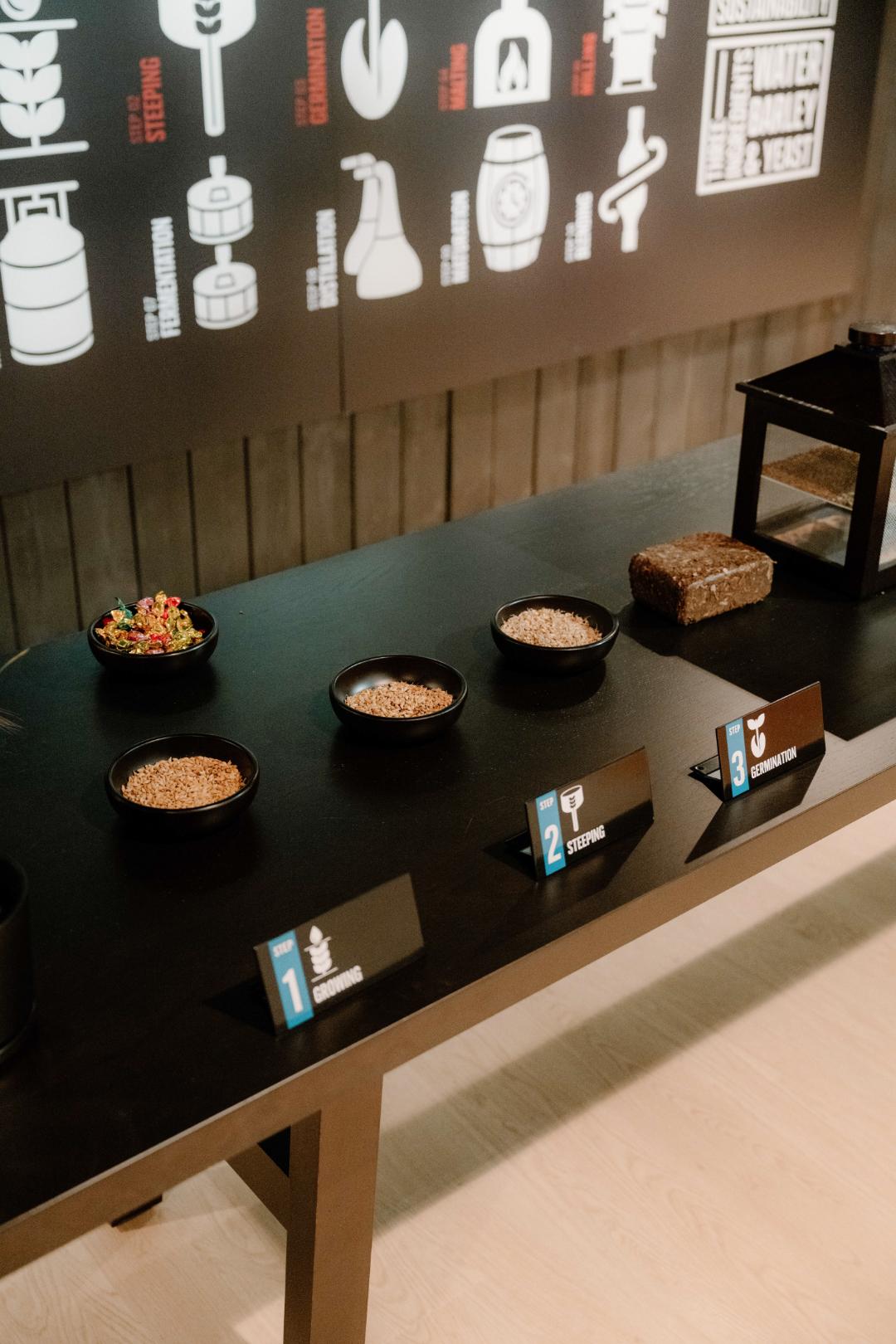
Malted barley, water and yeast. Three simple ingredients that unlock a world of stories, memories, aromas, seasons and flavours. Malt whisky isn’t so much a product of Scotland as a part of it – a heady distillation of the country’s soul and soil. More than 140 malt and grain distilleries are dotted around the national map, collectively forming the world’s greatest concentration of whisky producers. Each one, in its own way, conjures magic in a glass.
Some are old, seemingly as much a part of the landscape as the machair grass and ancient pine forests. Others are more modern, bringing fresh ideas and new ways of doing things.
All have tales worth telling. The tastes and scents evoked by Scotland’s single malts famously vary from region to region – more often than not, they also vary from distillery to distillery. In this feature we focus on ten of the most interesting producers in the country. All reflect something of Scotland’s long history and rich terroir, and all have the power to transport you with something simple yet complex: a drop of cask-matured amber liquid. So pull up a chair, settle by the fireside and pour yourself a dram. This is the good stuff.
Jura Distillery
Isle of Jura
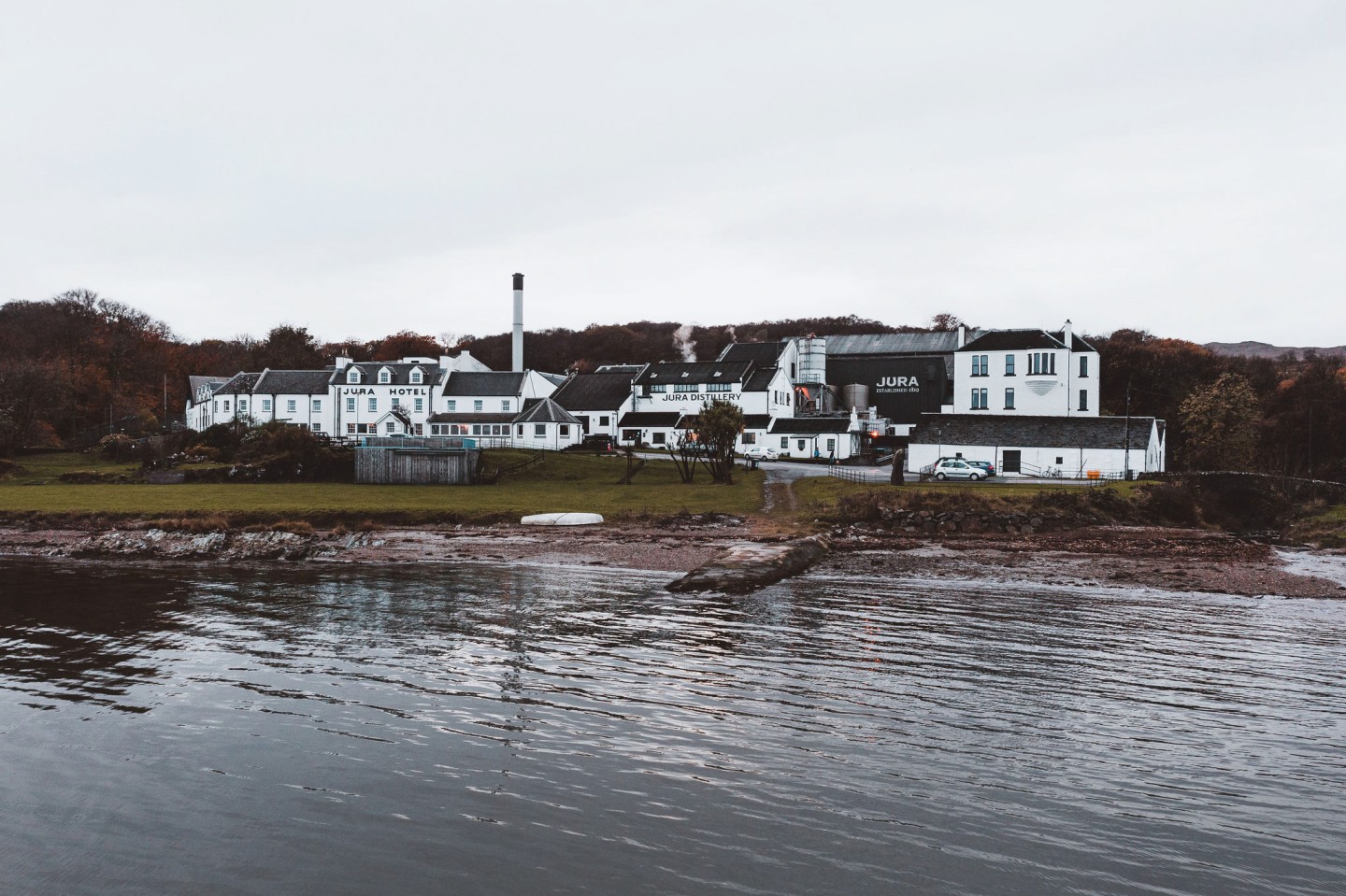
Welcome to a place apart. A grandtotal of around 212 people live on thewild Inner Hebridean island of Jura,where they’re outnumbered about30 to one by red deer. The island hasone proper road – a snaking stretch ofsingletrack – three conical quartzitemountains known as the Paps of Jura,and one whisky distillery. Some 80years ago, George Orwell decamped toa farmhouse here to write his classicdystopian novel 1984, and the island isas singular today as it was then.
It brings a uniquely rare feel tothe island’s whisky. There’s been alicensed distillery here since wayback in 1810 – in Craighouse, Jura’slargest village – and pleasingly,today’s operation occupies the samesite. It’s been there since 1963 itscurrent form, making this year its60th anniversary. Just as appealingfor connoisseurs is the fact that Jurasits a mere ten-minute ferry hopfrom the hallowed whisky island ofIslay, which tells you something ofthe tastes and terroir you can expect.
Given the size of the island’s population, a sense of community still underpins everything the distillery produces. The two local landowners who got things up and running in the 1960s did so partly as a way of bringing more jobs to an island that needed a fresh lease of life. Happily, the whisky that comes from the stillhouse’s four colossal lantern- shaped stills is rejuvenating in its own right, with a sweet, fruity nose and a smoky finish.
The core range has four different bottlings: a 10 year old, a 16 year old, the heavily peated Prophecy and the smoky Superstition. A valuable rarity is the 1984 bottling, created to commemorate George Orwell’s links to the island. Big Brother is watching you – and probably fancies a dram himself.
Getting there
A trip to Jura generally requires getting to Islayfirst. Sail from Kennacraig on the mainland toPort Askaig on Islay, then catch the small carferry from Port Askaig to Feolin on Jura – acrossing of less than 10 minutes.
SEE & DO NEARBY
Distillery Tour: Choose from the daily tours, which include tastings of two drams, or the ‘Exclusives Tour’, which allows you to sample older casks.
Deer Island Rum Distillery: A couple of minutes away from the whisky distillery is this small-batch spiced rum producer, with a shop on site.
Whisky Island Gallery & Studio: Also nearby is the studio of award-winning photographer Konrad Borkowski, who has been living on the island for almost two decades.
PLACES TO EAT & DRINK NEARBY
The Antlers: A popular spot in Craighouse serving daily specials, hot drinks and sweet treats – ice cream is the speciality.
Jura Hotel: Just metres from the distillery, the hotel looks out across the water and has a good menu of starters and mains, including Steak & Ale Slab Pie.
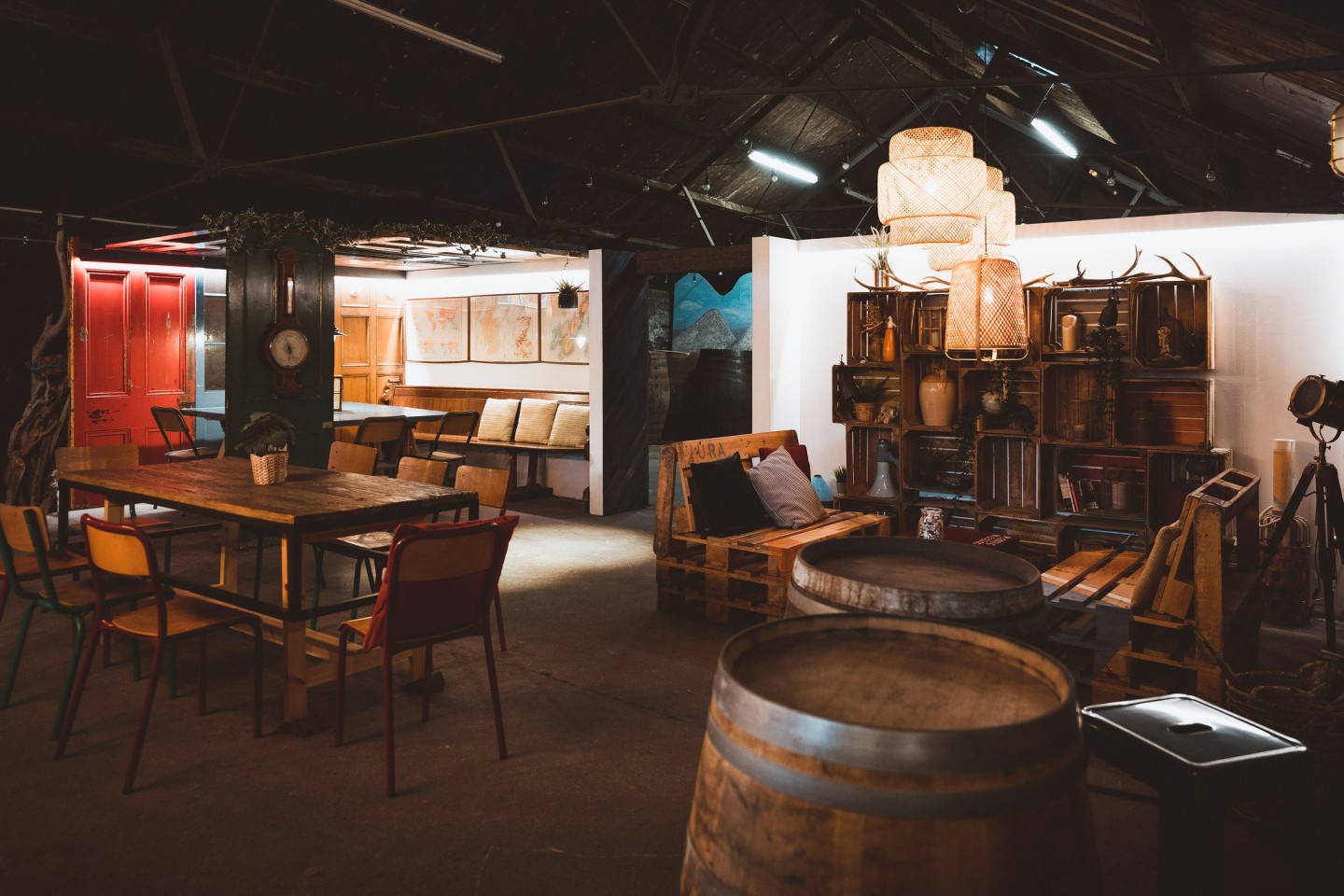
PHOTOGRAPHY // Jack Anstey & Sarah Afiqah Rodgers: Instagram: @jack_anstey & @theworldwithsarah
Caol Ila
Isle of Islay
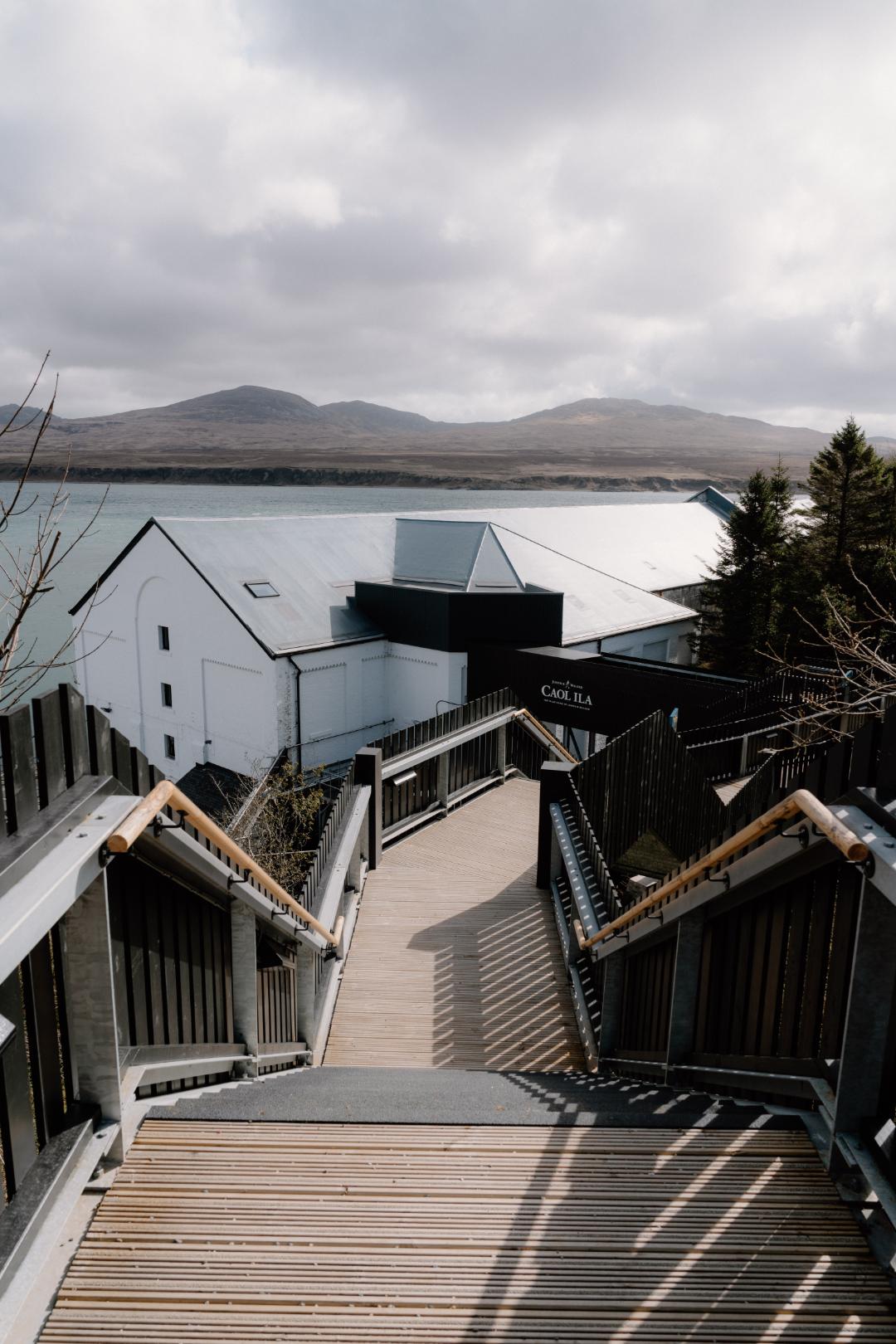
The Sound of Islay is the narrow stretch of sea that flows between the islands of Islay and Jura. In the Gaelic tongue it translates as Caol Ila, an apt – and softly lyrical – name for the distillery that overlooks the water. Built back in 1846 by far-sighted Glasgow businessman Hector Henderson, whose workers practically hewed it out of the rocks, the site has since been fully expanded and modernised. It now stands on the water’s edge in the manner classic to Islay, with its name spelled out in giant black letters on salty-aired, whitewashed walls.
For much of the distillery’s existence, its smoky whisky was used solely for blending – a dedicated pier was built in 1879 to allow mainland puffers to bring supplies and carry whisky back to the thirsty masses – but since 1989, when the first Caol Ila single malt was released, its reputation has grown in kind. By the late 1990s it was also releasing an annual unpeated spirit, and additional variant introductions have included the crisp, bright Moch and a number of special releases. The 12-year-old single malt, however, remains the entry-level whisky, and is now an Islay classic: sweet, fragrant and smooth, with subtle traces of citrus.
A 20th-century takeover by drinks giant Diageo means Caol Ila is branded as one of the Four Corners distilleries of Johnnie Walker – the others being Glenkinchie in the Lowlands, Cardhu in Speyside and Clynelish in the Highlands. For whisky tourists, this brings the advantage of an amped-up visitor experience, with a bar giving sweeping views of the Paps of Jura across the water. The still house – where six, onion-shaped wash stills work their magic – shares the same, mighty panorama.
GETTING THERE:
Sail from Kennacraig on the mainland to Port Askaig on Islay. The distillery is 1.5 miles north by road from the ferry terminal.
SEE & DO NEARBY
Distillery Tour: Caol Ila’s signature tour is the Flavour Journey, with a tasting in the scenic bar. The other option is the Spirit of Smoke tour, which samples five cask-strength whiskies.
Other distilleries: Islay is famed worldwide for its single malts – this is your chance to call in at the likes of Laphroaig, Bowmore, Ardbeg and Lagavulin.
Museum of Islay Life: An absorbing local museum based in Port Charlotte, packed with photographs, stories and all manner of historical objects.
PLACES TO EAT & DRINK NEARBY
Old Kiln Café: A small but good quality dining spot at Ardbeg, serving seafood dishes, comfort food and plenty more.
Peatzeria: A very popular pizza joint on the seafront in Bowmore. Extra plaudits for the pun in the name.
Glenkinchie
Lothian
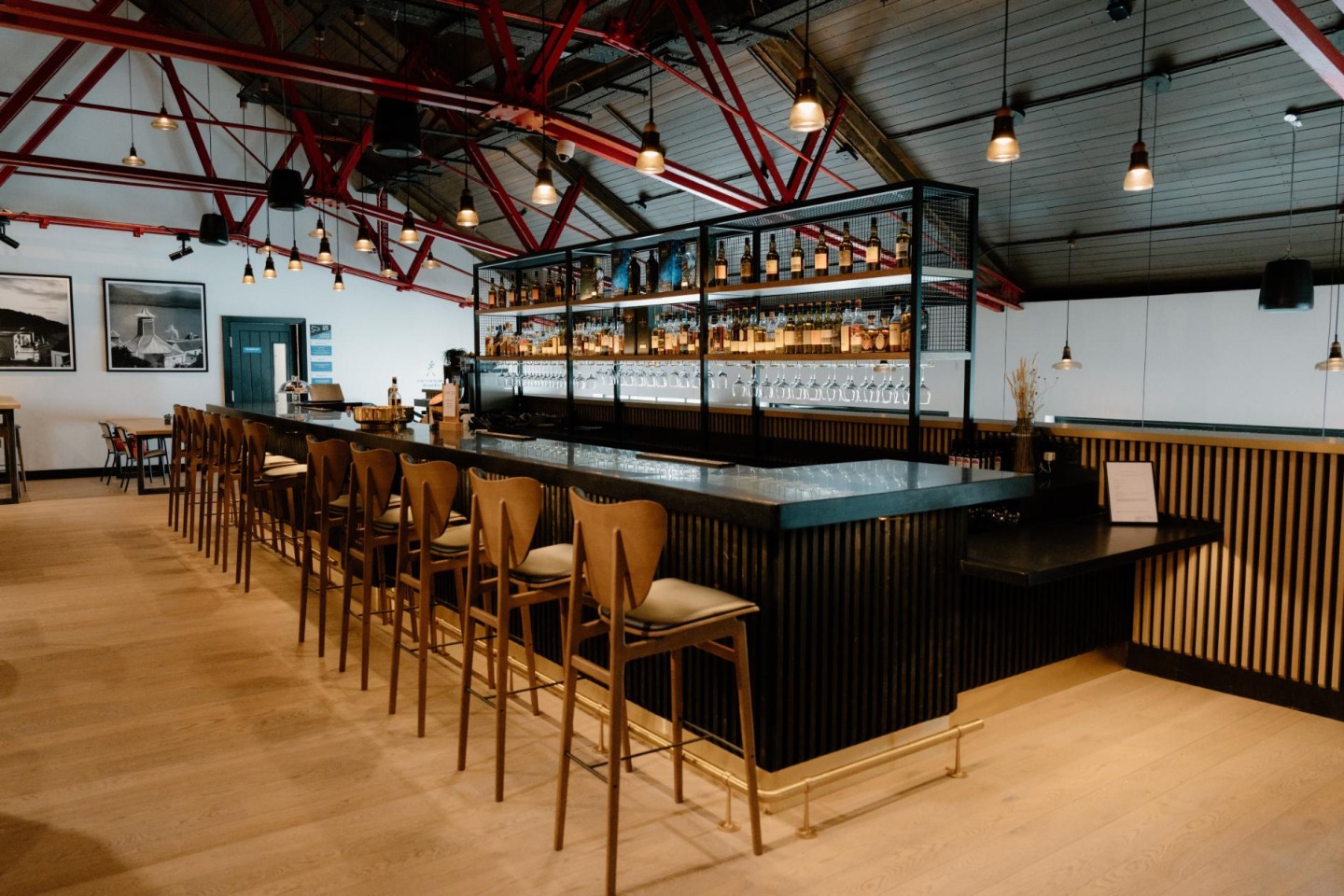
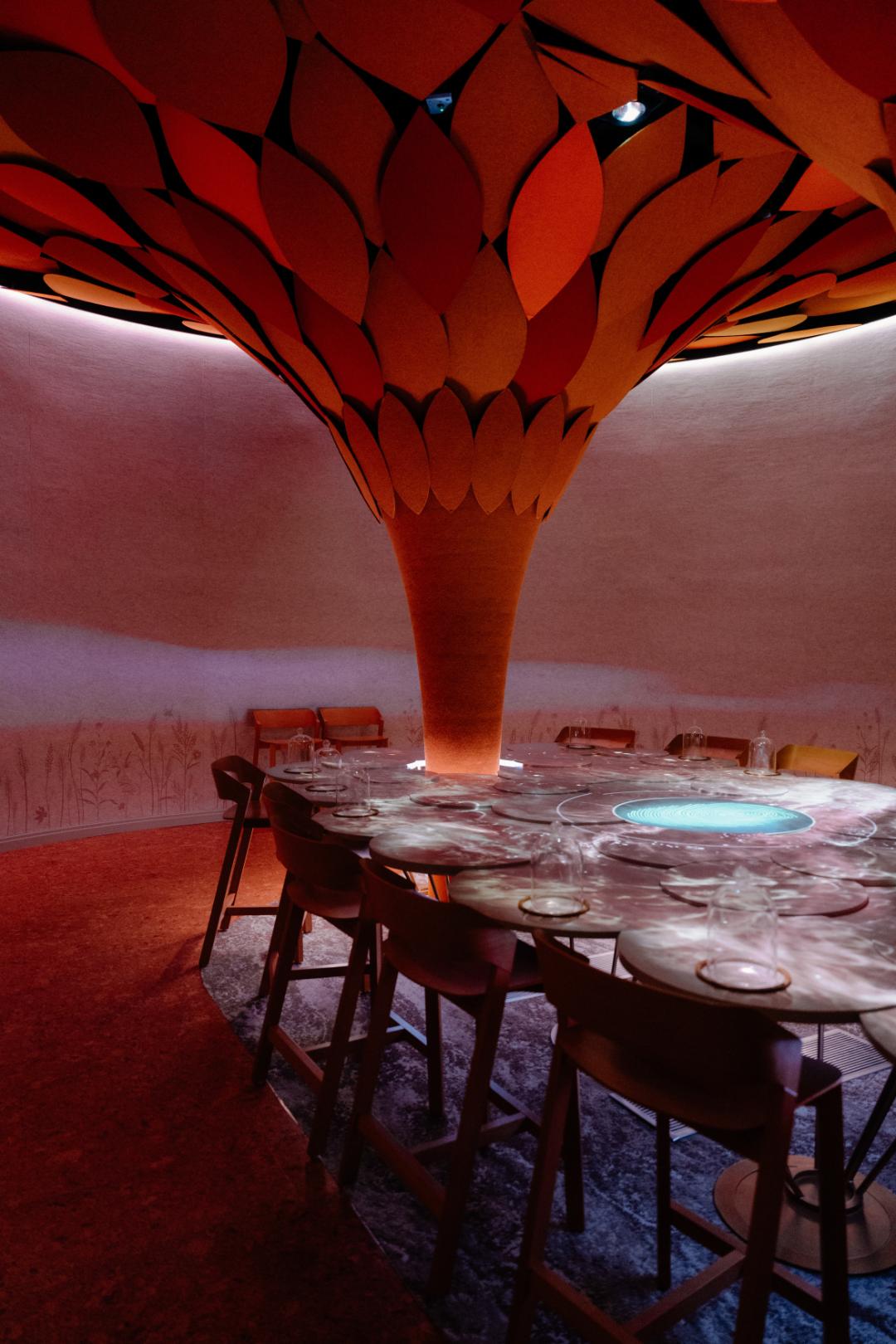
Who says cities can’t get in on the act? Sitting only around 12 miles from Edinburgh’s Old Town, yet somehow feeling entirely removed from the hubbub of the capital, Glenkinchie is a tradition-rich Lowland distillery, surrounded by barley fields and sitting on the banks of the Kinchie burn. It was established under its existing name back in the 1830s and – with the exception of a short period as a sawmill, and the enforced pause of the two world wars – has been in production ever since.
This tells you plenty about the quality of its fine, pale, dry whisky. In 1885, a moneyed enthusiast named Alfred Barnard took it upon himself to visit every distillery in Britain with a group of friends. Of Glenkinchie, he wrote: “How delighted we were to leave the City behind us and make for the country, there to inhale the restoring balms with which countless blossoms were loading the soft and vernal gale! The proprietors… yield to none in the quality of the barley used in the production of their fine spirit. It possesses a flavour that is seldom to be met with in this region.” His enthusiasm is still mirrored by many today.
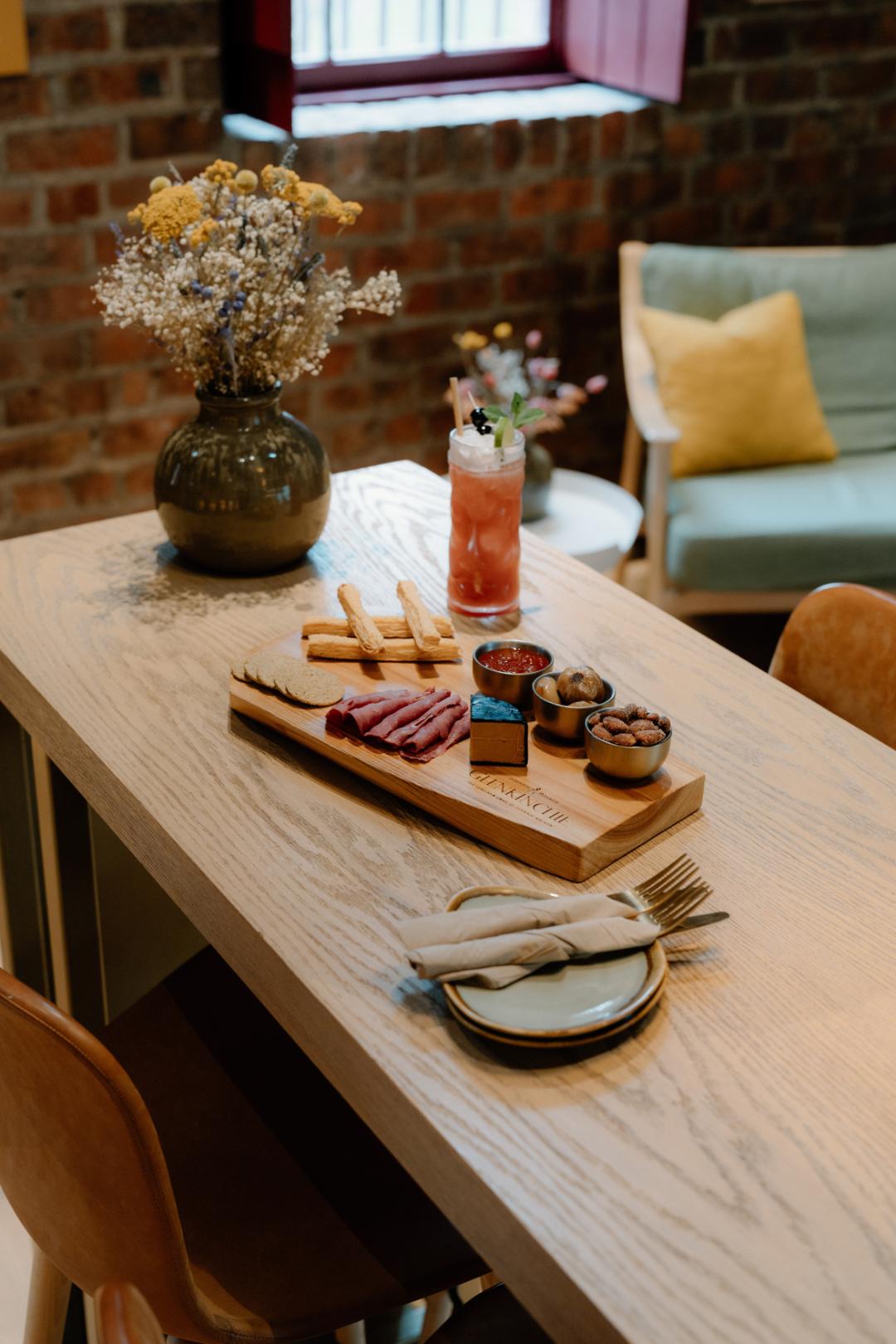
Those early days are still held dear. Even today, one local family has had continuous links with Glenkinchie since the 1920s, with multiple generations of the Christie family having worked in the distillery over the entirety of the past century. And few drinkers would deny that the product is still one to take pride in – lowland whiskies tend to have grassier, more floral notes than their counterparts elsewhere in Scotland, something you can sample for yourself on a day-trip from Edinburgh. Or, indeed, by just wandering into a dedicated whisky bar. It’s great as an aperitif.
GETTING THERE:
Sail from Kennacraig on the mainland to Port Askaig on Islay. The distillery is 1.5 miles north by road from the ferry terminal.
SEE & DO NEARBY
Distillery Tour: There are three different tours to choose from, the pick of which is the Hidden Lowland Tour & Tasting, which visits littleseen parts of the distillery.
Scottish Assault Courses: Fancy a challenge? This course of almost two miles includes rope swings and a barbed-wire army crawl. Not advisable post-whisky…
Pencaitland Parish Church: An atmospheric example of an early Scottish Parish Kirk, with fascinating carvings. It was consecrated in 1242.
PLACES TO EAT & DRINK NEARBY
The Winton: An excellent village restaurant specialising in local produce sourced from Scottish suppliers.
Rosearista Coffee Shop: A family-run coffee shop on the outskirts of Pencaitland, just a few miles from the distillery, with fresh scones daily.
-full-1746435875.jpg)
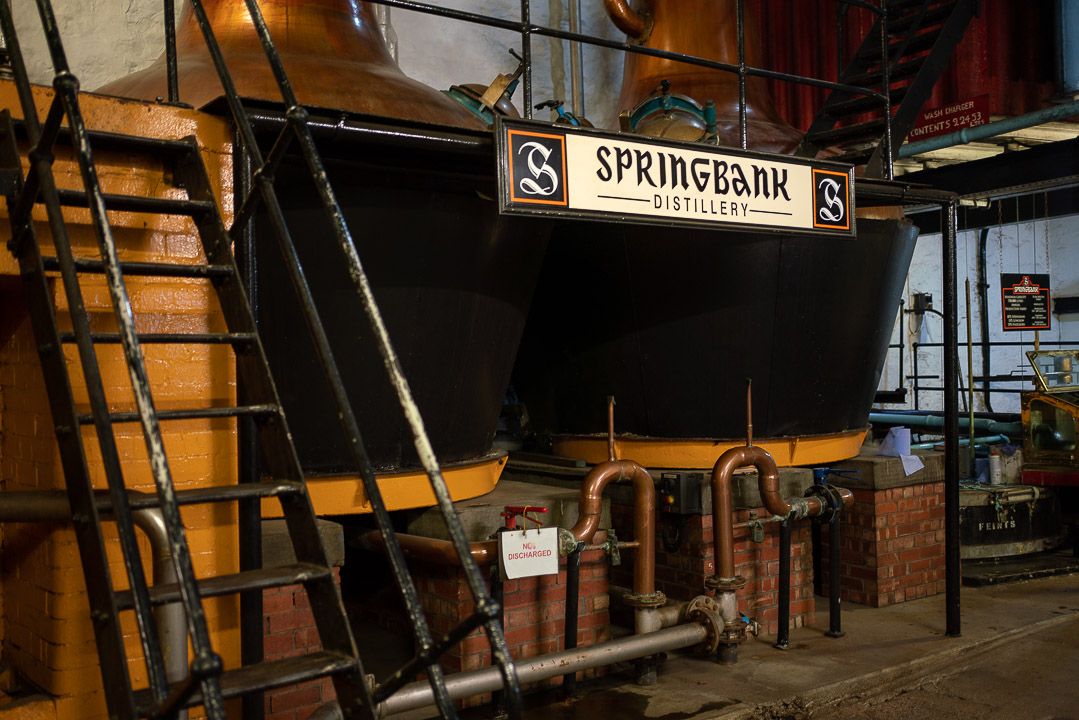
Springbank Distillery
Campbeltown
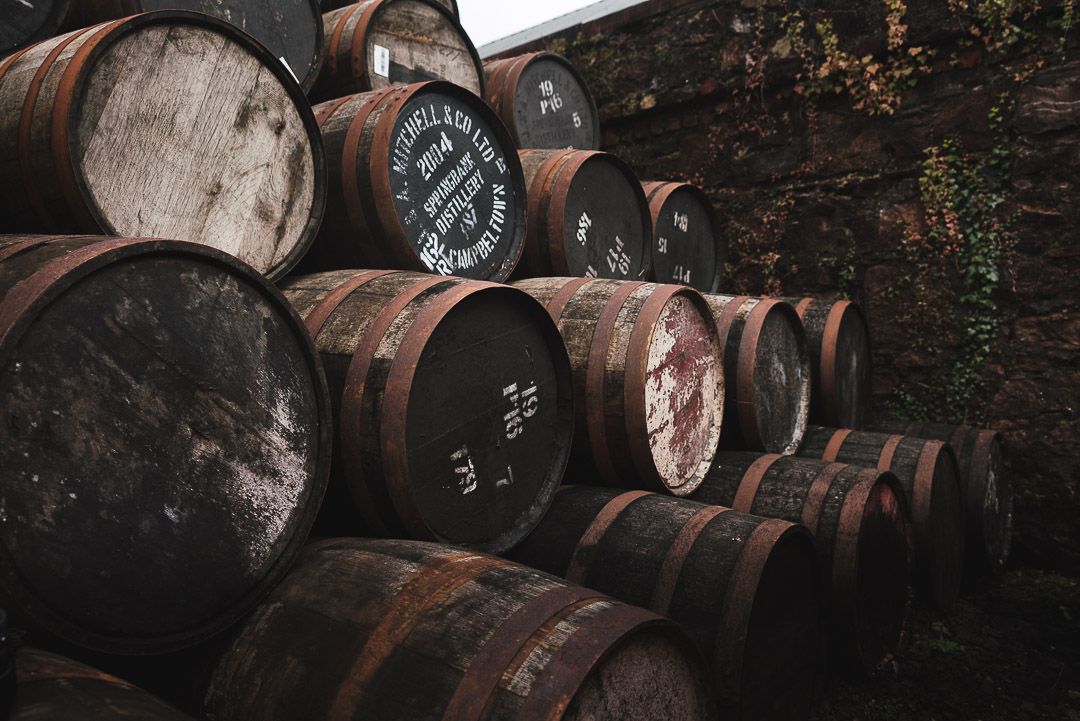
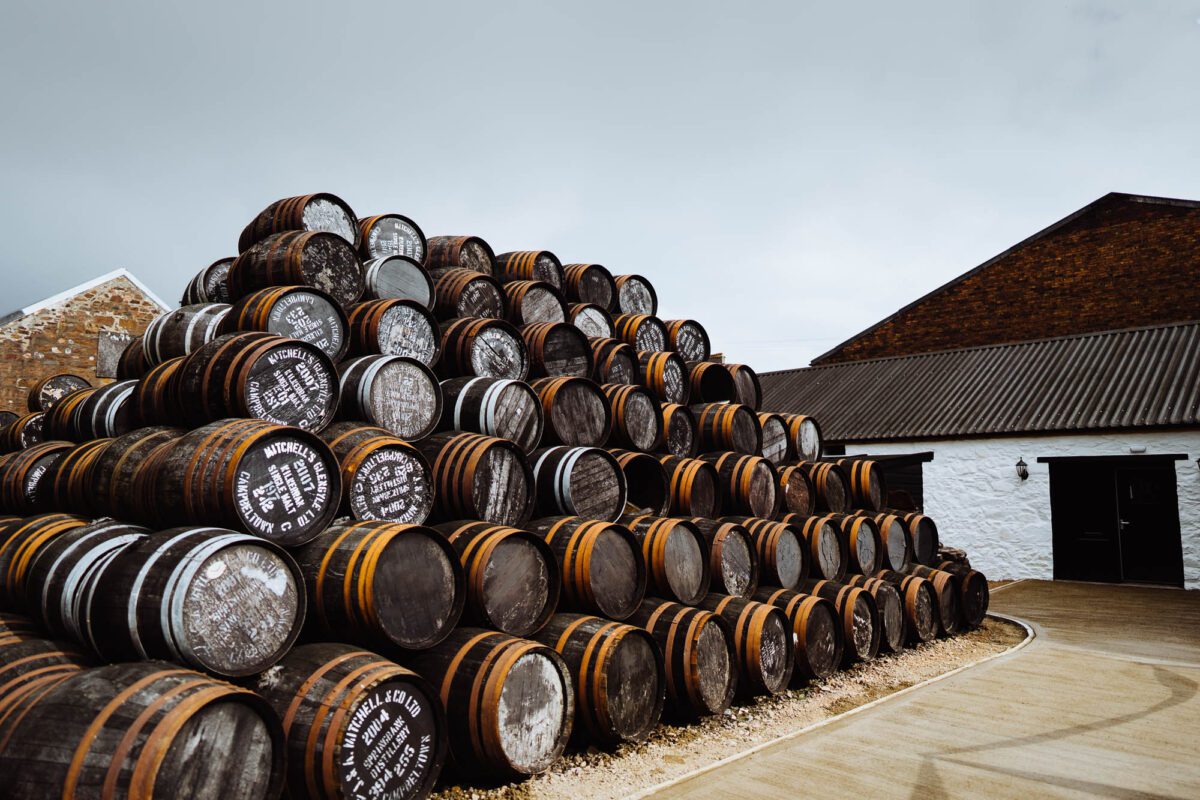
There’s more to Campbeltown than meets the eye. The coastal settlement is spread across the banks of a sea loch on the Kintyre Peninsula and is home to less than 5,000 people, but was at one point known as the whisky capital of the world. At its peak, as many as 30 distilleries were in business. Even today – despite its size – Campbeltown remains one of five protected localities in the country. But the number of producers has dropped dramatically over the years, with arguably only the best remaining. Just three are still standing, the pick of which is the inimitable Springbank, the oldest independent family-owned distillery in Scotland.
The name enjoys cult status among connoisseurs, principally due to the quality of its traditional style of whisky. What’s more, 100 percent of the whisky production process is completed on site, from malting and maturation through to bottling.
Methods such as floor-malting are still in use here, and the whole feel of the place still gives a sense of treading back in time. It was formally founded way back in the 1820s – although legend has it that illegal distillation was taking place on the same site far earlier – and is now approaching its 200th anniversary.
There are three distinct single malts in the core range: the unpeated Hazelburn (dried using only hot air), the lightly peated Springbank and the more heavily peated Longrow. It also produces limited edition whiskies, again using locally grown barley. All the distillery’s bottlings are matured for between 10 and 25 years, and generally have hefty price tags. And while they may be expensive, their deft complexity means they’re popular for very good reason.
GETTING THERE:
Calmac usually runs a seasonal summer ferry service from Ardrossan, west of Glasgow, to Campbeltown. Otherwise your options are car, bus or bike.
SEE & DO NEARBY
Distillery Tour: Opt for the basic tour, or splash out on the 4-5 hour Barley to Bottle Tour, which gives hands-on, access-all-areas insight.
Davaar Island: Head out to this tidal island, reachable via a natural shingle causeway when the tide’s out. Be sure to check tide timings first.
Glen Scotia Distillery: Another Campbeltown whisky producer with a sterling reputation, offering tours, tastings and more.
PLACES TO EAT & DRINK NEARBY
The Black Sheep Pub: A lively spot in Campbeltown’s Royal Hotel, named Southwest Pub of the Year a few years ago in the Scottish Bar & Brew Awards.
Number Forty Two: An elegant fine-dining spot, guided by the hand of chef Gordon McNeill, with a daily changing menu of fresh items.
Annadale Distillery
Dumfries & Galloway
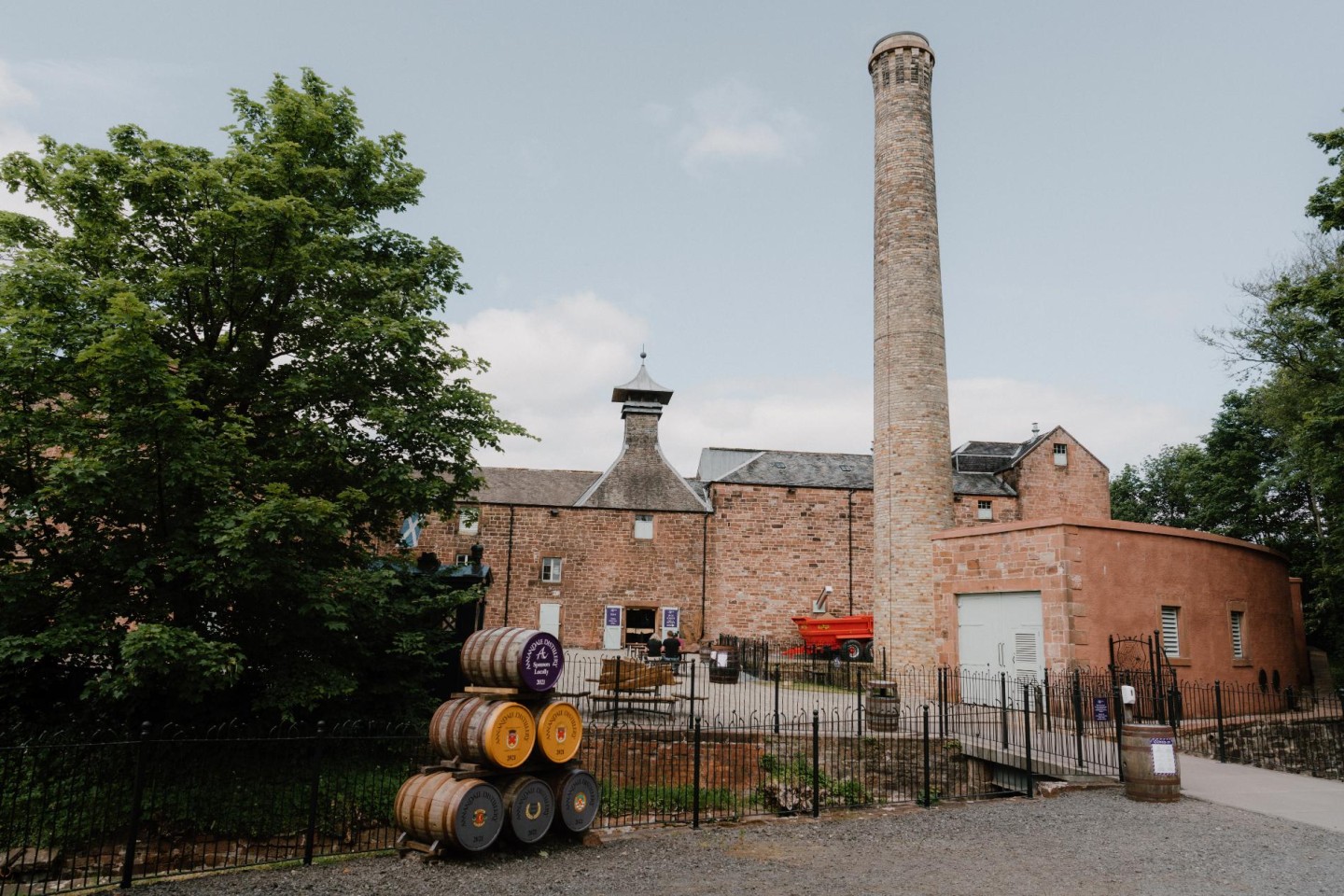
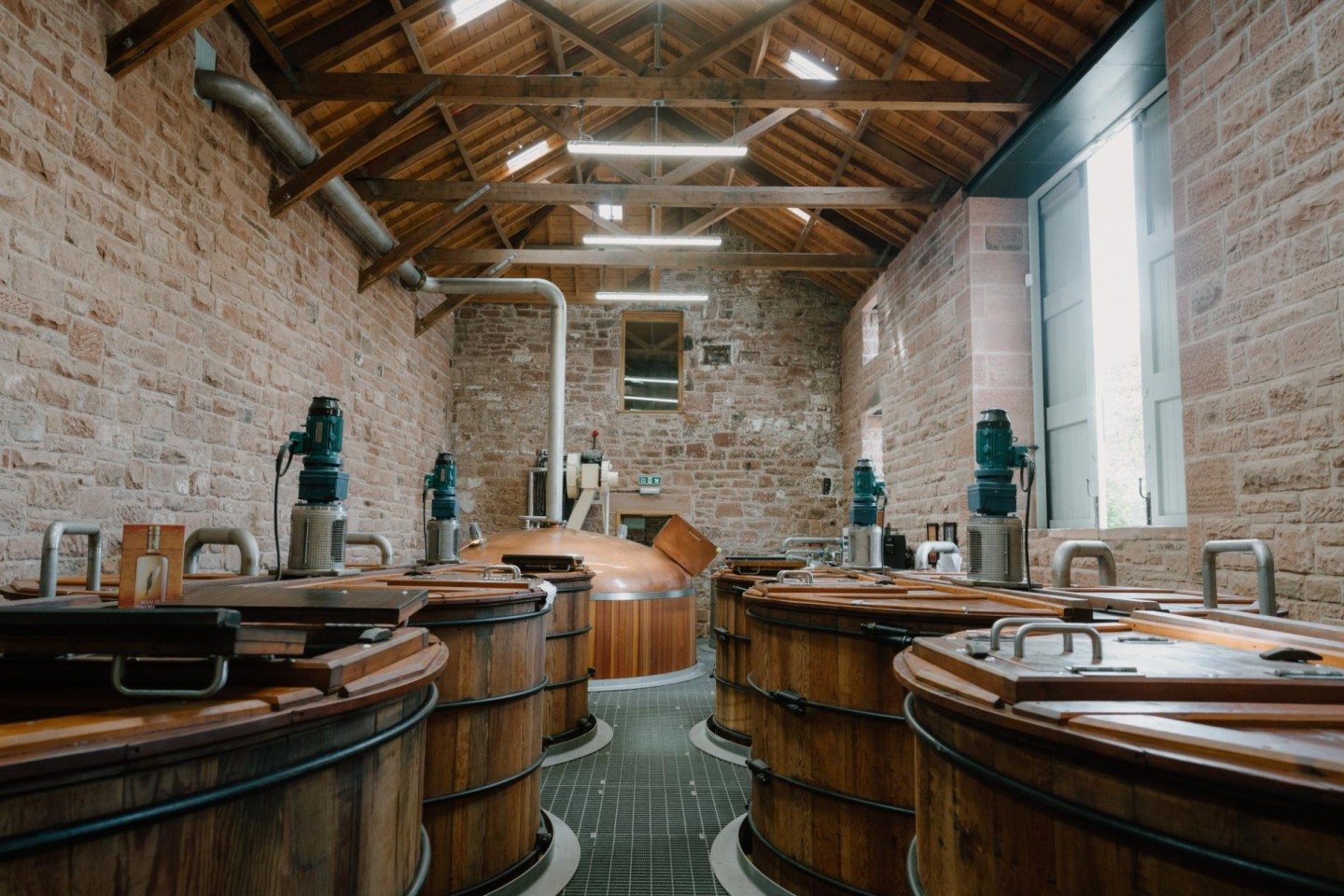
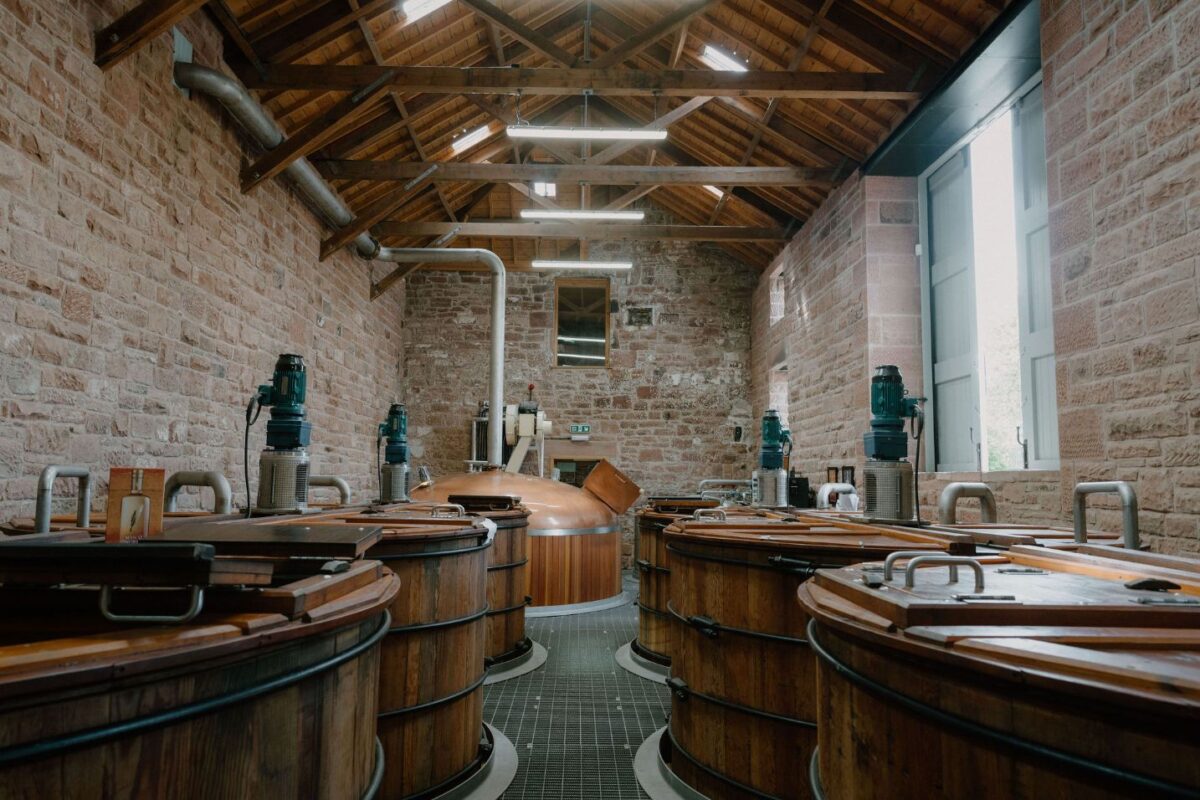
George Donald knew what he was about. In 1836, the former excise officer from Aberdeenshire found a forest clearing near the English border that ticked all the right boxes for a distillery. It had a nearby water source, a ready supply of peat and a damp, mild climate. So was born the Annandale Distillery, which operated successfully until 1918, when a mixture of war and prohibition stopped it in its tracks. A whiskyless silence then reigned for almost a century, until in 2014 Professor David Thomson and Teresa Church reopened the distillery, looking to revive its heritage and produce quality single malts. It’s fair to say it’s not looked back.
Today, its twin copper stills allow for production of both peated and unpeated new-make spirit. After being filled into casks and matured in a 300-year-old bonded warehouse, this evolves into a drink of remarkable quality and smoothness. The first cask of its peated ‘Cask 40’ was filled by late rugby great Doddie Weir – the distillery ultimately raised almost £28,000 for Doddie’s motor neurone disease foundation – and bottles of some rare vintages can now fetch upwards of £3,000.
Another personality with strong associations with the business was Dr Jim Swan, a legendary expert on single malt. He passed away in 2017, but had been instrumental in helping Annandale make its name. Today its best known single-cask whiskies are the unpeated Man O’Words, named in honour of poet Robert Burns, and the peated Man O’Sword, named after Robert The Bruce. Fittingly, the latter once had a motte and bailey castle close to the site of the distillery.
Getting there
The distillery’s location just a few miles from the border makes it an easy trip from northwest England, being just 35 minutes from Carlisle.
SEE & DO NEARBY
Distillery Tour: The classic tour of Annandale Distillery lasts around an hour, including five tastings and various promotional goodies.
Gretna Green: A 15-minute drive brings you to Gretna Green, where the Famous Blacksmith’s Shop – now more of a visitor complex – is the main draw.
Annan Museum: Housing a permanent collection that covers the history of Annan and the surrounding area.
PLACES TO EAT & DRINK NEARBY
The Maltings Coffee Shop: The distillery is home to the Dumfries & Galloway Cafe of the Year, serving soups, sandwiches and afternoon teas.
The Shed: Sports-mad pub in Annan, with awards to its name and a wide range of drinks.
Lochranza Distillery
Isle of Arran
Looking out across the water from the northern shores of Arran stands a distillery that makes up in character for what it lacks in heritage. Built only in 1994 – and bringing to an end a period of more than 150 years in which the island had no legal distillation – Lochranza Distillery produces whiskies under the Arran label. With aromas of the sea and pinewoods, their single malts are emblematic of the location itself, a fact which is also true of Lagg Distillery, its sister operation unveiled in 2019 at the southern tip of the island.
The distillery at Lochranza, however, very much remains the hub of operations. Rain is literally the lifeblood of Scotch whisky, and all the water that goes into the Lochranza bottlings begins its life as fresh rainfall in Loch na Davie, in the hills high above the distillery, from where it flows down to sea level via a series of six waterfalls. Further along the process, the spirit is double-distilled using unpeated malt, then matured in old bourbon and sherry casks. The end results are clean and fresh, with a 10-year-old single malt forming the cornerstone of the range.
The visitor experience at Lochranza was opened by none other than HM The Queen back in 1997, which was several years too early for her to sample a dram of the 10 year old, although she seems to have blessed the place with good fortune nonetheless. The distillery now draws some 120,000 visitors a year, and in 2018 was named as the Association of Scottish Visitor Attractions’ ‘Visitor Experience of the Year’. The hard part, if you’re here for a tasting, is tearing yourself away.
GETTING THERE:
Ferries arrive on Arran into Brodick, on the east coast, and Lochranza on the north. The latter is right next to the distillery, although requires crossing from Tarbert on the Kintyre peninsula. Sailings to Brodick depart from Ardrossan, west of Glasgow, so are more practical for many visitors.
SEE & DO NEARBY
Distillery Tour: Four different tours are on offer here, with the most unusual being the Whisky and Arran Chocolate Pairing.
Goatfell: Tackle the island’s highest mountain on this popular hike to its 874-metre-high summit. On a fine day, the views are belting.
Brodick Castle: The island’s best-known attraction is this imposing former hunting lodge, with bags of historical atmosphere and extensive grounds.
PLACES TO EAT & DRINK NEARBY
Casks Café: On site at the distillery, this enjoyable café serves home bakes, hot and cold drinks and a good lunch menu. Book ahead.
Mara Fish Bar & Deli: From late March to late October you’ll find this great seafood joint in Corrie, on the island’s east coast.
Lindores Abbey
Fife
In 1494, King James IV sent a very specific request to Friar John Cor of Lindores Abbey. The Exchequer Roll of that year records the following order: “To Brother John Cor, 8 bolls of malt, wherewith to make aqua vitae for the King.” Eight bolls of malt would have been enough to make around 400 bottles of whisky, which is evidence enough that the monarch was not only partial to a snifter, but that the whisky grain being produced by the monks was literally fit for a king.
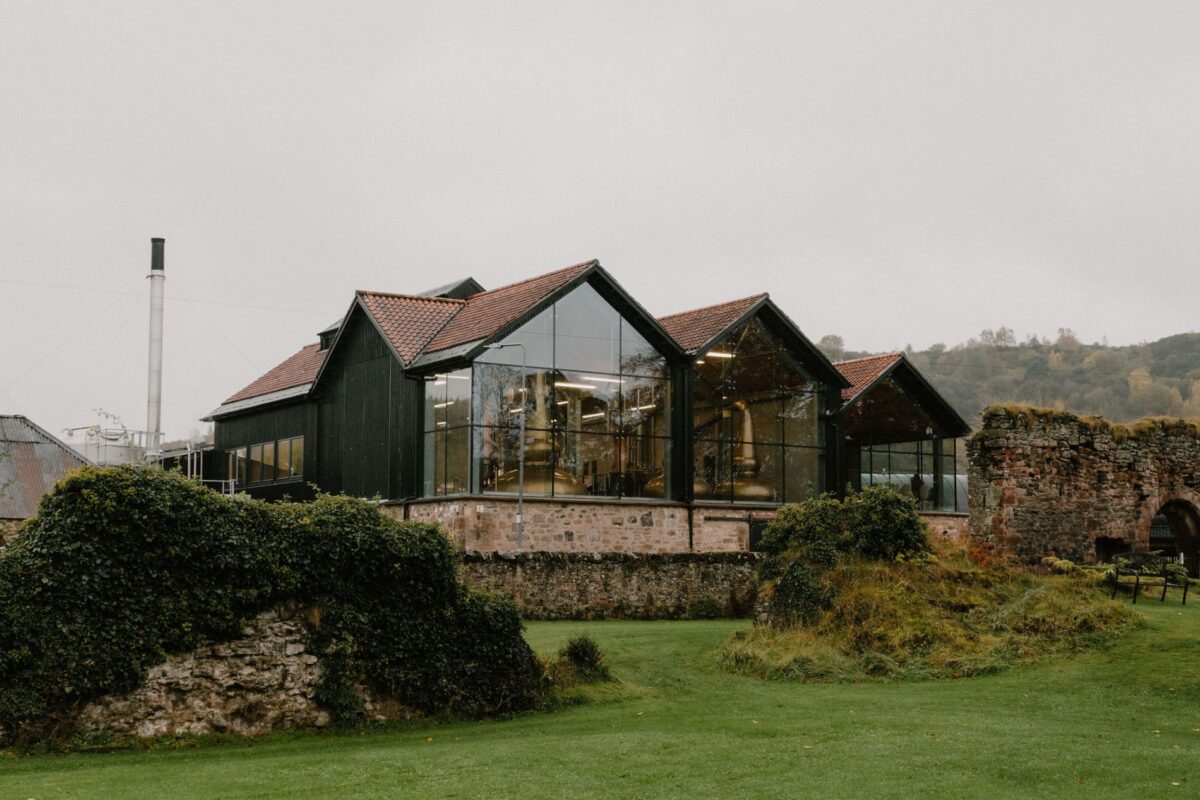
The abbey, founded on the outskirts of Newburgh in Fife, now lies in ruins, but the name lives on. In 2017, more than half a millennium after the royal request above, the Lindores Abbey distillery was opened by custodians Drew and Helen McKenzie Smith, a glass-fronted temple that manages to be both contemporary and reflective of 500 years of history. The abbey’s age-old connections to the drink mean it remains a site of pilgrimage for serious whisky lovers, and the distillery doesn’t sell itself short. In 2021, its first single malt was released to the public under the name MCDXCIV, the numerals which represent 1494. Drinkers can expect a smooth whisky with everything from dried spices to vanilla playing on the palate. It’s matured in a selection of bourbon barrels, wine barriques and sherry butts, which means it’s almost certainly even tastier than the batch the king ordered. The latest release, meanwhile, is the lengthily titled Friar John Cor Cask Strength Congregation Batch Chapter 2 – like all Lindores bottlings, it has no added colouring, is non-chill filtered and gets bottled on site.
GETTING THERE:
The distillery sits in Newburgh, close to the banks of the Firth of Tay in north Fife.
-full-1746449986.jpg)
Blaire Athol Distillery
Perthshire
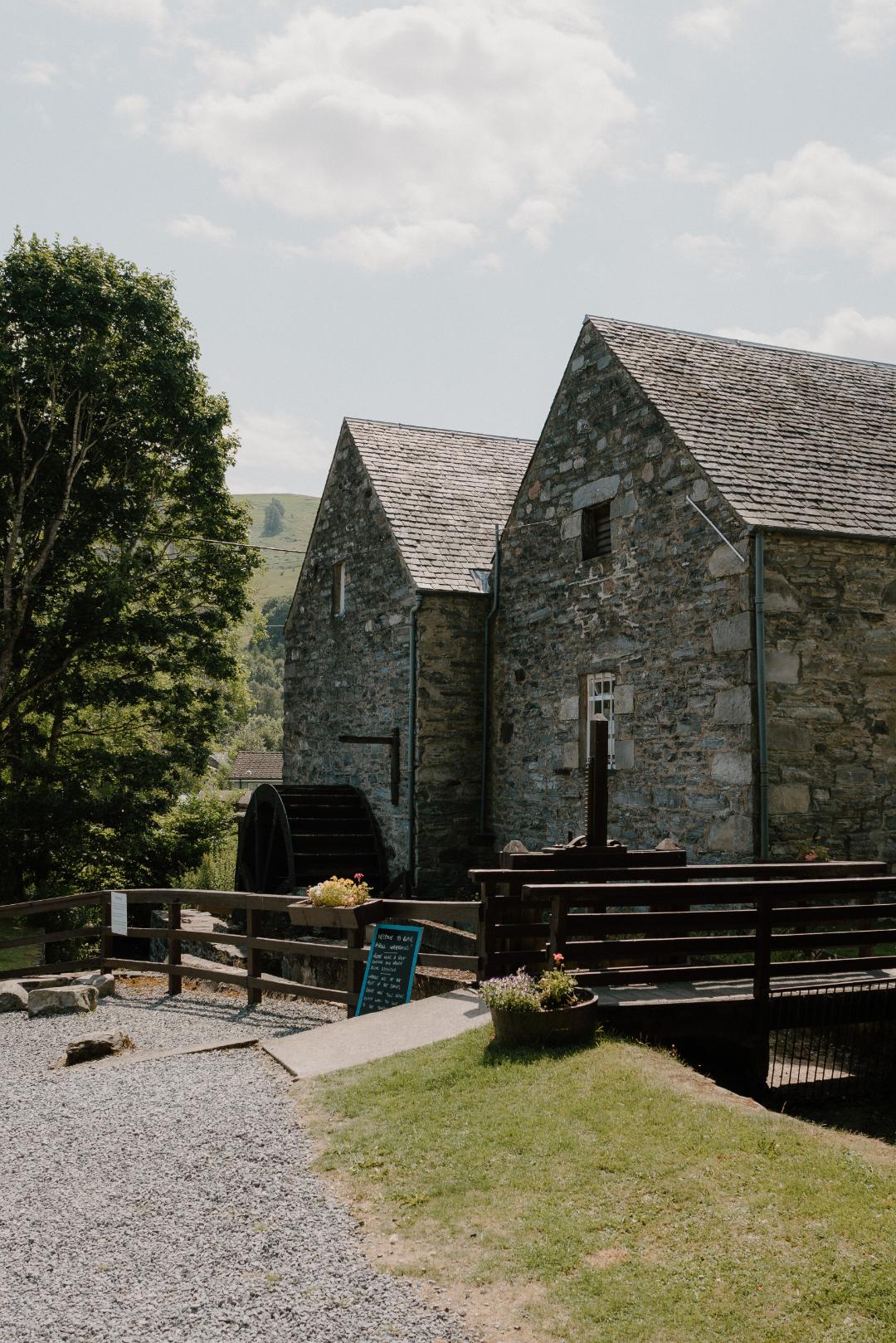
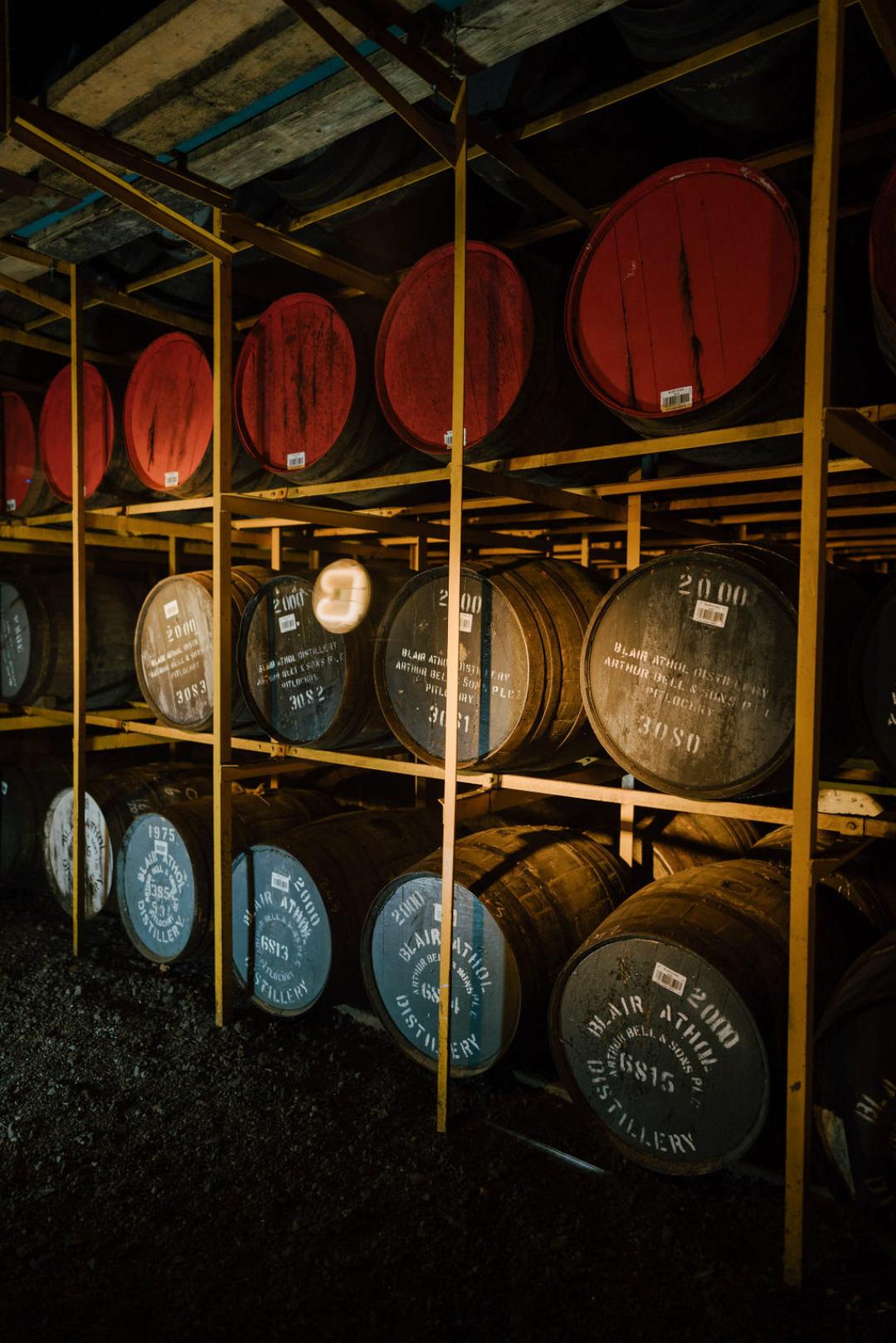
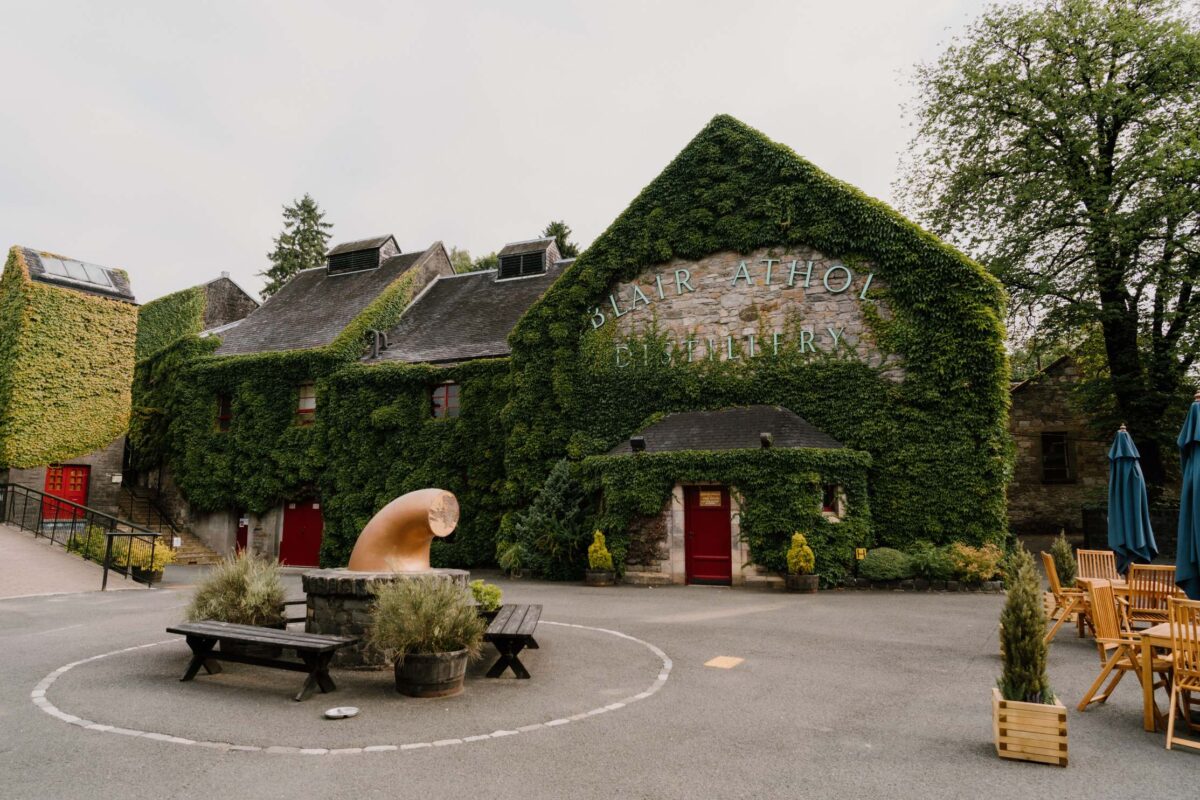
At the foot of Ben Vrackie, in the Perthshire town of Pitlochry, you’ll find a distillery with heritage. It goes by the name of Blair Athol – which is nearly but not quite the same as the nearby village of Blair Atholl, with two Ls – and this isn’t the only historical quirk to be found here. The story goes that at the Battle of Culloden in 1746, a soldier named George Robertson hid from Government forces in an ancient oak and was fortified by whisky from nearby Aldour Farm. The farm stood on the site of what is now Blair Athol Distillery, founded in 1798 by Robert Robertson and John Steward.
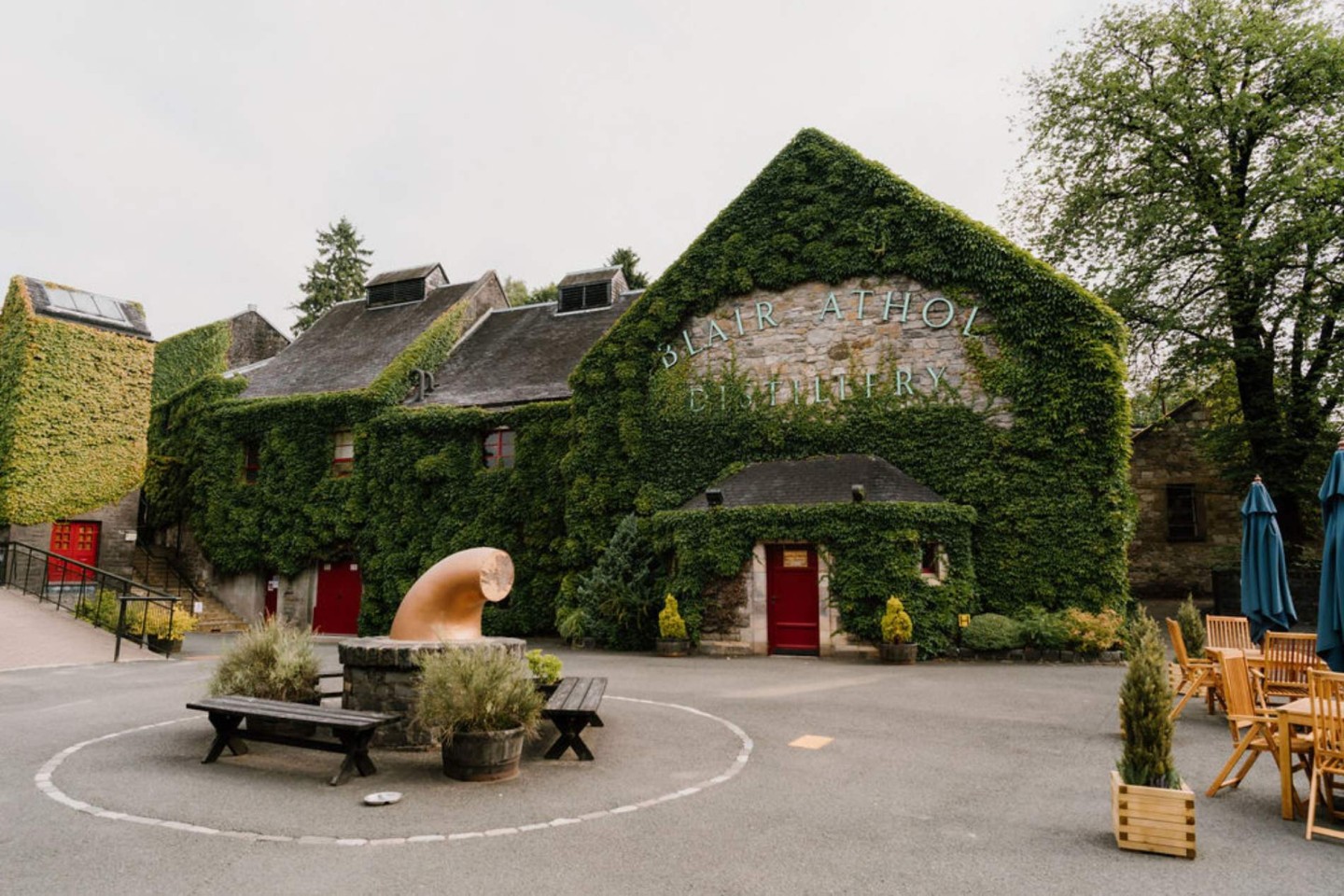
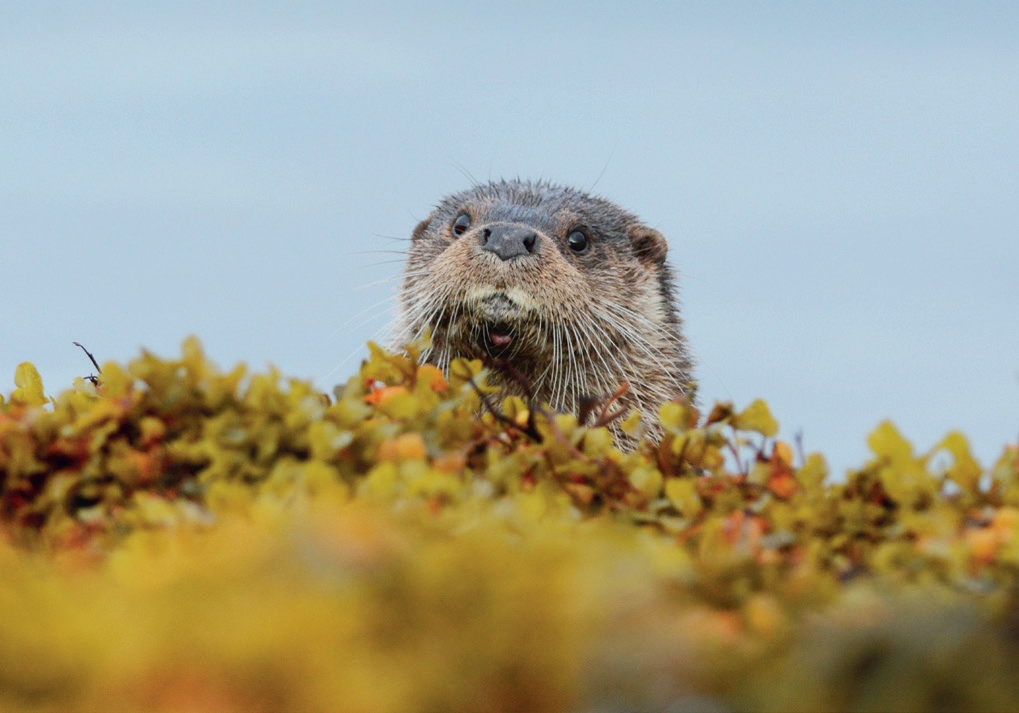
It was the famed Victorian whisky blender Arthur Bell, however, who set the distillery rolling on the path to mass-market success. Over the decades, as the whisky made here became one of the key blends in one of the best-selling Scotches in the UK, it became known as the spiritual home of Bell’s. And while the Bell’s brand isn’t necessarily synonymous with refinement or complexity, the Blair Athol single malts that the distillery produces very much are. The 12-year-old bottling is fruity, full and rich. As a visitor destination, too, it’s fascinating. This is largely because it’s one of the oldest working distilleries in the country, with its ivy-clad stone buildings standing as strong and sturdy now as they did 200 years ago. Being situated at the so-called gateway to the Highlands, meanwhile, it draws visitors in big numbers. The ancient Allt Dour – which gave Aldour Farm its name and translates as ‘the Burn of the Otter’ – still flows through the grounds.
GETTING THERE:
The distillery sits in Pitlochry on the southern fringes of the Cairngorms National Park. The town has its own railway station, with direct links to Perth, Glasgow and Edinburgh.
SEE & DO NEARBY
Distillery Tour: There are three main options: the Signature Tour, the Allt Dour Tour with six tastings, and the Cask & Cocktail Experience.
Pitlochry Dam Visitor Centre: Find out more about everything from hydro-electricity to salmon breeding at this highly-rated visitor centre.
Enchanted Forest: Open seasonally, this impressive autumn sound and light show wows evening visitors to the woods near town.
PLACES TO EAT & DRINK NEARBY
Café Calluna: A much-loved place in the centre of town, selling artisan coffee, cakes, sandwiches and more. Becomes a wine bar on weekend evenings.
Salmon Leap Café: Baked potato? Haggis pizza? This café is part of the Pitlochry Dam Visitor Centre, and offers top views alongside filling lunches.
The Borders Distillery
Scottish Borders
The Scotch whisky trade is full of tales of ambition. Some eight years ago, having raised funds of £10m to help realise its dream, the company behind the Borders Distillery began redeveloping a former industrial block in the town centre of Hawick. Working with what was already there – a former sweet factory, two stone sheds, a brick warehouse and an old office – it set about creating a whisky production unit. When it opened in 2018, it represented the first distillery in the region since 1837. Why Hawick? It had a good supply of fresh water, which already helped the local cashmere and tweed industries, and also had ready access to barley and a strong workforce. All it needed now was the product to match the place.
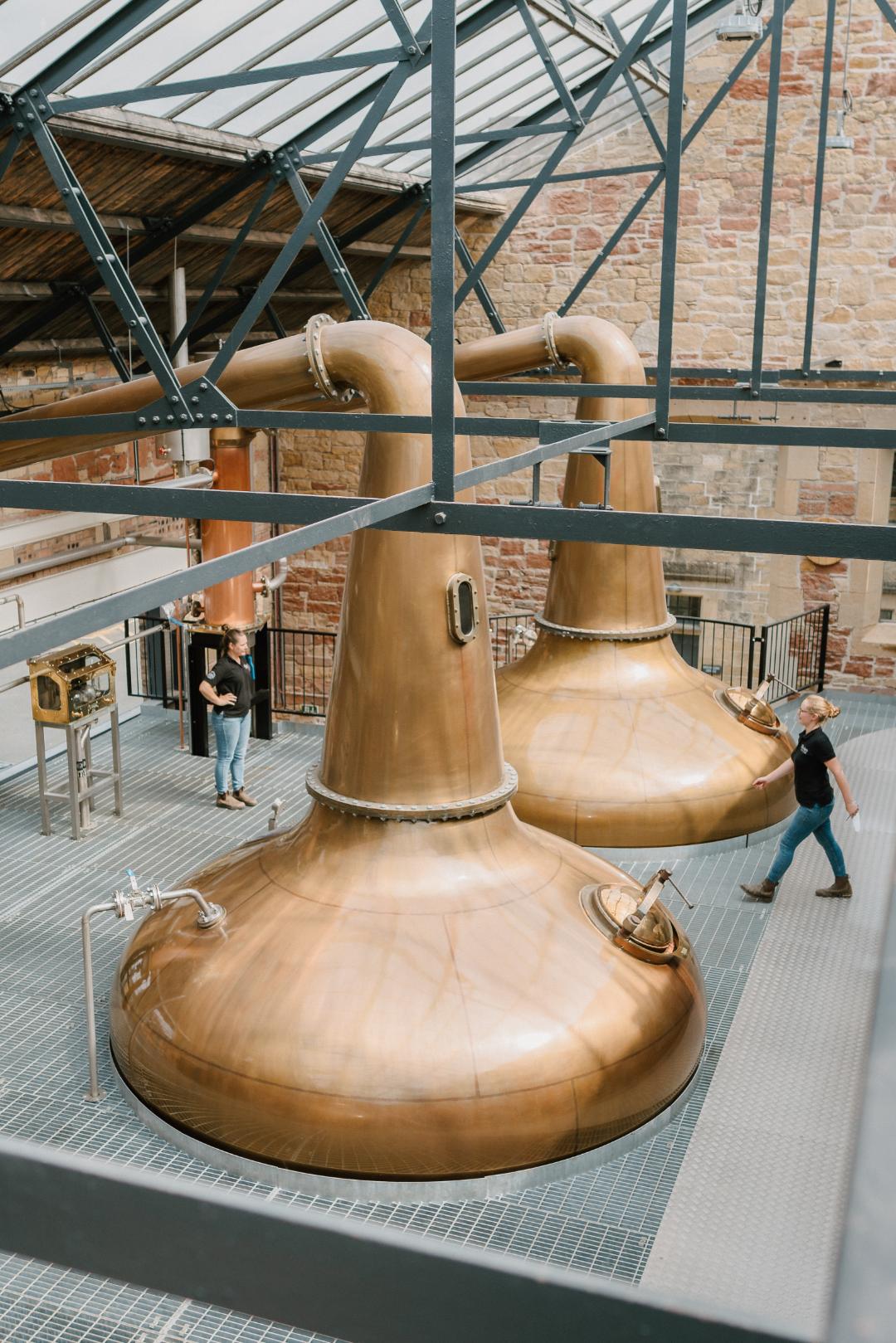
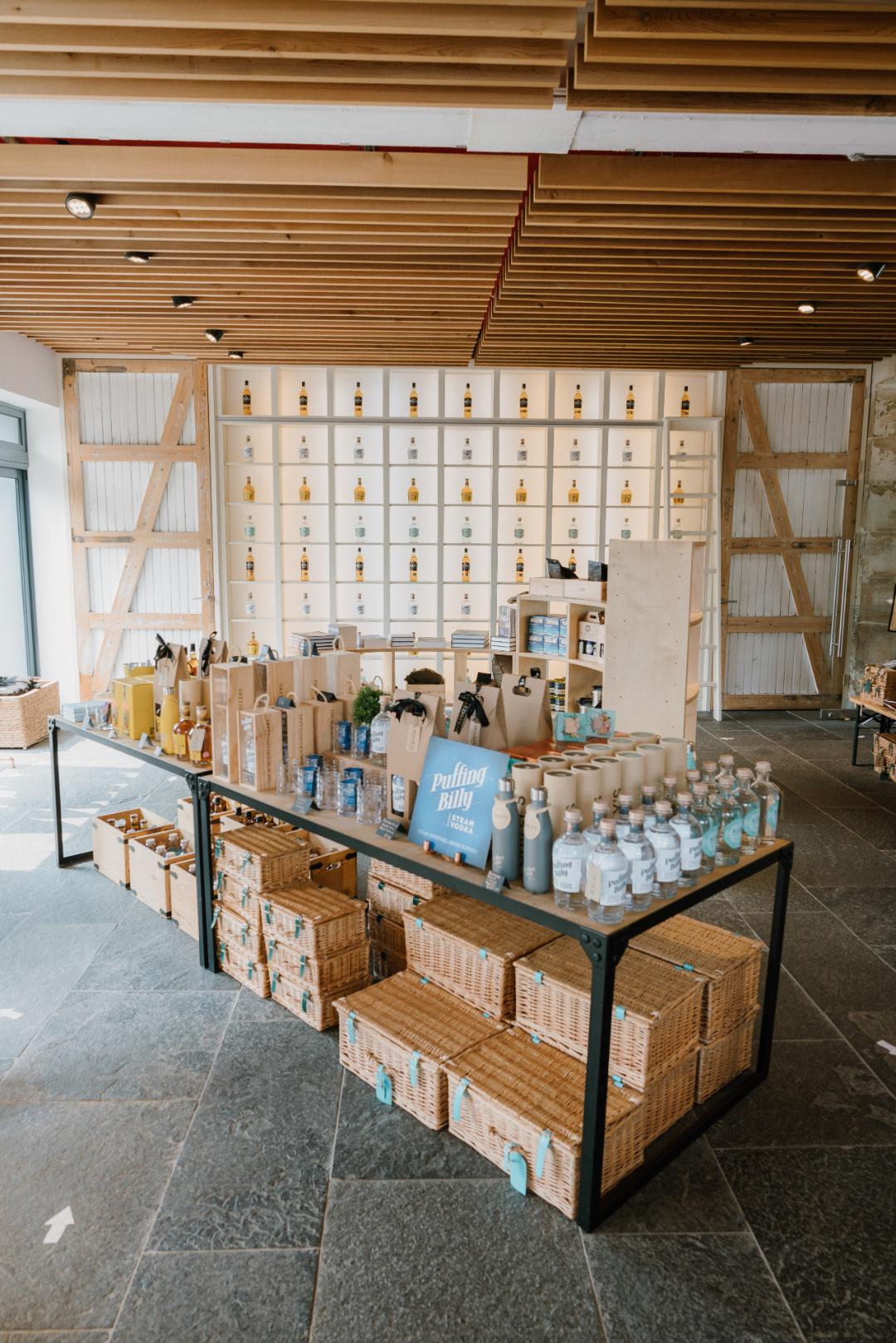
Fast forward to today and the distillery has earned accolades by the cask-load, for everything from its architecture to its spirits. The impressive restoration and renovation work makes a visit here worthwhile in its own right, and that’s before we even touch on the drink itself. These are still early years for the distillery, meaning its single malts are still maturing, but it offers an award-winning range of vodka, gin and new-make spirit, as well as various blended whiskies. Whisky-lovers also have the chance to invest in one of 1,837 whisky casks (tying in with the year there was last a local distillery), filled on a date of the owner’s choosing and stored under bond. The drink’s slow maturation process means Scotch whisky and patience go hand in hand, as they always have done. Will the Borders name be cherished by connoisseurs in decades to come? Who knows – but its beginnings have been bright.
GETTING THERE:
The distillery sits in Hawick, 20 minutes west of Jedburgh and 30 minutes south of Melrose, in the Borders region.
SEE & DO NEARBY
Distillery Tour: You’ll get the lowdown on the awardwinning conversion and restoration project, as well as learning about the distillation process.
Wilton Lodge Park: A scenic town park with a tree-lined walk, a waterfall and a four-star Scottish Tourist Board rating.
Hermitage Castle: A half-ruined stunner of a castle, initially built in 1240 and now in the care of Historic Scotland.
PLACES TO EAT & DRINK NEARBY
Denholm: Meet Top-notch Italian restaurant/café run by award-winning chef Antonio Caterino, with an antiques and interiors shop upstairs.
Adam’s Kitchen: A great joint serving traditional food and local produce, with a sister restaurant at the local golf club.
-full-1746449363.jpg)
Glenmorangie Distillery
Inverness-shire
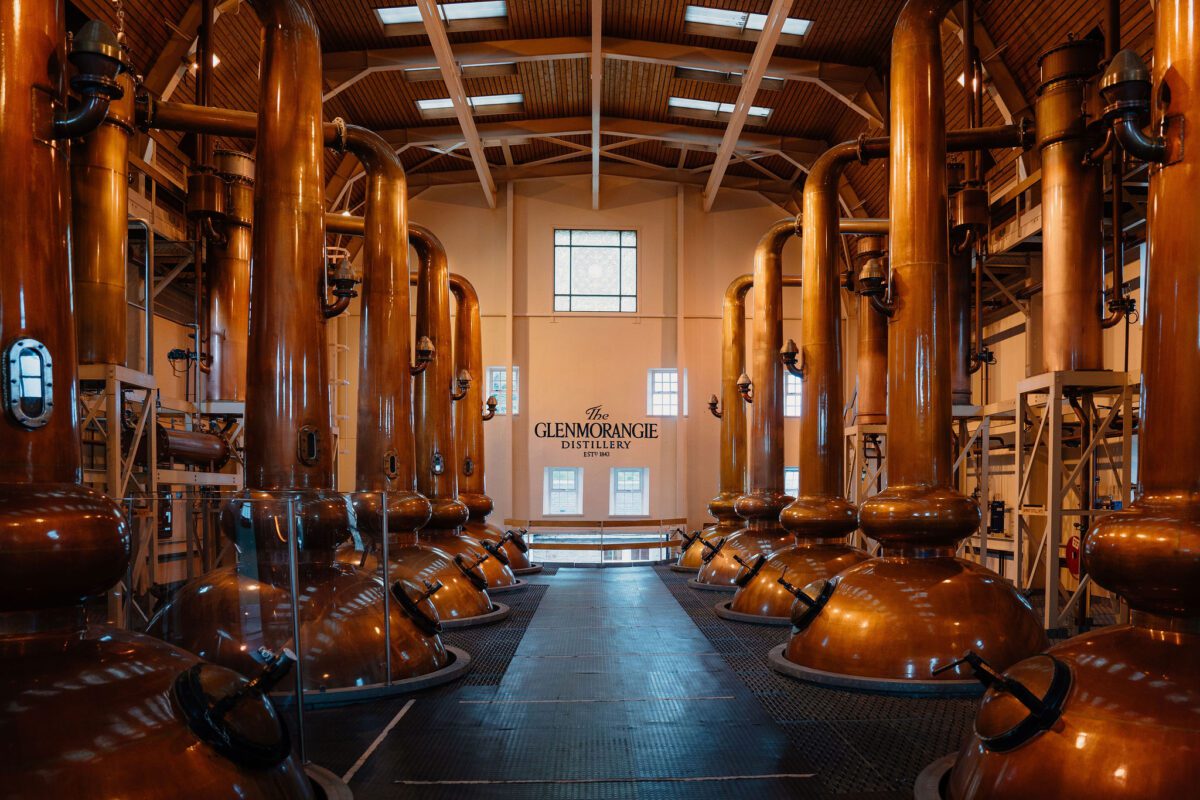
When husband and wife William and Anne Matheson founded a distillery on a Highland farm in 1843, they could have had little idea how – 180 years later – the Glenmorangie name would have become such a colossus in the whisky world. Today, the copper stills in which it distils its spirit are the tallest in Scotland (reaching giraffe height!) and the whisky itself has been the best-selling single malt in the country for each of the last four decades. It sits way up in Ross-shire, close to the shores of the Dornoch Firth.
This is a distillery, however, that likes to keep things fresh. It has its own Director of Whisky Creation in the form of biochemist Dr Bill Lumsden, named Master Distiller of the Year on multiple occasions and still pushing things forwards in terms of creativity and invention. Since 2021, he and his team work in an extraordinary new glass still house known as the Lighthouse, a multi-million-pound, 20-metre-high unit looking out to sea and visible for miles around. One notable modern concoction is X by Glenmorangie, a whisky created specifically for mixing – suggested serves, with recipes, include X Sangria and X Peach – but its core range is full of multi-award-winning single malts. These include The Quinta Ruban, a double gold-medalwinning, 14-year-old spirit with a long-lasting silky aftertaste; The Lasanta, a 12-year-old whisky which was distilled to taste like “sipping a sunset” and has a burnished amber glow; and Signet, created using Glenmorangie’s chocolate malt spirit, which is made just once a year. If you’re looking for something truly collectible, meanwhile, try the Truffle Oak Reserve, of which only 1,000 bottles are in existence.
GETTING THERE:
The distillery is on the outskirts of the town of Tain, which has a railway station on the Far North Line, which runs between Inverness and Wick/ Thurso.
SEE & DO NEARBY
Distillery Tour: The distillery has four different tour experiences, including the Set of Four, which includes whiskies hand-picked by Dr Lumsden.
Dornoch Beach: A glorious expanse of golden sand on the Dornoch Firth, with Blue Flag accreditation.
Balblair Distillery: Just a few miles away from Glenmorangie you’ll find Balblair Distillery, which dates back to 1790.
PLACES TO EAT & DRINK NEARBY
Surf & Turf: This popular spot in nearby Dornoch also has a smaller mobile outlet at Glenmorangie Distillery.
Greens Restaurant: An accomplished local restaurant on the High Street in Tain, using local ingredients where possible.
-full-1746449363.jpg)
Promoted Post
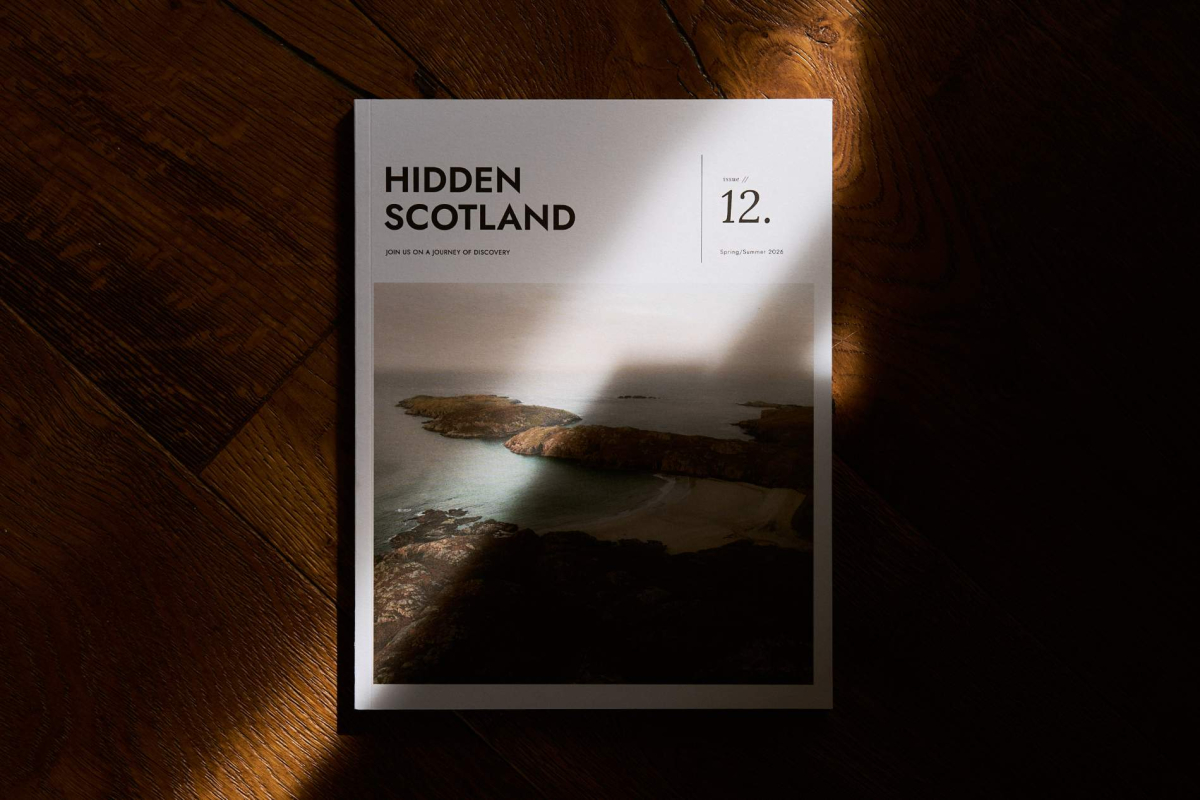
Issue 12 is now shipping worldwide from Scotland.
Issue 12 is now shipping worldwide from Scotland.





 Sign in with Google
 Sign in with Email