
Jamieson’s of Shetland
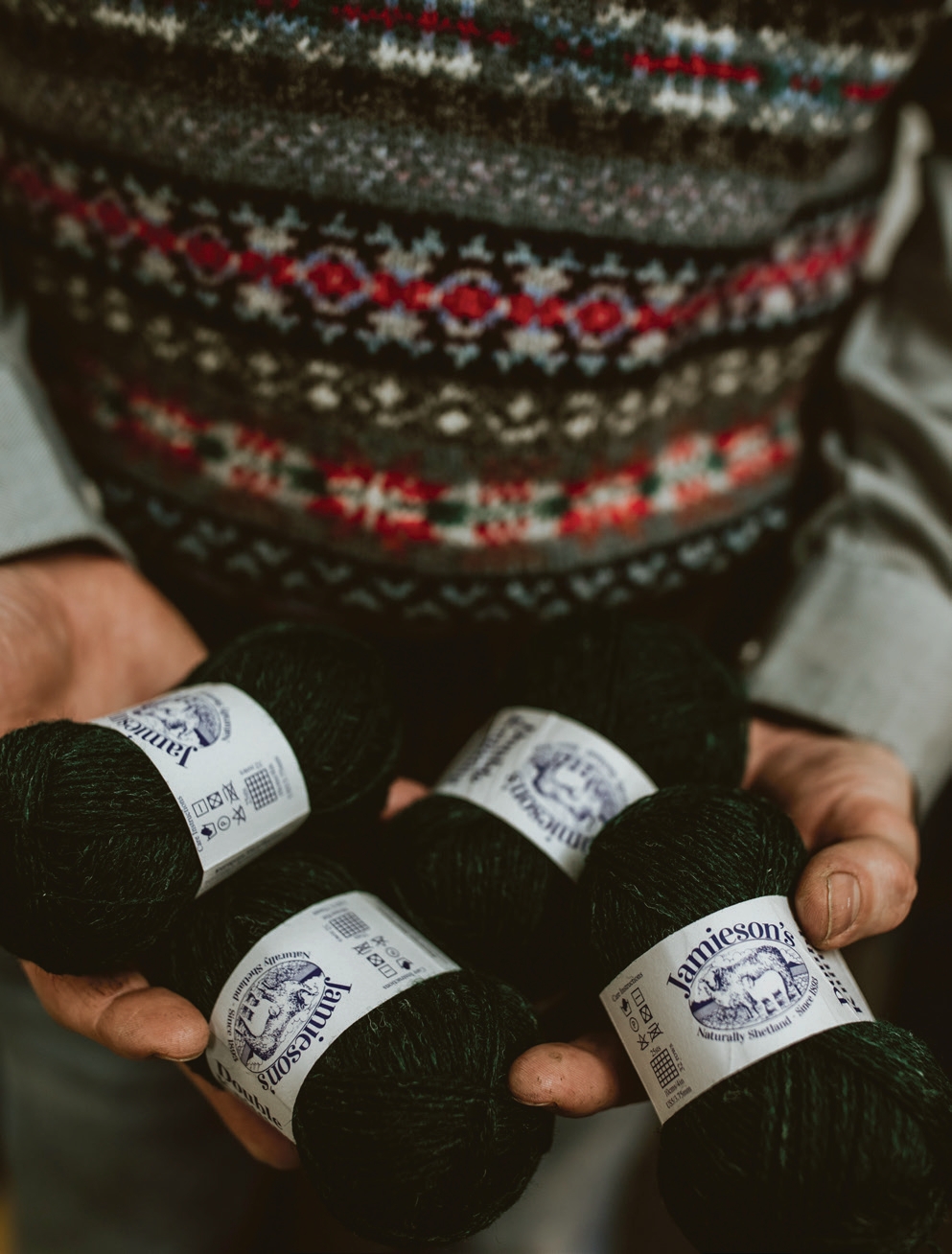
Jamieson’s of Shetland is Shetland’s only spinning mill where raw fleece is made into yarn, cloth and knitwear, all under one roof. The business started in the early 1890s and over the next century each of the five generations of Jamiesons developed it further. Now run by Peter Jamieson and his wife Elaine, they have been joined by their son Garry and his wife Katherine, their daughter Louise and about 30 staff from around the Westside of Shetland.
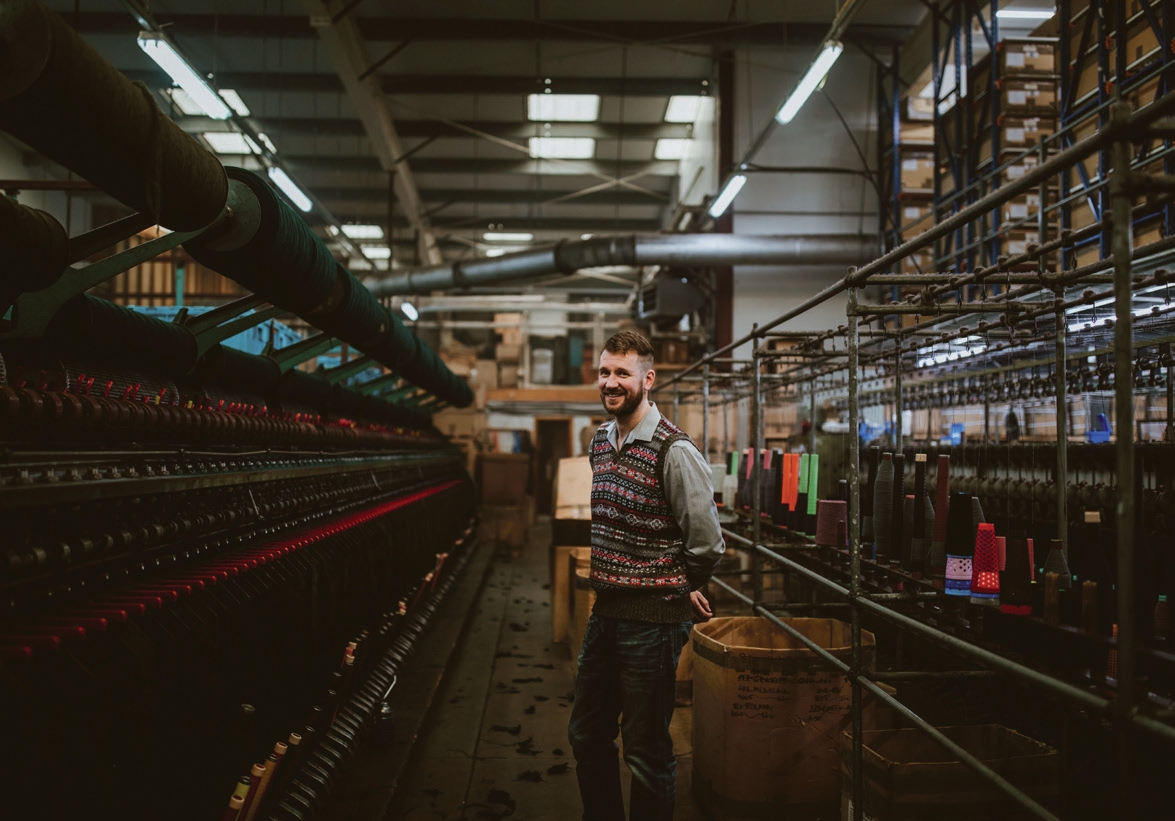
Your yarn is in huge demand globally, can you tell us what makes Shetland wool so special and highly sought after?
Shetland wool is a very unusual fibre - soft yet strong and when knitted it can be very warm but also, as it is completely natural, garments can “breathe” so as not to make the wearer sweat. Unfortunately there are a lot of yarns on the market which are “Shetland style” yarns which don’t have this fine soft texture. These are often made from scratchy, harsh wool which definitely damages the reputation of the real article.
Where do you export most of your knitwear to? And can you tell us how many garments on average the mill produces per year?
Our main markets are out in the Far East. Japan has been very important to us over the last 35 years. We also sell all across Europe and some in the US. Over the last ten years we have seen an excellent upturn in business within the UK. We produce approximately 15,000 units per year.
What is the biggest challenge in producing knitwear these days? Does your demand suffer in the globalised market and the world of mass-produced garments? Or is it the opposite - is the demand for your knitwear higher than you can satisfy?
Our biggest challenge is always staffing, we are constantly struggling with demand ahead of our capacity and the restriction to our growth is a lack of staff.
Can you tell us a little about how things have changed over the past twenty or thirty years for your business? I believe you used to focus on producing yarn for knitting machines for garment production. This has changed with the relatively recent rediscovery of crafts, knitting and the pursuit of slower living.
When my father first built the spinning mill our main production was for coned yarns ready for machine knitting. Over the last 30 years with demand increasing for handknit yarns we have had to diversify. This year we have installed another balling machine to try and keep up with this demand, as well as looking for more efficient practice on the factory floor.
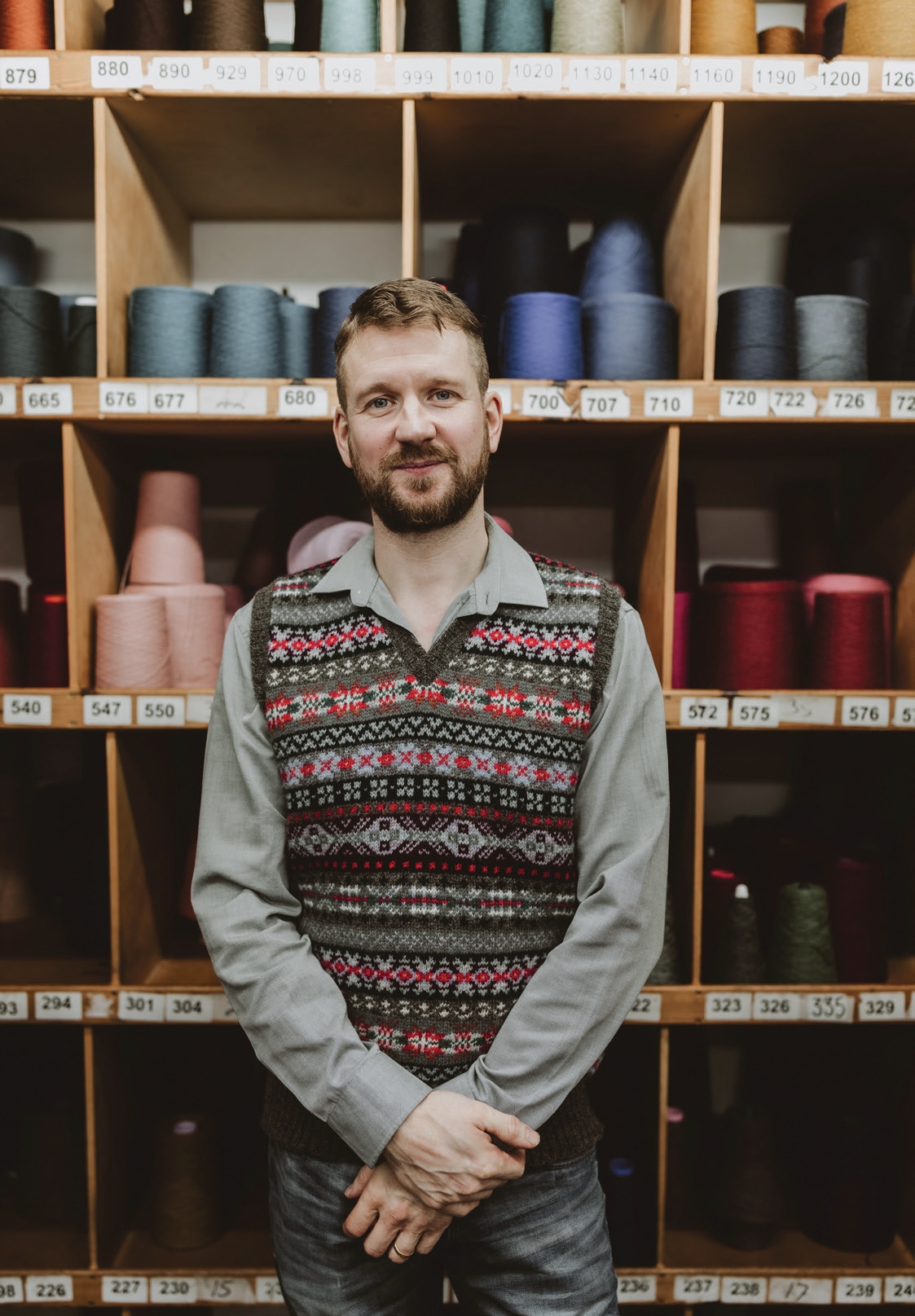
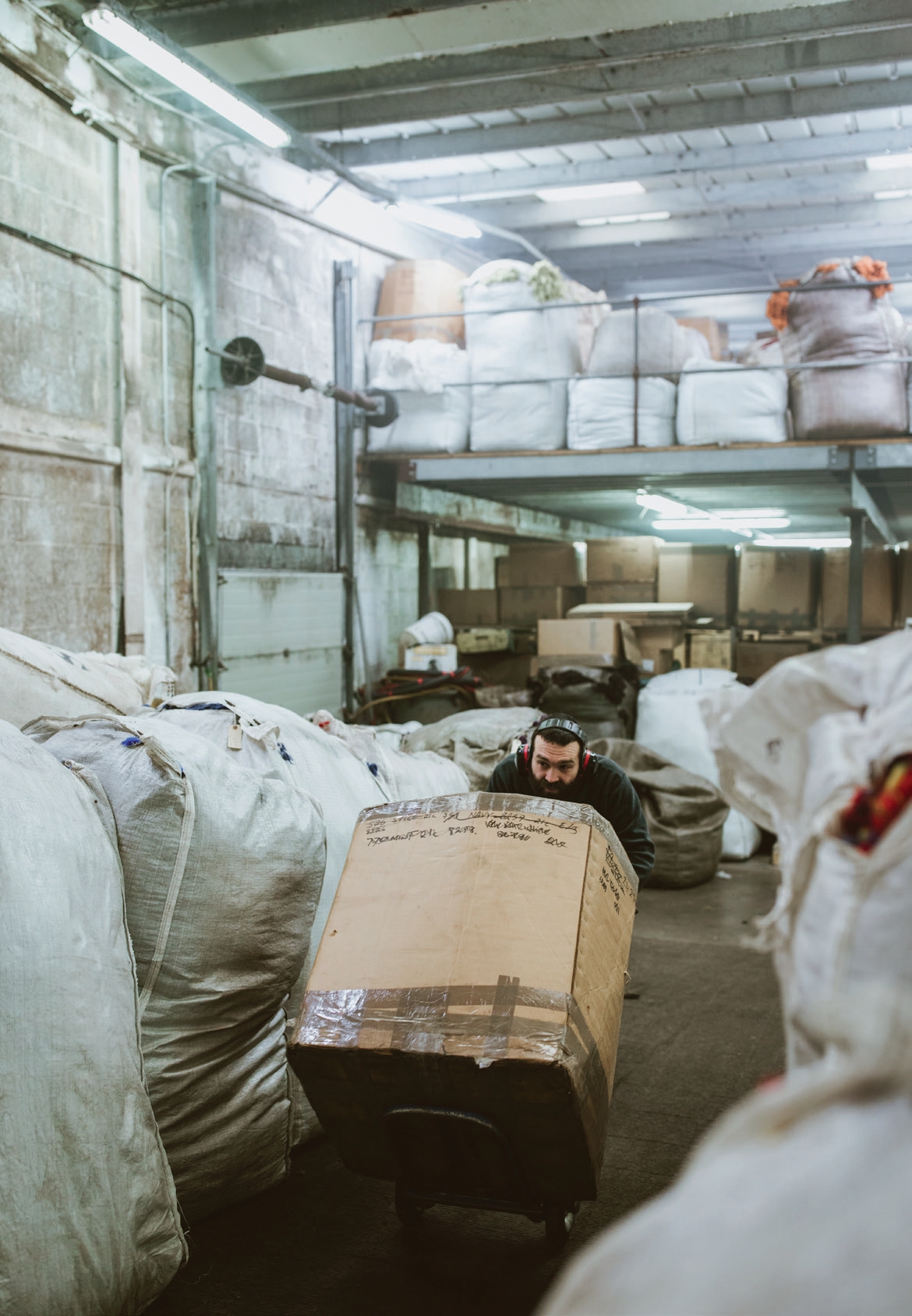
What are the biggest challenges in running a manufacturing business these days? Do you have enough skilled workforce?
As with any business there are many challenges, however as I mentioned before staffing is one of our main problems. With Brexit and the Covid-19 pandemic currently hampering exports, adding long wait times on goods and pushing prices for imported goods (our dyestuff is made in Germany) we worry how the next 12 months will look…
And what about the place you run your business from - does running a business from a place like Shetland make things more difficult or are there benefits? I guess the provenance of your yarn and knitwear will be one of your main selling points.
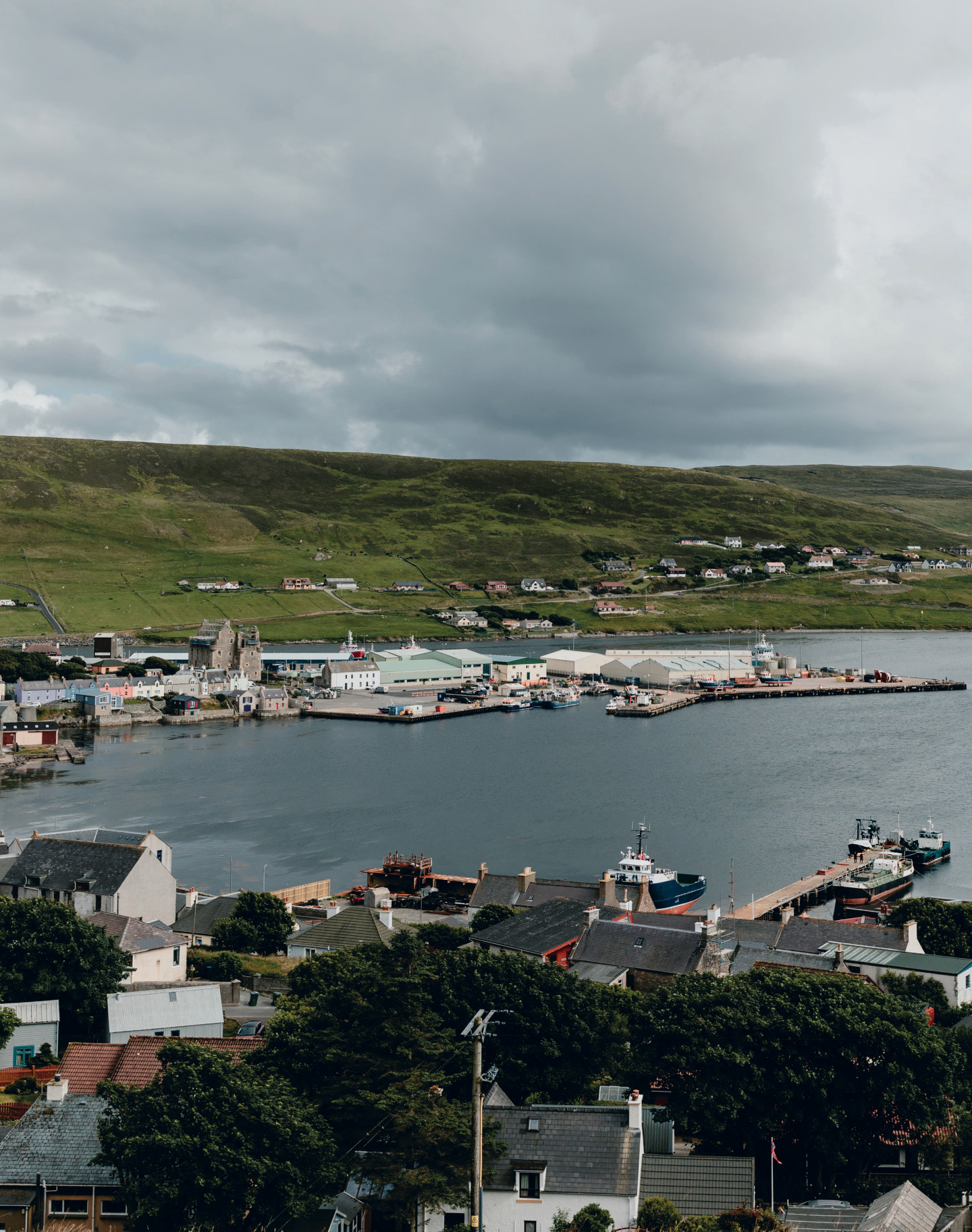
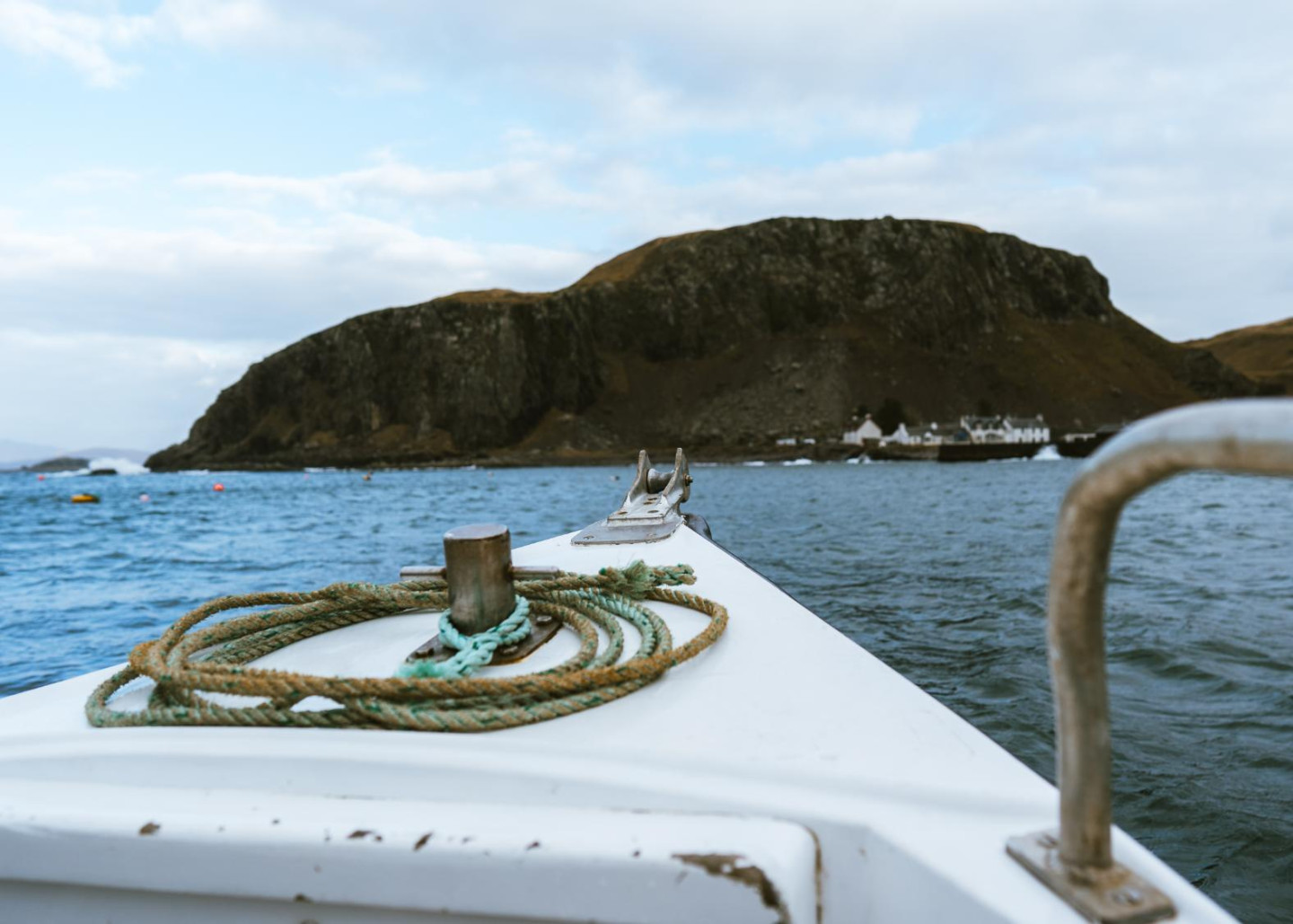
Where we are from is a great story to help with sales. People buy into the idyllic picture of Shetland and the way people live here. There are of course some drawbacks. Shipping goods to and from the islands adds expense and a few extra days to delivery times. Any travelling for business takes longer and is more expensive, too. Jobs might be easier to fulfill with a bigger pool than 22,000 people. However, we get to live and work in a place that we love; that is a fair trade-off!
Garry, this is a question specifically for you - have you considered a different career, or have you always known you’d continue in the family tradition?
After I left school, I went to study mechanical engineering at university. I always worked in the mill with my father fixing machinery while growing up and had a desire to “use my hands”. After a couple of years I realised that this academic style of engineering was not for me. Having continued to work in the factory during my time home between terms (earning beer money...) I really started to enjoy my work and became more interested in the running of the mill. From there it seemed only natural that I should join the business.
And what about your daughters, do you think they will follow in your footsteps? Do they like knitting and do they have an interest in the production?
They are only young still, eight and ten, although they both can knit a little (perhaps better than me...). My parents never expected any of my siblings or I to join the business - we came to that conclusion ourselves. I will let them decide in the same manner.
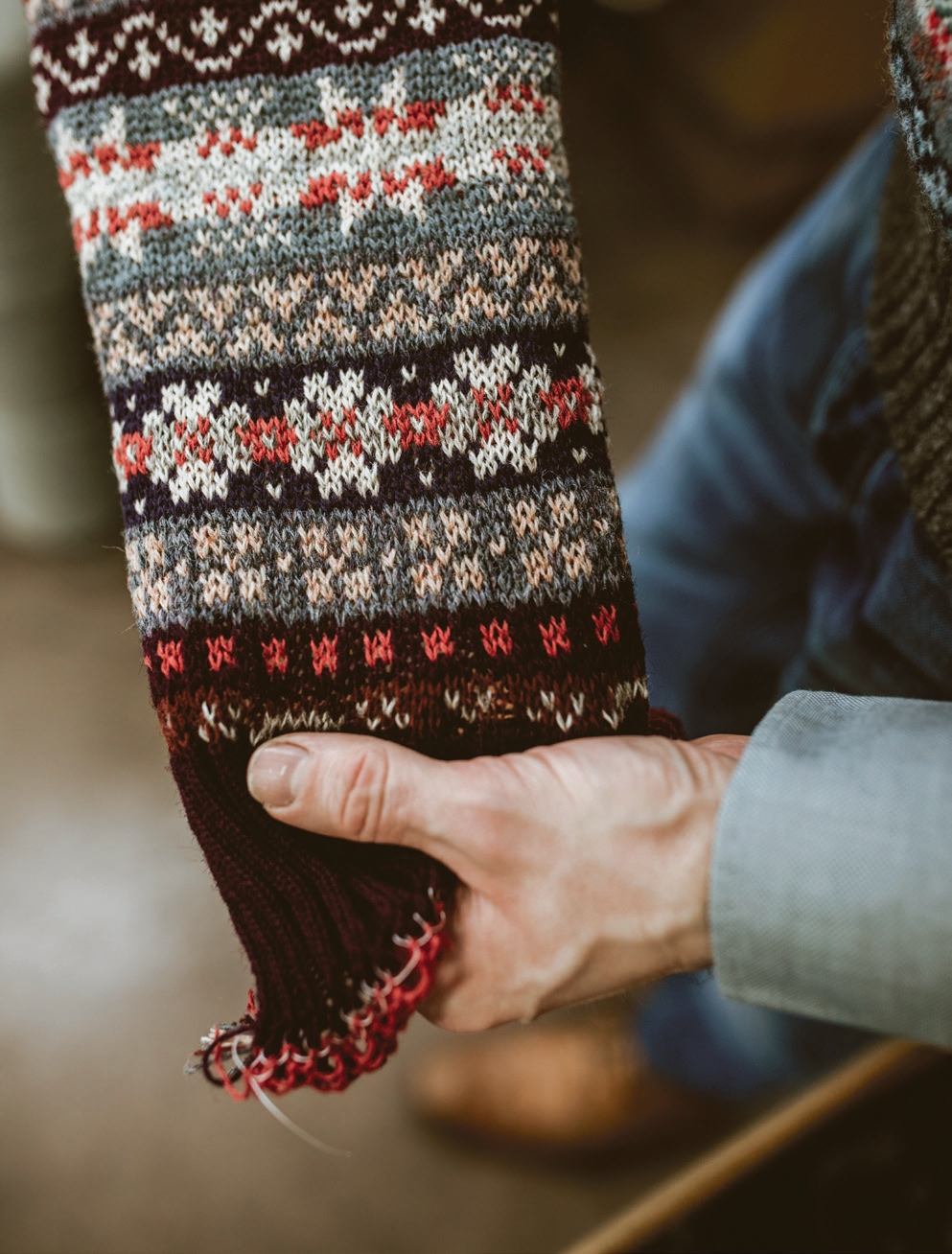
In recent years there have been efforts to re-introduce hand knitting at schools and Jamieson’s are a great supporter of these initiatives. How do you see the future of the Shetland hand knitting tradition?
I am very proud to support the “Peerie Makkers” project. Knitting is such a huge part of our heritage it would be a disaster to see it die out. I am very encouraged by the level of response to the project with many schools having a group.
And in broader terms, what do you think the future of the Shetland, or indeed Scottish, textile industry is?
I feel the textile industry has a good future. Global demand for good quality products which have a story to tell is very high at the moment. Over the last 30 years the industry has shrunk to where I believe there is plenty of work for everyone. I hope we can all work to promote and show that Scottish textiles are still amongst the finest in the world.
Is there anything you’d like to see happen or develop in the future?
I would love to see more young people joining the textile industry. We need to keep training people to keep our industry looking into the future.
And now on to fashion trends - do these affect you much? What’s currently in demand?
As we produce a very “classic” style garment we are lucky to always have a core demand. However, when patterned garments or bright colours are on trend we see our demand jump higher. Luckily for us Fair Isle has been very big over the last few years.
And lastly, do you have any future developments or plans that you’d like to share with us?
We are continuing to build our brand and over the next couple of years I hope to develop our knitwear website, which we only started last year.
Thank you Garry!
jamiesonsofshetland.co.uk
Instagram: @jamiesonsofshetland
Facebook: JamiesonsOfShetland
whatsusanseesphotography.com
Instagram: @whatsusansees
Facebook: whatsusanseesphotography
words // Misa Hay & Garry Jamieson photography // Susan Molloy
Promoted Post
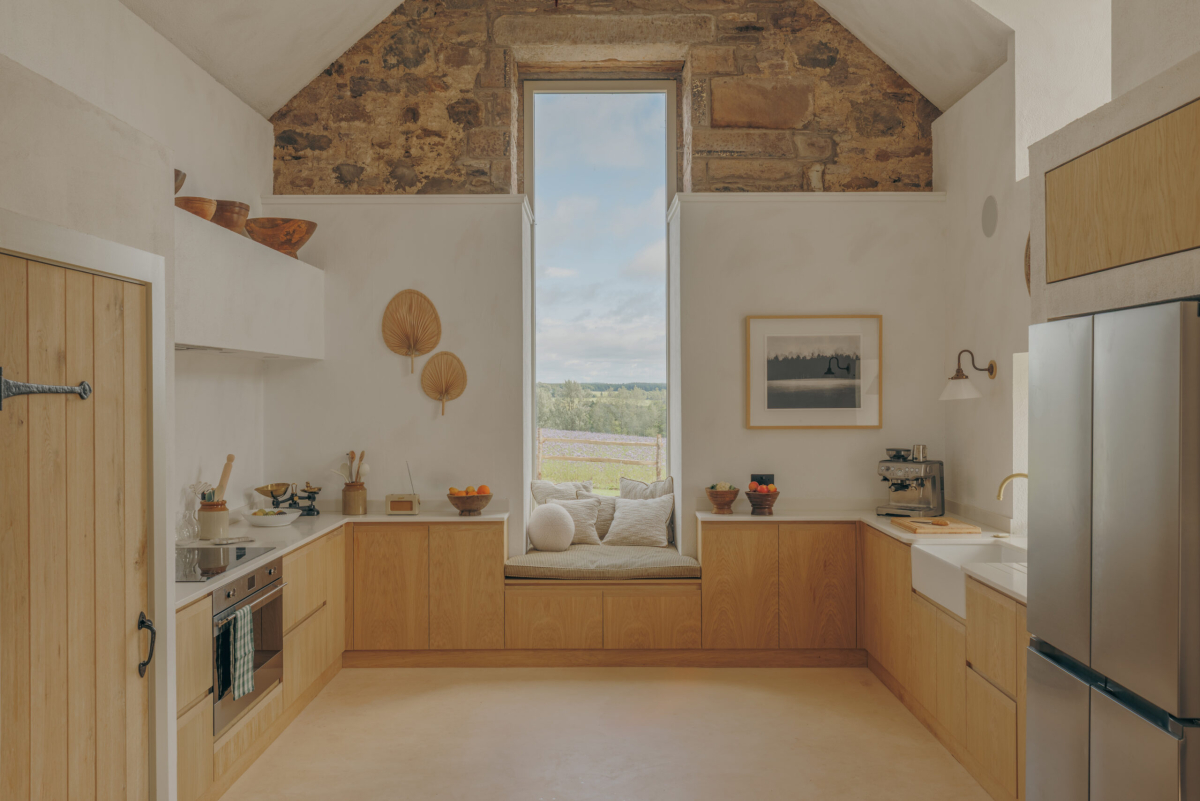
Whitehill Farmhouse
Located on Colquhalzie Estate, this 19th Century farmhouse has been lovingly restored into a family home, having previously been home to the Shepherd who lived there for 40 years. We welcome friends and families of up to 8 people on a self-catered basis for at least 4 nights.
-full-1748964954.jpg)






 Sign in with Google
 Sign in with Email