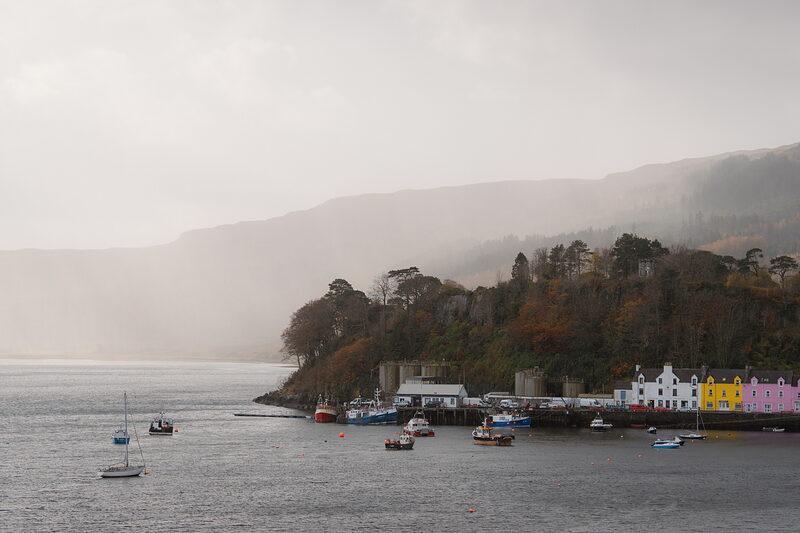
JURA - Traveller’s Tales
The Isle of Jura is no swarming tourist honeypot. Set among the chain of islands known as the Southern Hebrides, this often-overlooked destination has largely escaped the rush and clamour of the modern world, remaining a wild, unique and traditional place that holds its charms dear.
Size can be deceptive. Jura might be the eighth largest of all Scottish islands, but it ranks a lowly 31st in terms of its population, making it one of the least densely inhabited, and most barren, of all the Hebridean islands. But don’t be misled into thinking it’s empty. On a three-day visit we were served up a wealth of native wildlife, local produce and horizon-wide scenery, all underpinned by a vibrant community feel. Bleak? Not a bit of it.
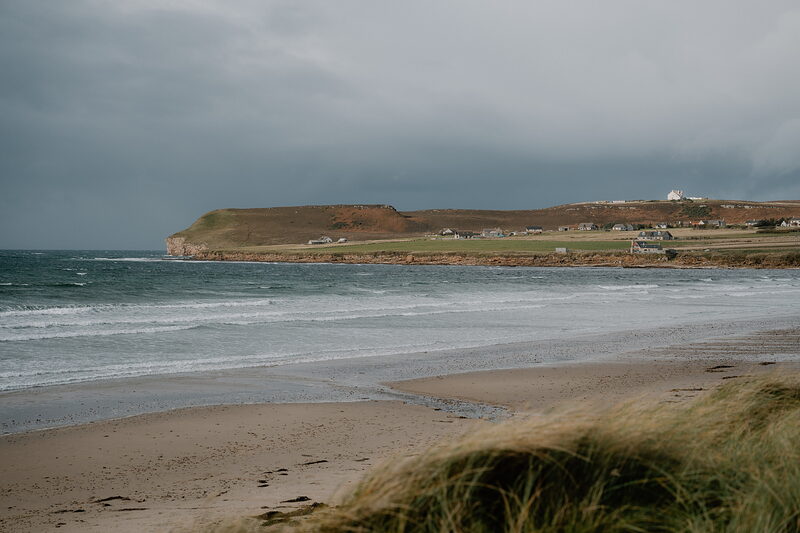
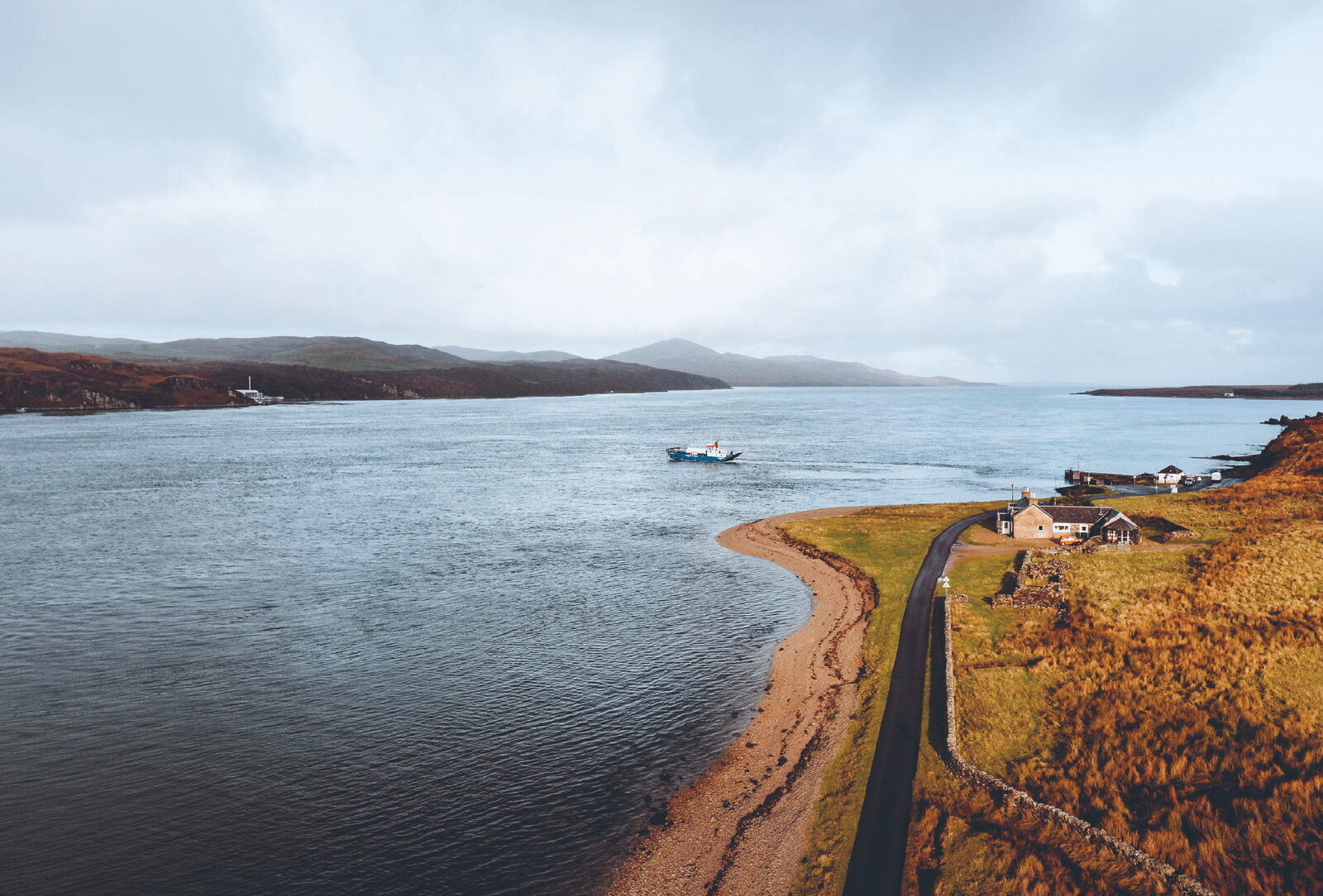
As so often with visiting Scottish islands, our journey started a long way from our final destination, in this case back on the mainland, driving through the sweeping glens and forests of Argyll. The landscapes shifted as we made the journey out of the Trossachs, through the cute towns and harbours of the Kintyre peninsula and out to Kennacraig, for the two-and-a-half-hour ferry to Islay. After a quick turnaround in Port Askaig, another, far shorter ferry ride carried us across the Sound of Islay, making landfall on the Isle of Jura in heavenly afternoon light, painting the entire coastline in a warm, golden glow.
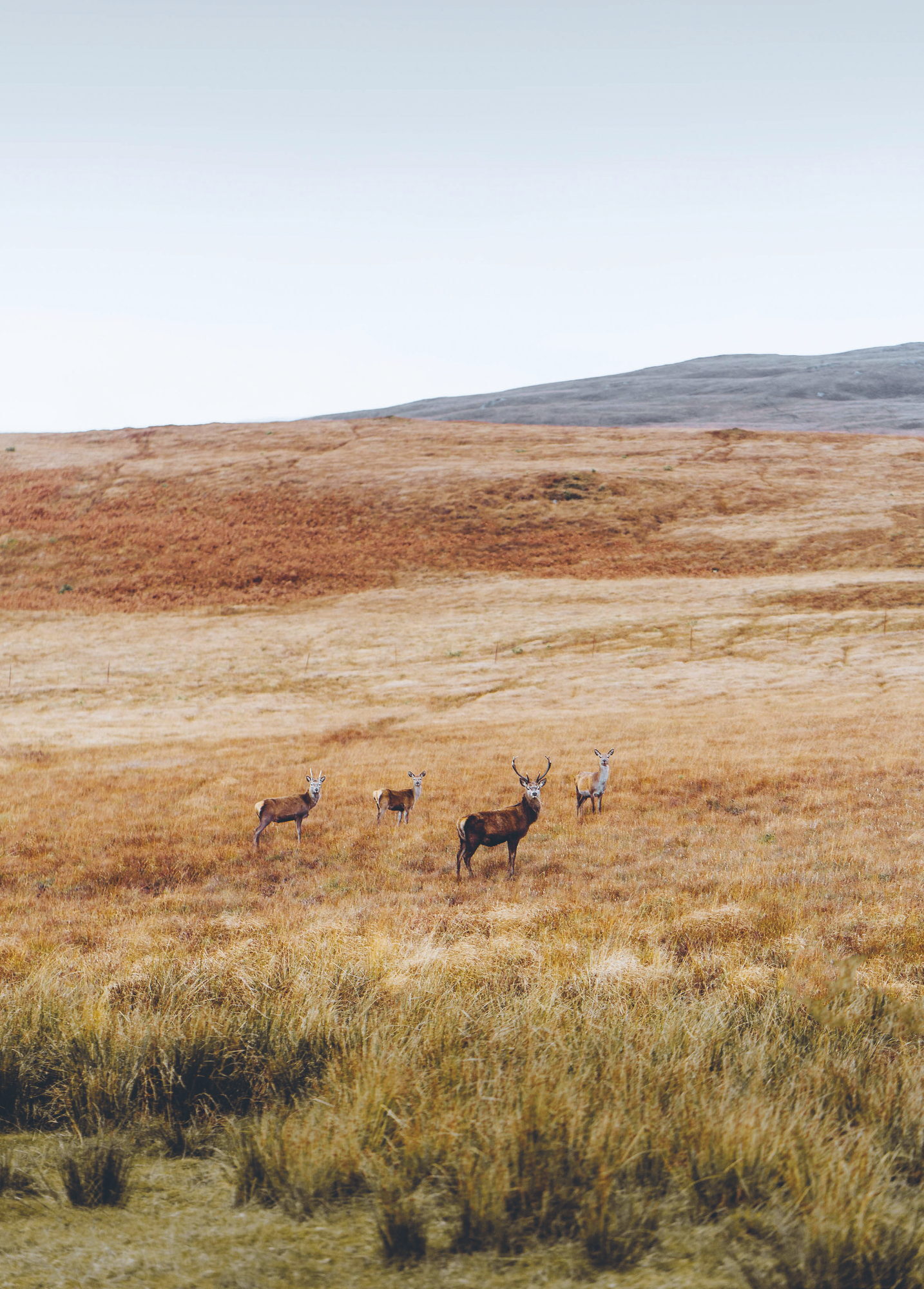
With only one road on the entire island – a ribbon of singletrack tarmac hugging the east coast – we quickly realised that getting lost wasn’t going to be an issue. What’s more, with the ferry port at the very southern end of the road, any navigational decisions were made for us. Steering northwards, as we had to, the first thing that struck us was the wildlife. More than 7,000 red deer roam wild across the island, but I don’t think either of us were prepared for quite how many we’d encounter. From the moment we arrived it seemed we were rarely out of sight of a majestic stag, or a mother doe and her calves. Buzzards and sea eagles soared overhead, grey seals splashed offshore, and we even got lucky with an otter sighting in the north of the island. We’ve spent a lot of time watching wildlife across the Highlands and islands, and it was clear that the animal kingdom of Jura was not only happy and healthy but living in abundance – to the point where both of us have since harboured plans to return on a wildlife-dedicated trip.
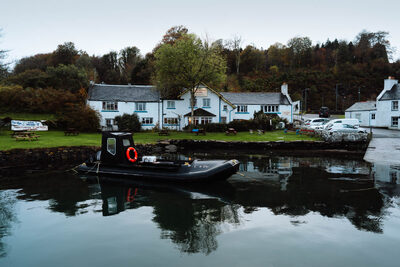
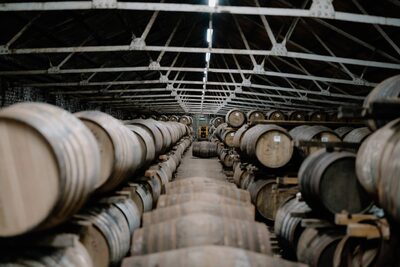
The first (and only sizeable) settlement you come to while driving on the island is the harbour town of Craighouse. With the Isle of Jura Distillery at its centre, the village spills out along the sheltered coast and plays home to the Jura Hotel, a community-run general store-cum-post office, a loch-side campsite and a smattering of small local businesses, from a craft shop and photography gallery to microbreweries and a cafe. No trip to Jura is complete without a tour of the aforementioned distillery, so this was our first port of call when arriving in town. Neither of us are scotch whisky aficionados, but walking among the giant stills and seeing colossal warehouses stacked floor-to-ceiling with casks of ageing whisky was fascinating, and a process we had never fully appreciated.
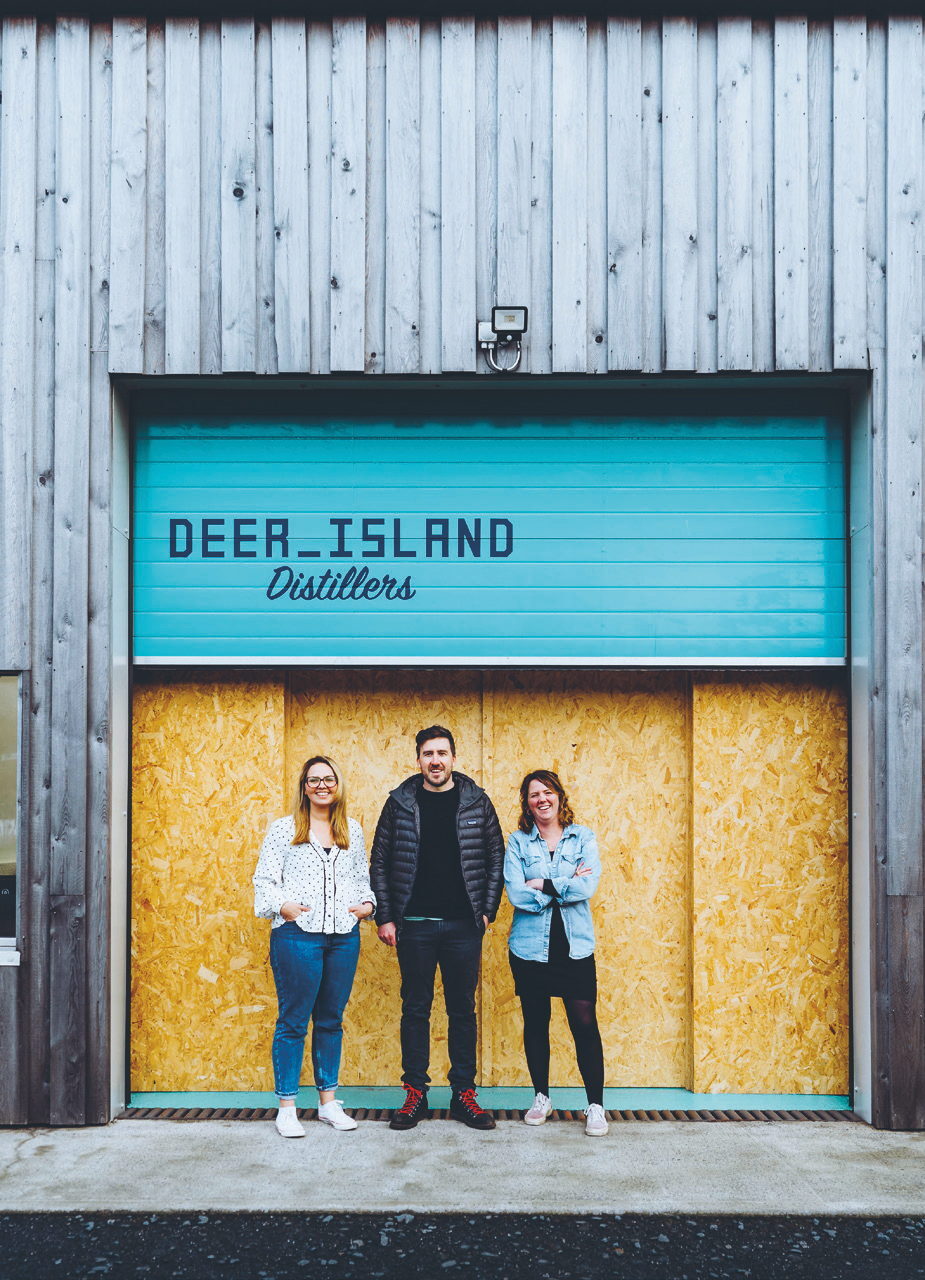
We then found ourselves travelling from the island’s oldest distillery to one of its newest, Deer Island, which is producing some really tasty rum in an industrial unit by Craighouse’s main pier. Visiting this, and other local businesses, also gave us a lesson in how authentic the Jura welcome can be. The locals know all there TRAVELLER’S TALES : The Isle of Jura 154 is to know about their fellow islanders, the wildlife and the landscapes, and time and again we met people keen to offer support and advice on to how to spend our time on the island. Some of those we met were born and bred here, others had decided to move and settle in this remote corner of the country, but it was clear that this was a place they were all truly passionate about. We heard stories of breathless up-close animal encounters and festive local gatherings – as well as a few tales that might be best not to go down in print.

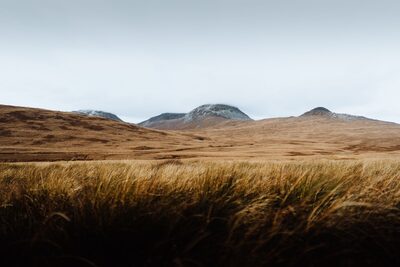
The locals are so clearly, deeply fond of their island, and heading north the following day we could understand why. With the bold Paps of Jura looming over us to the west, we made our way along the road as countless deer went about their daily business and buzzards surveyed the land from up on high. We caught sight of the beautiful Skervuile Lighthouse, four kilometres from the coast, isolated and alone on a rocky reef in a vast sound of water. And further north, at the ‘waist’ of the island, where a section of boggy peat stretched for barely two kilometres, the landscape opened up to grant incredible views in all directions. We could see east over the Sound of Jura towards the mainland, and west, over Loch Tarbert, to the majestic Paps of Jura.
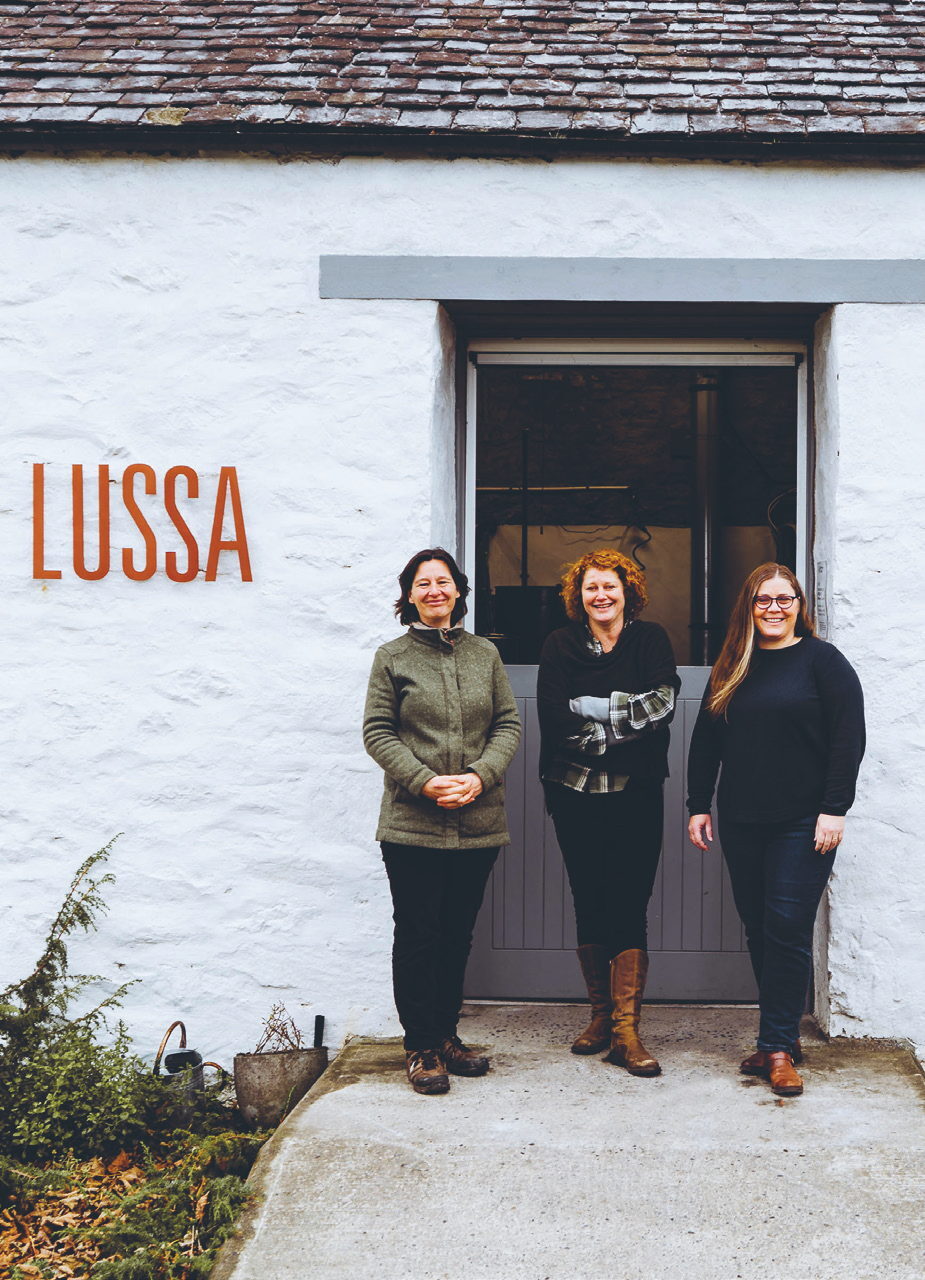
From here onwards, it genuinely felt as though each kilometre was another kilometre further away from civilisation. Our deer encounters remained as frequent as ever, but sightings of other people seemed to lessen with each turn in the road. It felt like at any moment the road might just stop altogether, melting away into the blanket bog that covers the island. Even this far out, however, a few small settlements still existed, with award-winning Lussa Gin being distilled in an old farmyard byre, and up in the very remote north a whitewashed house, Barnhill, where George Orwell famously sought solitude while writing his seminal dystopian masterpiece, 1984.

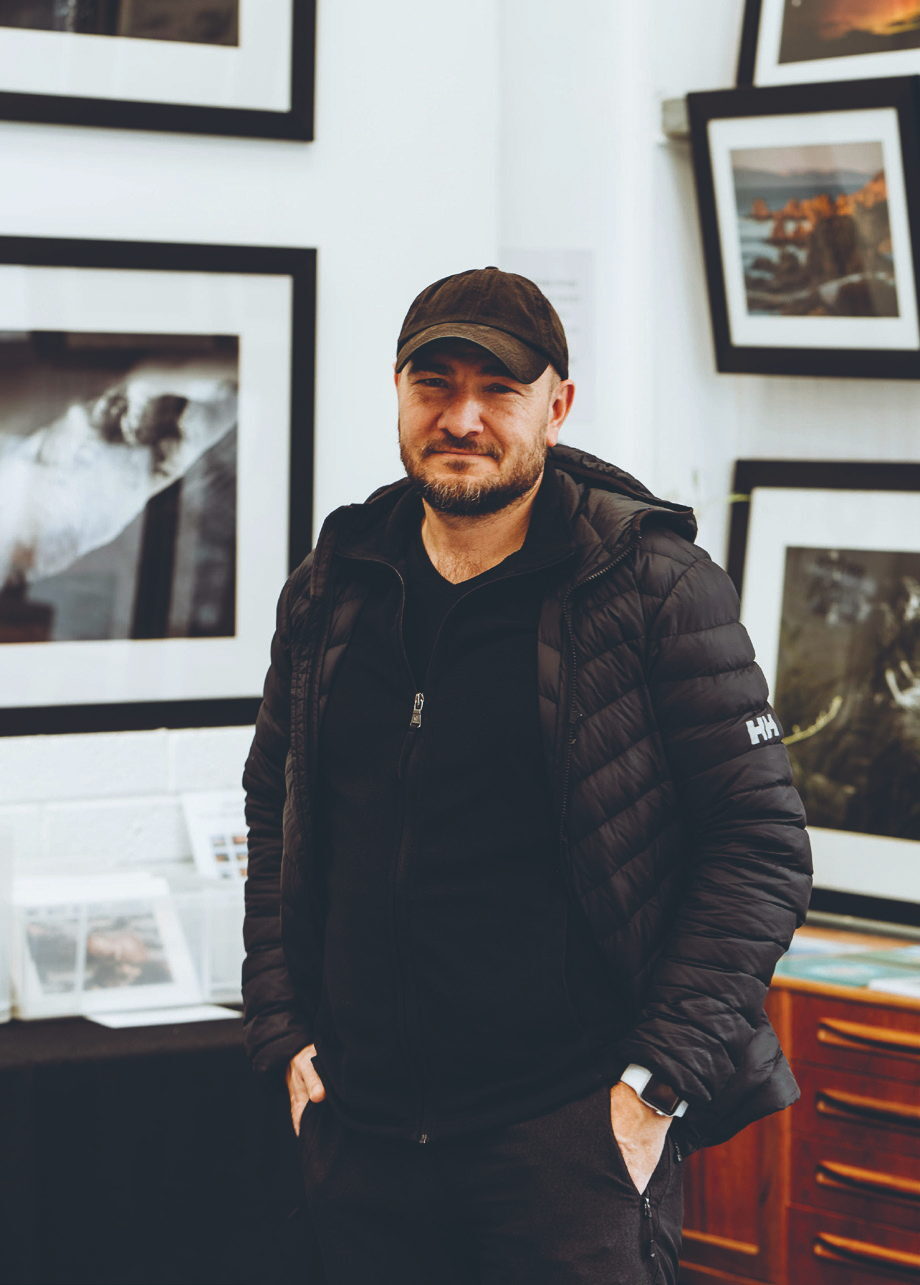
The Whisky Island Gallery & Studio

Lussa Gin
At some point, though, every road has to come to an end. Thirty-two miles from the ferry port we turned around, buoyed by what we’d discovered, but ultimately left wanting more. Three days in autumn was never going to be enough time to even begin to understand the myriad things that make this island so special and unique. We resolved – again – on a return trip, not only to experience more of Jura’s wildlife but to explore the remote western half of the island, with its sandy beaches, its isolated and picturesque bothies, and the three conical mountains that make up the Paps. As an escape to the wild, it seems perfect.
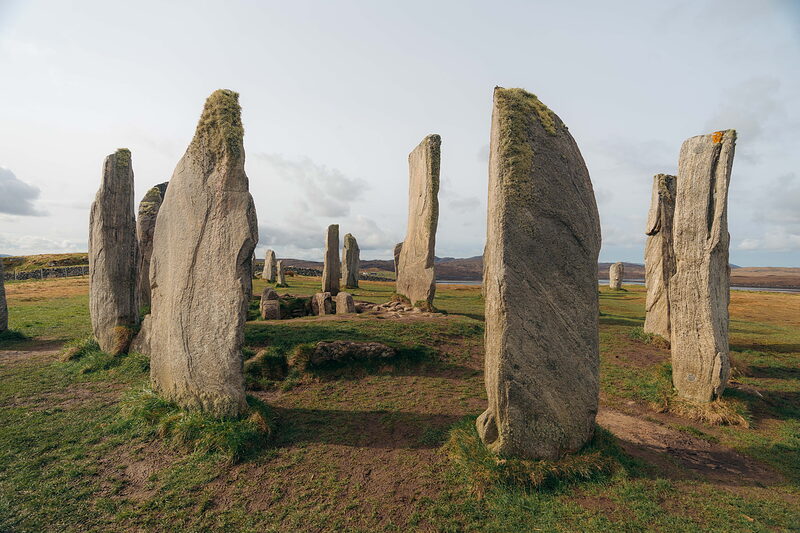
After heading back to Craighouse to pick up a few trinkets from Camella Crafts (whose staff, conveniently, also manage the local fuel pump), we made our way back towards the ferry port in the south of the island. On a local recommendation, we stopped en route at Camasan-Staca, a giant standing stone overlooking the Sound of Islay, likely put in place as a marker to guide ancient sailors towards safe havens to moor their boats. Walking down to appreciate the ancient stonework up close, our eyes were caught by a sea eagle out on an afternoon hunt. As we watched, it tilted its wings towards Port Askaig, guiding us back towards the ferry. This might have been farewell for now – but we’ll be back.
words & photography // Jack Anstey and Sarah Afiqah Rodgers

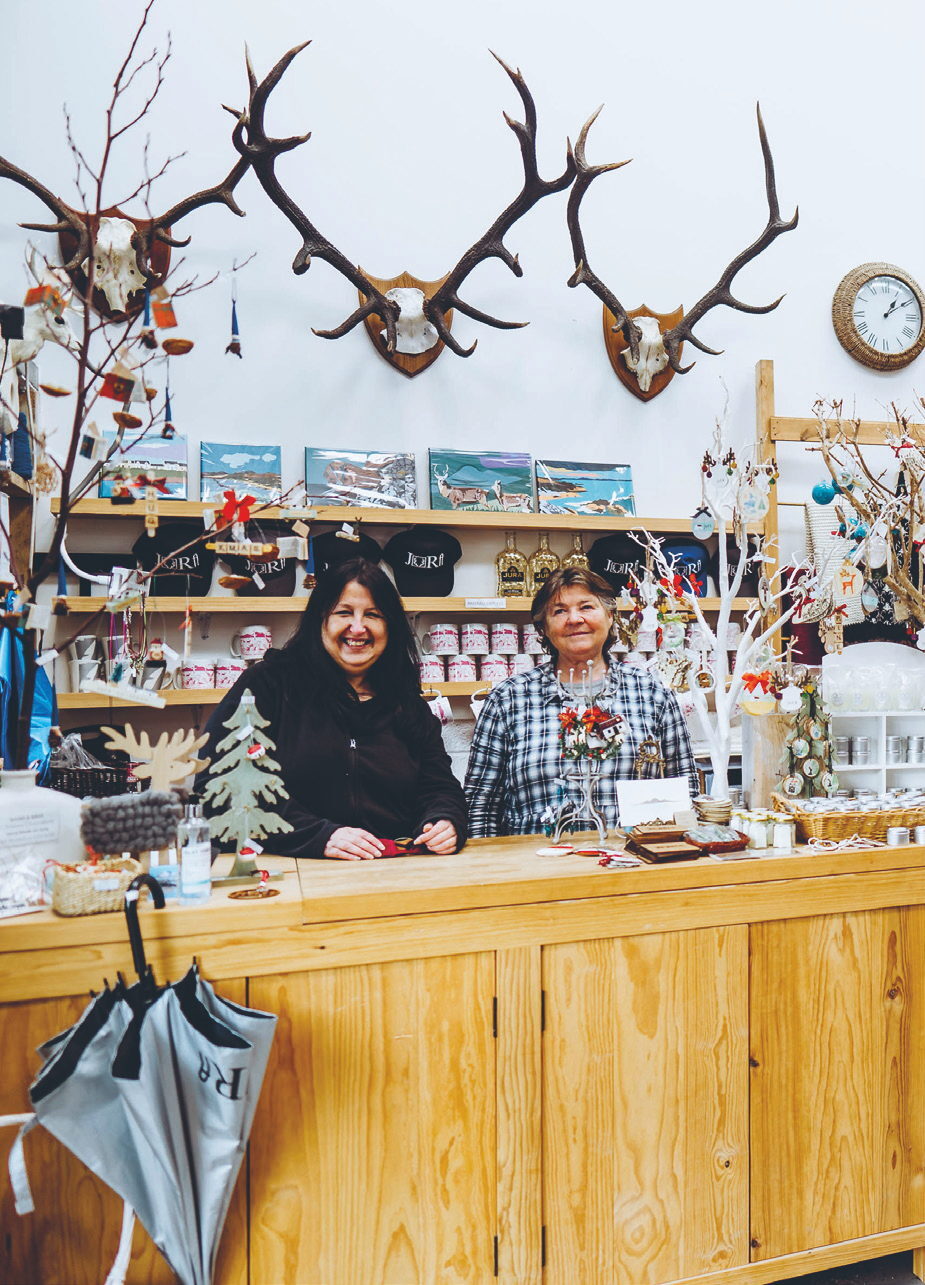
Camella Crafts

Deer Island Distillers
Promoted Post
The Coach House
This former toll house and resting/stabling place sits beside the original Bridge of Dye built in 1680.


Sign in with Google
Sign in with Email