
I’ll Take the Slow Road
Travel writer Kay Gillespie reflects on her favourite way to explore Scotland—slowly, sustainably, and by public transport. From multi-leg journeys to remote islands like Iona and Islay, she shares the joy of scenic trains, local buses, and ferries, offering a compelling case for car-free travel through Scotland’s island communities.
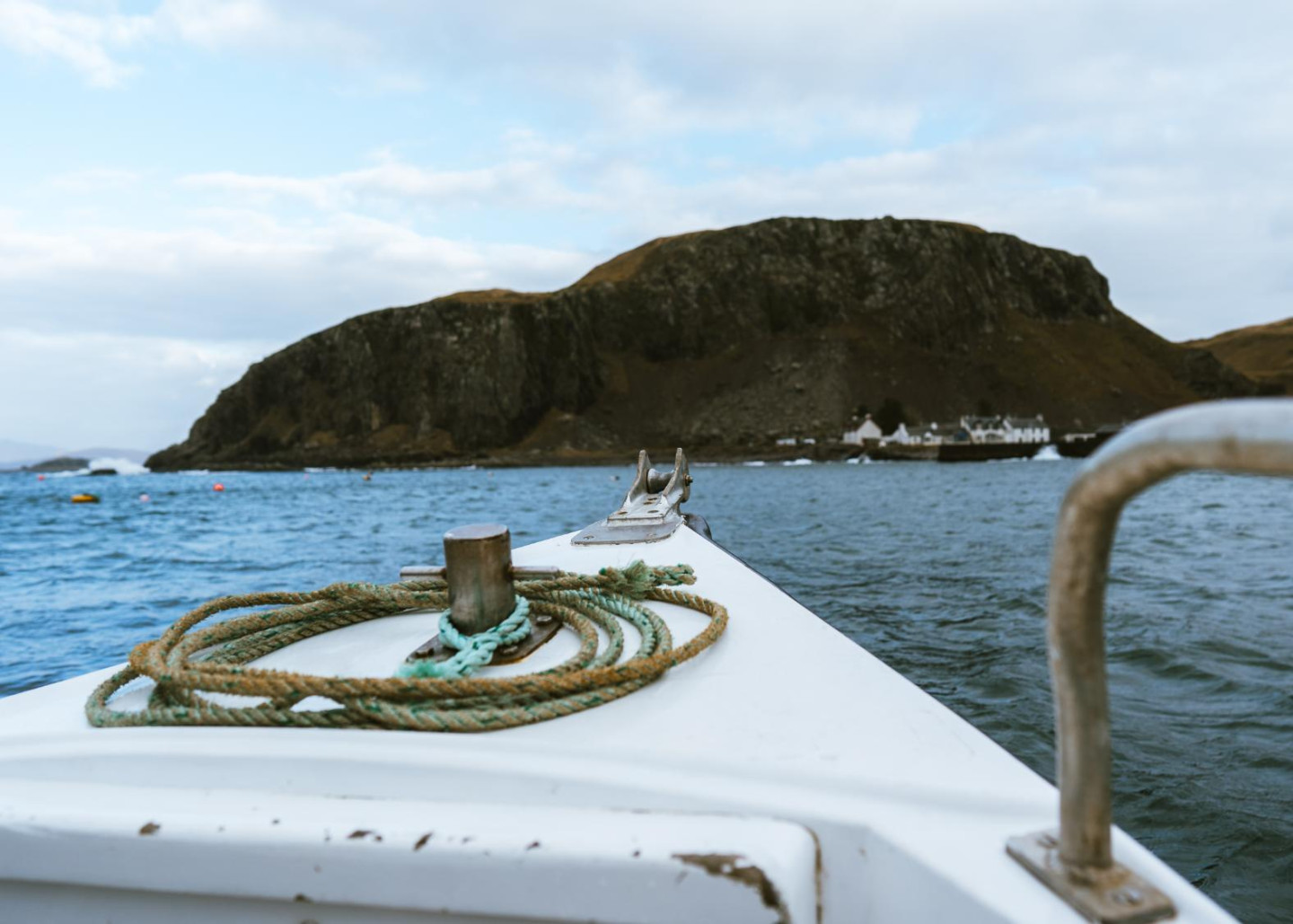
The wind, in its failure to commit to any one direction, had my hair hovering above my shoulders, then wrapped around my head like a scarf: this was the only way to hide the smile on my face. A paradise island lay just ahead, and a convoy of dolphins had appeared to lead the way, teasing us with sporadic, synchronised jumps. This was the fifth and last leg of a seven -hour journey from Edinburgh to the Isle of Iona, and what a welcome it was.
I always experience a wave of satisfaction when I successfully complete a multi-leg route on public transport, particularly when my final destination is an island. Advanced planning, cross-referencing, and triple-checking is all required in order to get there, but that’s all part of the fun: it’s my favourite kind of problem solving.
Reaching Iona is a mini expedition from city to coast, featuring two trains, two ferries and a local bus: Edinburgh to Glasgow, Glasgow to Oban, Oban to Craignure, Craignure to Fionnphort, Fionnphort to Iona. Each new leg and mode of transport serves up fresh opportunities for rest, relaxation, and scenic stimulation. True to life itself, an island-hopping adventure is as much about the journey as it is the destination.
I don’t drive, so travelling this way is often a necessity for me, but it is also a choice. After dozens of uninspiring and unsuccessful driving lessons in my twenties, I contently resigned myself to life without a car, and it certainly hasn’t held me back. I’ve explored Scotland extensively since, gracing the shores of 60 islands, and making a career out of sharing my Scottish travel experiences online.
Public transport gives me the freedom to travel across Scotland without the responsibility of navigating the route and negotiating narrow, winding roads. My eyes wander the world outside, not just the road ahead. From the comfort of my seat, I hunt for treasure in the passing landscape; wildlife, waterfalls, remote settlements and crumbling ruins from long ago.
In these moments, I don’t belong to any one place; I am lost in transit, out of reach, and temporarily excused from life’s busy demands. The patchy WiFi and phone signal is, quite honestly, a blessing. I read, I write and I daydream.
Road-trips do have their advantages, and I have been known to enlist a loved-one and their four wheels to accompany me to locations outwith the reach of public transport. The convenience of a car, however, brings with it the temptation to cover more ground, make frequent stops, and follow every sign to a point of interest, for fear of missing out.
Trains and buses don’t afford that luxury. They force you to slow down and focus your full attention on the end destination. This is the antithesis of the speedy, tick-list style of travel which has become the norm, where pulling over for a photo is enough to say “been there, done that”.
Every adventure I undertake on public transport, means one less car on the road and one less visitor contributing to the impact of overspilling car parks, dodgy driving and traffic congestion. It also means that, by night, I can safely commit to a few too many drams with new-found friends in the local pubs. Walking back to my yurt from the bar at Gigha Hotel, to the light of my smartphone torch, was quite the experience.
Island Inspiration
The Inner Hebrides are a joy for carless castaways like me, thanks to the slow and seamless public transport connections from bustling citycentre transport hubs to ferry ports on the west coast. Over the years, I’ve spent many mornings gazing out the window on the West Highland Railway Line from Glasgow to Oban, ‘Gateway to the Isles’.
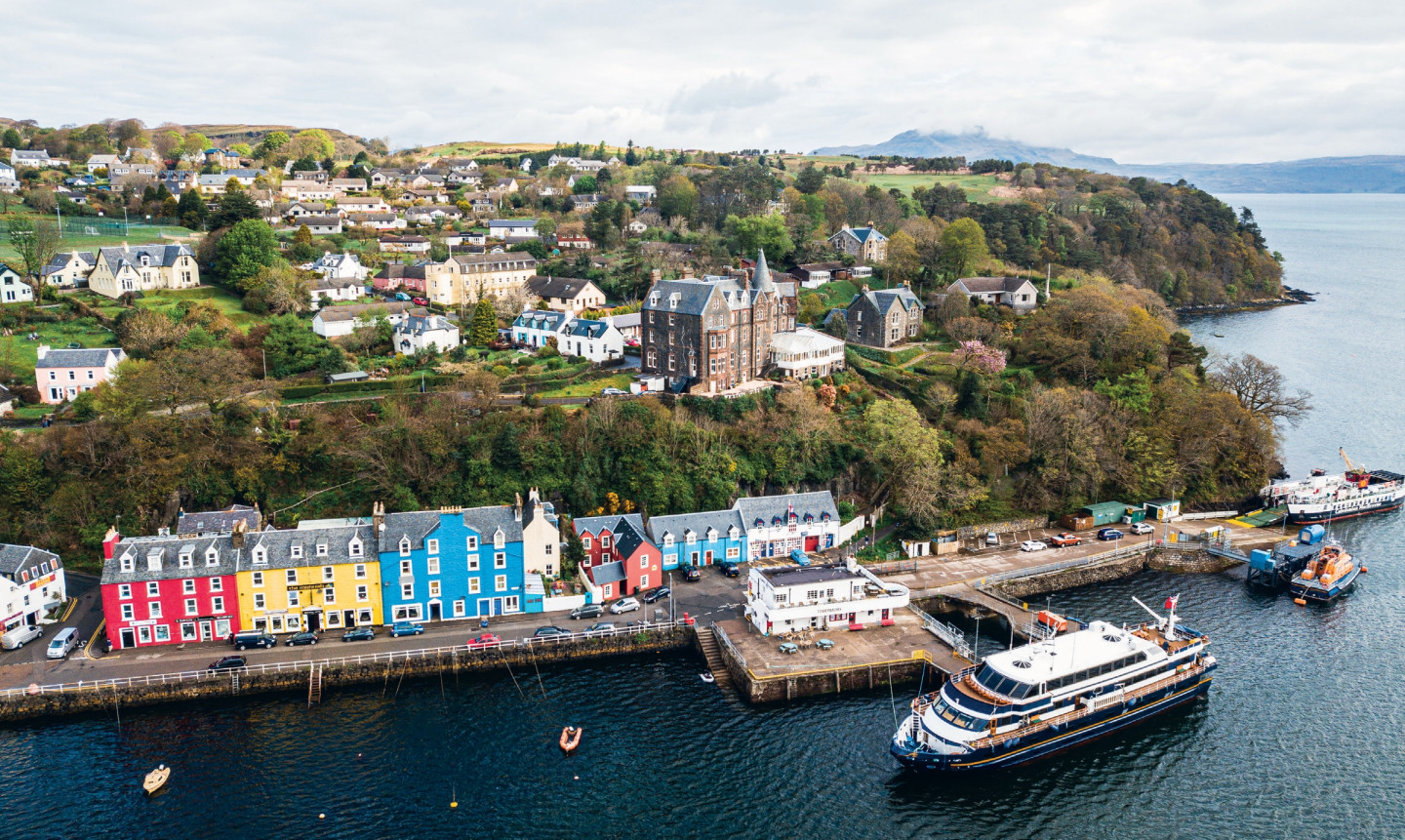
By lunchtime, I’ll be standing out on deck, approaching the ancient volcano that is Mull. As we prepare to dock in Craignure, I can already see the West Coast Motors buses awaiting our arrival. One bus travels to the colourful port town of Tobermory in the north, where a seafood feast at Café Fish, followed by a walk to Rubha nan Gall Lighthouse, is essential. The other bus travels south to Fionnphort, for the ferry to Iona.
Undoubtedly one of the most serene places on Earth, Iona is always worth the journey. Even road-trippers must leave their vehicles in Fionnphort, to roam the island on foot, from the highest point, Dun I, to the flawless white sand beaches and turquoise waters which skirt the shore.
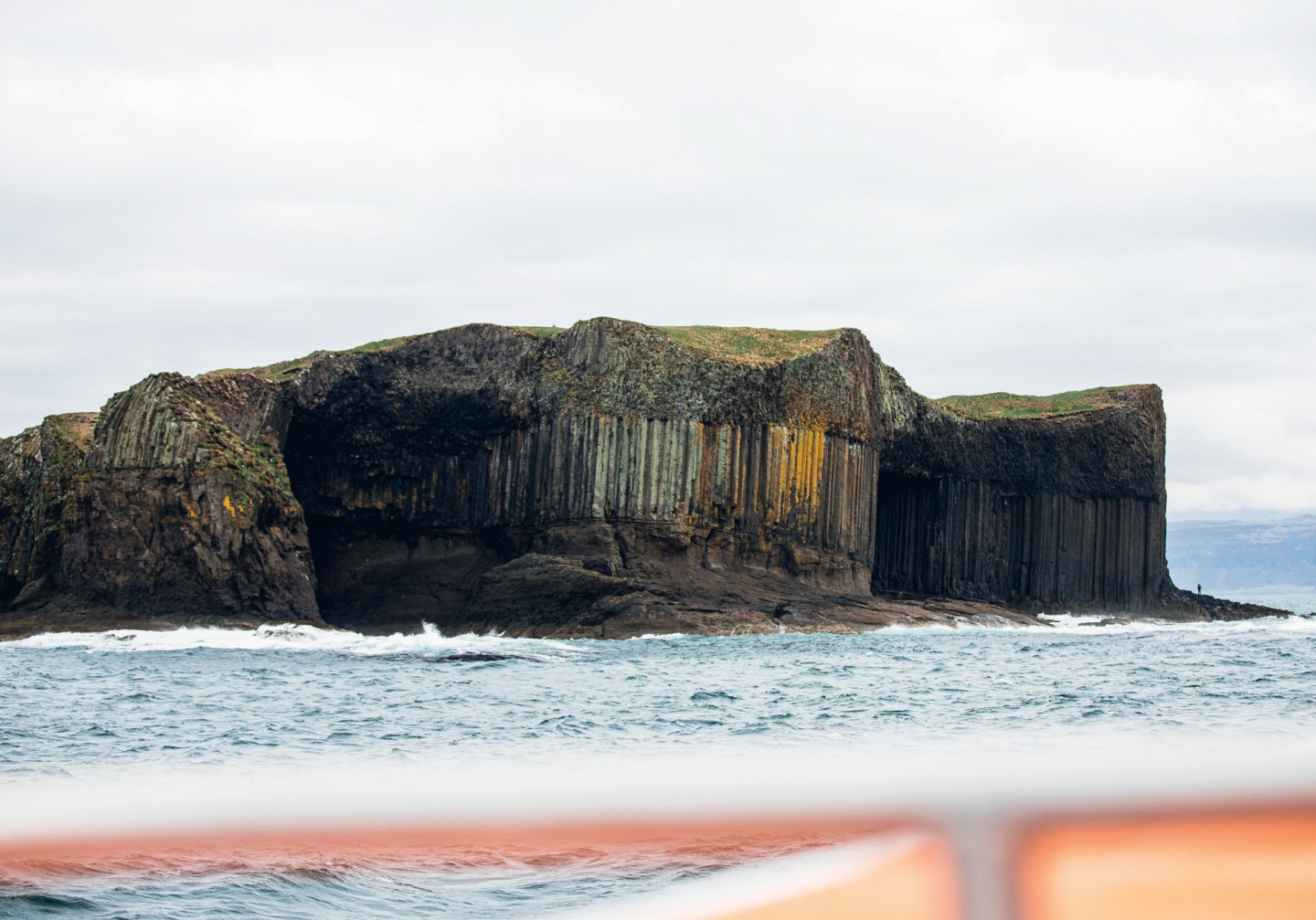
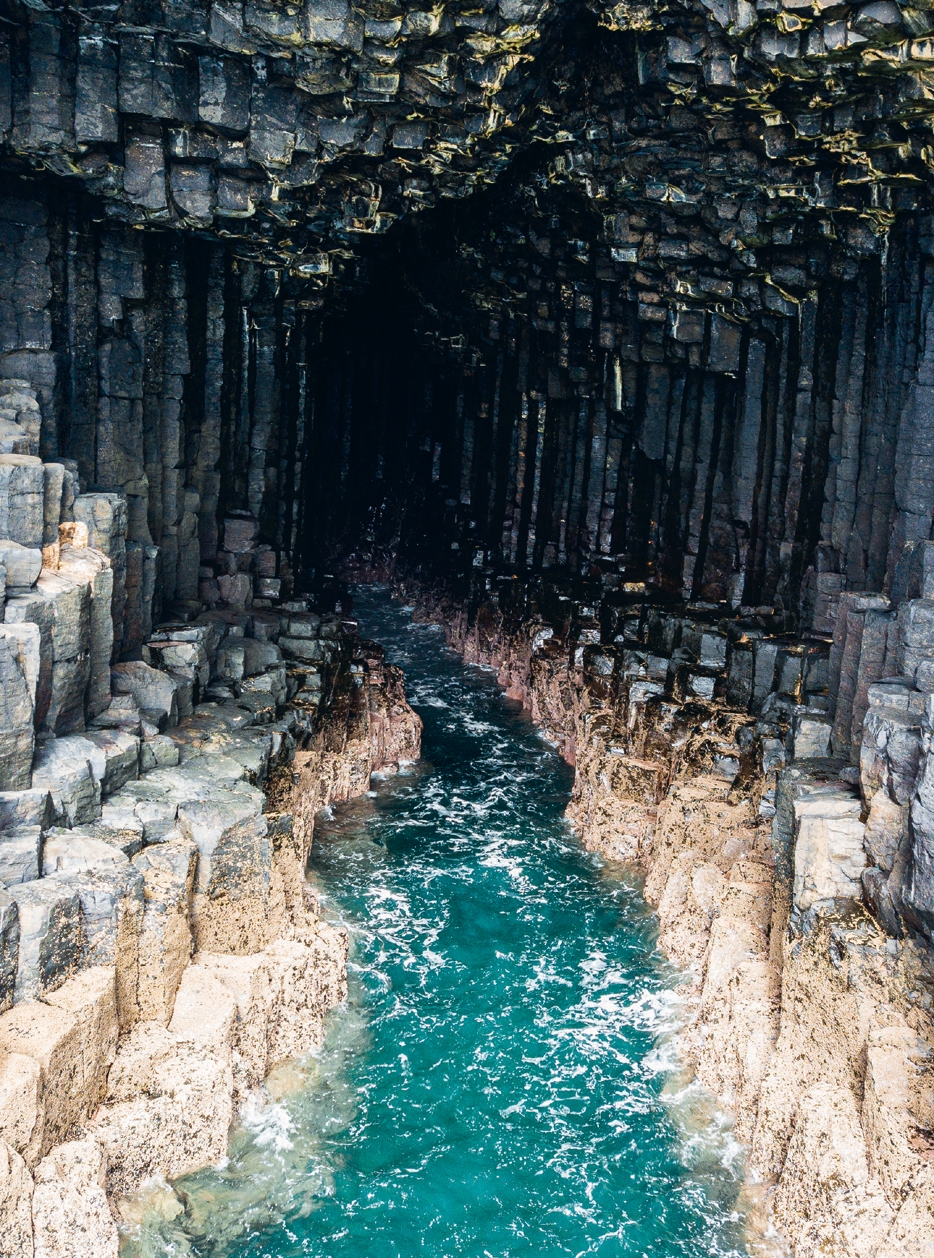
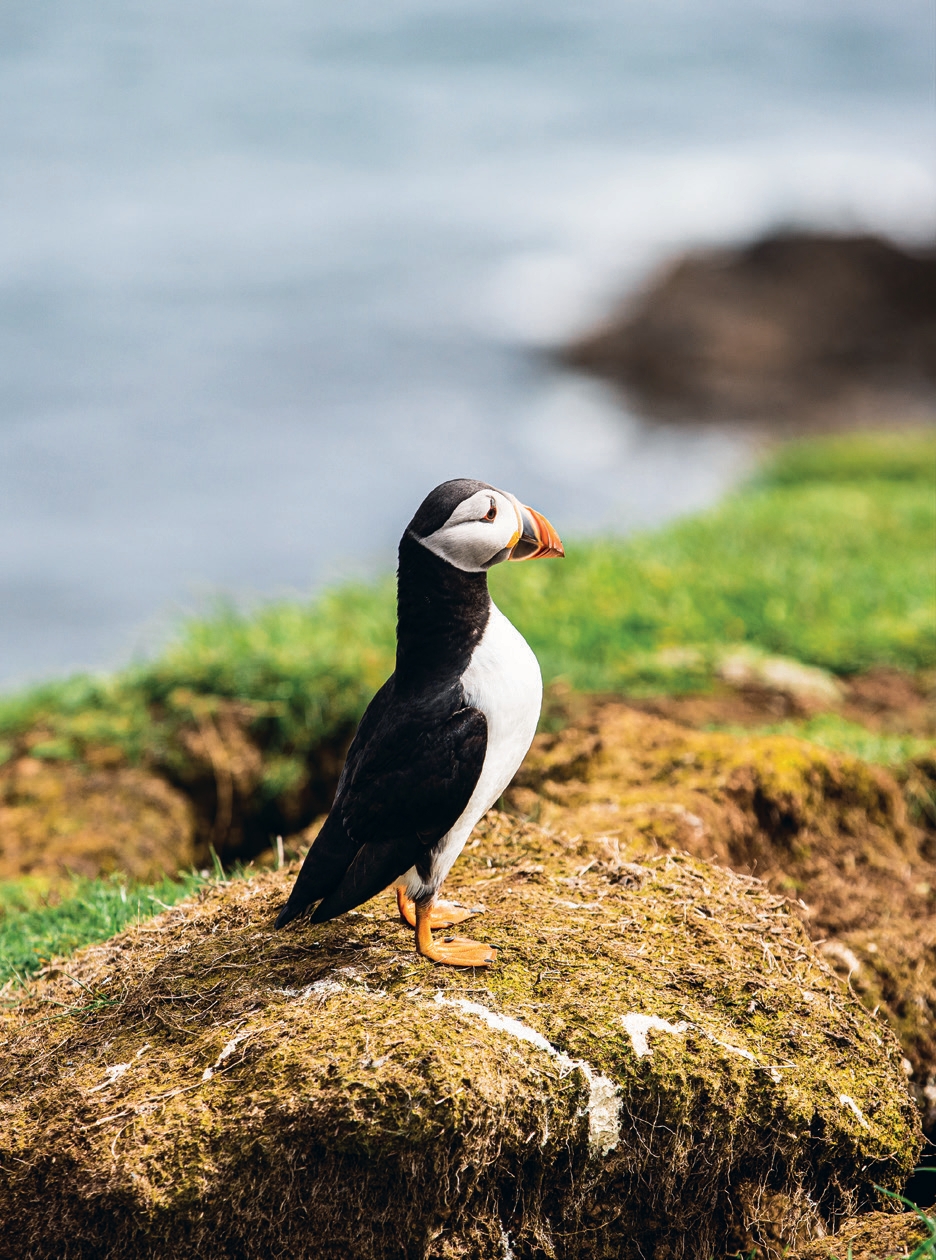
Day trips to Staffa and Lunga are available from both Tobermory and Iona with Staffa Tours. During the summer months, puffins are the star attraction and my jaw almost hit the grass at the sheer volume on Lunga. Watching their comical antics up-close is an experience you never forget.
Back on the mainland, my favourite day trip from Oban is to the Isle of Kerrera. The five minute ferry crossing departs from Gallanach, a two-mile walk or taxi trip from Oban Train Station. Once on the island, colourful teapots and painted slates – including Lionel RichTea - line the walking trail to Kerrera Tea Garden; a place which really can claim ‘hidden gem’ status. Expect cute tea sets, comfort food and delicious home baking.
Afterwards, just round a corner of the coast sits the 16th-century ruins of Gylen Castle. Climb uphill for an incredible perspective of the undulating coastline and the mountains of Mull in the distance. Take the same route back to the ferry, or return to the Tea Garden and follow the west coast to complete a loop of the south.
The most southerly isles of the Inner Hebrides are also within the reaches of public transport. The Citylink 926 bus service from Glasgow to Campbeltown is the definition of the ‘scenic route’, passing the shores of Loch Lomond, the Rest and Be Thankful Viewpoint and charming Inveraray. The bus stops at Kennacraig for the ferry to Islay and Tayinloan for Gigha.
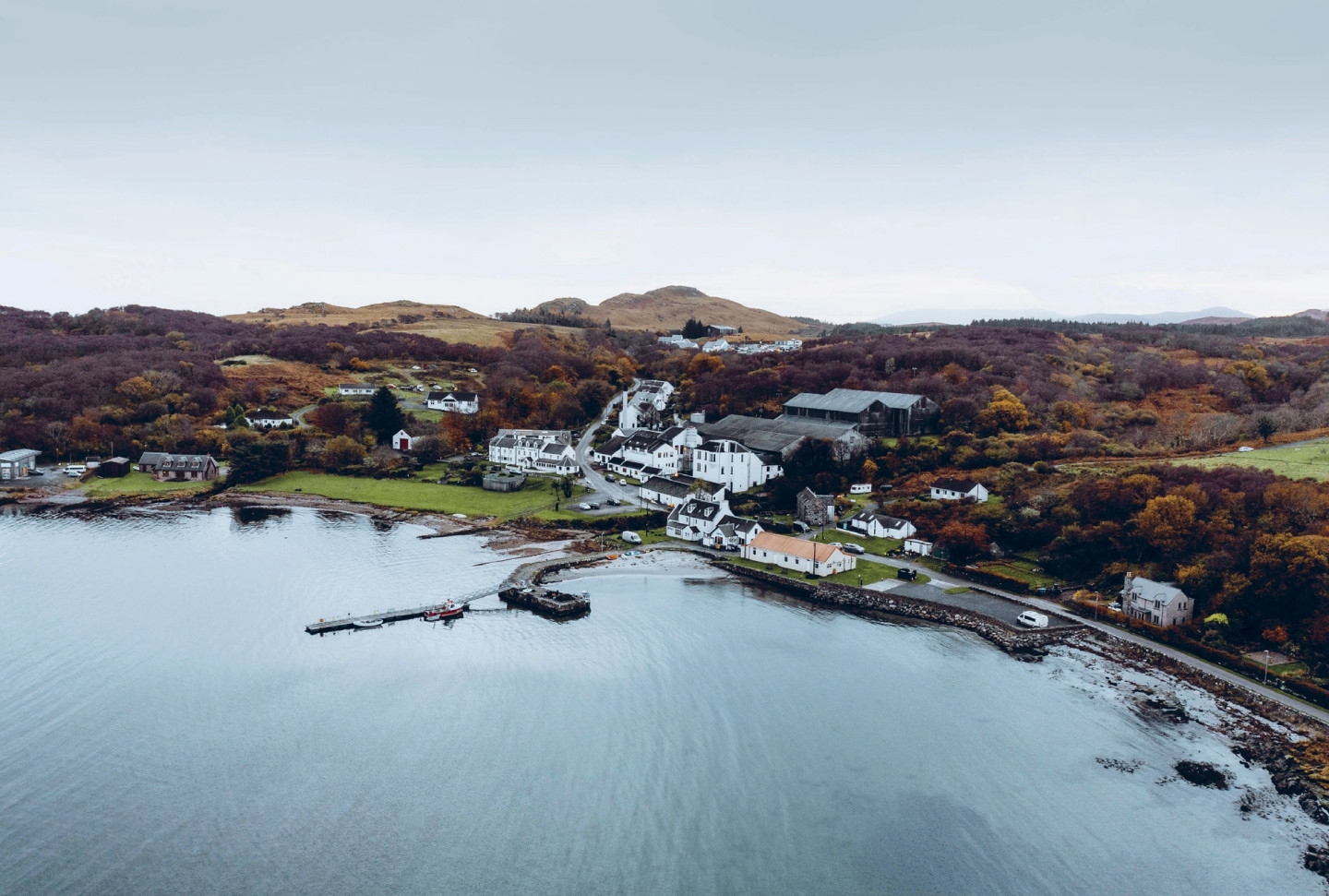
The local bus service on Islay runs until the evening, linking all the main towns and villages with the airport, ferry ports and distilleries. Explore the main town of Bowmore and tour the island’s oldest legal distillery, then ride the bus all the way to Portnahaven for seal-spotting at the picturesque sheltered harbour, overlooked by quaint cottages.
Hire an eBike from Islay E Wheels to visit Carraig Fhada Lighthouse and the stunning Singing Sands beyond, and cycle the Three Distilleries Pathway to Laphroaig, Lagavulin and Ardbeg; ending with a wood fired lunch from the new ARDstream trailer in the distillery courtyard. Fat Bikes, for on-the-beach pedalling, and kayak tours are available from Kayak Wild Islay.
If the majestic Paps of Jura summon you from across the water, take the ferry from Port Askaig over to Feolin, and book a full- or half-day trip with Jura Island Tours. For a longer stay, take the infrequent local bus into Craighouse and settle into The Jura Hotel, next door to Jura Distillery, and home to the island’s only bar and restaurant.
There are no local buses on Gigha, however bikes, kayaks, and paddle boards are available from Gigha Activity Centre when you get off the ferry. Cycle to the Twin Beaches, stay overnight in the Mongolian yurt in the village, and dine at Michelin recommended restaurant, The Boathouse. Just don’t forget to carry a torch in the autumn/winter months for any after-dark pub adventures.
Public Transport Top Tips
1. Winging it isn’t really an option on public transport, and last-minute deals don’t exist. The best priced train fares are released 12 weeks in advance and you can sign up for ticket alerts on thetrainline.com to notify you when they go on sale.
2. Advance fares are also available on the Citylink bus services and you should always pre-book your seat. Popular routes fill up during the peak months and passengers who turn up on the day may be refused boarding.
3. Foot passengers are now required to pre-book their ferry tickets in order to manage the capacity on board. Make sure the bus and train times link in with your ferry departures.
4. Only pack what you can comfortably carry, as there will almost always be some walking involved. It is also wise to book accommodation within close reach of the ferry ports or, at least, which links in with the local buses.
5. Local taxis are available on Mull and Islay, but they are often limited in numbers and high in demand. If you are relying on taxis to go for dinner and drinks in the evenings, I would always book the return journey in advance.
6. Even if you do drive, try leaving the car at home, even for just a day trip, to experience the benefits of travelling on public transport. Take a book, download some podcast episodes or simply sit back and enjoy the view.
Promoted Post
The Scullery
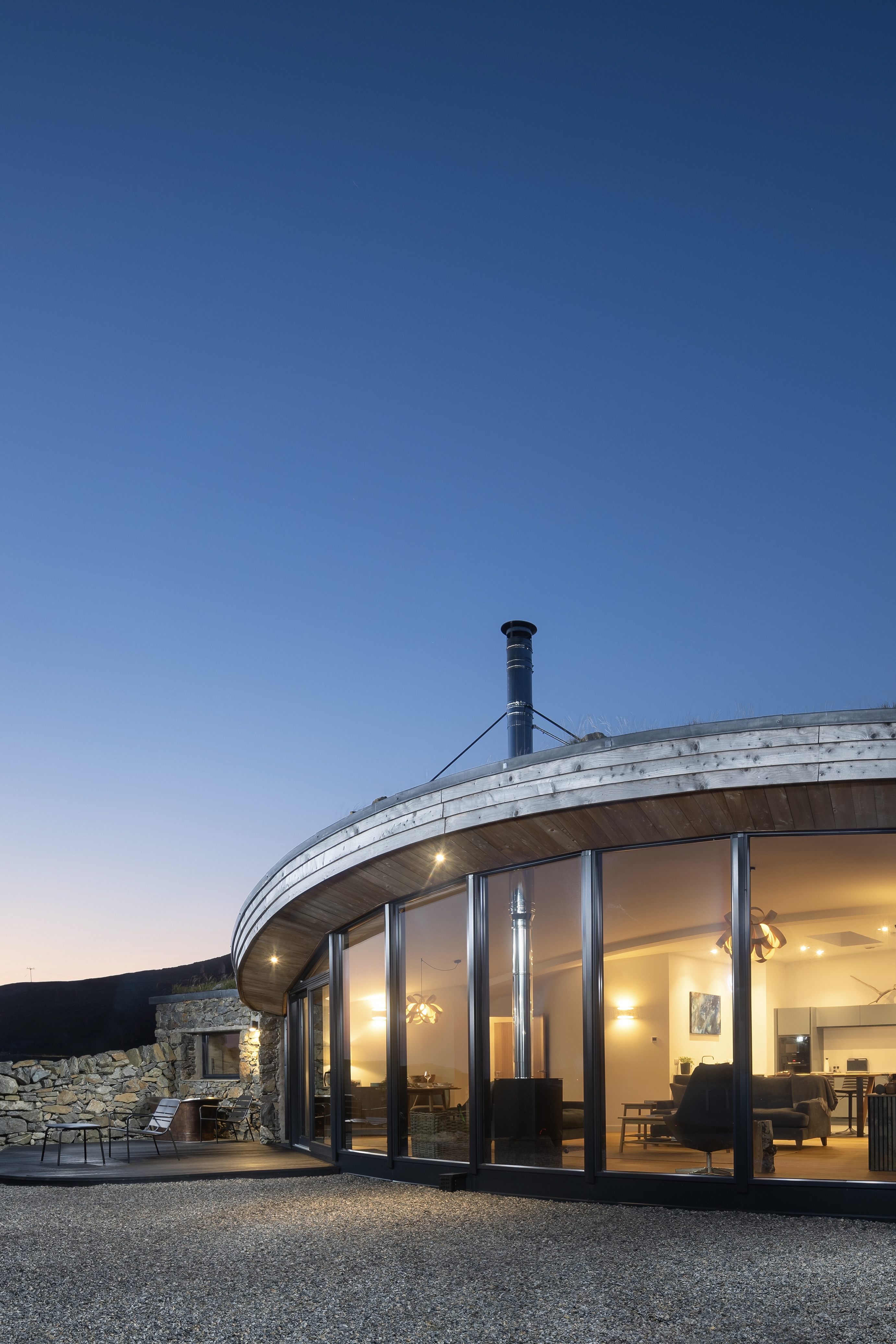
Tucked away in the heart of the Yarrow Valley, The Scullery is a one-bedroom boutique hideaway, eloquently designed for comfort, calm, and connection. Whether you’re escaping the city or craving a countryside reset, this is your space to slow down and just be.
-listable-carousel-1769292770.jpg)
-full-1748964954.jpg)






 Sign in with Google
 Sign in with Email