
A Month Close to Home: Cupar Histories and a Roxburgh Ruin
This month, Graeme stays close to home, uncovering royal intrigue and Covenanter history in Cupar, then heading south to explore the lost medieval stronghold of Roxburgh near Kelso.
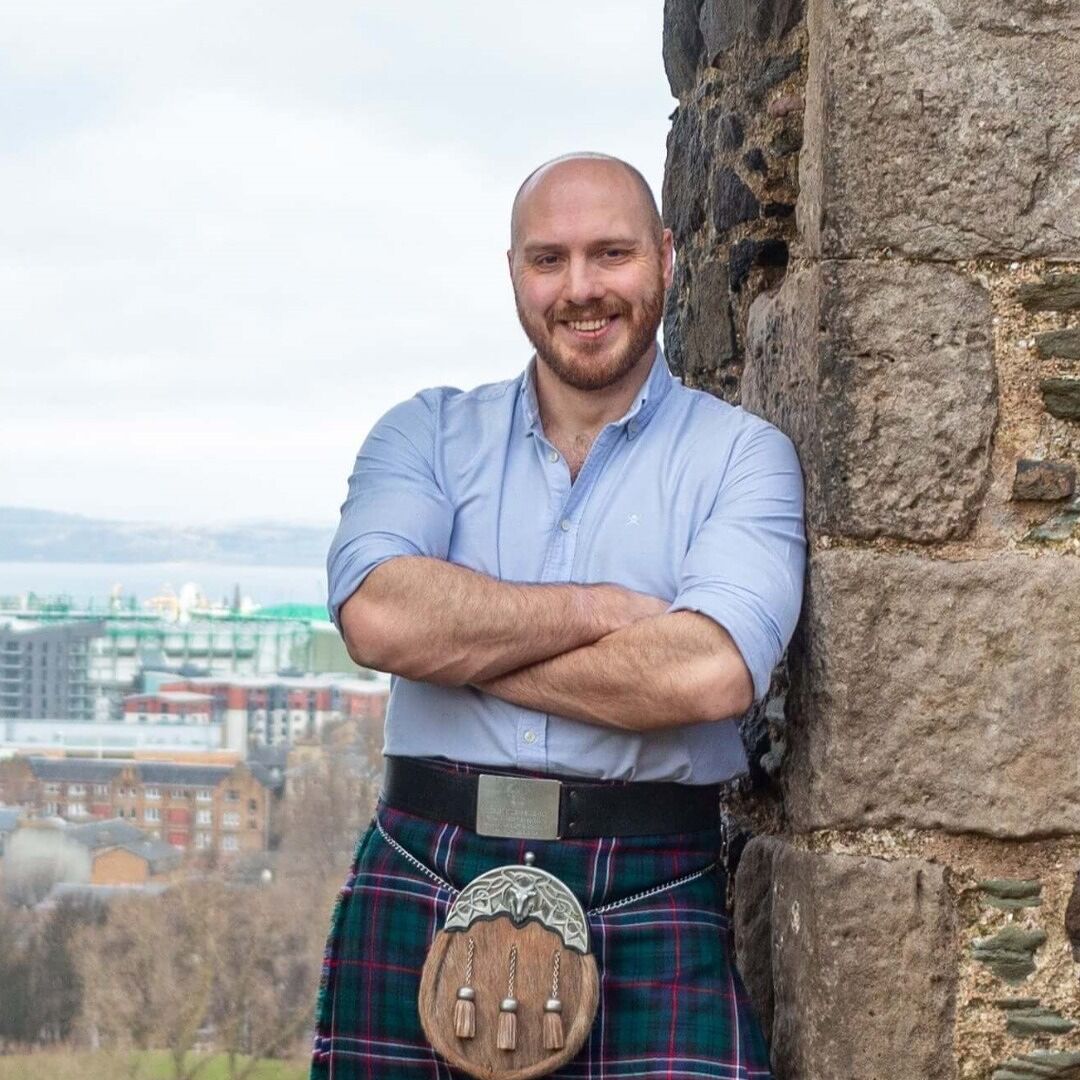
Written by Graeme Johncock
If you happened to read my monthly roundup for June, then you’ll know that I recently got married. That meant half of the last month was taken up with a Honeymoon (it’s a hard life, I know), so there wasn’t as much time for exploring Scotland as usual.
So, as I eased back into normal life, I decided to focus on exploring my local area. At first glance, there’s nothing too special about the wee town of Cupar in Fife, but don’t be too quick to judge a book by its cover. For centuries, this was the main town in the entire region, sitting at an important crossroads between Edinburgh, St Andrews, Perth and Dundee.
While the castle was destroyed long ago, it was once the main seat of Clan MacDuff and played host to numerous kings and queens. In fact, Margaret the first wife of Alexander III even died there in the 13th century!
The oldest still standing building in Cupar is the old church tower, dating from 1415 and there’s one stone in the graveyard with a very interesting story. Two heads and a hand are carved onto the grave marker, representing the parts of three Covenanters buried beneath. These men were killed for their religious beliefs in the 1600s and interred here, in the main legal seat in Fife, as a warning.
In my opinion, no visit to Cupar is complete without a short trip up to Hill of Tarvit Mansionhouse. Built in the early 1900s by the wealthy Sharp family, it’s become a regular dog-walking spot for me and Molly. Inside, the house is incredible, like a scaled down version of the Downton Abbey set.
Out in the grounds, the view from the top of the hill stretches for miles as well as garden paths and woodland trails for those not feeling too energetic. There’s even an old hickory golf course available to play, although I’m truly terrible at the sport!
I did manage to get out of Fife at least once though in July, heading down to the Borders to find stories around the town of Kelso. This busy market town is centred around the ruins of Kelso Abbey, but there’s a huge part of Scottish history here that often goes undetected by visitors.
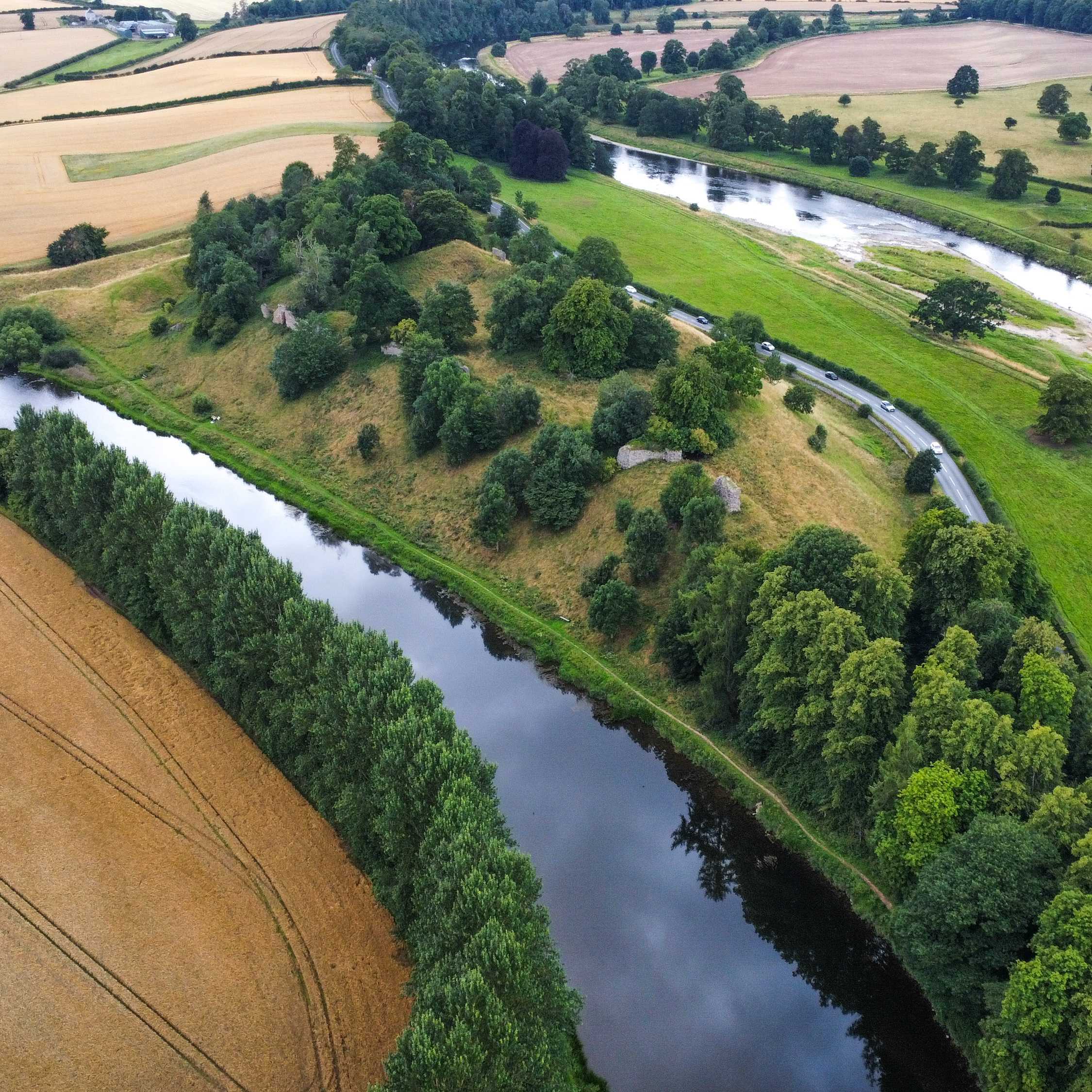
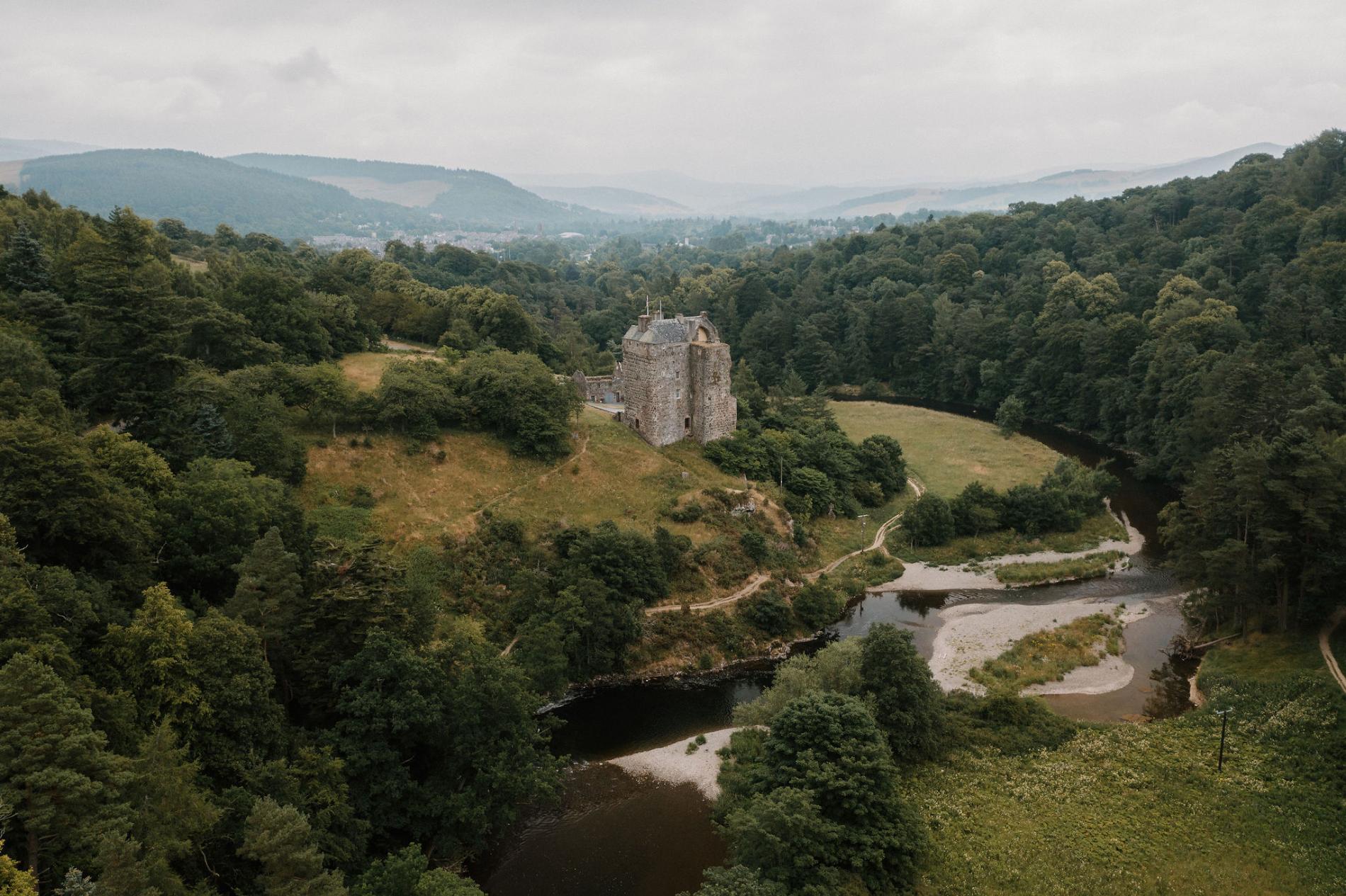
Before the modern town of Kelso existed, one of Scotland’s most important royal burghs lay here – Roxburgh. It’s now entirely disappeared, beneath a field used for showjumping, but you can still see parts of the old castle. Sitting on a small hill, wedged between the rivers Tweed and Teviot, this fortress was pivotal in the Scottish Wars of Independence.
It was the location of the royal mint, birthplace of Alexander III and passed back and forward between the Scots and English as each side tried to hold onto the castle. In 1460, James II was killed trying to re-take Roxburgh and it was subsequently destroyed so it could never be held against the Scots again.
Wandering around the sparse ruins of what was once such an important place is a humbling experience. You need a lot of imagination to see Roxburgh as it once was and so it’s not the kind of place everybody would appreciate. For me though, it’s somewhere special that comes alive thanks to the stories it has to tell.
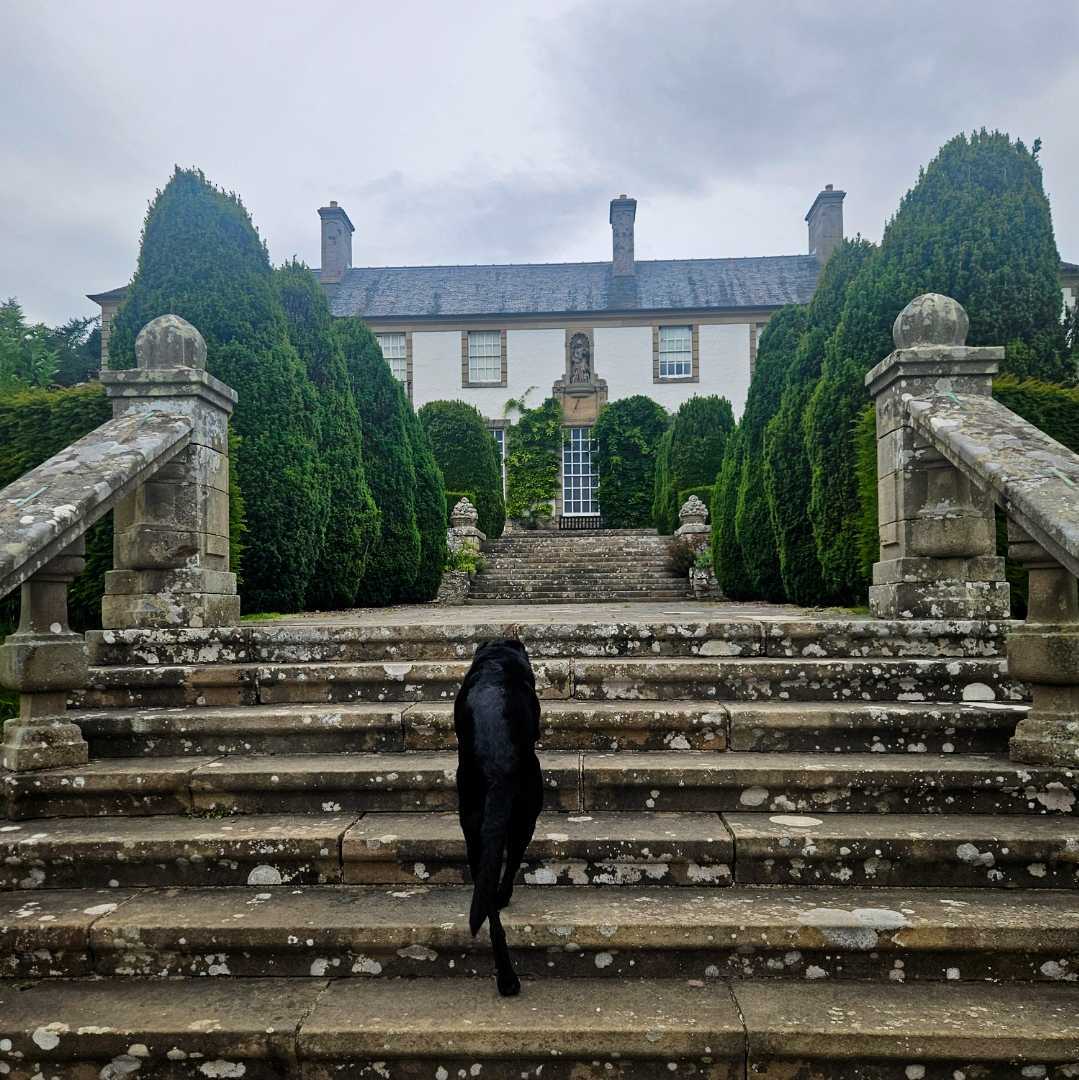
Hill of Tarvit
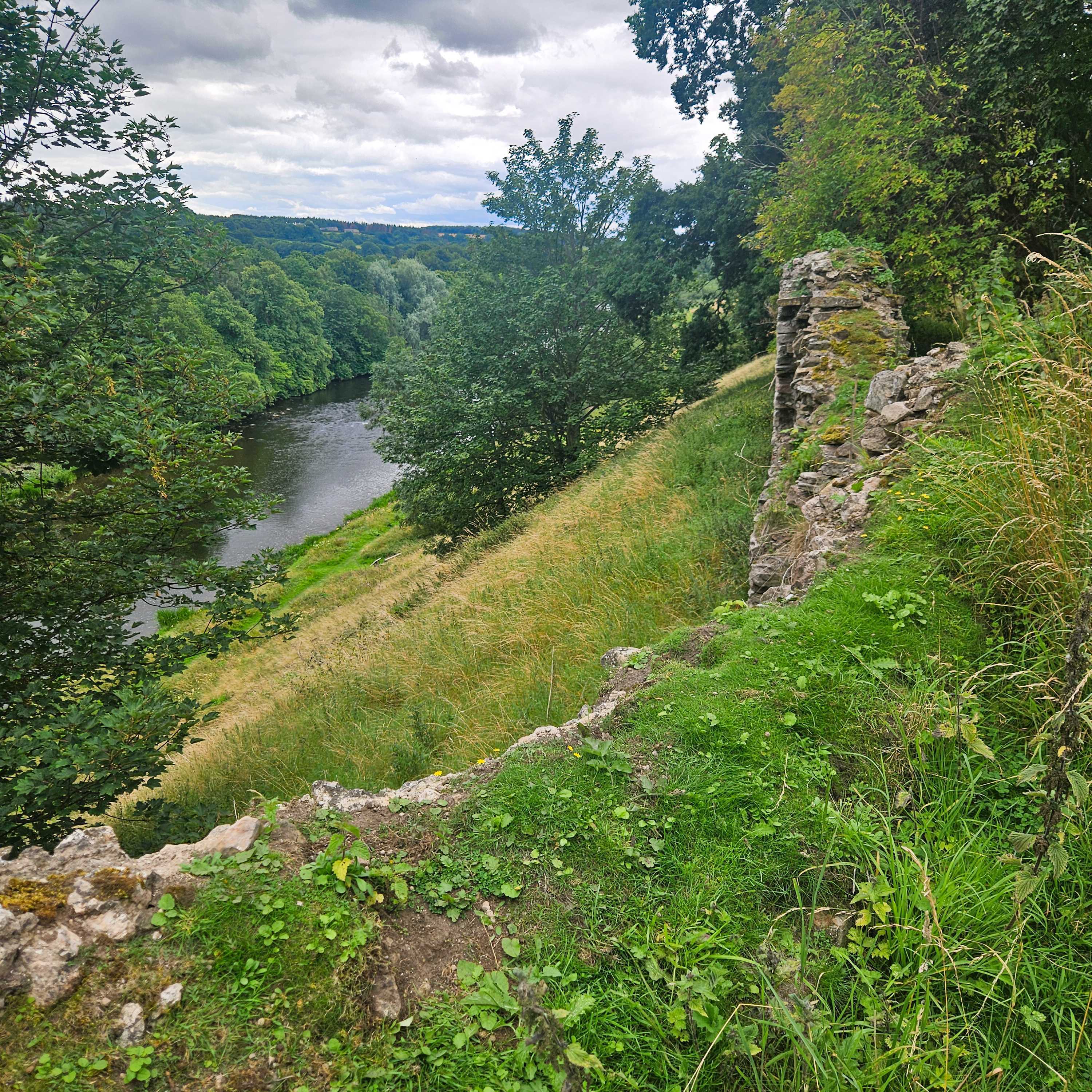
Remains of Roxbugh Castle
Promoted Post
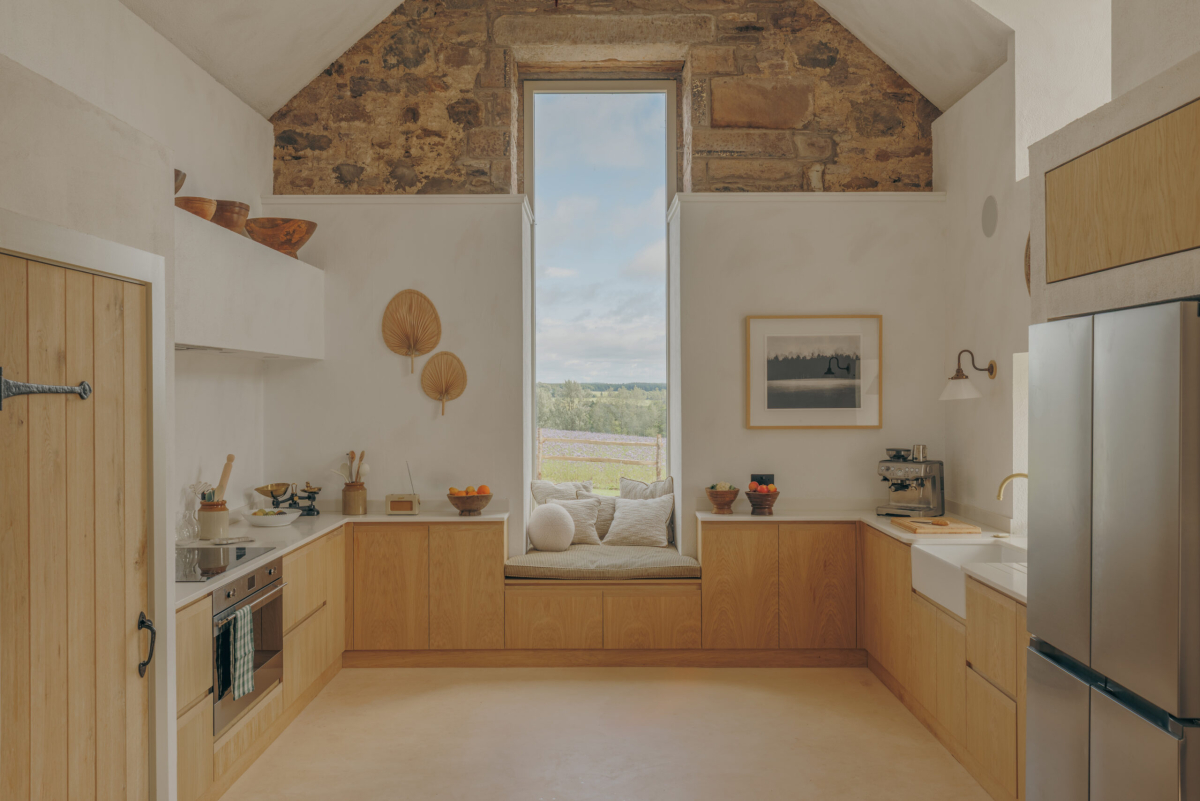
Whitehill Farmhouse
Located on Colquhalzie Estate, this 19th Century farmhouse has been lovingly restored into a family home, having previously been home to the Shepherd who lived there for 40 years. We welcome friends and families of up to 8 people on a self-catered basis for at least 4 nights.
-full-1748988291.jpg)
-full-1744927319.jpg)
-full-1746434816.jpg)
-full-1741009545.jpg)





 Sign in with Google
 Sign in with Email