
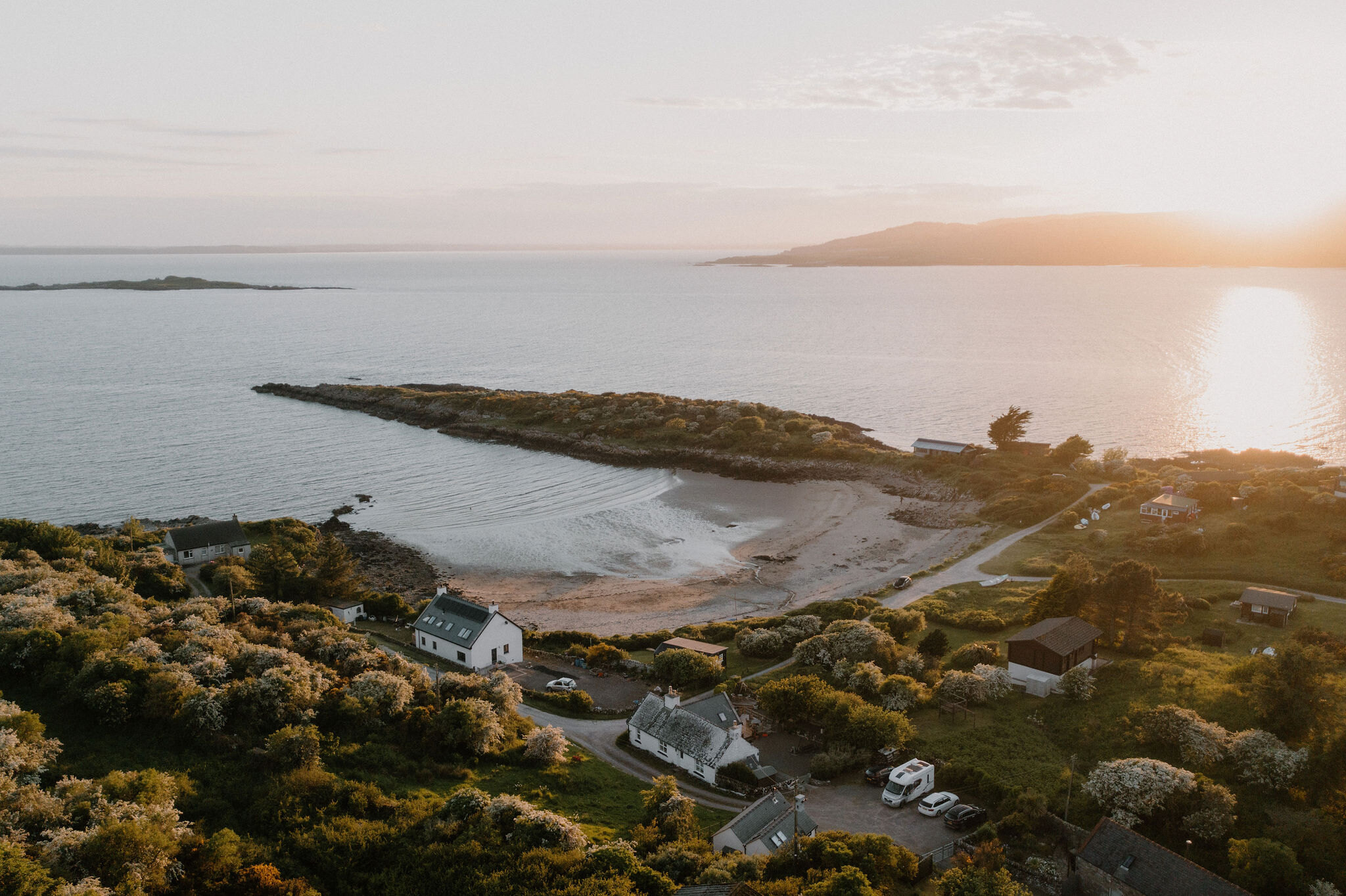
Dumfries and Galloway. Dumfries and Galloway guide
Quiet coves, painted harbour towns, red sandstone abbeys and dark skies full of stars, just over the border.
The four parts of Dumfries and Galloway
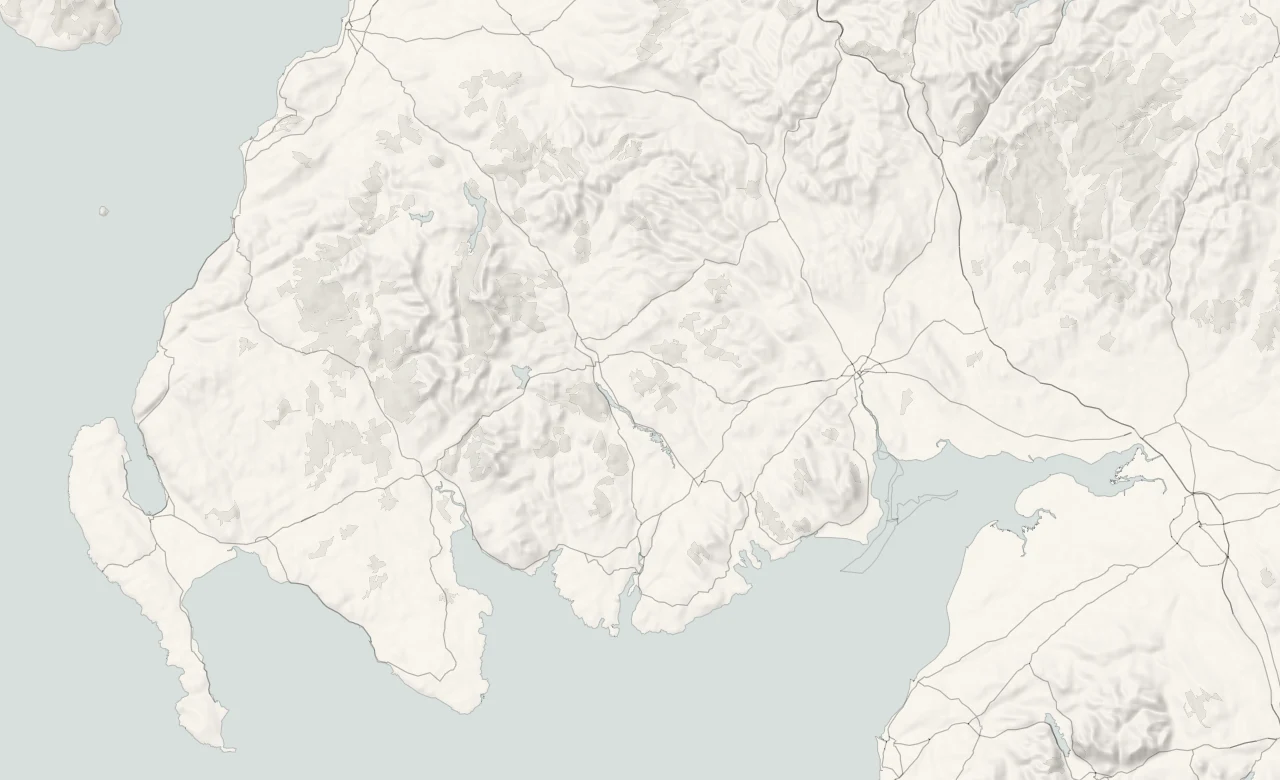
From its border with Ayrshire, Dumfries and Galloway climbs over the Lowther and Moffat hills and summits southern Scotland’s highest peak, Merrick, before tumbling into the Nith Estuary with its woodland and merse. It takes in former coal mining villages and moorland and spills onto one of Britain’s most dramatic coastlines – 200 miles of it. It dips to Scotland’s southernmost point, the Mull of Galloway, which rears up beyond a narrow neck of wave-sculpted land where waters collide in a kingfisher-blue melee. The whole region is unspoiled and remote, quiet and authentic, and is often known as Scotland’s forgotten corner.
Stranraer and the Rhins
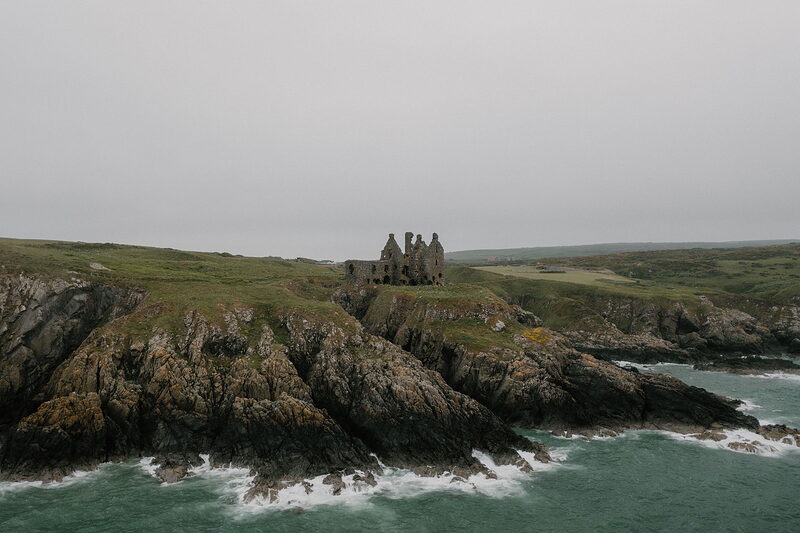
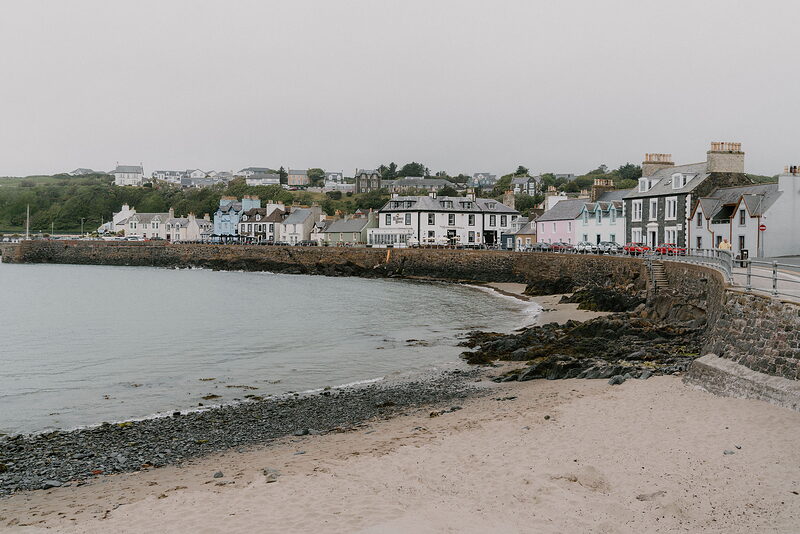
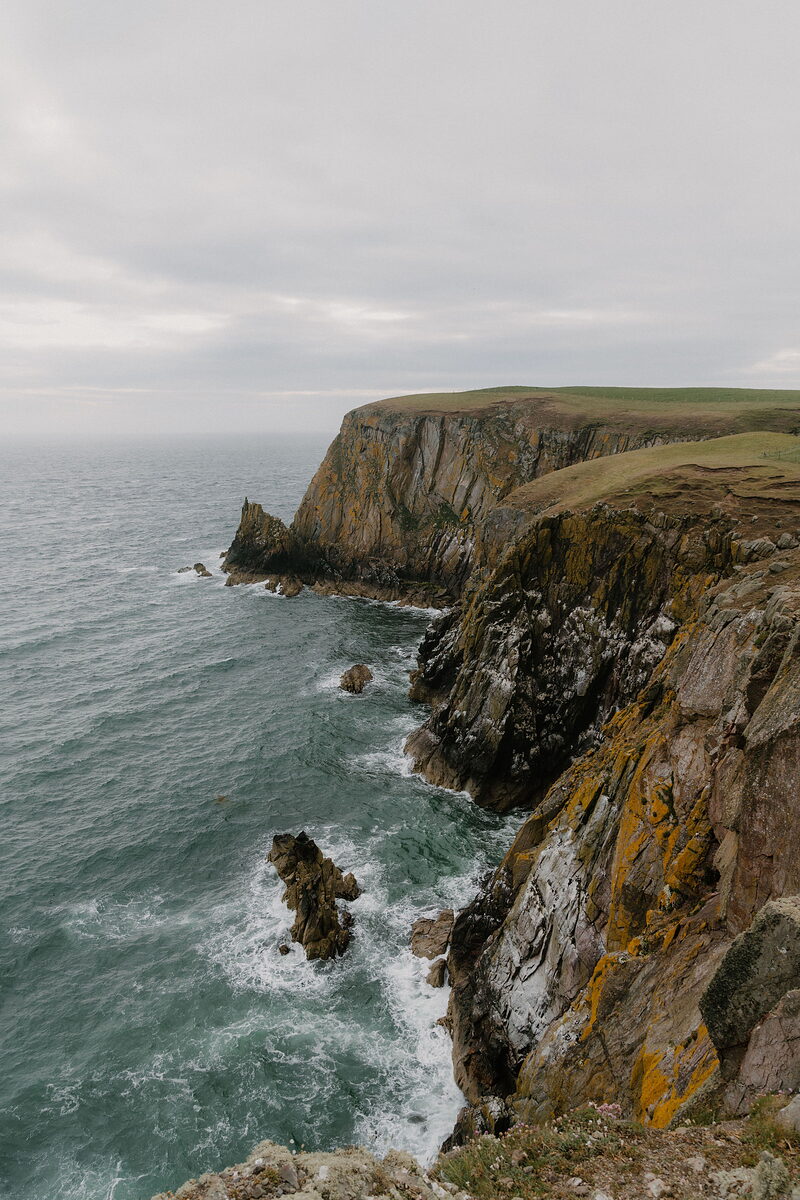
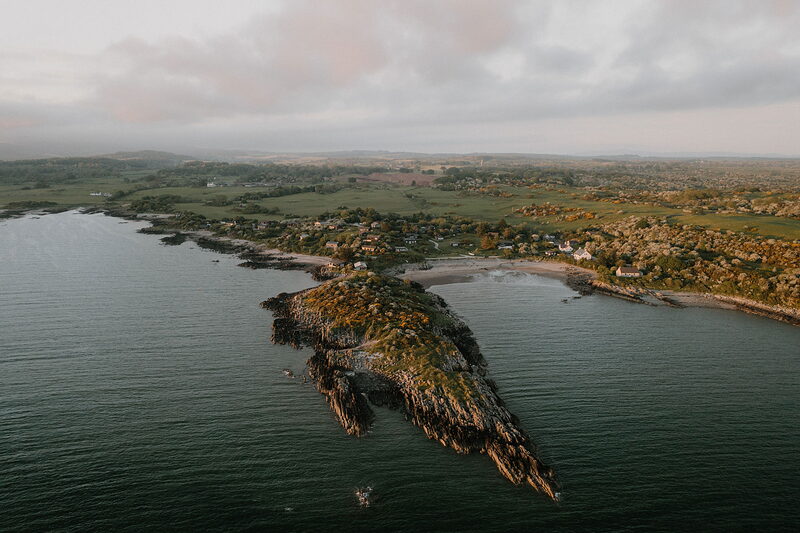
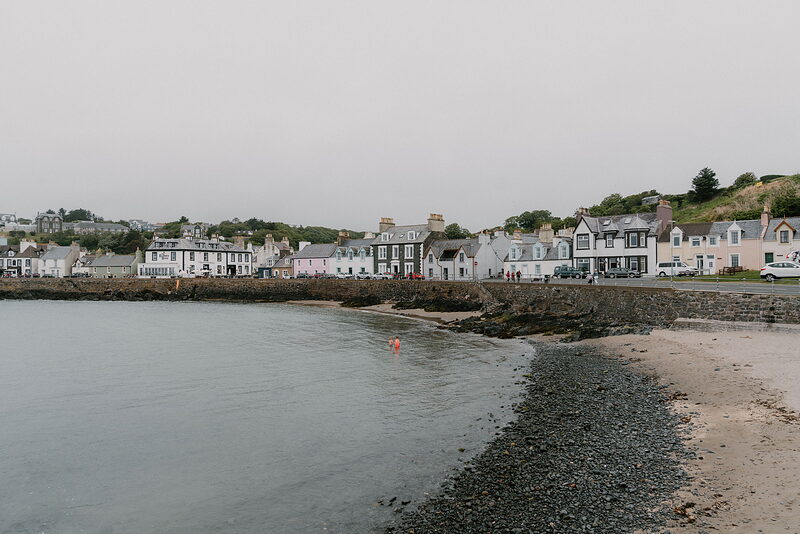
The Rhins is a hammerhead of land almost surrounded by sea. Portpatrick's painted harbour sits at the start of the Southern Upland Way, with the ruin of Dunskey Castle on the cliffs just along the path. The road south runs past the palms of Logan Botanic Garden to the lighthouse on the Mull of Galloway.
Newton Stewart and the Machars
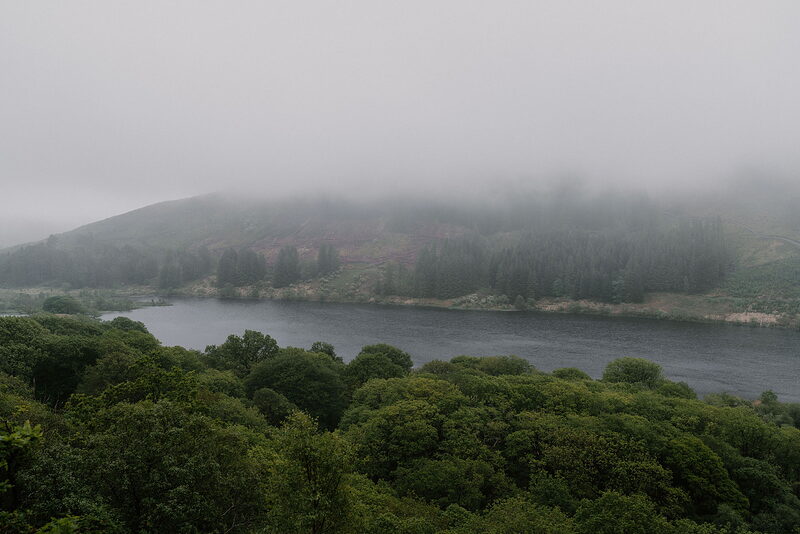
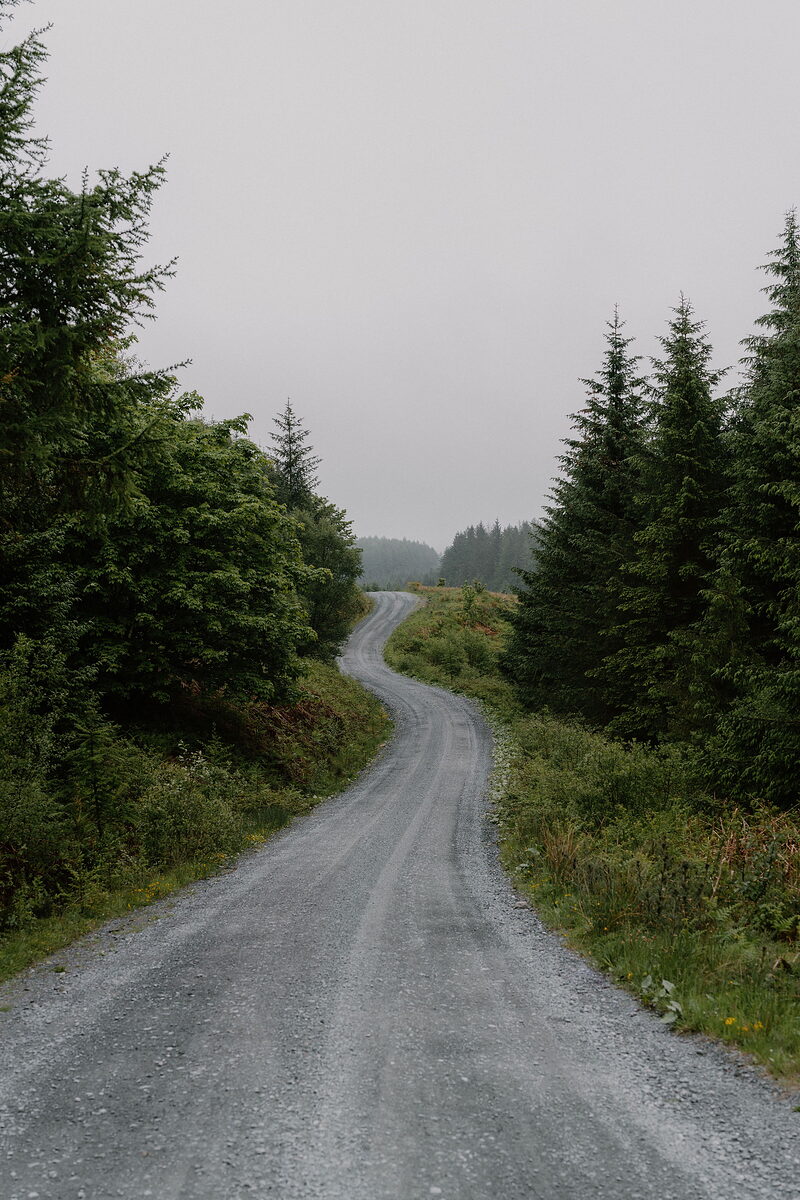
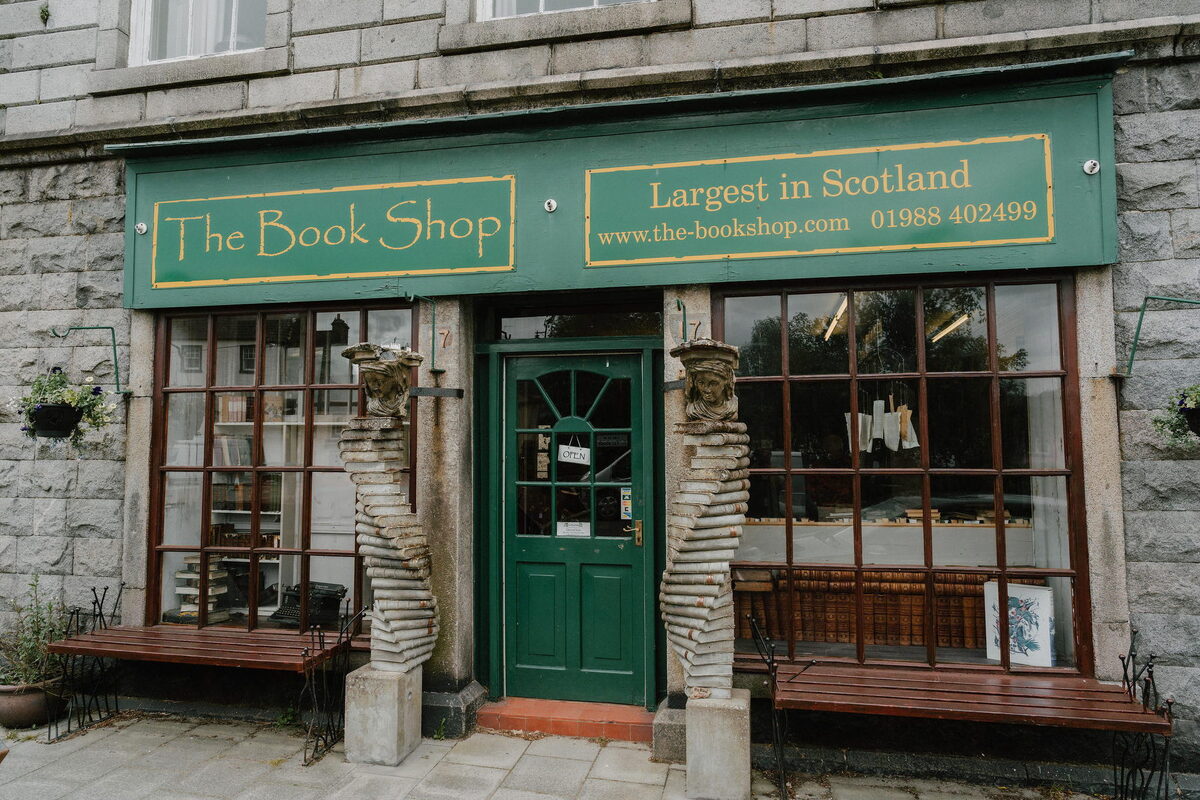
North of Newton Stewart the Galloway hills rise to the Merrick, with Bruce's Stone above Loch Trool and miles of forest under dark skies. South, the Machars runs down through Wigtown and its bookshops to Whithorn, where St Ninian built his church, and to St Ninian's Cave at the end of a wooded path to the shore.
Kirkcudbright and the Solway coast
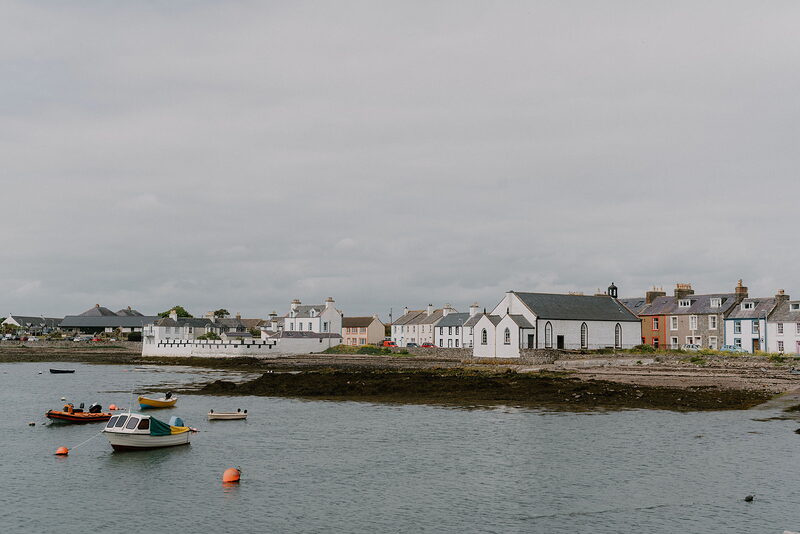
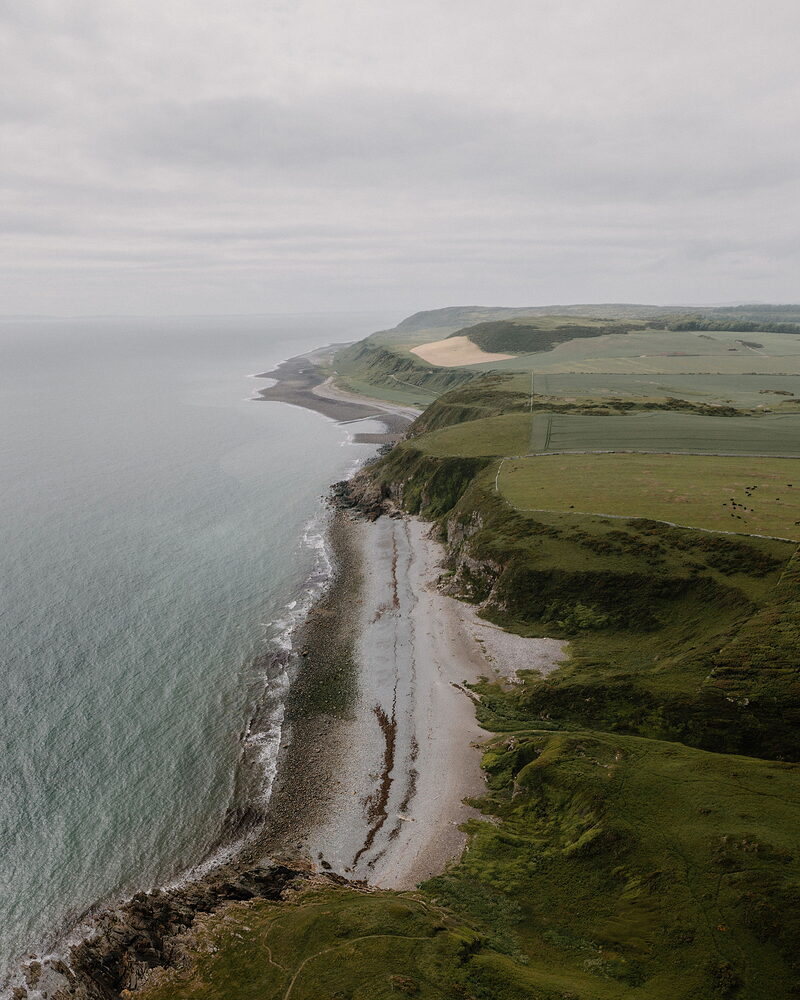
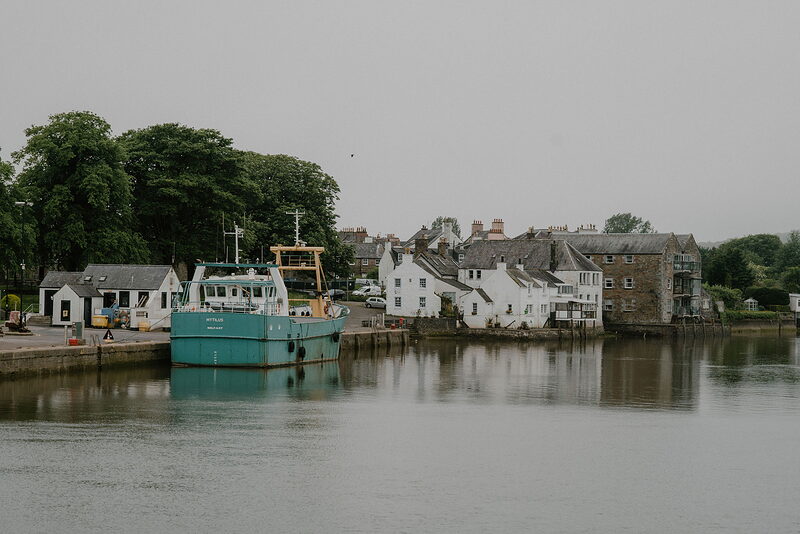
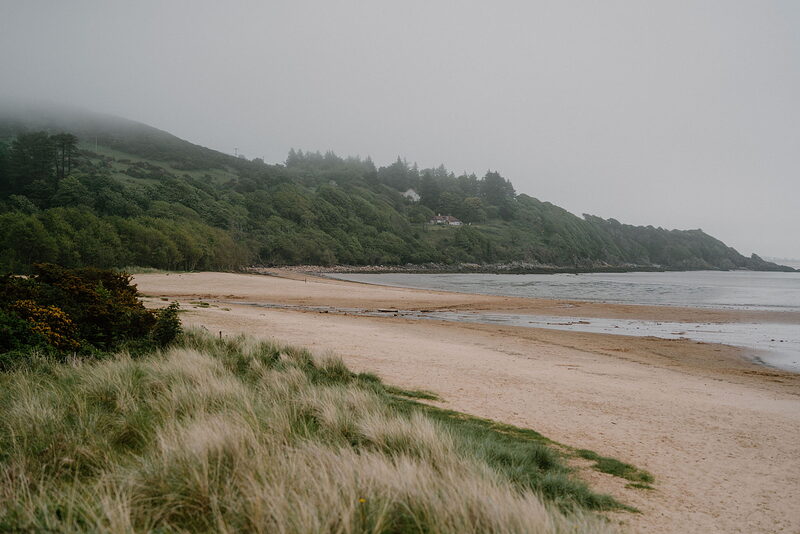
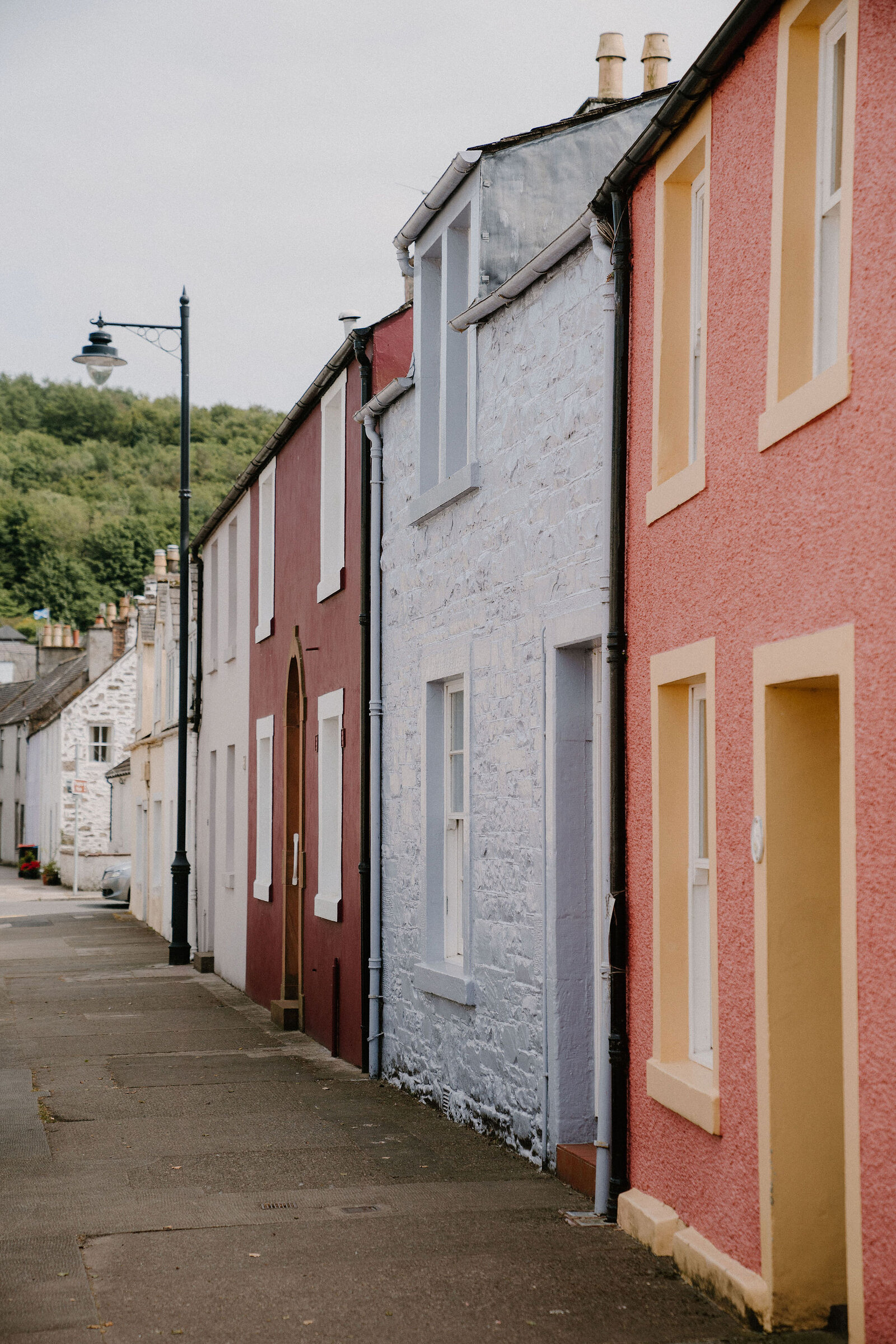
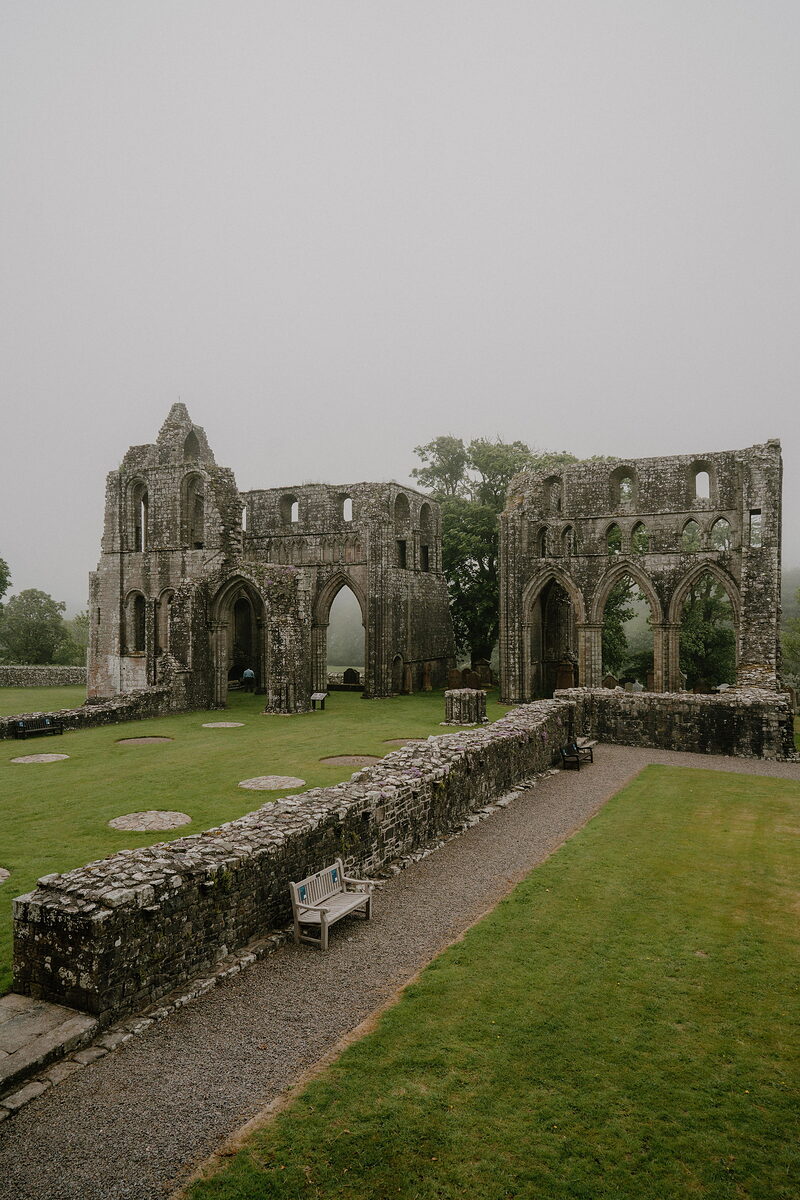
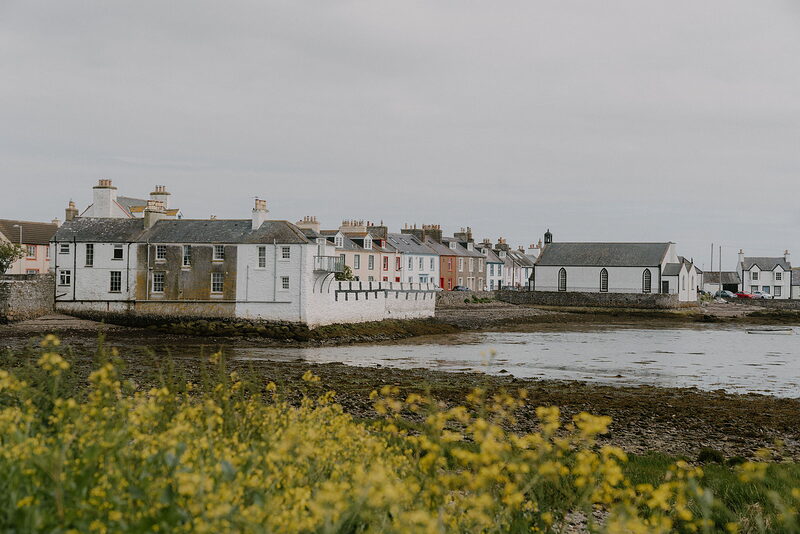
Kirkcudbright is the artists' town, a harbour of painted houses where E A Hornel made his house and garden. Castle Douglas is the food town, with Threave Castle on its island in the Dee, and the coast east runs past Dundrennan Abbey to the sands at Sandyhills and the cliff path to Rockcliffe.
Dumfries and the east
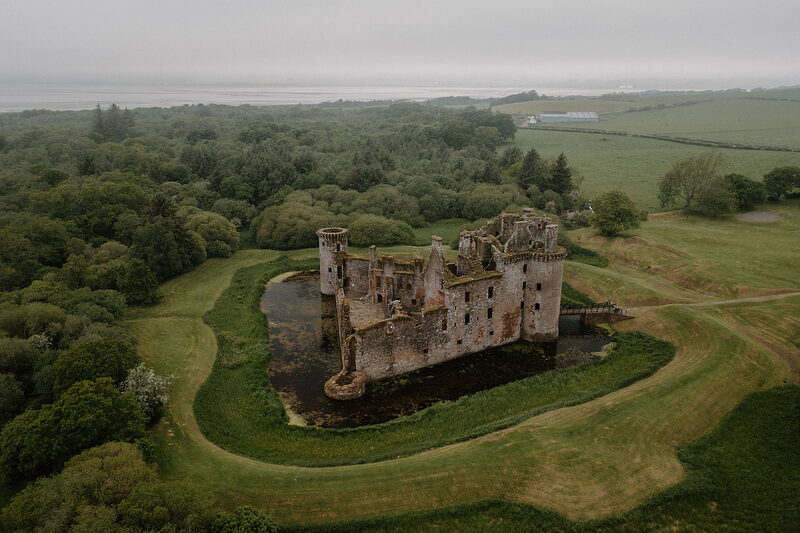
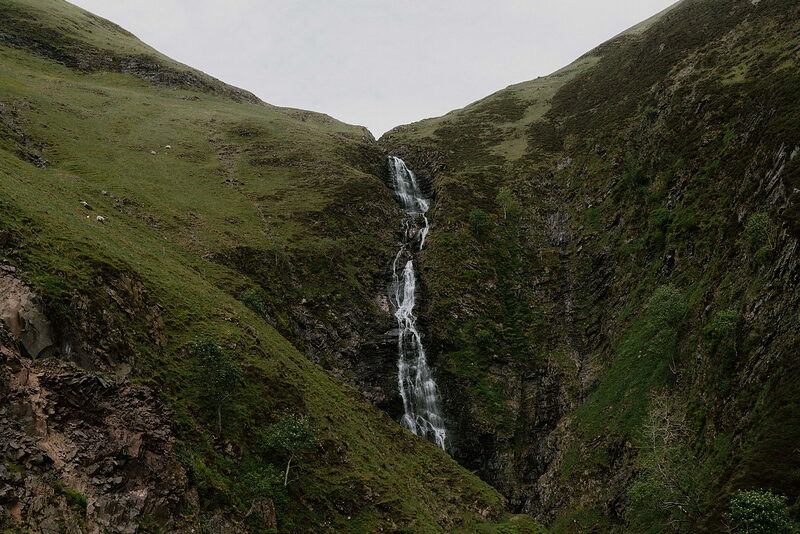
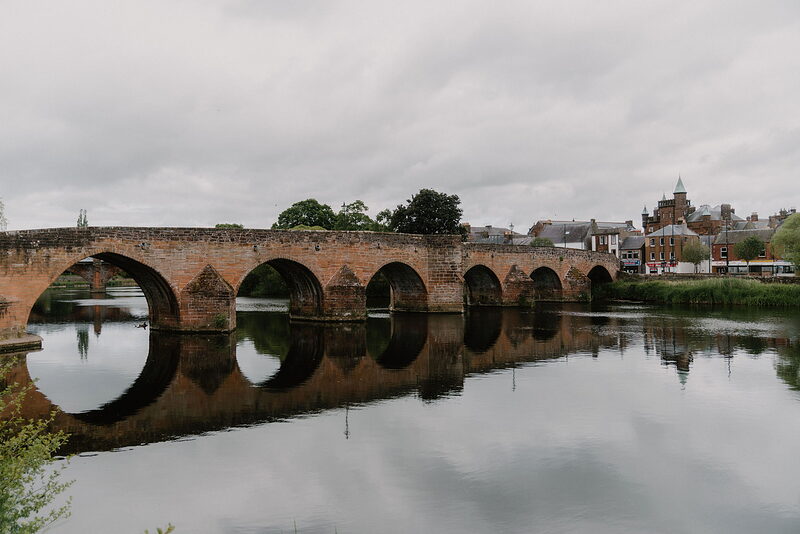
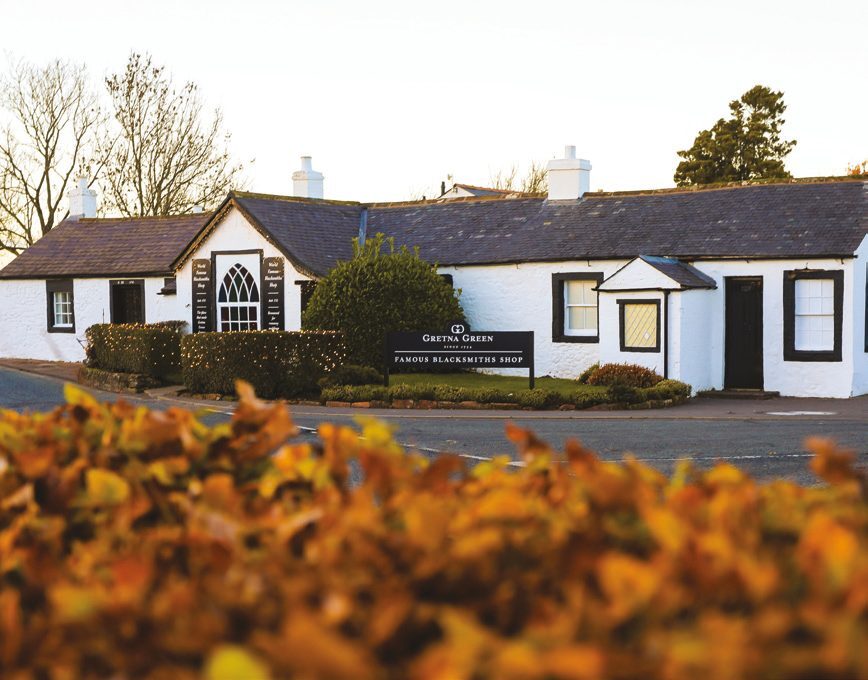
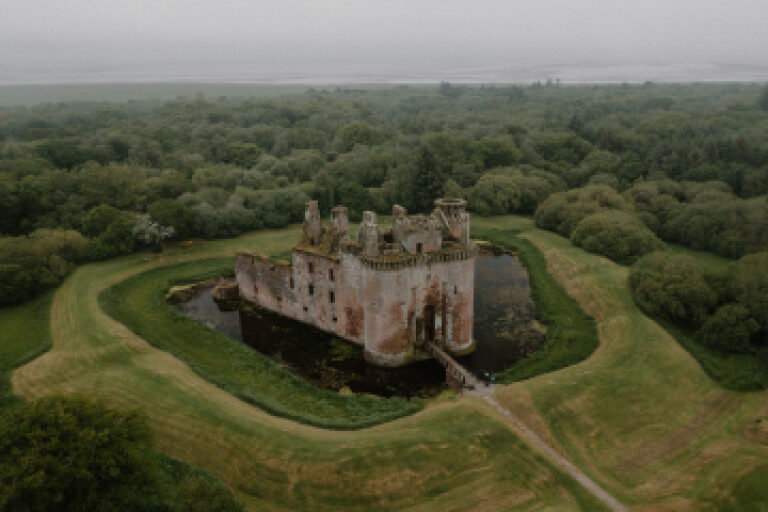
Dumfries is Burns's town, with his house, his favourite inn and his grave by the Nith. South of it Caerlaverock Castle sits in its moat by the Solway marshes, where the barnacle geese come in their thousands. Moffat has its wide High Street and the Grey Mare's Tail in the hills, and Gretna Green has its blacksmith's anvil.
“Dumfries and Galloway people, like the landscape, are gentle and welcoming.”
Fiona Lee
Runs art tours of Kirkcudbright
Best known for.
Unspoiled scenery encompassing the Scottish Riviera, the UK’s first Dark Sky Park and southern Scotland’s highest Corbett, Merrick, as well as cultural high hitters such as the food, book and art towns of Castle Douglas, Wigtown and Kirkcudbright respectively, and Dumfries with its connections to Robert Burns and Robert Louis Stevenson.
More about Dumfries and Galloway
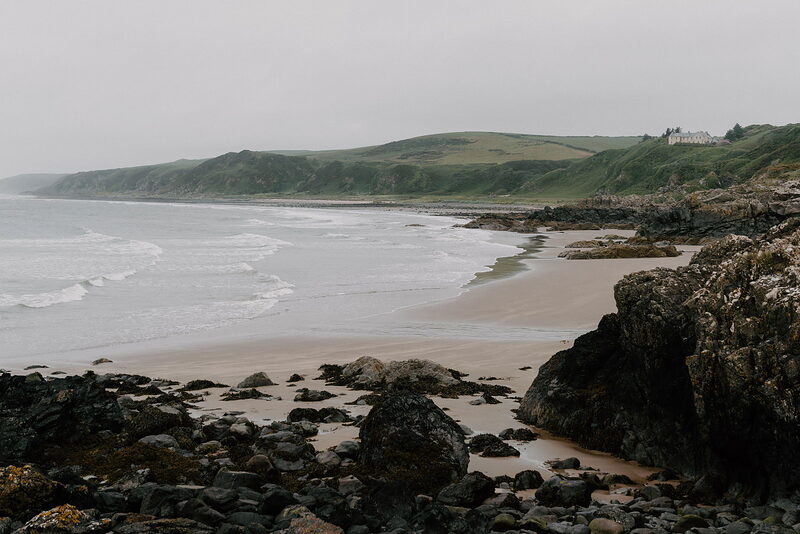
For those who turn left at Gretna Green, leaving the throng heading north, it’s like being given the keys to the Secret Garden. It’s a land that might have been penned by a writer, where gorse glows gold atop rugged granite coves, trees are cast horizontal by the wind on clifftops that drop onto treacherous shifting sands, black cattle with wide white belts graze in gloriously unkempt meadows, and whitewashed fishing villages bask like paperchains beside cyan waters. Flowers are as vivid as the eye can imagine – explosions of pink fuschia and orange montbretia – and the hills are huge and remote with views over lochans, rivers and wooded valleys. It feels quiet, because this vast landscape (it’s almost 2,500 square miles) contains one of the country’s smallest unitary authorities: there are just 60 people per square mile.
The hub of the region is Dumfries – the ‘Queen of the South’ – famed for its connection with Robert Burns, who worked, wrote and drank in the town in his final years. Head west from here towards the Machars Peninsula, where empty moorland slopes down to beaches with rock pools and views to the Rhins, and you’ll find Wigtown, the National Book Town, with wizened streets lined with more than 20 independent bookshops. It's on the same peninsula as Isle of Whithorn, one of Scotland’s earliest Christian centres. Eastwards along the Solway Firth AONB, Kirkcudbright is the official ‘Artists’ Town’. This honeycomb of colourful Georgian and Victorian facades on the Scottish Riviera ripples out from a busy natural harbour where fishing boats bring in scallops. It’s close to food town Castle Douglas. Inland from here there’s historical Annan, which has strong links with Robert the Bruce, and Moffat, with a lively cultural scene amid hills that have been dubbed the mini Highlands.
There are ten regional scenic areas in Dumfries and Galloway, including the Moffat and Langholm hills and the rocky Rhins coast around the pretty seaside town Stranraer where seabirds nestle. There are also the national scenic areas of the Nith Estuary, East Stewartry Coast and Fleet Valley. At the core of the region, in the Galloway Forest, is the UK and Europe’s first Dark Sky Park. The park lies in Scotland’s first biosphere – the Galloway and Southern Ayrshire UNESCO Biosphere, which meanders across burns, lochs, hills, bogs and rivers where species including red deer, wild goats and pine martens roam.
What would you like to look at?
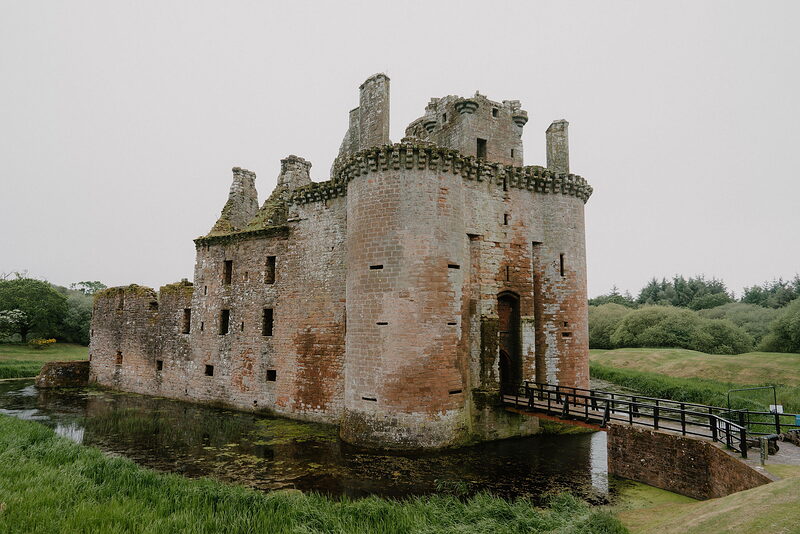 See and doCastles, abbeys and a lighthouse at the tip
 Eat, drink and shopHarbour seafood, old inns and cafés
 Where to stayLodges on an estate by the sea
 History and storiesSt Ninian, Robert the Bruce and Burns
 ItinerariesDays we have driven, stop by stop
 Getting hereThe trains, the roads and the ferries
 What is on in Dumfries and GallowaySomething new from the region every day
What is on in Dumfries and Galloway
Friday the 16th of October.
Sunrise 07:48, sunset 18:16.
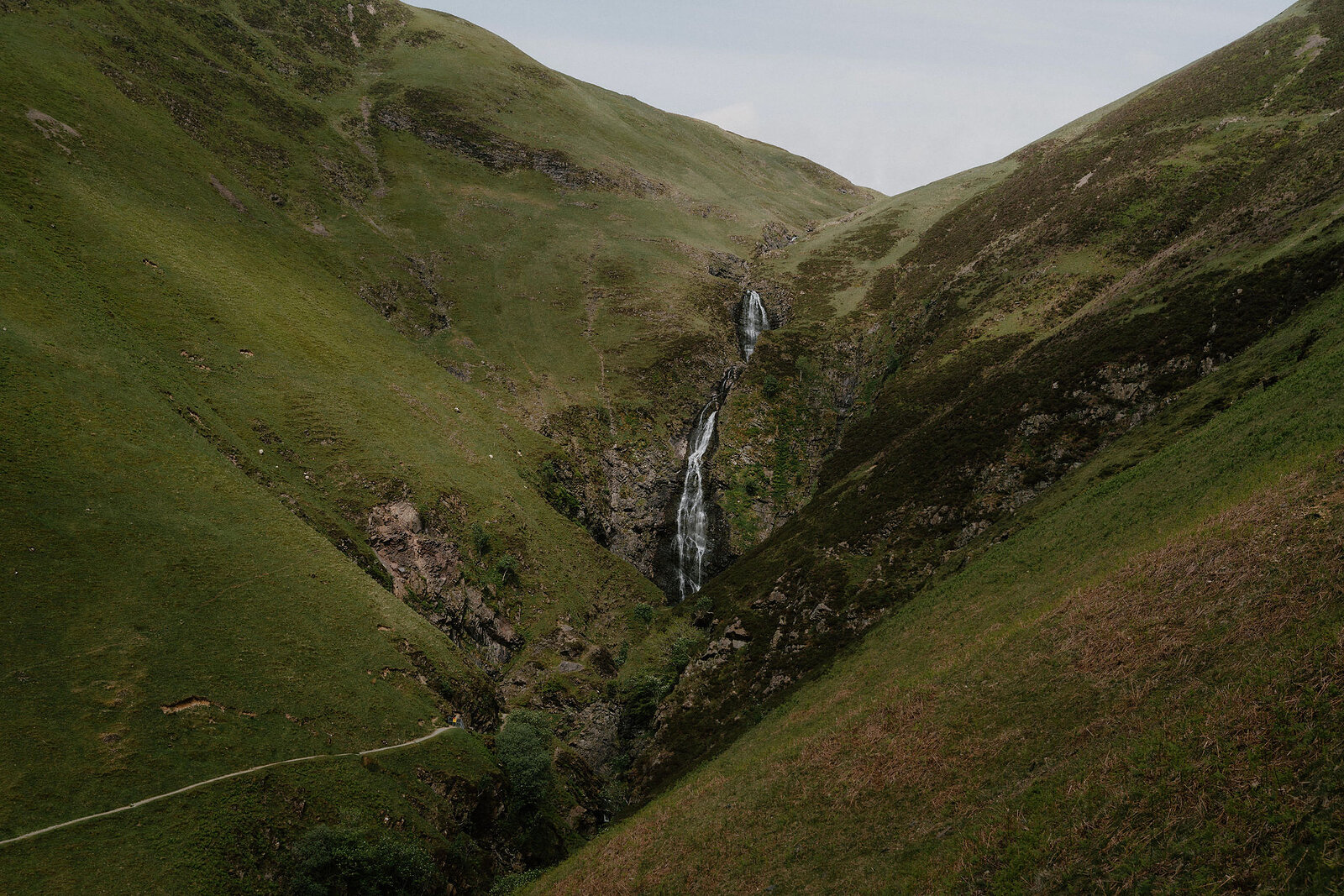 Grey Mare's Tail, Dumfries and GallowayFri, 16 Oct 2026
Coming up in Dumfries and Galloway
- Oct16Make do and MendOn today
- Oct16Repair Cafe - KirkcudbrightOn today
- Oct16Mindful Dotty Art for WellbeingOn today
- Oct16Cheese & Wine AfternoonOn today
- Oct16Closeburn Castle Ghost Hunt Dumfries Scotland with Haunting NightsOn today
The news in Dumfries and Galloway
- Galloway has a 330km gravel bike route of its own, the Gallovidian Gravel, starting and finishing in Dumfries.
- New in our guide: Wild Goose Festival Stories Hub.
- New in our guide: Gallie Craig, Mull of Galloway.
- New in our guide: PA Pop Up, Mill on the Fleet.
- New in our guide: Shambellie House Annual Quilt Festival.
Things you might not know.
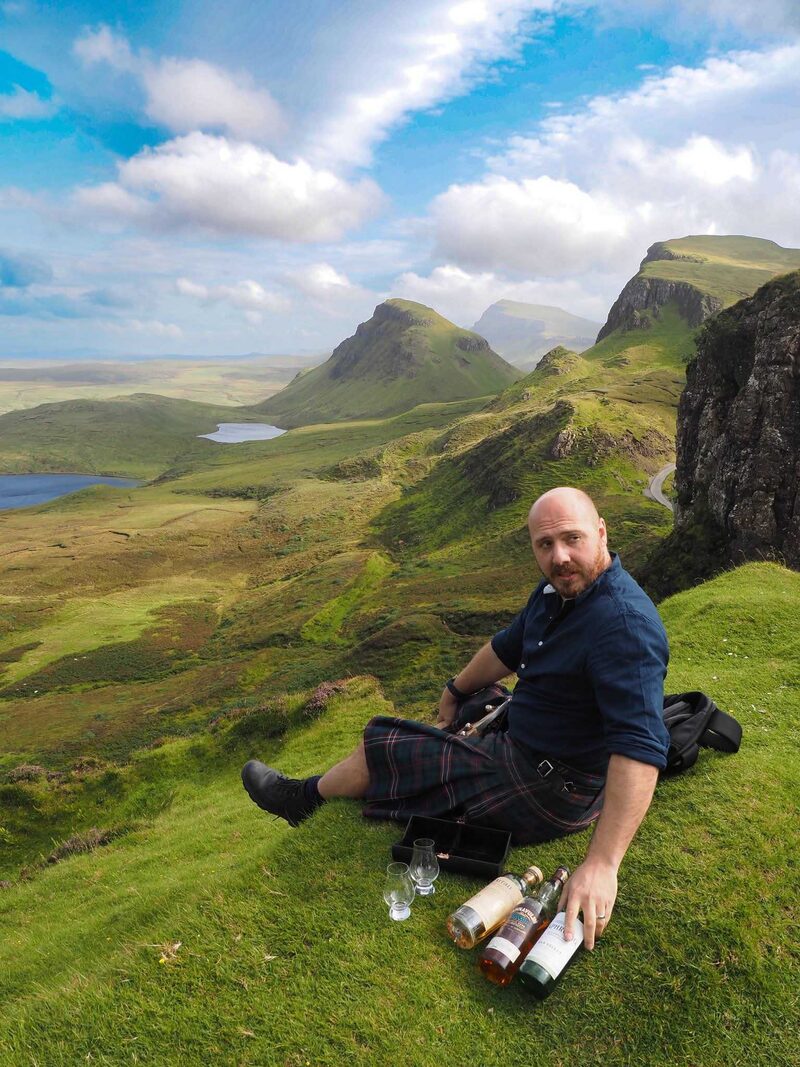
Graeme Johncock
Graeme is the writer and storyteller behind Scotland’s Stories, sharing Scotland’s traditional folklore and legends.
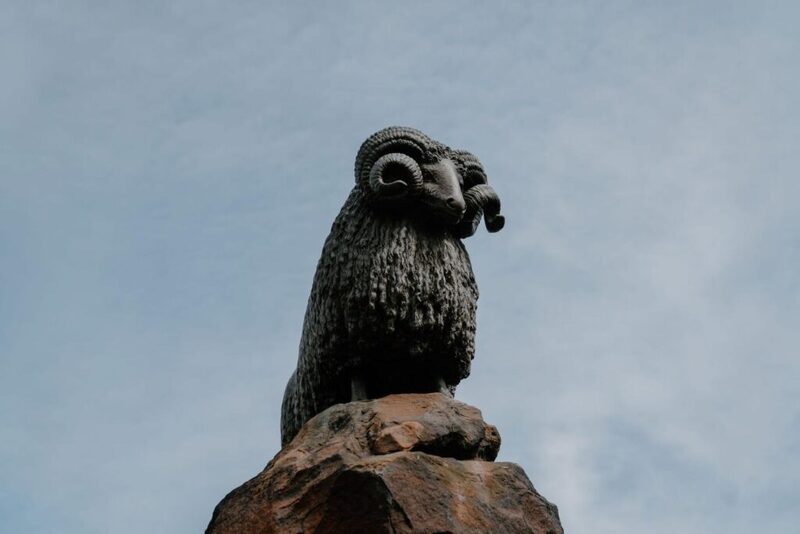
The shepherding heritage of Moffat is remembered by the large statue of a ram. During the ceremony to unveil the ram, a local farmer realised it was missing ears and cried out “It’s got nae lugs!”
Find out more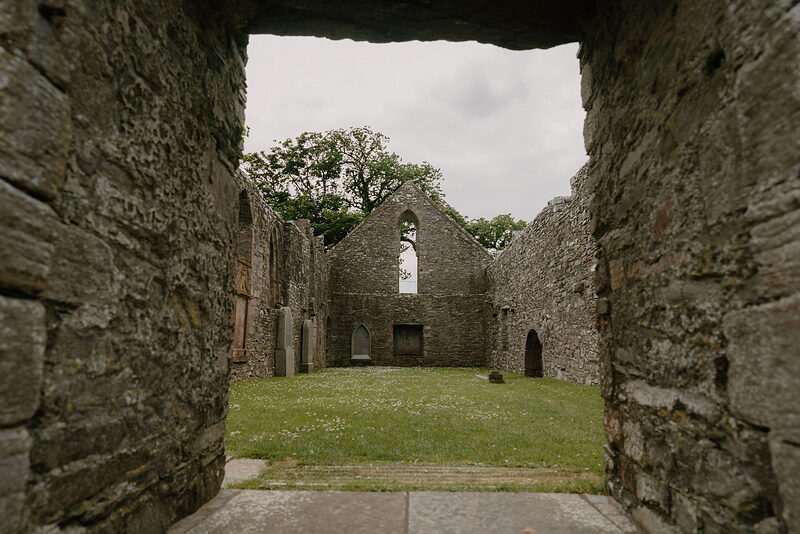
The oldest carved Christian stones in Scotland are found in Dumfries & Galloway. Stones inscribed with Latin from the 5th & 6th Century are on show at both Whithorn Priory and Kirkmadrine.
Find out moreIn 2009, Galloway Forest became the first Dark Sky Park in Scotland and fourth in the world.
Find out more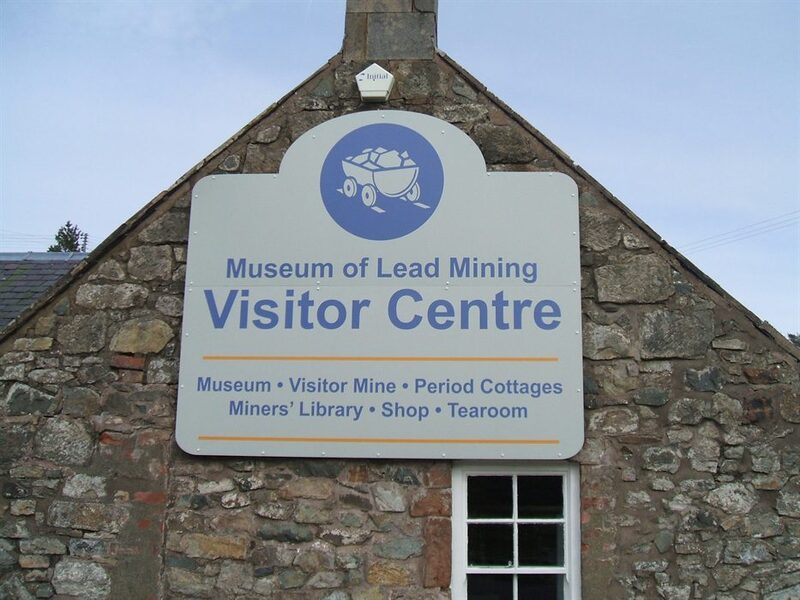
Instead of the Highlands, it’s Dumfries & Galloway that hosts the highest village in Scotland – Wanlockhead.
Find out more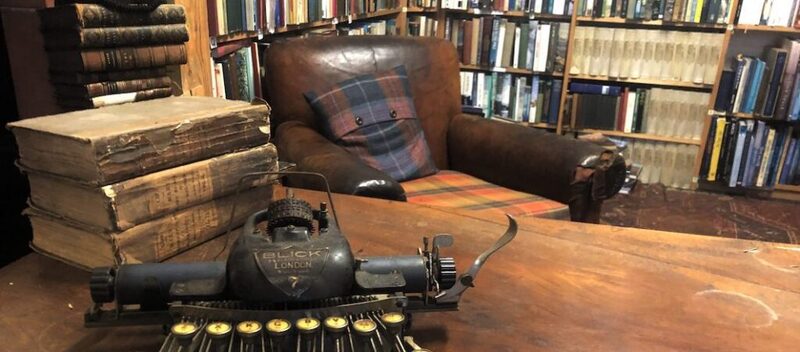
Wigtown is known as Scotland’s National Book Town, hosting the annual Wigtown Book Festival.
Find out moreThe unofficial oldest ever Scot is buried in a Kirkcudbright graveyard. Billy Marshall was known as The King of the Gypsies and died in 1792 at 120 years old. During his long life he allegedly deserted from theAarmy 7 times and the Navy 3 times.
Find out moreThe village of Sanquhar has the world’s oldest Post Office, opened in 1712.
Find out moreThe A75 is known as Scotland’s most haunted road with many long-haul drivers refusing to stop there. Amongst the dozens of ghosts, a spectral furniture van has even been spotted.
Find out moreDumfries and Galloway was the homeland of the legendary King Robert the Bruce. He may have been born at Lochmaben Castle and before being crowned, known as Lord of Annandale.
Find out more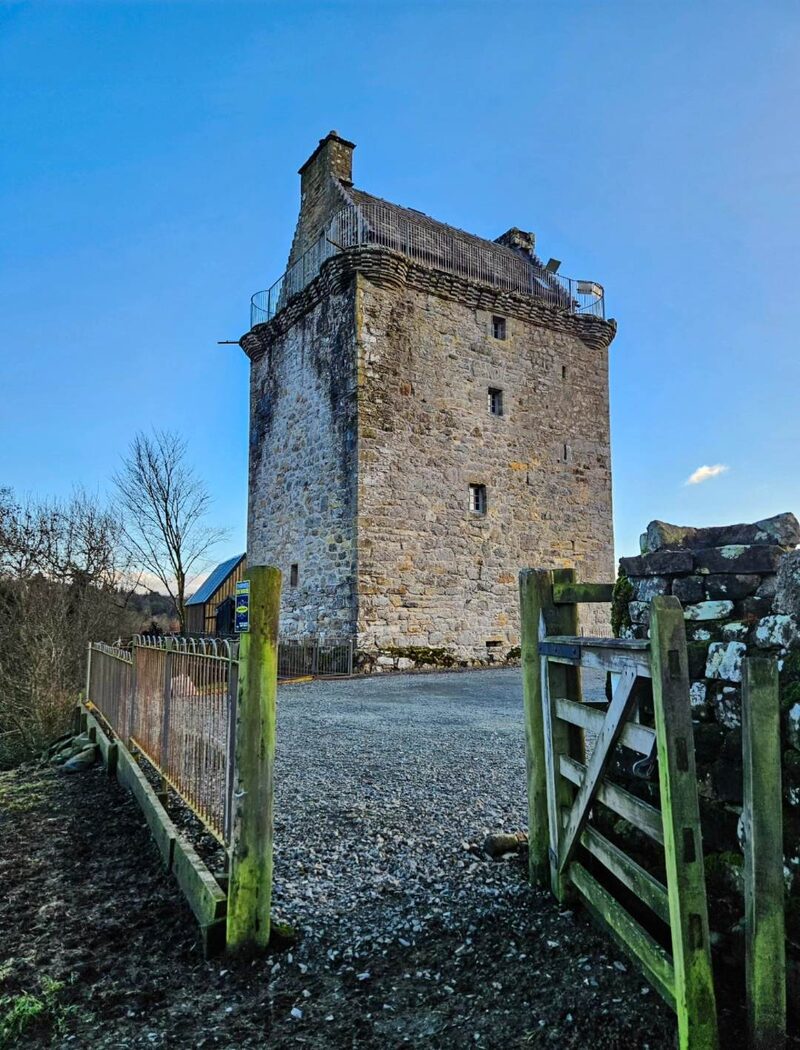
The first man on the moon, Neil Armstrong visited Gilnockie Tower to learn about his Clan Armstrong roots. During his visit, he became the first person to be granted the Freedom of Langholm.
Find out moreSt Ninian was responsible for building Scotland’s first stone church at Whithorn around 1600 years ago.
Find out moreRead about Dumfries and Galloway.
Photographs by simonhird; anthony bowers, peter evans, Alan Reville, Jane Edgley, Stephanie Hilbrandt, L Ackiem, Frances Coombey, Magda L, Alison Tate, Lorna Lomas, Mark Malone, Neil C, Nathan McNee, Jean Prentice, Jelly Moring, Dean Freeman, Alan Jamieson, Georgie Gee, Dalscone Farm Fun and Dave via Google