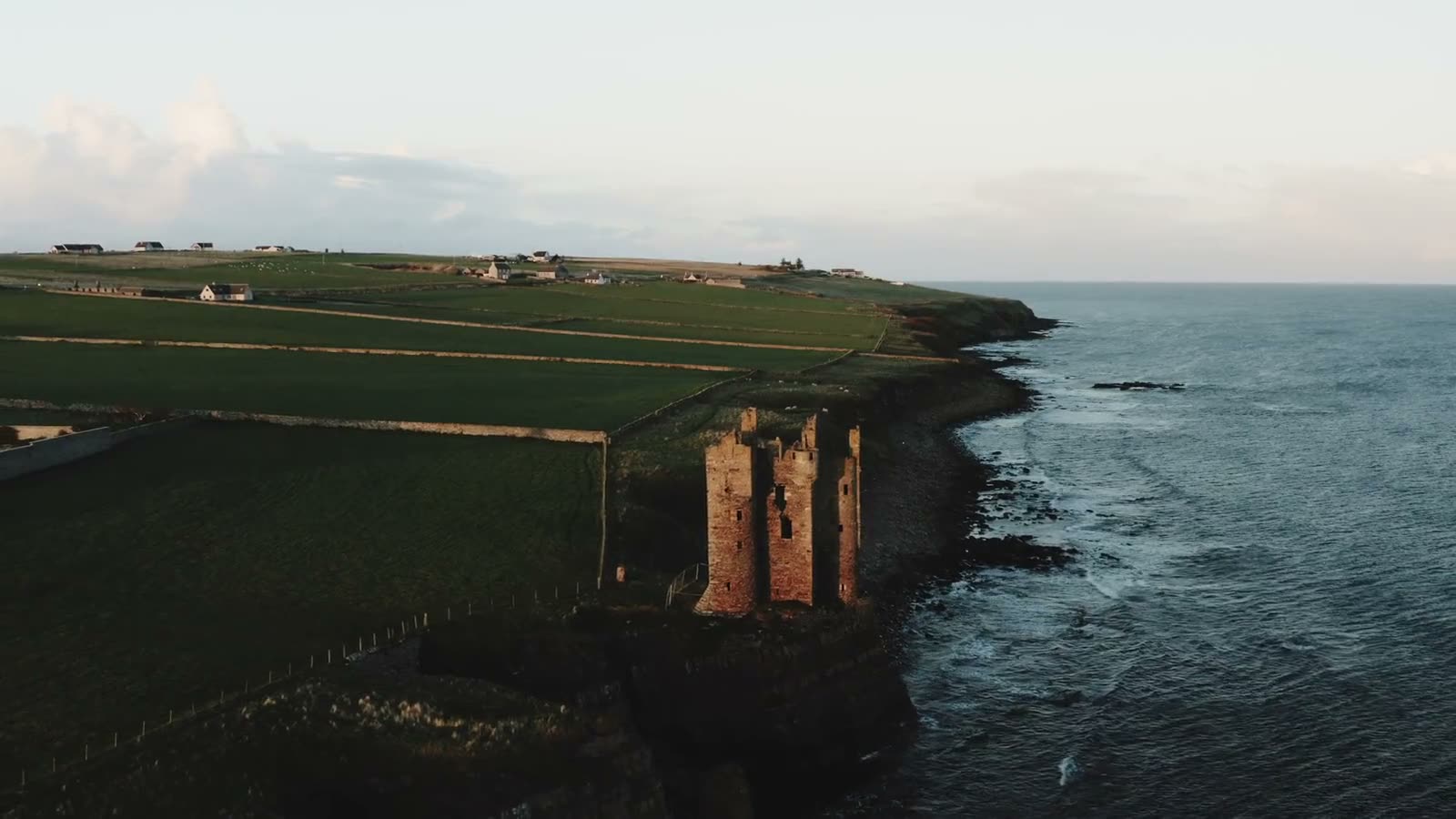
Dumfries and Galloway’s hills, castles and seas tell tales of drama and intrigue – of Prehistoric nomads, Viking settlers, early missionaries and bloody battles. Nowhere escapes a connection with a notable historic figure. To name but a few – in the 13th century, William Wallace chased the English army out through the Nith Valley. Robert the Bruce was descended from the Lords of Annandale, and John Paul Jones, the founder of the US Navy, was born on the Solway Coast in 1747. Pioneering female engineer Dorothée Pullinger designed The Galloway – “a car built by ladies for those of their own sex” – in the 1920s near Kirkcudbright, and Thomas Telford, who laid the foundations of the Industrial Revolution, was from Eskdale. You can see his first major Scottish bridge across the Dee at Tongland. One of the region’s most fascinating tales is that of the early missionary St Ninian, who reputedly landed in Galloway at the end of the 4th century and established Whithorn on the Machars peninsula as an early Christian centre. The town is home to the Latinus stone – the earliest inscribed Christian monument in Scotland – and a 12th-century cathedral. In more recent history, Dumfries and Galloway played an important role in war work, going out on a limb to do the unexpected, such as described at war museum The Devil’s Porridge.
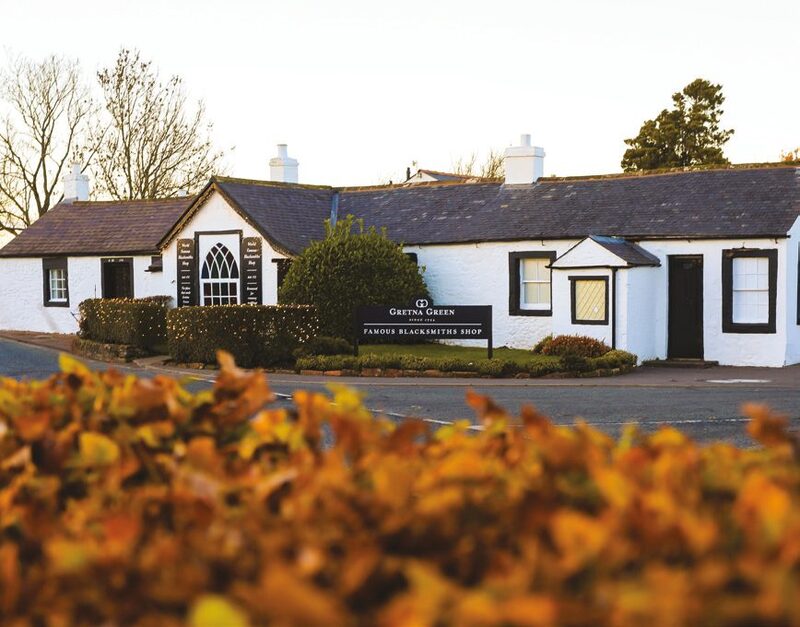 HistoryGretna Green, Where Sparks Fly
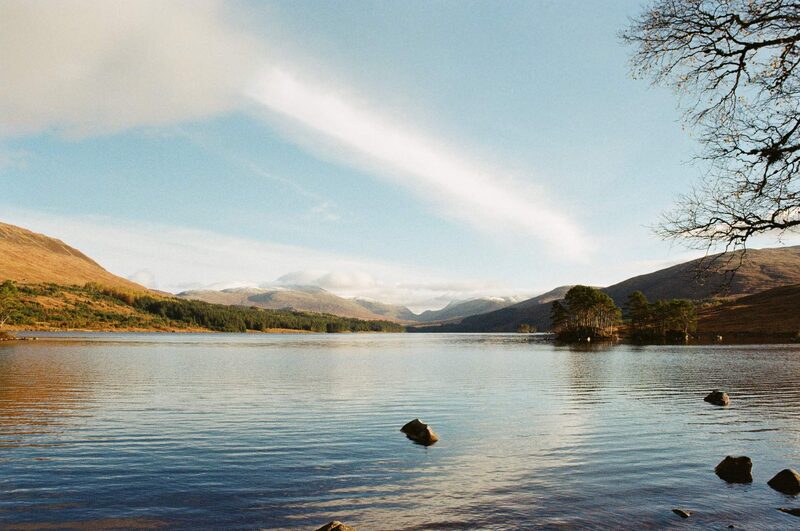 HistoryDumfries and Galloway: The Land of Peter Pan
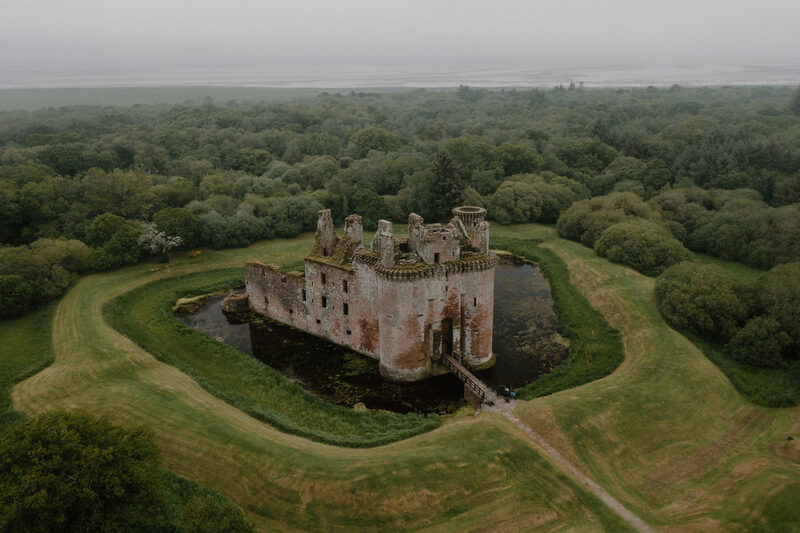 HistoryCaerlaverock Castle: Scotland’s Only Triangular Fortress
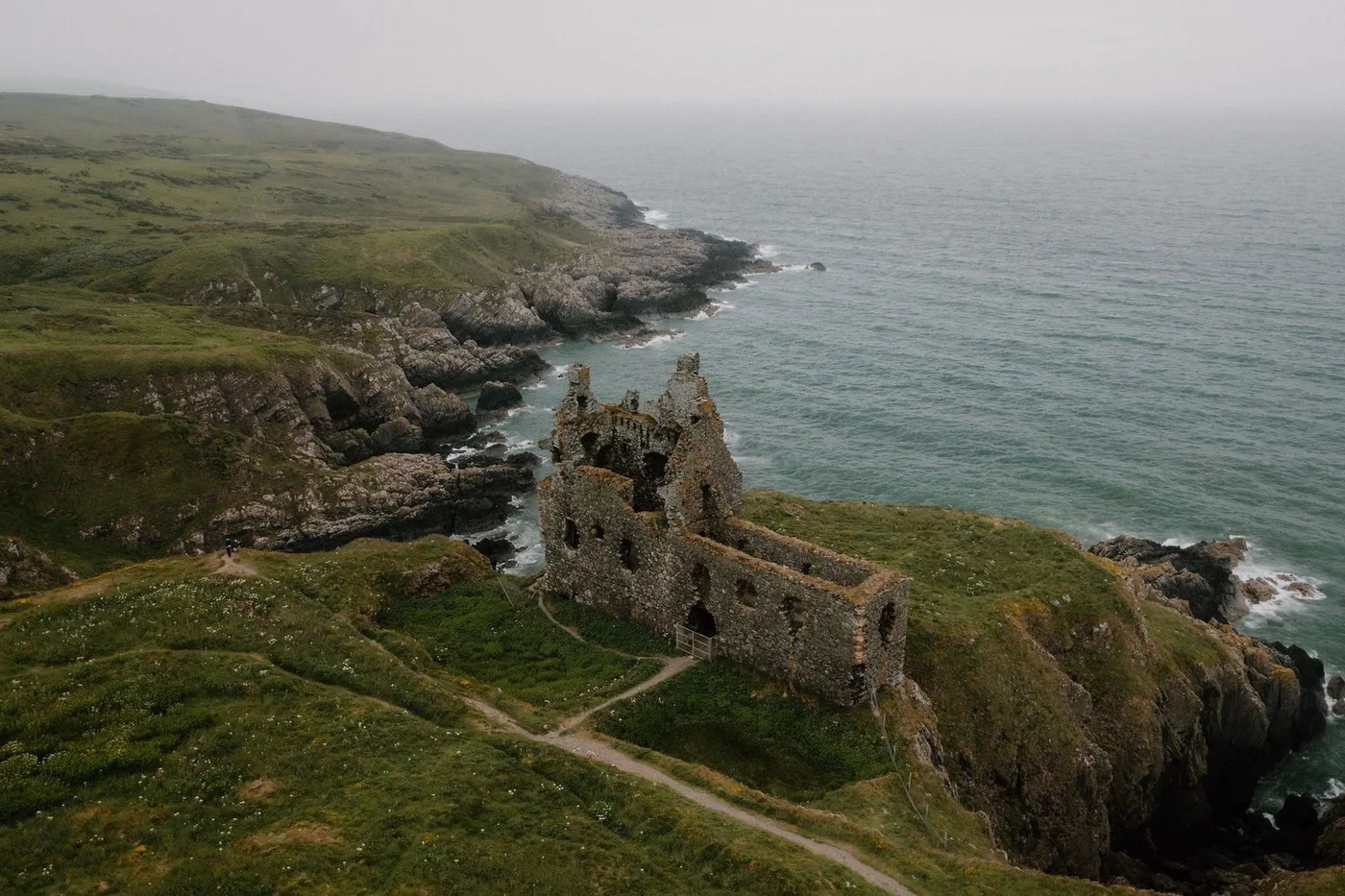 HistoryTouring the southern Coast of Scotland
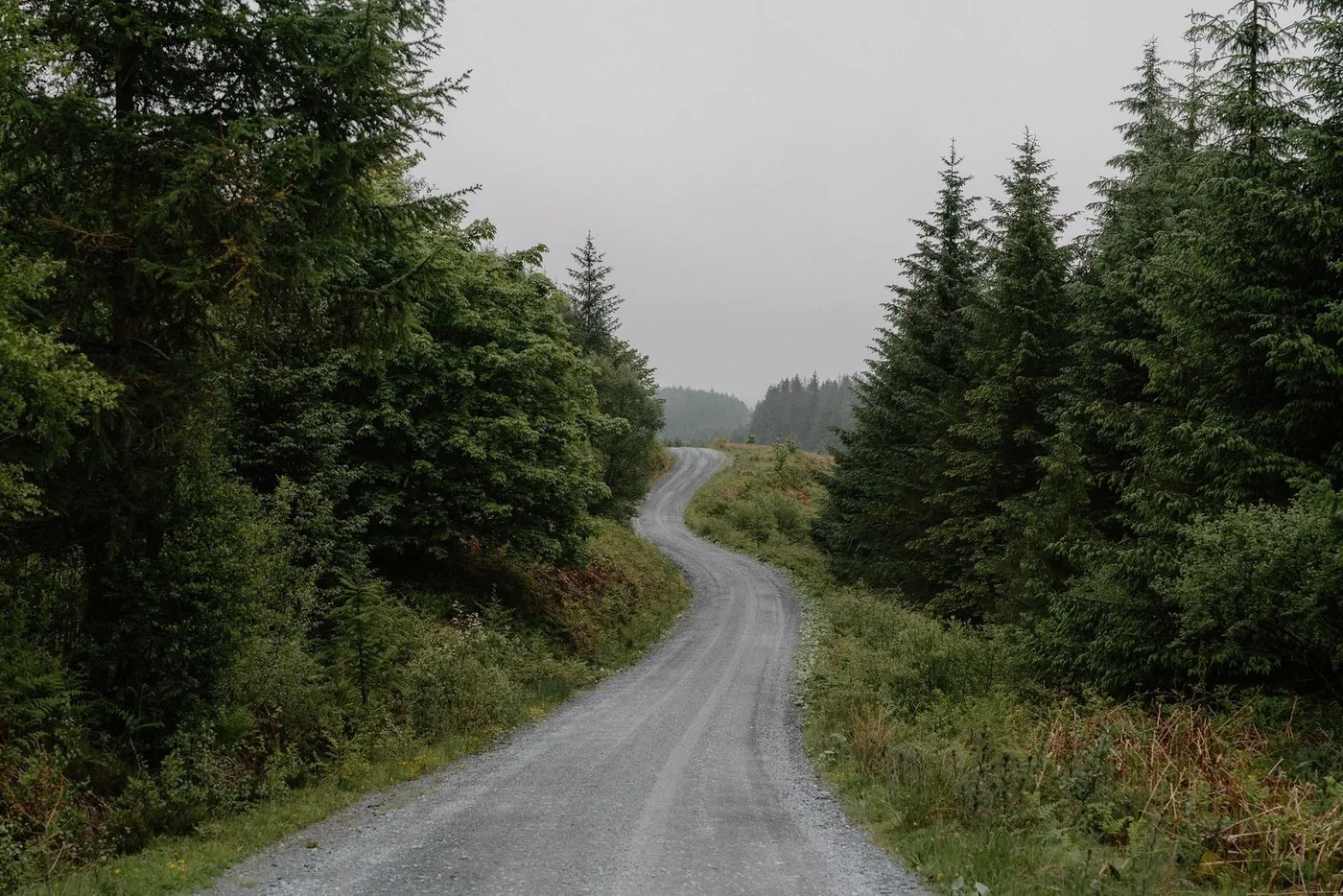 HistoryHills, Forests and Valleys of Southern Scotland
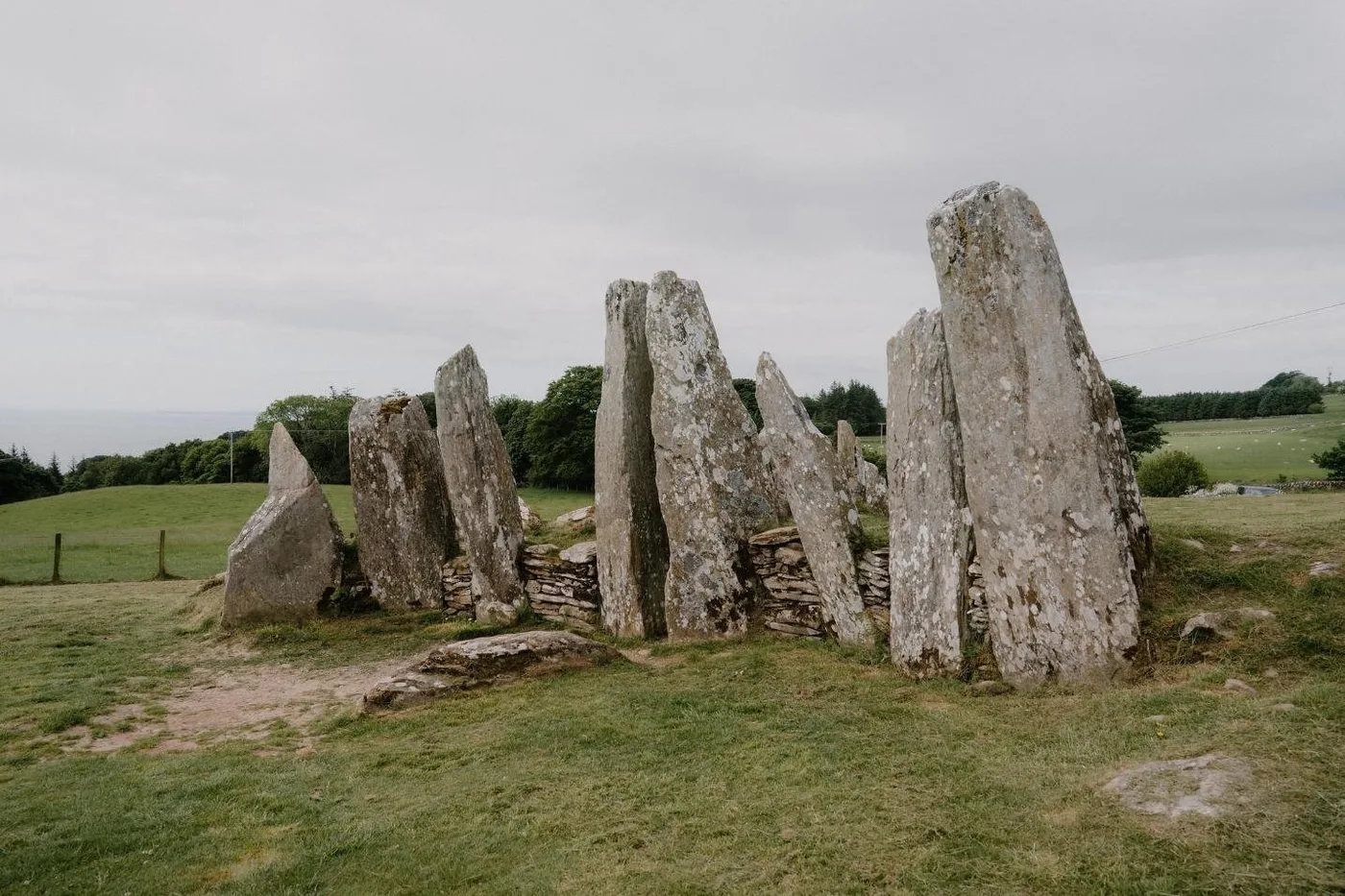 HistoryHistorical sites in Dumfries and Galloway
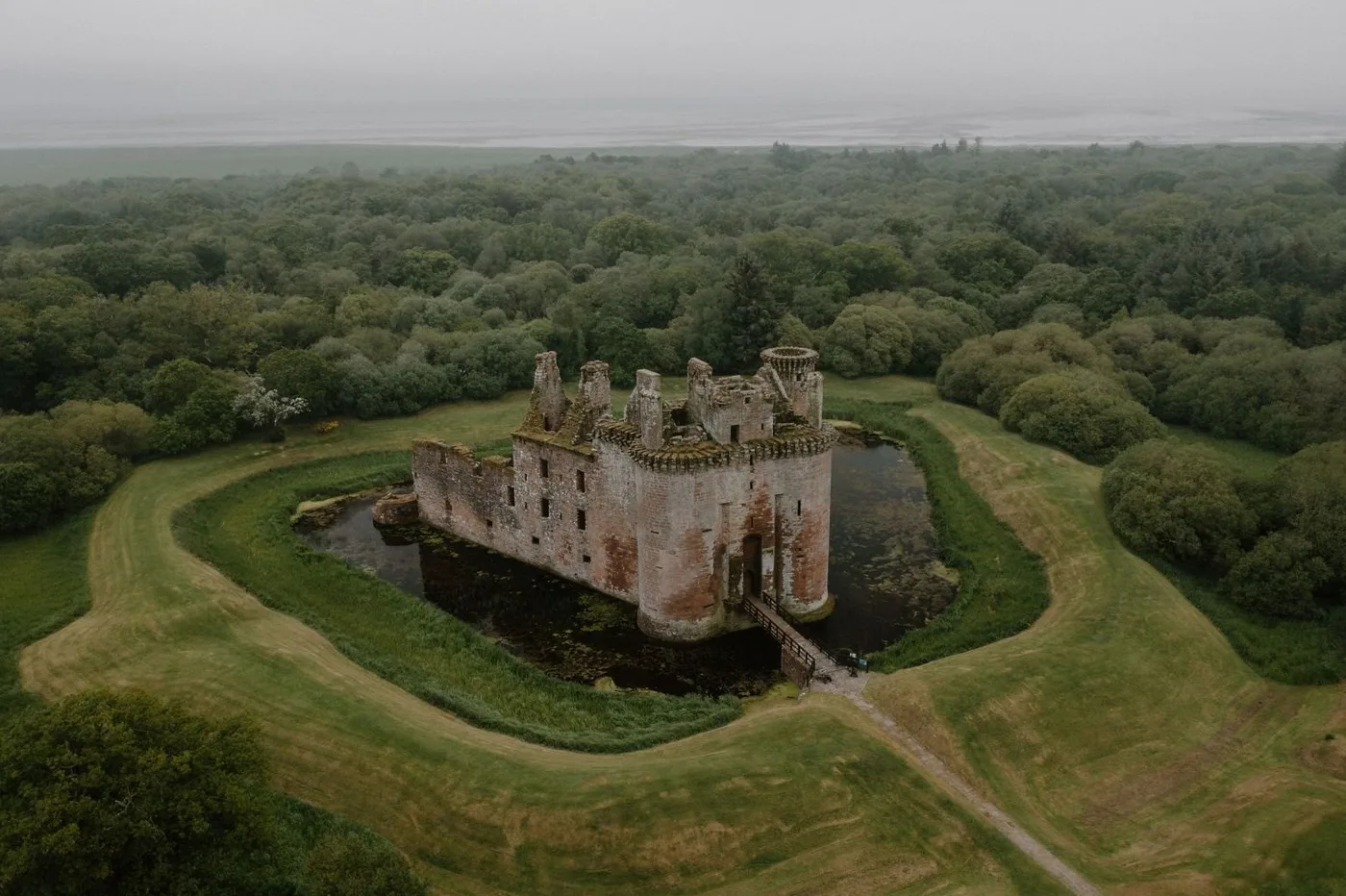 HistoryThe Siege of Caerlaverock CastleHistoryDiscovering the nooks and crannies of Dumfries and Galloway