
In Partnership with Scotland Starts Here
Touring the Southern Coast of Scotland with Scotland Starts Here
Paid Partnership with Scotland Starts Here
The beauty of smaller nations is the sheer difference a mile can make. With so many thriving communities and cultures occupying the same landmass, you do not need to travel far for ‘there’ to be entirely different to ‘here’. Scotland’s diversity shows this: geographically and socially, every mile takes explorers to an entirely fresh experience.
Spanning over 6000 miles in total, the Scottish coastline is an incredibly varied area to discover. While the rugged landscapes of the Highlands may draw the eye, the quiet beauty of the southern coast is equally worthy of exploration. Long stretches of sandy beaches cover much of the eastern shore, bringing with them a profoundly historical maritime tradition. Meanwhile, the abrupt indentations to the west create dramatic natural formations, and from them grow communities that are almost symbiotic with the land itself.
Touring the southern coast of Scotland is an incredibly rewarding experience, but it’s crucial to have at least a skeletal route planned. This article picks out some of the places worth stopping at along the way.
St Abbs
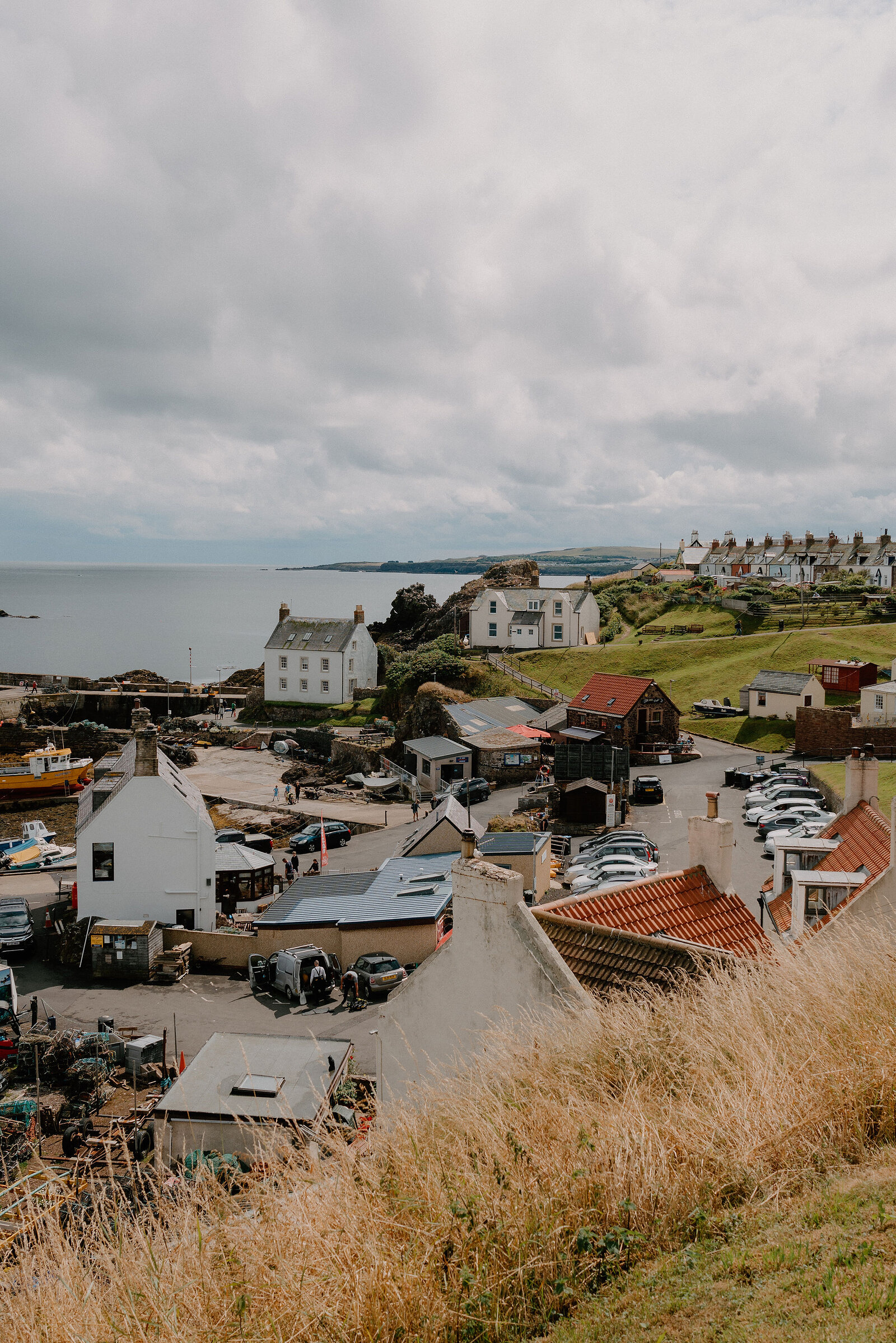
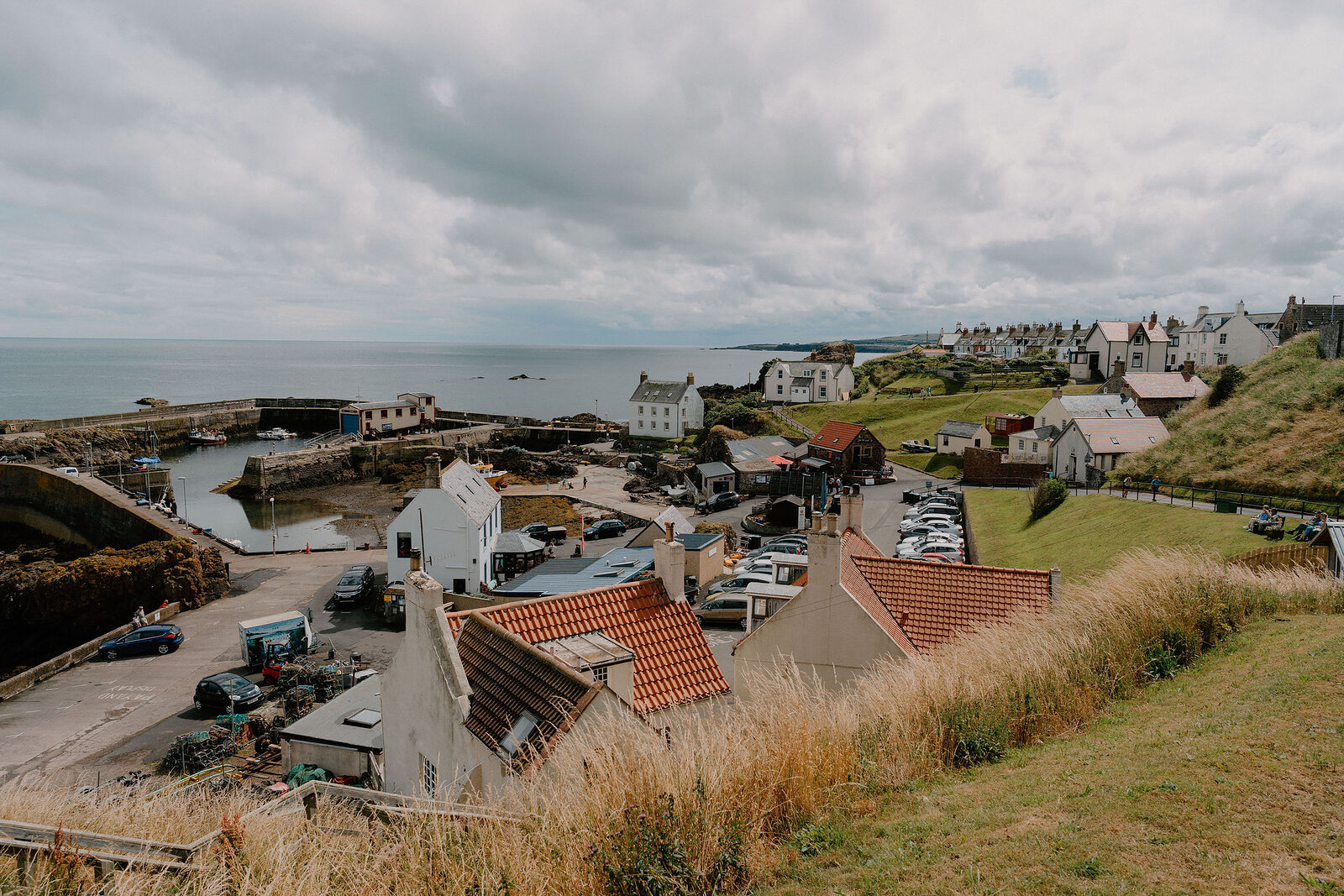
There are 207 lighthouses operating throughout Scotland, but few can compete with the grandeur of St Abbs. From atop its jagged cliff-face perch, the windswept lighthouse has guided ships traversing the North Sea since it began service in 1862. Along with the light itself, the ruggedly picturesque cliffs form the St Abbs Head National Nature Reserve, an area reached easily via the Berwickshire Coastal Path. Taking the path, walkers can breathe in the crisp sea air while admiring the thousands of birds tucked into the rocky folds. Close to the crags themselves lie rolling beds of wildflower, painting the scene in a gorgeous mix of colours.
Renowned engineering brothers Thomas and David Stevenson, the former of whom would eventually father author Robert Louis Stevenson, were the original designers of St Abbs. The adventuring spirit of Stevenson’s writings echoes throughout the steep slopes and staggering views. Although entry to the lighthouse itself is not possible, it nonetheless acts as an incredible centrepiece to the nature reserve and a landmark worth seeing on any tour of Scotland’s coast.
Eyemouth Harbour
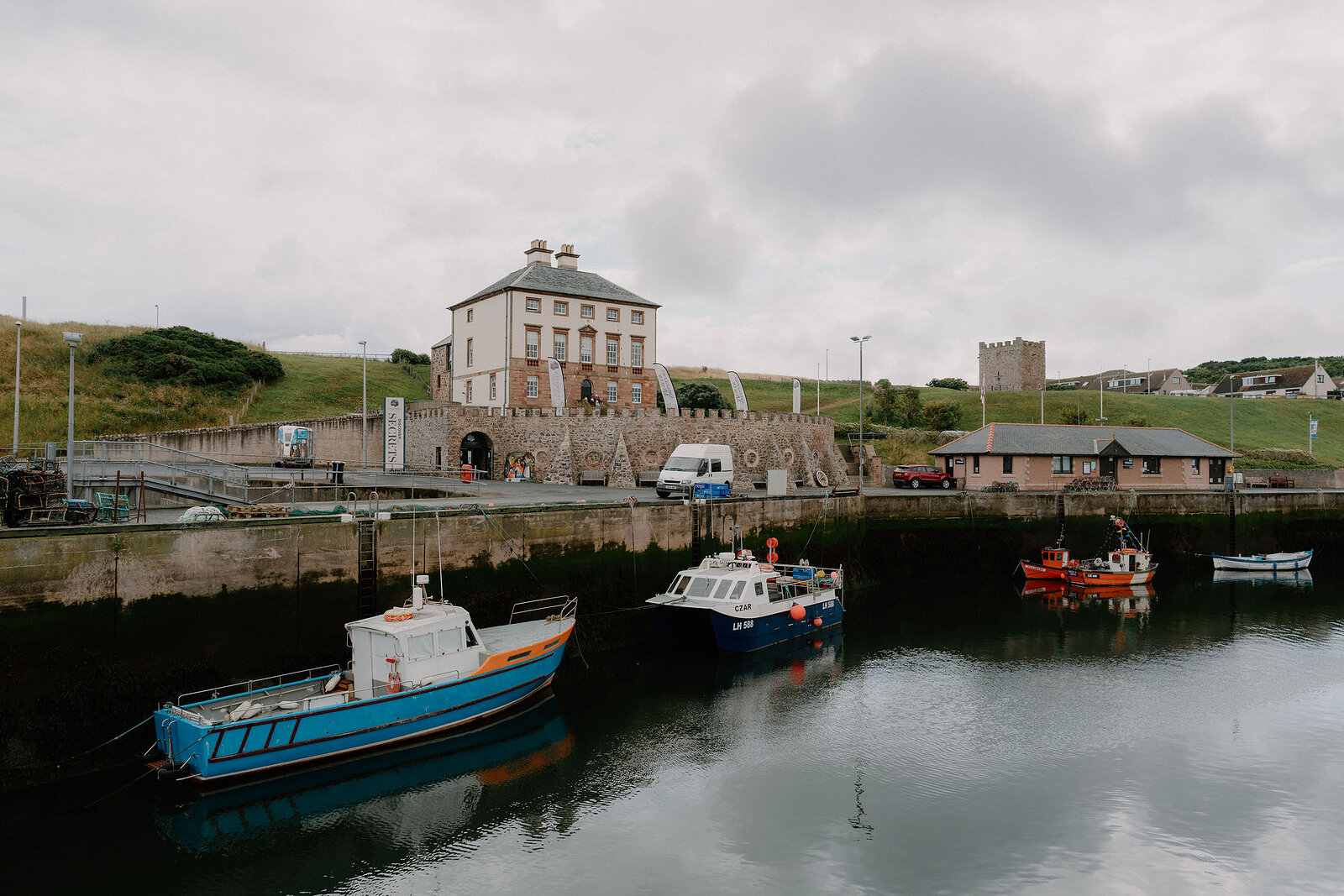
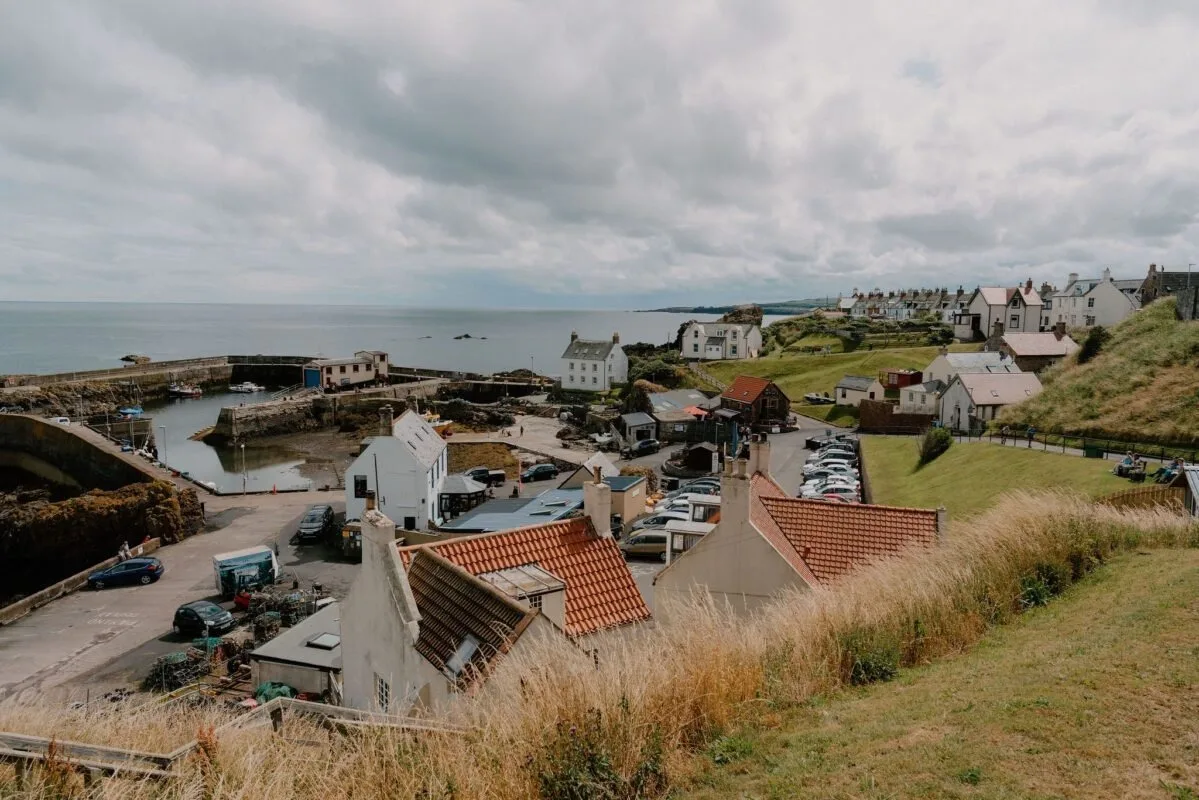
A brief journey from St Abbs Lighthouse lies the historic Eyemouth Harbour, the next stop for many ships using Stevenson’s light. Records of Eyemouth’s past date back to the 12th century, however, given the convenient nature of the location many assume it has been populated for much longer. This history – from the earliest settlements to the Great Disaster of 1881 and onwards through its 20th-century evolution – is told extensively in the nearby Eyemouth Museum.
The harbour offers 24-hour access for mooring and docking. Watching the entire operation go underway is fascinating, but there is more to the town than just the ships. For example, the harbour is overlooked by the intriguing Gunsgreen House. Designed by celebrated Scottish architect John Adam, the building hides a multitude of secrets inserted by the man who built it – infamous smuggler John Nisbet. Bearing countless hidden passageways and even a one-of-a-kind Tea Chute, Gunsgreen House is full of surprises, and a reminder of the part Eyemouth played in Scottish history.
Coldingham Bay
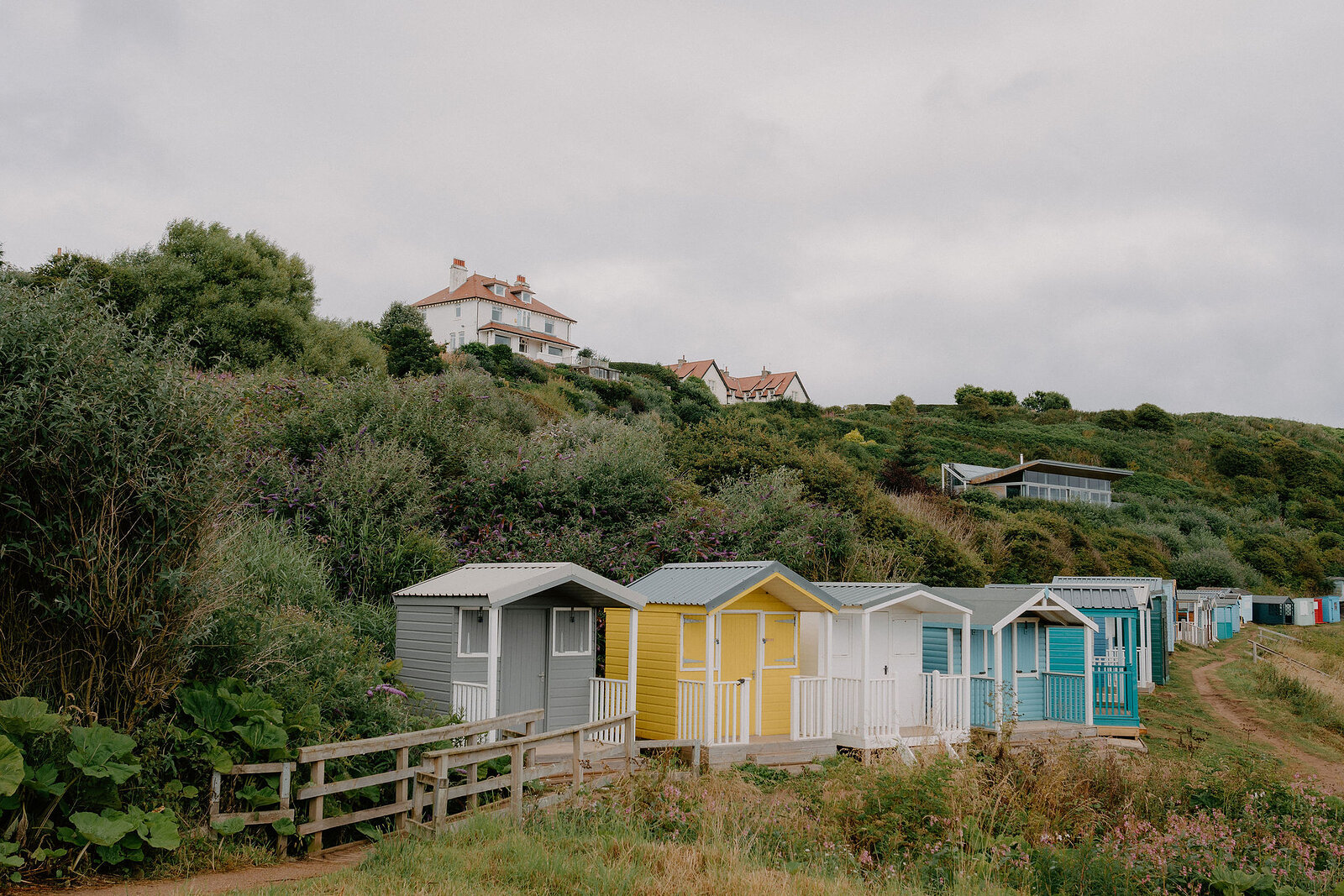
Much of the eastern coast of Scotland comprises long brushes of sandy beaches enclosing the nation’s many inlets and firths. Spread across a full kilometre of length, Coldingham Bay is a fine example of an unspoilt rural beach, even scooping the Blue Flag award in 2010. A dedicated team keeps the space clean and environmentally sustainable, as well as stationing lifeguards to patrol on busier days.
The beach faces east, giving early morning visitors a chance to watch the sun climb over the horizon. Given its temperate climate and quality surrounding grasslands, it is no surprise that Coldingham Bay also maintains a diverse ecosystem. Visitors can spot various species of crab in the rocky pools themselves, with fishing equipment available nearby. Countless wildflowers dot the nearby fields in every different shade. Elsewhere, the beach provides a fantastic view of nearby St Abbs’ nature reserve and the thousands of seabirds that commandeer the airspace.
Dunskey Castle
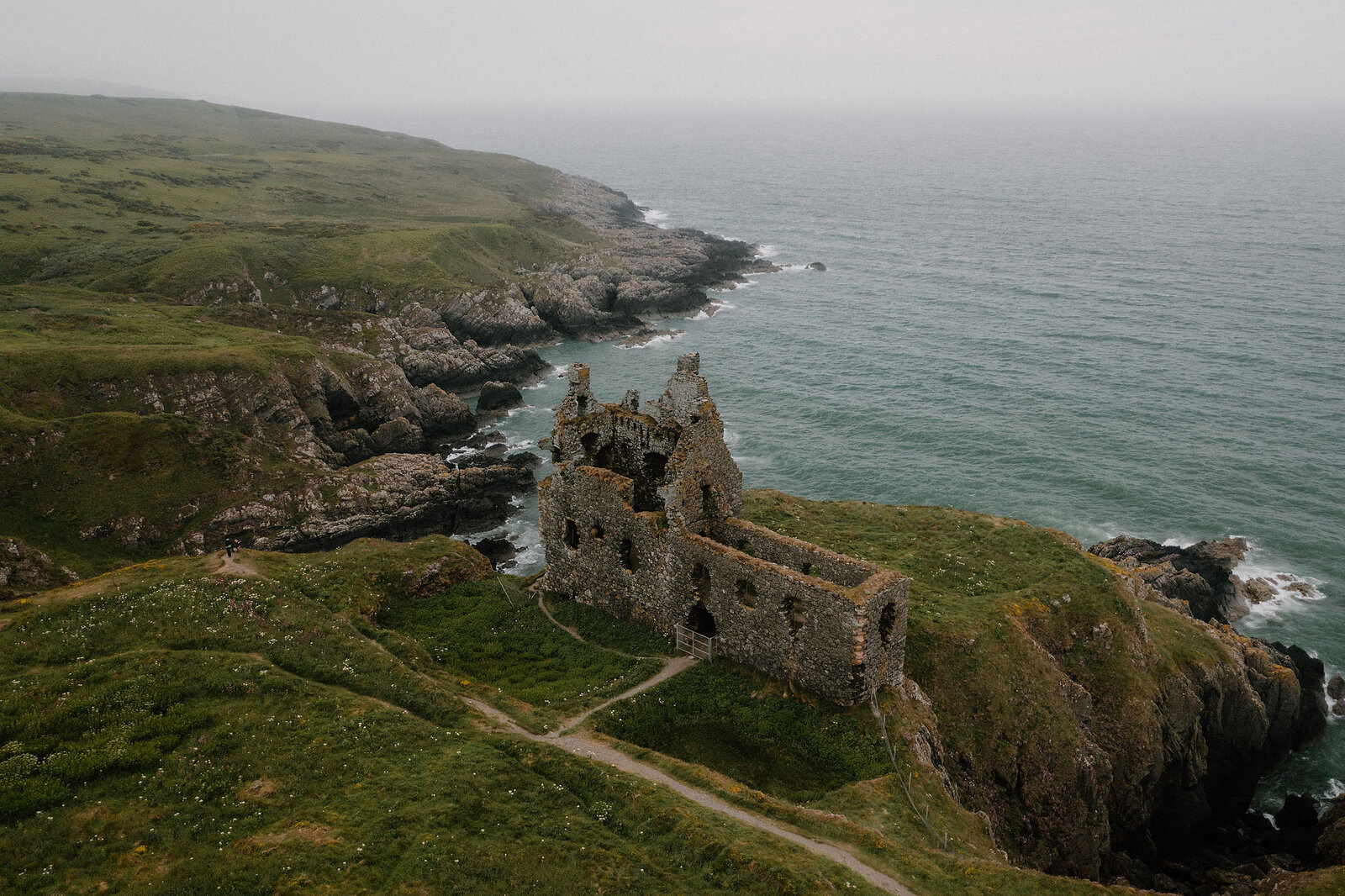
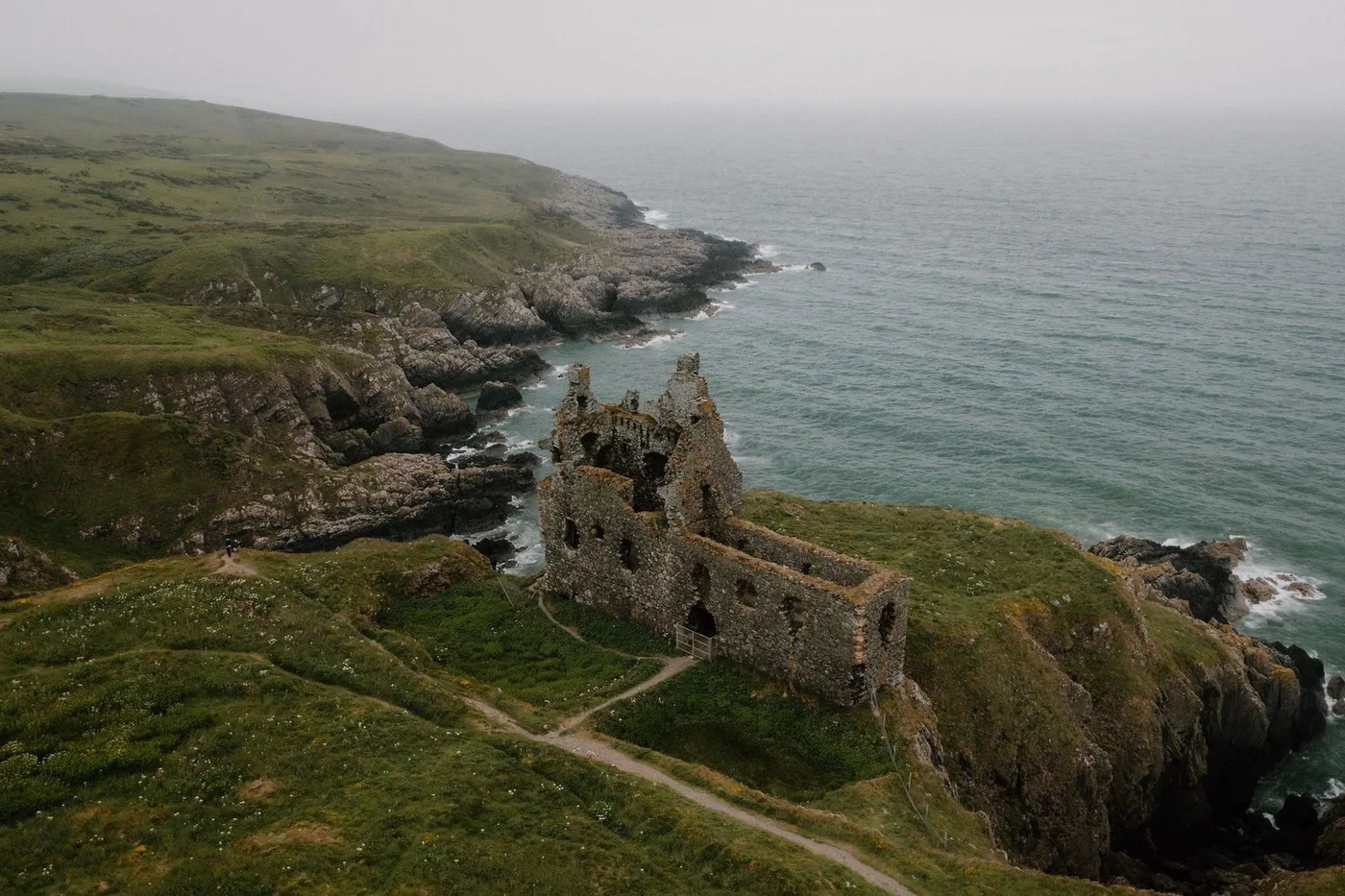
Where the east is characterised by long stretches of regular shoreland, Scotland’s west coast twists and turns at random for nearly its entire length. Standing atop one of the most southern of these indents is the ruined Dunskey Castle, where it has watched over the Irish Sea for 800 years.
Official charters and architectural residue indicate that what remains of Dunskey Castle is just a shadow of what it once was. Buried in time is an entirely separate castle, destroyed sometime in the 16th century, that accompanied the large tower-house that still stands today. It’s because of, not in spite of, this dereliction that Dunskey has been a site of such romantic ideation. Each crumbling stone implies a further layer of mystery, building an incredibly haunting atmosphere. Studios have frequently used the castle as a filming location and, although it is now closed to the public, the ruins of Dunskey still hold an undeniably cinematic aura.
Mull of Galloway
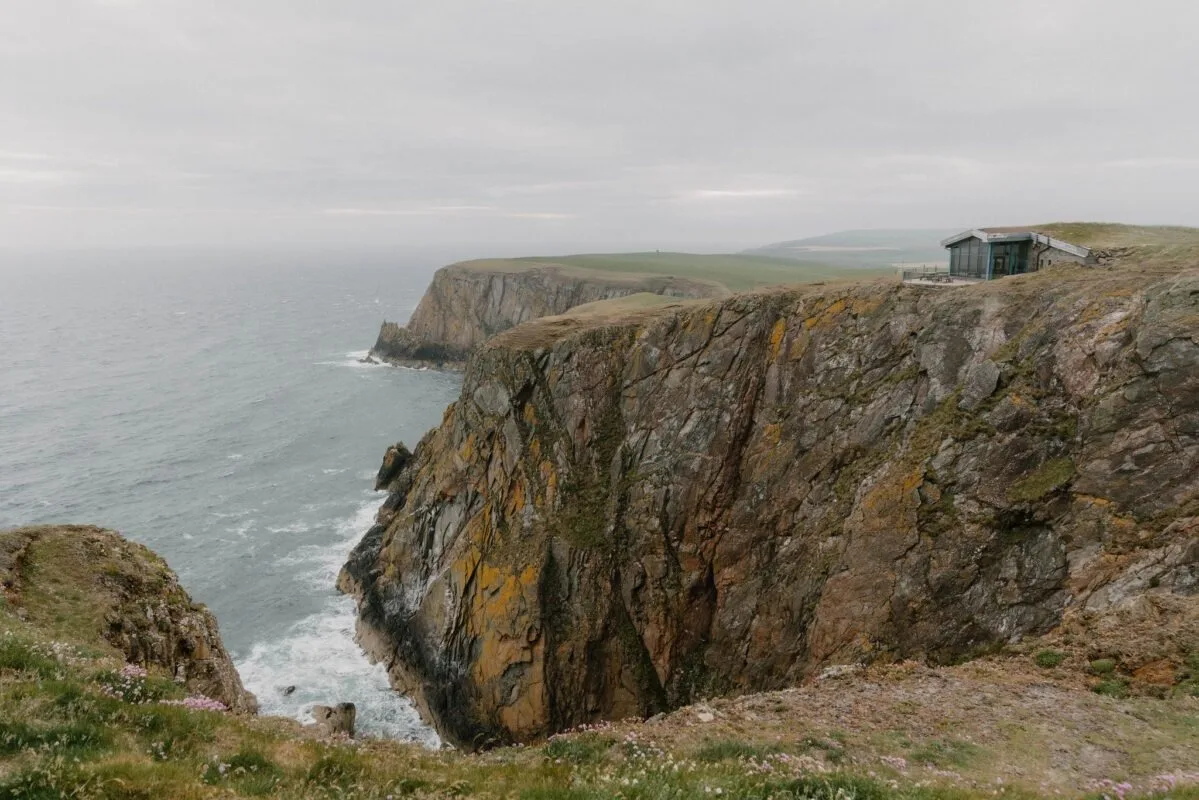
The Mull of Galloway is the single most southern point of Scotland; the fingertips of the mainland stretching towards Ireland. Visitors can even view the neighbouring island from atop the 26-metre-tall lighthouse, whose restored foghorn is the only one operating in the country. Surrounding the lighthouse are the tireless individuals of the Mull of Galloway Trust, the group responsible for the area’s preservation and historical classification.
-full-1750069760.jpg)
Although it is one of the smallest reserves in Britain, the Mull of Galloway has a great variety of seabirds and other wildlife. Also perched by the cliffs is the cosy Gallie Craig coffee house. Run by locals with decades of connection to Galloway, a sheet of turf even roofs the café in order to camouflage into the land and minimise visible impact. Offering a generous selection of home-baked treats and fresh coffee, Gallie Craig is a wonderful way to enjoy the scenic views that enclose the Mull of Galloway.
Portpatrick
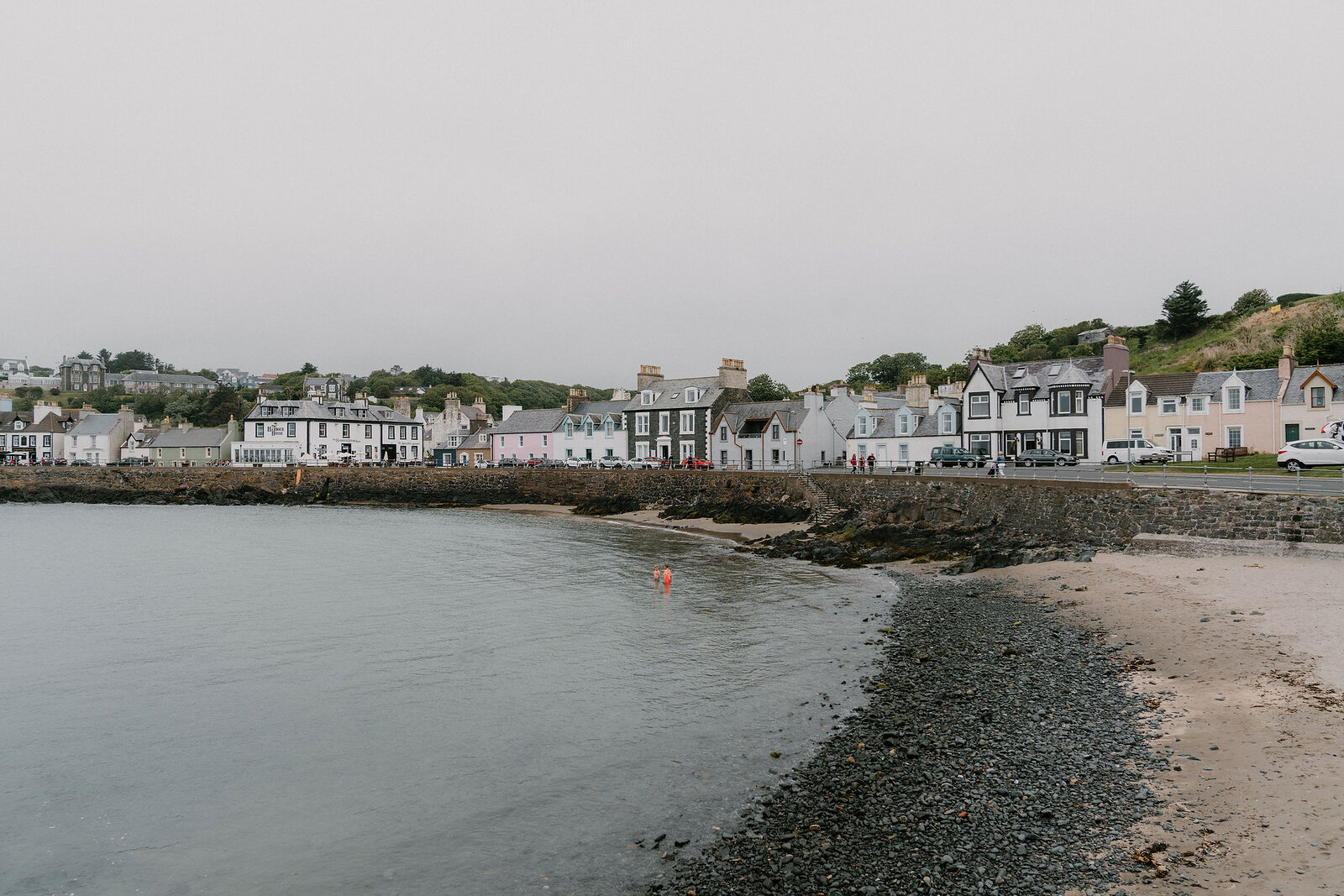
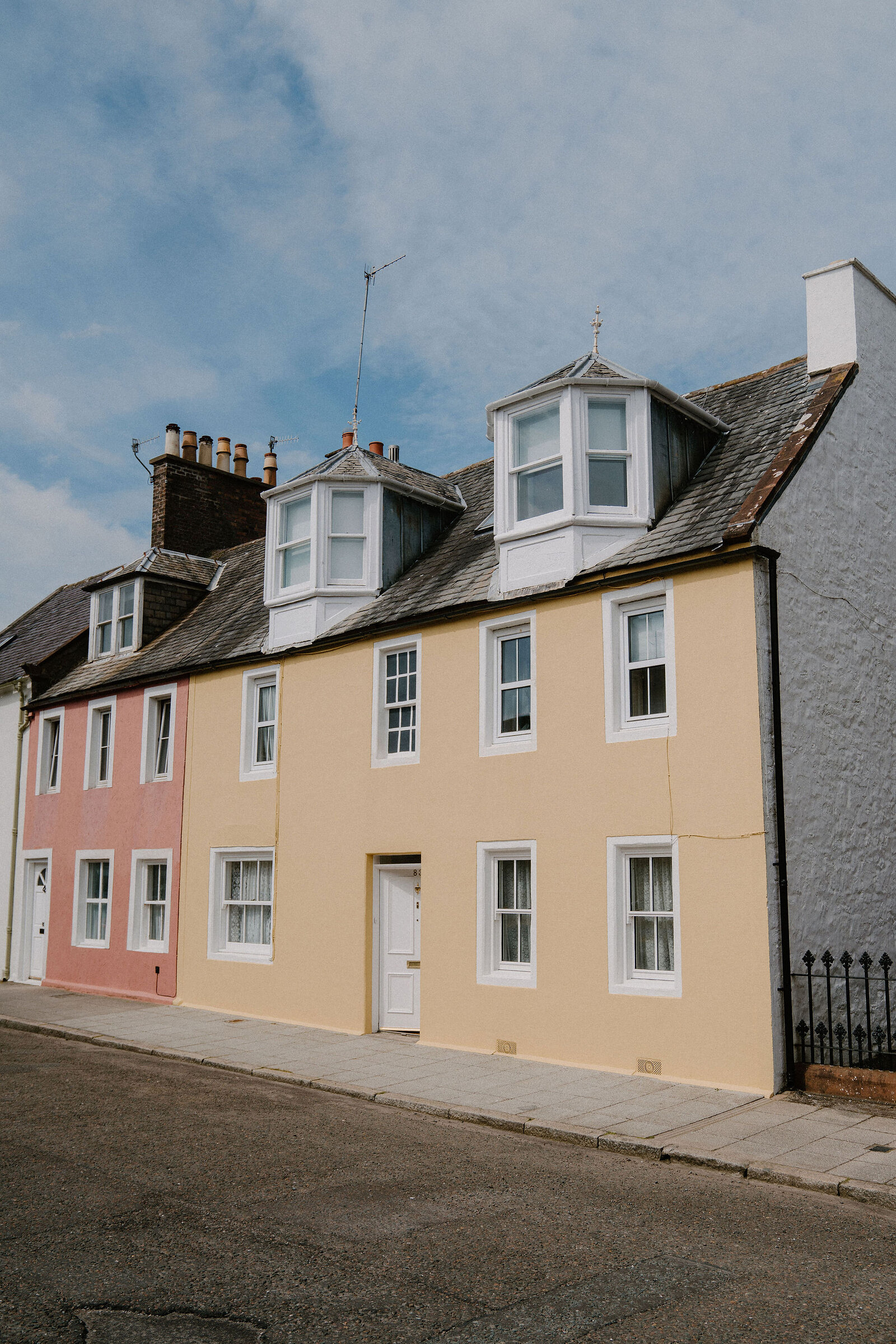
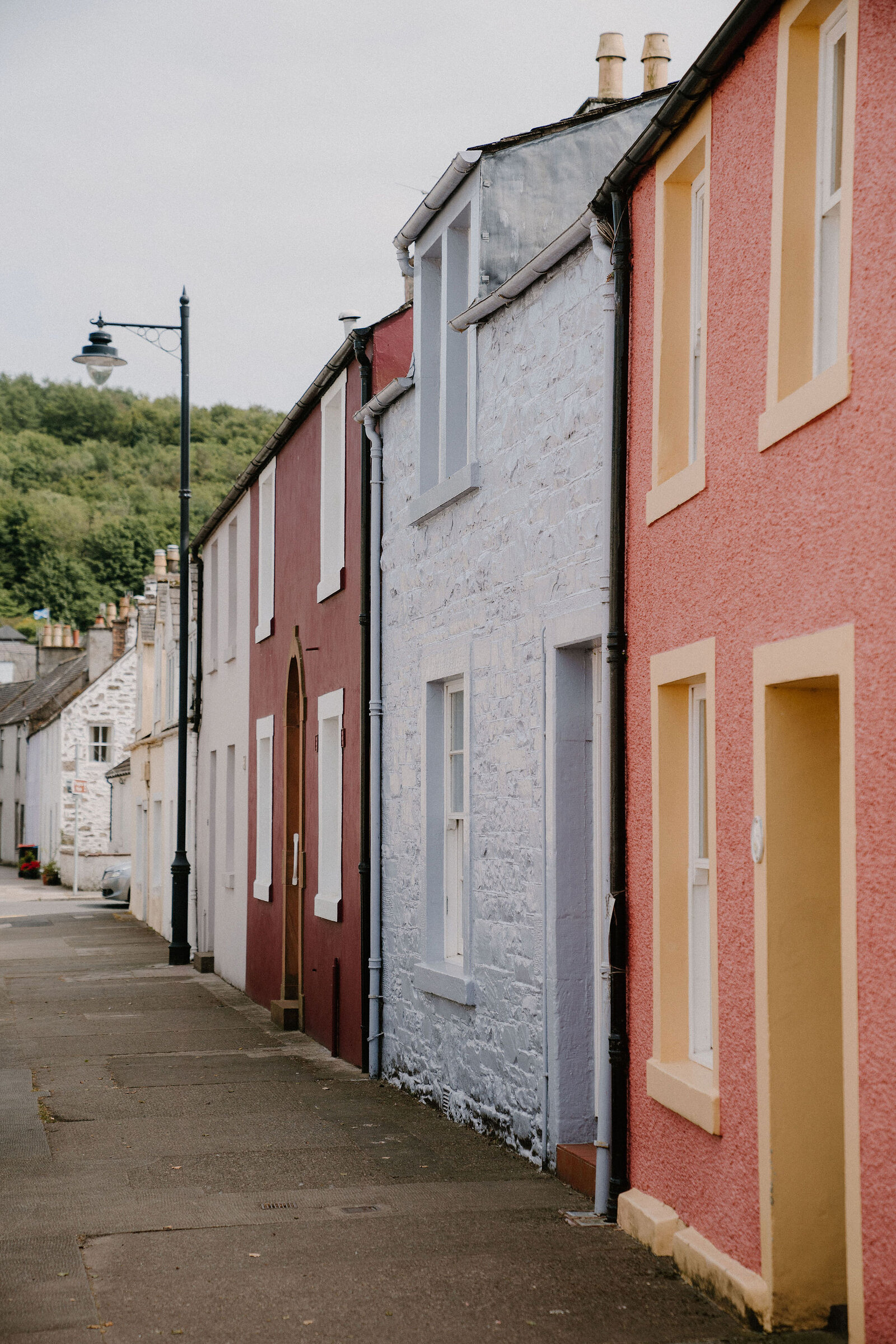
Curved rows of pastel houses make up Portpatrick. In previous centuries, the town served as a place of transience between the Scottish mainland and Northern Ireland. Although the historical docks remain in service, the once-busy maritime hub has significantly slowed down over the years. Now noted primarily for its tranquillity, Portpatrick has become a stunning holiday village on the western coast. Despite the seemingly windswept location, the presence of the Gulf Stream gives the area a surprisingly warm climate all year round.
Beneath the quiet veneer, however, there is still a thriving community within the town. As well as the extraordinary hospitality that comes with being a holiday destination, Portpatrick also holds multiple annual festivals in celebration of folk music, Lifeboat week, and more.
Killantringan Lighthouse
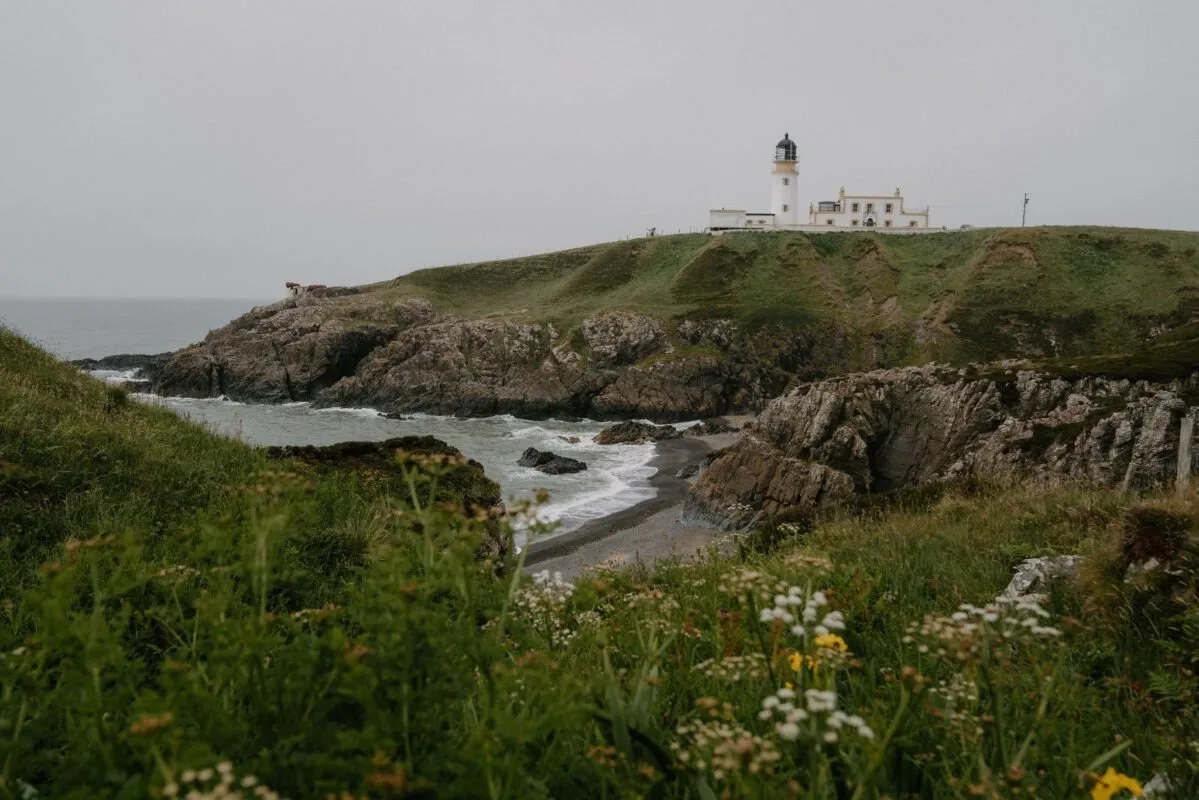
Although it has been fully decommissioned for several decades, the longstanding beauty of Killantringan Lighthouse is another example of the talent of David Stevenson. Over its eighty-year functional lifetime, the light mainly acted as a waypoint for the Irish Sea, often serving ships bound for the nearby Portpatrick.
The building itself is now privately owned, but visitors are more than welcome to explore the surrounding areas. Its remote location and general obscurity make Killantringan a gloriously peaceful space to walk through. Especially on hot summer days, visitors can appreciate the deceptively complex ecosystem sustained throughout the area. Wildlife like pine martens, natterjack toads, and even red deer can all be spotted wandering in the huge lighthouse’s shadow. Given the short journey time from Portpatrick to Killantringan, taking advantage of this scenic walk should be a staple of any coastal tour.
Isle of Whithorn
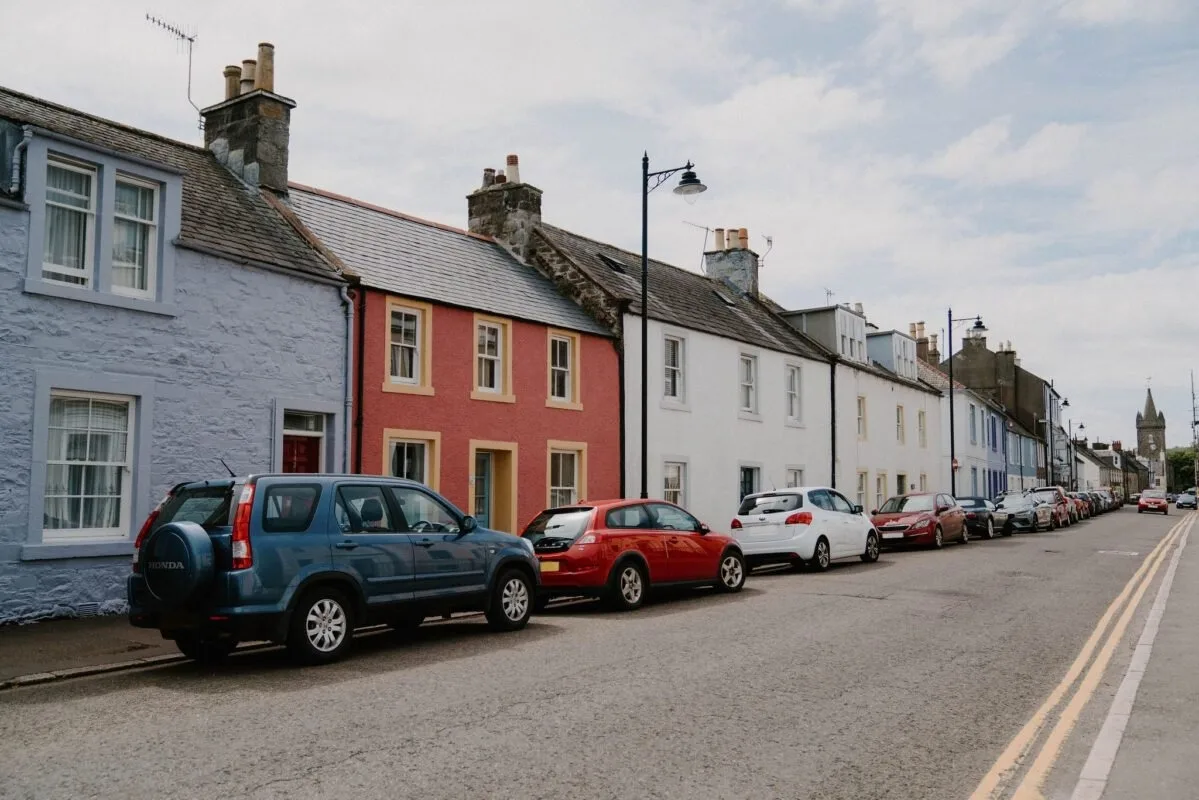
A continuous source of confusion for visiting tourists and historians alike, Isle of Whithorn is situated several miles south of the royal burgh of Whithorn. Now a part of the same landmass, Isle of Whithorn was recorded as a ‘true’ island as recently as 1821 on the maps of John Ainslie. Scholars also point to evidence of a causeway connecting the isle to the mainland as an explanation for the nominative confusion.
Cartographical debates aside, the area’s history provides fascinating insights into the religious evolution of Scotland. Whithorn was the birthplace of the country’s first canonical saint – St. Ninian – whose work in converting the Celtic population is renowned across Christendom. A chapel on the Isle of Whithorn was erected in his memory, and its ruins are still explorable today. The chalk-white Isle of Whithorn Tower is another piece of critical local history. Having already been used as a waypoint for centuries, the building was also the site of anti-aircraft training during the Second World War.
The town has also played a vital role in the Scottish cultural arts. One of the country’s most acclaimed films, 1973’s The Wicker Man, included several scenes filmed on the Isle of Whithorn. Attentive fans can recognise many of the nearby clifftops used throughout the film, while the atmospheric depths of St Ninian’s cave featured in the movie’s dramatic climax.
Kirkcudbright
Lauded with nicknames like ‘The Artists’ Town’, the last 600 years have seen Kirkcudbright develop into a thriving community of fisherfolk, artists, and much more. As with many Scottish settlements, we presume the history of Kirkcudbright to be far longer than records can indicate. However, chronicles typically track the town back as far as Cuthbert of Lindisfarne, whose body was temporarily stored there and whose cross now flies as Kirkcudbright’s flag.
Family-run stores, accommodations, and cafes fill the town with lively and welcoming energy. Alongside the scenic Scottish surroundings, many of the buildings are coated in pastel paint, coalescing into a dreamlike fairy-tale setting. This eccentricity reflects the creativity buzzing throughout Kirkcudbright. Over 100 artistic venues are open at a time, all of which you can visit during the annual Art and Crafts Trail – a four-day festival celebrating all things creative.
Scotland is in a constant state of transformation, and the southern coast is no different. To highlight every worthy location here would be impossible, especially when riding the coast further north and experiencing the hidden treasures all along it. Nevertheless, each of the places described above represents the sense of adventure brimming in every corner of the nation. The Scottish coast really is a microcosm of the country within it – spots of natural beauty such as Isle of Whithorn are one of the many places that capture the wildness of the Caledonian outdoors, while busy town centres such as Eyemouth are reflective of the nation’s dedication to community and hospitality.
This article is produced in Partnership with Scotland Starts Here
 Out now
Twice a year, to your door
One hundred and sixty pages of Scotland, every photograph commissioned, every word written by someone who went. Members get both issues posted and everything on screen.

 The Last Stop Before Nowhere
 A Weekend Exploring the Isle of Mull
 What's On in Scotland: Autumn and Winter