
The Borders. The Scottish Borders guide
Rolling hills, the River Tweed, four great abbeys and Walter Scott's country, with seabird cliffs on the coast.
The four parts of The Borders
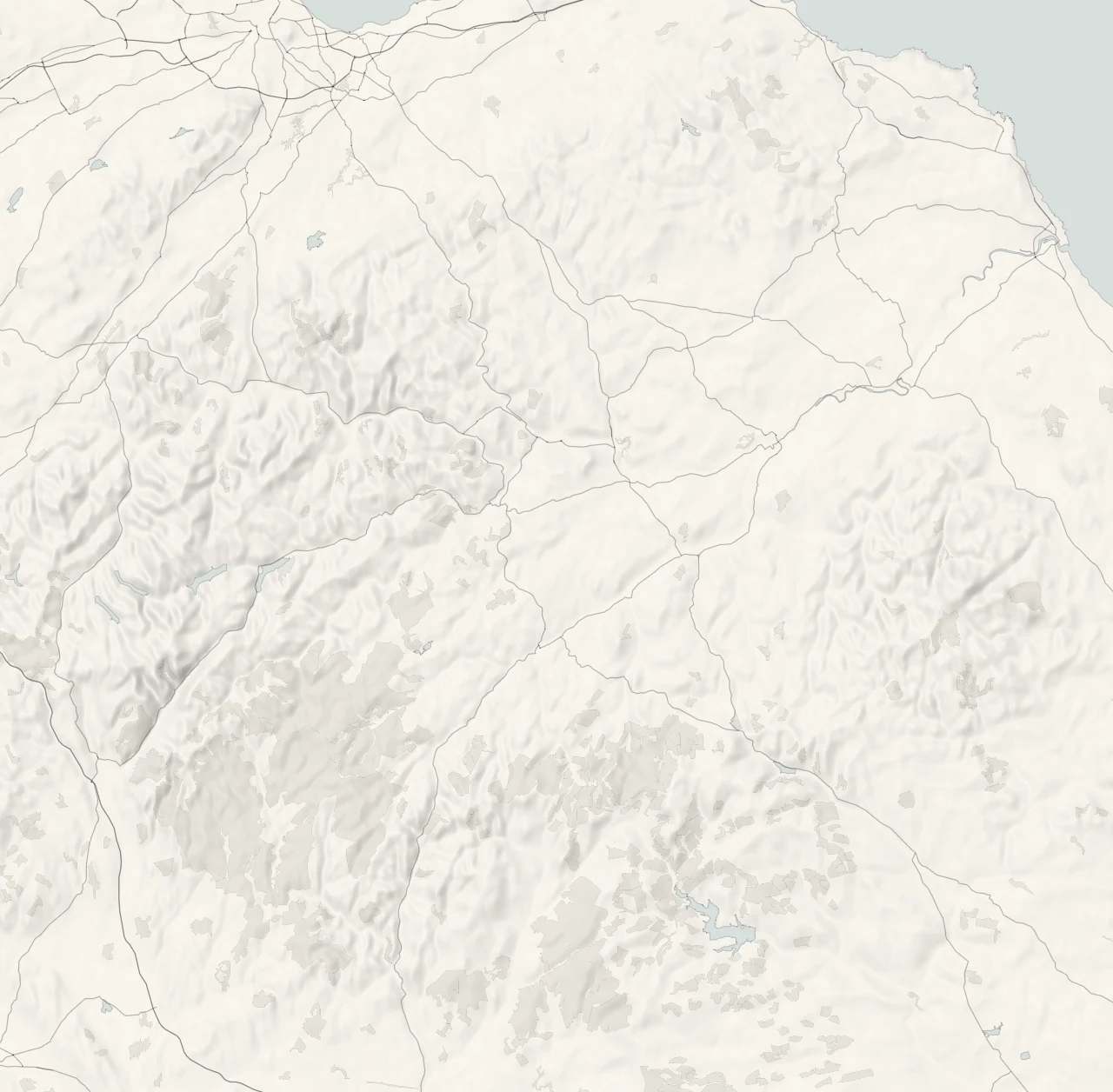
As though living up to its name, the Scottish Borders region has a habit of being sidelined by visitors. Some see it as a kind of unremarkable hinterland – or, even worse, as a transit zone to be sped through between England and metropolitan Scotland – but to think like this is to miss out spectacularly. For those in the know, the nearly 2,000 square miles of rolling, regal countryside that make up the Borders are packed with excuses to linger. People choose to live here for good reason.
Peebles and the Tweed valley
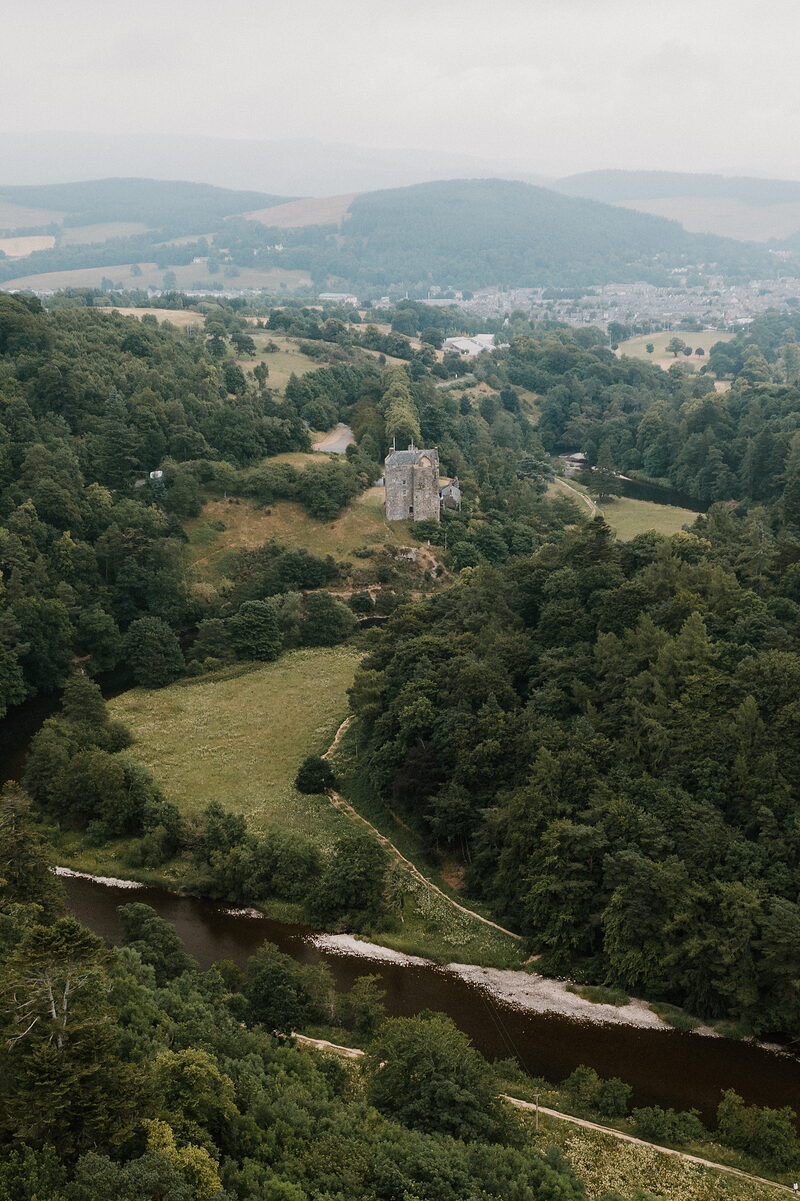
West of Galashiels the Tweed winds between wooded hills to Peebles, a handsome town with a long High Street. Neidpath Castle stands high above the river, you can walk an old railway tunnel with a torch, and near Innerleithen, Traquair is said to be the oldest inhabited house in Scotland.
Melrose and the middle Tweed
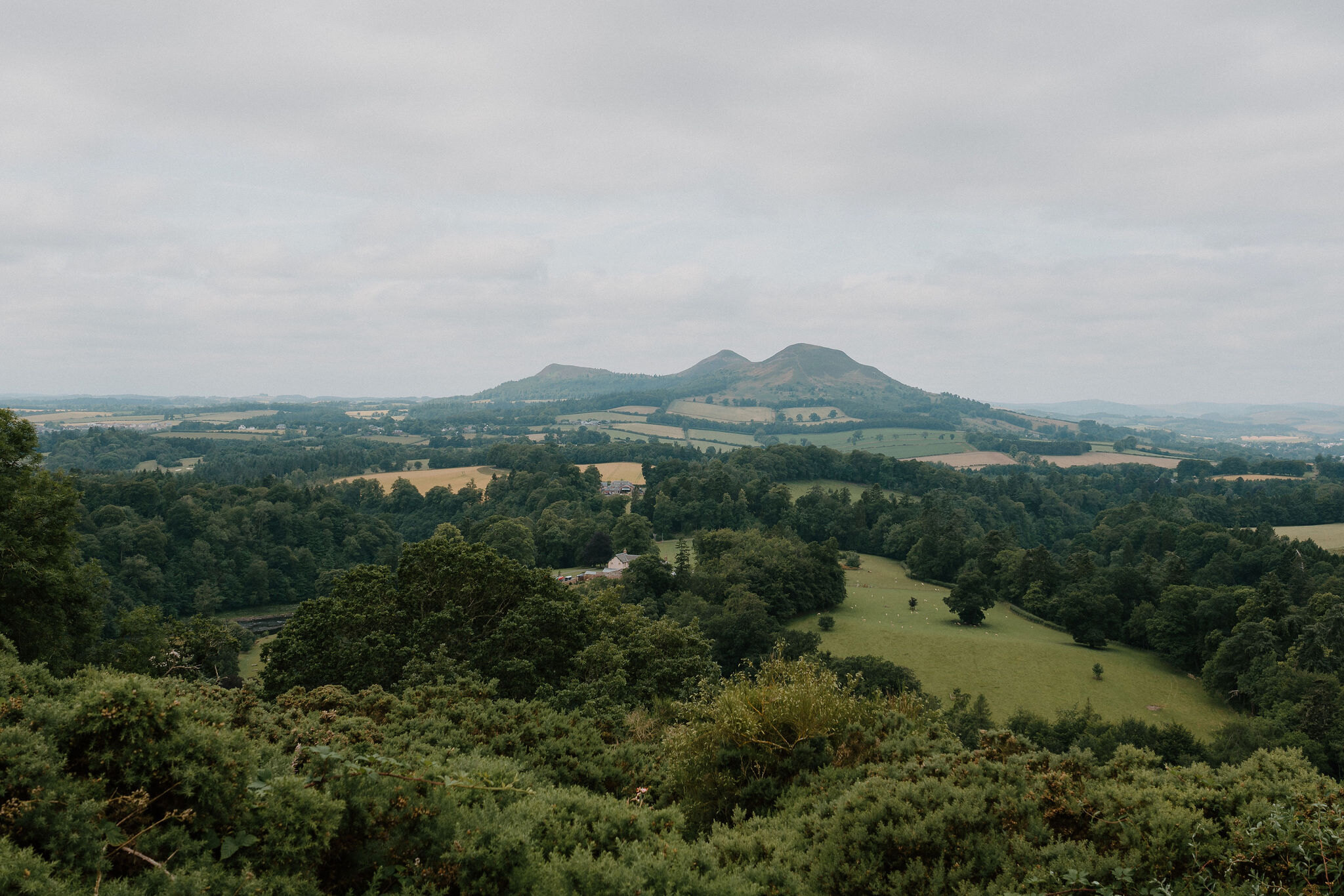
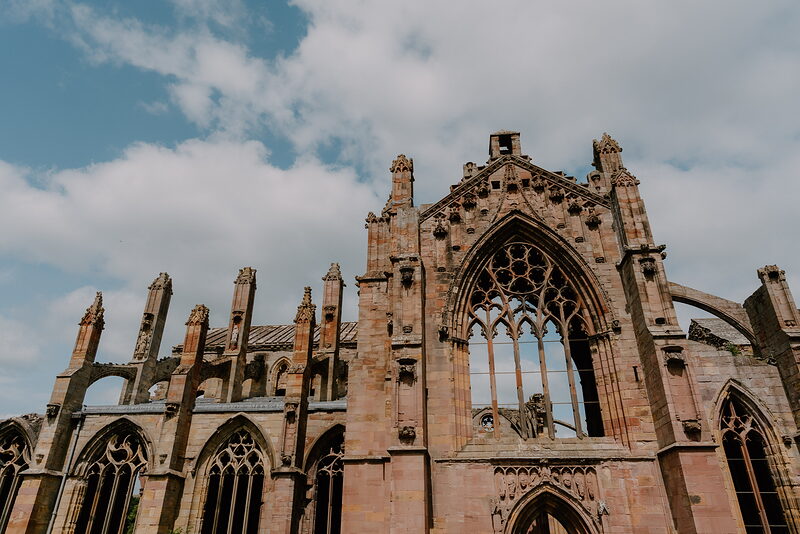
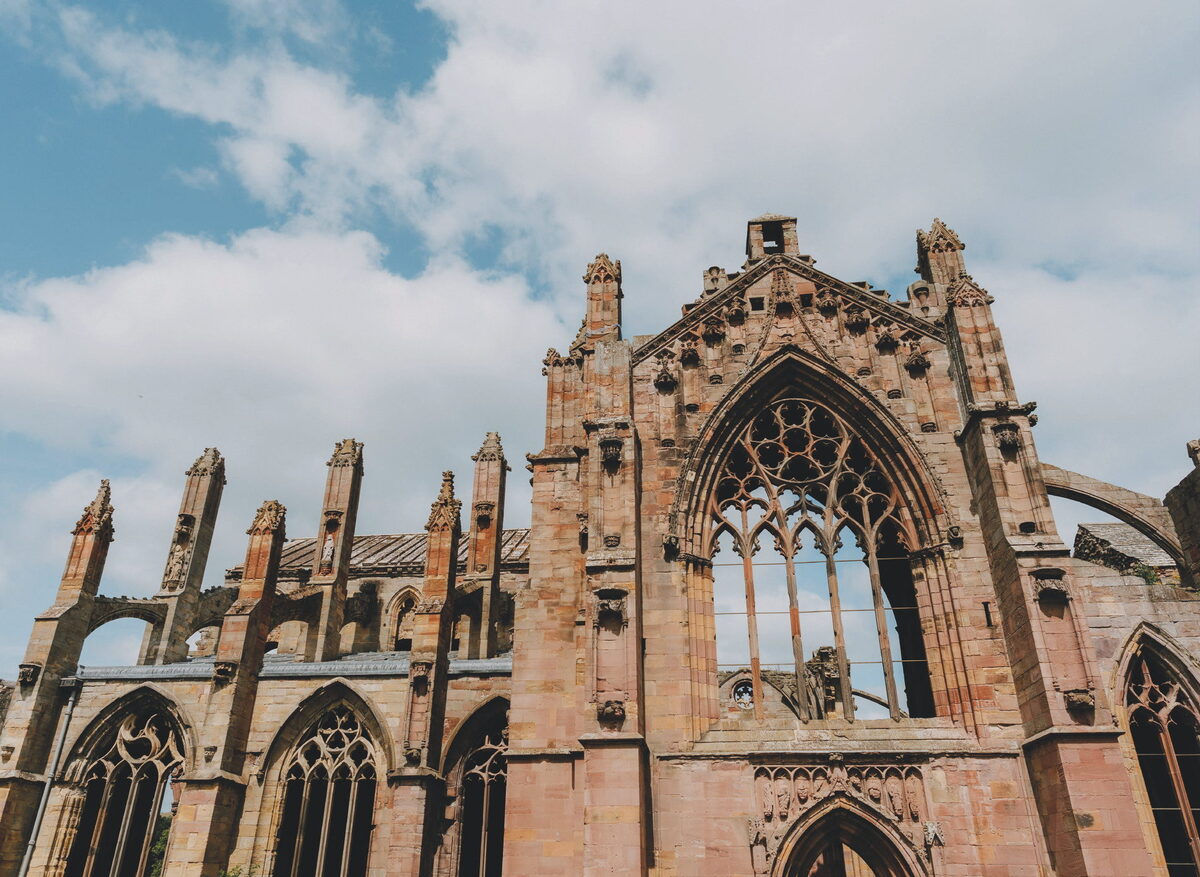
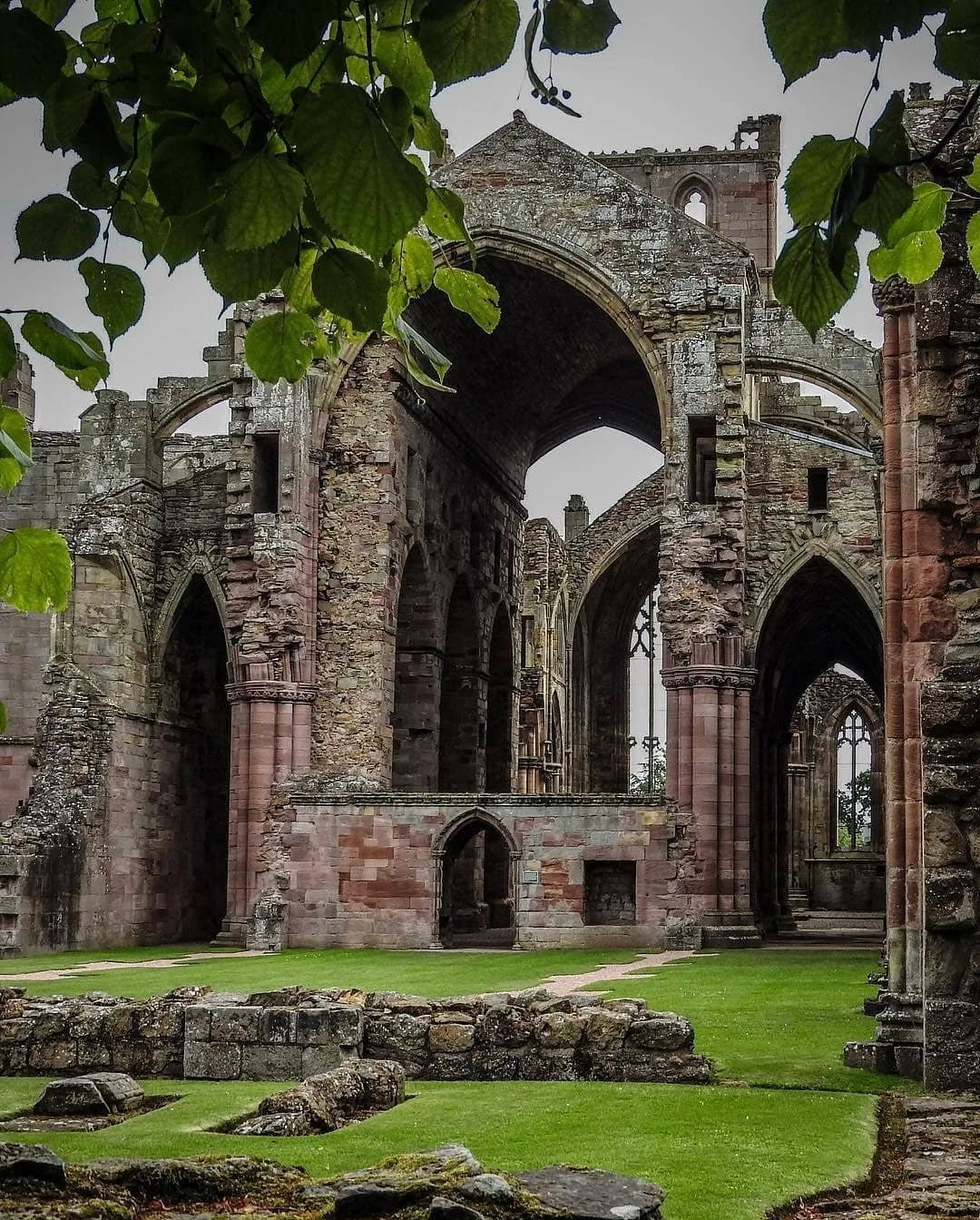
Melrose sits under the three tops of the Eildon Hills, with the red sandstone abbey where Robert the Bruce's heart is buried. Abbotsford is just up the river, Dryburgh Abbey lies among the trees by the Tweed, and at Selkirk a working mill still weaves tartan.
Jedburgh, Hawick and the south
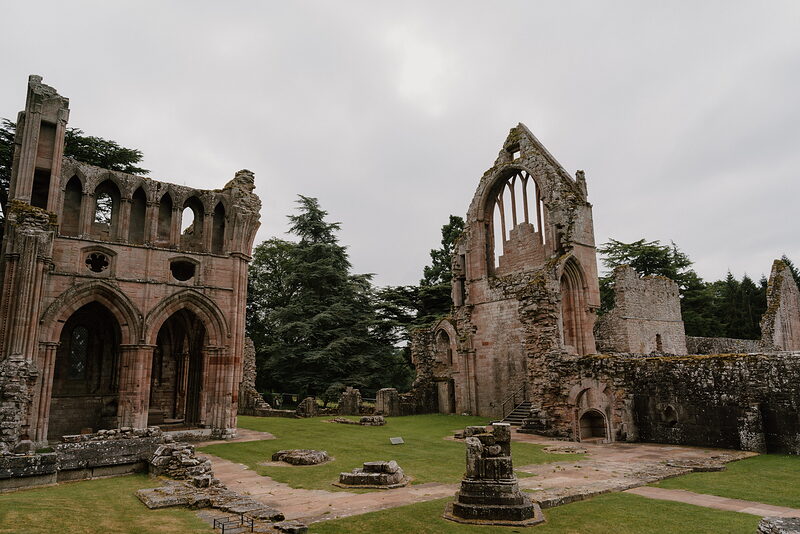
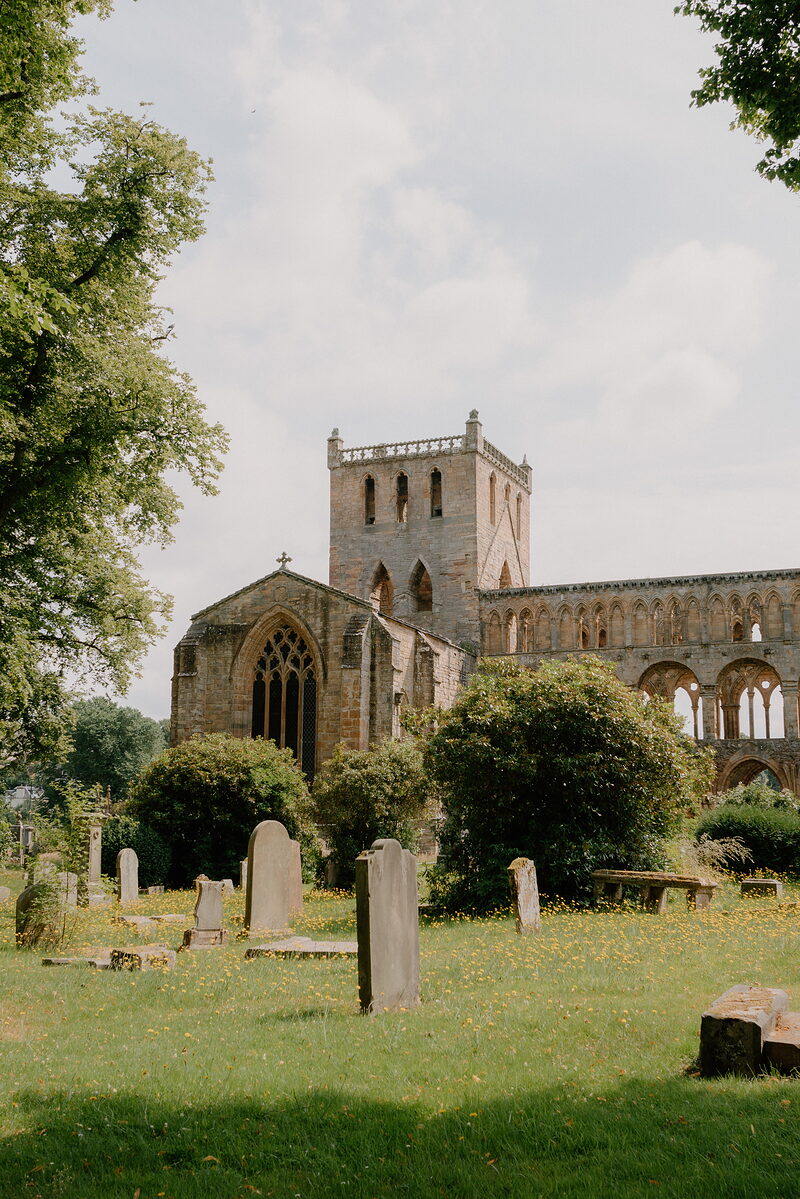
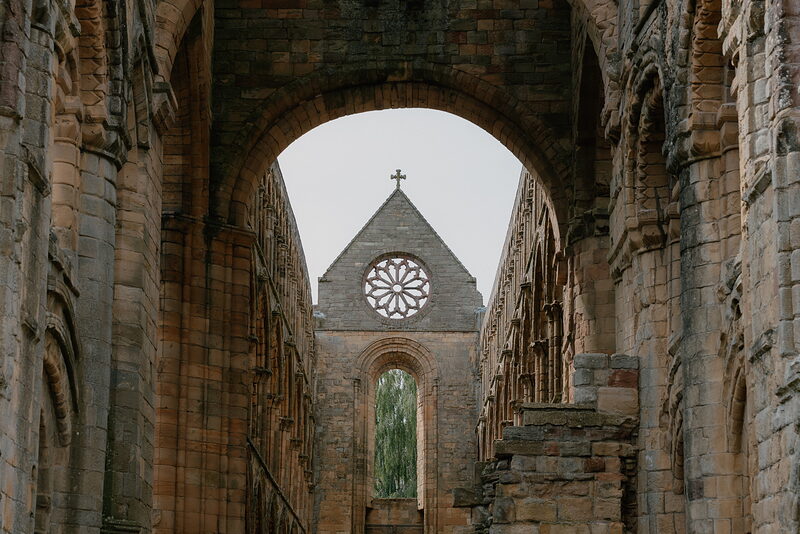
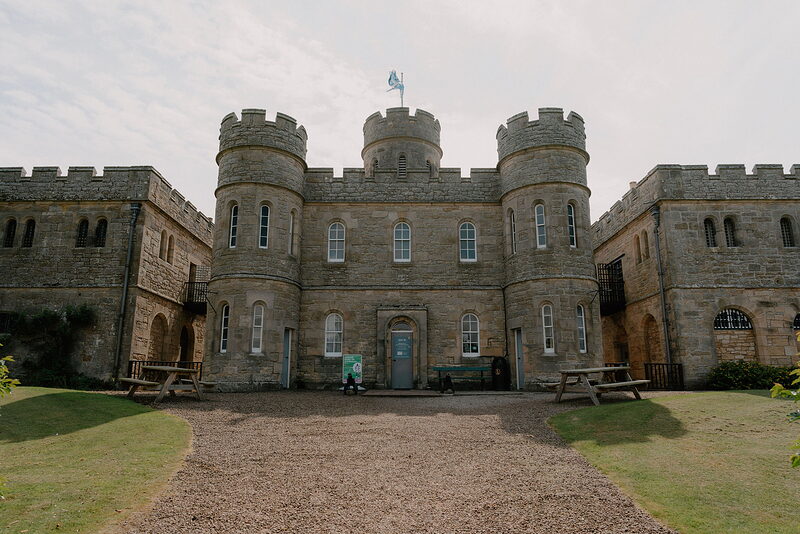
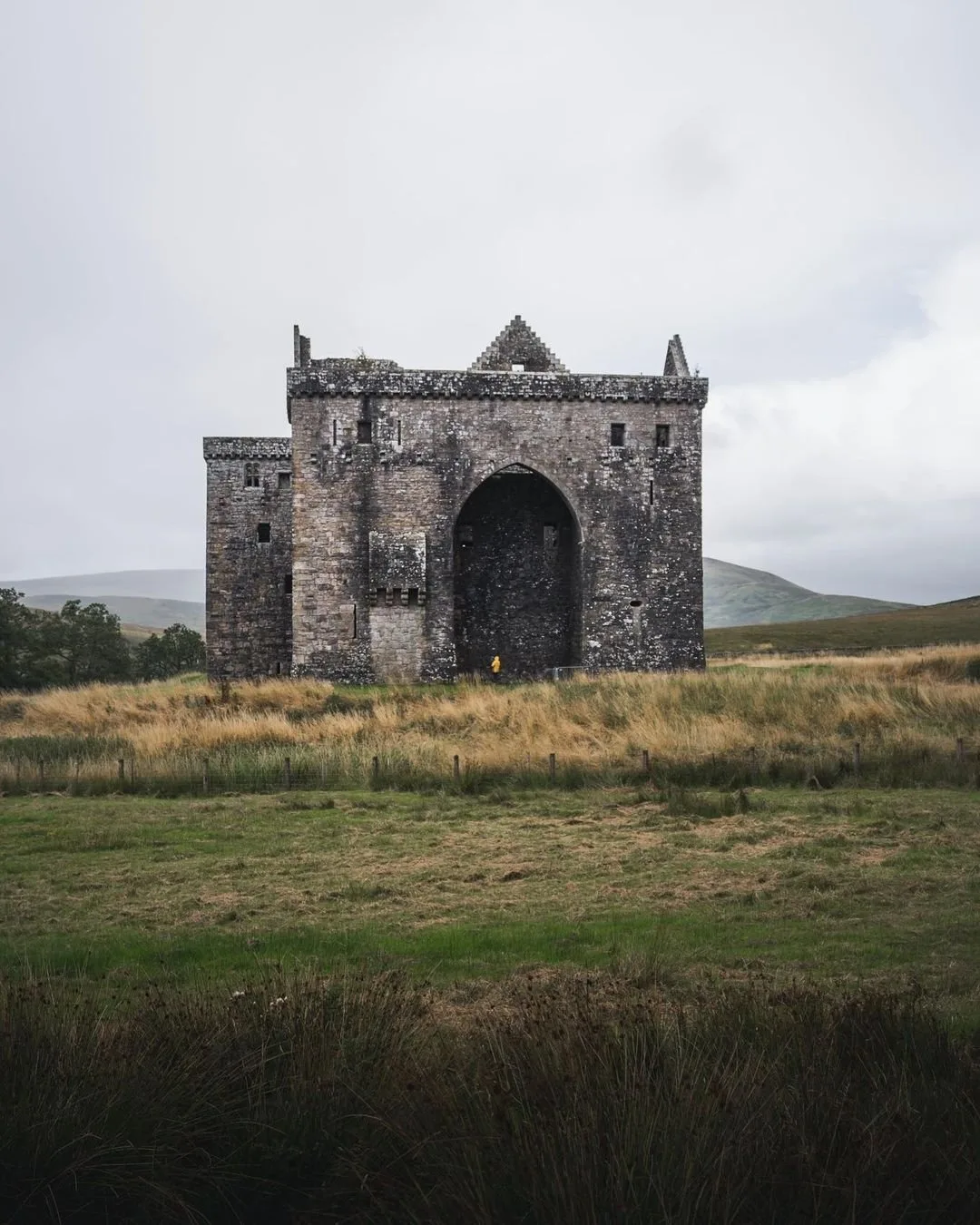
Jedburgh's great abbey rises behind the High Street, with Mary Queen of Scots' house a short walk away. Hawick is the home of Borders knitwear, with a whisky distillery in its old electrical works, and south through Liddesdale the grim walls of Hermitage Castle stand alone on the moor.
Kelso and the Berwickshire coast
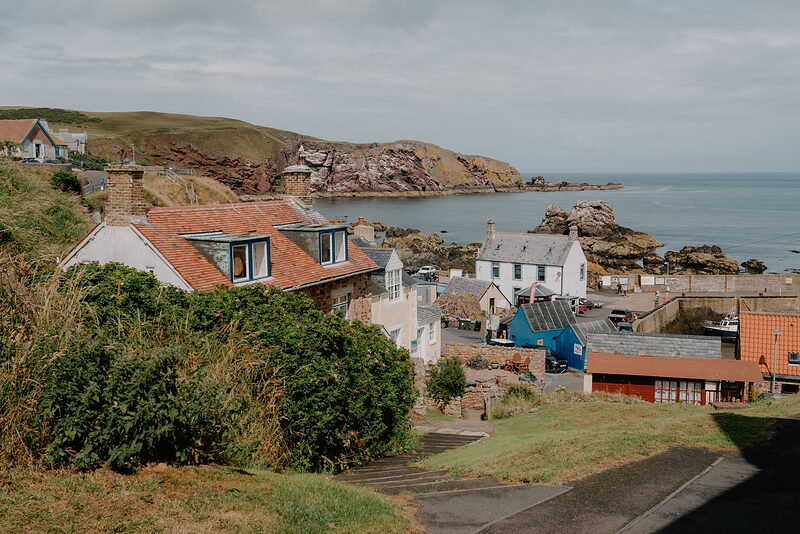
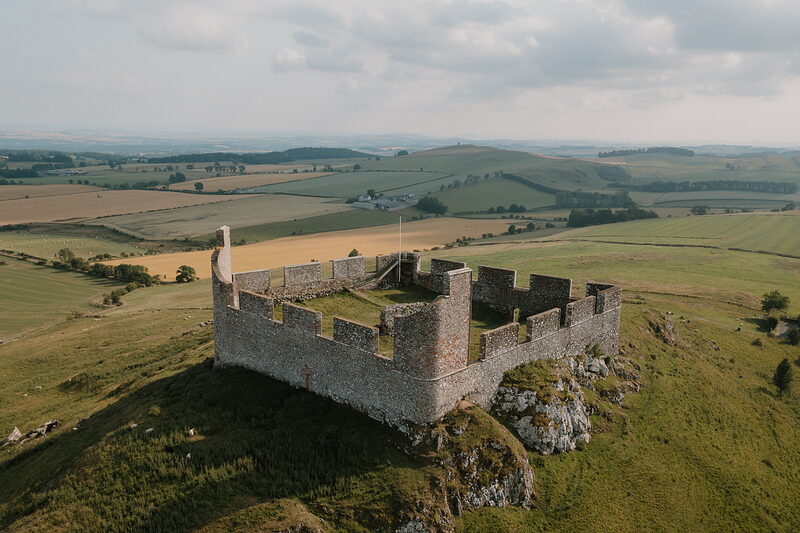
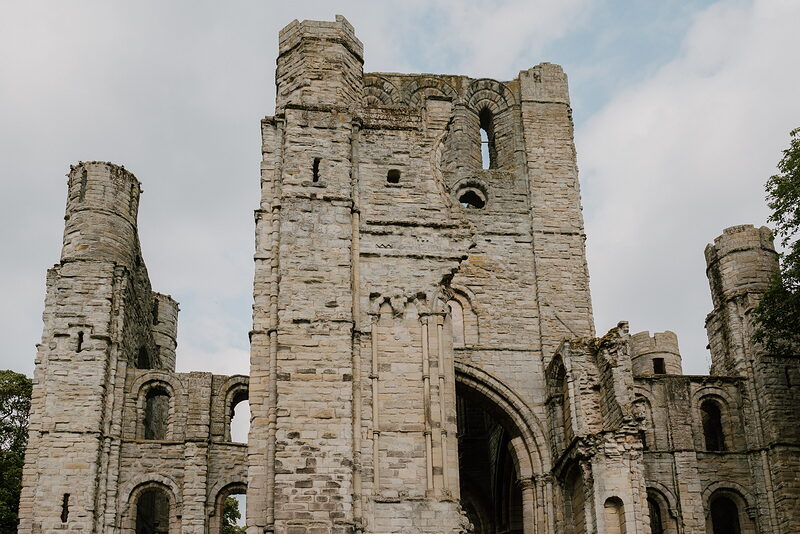
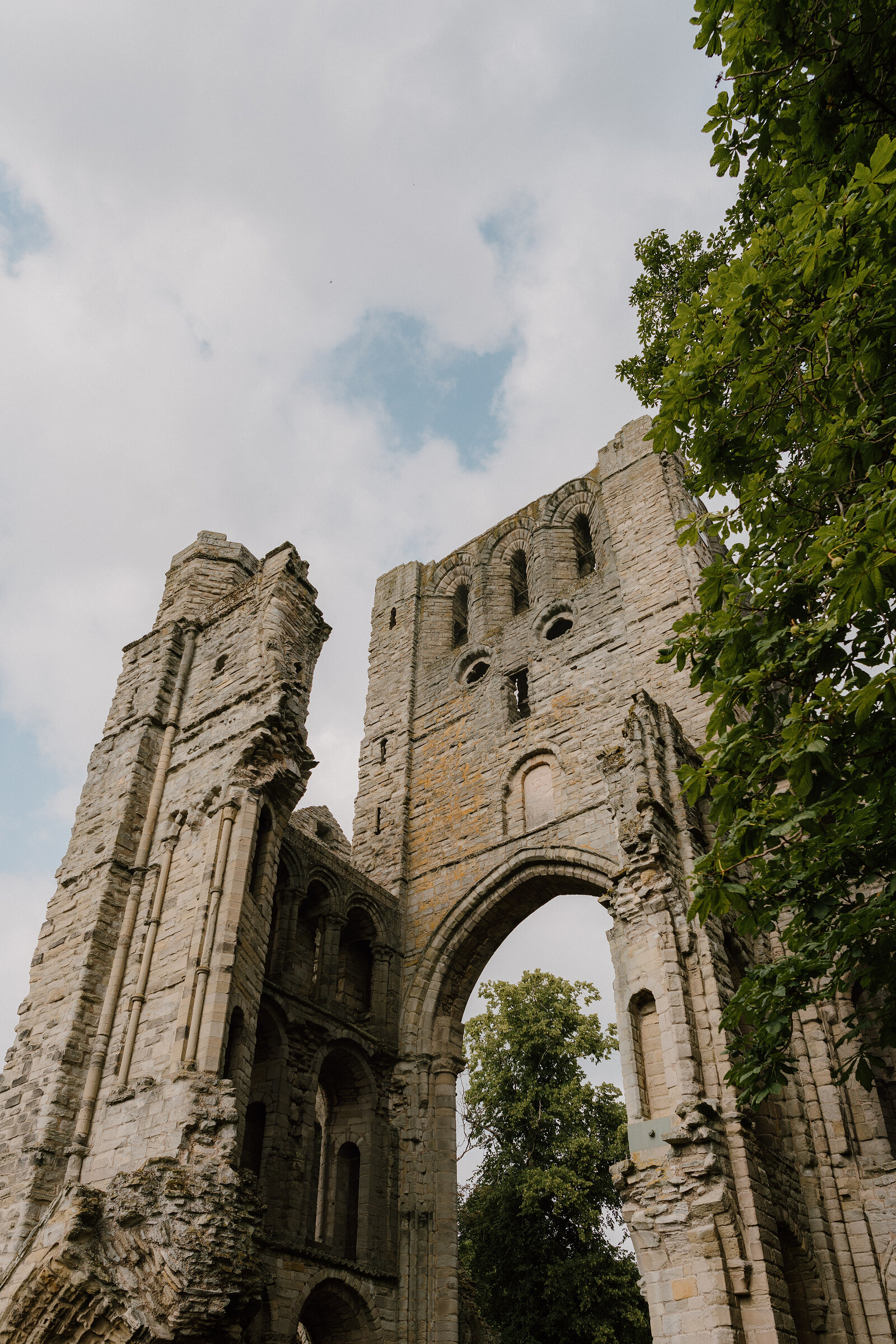
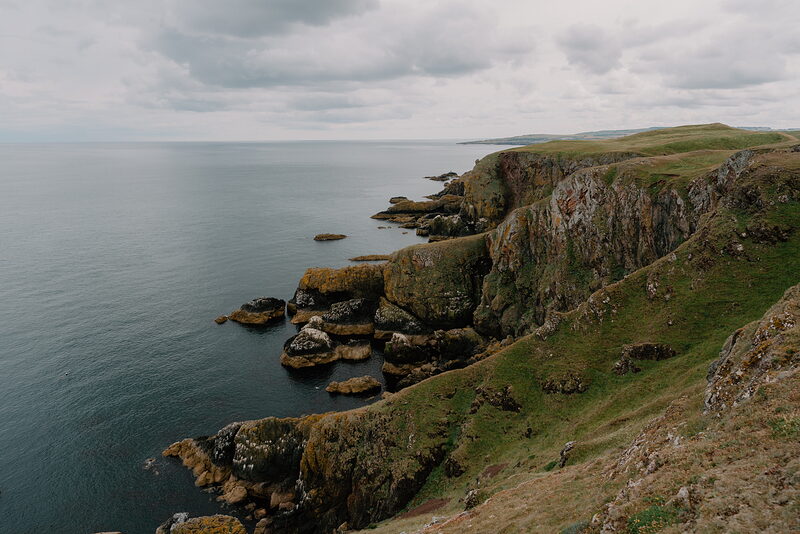
Kelso has a wide cobbled square, the ruins of its abbey and Floors Castle above the Tweed. North and east, the farmland rolls on past Hume Castle and Paxton House to the coast, with the fishing harbour at Eyemouth, the beach huts of Coldingham Bay and the seabird cliffs of St Abb's Head.
“Start the day with coffee at Dōr, then wander round the square taking time to look at Kelso’s array of independent stores.”
Rùda Gallery & Studio
Artists with a gallery in St Boswells
Best known for.
The Borders means different things to different people. To some – and more fool them – it’s a region that barely warrants a look-in. To others, it’s entwined with romantic notions of ancient abbeys, impassioned literature and slow-moving historical towns. But while traditions are held dear here, and the rural scenery soothes the soul, the region’s younger, more modern creative spirit is ever more in evidence.
More about The Borders
Spread like a rumpled green blanket over a vast swathe of southeast Scotland, this is a land of widescreen hillscapes, clear-running rivers and lively festivals, a place where arable traditions prevail, where history resounds over every valley, and where the handsome towns and villages bubble with cultural activity. To the east, meanwhile, the sweeping cliffs of the Berwickshire coastline only add to the overall appeal.
The likes of Peebles, Melrose and Kelso are all well accustomed to winning over first-time visitors, twinning age-old architecture with modern, independent local businesses. The Borders doesn’t go in for large settlements – the biggest town is Galashiels, with a population that barely noses 15,000 – and this is a major part of the charm. The atmosphere-laden abbeys, towering castles and boundless open views that define the region were a rich source of inspiration for the likes of Sir Walter Scott and John Buchan.
Don’t be tempted, however, into thinking the pace of life never rises above a saunter. The mountain-biking and hiking options are not only exciting but genuinely extensive, while archery, diving and even surfing all get a look-in too. Bored in the Borders? Chance would be a fine thing.
What would you like to look at?
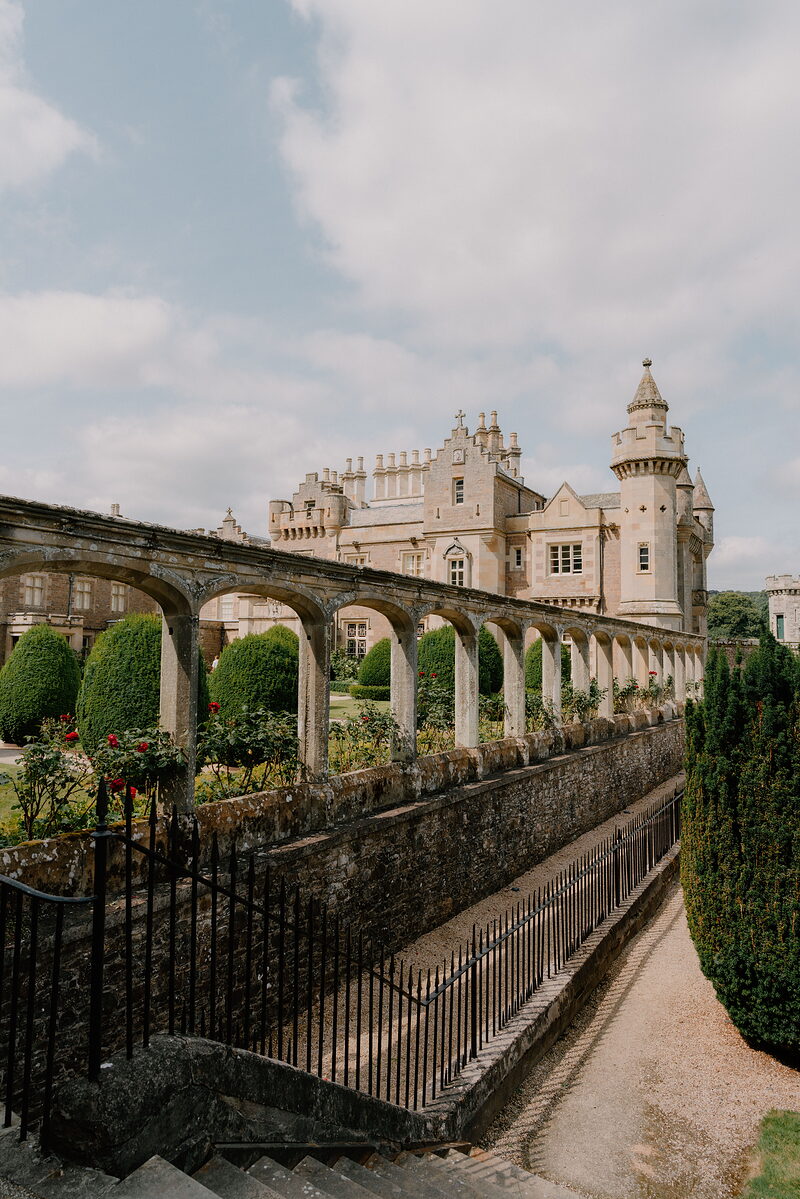 See and doAbbeys, castles and Walter Scott's house
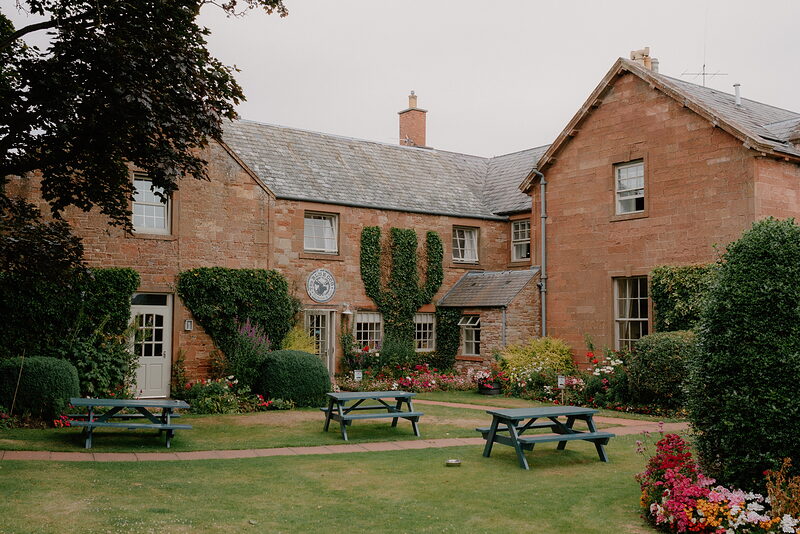 Eat, drink and shopCountry inns, delis and harbour cafés
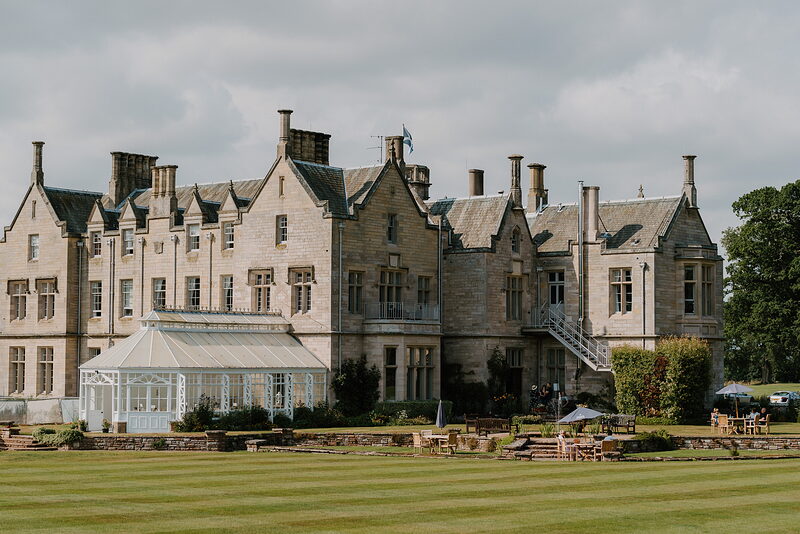 Where to stayCountry hotels, cabins and hideaways
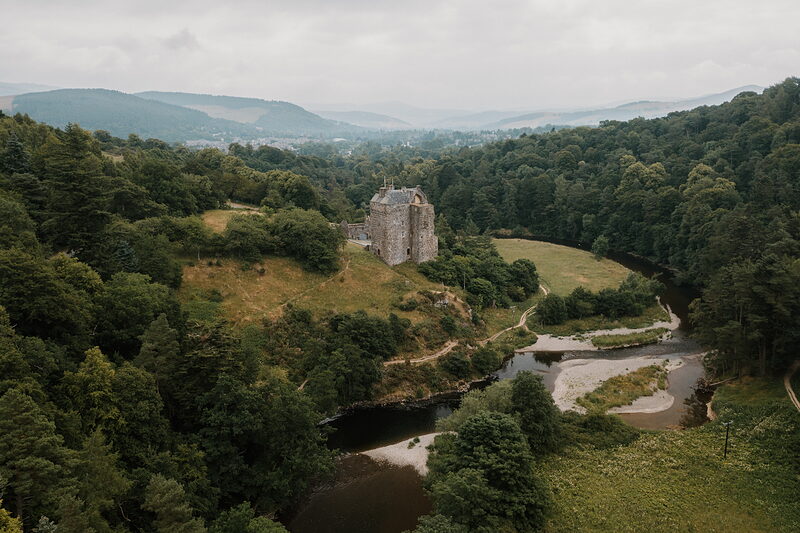 History and storiesReivers, abbeys and the Border ballads
 ItinerariesDays we have driven, stop by stop
 Getting hereThe railway, the roads and the buses
 What is on in The BordersSomething new from the Borders every day
What is on in The Borders
Friday the 16th of October.
Sunrise 07:43, sunset 18:08.
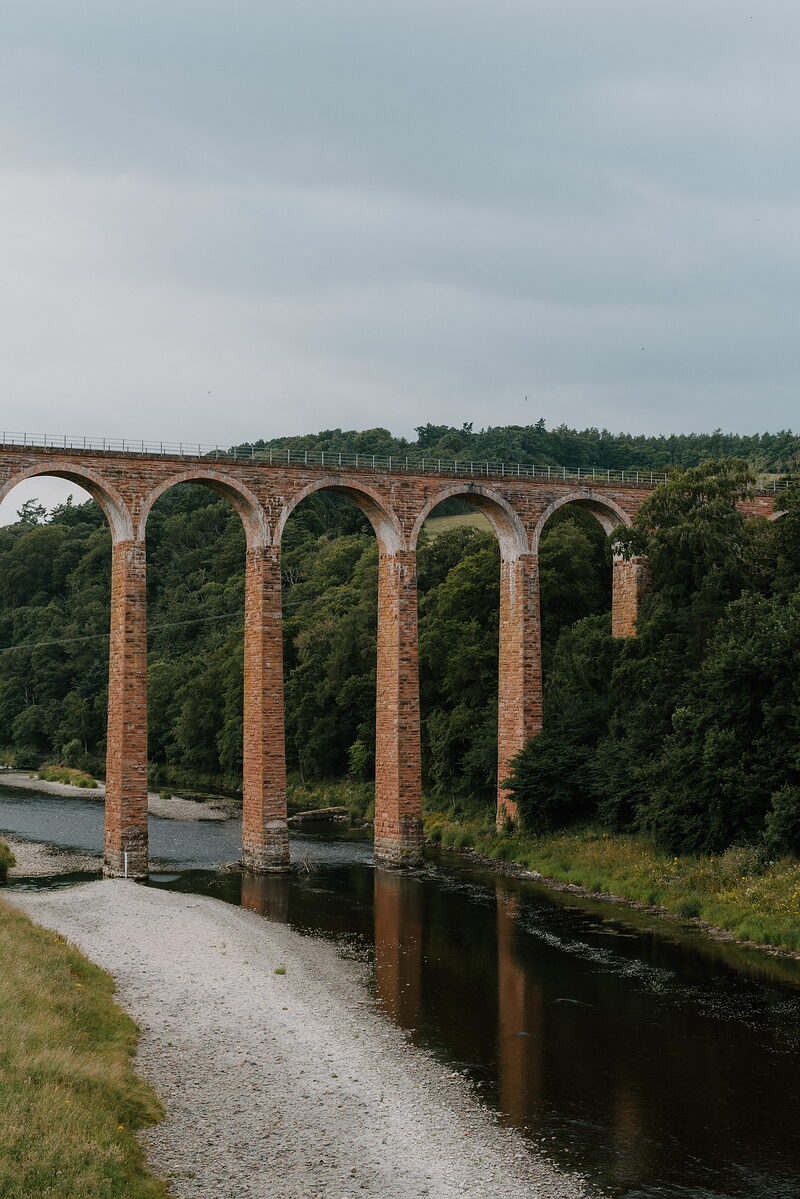
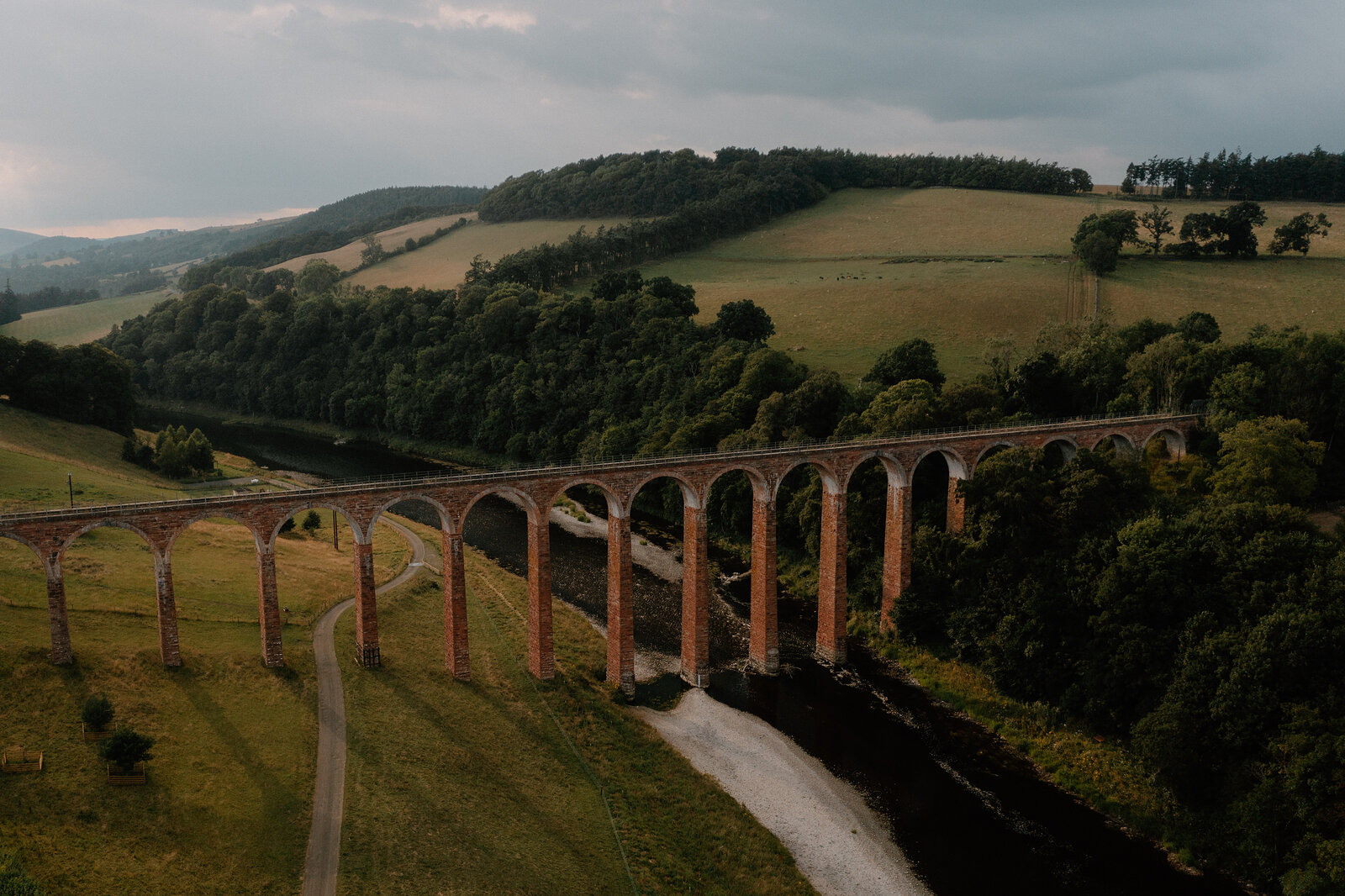 Leaderfoot Viaduct, The Scottish BordersFri, 16 Oct 2026
Coming up in The Borders
- Oct16Visit The Scottish Donkey SanctuaryOn today
- Oct16Glenlude conservation daysOn today
- Oct16GUIDED TOURS Robert Smail's Printing Works 2026On today
- Oct16Robert Smail's Printing Works One Day Letterpress Workshops 2026On today
- Oct16Dementia Friendly Tea DanceOn today
The news in The Borders
Things you might not know.
Graeme Johncock
Graeme is the writer and storyteller behind Scotland’s Stories, sharing Scotland’s traditional folklore and legends.
Melrose Abbey has many fascinating carvings and memorials. Look up high and you might spot a pig playing the bagpipes.
Find out more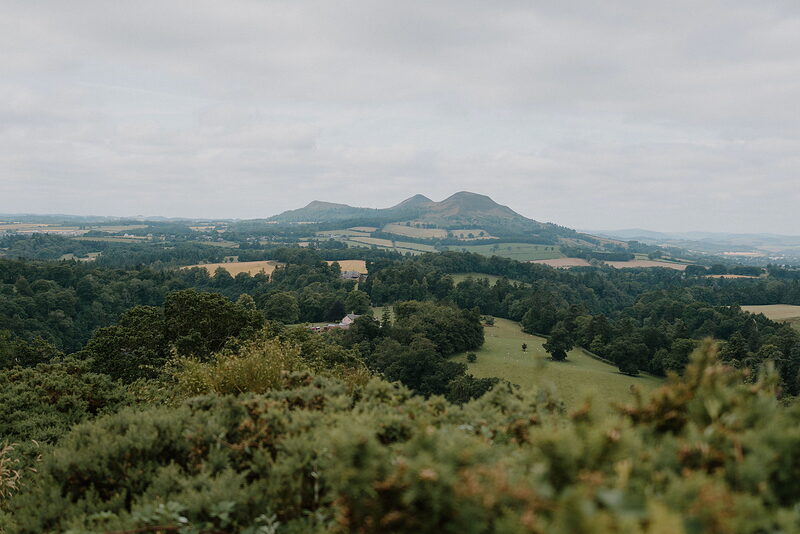
Walter Scott used to visit Scott’s View so often that his horses would automatically stop there. When his funeral procession passed, the horses paused as usual, giving the writer one final look across to the Eildon Hill.
Find out more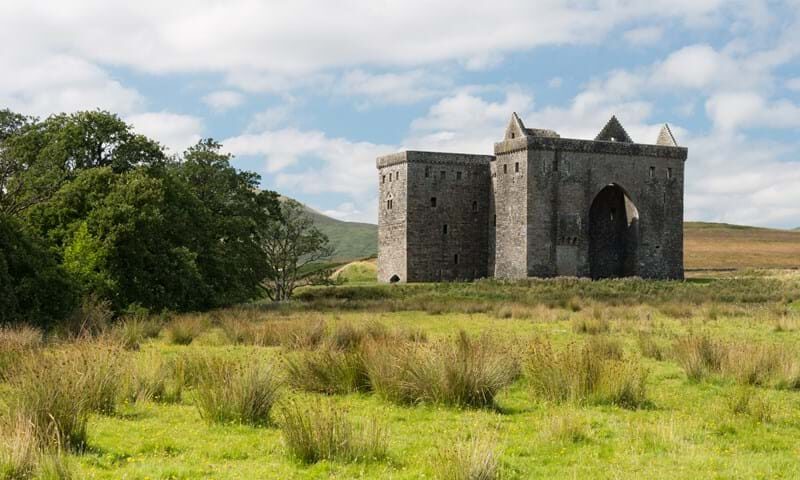
In 1566, Mary Queen of Scots almost died from a mysterious illness after a frantic horse ride from Jedburgh to Hermitage Castle and back.
Find out more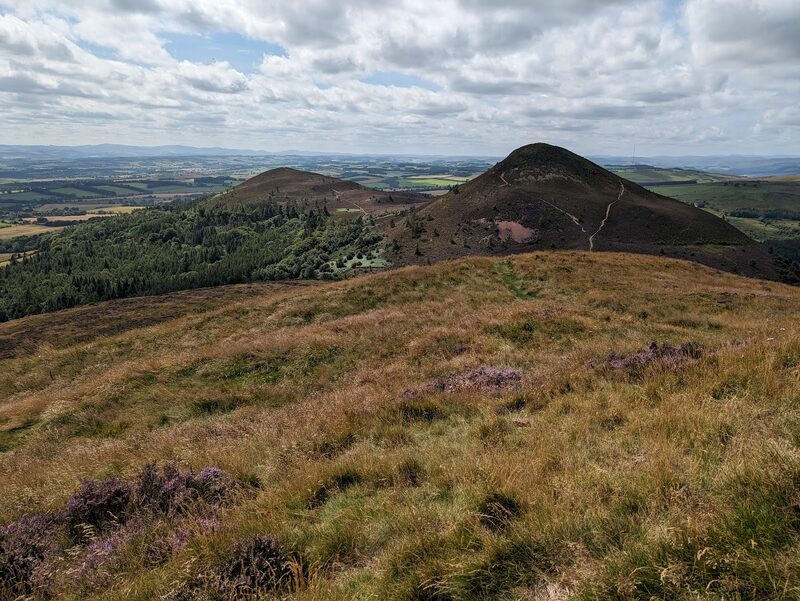
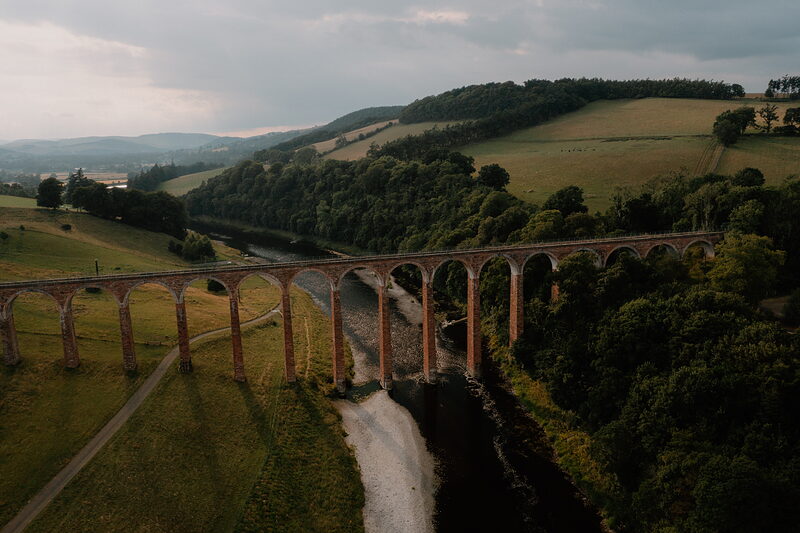
Thomas the Rhymer prophecised that one day a bridge over the Tweed would be seen from the Eildon Tree. The idea seemed ridiculous until the soaring Leaderfoot Viaduct was built.
Find out moreOn Roxburgh Street in Kelso a single horseshoe is set into the ground which was allegedly cast by Bonnie Prince Charlie’s horse in 1745.
Find out moreA small stone on the Minch Moor marks the spot of the Cheese Well. Travellers would leave pieces of cheese for the fairies in return for safe passage on their trek.
Find out moreThe Auld Kirk in Selkirk is believed to be the location of The Kirk o the Forest where William Wallace was declared the Guardian of Scotland in 1297.
Find out more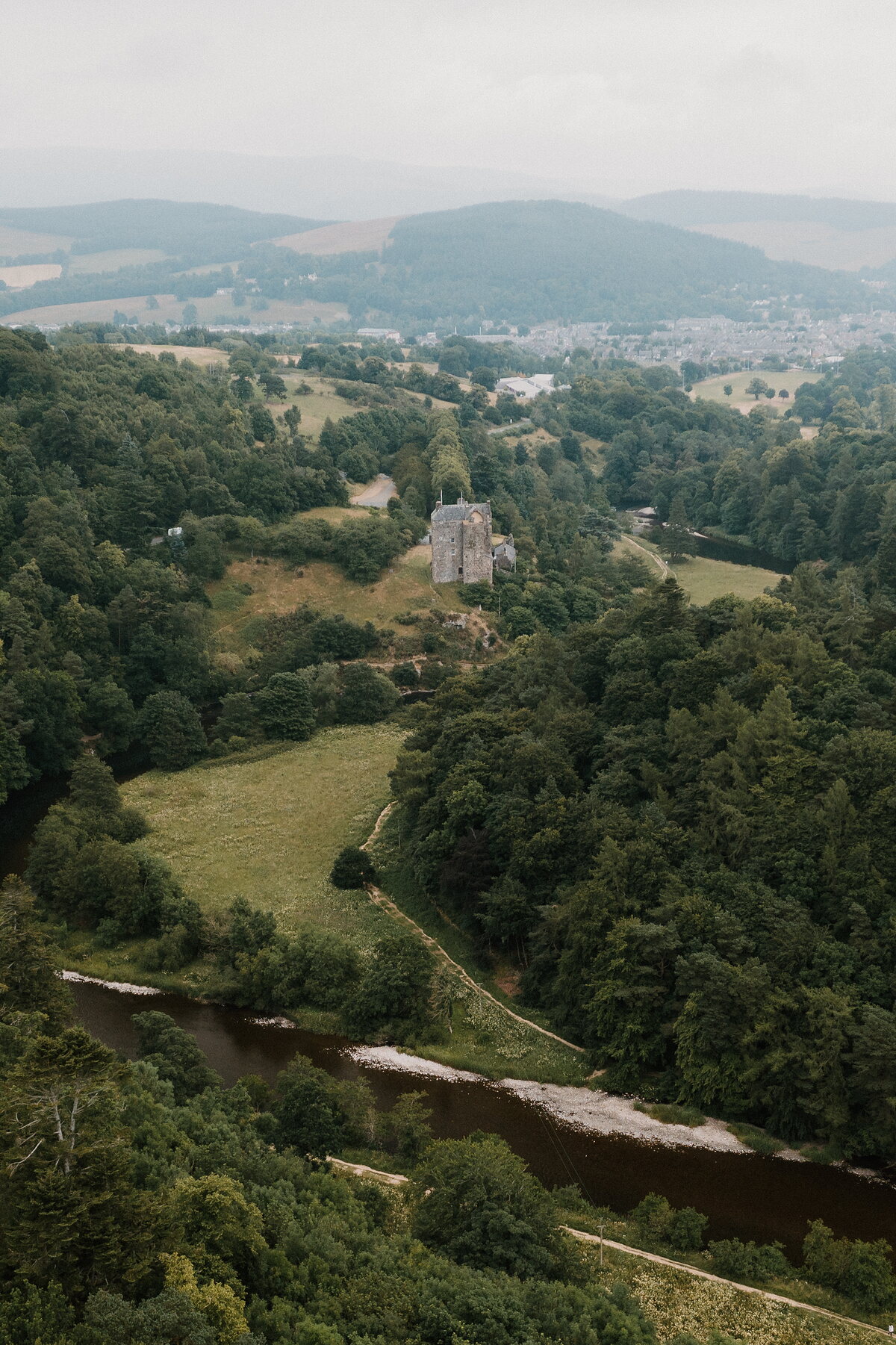
Photographs by Giacopazzis and thespottydoglauder; Dorothy Warren and Simply Scottish via Google