
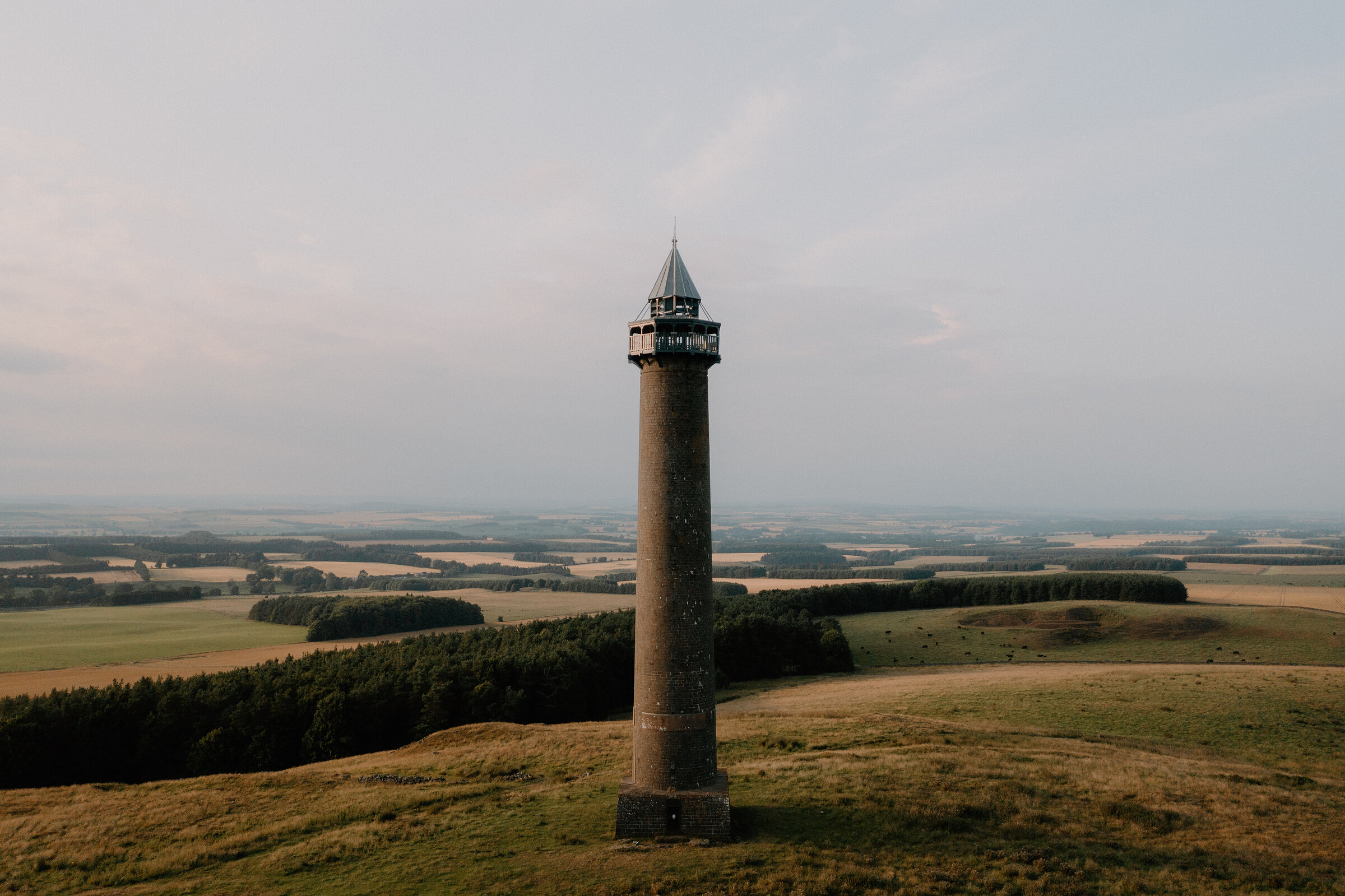
Getting to The Borders and around.
The railway, the roads and the buses
Getting around the Borders
The Scottish Borders are readily accessible from both Edinburgh and Glasgow, with the region beginning just an hour south of the capital. Edinburgh Airport serves as the main international gateway, whilst Glasgow Airport provides an alternative route in. The Borders Railway connects Tweedbank (near Melrose) directly to Edinburgh Waverley, making car-free visits increasingly viable. Regular bus services link the main Border towns, though rural areas remain better suited to independent transport.
The A1 forms the region's eastern spine, connecting Berwick-upon-Tweed to Edinburgh via Dunbar, whilst the A68 provides the main north-south route through the central Borders. The A7 follows an ancient route from Carlisle through Hawick to Edinburgh, passing through classic Border scenery. Most roads between the main towns follow river valleys, creating scenic but sometimes winding routes that require extra travel time.
Buses
Perryman's and Borders Buses operate the main public transport network, serving Kelso, Jedburgh, Hawick, Selkirk, Galashiels, Melrose and Peebles with reasonable frequency. Services between these market towns run several times daily, but Sunday schedules are reduced and some rural routes operate only on specific weekdays. The First Bus network extends into the region from Edinburgh and Newcastle.
Tip: Day tickets covering multiple operators can provide good value for visitors planning to use buses between several towns.
Driving
A car offers the greatest freedom to explore the Borders' quieter valleys and upland areas. Most main roads are well-maintained A-roads, but many scenic routes follow narrower B-roads that wind through hill country. Parking is generally straightforward in the market towns, though spaces near major attractions like Melrose Abbey can fill during peak tourist periods. Rural car parks at walking trail heads are usually free but may have limited capacity.
Walking Between Towns
The Southern Upland Way crosses the Borders on its way from Portpatrick to Cockburnspath, and shorter sections can be walked as day trips. The Borders Abbeys Way links Melrose, Dryburgh, Jedburgh and Kelso abbeys across 68 miles of varied terrain. St Cuthbert's Way follows the saint's journey from Melrose to Lindisfarne. Local bus services can assist with one-way walks between towns.
Cycling
The Borders offer excellent cycling country, from gentle riverside routes along the Tweed to challenging climbs in the Lammermuir and Cheviot Hills. The Tweed Cycle Route follows the river for much of its length, whilst numerous minor roads provide quiet alternatives to main routes. Many B&Bs and hotels cater specifically to cycling tourists, offering secure storage and drying facilities.
Railway Access
The Borders Railway terminates at Tweedbank, with regular services to Edinburgh taking just over an hour. This makes Melrose, Abbotsford and the central Tweed Valley particularly accessible for car-free visitors. The East Coast Main Line serves Berwick-upon-Tweed, providing access to the eastern Borders, though onward bus connections are required for most destinations.
Tip: The railway journey through the Borders offers excellent views of the countryside.
By train
The Borders Railway runs from Edinburgh Waverley to Tweedbank, near Melrose, stopping at Galashiels on the way.
For the coast, Berwick-upon-Tweed on the East Coast Main Line is just over the border from Eyemouth.
By road and air
The A68 and the A7 run south from Edinburgh through the middle of the Borders, and the A1 follows the coast down towards Berwick.
The nearest airport is Edinburgh, about an hour from Peebles and a little more from Melrose.
Getting around
Buses link the main towns, from Peebles and Galashiels to Kelso, Jedburgh and Hawick, with fewer running on Sundays.
A car or a bike is best for the quiet valleys, and the roads follow the rivers, so give yourself time.
Melrose is handy for the abbeys, Abbotsford and the railway to Edinburgh, and Peebles for the Tweed valley and the hills. Kelso and Jedburgh suit the south, and St Abbs and Eyemouth the coast.
Three or four days covers the four great abbeys, Abbotsford and a walk or two by the Tweed. Add a day for the Berwickshire coast, which feels quite different from the valleys.
The Borders sits in the shelter of the hills to the west, so it tends to be drier than the west of Scotland, with cold, clear winters and mild summers. The coast can be breezy at any time of year.
The Southern Upland Way and St Cuthbert's Way both cross the Borders, and the Eildon Hills above Melrose make a good half-day climb. On the coast, St Abb's Head has cliff paths and seabirds in spring and early summer.
Every summer the Border towns ride out their old boundaries on horseback, a custom that goes back centuries. Hawick, Selkirk, Jedburgh, Galashiels and others each have their own, with weeks of events and a big day of riding.
Yes. The Borders Railway makes a good day out from Edinburgh, the abbeys and Harmony Garden have room to roam, and Coldingham Bay is a sheltered, sandy beach.
Photographs by Giacopazzis and thespottydoglauder; Dorothy Warren and Simply Scottish via Google
More of The Borders.
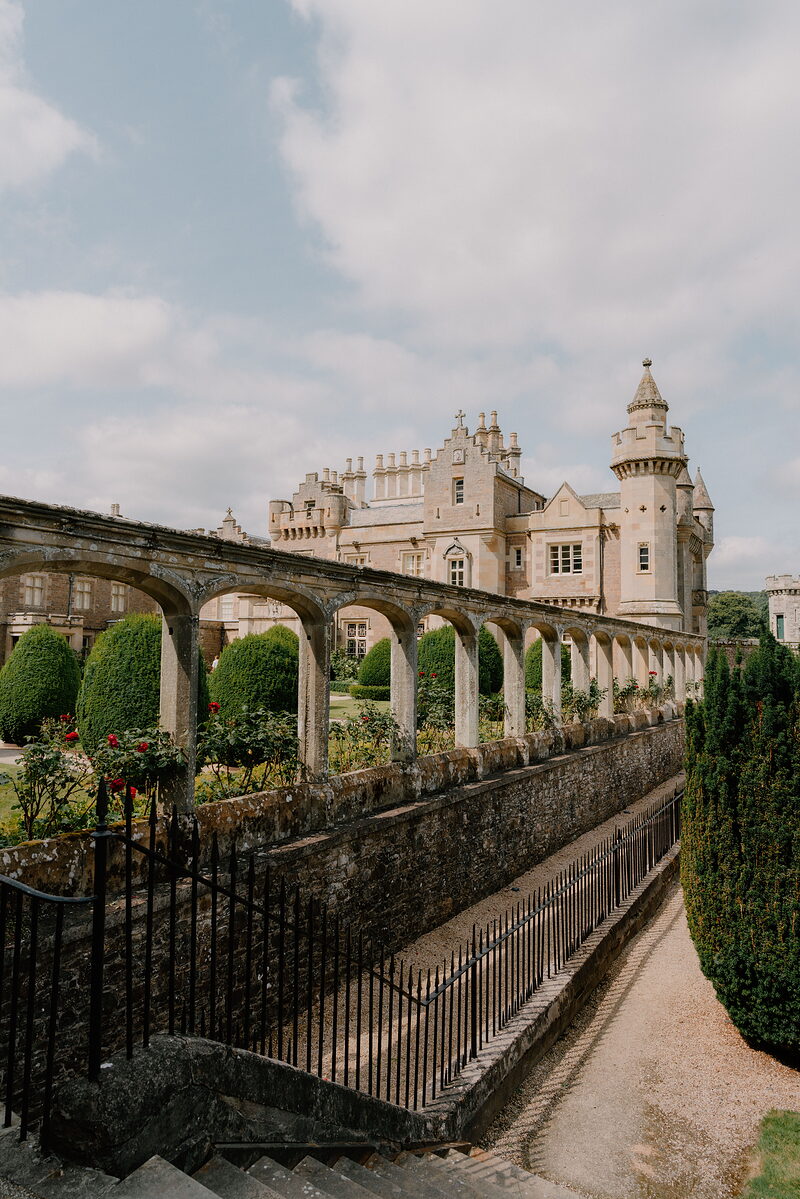 See and doAbbeys, castles and Walter Scott's house
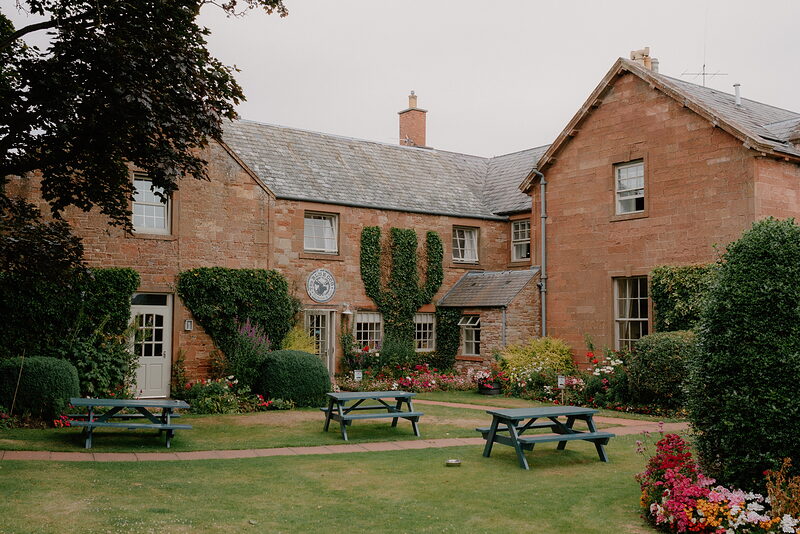 Eat, drink and shopCountry inns, delis and harbour cafés
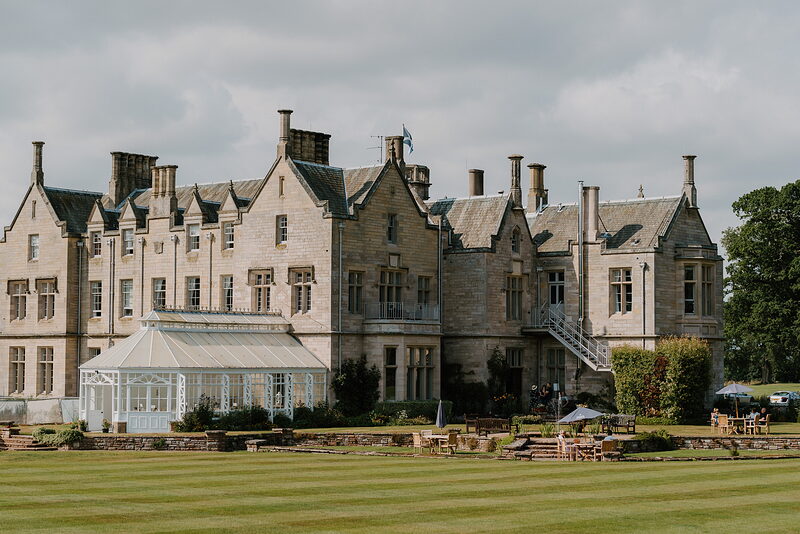 Where to stayCountry hotels, cabins and hideaways
 History and storiesReivers, abbeys and the Border ballads
 ItinerariesDays we have driven, stop by stop
 What is on in The BordersSomething new from the Borders every day