
Morayshire, Speyside
Sueno’s Stone
Overview
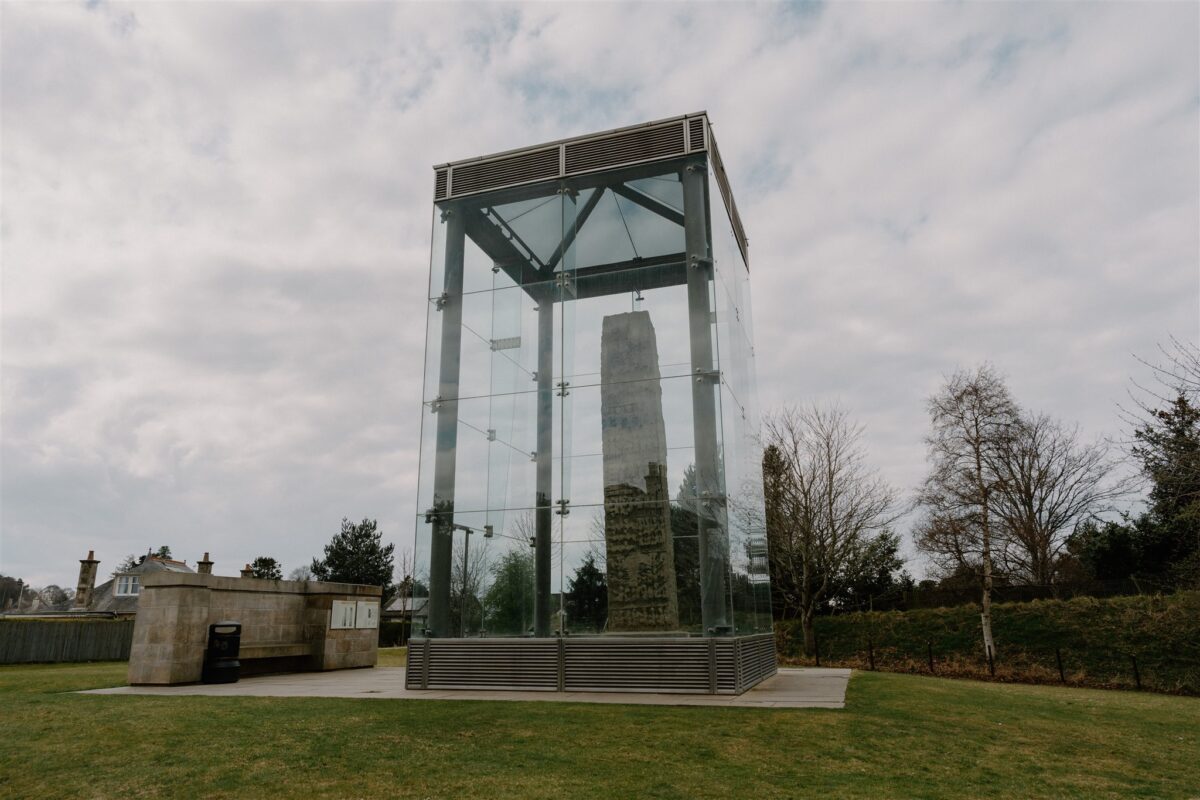
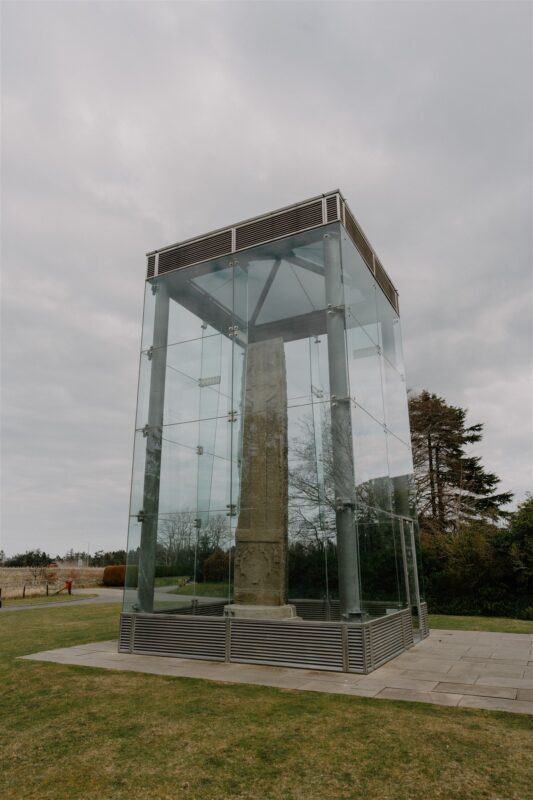
Sueno’s Stone stands just beyond the edge of Forres in Moray, protected within a modern glass shelter that holds Scotland’s tallest surviving carved stone. At over six metres in height and likely dating to the late ninth or early tenth century, it’s among the most significant—and mysterious—monuments from the country’s early medieval period. Carved from local sandstone, the stone is decorated on all four sides, with two principal faces showing markedly different imagery: one a Christian cross and royal ceremony, the other a detailed, graphic sequence that appears to depict a large-scale battle.
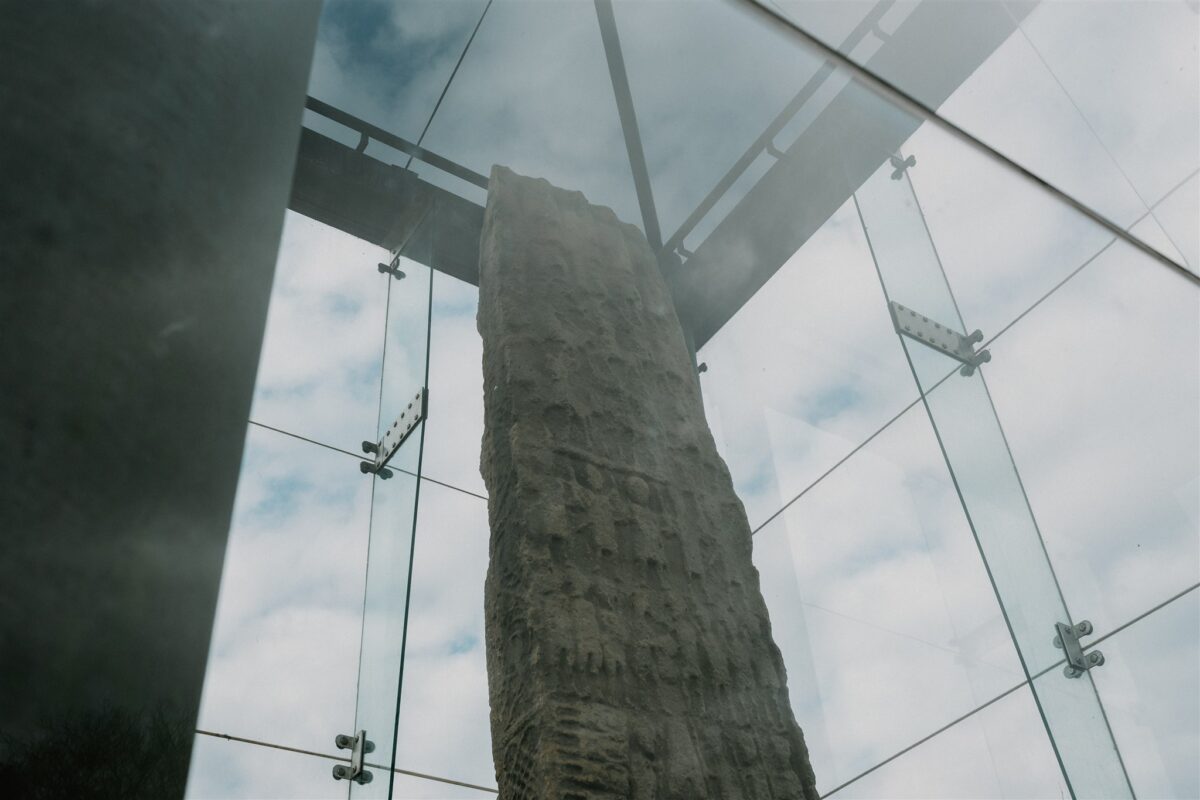
The cross face features elaborate knotwork above a panel often interpreted as a royal inauguration—two crowned figures, possibly flanked by priests or secular witnesses. It’s thought to reflect Christian authority in a newly forming kingdom, perhaps commemorating the consolidation of power by the early kings of Alba. The opposite face presents four stacked panels filled with marching cavalry, foot soldiers, fallen men, and a final image of beheaded corpses beneath an arched structure, their heads arranged in a precise line. There are no inscriptions. No names. No dates. Just images, dense with symbolism, and still the subject of academic debate.
For years, the stone was linked to a much later figure—Sweyn Forkbeard, a Danish king whose name became attached to the monument through 16th-century folklore. That theory has since been dismissed. Excavations in the early 1990s confirmed that the stone has never been moved and was originally set in place with timber-framed supports. Radiocarbon dating of material from the base pointed to a time just after the decline of the Picts and during the rise of the Gaelic-speaking kings of Alba. Its imagery blends influences, not quite Pictish, not yet entirely Gaelic.
Visiting the site is straightforward. The monument stands just off Victoria Road, a short walk from the centre of Forres, with interpretive signage and space to view the stone up close through the glass. Though enclosed to protect it from erosion, the carvings remain visible in good light and reward patient observation. No ticket or booking is required, and parking is available in a nearby lay-by. While the site itself is modest, the stone remains one of the most imposing and complex pieces of early medieval sculpture in Scotland, offering a rare window into a turbulent and transitional period of its history.
Location
Sueno’s Stone stands on the eastern edge of Forres in Moray, just off Victoria Road, within walking distance of the town centre. The site is open at all times and easily accessible by foot or car, with a small lay-by for parking. Forres lies along the A96 between Nairn and Elgin, making it an easy stop for those travelling through the Highlands. The monument is set in a quiet, residential area, with a footpath leading to the glass shelter that houses the stone. Interpretation panels on-site provide context, and the level ground makes for an easy, short visit.
What's nearby
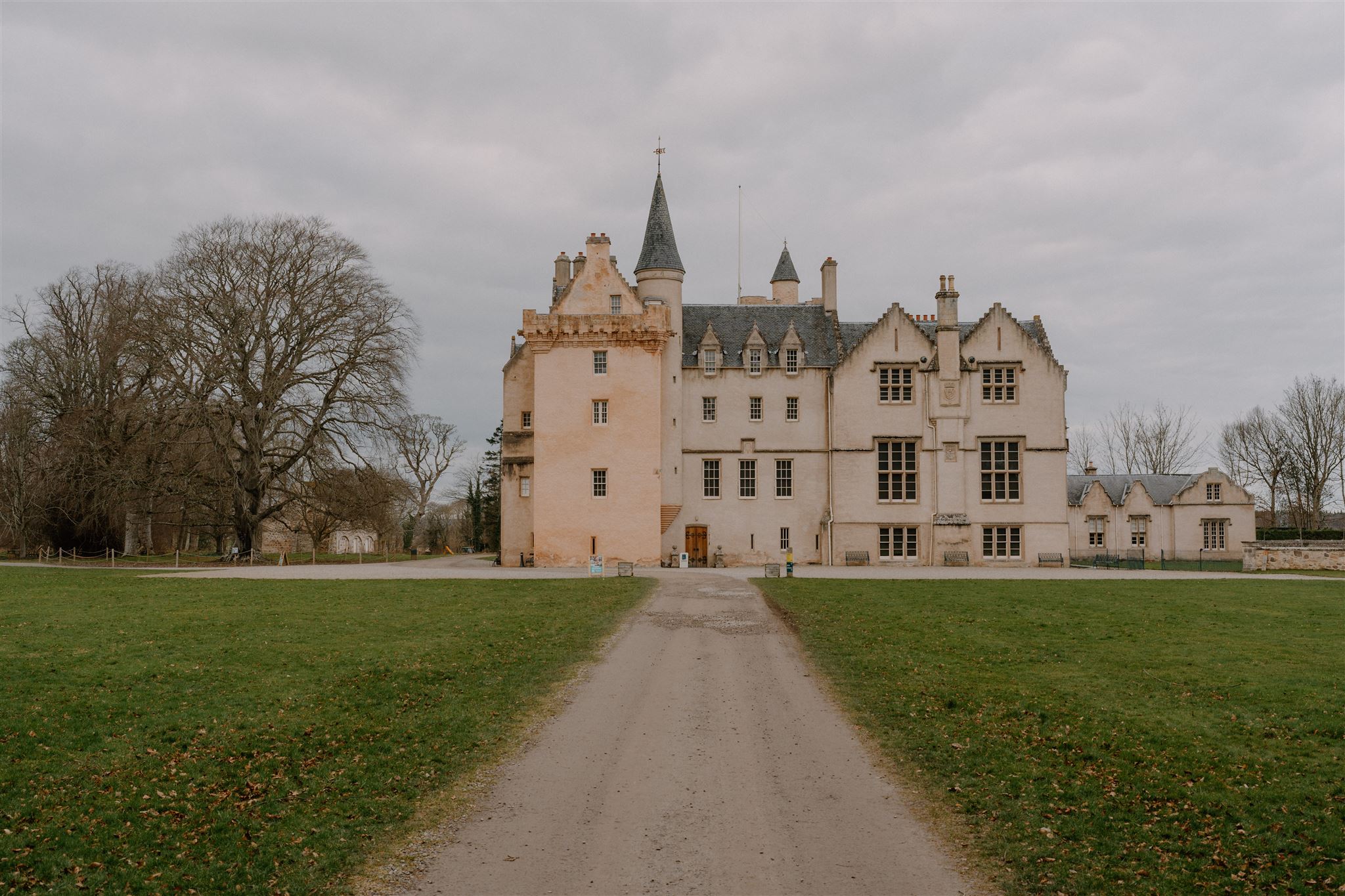
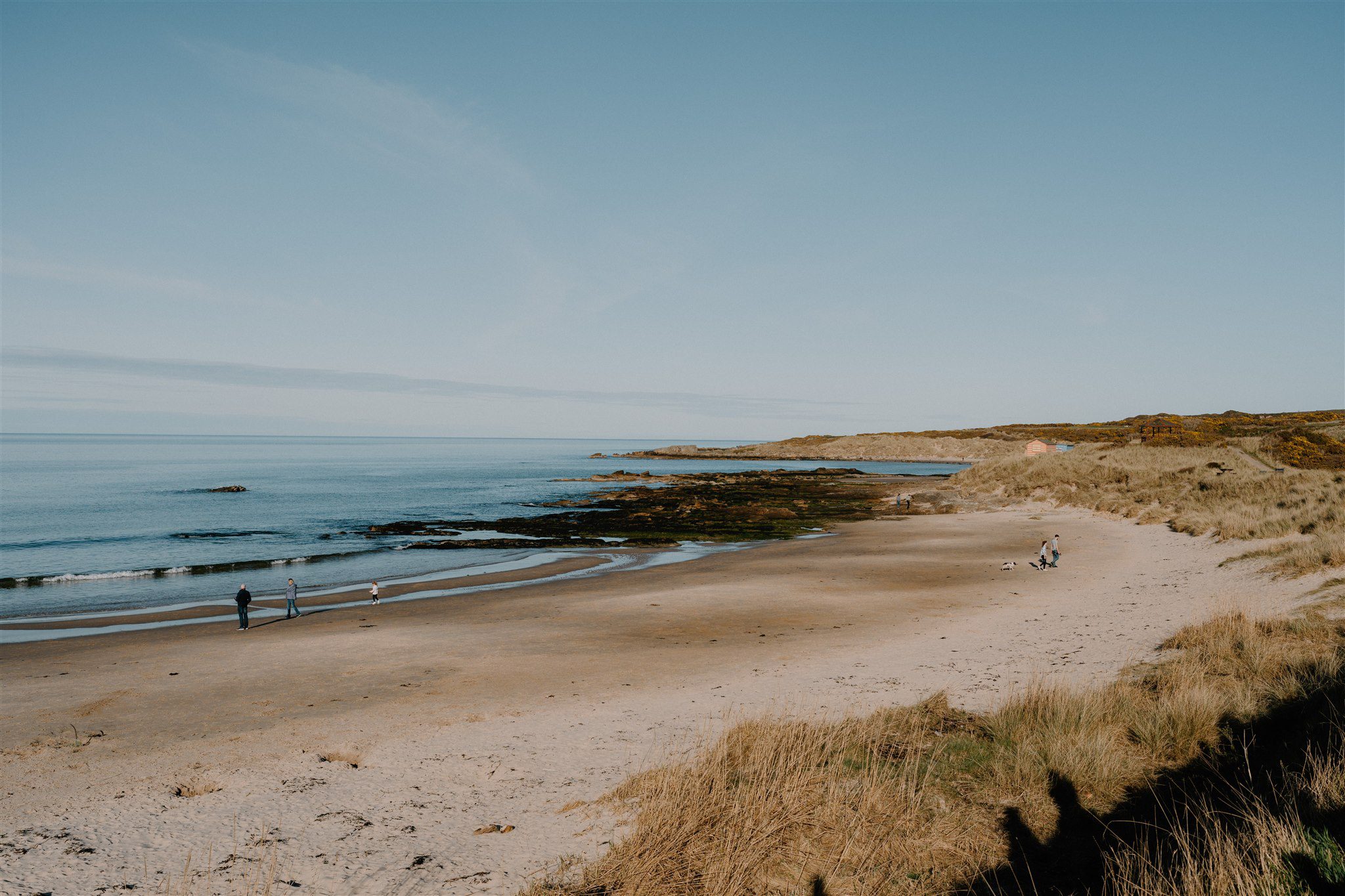
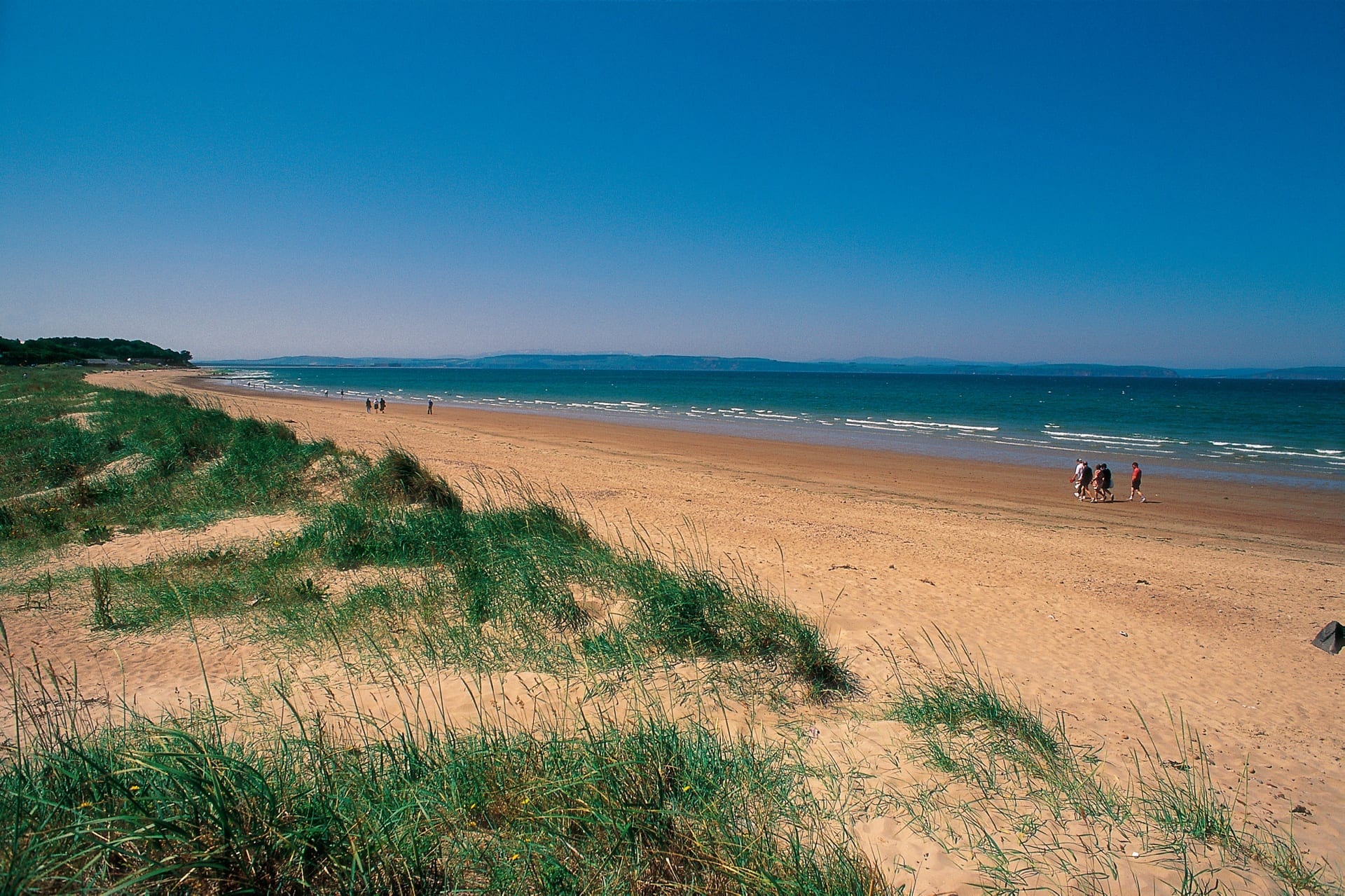
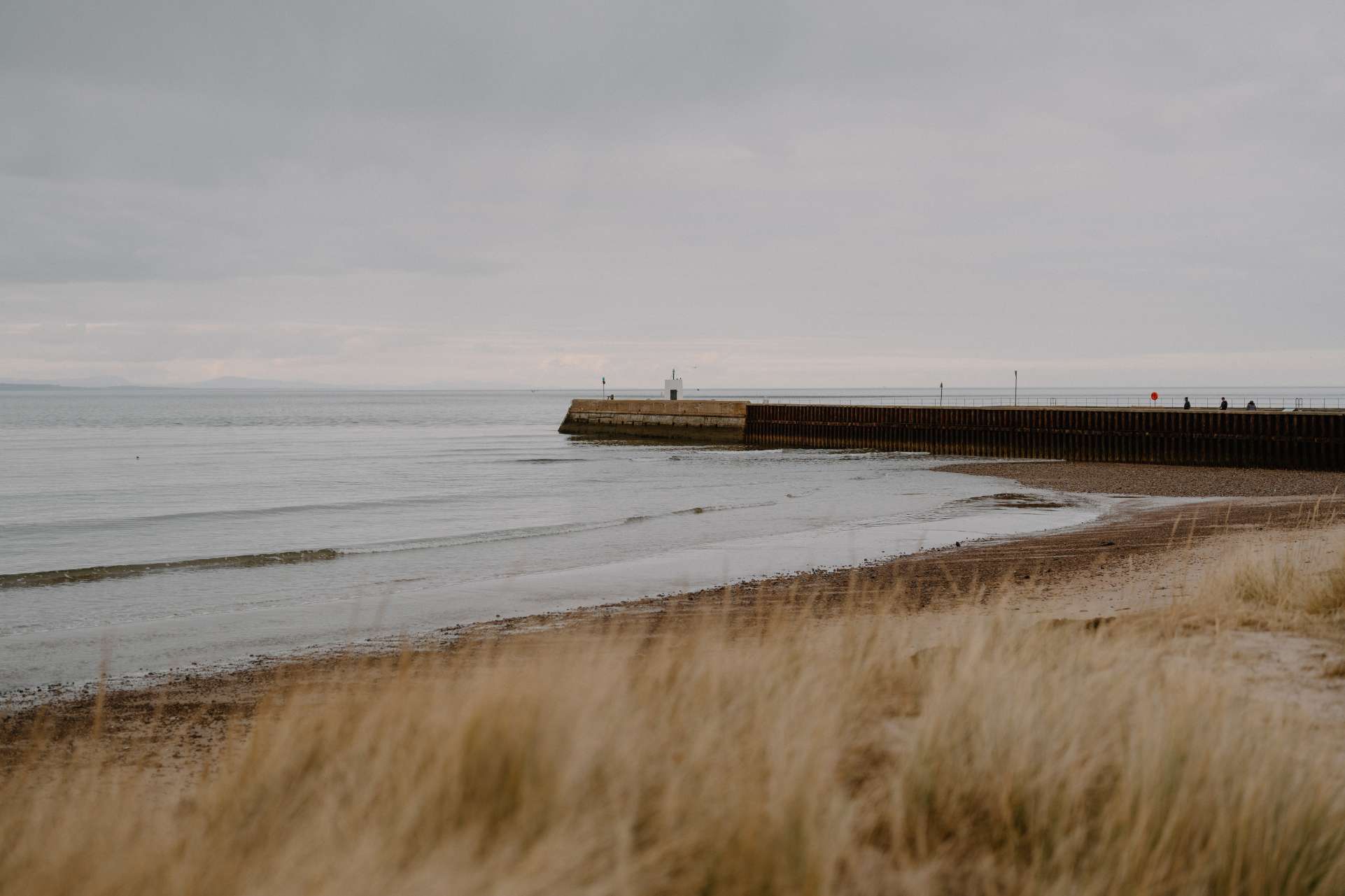
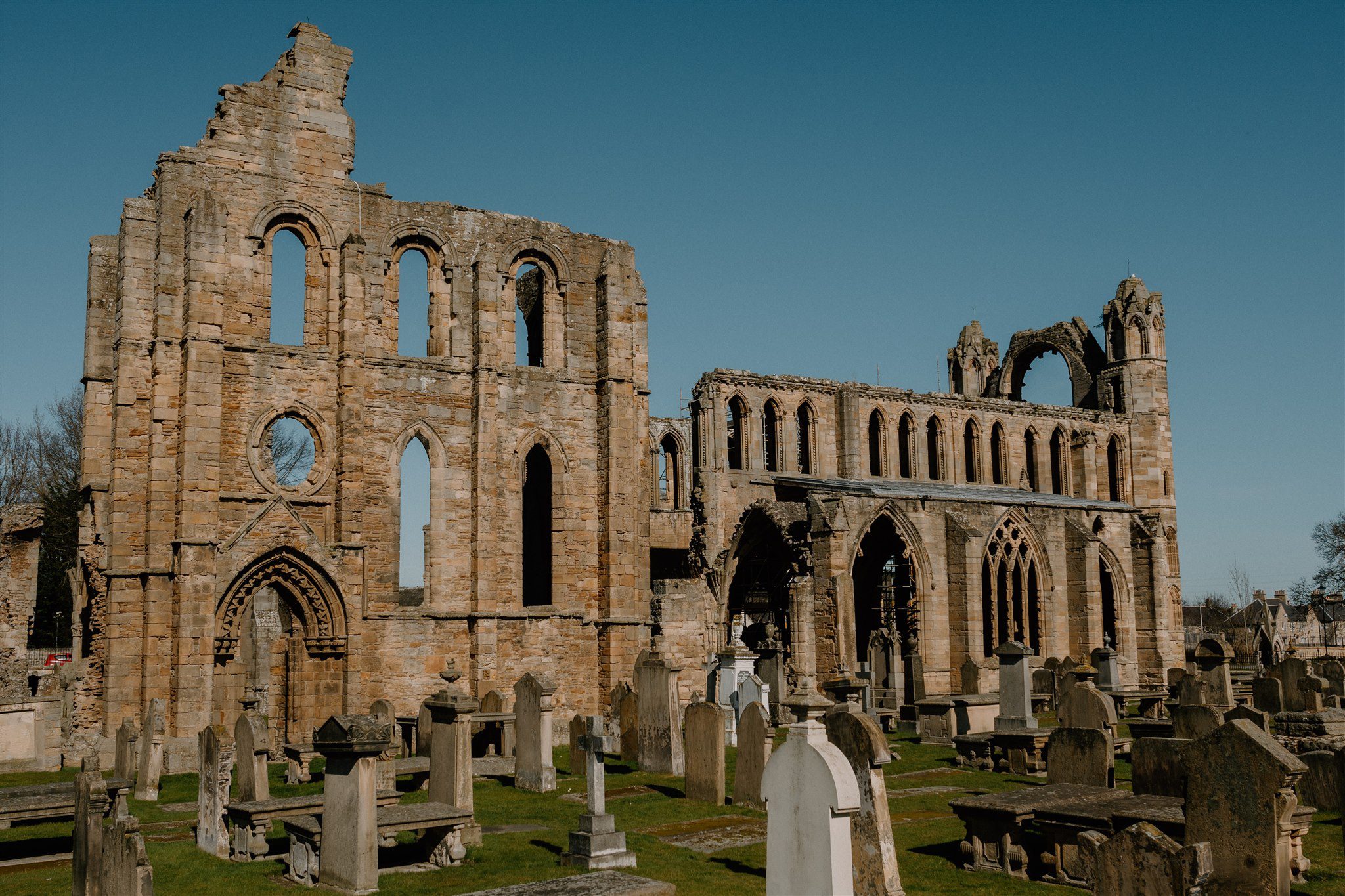
Forres town centre is less than a ten-minute walk from the stone, with cafés, bakeries, and independent shops lining the high street. Grant Park offers open green space nearby, along with the floral displays of the Forres in Bloom gardens. A short drive east leads to Brodie Castle, managed by the National Trust for Scotland, while westward you’ll find the 12th-century Kinloss Abbey ruins. The coast is also close—Findhorn Bay is just fifteen minutes by car, known for its wildlife, tidal flats, and broad skies. Together, the area offers a blend of quiet heritage and natural coastal beauty.



-54-medium-large-1774881243.jpg)
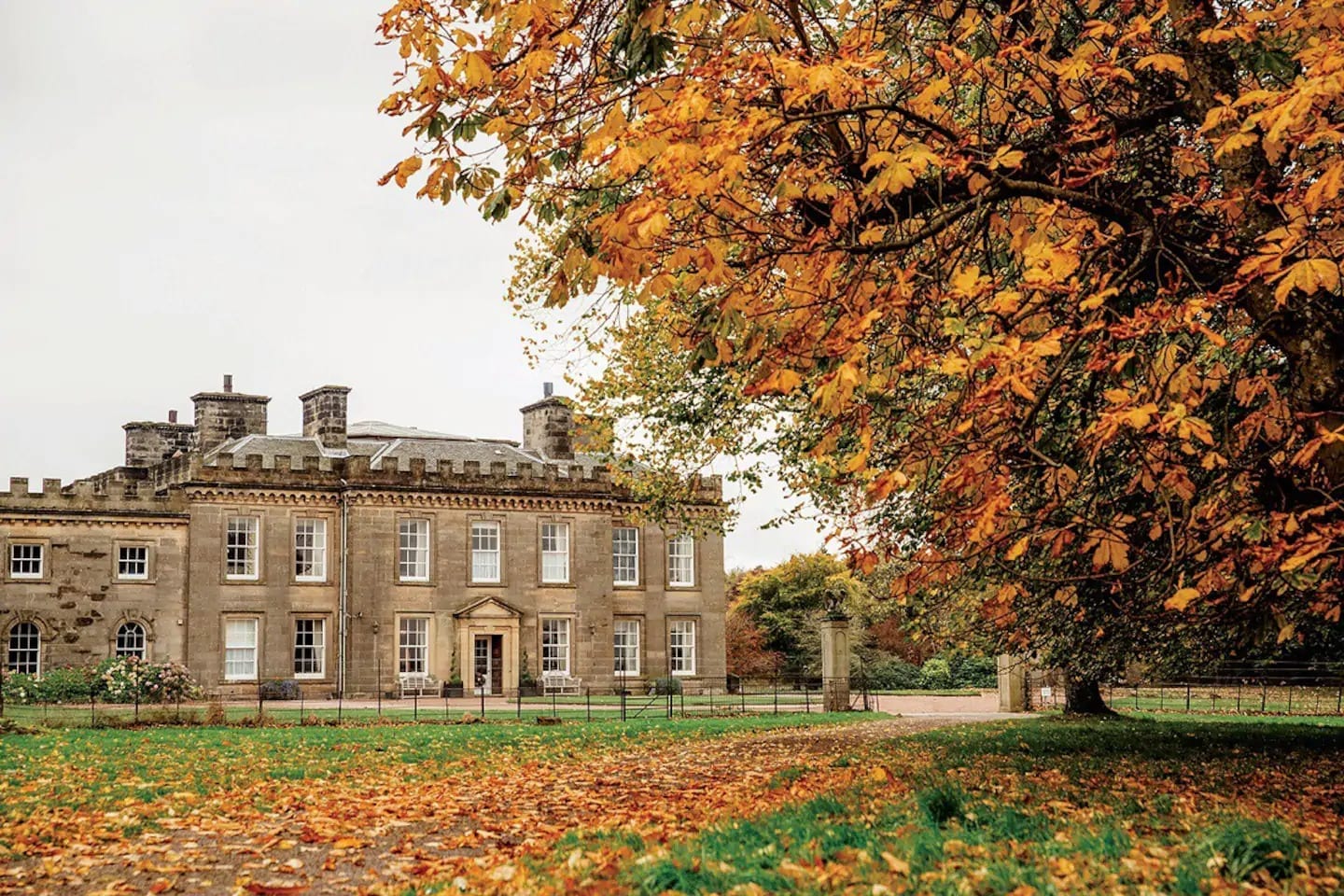
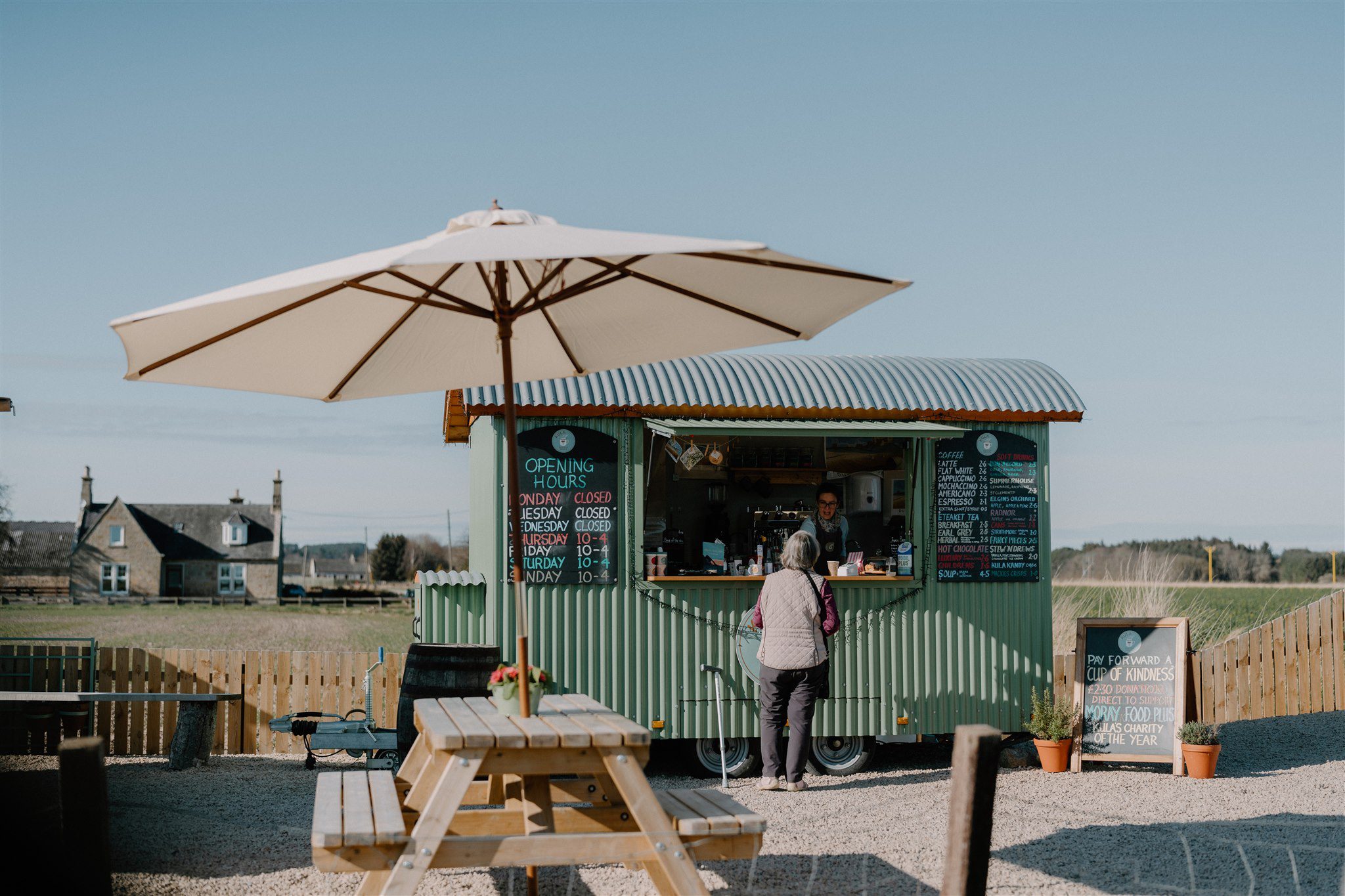
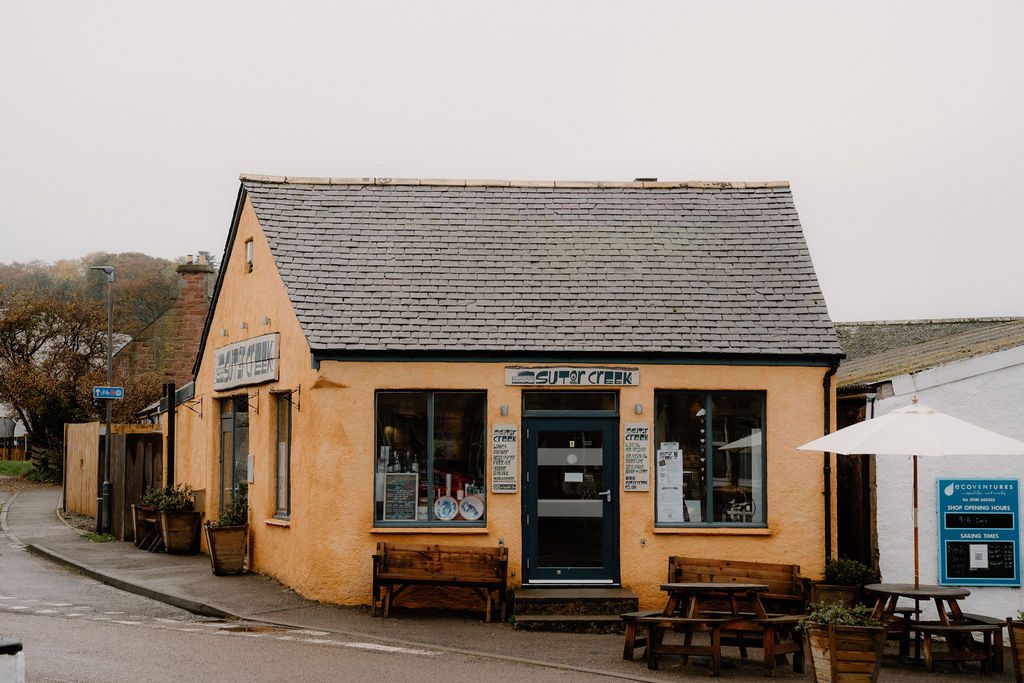
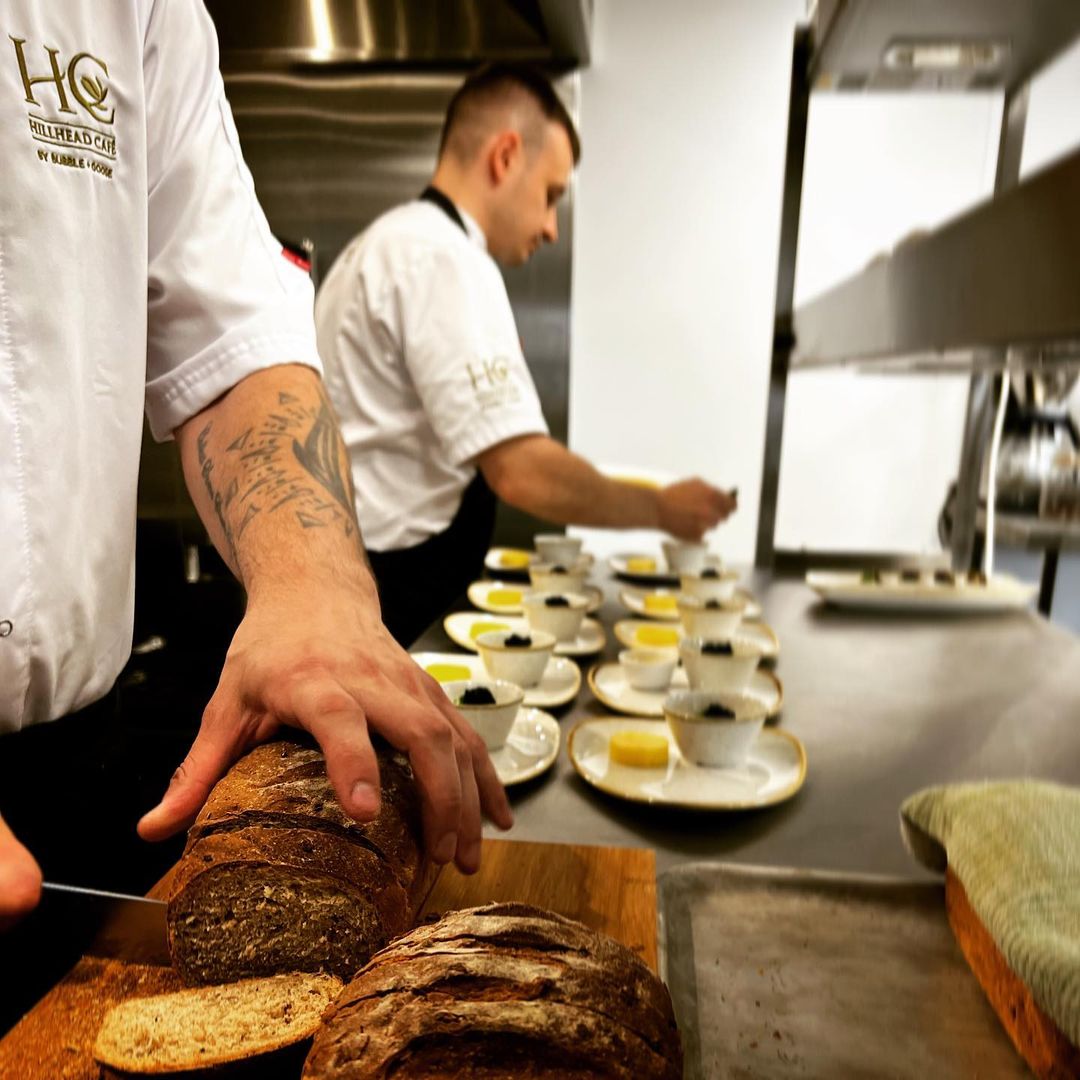

Where to stay nearby






 Sign in with Google
 Sign in with Email