
Isle of Iona
St Oran’s Chapel & Reilig Odhráin
Overview
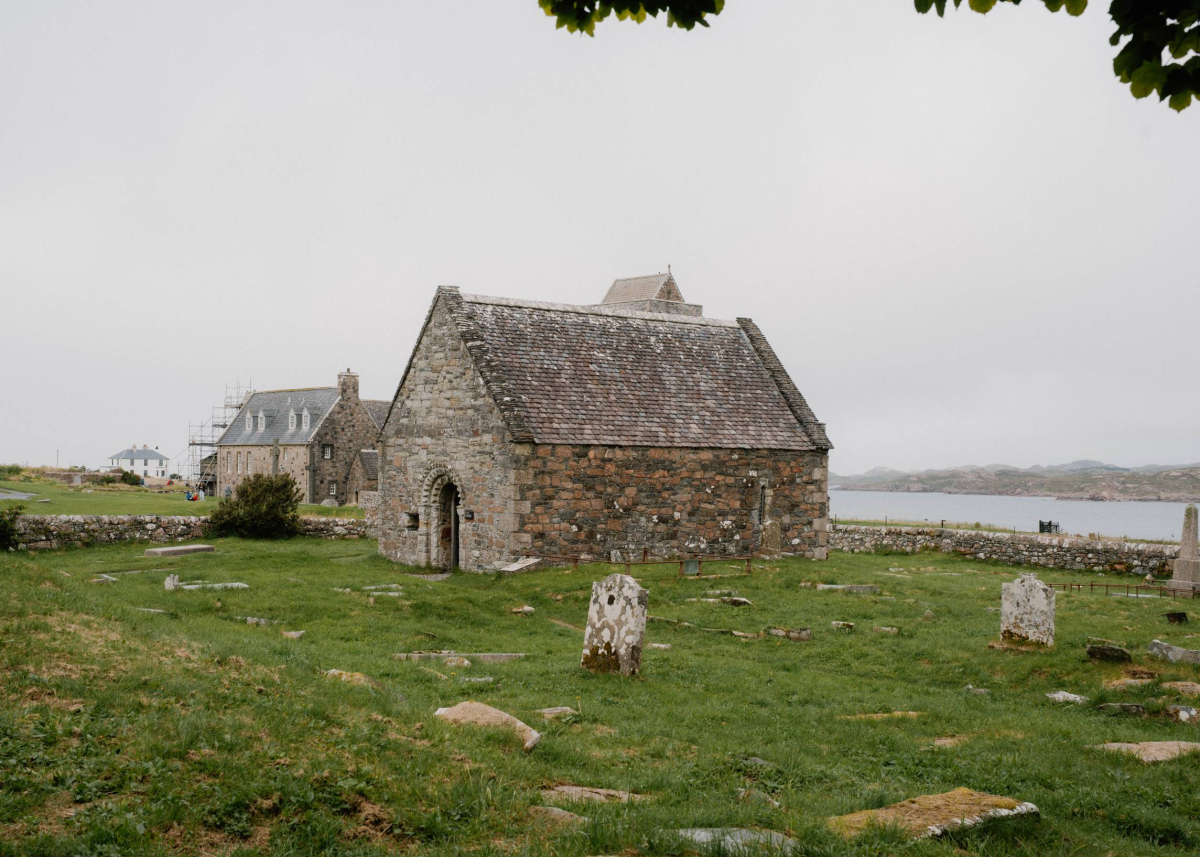
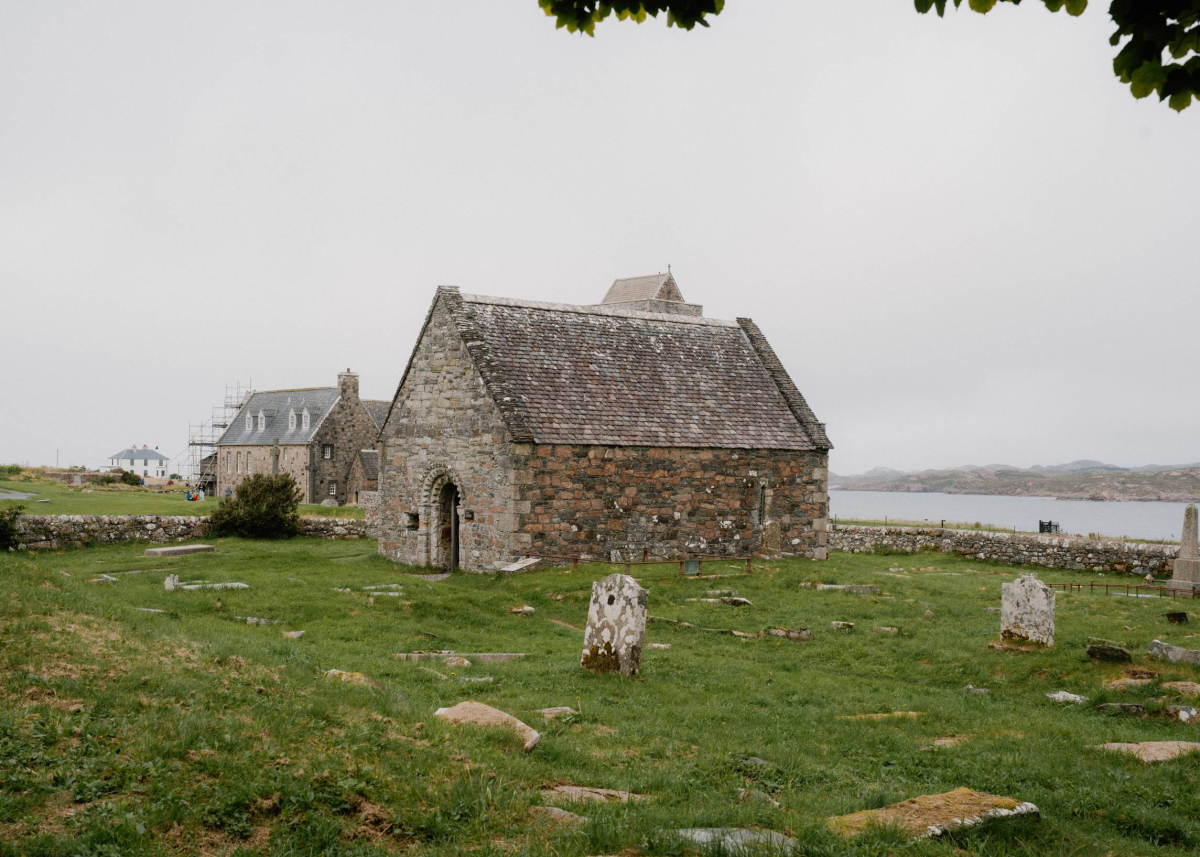
St Oran’s Chapel is easy to miss if you don’t look for it. Walk behind the Abbey, past the cloister garden and museum, and you’ll see a small rectangular stone building with a low pitched roof and narrow windows. It’s plain and unadorned, but it has stood longer than anything else still intact on Iona.
The building is named after Oran, one of Columba’s early companions. Local legend says he was buried alive as part of a ritual to consecrate the site. Whether or not that happened, the association between this spot and Iona’s earliest religious history runs deep.
This part of the grounds, known as Reilig Odhráin, has long been considered sacred. Burials here began early and continued for centuries. Some say dozens of kings were laid to rest in this soil, including Scottish rulers like Kenneth MacAlpin and Macbeth, and possibly leaders from across the Irish Sea. The truth is hard to confirm, but the tradition has lasted.
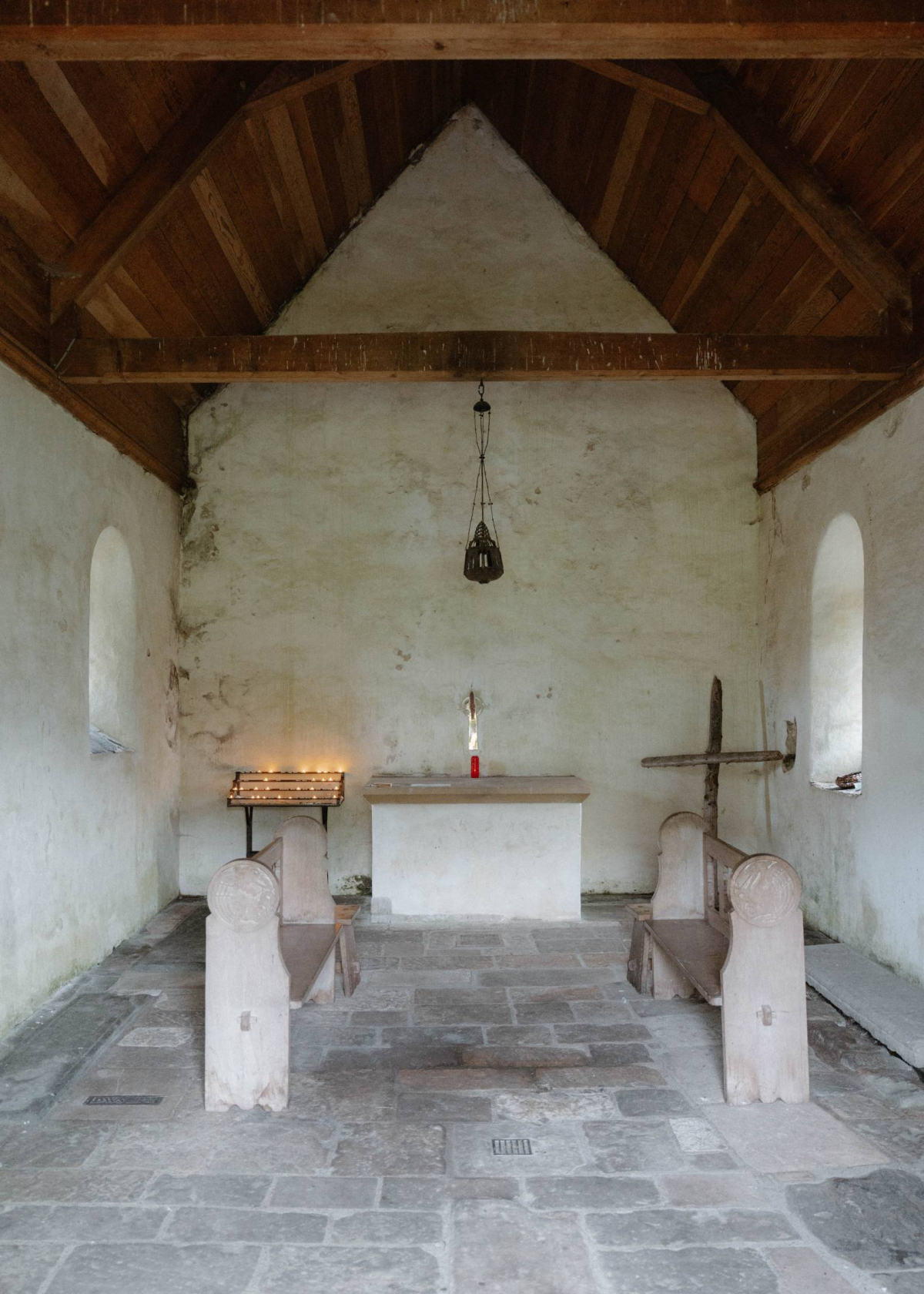
The chapel is usually open during the same hours as the Abbey. Inside, it’s quiet and empty, with bare stone walls and a few slit windows letting in light. It’s not a place designed to impress. That’s part of its appeal.
The graveyard surrounding it is uneven underfoot but easy enough to walk. Many stones lie flat or broken, but some upright markers remain. A few carry carvings or Latin inscriptions. One newer headstone marks the grave of John Smith, the former Labour Party leader, who chose to be buried here.
You won’t need a separate ticket — the chapel and graveyard are included in your Abbey admission. Everything is close together, so it’s easy to explore at your own pace. Even a short visit adds another layer to the Abbey experience.
Location: Behind the Abbey, within the Abbey grounds
Open: Same hours as Iona Abbey (April–October, usually 9:30am to 5:30pm)
Admission: Included with Abbey ticket
Time to allow: 15–30 minutes
Location
What's nearby



























Where to stay nearby







 Sign in with Google
 Sign in with Email