Did you know
An hour with the puffins.
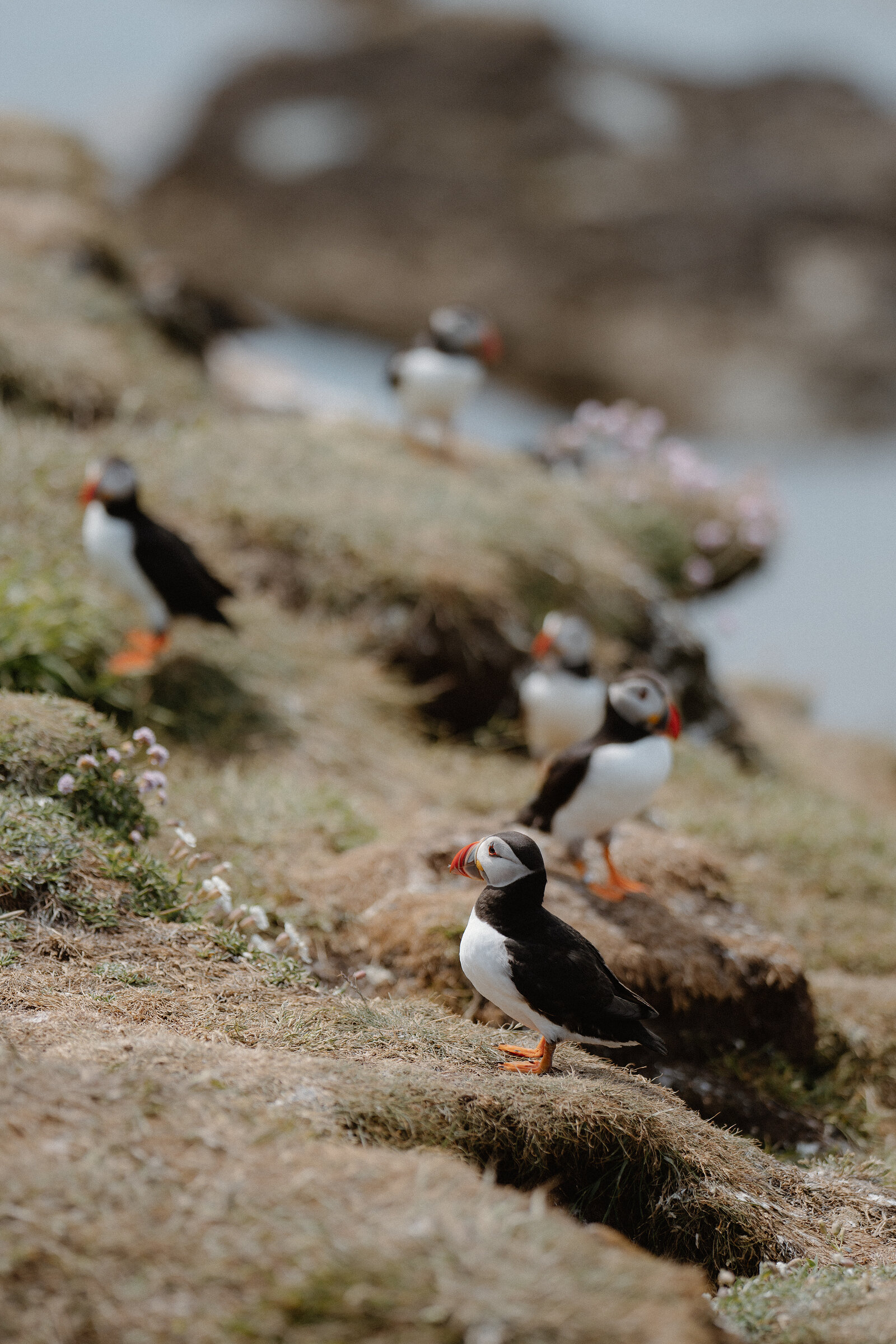
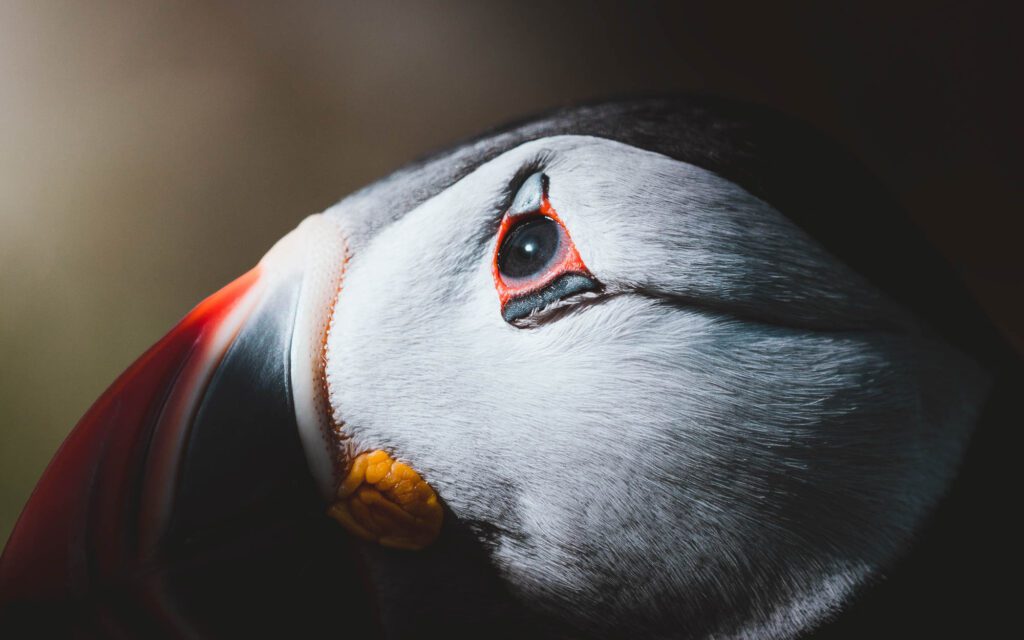
Iain Morrison, who began the Turus Mara trips, called an hour among Lunga's puffins puffin therapy.
A line of uninhabited islands west of Mull, landmarks since the Vikings, where boat trips land on Lunga among puffins, razorbills and great crowded seabird cliffs.
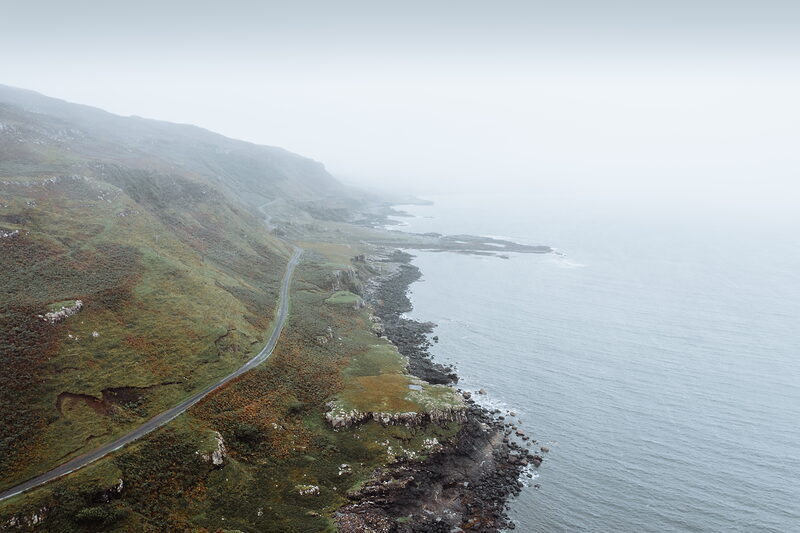
West of Mull, strung out in a line like a fleet of warships steaming through the Hebrides, lie the Treshnish Isles: eight main islands and a scatter of rocks, stretching eleven kilometres across the sea.
Visited and photographed by Simon Hird
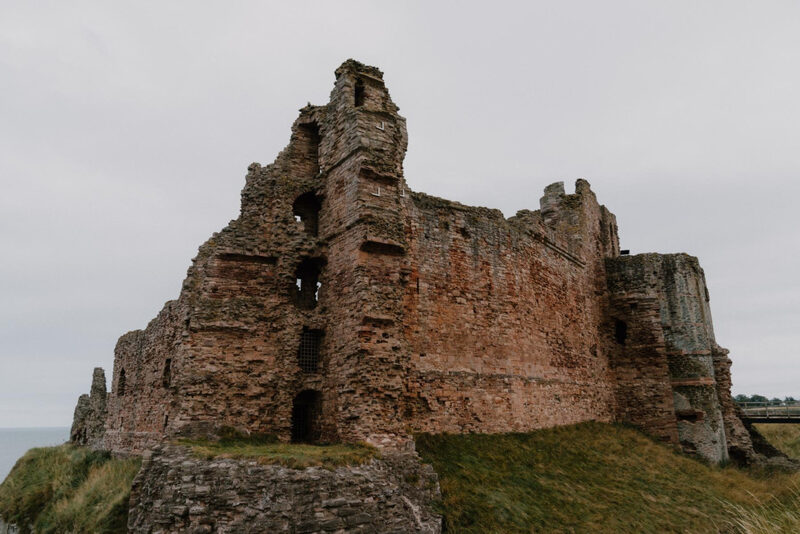
Nobody lives on them now; there are ruins, among them a medieval castle, but today they belong to the seabirds.
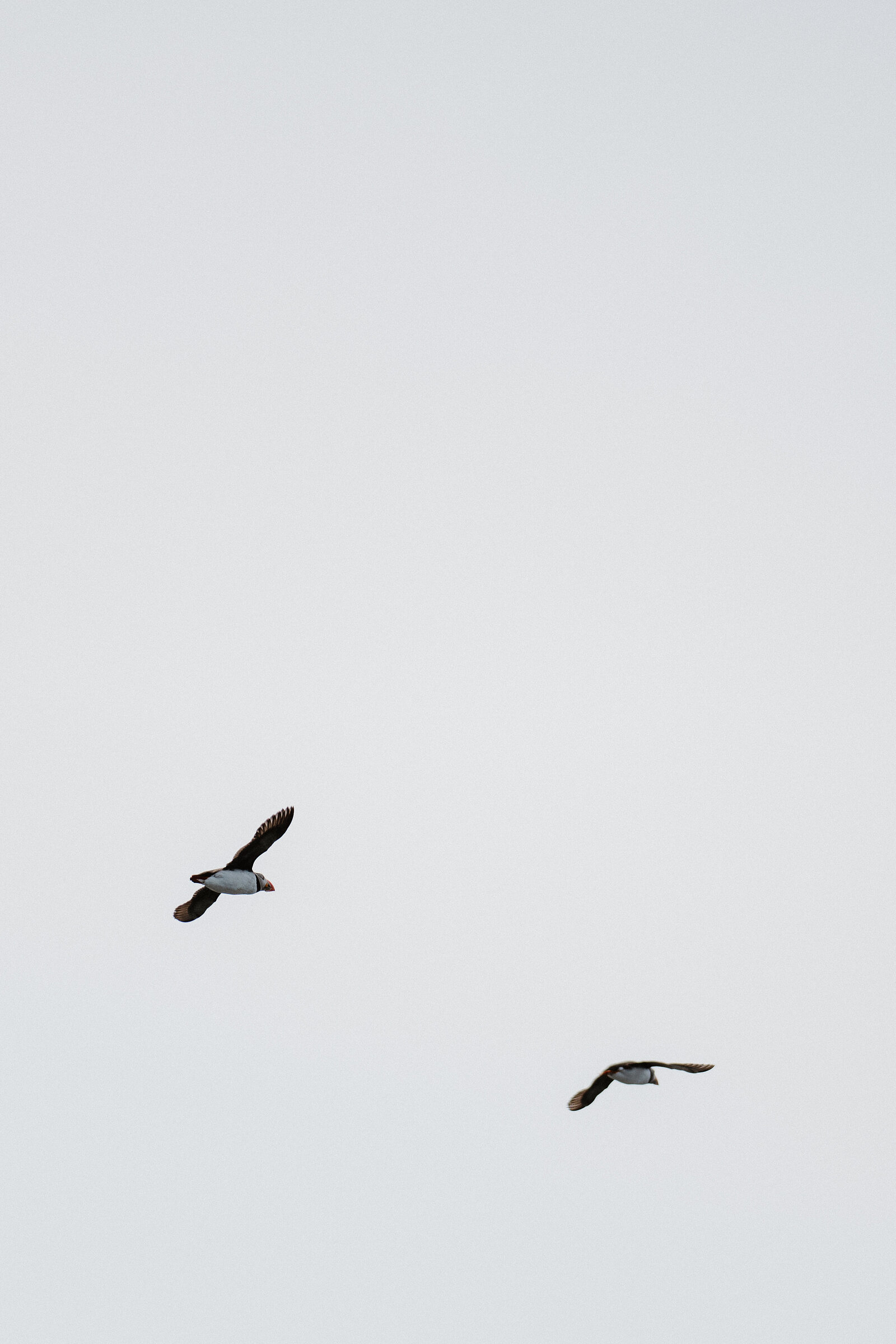
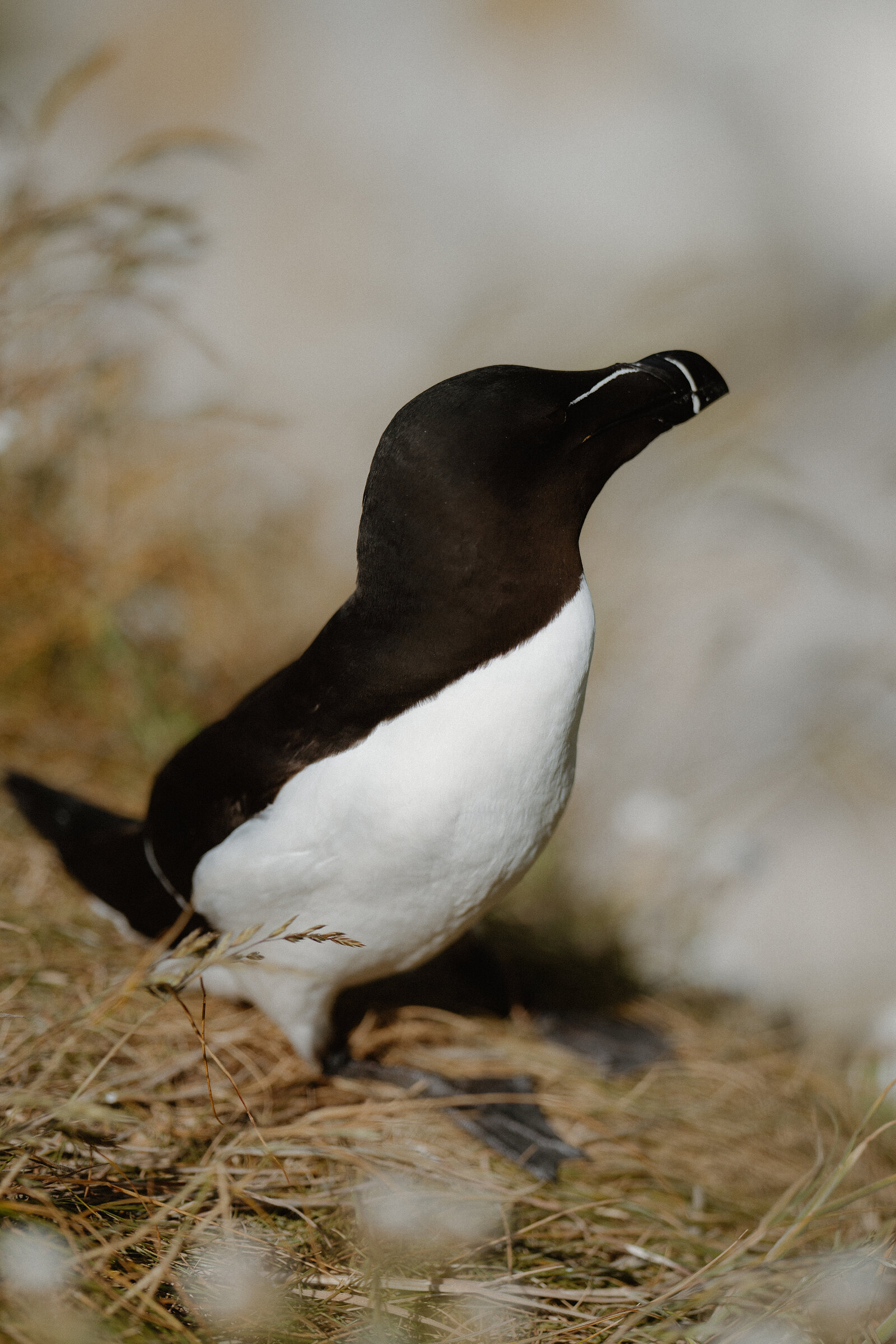
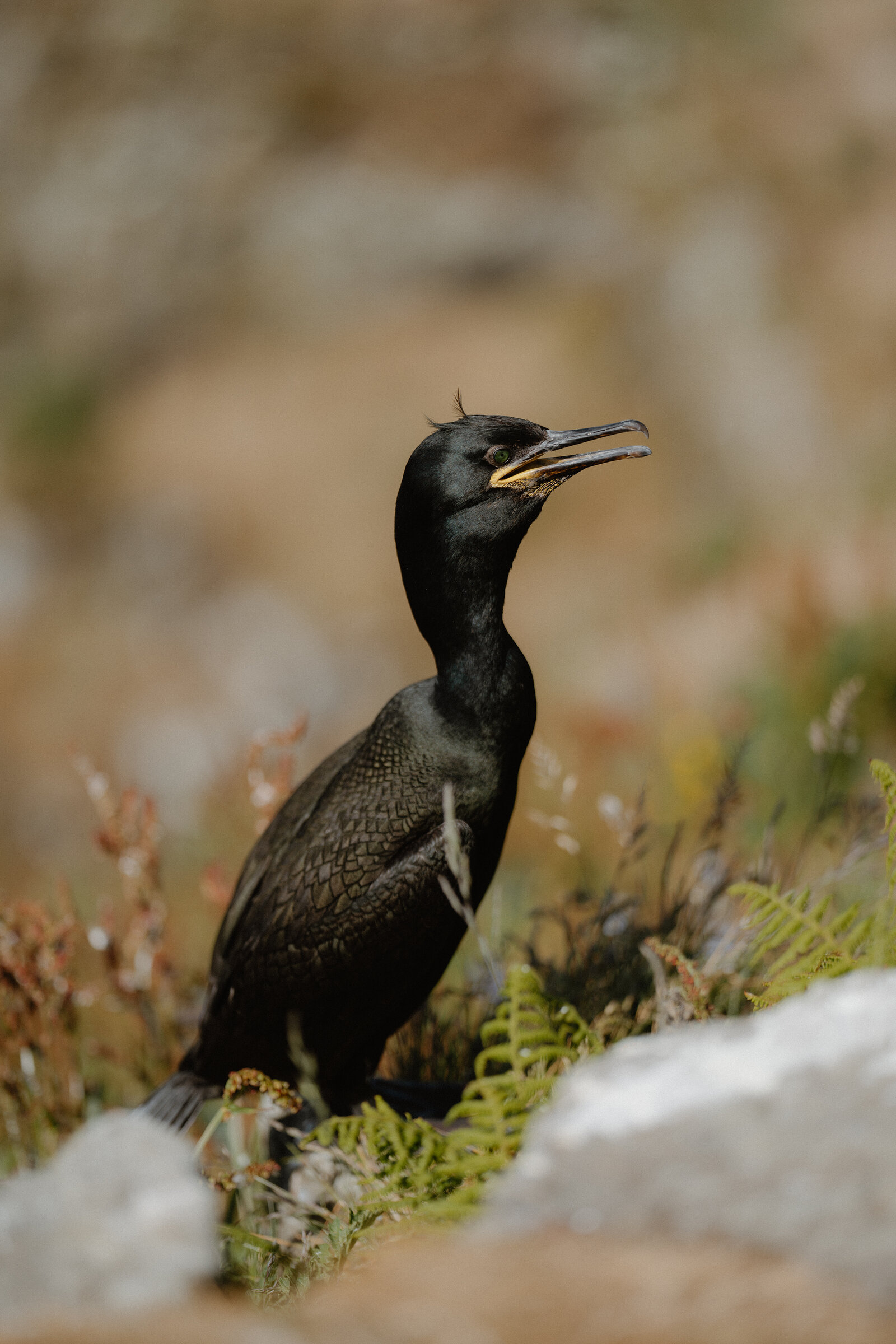
The boats land on Lunga, the largest. From mid April until early August its clifftop turf is full of puffins, standing among the sea pinks, so close you hardly need binoculars. Along the shore, cliffs and stacks are crowded with nesting birds, and the stack of Dun Cruit, the Harp Rock, holds more than six thousand guillemots, razorbills, kittiwakes, fulmars and shags.
Most trips pair Lunga with Staffa and Fingal's Cave, and leave from Ulva Ferry on Mull or from Oban, Tobermory, Fionnphort and Iona.
Arrives at 5am every day.
A free morning email to see what’s on this week, catch up on what’s happening in Scotland and find somewhere new to go.
The islands can only be reached by boat.
Trips land on Lunga from spring to summer, from Ulva Ferry on Mull and from Oban, Tobermory, Fionnphort and Iona; the puffins are there from mid April until early August. Book ahead, and go prepared for the weather at sea.
Been here? Tell others what you know, and the best go on this page with your name.
Add your reviewIain Morrison, who began the Turus Mara trips, called an hour among Lunga's puffins puffin therapy.
The Harp Rock stack, Dun Cruit, is home to more than 6,000 seabirds.
Some of the islands' names come from the Vikings, who once ruled the Hebrides.
New places, news and stories, as we find them.
What is on in Argyll and ButeWest of Mull in the Inner Hebrides, 3km off the coast at their nearest; boat trips leave from Ulva Ferry, Oban, Tobermory, Fionnphort and Iona.
 Isle of LungaThe largest of the islands, where the boats land.Under a mile 1 min by road
 Calgary BayThe largest and most accessible beach in north Mull, a long sweep of white shell sand backed by flowering machair, west of Dervaig.3 miles 7 min by road
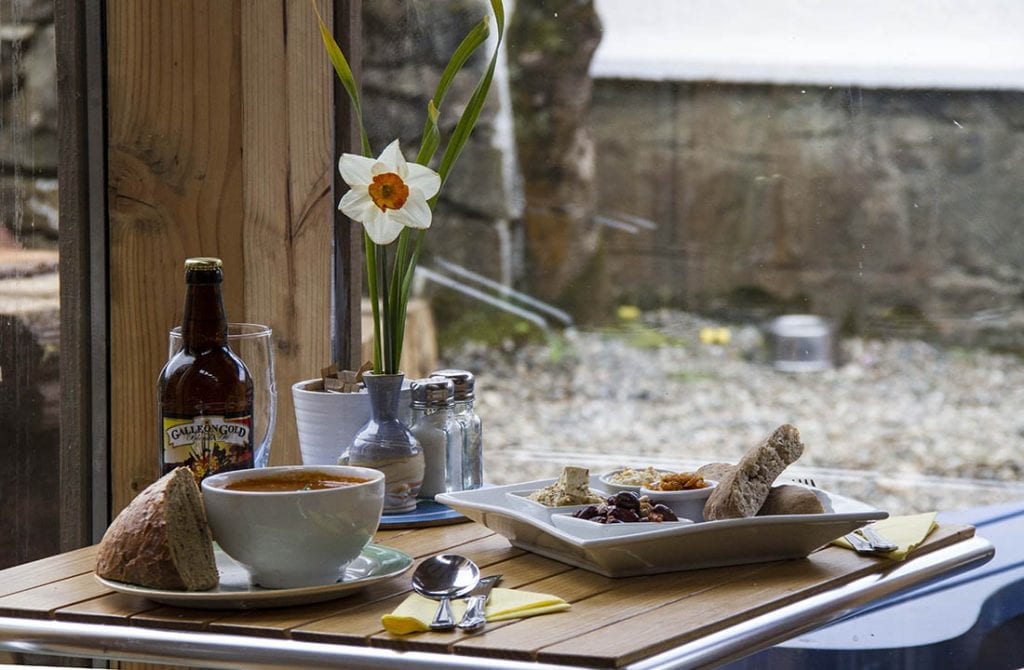 Calgary Bay CoA small café by Calgary Bay in north-west Mull, run by Lou and Ben, with lunches, baking and Pilates classes.3 miles 7 min by road
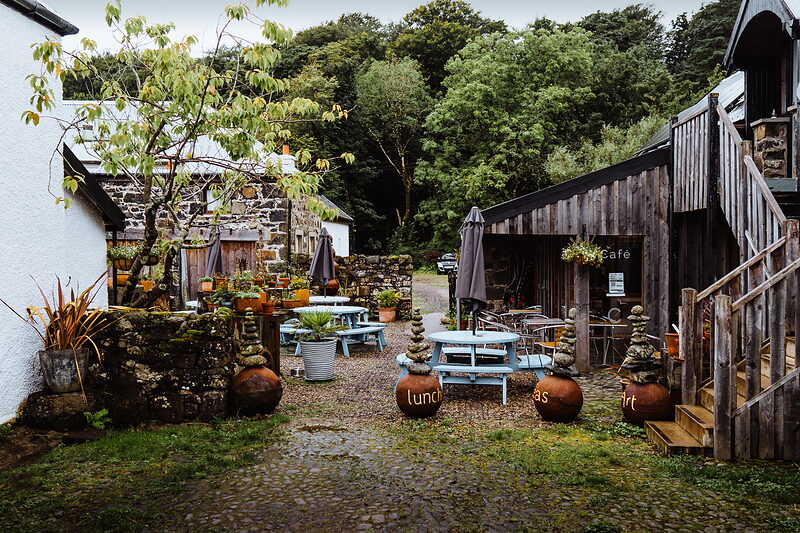 Calgary Art in NatureA free woodland sculpture walk through the beech woods above Calgary Bay, begun in 1999, with a café beside the start.3 miles 7 min by road
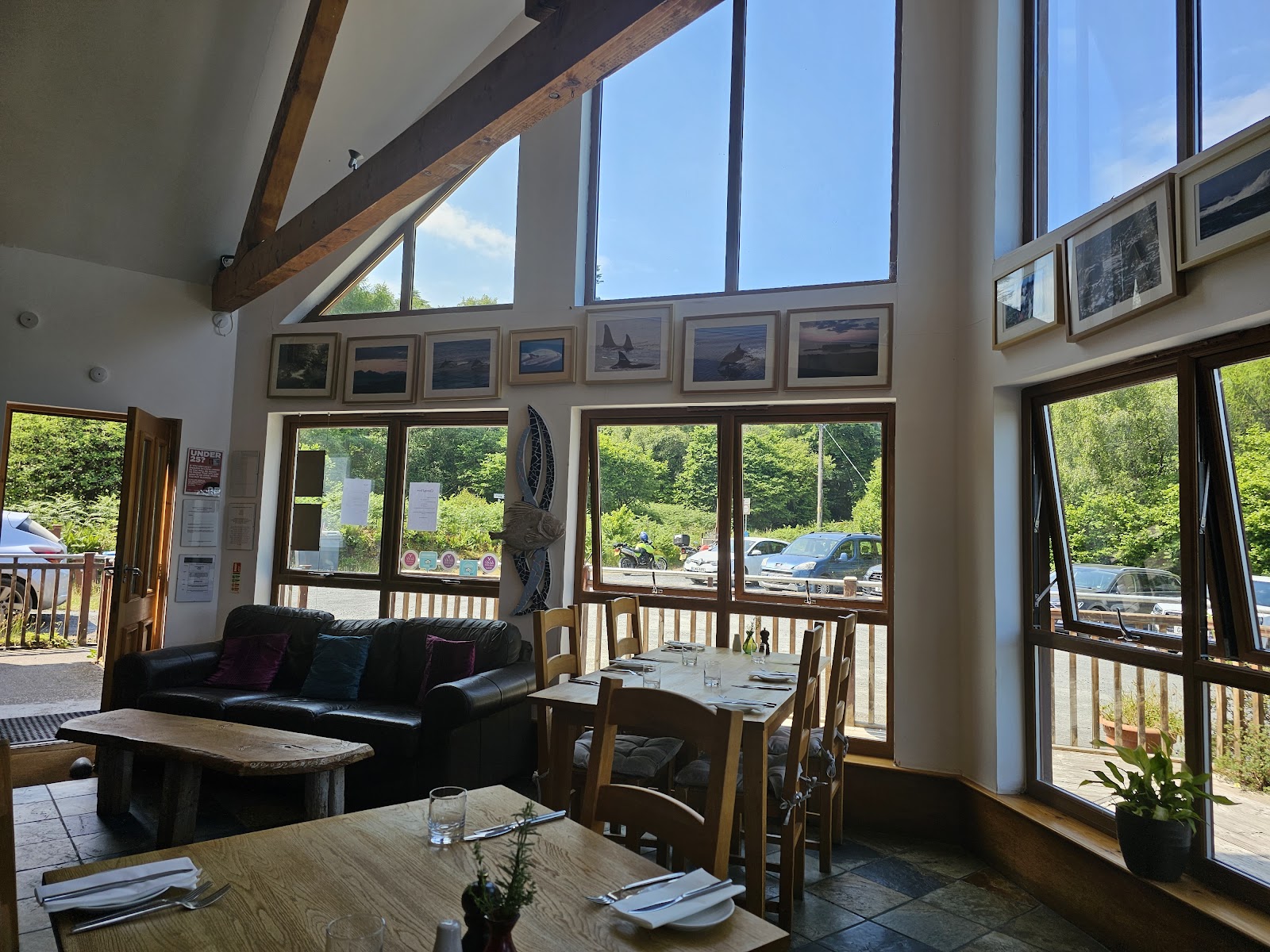 Am BirlinnA family-friendly restaurant in a light, airy timber building near Dervaig, cooking the freshest local food.5 miles 11 min by road
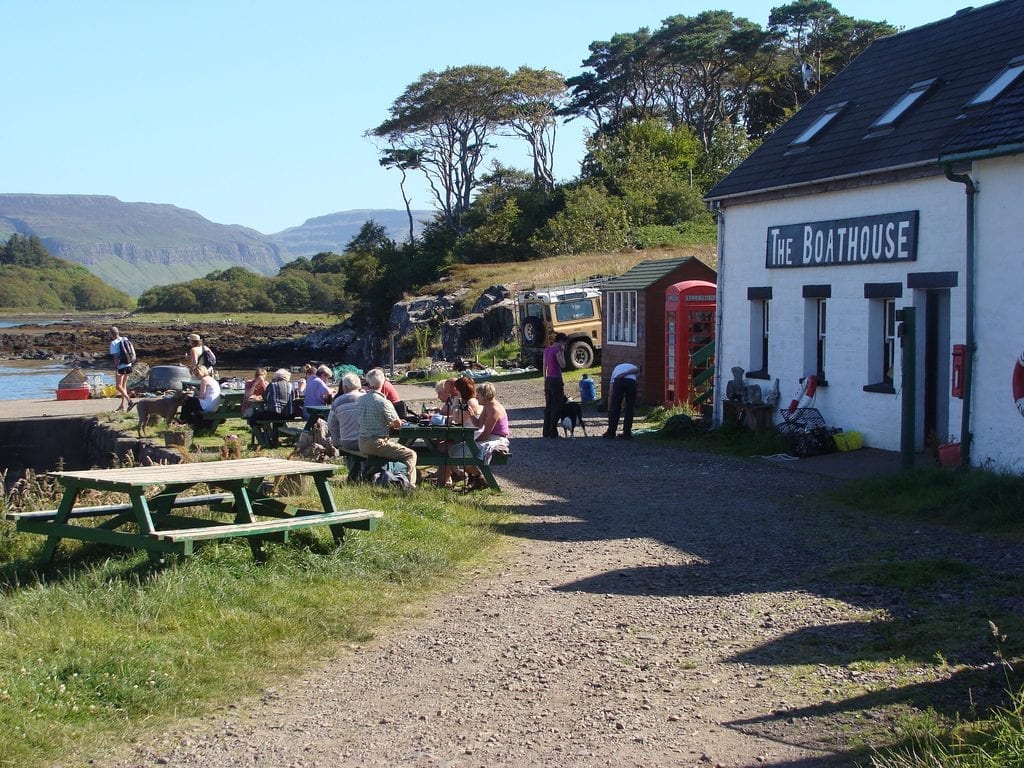 Isle of UlvaThe community island by the boats' Mull harbour.11 miles 23 min by road
We want to show you the best that Scotland has to offer. The makers and the creatives, the enduring experiences, the evocative tales, the concealed corners. The roads less travelled that take you to places that matter. The adventures that gather you up and sweep you away. The blend of the wild and the artistic that makes Scotland what it is. We’d love for you to join us.
What we have written about it and more in Argyll and Bute.
For further reading, before you go. The details on this page were checked on .