Did you know
An overture from a cave.
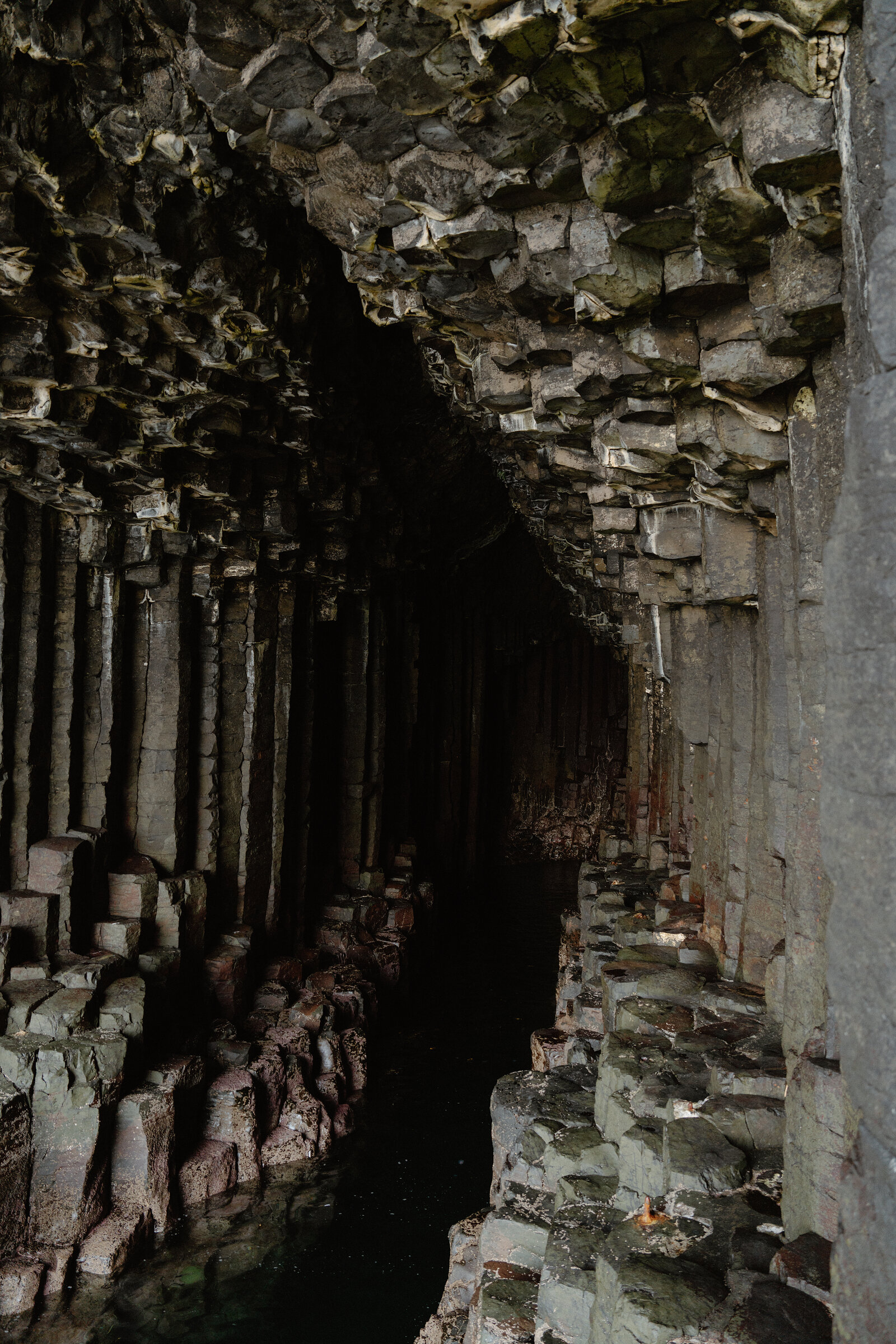
The astonishing acoustics of Fingal's Cave inspired Mendelssohn to compose his Hebrides Overture.
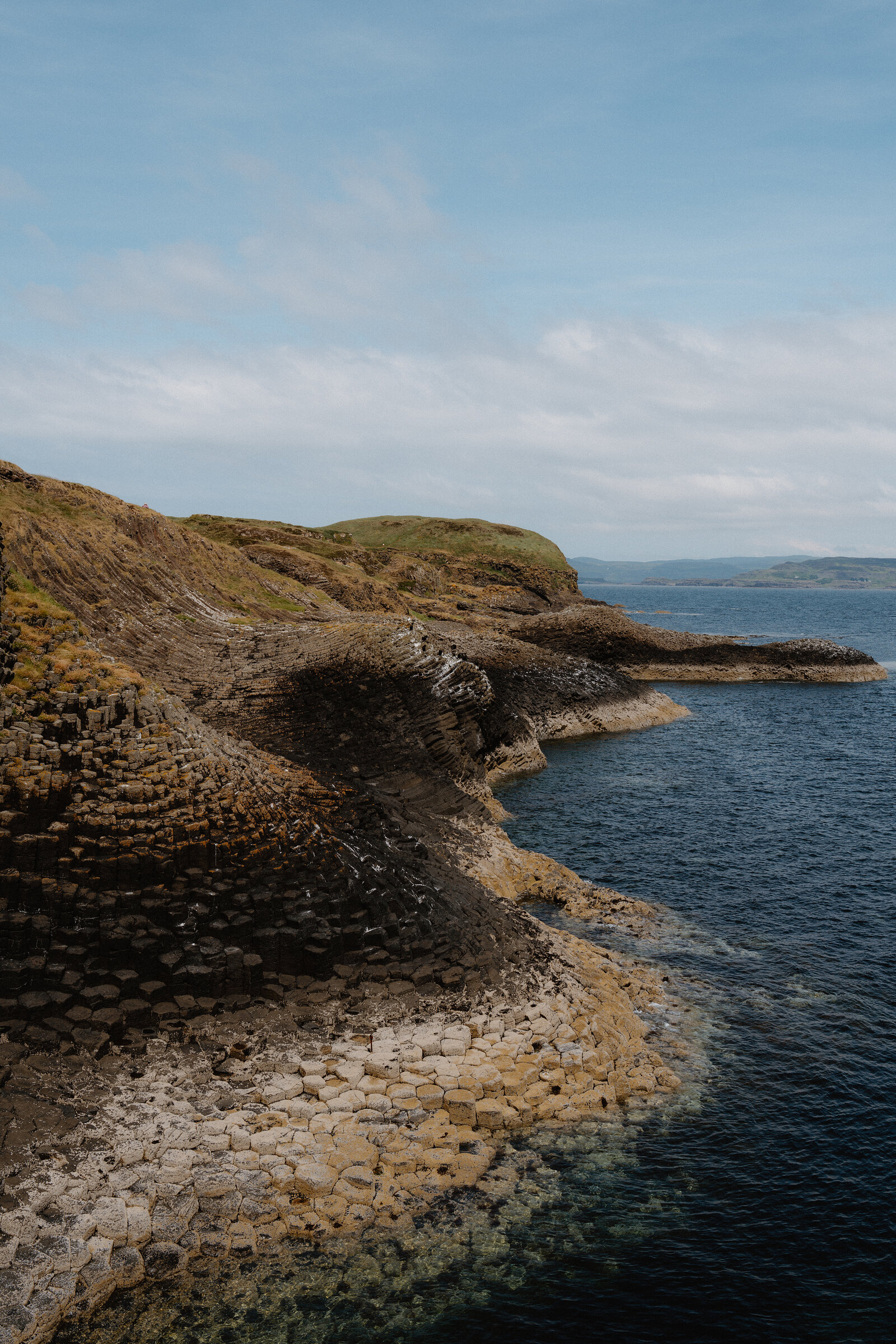
The little island of hexagonal basalt columns off Mull, home to Fingal's Cave and, in summer, to puffins.
Staffa is a little island off the west coast of Mull, half a mile long and a quarter of a mile wide, and it looks as though it came from another planet.
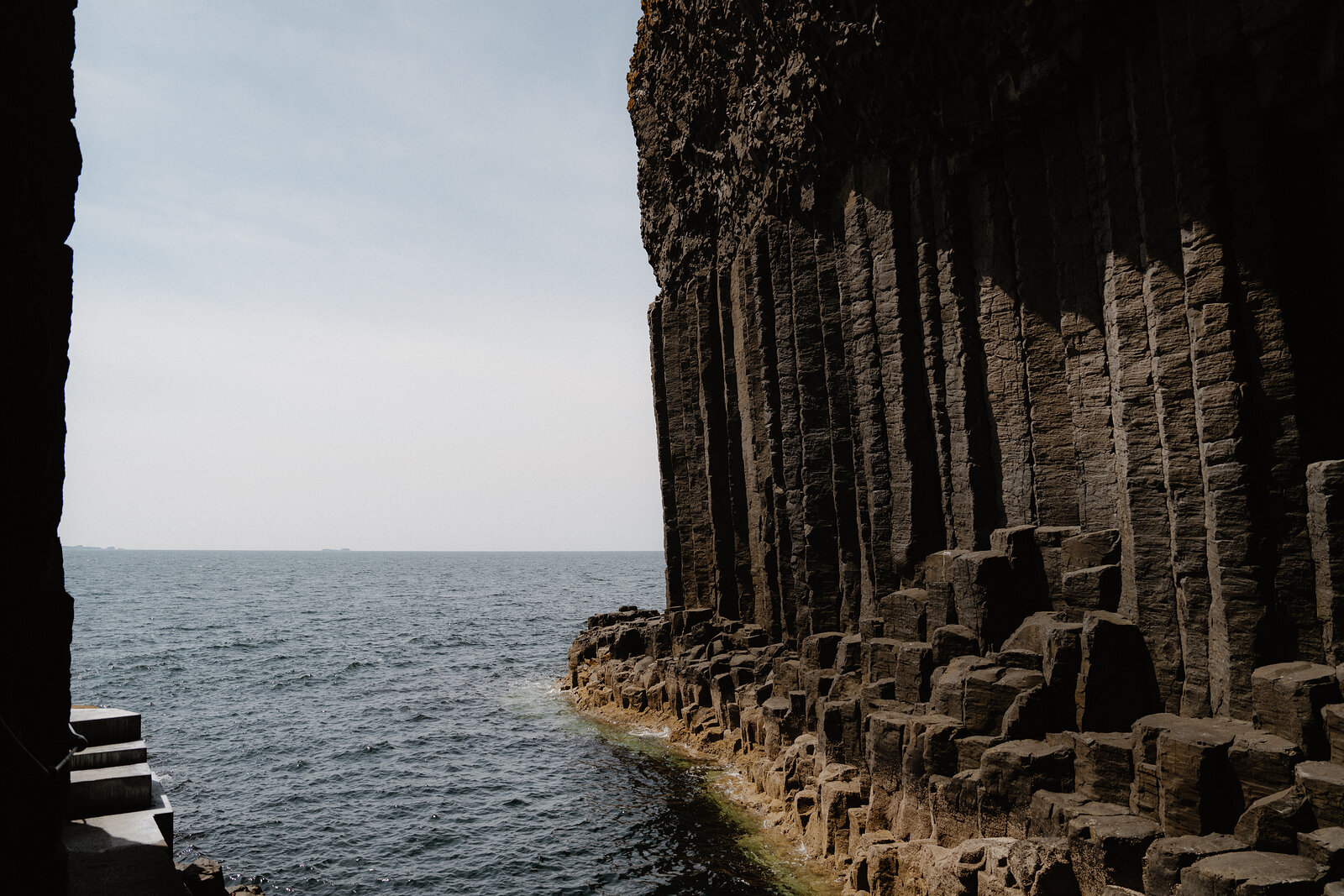
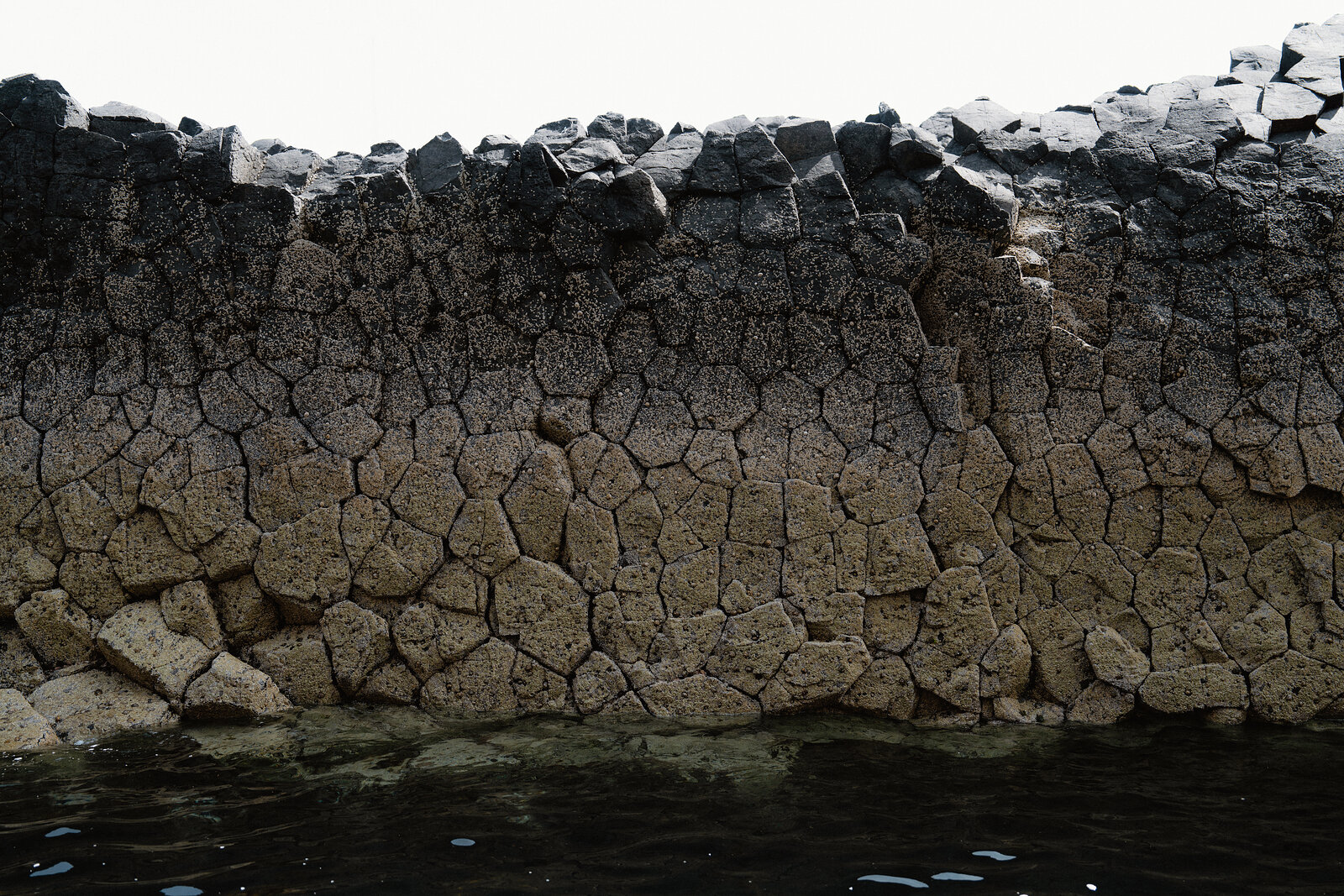
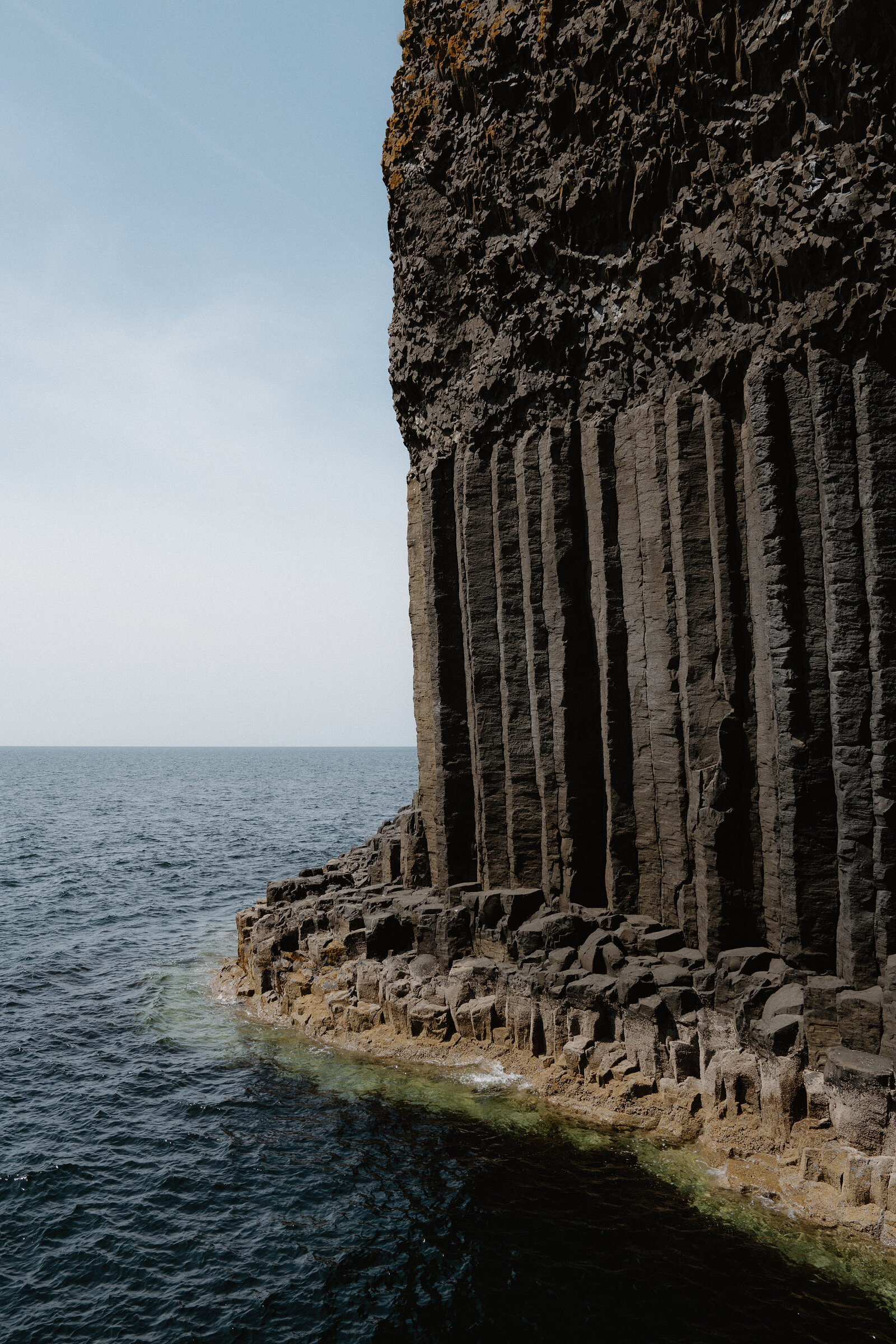
Its cliffs are made of great hexagonal columns of basalt, formed millions of years ago when a vast blanket of lava spread into the Atlantic and cooled, and the waves have worn into them the famous Fingal's Cave, whose echoes moved Mendelssohn to write his Hebrides Overture.
The botanist Joseph Banks made the island famous in 1772, and it soon became a sight that no traveller could miss; Queen Victoria, Tennyson, Jules Verne, Robert Louis Stevenson and Keats all came. Boats land at a jetty, and a path leads up to the grassy top of the island, with a panorama of Hebridean islands all round. Black guillemots, eiders, fulmars and puffins nest here, and whales, dolphins and basking sharks pass offshore. The National Trust for Scotland has cared for Staffa since 1986.
Staffa is reached only by boat, on trips that land at the island's jetty.
Entry to the island is free; boat operators pay a small landing charge.
The astonishing acoustics of Fingal's Cave inspired Mendelssohn to compose his Hebrides Overture.
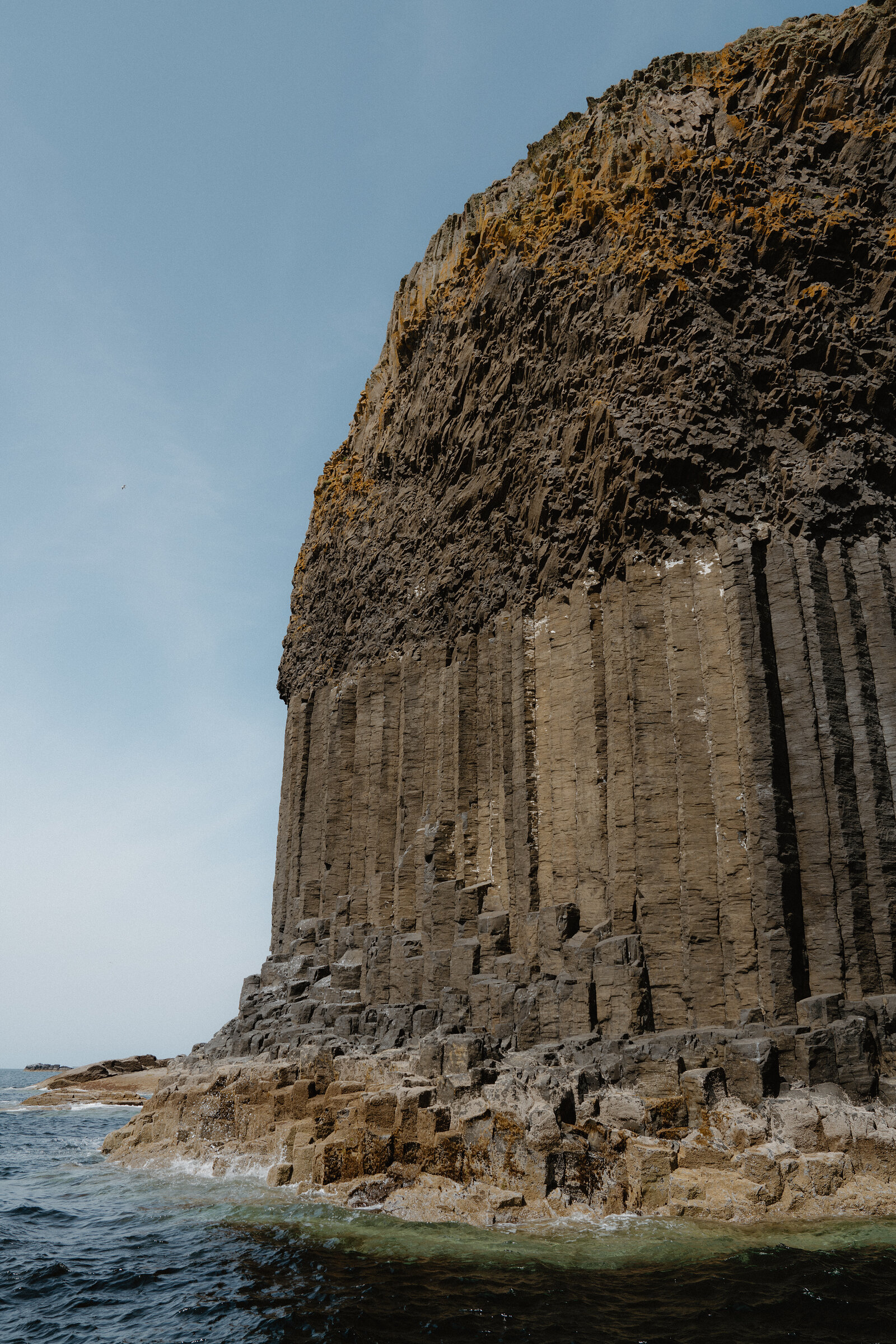
The columns formed millions of years ago, when a vast blanket of lava spread into the Atlantic Ocean.
The botanist Joseph Banks wrote of the island's wild beauty in 1772, and travellers soon followed.
Queen Victoria, Tennyson, Jules Verne, Robert Louis Stevenson and John Keats all came to Staffa.
An American, John Elliott Jr, gave Staffa to the National Trust for Scotland in 1986 in honour of his wife Elly's birthday.
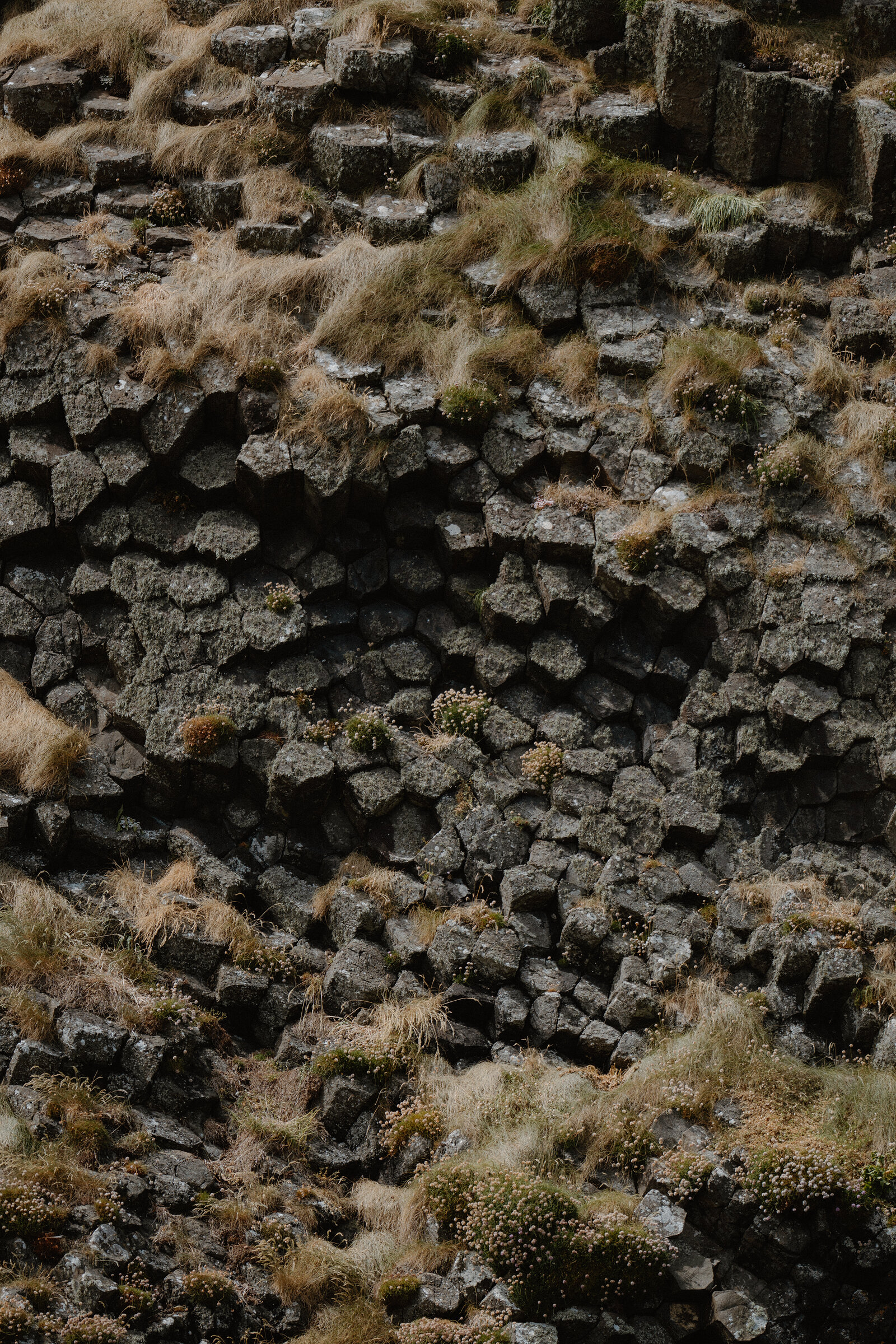
The only tree on Staffa is the creeping willow, which never grows more than a few centimetres tall.
New places, news and stories, as we find them.
What is on in Argyll and ButeOff the west coast of Mull, in the Inner Hebrides.
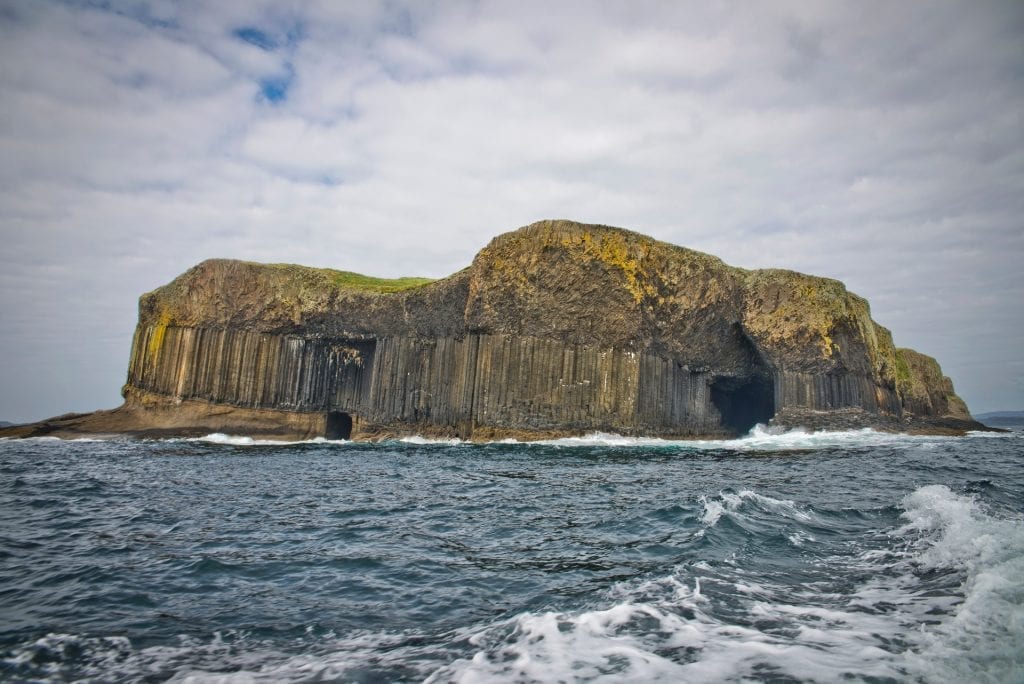 Fingal’s Cave on StaffaThe great basalt sea cave on Staffa, off Mull, whose echoes inspired Mendelssohn's Hebrides Overture.Under a mile 1 min by road
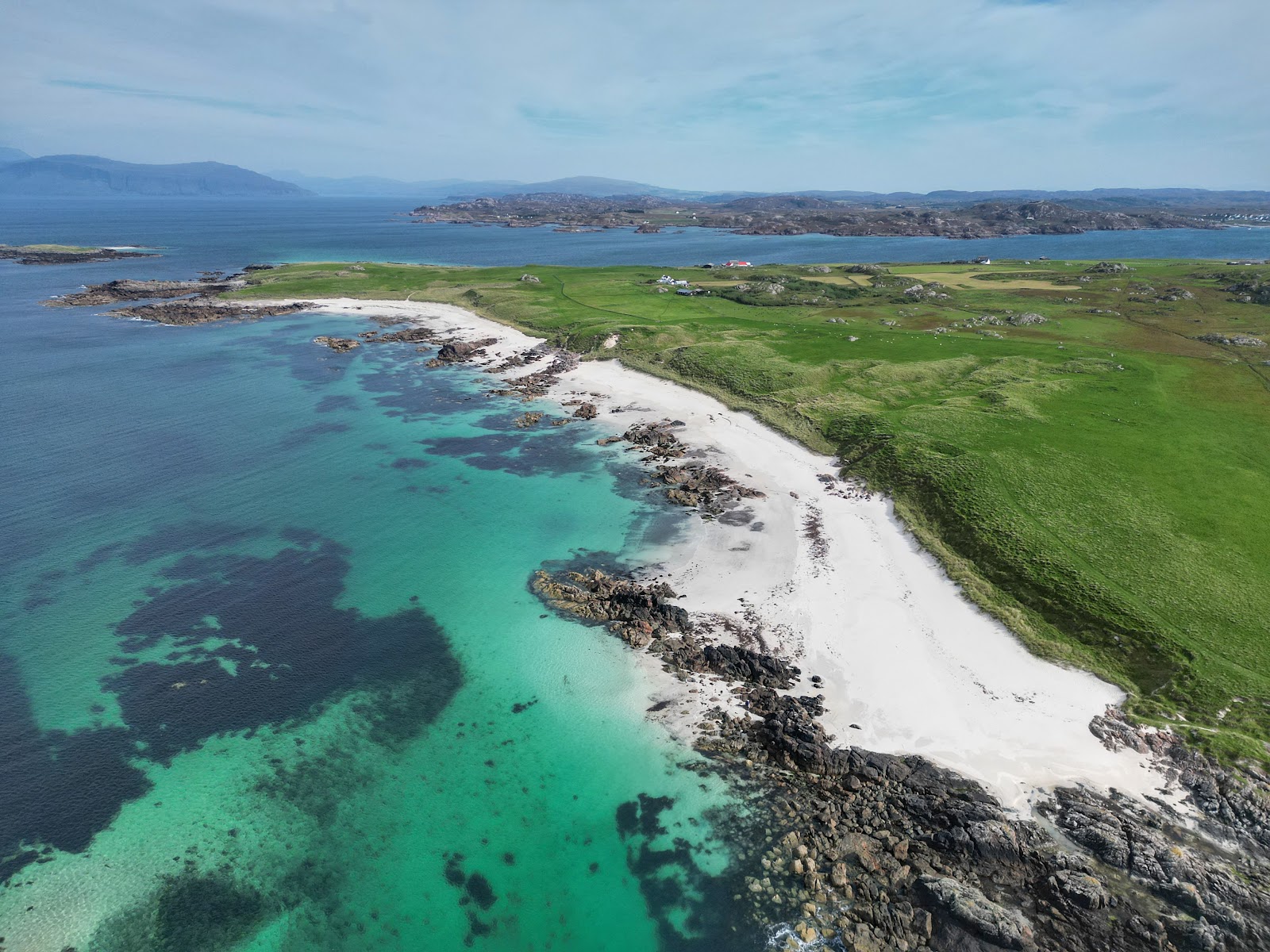 North End BeachesThe white-sand beaches at the north end of Iona, with the White Strand of the Monks, looking to Mull and the Treshnish Isles.Under a mile 4 min by road
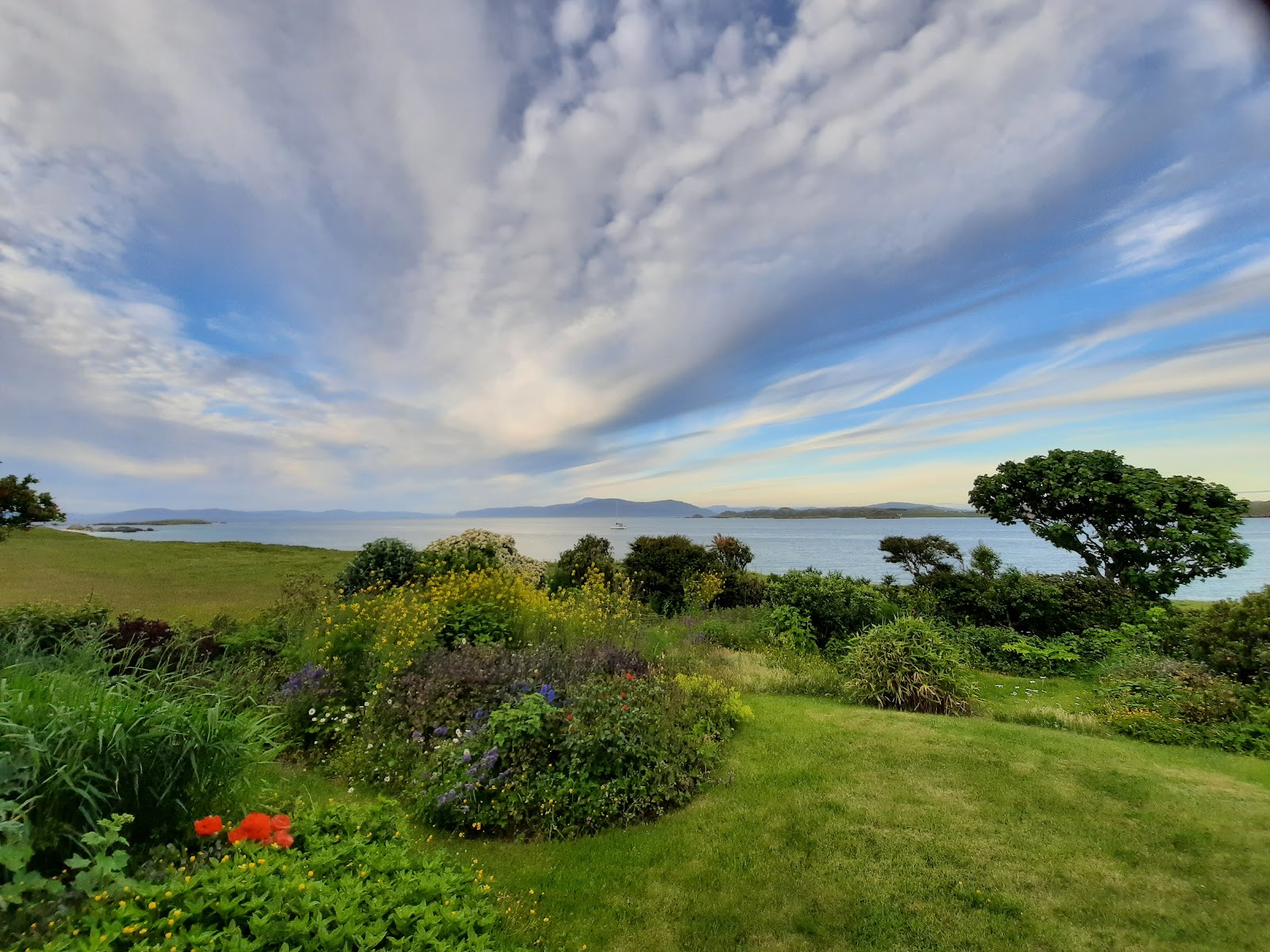 Traigh Bhan nam MonachThe White Strand of the Monks, a beach near the far north point of Iona, reached across a field.Under a mile 4 min by road
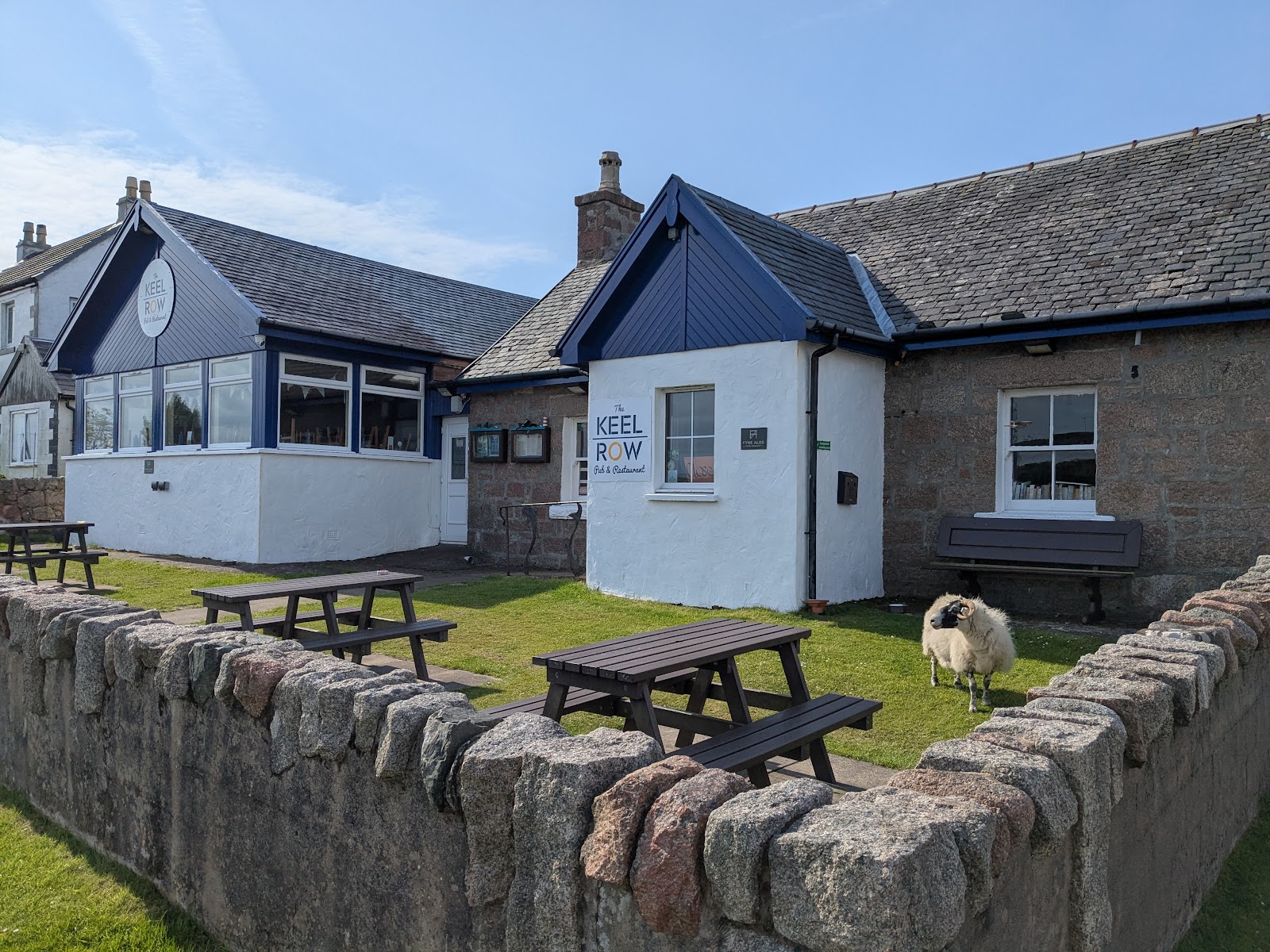 The Keel RowA traditional pub and restaurant in Fionnphort, by the Iona ferry, with views across the sound to Iona.3 miles 9 min by road
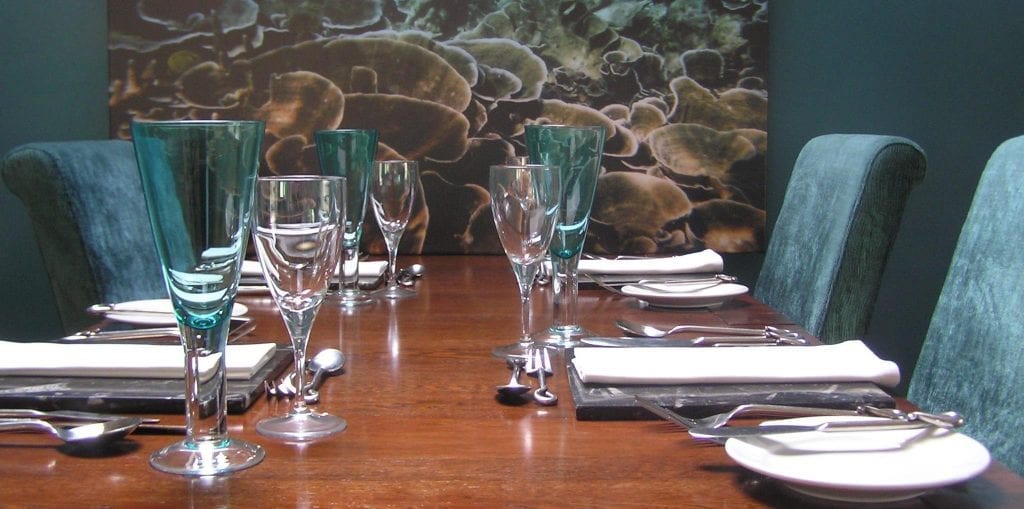 Ninth Wave RestaurantA croft restaurant near Fionnphort on Mull, where Carla Lamont cooks long lunches from John's catch and their garden.3 miles 11 min by road
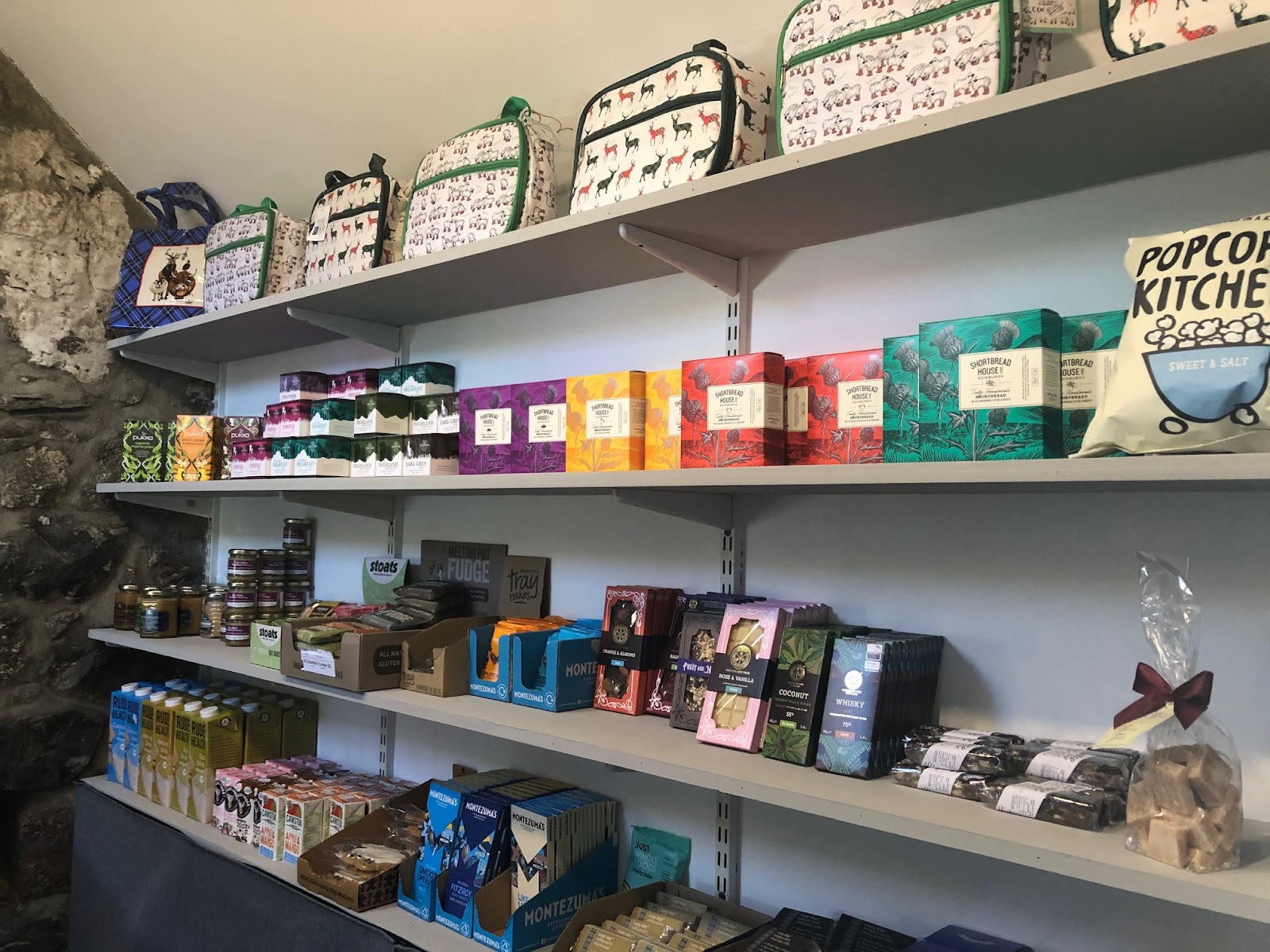
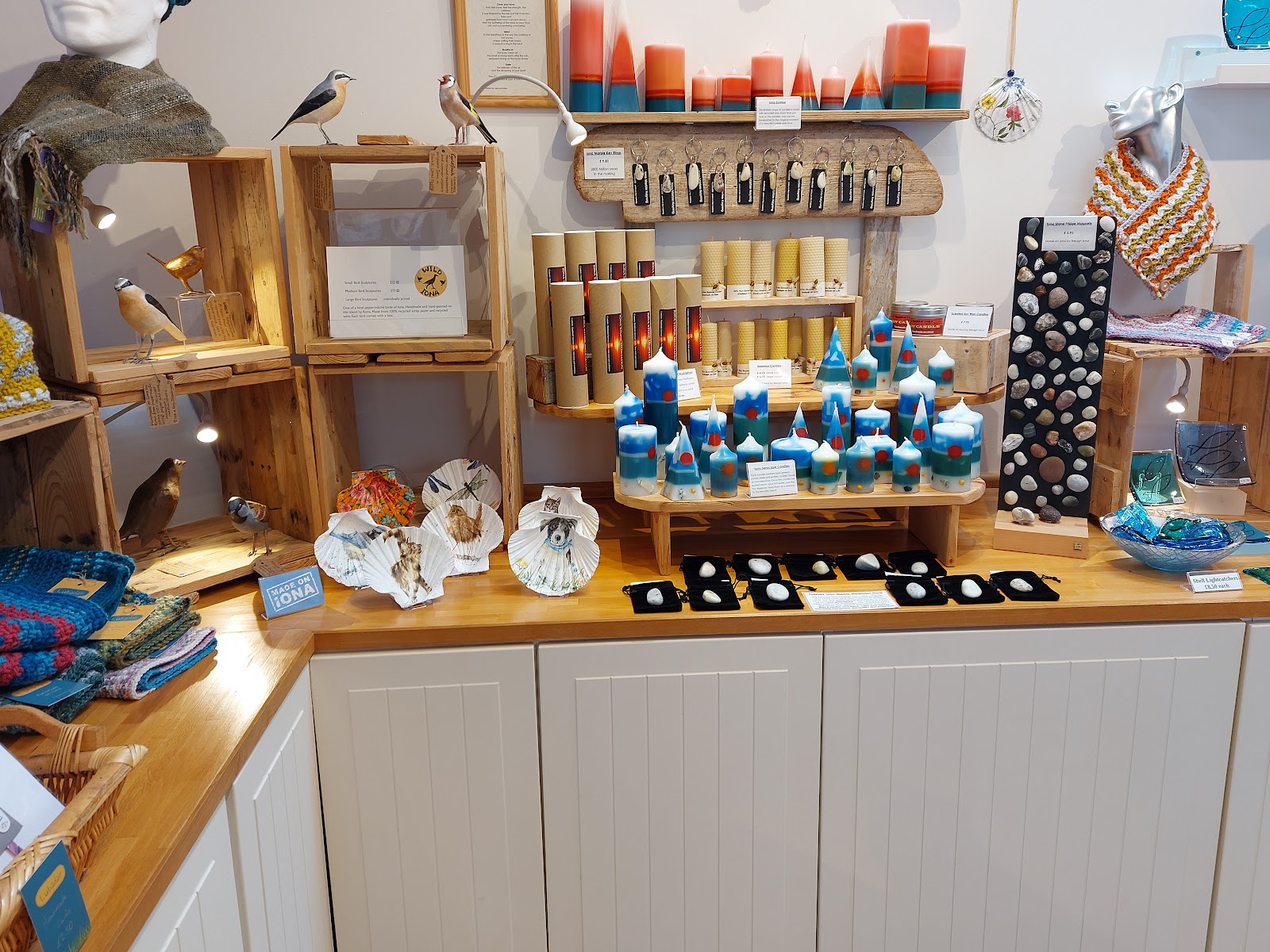
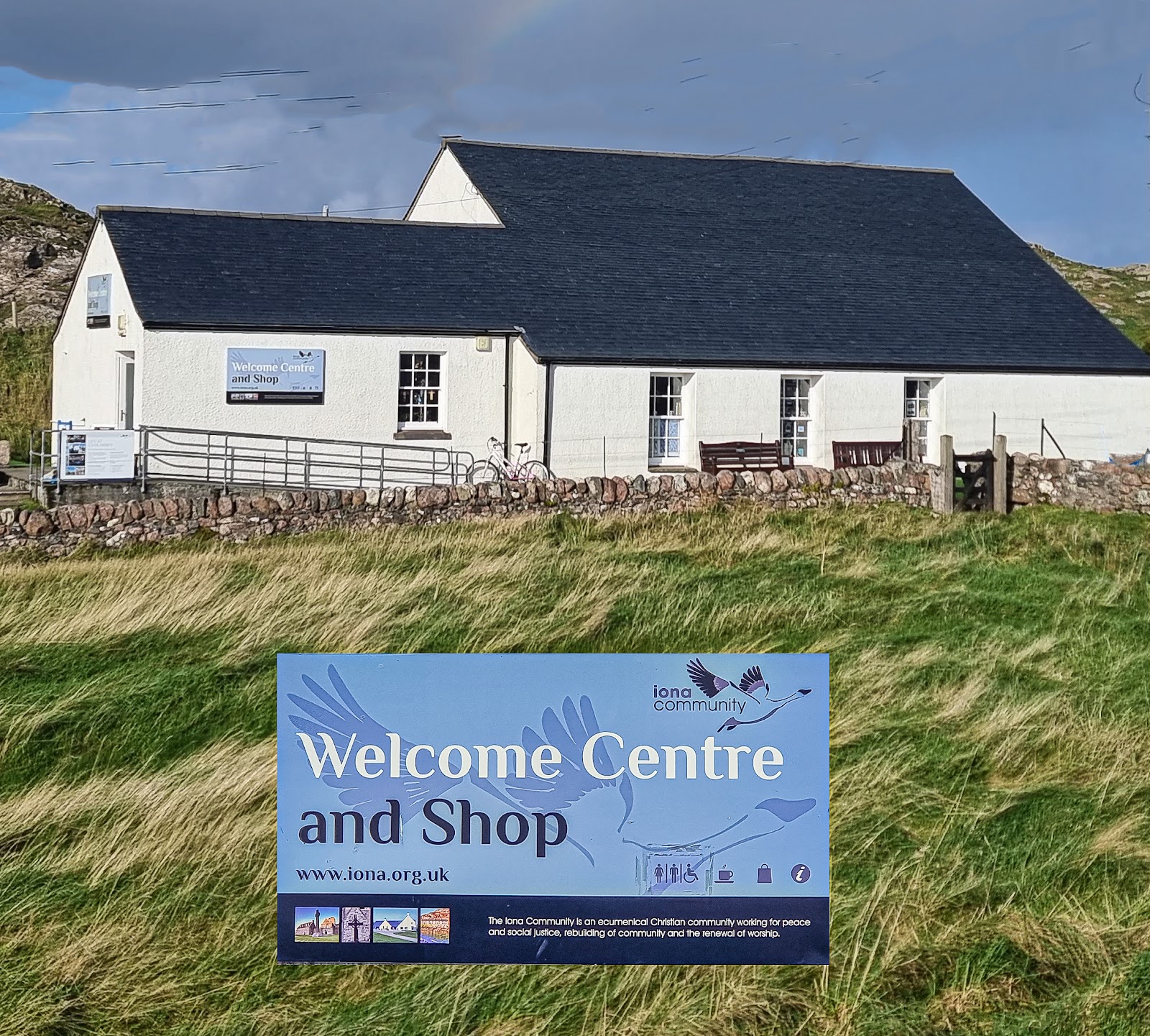 Iona Community ShopThe Iona Community's shop and welcome centre opposite the abbey, with books, local crafts and Iona Abbey bread.3 miles 10 min by road
Arrives at 5am every day.
A free morning email to see what’s on this week, catch up on what’s happening in Scotland and find somewhere new to go.
We want to show you the best that Scotland has to offer. The makers and the creatives, the enduring experiences, the evocative tales, the concealed corners. The roads less travelled that take you to places that matter. The adventures that gather you up and sweep you away. The blend of the wild and the artistic that makes Scotland what it is. We’d love for you to join us.
For further reading, before you go.