
Aberdeenshire. Aberdeenshire guide
Clifftop castles, fishing villages under the braes and the Dee running down through the pinewoods.
The four parts of Aberdeenshire
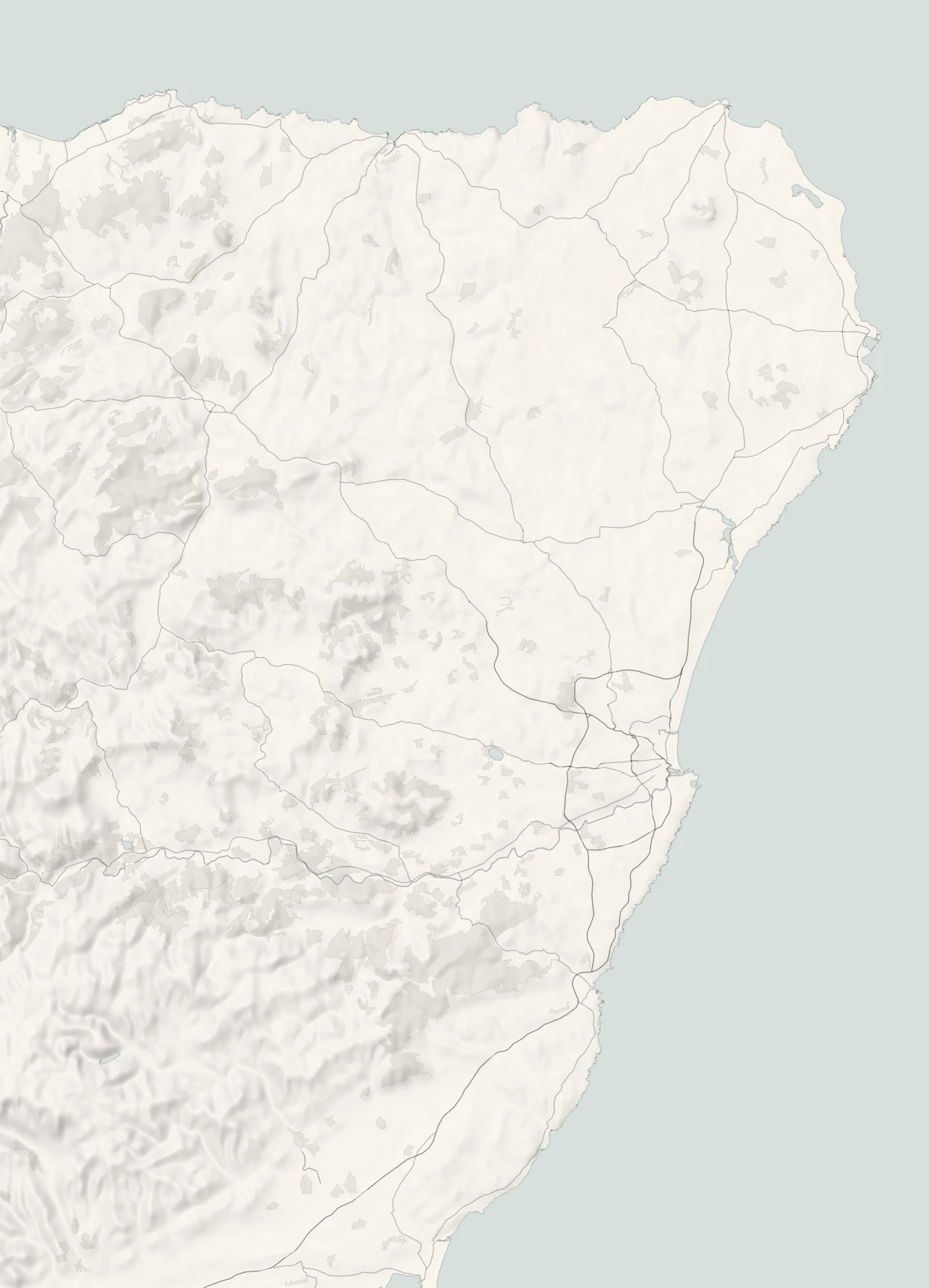
First, the city. When attention turns to urban Scotland, Glasgow and Edinburgh tend to swagger forwards into the spotlight, but that reckons without the magnetism of Aberdeen. The Granite City, so nicknamed for the glistening, locally quarried stone that defines much of its grandest architecture, is the country’s third largest city and a place very much of its own making. It remains one of the wealthier spots in the UK (it was once dubbed the oil capital of Europe), and historically owes as much to offshore bounty as it does to granite – although there’s far more to the city than its strategic North Sea location.
Stonehaven and the south
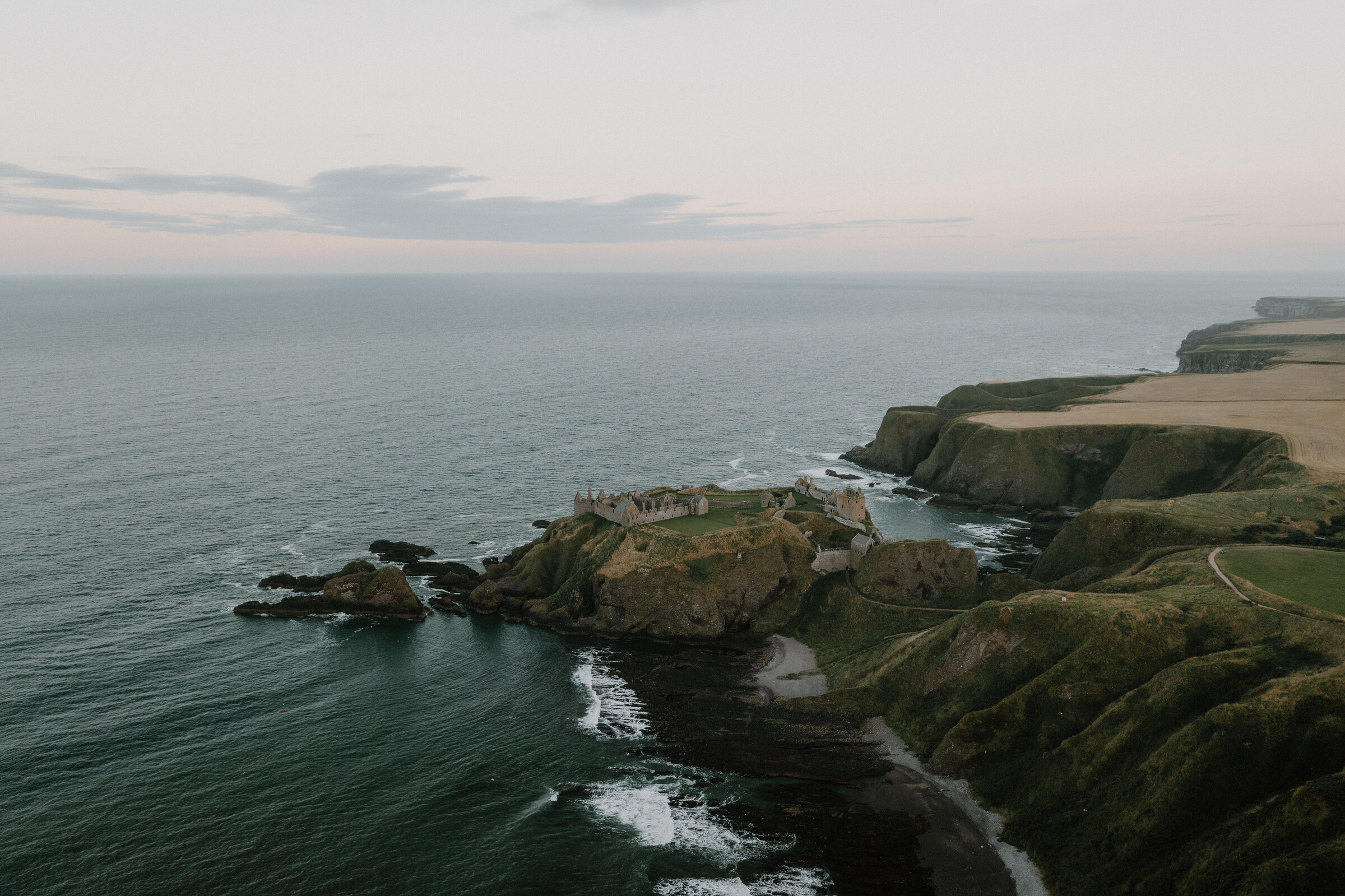
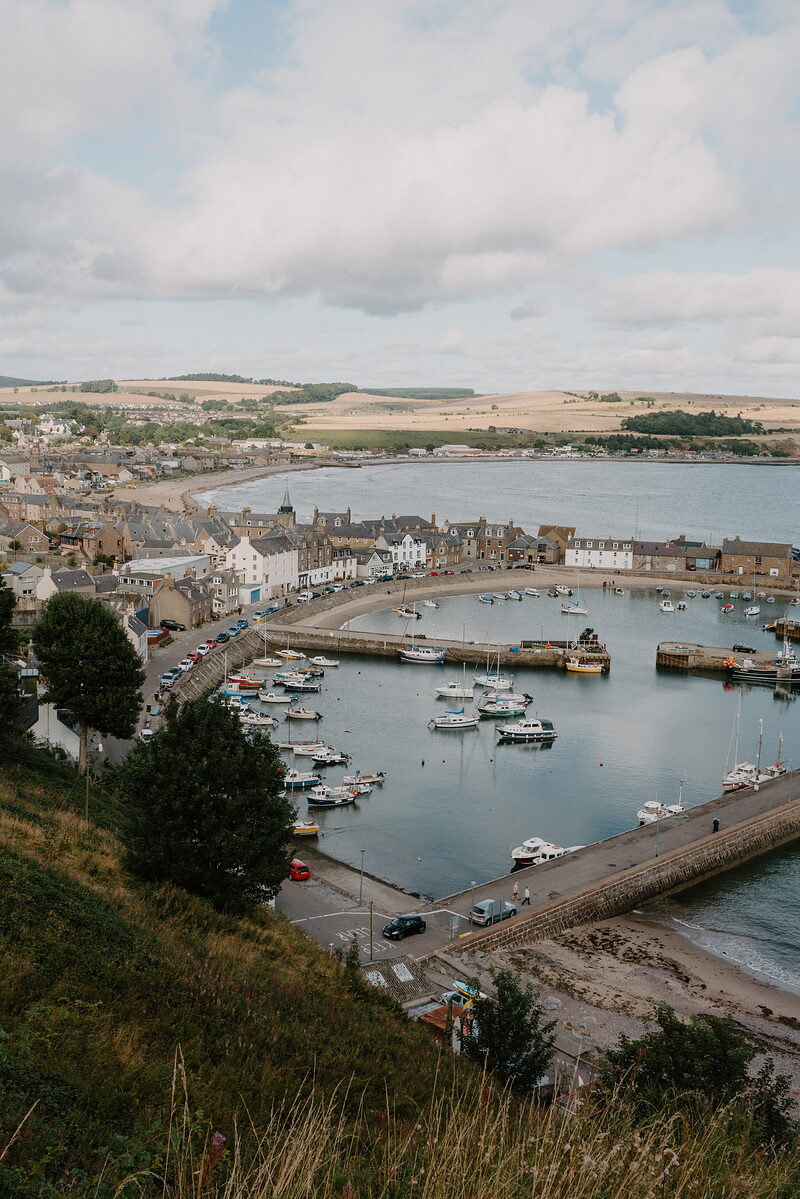
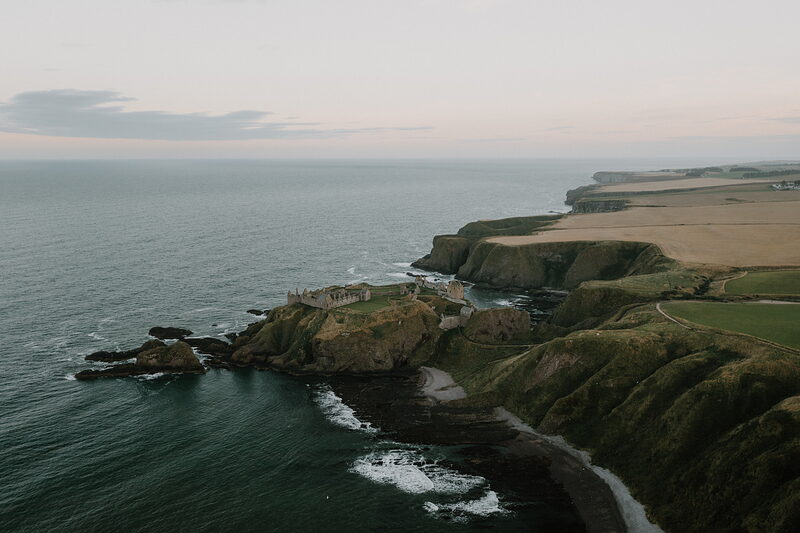
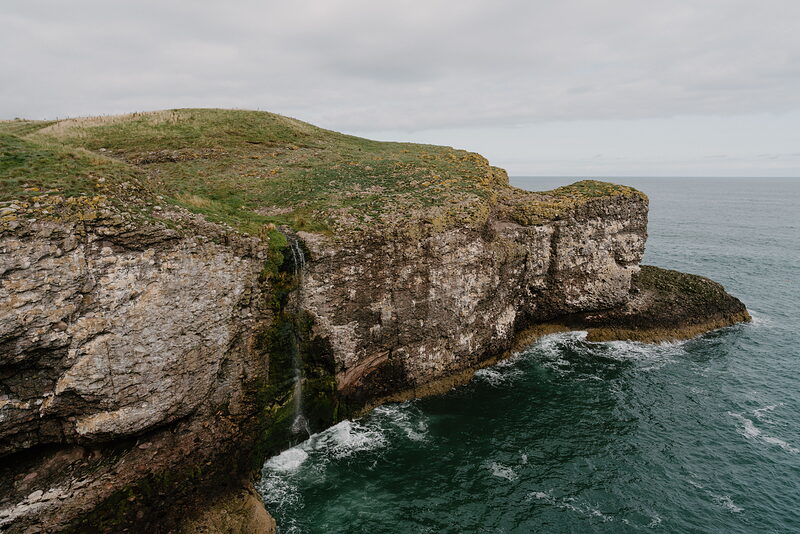
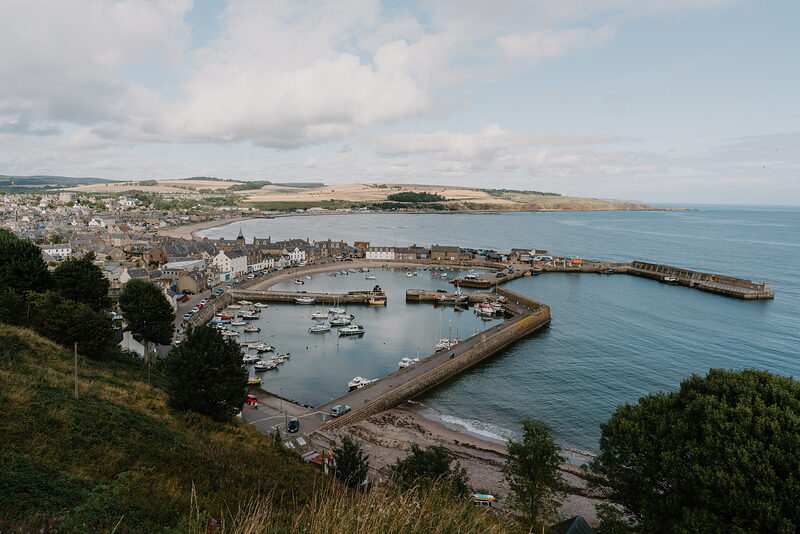
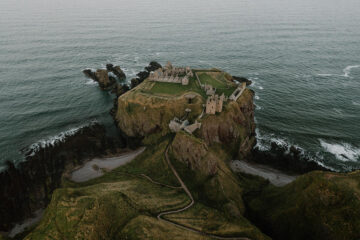
Stonehaven's harbour is lined with pubs and boats, with an Art Deco open-air pool on the seafront and a clifftop path south to Dunnottar Castle. Further on, seabirds pack the cliffs at Fowlsheugh and a burn pours straight into the sea at Crawton, while inland the farmland of the Mearns runs up to Fettercairn and its distillery.
Banchory and Deeside
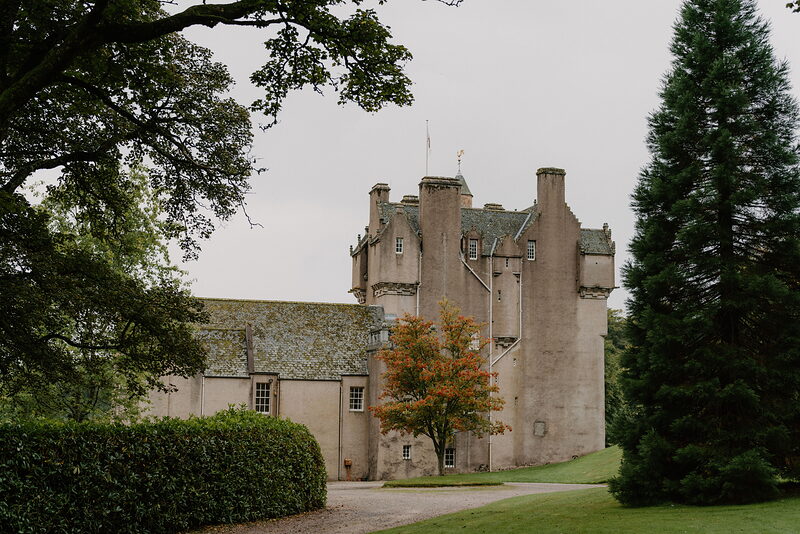
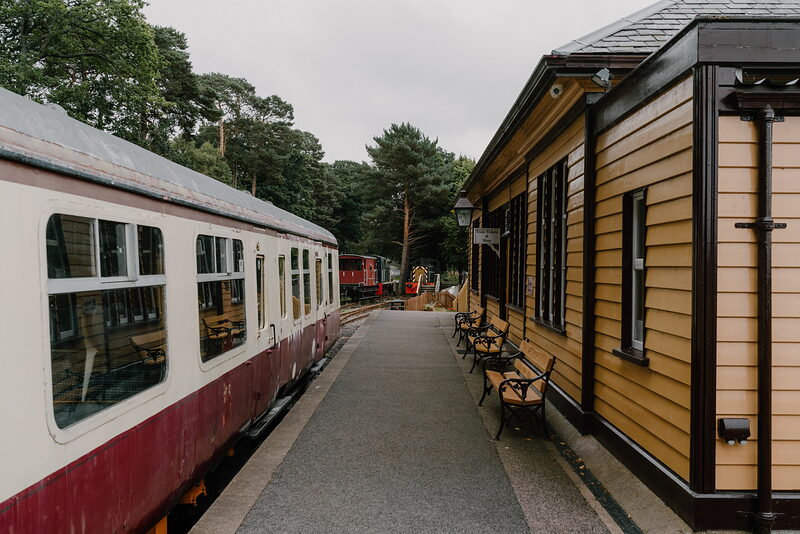
The Dee runs down through birch and pine past Banchory, with Crathes Castle and its gardens, a heritage railway at Milton of Crathes and salmon leaping at the Falls of Feugh. Further west, Aboyne sits round its village green, the old pinewoods of Glen Tanar reach into the hills, and the Deeside Way follows the river all along.
Inverurie and castle country
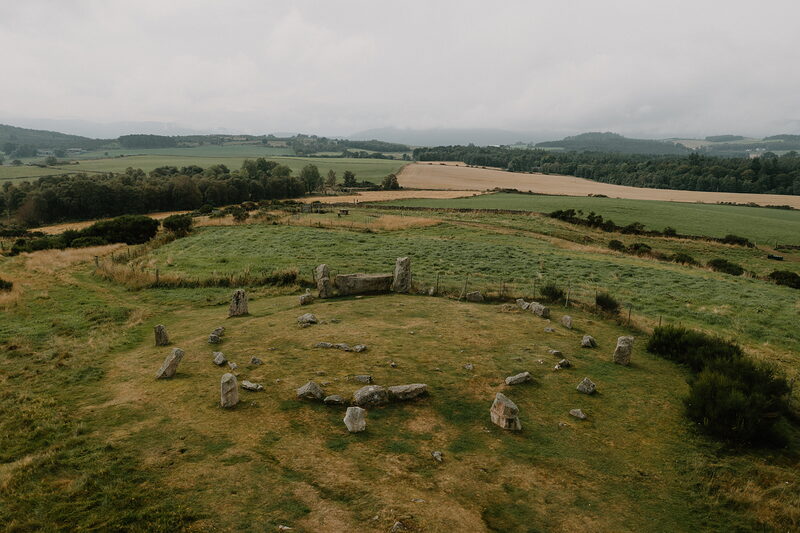
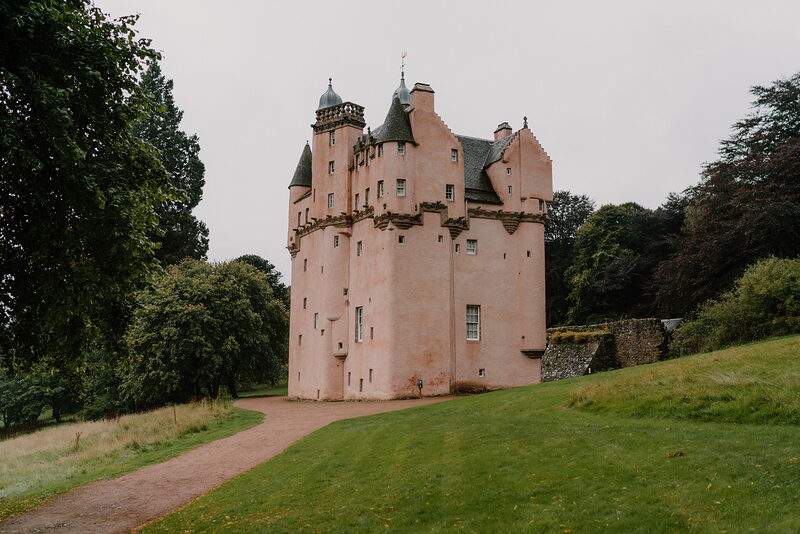
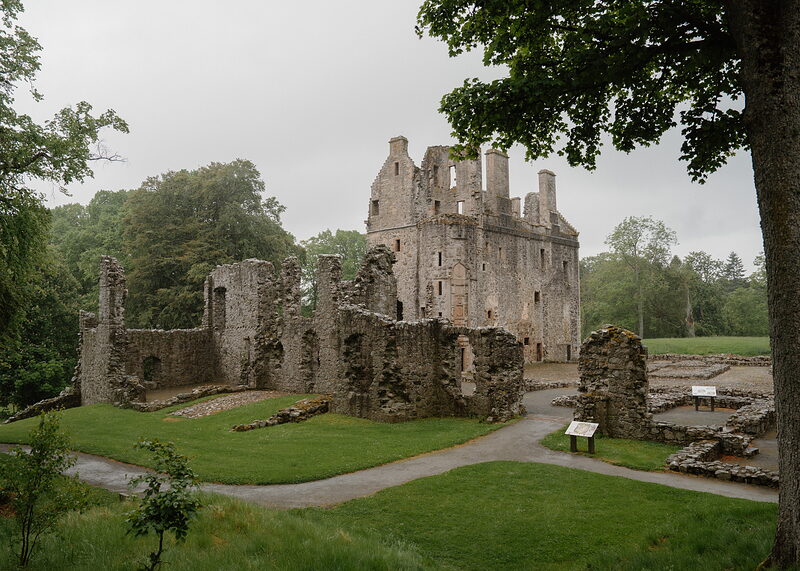
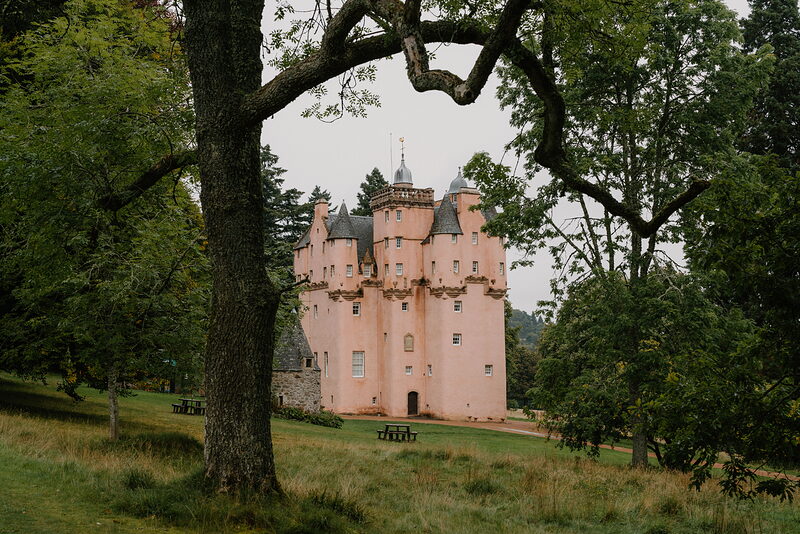
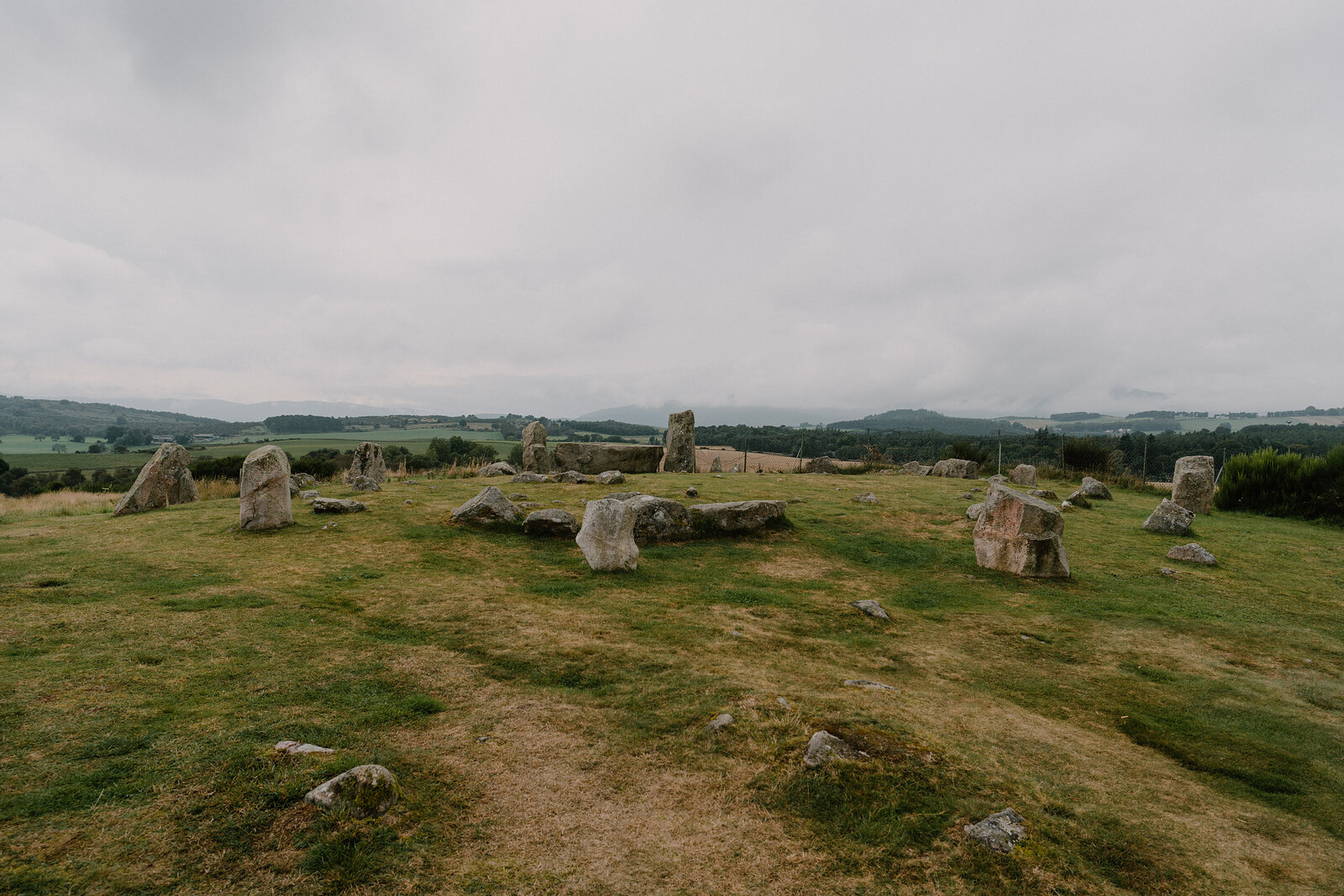
The farmland north of the Dee is where the castles stand thickest: Craigievar in pink harl, Castle Fraser, Fyvie and the ruined palace of the Gordons at Huntly. Bennachie rises over Inverurie, stone circles crown the knolls, and Alford has a transport museum and a little narrow-gauge railway.
Fraserburgh and the north-east coast
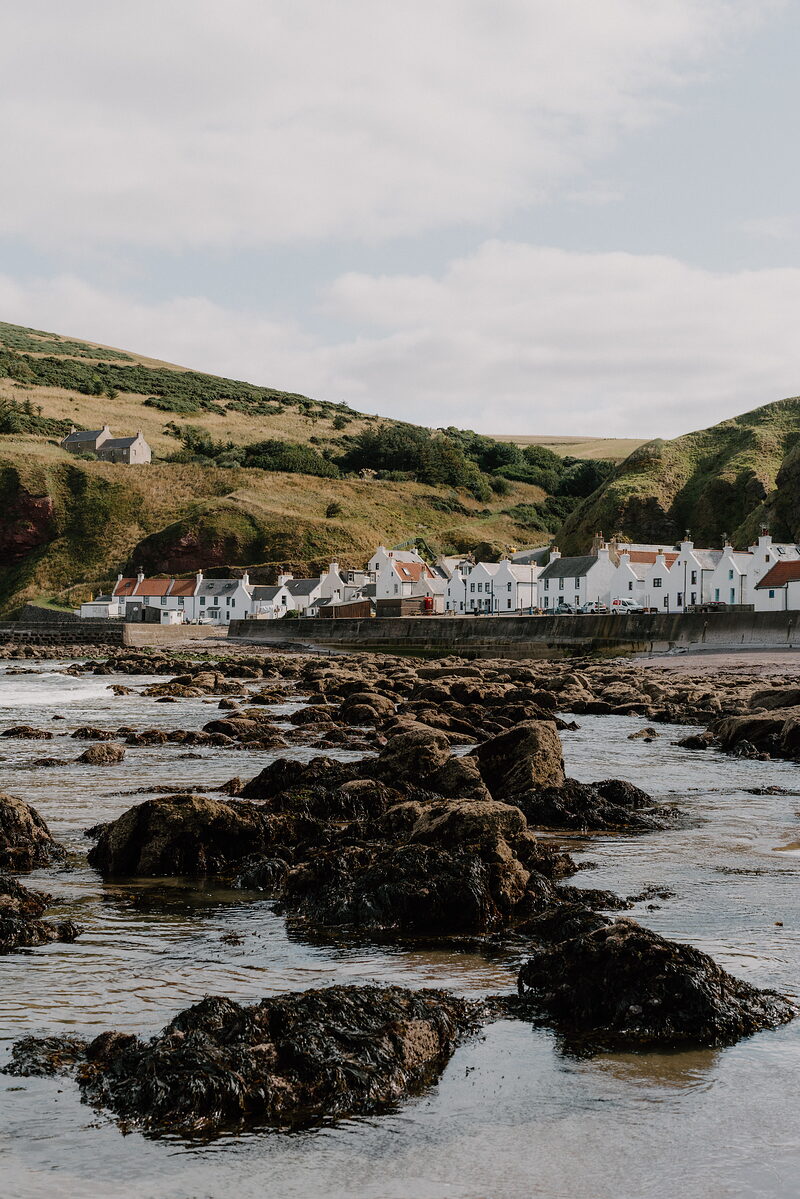
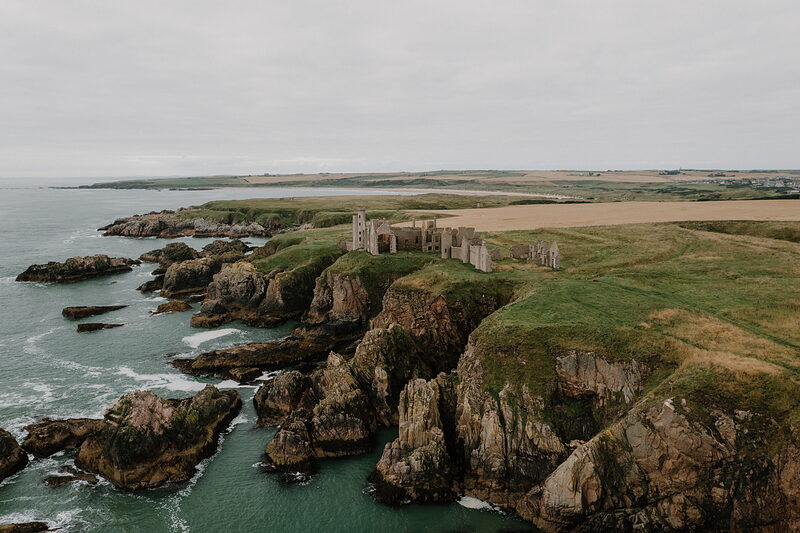
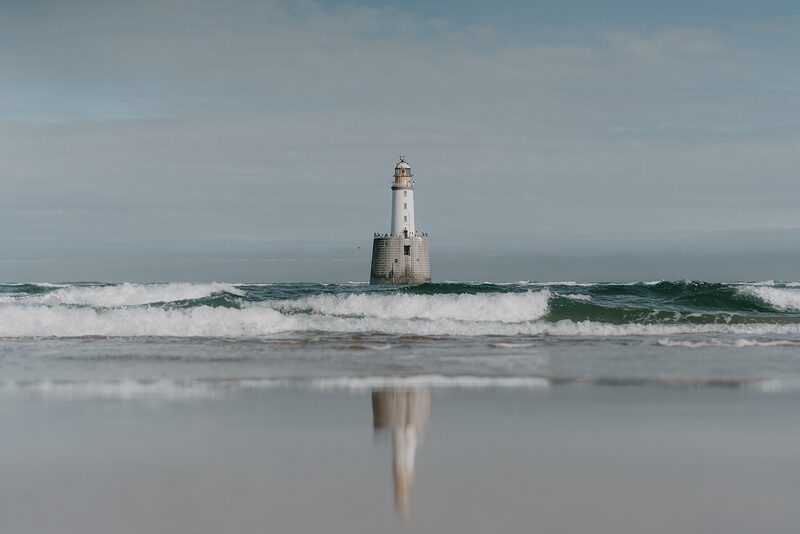
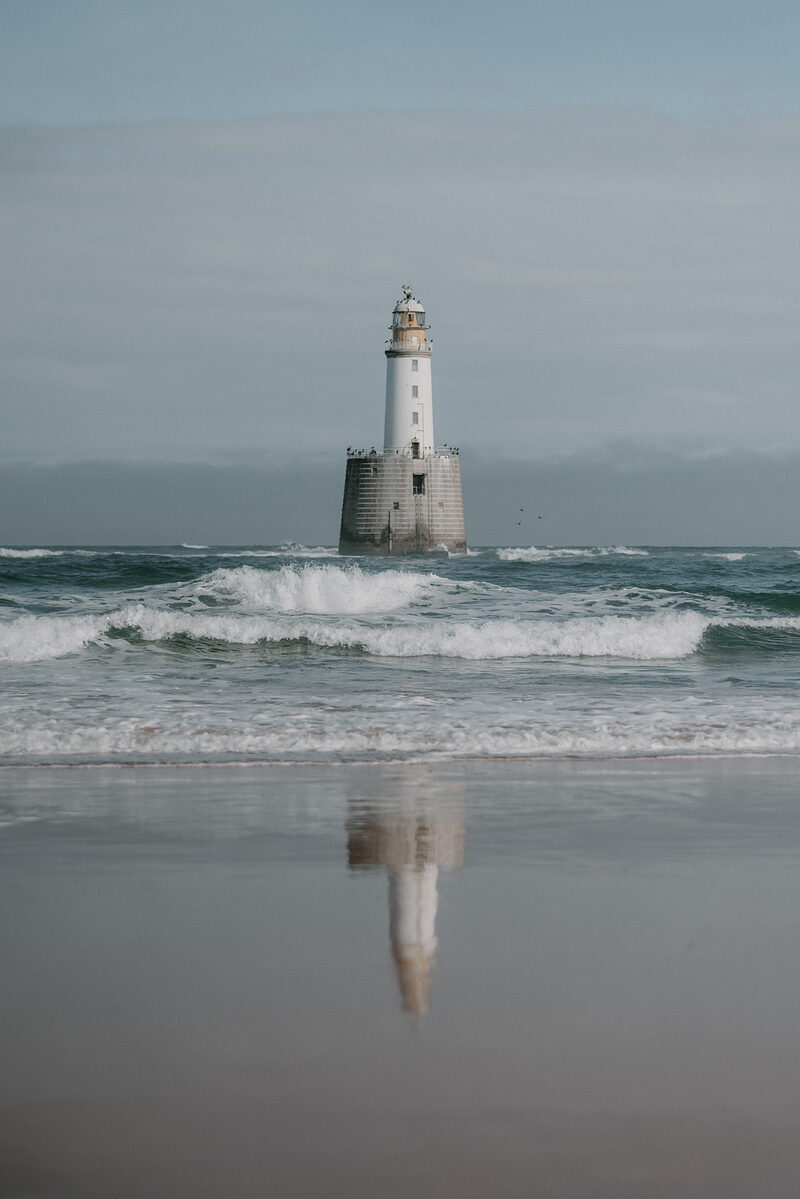
The coast north of Aberdeen is all cliffs, dunes and fishing towns. The sea surges into the Bullers of Buchan, Slains Castle stands roofless above Cruden Bay, and a lighthouse rises off the empty sands at Rattray Head. Along the north shore, Pennan and Crovie huddle under the braes, gannets crowd Troup Head, and Portsoy keeps its old harbour.
“Aberdeenshire is full of rolling hills - you don’t need to scale a Munro to enjoy that glorious land-to-sky ratio and be reminded how awesome the planet is.”
Alice Nicol
Part-owner of Ballogie Estate, by the Potarch Bridge on the Dee
Best known for.
More about Aberdeenshire
Today’s Aberdeen is a place of street art festivals, on-trend restaurants and high-class museums, with a glut of impressive buildings and the not inconsiderable presence of a vast and often stunning coastline on its doorstep. And so to the wild and timeless charms of the surrounding region. Aberdeenshire is full of fine, fertile countryside, bordered by the aforementioned scenic shoreline on one side and the rampant contours of the Cairngorms on the other. The presence within its borders of Royal Deeside, meanwhile – the river-threaded, forest-swathed region that so captivated Queen Victoria – adds another alluring flavour.
The Aberdeenshire map is a busy one, dotted with craggy castles, coastal villages, hulking hills, and a whole host of places worthy of your time. Whether you’re here on an outdoor mission, a city break, a family holiday or a cultural getaway, you’ll find somewhere that has one boot planted in the traditions of the past and the other fixed firmly in the present.
What would you like to look at?
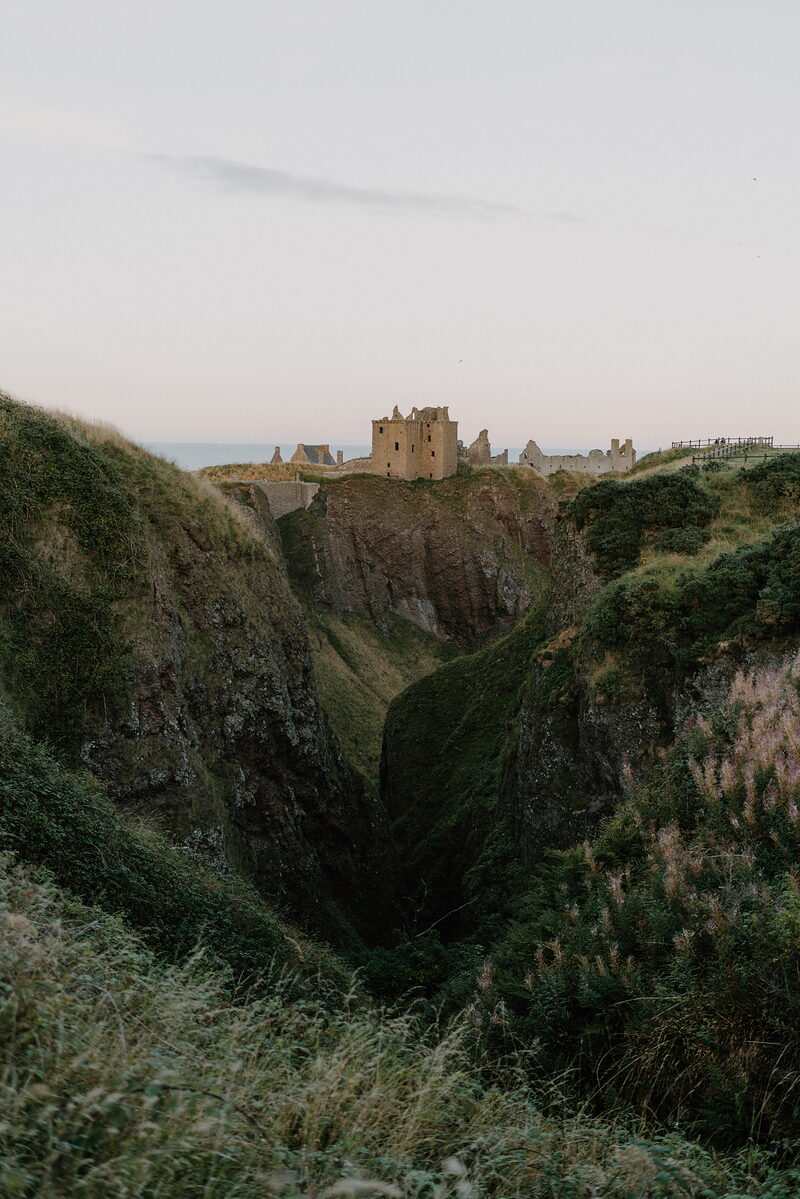 See and doClifftop ruins, pink towers and stone circles
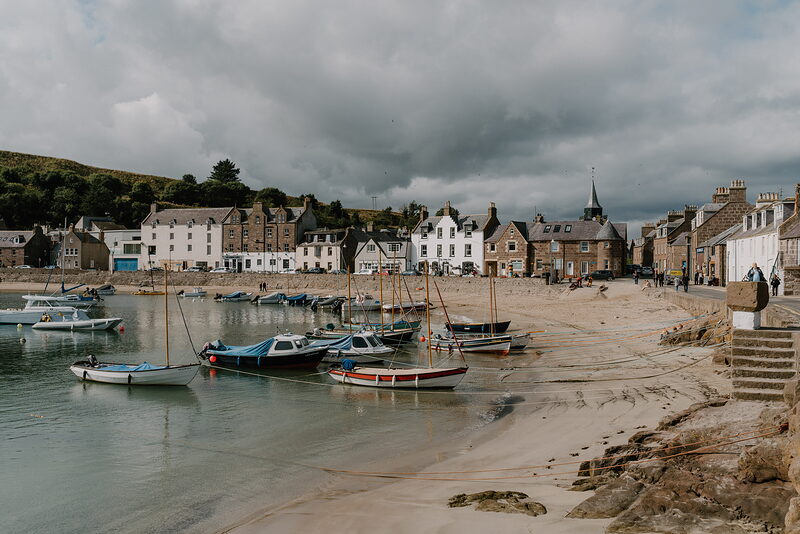 Eat, drink and shopHarbour fish and chips, farm shops and cafés
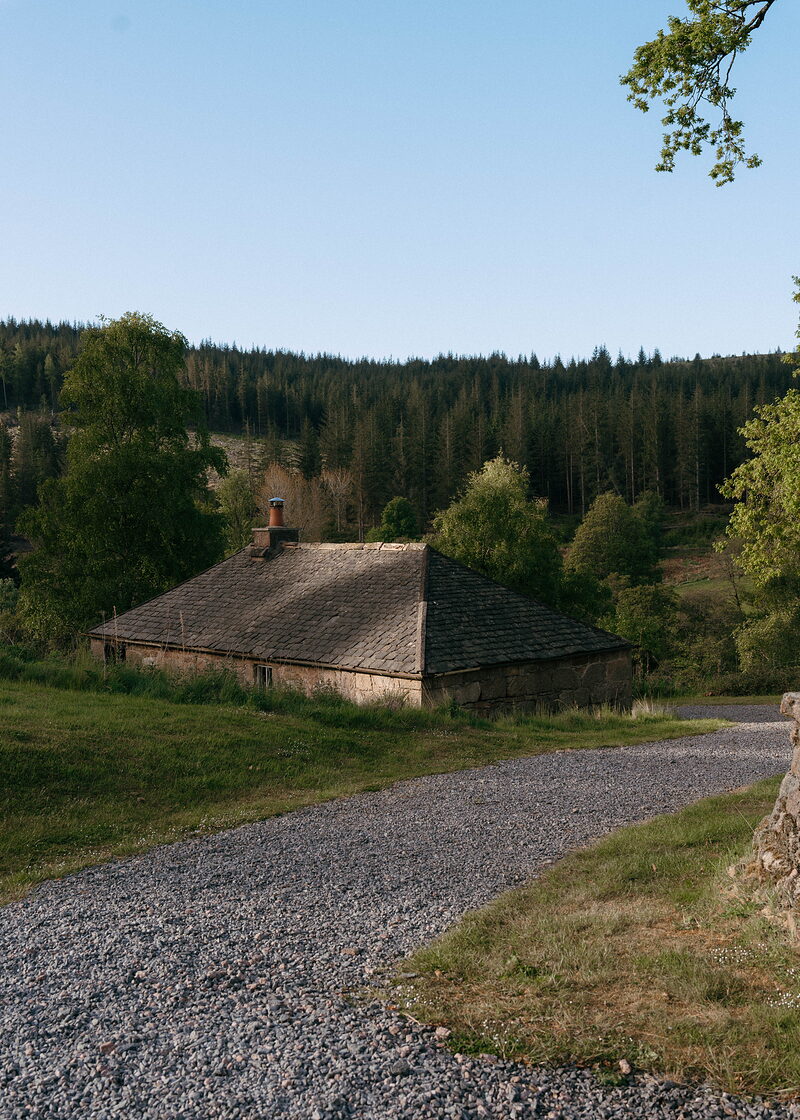 Where to stayEstate cottages and a bothy for two
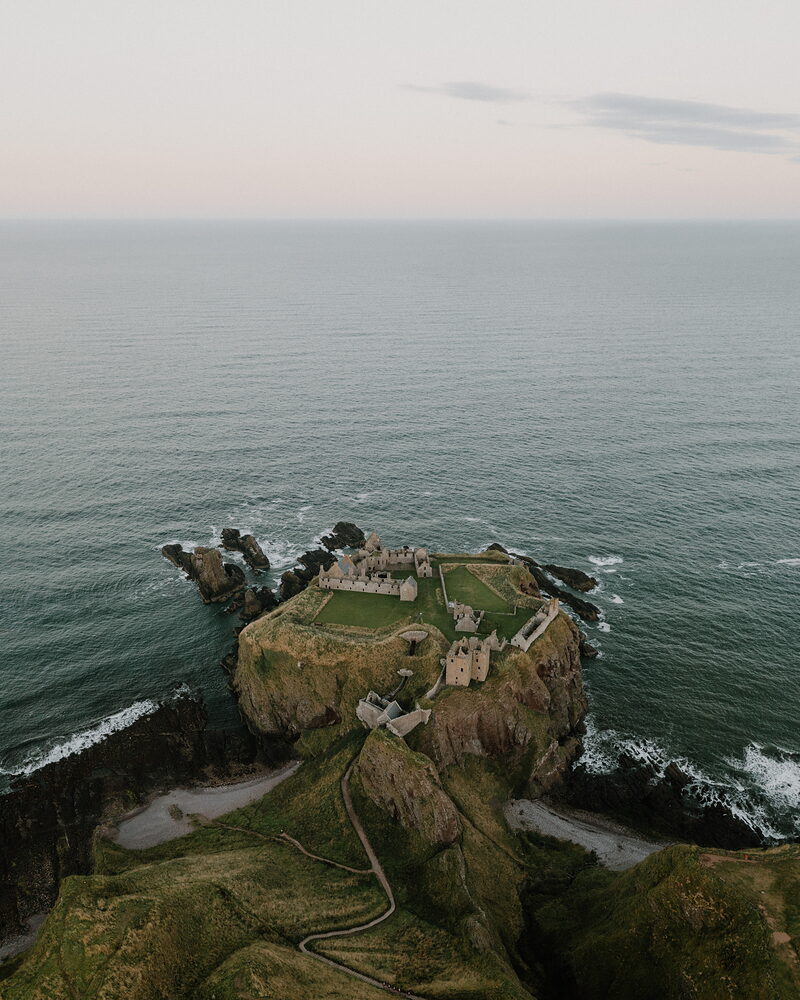 History and storiesStone circles, castle country and the Granite City
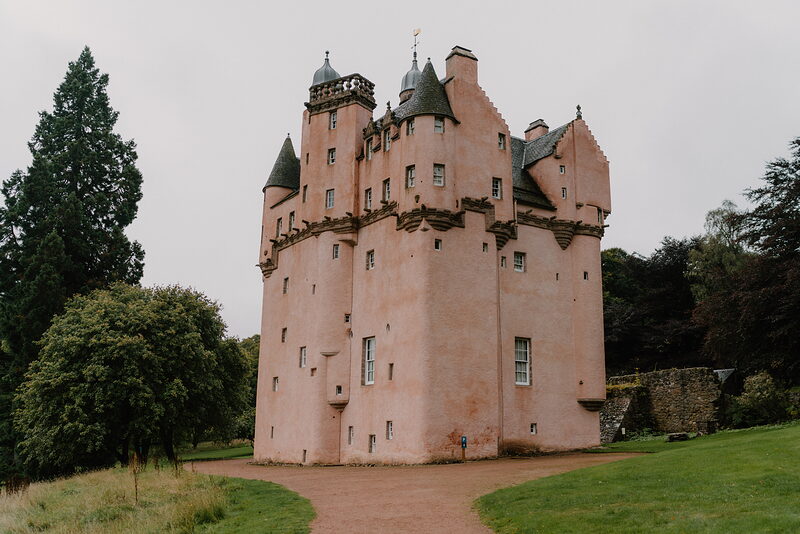 ItinerariesCastle trails and coast days, stop by stop
 Getting hereThe trains, the roads and the buses
 What is on in AberdeenshireSomething new from the region every day
What is on in Aberdeenshire
Friday the 16th of October.
Sunrise 07:45, sunset 18:04.
Coming up in Aberdeenshire
- Oct16LATNEM Face to Face Support Group - INVERURIEOn today
- Oct16SmartWorking AberdeenshireOn today
- Oct16Hogmanay Gala BallOn today
- Oct16Burgers & Beers SpecialLast day
- Oct16Yoga at Haddo HouseOn today
The news in Aberdeenshire
- Seton's, a new restaurant at Meldrum House near Oldmeldrum, has opened.
- Braemar Caravan Park has four new lodges, the Hoosies, taking their first guests from 1 December.
- Annie's German Bakery has opened in Portlethen, baking sourdough, pretzels and German cakes.
- Forvie Outdoors has opened at Collieston, with a sauna, paddleboards and kayaks at the beach.
- A wood-fired sauna now sits on the beach at Cullykhan Bay, near Pennan.
Things you might not know.
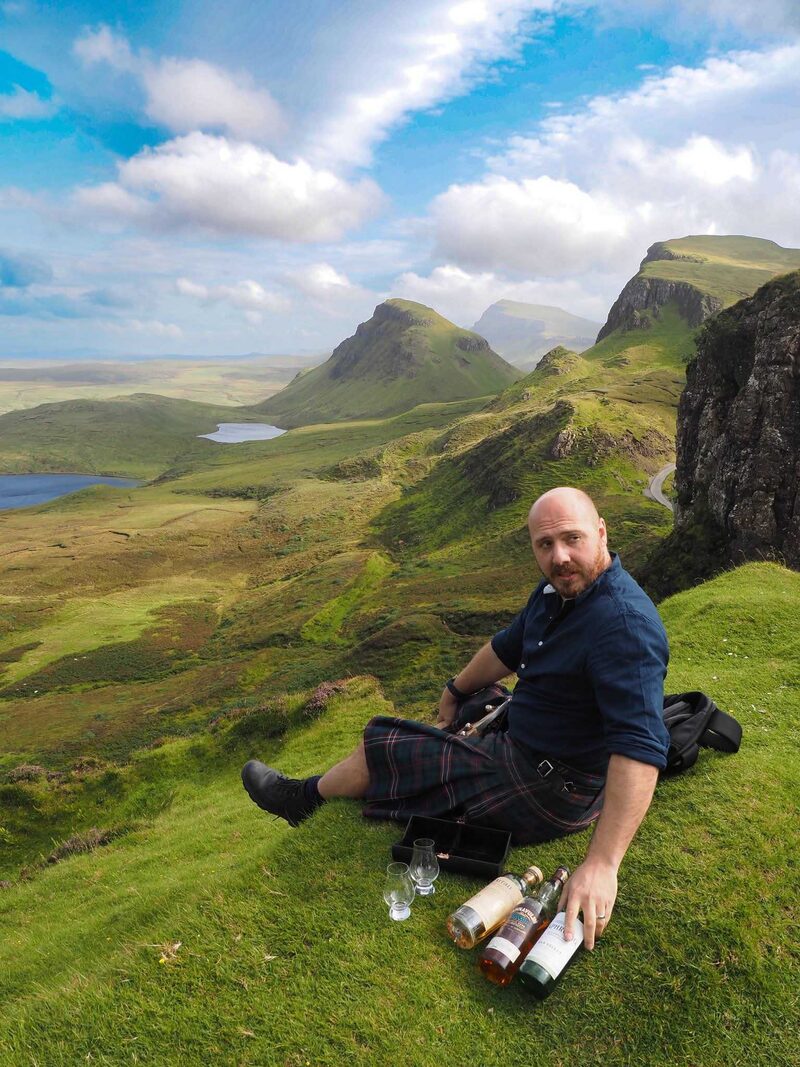
Graeme Johncock
Graeme is the writer and storyteller behind Scotland’s Stories, sharing Scotland’s traditional folklore and legends.

Aberdeenshire strongman Donald Dinnie won thousands of sporting contests around the world, becoming known as “The Greatest Athlete of the 19th century.”
Find out more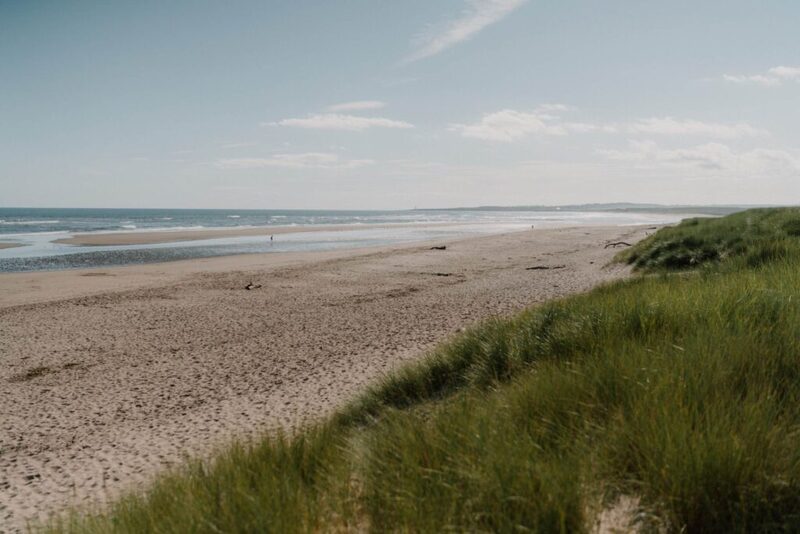
Since 1845, St Cyrus Church has given dowries to the tallest, shortest, oldest and youngest brides each year as stipulated in the will of John Orr.
Find out more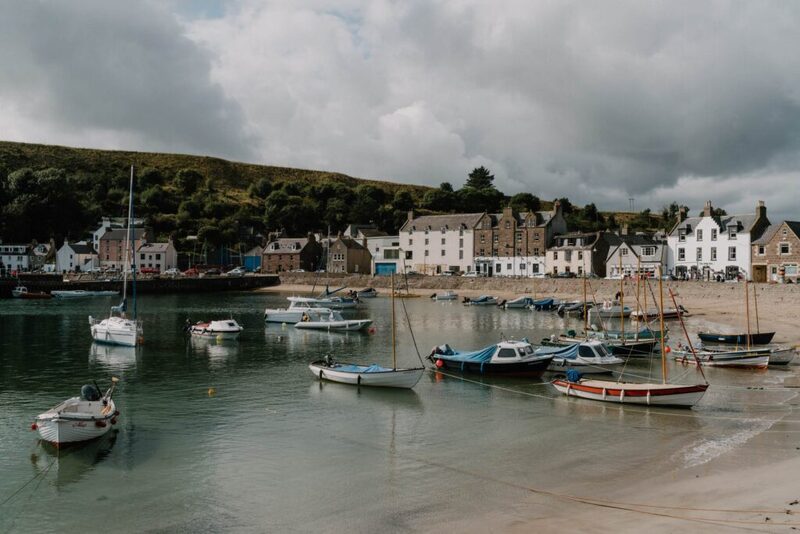
Every Hogmanay, the people of Stonehaven celebrate with dozens of locals swinging fireballs down the main street before launching them into the harbour.
Find out more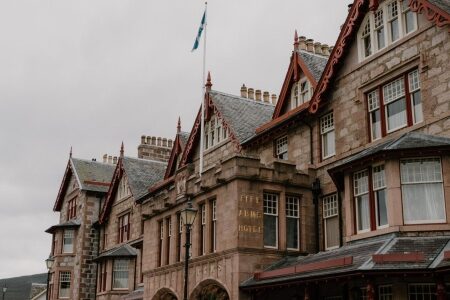
The coldest ever UK temperature of -27.2C was recorded at Braemar in 1982.
Find out more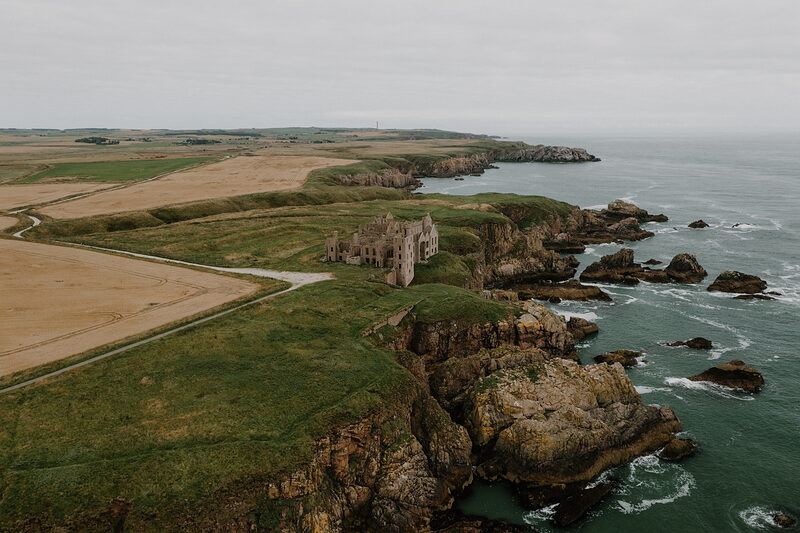
Bram Stoker gained inspiration for Dracula while staying in Cruden Bay. At the centre of the ruined New Slains Castle stands a unique octagonal room, just as described in the novel.
Find out more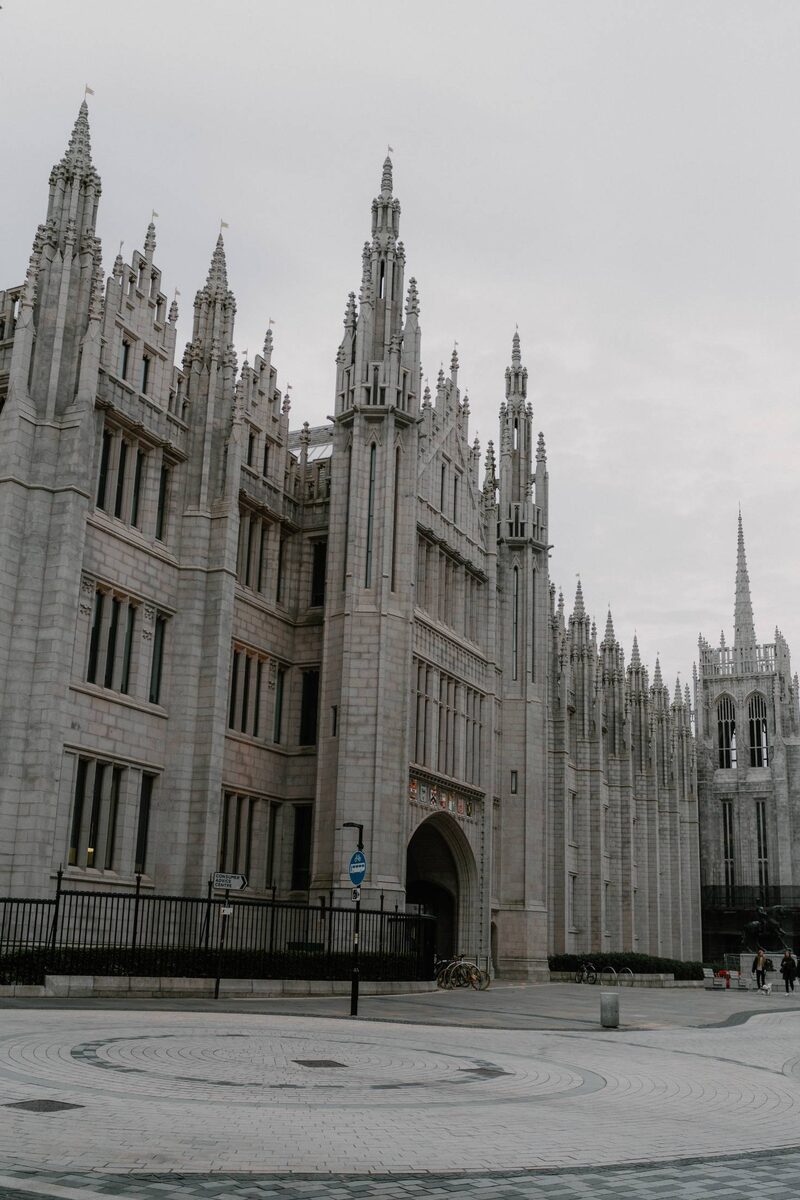
Aberdeen is known as the Granite City and Marischal College is the second-largest granite building in the world.
Find out moreThe earliest surviving form of written Gaelic in Scotland is found within the 10th-century Book of Deer, most likely written at a religious community preceding Deer Abbey.
Find out more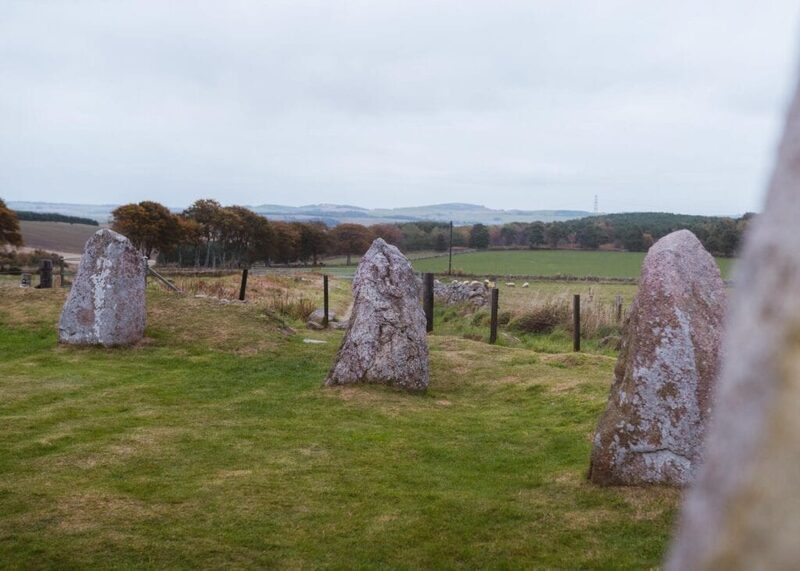
Aberdeenshire is the only region that contains recumbent stone circles. They are unique in that one enormous stone, usually larger than the others, lies horizontally on the ground and is flanked by two pillars.
Find out more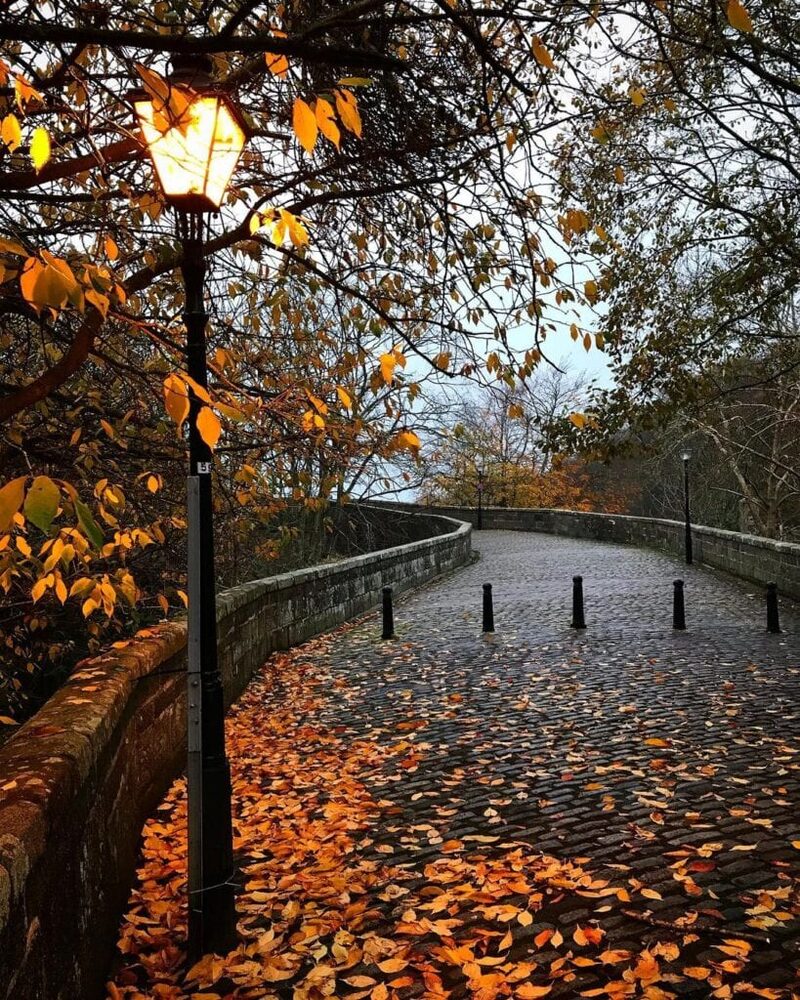
The 13th century Brig of Balgownie is believed to be Scotland’s oldest bridge. It’s said to be cursed to fall the day that an only son on a horse which is an only foal crosses it.
Find out more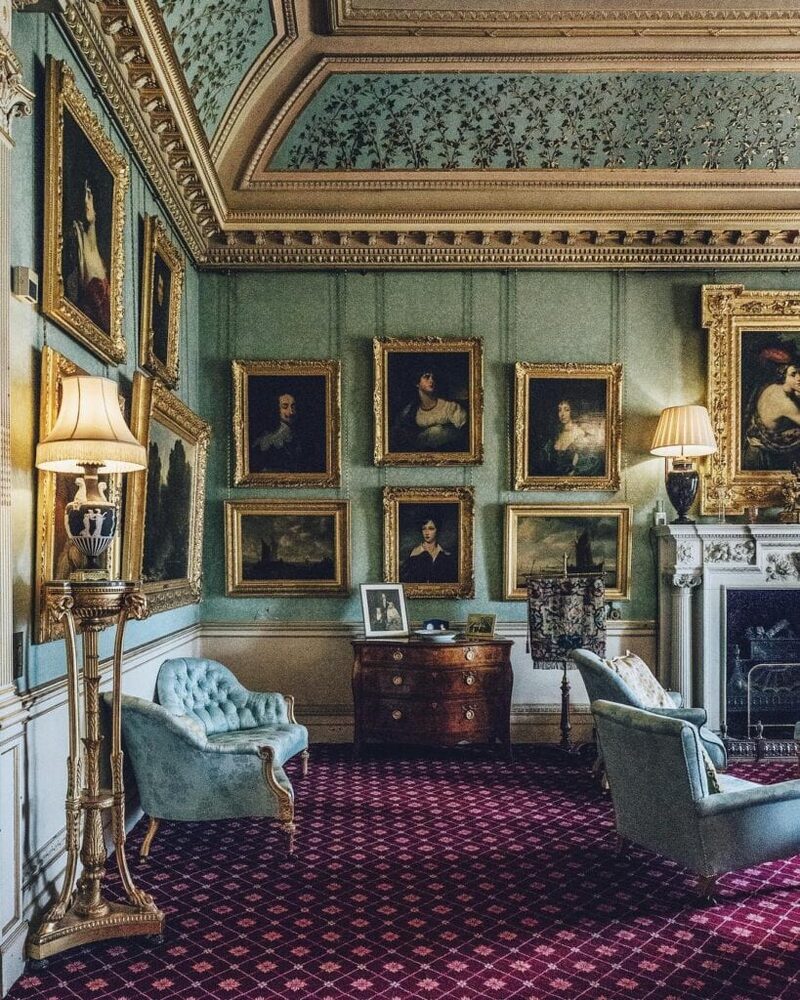
During World War II, Haddo House was used as a maternity hospital seeing 1259 “Haddo Babies” born there.
Find out more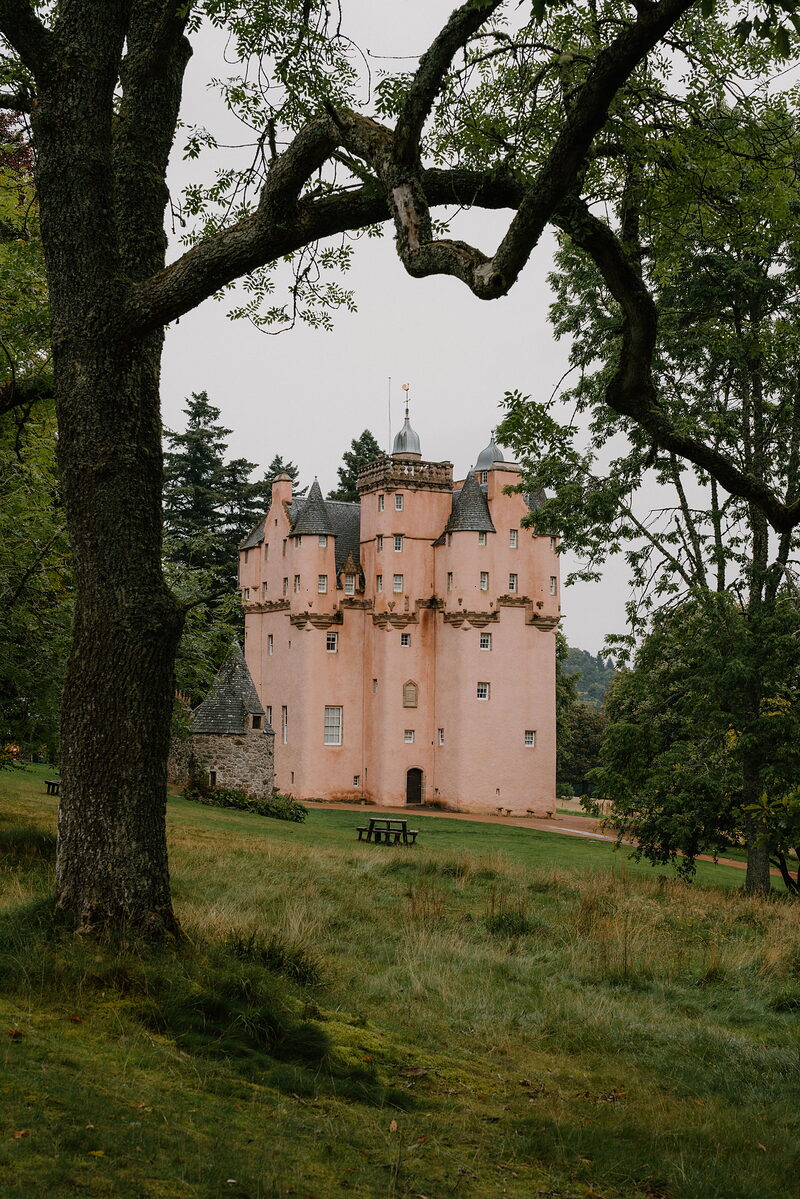
Aberdeenshire is known as Castle Country, with more per acre than anywhere else in the British Isles.
Find out more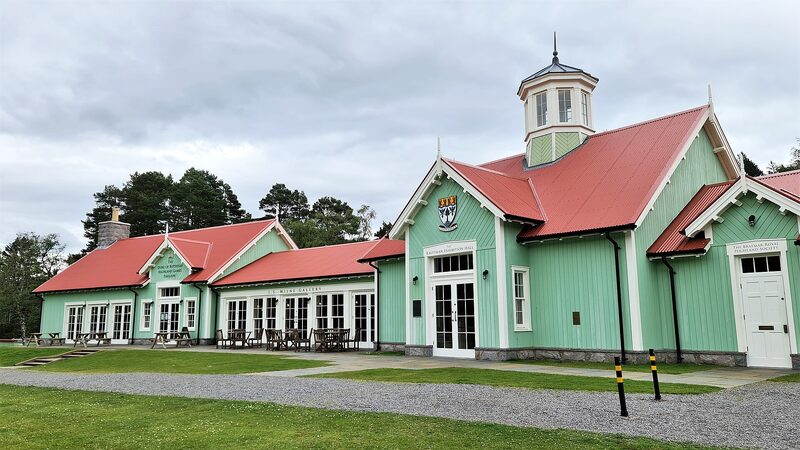
The Highland Games are said to have originated in Braemar after King Malcolm III ordered men to race up Craig Choinnich in the 11th century so he could find the fastest messenger.
Find out more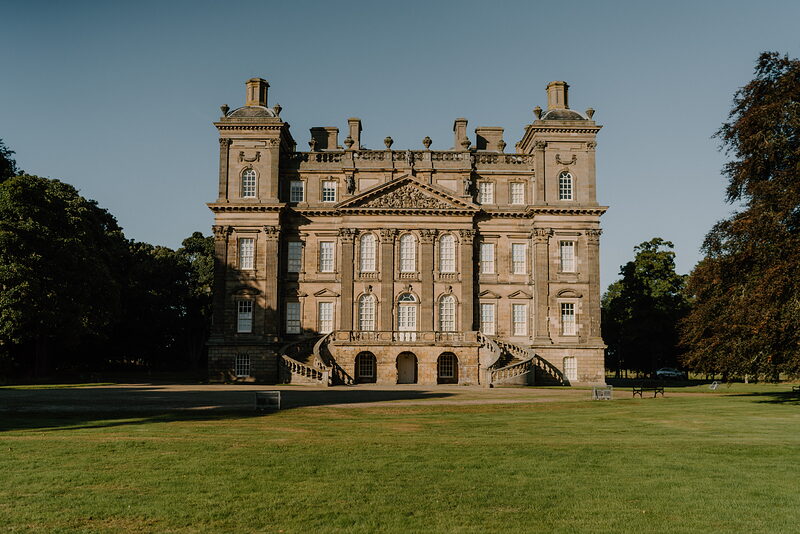
The 2nd Earl of Fife was so obsessed with proving his ancient heritage that he stole the old grave effigy of Provost Douglas from Banff, fitted it to the back of his new mausoleum and declared it was the grave of Robert the Bruce.
Find out more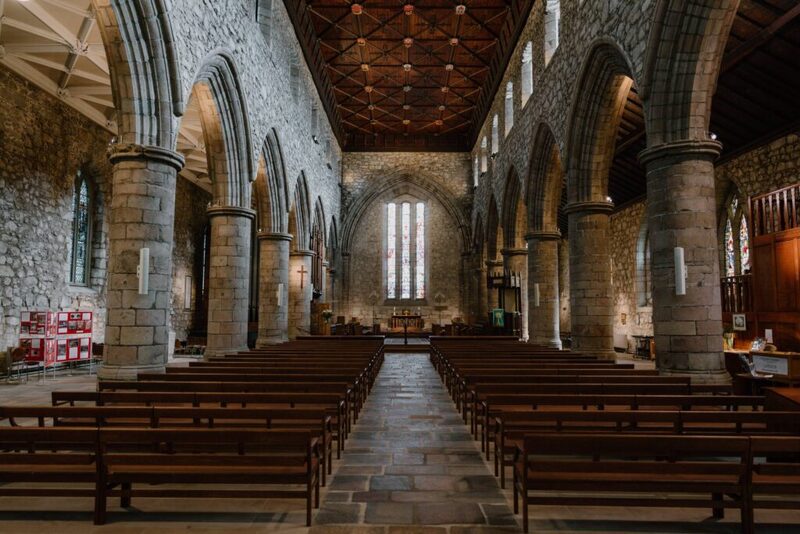
Legend says that the upper-left quarter of William Wallace is buried in the walls of St Machar’s Cathedral.
Find out moreElvis Presley was Scottish or at least had Aberdeenshire roots with his ancestors emigrating to North Carolina from Lonmay in 1745.
Find out moreIn the first flight across the North Sea in 1914, Tryggve Gran took off from Cruden Bay and landed in Norway four hours later. During the crossing, his monoplane suffered temporary engine failure which left him only 15 feet from crashing into the waves.
Find out moreRead about Aberdeenshire.
Photographs by tolbooth-restaurant and MikeMellerPhotography; Andrew Tryon (CC BY-SA 2.0), Akela NDE (CC BY-SA 2.0 fr), Ralph Greig (CC BY-SA 2.0) and Iain Lees (CC BY-SA 2.0) via Wikimedia Commons; Mike Gaskin, Michael Hesten, steve whitmarsh, Sparky the Golden Retriever, Alexander Kim, Naw, Stanislav Jackulik, Doug Fraser-Pitt, Amro Hassan, 100na, Chirag Dedhia, Laura Perci, Jay, Ilk2, Lukasz Konc, Anthony Mcallister, Steven Deas, Ben, Robert Paterson, Ann Palmer, Thomas Franzén Storm, Drum Castle, Garden & Estate (National Trust for Scotland), Haddo House (National Trust for Scotland), Bilaal Shabbir and Barry Mill (National Trust for Scotland) via Google