
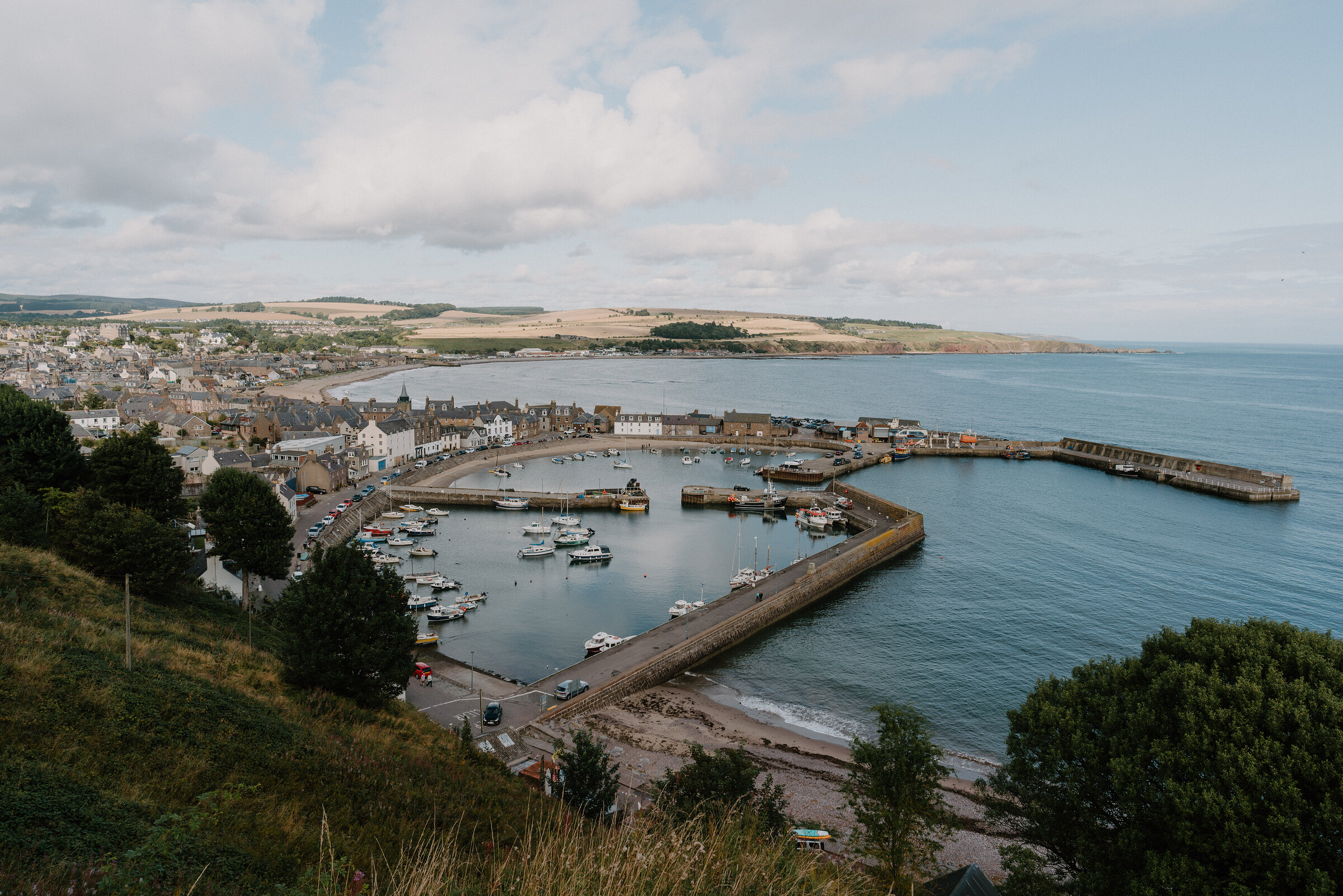
Getting to Aberdeenshire and around.
The trains, the roads and the buses
Aberdeen Airport serves as the main gateway to Aberdeenshire, with domestic flights from London, Manchester, and other UK cities, plus international connections. The airport sits 7 miles northwest of Aberdeen city centre. Edinburgh and Glasgow airports offer wider international options, two and a half to three hours' drive from Aberdeen.
Train services connect Aberdeen to Edinburgh (2.5 hours), Glasgow (2.5 hours), and London (7+ hours with connections). ScotRail operates regular services along the coast to Montrose and inland towards Inverness.
Buses Stagecoach operates most local bus services across Aberdeenshire, connecting Aberdeen with towns like Peterhead, Fraserburgh, Ellon, Inverurie, Huntly, and Ballater. First Bus runs some city services in Aberdeen. Rural routes can be infrequent, particularly on Sundays and during winter months.
Tip: Explorer tickets offer unlimited travel across the region for day or week-long periods.
Driving A car provides the best way to explore Aberdeenshire's scattered attractions. The A90 forms the main north-south route along the coast, while the A93 heads west through Royal Deeside. Many castle and distillery visits require private transport. Parking is generally free outside Aberdeen city centre, though popular spots like Dunnottar Castle can get busy during peak season.
Rural Roads Away from main routes, expect narrow country roads with limited passing places. Take care around farm vehicles and livestock. Journey times can be longer than expected: allow an hour and a quarter from Aberdeen to Ballater, or an hour to Peterhead.
Cycling The region offers excellent cycling, from the flat coastal routes to challenging hill climbs in the Cairngorms foothills. The Deeside Way follows an old railway line for 41 miles from Aberdeen to Ballater. Many distilleries and castles can be reached by bike, though traffic on main roads requires caution.
Walking Aberdeenshire provides walking for all abilities. Coastal paths run between fishing villages, while Deeside offers riverside strolls and mountain hikes. Many castles have woodland walks, and several distilleries include guided estate tours.
By train
Direct trains run to Aberdeen from Edinburgh, Glasgow and London, calling at Laurencekirk and Stonehaven on the way.
Inland, the line to Inverness stops at Inverurie, Insch and Huntly.
By road and air
The A90 runs up the coast past Stonehaven and on to Peterhead, the A93 follows the Dee west through Banchory and Aboyne, and the A96 heads for Inverurie and Huntly.
Aberdeen Airport at Dyce is handy for the whole region.
Getting around
A car makes it far easier to reach the castles, the coastal villages and the glens, and many of the smaller roads are quiet and winding.
Stagecoach buses link the towns, and the Deeside Way is a traffic-free path for walking and cycling from Aberdeen up the valley.
Coastal areas tend to be milder, with highs between 12–20 °C in summer, while inland and upland areas may be cooler. Winter brings frost and the occasional snowfall, particularly in the Cairngorms. Layers and waterproof gear are always sensible, and evenings by the coast can still feel chilly even in summer.
Aberdeenshire spans a large area with limited public transport outside of towns. A car ensures flexibility, especially for accessing castles, coastal villages, and national parks. However, it's possible to explore pockets of the region using bus routes. For instance, the Stagecoach 201 links Aberdeen with Braemar, via Ballater and Balmoral, though planning around schedules is essential.
Aberdeenshire’s towns and villages offer distinct experiences. Coastal towns such as Stonehaven have busy harbours, seafood eateries, and easy access to Dunnottar Castle. The Banffshire coast has picturesque communities like Pennan, famous from the film "Local Hero," and Crovie, an unusual village hugging the shore, accessed only by foot. Gardenstown is another charming fishing village known for its artists and photographers. Inland, the Royal Deeside region includes Ballater, known for its Victorian charm and proximity to Balmoral Castle, and Braemar, ideal for outdoor activities and the annual Highland Games. Huntly and Inverurie offer thriving markets and traditional high streets.
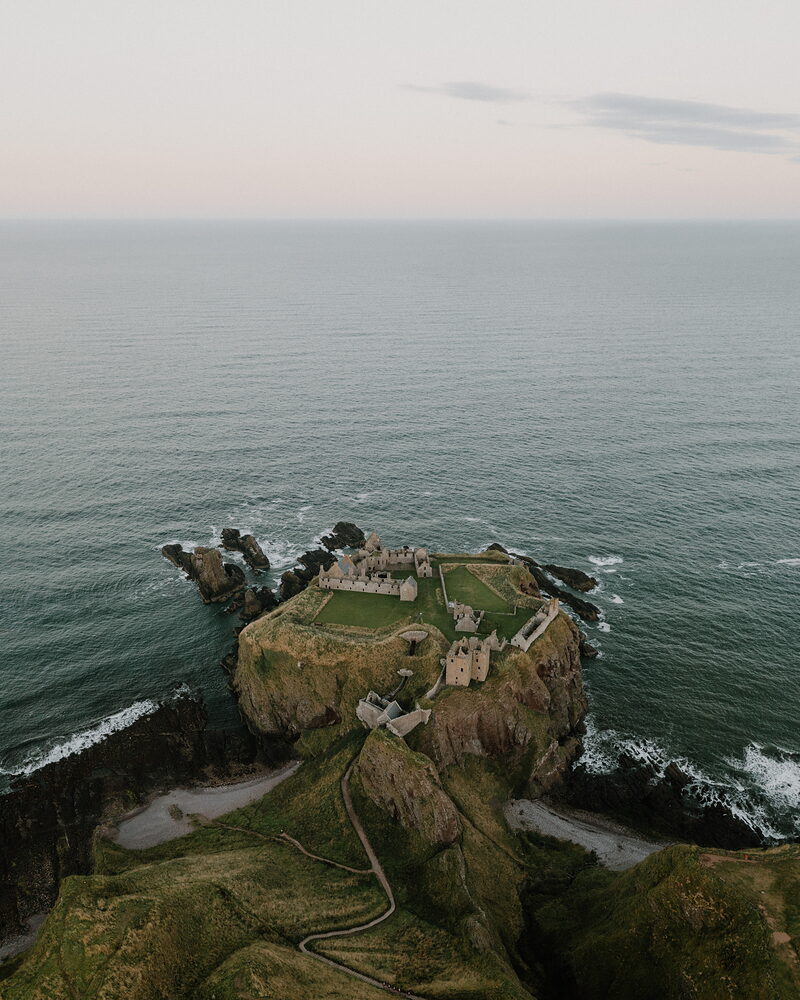
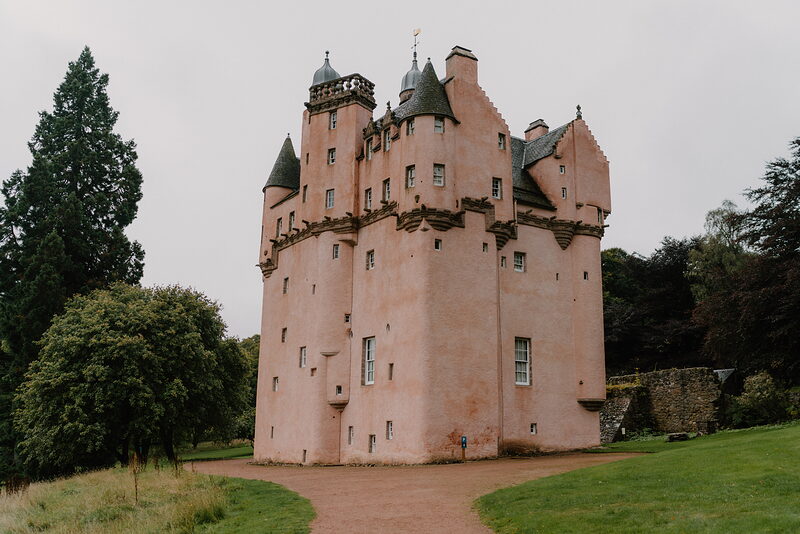
Aberdeenshire has a lot to offer, and its coastline is spectacular. Seaside villages such as Crovie and Pennan sit at the base of steep cliffs, with the waves close by. Gardenstown, nearby, offers winding streets and harbour views, ideal for relaxed exploration. Portsoy hosts the annual Scottish Traditional Boat Festival, drawing visitors fascinated by maritime heritage and local seafood. Dunnottar Castle, just south of Stonehaven, is an iconic ruin dramatically perched atop cliffs, and a true highlight of any coastal visit.Further inland, Royal Deeside is known for Balmoral Castle (the summer residence of the British royal family), surrounded by forested trails and mountain scenery. Other castles, like Craigievar with its fairy-tale turrets, Crathes with beautiful gardens, and Drum Castle, offer fascinating glimpses into the region’s rich history.The Cairngorms National Park presents opportunities for mountain hikes, wildlife watching, and nature walks, with Glen Tanar Estate notably popular for its woodland trails and abundant wildlife, including red squirrels, pine martens, and golden eagles.Finally, there is Ballater, a gateway to the Cairngorms full of independent shops, cafés and welcoming accommodation, and a good base for exploring this richly varied region.
Yes. Aberdeenshire’s coastline runs for 165 miles of cliffs, coves, sandy beaches and old fishing villages. Troup Head Nature Reserve is known for its seabird colonies, including puffins and gannets, and Forvie Nature Reserve has wide sand dunes and plenty of birdlife. Dolphins are sometimes seen along the coast, around Aberdeen harbour, Newburgh and Fraserburgh. There are walking trails, coastal castles and harbours too.
Aberdeenshire caters well to outdoor enthusiasts. Coastal paths and beaches offer excellent walking and wildlife spotting. Inland, the Cairngorms National Park features extensive hiking routes, including Munros such as Lochnagar. Mountain biking trails around Ballater and Aboyne offer varying difficulty levels. Fishing is exceptional, particularly salmon and trout in the River Dee. Adventure tourism, including horseback riding and canoeing, is growing, with many estates and businesses offering guided experiences.
Photographs by tolbooth-restaurant and MikeMellerPhotography; Andrew Tryon (CC BY-SA 2.0), Akela NDE (CC BY-SA 2.0 fr), Ralph Greig (CC BY-SA 2.0) and Iain Lees (CC BY-SA 2.0) via Wikimedia Commons; Mike Gaskin, Michael Hesten, steve whitmarsh, Sparky the Golden Retriever, Alexander Kim, Naw, Stanislav Jackulik, Doug Fraser-Pitt, Amro Hassan, 100na, Chirag Dedhia, Laura Perci, Jay, Ilk2, Lukasz Konc, Anthony Mcallister, Steven Deas, Ben, Robert Paterson, Ann Palmer, Thomas Franzén Storm, Drum Castle, Garden & Estate (National Trust for Scotland), Haddo House (National Trust for Scotland), Bilaal Shabbir and Barry Mill (National Trust for Scotland) via Google
More of Aberdeenshire.
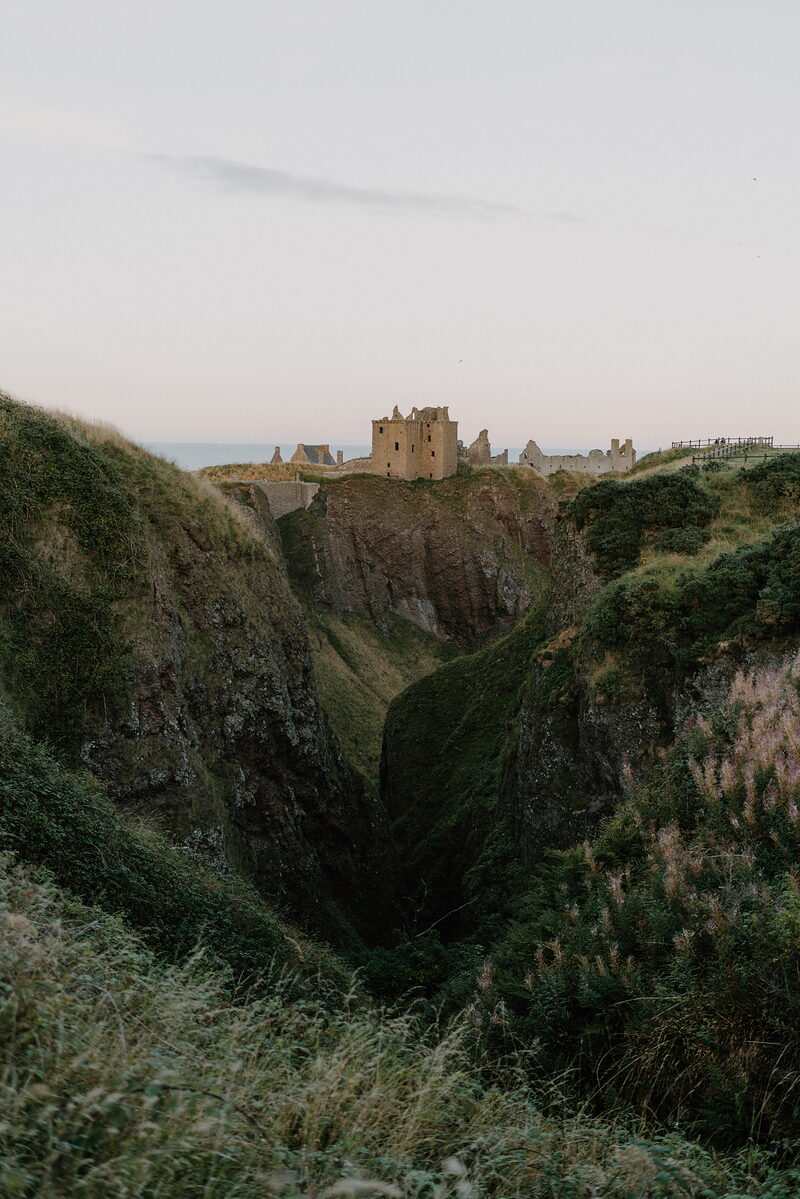 See and doClifftop ruins, pink towers and stone circles
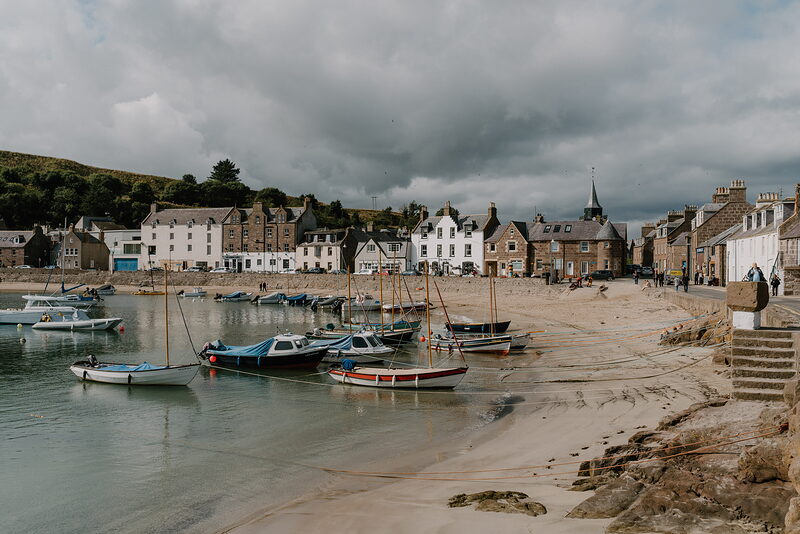 Eat, drink and shopHarbour fish and chips, farm shops and cafés
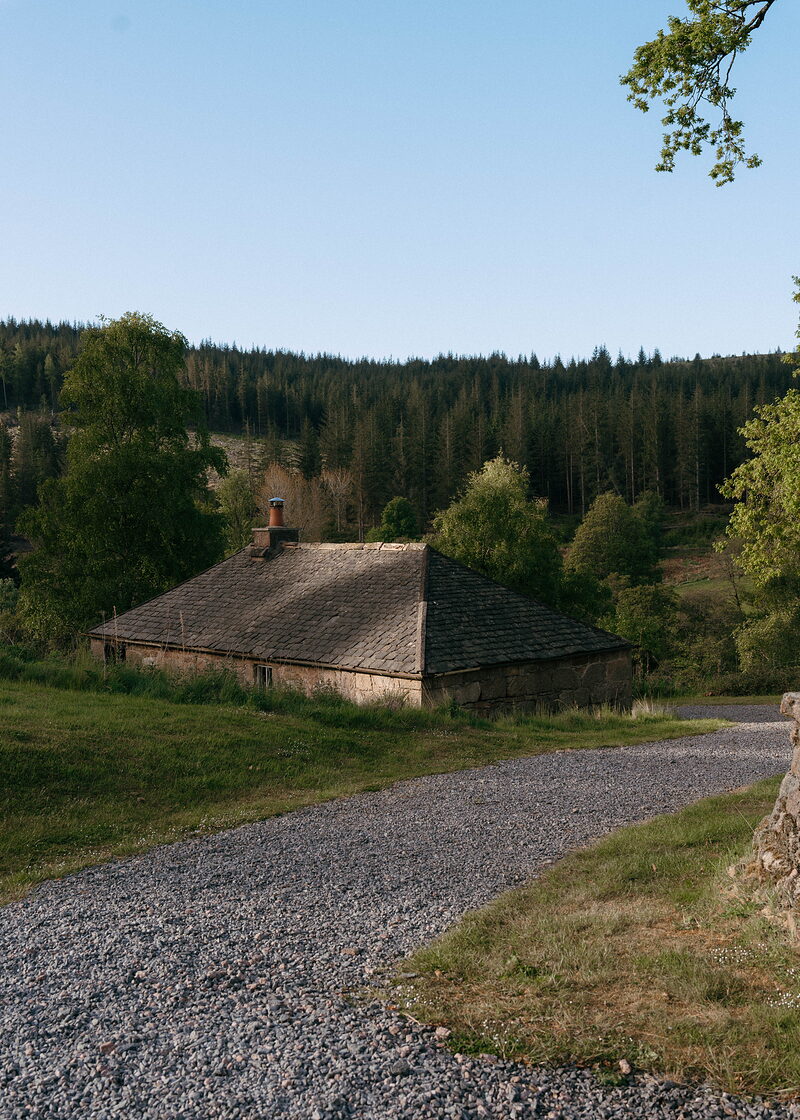 Where to stayEstate cottages and a bothy for two
 History and storiesStone circles, castle country and the Granite City
 ItinerariesCastle trails and coast days, stop by stop
 What is on in AberdeenshireSomething new from the region every day