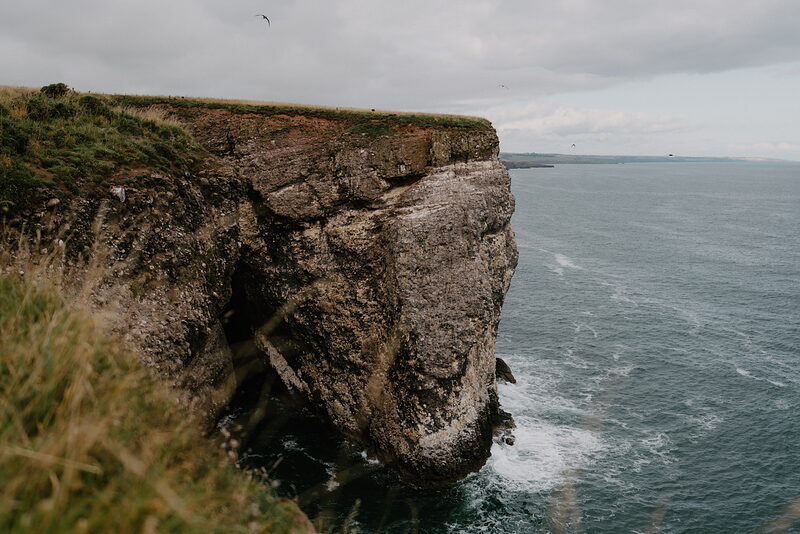
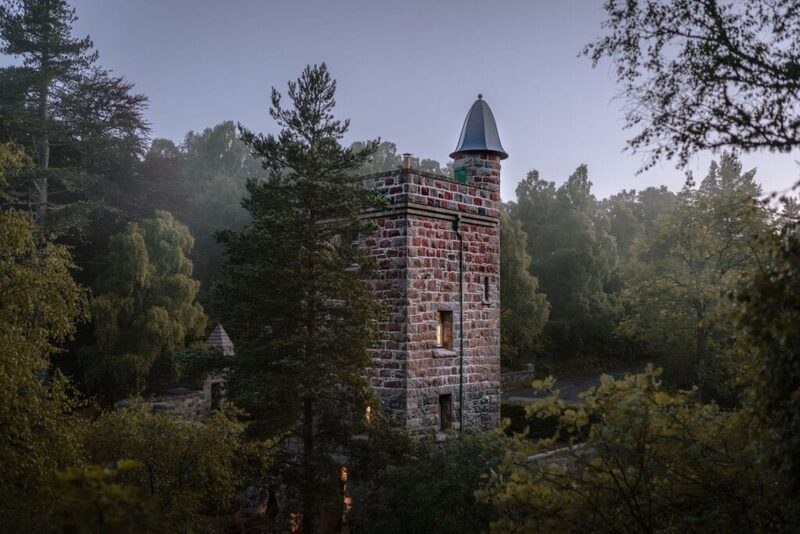
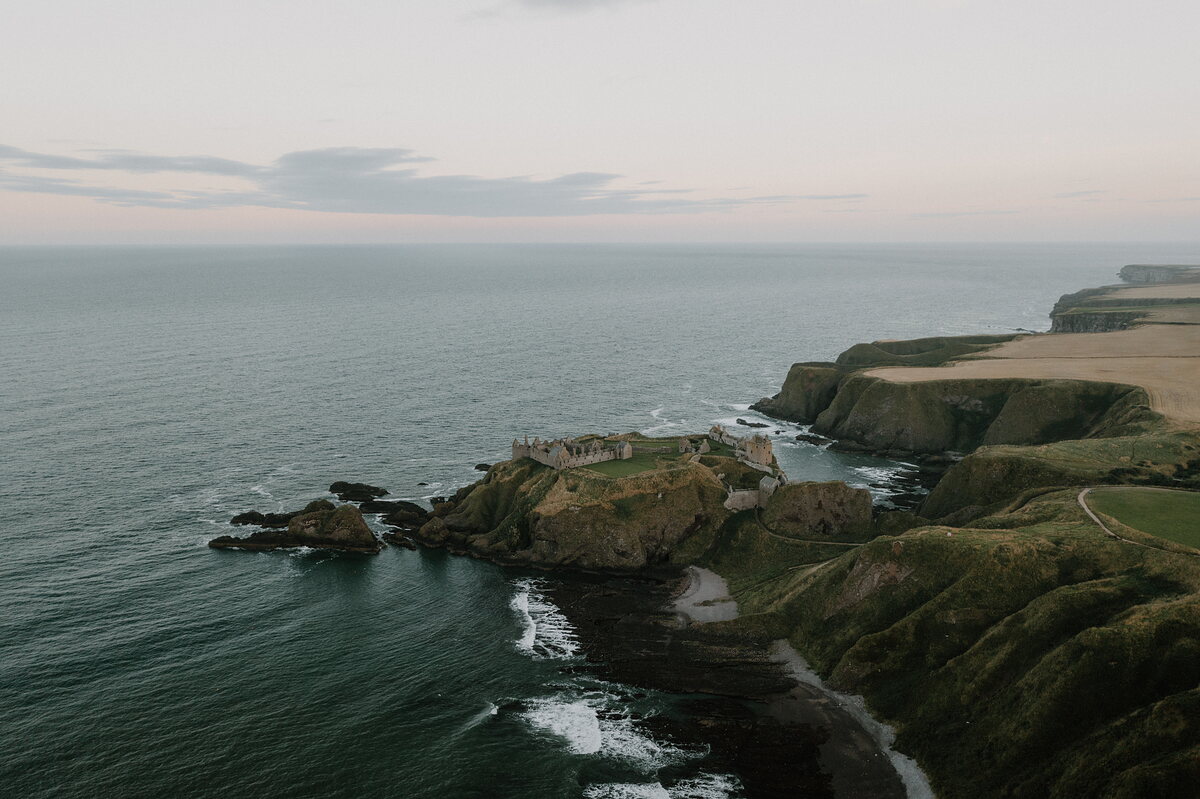
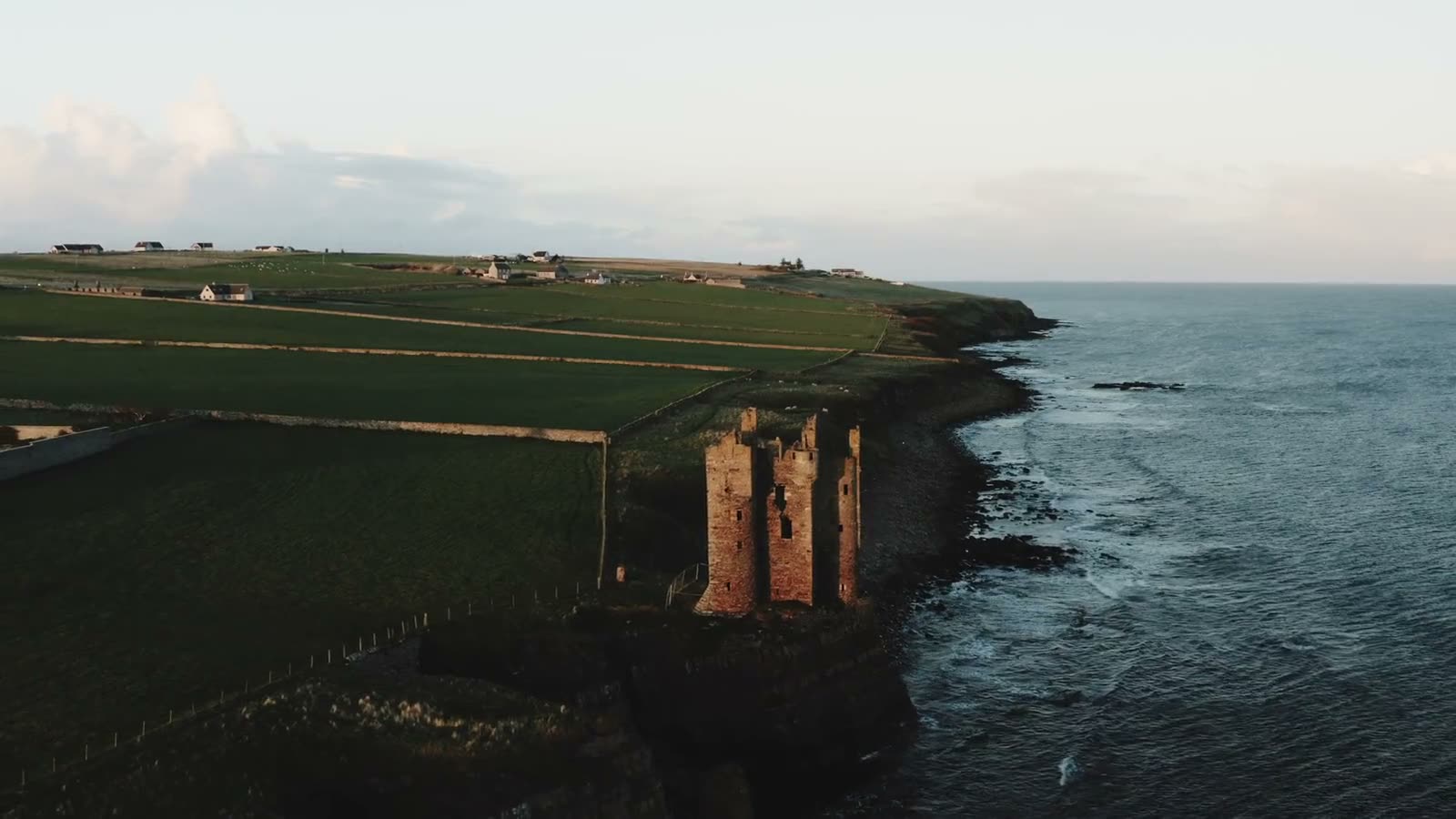
Far-flung? Not a bit of it. Until some 8,500 years ago, northeast Scotland was still connected to continental Europe by way of Doggerland, a land bridge stretching across what is now the North Sea. Evidence of early hunter-gatherers still remains, and by the time of the Bronze Age – with water levels long since having risen – settlers were leaving behind cairns and stone circles. Later, the Picts and the Romans were both present here, as were Celtic monasteries. The city grew to become an important one, thriving on the back of the 19th-century fishing and shipbuilding industries, and using local granite to create a series of imposing municipal buildings, a legacy that still stands today. An 1848 visit by Queen Victoria to the riverside lands west of Aberdeen, meanwhile, saw the emergence of the name Royal Deeside. In later decades, Aberdeen’s North Sea location saw oil, gas and renewable energies become the city’s leading industries, bringing considerable prosperity in their wake, despite the market decline of recent years.
 HistoryBraemar Castle
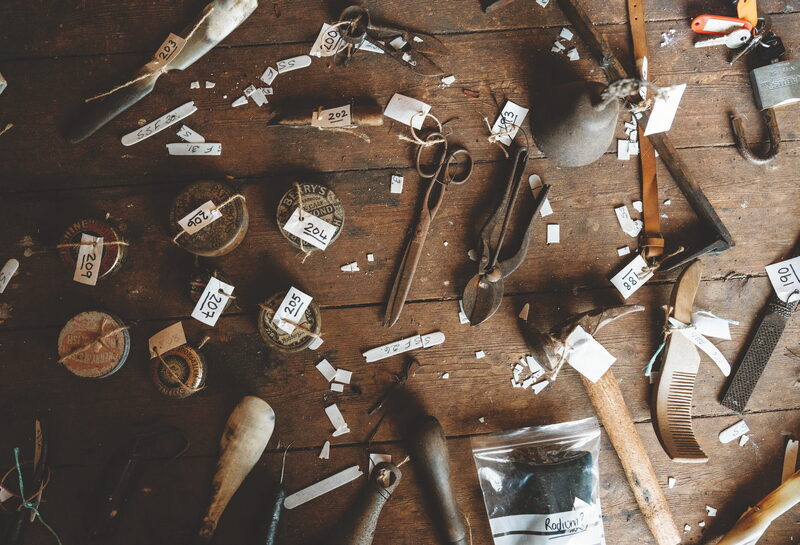 HistoryThe Last Soutar’s Shop: Preserving a Forgotten Piece of Rural Scotland
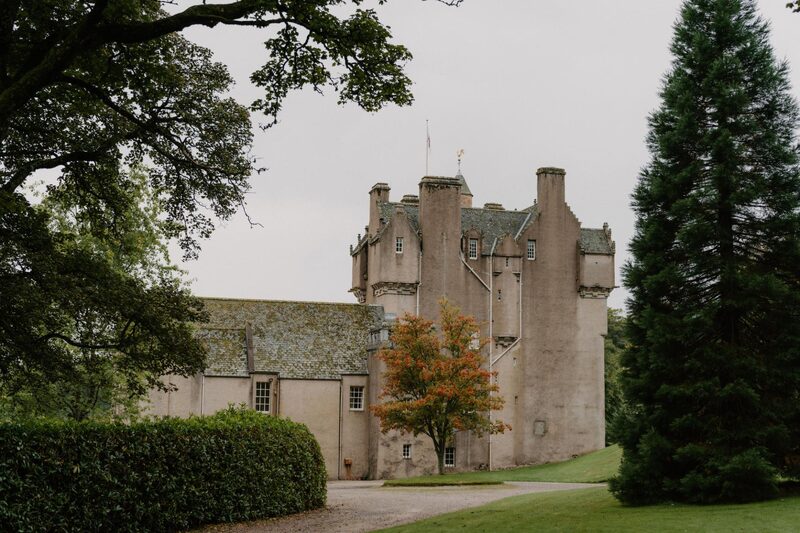 HistoryFrom Painted Ceilings to Walled Gardens: A Day at Crathes Castle
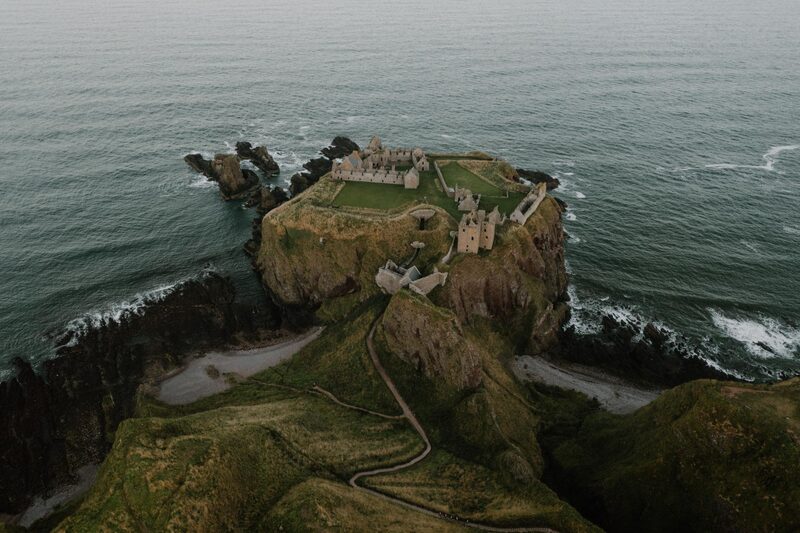 HistoryHow Dunnottar Castle Hid the Honours of Scotland
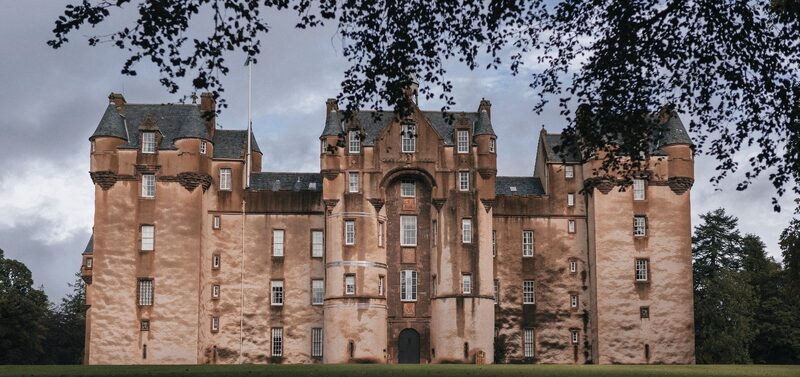 HistoryAberdeenshire's Most Haunted
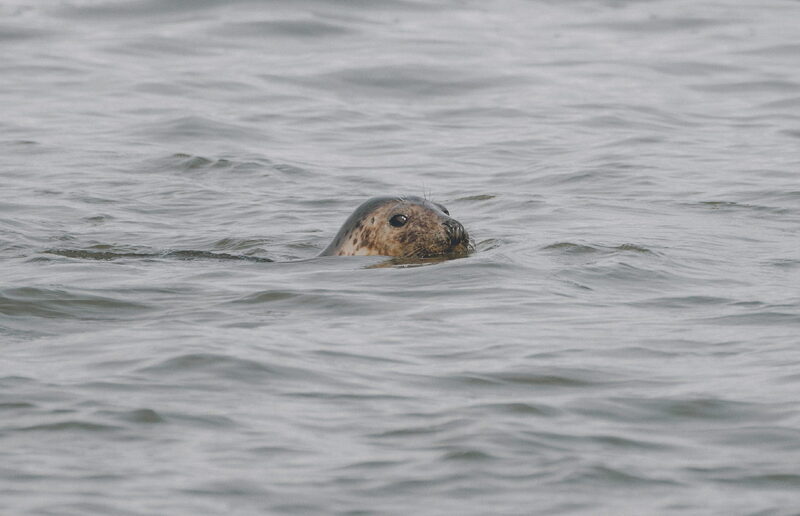 HistoryDiscover the Nooks and Crannies of Aberdeen and Shire
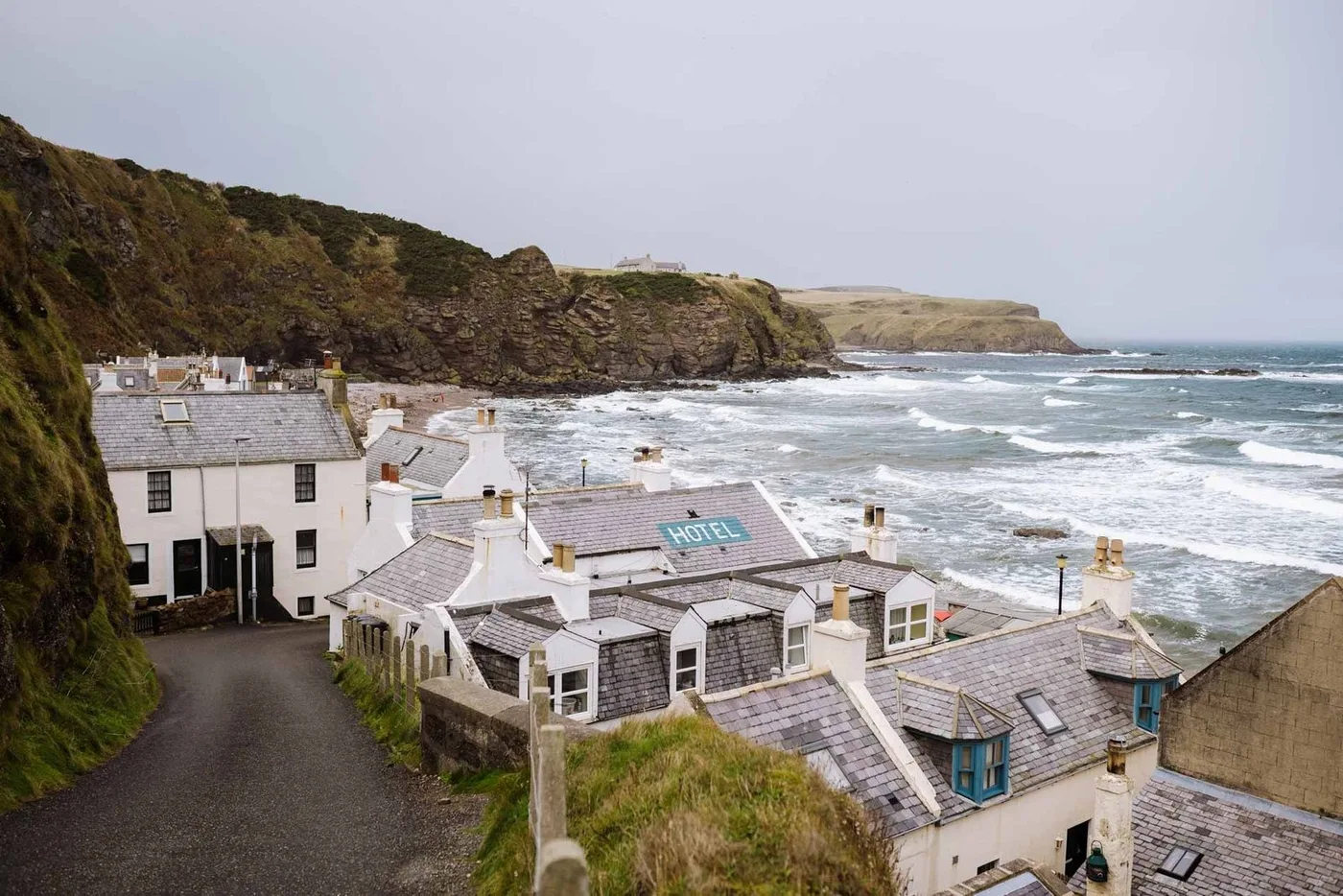 HistoryAberdeenshire’s Great Escapes
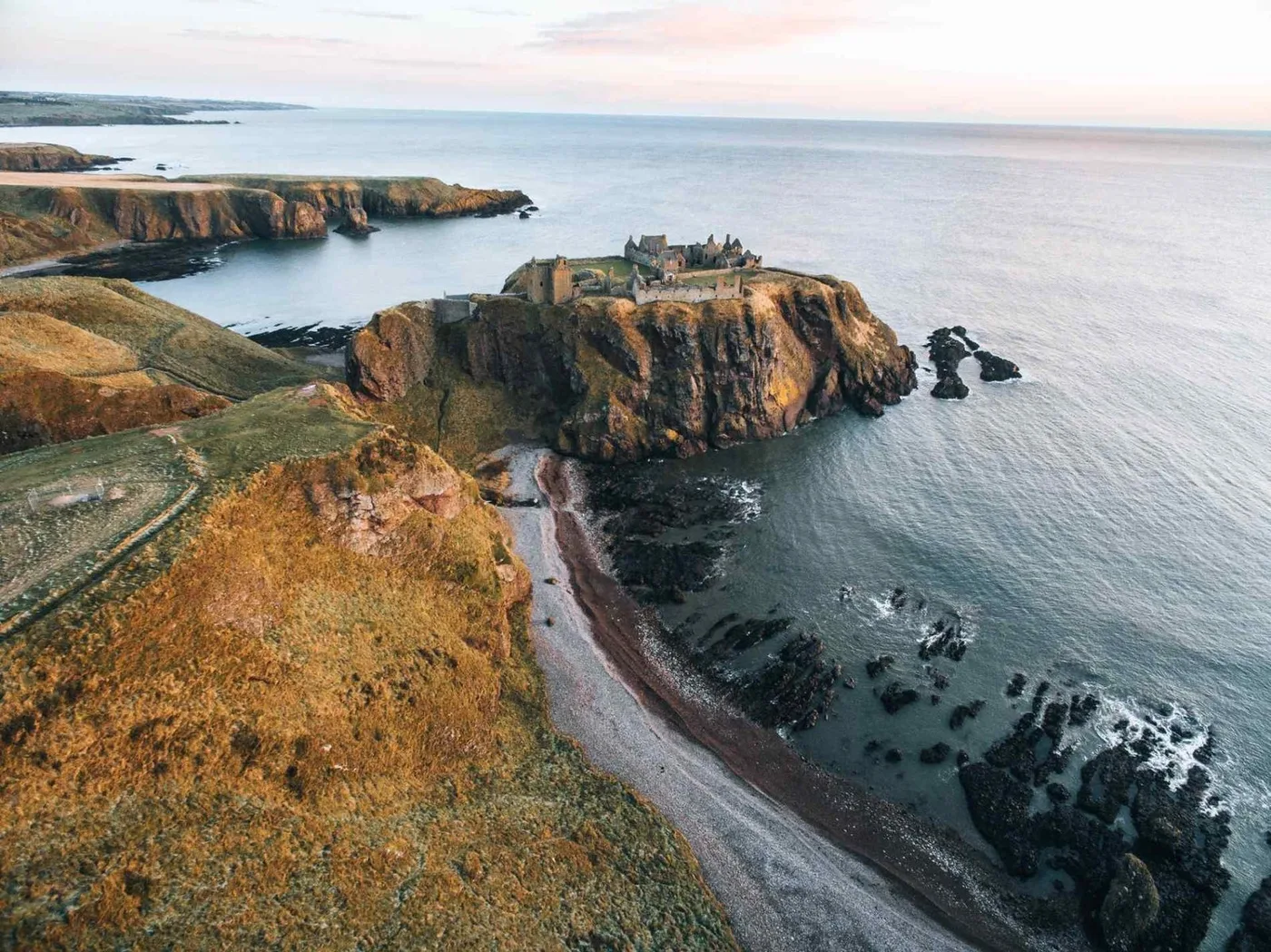 HistoryWilliam Wallace and the siege of Dunnottar Castle
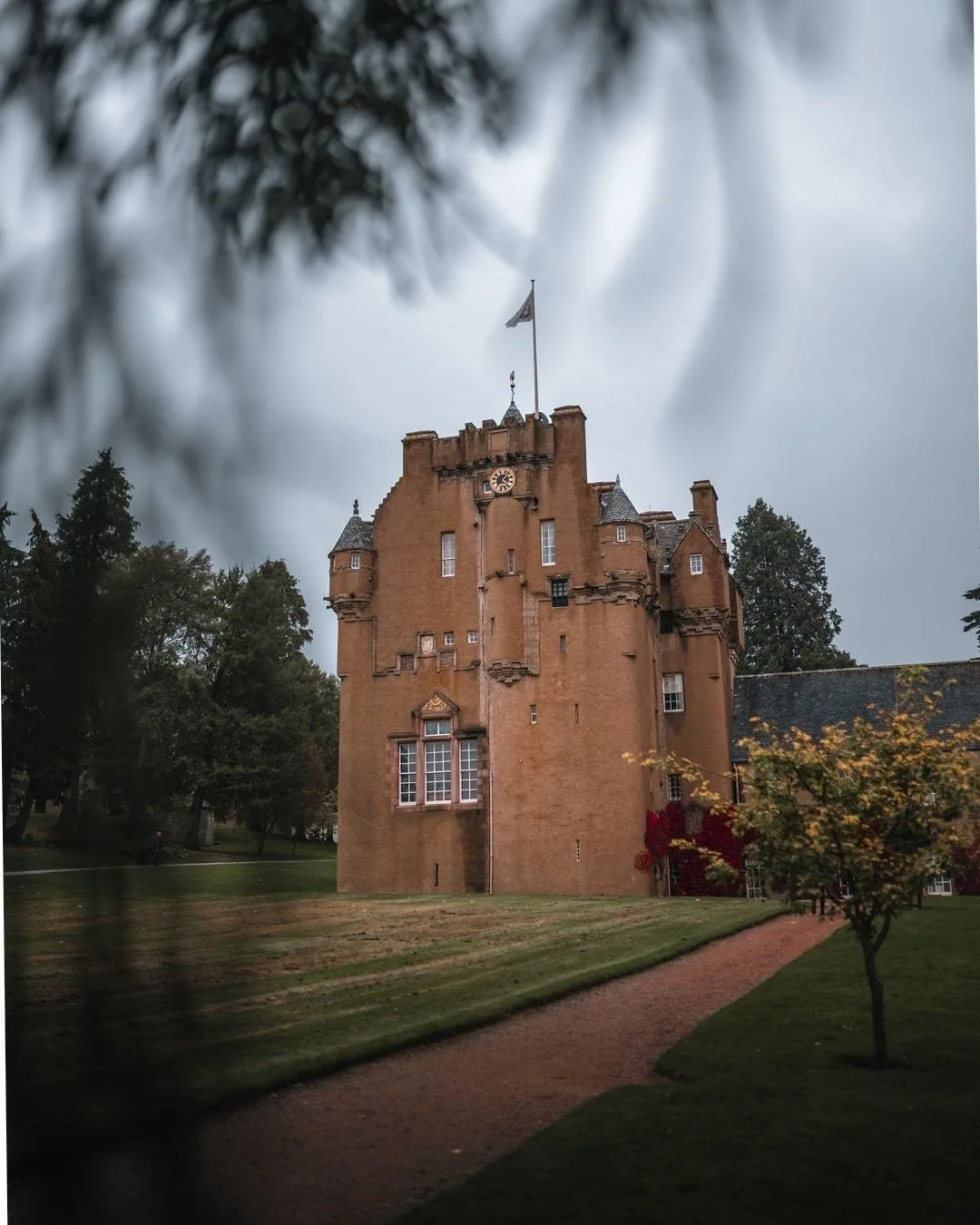 HistoryThe Two Lady Ghosts of Crathes Castle
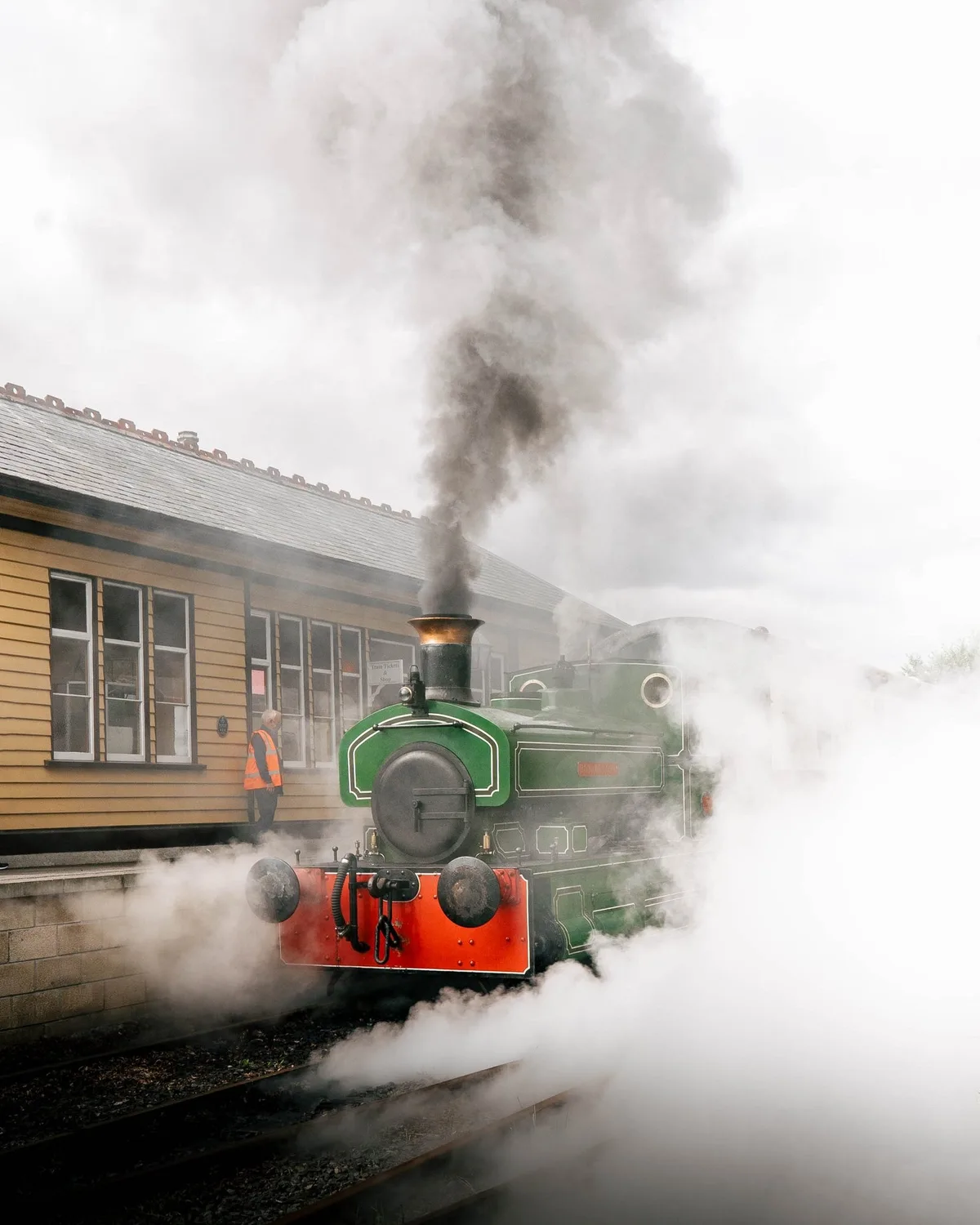 HistoryThe History of the Royal Deeside Railway Line
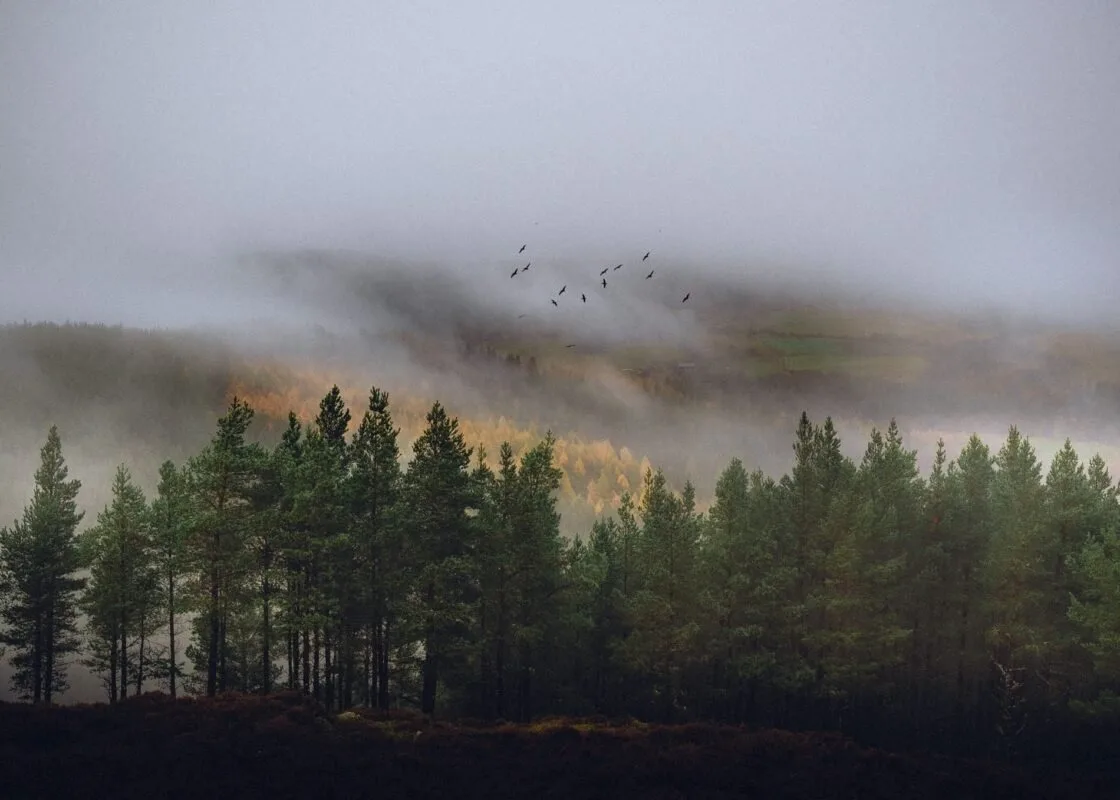 HistoryThings to do in Royal Deeside
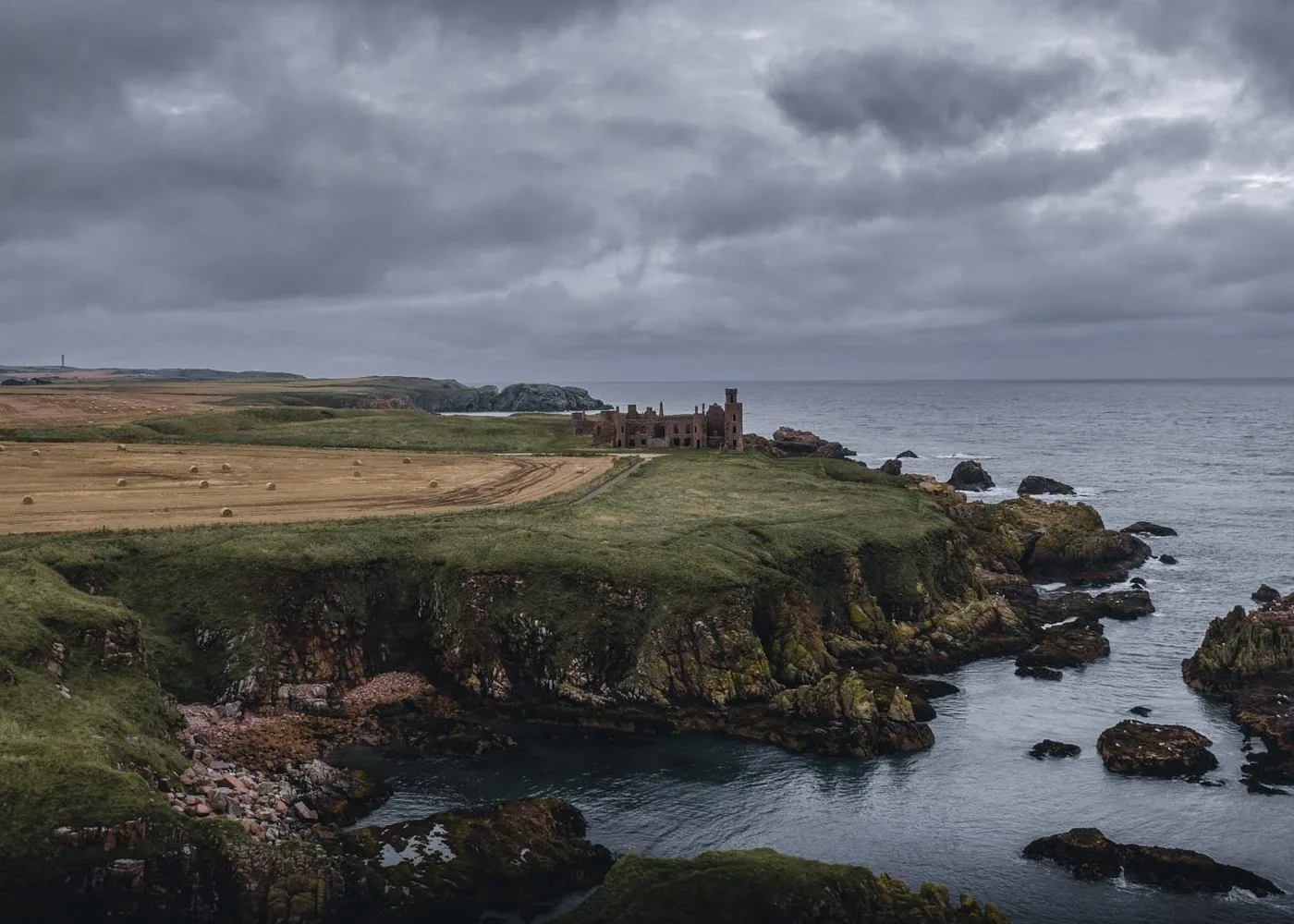 HistoryAberdeenshire Castles
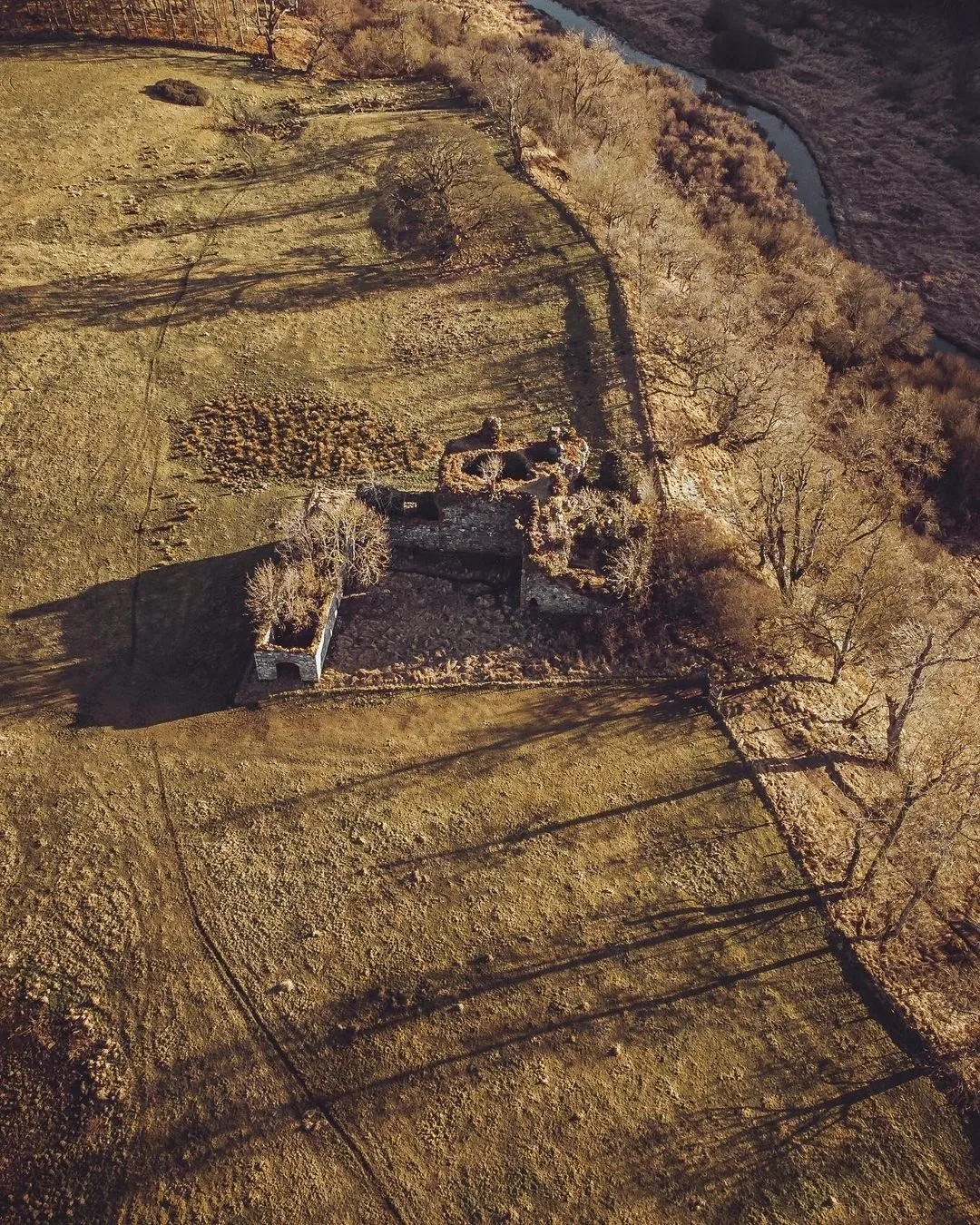 HistoryGight Castle’s Deadly Legends
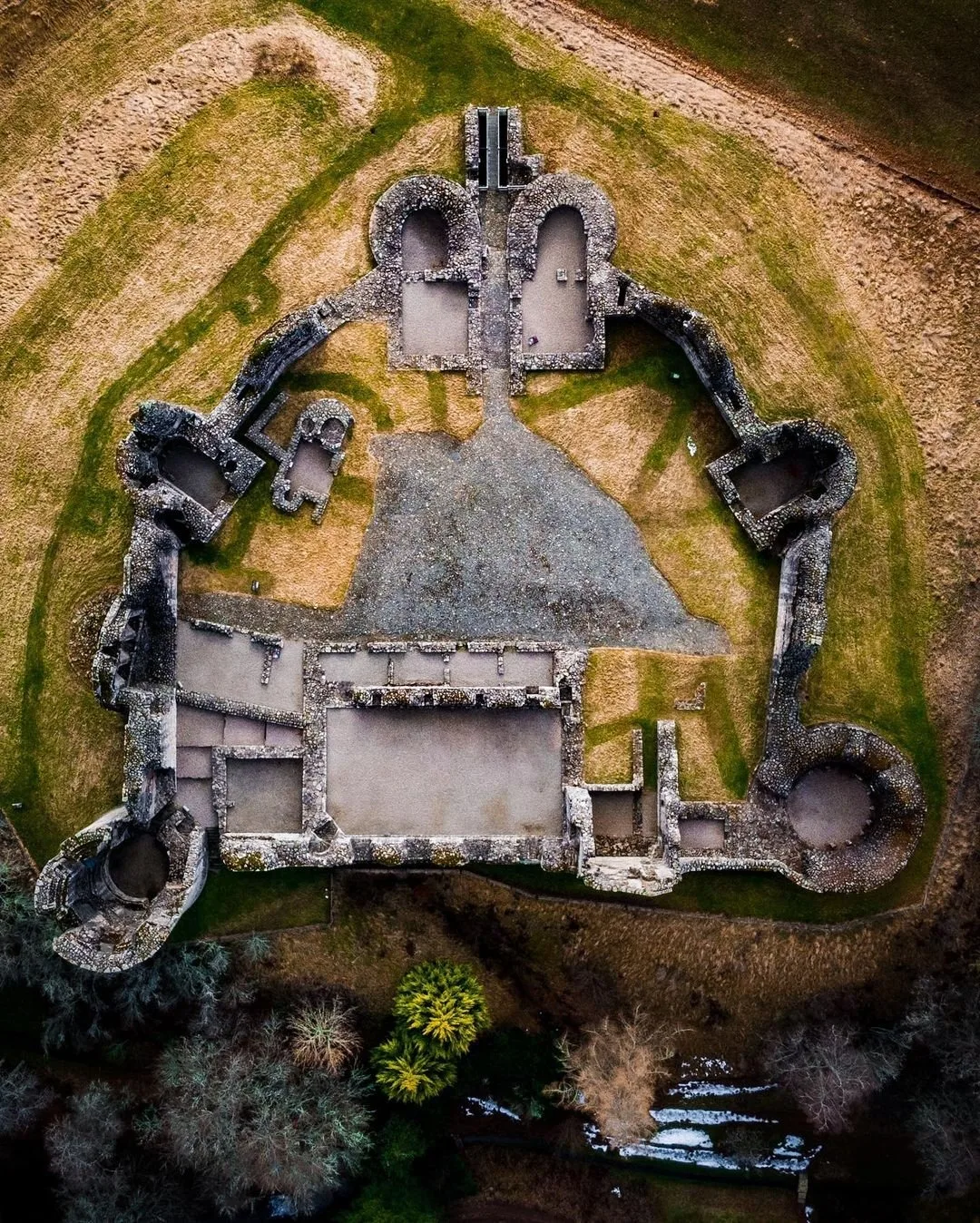 HistoryDefending Kildrummy Castle
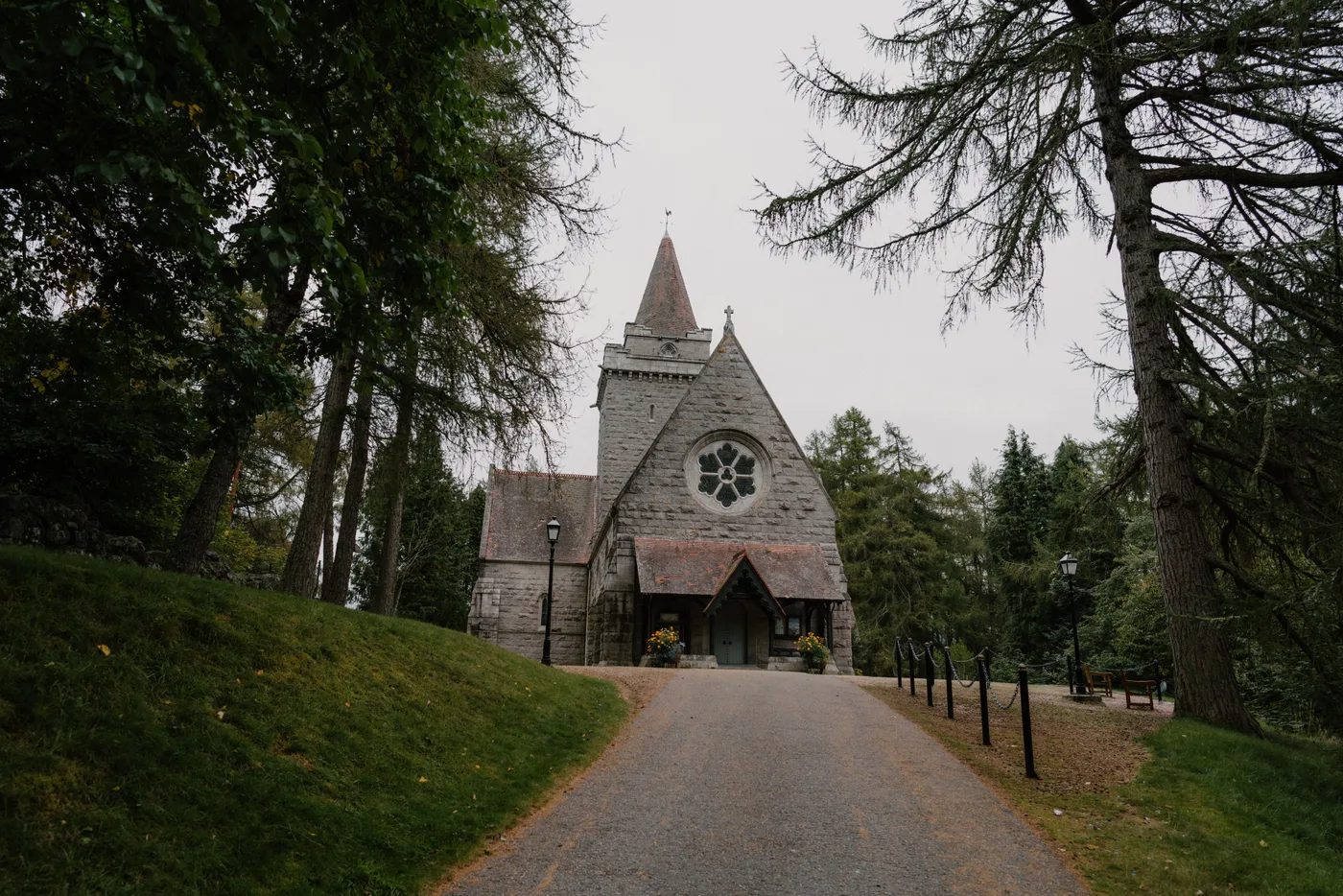 HistoryA Royal Inspired Tour of Aberdeenshire