
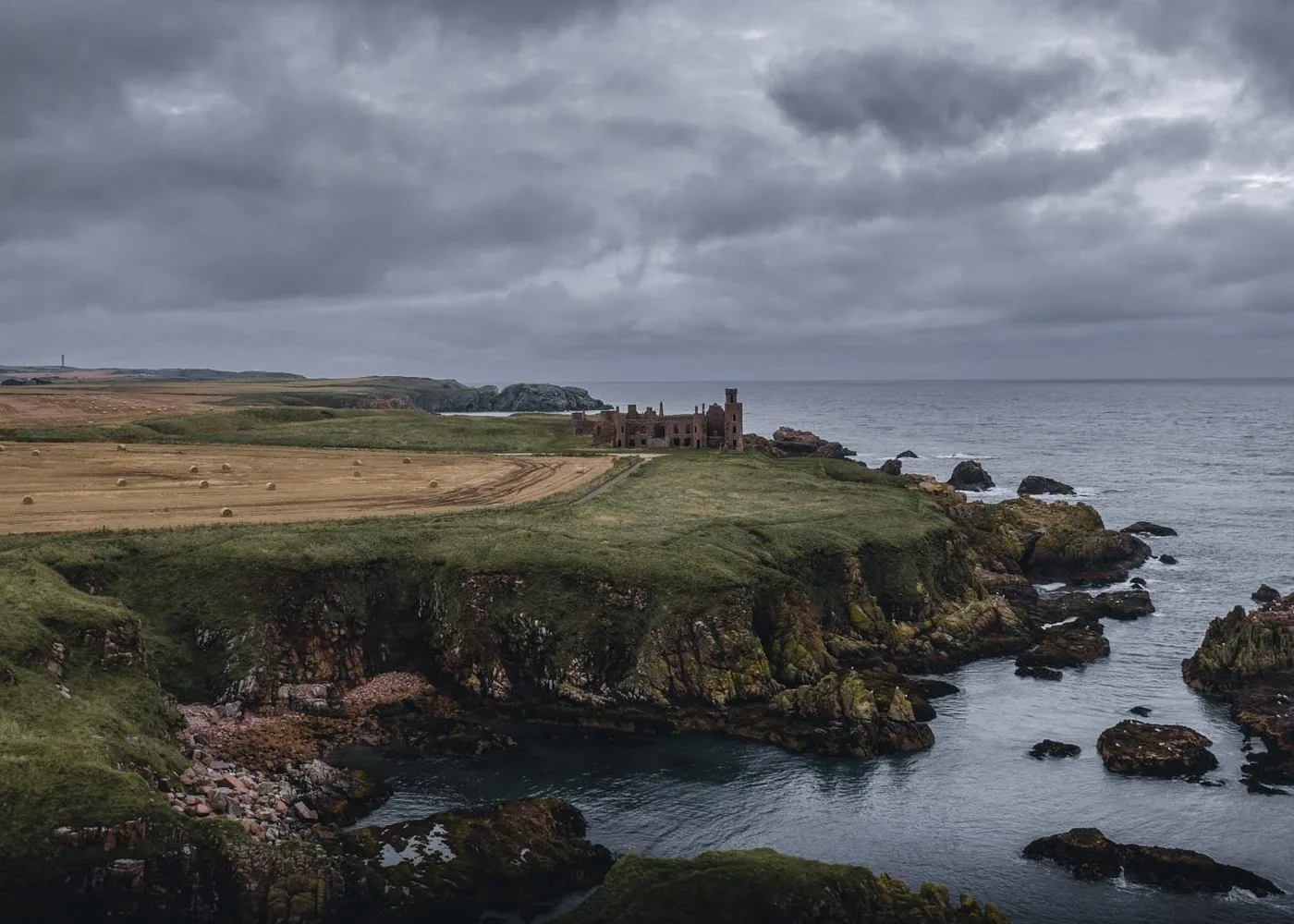
The sheer number of castles scattered across every part of the Scottish landscape is astounding. With each one in a different condition and dating from a different time, no two castles are remotely the same, and each can tell its visitors a new story. Aberdeenshire has a great many of them. From the nine castles of the Knuckle to more remote ruins, here are some of the best within reach of the Granite City.
-full-1750072670.jpg)
Tolquhon Castle
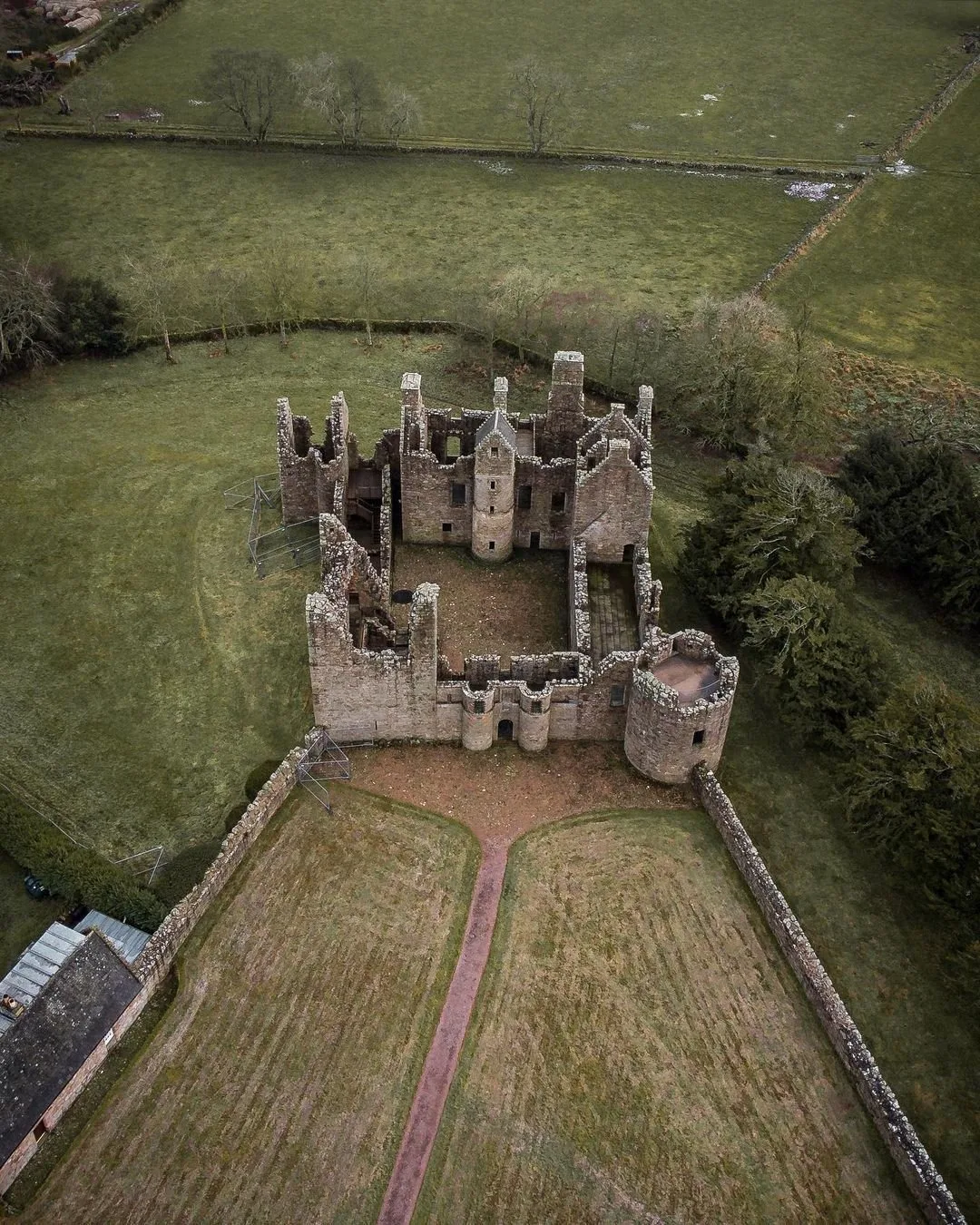
Tolquhon Castle has stayed in remarkable condition over the past four hundred years. When Sir William Forbes commissioned the building in 1584, his intentions were clearly residential in nature – although there are plenty of defensive measures incorporated throughout – built to house his family in grandiose style. The interior of Tolquhon is just as impressive as its outside. Splendid family rooms, designed with an eye for opulence, coalesce into a staggeringly beautiful castle, and one with its fair share of hidden compartments and tucked-away secrets.
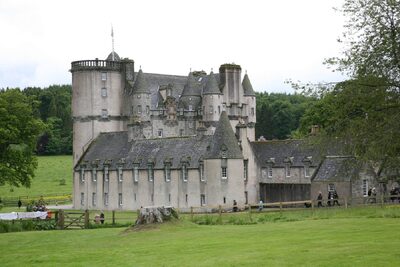
Castle Fraser
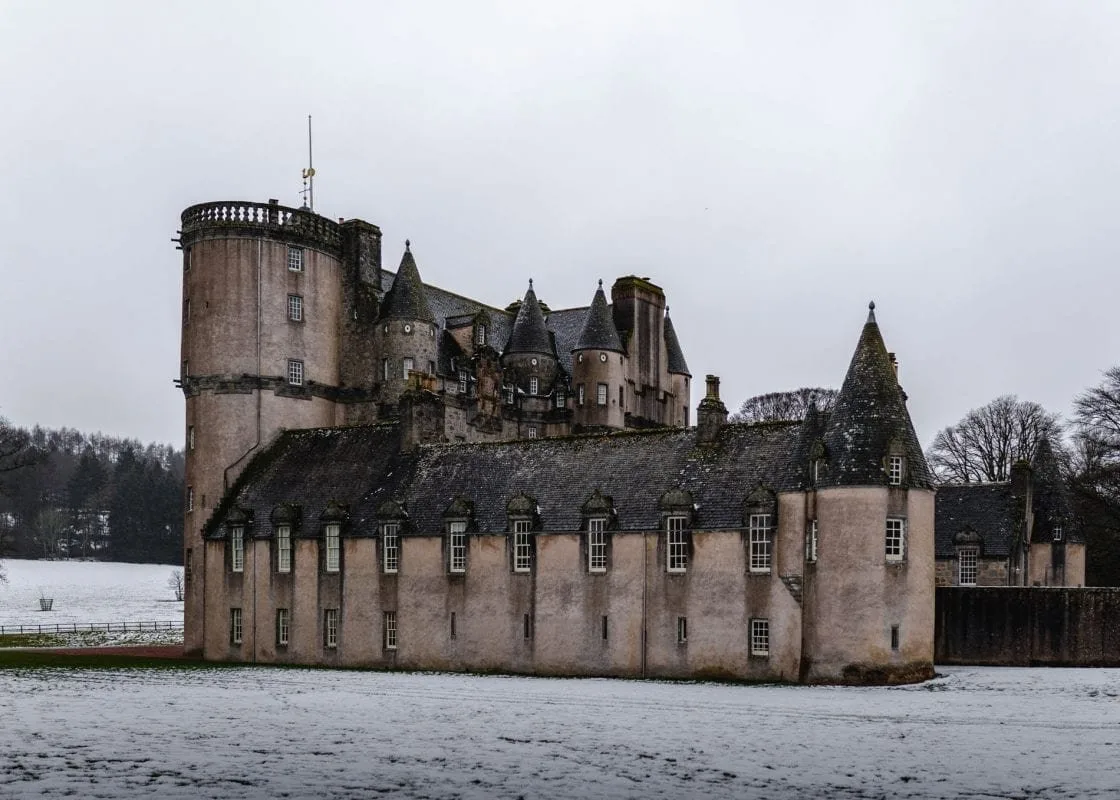
Castle Fraser is a building of incredible complexity and elaborate design. It merges several periods, and its later work hides a much older core. This original iteration of the castle was the product of sixty years of construction, presumably by renowned 16th-century mason John Bell whose signature is visible on an outward-facing panel. Other aspects of Castle Fraser were modernised by later owner (or ‘lady laird’) Elyza Fraser which – combined with other redesigns by subsequent owners – make the building an incredible interweaving of time and cultural evolution.
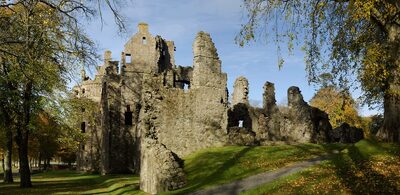
Huntly Castle
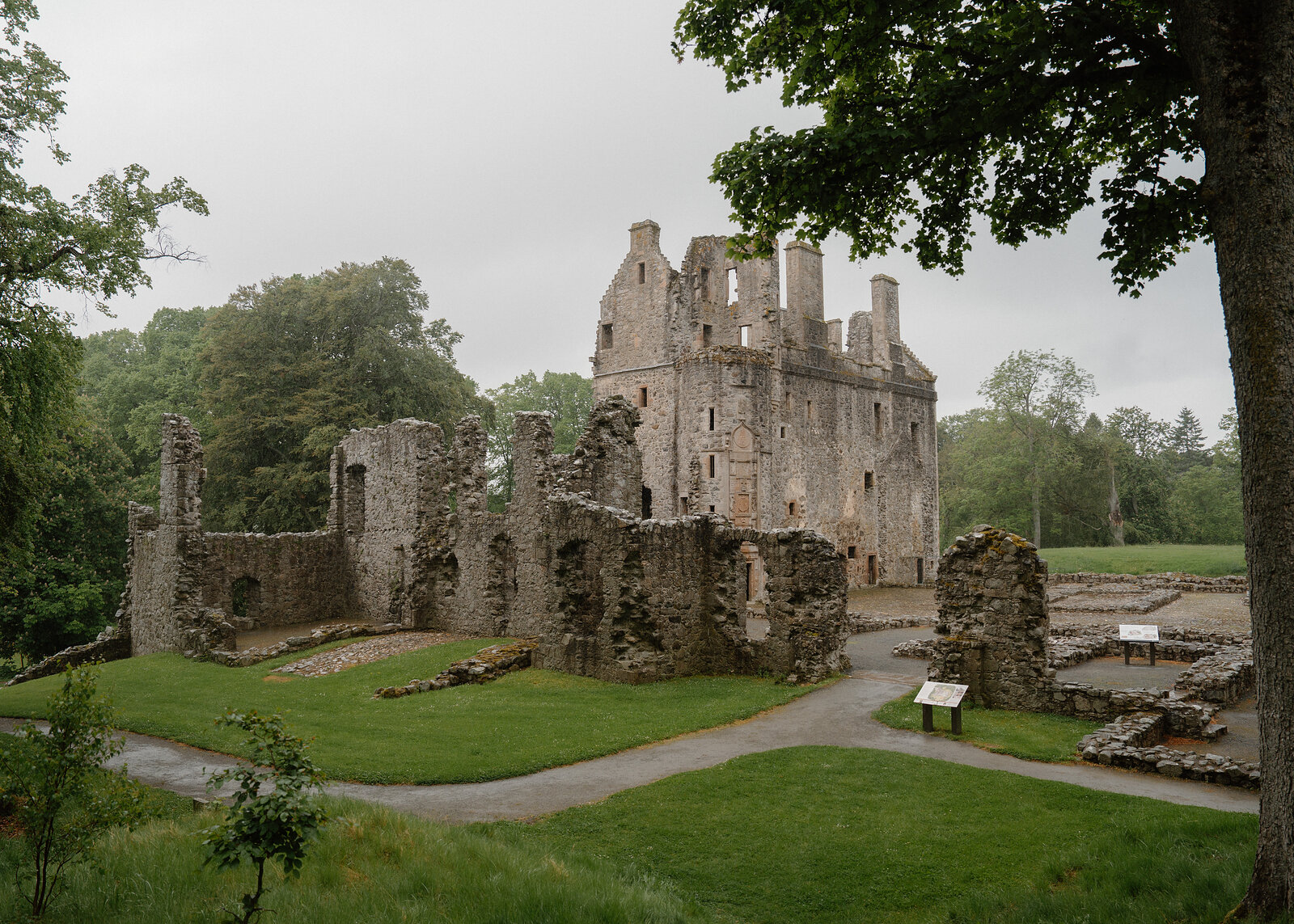
Where the rivers Deveron and Bogie converge near the border of Aberdeenshire, the Earl of Fife built an impressive castle for himself sometime between 1180 and 1190. Passing through the hands of countless owners who made just as many additions and adjustments, Huntly Castle now stands in semi-ruin. Much of the surviving building was the work of the 4th and 6th Earls of Huntly, such as the luxurious stately palace, several high-rising towers, and the intricately crafted frontispiece above the castle’s main entrance.
Crathes Castle
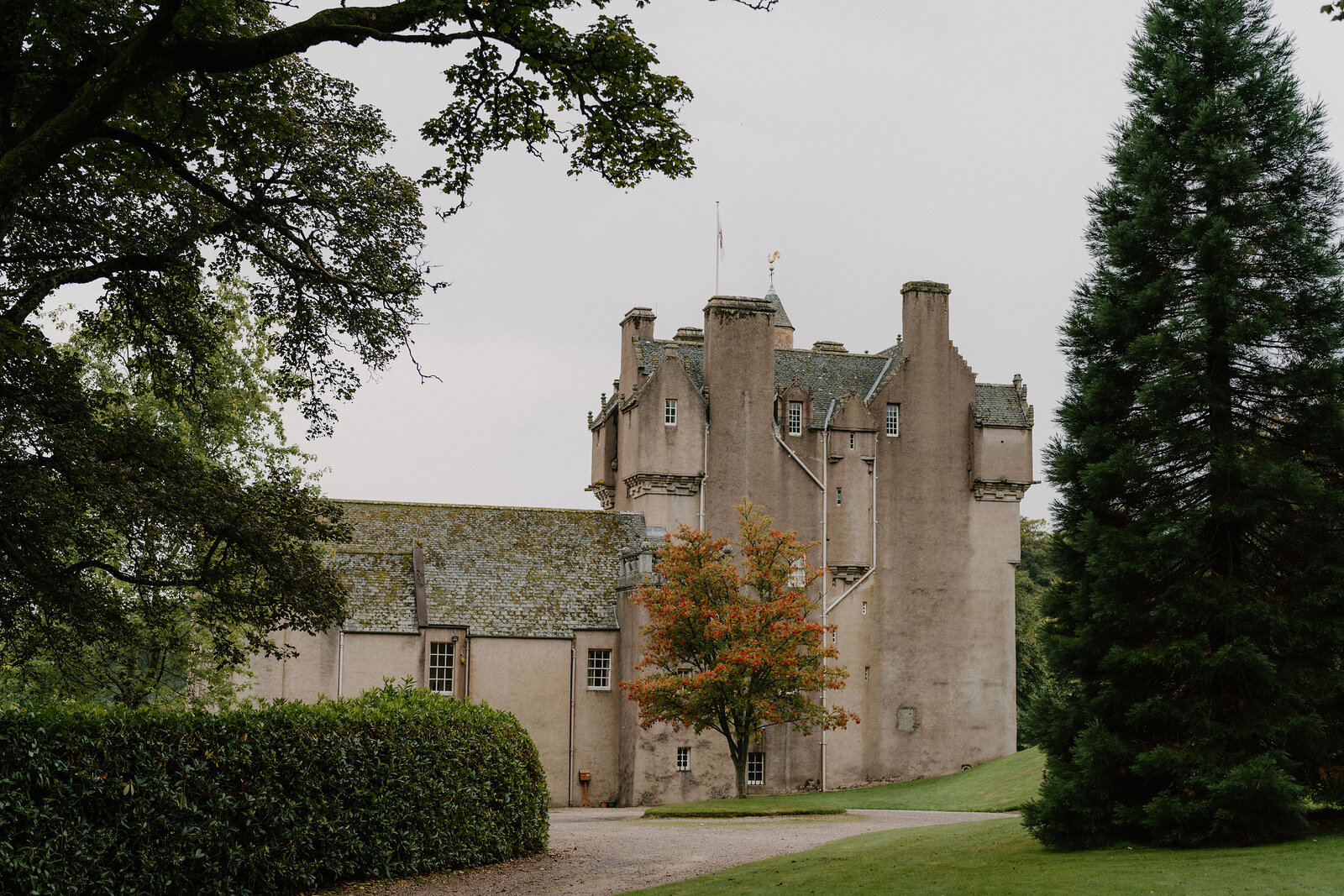
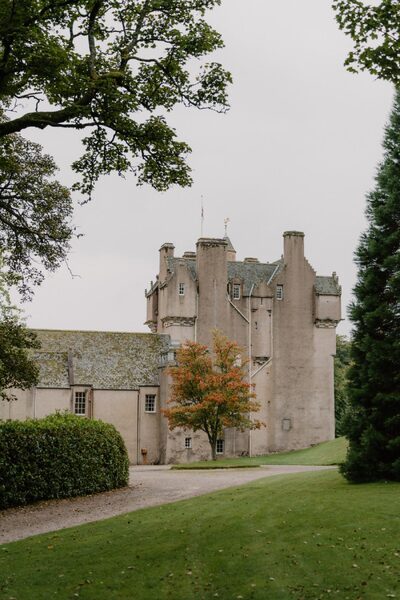
Construction of the surviving Crathes Castle began during the turbulent reign of Mary, Queen of Scots, a period reflected in its defensive capabilities. The land, given to the owners by Robert the Bruce, was partly bogland, making it a difficult area to navigate especially for large numbers of soldiers. The castle was built upon a set of timbers placed in the centre of this marsh, ensuring the terrain itself was turned to the family’s advantage. However, the fort’s focus on impenetrability belies its cultural historicity – excavations in 2004, for example, uncovered lunar calendars believed to date 5000 years earlier than the then-considered oldest time-keeping devices of Mesopotamia.
Drum Castle
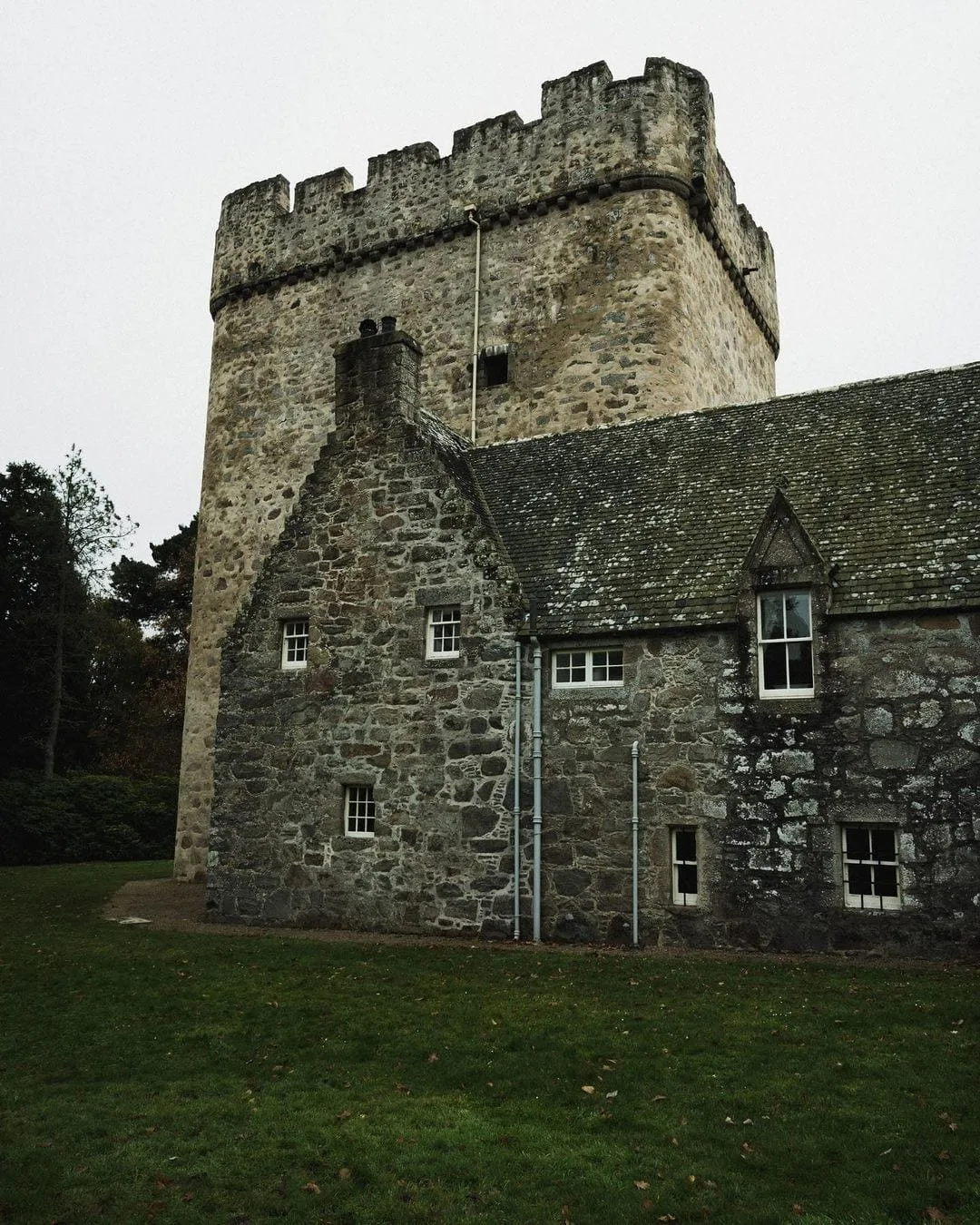
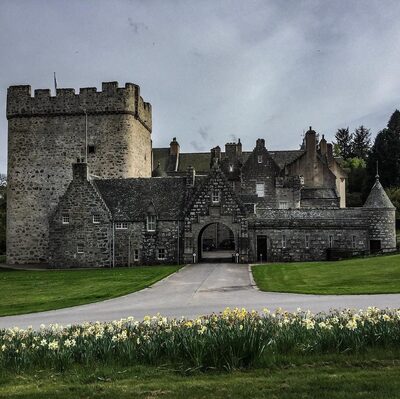
For over 650 years, Clan Irvine was proud to call Drum Castle their ancestral home. Scholars believe its tower to be the third oldest of its kind in Scotland. The National Trust purchased the castle in more recent years, opening its sprawling family rooms and masterfully tended rose gardens to the public for the first time. Looking over the quadrant gardens, visitors can enjoy an assortment of home baking in the wonderful Mary’s Larder.
Dunnottar Castle
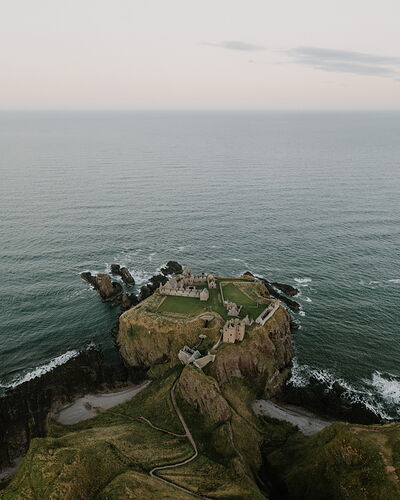
In its rugged location on a rocky outcrop high above the North Sea, Dunnottar Castle’s prominent role in Scottish history should come as no surprise. Clan Keith gradually constructed the estate between the 13th and 17th centuries, although only a haunting set of ruins remain. Visitors should note that, given its severely defensive placement, Dunnottar is a relatively inaccessible castle, although the views are more than worth the effort.
Balmoral Castle
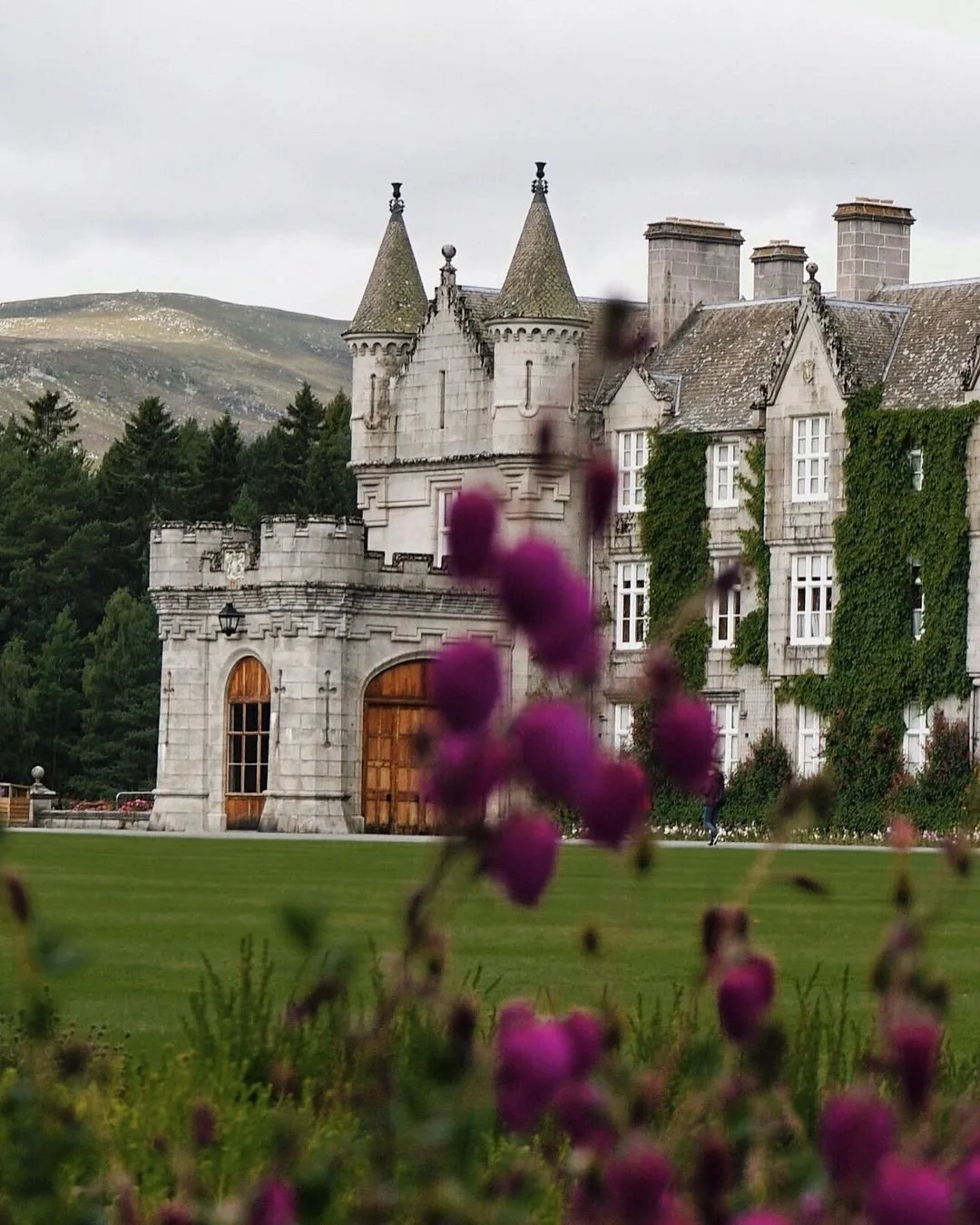
Balmoral, long a favourite residence of Queen Elizabeth II, has been a staple of Scottish tourism since it came under royal ownership in 1852. The estate covers 50,000 acres, the wider Highlands in miniature: moors, farmland and forests with Highland cattle and herds of deer, and the castle at its centre. Much of the castle’s architectural design was directly overseen by Prince Albert soon after his and Queen Victoria’s acquisition of the estate, strengthening the inseparable bond between royalty and Balmoral.
Kildrummy Castle
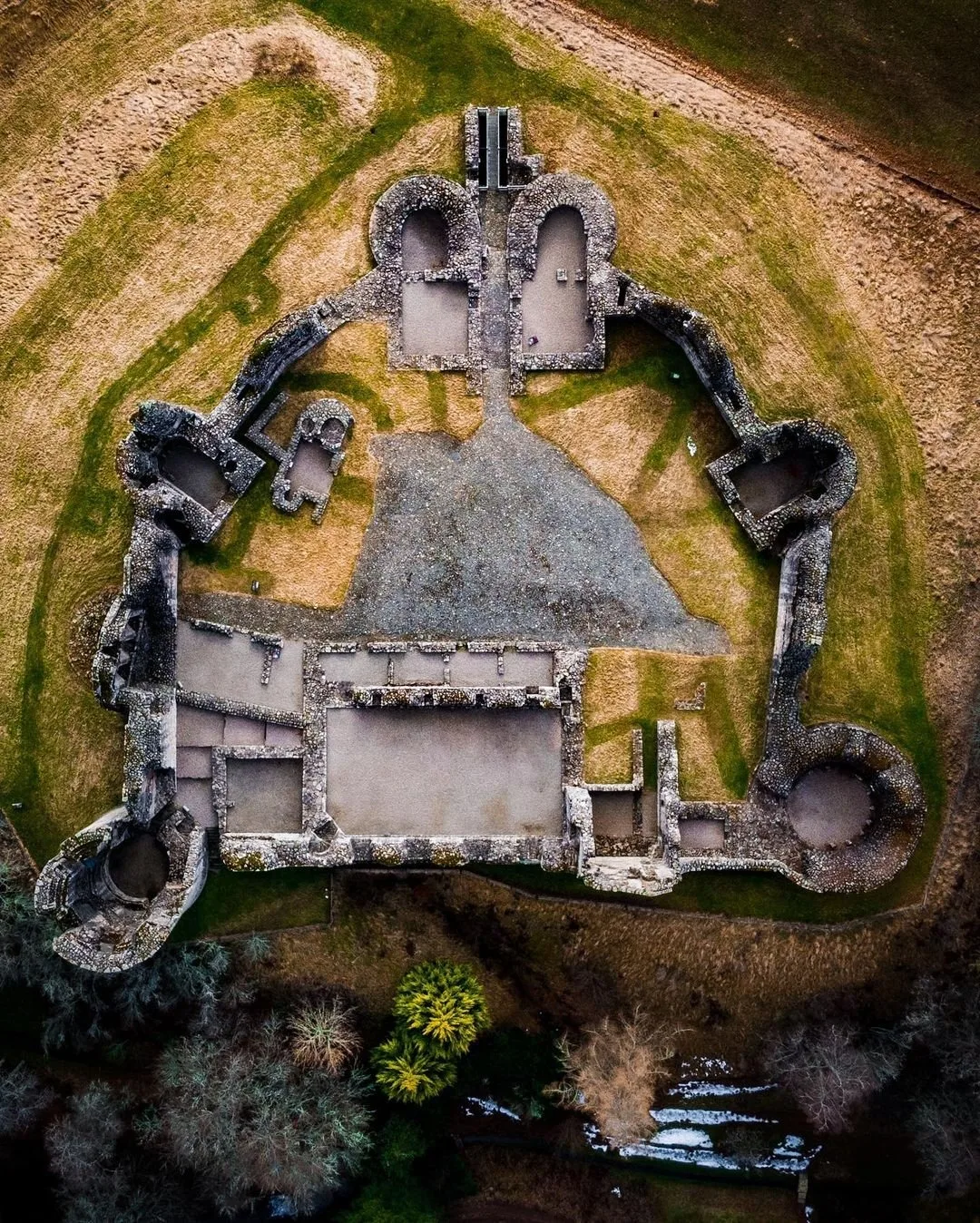
Held by the likes of James I and Alexander Stewart, the sprawling fortress of Kildrummy Castle are our best surviving example of 13th-century castle design. The shield-shaped layout featured various towers and an extensive gatehouse, as well as natural defences via the ‘Black Den’ ravine. Also still standing are aspects of the castle’s chapel, including the high altar positioned beneath the trio of lancet windows. However, it is Kildrummy’s location that sparks the most interest, given its incredible views onto the rolling highland surroundings.
Knock Castle
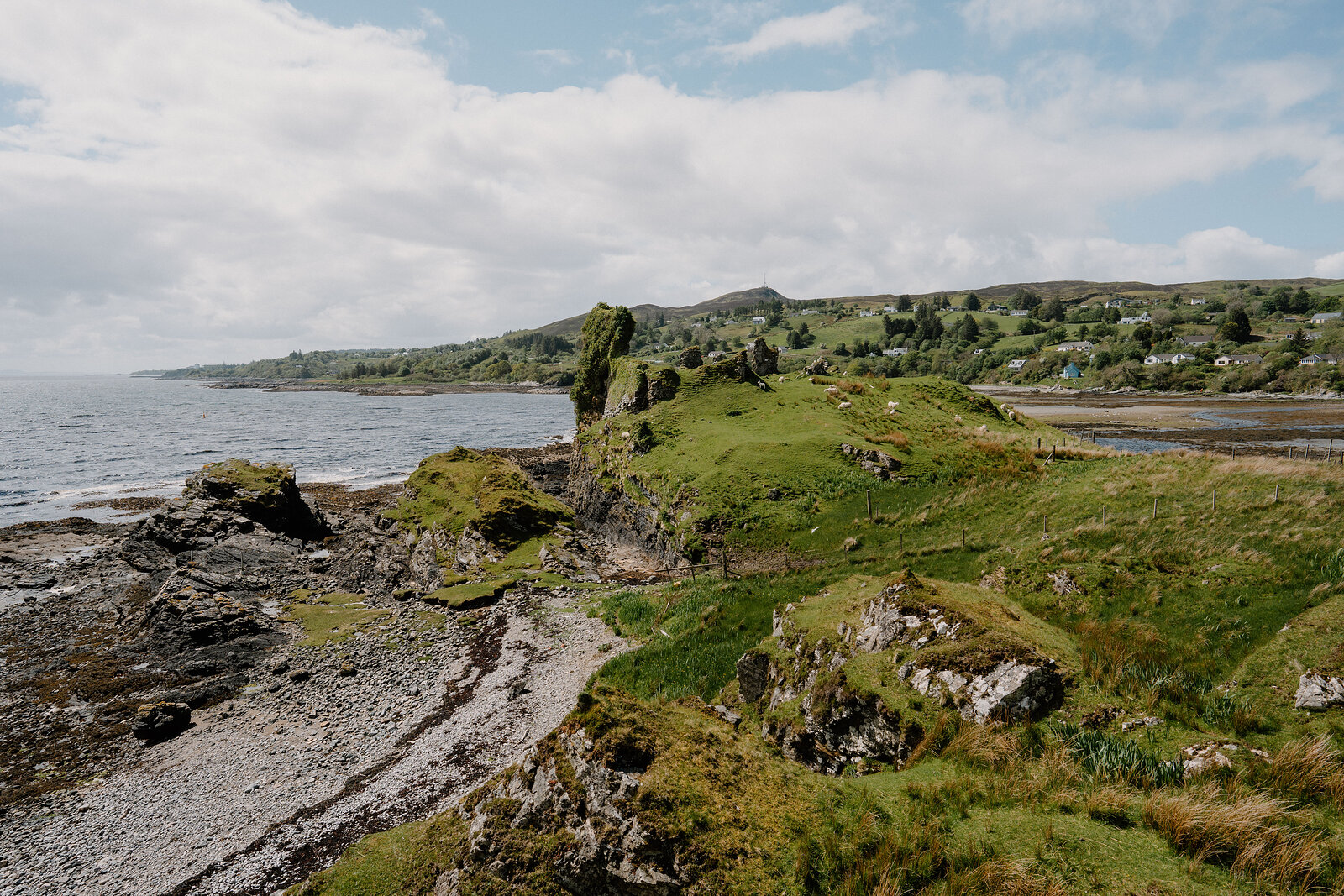
Unlike the larger, multi-building designs of its contemporaries, Knock Castle is constructed in the vertical style of a laird’s residence. Just miles away from Balmoral, the ruined castle gives visitors a glimpse into the scenic life of Scotland’s landed gentry. Little is known of its history, least of all how it came to be a ruin. Historians offer several explanations, and none can be confirmed.
Braemar Castle
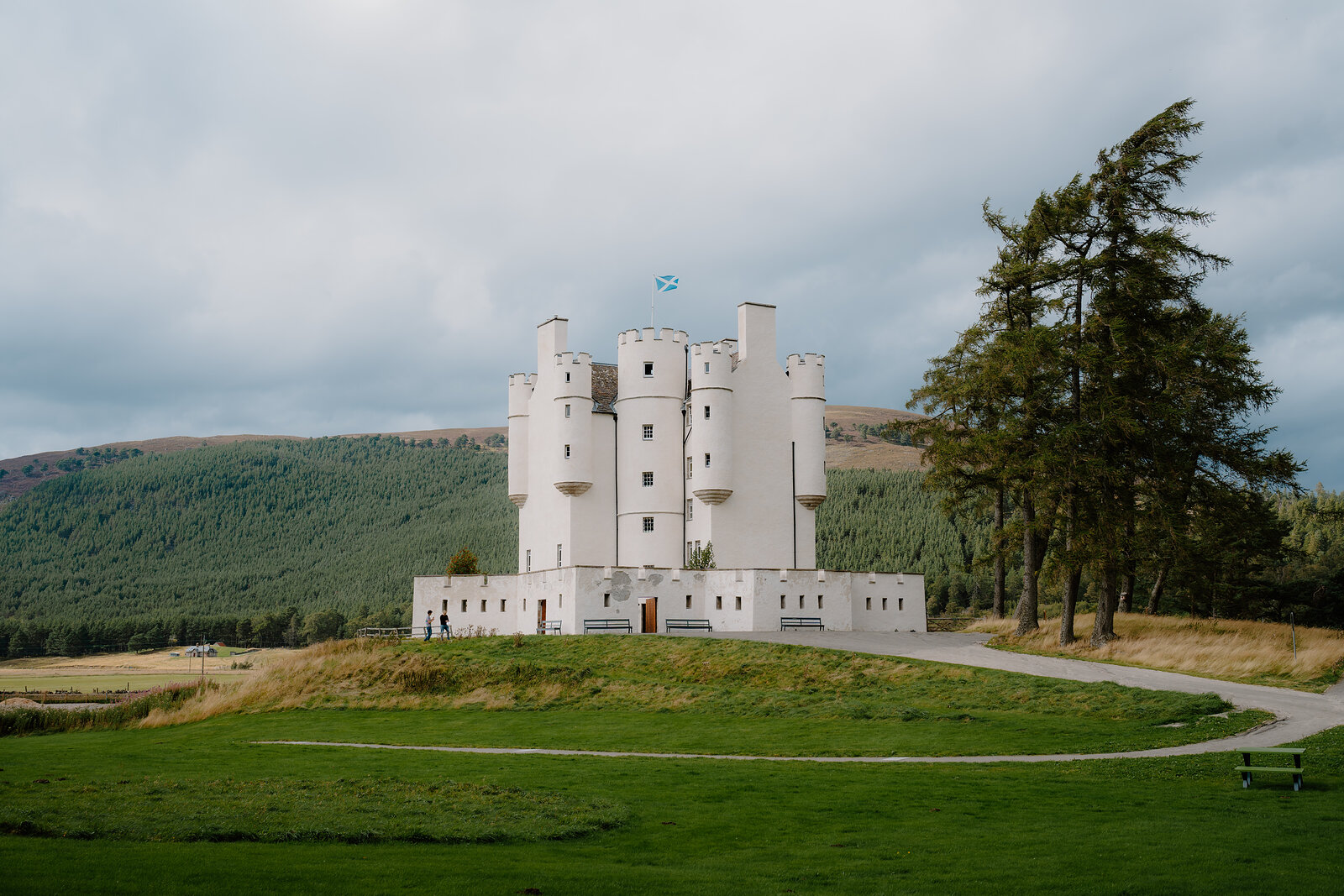
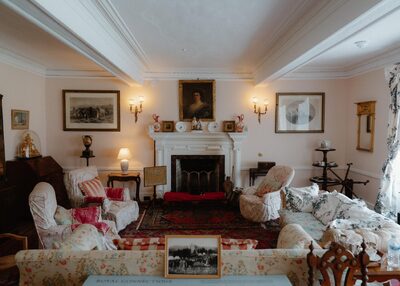
Clan Farquharson’s ancestral home stands among lush green hills. This scenery, as well as the architectural grace of the fortress itself, belies the extensive military history that brought Braemar Castle into the limelight of Scotland’s development. Of course, violence is not the only thing that made Braemar into such a culturally significant location – the grounds also hosted Queen Victoria during the traditional Highland Games, which quickly became a keystone of the nation itself.
-full-1749217015.jpg)
Inchdrewer Castle
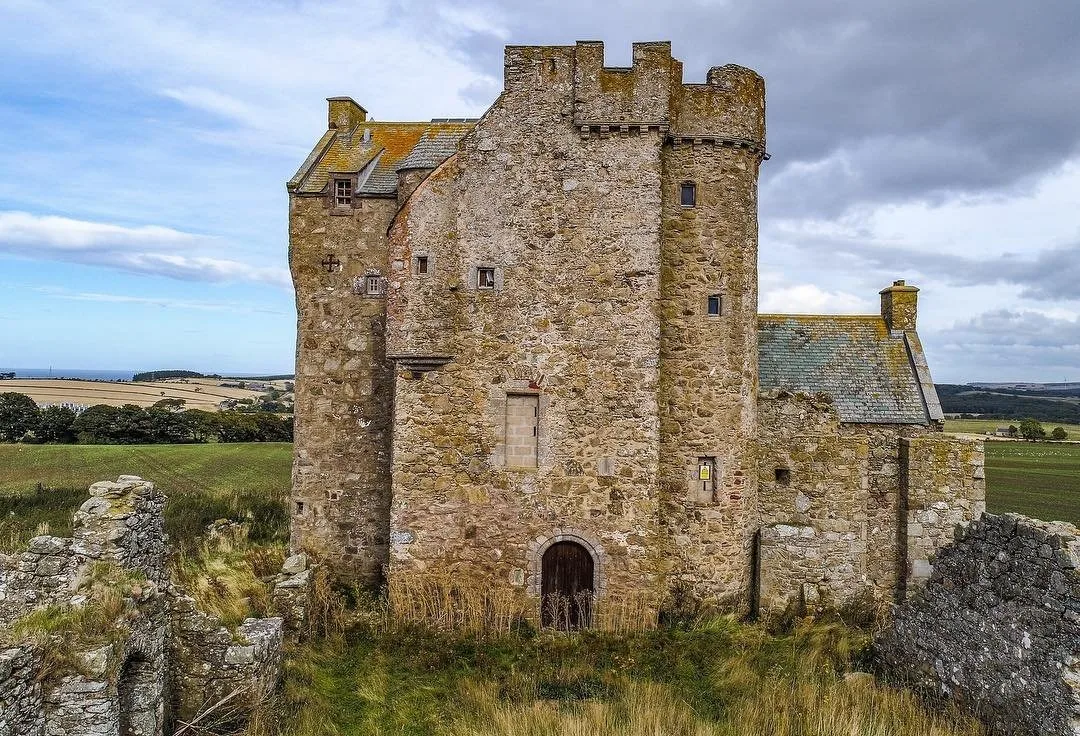
Fields of golden rapeseed lead visitors to the quiet dignity of 16th-century Inchdrewer Castle, standing close to Aberdeenshire’s northern coast. Although the details of its construction are obscured by a lack of exact chronicles, historians believe it was built while James IV was King of Scotland. For much of the 20th century, however, the castle lay derelict, until its purchase by fashion mogul Olga Roh. Its empty years gave rise to ghost stories, with even celebrated Scottish author Nigel Tranter reporting sightings of a ghostly white dog.
Pitsligo Castle
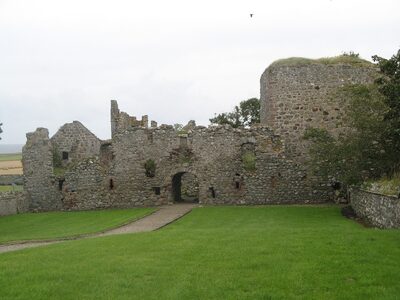
The nine castles of the Knuckle are ancient structures found scattered around the north-eastern coast of Aberdeenshire – an area that resembles the knuckles of a fist. Although some are still preserved or even lived in, Pitsligo Castle was not so fortunate, and only a few of the fortress’ buildings remain explorable. What remains of the castle gazes onto the gorgeous bay of Rosehearty from its hilltop vantage point, giving visitors an incredible view of the Buchan landscape.
New Slains Castle
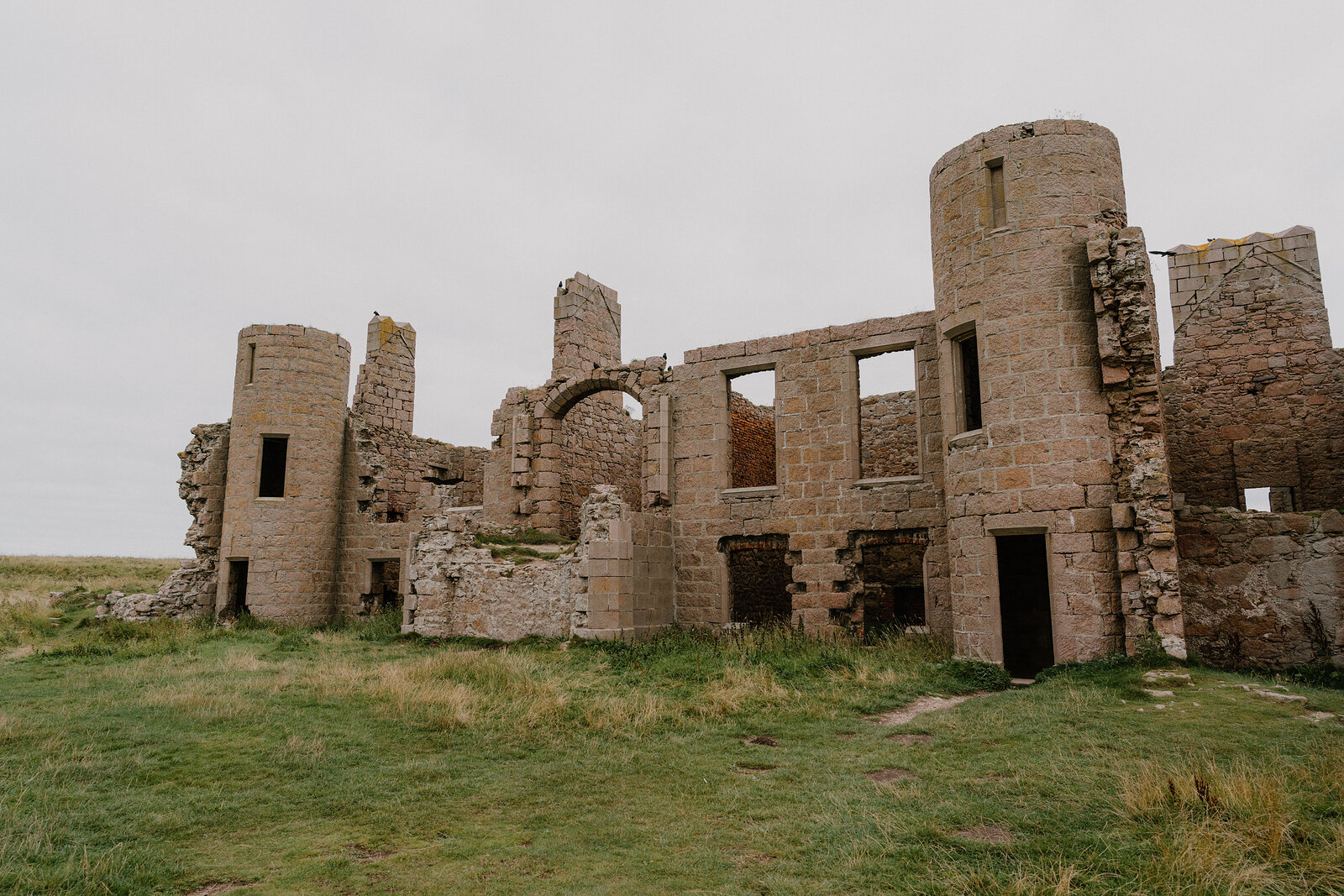
New Slains has long drawn writers and film-makers. Built from remarkably well-preserved 16th century stone, its extensive surviving buildings stand upon high, rugged clifftops that look down upon the choppy North Sea below. Bram Stoker, famed for writing the seminal gothic novel Dracula, frequently visited nearby locations such as Cruden Bay, leading many to speculate that the imposing structure inspired the eponymous vampire’s own fortress. Whether or not the tale is true, the ruin above the sea is a haunting place.
Craigievar Castle
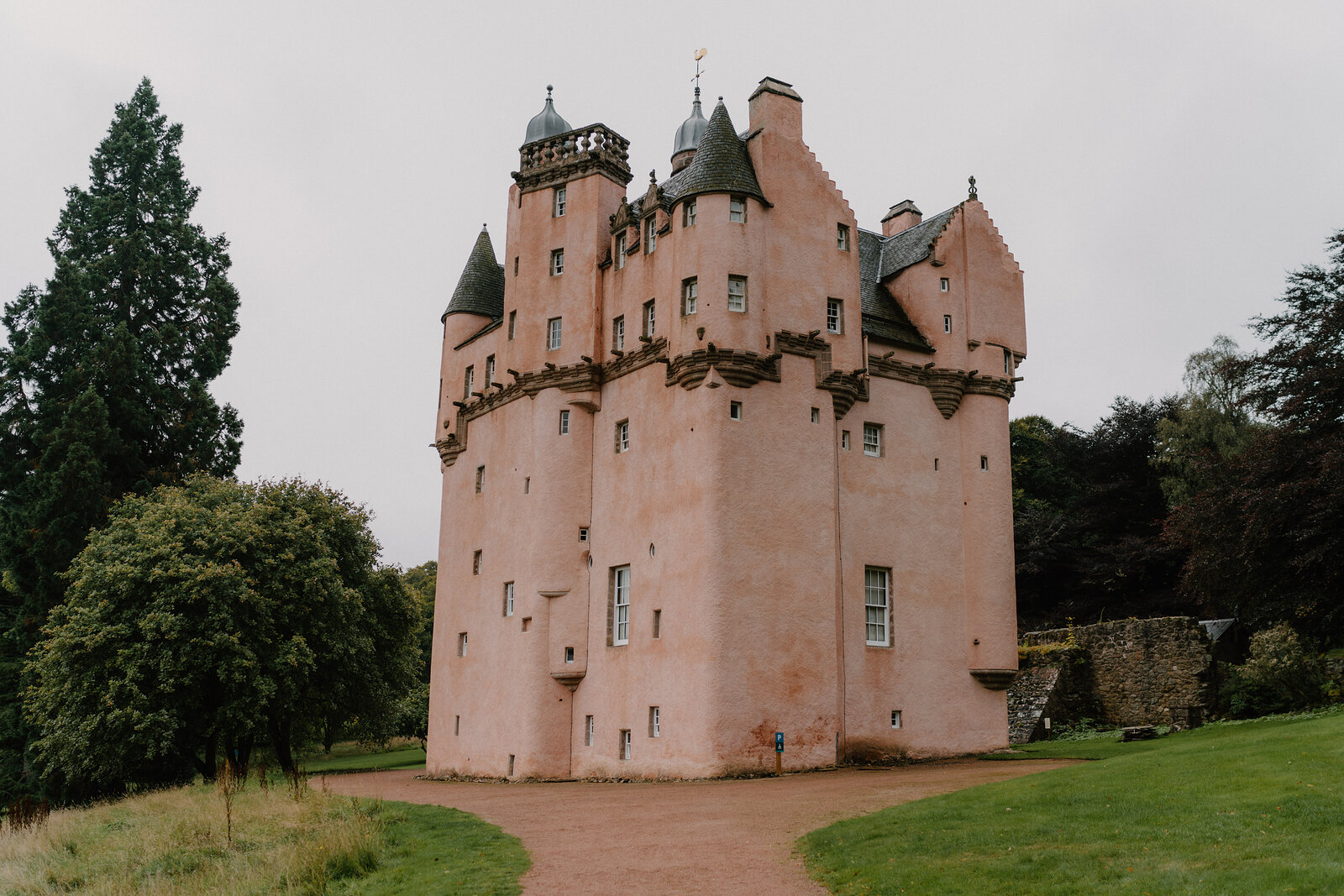
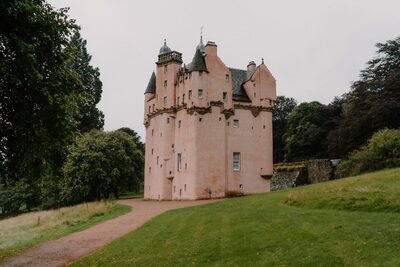
Possibly the most instantly recognisable in the country, the fairytale pink stonework of Craigievar Castle has enchanted visitors across its multi-century life. With the layered hills of the Grampians stretching far beyond and the various intricately carved structures adorning the walls, the pink castle is simply stunning. Inside is just as impressive, as the former owners left a large collection of art and historical artefacts to the National Trust for Scotland when it took over the property. Several woodland trails lead through the grounds around it.
Delgatie Castle
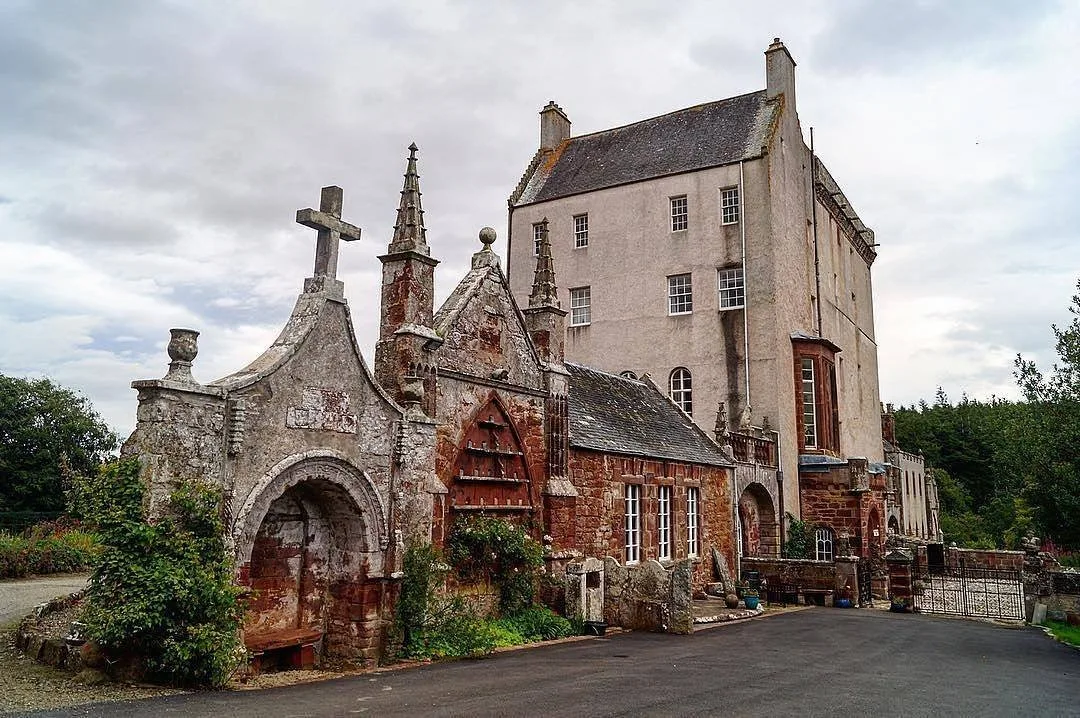
From the year 1030 onwards, there has always been a fortified structure where Delgatie Castle stands. Much of what we know of Delgatie comes from the writings of its final private owner, the Feudal Baron Captain John Hay. Clan Hay ruled the castle for hundreds of years since Robert the Bruce stripped it from its previous owners during the Wars of Independence. John Hay himself worked tirelessly to restore his ancestral home to its current state, and the passionate Delgatie Castle Trust continue his legacy by maintaining the homely feel of its interior as well as the authentic design of its outside.
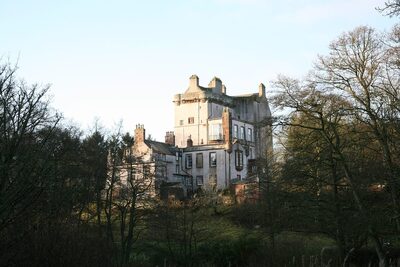
Corgarff Castle
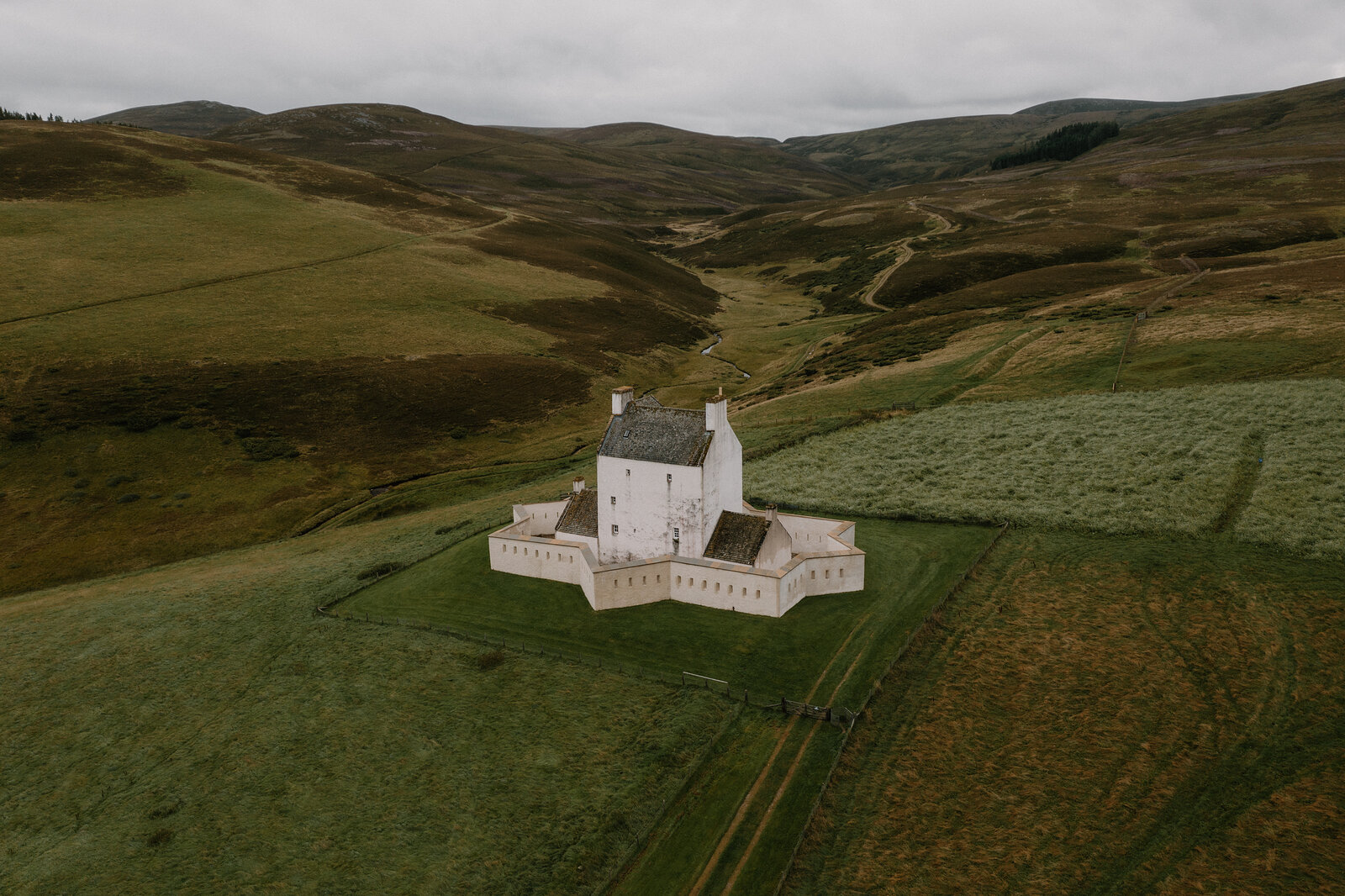
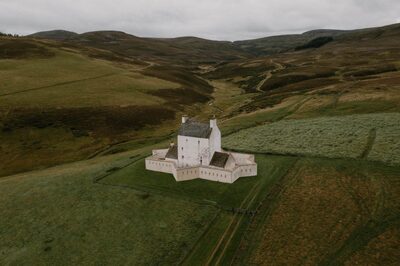
As remote as castles could ever hope to be, visitors to Corgarff Castle can admire the unique star-shaped wall surrounding it during the long walk west. Tragedy and fire struck Corgarff frequently since its construction in the mid-1500s, including one occasion that may have directly inspired the tragic ballad ‘Edom o Gordon’. Both Jacobites and Redcoats held the castle (on separate occasions), as did a small group of whisky distillers during the 1820s. For such an isolated building, the thick walls of Corgarff have countless stories to tell, all of which are explorable now that the property is owned by Historic Environment Scotland.
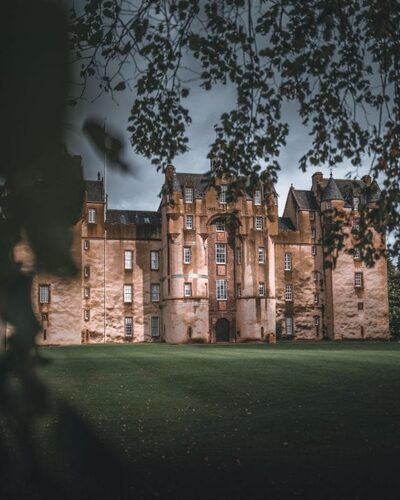
Fyvie Castle
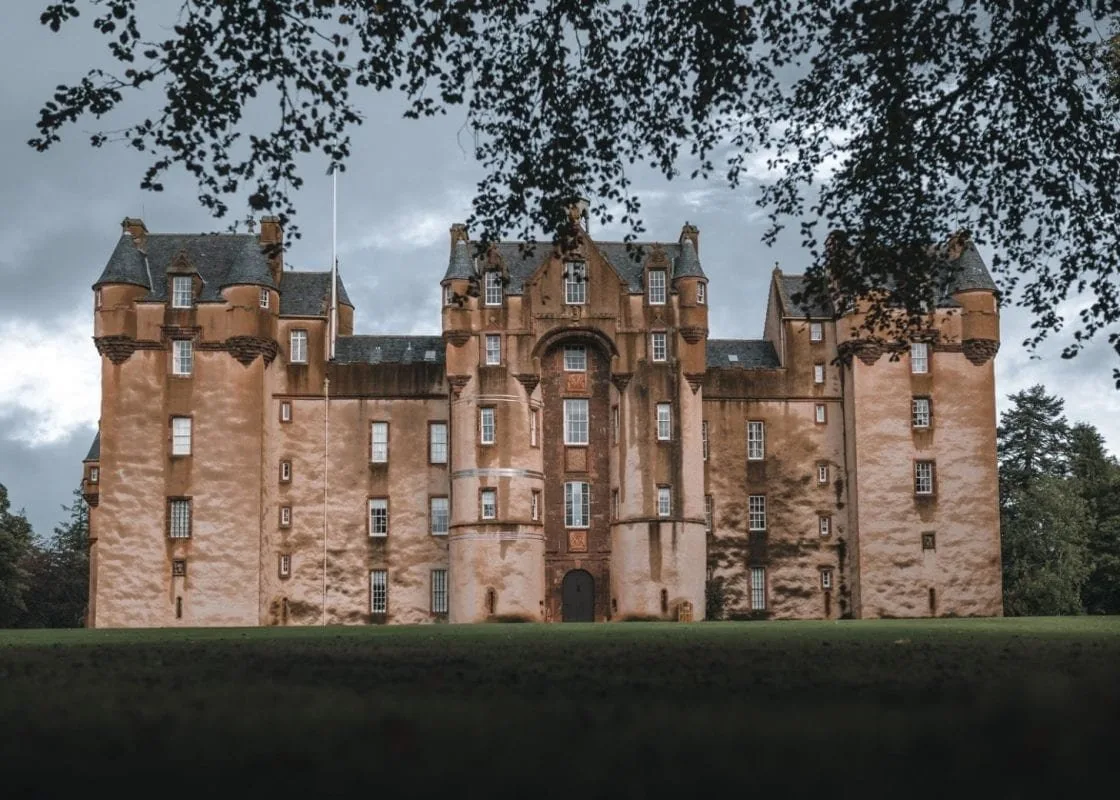
A true relic of ancient times, the fact that Fyvie Castle still stands in such remarkable condition at 800 years old is simply astonishing. Myth and legends shroud much of the castle, including its mysterious construction, which some attribute to the great Scottish king William the Lion. More substantial chronicles highlight that the likes of Robert the Bruce and even Charles I spent time in the castle before it transitioned from a fortified structure into a family residence. Each subsequent family enhanced Fyvie with their own tastes and touches, making a handsome house that looks out over the Aberdeenshire countryside. Inside is a fine collection of portraits and antiquities gathered over the years.
Udny Castle
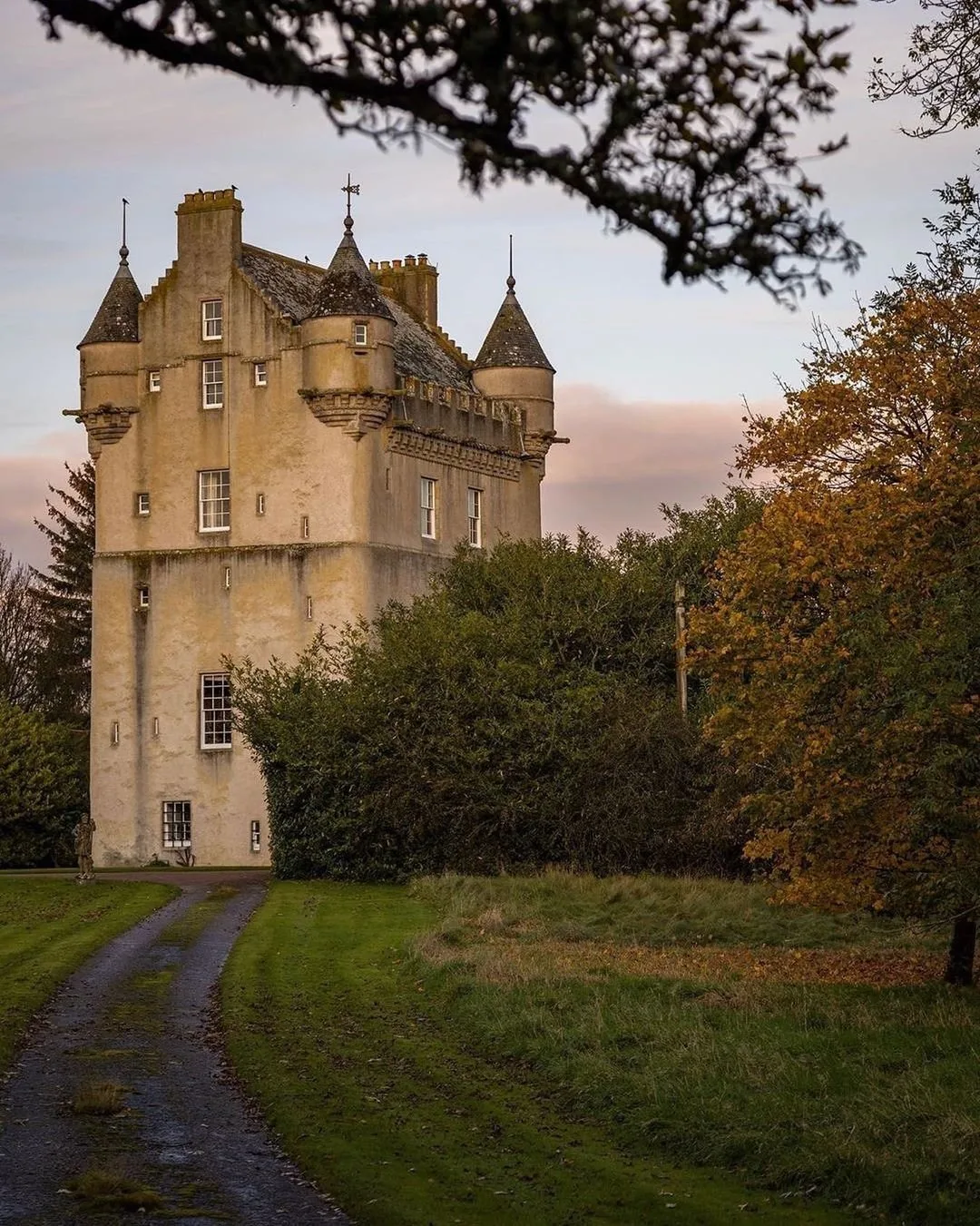
Standing alone on flat land, the Udny family home has been through several reinventions. Today it is closest to its original form: a plain rectangular tower house that still looks imposing against the open ground around it. Over the centuries, various lairds took control of the castle and attempted to construct additions, yet history documents their financial failures. Although still under private ownership, the Udny family are used to curious visitors on their grounds, so visitors are encouraged to take a look at the tower if they can.
Cluny Castle
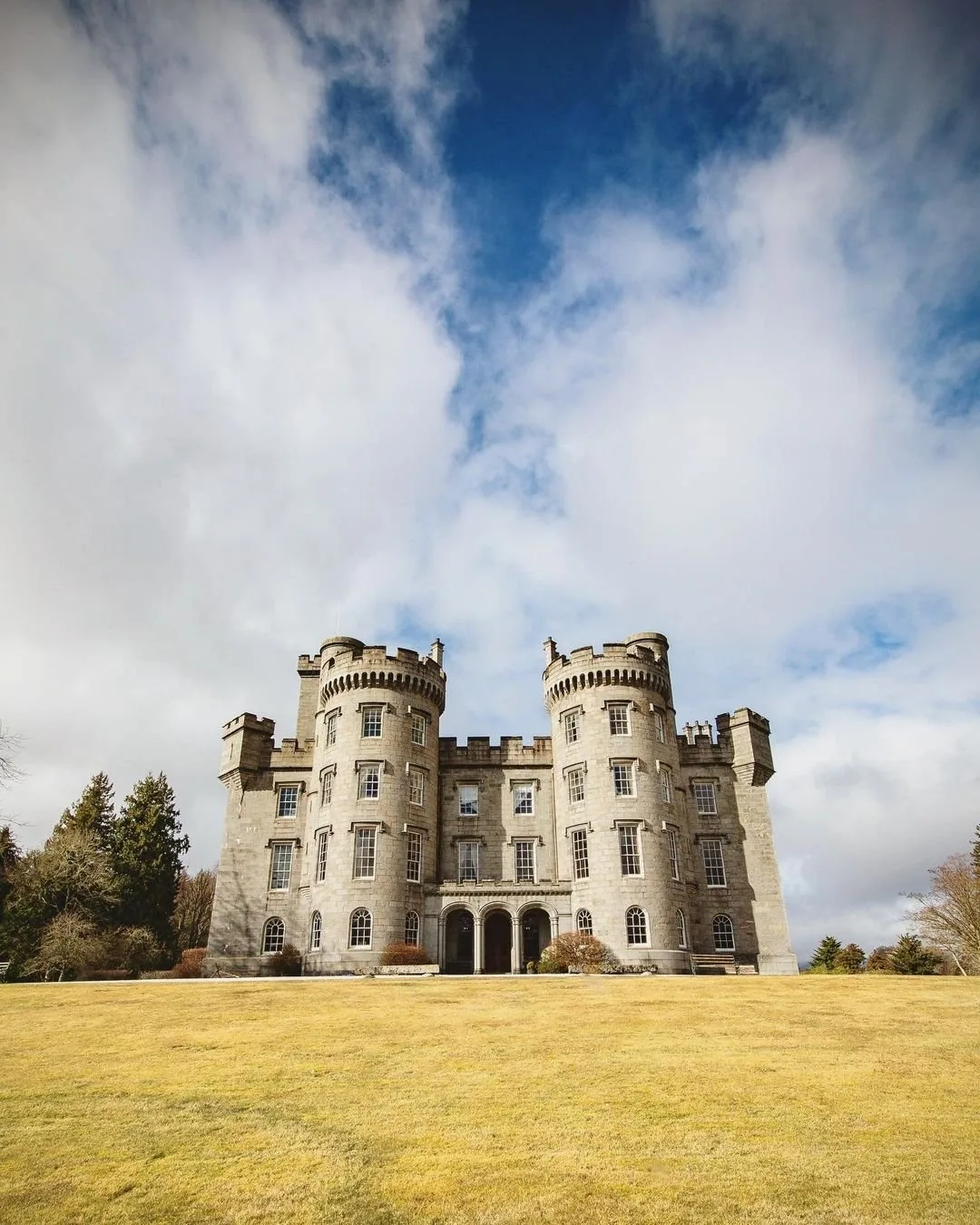
At Cluny Castle, intricate curves meet clean straight lines in what is arguably the best-looking Z-plan castle still standing in Scotland. Cluny has consistently been in the hands of one branch or another of the Gordon family, even after one subsection was ousted for their participation in the Jacobite rebellion. Physical changes only really began occurring on the property in the 19th century – a full 300 years after its initial construction – when Colonel Gordon took control. His descendants have continued the Colonel’s legacy, opening the castle up to corporate events and weddings in search of a fairytale venue. Although Cluny is not open to the public, its grounds are a fine space to explore, full of lush greenery and giving incredible views of the building.
 Out now
Twice a year, to your door
One hundred and sixty pages of Scotland, every photograph commissioned, every word written by someone who went. Members get both issues posted and everything on screen.

 The Last Stop Before Nowhere
 A Weekend Exploring the Isle of Mull
 What's On in Scotland: Autumn and Winter