
Aberdeenshire’s Great Escapes
Pitched up in the north-east corner of Scotland, Aberdeenshire is anything but an isolated backwater.
Words by Hidden Scotland
With VisitAberdeenshire
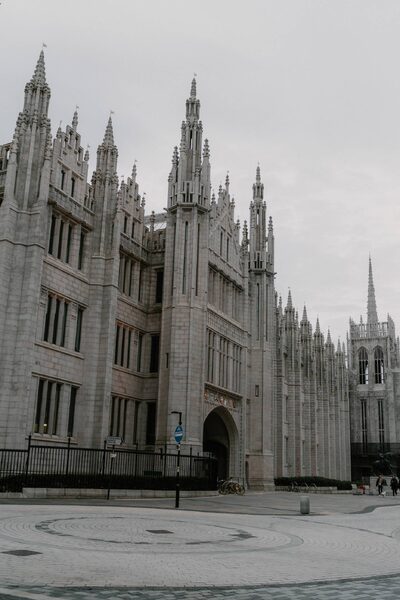
Aberdeen, Scotland’s third most populous city is well known for its glistening granite buildings. The Marischal College located on Broad Street is in fact said to be the second largest granite building in the world. These mighty grey buildings are a stark contrast to the Aberdeen beach and promenade. You can go from wandering along the city streets to enjoying an ice cream by the sea in only a matter of minutes.
The further you venture out from the city, the more there is to find. Head inland or towards the coast, and you will soon find yourself among wide open landscapes, or standing just feet from waves crashing on the rocks.
The hundreds of ruined castles that are tucked away within the shire, tell of a blood-stained history; charming fishing villages evoke images of trawlers arriving at dawn with the day’s catch; and prehistoric forts and stone circles remind us that early man’s fingerprint has never left the county. All, of course, infused with centuries of proud Scottish traditions, heritage, and customs.
Aberdeenshire is also home to a wealth of wildlife, from the puffins and kittiwakes that cluster on the craggy cliffs in the east, to the rarely seen red squirrels and deer that inhabit the Caledonian pine forests in the west. The area is also one of the best places in the country to witness marine life at play, with dolphins, seals, and the occasional minke whale, freely inhabiting the waters along the Banffshire coast.
-full-1750072670.jpg)
Here are some of the places worth finding, or coming back to.
Pennan
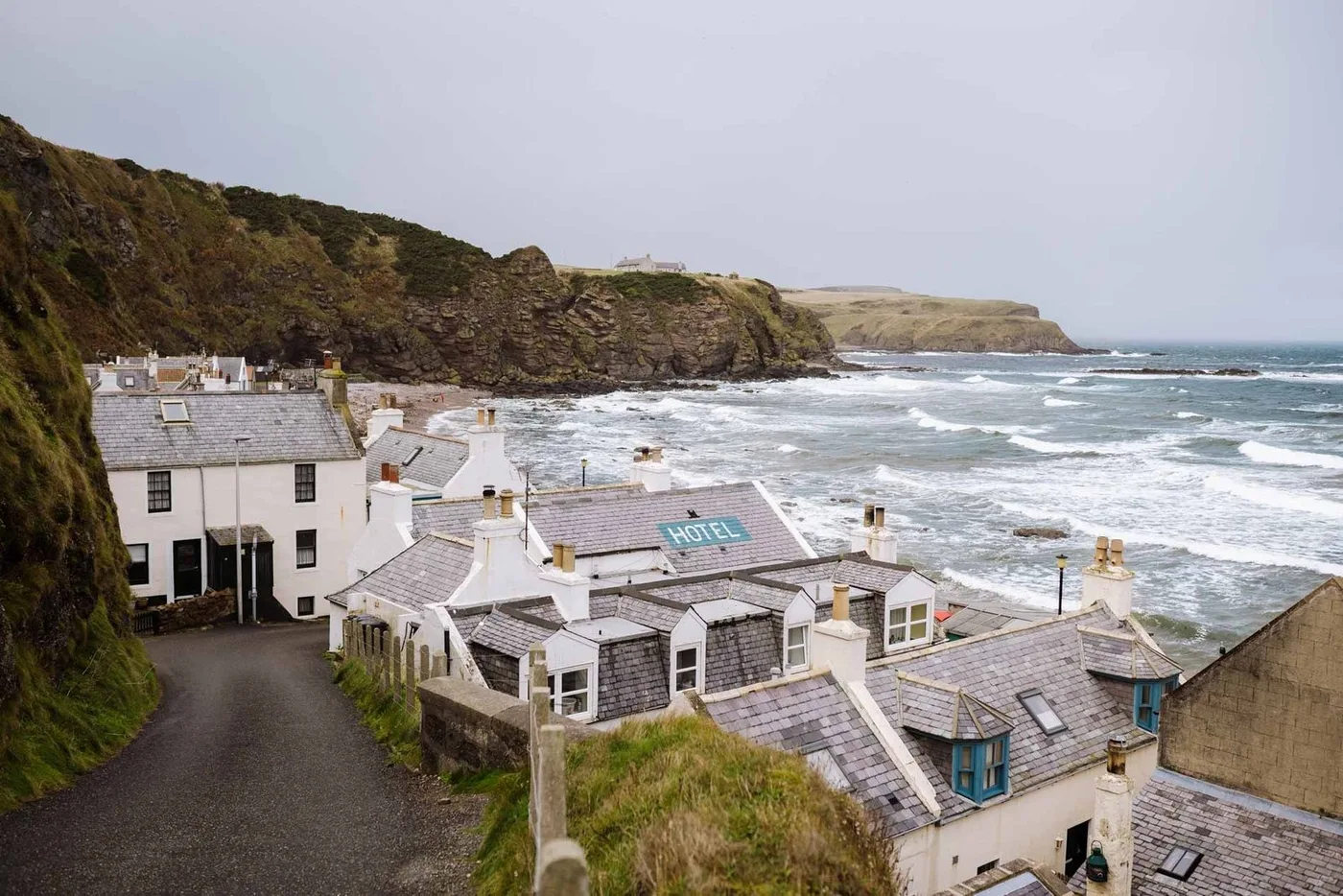
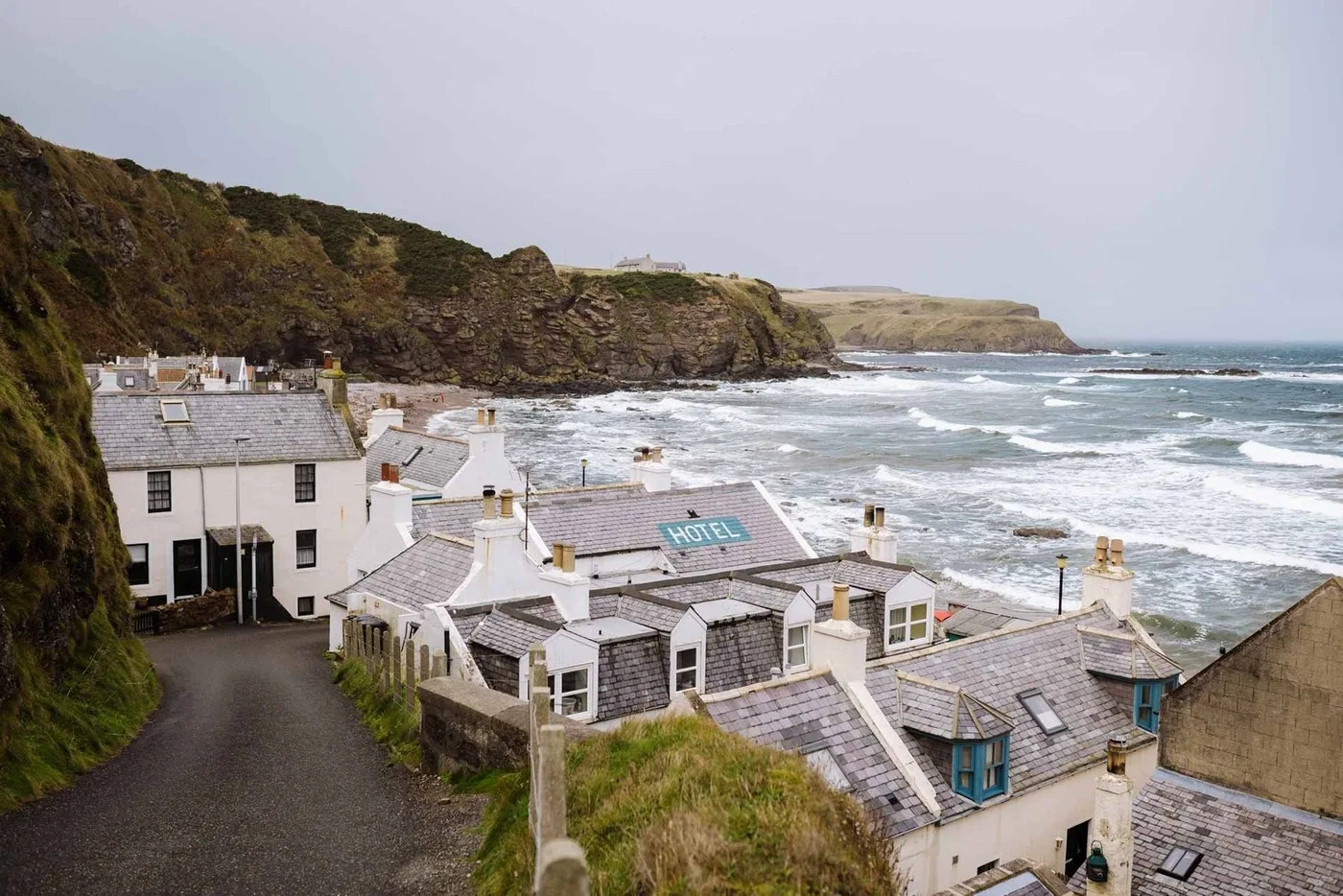
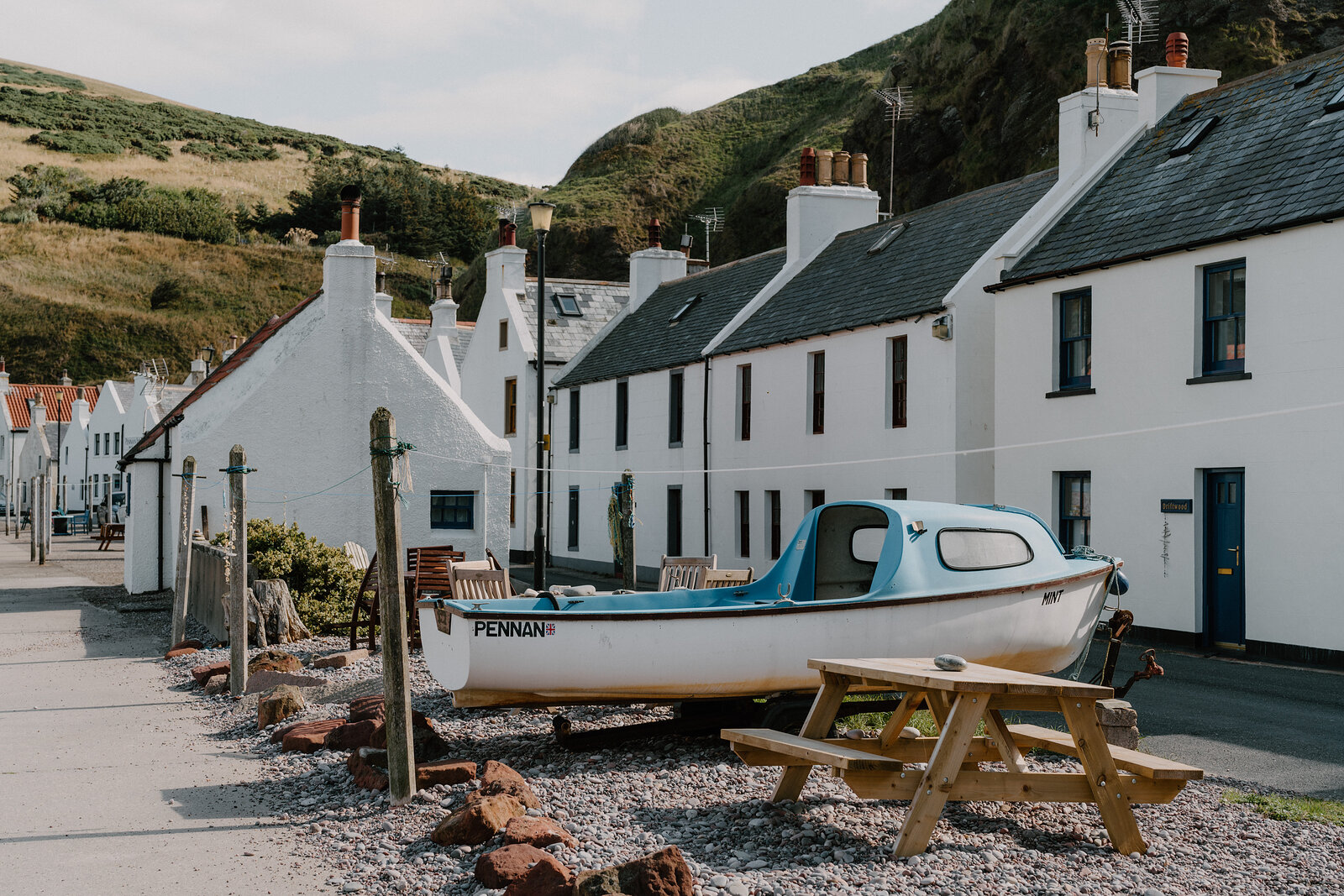
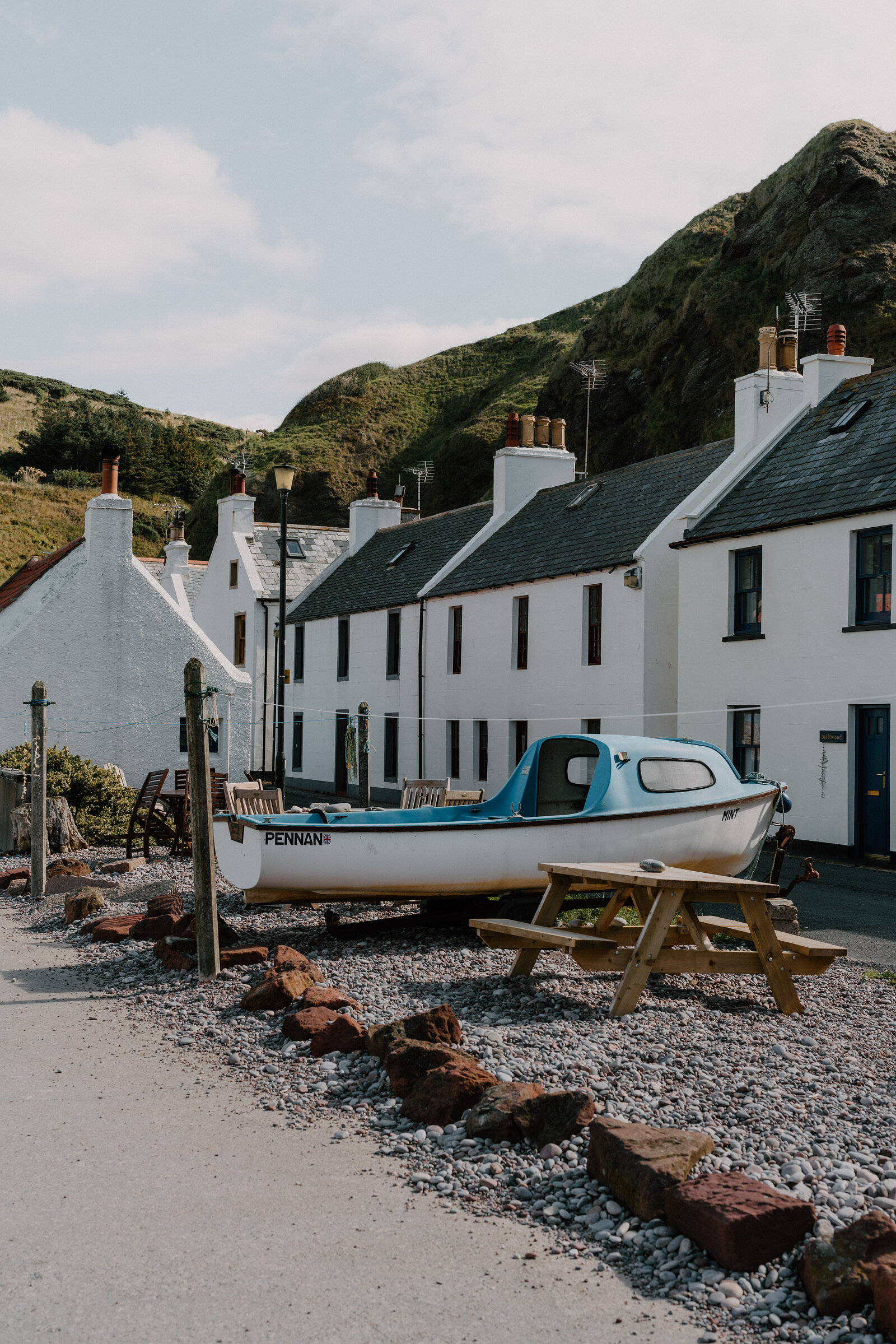
In the rugged north of Aberdeenshire, the charming fishing village of Pennan is located along the Banffshire Coast, with its gable-ended white-harled cottages that perch at the foot of dramatic cliffs on the edge of the sea. Despite its natural beauty, Pennan’s most famous sight is, in fact, a discreet phone box, immortalised in the cult British film, Local Hero. A delightful pebble beach makes for a relaxing summer’s afternoon, from where dolphins and seals may be spotted, while the raging waves in winter invoke the wildness for which the Aberdeenshire coastline is known.
Learn More
Crovie
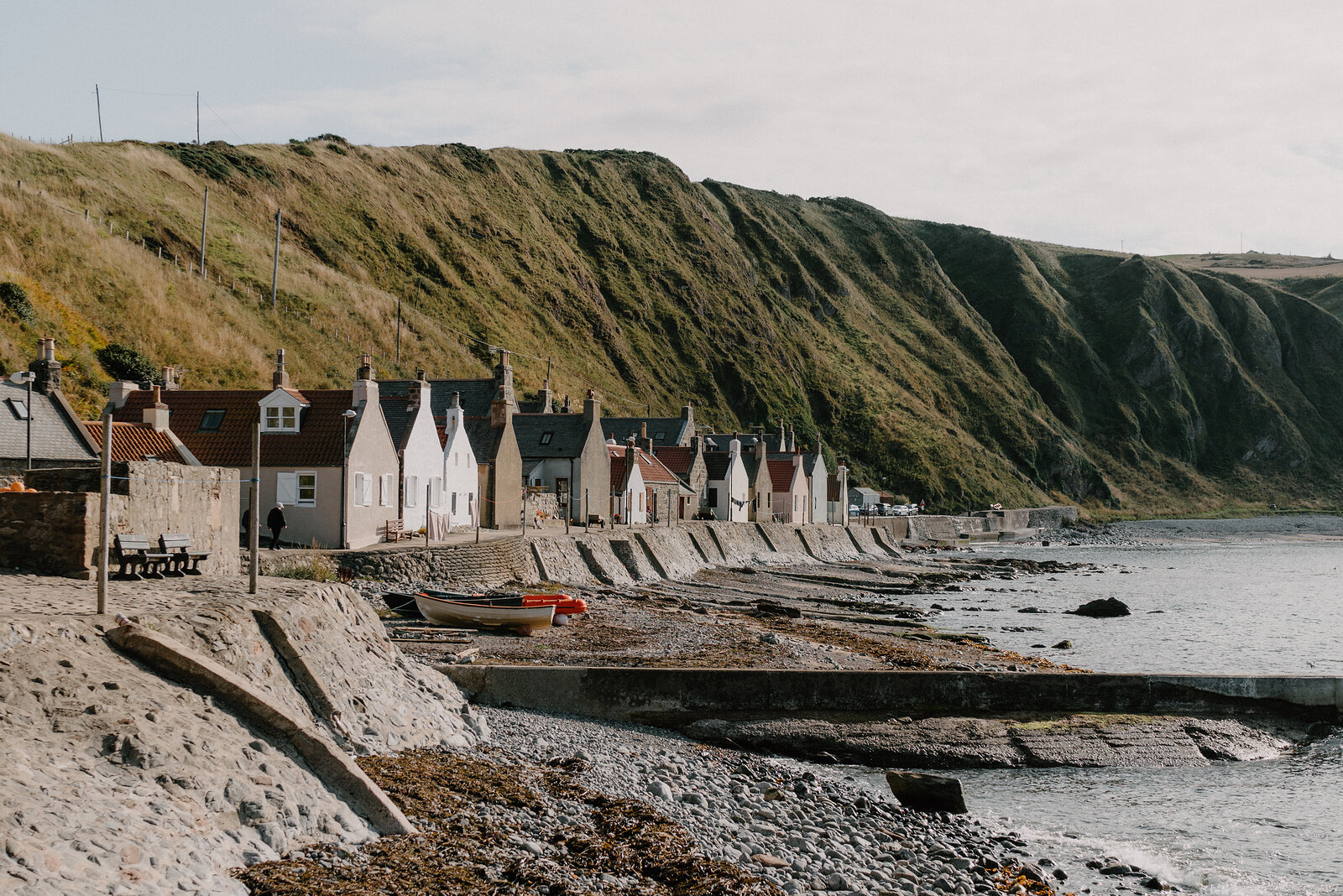
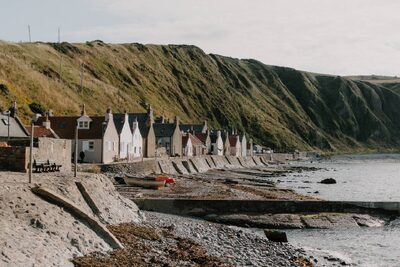
Plenty of villages are hard to drive through; this one cannot be driven into at all. Crovie, arguably the most well-preserved fishing village in Europe, is a genial car-free destination, a narrow shelf all that separates the row of idyllic stone cottages, set at the bottom of 300-foot cliffs, from the torrent of the sea. Fortunately, you can leave your car at the viewpoint above the village, before descending for a leisurely amble along the water’s edge, through a village that is as enchanting as it is isolated, timeless as it is bleak.
Gardenstown
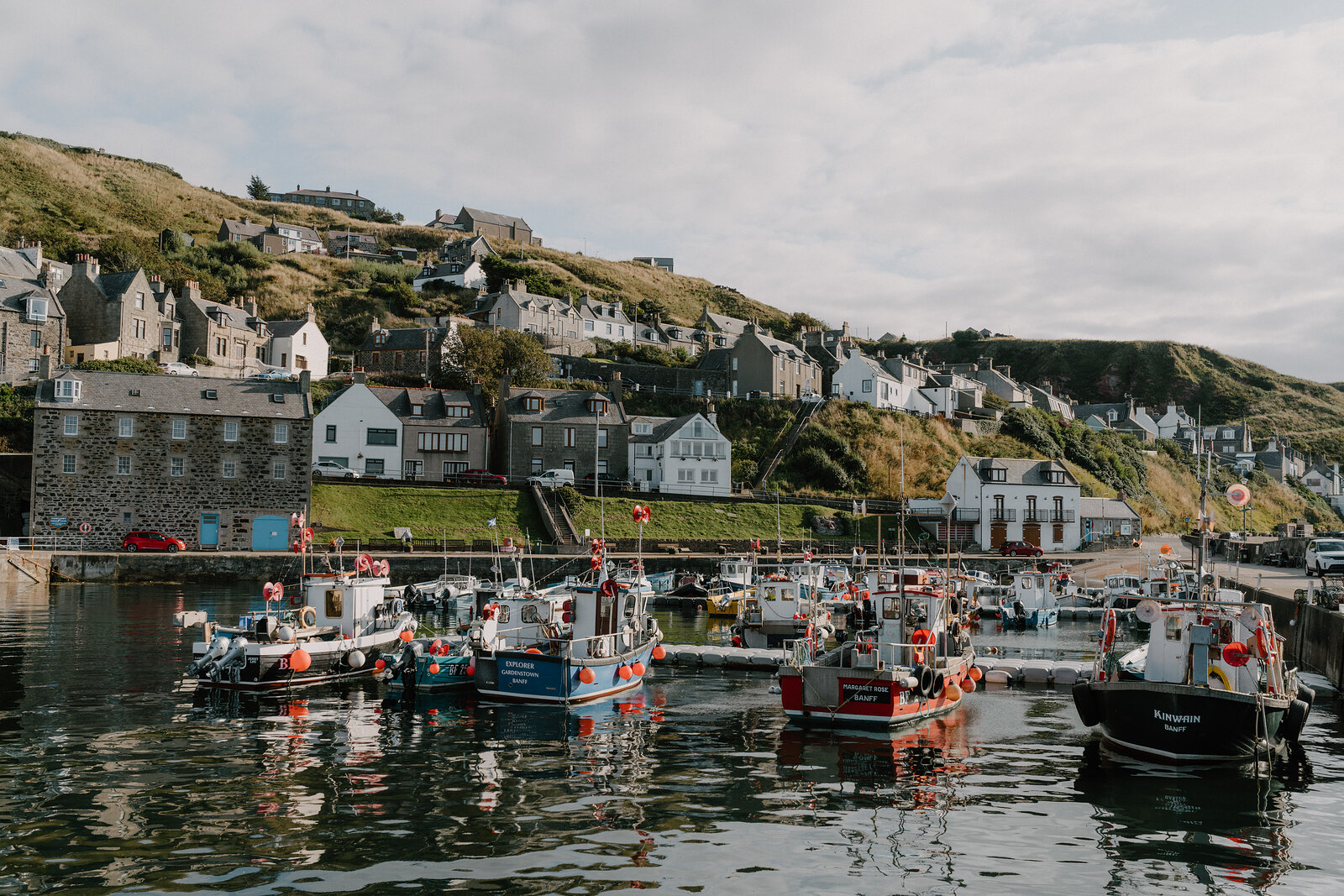
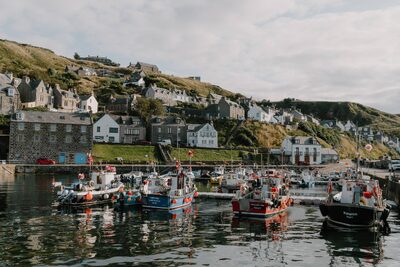
Set on the steep south-eastern side of Gamrie Bay, Gardenstown features terraces of pretty hillside cottages that, amphitheatre-like, peer down on a large, attractive harbour with its rows of colourful creel boats. Unlike Crovie, with its single time-forgotten street, Gardenstown is a thriving waterside community, with a flourishing pub and convenient bus services to neighbouring towns. From the summit of the village, wonderful panoramas expose this distinctive Scottish fishing settlement while, nearby, the ruins of the Old Kirk of St John tell of a bloody history on the site of an 11th-century battle with the Danes.
Troup Head
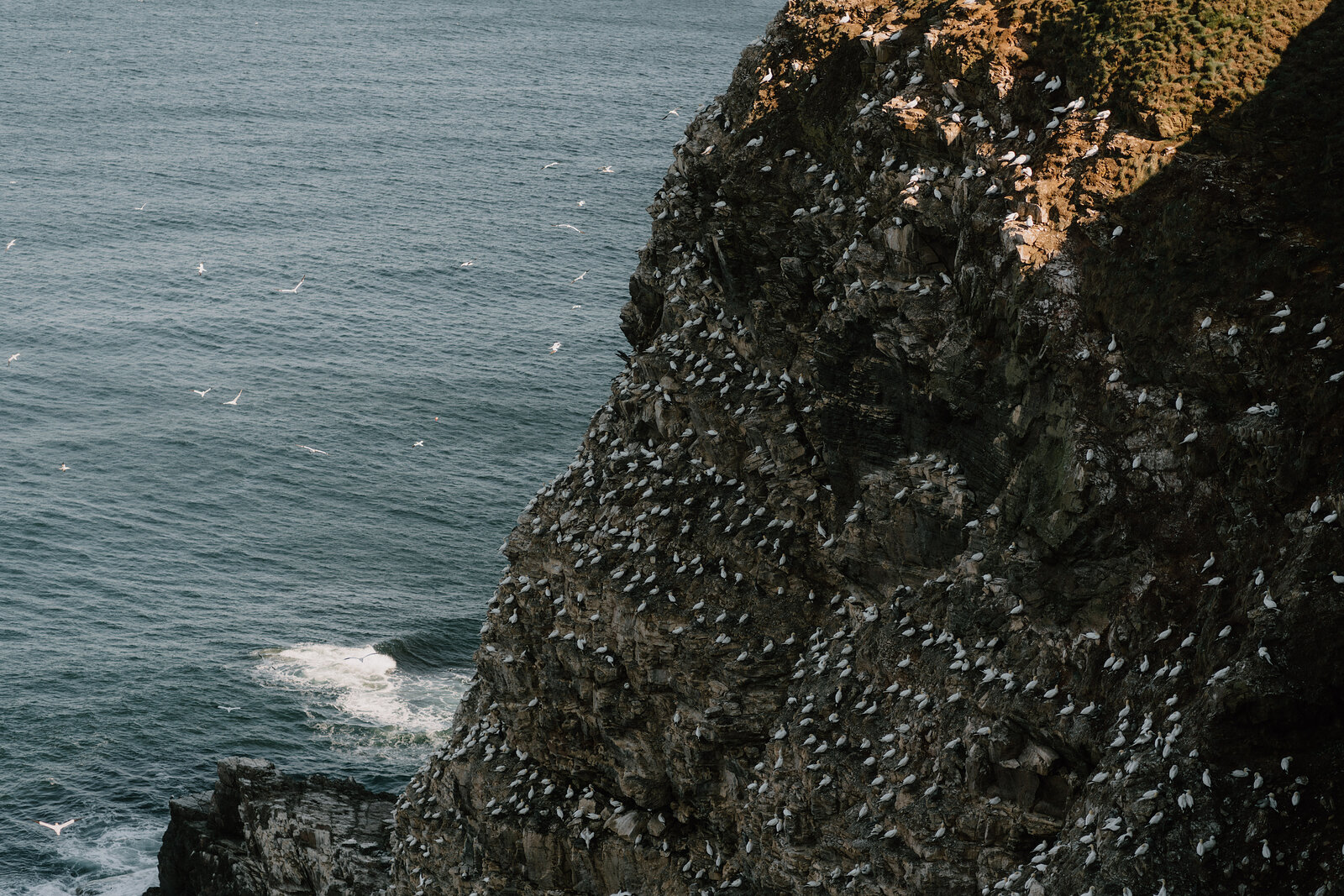
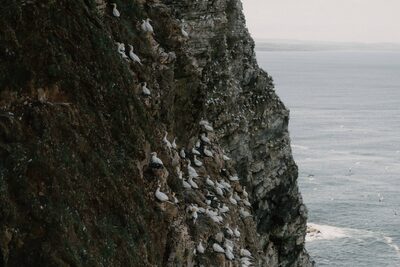
The dramatic cliffs at RSPB Troup Head offer a unique chance to witness Scotland’s largest mainland gannet colony, in a spectacular coastal setting with superb seascape views. The nature reserve bursts to life in early spring, as thousands of guillemots, kittiwakes, and razorbills return for the breeding season, while the clifftop wildflowers explode in a riot of colour. By summer, Troup Head is home to fulmars, gannets, and herring gulls, while you may also spot seals, minke whales and bottle-nosed dolphins offshore.
Cullykhan Fort
Scotland’s history has often been bloody and, in Aberdeenshire, you’re surrounded by evidence of the country’s past skirmishes. At Cullykhan Fort, uncovering the past is made even more fascinating by the layers of history that you can explore, from the Iron Age promontory fort, to the small keep of a medieval castle, and a 17th-century battery. Rarely in the UK can you explore relics of warfare spanning so many centuries in one place. Nearby, the small, secluded cove of Cullykhan offers a private, sheltered beach that’s accessed via a steep path from the clifftop, with superb coastal views to admire.
Rattray Head
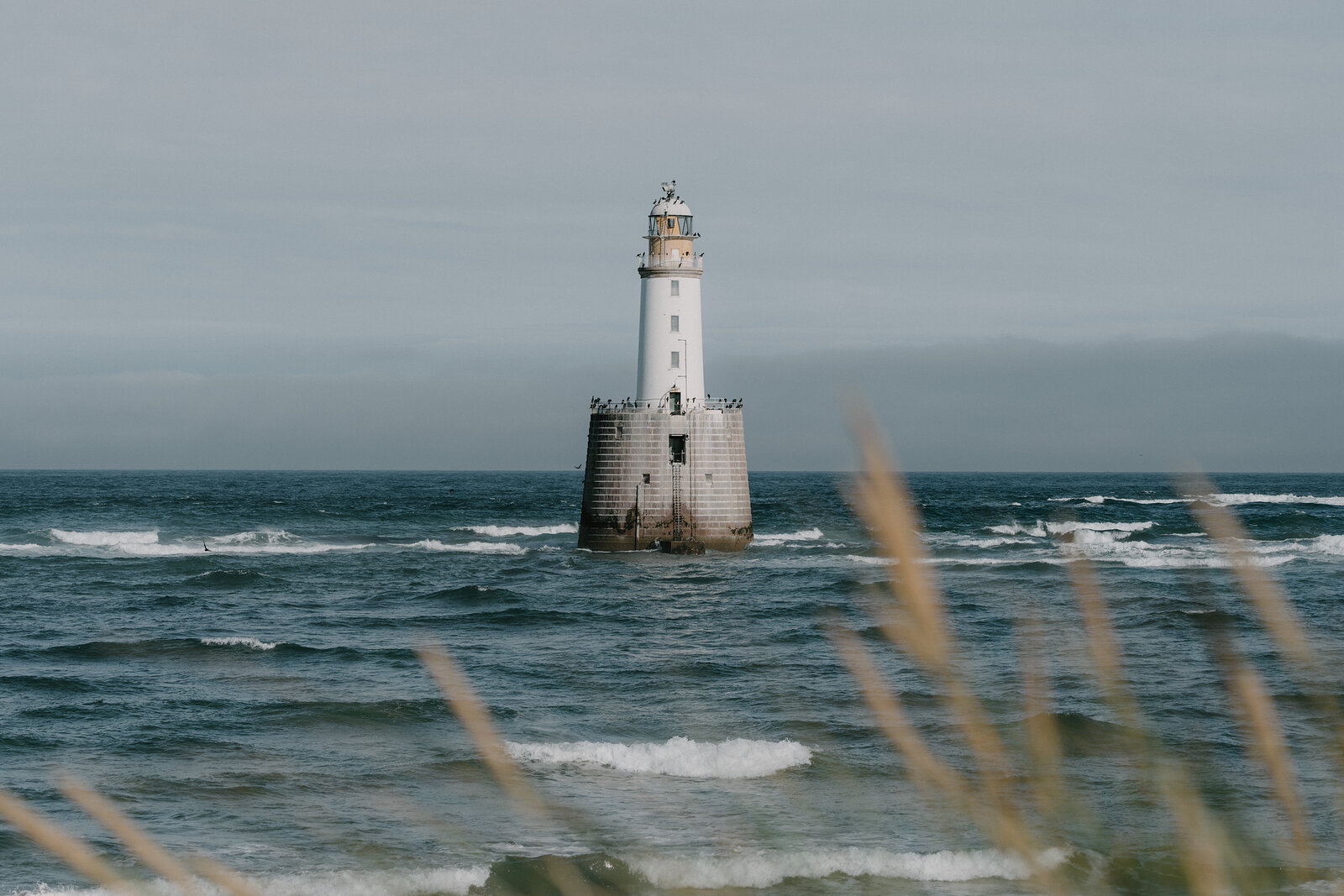
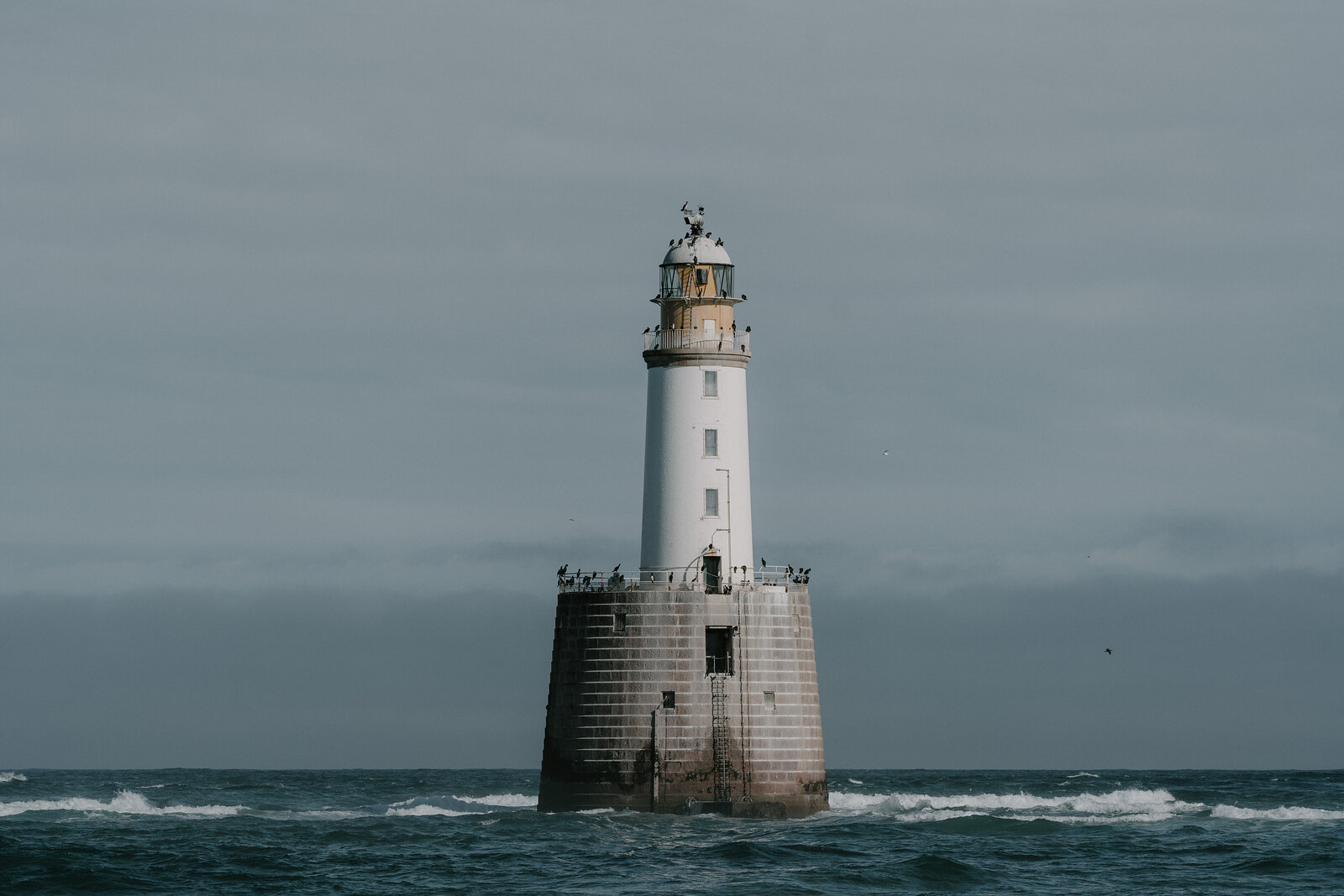
Distinctive for its wild and secluded location, Rattray Head’s unspoilt coastline has changed little over the centuries; only the offshore lighthouse, accessible via a causeway at low tide, reveals the touch of humankind in a place that is shaped eternally by the elements. The sand dunes, sculpted by coastal winds, often reach heights up to 75 feet, an image more reminiscent of Saharan Africa. Where the dunes are lower, marram grass pushes through the sand, creating a picture-postcard scene that’s as idyllic in high summer as it is ghostly amid the autumn mists. Despite the serene panorama, the relics of numerous shipwrecks scattered across the beach serve as a timely reminder of the hidden dangers posed by the Aberdeenshire coastline.
Newburgh Beach
Aberdeenshire is famous for its wildlife and, only a few miles north of Aberdeen, there is a unique – and sometimes comical – sight, where the mouth of the Ythan River spills into the sand dunes at Newburgh Beach. Here, hundreds of seals gather in a year-round colony, a remarkable part of nature that has earned the location the nickname ‘Seal Beach’. From a safe distance that avoids causing unnecessary distress, watching the seals is a rewarding pastime for the whole family, while photographers – armed with a long-distance lens – will delight in capturing some memorable shots.
Bullers of Buchan
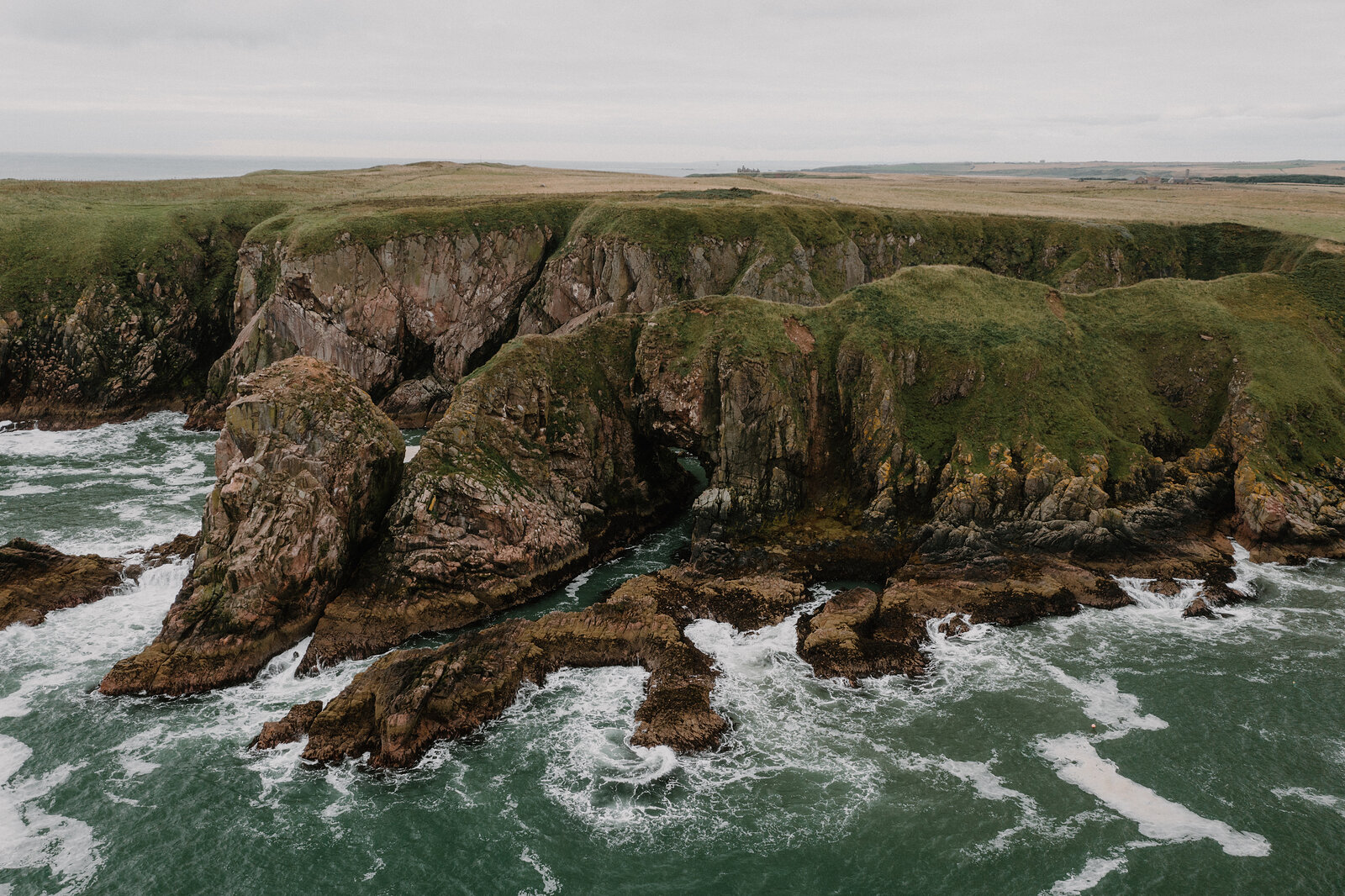
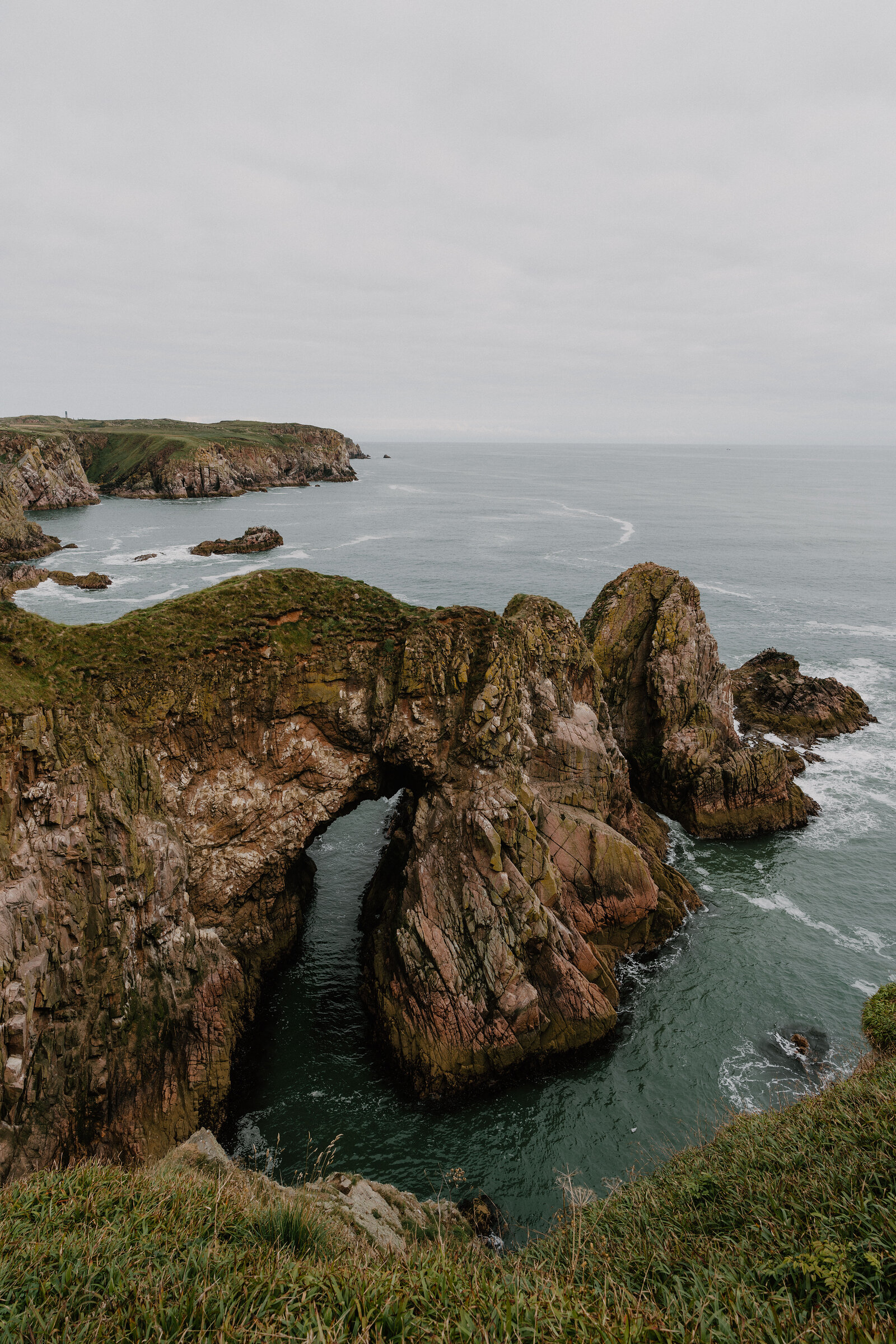
Coastal scenery doesn’t come much more impressive than the Bullers of Buchan, a remarkable collapsed sea cave that showcases nature in all its power. From the top of ‘The Pot’, the 30m deep chasm into which the ocean surges through a natural arch, the sound and smell of the sea is almost overwhelming, while puffins, guillemots, and kittiwakes gather in the warmer seasons as the clifftop bursts into a show of wildflowers. This is Aberdeenshire’s coastline at its finest, which is why the Bullers of Buchan is a popular destination on a longer coastal walk.
Slains Castle
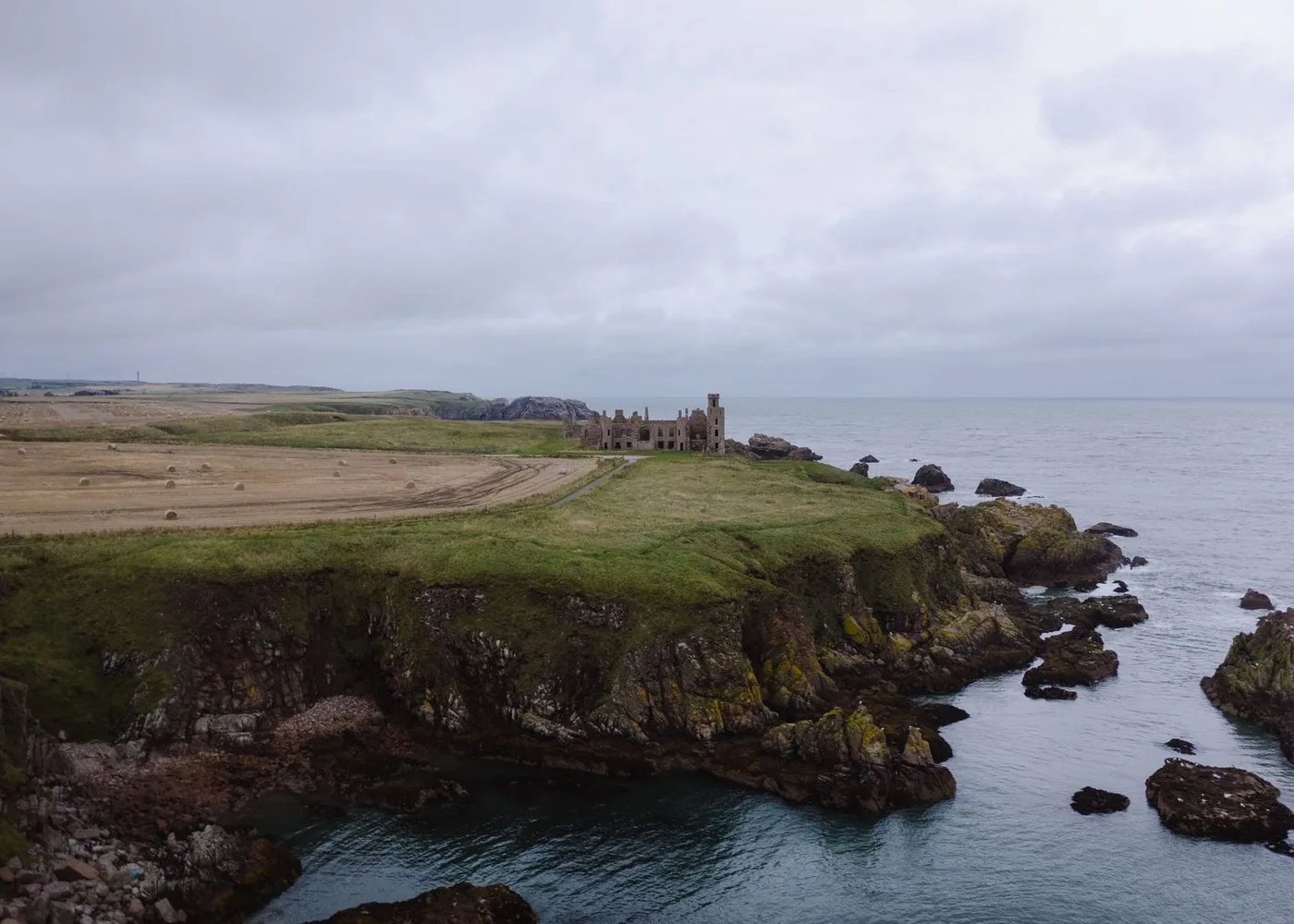
Perched on the craggy clifftop above Cruden Bay, Slains Castle, said to have inspired Dracula, is a ruin of dark corridors and hidden corners in which it’s easy to let the imagination run riot. A strangely desolate place, the colossal fortress half given back to nature, Slains Castle keeps the mystery said to have inspired Bram Stoker, and it is intriguing to wander through the ruins imagining the castle in its forgotten glory, when it had marble staircases, extravagant reception rooms, and croquet and tennis lawns.
Balmedie Beach
At 14 miles, the award-winning Balmedie Beach is one of the longest beaches in Scotland, renowned for its outstanding views, beautiful sand, and rich diversity of wildlife. The extensive sand dunes that fringe the beach, through which two water courses flow, are home to over 225 species of birds, which are drawn to the wetlands that have been designated as a Site of Special Scientific Interest. Over 2km of boardwalk have been laid in the sand dunes so you can explore them at your leisure, while the flat sandy beach is as suited to castle building as it is for lengthy walks along the coastline.
Bennachie
For thousands of years, Bennachie has drawn people to its summit, a place for shelter and food for prehistoric communities, who told stories about the giants who cast huge boulders in anger down the mountainside. Today, it’s one of the most loved sights in Aberdeenshire, the soaring slopes cloaked in dense forests that are home to some of the nation’s favourite wildlife, including red squirrels, roe deer, and pine martens. For walkers, there are numerous trails to suit every age and ability, including an exhilarating climb to the summit, while the Visitor Centre offers an educational insight into the communities and wildlife that have, for centuries, called Bennachie home.
East Aquhorthies Stone Circle
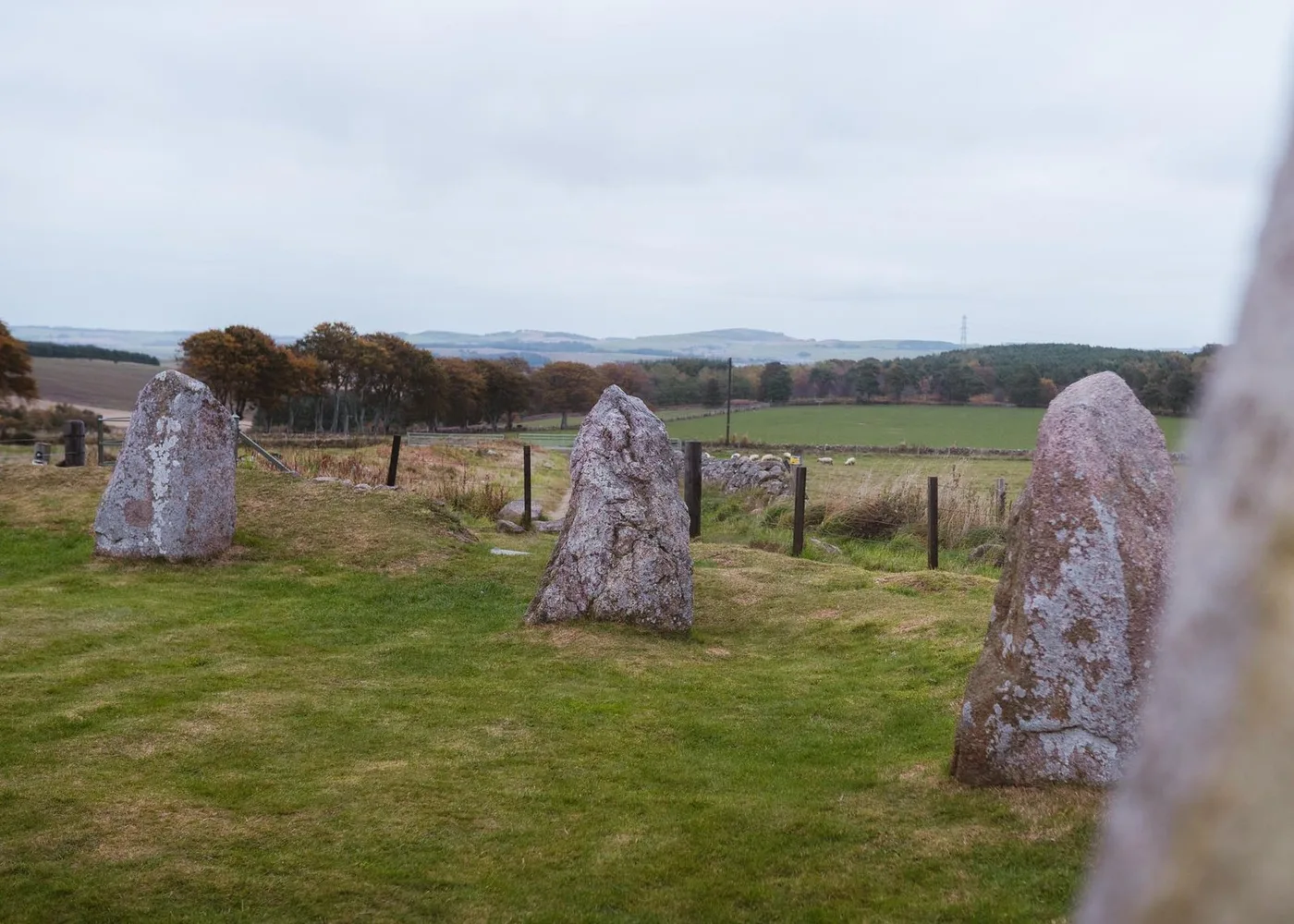
Recumbent stone circles – where a monolith is laid centrally to a circle of standing stones – are a window into prehistoric history that are peculiar to Scotland, with 90 sites in Aberdeenshire alone. East Aquhorthies is one of the oldest, some 4,000 years in the making, an attractive mixture of grey and red granite sourced from nearby Bennachie. Wandering amid these immense stones is a calming and spiritual experience as you wonder at the sheer magnitude of the site and ponder the reasons why late-neolithic man created such an immense configuration.
More about East Aquhorthies Stone Circle
Crathes Castle
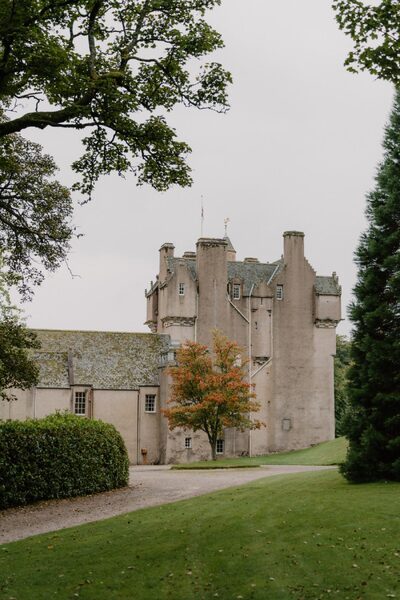
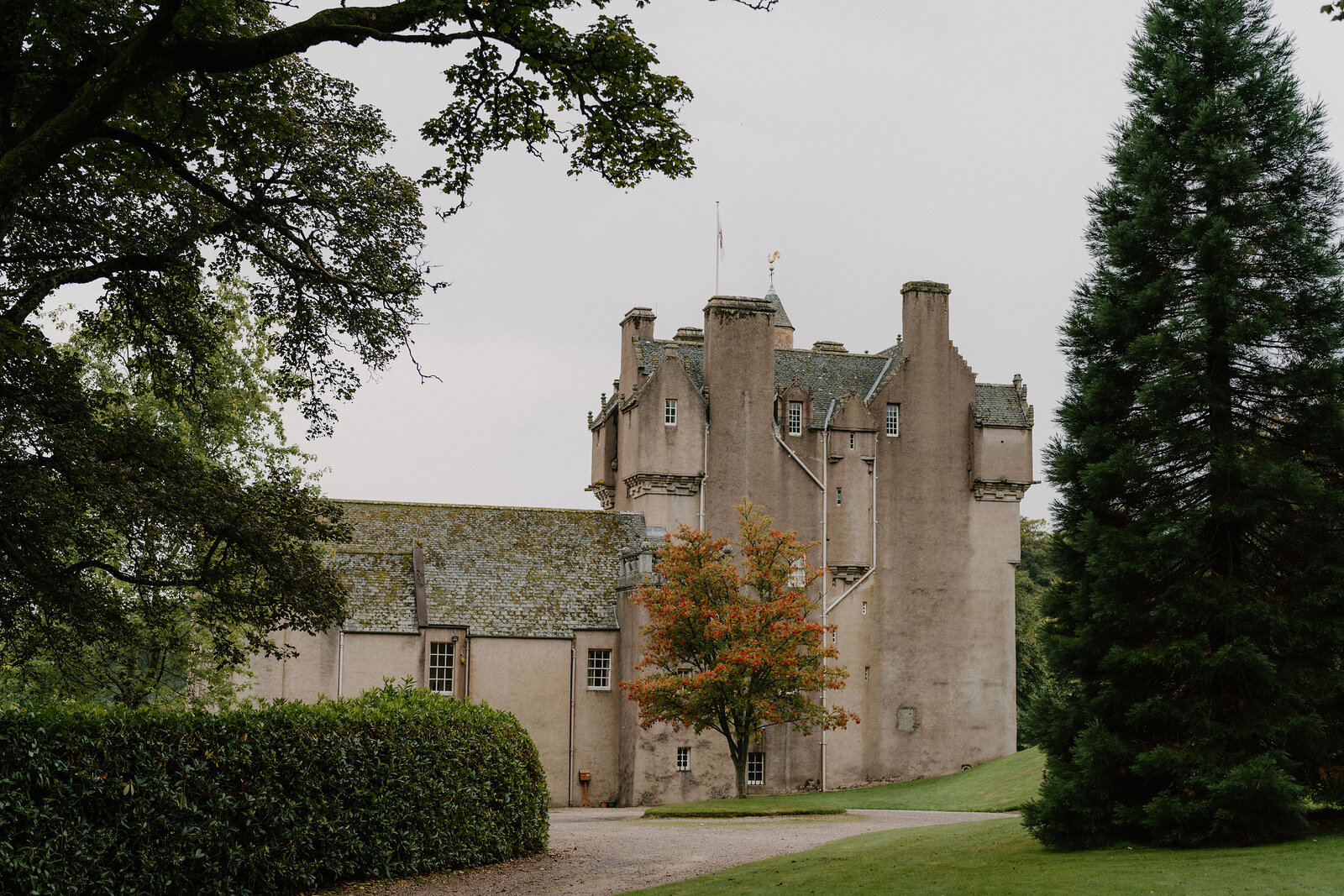
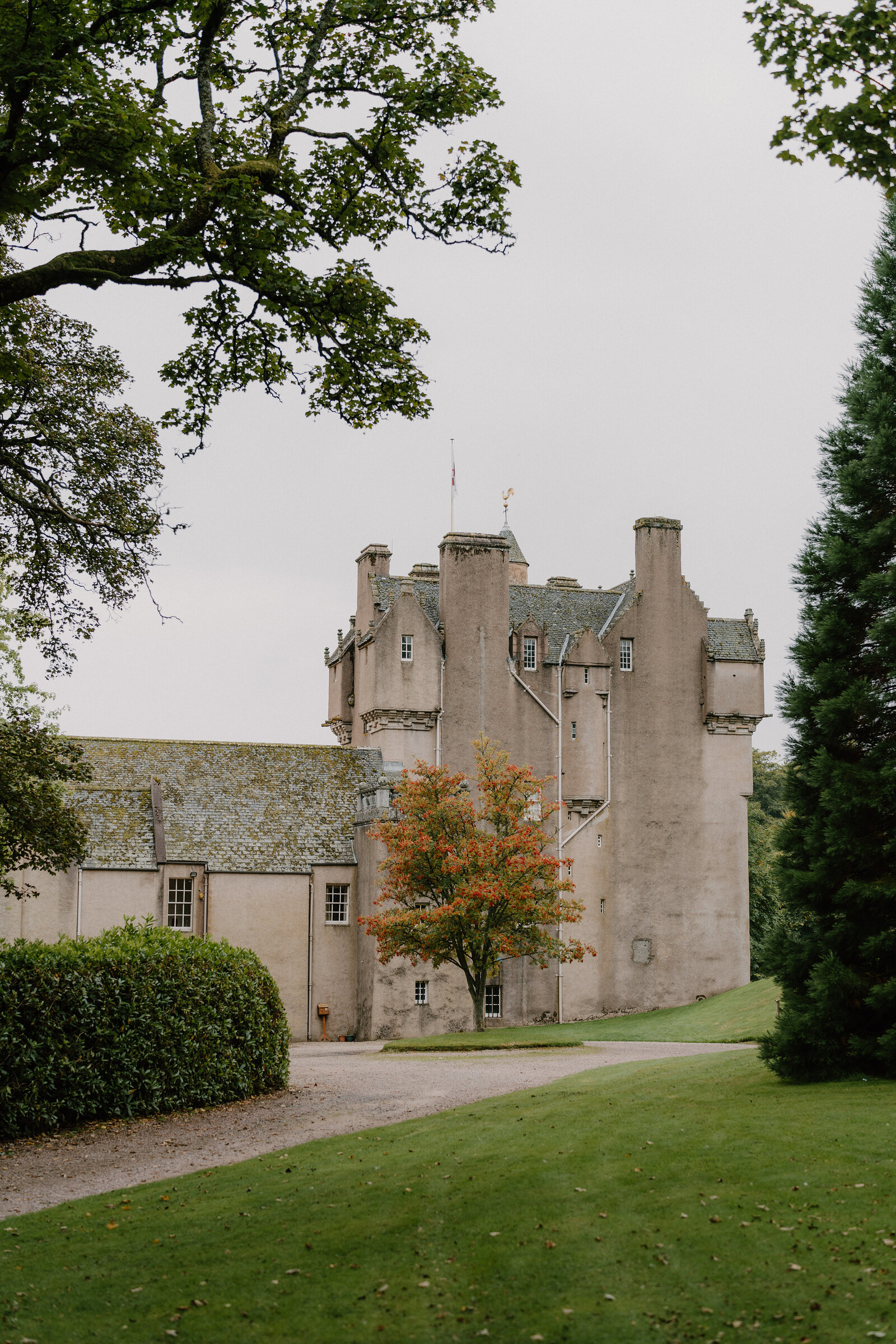
With its dusky pink harled exterior, Disneyesque turrets, and sprawling manicured gardens, Crathes Castle is the classic Scottish tower house, and one of the most impressive and complete of its kind in the country. There is plenty here for every age, from an extravagant interior furnished with impressive painted ceilings and fine antique furniture, to beautifully maintained gardens that feature immense yew hedges, sculpted topiary, and exotic flowers. Younger visitors will delight in the adventure playground, while relaxed walks along the waymarked trails around the estate offer the chance to glimpse red squirrels, heron, and woodpeckers in their natural habitat.
Mar Lodge Estate
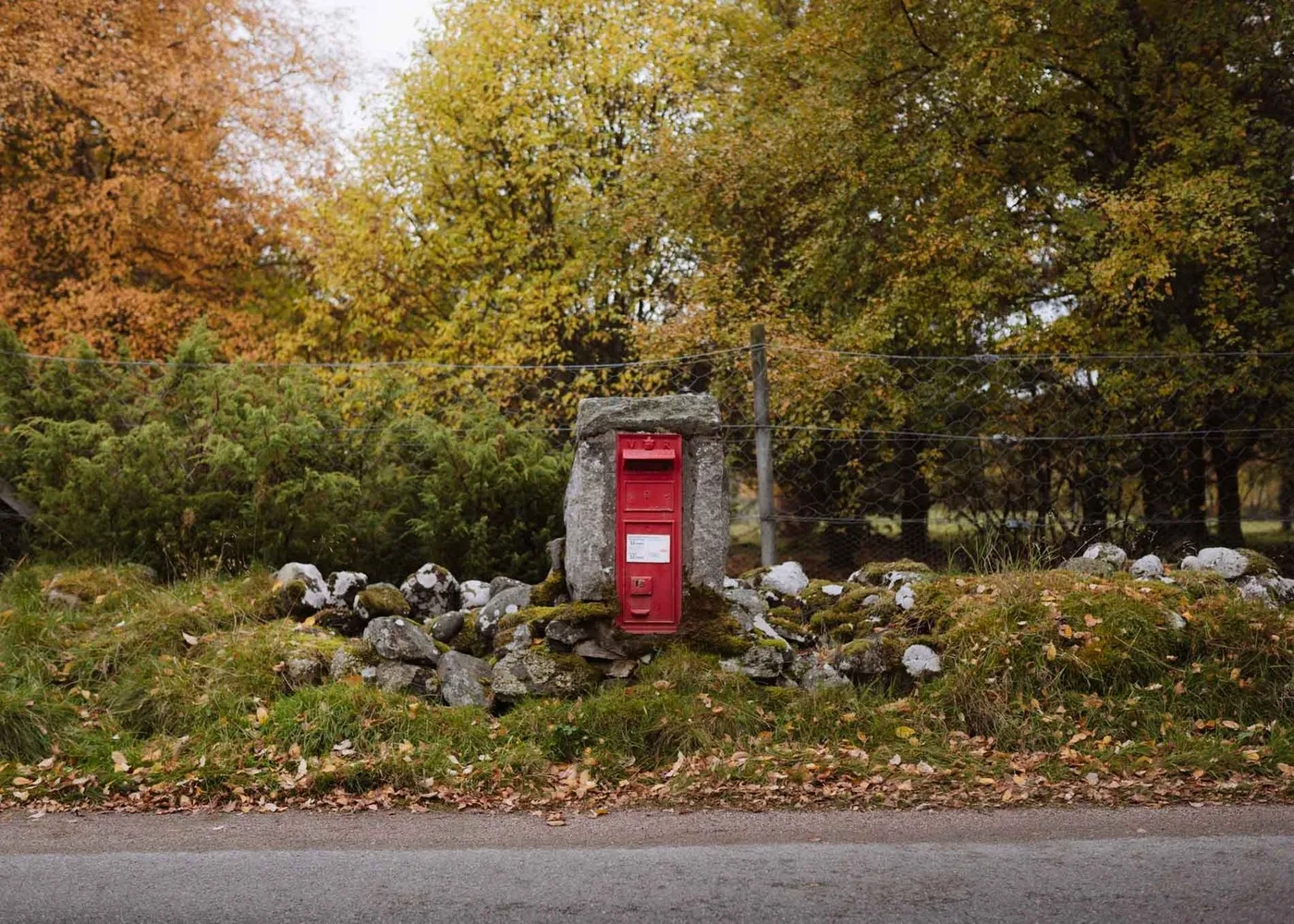
The Mar Lodge Estate covers 29,000 hectares of spectacular landscapes deep in the Cairngorms, featuring sprawling Caledonian pine forests, wetland marshes, rugged moors, and craggy mountains. For walkers and hill climbers, the panoramas are superb – there are fifteen Munros on the estate alone – while gentler accessible trails through woodland and over heather-clad moors reveal iconic Scottish wildlife, including red squirrels, deer, and meadow pipits amongst the 5,000 other species known to reside here. It looks different in every weather, and it is a place to come back to.
Learn More
Linn of Quoich
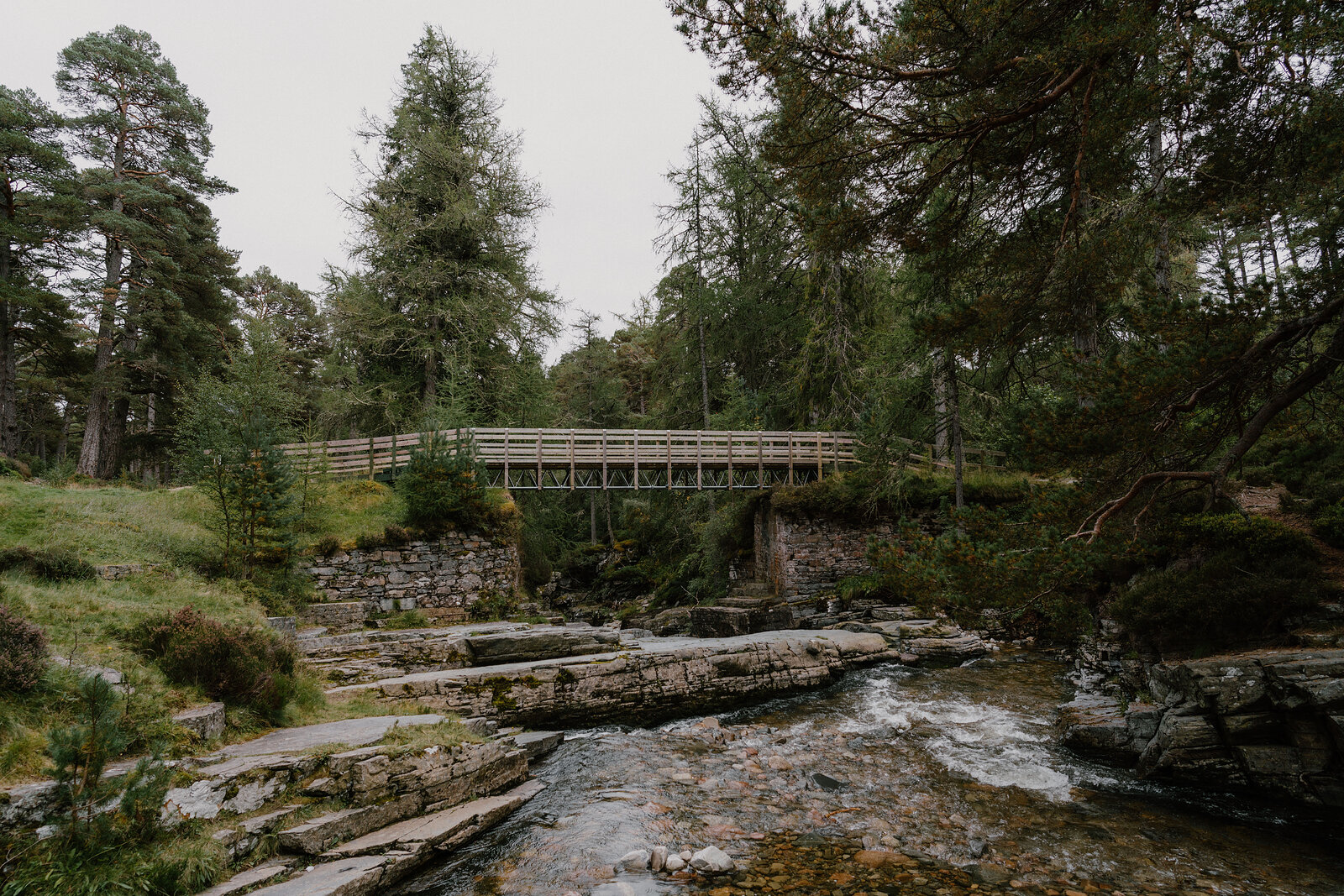
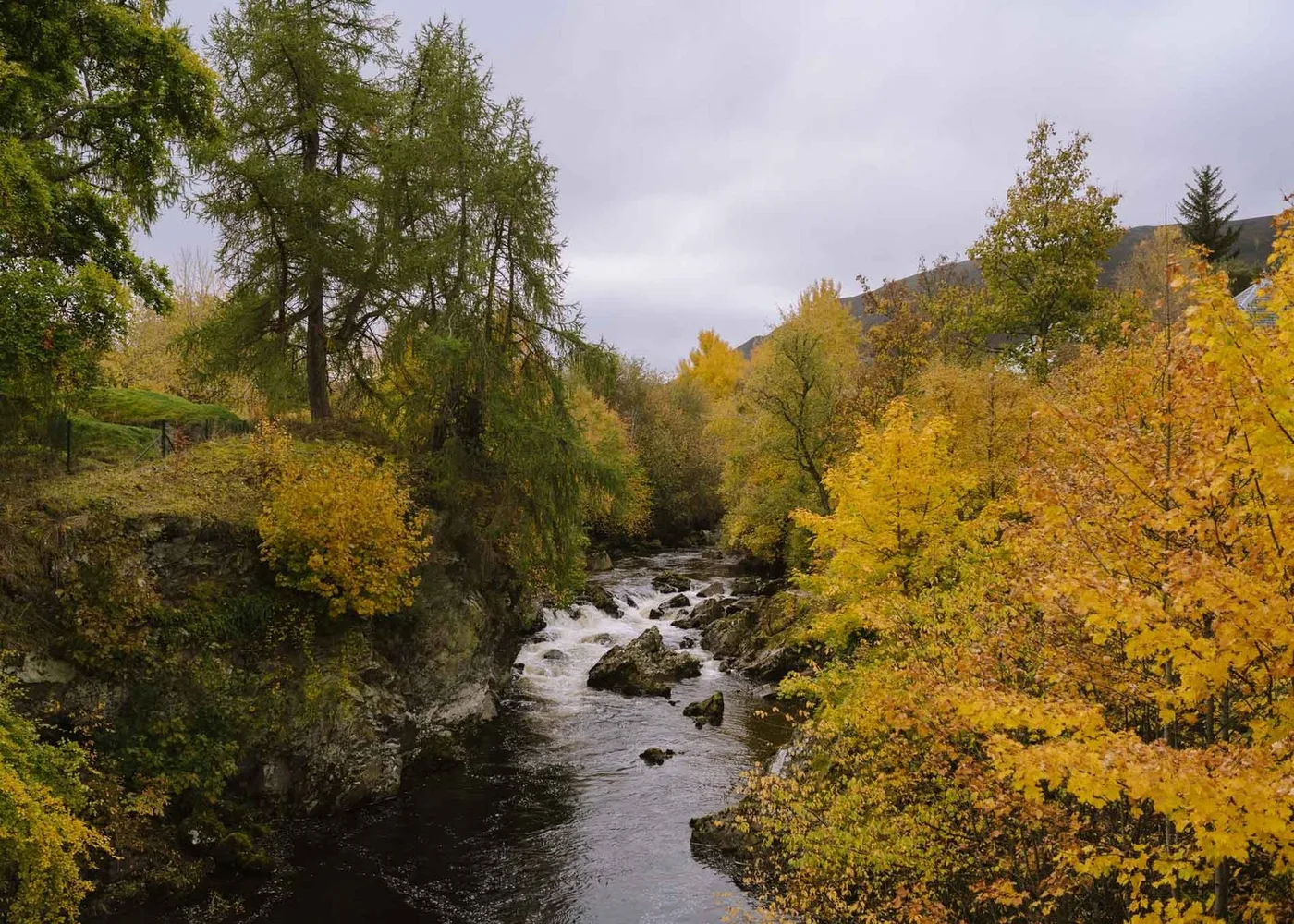
A favourite of Queen Victoria during her stays at the nearby Balmoral Estate, Linn of Quoich is a delightful and picturesque spot, a perfect opportunity to withdraw from the rush of modern life. With paths that are predominantly level, walks through secluded woodland, along the water’s edge, and over the bridge that spans a narrow ravine, are suitable for all ages and abilities. The Punch Bowl, a strange hole in the rock midstream that was formed naturally by the swirling torrent below, is a fascinating sight – reputedly into which the Earl of Mar poured spirits to toast the Jacobite cause in 1715.
Poldullie Bridge
The 300-year-old Poldullie Bridge was used in scenes for the film Mary Queen of Scots (2019). You may recognise the bridge and surrounding area when watching the film that stars Margot Robbie and Saoirse Ronan.
Places to Eat and Stay
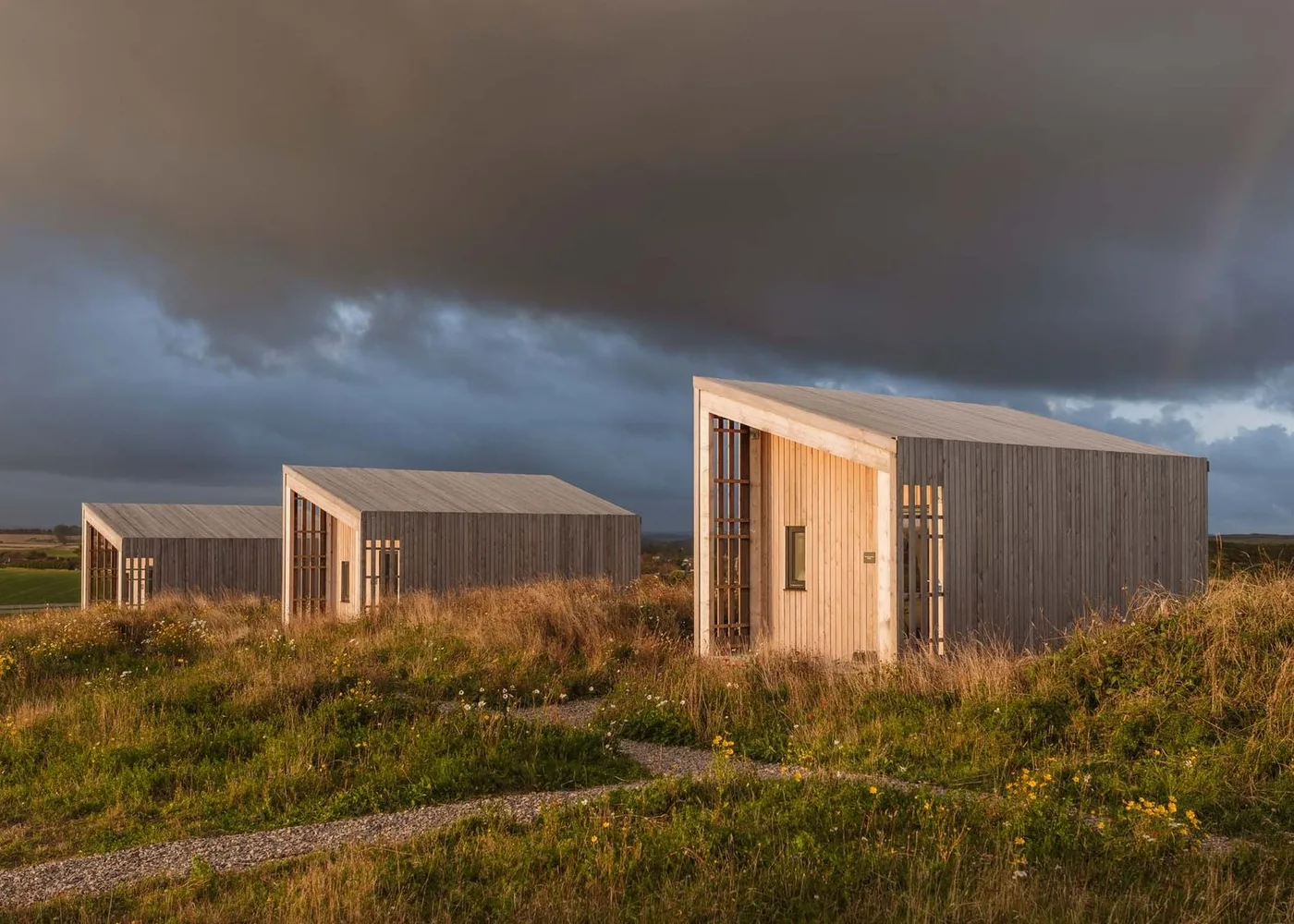
Tahuna Bothies
Tahuna Bothies provide self-catering accommodation for a couple seeking a romantic getaway, or a group of four seeking quality time together as friends or family, in bothies with wide views over the Aberdeenshire coast. Huge floor-to-ceiling windows frame the stunning sunrise, while you can watch the sun sink below the horizon over a glass of wine in the private outdoor dining area. Each of the three bothies has a fully equipped kitchenette, super king-sized bed and modern bathroom.
Boutique Farm Bothies
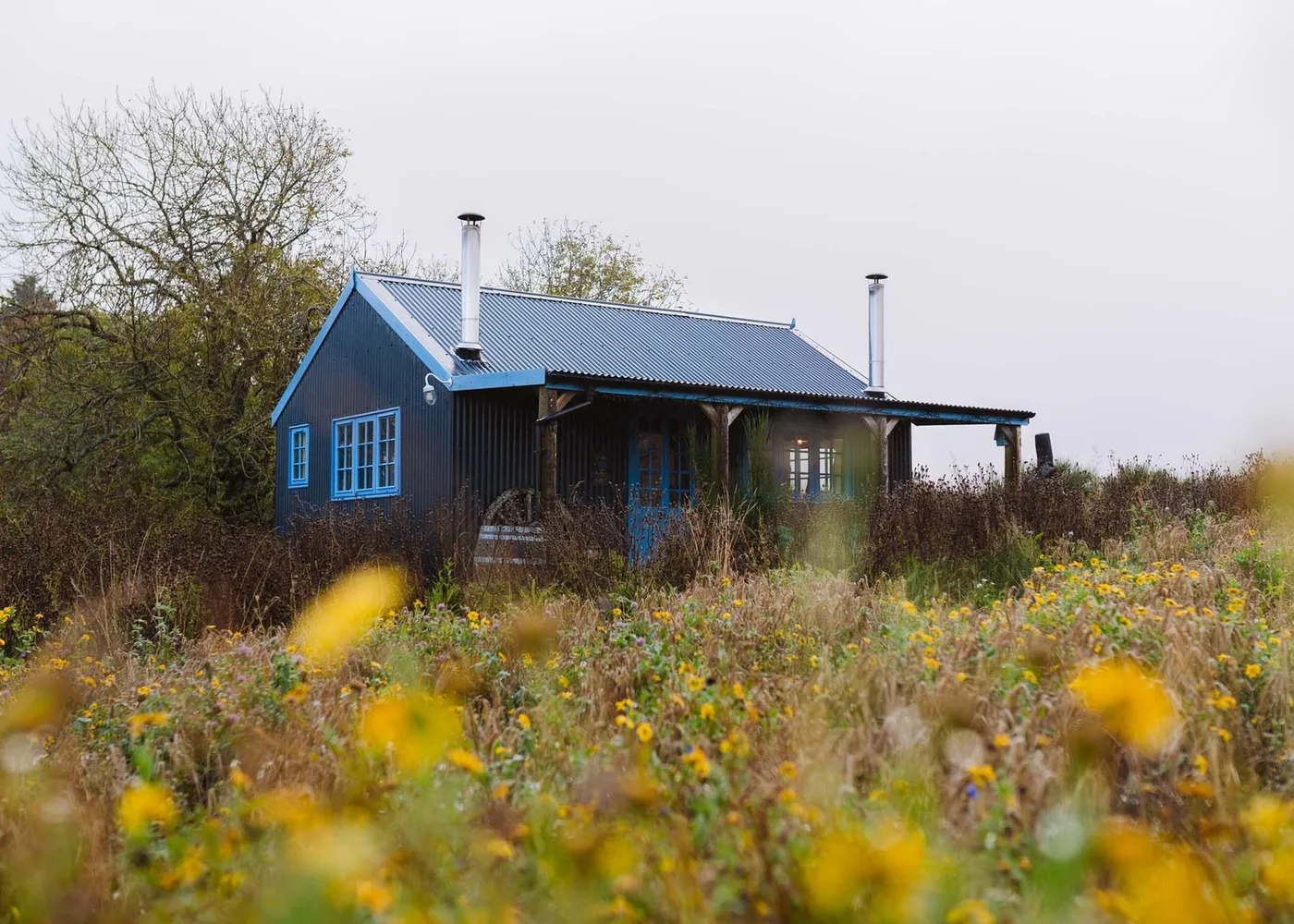
Secluded in rural Aberdeenshire, Boutique Farm Bothies offer peace and quiet in the Scottish countryside, and time away with someone you love. The two units – Barley Bothy and The Sheep Shed – feature charming shabby chic interiors, with all the home comforts you desire. After a relaxing soak in the rolltop bath, slip into the king-sized bed laid with elegant white cotton sheets; for cooler months, the cosy Baavet is perfect for snuggling, while the starlit heavens are revealed through the stargazing window. Subtle lighting and the woodburning cooker add to the sense of rustic comfort, a classically Scottish home away from home in rural Aberdeenshire.
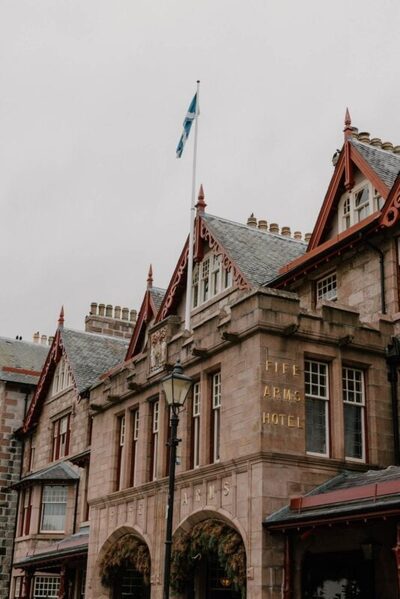
The Flying Stag at The Fife Arms
For warm Scottish hospitality, head to The Flying Stag, the long-time social centre of the village of Braemar. Thronged with locals and visitors alike, the bar at The Fife Arms boutique hotel is a convivial, animated hub, where a tempting variety of traditional and contemporary dishes, using the best local produce, can also be enjoyed. The Flying Stag is rich in Scottish tradition, from the portraits of locals that grace the walls and the Victorian stuffed animals housed in wooden cabinets, to the winged flying stag itself, the hybrid creation of artist James Prosek, which soars over the bar.
-full-1749217015.jpg)
Braemar Castle
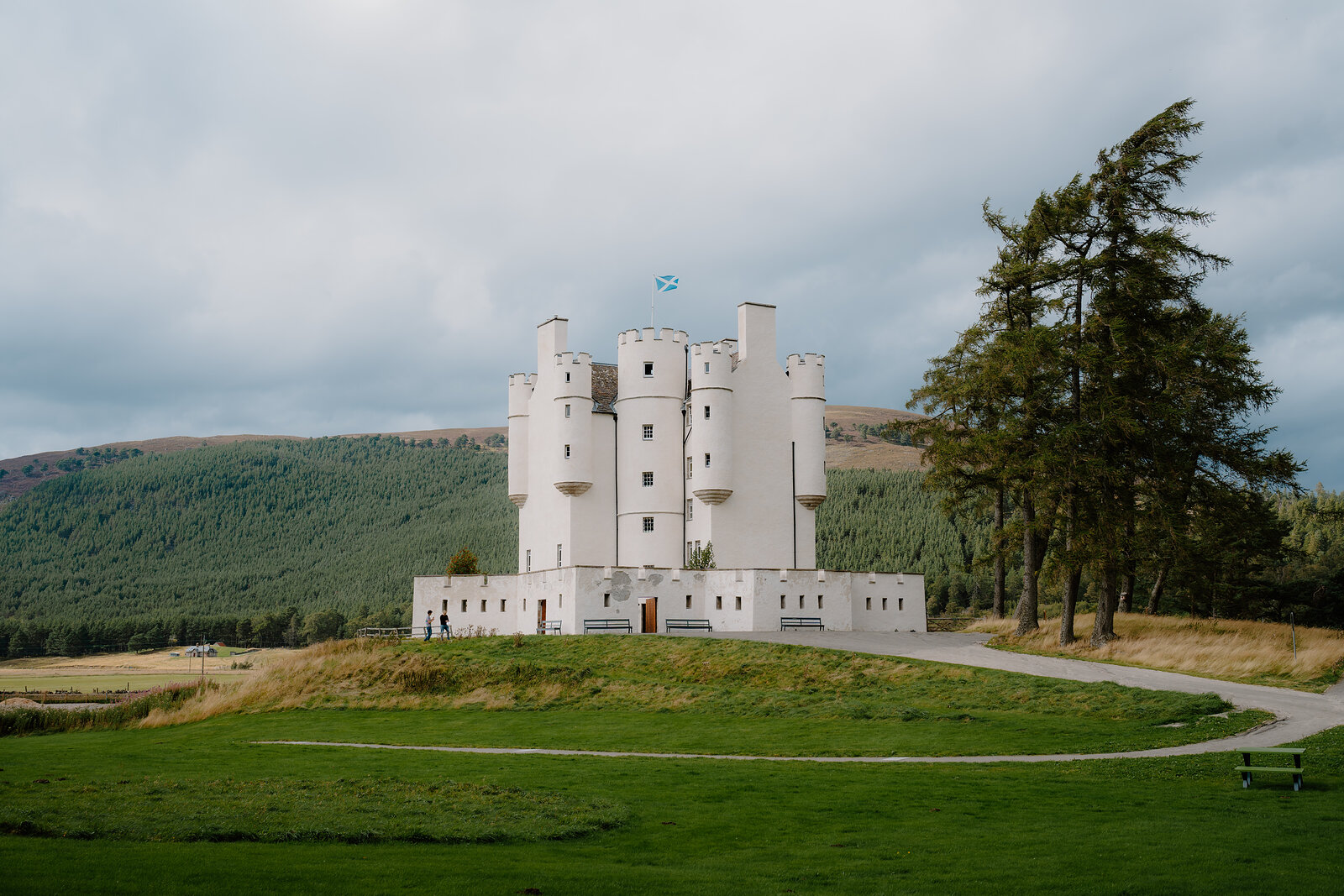
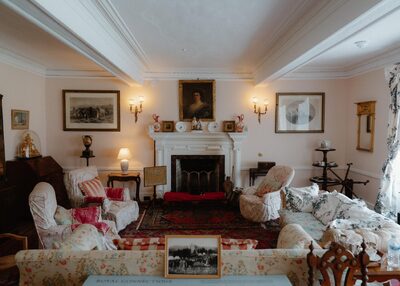
Just a short walk or drive along from The Fife Arms is where you will find Braemar Castle, a 17th century castle built by the Earl of Mar in 1628. Over the years it has been a hunting lodge, a fortress, garrison and family home. Home to the chiefs of Clan Farquharson, it holds furniture, memorabilia and personal belongings of the Farquharson family. Now the castle’s future rests with the small community of Braemar.
On a walk around the grounds, look out for the multi-coloured neon sign by artist Martin Creed that reads “Everything Is Going To Be Alright”. This was created to celebrate the reopening of The Fife Arms Hotel.
Buchanan Bistro
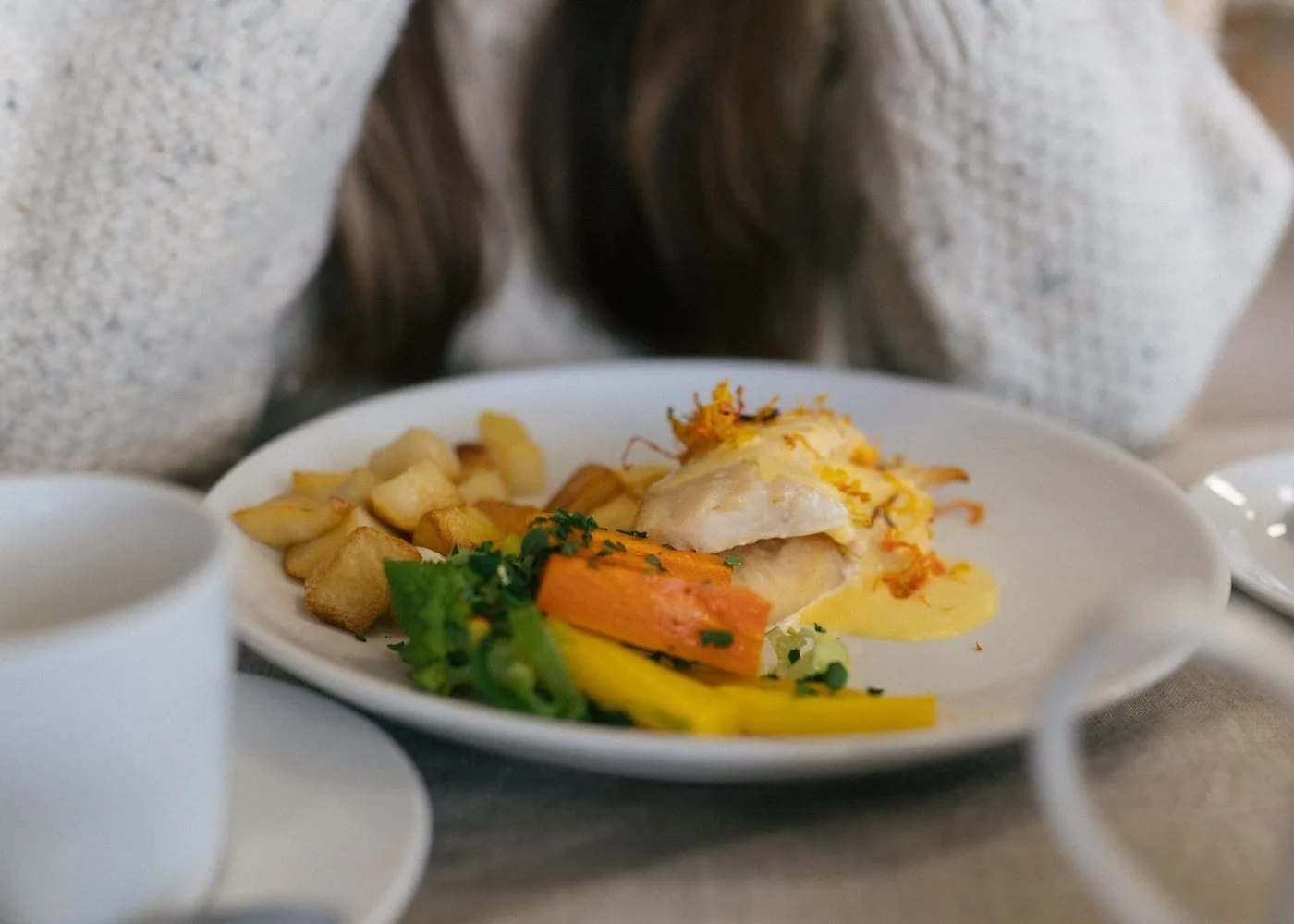
At Buchanan Bistro, sustainability is at the heart of its service, with food ethically sourced from local suppliers, not only to support the Aberdeenshire economy, but also to protect the local and global environment. Imaginative dishes that capture the unique flavours of Scottish cuisine, superlative service, and outstanding rural views from your table combine to deliver a memorable dining experience, whether you pop by for a refreshing coffee and cake or enjoy a three-course meal.
Tarmachan Café
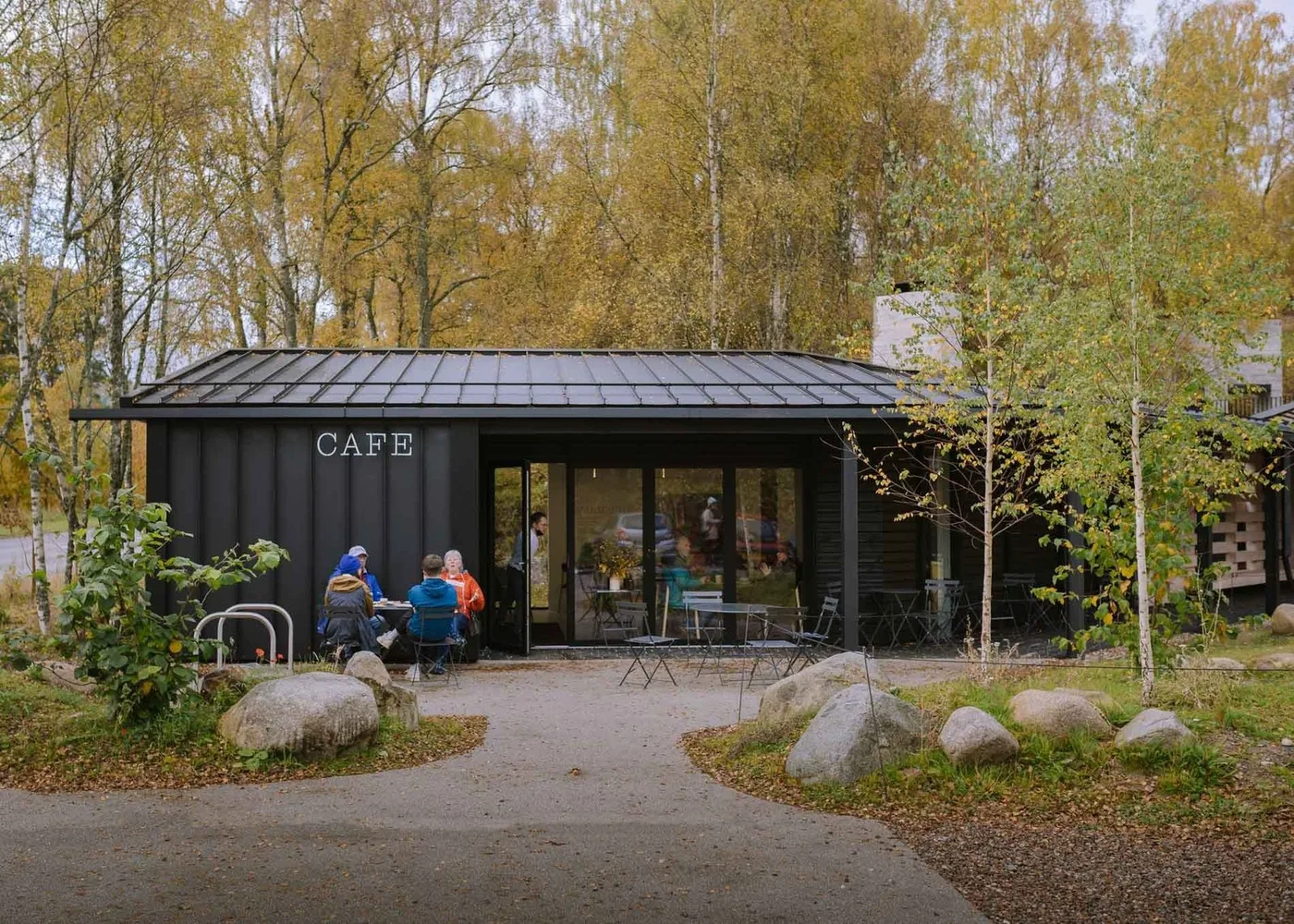
Perfectly situated between Braemar and Ballater, opposite the gates for the Balmoral Estate, the Tarmachan Café is an ideal mid or end of hike stop, enjoying a wonderful rural location in a delightful part of Aberdeenshire. Home baked savoury and sweet snacks, pastries, and breads are a speciality, complemented with fine coffees, teas, and cold drinks. Gluten-free diets are well-catered for, and there’s ample parking if you’re planning to drop in when driving past.
 Out now
Twice a year, to your door
One hundred and sixty pages of Scotland, every photograph commissioned, every word written by someone who went. Members get both issues posted and everything on screen.

 The Last Stop Before Nowhere
 A Weekend Exploring the Isle of Mull
 What's On in Scotland: Autumn and Winter