Did you know
The Peel is named after a lost castle.
Edward I of England wintered here in 1301 and built a timber castle on the hilltop in 1302. It gave the Peel its name, and it lies hidden beneath the palace the Stewart kings built.
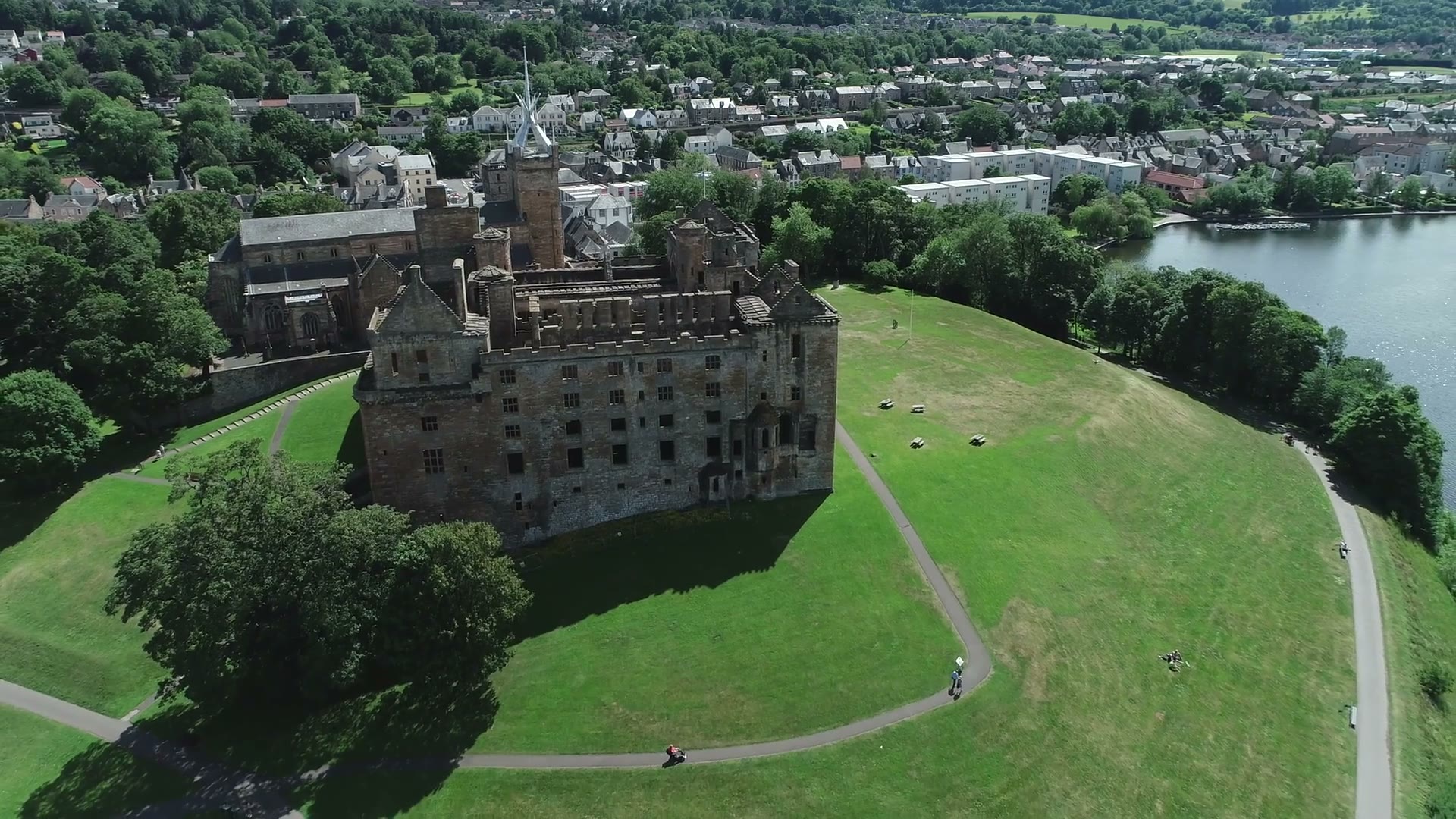
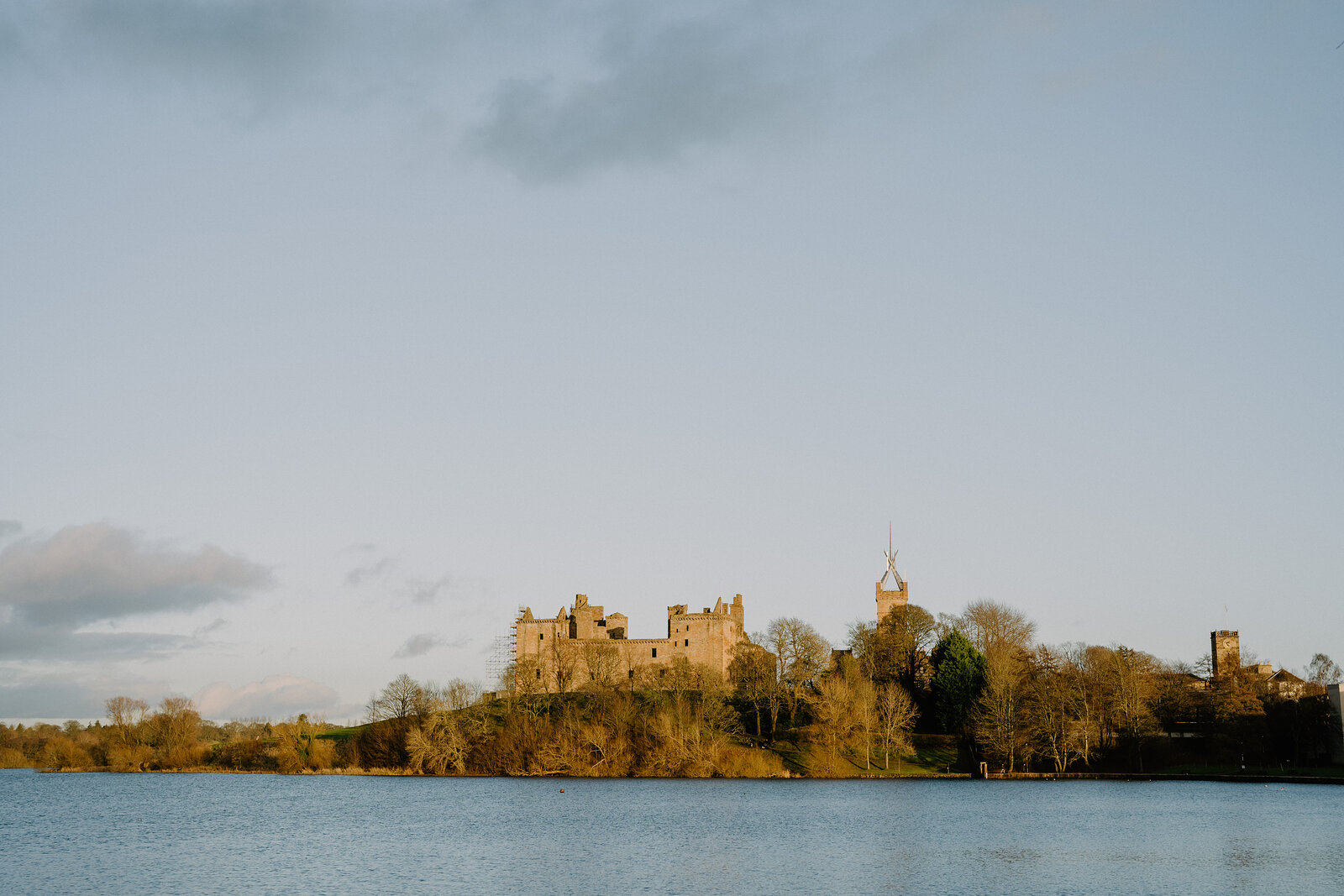
The roofless palace of the Stewart kings above Linlithgow Loch, begun in 1424 and the birthplace of Mary, Queen of Scots.
Linlithgow Palace is the roofless shell of a royal palace on a green hill above Linlithgow Loch, and even without its roof it is one of the most striking buildings in Scotland.
James I began it in 1424 after a fire, the Stewart kings kept adding to it for two hundred years, and Mary, Queen of Scots was born here in December 1542.
Walk in under the outer gateway with its four carved panels, cross the courtyard to James V's ornate fountain, then climb the spiral stairs to the great hall and on up to the little turret called Queen Margaret's Bower, with views over the loch, the town and the Forth bridges. The palace stands in the Peel, a big grassy park with picnic tables and a path of about two and a half miles round the loch, so it's an easy place to spend a whole afternoon. A few rooms are closed for conservation just now, and the station is a short walk away.
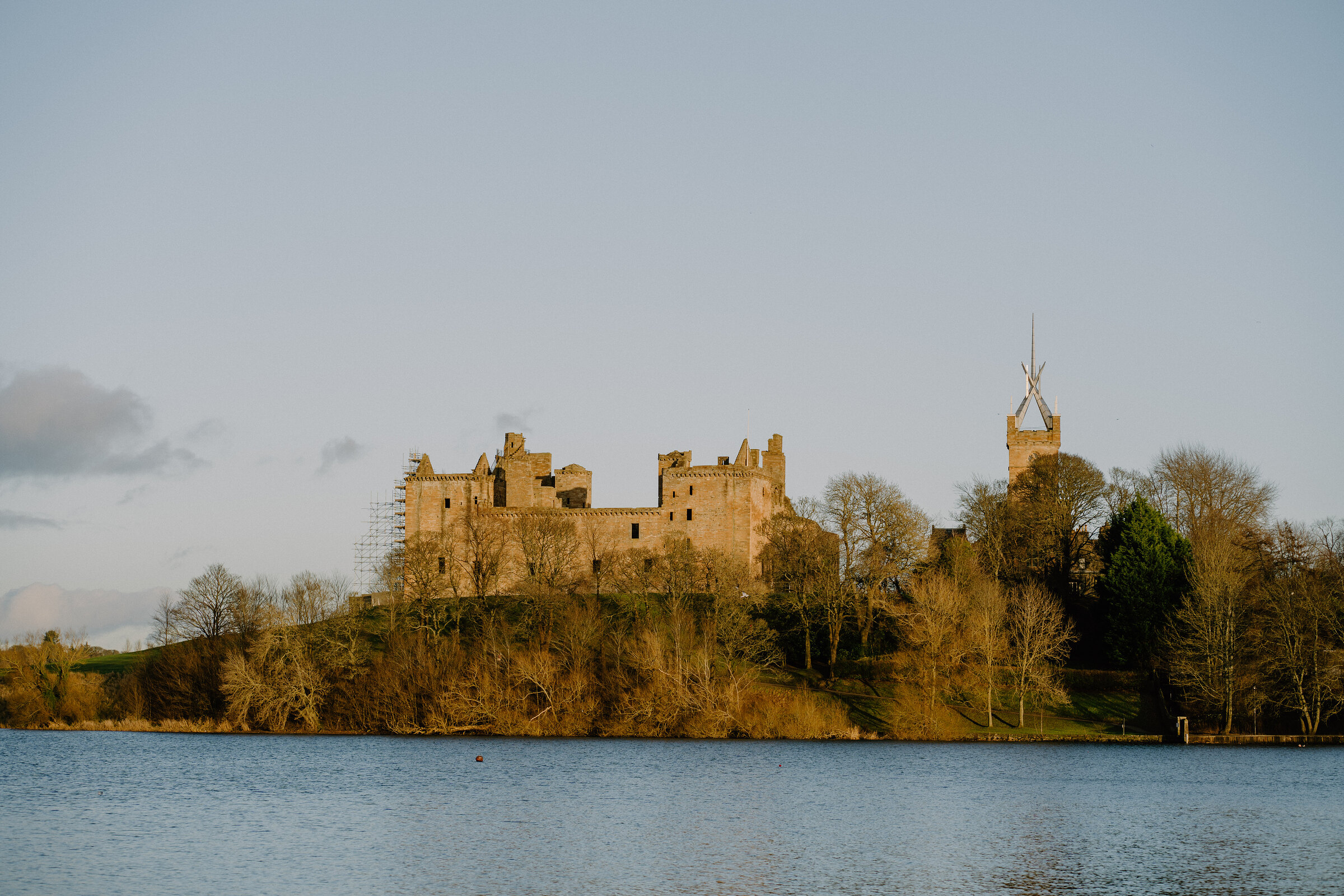
Begun for James I in 1424, after a fire destroyed the old royal manor, and built on by the Stewart kings for two hundred years, until 1624.
Consecrated in 1242, and mostly of the 1400s. The open crown on its tower went up in 1964, in place of a stone crown taken down in 1821.
The big grassy park round the palace, with benches and picnic tables, and a gravel path of about two and a half miles round the loch.
Formed at the end of the last Ice Age, and protected for its wildfowl and rare water plants. Look for grebes, ducks and swans, with geese and goldeneye in winter.
Tickets are for a set date and time, and booking online gets the best price.
The North Range, the King's Bed Chamber and the Court Kitchen are closed for conservation just now.
Opening hours
Their websiteEdward I of England wintered here in 1301 and built a timber castle on the hilltop in 1302. It gave the Peel its name, and it lies hidden beneath the palace the Stewart kings built.
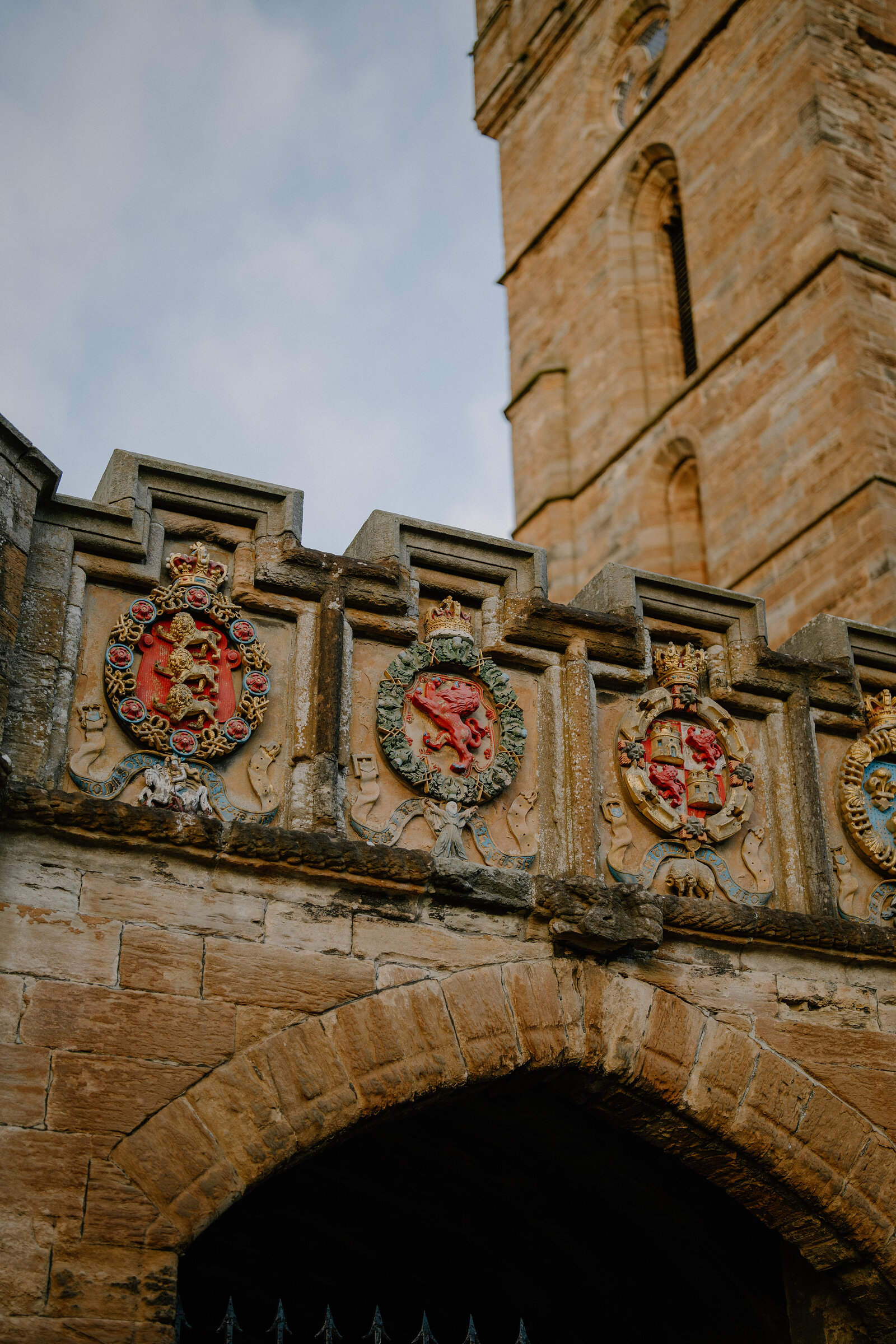
The four carved panels over the outer gateway, of about 1535, show the orders borne by James V: the Golden Fleece, St Michael, the Garter and the Thistle. They were recarved in Edinburgh in 1845.
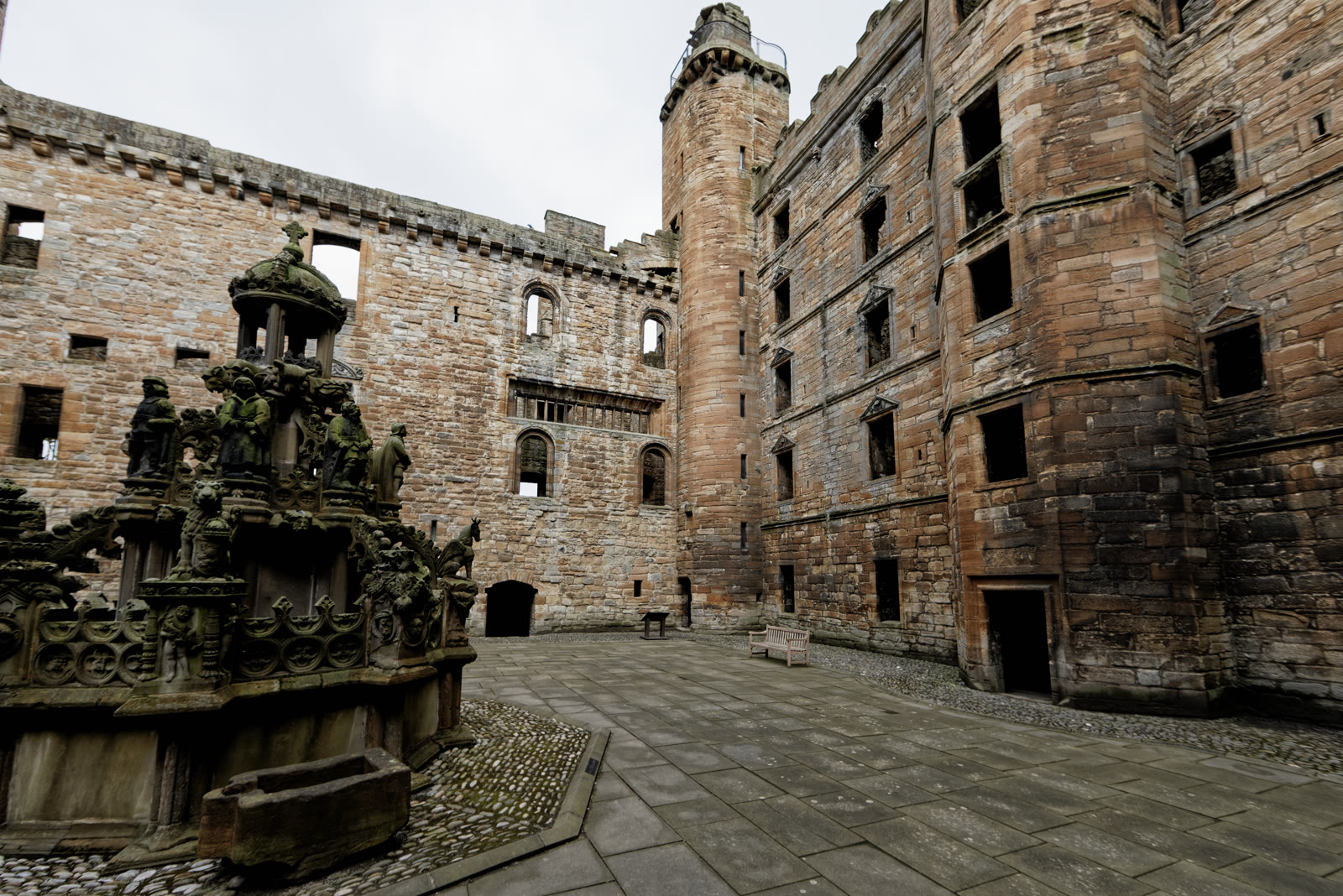
James V added the ornate fountain in the courtyard in 1538, and its design was later copied for the Palace of Holyroodhouse. Rumour has it that it ran with wine when Bonnie Prince Charlie came in 1745.
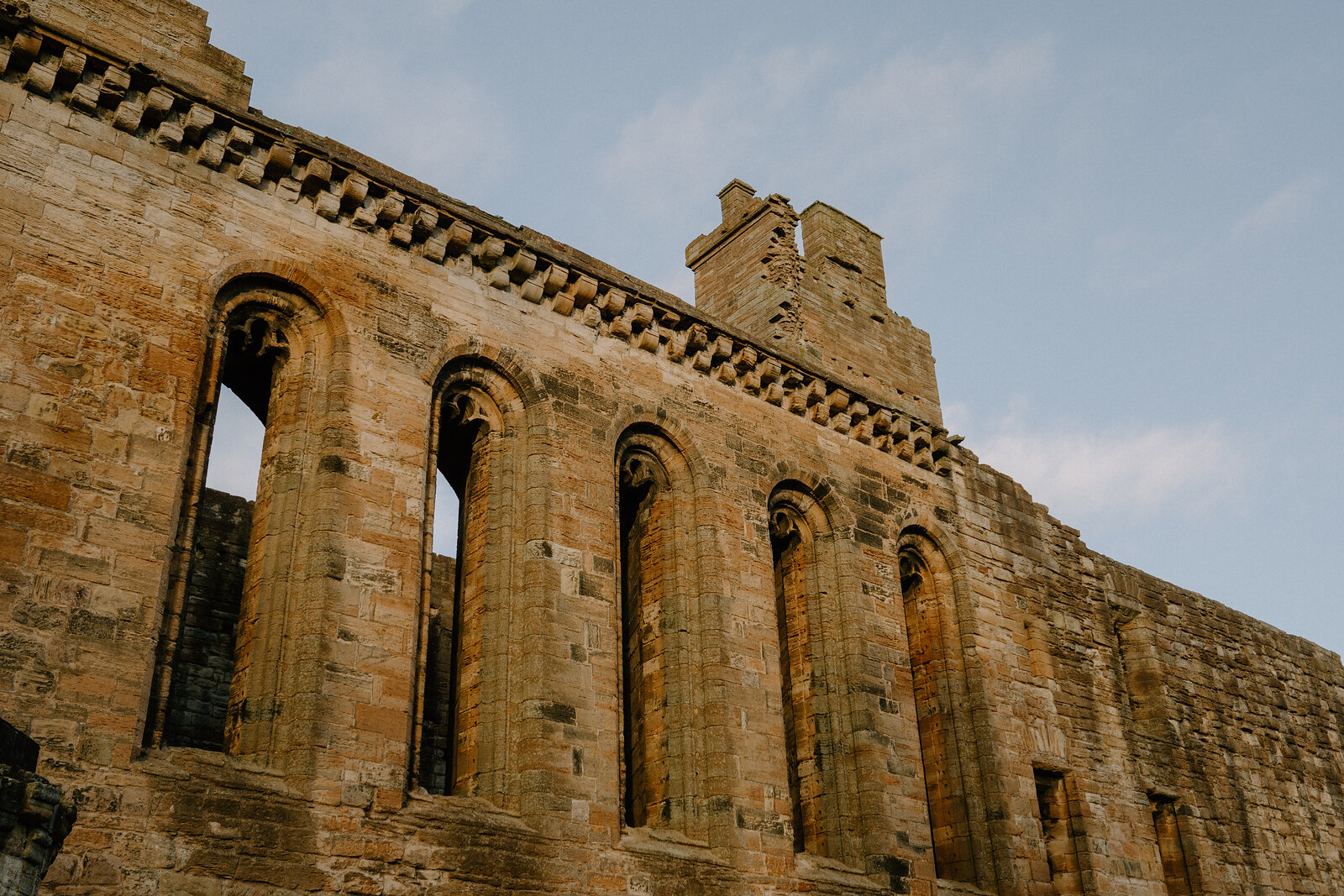
The great hall, built for James I on the first floor, has a barrel-vaulted gallery at one end, where musicians played for the court below.
After years of neglect the roof of the north range collapsed in 1607. It was rebuilt in the Renaissance style for James VI between 1618 and 1624, though by then he had moved his court to London.
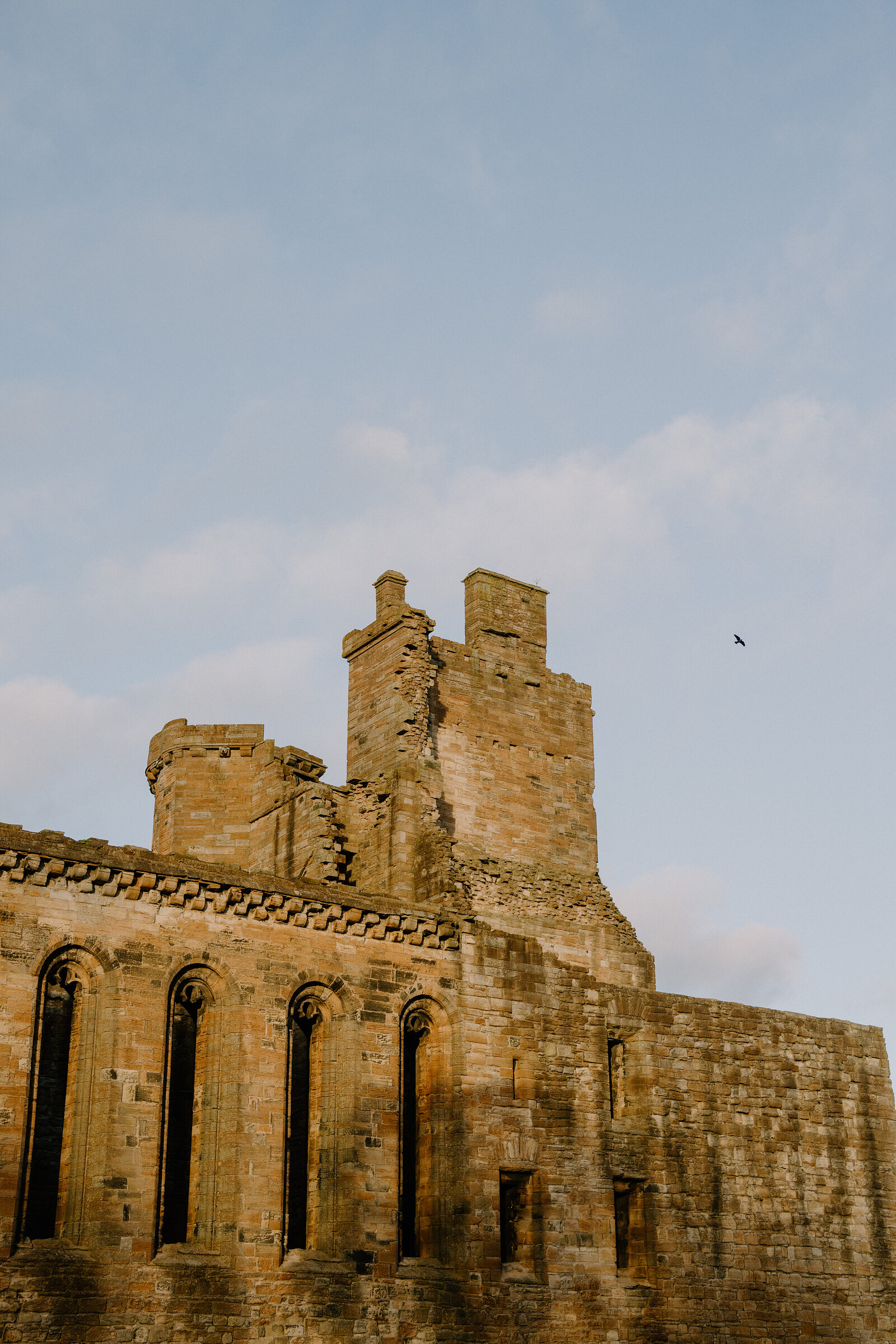
The palace was the royal nursery for James V, born in 1512, for Mary, Queen of Scots, born here in 1542, and for Princess Elizabeth, born in 1596.
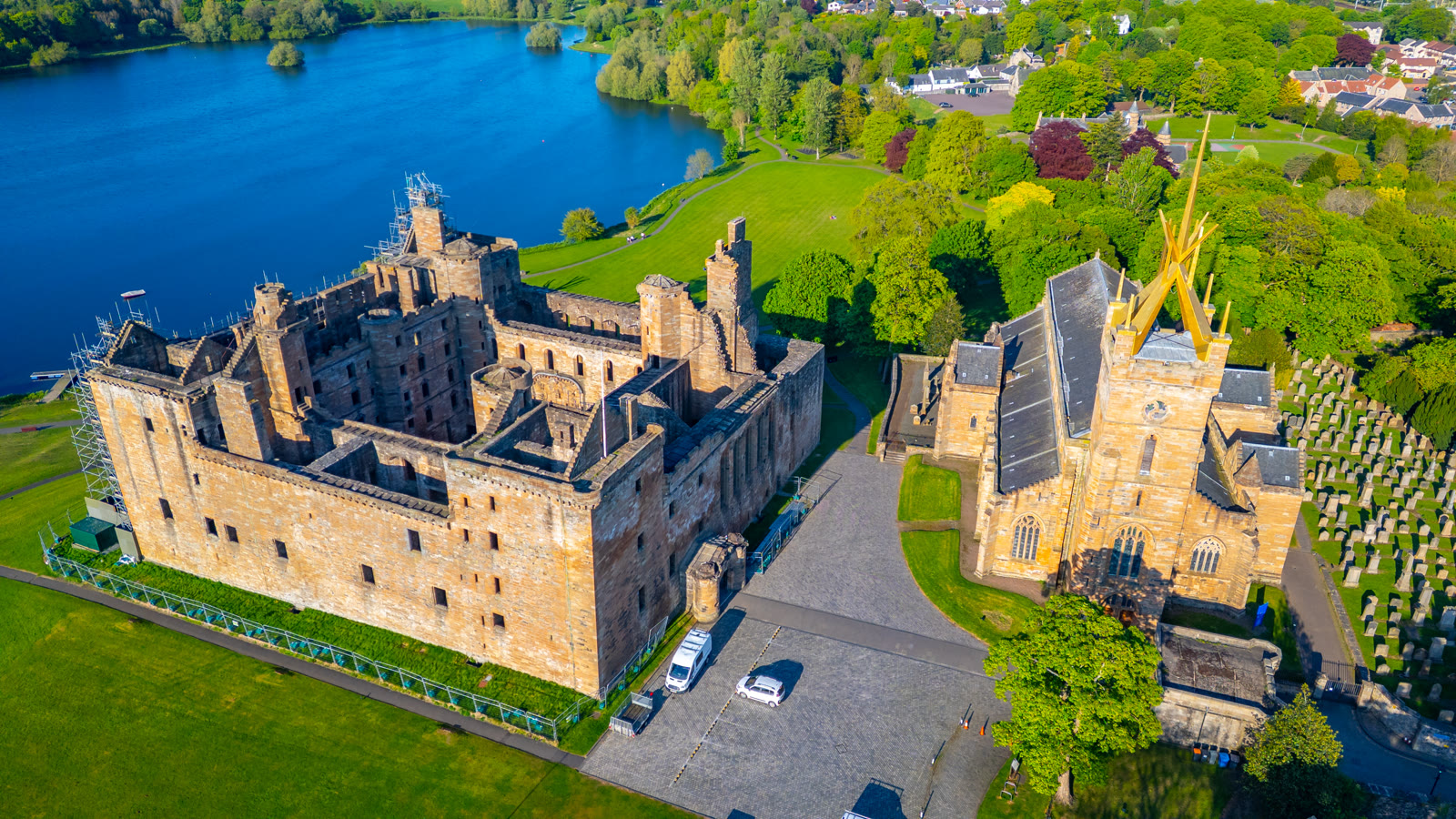
On 1 February 1746, after the Duke of Cumberland's government troops had been quartered here, the palace was gutted by fire. It has stood open to the sky ever since.
New places, news and stories, as we find them.
What is on in LothianOn the Peel above Linlithgow Loch, in the centre of Linlithgow, reached through the outer gateway on Kirkgate.
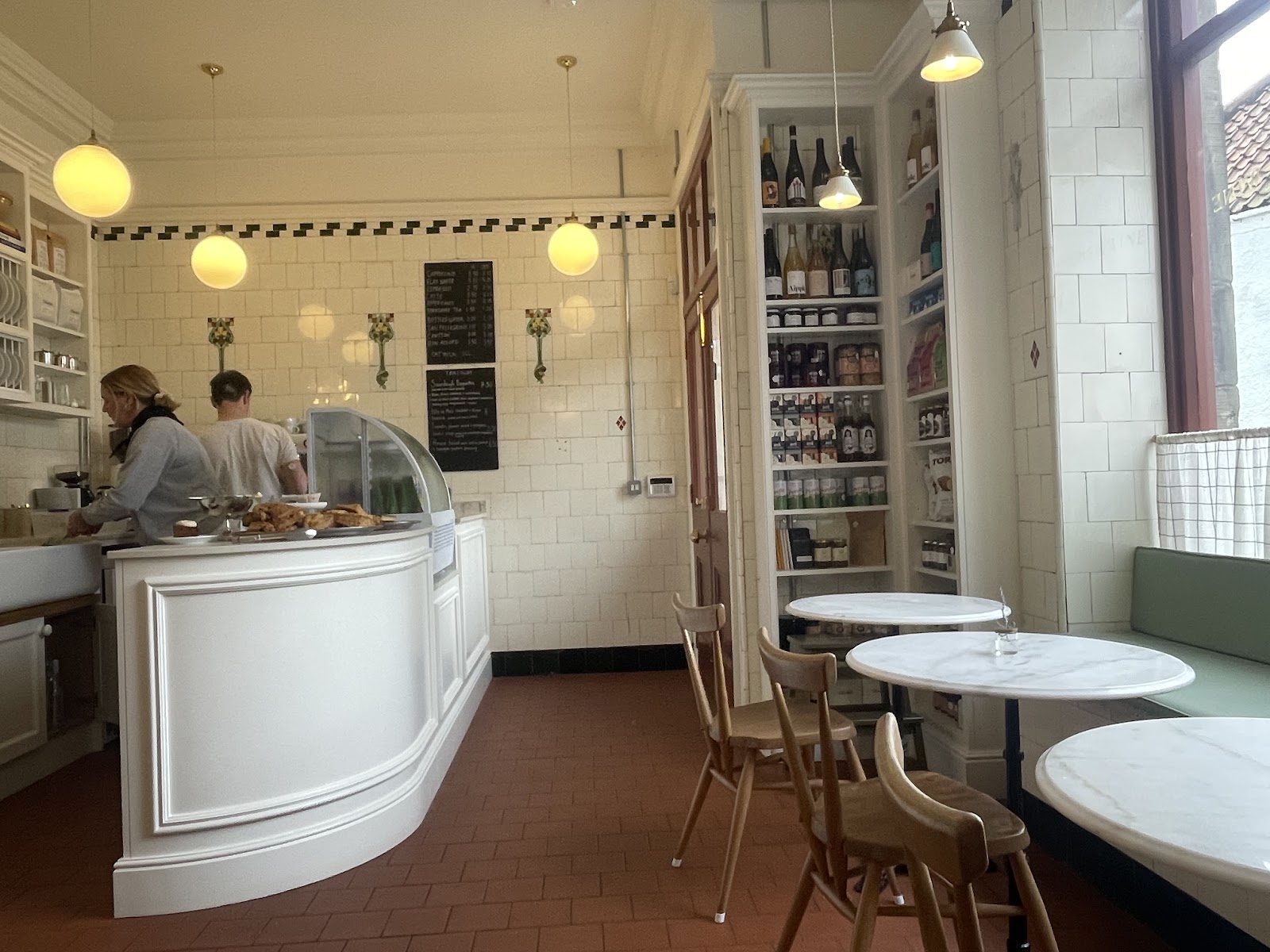
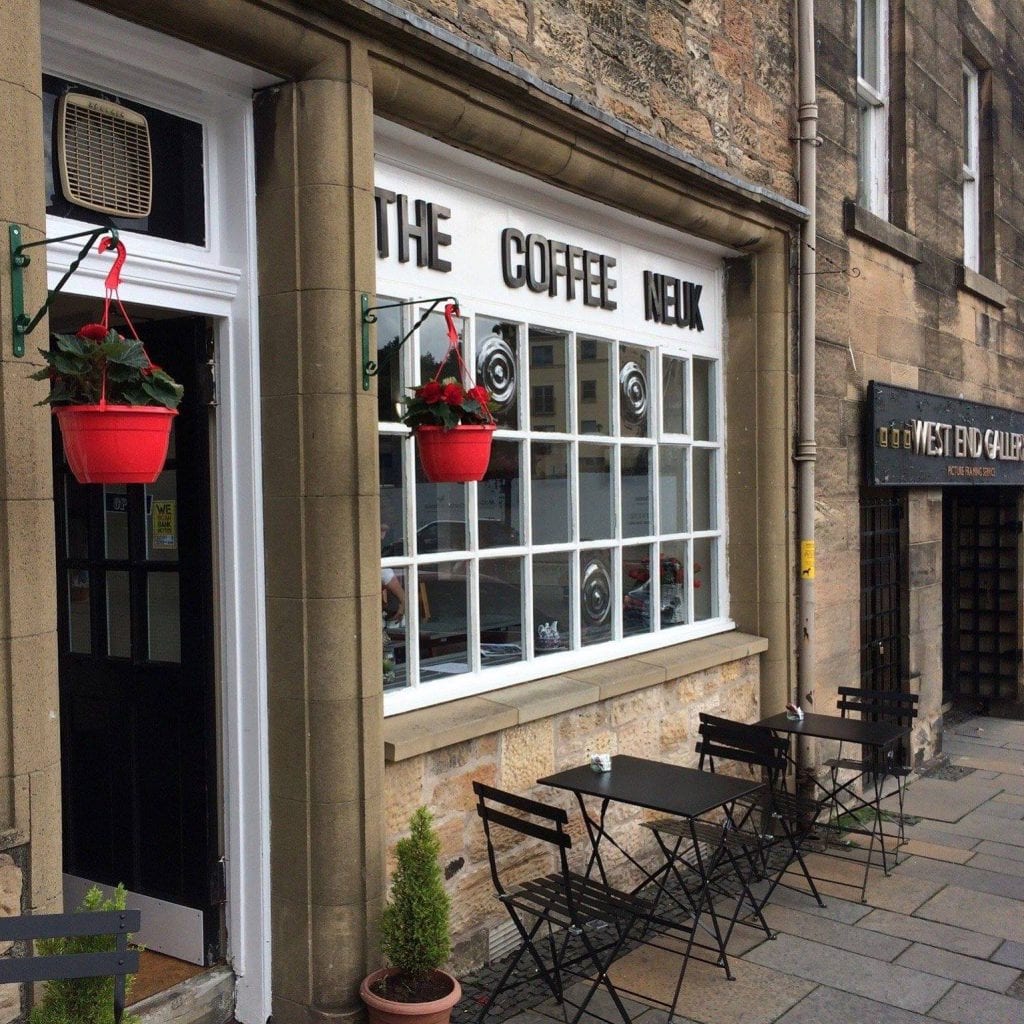 The Coffee NeukA small family tea room at the Cross in Linlithgow, serving breakfasts, rolls, scones and cakes.Under a mile 1 min by road
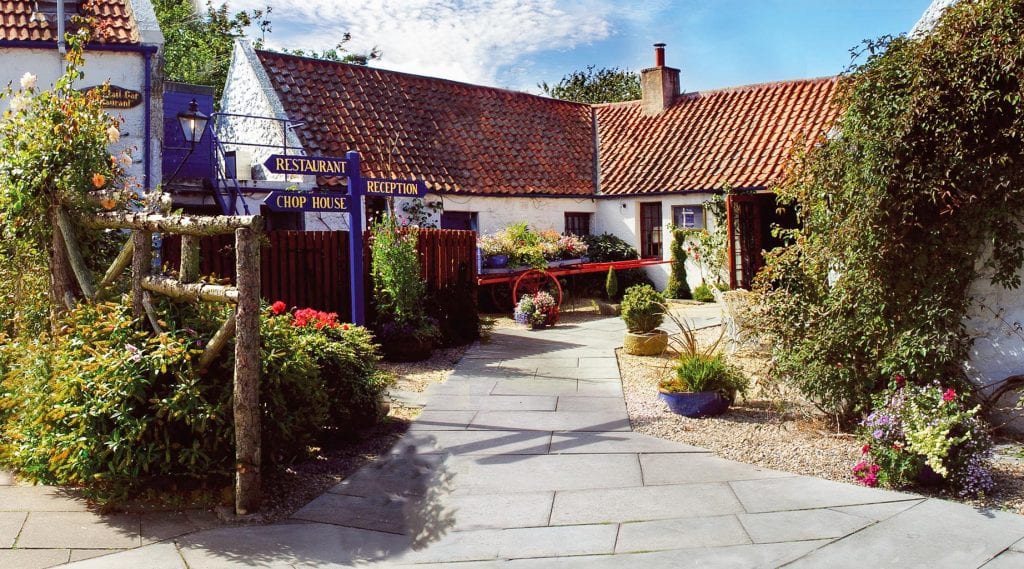 Champany InnA family-owned inn near Linlithgow, famous for forty years for its Scotch beef steaks and its wine, with a chop house, a wine shop and rooms.2 miles 5 min by road
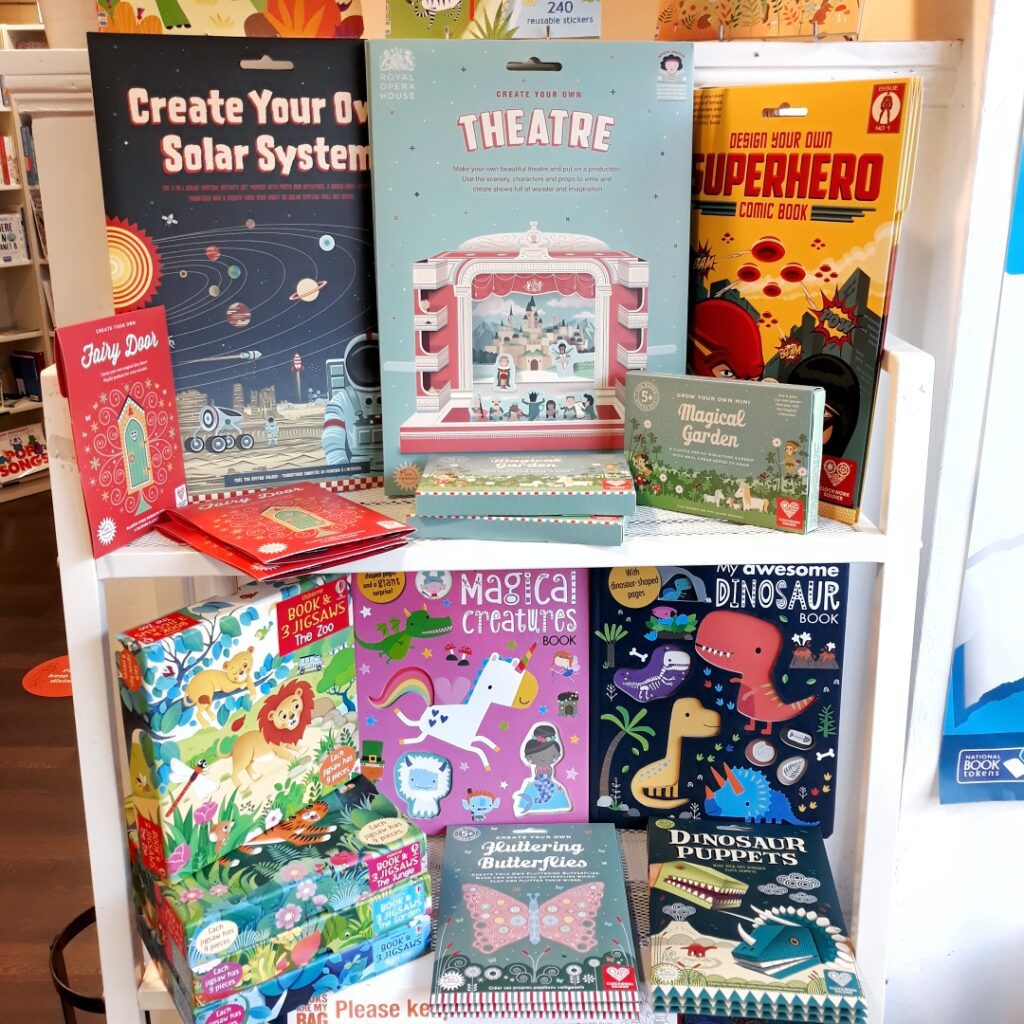 Inkspot & SilverleafAn independent bookshop in Bo'ness, open since 2008 and twice named one of Britain's top 50 bookshops by The Independent.4 miles 9 min by road
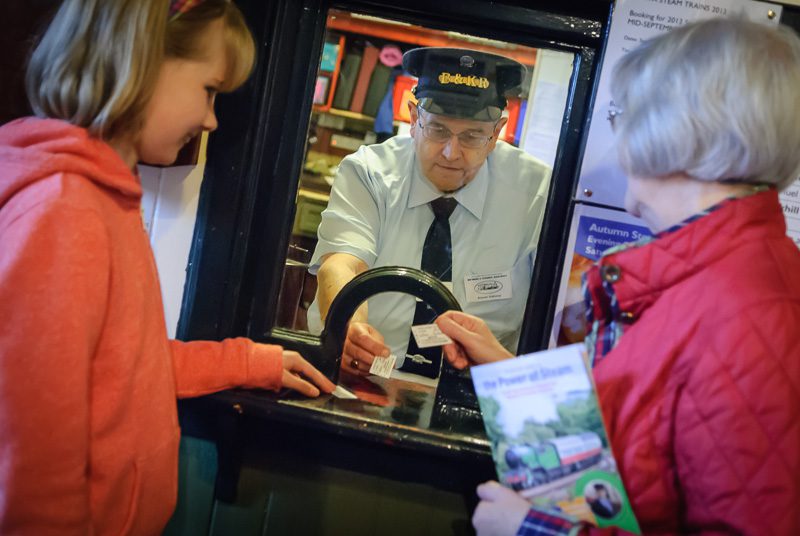 Bo'ness and Kinneil RailwayA heritage steam and diesel railway run by volunteers at Bo'ness, with trains to Birkhill and Manuel and Scotland's largest railway museum.4 miles 10 min by road
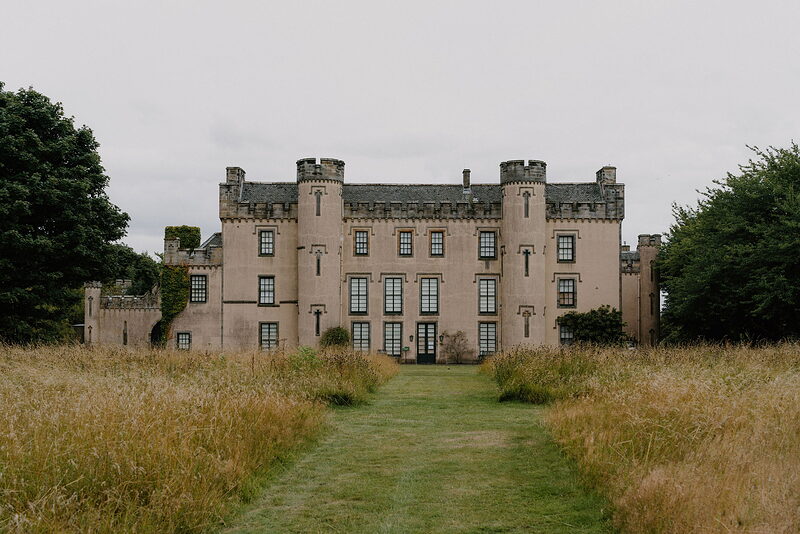 House of the BinnsThe 17th-century home of the Dalyell family near Linlithgow, with plaster ceilings made for Charles the First, parkland over the Forth and a tower on the hill.4 miles 10 min by road
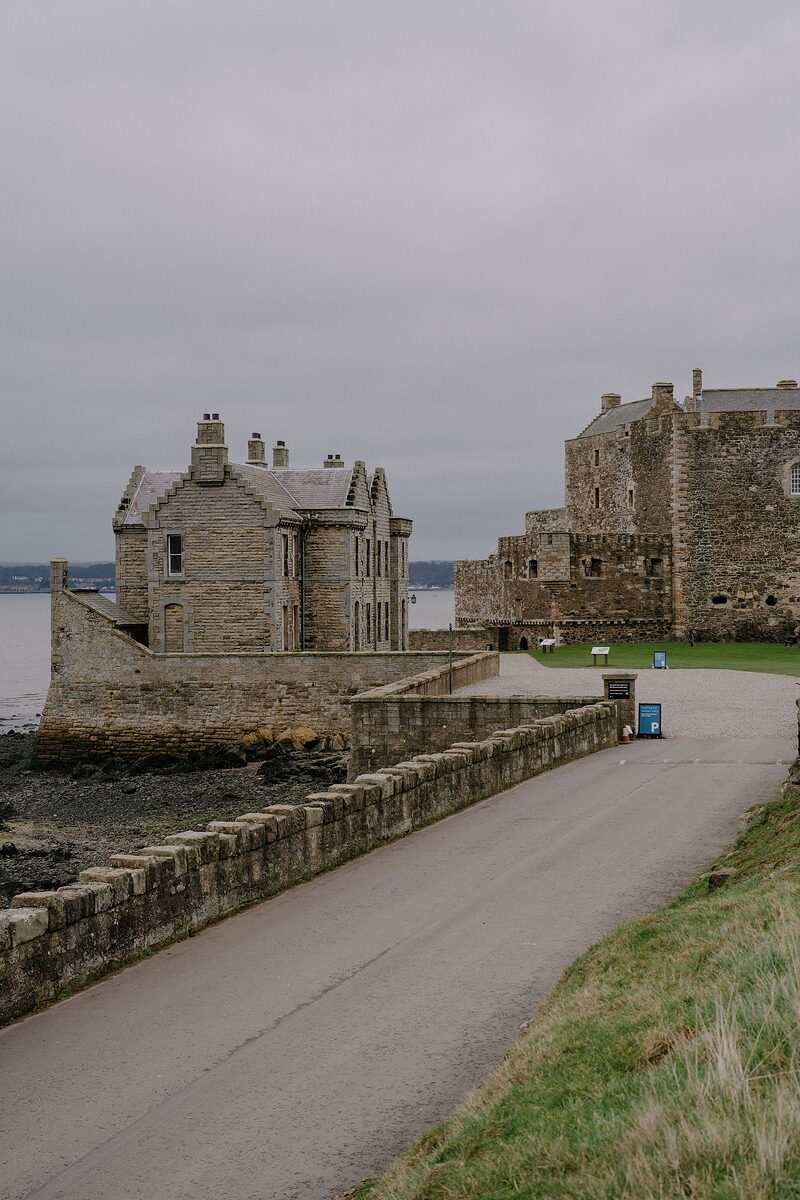 Blackness CastleA 15th-century castle on the shore of the Forth, built like a stone ship run aground, later a garrison fortress and state prison.4 miles 8 min by road
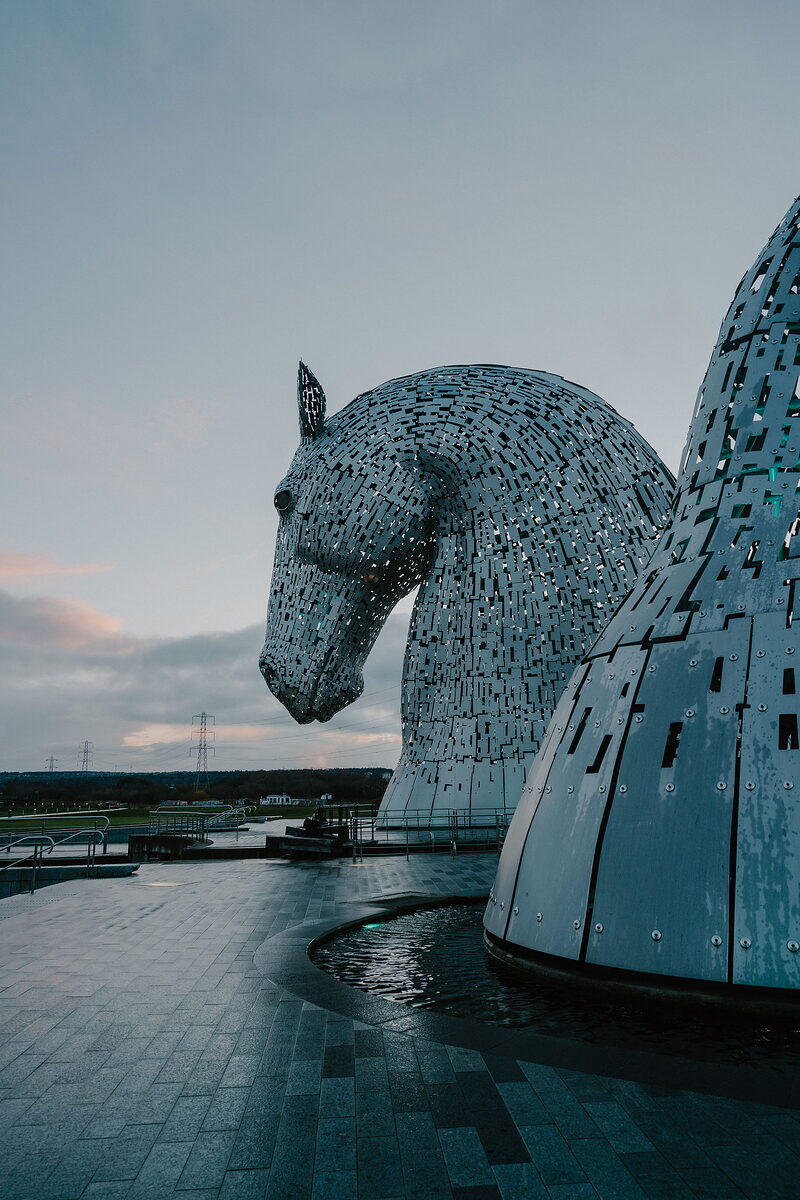 The KelpiesAndy Scott's two 30-metre steel horse heads beside the canal at Falkirk, the largest equine sculptures in the world.8 miles 17 min by road
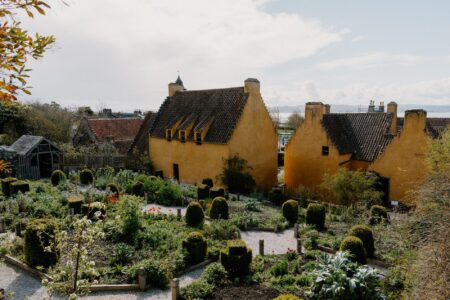
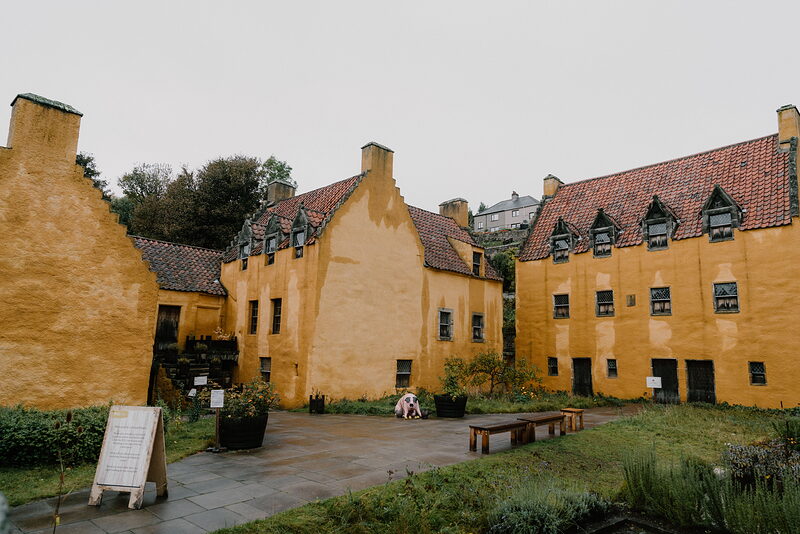 Culross PalaceThe ochre-coloured merchant's house of 1597 in the old village of Culross, with painted ceilings, panelled rooms and a 17th-century garden.17 miles 25 min by road
Arrives at 5am every day.
A free morning email to see what’s on this week, catch up on what’s happening in Scotland and find somewhere new to go.
Places to stay near the palace, and when each is next free.
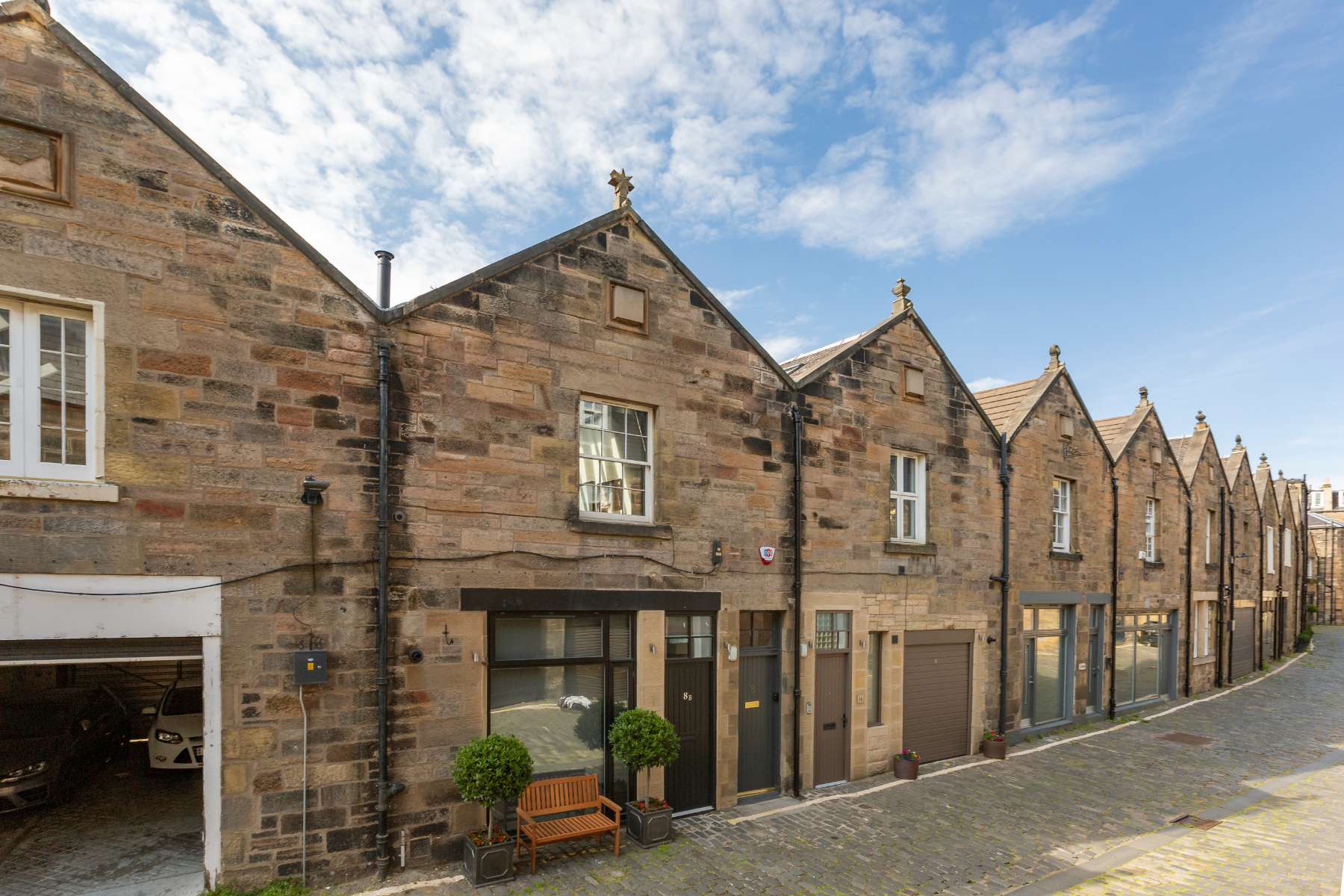 West End Muse
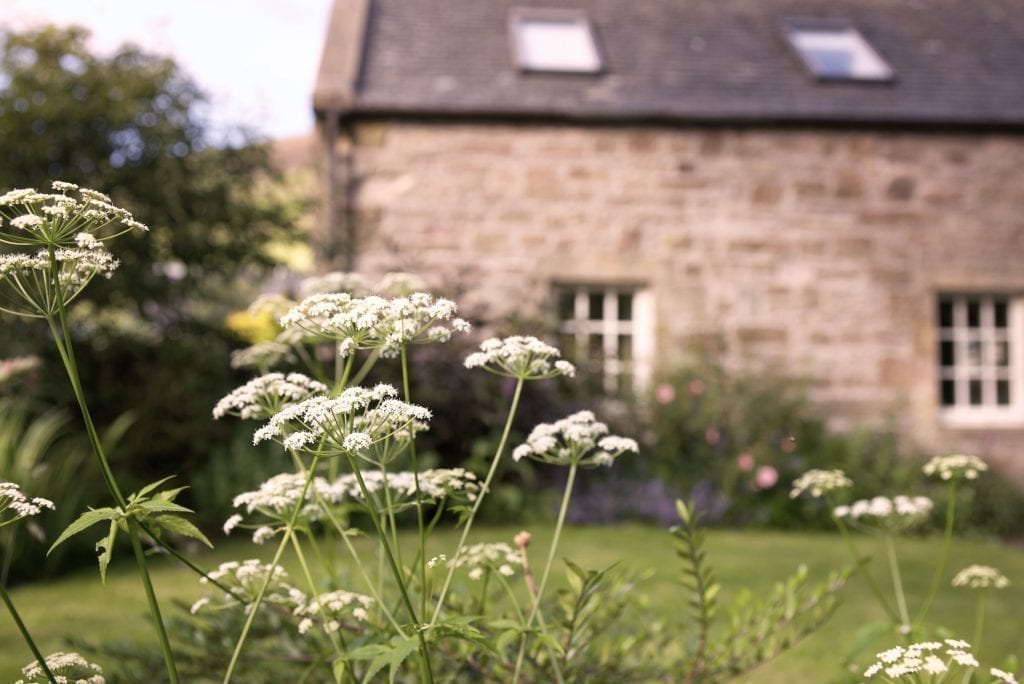 Steading
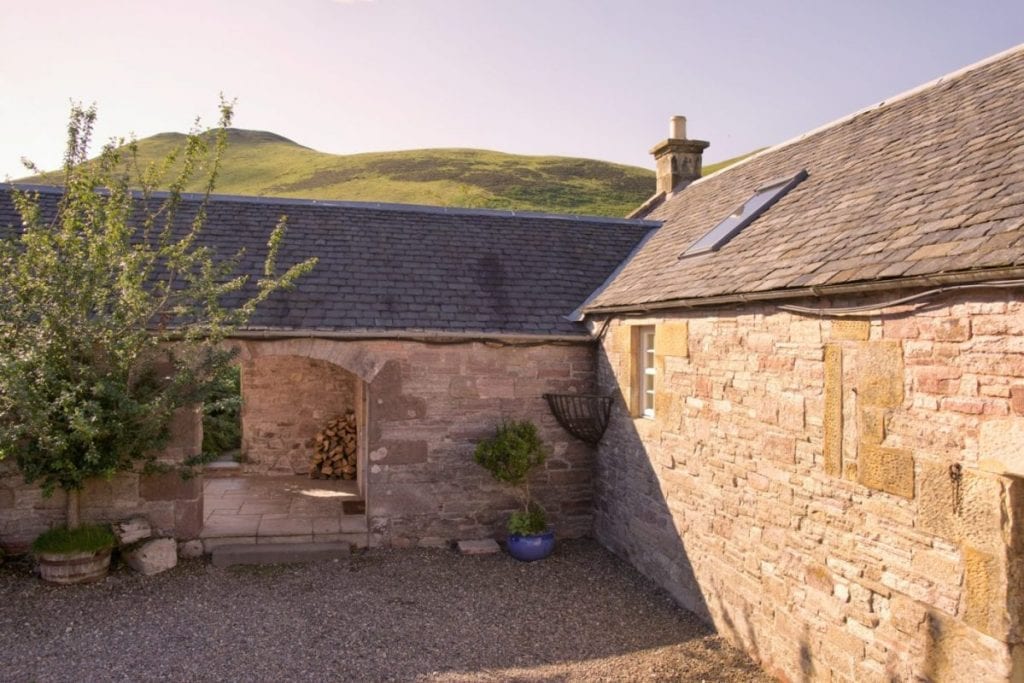 The Byre
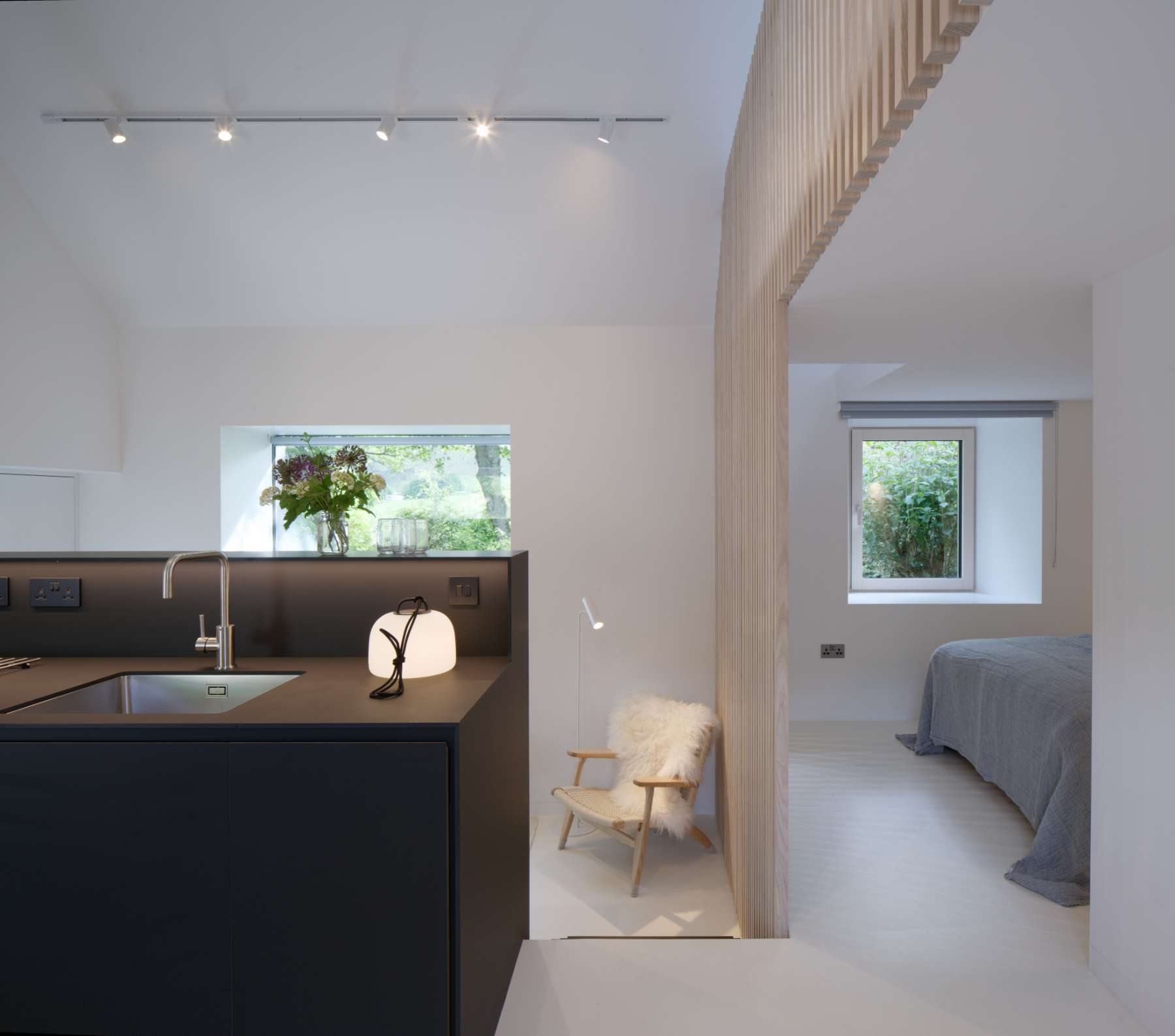 Cartshed
A day we have planned, with the drives worked out.
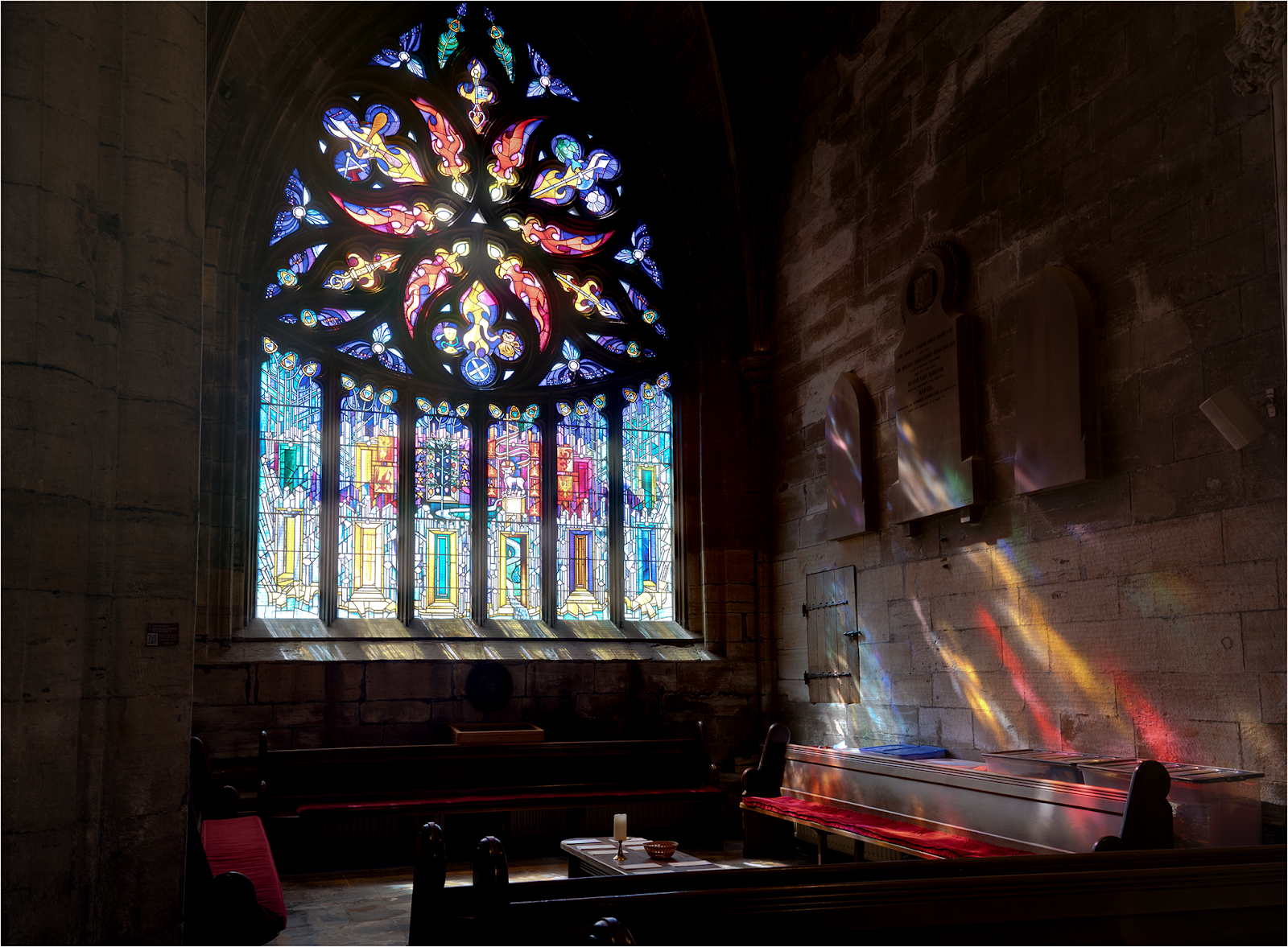 01St Michael's Parish Church20 min by road02The Kelpies15 min by road
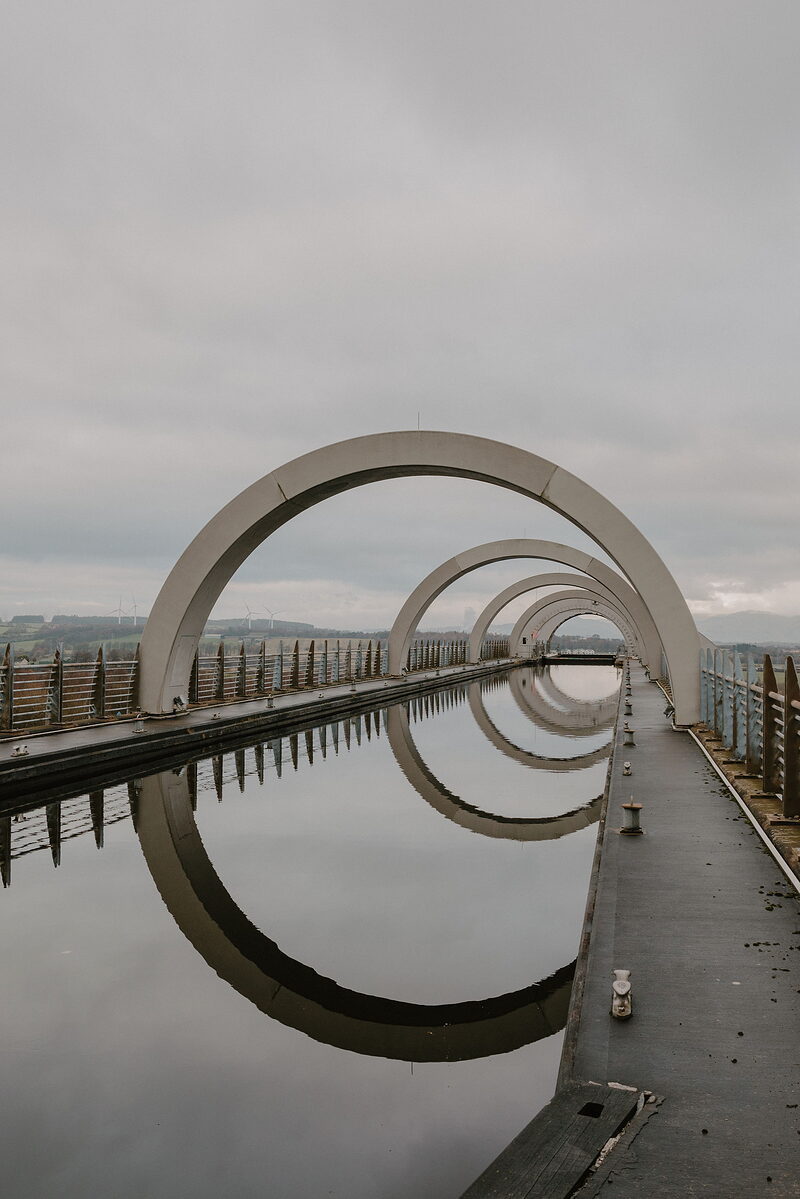 03The Falkirk WheelThe end of the day
Every photograph commissioned, every word written by somebody who went. Printed twice a year, made in Scotland.
For further reading, before you go.